
Free bill analysis - bring a power bill, get the production math for your actual roof, panel brands like Qcells and REC compared side by side
If the pitch starts at your door and ends with "sign tonight for the special," sleep on it. The sun will still be there tomorrow; so will we.
 Before
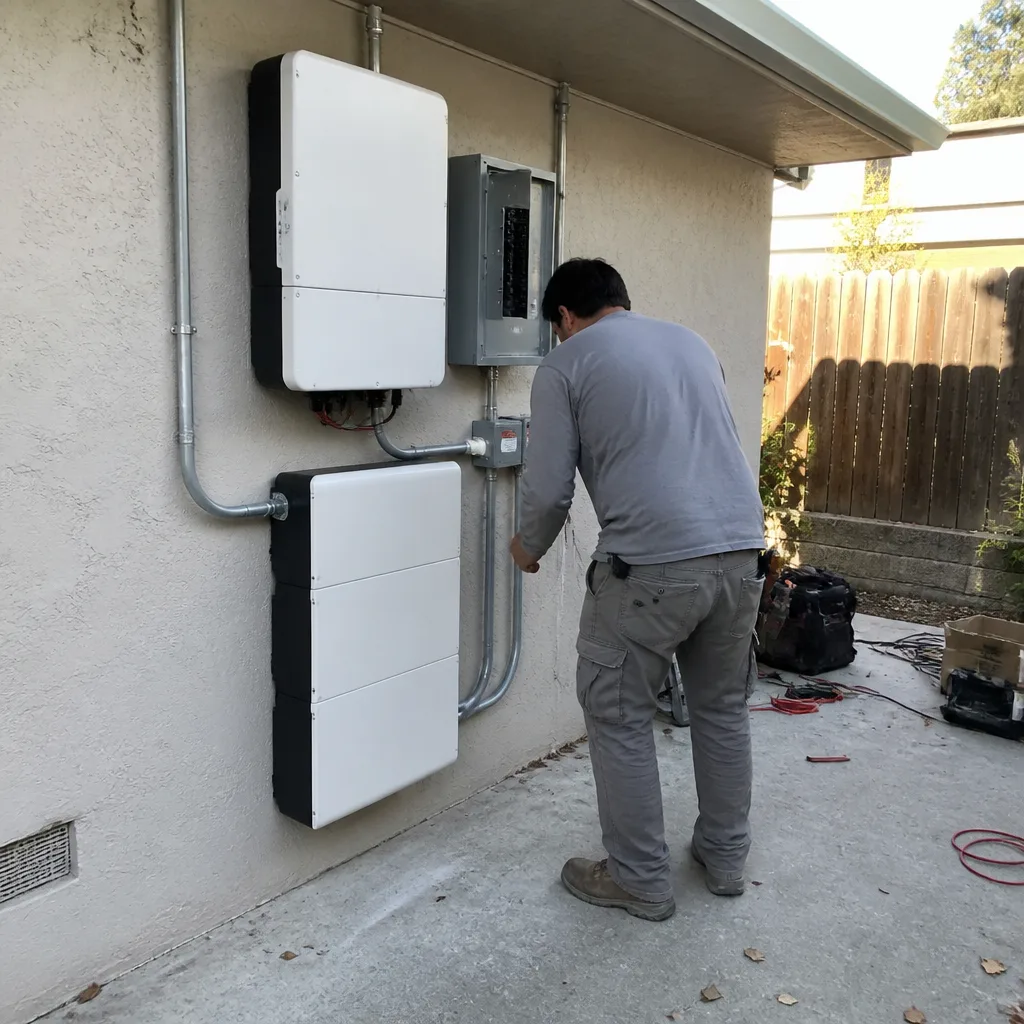 After
After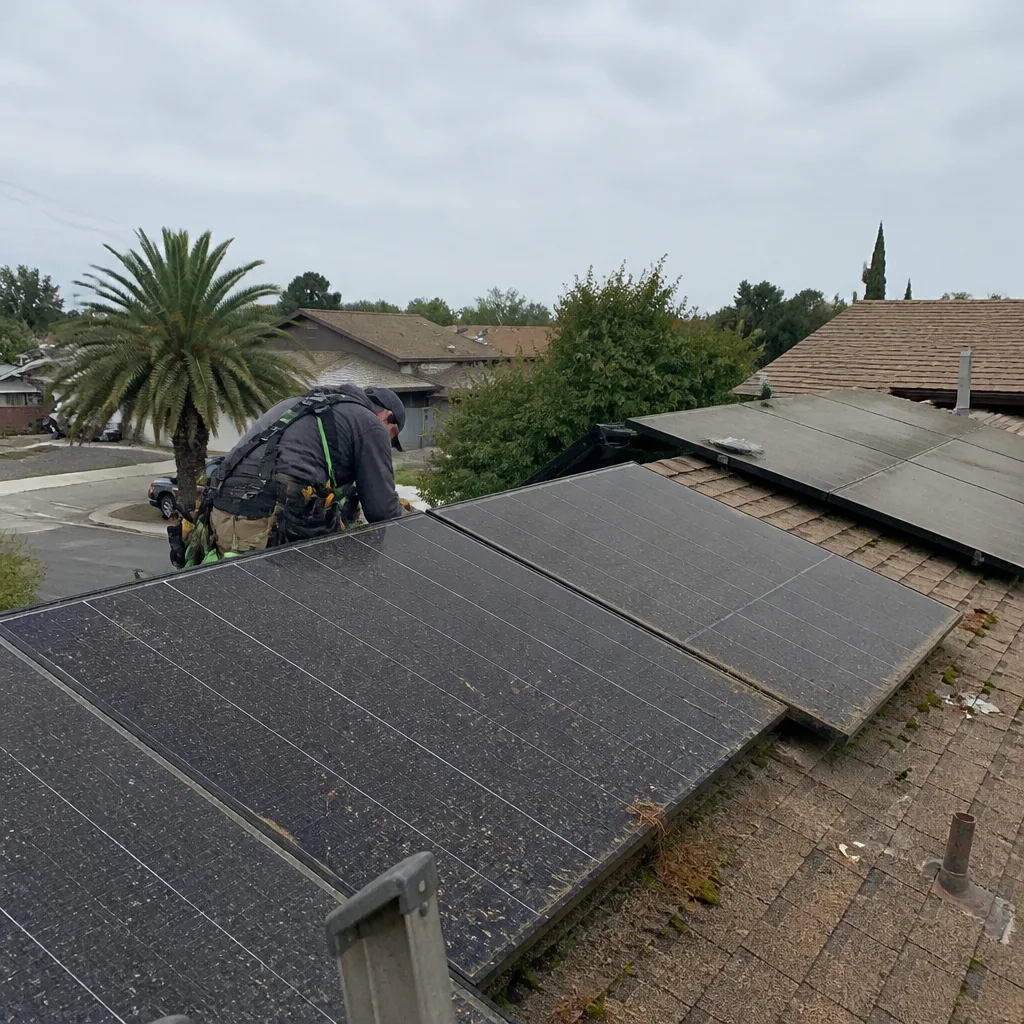 Before
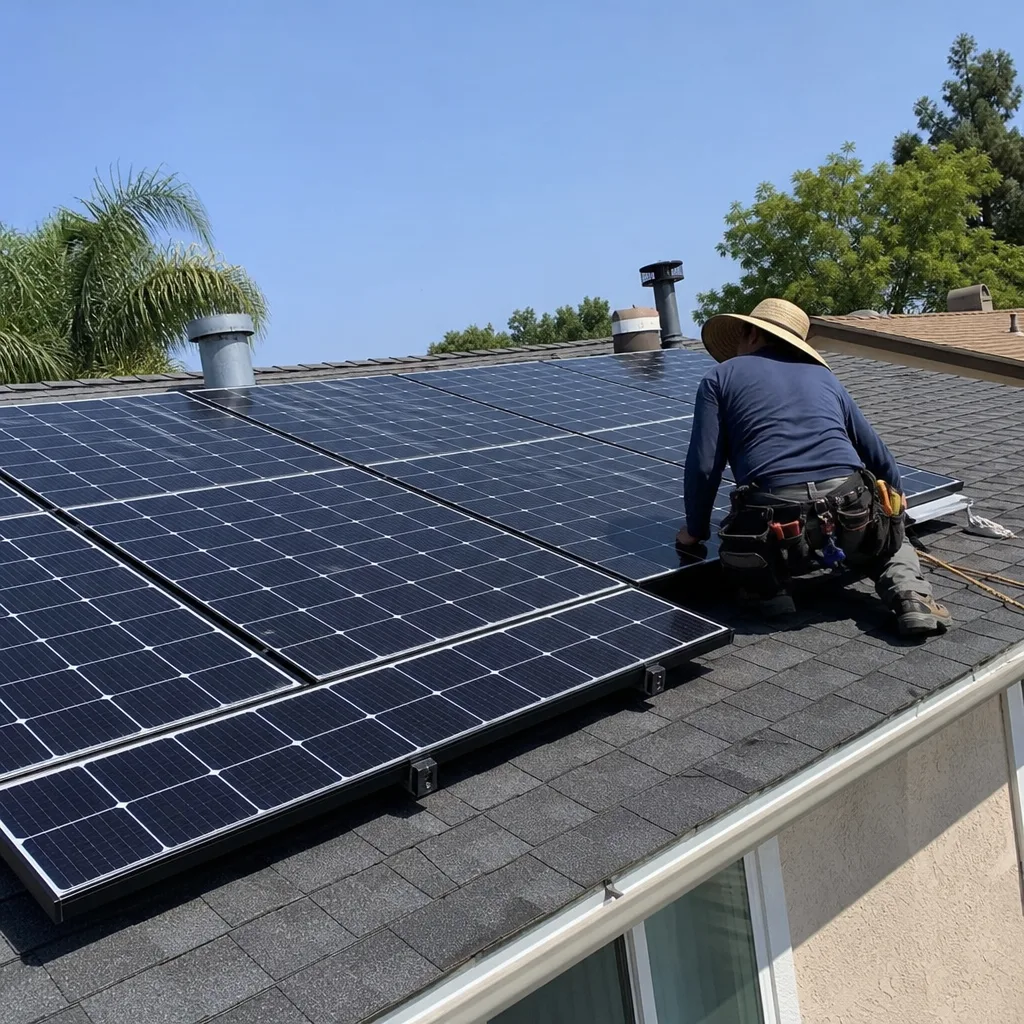 After
After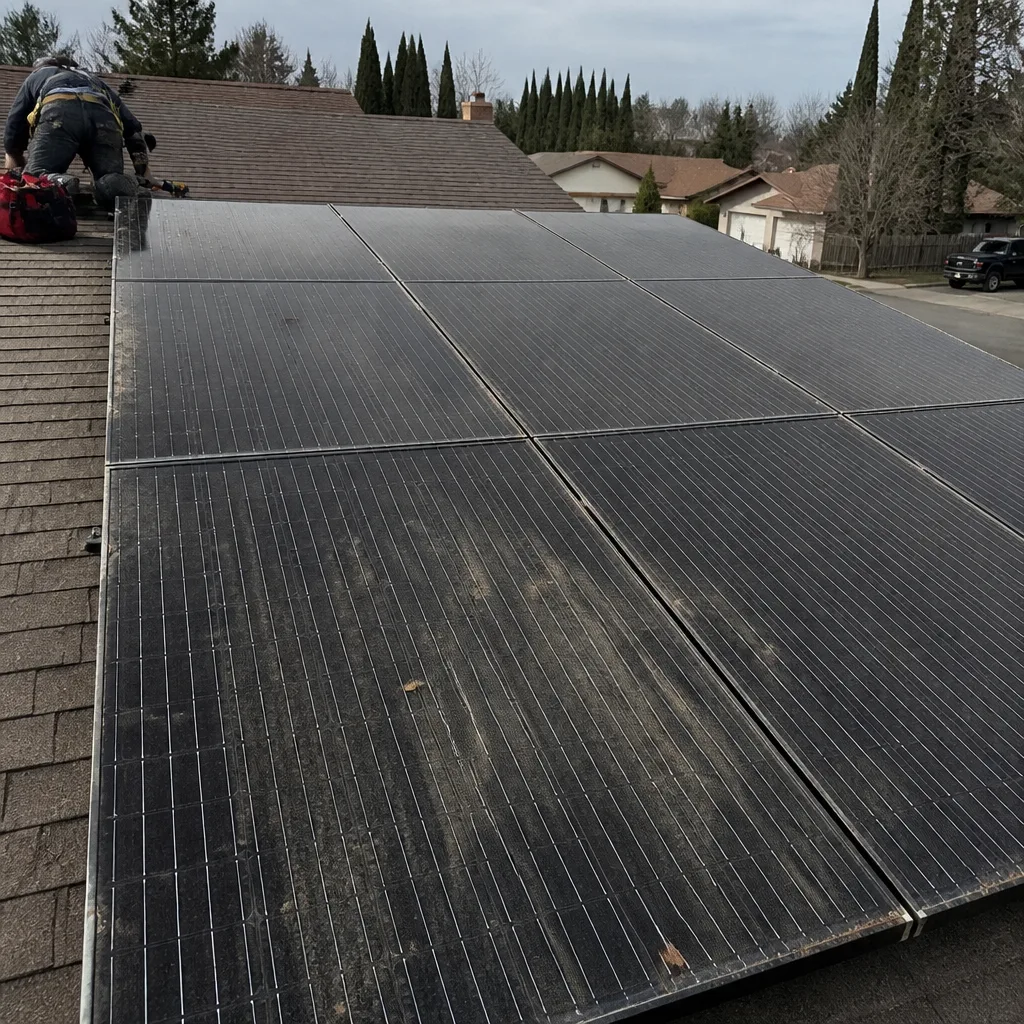 Before
 After
AfterFast, Reliable Commercial Solar Installation Across Mission District
Commercial solar installation in Mission District runs $2.75-$3.40 per watt for most flat-roof and warehouse projects, and a typical 50 kW system lands between $95,000 and $140,000 before incentives. That’s the honest number. The Mission’s fog shadow east of Twin Peaks gives 94110 addresses roughly 15% more annual peak sun hours than the Sunset or Richmond two miles west, which means production estimates here routinely beat what a generic SF calculator would show. But the building stock changes the job: century-old flats, 60-amp panels, SF Planning rear-roof rules, and tenant-paid utility bills all shape how the work gets done. Call (877) 550-6892 and we’ll walk your actual building’s numbers, not a brochure estimate.
Why Gus’s Solar Is Mission District’s Preferred Commercial Solar Installation Company
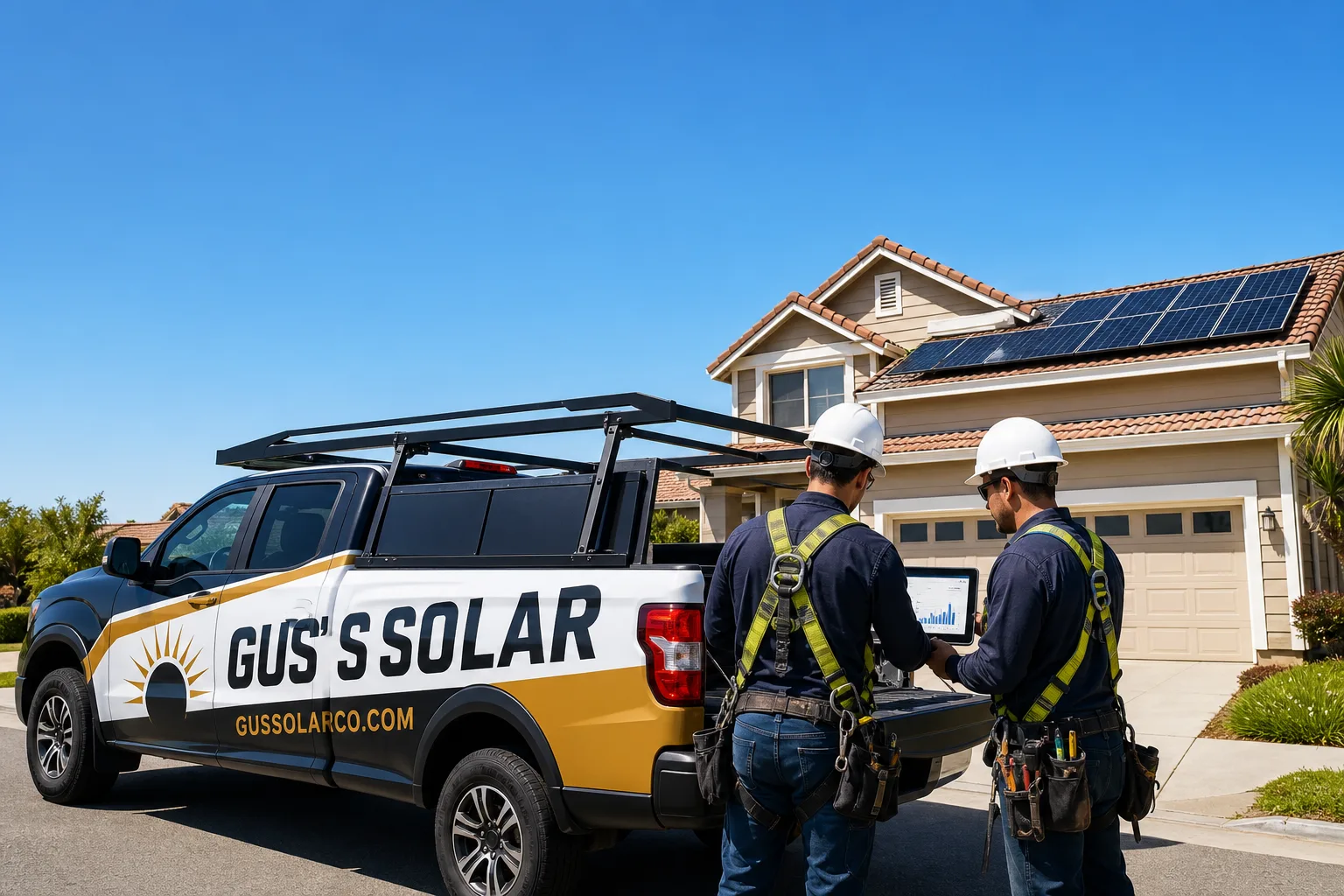
Gus Petrakis started this shop in 2011 and he still answers the phone himself. When a Mission District landlord calls about a flat on Valencia or a warehouse off Cesar Chavez, Gus is the one who shows up to read the roof and the utility bill. You won’t get a rotating cast of sales reps or a call center three states away. You get the name on the truck.
The Mission is its own solar market. It’s not like Noe Valley where single-family Victorians dominate, and it’s not like Chinatown’s dense commercial corridors. The Mission’s mix of two-to-four-unit flats, ground-floor retail, light warehouses, and the occasional newer mixed-use building means every job involves ownership questions, planning rules, and PG&E tariffs that a generic installer from out of town will fumble. We don’t. We’ve structured arrays under Virtual Net Metering, we’ve done main panel upgrades on 1912 Edwardians, and we know which rear roof slopes actually catch sun behind a parapet.
Every commercial job carries the 90-Day Done Right Promise in writing. If something isn’t right, Gus comes back and makes it right. One call. That’s the whole warranty conversation. And if you call at 2 a.m. with a system alarm, a live person answers. Not a voicemail. Not a ticketing queue.
Local roots, on time, community first, accountable, loyal. That’s the L.O.C.A.L. code we work under, and it’s not a marketing slogan. It’s the reason a landlord on Shotwell Street can walk into our office and talk to the same person who climbed onto the roof three years earlier.
Our Commercial Solar Installation Services in Mission District
Commercial Rooftop Solar
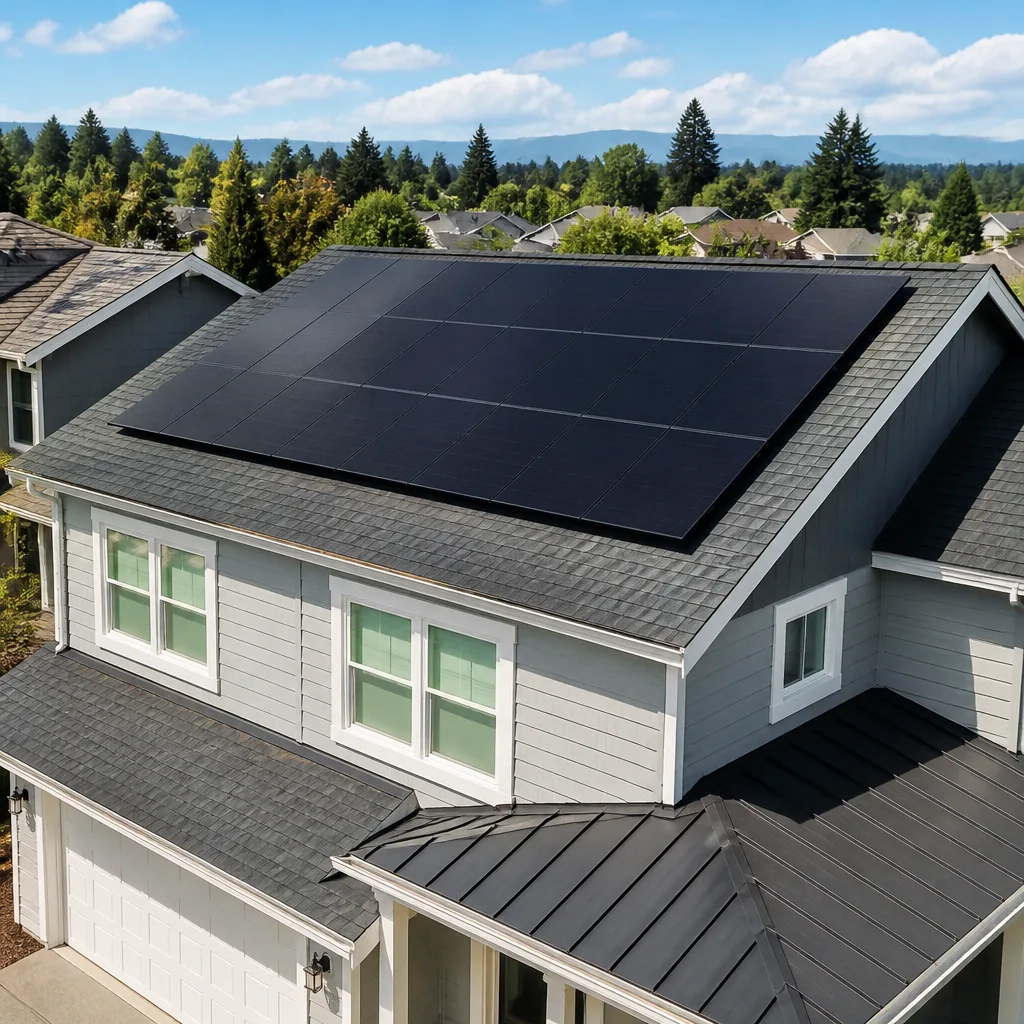
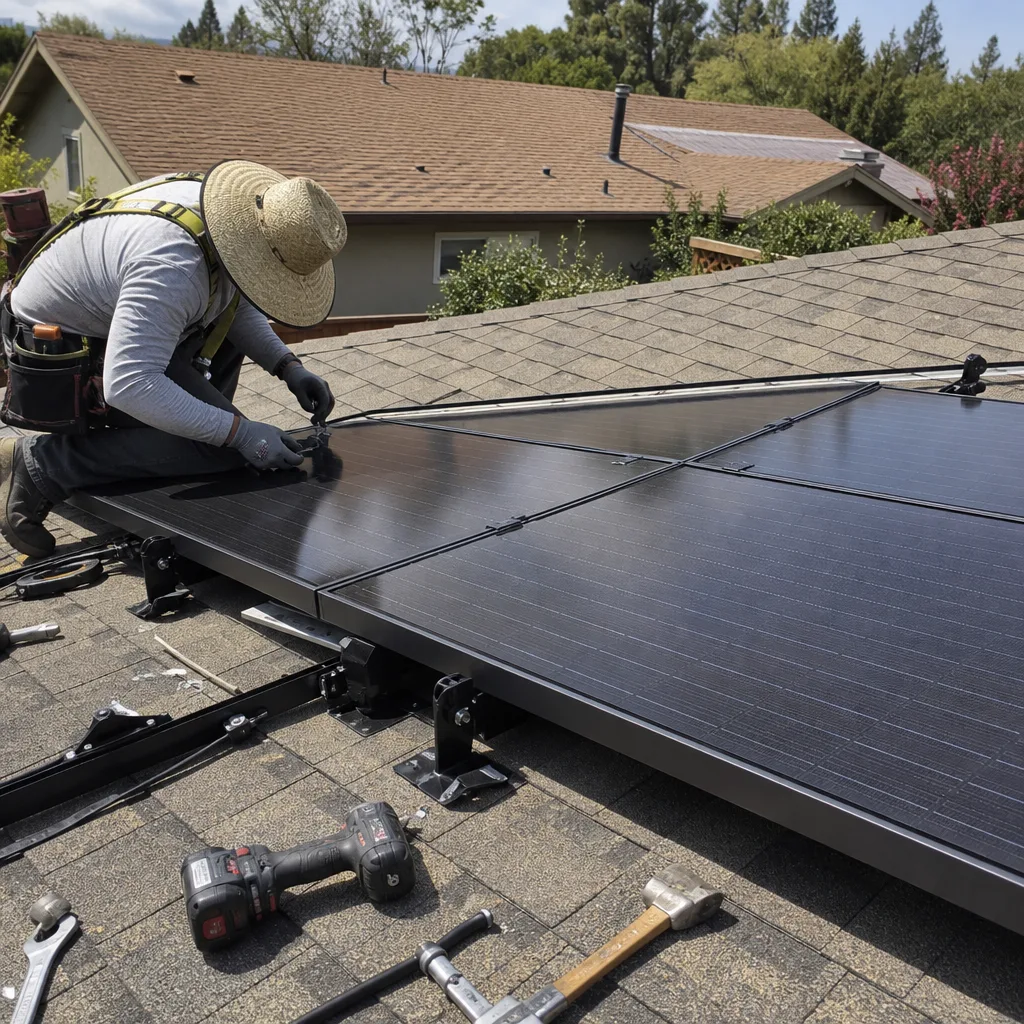
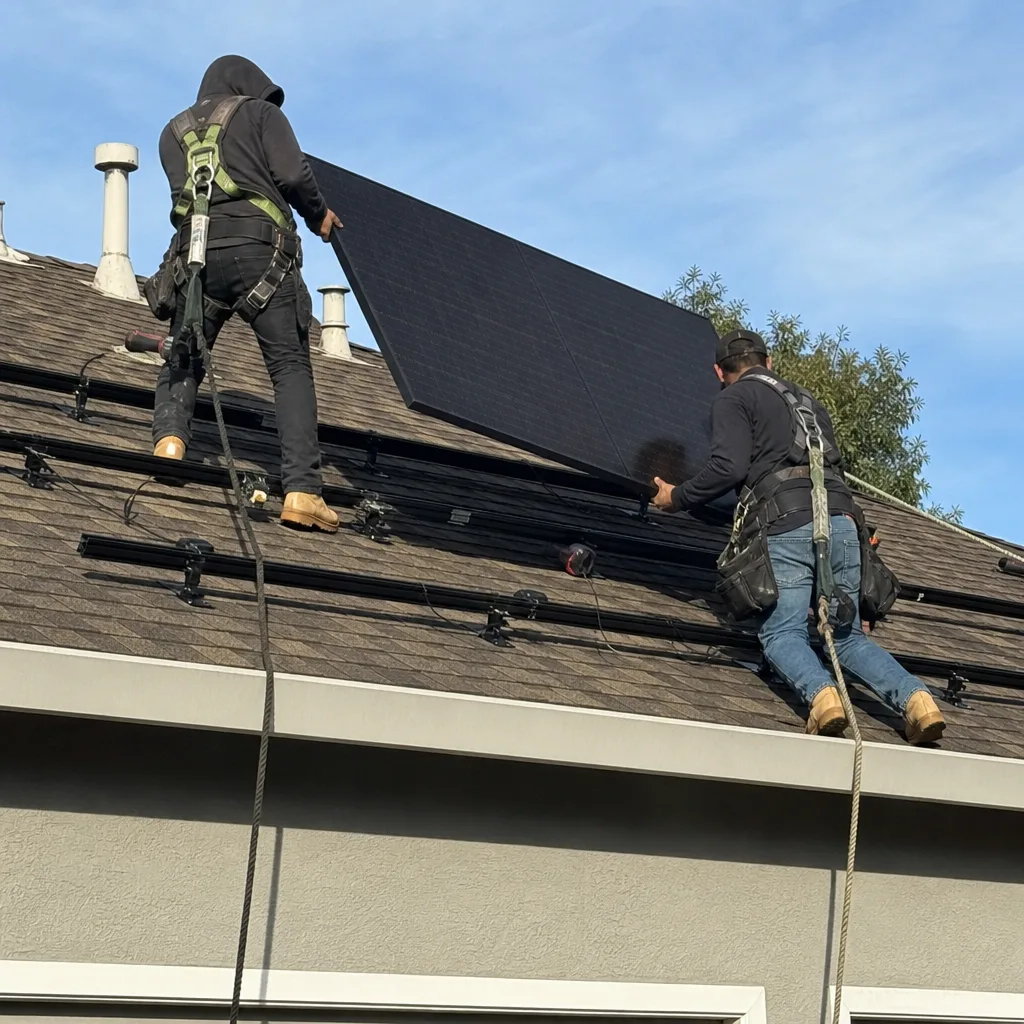
Most Mission District commercial rooftops are flat or low-slope membrane roofs on buildings from 1890 to 1930. That old structure actually works in your favor for solar: we ballast or mechanically attach racks without penetrating the roof more than code requires, and we flash every penetration properly. The bigger issue is the street-facing parapet. SF Planning’s design review effectively forces array placement to rear roof sections, so we model the rear roof’s exact azimuth and tilt before quoting anything. A rear roof facing southwest off Mission Street might produce 85% of what a full-roof layout would. You need to know that before you sign, not after.
Warehouse & Industrial Solar
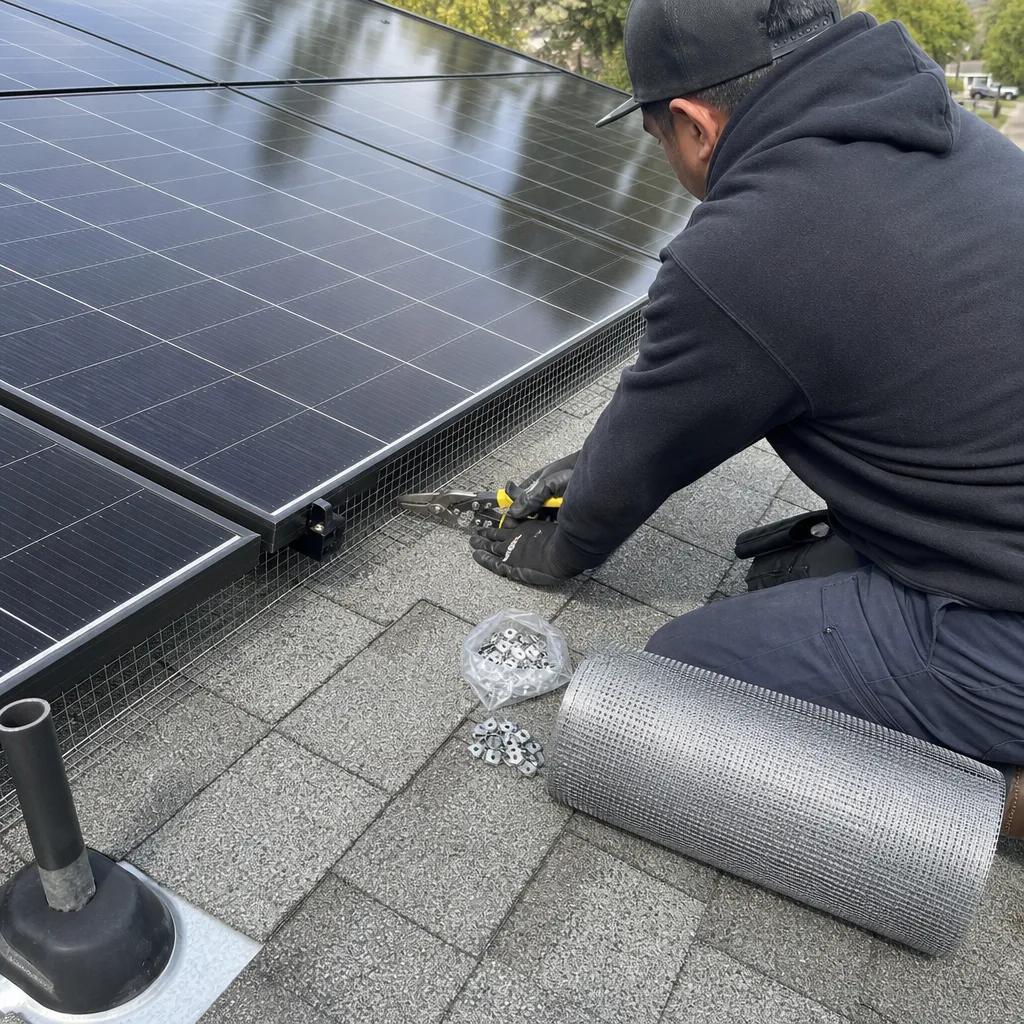
Warehouses along Shotwell, Folsom, and the industrial pockets near Potrero give us the best solar real estate in the Mission: broad roof decks, minimal parapet drama, and heavier electrical service. A 30,000-square-foot warehouse roof can carry a 150-250 kW array without blinking. What usually needs attention is the service entrance: many of these buildings still run original 200-amp gear that predates modern solar interconnection standards. We’ll tell you if you need a service upgrade and budget it up front. We won’t discover it mid-install and hand you a change order.
Solar Carport Installation
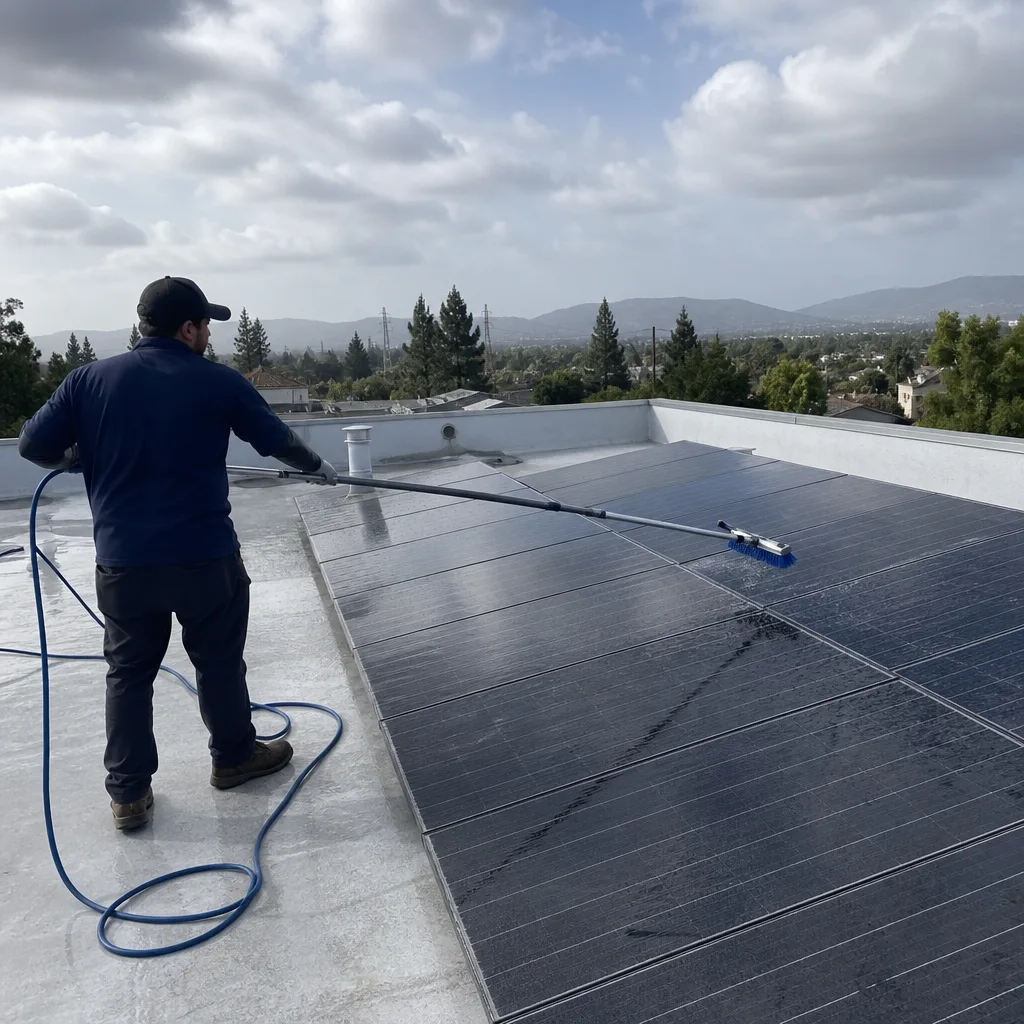
Parking is tight in the Mission, which means carports and canopy structures earn their keep. A commercial carport array over a 10-space lot off Guerrero or Valencia doubles as shade and revenue. Structurally, we engineer for the Mission’s specific wind and seismic loads, and we handle the permitting drawings SF Planning wants to see. These projects take longer than rooftop work because of the structural review, but the numbers work: a 40 kW carport can offset most of a small commercial building’s daytime draw.
Commercial Battery Storage
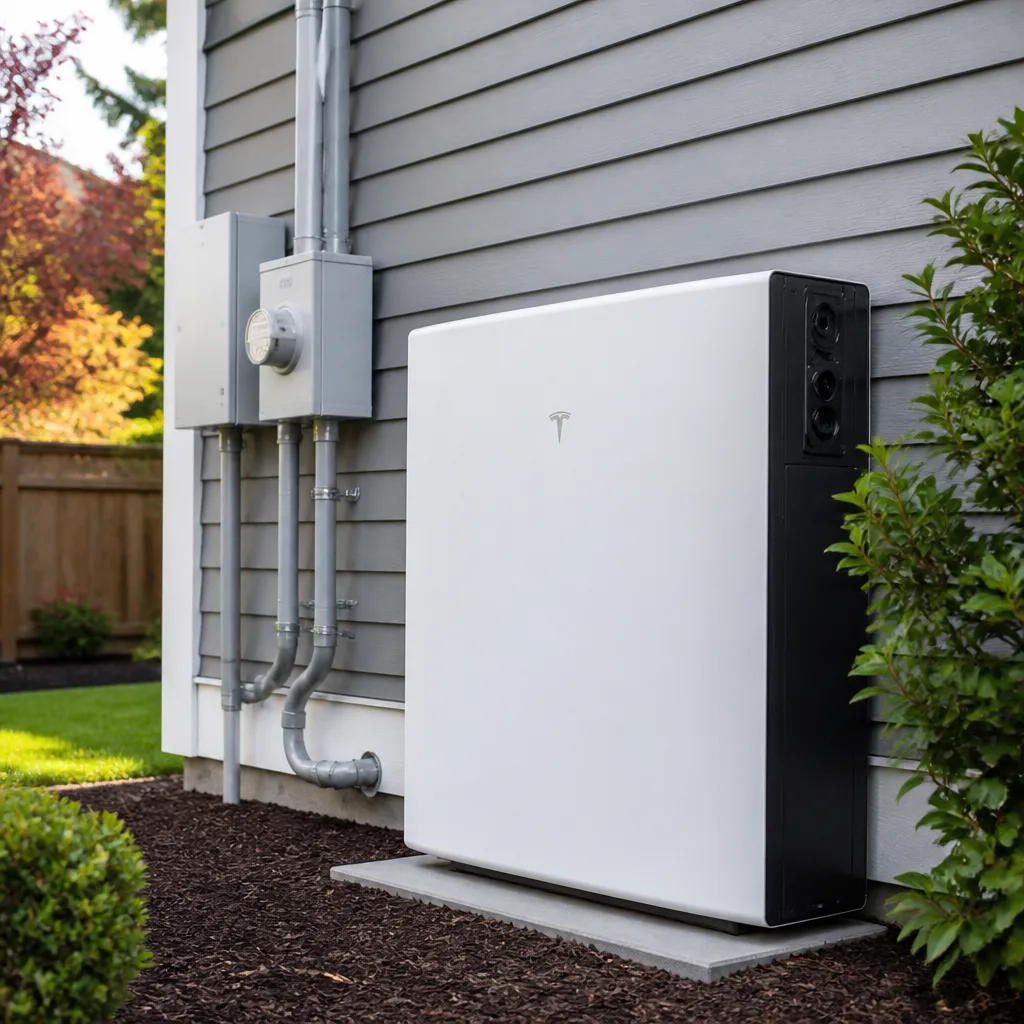
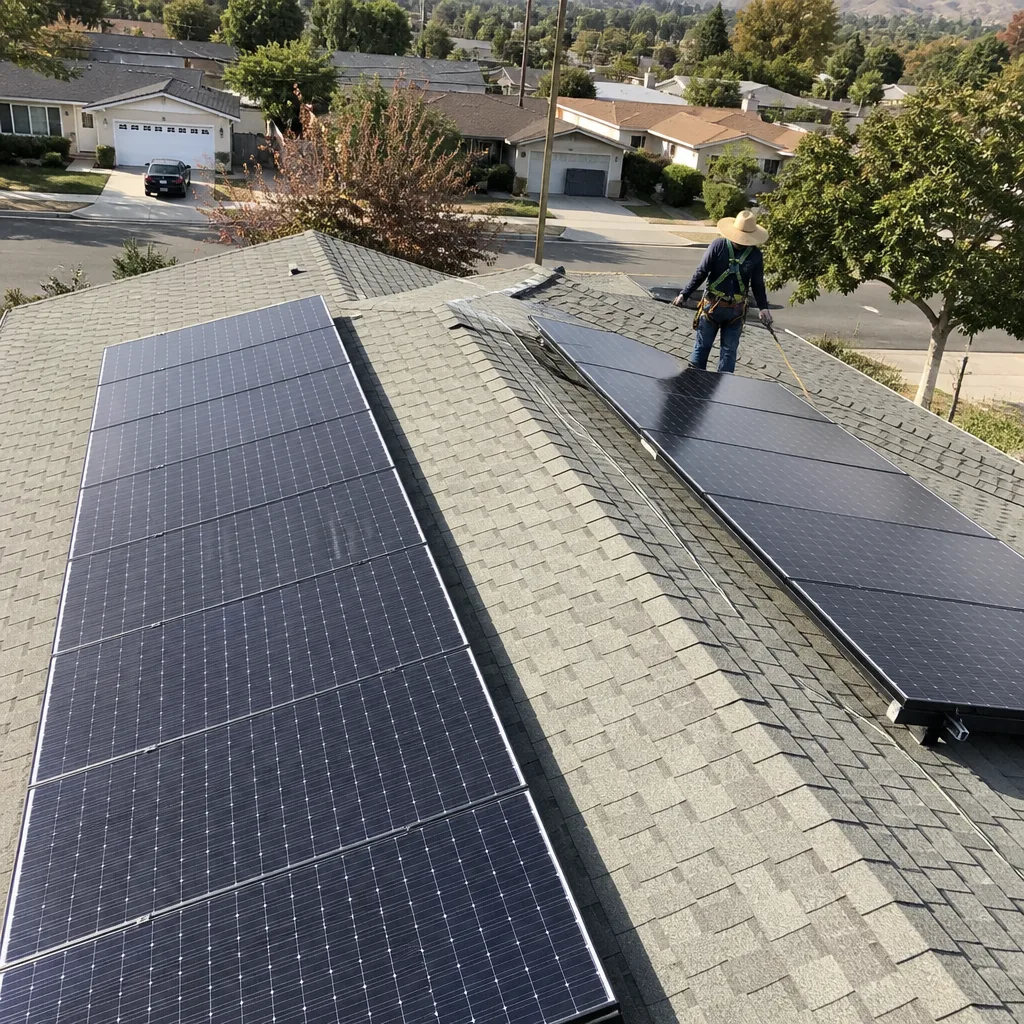
This is where the Mission gets interesting. Because so many buildings here are multi-unit rentals with tenants paying their own bills, battery storage under California’s SGIP incentive changes the economics entirely. We pair FranklinWH or Tesla Powerwall systems with virtual net metering so tenants get their credits and the landlord gets backup resilience plus demand charge savings. On a recent Guerrero Street flat, the battery and VNEM structure together turned a marginal solar project into a 4.9-year payback. We’ll show you the math on your actual bill.
Our Commercial Solar Installation team handles all of it: design, permitting, main panel upgrades, interconnection paperwork, and the physical install. One crew. Our crew. Background-checked, uniformed, and local to the Bay Area.
What happens when you call
- 1
A real person answersNo phone trees - you reach a local pro.
- 2
You get an upfront price rangeHonest numbers before anyone is dispatched.
- 3
A background-checked tech heads outLicensed & insured, dispatched right away.
- 4
You approve before work beginsNothing starts until you say go.
Trusted Brands We Service in Mission District
We stock and service equipment from Panasonic, Canadian Solar, and Qcells for Mission District commercial jobs, paired with Enphase microinverters on most flat-roof systems. For battery storage we work with FranklinWH and Tesla Powerwall. Why does brand matter for a Mission roof? Because the fog shadow cuts two ways: you get more sun, but you also get morning marine layer that lingers longer on the east slope. We spec panels and inverters that perform in partial morning haze and full afternoon sun, rather than whatever a distributor has on sale. If you already have equipment from a previous install that’s underperforming, we service it too.
Common Commercial Solar Installation Problems We See in Mission District Homes
- Undersized 60-100 amp panels trip main breakers when inverters fire up. Most Mission flats built between 1890 and 1925 still carry original or early-upgraded electrical service. When our inverters sync to the grid, the inrush can trip an old main faster than you’d believe. We catch this during the site survey and schedule the main panel upgrade before installation, so you’re not dark for a week mid-project.
- Street-facing parapet design review blocks the sunny front roof. That ornate parapet facing Valencia or Mission Street looks great and kills your best solar exposure. SF Planning’s rules force arrays to rear roof sections, which can halve usable square footage. We model the rear azimuth precisely, and sometimes we find a rear slope that outperforms the front because of afternoon reflection off nearby buildings.
- Multi-unit ownership without Virtual Net Metering stalls interconnection. Landlord owns the roof. Tenants pay the bills. Without VNEM structured properly, PG&E won’t allocate net metering credits to individual tenant accounts, and the landlord’s return collapses. We set up the VNEM allocation before we file the interconnection application. It’s routine for us in 94110, and it’s the thing out-of-town installers miss most often.
- Old roof membranes and flashing fail where racks penetrate. A 1912 Edwardian’s roof has been patched, re-coated, and patched again. Cutting into it for solar mounts without knowing the roof’s history is how you get leaks in January. Our crew assesses the membrane condition and works with your roofer if needed. On Guerrero Street we’ve seen everything from original tar-and-gravel to modern TPO. We flash for what’s actually up there, not what the spec sheet assumes.
Pricing for Commercial Solar Installation in Mission District, CA
Here are straight numbers for Mission District commercial work. A small commercial rooftop system of 15-25 kW runs roughly $41,000 to $85,000. A mid-size warehouse or light industrial array of 50-100 kW lands between $95,000 and $290,000. A commercial carport with 30-60 kW of capacity typically costs $65,000 to $180,000 depending on structural complexity. Commercial battery storage adds $12,000 to $45,000 per unit depending on capacity and brand.
What moves the price in the Mission specifically: whether you need a main panel or service upgrade, whether SF Planning requires rear-roof-only placement, whether your building qualifies for VNEM, and whether the roof membrane needs repair before we mount anything. We’ll give you a line-item quote built off your actual utility bill and your actual roof. Bring me a bill, I’ll bring you the math. Take two weeks. Think about it. The price will be the same. Call (877) 550-6892 for a free estimate and a written proposal.
We Also Serve Cities Near Mission District
Gus’s Solar handles commercial work throughout Mission District and the surrounding neighborhoods, including Noe Valley, Visitacion Valley, Chinatown, and broader San Francisco. If your building sits on the edge of 94110 or just over the line, we still cover it. The same crew, the same warranty, the same live-answer phone line. Call and ask.
Serving Mission District, CA - Our Local Coverage Area
We’re based in the Mission District area and know this community well. Use the map below to see our service coverage - if you’re nearby, we can almost certainly help.
FAQs - Commercial Solar Installation in Mission District
Most commercial flats and older buildings in the Mission were built between 1890 and 1925 with 60-amp or 100-amp service, and PG&E requires adequate service capacity before approving solar interconnection. The panel upgrade cost runs $3,500 to $6,500 for a typical flat building, and we include it in the quote up front. Call (877) 550-6892 for an exact read on your building’s service.
Usually no. SF Planning’s design review guidelines protect street-facing parapets and facades on Mission District Victorians and Edwardians, which means arrays must go on rear roof sections. The rear roof can still produce strong numbers if the azimuth is right, but you need an installer who models it honestly. We’ll tell you the rear roof’s real production before you spend a dollar.
It works through PG&E’s Virtual Net Metering (VNEM) tariff, which allocates solar credits to individual tenant utility accounts rather than a single building meter. The landlord owns the array and gets the tax benefits and depreciation, while tenants see the bill credits. It’s the standard structure for multi-unit Mission flats, and we’ve set up dozens of them. Call for the full walkthrough.
Yes. The Twin Peaks ridge blocks the marine fog layer that blankets the Sunset and Richmond, giving 94110 addresses roughly 15% more annual peak sun hours than neighborhoods two miles west. It’s a measurable microclimate advantage, and we document it in every production estimate so your numbers reflect reality, not a generic SF average.
For most Mission flat roofs with partial morning fog and strong afternoon sun, we recommend Enphase microinverters paired with Qcells or Panasonic panels. Microinverters handle partial shading from parapets and neighboring buildings better than string inverters, and they fail softer. If you have complex submetering with VNEM, microinverters simplify production attribution. Call (877) 550-6892 for a site-specific recommendation.
Written by Gus Petrakis, Owner at Gus’s Solar, serving Mission District commercial properties since 2011.