
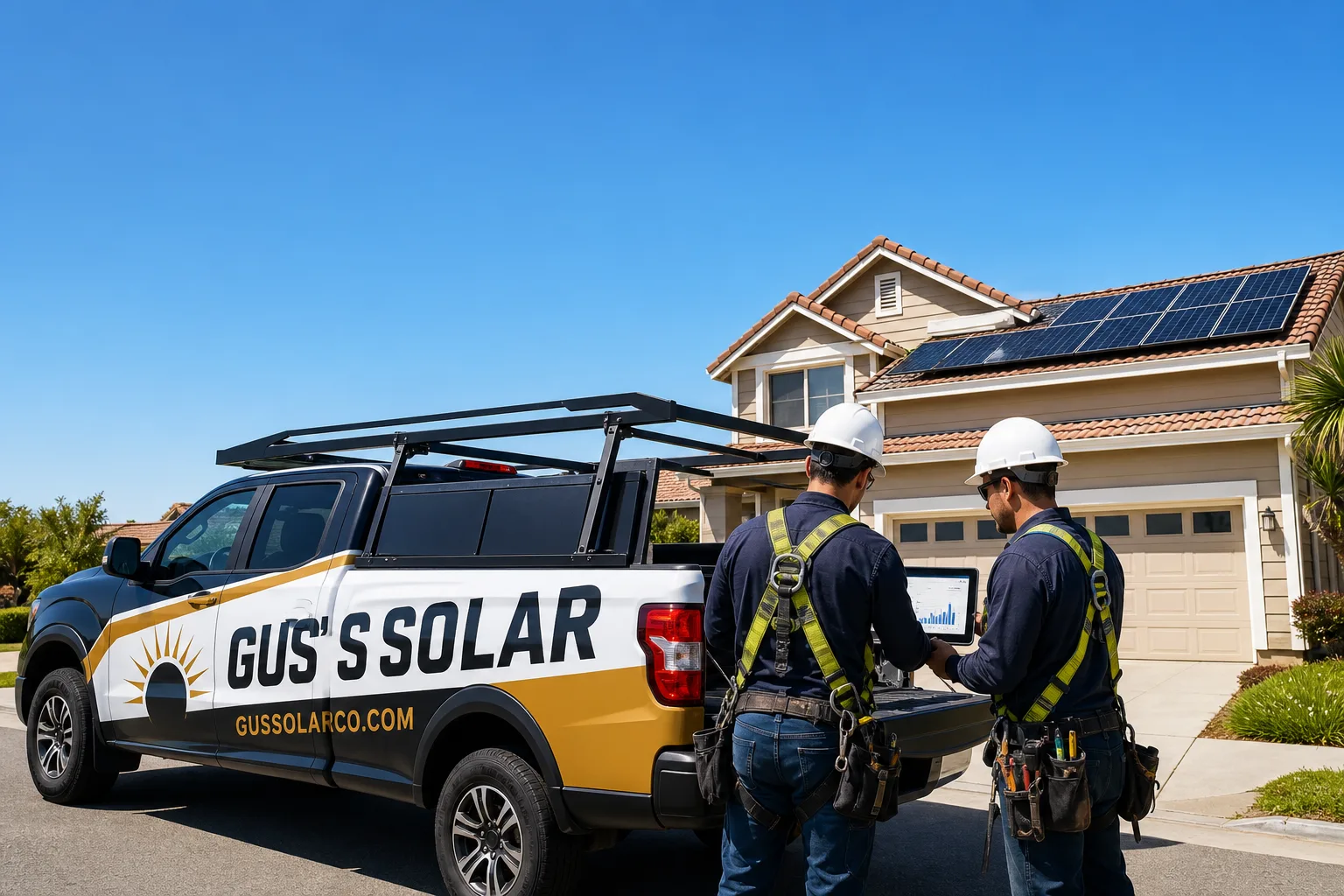
Free bill analysis - bring a power bill, get the production math for your actual roof, panel brands like Qcells and REC compared side by side
If the pitch starts at your door and ends with "sign tonight for the special," sleep on it. The sun will still be there tomorrow; so will we.
 Before
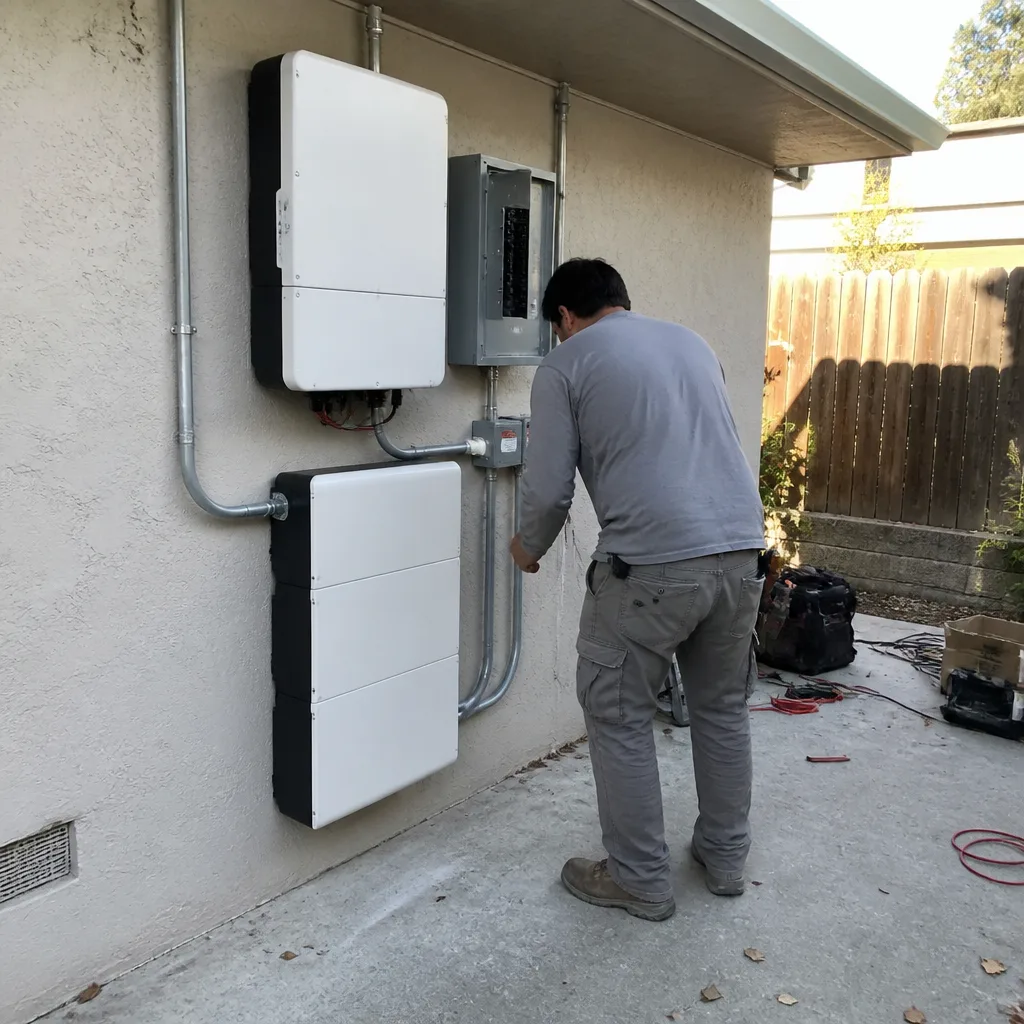 After
After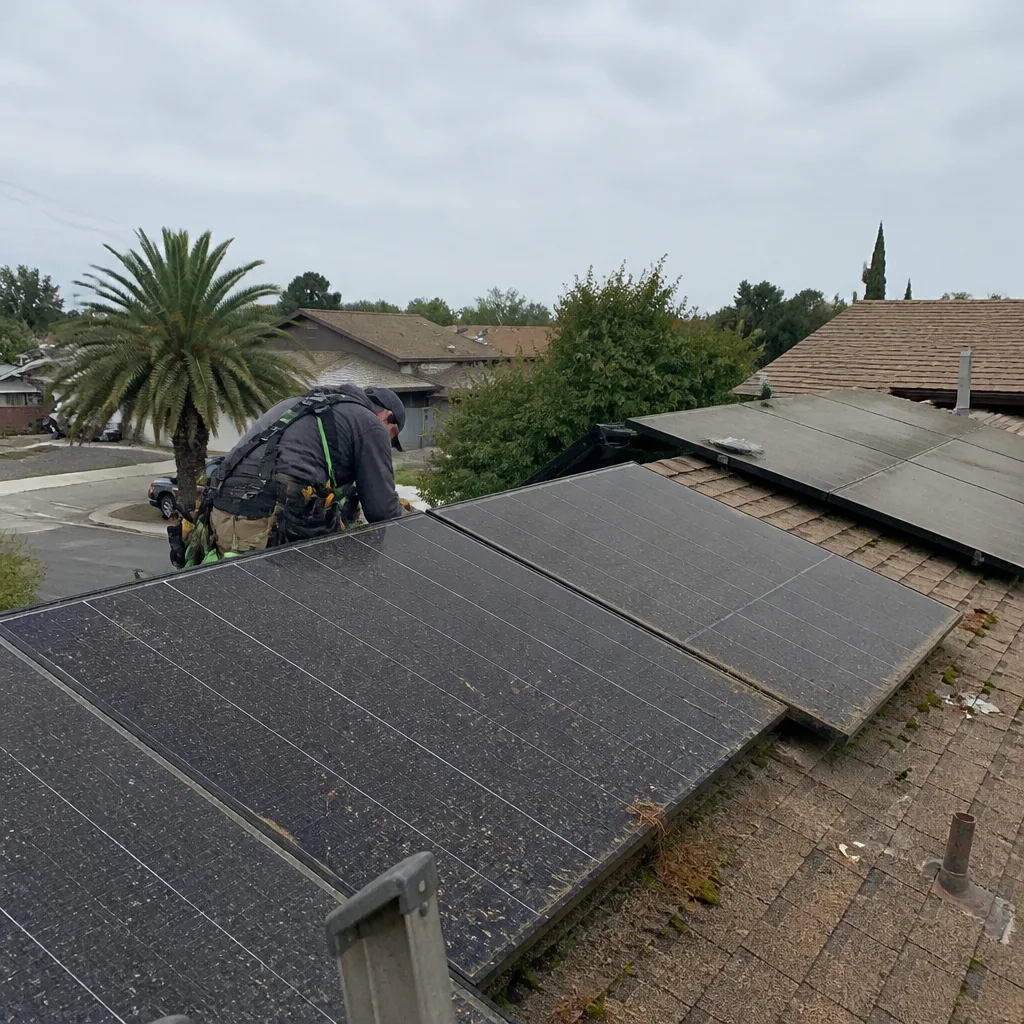 Before
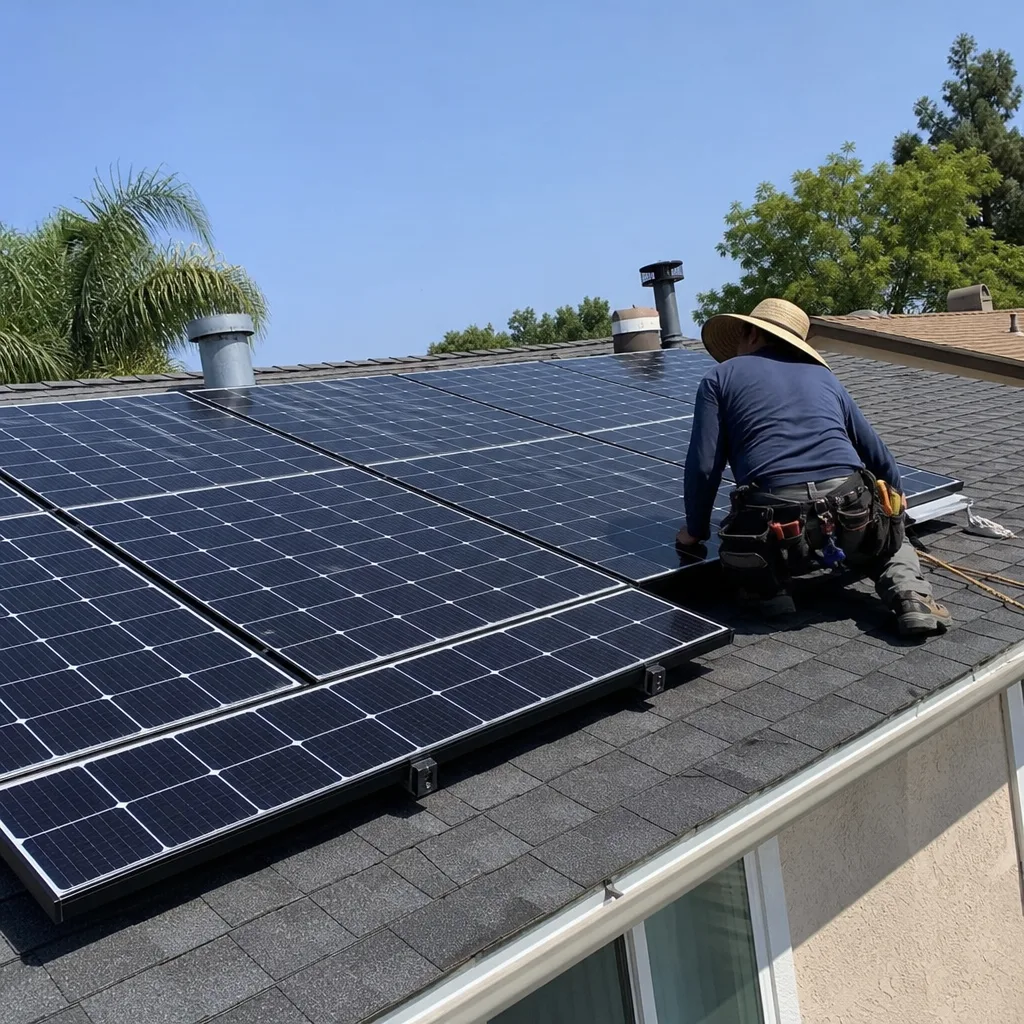 After
After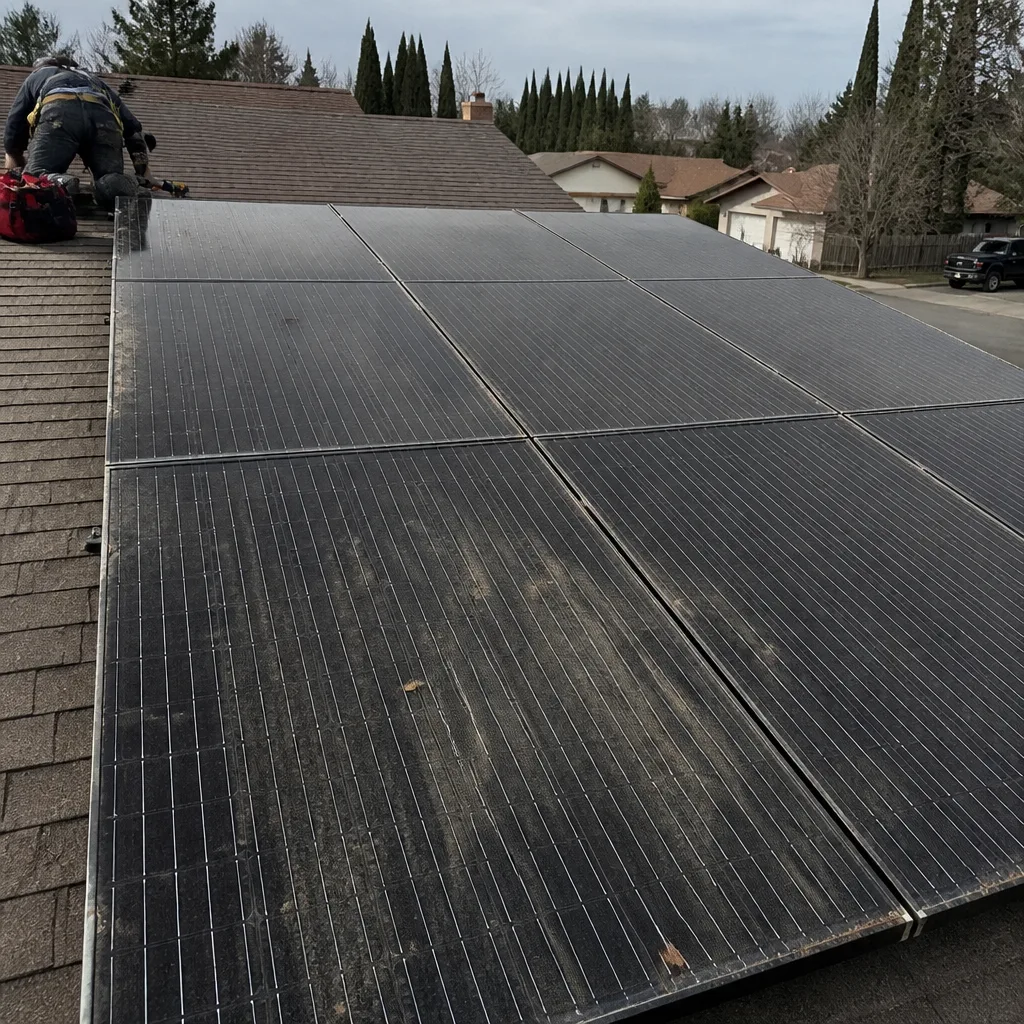 Before
 After
AfterFast, Reliable EV Charger Installation Across Mission District
EV charger installation in Mission District typically costs $1,400 to $4,800 depending on panel capacity, wiring distance, and whether your building needs a service upgrade. Most jobs take one day, and we’re usually at your Mission District door within 48 hours of your call. If you own a Victorian or Edwardian flat here, you’re likely looking at a panel upgrade before any charger goes in. Call (877) 550-6892 and we’ll walk you through exactly what your building needs.
We know Mission District buildings because we’ve worked on them for years. Narrow lots, rear garages off shared walkways, 100-amp panels from the 1920s, and PG&E interconnection rules that treat multi-unit buildings differently than single-family homes. None of this surprises us anymore. We show up, look at your panel, check the garage subpanel wiring, and give you a straight answer about what it’ll take to charge your EV at home.
Gus Petrakis runs this company. He answers the phone, he comes to Mission District himself on complex jobs, and his name is on every estimate. No door-knocking sales crew. No call center. Just a local shop that’s been doing electrical and solar work since 2011.
Why Gus’s Solar Is Mission District’s Preferred EV Charger Installation Company
Mission District homeowners call us because we understand what a 1905 Edwardian on Shotwell or Folsom Street actually needs. That’s not a brochure talking point. A shared service panel in a two-unit flat is completely different from a single-family home in the Sunset. We’ve done enough EV charger installs in 94110 to know what PG&E will flag, what San Francisco Planning will approve, and what wiring in a pre-1940 garage can actually handle.
Our Mission District customers talk. We get referrals from neighbors on Valencia and Capp Street because we show up on time, the price we quote is the price we charge, and we don’t leave until the charger is pulling the amps it’s rated for. Gus’s crew handles the work directly – background-checked, uniformed, and familiar with the quirks of Mission garages. No subs.
Response time matters when your car is your commute. We schedule Mission District jobs within 48 hours for most standard installs. Emergency panel work for a charger that’s tripping or faulting gets same-day or next-day attention. And calls are answered by a live person 24/7, not a voicemail queue.
Our EV Charger Installation team has handled everything from single-car garage chargers on Guerrero to full building retrofits with multiple charging points. We also serve the broader Mission District area, including neighboring blocks near Dolores Park and the 24th Street corridor.
Our EV Charger Installation Services in Mission District
Level 2 Charger Installation
Level 2 chargers are what most Mission District EV owners need – 240 volts, 30 to 48 amps, and a full charge overnight. In a Mission Victorian with a 100-amp main panel, we typically need to assess whether the existing service can absorb an additional 40 to 48 amps. Many can’t. That’s where the conversation starts, and we’ll tell you honestly if a panel upgrade is required before the charger goes in.
Panel Upgrade for EV Charging
This is the most common job we do in Mission District, and the one our competitors often skip past on the initial quote. A 100-amp panel from the 1920s or a 60-amp panel that’s somehow still holding on can’t legally add a 48-amp EV charger. PG&E won’t approve it, the load calculation won’t pass, and you’ll be tripping breakers on day one. We upgrade to 200 amps, pull the permit, and coordinate with PG&E on the service side so your charger is code-compliant from the start.
Tesla Wall Connector Installation
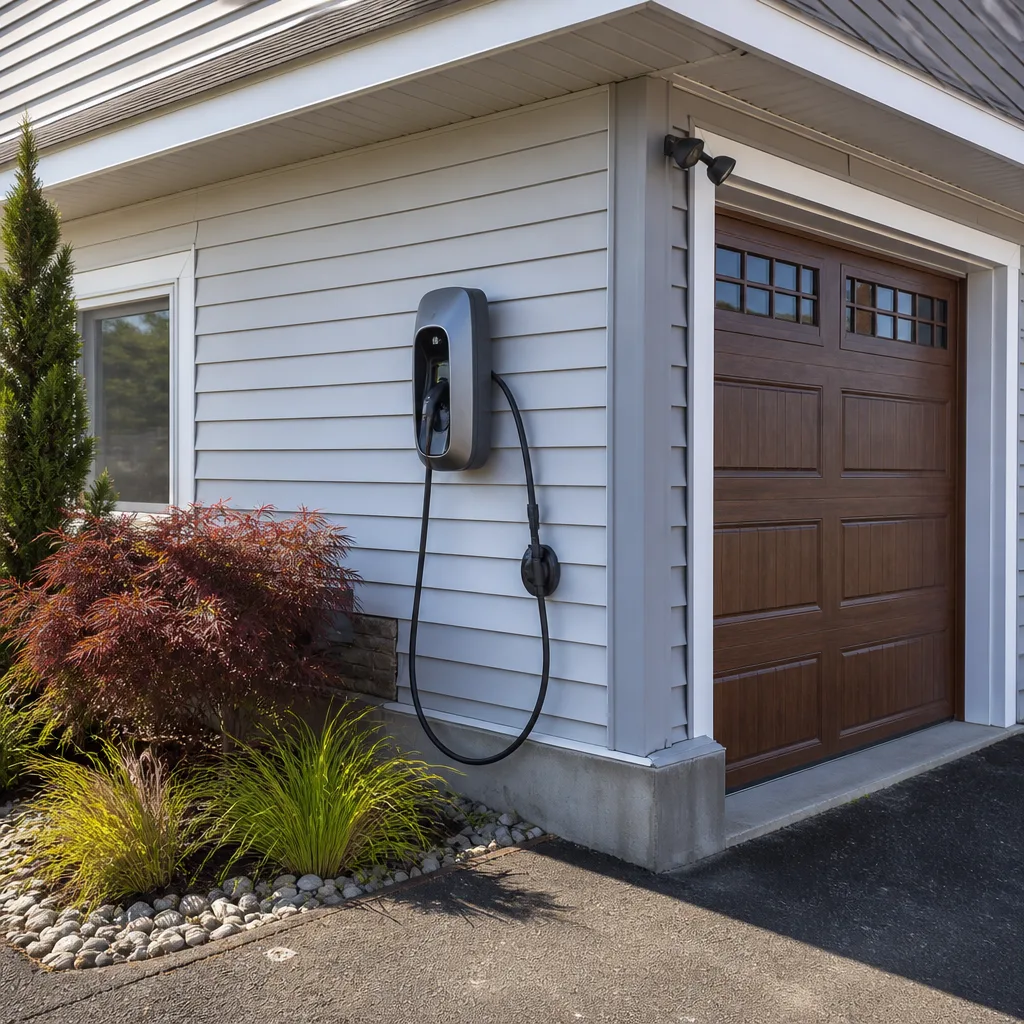
Tesla Wall Connectors are popular in the Mission, especially in rear garages off alleys and shared driveways. We install them on new dedicated circuits, set the internal dip switch to match your panel’s actual capacity, and mount them for clean, safe access in tight Mission garage spaces. If you’ve got a 1907-era subpanel with cloth wiring, we’ll tell you. That cloth insulation is a real fire risk at sustained 48-amp loads.
Garage & Driveway Charger Wiring
Mission garages are tight. Some sit behind the building on a narrow alley, some are carved into the ground floor with shared walls, and many have wiring that’s been patched together for decades. We run dedicated conduit from your main panel to the charger location – through rear walls, along shared walkways where needed, and always with proper weatherproofing for San Francisco’s damp, salt-heavy air. That corrosion from the Bay is brutal on copper terminals if they aren’t protected.
What happens when you call
- 1
A real person answersNo phone trees - you reach a local pro.
- 2
You get an upfront price rangeHonest numbers before anyone is dispatched.
- 3
A background-checked tech heads outLicensed & insured, dispatched right away.
- 4
You approve before work beginsNothing starts until you say go.
Trusted Brands We Service in Mission District
We install and service chargers from Tesla, ChargePoint, Enphase, Wallbox, and JuiceBox. For Mission District customers pairing solar with their charger, we work with panels from Qcells, REC, and Panasonic – three brands we’ve installed enough times on Mission rooftops to know how they handle partial shade and rear-roof placement. If you’re not sure which charger or panel brand fits your building, we’ll recommend based on your actual electrical setup, not what’s on sale this week.
Common EV Charger Installation Problems We See in Mission District Homes
- Salt-air corrosion inside charger junction boxes. We regularly open up charger enclosures in Mission garages and find green, corroded copper terminals within two to three years of install. The Pacific fog carries salt that eats connections, which is why we use sealed junction boxes and weather-rated connectors on every Mission District job. On foggy mornings, this corrosion often trips GFCI breakers, and you’re left with a car that didn’t charge overnight.
- Knob-and-tube remnants causing voltage drop under 48-amp charging. We see it constantly in 1890-1925 era flats: portions of knob-and-tube wiring or cloth-insulated circuits still live in the walls. Under a 48-amp charger pull, that wiring causes voltage drop that makes the charger derate to 24 amps or fault out entirely. You can’t just “add a charger” to that. It needs a new dedicated circuit, sometimes a panel upgrade too.
- Rear-roof solar arrays too small to offset EV load. SF Planning’s rear-roof solar placement guidelines limit how many panels a Mission flat can fit. If your array was sized before the EV arrived, it won’t cover the added charging load, and you’ll see $150+ PG&E true-up surprises at the end of the year. We calculate the actual panel count you’d need to offset your commute mileage, then tell you whether your roof can fit it.
- Shared 100-amp panels in multi-unit buildings. The Mission is dominated by 2-to-4-unit Victorians with one main panel serving the entire building. Adding a 48-amp charger to that shared service overloads the infrastructure and violates PG&E’s load rules. The fix is a panel upgrade plus, in most cases, Virtual Net Metering so each unit gets its fair credit. We structure these projects all the time on Shotwell, Folsom, and Harrison.
Pricing for EV Charger Installation in Mission District, CA
Here’s what Mission District homeowners can expect to pay in 2026:
- Standard Level 2 charger install with existing panel capacity: $1,400 to $2,200. Includes the charger, dedicated circuit, permit, and install.
- Tesla Wall Connector installation: $1,600 to $2,500. Slightly higher because the connector unit costs more, but the labor is similar.
- Panel upgrade to 200 amps with EV charger: $3,800 to $6,800. This is the big variable in Mission District. Older Victorians with difficult service locations push toward the higher end.
- Solar-paired EV charging setup (charger plus rear-roof array and VNEM): $9,000 to $22,000 before incentives. The range is wide because rooftop square footage and inverter choices depend on your specific building.
These are the numbers we build off your actual PG&E bill and a physical look at your panel. Not a brochure estimate. If you bring us a written estimate from another shop, we’ll give you a free second opinion. The price we quote is the price you pay. No pressure, no deadline to sign tonight. Take two weeks if you want. The number won’t change.
We Also Serve Cities Near Mission District
Our EV charger installation service covers the entire 94110 ZIP code and surrounding neighborhoods. Beyond Mission District, we regularly work in Noe Valley, Visitacion Valley, Chinatown, and across the city of San Francisco. If you’re just outside the Mission, call (877) 550-6892 anyway – chances are we already work in your neighborhood. Dispatch is coordinated from our San Francisco Bay Area office, and crews work locally in Mission District every week.
Serving Mission District, CA - Our Local Coverage Area
We’re based in the Mission District area and know this community well. Use the map below to see our service coverage - if you’re nearby, we can almost certainly help.
FAQs - EV Charger Installation in Mission District
That’s almost always moisture and salt corrosion in the junction box or a failing GFCI breaker reacting to San Francisco’s marine layer. The fog that rolls into the Mission from the Bay carries salt that settles on copper terminals inside charger enclosures. Over two to three years, those terminals corrode enough to leak a few milliamps of current, and the GFCI trips on cool, damp mornings when the air is saturated. We fix this with sealed weather-rated enclosures and replace corroded lugs as part of our standard Mission District install. If your charger is already tripping, call (877) 550-6892 and we’ll inspect the junction box and breaker before recommending a fix.
No. A 100-amp main panel serving a two-unit Mission Victorian cannot safely accommodate a 48-amp EV charger plus the existing building load. The load calculation fails, PG&E won’t approve the interconnection, and you’ll overload the shared service. What we do instead is upgrade the main to 200 amps, install the charger on its own dedicated circuit, and structure the solar under Virtual Net Metering so both units get credits. It’s more work and more upfront cost, but it’s the only way to do it legally and safely. Call (877) 550-6892 for a load assessment and a straight answer about your specific building.
This is one of the most common situations in Mission District because so many flats are rental units in multi-unit Victorians. The economics still work if you structure the project properly. The landlord installs the charger and solar array, PG&E’s Virtual Net Metering (VNEM) splits the production credits among the separately metered units, and the tenants who pay their own electric bills see a direct offset on their PG&E true-up. California’s SGIP battery incentive can add more value in these multi-unit setups. We’ve done this exact arrangement on Shotwell Street and throughout 94110. Bring us a bill and we’ll bring you the math, year-25 numbers, not a day-one brochure figure.
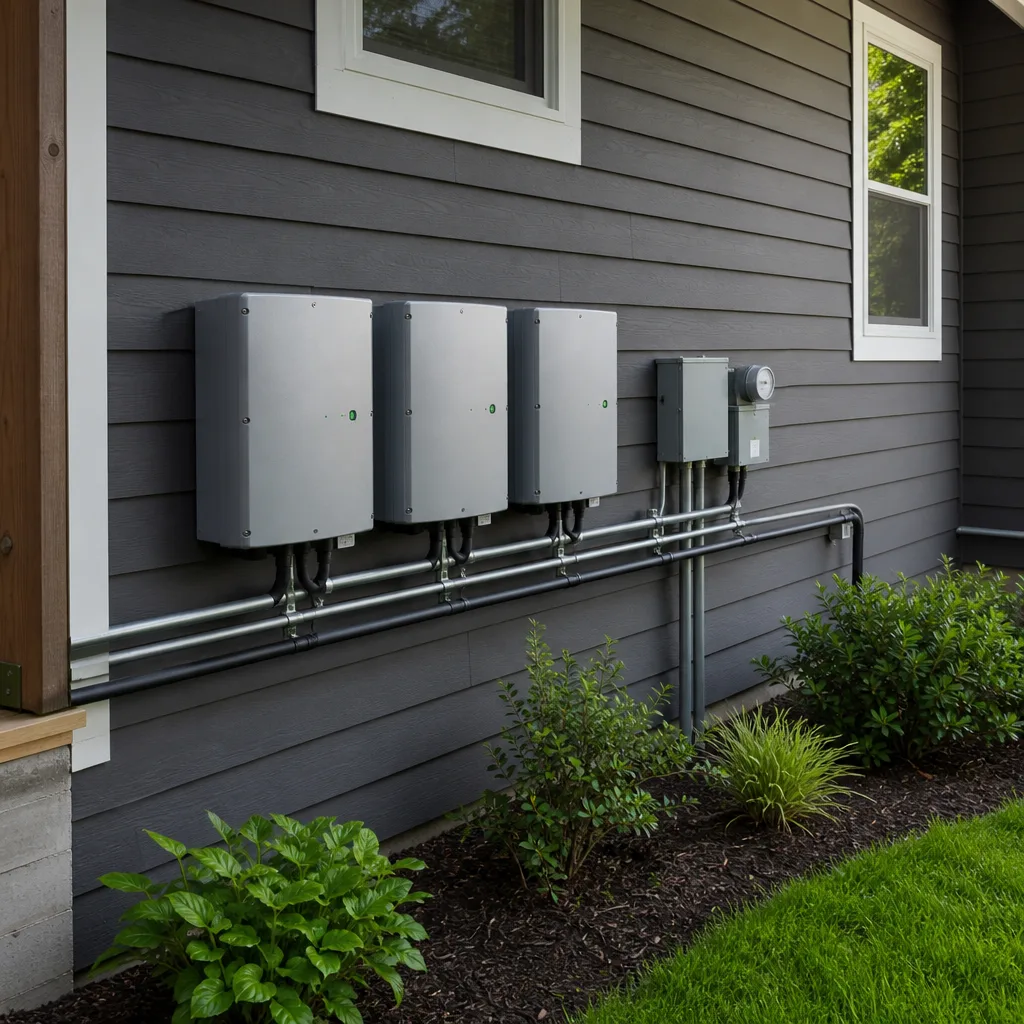
Yes, in most cases. San Francisco Planning’s design review guidelines push solar arrays to rear roof sections, which actually works fine for rear-garage EV setups because the inverter can be mounted near the garage service panel. The charger mounts inside the garage. The key is clearance: SF code requires specific working space in front of panels and inverters, and some Mission garages are so narrow that we have to mount the inverter on an exterior rear wall instead. We measure everything during the site visit and tell you exactly where each component will go before we pull permits. If your garage is unusually tight, it’s still doable – it just changes where the equipment lives.
Because the Twin Peaks ridge blocks the marine fog that blankets the Sunset and Richmond districts. The Mission sits in a fog shadow east of Twin Peaks, which means 94110 addresses get measurably more annual peak sun hours than most of San Francisco. That’s real data, not sales talk. It also means solar-paired EV charging works better here than people assume. If you’re comparing quotes from an installer who tells you solar is impractical in San Francisco, they’re not looking at your actual rooftop data. We document the Mission’s specific sun-hour advantage on every estimate, because it directly affects how much your array can offset your EV charging load.
In Mission District, a Century-Old Building Needs More Than a Charger
Here’s what we tell every Mission District EV owner who calls us from a Victorian or Edwardian flat built between 1890 and 1925: your building’s electrical backbone was designed for gas lighting and a few incandescent bulbs, not a 48-amp continuous load. The 100-amp panel in the basement was probably upgraded in the 1970s or 80s, and it’s doing everything it can just to power a modern kitchen. Adding an EV charger to that panel isn’t a simple install – it’s a building-wide electrical conversation.
Because most Mission flats are 2-to-4-unit Victorians with shared service panels and rear-roof solar, pairing the charger with a main panel upgrade and Virtual Net Metering is usually the only way to make the project work without overloading shared infrastructure. PG&E won’t approve a 48-amp charger addition on a maxed-out 100-amp service. SF Planning won’t let you put solar on the street-facing facade. And a landlord who owns the roof while tenants pay the electric bill needs the VNEM structure to make the economics work for everyone.
We did a job on Shotwell Street near 24th that captures this perfectly. A 1907 three-unit Edwardian with a garage subpanel fed by cloth wiring and a 60-amp service that had been patched three times over the decades. The owner wanted a Tesla Wall Connector for her own use and was tired of paying $80 a month in public charging fees. We upgraded the main to 200 amps, ran 60 feet of THHN through a shared rear wall, and paired the charger with a 4.8 kW rear-roof array under VNEM. Now she charges at home, and her two tenants each get a credited offset on their PG&E true-up. That’s the Mission District job in one paragraph: old building, shared infrastructure, rear-roof solar, and a system structured so everyone benefits.
This page gives you the information you need to navigate SF Planning’s rear-roof solar mandate, Virtual Net Metering for multi-unit flats, and PG&E’s 100-amp upgrade trigger. So your EV charger works in a Mission Victorian without blowing the building’s electrical backbone. If you’re ready to talk specifics, call Gus at (877) 550-6892. He’ll answer, he’ll ask about your panel and your commute, and he’ll give you a straight answer. No pressure. Take two weeks if you want. The price will be the same.
Written by Gus Petrakis, Owner at Gus’s Solar, serving Mission District and the San Francisco Bay Area since 2011.