
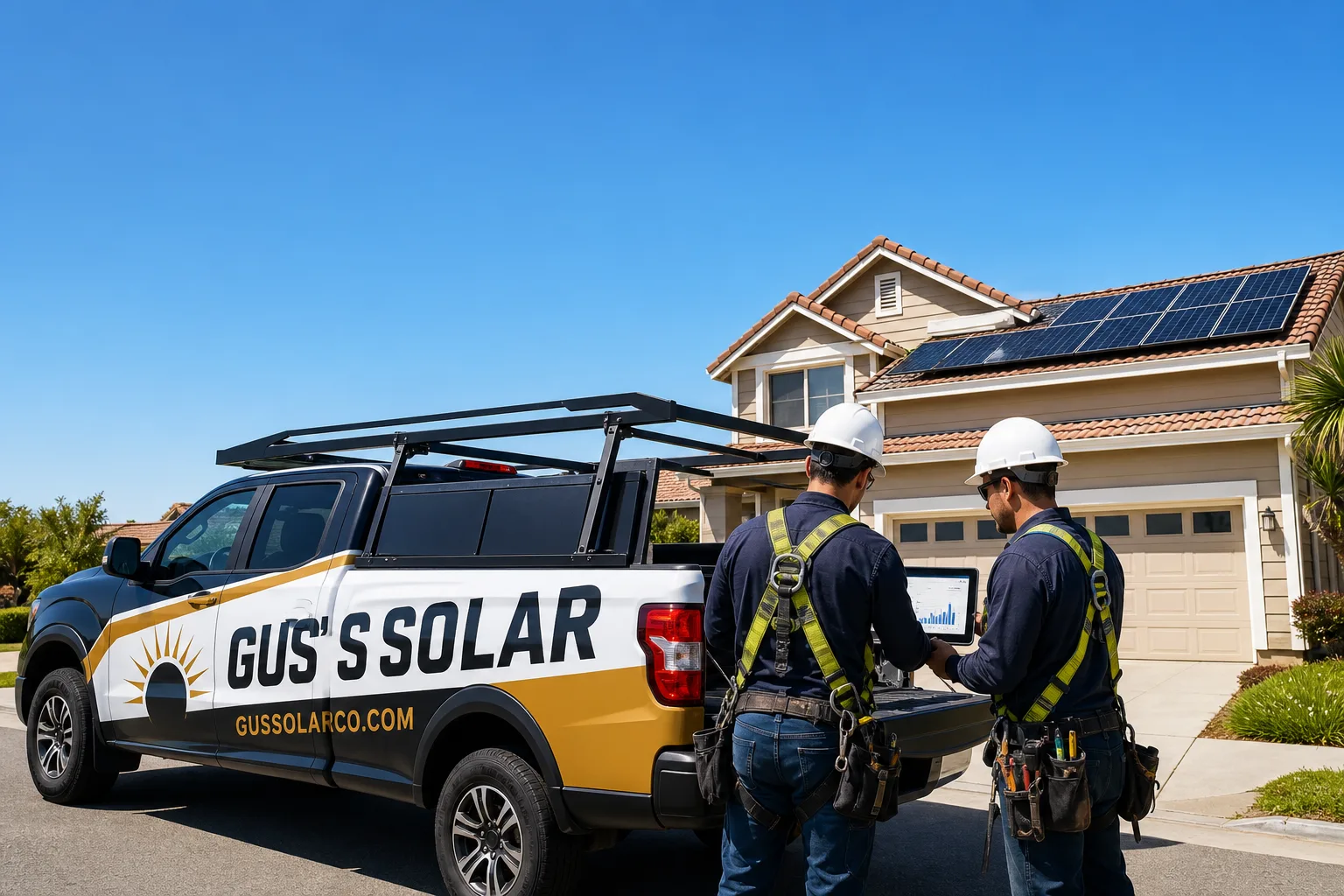
Free bill analysis - bring a power bill, get the production math for your actual roof, panel brands like Qcells and REC compared side by side
If the pitch starts at your door and ends with "sign tonight for the special," sleep on it. The sun will still be there tomorrow; so will we.
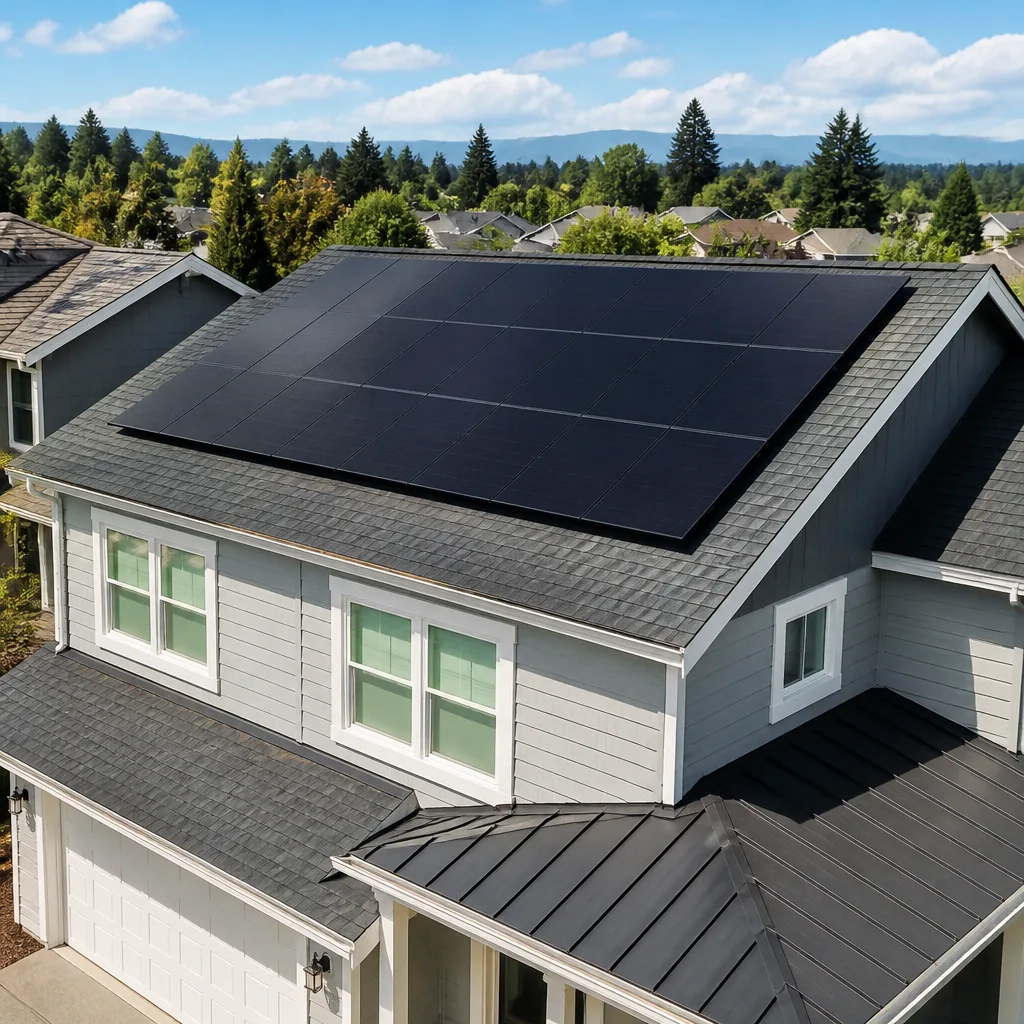
 Before
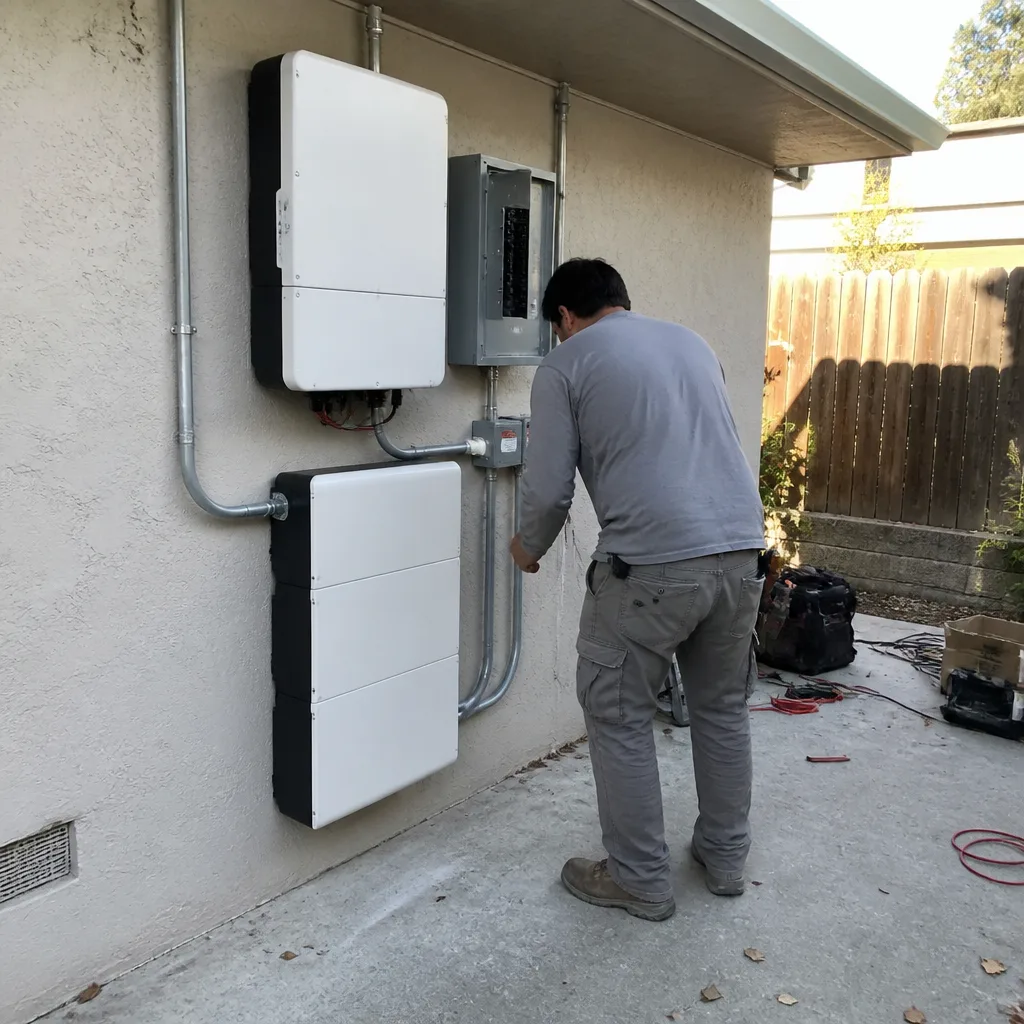 After
After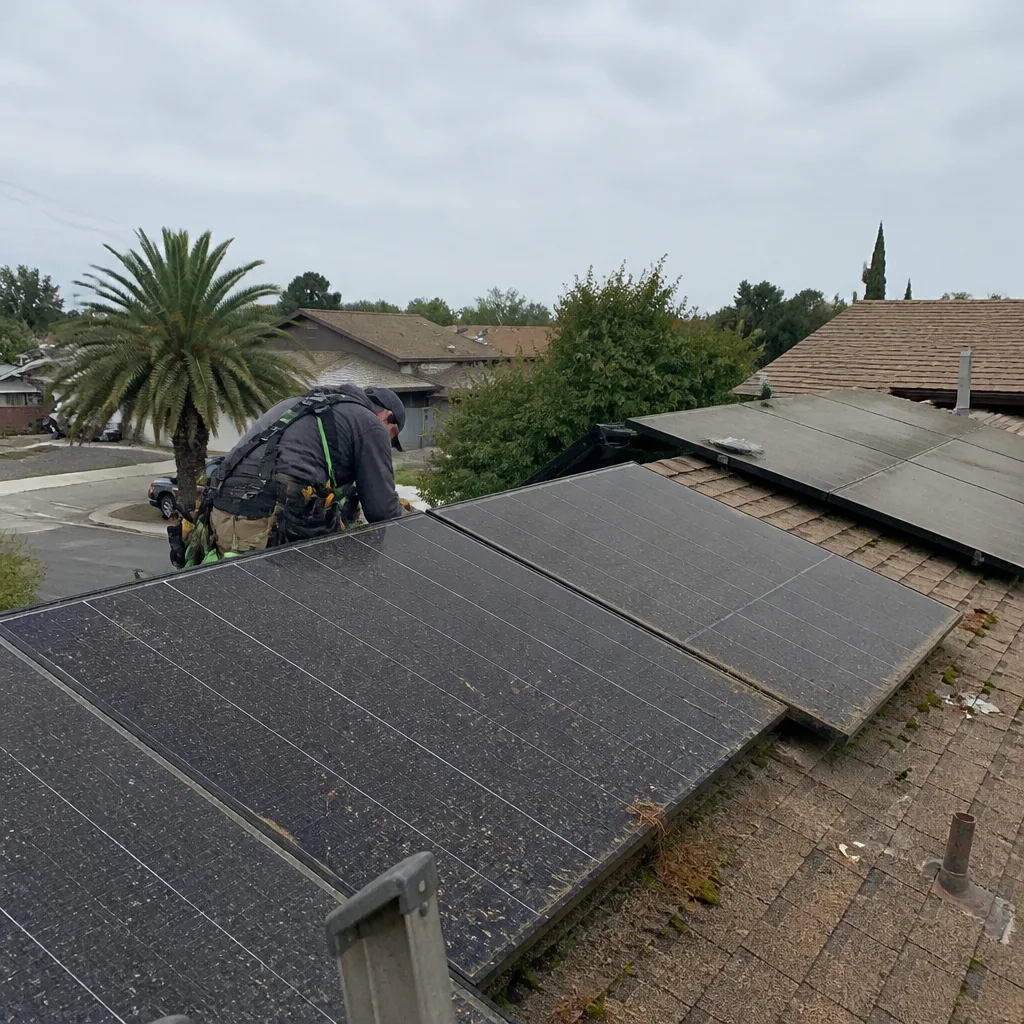 Before
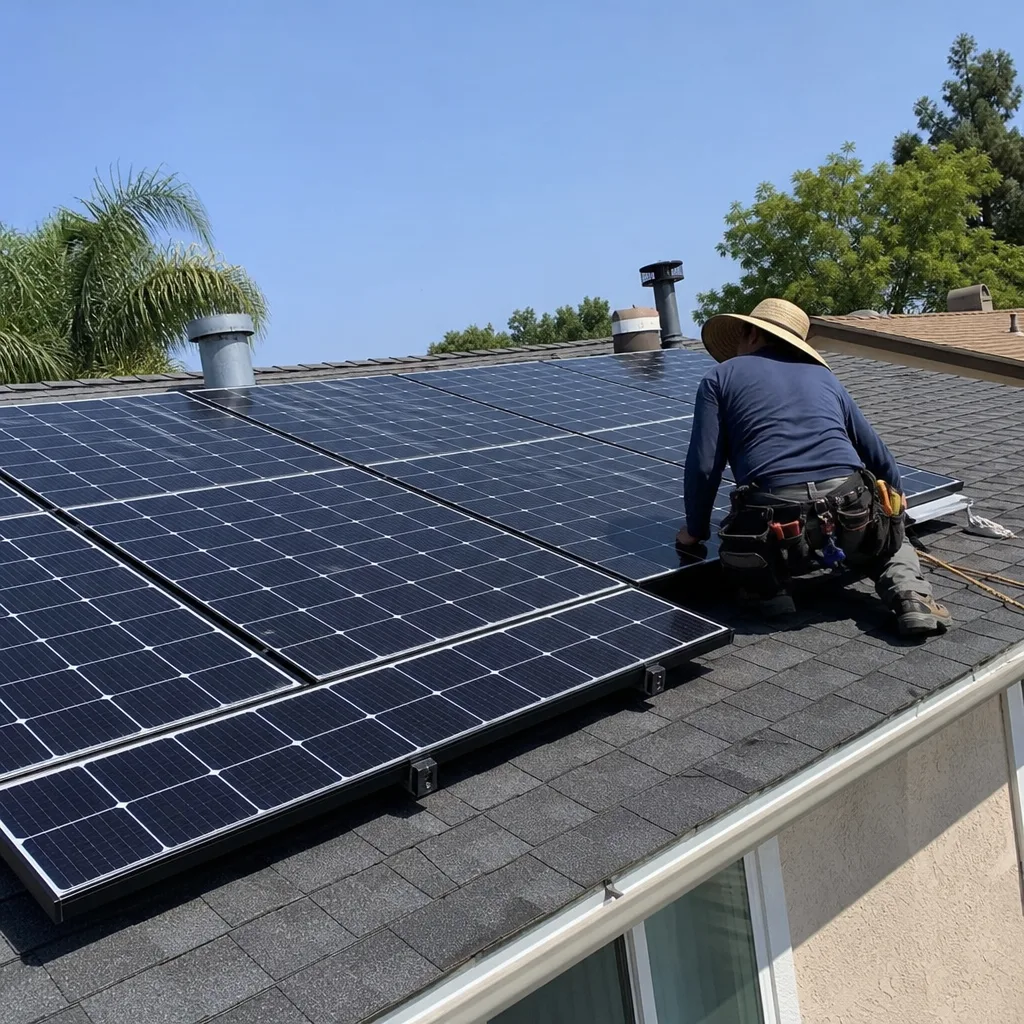 After
After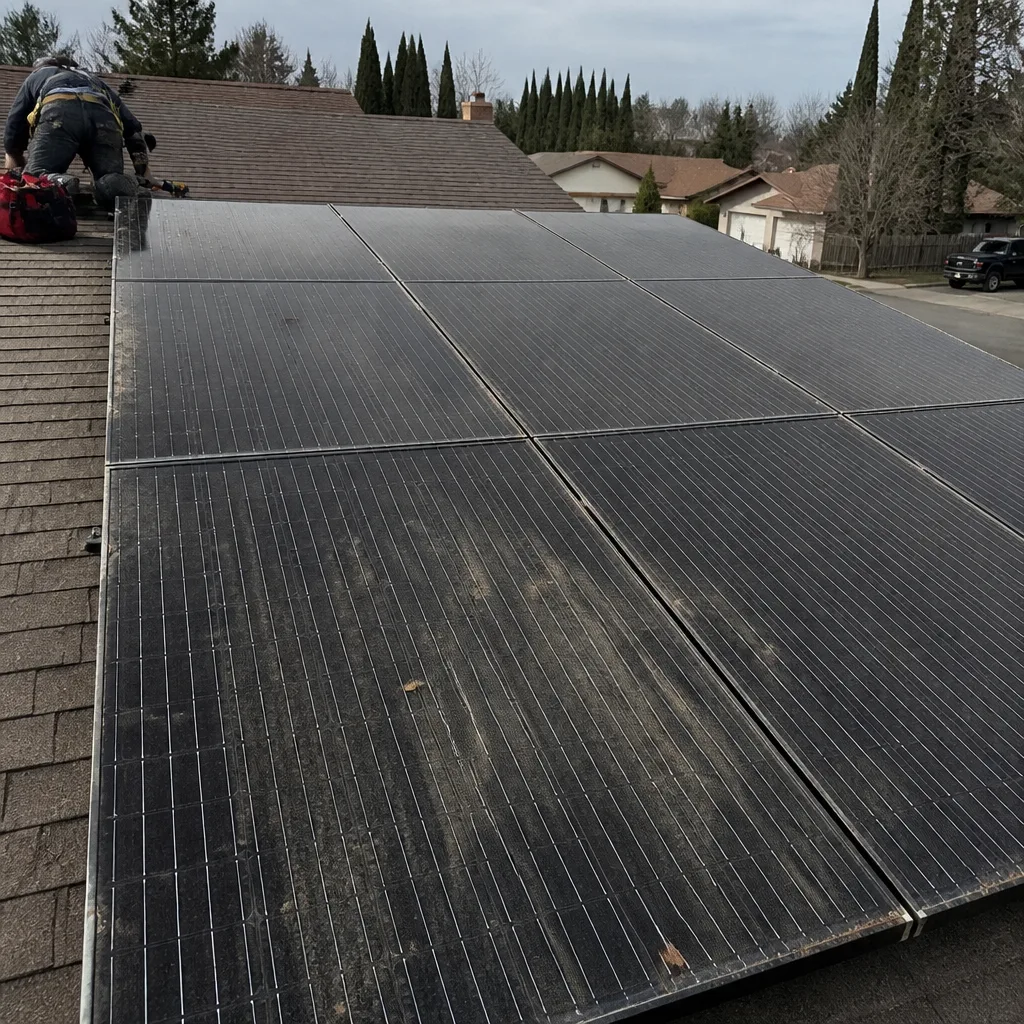 Before
 After
AfterFast, Reliable Commercial Solar Installation Across Chinatown
Commercial solar installation in Chinatown has to account for something most solar companies never mention: the canyon effect. When Grant Avenue and Waverly Place buildings sit 15 feet apart, a rooftop loses hours of sun to the building across the alley, and standard software overstates production by a wide margin. Gus’s Solar has been designing systems around that reality for years, and we’re the crew that actually maps horizon obstructions before we size a single panel. Call (877) 550-6892 and we’ll come out, walk the roof, and tell you what your building can actually produce, not what a brochure says it should.
Why Gus’s Solar Is Chinatown’s Preferred Commercial Solar Installation Company
Gus Petrakis put his name on this company in 2011, and he’s never bothered to take it off. That matters in Chinatown, where building owners have seen plenty of out-of-state crews roll through, quote a flashy number, and vanish when the permit review gets hard. We’re still here, answering the phone at (877) 550-6892 and showing up when we say we will. The 90-Day Done Right Promise applies to every commercial job we take: if it’s not right, Gus makes it right, in writing. No fine print, no chasing a ticketing portal.
Our crew knows the 94133 building stock. We know that a post-1906 masonry building on Grant Avenue is not the same job as a tilt-up warehouse in the Mission District. The Department of Building Inspection requires a structural engineer’s roof-load sign-off on nearly every Chinatown project because the parapets add weight most engineers never account for. We coordinate that review, bring our own background-checked, uniformed crew, and don’t subcontract the work. If a salesman needs an answer tonight, the answer is no. Take two weeks. Think about it. The price will be the same.
Our Commercial Solar Installation Services in Chinatown
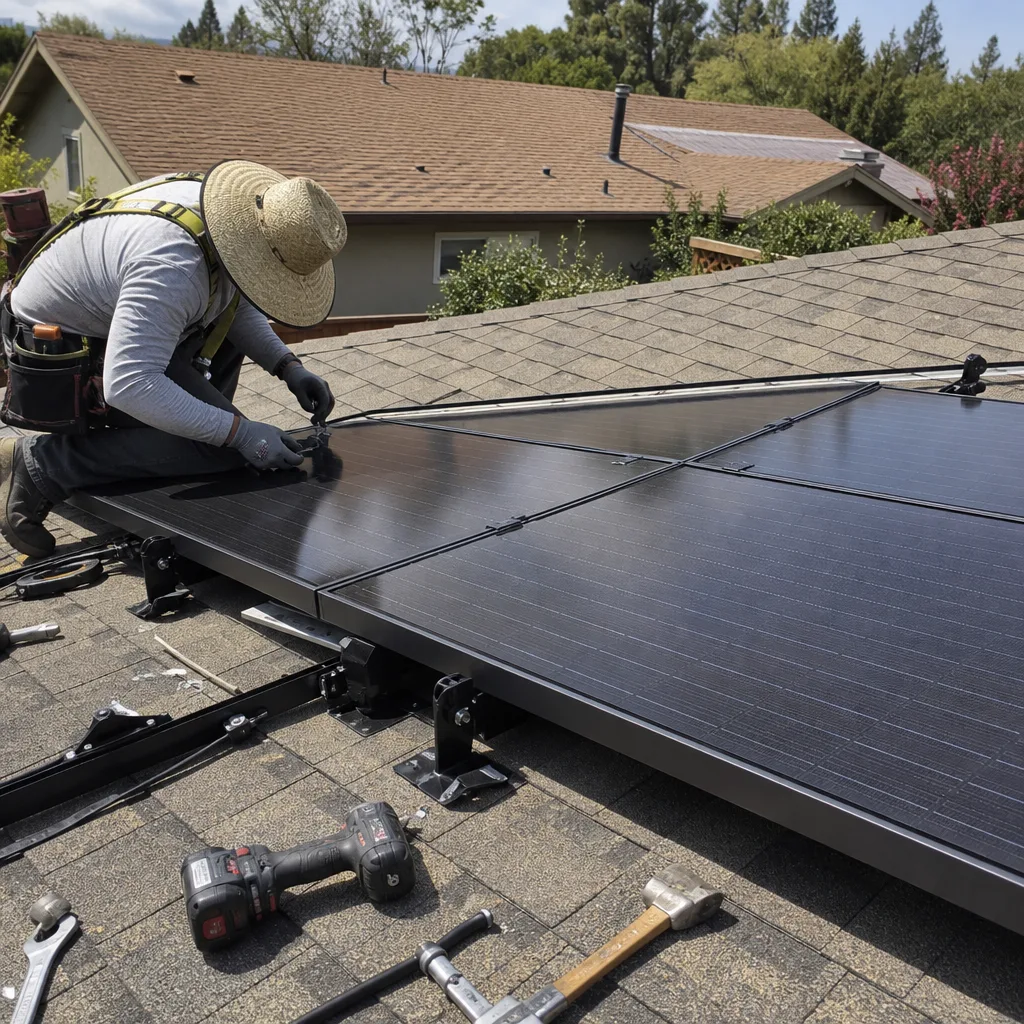
Commercial Rooftop Solar
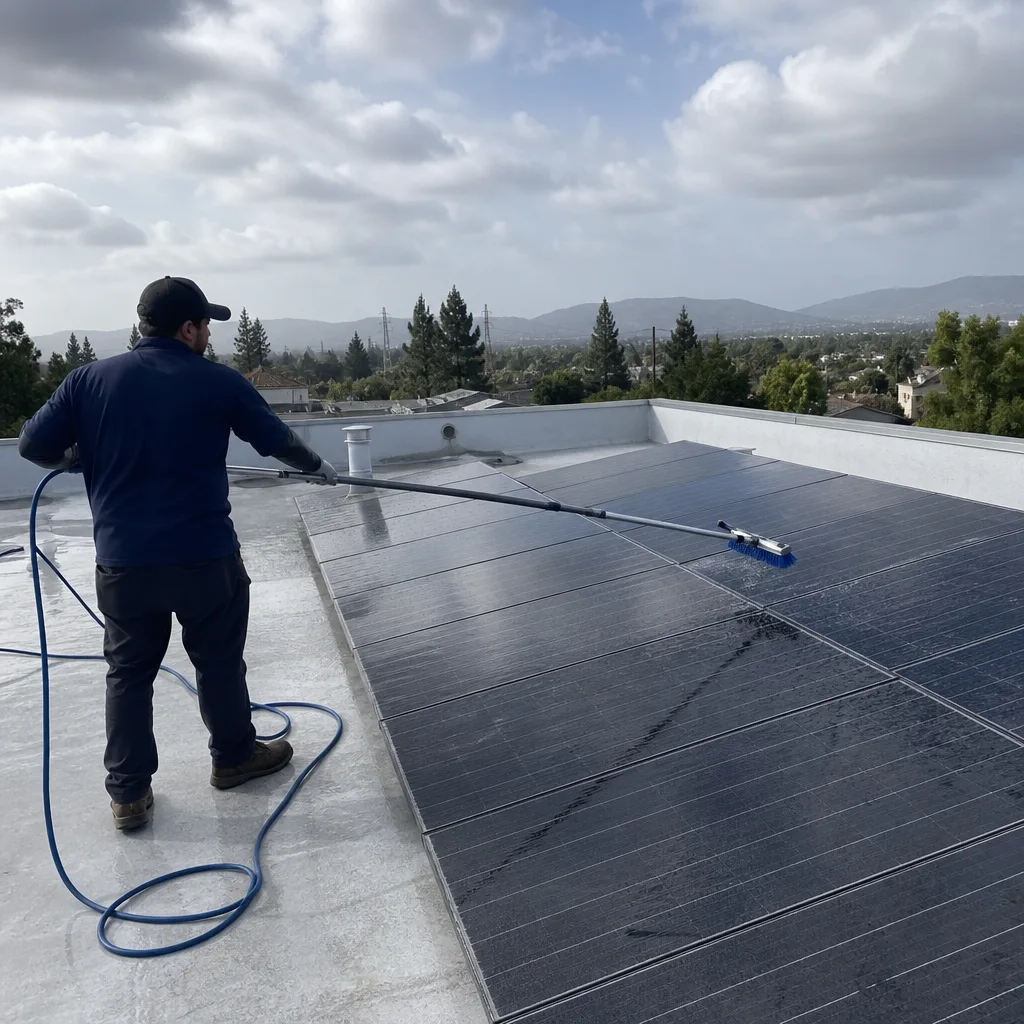
A flat or low-slope commercial roof in Chinatown rarely has the open square footage that a national installer’s software assumes. Rooftop HVAC units, vent stacks, and the post-1906 parapets eat into usable area fast. We design around what’s actually up there. That means measuring the true sunlit footprint after a shading analysis, then choosing panel layouts that keep production high in the scattered sections that do get light. For buildings along Stockton Street or Columbus Avenue, that often means higher-efficiency panels so fewer modules hit the same output.
Warehouse & Industrial Solar
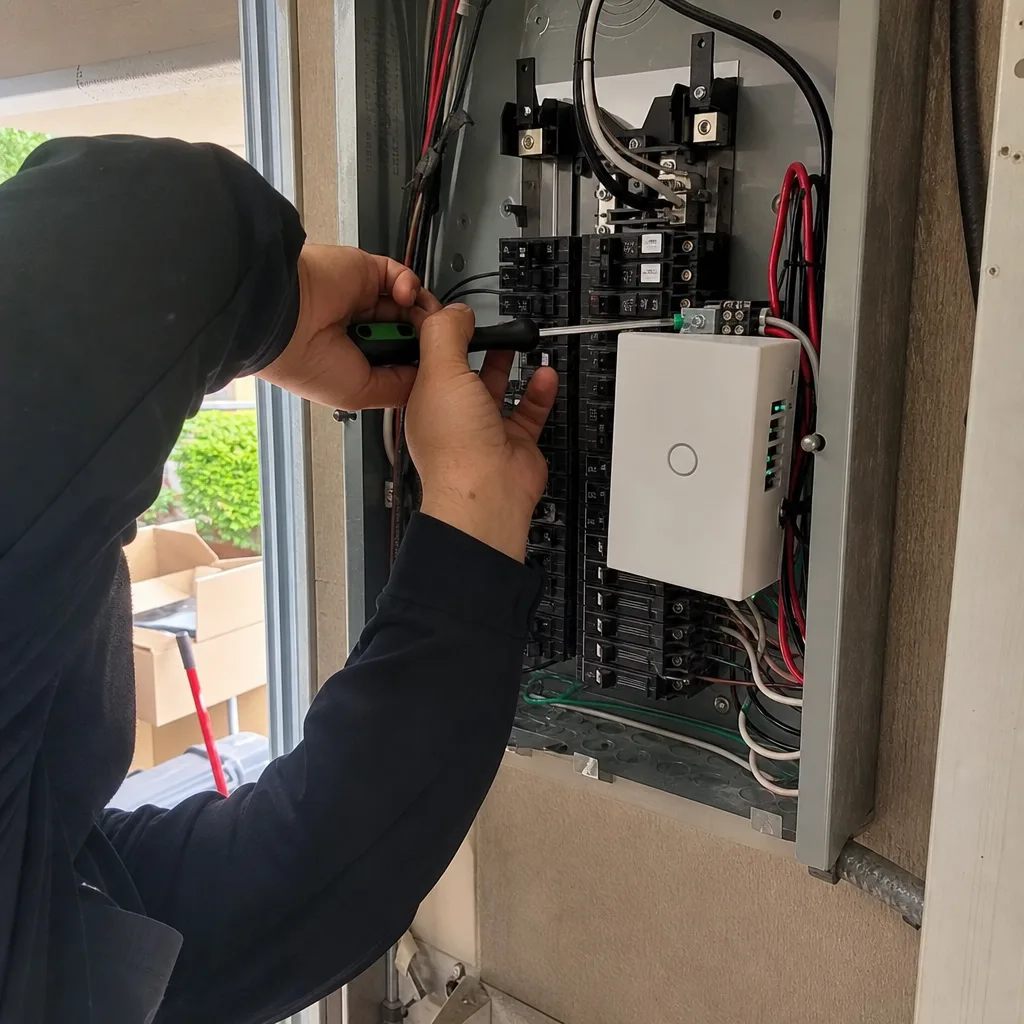
Chinatown doesn’t have big-box warehouses in the conventional sense, but it does have multi-story mixed-use buildings with ground-floor commercial space and upper-floor residential or SRO units. Those buildings need solar designs that respect shared electrical infrastructure, not a bolt-on system that overloads a panel built in 1925. We handle the electrical service review, the structural evaluation, and the interconnection paperwork. You get a system sized to your actual load, not a template.
Solar Carport Installation
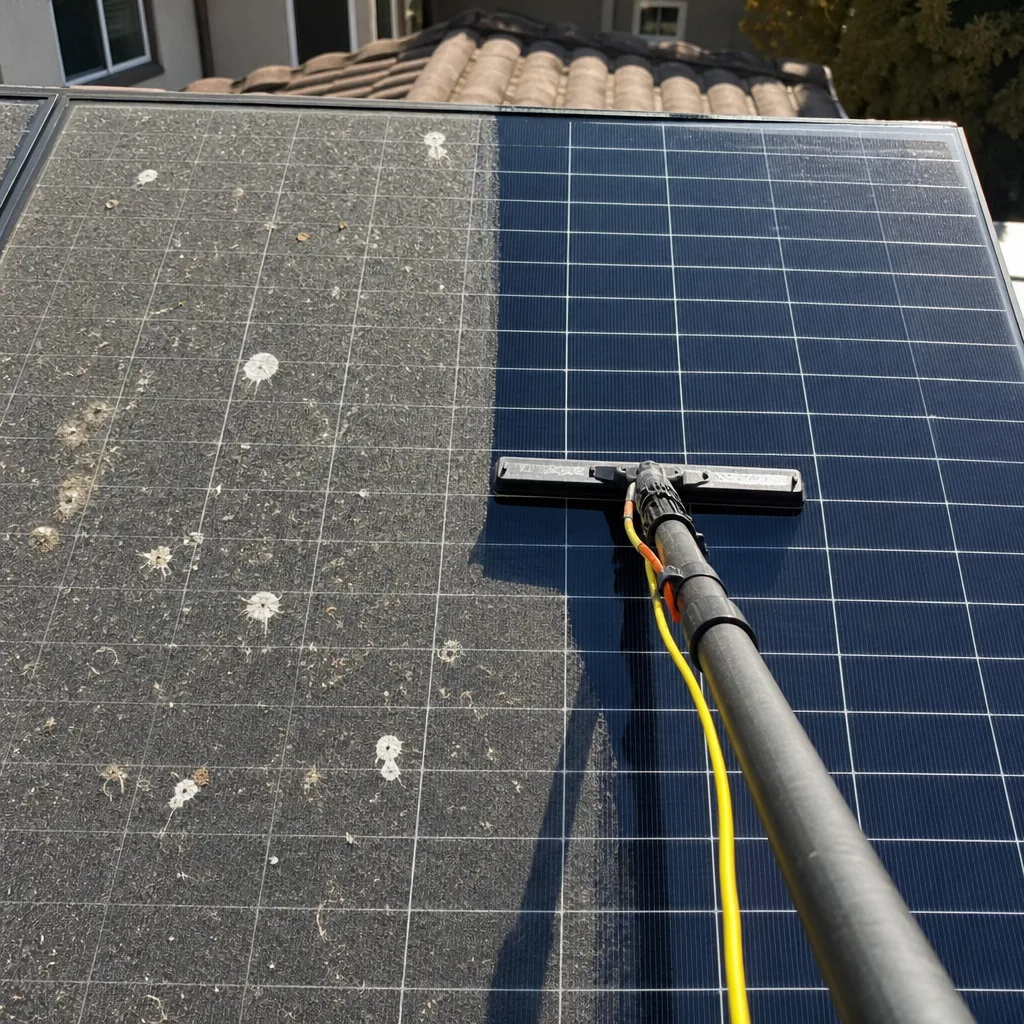
Carports are rare in Chinatown because parking is rare. Where there is a small lot or a rooftop parking deck, a solar carport turns otherwise dead space into a generating asset. The engineering challenge here is wind loading and the limited room for footings. We mark every rapid-shutdown initiation switch clearly and to code, because final inspections on SRO-adjacent buildings get pulled apart line by line.
Commercial Battery Storage
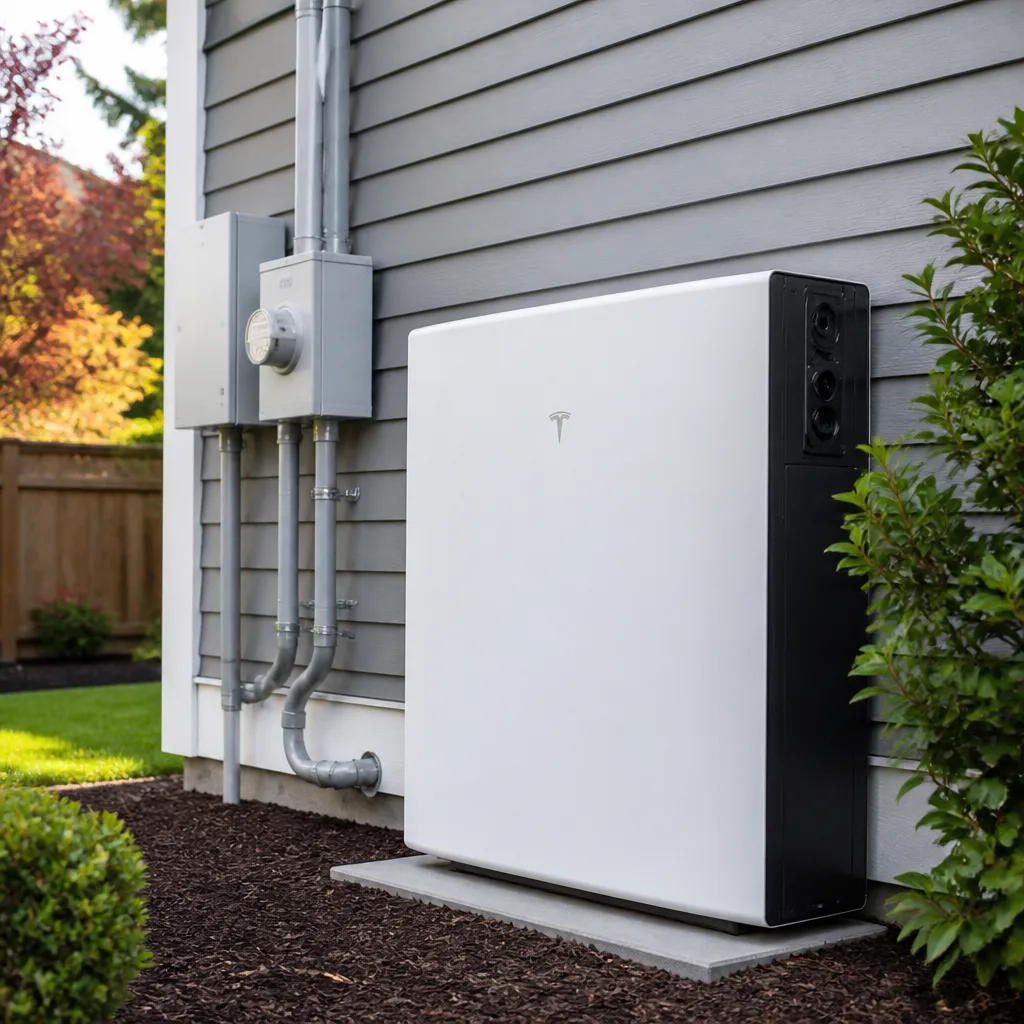
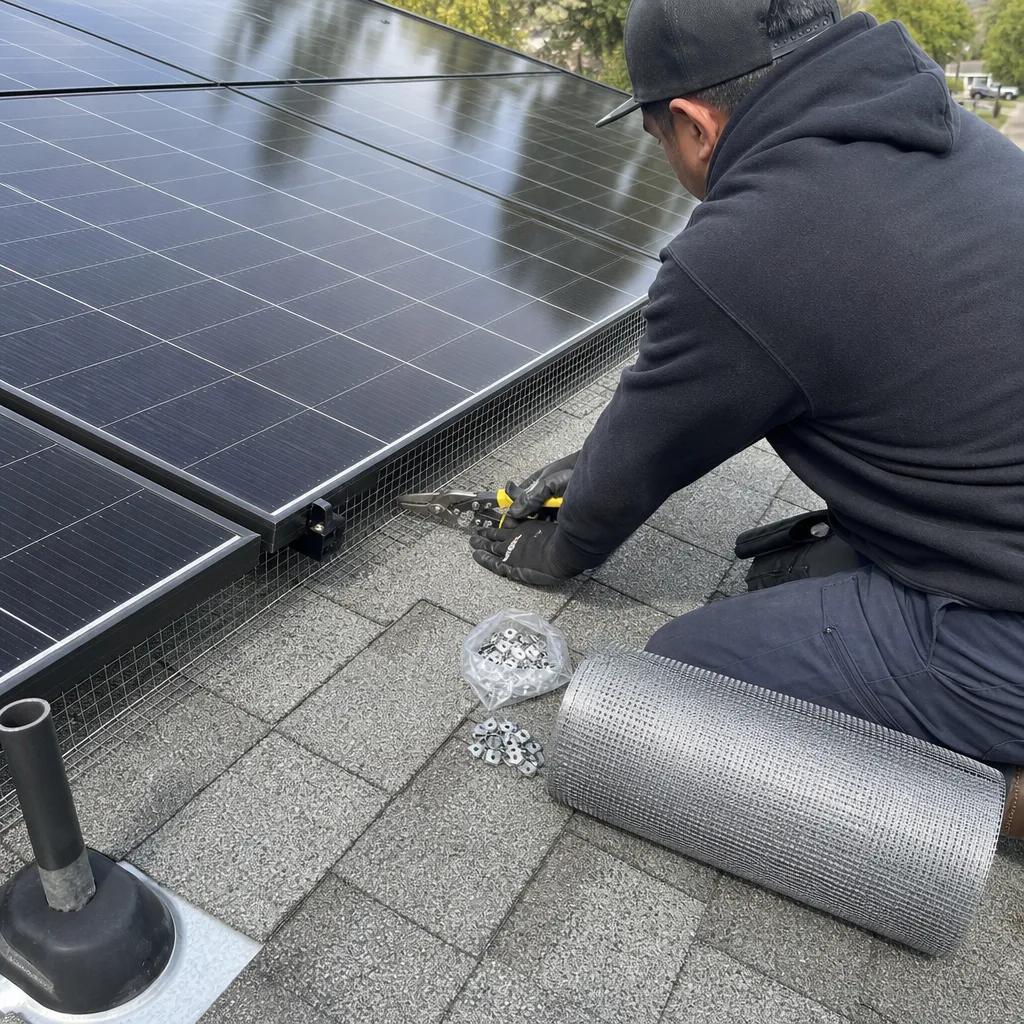
This is the sub-service that changes the math for Chinatown commercial owners. With net metering rates shifting year to year, a battery lets you store the four good sun hours you do get and use them when PG&E time-of-use pricing spikes in the evening. We install FranklinWH and Enphase battery systems sized to your building’s real consumption. For a restaurant or retail space that loses thousands in spoiled inventory during a blackout, battery backup is not a luxury. It’s cheaper than the loss of one bad week.
What happens when you call
- 1
A real person answersNo phone trees - you reach a local pro.
- 2
You get an upfront price rangeHonest numbers before anyone is dispatched.
- 3
A background-checked tech heads outLicensed & insured, dispatched right away.
- 4
You approve before work beginsNothing starts until you say go.
Trusted Brands We Service in Chinatown
We work with Qcells, REC, and SunPower panels, and we pair them with Enphase microinverters and SolarEdge inverters depending on the shading profile. For Chinatown specifically, we lean on Enphase microinverters more often than not. When one section of a roof is shaded by the building across Waverly Place while another section gets full sun, microinverters let each panel produce independently instead of dragging the whole string down to the weakest module’s output. We carry replacement parts locally and can service existing systems even if we didn’t install them.
Common Commercial Solar Installation Problems We See in Chinatown
- Structural rejection from DBI due to unaccounted parapet weight. The post-1906 masonry parapets on Chinatown buildings add load that a standard engineering template doesn’t include. We’ve seen permit applications stall for months because the structural sign-off ignored them. We bring an engineer who knows the district.
- Shading losses that cut production in half. A building on a narrow alley like Ross Alley can lose three or more peak sun hours daily to the building directly across. We manually enter horizon obstructions into the design software. Most crews don’t, and the owner finds out when the first true-up bill arrives.
- Rapid shutdown switch placement that fails final inspection. On a multi-story SRO or mixed-use building, the code requires rapid shutdown initiation switches labeled on each floor. Miss one and the inspector red-tags the inverter. We mark them all and photograph the labels before inspection day.
- Oversized systems built off brochure numbers. We quote the year-25 output, not the day-one brochure number. A system sized to a fantasy sun profile in a shaded Chinatown canyon will never pay for itself. We’d rather sell you a smaller system that actually produces.
Pricing for Commercial Solar Installation in Chinatown, CA
A commercial rooftop solar system in Chinatown typically runs $2.75 to $3.40 per watt installed, before the federal Investment Tax Credit. For a 30 kW system on a mixed-use Grant Avenue building, that’s roughly $82,500 to $102,000 gross, with about 30% recoverable through the ITC. A commercial battery storage system adds $900 to $1,300 per kWh of capacity, so a 40 kWh FranklinWH stack lands between $36,000 and $52,000. Solar carport installations run $3.20 to $4.10 per watt because of the steel and footings. The structural engineering review on a post-1906 building adds $2,500 to $5,000 depending on access and documentation. Bring us a bill, we’ll bring you the math, built from your actual usage and current PG&E export rates. Estimates are free. Call (877) 550-6892.
We Also Serve Cities Near Chinatown
If your building is in Chinatown, we’re already close. We also run Commercial Solar Installation jobs in San Francisco, the Mission District, Noe Valley, and Visitacion Valley. Dispatch and scheduling are coordinated from our Los Angeles office, but the crew that shows up is local, uniformed, and background-checked. See our Commercial Solar Installation in Chinatown coverage details for specifics on the 94133 ZIP.
Serving Chinatown, CA - Our Local Coverage Area
We’re based in the Chinatown area and know this community well. Use the map below to see our service coverage - if you’re nearby, we can almost certainly help.
FAQs - Commercial Solar Installation in Chinatown
Almost always, yes. San Francisco’s Department of Building Inspection requires a structural engineer’s roof-load review on the overwhelming majority of post-1906 masonry and wood-frame buildings in the 94133 ZIP. The added weight of the rooftop array plus the existing parapet loads has to be signed off before a permit is issued. We coordinate the engineer directly and include the cost in your quote. Call (877) 550-6892 and we’ll tell you exactly what your building needs after one roof walk.
On narrow corridors like Waverly Place or Ross Alley, a nominally south-facing rooftop can lose three or more peak sun hours daily to the building directly across. That can cut annual production by 30 to 40% compared to what default software predicts. Our Field Vignette: On a Grant Avenue mixed-use building with a mechanically cluttered roof, our crew mapped the horizon obstructions from the building across the alley and found the true solar window was only four hours in summer. We switched the design from conventional string inverters to Enphase microinverters with panel-level rapid shutdown, which let us use the scattered sunlit roof sections without losing production to the long afternoon shadow from the building across Waverly Place. The final interconnection application included a manual obstruction entry that a default software azimuth would have missed by 35% on the production estimate. We do this manual mapping on every Chinatown job. Call for a real number.
Yes. Chinatown sits in San Francisco’s northeast quadrant, partially sheltered from the heavy marine-layer fog that buries the Sunset and Richmond districts each summer afternoon. You get 2,700 to 2,800 annual peak sun hours, a bit better than the city’s western half but far below California’s inland norm. That means high-efficiency panels are not optional. We lean on Qcells, REC, and SunPower for exactly this reason. A panel that produces 21% efficiency on a shaded urban roof is the difference between a system that pays back in 8 years and one that never does.
Yes, commercial customers in Chinatown qualify for PG&E net metering under the same NEM tariff structures as the Mission District or Visitacion Valley. The difference is that your true export is smaller than a less shaded district, so the net metering credit math has to be built on your real production, not a generic assumption. We build every quote off your actual 12-month utility bill and the current export rates. If you want to see the year-25 numbers, not the day-one pitch, call (877) 550-6892.
Expect 8 to 14 weeks from application to issued permit, depending on structural review backlog and whether your building is flagged for any historic-district review requirements. Functional in-unit solar isn’t a thing for most Chinatown buildings, but the age of the electrical service often adds a panel upgrade to the scope. We pull permits, schedule the engineer, and handle the interconnection application end to end. If you want the full timeline laid out for your specific address, call (877) 550-6892 and we’ll walk you through it.
We’re the Crew That Maps the Canyon
Every commercial solar company claims to know San Francisco. Very few have stood on a roof above Waverly Place and watched the afternoon shadow crawl up the building across the alley. We have. We build our Chinatown designs around the real sun that hits your roof, the real loads your parapets carry, and the real inspection standards this district enforces. No pressure, no rush, no signature tonight. Our team includes background-checked, uniformed technicians who do their own work, and Gus Petrakis is the one who answers when things go wrong. Call (877) 550-6892 for a free estimate. Bring us a bill, we’ll bring you the math.
Written by Gus Petrakis, Owner at Gus’s Solar, serving Chinatown and the 94133 ZIP with commercial solar installation, battery storage, and maintenance.