
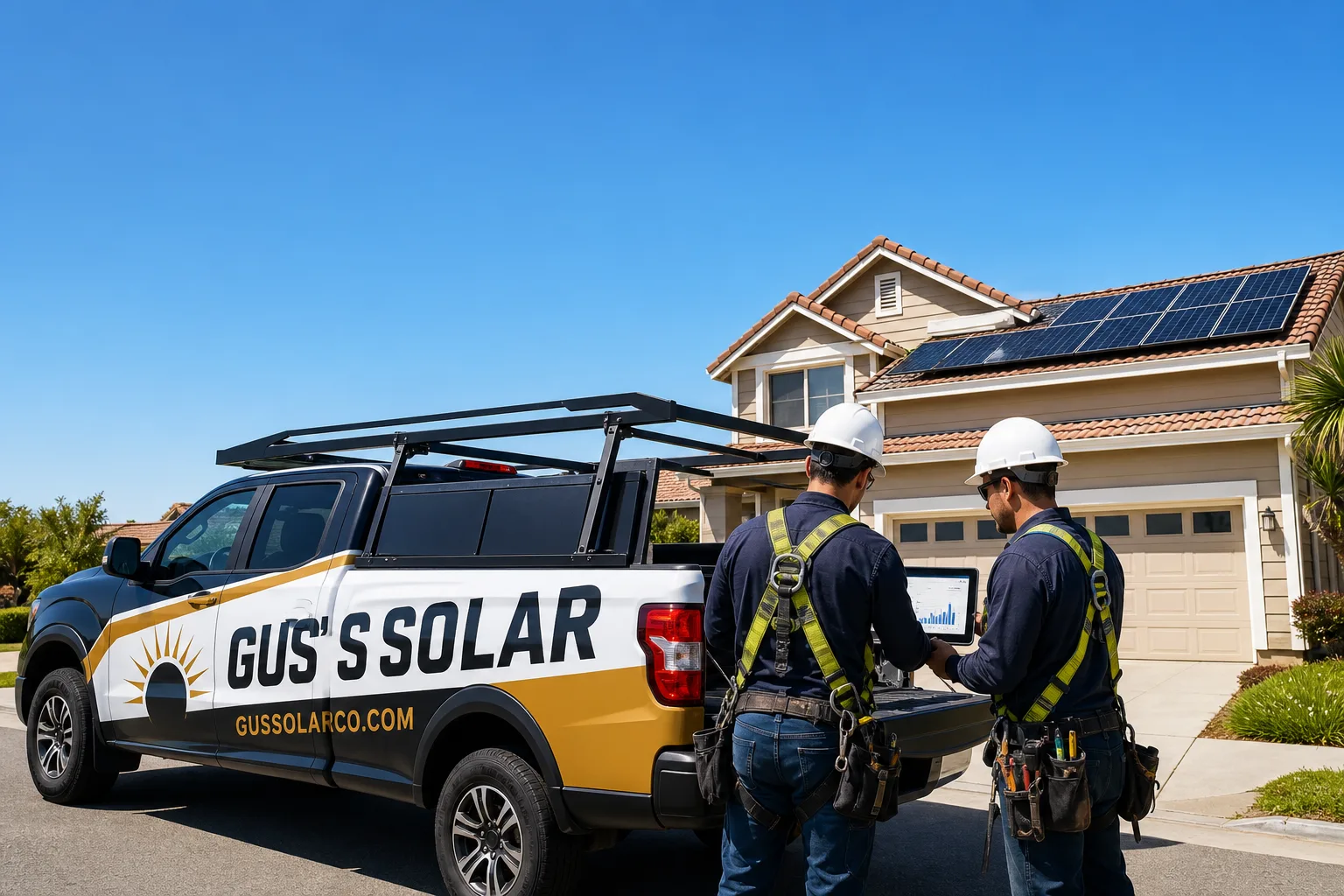
Free bill analysis - bring a power bill, get the production math for your actual roof, panel brands like Qcells and REC compared side by side
If the pitch starts at your door and ends with "sign tonight for the special," sleep on it. The sun will still be there tomorrow; so will we.
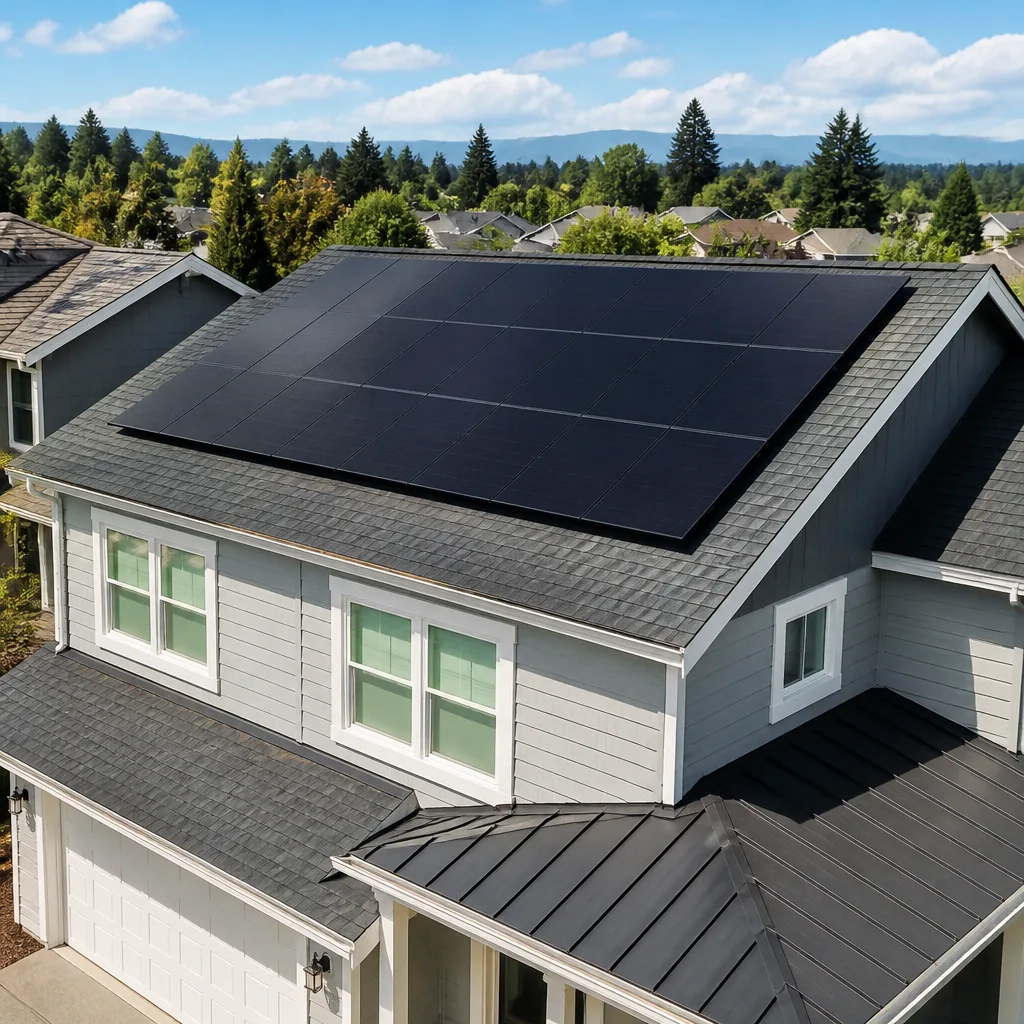
 Before
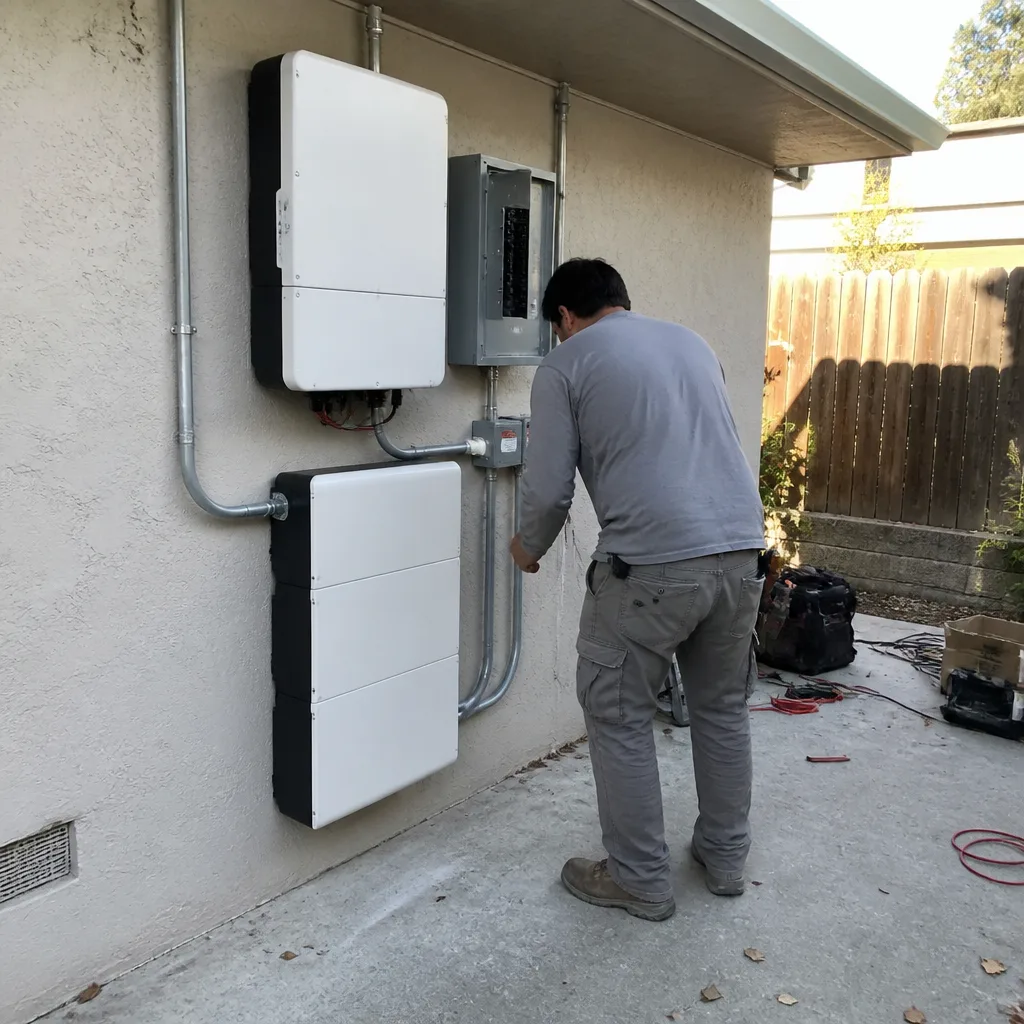 After
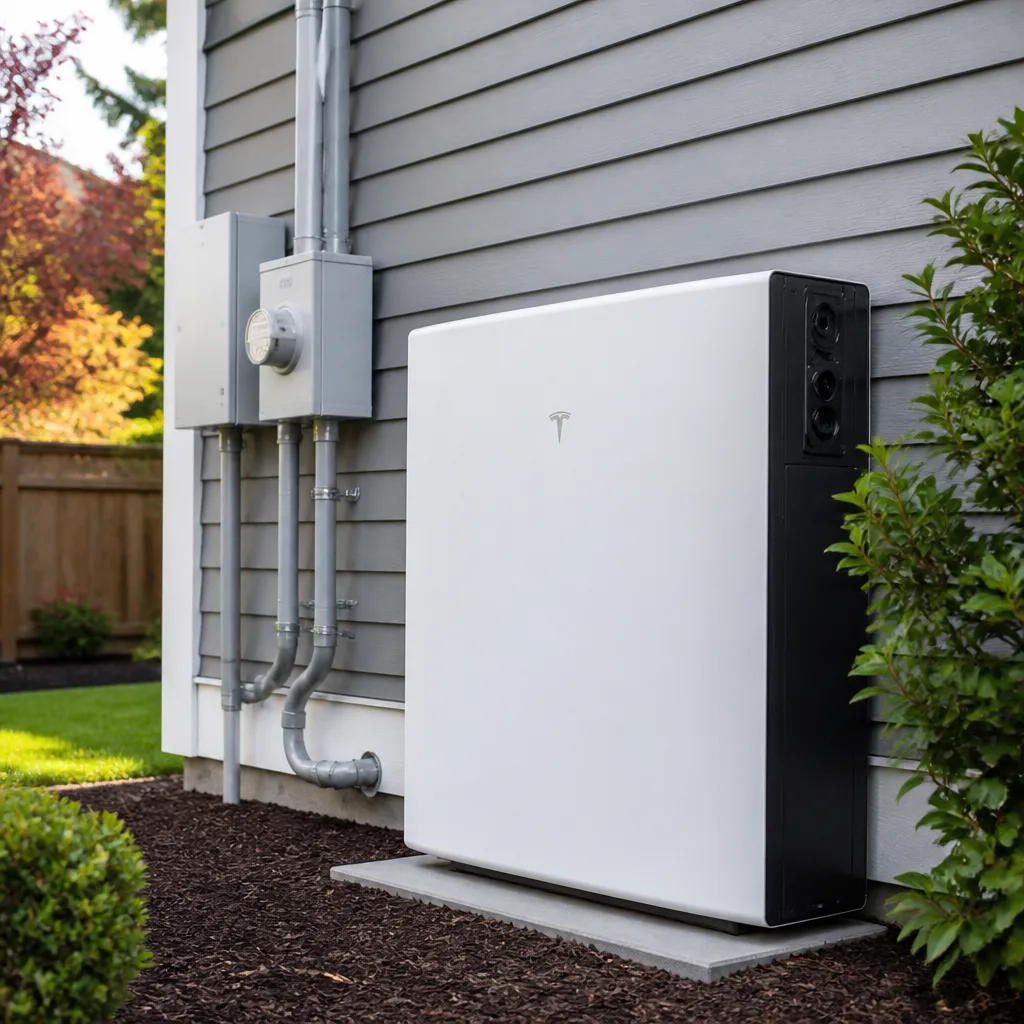
After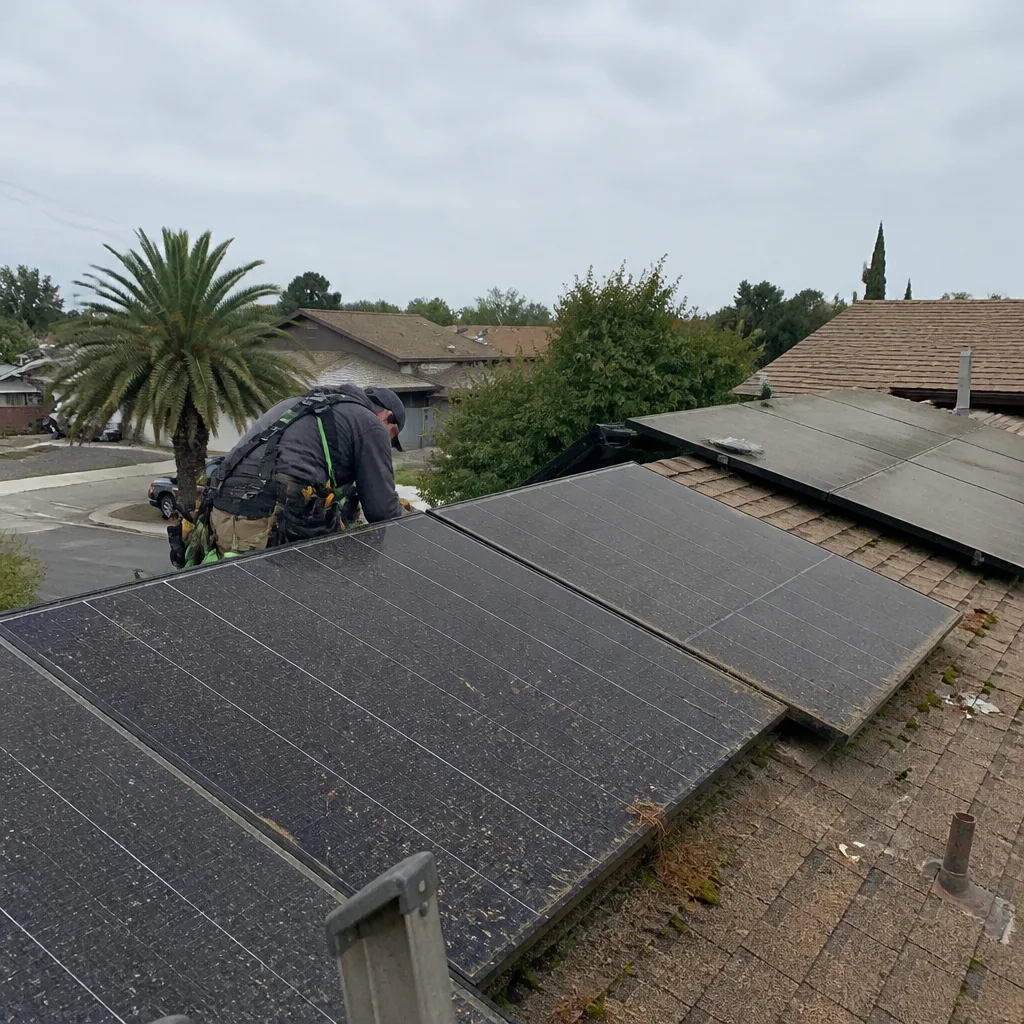 Before
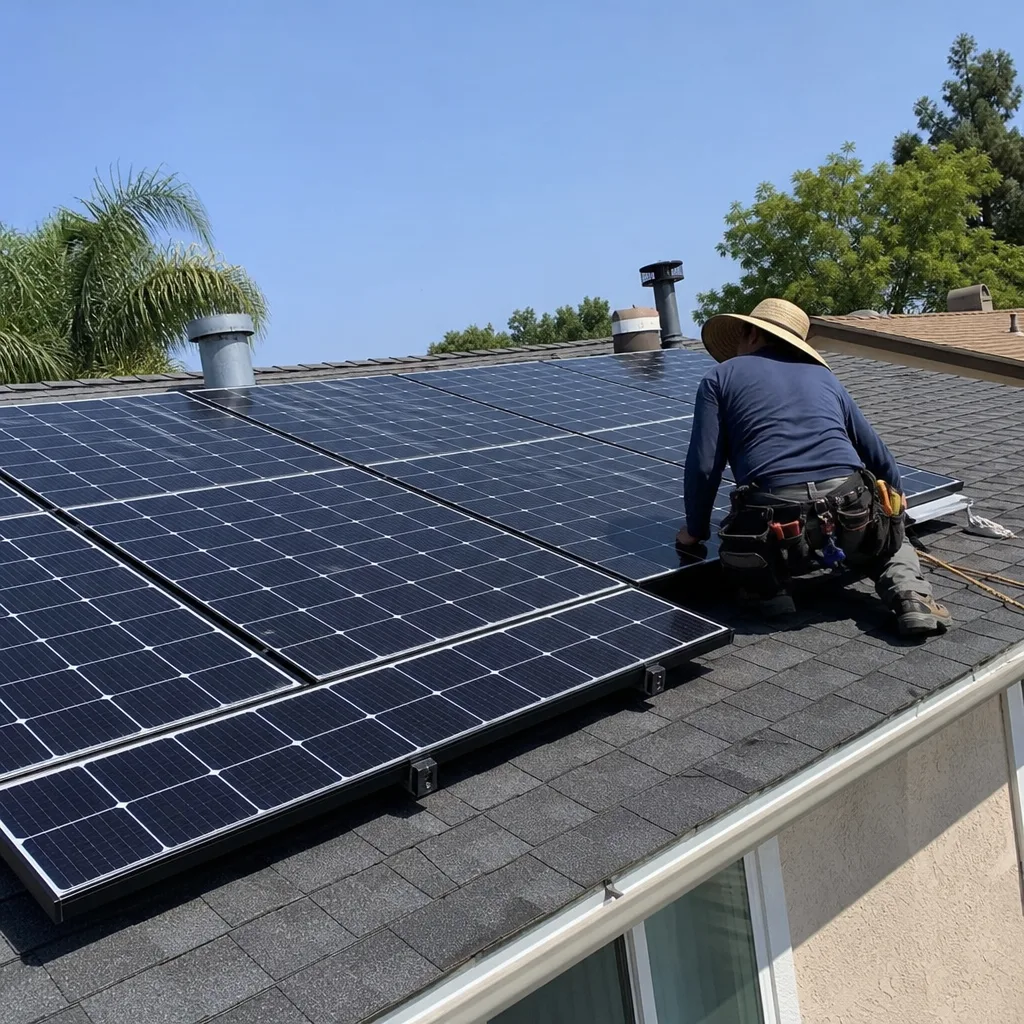 After
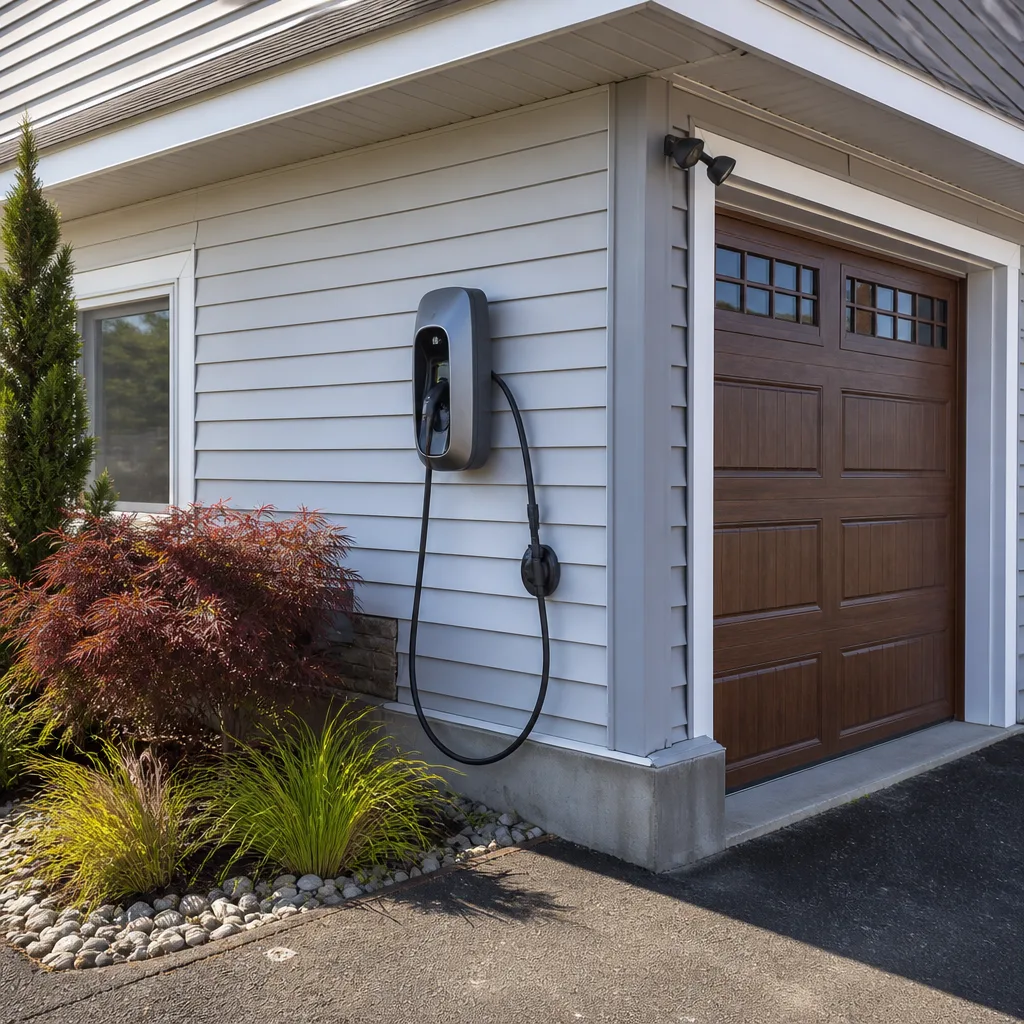
After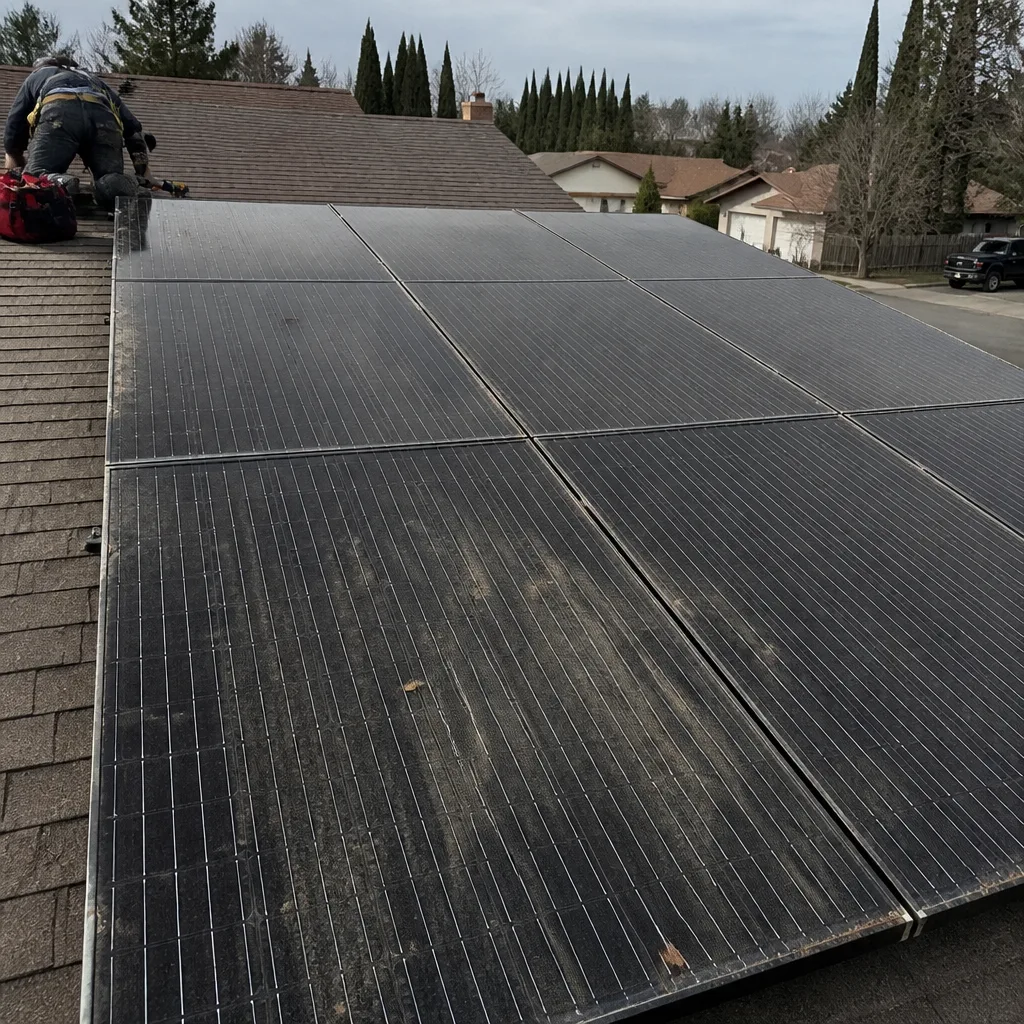 Before
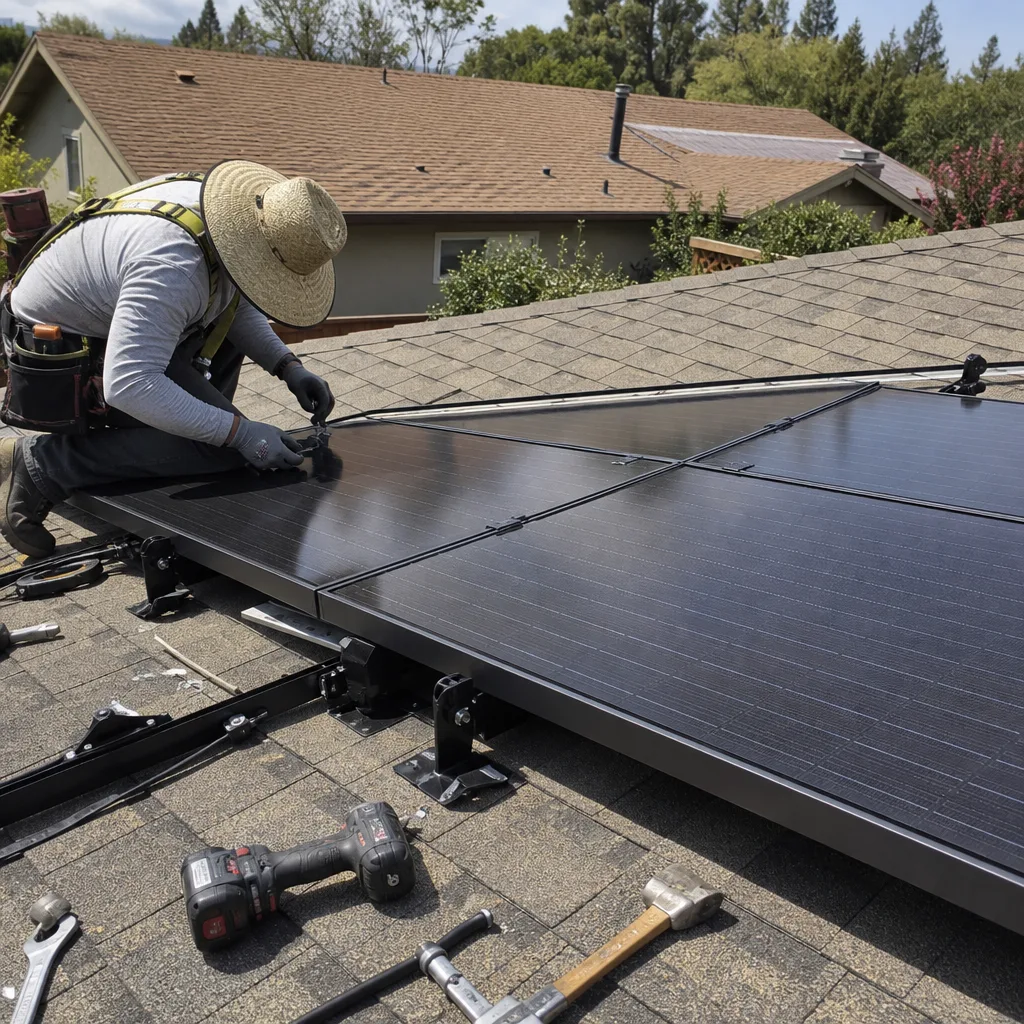 After
AfterFast, Reliable Solar Panel Maintenance & Monitoring Across Stanford
Solar panel maintenance in Stanford, CA typically costs $180-$450 for an annual inspection and $250-$900 for underperformance diagnostics, depending on system size and whether Stanford Facilities Management approval adds coordination time. Most inspection visits to the 94305 ZIP are completed in one afternoon. If your array sits on university-owned property, you already know the drill: nothing gets touched until the right people sign off. Call (877) 550-6892 and we’ll walk you through what to expect before we even schedule the truck.
Gus’s Solar handles maintenance and monitoring for arrays across Stanford, including our Commercial Solar Installation in Stanford projects at the Faculty Staff Housing corridors on Gerona Road, Frenchman’s Hill, and the graduate apartment complexes at Escondido Village. We know this campus’s energy infrastructure runs differently from every neighboring city. That matters when a production monitor shows false zeros and the fix is not on the roof at all.
Key Takeaways
- Stanford’s 94305 ZIP is nearly all university-owned property, so maintenance routes through Stanford Facilities Management and the SESI energy system, not a standard homeowner warranty path.
- Annual inspection pricing in Stanford runs $180-$450. Underperformance diagnostics run $250-$900.
- We service Enphase, Tesla, SolarEdge, and FranklinWH equipment throughout Stanford.
- Gus Petrakis answers his own phone. A live person picks up 24/7, not a triage line.
- Free second opinion on any written estimate for maintenance work. No trip charge in our home county.
Why Gus’s Solar Is Stanford’s Preferred Solar Panel Maintenance & Monitoring Company
We are not a door-knock outfit that disappears after the install. Gus Petrakis founded this company in 2011, publishes his name and license number, and puts his own crew on every roof. When a Stanford energy manager calls with a SESI metering conflict or a Facilities work order that needs a contractor’s signature, we show up. No subcontracted labor, no call center.
Stanford homeowners and property managers call us because we have spent years learning how this campus actually operates. The university’s internal distribution system means a monitoring report from a 94305 array does not look like one from Palo Alto or East Palo Alto. We read those reports correctly on the first pass.
Response time to Stanford runs same-day for emergencies and within 48 hours for scheduled maintenance. Our crew knows the campus roads, the parking restrictions near Escondido Village, and the loading-zone realities of Faculty Staff Housing streets. That local familiarity saves you time before we ever get on the roof.
Every job carries the 90-Day Done Right Promise in writing. If we miss something, Gus comes back and makes it right. No debate. That is what owner-operated means around here.
Our Solar Panel Maintenance & Monitoring Services in Stanford
Maintenance on Stanford property is not like maintenance anywhere else in the Bay Area. The work itself, the inspection, the diagnostics, the monitoring setup, is the same. The approval path is not. We coordinate that path so you do not have to.
Annual System Inspection
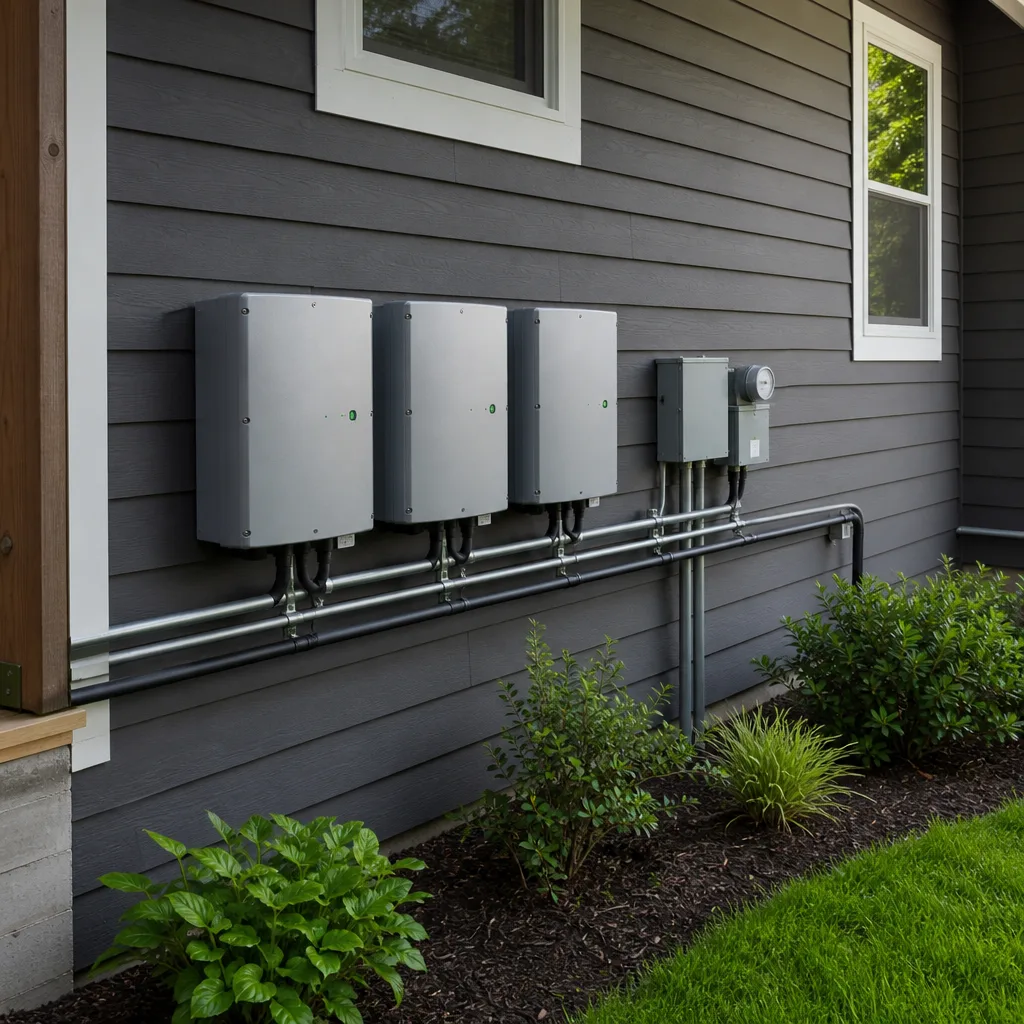
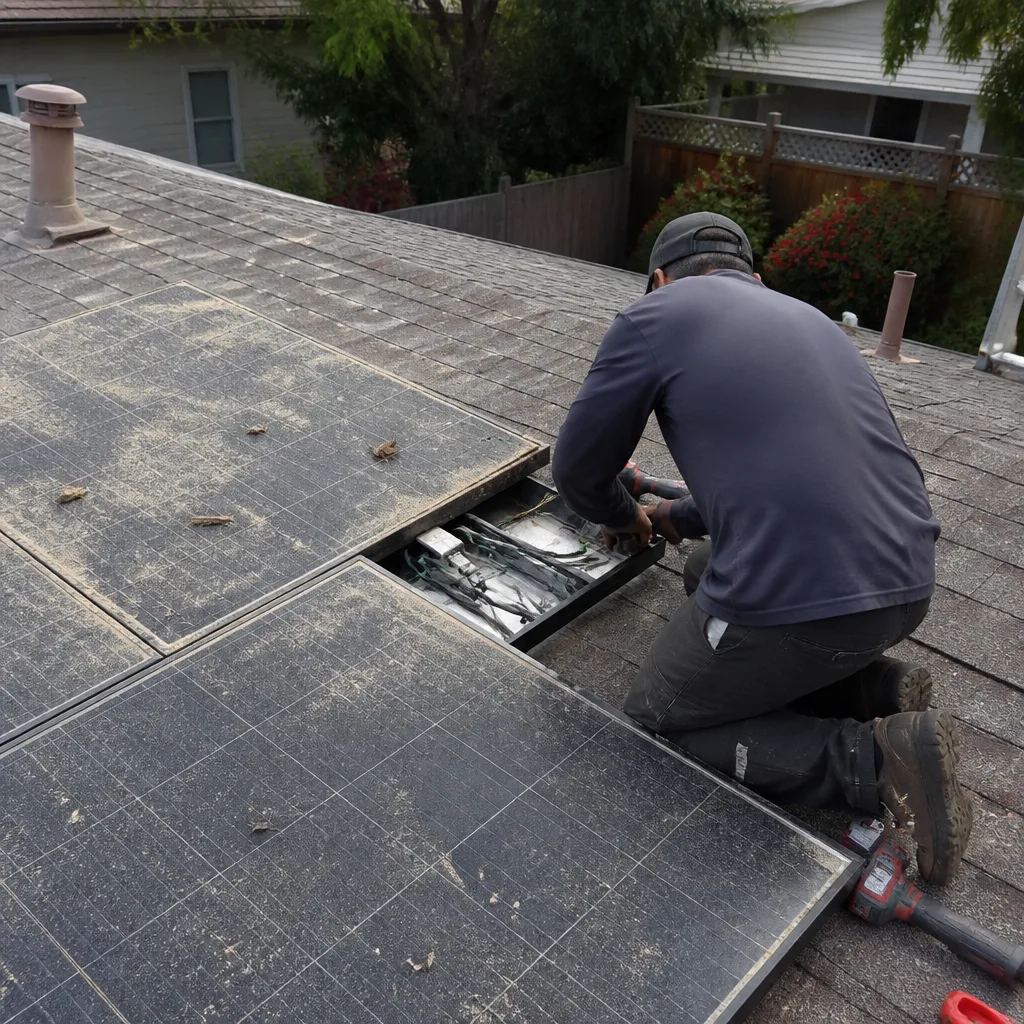
A thorough annual inspection with our Solar Panel Installation in Stanford expertise means more than checking panel output on a phone app. We inspect every roof penetration on the mid-century ranch homes along Gerona Road and Frenchman’s Hill, where original mounting hardware from 1940s and 1960s construction has often outlived its waterproof sealing. We check inverter health, wiring connections, conduit integrity, and the data feed your monitoring portal is actually receiving. For Stanford-owned buildings, we also compile findings in the format Facilities Management expects for their asset records.
Underperformance Diagnostics
When a Stanford array is producing 10%, 15%, or 20% below its modeled curve, the cause is rarely obvious from the ground. We pull production data from your inverter fleet, compare it against historical output and the weather record, and isolate whether the problem is panel-level, inverter-level, or something upstream in Stanford’s internal metering. We recently traced a 7% underperformance issue near Gerona Road to a first-gen Enphase microinverter fleet tripping its rapid shutdown profile after a firmware push. Stanford’s energy manager required us to log the fix through SESI’s internal metering before re-energizing, so we replaced the failing microinverters and reset the production estimate to match the 0.5% annual degradation curve.
Production Monitoring Setup
Setting up production monitoring on a Stanford array is not a plug-and-play affair. The campus runs its own electrical distribution infrastructure under the Stanford Energy System Innovations program, which means a monitor that does not talk to the campus submeter will report false zero-export or true-up statement errors. We configure your monitoring hardware and software to align with SESI’s internal protocols, so the numbers you see match the numbers the university energy manager sees. For property owners inside Stanford, this is the difference between a useful dashboard and a confusing one.
Firmware & App Configuration
Inverter firmware updates should be routine. On Stanford property, they are not. A firmware push can trip rapid shutdown profiles, knock microinverters offline, or desynchronize your monitoring portal from the campus submeter. We test every update on a bench before applying it to your system, then verify the production curve after. If your app is showing gaps in data or error codes you cannot clear, call us before you spend hours guessing.
Trusted Brands We Service in Stanford
Our crew works daily with Enphase microinverters, Tesla Powerwall batteries, SolarEdge inverters, and Solar Battery Storage & Backup - Stanford systems like FranklinWH. We stock common replacement parts for all four brands in our local inventory, so a failed Enphase microinverter near Mayfield Avenue does not mean waiting a week for a distributor shipment. For Stanford customers with older first-generation Enphase fleets, we keep refurbished and new-old-stock units on hand because the campus has a surprising number of those early systems still in service.
Common Solar Panel Maintenance Problems We See in Stanford Homes
- Institutional approval lag. A panel-level fault on university property cannot be touched until Stanford Facilities Management logs a work order and clears the contractor to proceed. If your maintenance company does not understand the campus coordination path, you can lose weeks of production waiting on paperwork. We file the paperwork before we schedule the truck.
- SESI metering conflicts. Outside technicians assume standard PG&E interconnection. Stanford’s internal distribution system means a production monitor that is not configured for campus submetering will show errors that look like inverter failures but are not. We diagnose the metering first, before replacing good hardware.
- Aging roof penetrations. The 1940s-1960s Faculty Staff Housing stock on Frenchman’s Hill and Mayfield Avenue frequently has original roof penetrations that have outlived their sealing material. What looks like an inverter fault is often moisture ingress at an old mounting point. We check the roofing before we blame the electronics.
- Firmware-induced rapid shutdown trips. Older Enphase and SolarEdge fleets across the 94305 ZIP are vulnerable to firmware updates that trip rapid shutdown profiles. A system that tests fine at the inverter level can still be dark because the firmware changed a safety parameter. We track these interactions across equipment generations.
Pricing for Solar Panel Maintenance & Monitoring in Stanford, CA
Here are the real numbers for the Stanford market:
| Service | Typical Range |
|---|---|
| Annual system inspection | $180-$450, depending on system size and access |
| Underperformance diagnostics | $250-$900, including production data pull and report |
| Production monitoring setup | $350-$800, including SESI coordination where applicable |
| Firmware and app configuration | $150-$400 per visit, per system |
| Preventive maintenance plan (annual) | $300-$600 per year, billed annually |
These ranges account for the extra coordination time Stanford work requires. A standard residential roof in Palo Alto does not need a Facilities Management work order before we touch the array. A Faculty Staff Housing roof near Gerona Road does. That coordination time is real and we quote it honestly up front. Senior and veteran customers get 10% off any maintenance service, no expiration. There is a $40 discount on any repair over $200. And every estimate is free. Call (877) 550-6892 and we will give you a number you can take to the bank.
We Also Serve Cities Near Stanford
Our same crew handles maintenance and monitoring in Solar Panel Maintenance & Monitoring in Stanford and the surrounding communities, including Palo Alto, Atherton, East Palo Alto, and Los Altos Hills. Scheduling and dispatch run from our Bay Area office, but the truck you see on campus is always our own, driven by our own background-checked, uniformed techs.
Serving Stanford, CA - Our Local Coverage Area
We’re based in the Stanford area and know this community well. Use the map below to see our service coverage - if you’re nearby, we can almost certainly help.
FAQs - Solar Panel Maintenance & Monitoring in Stanford
A monitoring report for a 94305 array must reconcile with Stanford’s internal submetering, not a standard PG&E or Palo Alto Utilities interconnection. Your report should show campus-side true-up data alongside inverter-level production numbers. If your monitoring company does not read the SESI metering path, the report will show false zero-export figures and meaningless true-up statements. We configure reports that energy managers and Facilities staff can actually use. Call (877) 550-6892 for a monitoring audit.
Technically yes, physically yes, administratively no. Any mounting change on a Stanford-owned roof requires Facilities Management approval, and in many mid-century housing units the roof design and university historic-character guidelines restrict visible modifications. We can assess whether azimuth adjustment would actually recover enough output to justify the approval process, and we will be honest if it will not. Call us for a straight answer before you start the paperwork.
Degradation rate is how much output your panels lose each year as they age. Quality panels degrade around 0.5% annually, meaning after 20 years they still produce roughly 90% of day-one output. The mid-century housing stock on Mayfield Avenue often has arrays 10-18 years old now, so a 5-9% production decline may simply be normal aging, not a fault. We separate normal aging from fixable problems in our diagnostic reports. Call (877) 550-6892 for a production history review.
Rapid shutdown is a safety feature that cuts DC power at the panel level when a trigger condition is met. On Stanford apartment complex arrays, firmware updates to Enphase or SolarEdge equipment sometimes trip rapid shutdown profiles even when the inverter itself is healthy and the panels test fine. The system stays dark because the safety protocol is doing its job, not because the hardware failed. We clear the profile, verify it against the current code version, and bring the array back online through the proper SESI coordination channel. Call us if your complex’s array has been dark since an update.
The payback calculation changes because maintenance access and approval delays add downtime that a private homeowner would not experience. Every day a fault waits for a Facilities Management work order is a day of lost production, and lost production extends the payback period. A monitoring plan that accounts for the campus approval lag protects your return. We factor institutional coordination into our maintenance schedules so you are not losing weeks to paperwork. Call (877) 550-6892 to talk about a preventive plan.
Free Estimates and Straight Answers in Stanford
Bring us a bill and we will bring you the math. If you have an existing system in the 94305 ZIP that is underperforming, call (877) 550-6892 and Gus will talk you through what we are seeing before we ever send a truck. Take two weeks. Think about it. The price will be the same and we will not push you. If a salesman needs an answer tonight, the answer is no. We are happy to earn your trust slowly, one inspection at a time.
Written by Gus Petrakis, Owner at Gus’s Solar, serving Stanford and the surrounding Bay Area since 2011.