
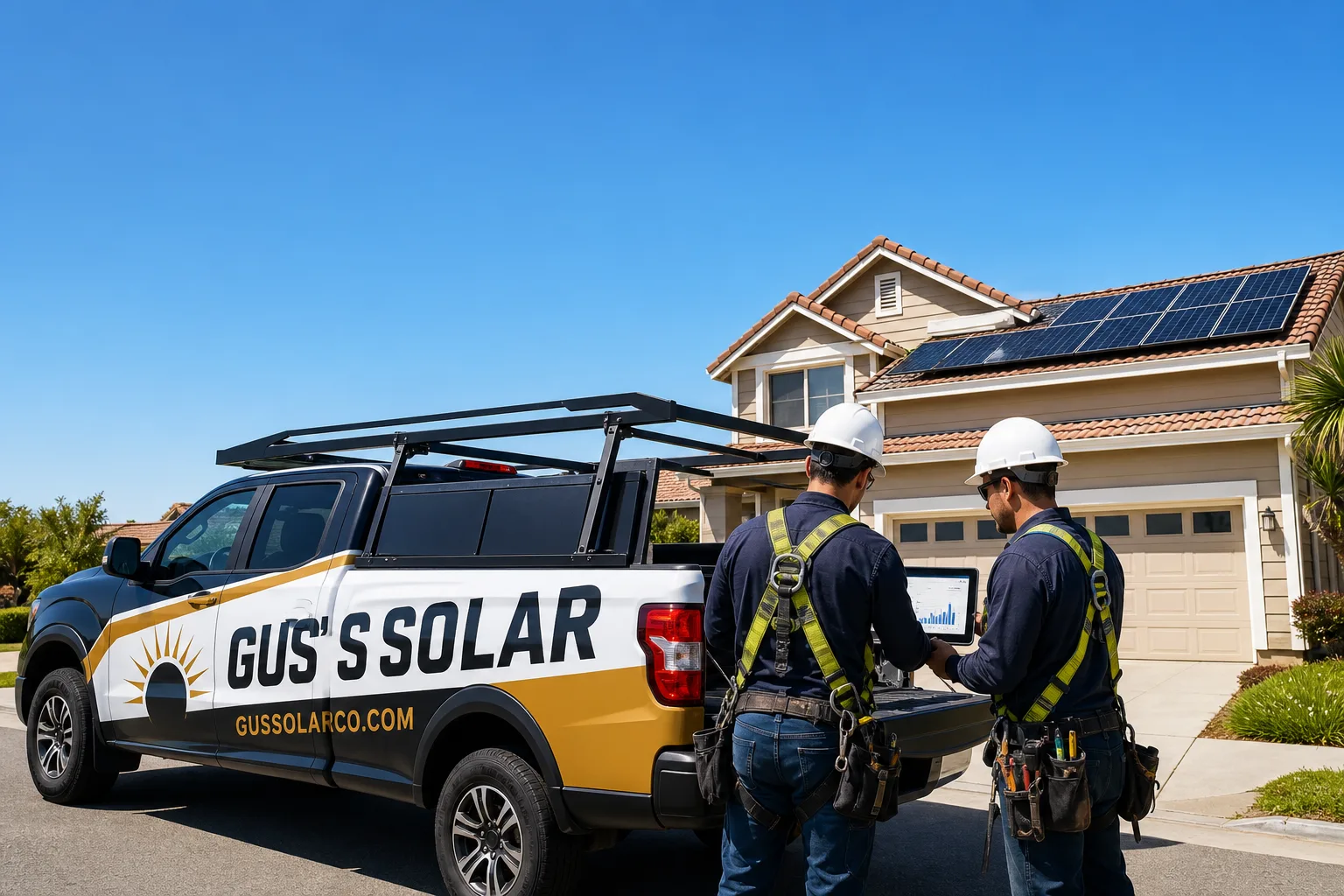
Free bill analysis - bring a power bill, get the production math for your actual roof, panel brands like Qcells and REC compared side by side
If the pitch starts at your door and ends with "sign tonight for the special," sleep on it. The sun will still be there tomorrow; so will we.
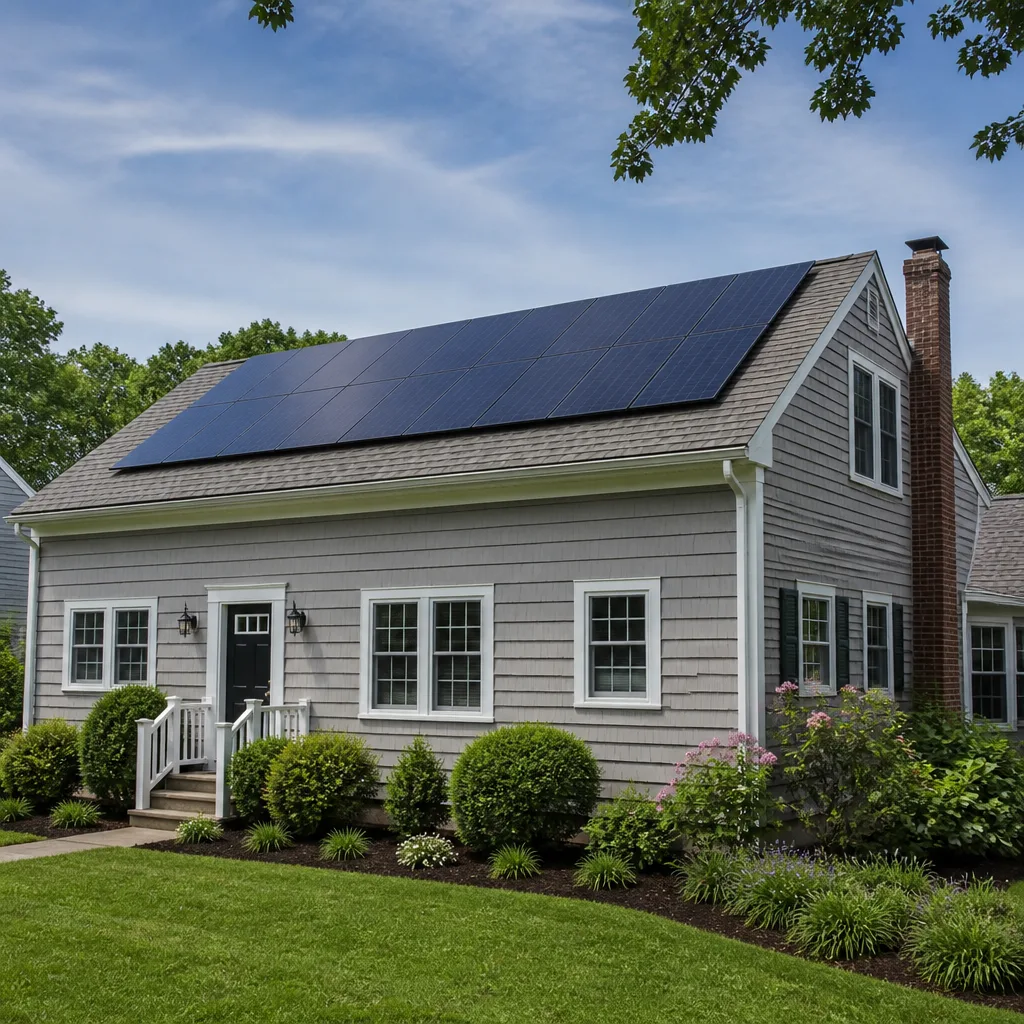
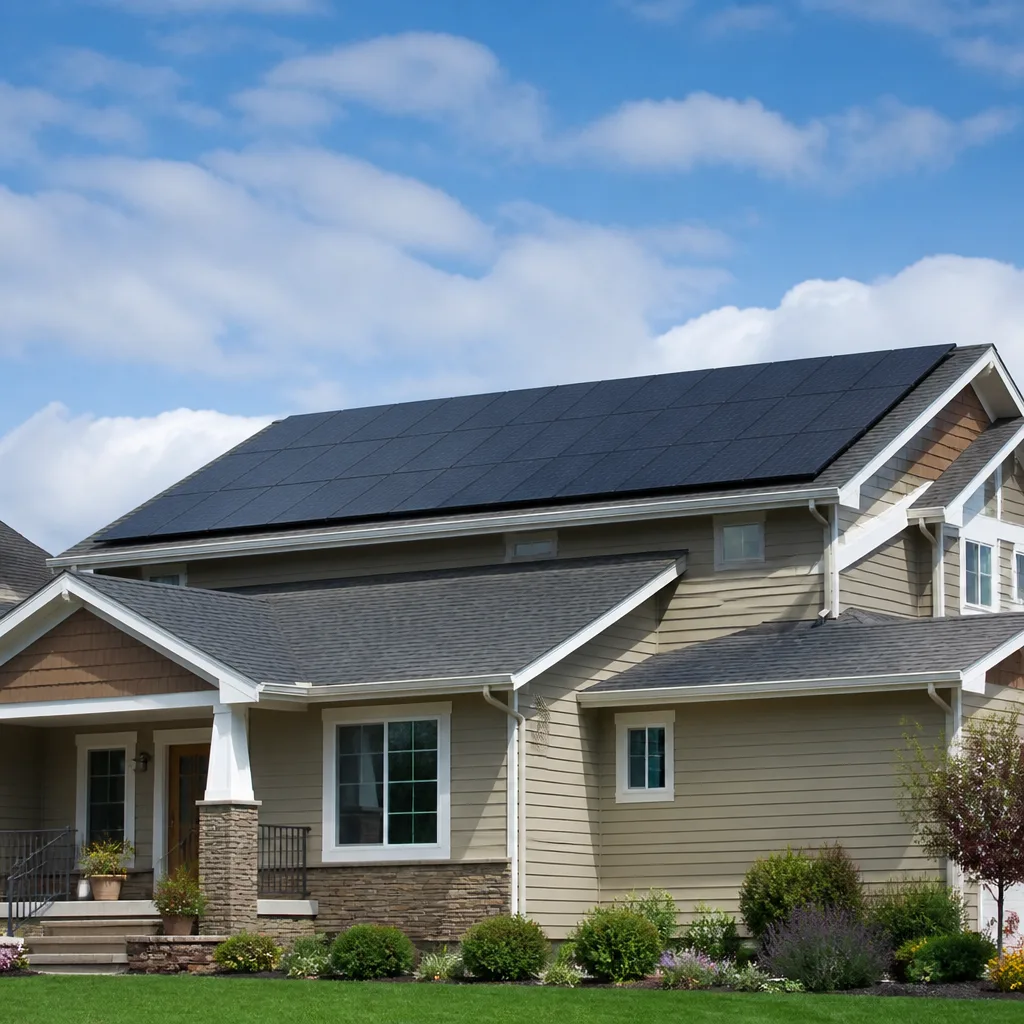
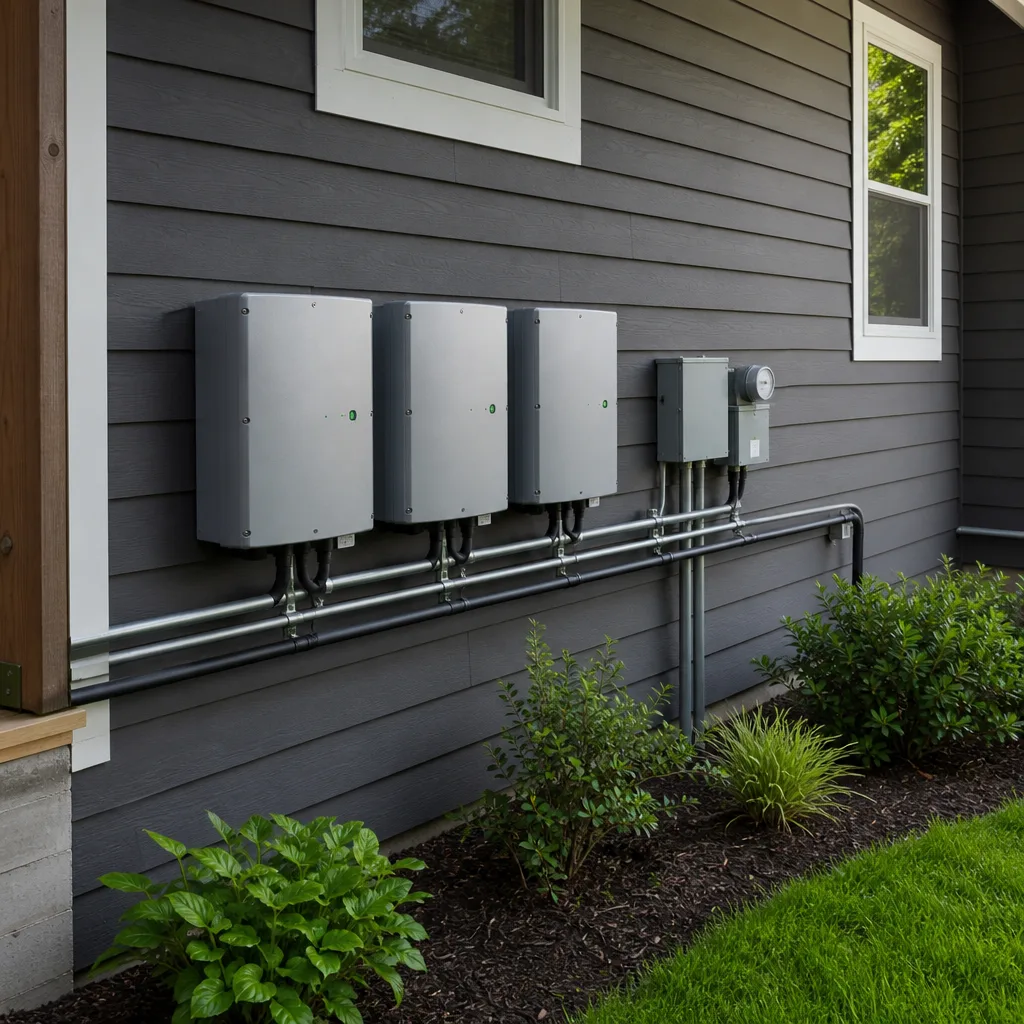
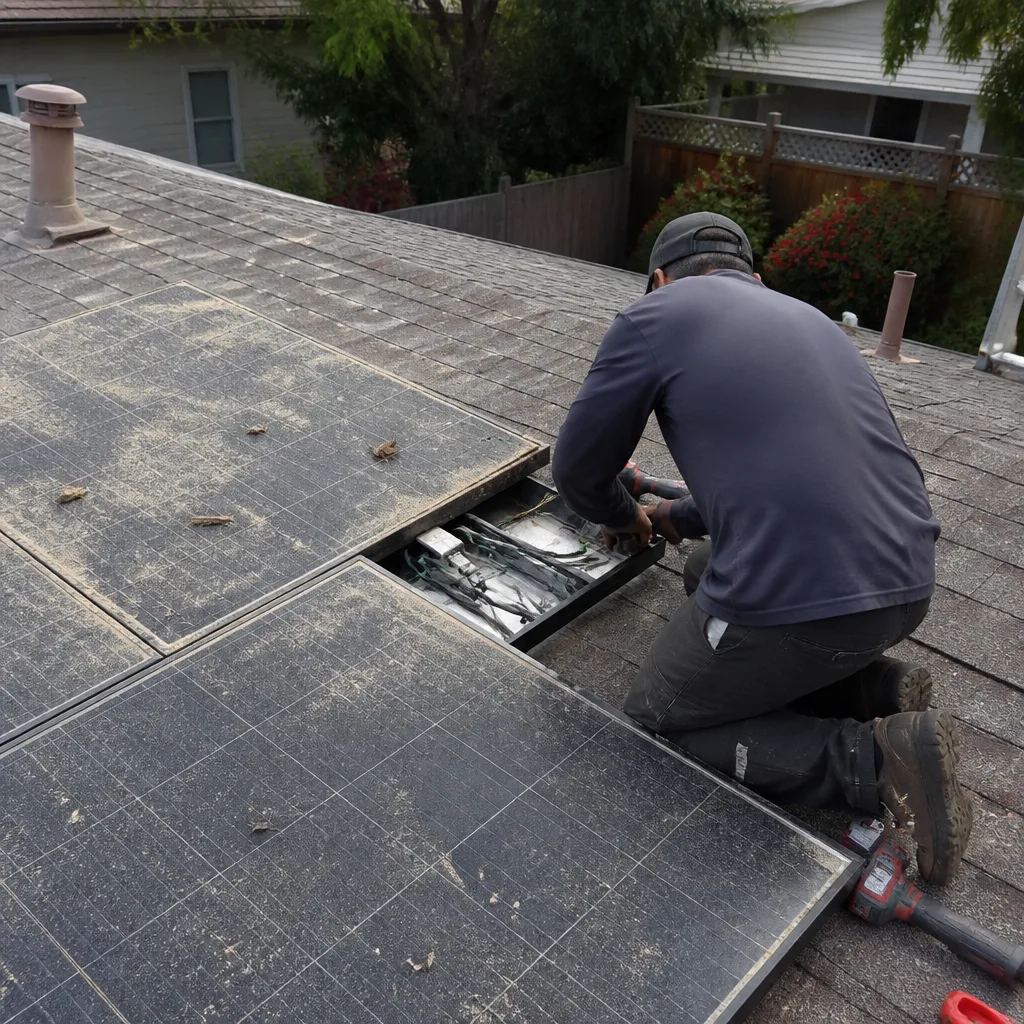 Before
 After
After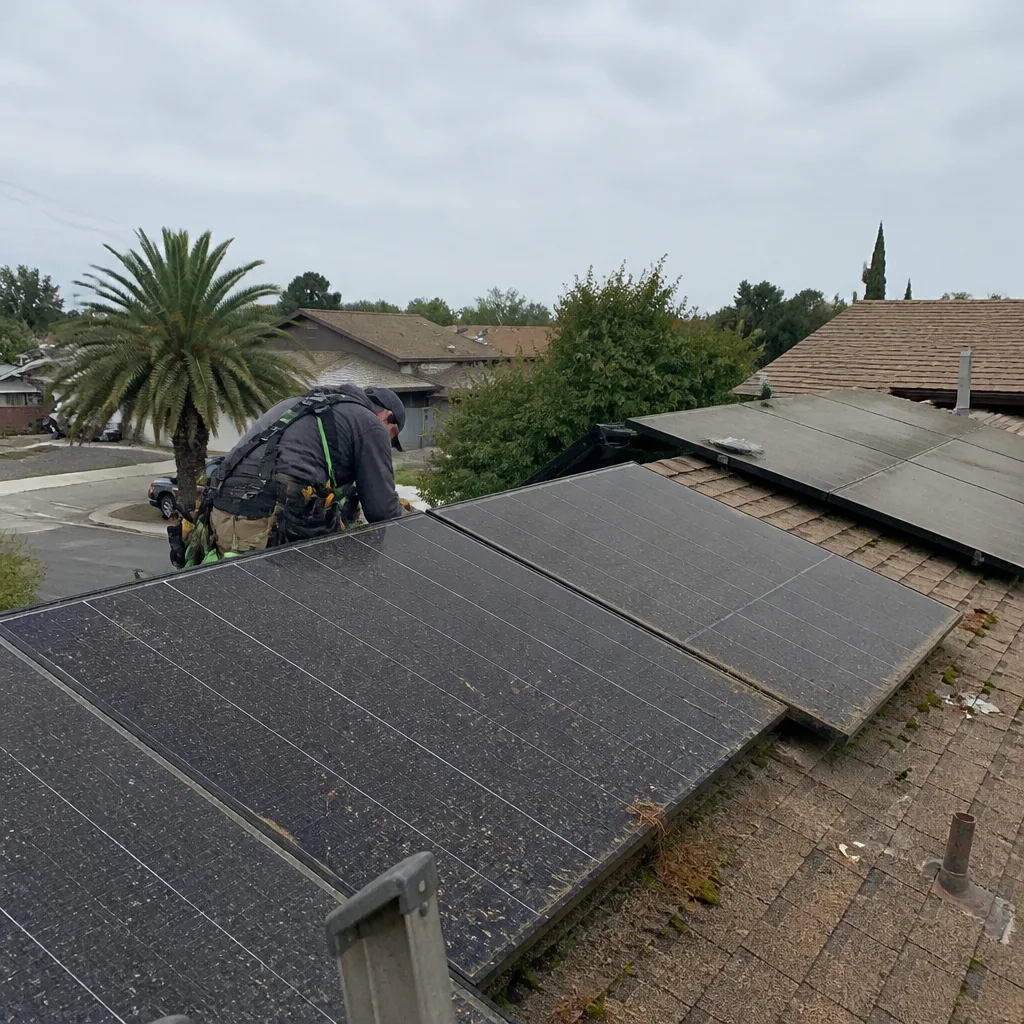 Before
 After
After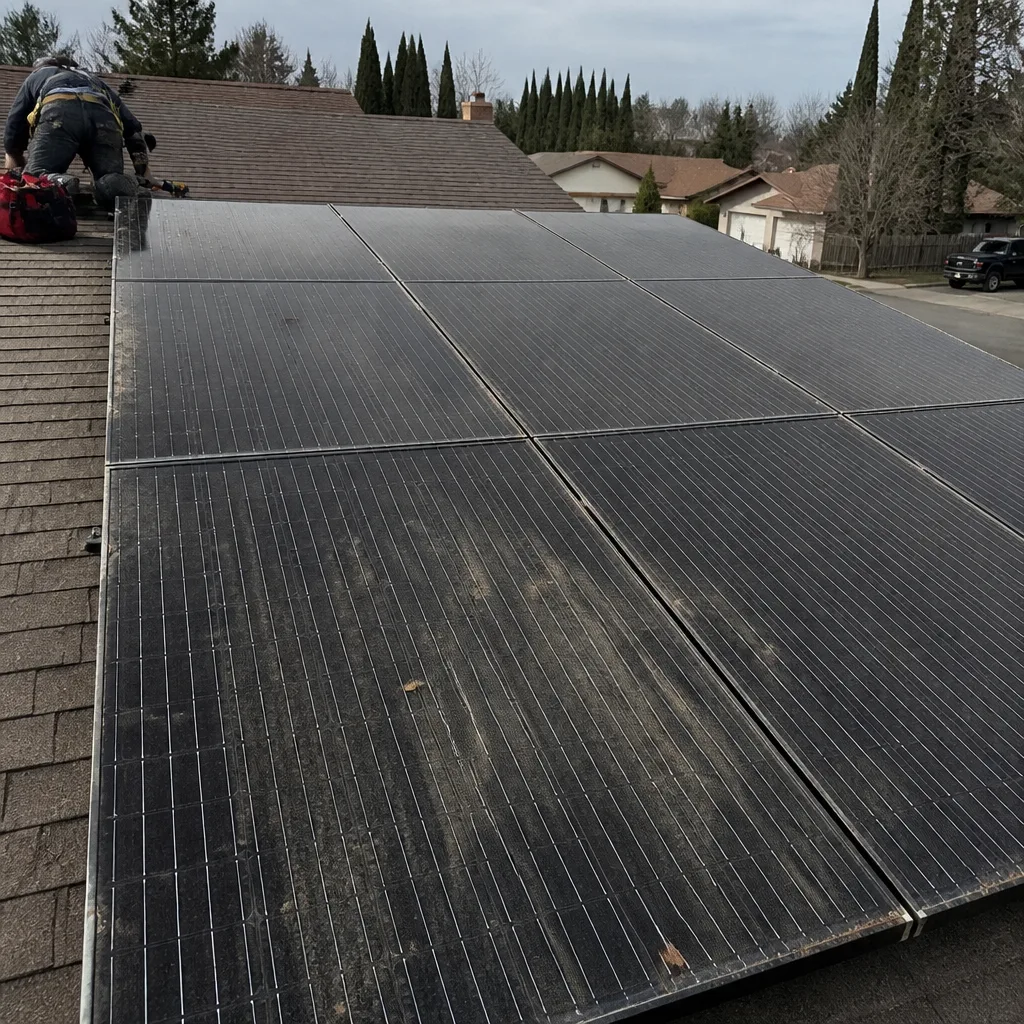 Before
 After
AfterFast, Reliable Commercial Solar Installation Across Stanford
Commercial solar installation in Stanford, CA typically runs $90,000 to $400,000 depending on system size, and the real bottleneck here isn’t the equipment, it’s the approvals. Stanford University owns nearly every building in the 94305 ZIP code, which means almost any commercial project has to go through Stanford Facilities Management and the university’s SESI energy team before a single panel goes up. We know that process because we work in it. Call (877) 550-6892 and we’ll give you a straight answer on what your project actually needs to clear.
Gus’s Solar has been doing this long enough to know that Stanford isn’t a normal market. You don’t file a standard PG&E interconnection and wait. You coordinate with university engineers, you respect historic-character guidelines, and you build the system to match the campus’s own distribution rules. Our crews are already familiar with the campus corridors, the Faculty Staff Housing streets, and the specific approval paths. That’s the difference between a project that stalls for six months and one that gets built.
Why Gus’s Solar Is Stanford’s Preferred Commercial Solar Installation Company
Gus Petrakis put his name on the truck 29 years ago, and he answers his own phone. When a Stanford customer calls with a question about a mid-project approval or a production readout, they aren’t routed to a call center. They get Gus. That matters a lot on a campus where someone from facilities or an energy manager may need to talk through spec changes on short notice. We’re reachable, we’re local, and we’ve seen enough Stanford projects to know where the hold-ups happen before they do.
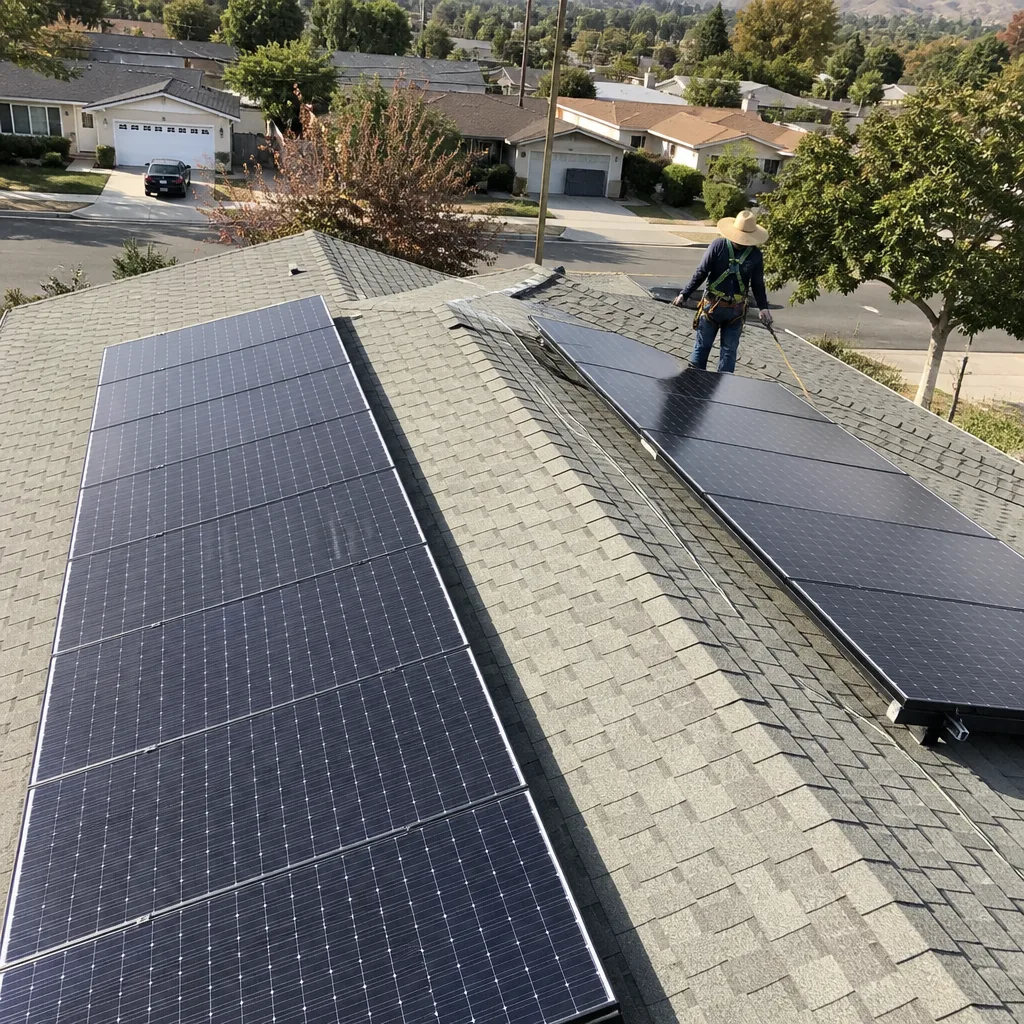
Our crews have completed rooftop arrays on mid-century Faculty Staff Housing in the Frenchman’s Hill corridor, worked through SESI metering coordination on larger commercial buildings, and handled ground-mount systems on institutional parcels. Every project we’ve done in Stanford has required the same thing: a contractor who respects the university’s rules without letting the project die in committee. We quote real numbers, we show up when we say we will, and the 90-Day Done Right Promise applies to every solar job in writing.
Response time to Stanford is usually same-day for calls we take before 2 pm, and next-day at the latest. Our scheduling is coordinated from the San Francisco Bay Area office, and crews serve Stanford locally. You won’t wait a week for a callback.
Our Commercial Solar Installation Services in Stanford
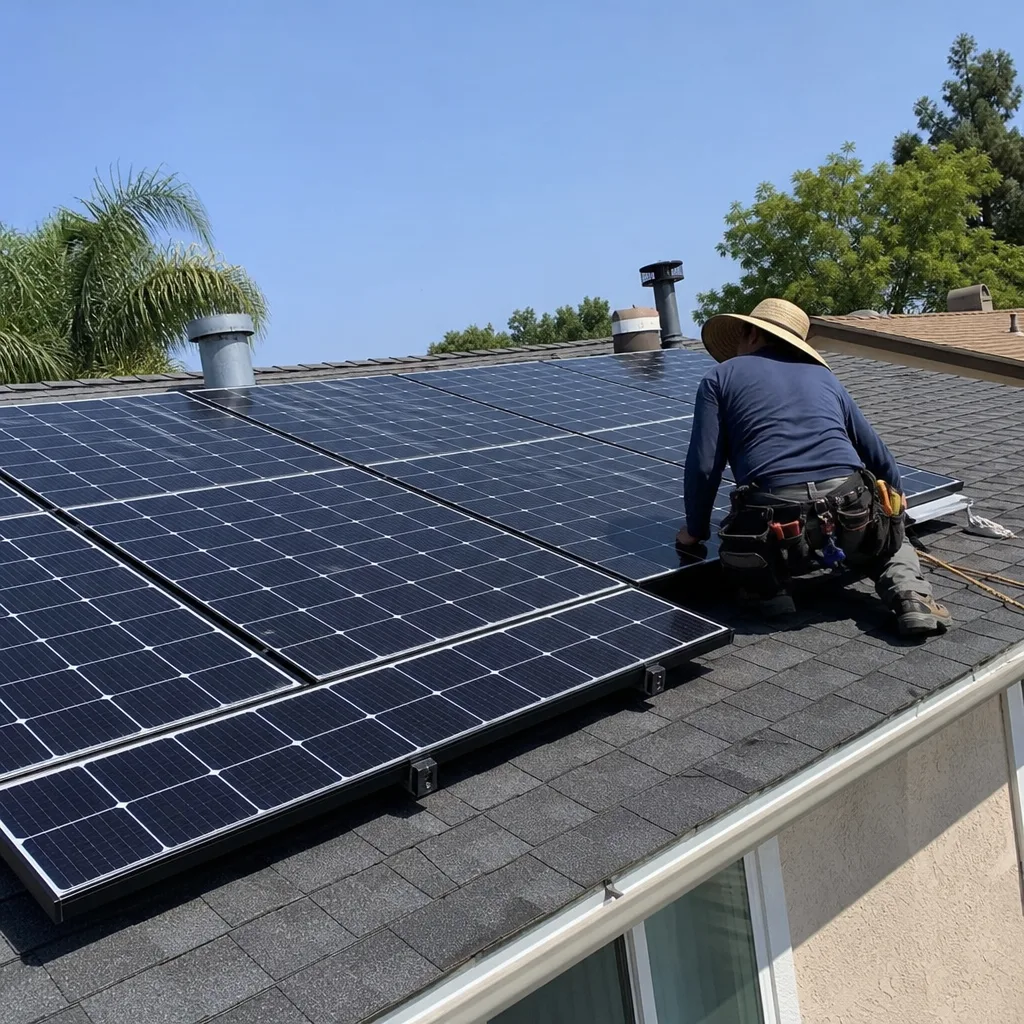
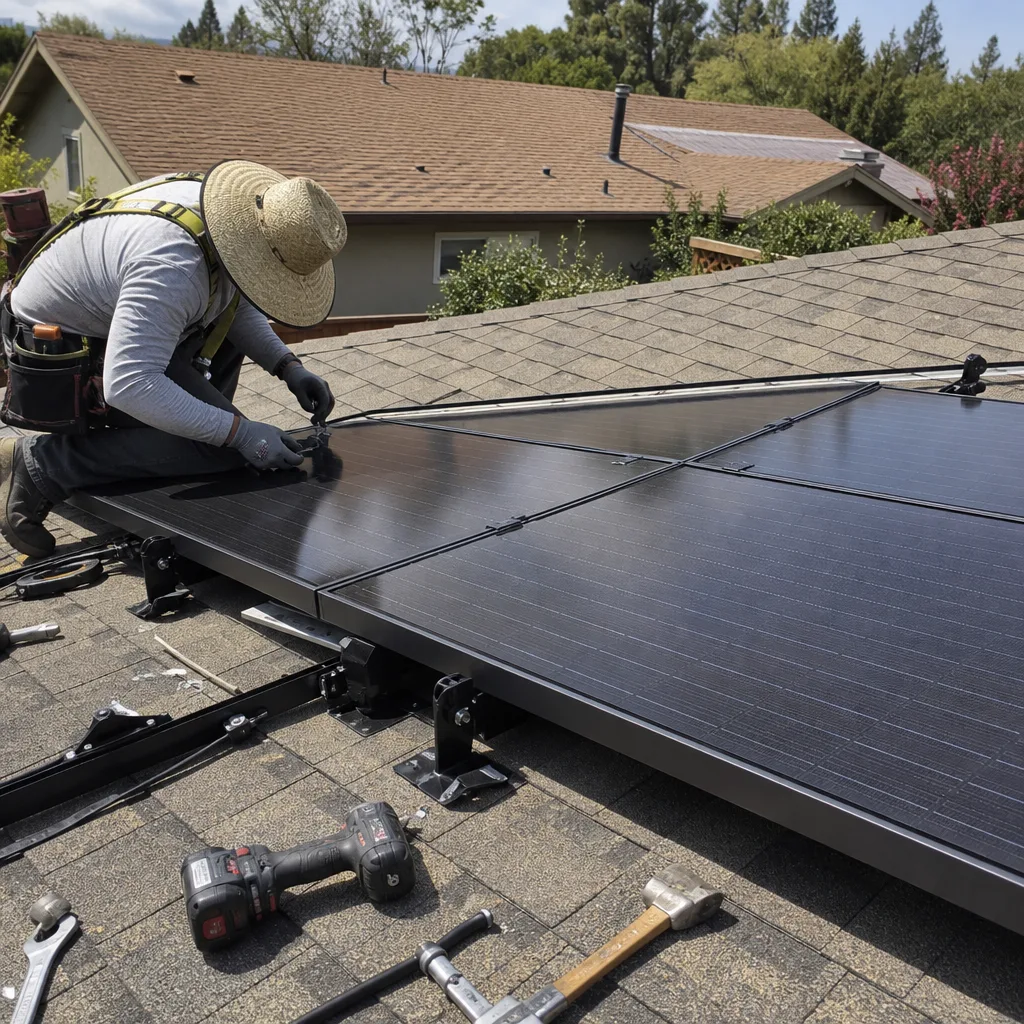
Commercial Rooftop Solar
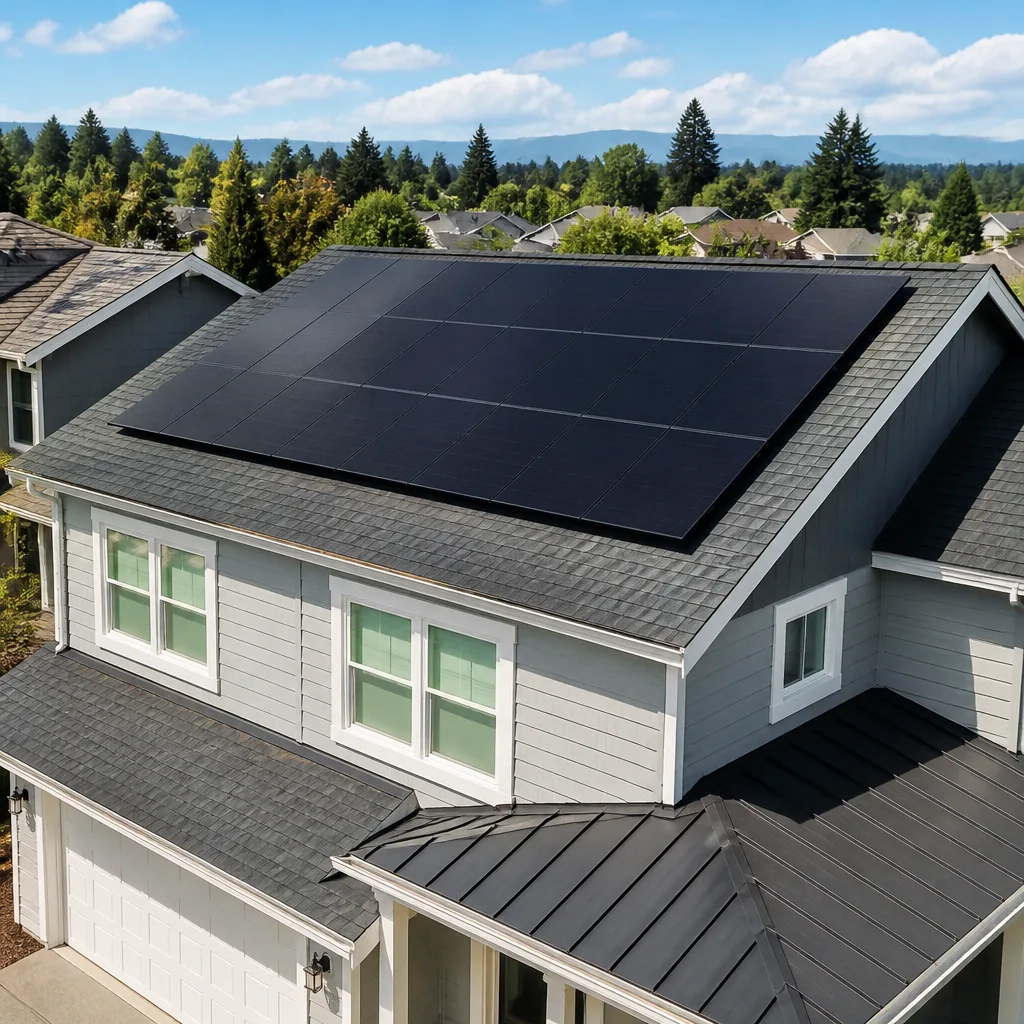
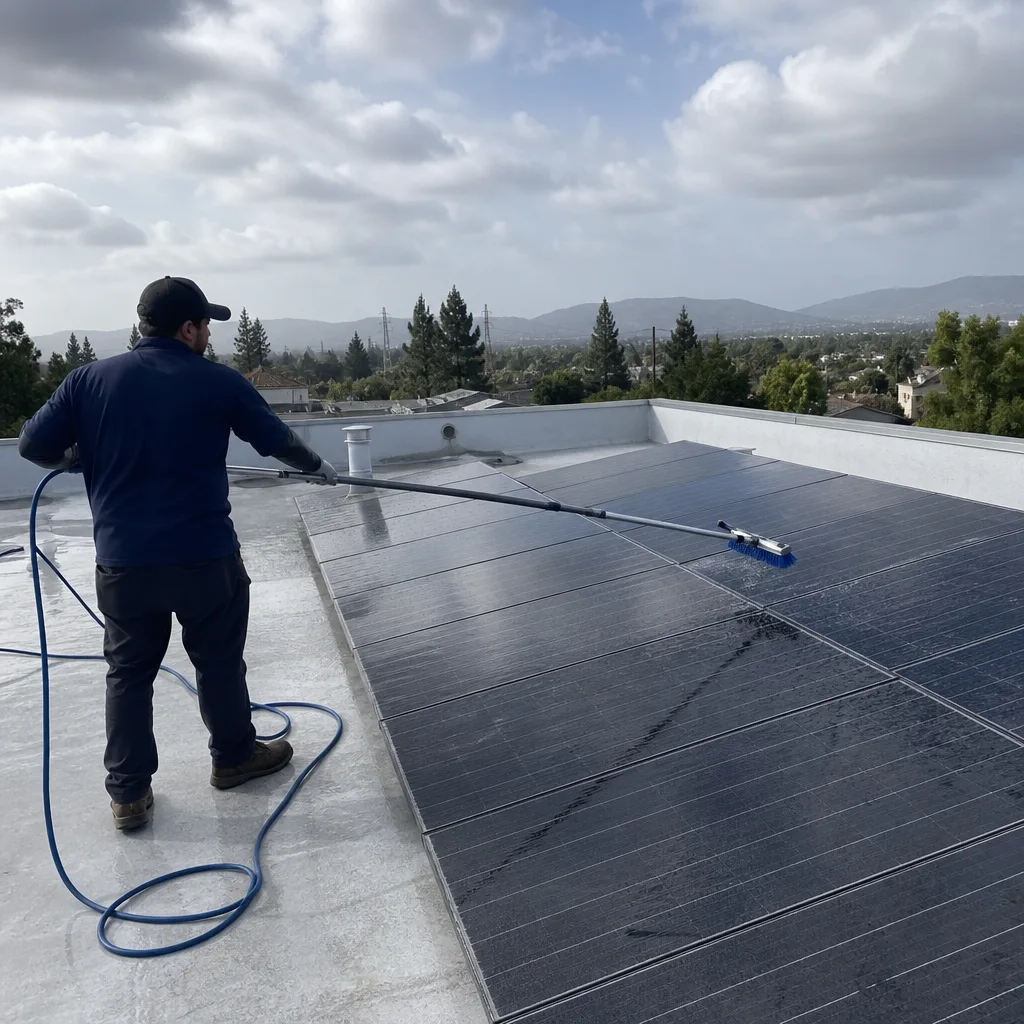
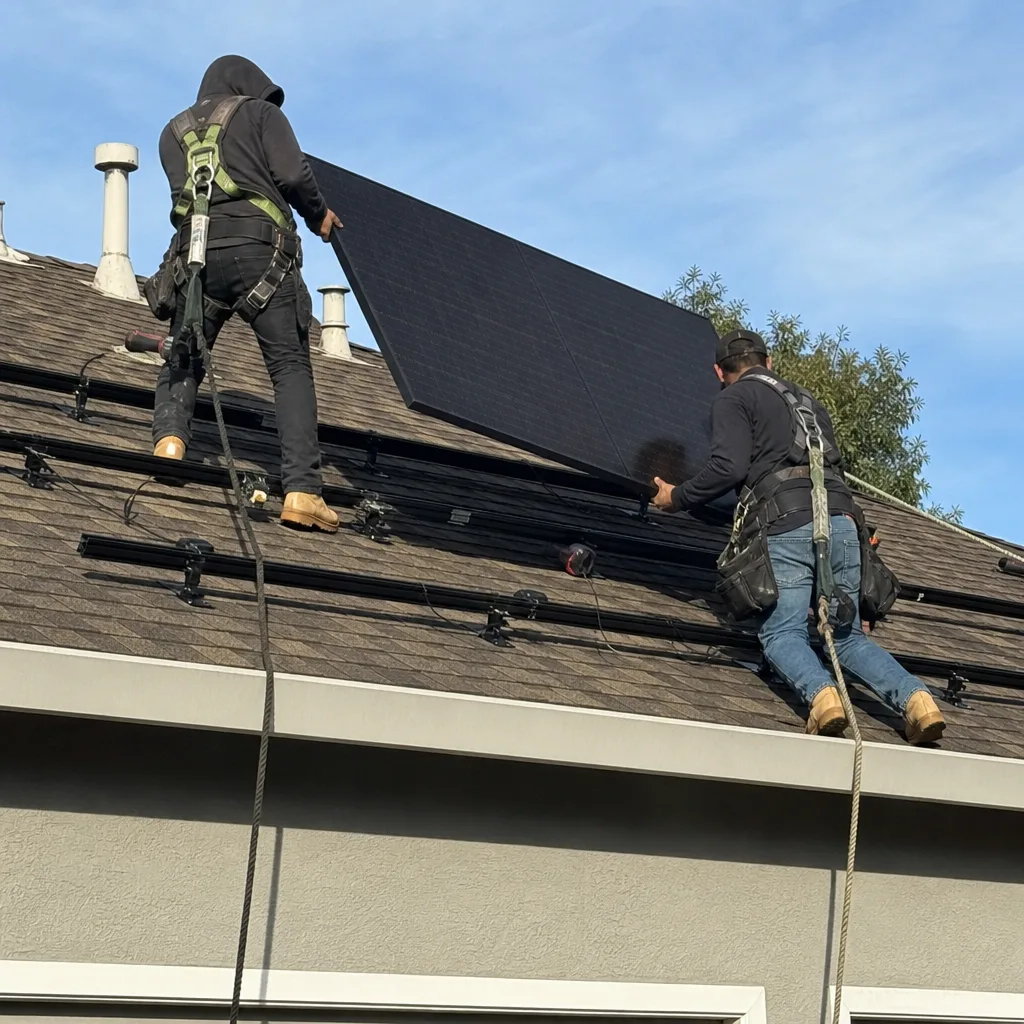
Most commercial buildings on the Stanford campus that can host solar are either mid-century one- and two-story structures or newer research and administrative facilities with flat membrane roofs. On the older Faculty Staff Housing stock, we generally recommend low-profile racking that doesn’t alter the building’s silhouette, because Stanford’s design review is strict about visible changes. For flat commercial roofs, ballasted systems often make the most sense since they avoid penetrating the membrane, which means fewer landlord-approval headaches. The key in Stanford is designing a system that the university’s reviewers will approve on the first pass, not the third.
Warehouse & Industrial Solar
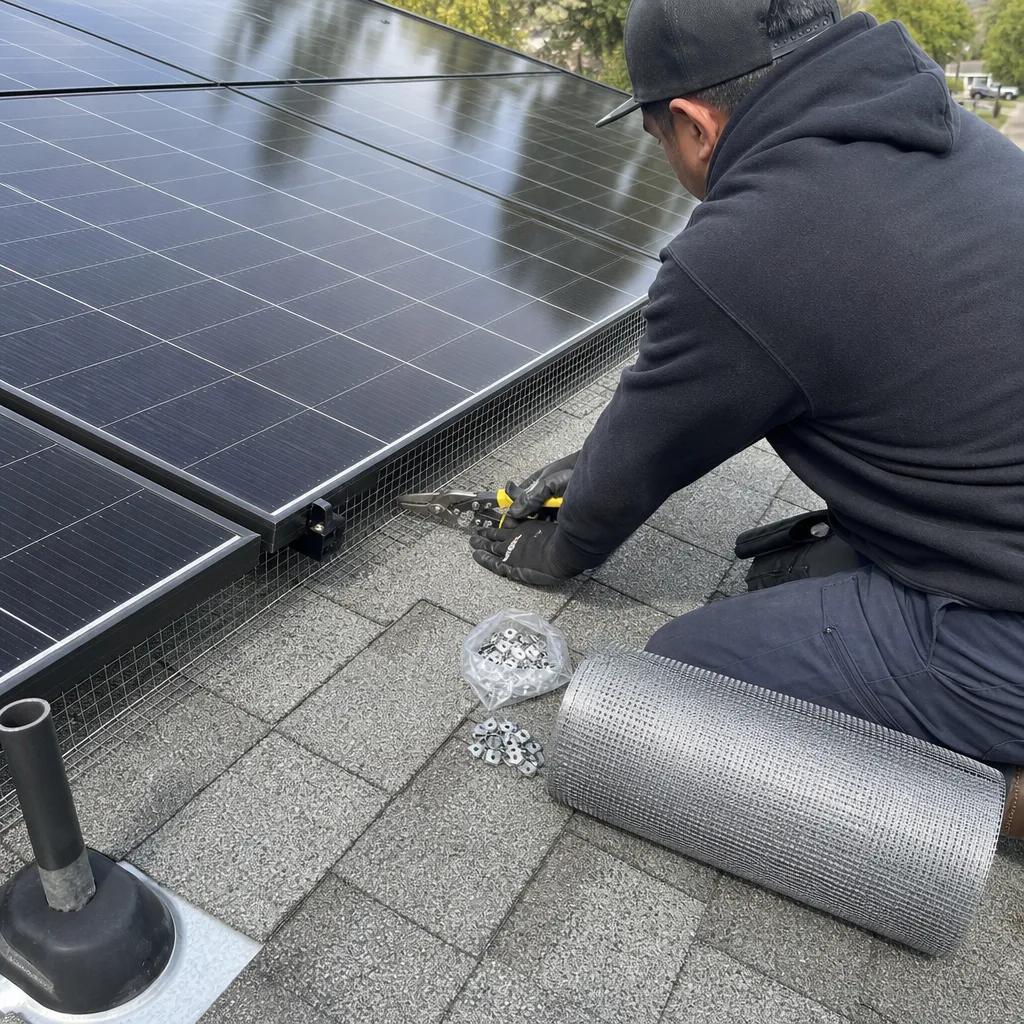
Stanford’s warehouse and service structures, like those along the campus perimeter near Stanford Avenue and the operations yards, tend to be excellent solar candidates because they have large, unshaded roof planes and high daytime loads. These buildings fall under the same Stanford approval umbrella, but the internal review is typically faster when the roof structure can handle ballasted mounting and there’s no visible racking from nearby historic corridors. We size these systems based on actual meter data, not a sales estimate, because the university’s energy managers want to see load-matching analysis before they sign off. A typical warehouse array in Stanford runs $120,000 to $280,000 before any incentives.
Solar Carport Installation
Carport solar gets more attention at Stanford than in most markets, because ground space is tight and parking lots are everywhere. The university’s sustainability planning has emphasized dual-use infrastructure, and structurally, the flat, open parking areas near Escondido Village and along Campus Drive have good exposure. Carport systems in Stanford generally run $180,000 to $450,000 depending on the number of covered spaces and whether EV charging is integrated. These projects require soil borings and structural engineering, and they always require SESI coordination, but the economics are solid for a university that wants shaded parking and generation in one footprint.
Commercial Battery Storage
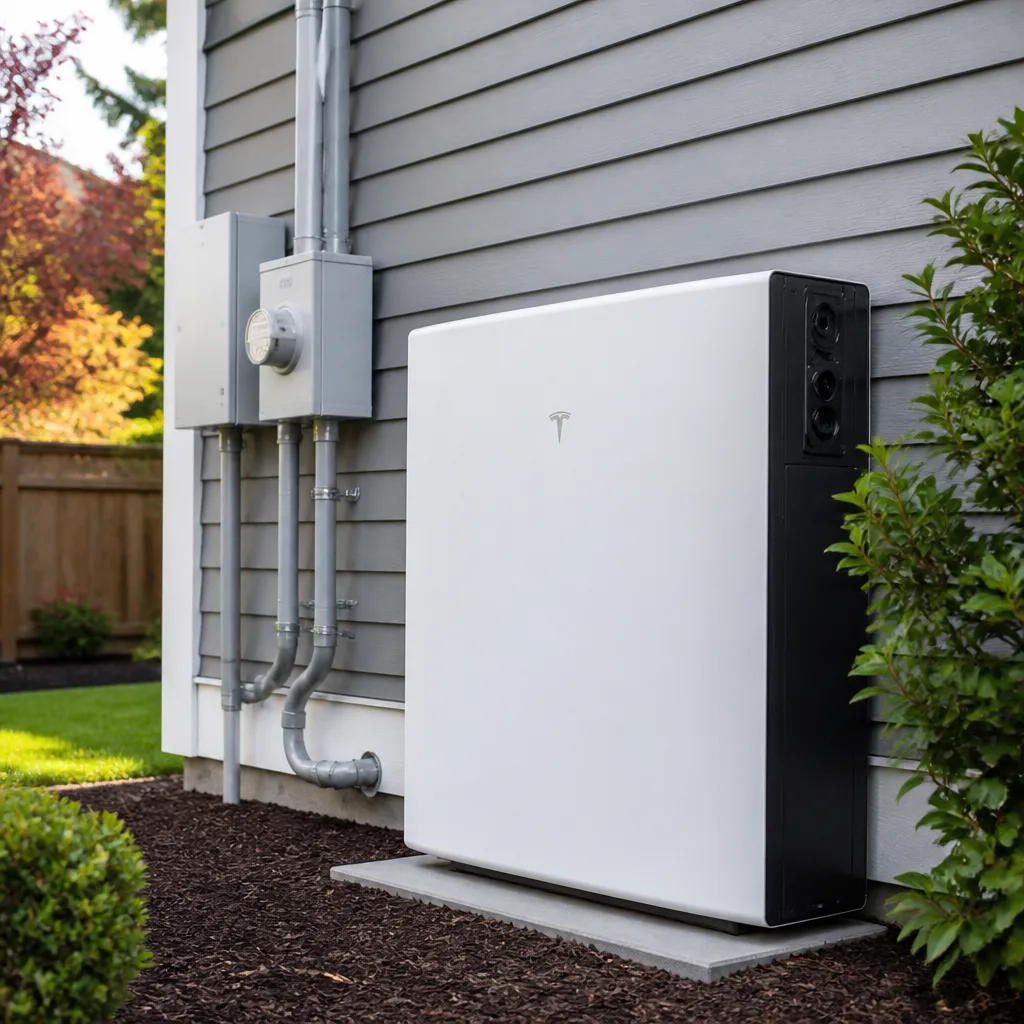
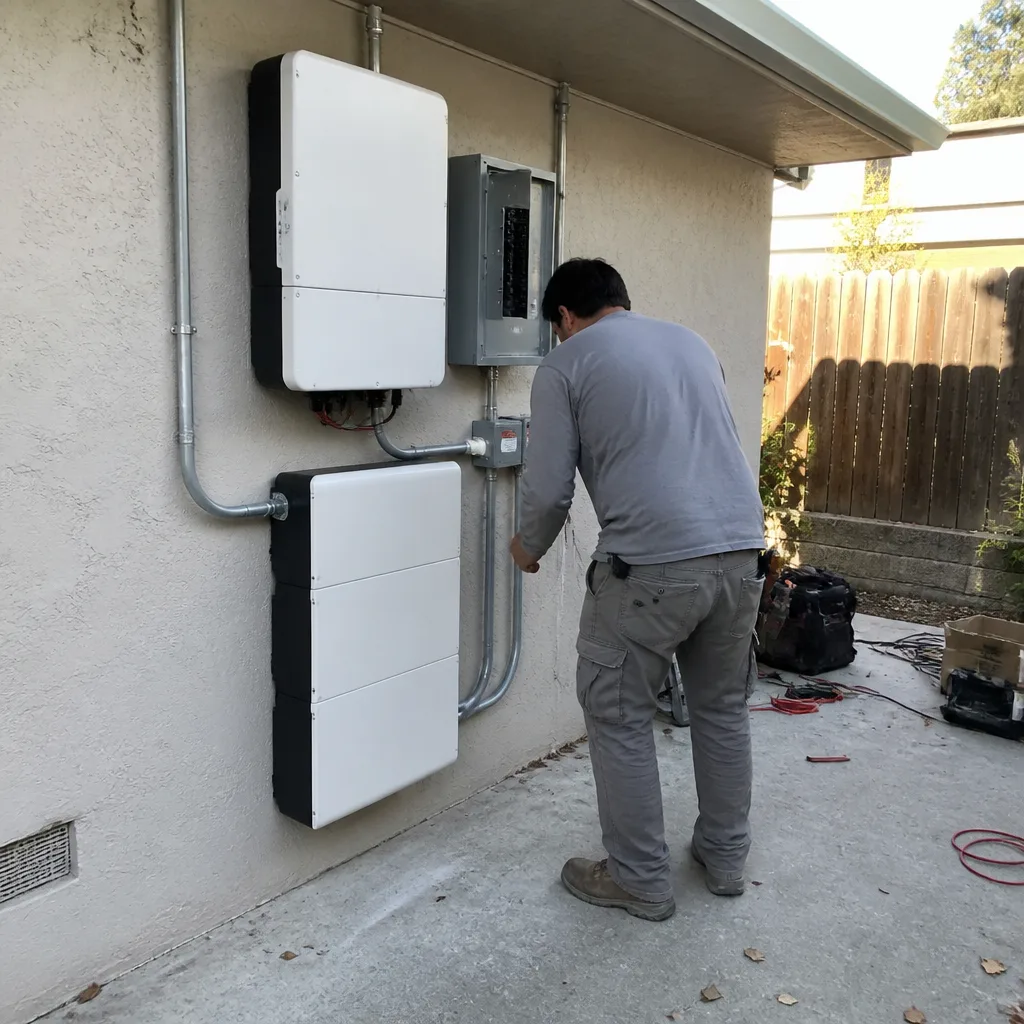
Battery storage on the Stanford campus is more nuanced than it would be at a typical commercial site. Because Stanford already operates its own campus energy system with internal metering, storage isn’t just about backup, it’s about demand management inside the university’s own grid economics. We work with Tesla, Enphase, and FranklinWH equipment, and for Stanford commercial applications we typically size storage around peak shaving and resilience rather than retail rate arbitrage. A commercial battery installation in Stanford runs $45,000 to $160,000 depending on capacity and controls integration.
What happens when you call
- 1
A real person answersNo phone trees - you reach a local pro.
- 2
You get an upfront price rangeHonest numbers before anyone is dispatched.
- 3
A background-checked tech heads outLicensed & insured, dispatched right away.
- 4
You approve before work beginsNothing starts until you say go.
Trusted Brands We Service in Stanford
We install and service equipment from Qcells, REC, and Panasonic, among others. We stock common components for these brands in our Bay Area warehouse, so when a Stanford customer needs a replacement inverter or an optimizer swap, we’re not waiting on a freight shipment from the East Coast. For campus buildings with strict aesthetic constraints, we’ve found REC’s black-on-black modules pair well with Stanford’s historic sand-stone and earth-tone building palette, and Qcells’ commercial panels handle the heavy daytime loads of campus service buildings efficiently. If a university energy manager wants a specific manufacturer, we can source it and stand behind the install.
Common Commercial Solar Installation Problems We See in Stanford
- Assuming a standard PG&E interconnection will work. It won’t. Stanford runs its own electrical distribution under SESI, and any on-site generation has to be coordinated through university energy managers. Contractors who file a PG&E or Palo Alto Utilities application end up stalling the project for months before someone tells them to start over.
- Proposing visible racking on historic buildings. Main Quad and the other sandstone Romanesque buildings are effectively off-limits for rooftop solar under university historic-character guidelines. Even adjacent structures can face restrictions if visible panels would alter the view from a protected corridor.
- Underestimating pre-construction review time. Every roof penetration on a Stanford-owned building requires landlord approval, and the review queue does not move fast. Contractors who don’t build that timeline into the schedule end up disappointing building occupants and energy managers alike.
- Designing for coastal fog that barely reaches here. Stanford sits far enough inland that the marine layer rarely suppresses production, so systems here generate more than a coastal install would. Contractors who use San Francisco irradiance assumptions leave yield on the table. We model off actual campus weather data, not the Bay Area average.
Pricing for Commercial Solar Installation in Stanford, CA
Gus’s Solar quotes the year-25 output, not the day-one brochure number. In Stanford, a commercial rooftop array on a mid-sized building typically runs $110,000 to $240,000. Warehouse and industrial systems run $120,000 to $280,000. A solar carport project with 40 to 60 covered spaces lands between $180,000 and $450,000, and commercial battery storage adds $45,000 to $160,000 depending on capacity. What changes your number in Stanford more than anything is coordination: SESI metering requirements, structural engineering for roof penetrations, and the university’s review timeline. Bring us a bill and your building drawings, and Gus will bring you the math. No signature wanted tonight. Take two weeks and think about it. The price will be the same. Call (877) 550-6892 for a free estimate.
We Also Serve Cities Near Stanford
While this page covers Stanford specifically, Gus’s Solar also handles Commercial Solar Installation in nearby communities including Palo Alto, Atherton, East Palo Alto, and Los Altos Hills. If your building sits outside the 94305 boundary but you still deal with Stanford-adjacent permitting or SESI coordination questions, we’re the team that knows both sides of that line. We serve all of Stanford and the surrounding corridor from our Bay Area office.
Serving Stanford, CA - Our Local Coverage Area
We’re based in the Stanford area and know this community well. Use the map below to see our service coverage - if you’re nearby, we can almost certainly help.
FAQs - Commercial Solar Installation in Stanford
Stanford’s SESI program means your commercial solar system won’t interconnect through a standard PG&E or Palo Alto Utilities application. Instead, the system must be coordinated with Stanford Energy System Innovations managers, who run the campus’s own electrical distribution and metering infrastructure. We handle this coordination for you, usually starting with a load analysis and a proposed metering point before any equipment is ordered. Call us at (877) 550-6892 and we’ll map out the exact interconnection path for your building.
No. The sandstone Romanesque buildings of the Main Quad are effectively off-limits for visible rooftop solar under Stanford’s historic-character guidelines. We focus on buildings where the university will actually approve the work: mid-century Faculty Staff Housing, newer administrative and research facilities, warehouse and service structures, and carport installations in surface lots. If you’re unsure whether your building qualifies, call us and we’ll tell you straight.
Stanford’s inland position means it largely escapes the marine fog that suppresses production in coastal cities like San Francisco and Half Moon Bay. The result is annual irradiance well above the Bay Area average, with dry, sunny summers and minimal coastal overcast. A well-sited commercial array in Stanford should produce within 5% of its modeled output on a typical year. We use local campus weather data, not regional averages, so the production number we quote is one you can take to an energy manager and defend.
Yes. Every roof penetration or mounting hardware change on a Stanford-owned building requires approval from Stanford Facilities Management, and the review is not a rubber stamp. Historic-character review, structural sign-off, and design review all come into play. We prepare submission packages that anticipate the university’s questions, which shortens the timeline meaningfully. Call (877) 550-6892 and we’ll walk you through what your specific building will need.
Net metering on Stanford’s campus is governed by the university’s internal metering protocols under SESI, not by standard California utility net-metering tariffs. In practice, this means the production from your system is credited against the building’s internal energy accounting, and the exact credit mechanics are set by Stanford’s energy managers. We design systems to maximize on-site consumption first, storage second, and export last, because that’s the economics that win on campus. Call (877) 550-6892 for a free estimate on your building.
Key Takeaways
- Commercial solar in Stanford requires university approval through Stanford Facilities Management and SESI coordination, not a standard utility interconnection.
- Historic Main Quad buildings are off-limits for visible rooftop solar, but mid-century, warehouse, and carport sites are strong candidates.
- Stanford’s inland climate delivers strong year-round irradiance, above the Bay Area average.
- Pricing for commercial arrays runs $110,000 to $450,000 depending on system type and size.
- Gus’s Solar has completed Stanford projects that cleared SESI review, including a Frenchman’s Hill rooftop that offsets over 90% of annual usage.
Written by Gus Petrakis, Owner at Gus’s Solar, serving Stanford since 2011.