
Free bill analysis - bring a power bill, get the production math for your actual roof, panel brands like Qcells and REC compared side by side
If the pitch starts at your door and ends with "sign tonight for the special," sleep on it. The sun will still be there tomorrow; so will we.
 Before
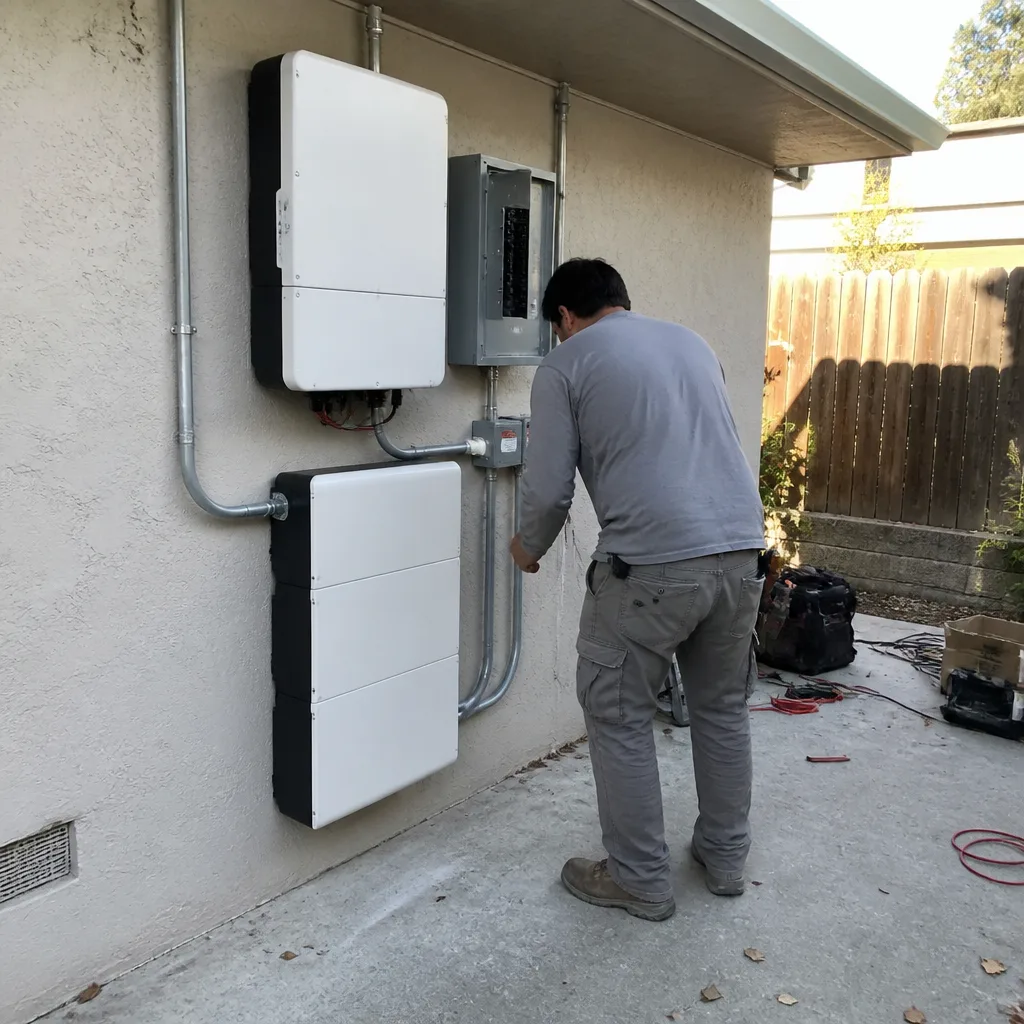 After
After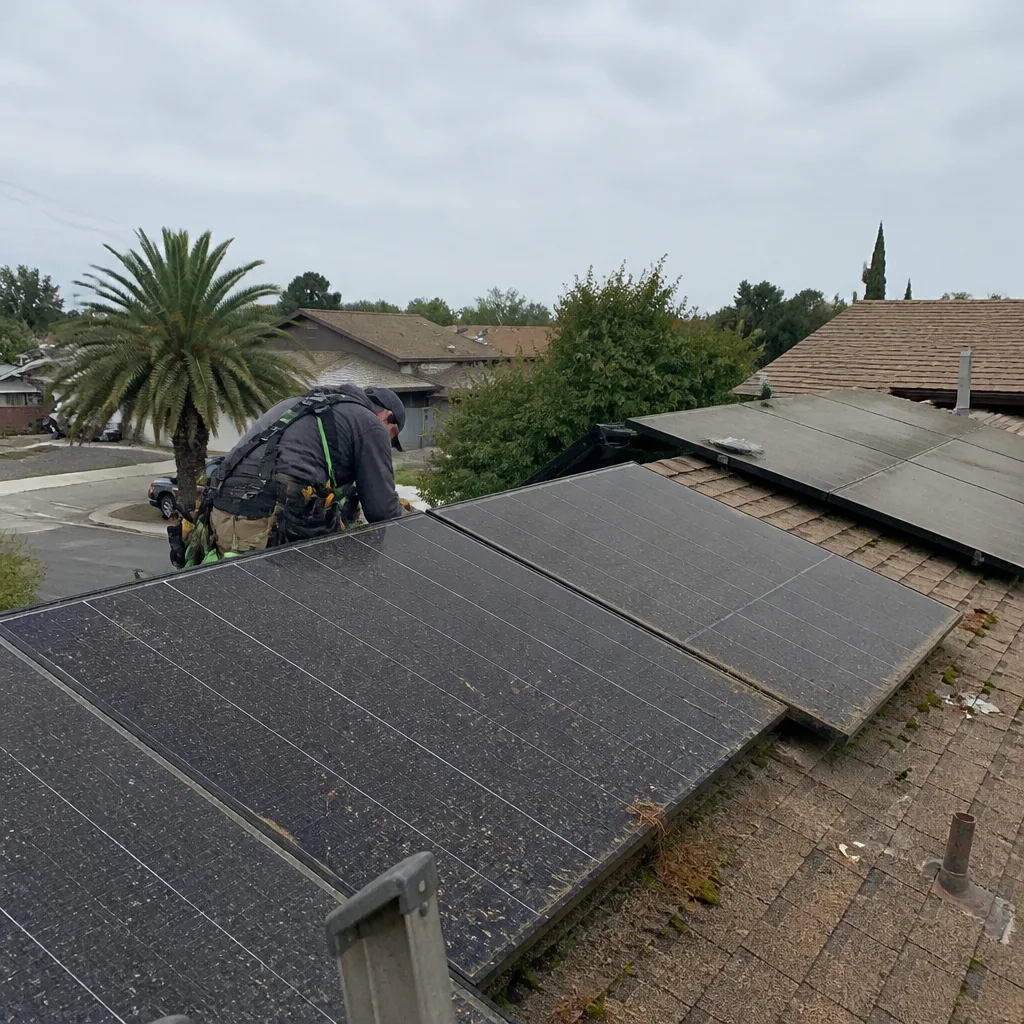 Before
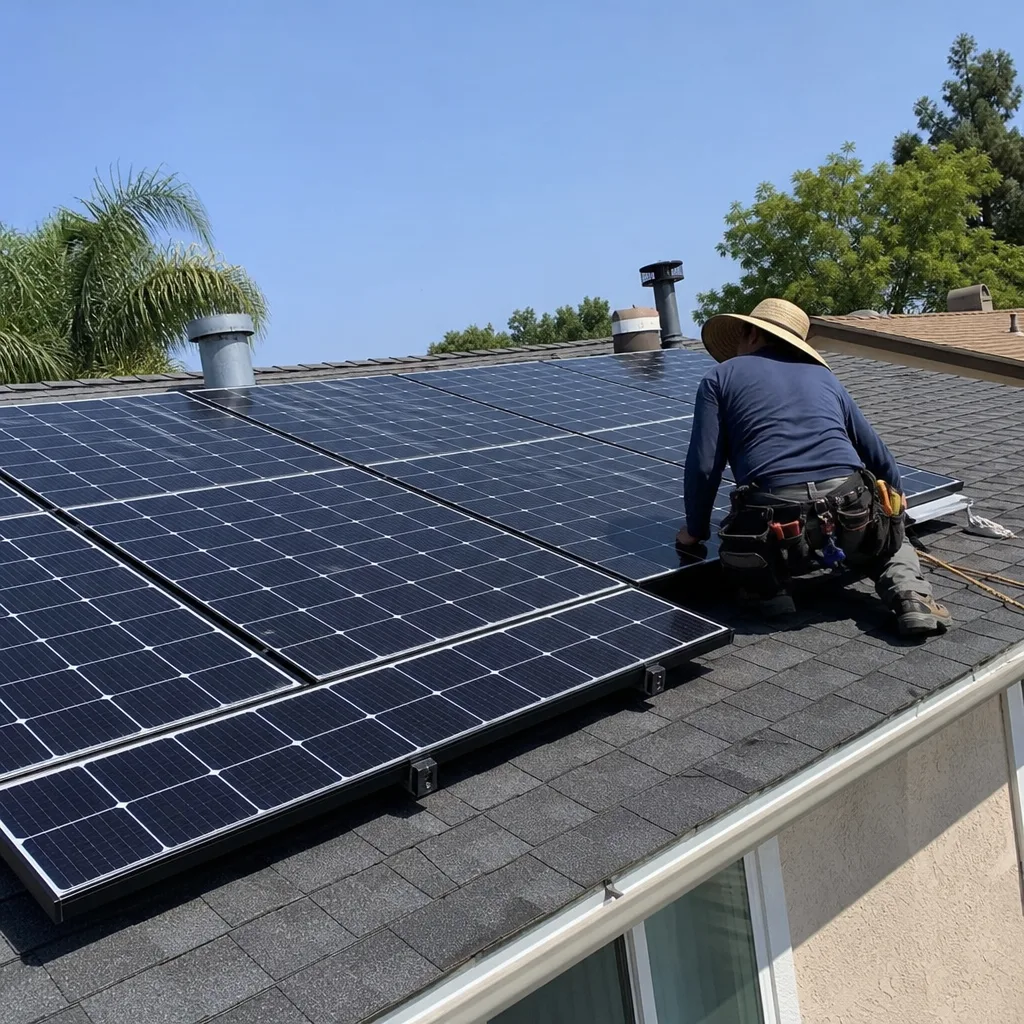 After
After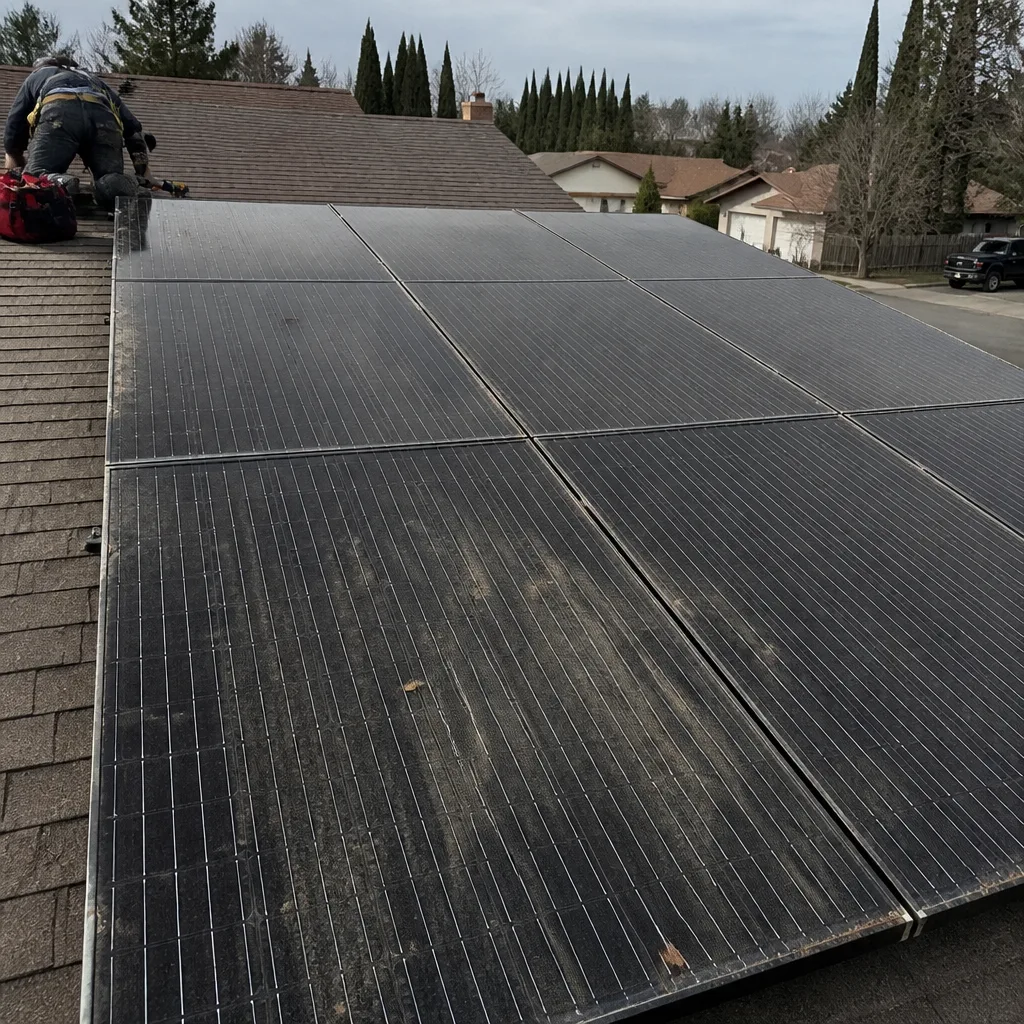 Before
 After
AfterFast, Reliable Solar Panel Maintenance & Monitoring Across Palo Alto
Solar panel maintenance in Palo Alto typically runs $180-$420 for an annual inspection and cleaning, while production monitoring setup costs $250-$600 depending on whether you already have a consumption meter installed. If your system is underproducing and you’re on City of Palo Alto Utilities, the fix often isn’t a new panel. It’s a firmware mismatch, a failed microinverter, or a shading shift from a neighbor’s oak that grew six feet since 2019. We’ve been working on Palo Alto roofs long enough to know where to look first. Call (877) 550-6892 and we’ll be there, usually same day for diagnostics.
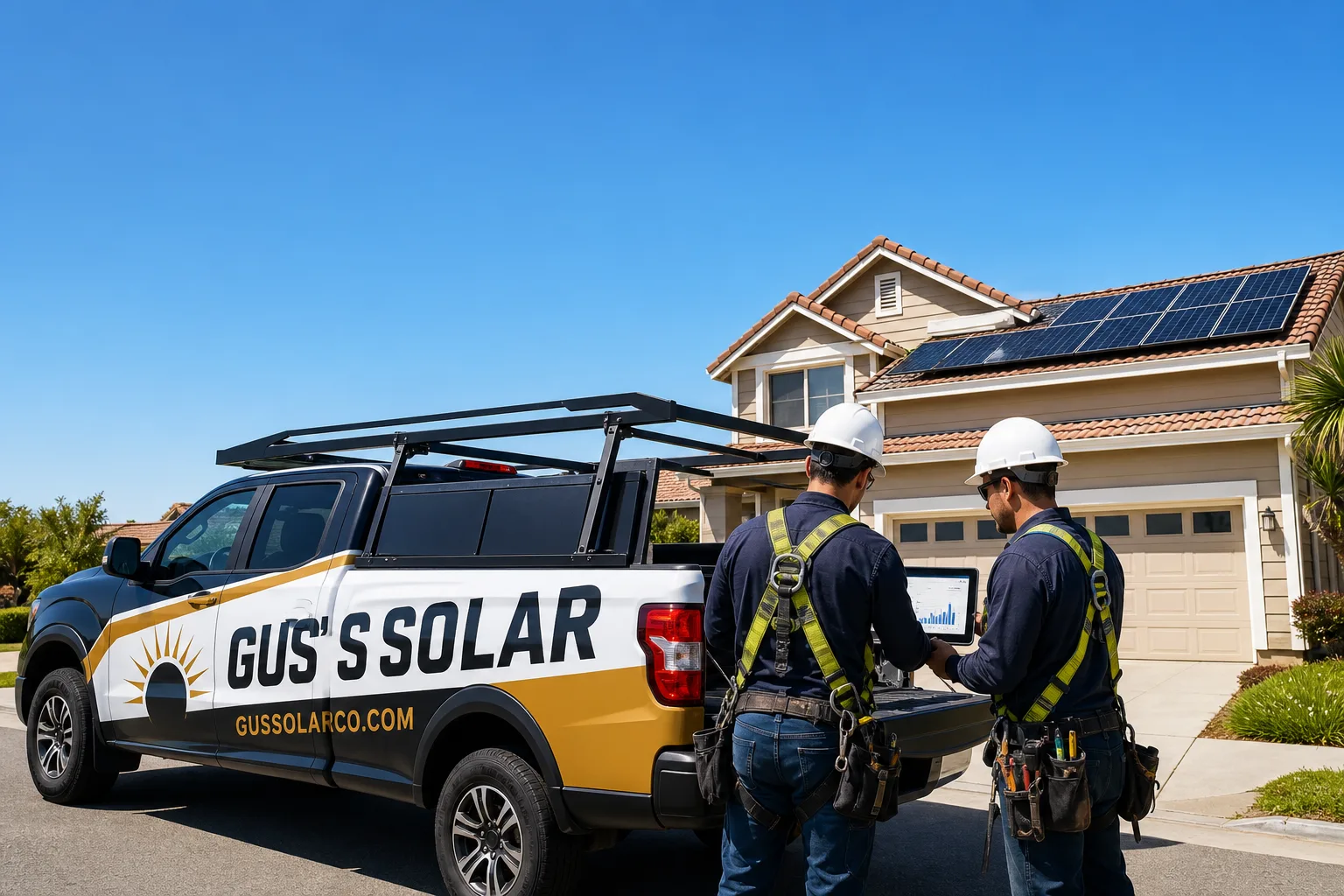
We’re Gus’s Solar, and we’ve been doing Solar Panel Maintenance & Monitoring on the Peninsula since 2011. Gus Petrakis owns the company, answers the phone, and his name is on the truck. No call center. No subcontracted crew. When we come to your house in Midtown, Old Palo Alto, or Barron Park, the person on your roof works for Gus directly.
Why Gus’s Solar Is Palo Alto’s Preferred Solar Panel Maintenance & Monitoring Company
Most national solar companies treat maintenance as an afterthought. They sold you the system, collected the commission, and moved on. Gus built this company differently. We live here, we know the CPAU rate structure, and we know which Palo Alto neighborhoods have the oldest inverters still limping along on original firmware. When you call with a production drop, we don’t read you a script. We ask what your monitoring portal says, then we send a tech.
Our Solar Panel Maintenance & Monitoring in Palo Alto work runs on one principle: if it’s not done right, Gus makes it right. That’s the 90-Day Done Right Promise, and it’s in writing on every job, including maintenance visits. We also answer the phone 24/7 with a live person, not a voicemail tree. That matters when your inverter throws a fault code on a Saturday morning and you’re watching production flatline.
Palo Alto homes present specific maintenance challenges that a generic solar company misses. Mature redwood and oak canopies in Professorville and Old Palo Alto shift shading patterns year over year. Eichler-style flat roofs in 94306 collect fine debris around ballasted racking that slowly cooks the middle of your array. Mid-century ranch homes in Midtown often have 12-year-old inverters that need firmware reconfiguration after every CPAU grid-code update. We see these patterns constantly, and we fix them before you lose a full quarter of production.
Our Solar Panel Maintenance & Monitoring Services in Palo Alto
Annual System Inspection
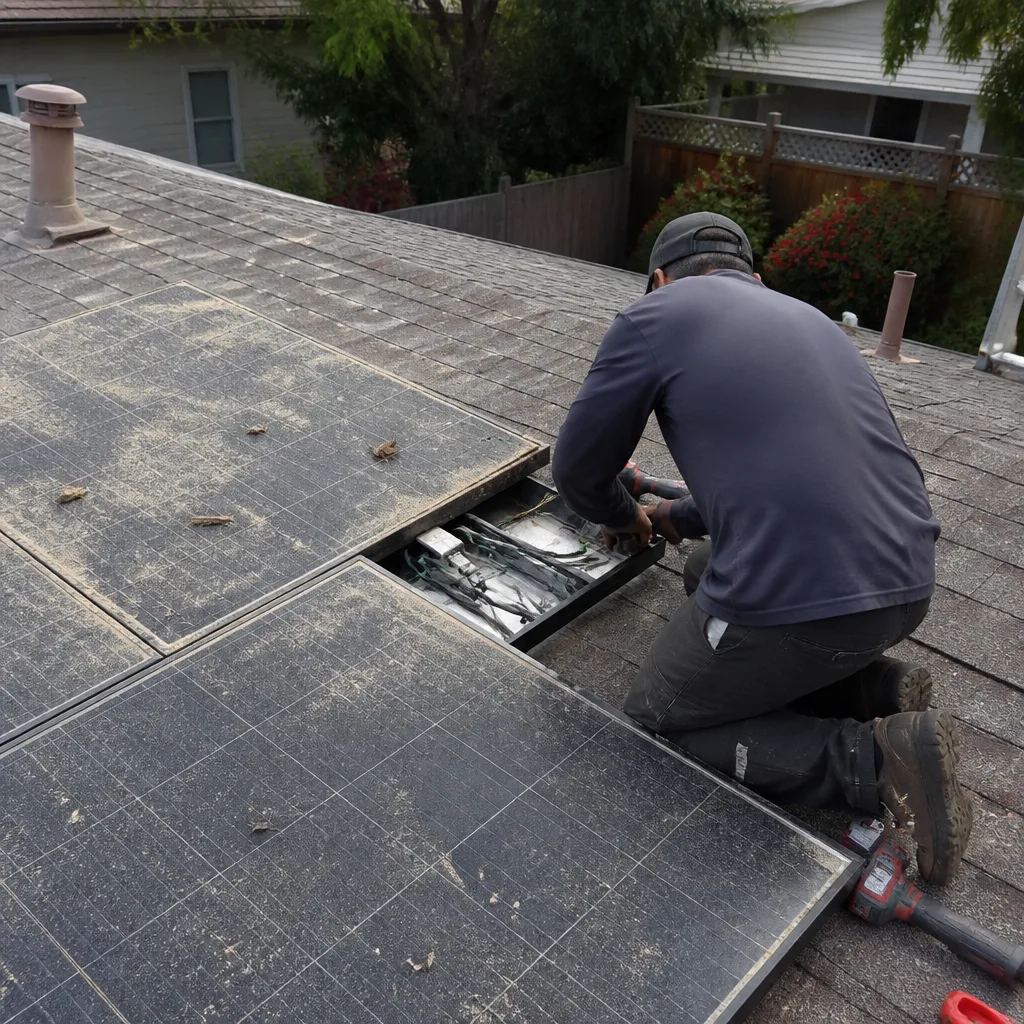
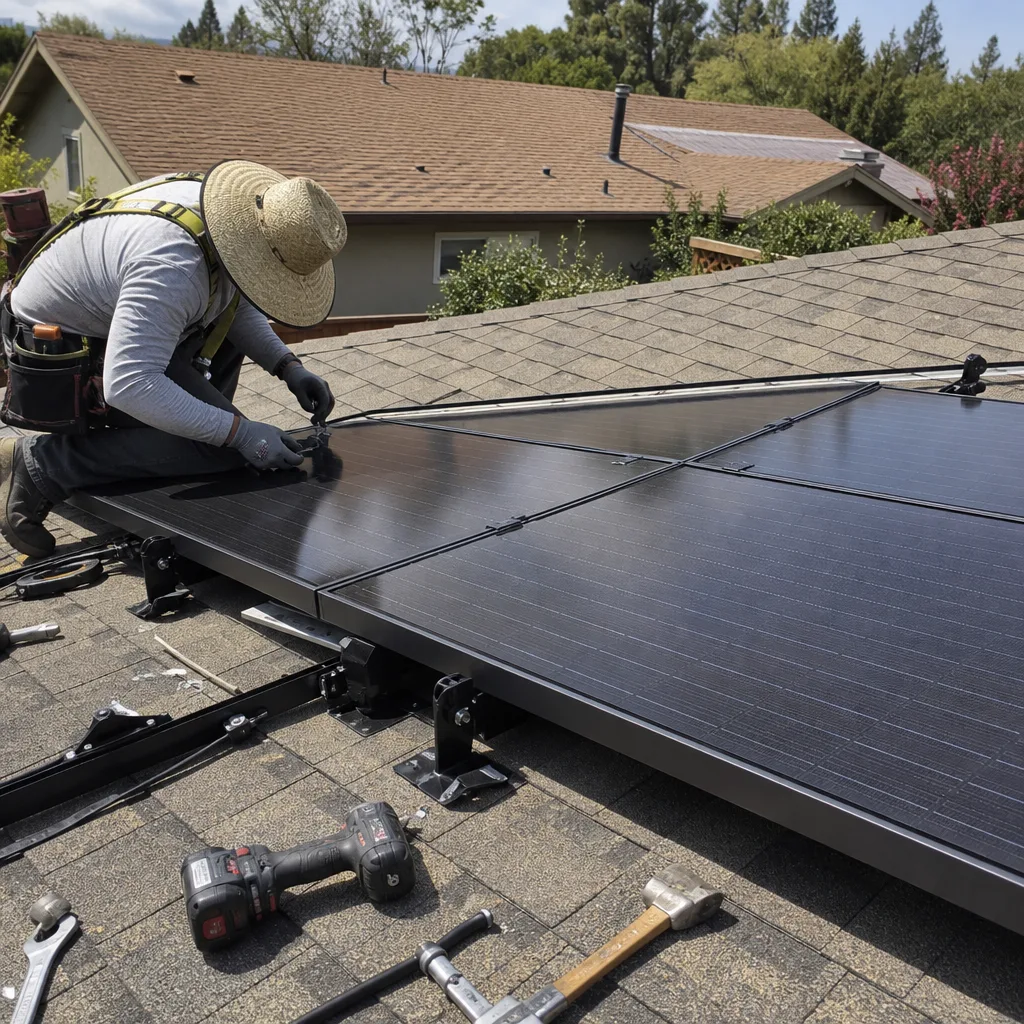
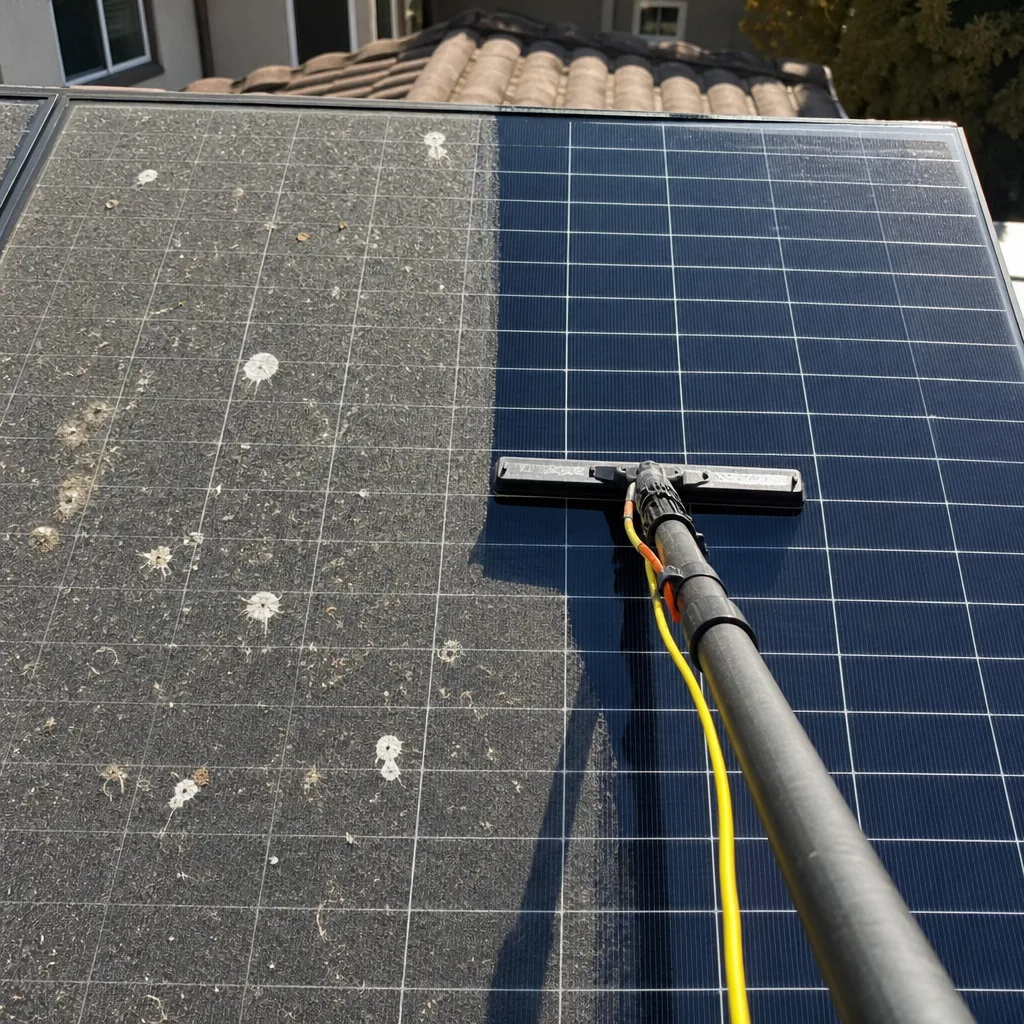
A thorough inspection in Palo Alto runs $180-$320 for a standard residential array under 10 kW. We check every panel connection, torque the racking bolts, test each microinverter or optimizer channel, and pull a production report against your CPAU true-up statement. For flat-roof Eichler homes in 94306, we also inspect ballast blocks, drain paths, and stanchion bases where fine debris and pigeon droppings accumulate. These are the spots that cause hot spots and premature panel degradation if nobody looks at them for three years.
Production Monitoring Setup
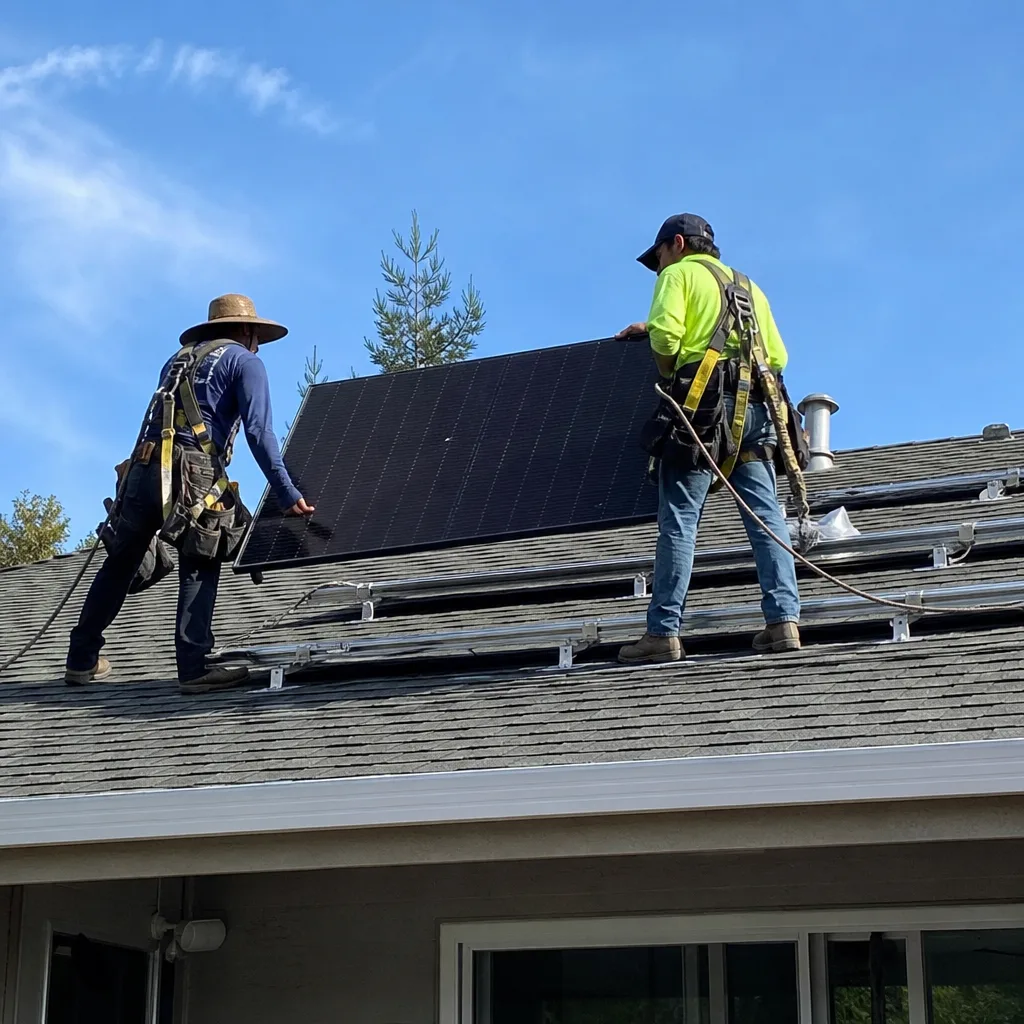
If your existing system doesn’t have a monitoring portal that shows real-time production, you’re flying blind. Setup typically costs $250-$600 in Palo Alto, depending on whether we’re installing a new consumption monitor, reconfiguring your Enphase gateway, or integrating an older SolarEdge HD-Wave with a cellular data plan. We configure the portal to display kWh offset against your CPAU bill, so you can see exactly what your system did during each billing cycle. Without that, you’re trusting a system you can’t see.
Underperformance Diagnostics
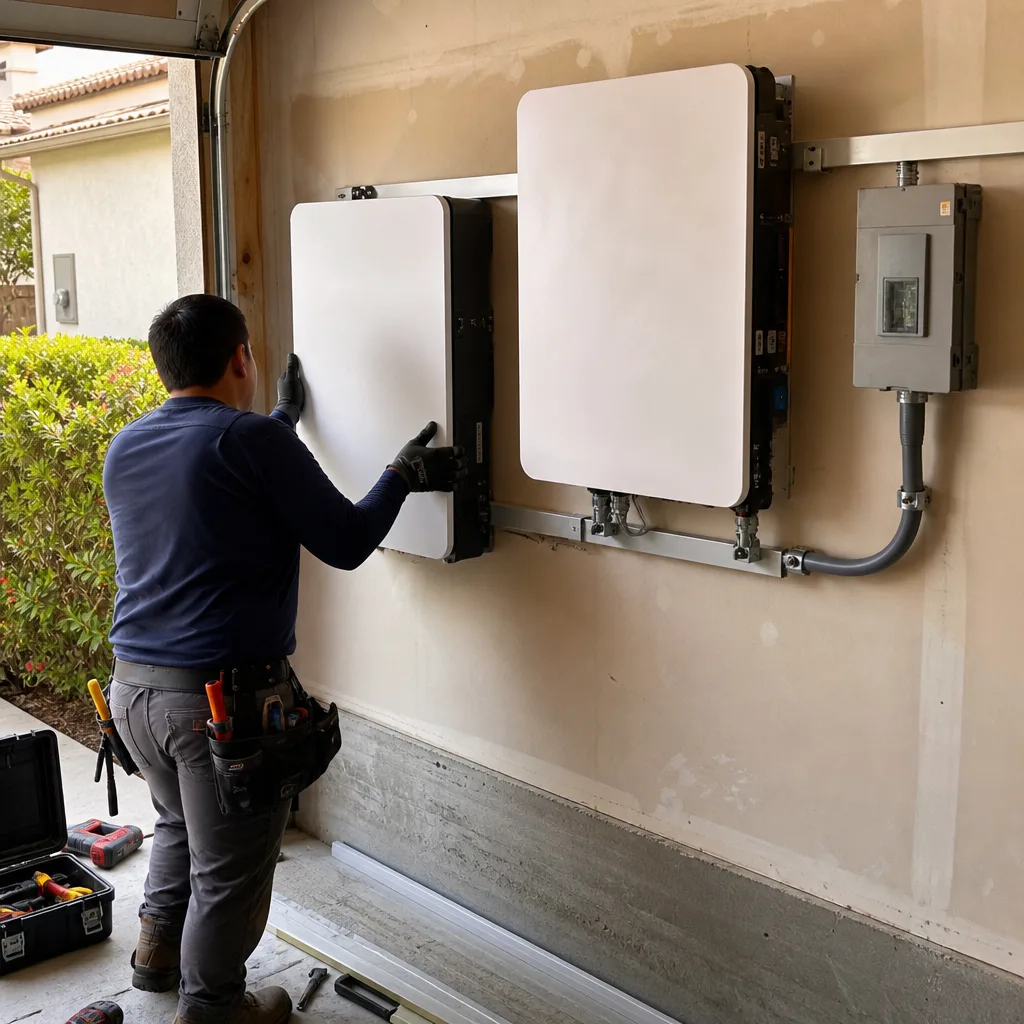
This is where we earn our pay in Palo Alto. A system that’s running 12-20% below its production estimate rarely has a single obvious failure. It’s usually one of three things: a failing microinverter that still reports “okay” to the gateway, a firmware drift on an older inverter after a CPAU grid-code update, or shading from a neighbor’s tree that wasn’t there when the system was installed. Diagnostics run $150-$280 for the first hour, and that includes a full production download, string-by-string comparison, and a written finding with photos. If we find a warranty-covered failure, we handle the claim paperwork for you.
Firmware & App Configuration
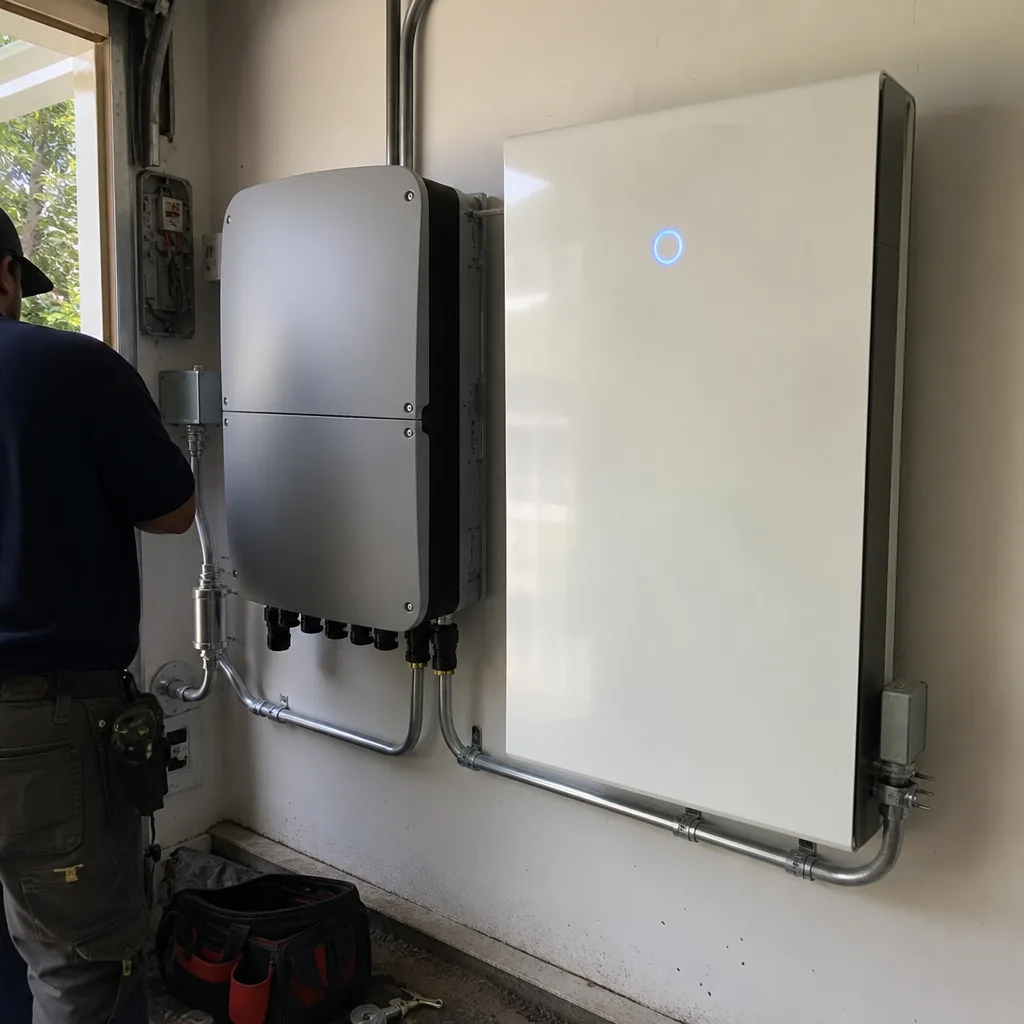
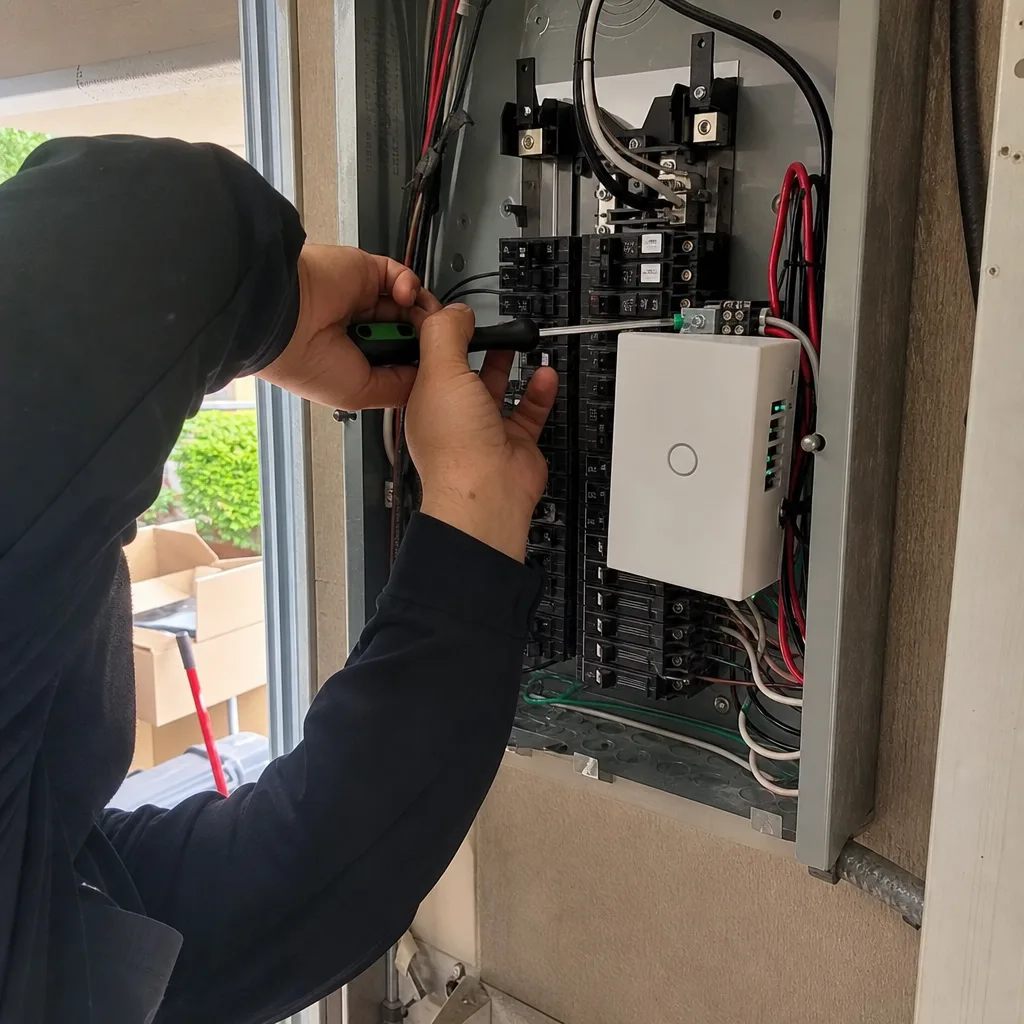
CPAU updates its interconnection requirements periodically, and when they do, inverters that haven’t been updated can drop offline or undercount production. We reflash Enphase, SolarEdge, FranklinWH, and most other inverter platforms to current firmware, reconfigure the owner’s monitoring app, and verify the system is reporting correctly to CPAU’s portal. This usually runs $95-$180 in Palo Alto. It’s the cheapest fix for a system that “stopped showing up” on the owner’s phone.
Warranty Claim Support
If a panel, microinverter, or optimizer fails under warranty, we document the failure, pull the production data, file the claim with the manufacturer, and handle the replacement install. We’ve seen Palo Alto homeowners give up on warranty claims because the manufacturer wanted serial-number photos from the roof, production logs, and a diagnostic report. We do that legwork. You shouldn’t have to climb a ladder to prove your inverter failed.
What happens when you call
- 1
A real person answersNo phone trees - you reach a local pro.
- 2
You get an upfront price rangeHonest numbers before anyone is dispatched.
- 3
A background-checked tech heads outLicensed & insured, dispatched right away.
- 4
You approve before work beginsNothing starts until you say go.
Trusted Brands We Service in Palo Alto
We work on systems built on Panasonic, Canadian Solar, JinkoSolar, and FranklinWH equipment, along with the full Enphase and SolarEdge ecosystems. Because we service these brands weekly across Palo Alto, we keep common replacement parts in our Bay Area warehouse: microinverters, optimizers, gateway boards, and monitoring current transformers. That means when your Midtown system needs a new Enphase IQ7, we typically don’t wait a week for shipping. We bring it.
Common Solar Panel Maintenance & Monitoring Problems We See in Palo Alto Homes
- Inverter firmware drift after CPAU grid-code updates. Every time the city updates its interconnection rules, older inverters can go offline or undercount production. We see this most on SolarEdge HD-Wave units installed before 2018 in Midtown and South Palo Alto. A reflash fixes it, but only if you know to check.
- Shading from mature trees in Old Palo Alto and Professorville. Those redwoods and oaks were small when your system was installed. Today they cast afternoon shade across half your array. Production drops 15-25%, and you won’t see it unless someone pulls a string-level comparison at 4 p.m. in July.
- Debris accumulation on flat-roof Eichler homes. Ballasted racking on low-slope roofs in 94306 traps fine dust, leaves, and bird droppings around stanchion bases. That debris creates hot spots that degrade panels faster than the manufacturer’s warranty assumes. An annual wash and debris check extends panel life meaningfully.
- Failed microinverters that still report “okay.” Enphase and SolarEdge microinverters can fail gradually, producing 40% less power while still communicating with the gateway. Without per-channel diagnostics, the monitoring app looks fine. We pull channel-level data and catch these before they cost you a full season of production.
Pricing for Solar Panel Maintenance & Monitoring in Palo Alto, CA
Here’s what Palo Alto homeowners can expect to pay for common maintenance and monitoring work in 2026. These are real ranges from jobs we’ve done across 94302, 94303, 94304, and 94306:
- Annual inspection and panel cleaning: $180-$320 for systems up to 10 kW; add $75-$120 for a second story or steep roof access.
- Production monitoring setup: $250-$600 depending on equipment age and whether a consumption CT is needed.
- Underperformance diagnostic visit: $150-$280 for the first hour, including full production download and written report.
- Firmware reflash and app reconfiguration: $95-$180 per inverter; multi-inverter systems prorated.
- Warranty claim support and replacement install: $0 for the claim filing (we handle it as part of the diagnostic); replacement labor billed at $95/hour with a 1-hour minimum, often covered by the manufacturer.
Every quote is upfront. You’ll see the number before we start, and that number is what you pay. No trip charge inside our own county, and we offer a free second opinion on any written estimate from another company. If you’re a senior or veteran, there’s a 10% discount that never expires, plus $40 off any repair over $200. Call (877) 550-6892 for an exact quote. Estimates are free.
Palo Alto’s Unique Maintenance Reality: CPAU, Historic Districts, and 60-Year-Old Roofs
Palo Alto is the only city on the Peninsula where solar maintenance and monitoring must account for City of Palo Alto Utilities’ municipal net metering and interconnection rules, not PG&E’s. That one fact changes how we maintain and monitor systems here. Inverter firmware, production monitoring, and true-up statement reconciliation all operate under CPAU’s distinct rate structure. A system that’s reporting fine under a PG&E true-up might be undercounting production against a CPAU bill because the firmware doesn’t match the city’s current grid-code revision. We check for this on every maintenance visit, and we’ve seen it catch systems that were silently losing 10-18% of their monthly credit.
We recently pulled production data from an Enphase system on a 1950s ranch in Midtown and found the array running 18% below its production estimate for three consecutive months. Our tech traced it to a failing microinverter and a firmware mismatch with the homeowner’s monitoring portal, both invisible without a deep diagnostic. We replaced the microinverter, reflashed the gateway, and reconfigured the monitoring app so the customer could see real-time kWh offset against their CPAU true-up statement. That’s the kind of thing you catch only when you know Palo Alto’s utilities inside and out.
And if your home is in the Professorville historic district, there’s another layer. Jobs in the 94301 ZIP that touch the locally designated historic district can require an Architectural Review Board sign-off on panel placement and visibility from the street. For a maintenance visit that doesn’t change the panel layout, you typically don’t need ARB approval. But if a panel replacement changes the array’s appearance, we’ll pull the historic overlay map before quoting so you don’t get surprised by a permit condition two weeks in. We’ve navigated this enough times to know the difference between a straightforward service call and one that needs city sign-off.
And that’s the difference between a national outfit and a local one. We know which streets in Old Palo Alto have tree canopies that shade south-facing arrays from 2 p.m. onward. We know that CPAU’s true-up statement format changed and that older monitoring portals need a configuration tweak to display correctly. These are Palo Alto-specific details. They don’t apply in Menlo Park, Mountain View, or Sunnyvale. They apply here.
We Also Serve Cities Near Palo Alto
While this page focuses on Palo Alto, our crews regularly work in Stanford, East Palo Alto, Atherton, and Los Altos Hills. If you’re in one of those neighboring communities, the same 24/7 phone line applies, and the same crew comes out. Call (877) 550-6892 and tell us your cross streets. We’ll tell you when we can be there.
Serving Palo Alto, CA - Our Local Coverage Area
We’re based in the Palo Alto area and know this community well. Use the map below to see our service coverage - if you’re nearby, we can almost certainly help.
FAQs - Solar Panel Maintenance & Monitoring in Palo Alto
CPAU’s net metering operates under a different rate structure than PG&E, so your monitoring portal must be configured to report kWh offset against CPAU’s true-up statement format, not PG&E’s. We reconfigure Enphase and SolarEdge portals for CPAU compatibility on most maintenance visits in Palo Alto. A system that shows “full credit” on a PG&E-configured app may be under-reporting against your actual CPAU bill. Call (877) 550-6892 and we’ll check your portal configuration, usually during the same visit.
The most common cause we find on older Midtown systems is a failing microinverter or a firmware drift after a CPAU grid-code update, not dirty panels. We run channel-level diagnostics that show exactly which panel is underperforming, then replace the bad component and reflash the gateway. Most production losses we find were invisible to the homeowner’s monitoring app. That’s exactly the kind of problem our Underperformance Diagnostics service is built for.
No for maintenance visits that don’t change the array’s appearance. Yes, potentially, for a panel replacement that alters the visibility of the array from the street in the Professorville historic district. We pull the historic overlay map before quoting any replacement in 94301 so you know upfront whether ARB review applies. It adds time, but it avoids a permit surprise later.
Mature oaks and redwoods cast afternoon shade that shifts as the canopy grows, typically reducing production 15-25% on affected arrays within five to seven years of planting. We recommend a shading audit as part of every other annual inspection for homes in Old Palo Alto and Professorville. The fix may be trimming, re-aiming a string, or relocating a module, but you won’t know without a string-level production comparison at peak shading hours.
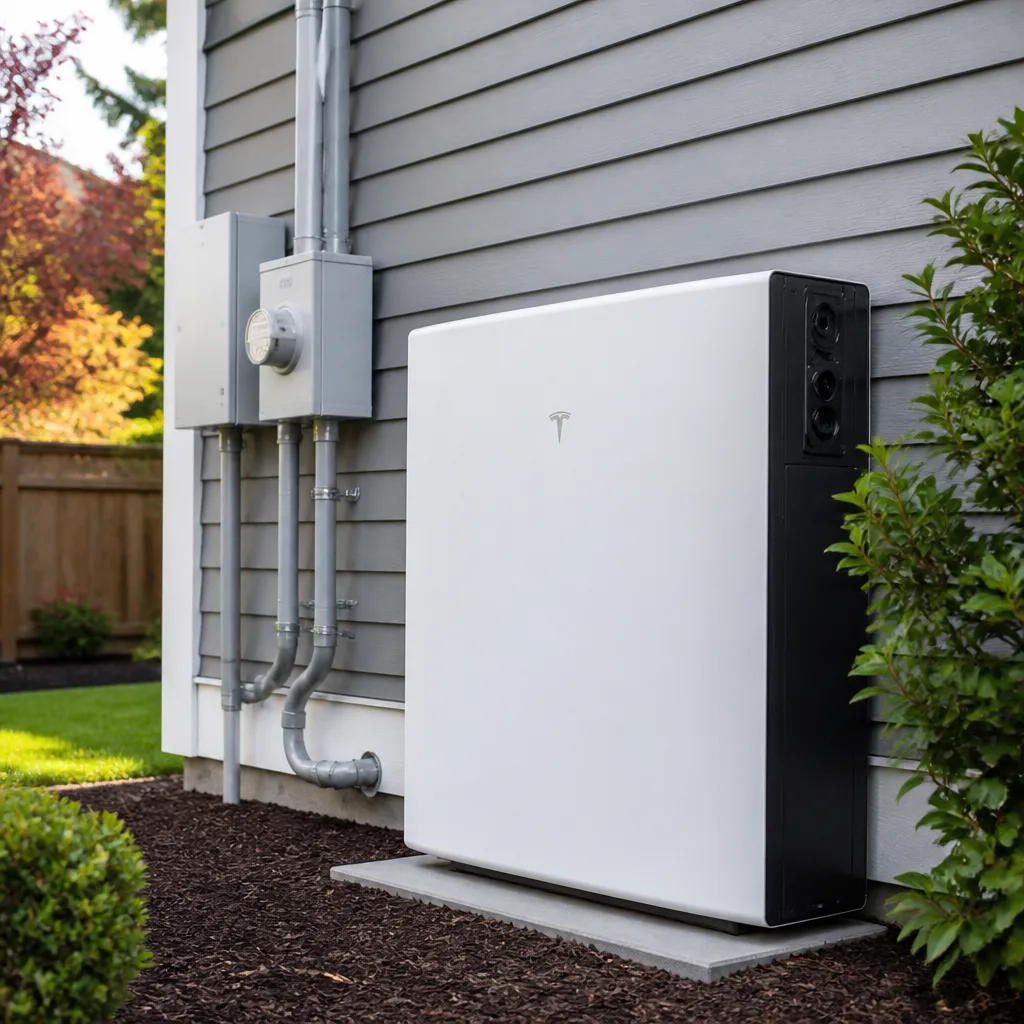
In Palo Alto, the payback period for a FranklinWH or similar battery added to an existing CPAU-net-metered array typically runs 6-9 years, depending on whether you’re shifting time-of-use charges or just backing up critical loads. CPAU’s rate structure and net metering credit rate differ from PG&E’s, so we calculate the payback off your actual CPAU bill, not a generic brochure figure. Bring us a bill, Gus will bring you the math. And take two weeks to think about it. The price will be the same.
Get Your Palo Alto System Running Right - Call Gus’s Solar
If your system is underperforming, your monitoring portal is showing confusing numbers, or you just want a thorough annual inspection from someone who knows CPAU’s rules, call (877) 550-6892. A live person answers, 24/7. We’ll schedule a visit, show up on time, and give you an honest assessment with upfront pricing. No pressure, no signature request tonight, no subcontracted crew. That’s how Gus has run this company since day one, and it’s how we’ll treat your Palo Alto home.
Written by Gus Petrakis, Owner at Gus’s Solar, serving Palo Alto since 2011.