
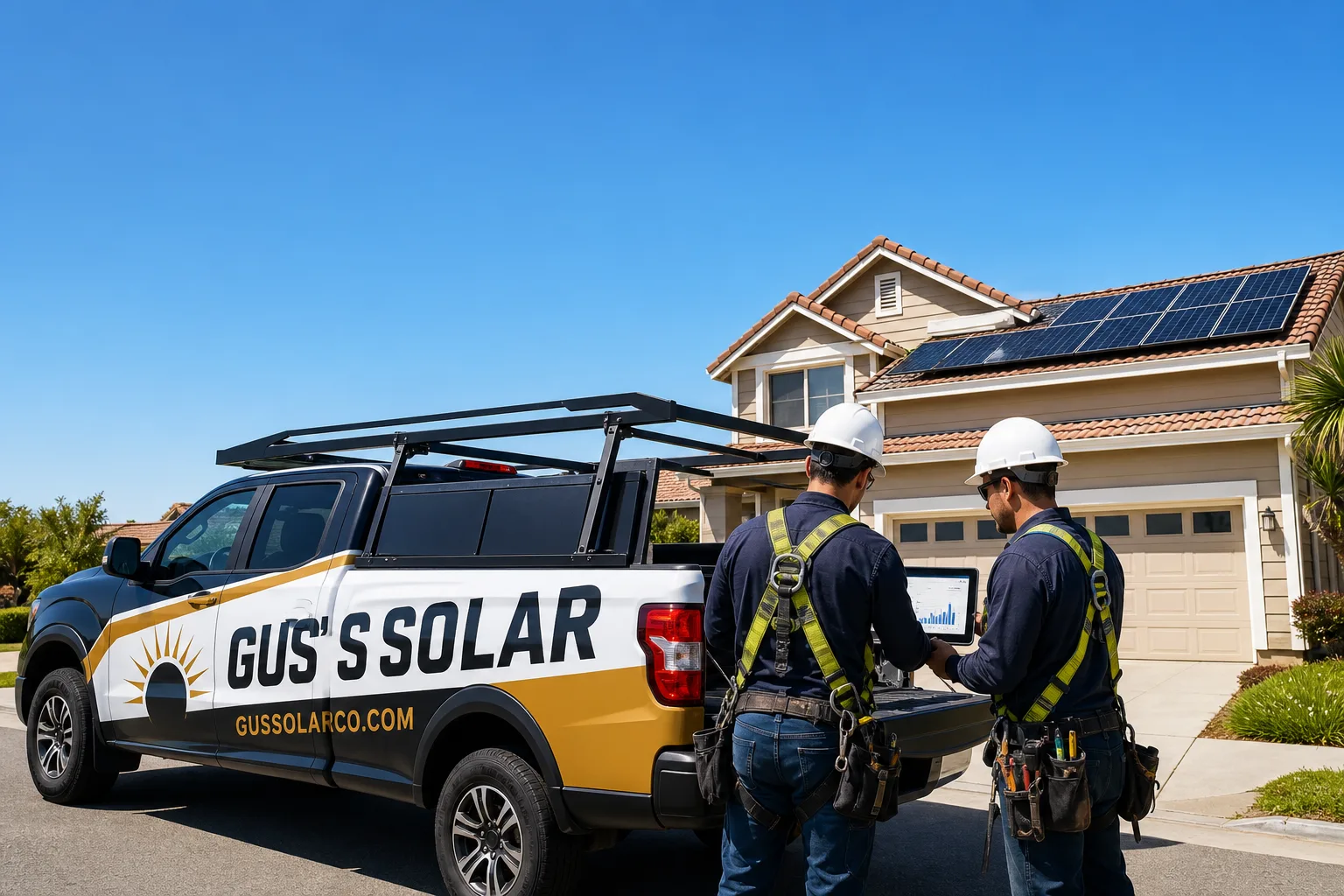
Free bill analysis - bring a power bill, get the production math for your actual roof, panel brands like Qcells and REC compared side by side
If the pitch starts at your door and ends with "sign tonight for the special," sleep on it. The sun will still be there tomorrow; so will we.
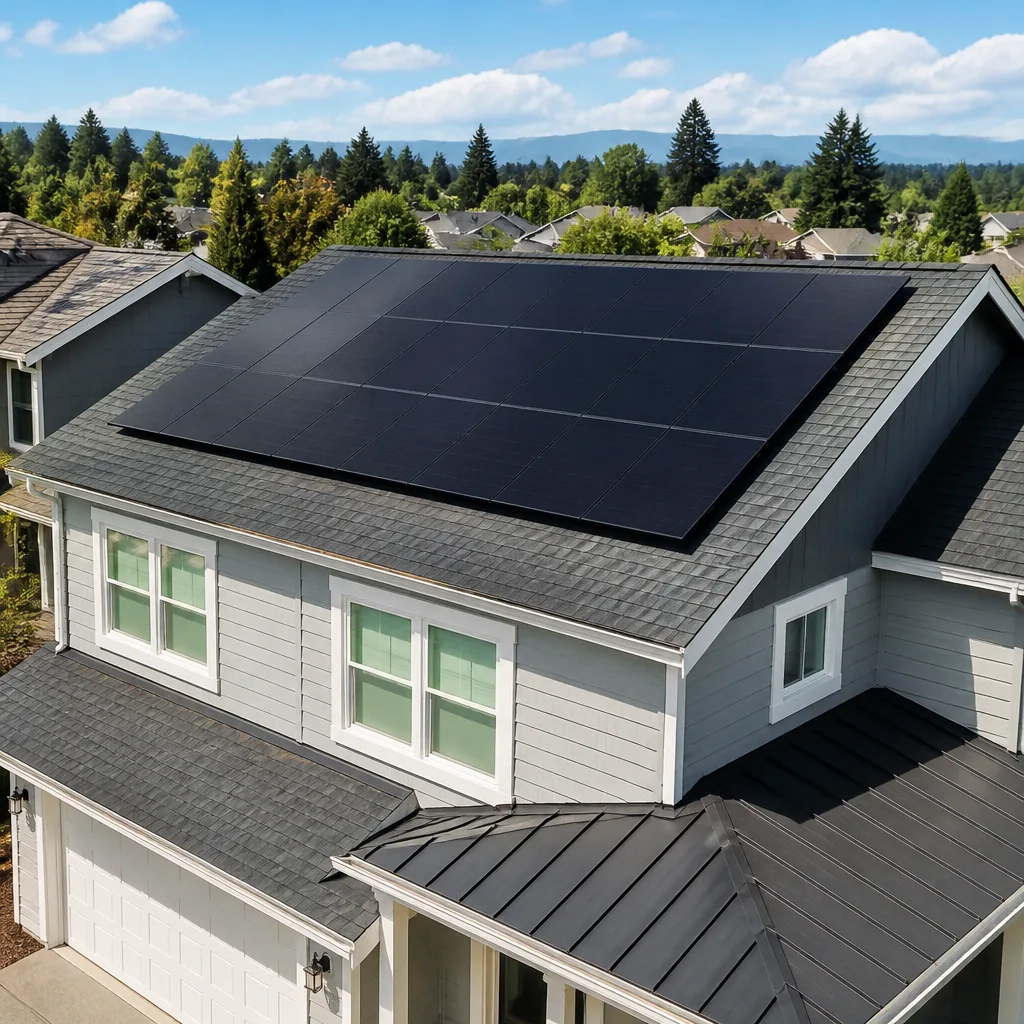
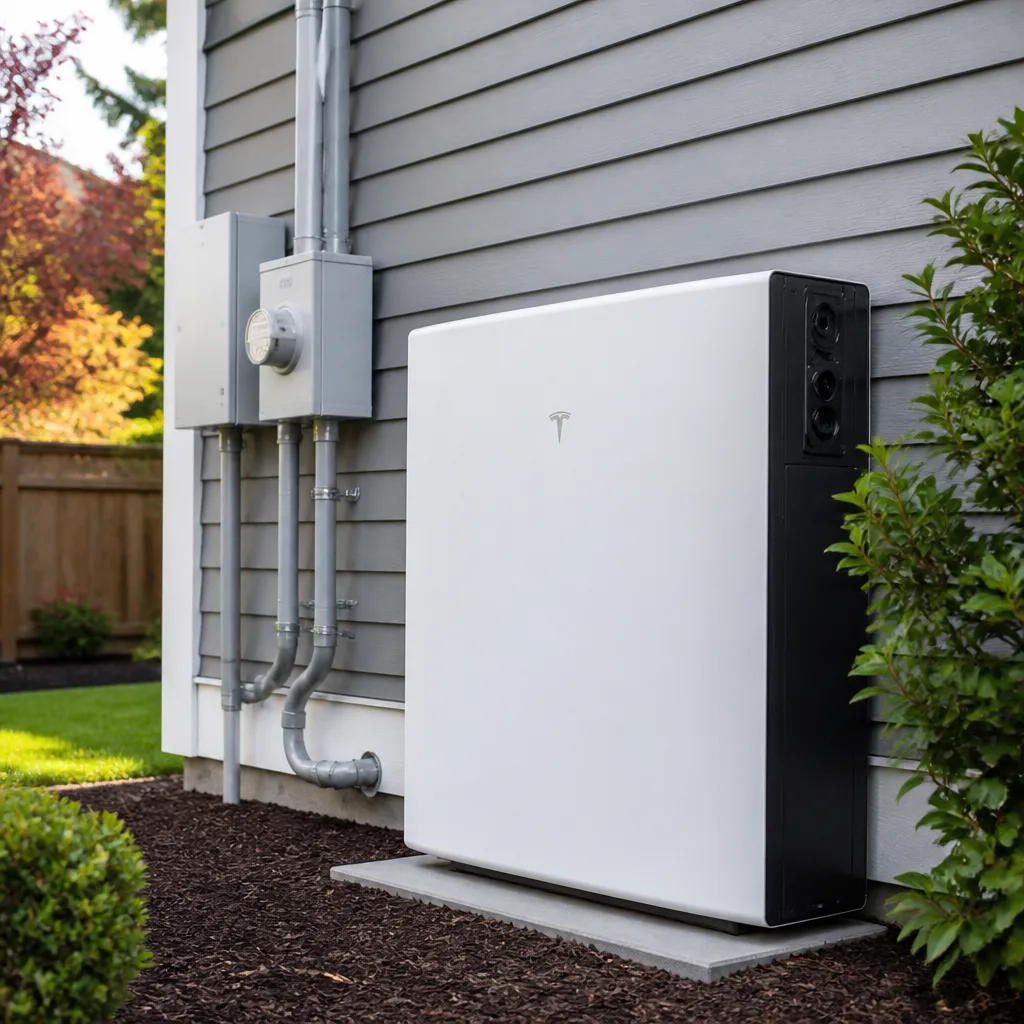
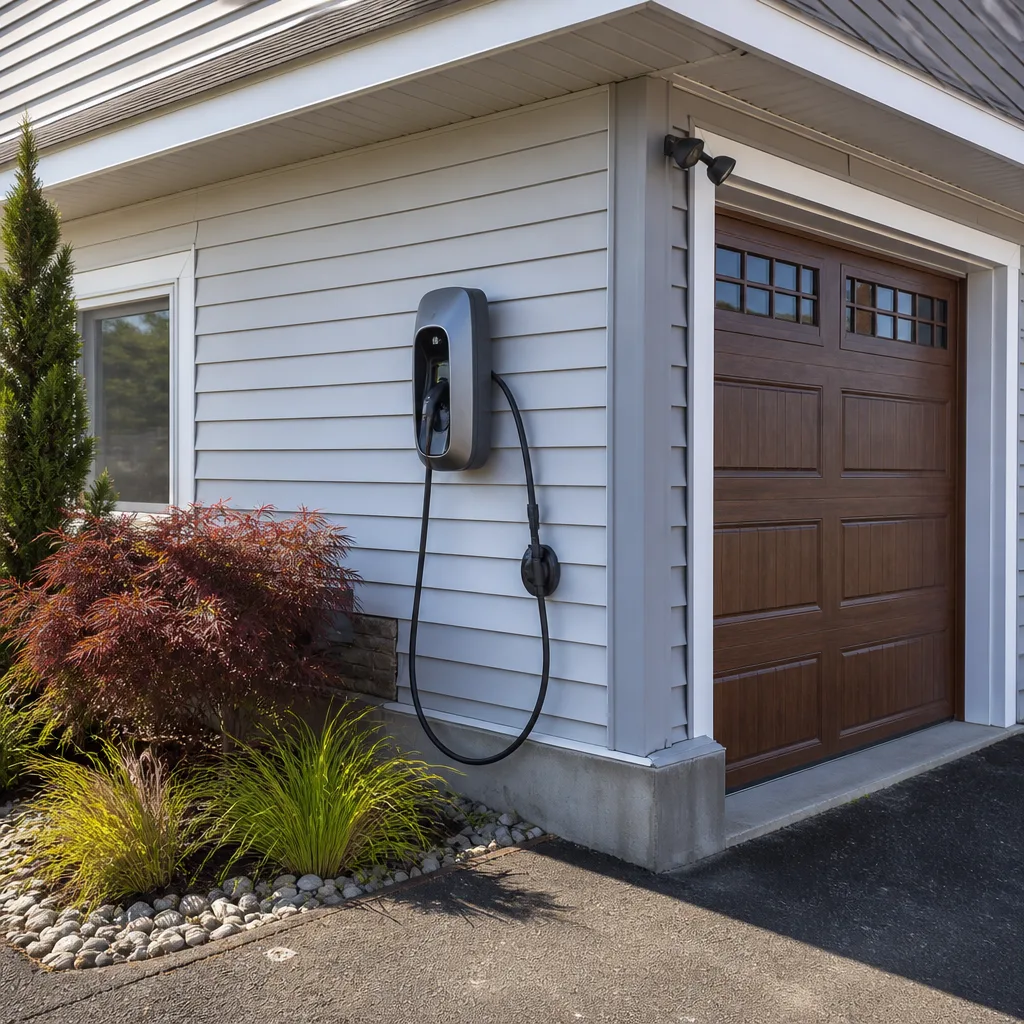
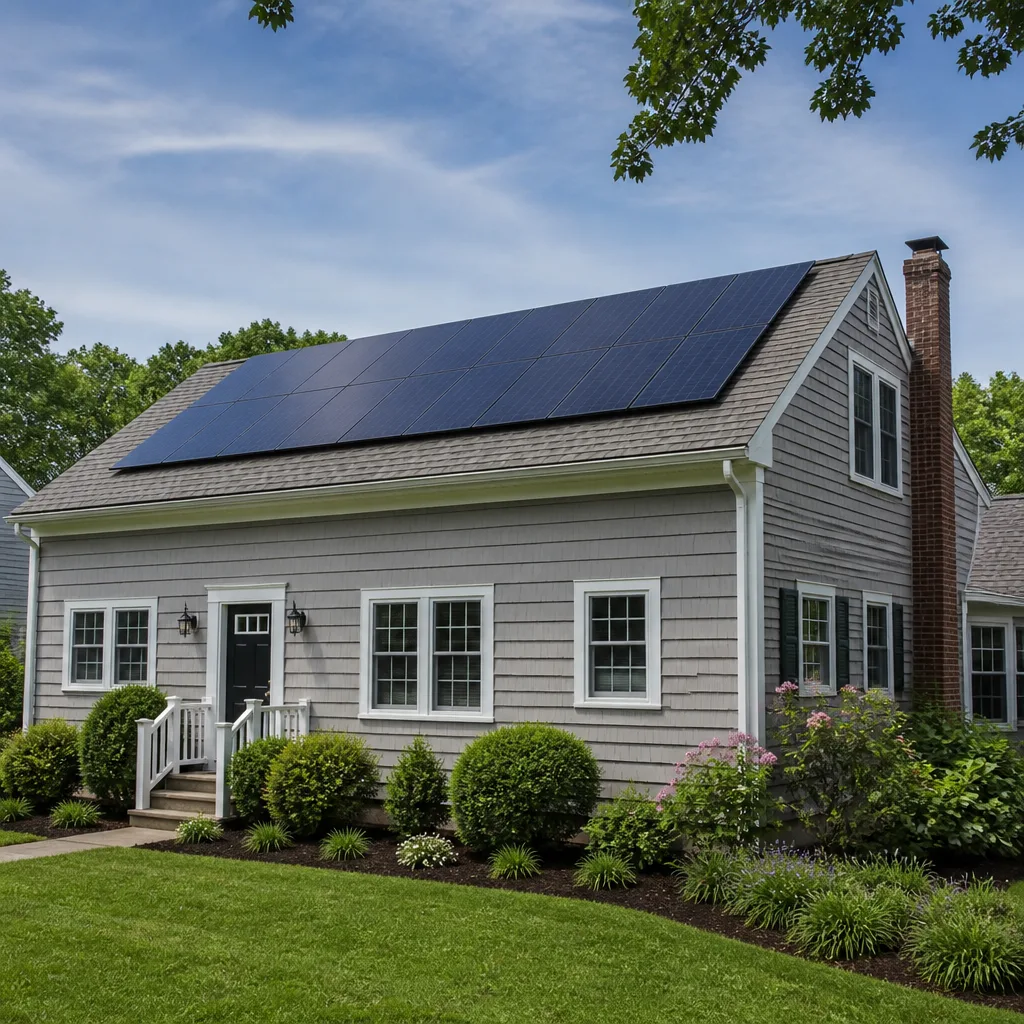
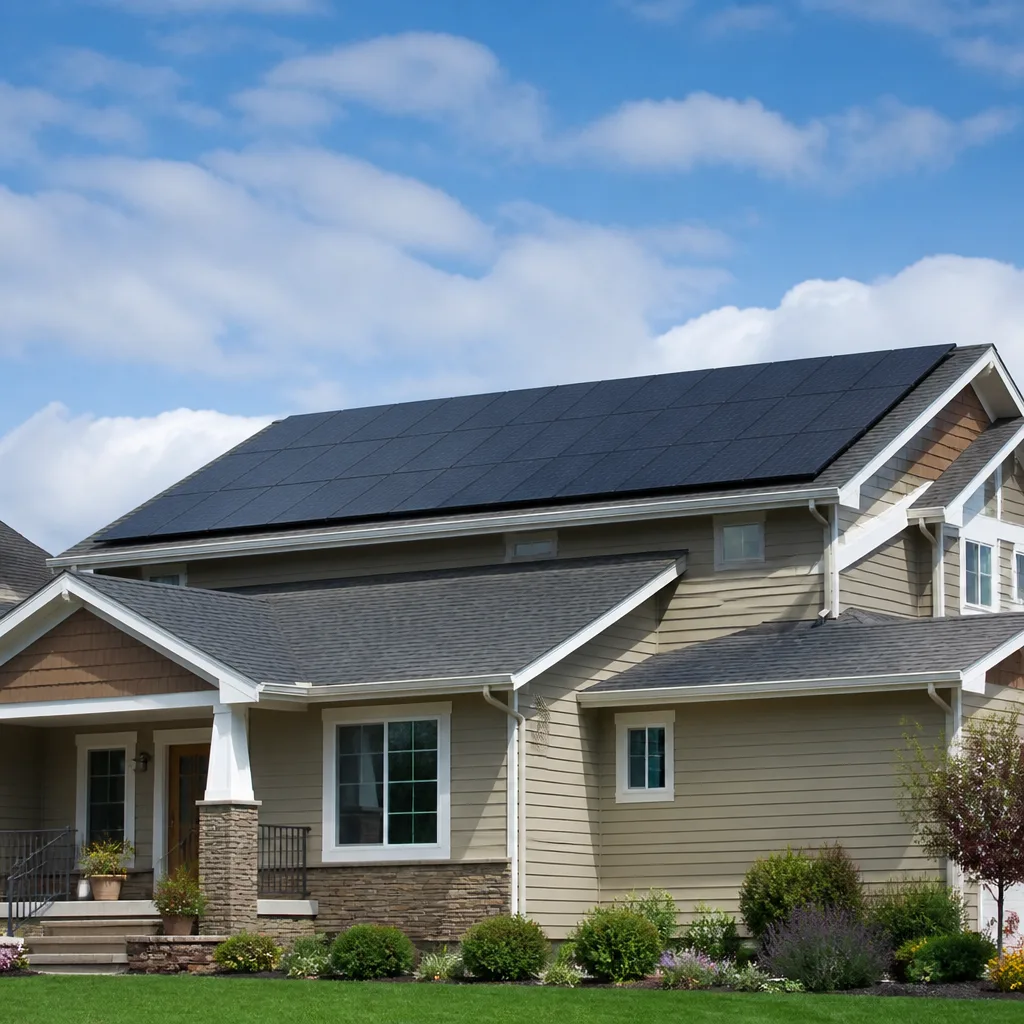
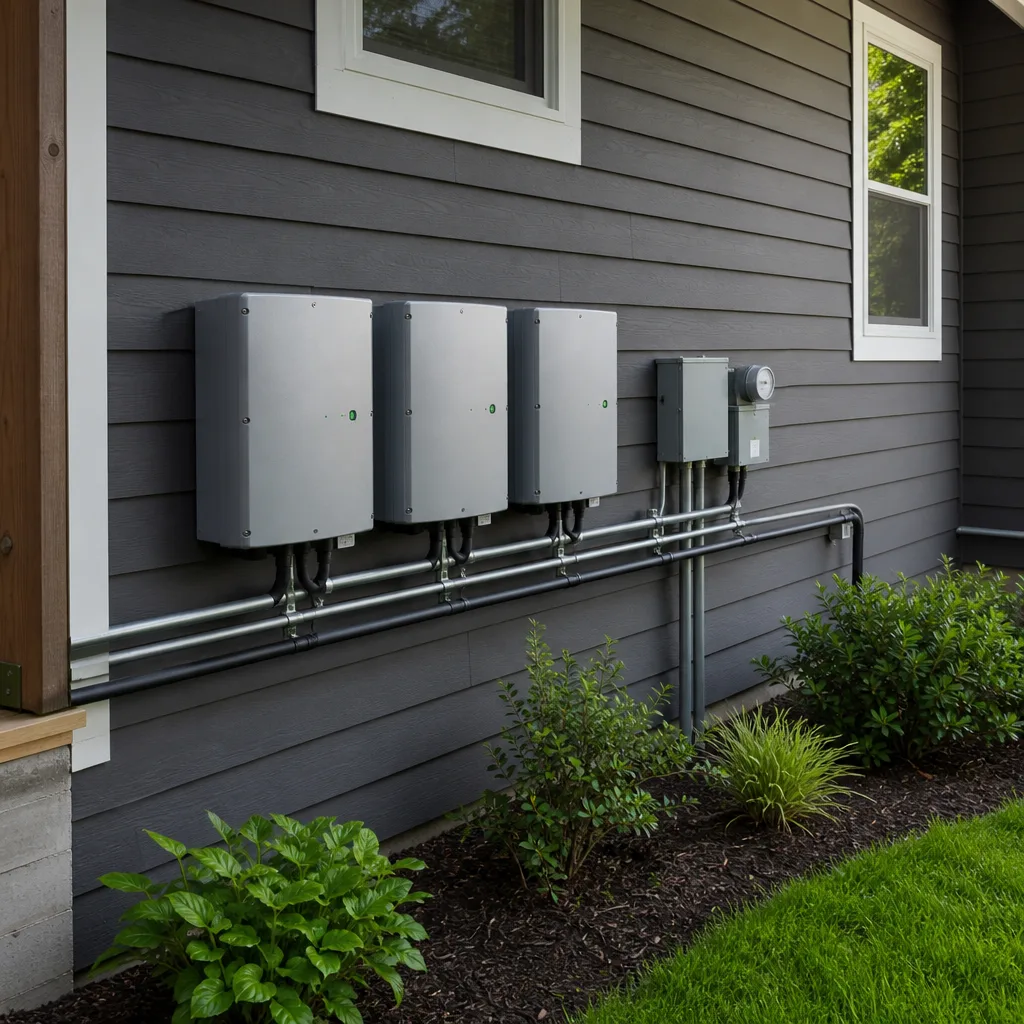
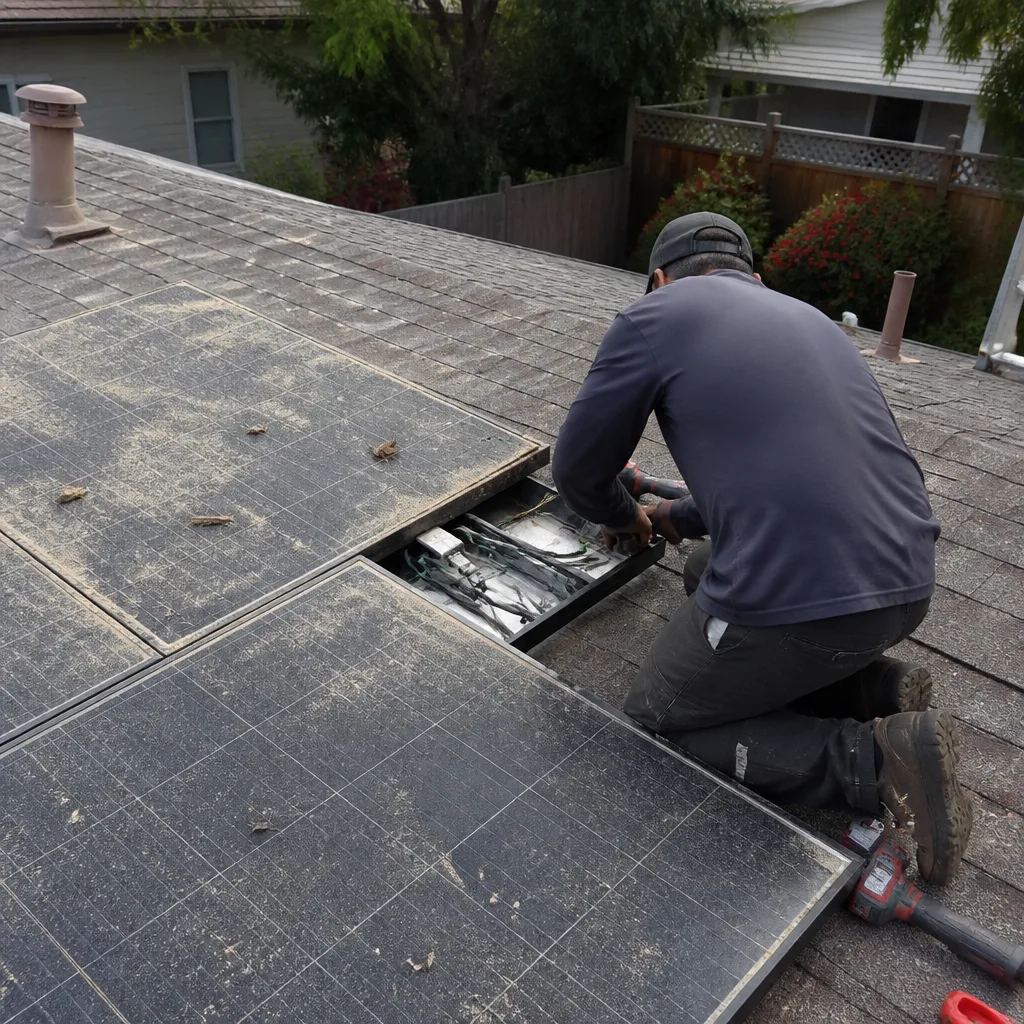 Before
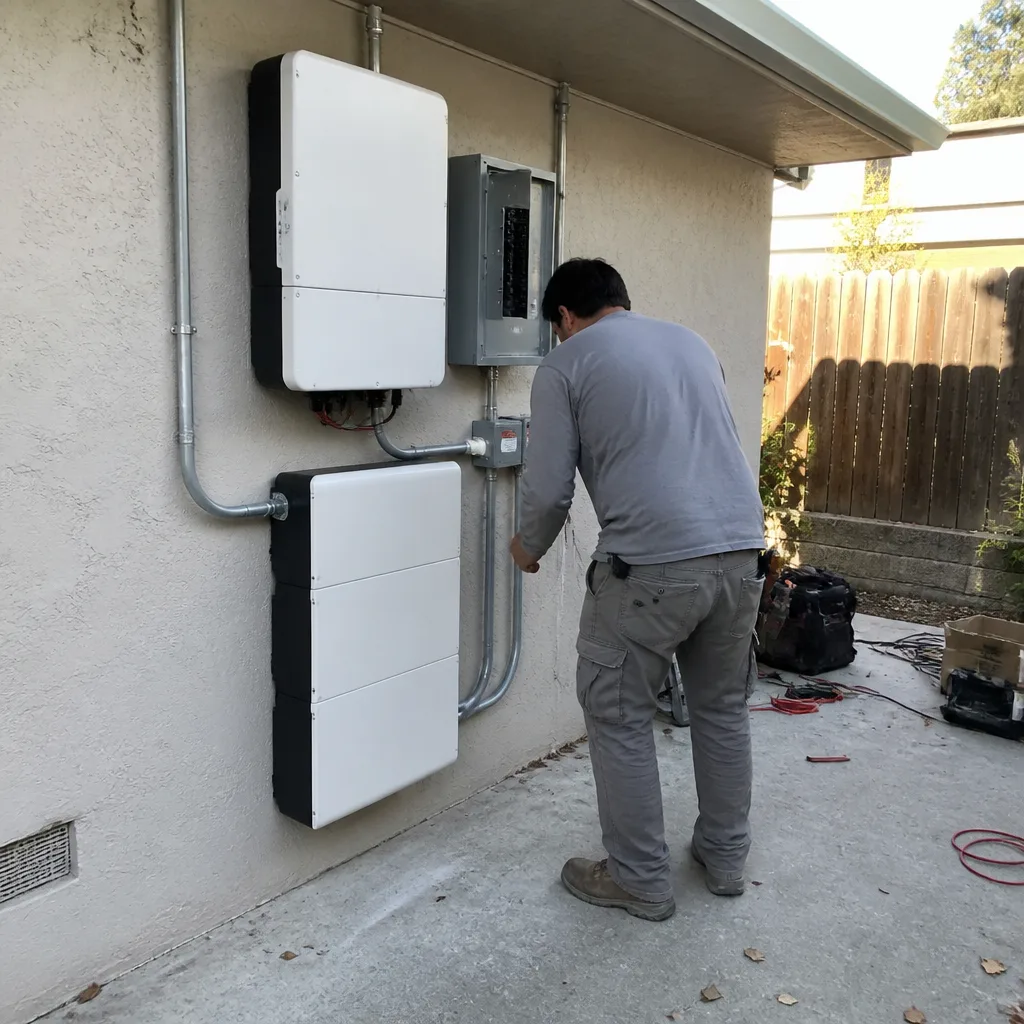 After
After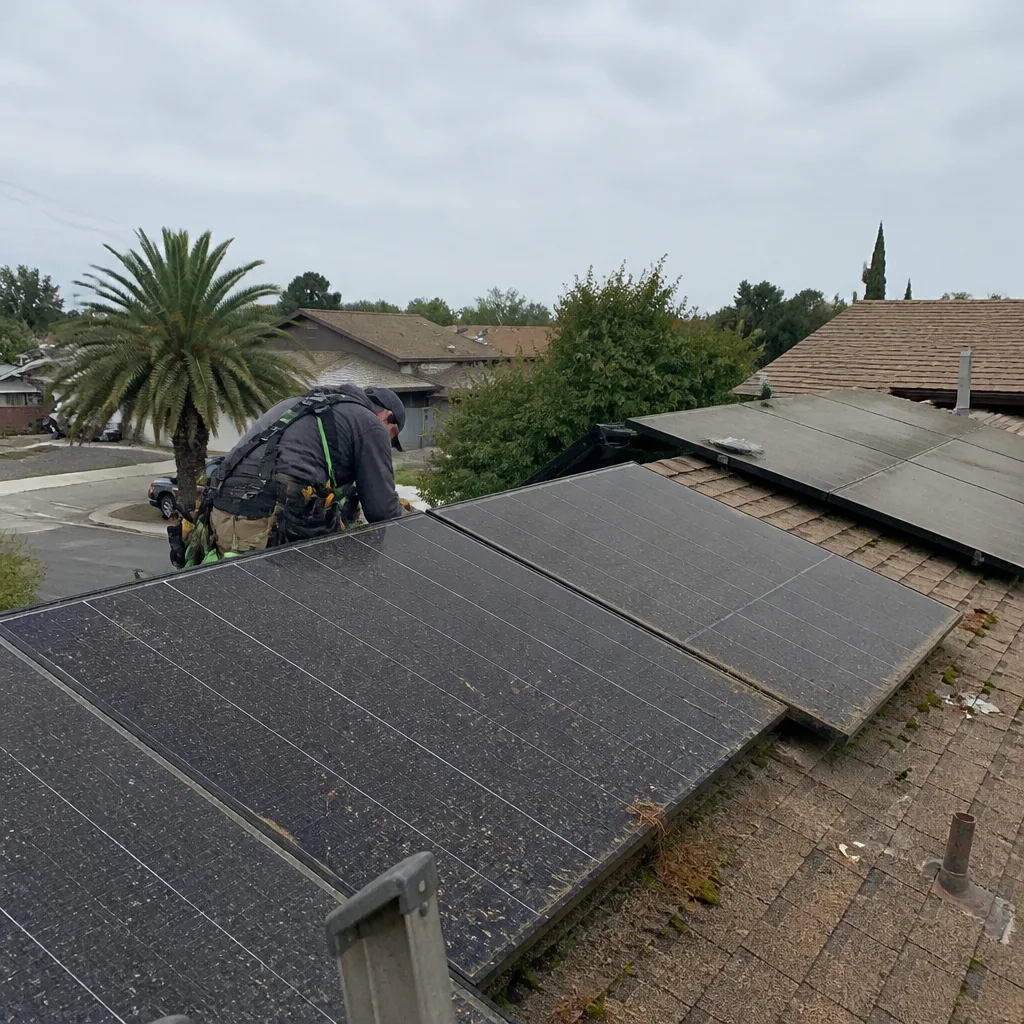 Before
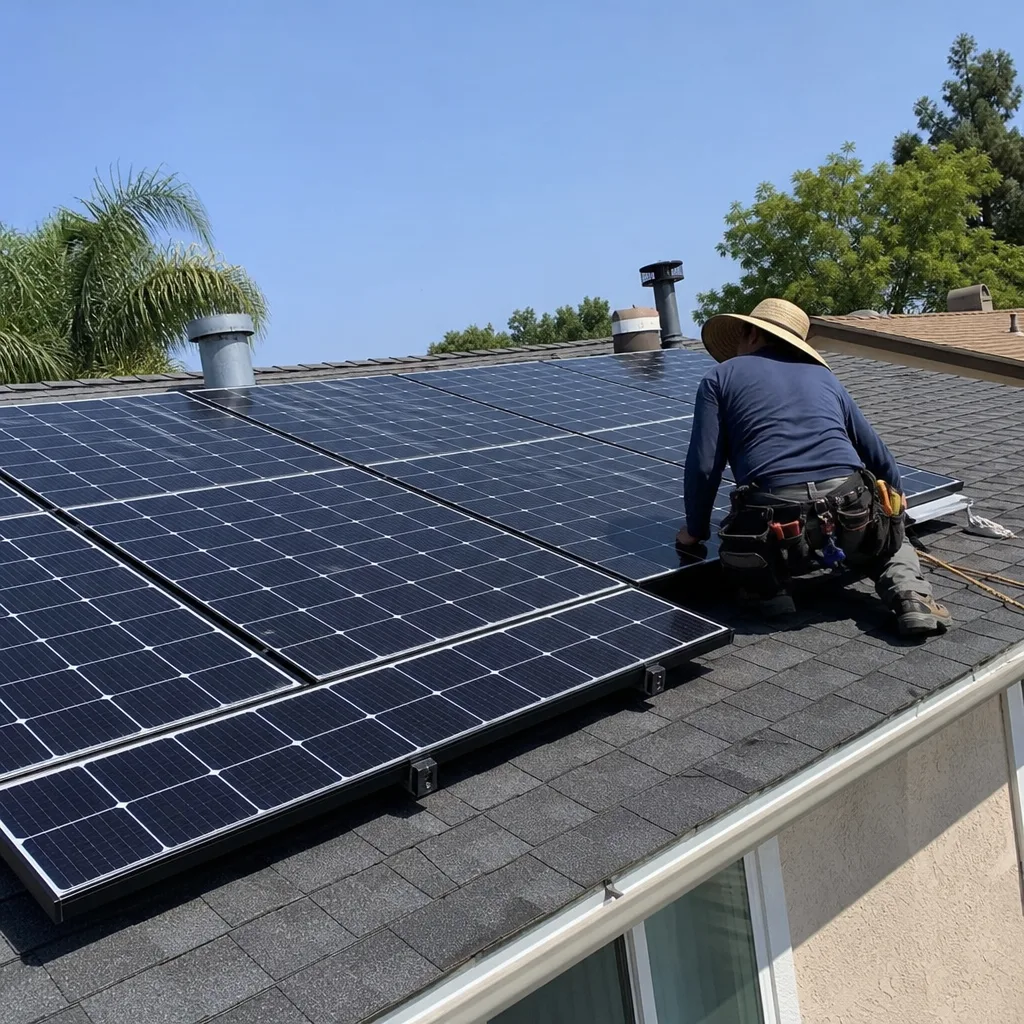 After
After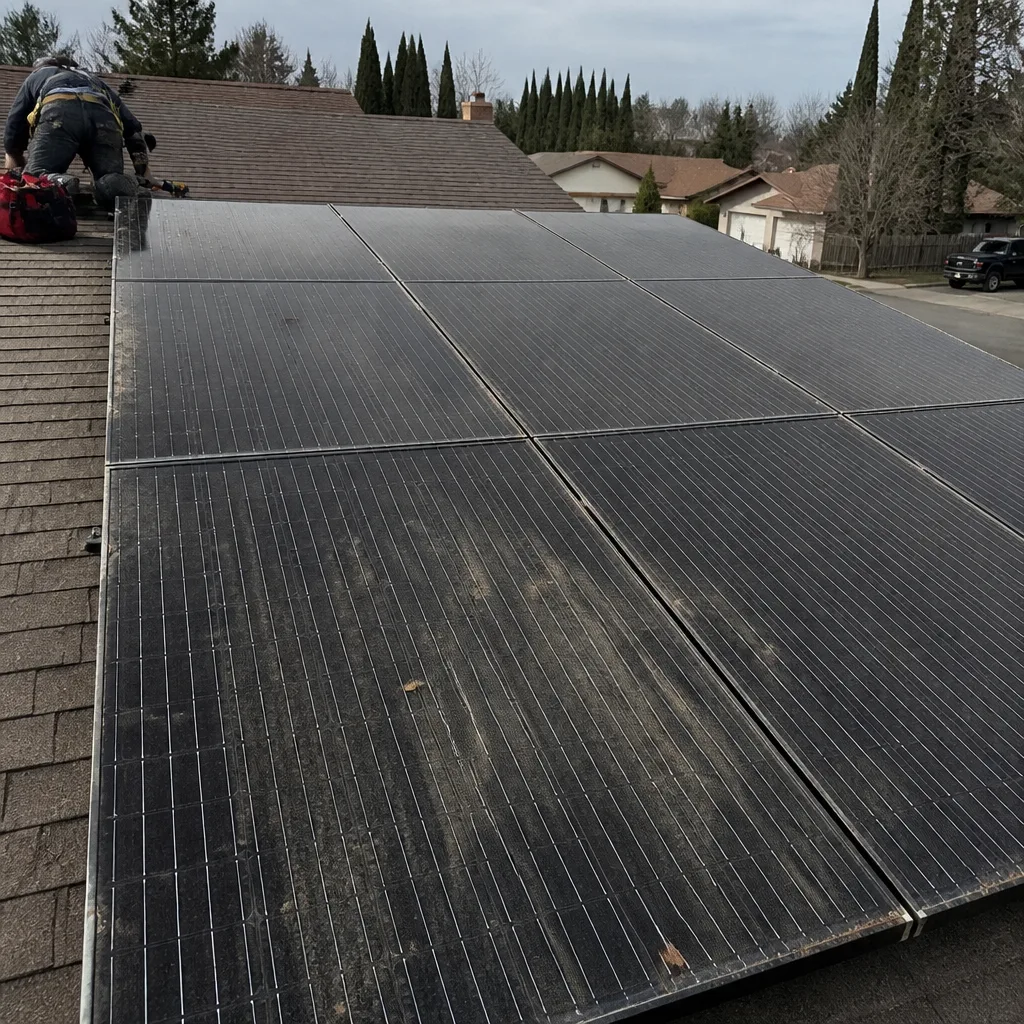 Before
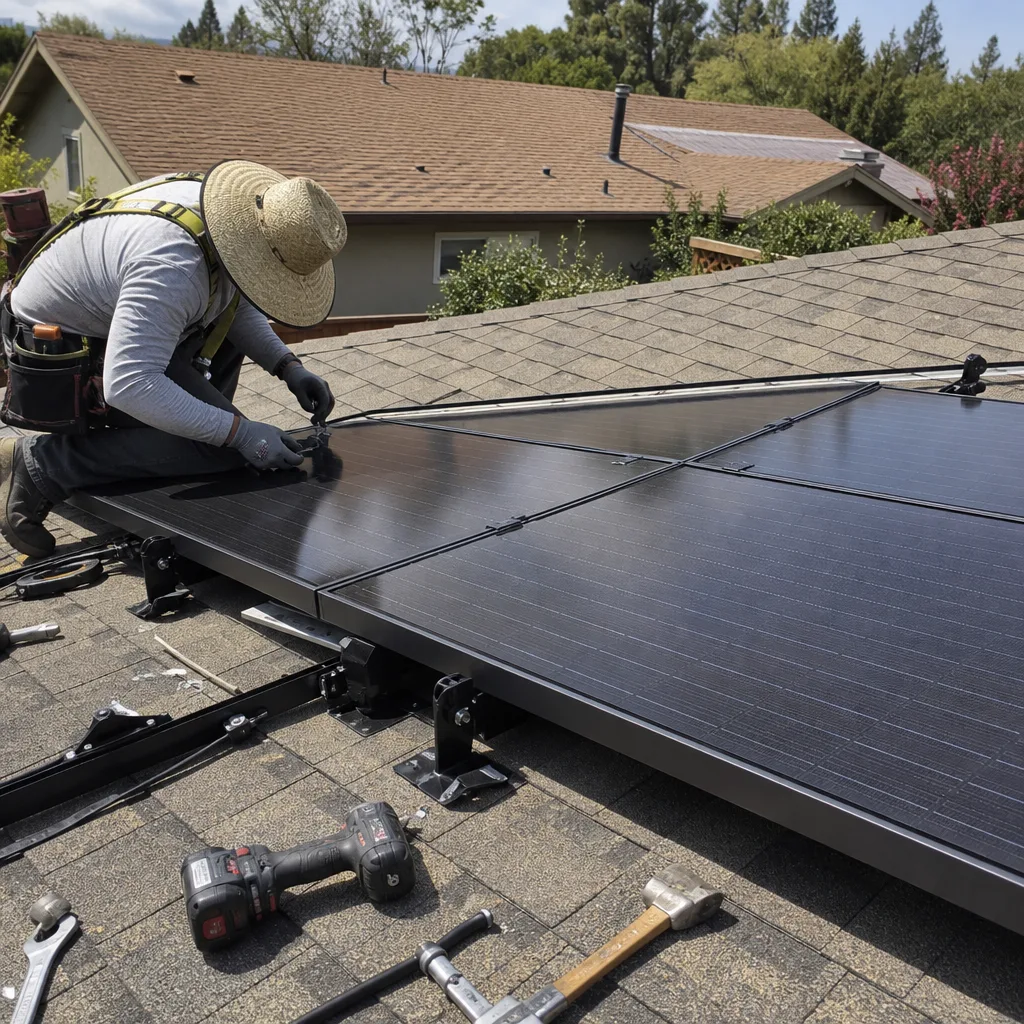 After
AfterFast, Reliable Solar Panel Maintenance & Monitoring Across Stanford
Solar panel maintenance in Stanford usually costs between $180 and $400 for a full annual inspection and cleaning, while production monitoring setup runs $150 to $350 depending on your inverter and app configuration. We’re at your door in Stanford within 24 to 48 hours for most non-emergency work. If your system stopped reporting, we’ll find out why and fix it, usually the same visit. Call (877) 550-6892 and a live person picks up. That person works for Gus Petrakis, not a call center queue three time zones away.
Here’s what Stanford homeowners need to know up front: Stanford University’s SESI program runs its own electrical distribution, so solar maintenance and monitoring here means coordinating with campus metering protocols, not a standard PG&E or Palo Alto Utilities interconnection. That extra layer trips up outside contractors regularly. It doesn’t trip us up. We’ve been servicing systems inside the 94305 ZIP long enough to know the university’s Facilities Management process, the older roof conditions on Faculty Staff Housing, and exactly which software fixes restore a dead monitoring feed without replacing an inverter that still has years of life left.
Why Gus’s Solar Is Stanford’s Preferred Solar Panel Maintenance & Monitoring Company
Gus Petrakis founded Gus’s Solar in 2011 and has run it as an owner-operated shop from day one. His name, address, and license number are published on every quote. When Stanford customers call, they talk to Gus or someone on his crew. Not a sales rep. Not a dispatcher in another state. That matters here more than most places, because Stanford isn’t a normal residential solar market. The university owns virtually all real property in 94305, and every installation or service job has to route through Stanford Facilities Management approval and university design review. A contractor has to understand institutional procurement. We do.
Our work on Mayfield Avenue, Gerona Road, Frenchman’s Hill, and the residential corridors around Escondido Village has taught us one thing consistently: the systems are almost never the problem. The monitoring layer is. Firmware updates, network changes, and SESI metering protocols break the reporting pipeline long before the panels lose meaningful output. We fix the pipeline. And when a panel or inverter genuinely underperforms, we diagnose it fast because we know the exact install history of systems that went in during Stanford’s solar buildouts over the past decade.
Every job we do in Stanford carries the 90-Day Done Right Promise in writing. If it’s not right, Gus comes back and makes it right. No fine print, no escalation form. One call. He’s also the one who answers the phone at (877) 550-6892, 24/7. We don’t want a homeowner in Stanford wondering whether their array is humming along or silently losing output. We call you when something looks off. That’s the difference between monitoring and actually watching.
Our Solar Panel Maintenance & Monitoring Services in Stanford
Production Monitoring Setup
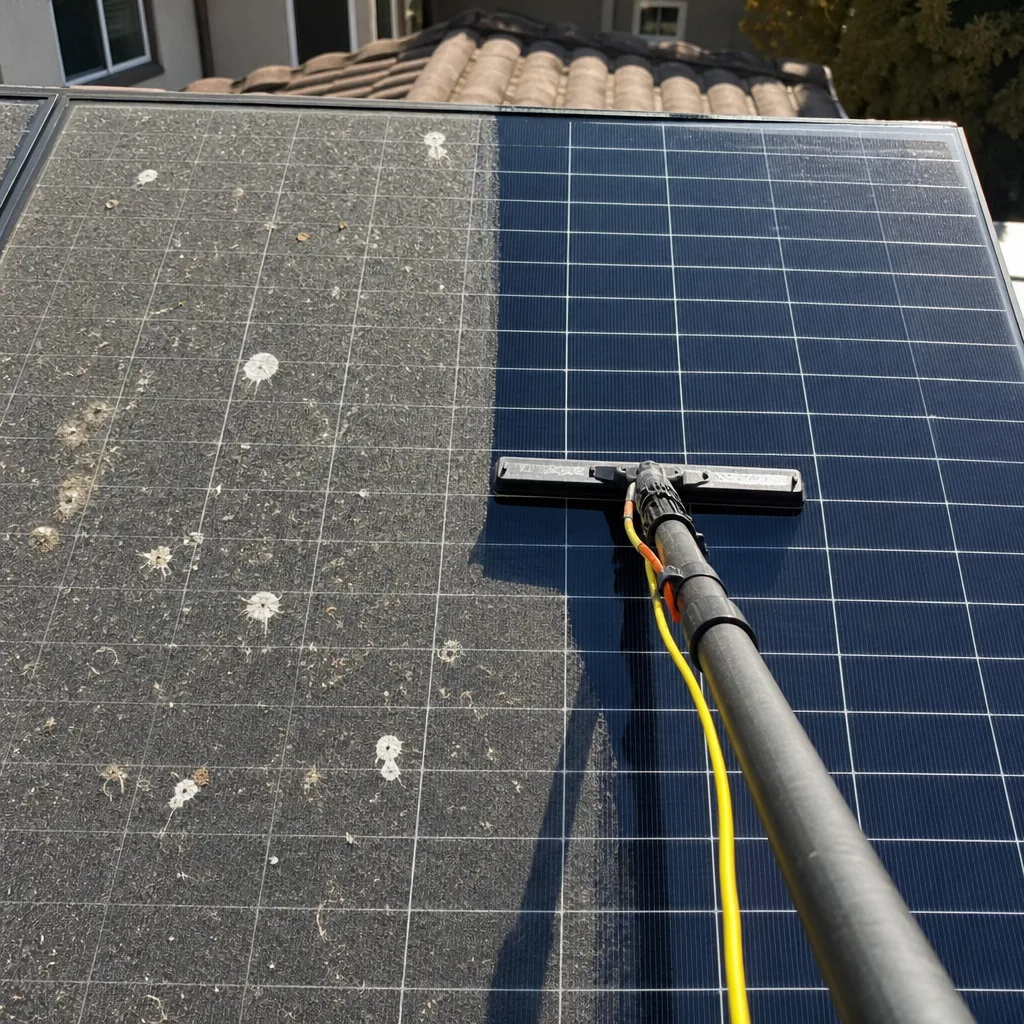
Many Stanford residential systems were installed before SESI’s latest metering protocols went live. That means their inverters often fail to communicate with the university’s energy dashboard, leaving the system owner with no true-up data and no way to verify output. We configure production monitoring to match Stanford’s internal metering requirements, whitelist the feed with Facilities Management where needed, and get the kWh offset tracking back to within a fraction of a percent of the original year-one estimate. This is the most common call we get from Stanford. It’s also the fix with the fastest payback, because a system you can’t see is a system you can’t trust.
Underperformance Diagnostics
When a Stanford homeowner calls us about lower output, the first thing we check is not the panels. It’s the communication layer. Inverter firmware that got pushed during a Stanford IT network change can break reporting, and ground faults from older roof penetrations on mid-century faculty homes can mimic underperformance. We test both. Last year on Mayfield Avenue, our crew serviced a 2016 SolarEdge system on a 1948 Faculty Staff Housing ranch. The inverter had silently stopped reporting after a firmware update from the university’s network change. We reconfigured the production monitoring to match Stanford’s internal metering, replaced a failed rapid shutdown switch, and restored the kWh offset tracking to within 0.3% of the original year-one estimate. The panels were fine. The monitoring wasn’t. Most Stanford systems have that same profile.
Firmware & App Configuration
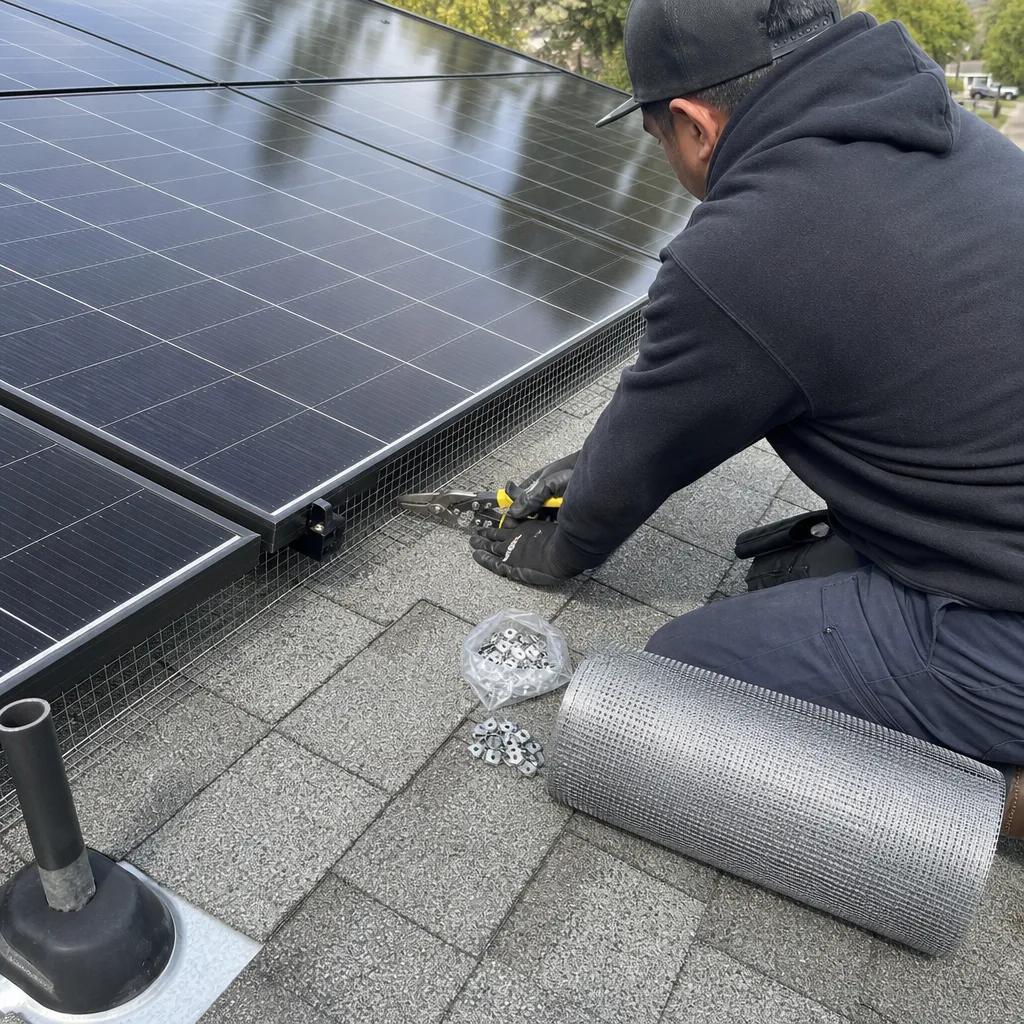
Firmware updates break things. That’s true everywhere, but in Stanford it’s amplified because the university’s network policies push updates on a schedule you don’t control. When an update kills your app feed or your inverter stops talking to the monitoring portal, we reconfigure the system, re-establish the connection, and if the update actually damaged the inverter, we tell you so you’re not chasing a software ghost. We support Enphase, SolarEdge, Tesla, and FranklinWH platforms, and we configure each one to play nice with Stanford’s network and SESI metering backend. No generic troubleshooting script. We fix your specific system, on your specific roof, inside your specific institutional utility arrangement.
Annual System Inspection
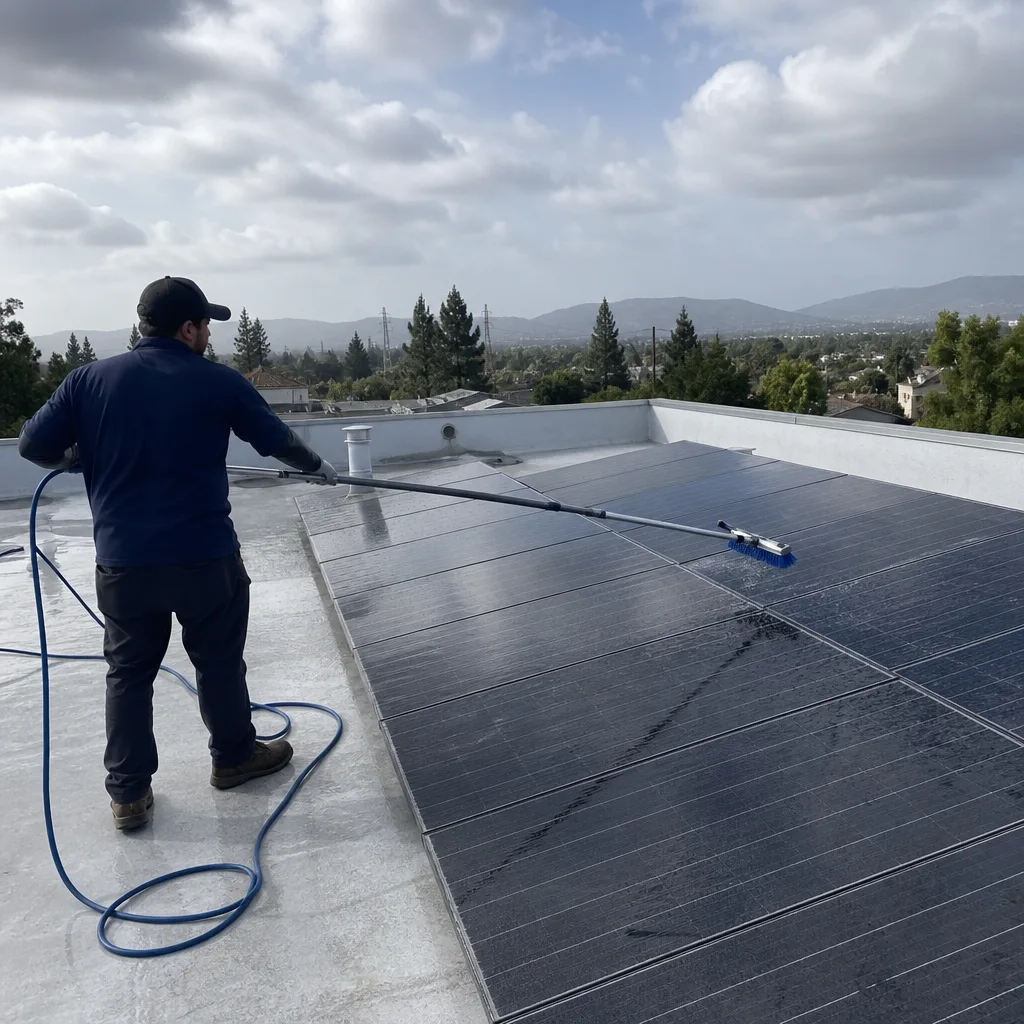
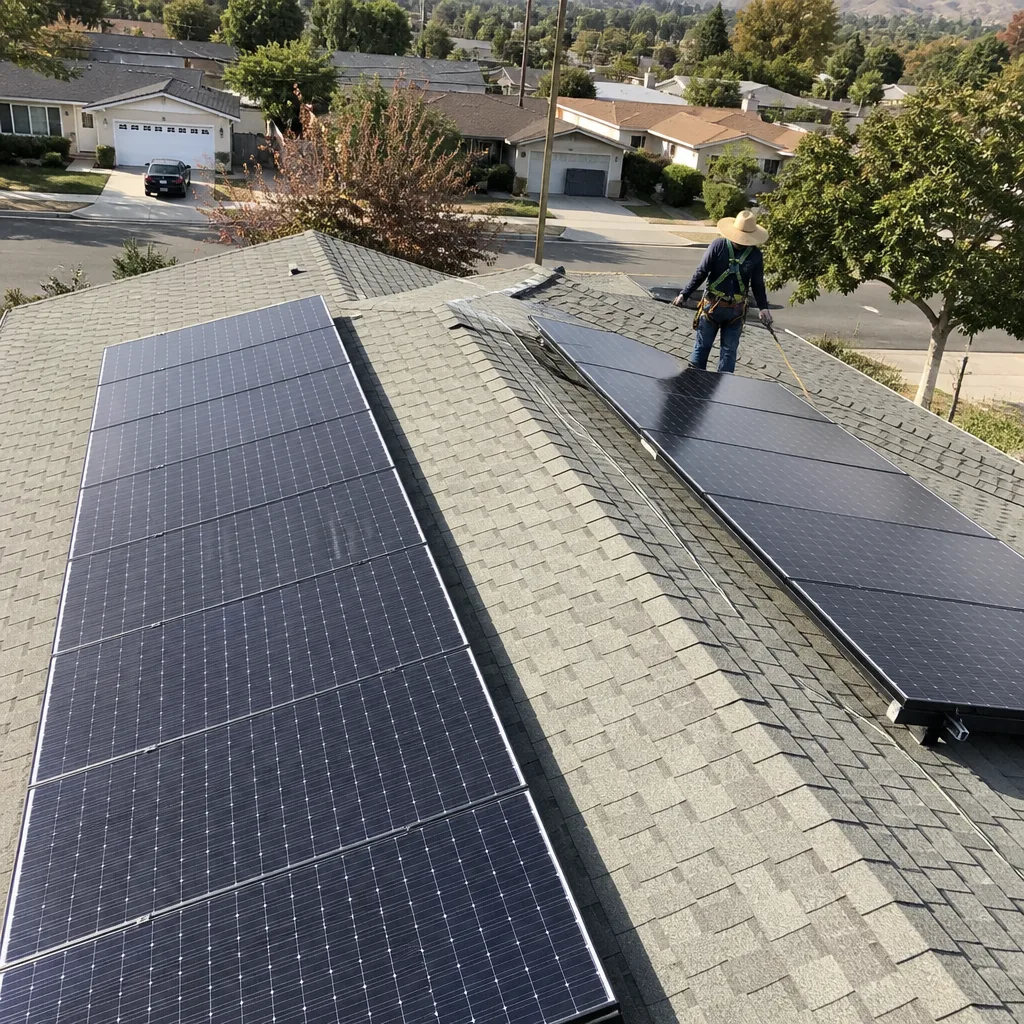
Once a year, we walk your array, check every panel connection, torque the mounting hardware, test the rapid shutdown switch, verify the inverter’s thermal profile, and inspect every roof penetration for early signs of seal failure. Stanford’s dry summers and strong inland irradiance mean panels here rarely need production-related intervention. The risks are elsewhere: aging seals on mid-century Faculty Staff Housing roofs, connection degradation from thermal cycling, and the slow drift of older inverters away from their rated efficiency. We catch these before they become visible drops on a monitoring dashboard. A full inspection in Stanford runs $180 to $300 for most residential systems.
What happens when you call
- 1
A real person answersNo phone trees - you reach a local pro.
- 2
You get an upfront price rangeHonest numbers before anyone is dispatched.
- 3
A background-checked tech heads outLicensed & insured, dispatched right away.
- 4
You approve before work beginsNothing starts until you say go.
Trusted Brands We Service in Stanford
We work on systems built around Tesla, Enphase, SolarEdge, SunPower, Panasonic, Qcells, REC, Canadian Solar, JinkoSolar, and FranklinWH equipment. In Stanford, the most common residential platforms we service are SolarEdge and Enphase, with a growing number of FranklinWH battery-integrated installations going in on newer university housing stock. We keep common replacement parts in our Bay Area stock, which means we don’t order-and-wait for a rapid shutdown switch or a comms gateway board. If we can fix it on the first visit, we fix it on the first visit. That’s the standard for any Solar Panel Maintenance & Monitoring work we do, and Stanford is no exception. Solar Panel Maintenance & Monitoring in Stanford means something specific to us: university metering, legacy roofs, and monitoring layers that need to be configured around a utility structure most contractors never see.
Common Solar Panel Maintenance & Monitoring Problems We See in Stanford Homes
- Monitoring feeds killed by Stanford network changes. When the university’s IT department pushes firmware or updates network security protocols, SolarEdge and Enphase monitoring portals can go dark. The fix is reconfiguration and whitelisting through Facilities Management. We do both.
- Ground faults from aging roof penetrations. The 1940s-1960s ranch homes on Gerona Road, Frenchman’s Hill, and Mayfield Avenue have original roof penetrations that dry out and crack over decades. Moisture creates ground faults that show up as phantom panel underperformance. We re-seal before we re-diagnose.
- Inverters that won’t talk to SESI metering. Systems installed before the latest SESI protocols often stop communicating with the university’s energy dashboard. The inverter is fine. The handshake is broken. We rebuild it.
- Rapid shutdown failures on legacy systems. Older rapid shutdown switches fail more often than people expect, especially after thermal cycling through Stanford’s hot, dry summers. We replace them before they trip a full system shutdown.
Pricing for Solar Panel Maintenance & Monitoring in Stanford, CA
Here’s what you can expect to pay in Stanford’s market. An annual system inspection runs $180 to $300 for most residential rooftops. Production monitoring setup, including app configuration and whitelisting with Stanford Facilities Management, runs $150 to $350 depending on inverter brand and complexity. Underperformance diagnostics fall between $120 and $250, and if the fix is a firmware reconfiguration, that diagnostic fee often covers the whole visit. Rapid shutdown replacement runs $200 to $400 installed. Roof penetration re-sealing runs $150 to $350 per penetration depending on roof type and access. If you’re on Faculty Staff Housing, confirm your maintenance request is approved by Stanford Housing before we schedule, because the landlord approval is the timeline, not our availability. Call (877) 550-6892 for an exact quote. Estimates are free, the number is the number, and nobody’s going to ask you to sign anything tonight. Take two weeks. Think about it. The price will be the same.
| Stanford Service | Typical Range |
|---|---|
| Annual System Inspection | $180 - $300 |
| Production Monitoring Setup | $150 - $350 |
| Underperformance Diagnostics | $120 - $250 |
| Rapid Shutdown Replacement | $200 - $400 |
| Roof Penetration Re-sealing | $150 - $350 per penetration |
We offer $40 off any repair over $200, a free second opinion on any written estimate, no trip charge inside our own county, and a senior and veteran 10% discount that never expires. Bring us your utility bill and we’ll bring you the math. That’s how we’ve always done it.
We Also Serve Cities Near Stanford
If you’re just outside the 94305 ZIP, we service solar systems throughout the mid-Peninsula corridor: Palo Alto, Atherton, East Palo Alto, and Los Altos Hills. Same crew, same live-answer phone, same 90-Day Done Right Promise. Whether you’re on the Stanford side of San Francisquito Creek or a few blocks over in Palo Alto, Stanford customers and their neighbors get the same standard: Gus on the phone, his crew on the roof, and monitoring that actually gets watched.
Serving Stanford, CA - Our Local Coverage Area
We’re based in the Stanford area and know this community well. Use the map below to see our service coverage - if you’re nearby, we can almost certainly help.
FAQs - Solar Panel Maintenance & Monitoring in Stanford
Yes. Stanford University owns virtually all residential property in the 94305 ZIP, and any work on a roof, even non-invasive cleaning or inspection, requires landlord approval through Stanford Facilities Management. We coordinate that approval for you before we schedule the visit. In practice, it adds a few days to the timeline, not weeks. Call (877) 550-6892 and we’ll start the approval process same day.
We pull the system’s original year-one output estimate, then compare it against current kWh production data from the inverter and the monitoring feed. Because Stanford’s SESI metering reports differently than a PG&E true-up statement, we reconcile the inverter logs against the university’s internal metering. If the numbers are within a few tenths of a percent of the original estimate, the system is holding. If not, we diagnose.
Most of the time, yes. The feed goes dark because the inverter’s comms protocol got bumped off the network’s whitelist, not because the inverter hardware failed. We reconfigure the connection, coordinate the whitelist with Stanford’s IT or Facilities Management, and restore reporting. We only recommend inverter replacement when there’s a clear hardware failure, and we’ll show you the evidence before we quote the part.
It depends on the age of your inverter, not the age of your home. If your system is under 10 years old and the panels are performing to spec, repairing the monitoring layer and re-sealing the roof penetrations is almost always the right call. An array upgrade on a 1948 ranch in Stanford makes sense when the inverter has failed, multiple panels are degraded, or the roof is being replaced anyway. We’ll tell you which side of that line you’re on, and we’ll show you the numbers. We quote the year-25 output, not the day-one brochure figure.
Because Stanford operates its own electrical distribution infrastructure under the Stanford Energy System Innovations program, not the standard PG&E or Palo Alto Utilities grid. Your solar generation is metered internally through the university’s system, and your true-up data comes from Stanford’s energy dashboard, not a PG&E bill. If you’re not seeing that data, your monitoring feed needs reconfiguration to talk to SESI’s protocols. We fix that regularly. Call (877) 550-6892 for a free estimate.
Written by Gus Petrakis, Owner at Gus’s Solar, serving Stanford since 2011.