
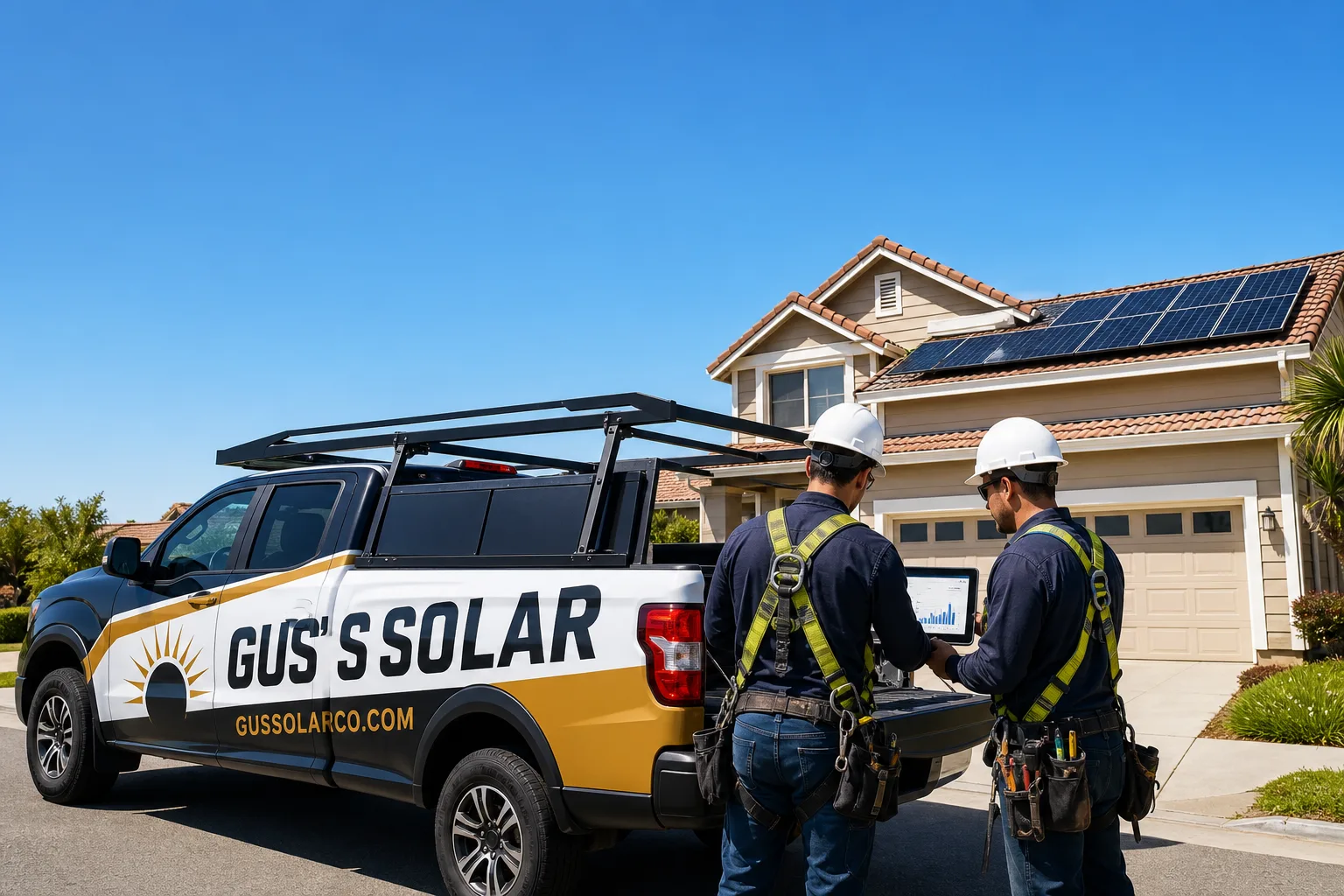
Free bill analysis - bring a power bill, get the production math for your actual roof, panel brands like Qcells and REC compared side by side
If the pitch starts at your door and ends with "sign tonight for the special," sleep on it. The sun will still be there tomorrow; so will we.
 Before
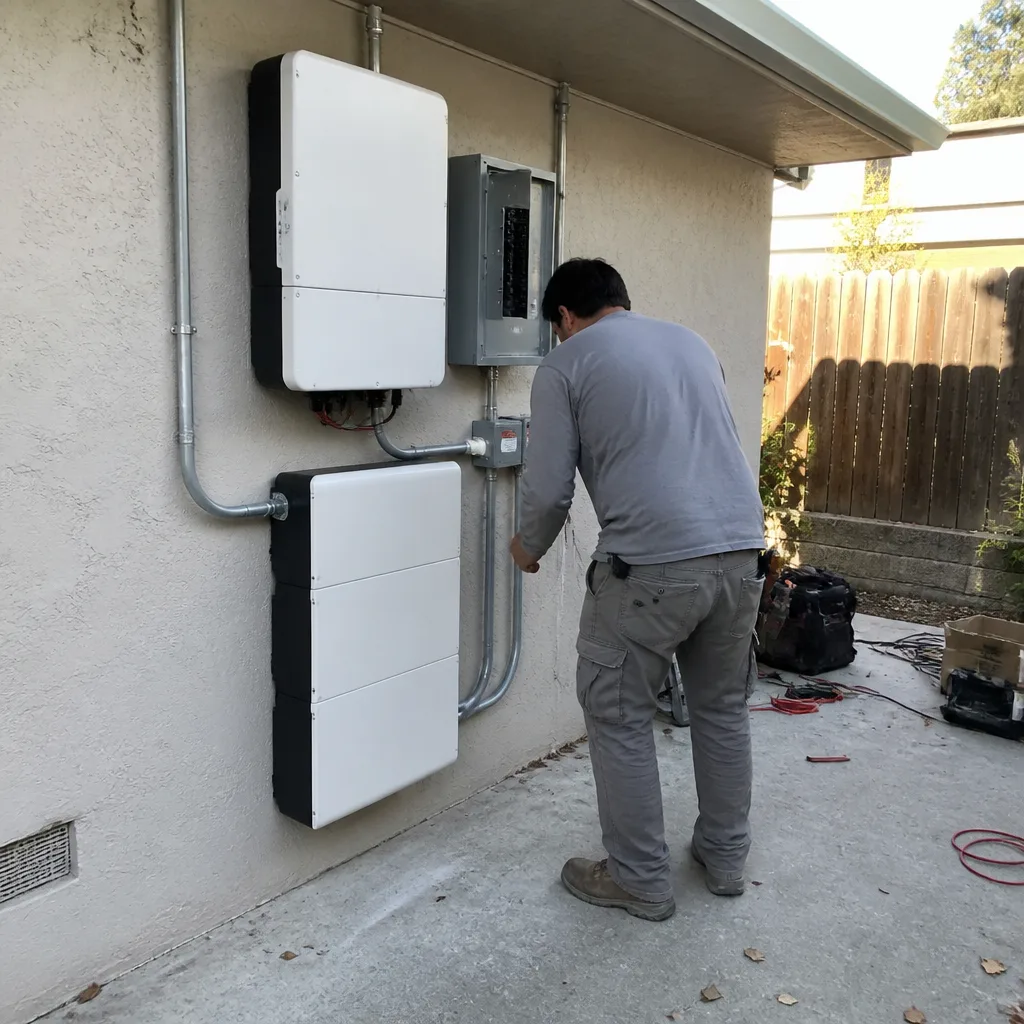 After
After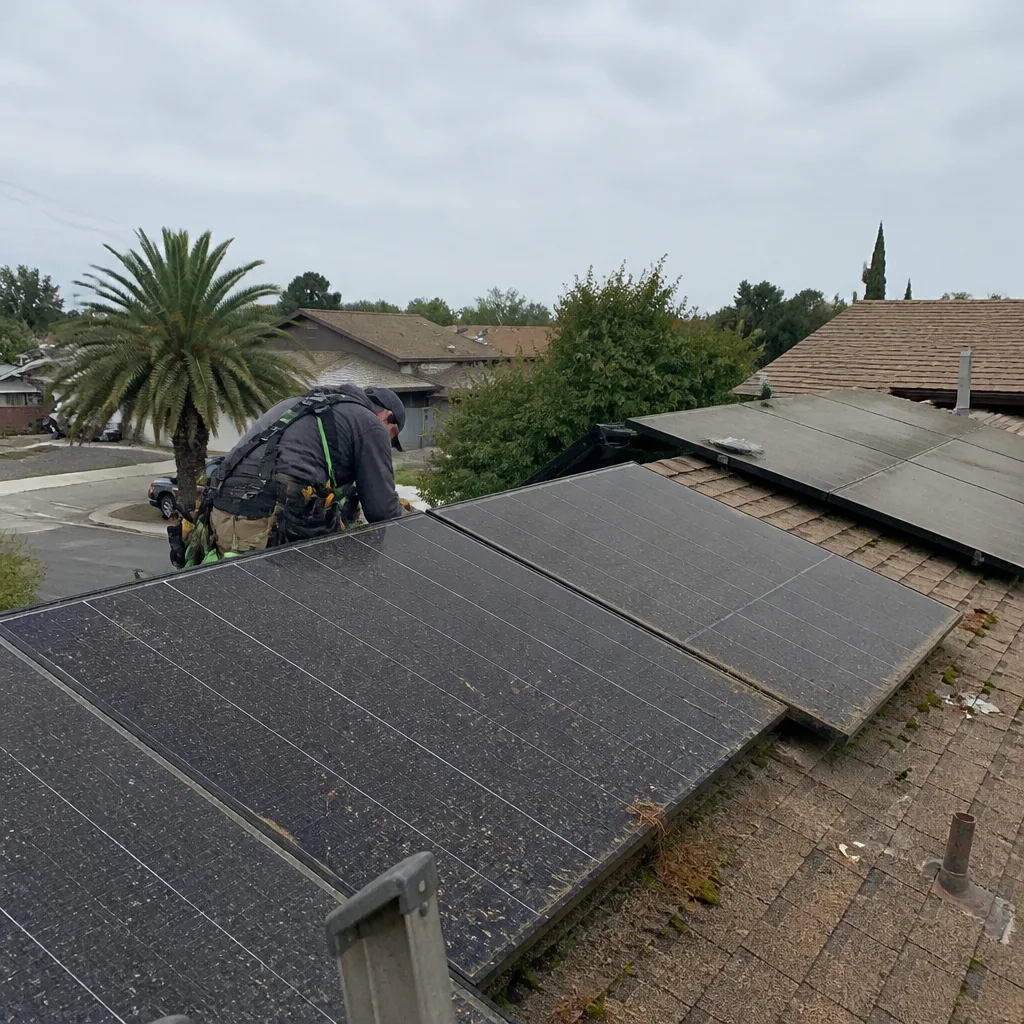 Before
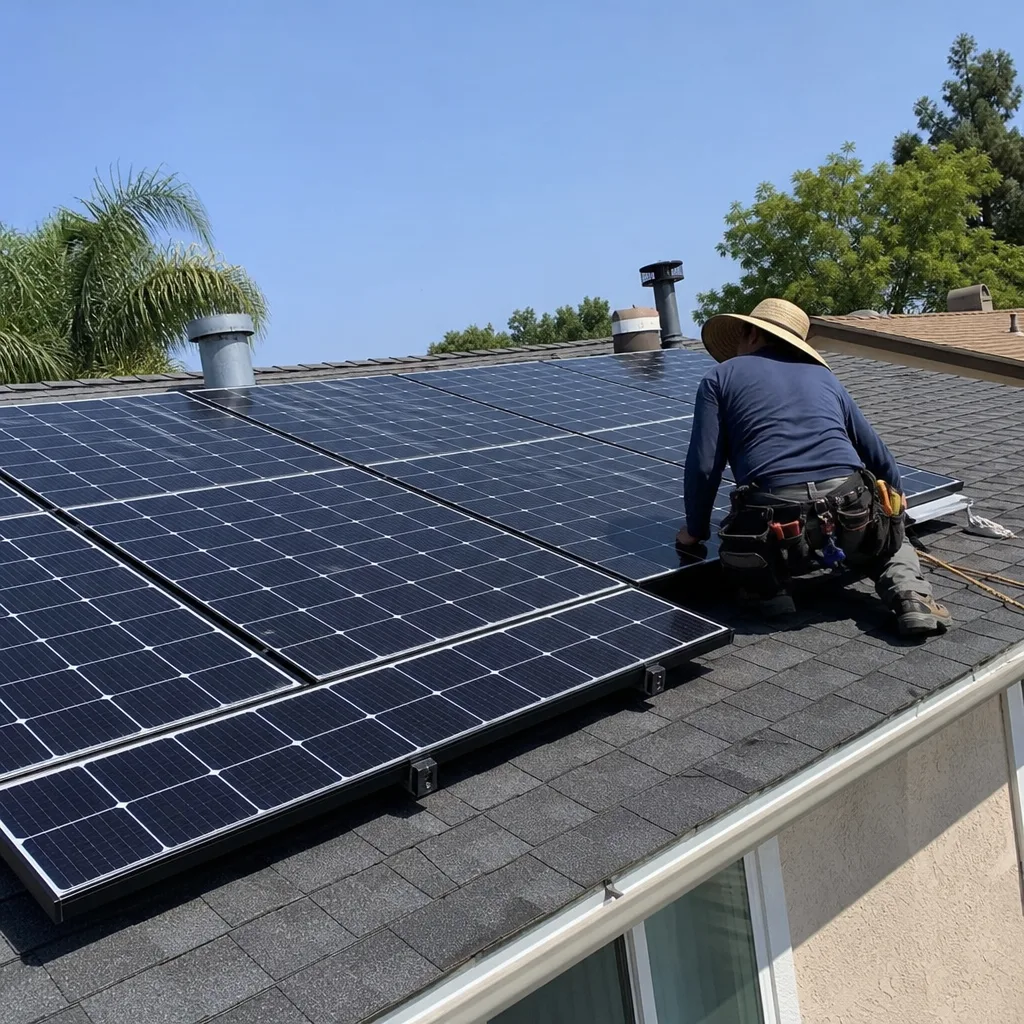 After
After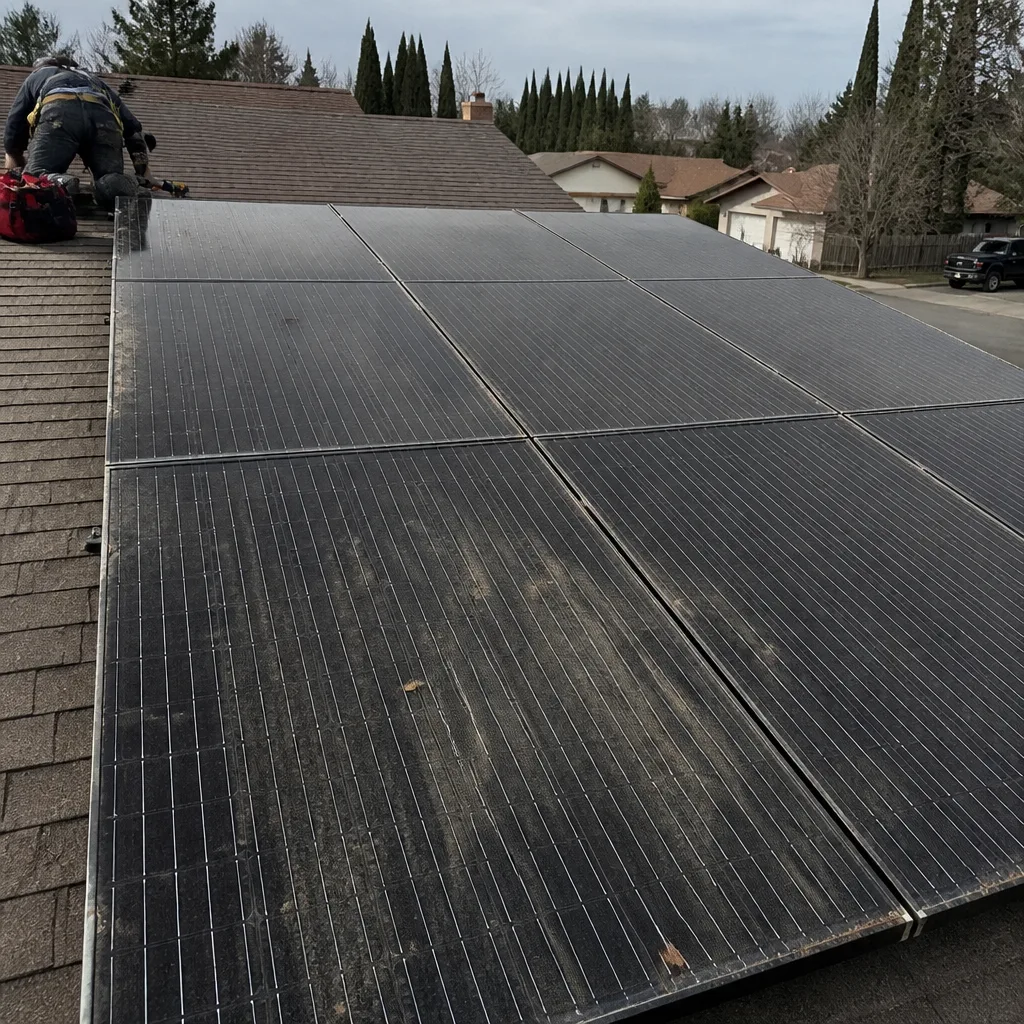 Before
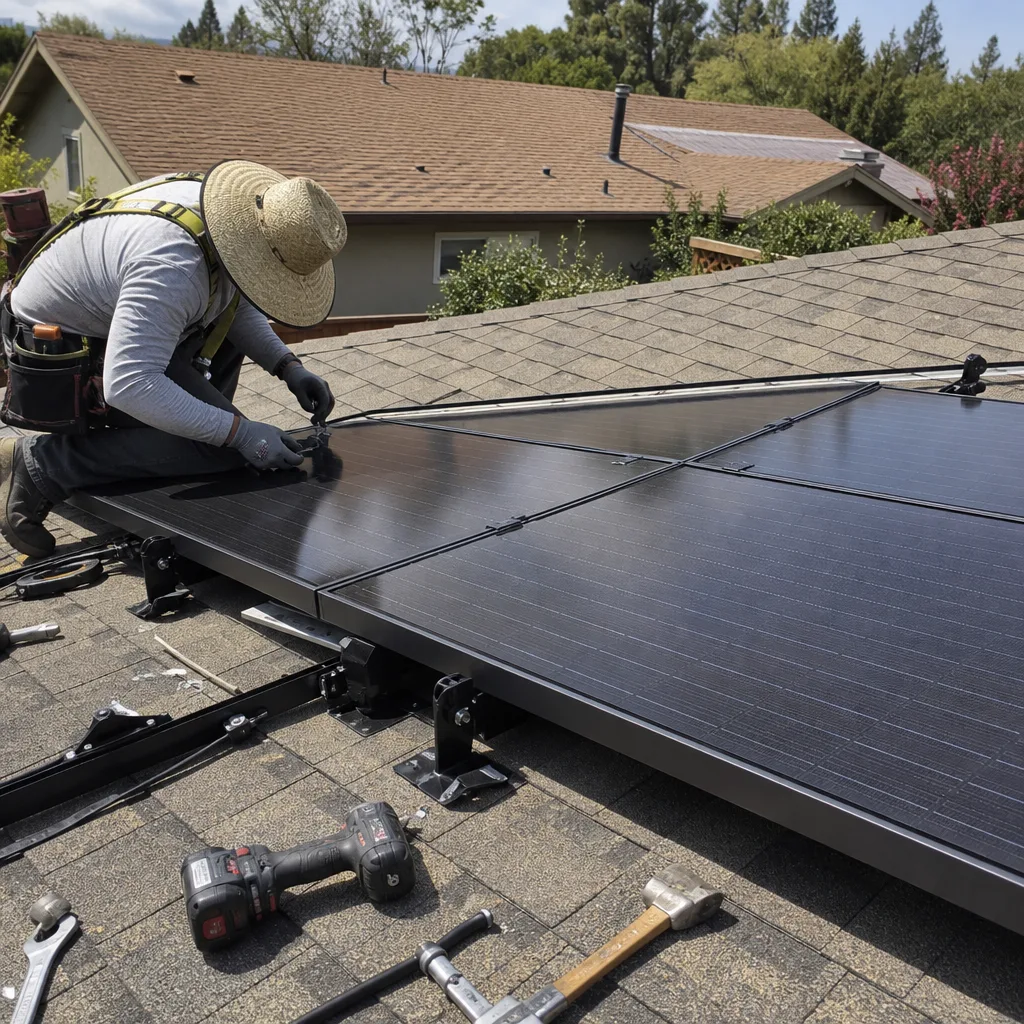 After
AfterFast, Reliable Solar Panel Maintenance & Monitoring Across Noe Valley
Solar maintenance in Noe Valley isn’t a “maybe later” item. The same hills that give this neighborhood some of San Francisco’s best sun exposure also create steep rooflines, directional shading, and salt-air corrosion patterns that quietly eat into panel production year after year. If your system’s output has dipped or you haven’t had the connections checked since install, we’ll come out and find what’s wrong. Call (877) 550-6892 and we’ll schedule a visit fast.
Most homeowners in the 94131 don’t need a full replacement. They need someone who knows which connectors fail first on a west-facing Victorian roof and which monitoring settings need updating after a firmware change. That’s what Gus’s crew does. We live in the Bay Area, we work in Noe Valley regularly, and we know the difference between a panel problem and a wiring problem on a 1905 row home.
Why Gus’s Solar Is Noe Valley’s Preferred Solar Panel Maintenance & Monitoring Company
The neighborhoods climbing both slopes of Noe Valley, from Sanchez Street east toward Church and Dolores, are full of systems we’ve inspected, repaired, and brought back to full production. Homeowners here appreciate a company that answers the phone with a real person. That’s Gus Petrakis himself most days, and his crew doesn’t disappear after the work is done. Every solar job carries our 90-Day Done Right Promise, in writing. If something isn’t right, one call brings Gus back.
Our team works with Enphase, SolarEdge, Tesla, and the other major manufacturers Noe Valley homeowners already have on their roofs. We don’t push new panels when a connector cleaning or firmware update fixes the problem. We tell you what’s wrong, what it costs to fix, and whether it’s worth fixing. No pressure. Gus’s own words: “Take two weeks. Think about it. The price will be the same.”
Background-checked, uniformed technicians show up on time and know what they’re looking at. For Noe Valley specifically, that means understanding how the valley’s east-west slope changes production on a block-by-block basis and how salt-laden air from the Pacific works on rooftop electronics. That knowledge comes from doing the work here, not from a training manual.
Our Solar Panel Maintenance & Monitoring Services in Noe Valley
Most of what we do falls under Solar Panel Maintenance & Monitoring, but the work changes depending on the roof. A flat rear addition with a REC system needs different attention than a steep front pitch with SunPower panels and an older string inverter. Here’s what we handle most in Noe Valley.
Annual System Inspection
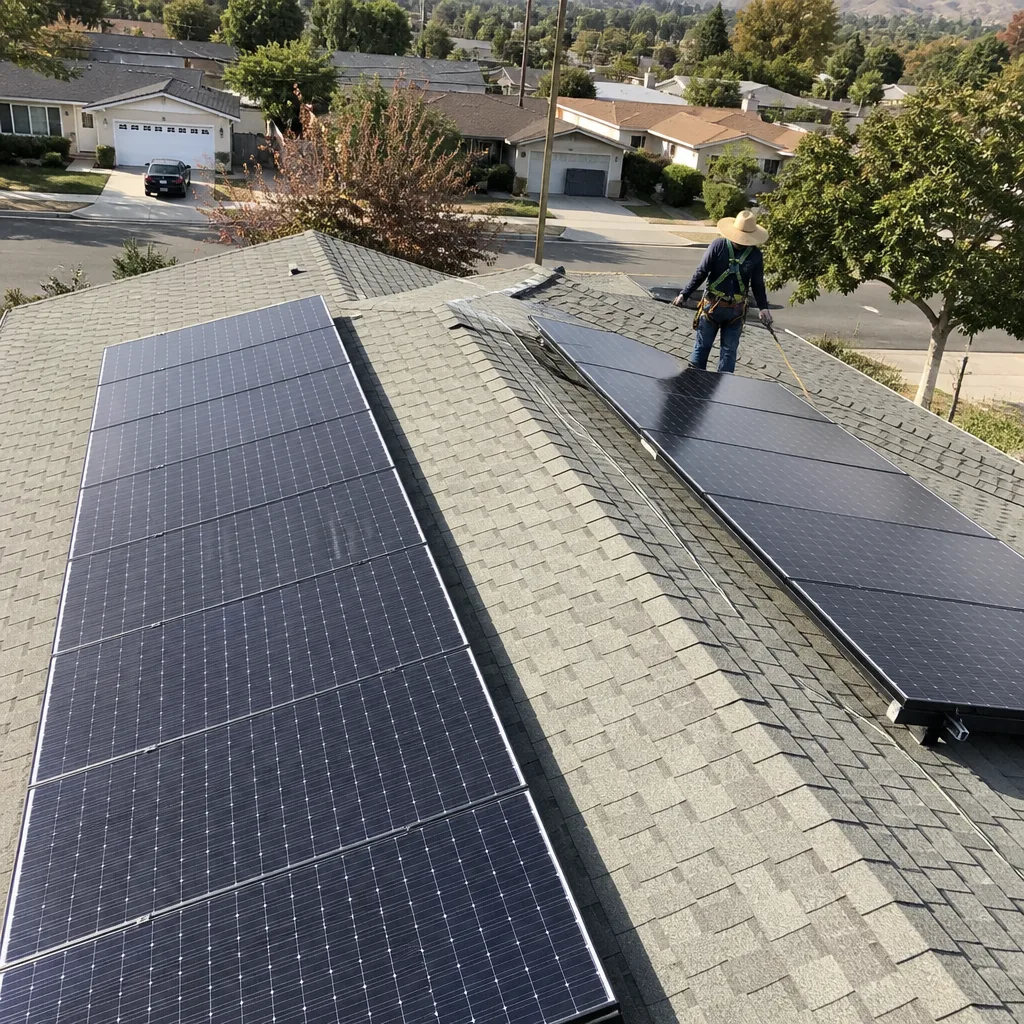
Every Noe Valley system should get a full once-over each year, especially if the roof is original 1890-1915 construction. Thermal imaging catches pinhole leaks around racking penetrations before they become ceiling stains. We check every MC4 connector, torque all DC connections, and verify your inverter is producing to spec for your exact roof orientation. An annual inspection in Noe Valley runs $149-$249, depending on system size and roof access.
Production Monitoring Setup
If your system was installed years ago and you never got the monitoring app configured, you’re flying blind. We set up Enphase Envoy, SolarEdge, Tesla, and other monitoring platforms so you see production in real time on your phone. Setup plus a full system health review runs $199-$349 for most Noe Valley homes. After that, you’ll know within a day if something drops offline, instead of discovering it on an annual utility bill.
Underperformance Diagnostics
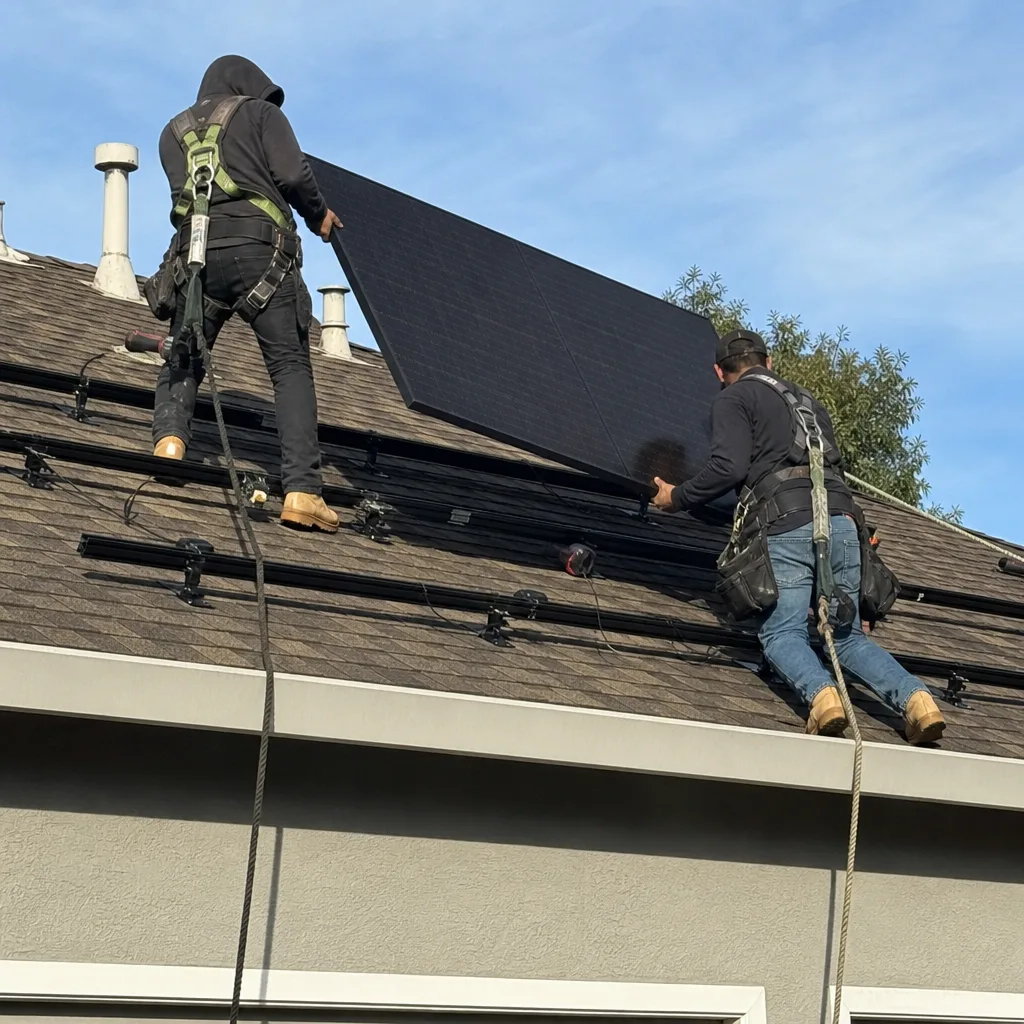
This is where the Noe Valley slope matters most. A home on the east-facing side of the valley bowl loses afternoon winter sun that a west-facing home across the street retains. We run site-specific shading models and inverter event logs to pinpoint whether low production is a design reality, a failing microinverter, or corrosion in the trunk connectors. Diagnostics start at $129, and if the fix is simple, we often handle it right there.
Firmware & App Configuration
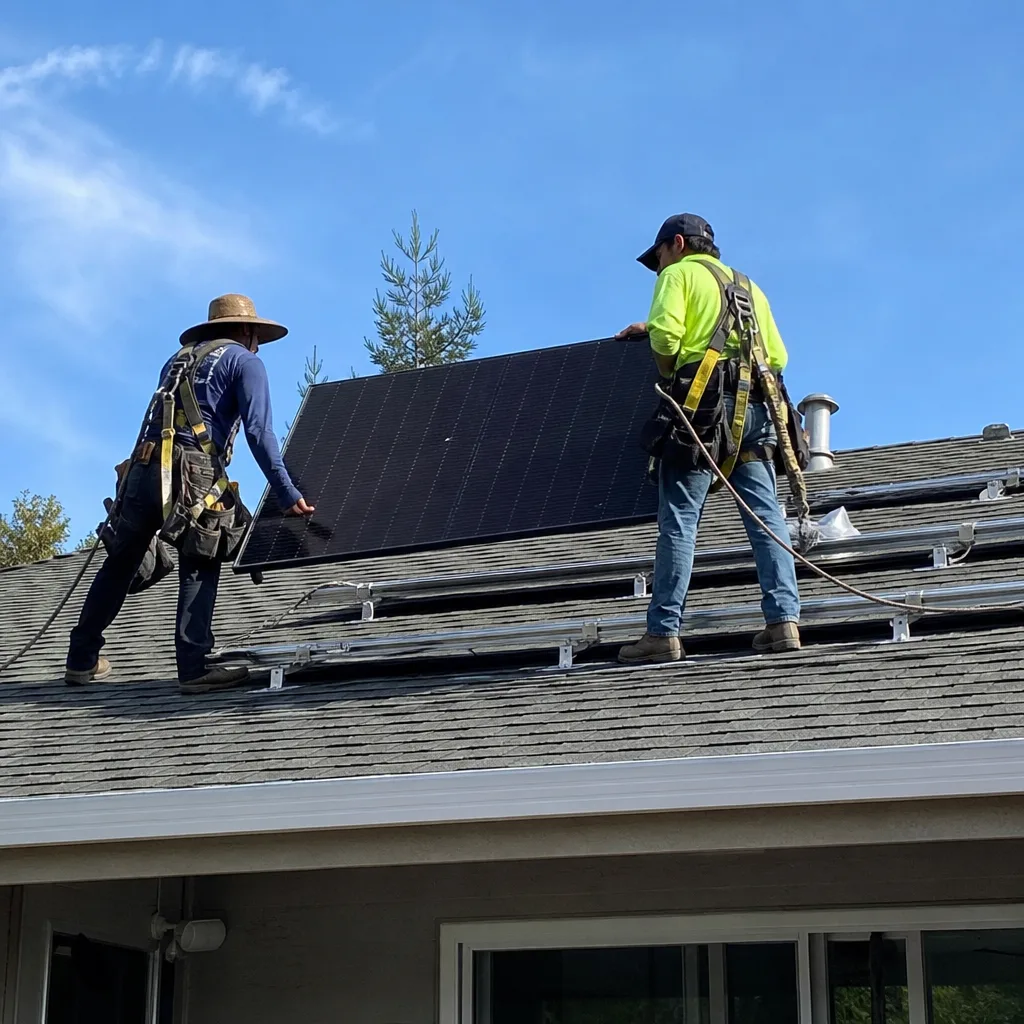
Older inverters and gateways need firmware updates to communicate with current monitoring apps. Enphase Envoys, SolarEdge gateways, and Tesla gateways all have version-specific quirks. We update firmware, re-register devices, and configure alerts so you get notified when output drops below expected ranges. Config work typically runs $99-$179 for a single gateway and inverter system.
What happens when you call
- 1
A real person answersNo phone trees - you reach a local pro.
- 2
You get an upfront price rangeHonest numbers before anyone is dispatched.
- 3
A background-checked tech heads outLicensed & insured, dispatched right away.
- 4
You approve before work beginsNothing starts until you say go.
Trusted Brands We Service in Noe Valley
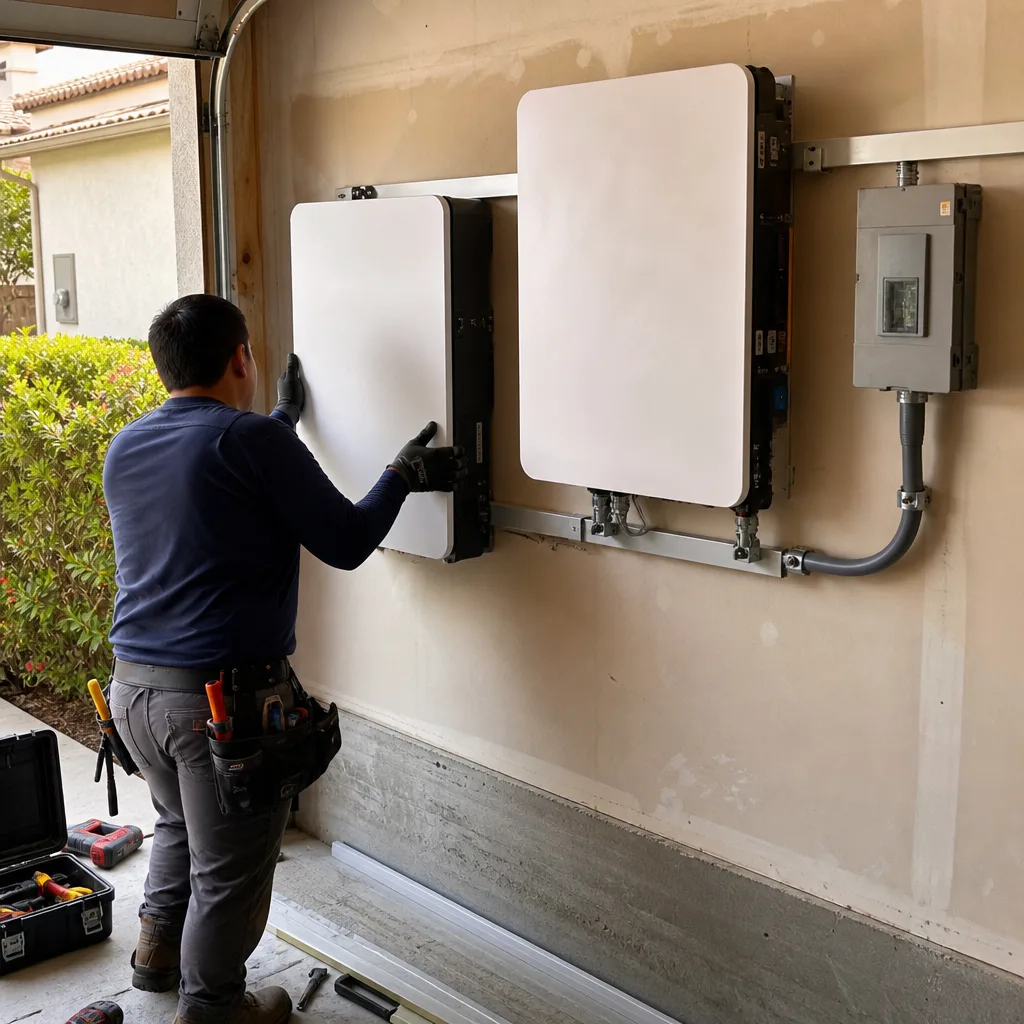
We work on systems built around Enphase, SolarEdge, Qcells, SunPower, REC, Panasonic, Tesla, and FranklinWH components. If you have a mixed system, which is common in Noe Valley after years of piecemeal upgrades, that’s fine. Gus’s crew keeps common connectors, breakers, and gateway parts stocked for fast turnaround, so we’re not waiting on a shipment from Ohio to fix a San Francisco roof.
Common Solar Panel Maintenance & Monitoring Problems We See in Noe Valley Homes
- Salt-air corrosion on microinverter connectors: West-facing roofs toward the ocean take the brunt of Pacific salt air. Enphase and SolarEdge AC trunk connectors corrode faster on these exposures, causing intermittent arc faults that only show up in inverter event logs during damp, marine-layer mornings.
- Steep Victorian roofline shading changes: The valley’s directional shadows mean production varies dramatically block to block. A string inverter without panel-level monitoring can mask an underperforming panel for months, because the system averages output instead of reporting individual module data.
- Aging roof decking around racking penetrations: Original 1890-1915 roof decking on Noe Valley row homes develops pinhole leaks after a few storm seasons. Annual inspection plans should include thermal imaging of attic conduit runs to catch moisture before it reaches interior ceilings.
- Shared party walls limiting access: Dense lot coverage and attached row homes mean roof access often requires coordination with a neighbor. We handle that communication, so you don’t have to knock on a door and explain why someone’s on the shared roofline.
Why Noe Valley’s Microclimate Makes Maintenance Different
Noe Valley sits in a topographic bowl sheltered from San Francisco’s coastal fog by Twin Peaks and the surrounding ridges. That gives this neighborhood some of the city’s most consistent sun exposure. But the same bowl shape that blocks fog from the Sunset and Richmond doesn’t block salt-laden air from the Pacific. Panels here accumulate less marine-layer grime than in foggy western neighborhoods, so you can often stretch cleaning intervals. What you can’t stretch is connection inspection. Salt air attacks microinverter housings, trunk connectors, and grounding lugs on a schedule that flat inland towns never see. We recommend Noe Valley homeowners check DC and AC connections every 18-24 months, even if cleaning is only needed every 3-4 years.
That’s the kind of block-specific guidance that doesn’t exist on a generic monitoring page. On a Victorian on Sanchez Street, our crew diagnosed a 12% underperformance on a six-year-old Enphase system. Salt-air corrosion had degraded the branch-line connectors on the west-tilting roof plane, and the individual panel monitoring showed three microinverters dropping offline during afternoon production peaks. We replaced the corroded connectors with die-grease-sealed MC4s, re-torqued all DC connections, and updated the Envoy gateway firmware. The system came back to within 1% of its original production estimate. That’s the difference between reading a manual and knowing what a west-facing Noe Valley roof actually does over six years.
Pricing for Solar Panel Maintenance & Monitoring in Noe Valley, CA
Here’s what you’re looking at in the 94131 for common maintenance and repair work:
| Service | Typical Noe Valley Price |
|---|---|
| Annual system inspection | $149-$249 |
| Underperformance diagnostics | $129-$199 |
| Monitoring setup & configuration | $199-$349 |
| Firmware & app configuration only | $99-$179 |
| Connector replacement (per branch line) | $75-$150 |
| Preventive maintenance plan (annual) | $249-$399/year |
Noe Valley’s two- and three-story row homes sometimes require harness work and extra ladder staging, which can add $50-$100 for steep front pitches. We quote the full price before anyone climbs up, and the number we give is the number you pay. Gus doesn’t believe in surprise fees after the fact. Call (877) 550-6892 for a free estimate. There’s no trip charge inside our home county, and seniors and veterans get a 10% discount that never expires.
We Also Serve Cities Near Noe Valley
Gus’s crew covers Noe Valley and the surrounding neighborhoods, including the Mission District, San Francisco, Visitacion Valley, and Daly City. If you’re just over the ridge in the Mission or down toward 280 in Visitacion Valley, Noe Valley is still squarely in our regular service area. Same response times, same local crew, same 90-Day Done Right Promise.
Serving Noe Valley, CA - Our Local Coverage Area
We’re based in the Noe Valley area and know this community well. Use the map below to see our service coverage - if you’re nearby, we can almost certainly help.
FAQs - Solar Panel Maintenance & Monitoring in Noe Valley
Mostly, yes. Noe Valley’s bowl shape blocks the worst marine-layer grime, so panels here stay cleaner longer than in foggy western SF neighborhoods. But the same salt air that doesn’t fog your windows still settles on glass over time, so we recommend visual checks every 6 months and cleaning when you see a visible film, typically every 3-4 years. Call (877) 550-6892 and we’ll tell you honestly whether cleaning is worth it on your specific roof.
Enphase systems monitor each panel individually, so your east-facing panels will show lower winter afternoon production than a west-facing neighbor across the block. That’s normal, not a fault. But when individual microinverters drop offline during afternoon production peaks, that’s a wiring or corrosion issue, not shading. We read inverter event logs and panel-level data to tell the difference, then fix what’s actually wrong. Free estimates on diagnostics, just call (877) 550-6892.
Most manufacturer warranties cover inverter component failure but not corrosion caused by environmental exposure. If the damage is from a manufacturing defect, you’re covered. If it’s salt-air degradation of connectors, that’s typically a maintenance item. We help with warranty claims either way. Gus’s crew documents everything with photos and event logs, so if a warranty claim is legitimate, we can get it through. Call (877) 550-6892 and we’ll help you file.
Yes, in most cases you can retrofit panel-level monitoring with add-on devices like Enphase microinverters or Tigo optimizers, and rapid shutdown compliance is often achievable with a gateway upgrade. Steep Victorian rooflines make access trickier, but the work is doable. We’ll quote the full retrofit after seeing your roof and current inverter. Call (877) 550-6892 for a site visit and honest numbers.
On original 1890-1915 roof decking, we recommend checking racking penetrations annually and re-sealing every 2-3 years, depending on storm exposure. The old-growth redwood decking that was common in Noe Valley construction shrinks and expands with San Francisco’s wet-dry cycles, which wears out sealant faster than on newer roofs. Annual inspection plans include thermal imaging of attic conduit runs to catch pinhole leaks early. Call (877) 550-6892 to schedule an inspection.
Written by Gus Petrakis, Owner at Gus’s Solar, serving Noe Valley and the greater San Francisco Bay Area since 2011.