
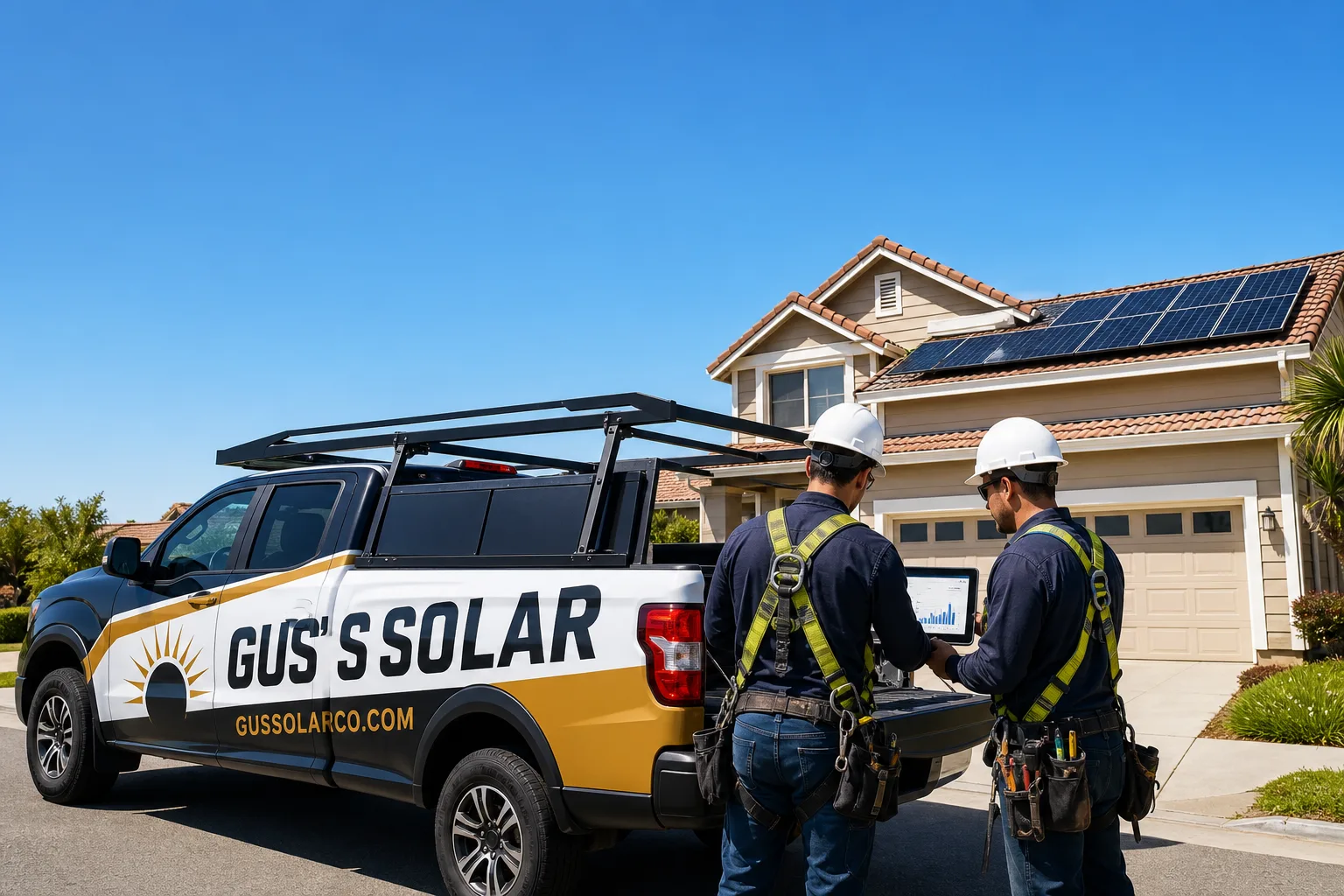
Free bill analysis - bring a power bill, get the production math for your actual roof, panel brands like Qcells and REC compared side by side
If the pitch starts at your door and ends with "sign tonight for the special," sleep on it. The sun will still be there tomorrow; so will we.
 Before
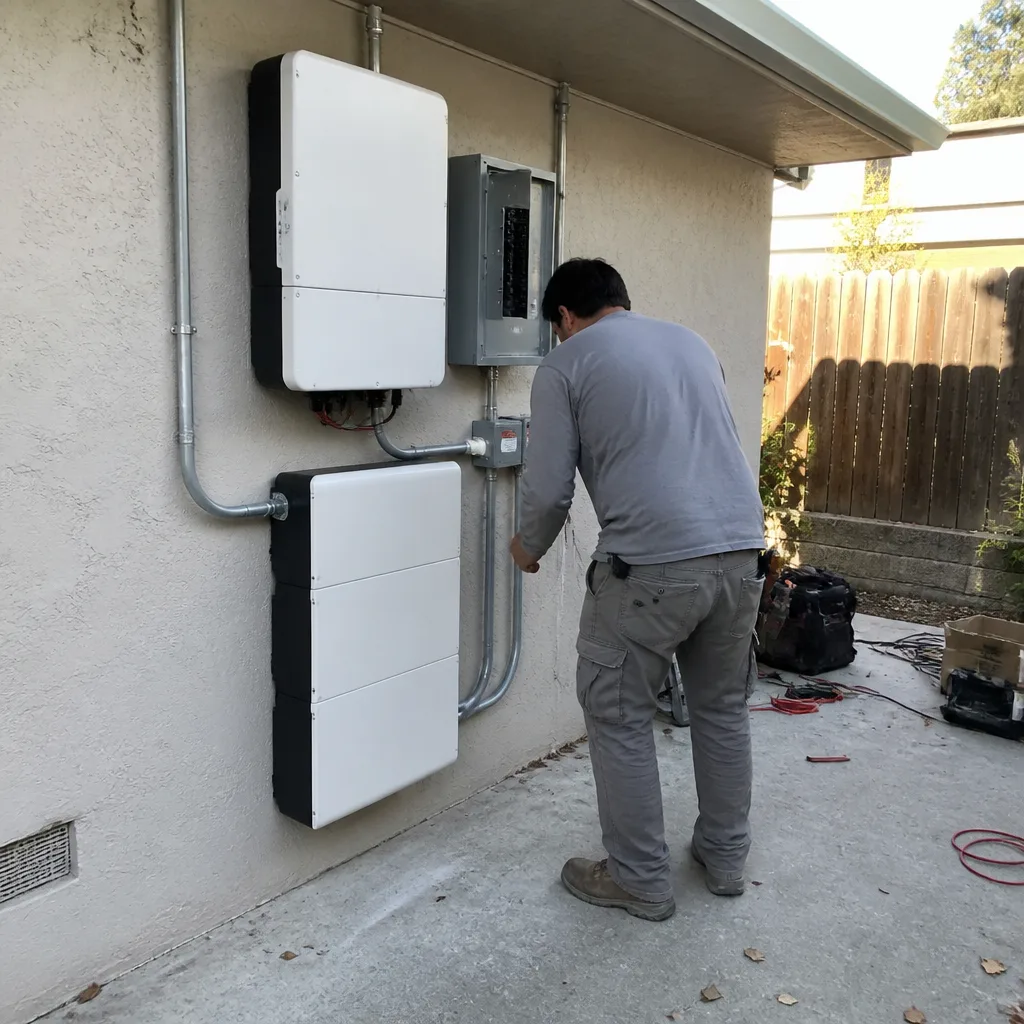 After
After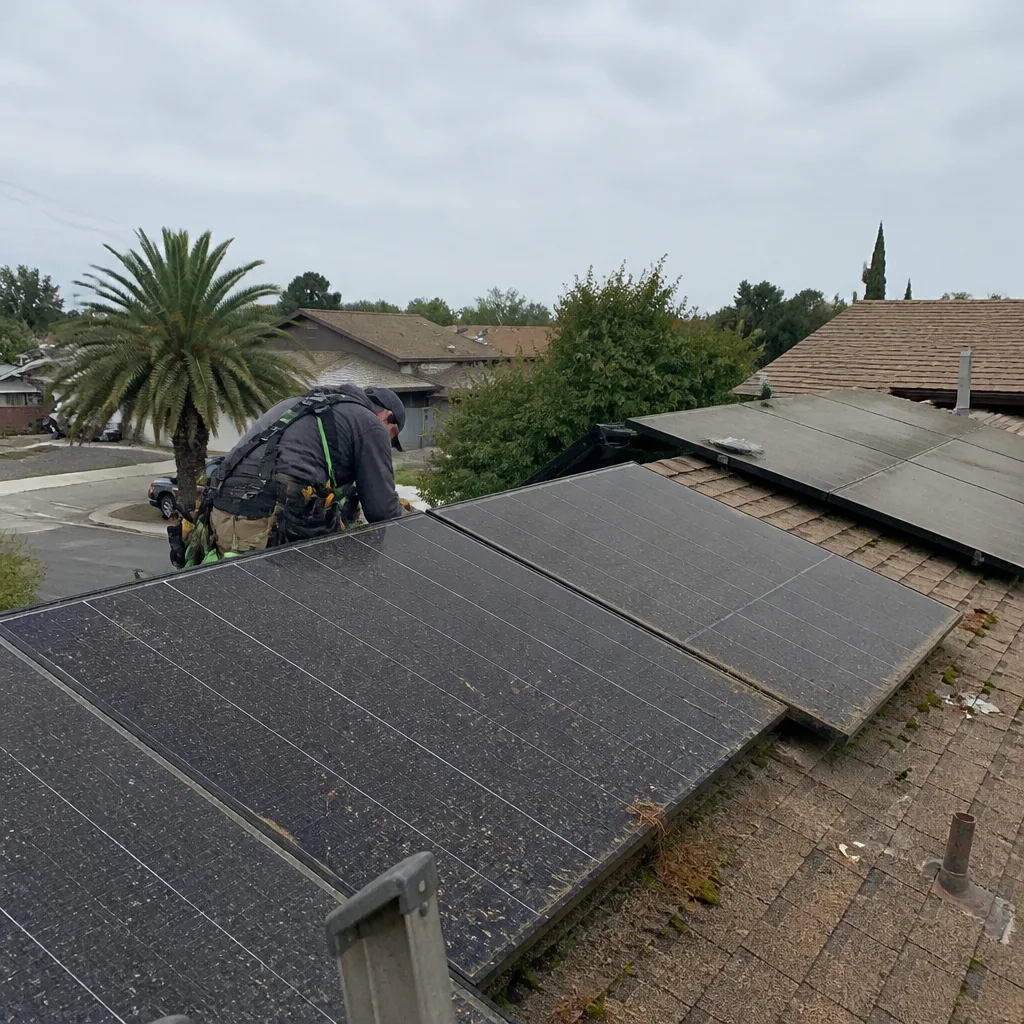 Before
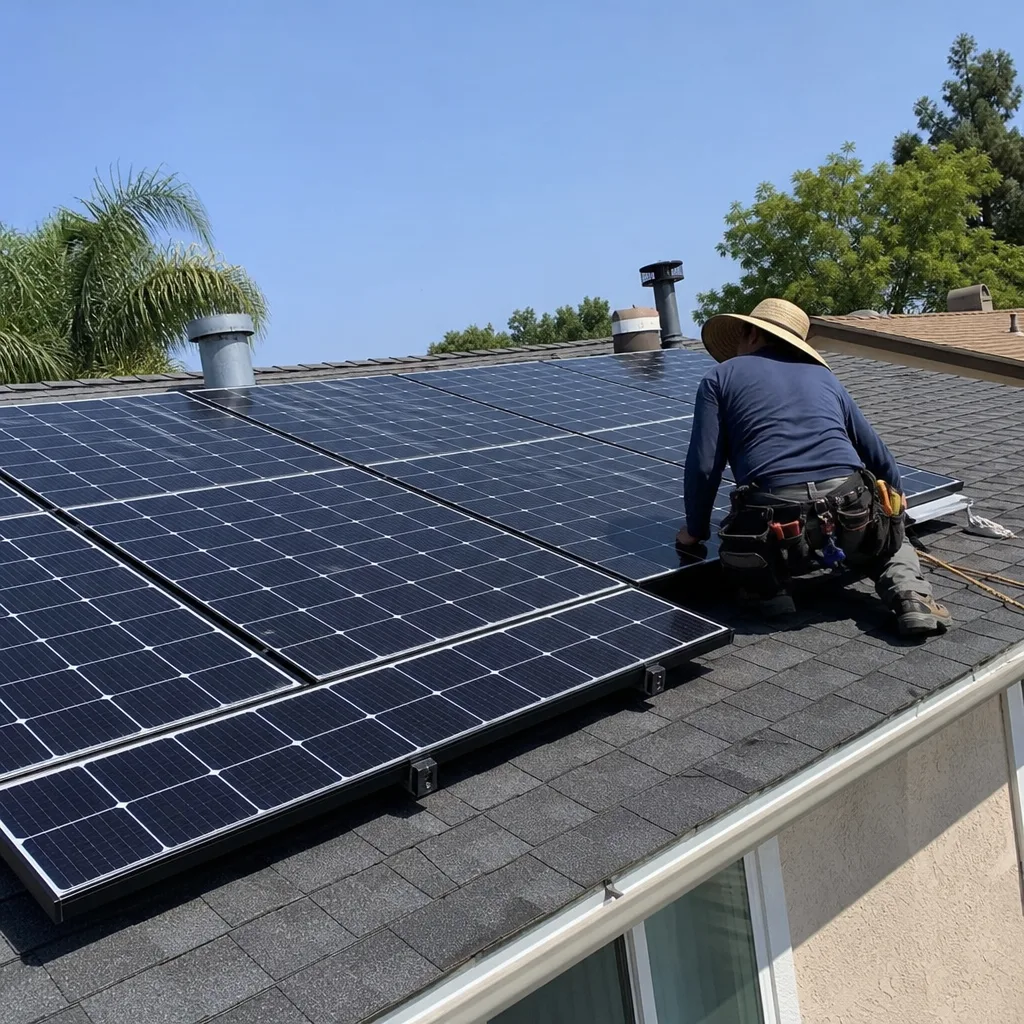 After
After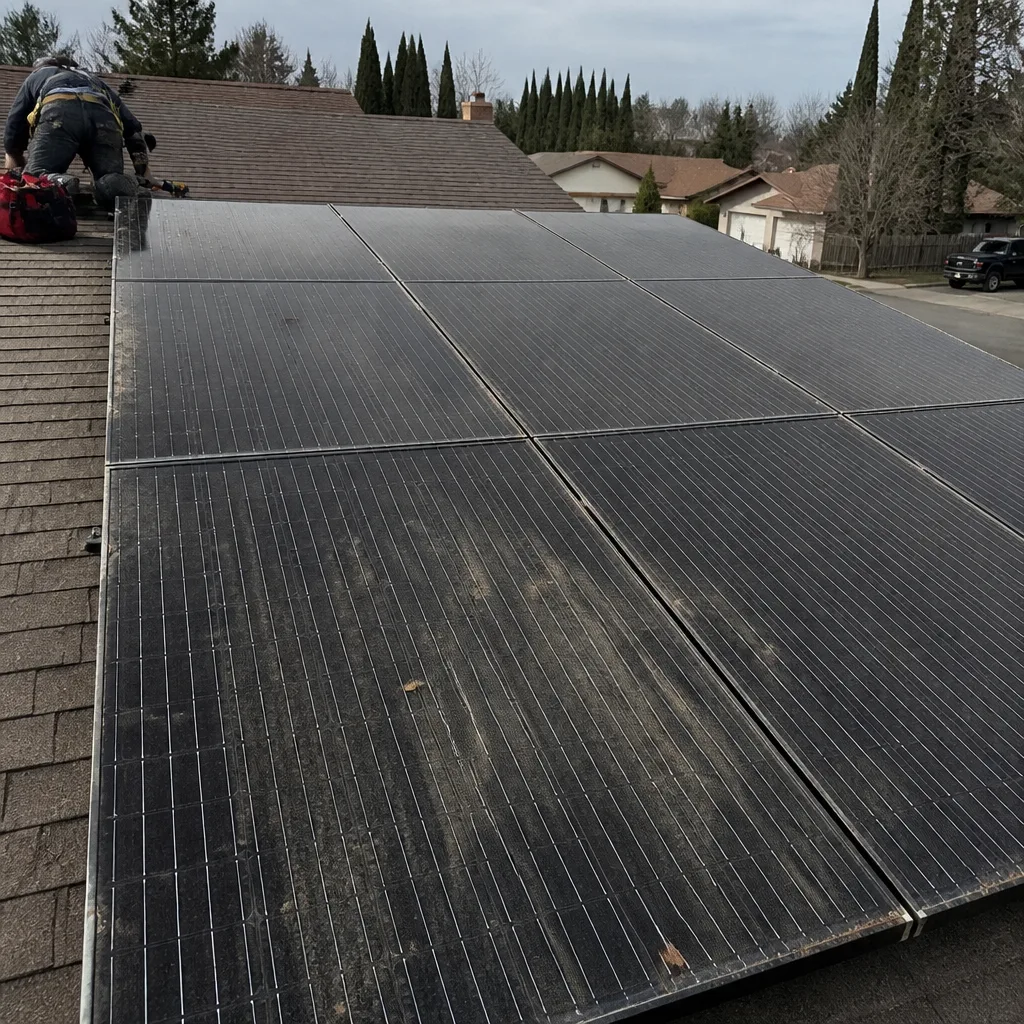 Before
 After
AfterFast, Reliable Solar Panel Maintenance & Monitoring Across San Francisco
Solar panel maintenance in San Francisco runs $180 to $420 for most service calls, and monitoring setup typically costs between $250 and $600 depending on your inverter brand and whether we need to pull historic-district permits. Gus’s Solar is the locally owned shop that homeowners across San Francisco call when their system is underperforming, throwing fault codes, or never got set up right in the first place. Gus Petrakis puts his own name on the work, answers his own phone, and his crew knows these rooftops better than any out-of-state installer ever will. Call (877) 550-6892 and a live person picks up.
Why Gus’s Solar Is San Francisco’s Preferred Solar Panel Maintenance & Monitoring Company
We have spent years working on the row houses, Edwardians, and flat-roof flats that define San Francisco housing. That matters because a 1912 wood-frame Victorian with a shared party wall in the Mission District presents very different maintenance challenges than a 2008 stucco box in the Sunset. Our Solar Panel Maintenance & Monitoring team knows where the wiring runs on these old roofs, how fog affects production on a south-facing Noe Valley slope versus a west-facing Richmond flat, and what the Department of Building Inspection will flag before we even submit paperwork.
We are not a call center. We are not a door-knock outfit that vanishes after the contract is signed. Gus Petrakis founded this company in 2011, he publishes his address and license number, and if something goes wrong, you call him directly. That is the difference between working with an owner and working with a sales rep.
Our Solar Panel Maintenance & Monitoring Services in San Francisco
Annual System Inspection
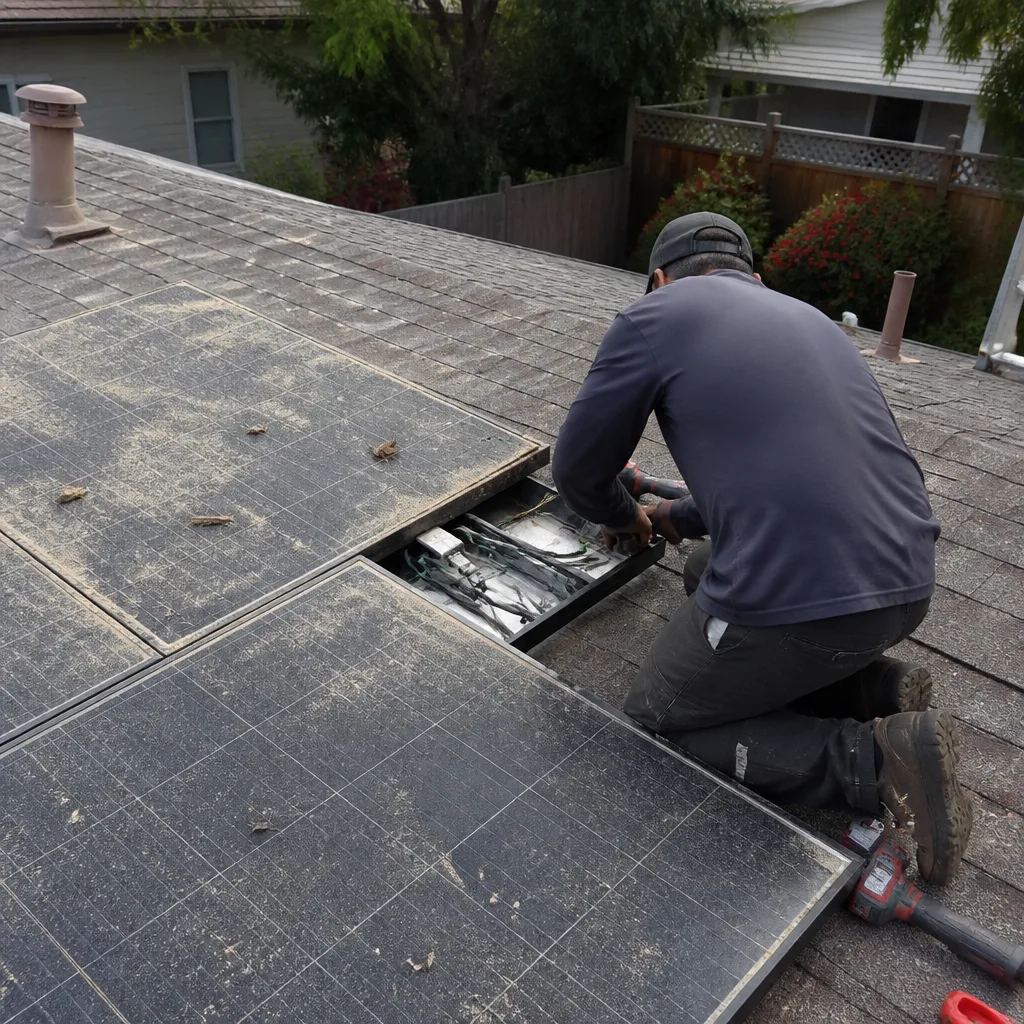
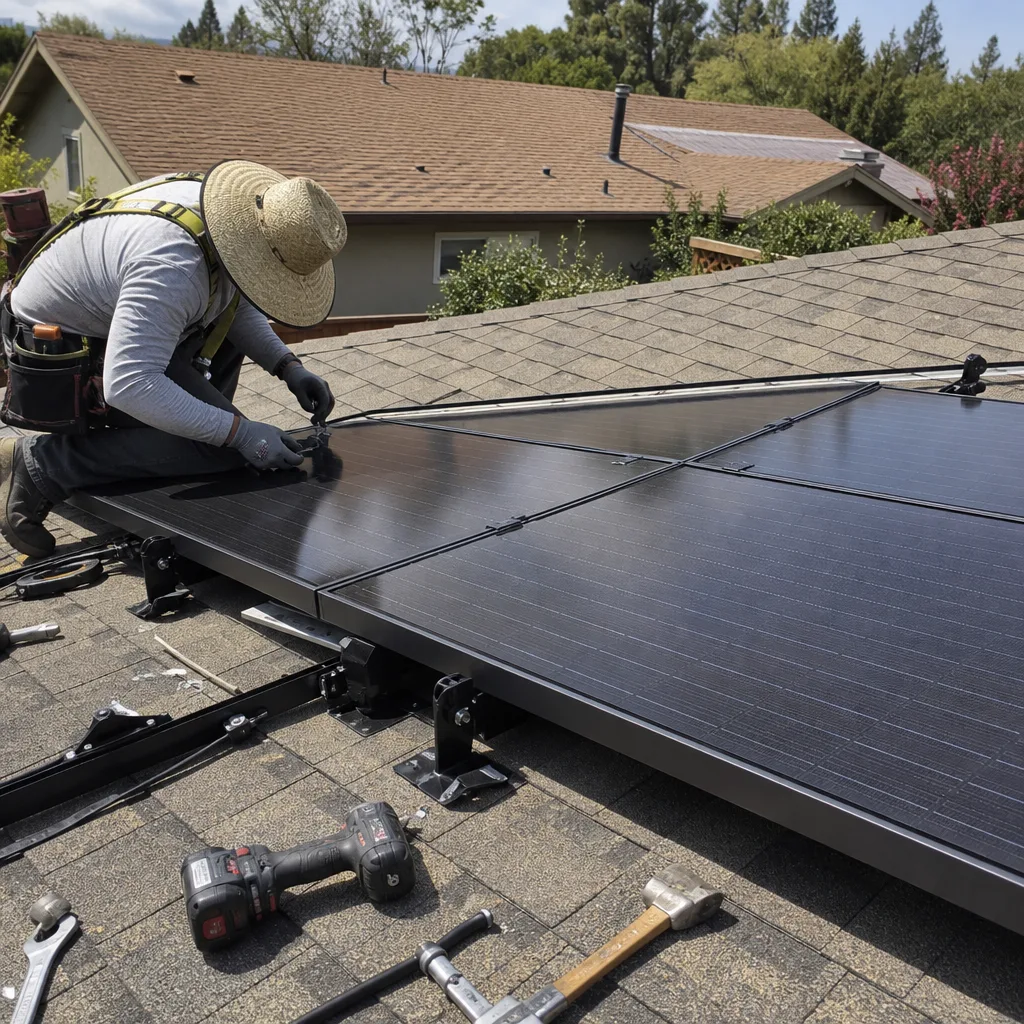
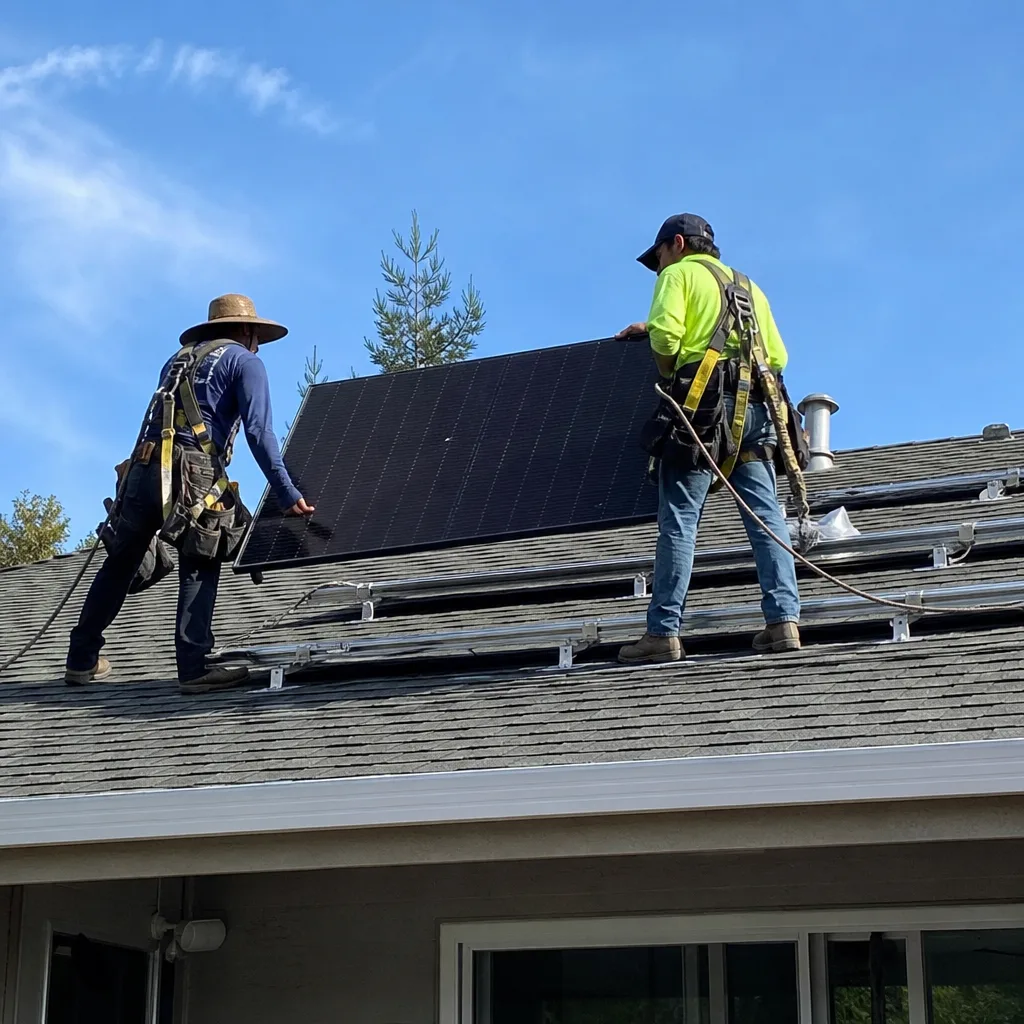
A proper annual inspection in San Francisco means walking the roof on a clear morning before the fog rolls in, checking every connector, junction box, and mounting point for the salt-fog corrosion that hits flat roofs within two blocks of the bay especially hard. We check torque on racking bolts, verify grounding continuity across the array, and document panel-level production against what your inverter says it should be doing. For pre-1930s Victorians in neighborhoods like Visitacion Valley and Chinatown, we also confirm the original flashing is still watertight around every roof penetration.
Production Monitoring Setup
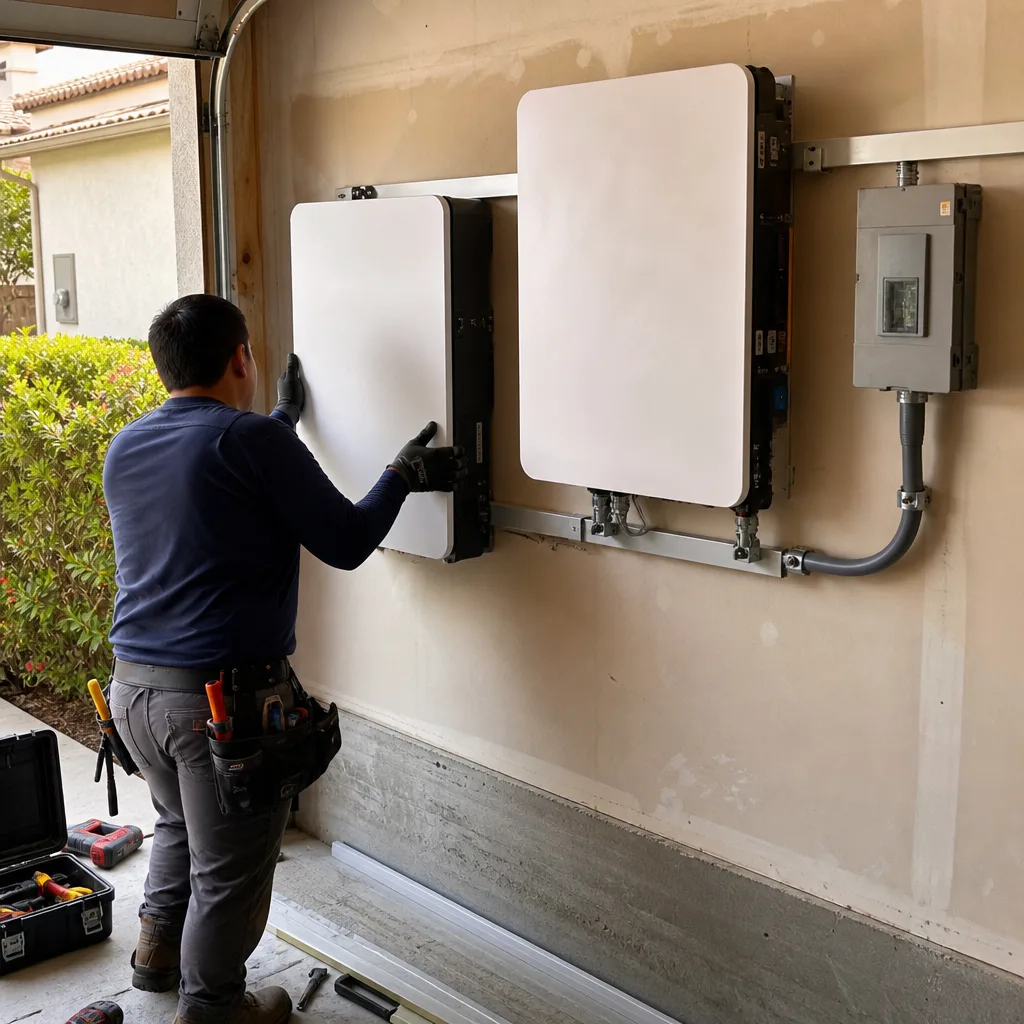
Most systems we see in San Francisco were never configured for local reality. The installer used a generic California irradiance model that ignores Karl the Fog, so your app shows “production targets” that have nothing to do with what your roof actually receives in July and August. We set up production monitoring using SF-specific weather data and fog-zone azimuths, configure alerts that actually mean something, and walk you through reading the app so you are not chasing false alarms. If you have Enphase, SolarEdge, Tesla, or FranklinWH equipment, we know the firmware quirks on all of them.
Underperformance Diagnostics
When your system is silently losing output, the cause in San Francisco is almost never the panels themselves. It is a degraded DC connector on a flat roof, an inverter that tripped a rapid-shutdown fault during a foggy morning and never came back, or a firmware push that misreads winter production peaks. We dispatched to a Noe Valley Edwardian with a SolarEdge inverter throwing an arc-fault error. Our tech traced it to a degraded DC connector on the flat roof, replaced it, and while on site reconfigured the production monitoring to account for the property’s fog-zone azimuth, bringing the owner’s true-up statement back in line with the original payback period. That is what local diagnostics looks like.
Firmware & App Configuration
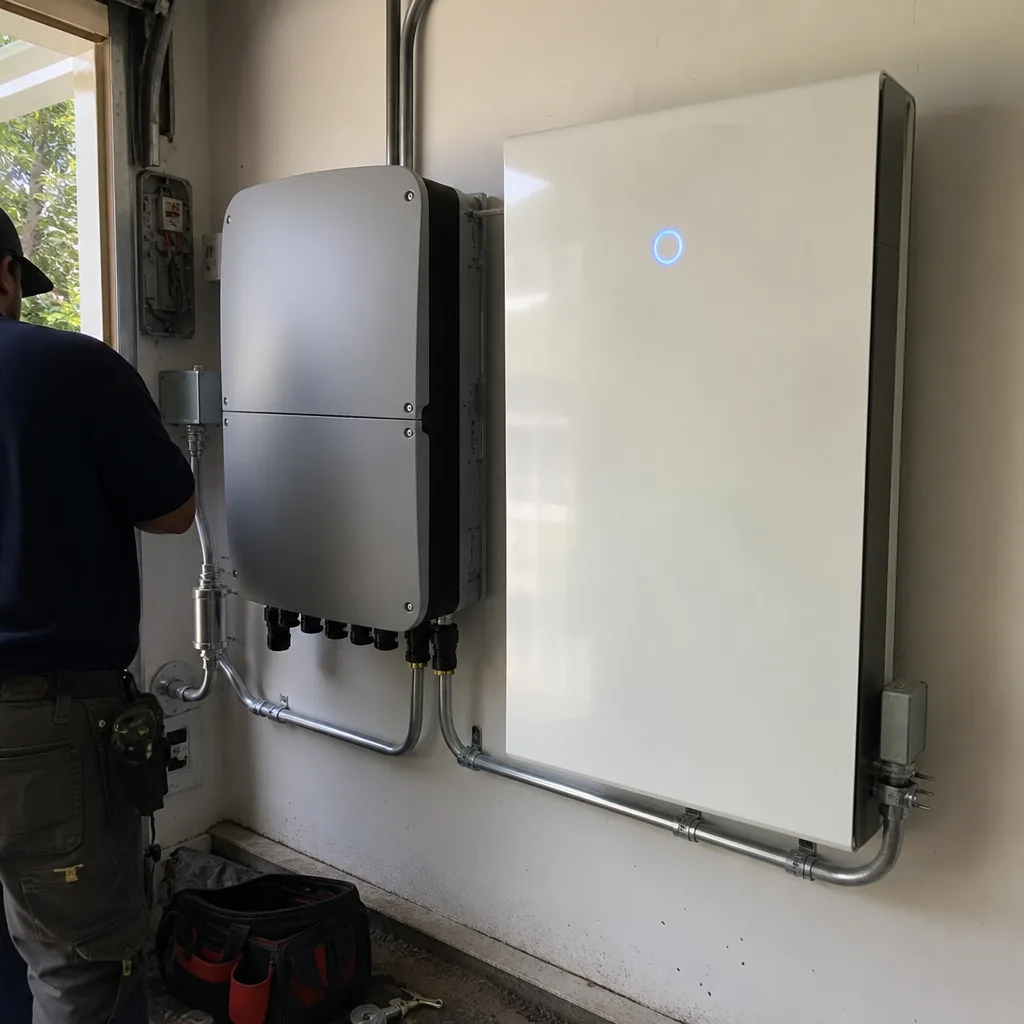
Manufacturers push firmware updates that are not written for San Francisco’s microclimates. We have seen microinverter updates misread winter production peaks, undercount kWh offset, and trigger false underperformance alerts that sent homeowners chasing ghosts. We handle firmware version control, roll back bad updates when needed, and configure your monitoring app to reflect what your system actually produces on this side of the fog line.
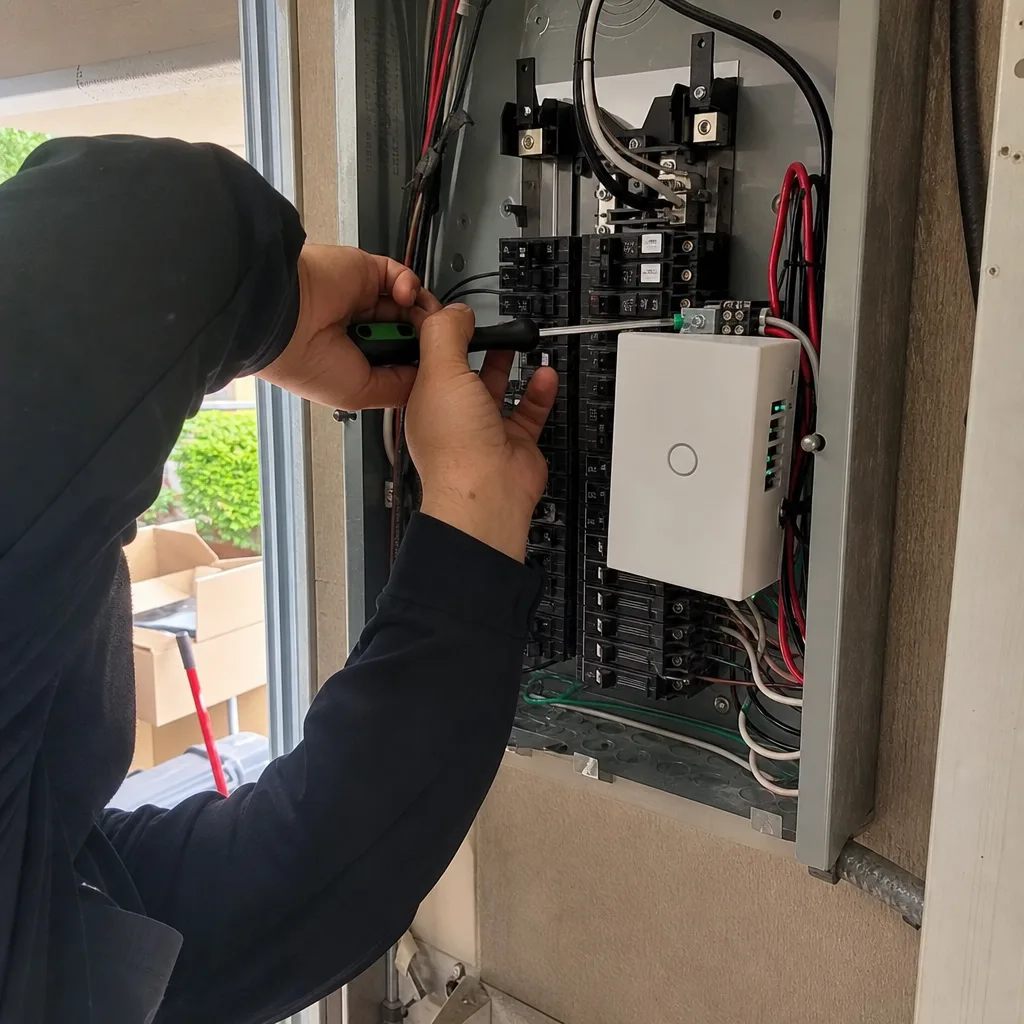
What happens when you call
- 1
A real person answersNo phone trees - you reach a local pro.
- 2
You get an upfront price rangeHonest numbers before anyone is dispatched.
- 3
A background-checked tech heads outLicensed & insured, dispatched right away.
- 4
You approve before work beginsNothing starts until you say go.
Trusted Brands We Service in San Francisco
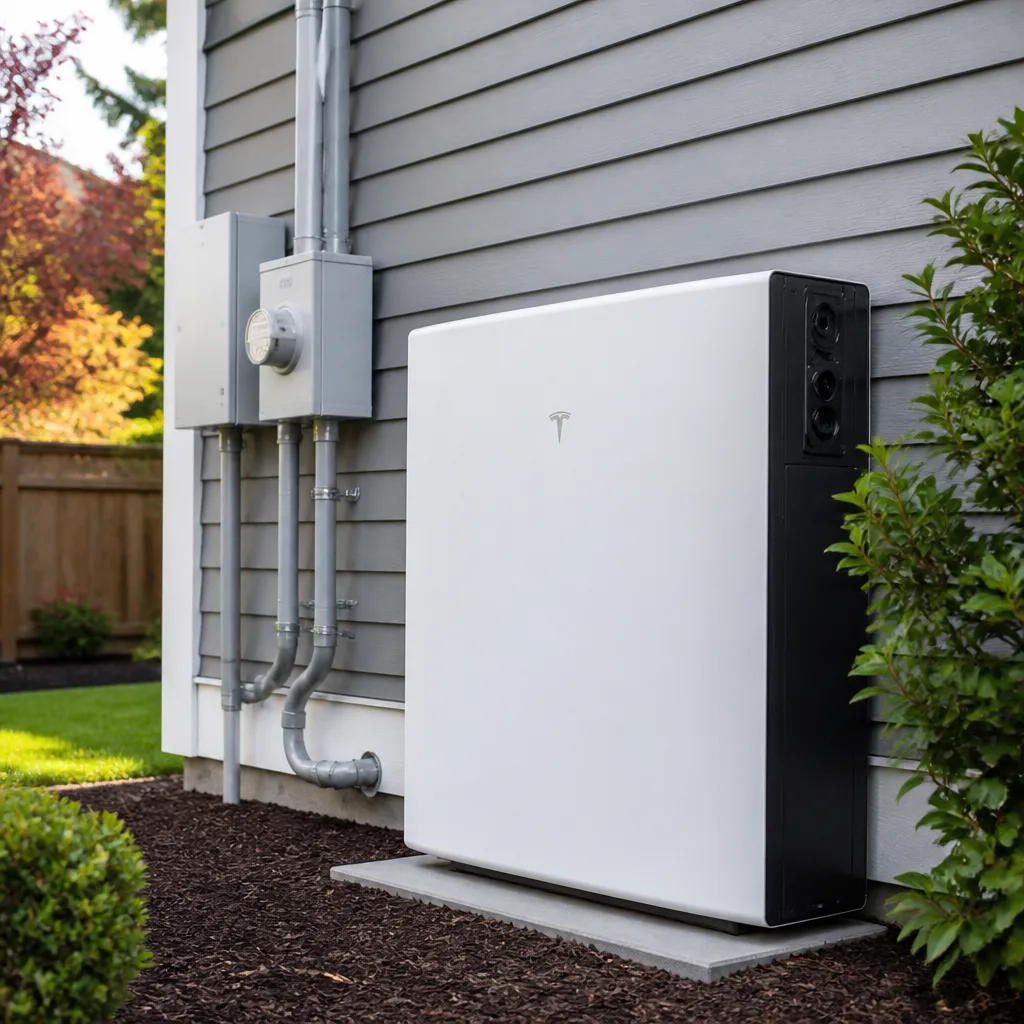
Gus’s crew works on systems built with Enphase microinverters, SolarEdge string inverters and optimizers, Tesla Powerwall configurations, and FranklinWH battery stacks. We stock common replacement parts locally for San Francisco customers, which means no waiting a week for a connector to ship from a warehouse in Texas. If your inverter needs a swap under warranty, we handle the paperwork with the manufacturer and coordinate the replacement. You do not chase the brand; we do.
Common Solar Panel Maintenance & Monitoring Problems We See in San Francisco Homes
- Inverters shutting down silently during morning fog: Rapid shutdown faults triggered by condensation and temperature swings are common in west-side neighborhoods like Noe Valley and the Mission District. Your system goes dark for weeks and you never notice because the app keeps showing last month’s data.
- Firmware updates that fight San Francisco weather patterns: Manufacturer updates written for Phoenix or Los Angeles sun curves can misread SF’s winter production peaks, undercount your kWh offset, and generate false alerts that train you to ignore your app altogether.
- Salt-fog corrosion on flat roofs near the bay: Exposed copper wiring within two blocks of the waterfront in ZIP codes like 94105 and 94107 degrades measurably faster than inland wiring. Connectors that would last 15 years in Sacramento fail in 6 here if they were not sealed properly.
- Interconnection applications stuck at DBI: The original installer never filed the final inspection with the Department of Building Inspection, so your net metering true-up has been frozen for months. This is shockingly common on tenancy-in-common buildings where the previous company handed off to a sub who walked away.
Pricing for Solar Panel Maintenance & Monitoring in San Francisco, CA
A diagnostic service call in San Francisco runs $180 to $260. Annual inspections go for $250 to $350 depending on roof size and the number of arrays. Production monitoring setup typically falls between $250 and $600, and that includes the hour we spend explaining the app to you in plain English, not a printed manual. Inverter replacement under warranty carries no trip charge inside San Francisco County; out-of-warranty swaps run $1,800 to $3,400 depending on brand and whether historic-district permitting triggers additional DBI review. Bring us your utility bill, not a brochure estimate. Gus quotes the year-25 output number, not the day-one marketing figure. Call (877) 550-6892 for a free estimate and a straight answer.
Key Takeaways: San Francisco maintenance costs run $180 to $420 for most calls. Historic-district permits add time and sometimes design constraints. Fog-zone production models matter more here than anywhere else in California. No trip charge inside San Francisco County. A live person answers 24/7.
We Also Serve Cities Near San Francisco
Our Solar Panel Maintenance & Monitoring in San Francisco service area covers all of the city proper plus the surrounding neighborhoods that call us daily. We work throughout the Mission District, Noe Valley, Chinatown, and Visitacion Valley, and we know the streets, the inspectors, and the building types in every one of them.
Serving San Francisco, CA - Our Local Coverage Area
We’re based in the San Francisco area and know this community well. Use the map below to see our service coverage - if you’re nearby, we can almost certainly help.
FAQs - Solar Panel Maintenance & Monitoring in San Francisco
San Francisco’s summers are its foggiest months, and July and August often produce less solar than clear winter days. This is normal for the city, not a defect. If your installer used a generic California production model, your app is probably showing targets that ignore local fog entirely. We can reconfigure your monitoring to reflect actual SF irradiance data for your specific neighborhood. Call (877) 550-6892 and we will take a look.
Panel cleaning never requires a permit, but inverter replacement in a historic or conservation district often does. San Francisco’s Department of Building Inspection routes solar permits through an additional planning review if your property sits in one of these districts, which covers much of the Victorian-belt ZIP codes 94102, 94103, 94107, 94108, and 94109. That review can add weeks and sometimes forces low-profile mounting or equipment placement that is invisible from the street. We handle the paperwork either way.
This usually means your inverter or monitoring gateway stopped communicating with your utility’s meter, or the original installer never filed final inspection with DBI, which freezes your net metering true-up. We see this constantly on multi-unit buildings in Visitacion Valley and the Mission District where a subcontracted crew walked away without closing out permits. We trace the communication path, file the missing paperwork, and get your credits flowing again.
Yes, and on San Francisco row houses with shared party walls this is often the right move. The catch is that your electrical service may be original 60-amp, which requires a panel upgrade before microinverters can feed back cleanly. On tenancy-in-common buildings, all owners on the shared roof usually need to sign off on the work. Gus’s crew does the full scope under one roof: panel upgrade, microinverter install, and DBI interconnection paperwork.
That number is the manufacturer’s promise about how much output your panels will retain after 25 years, usually around 85% to 92%. In San Francisco, the number that matters more is what your system actually produces per year under local fog and marine-layer conditions, because that determines your payback period. Gus quotes the year-25 output number off your real utility bill, not a brochure. If someone quoted you a number without looking at your bill, get a second opinion. Ours is free, in writing, and comes from the owner.
Call Gus’s Solar for Honest Solar Panel Maintenance in San Francisco, CA
If your system is not producing, your app is lying to you, or your true-up statement does not match what you were promised, call us. A live person answers the phone 24/7, no voicemail, no ticket queue. We will quote you a real number based on your actual utility bill and the fog-zone reality of your specific San Francisco neighborhood. Take two weeks to think about it. The price will be the same. If a salesman needs an answer tonight, the answer is no. Call (877) 550-6892 for a free estimate.
Written by Gus Petrakis, Owner at Gus’s Solar, serving San Francisco and the Bay Area since 2011.