

Free bill analysis - bring a power bill, get the production math for your actual roof, panel brands like Qcells and REC compared side by side
If the pitch starts at your door and ends with "sign tonight for the special," sleep on it. The sun will still be there tomorrow; so will we.
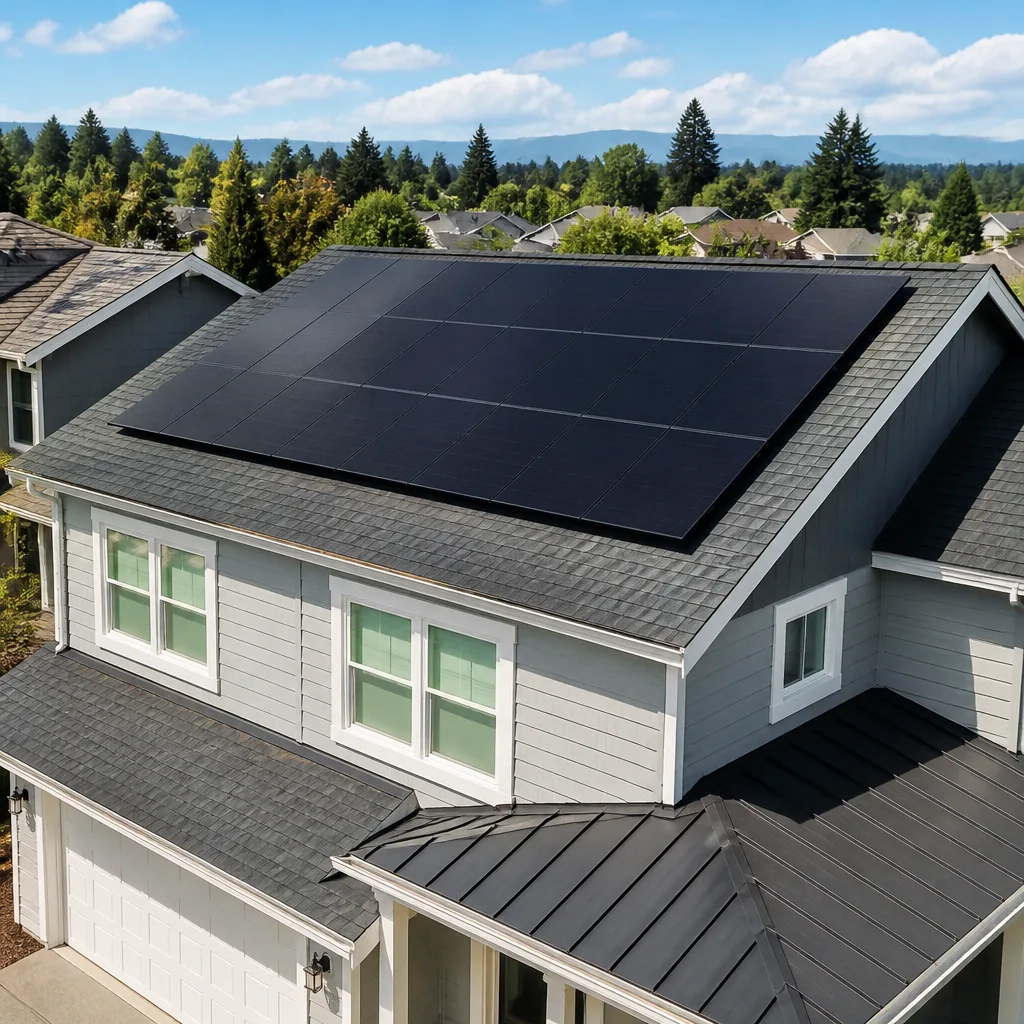
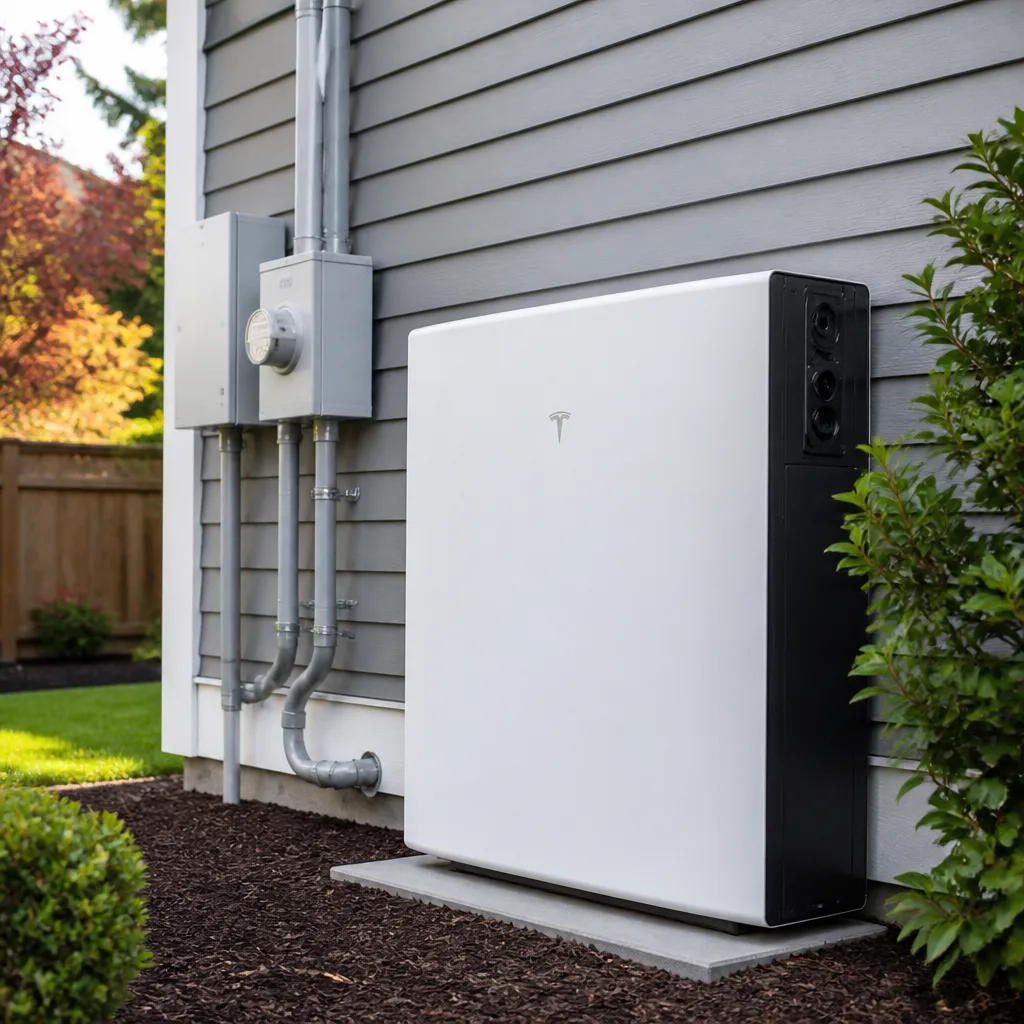
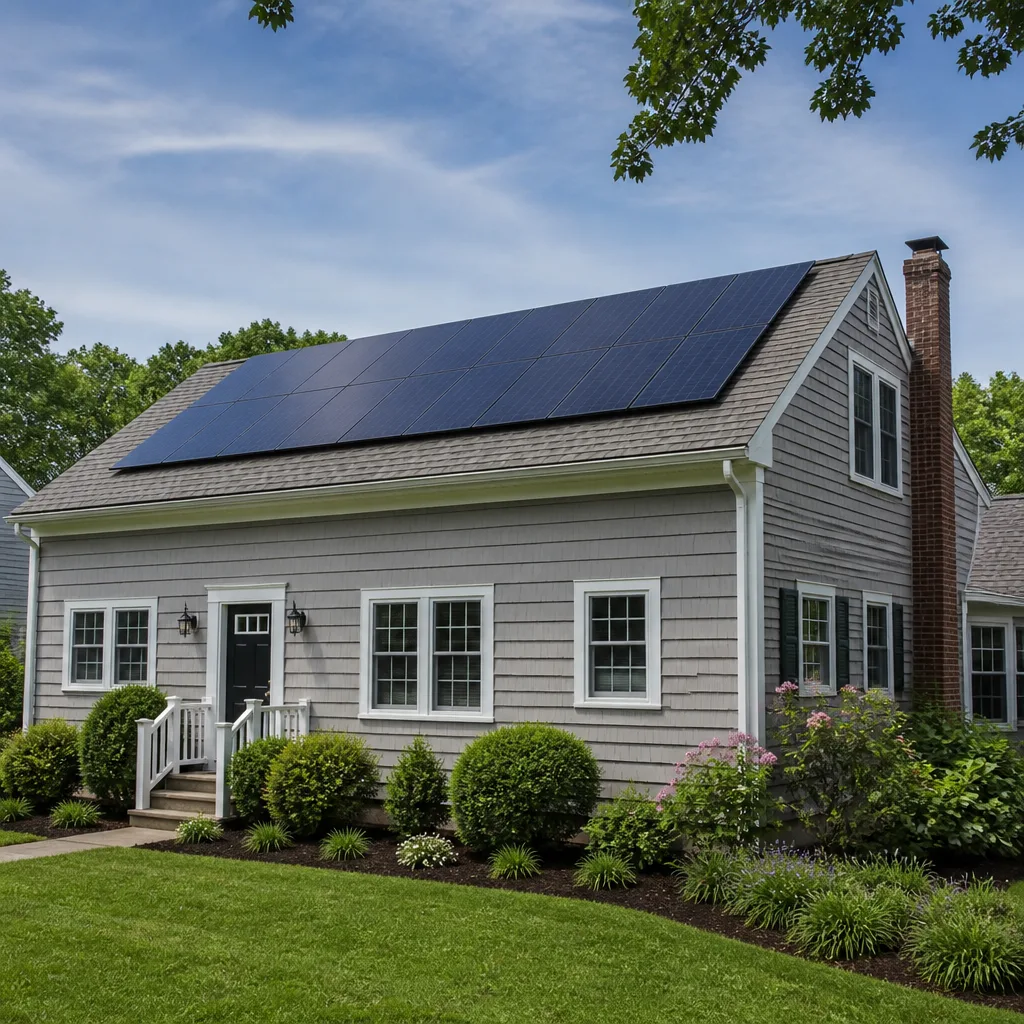

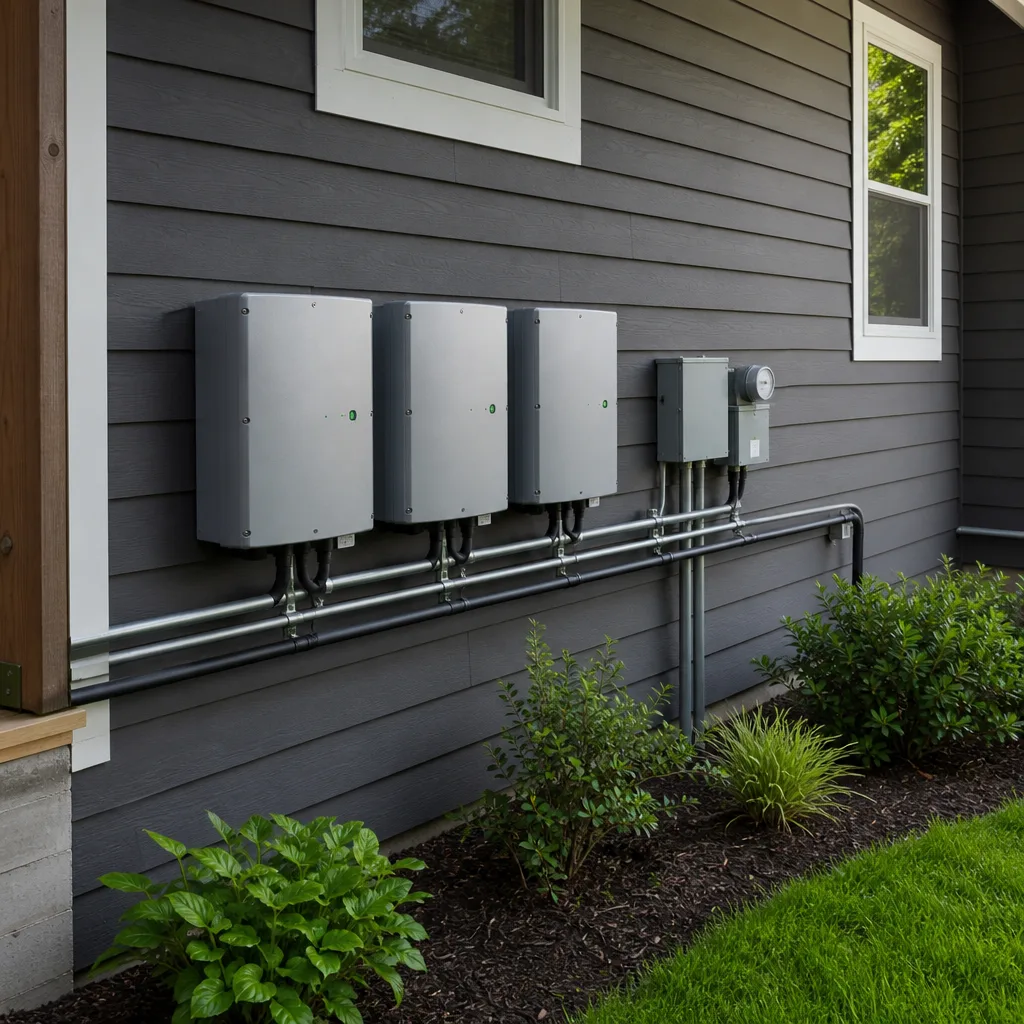
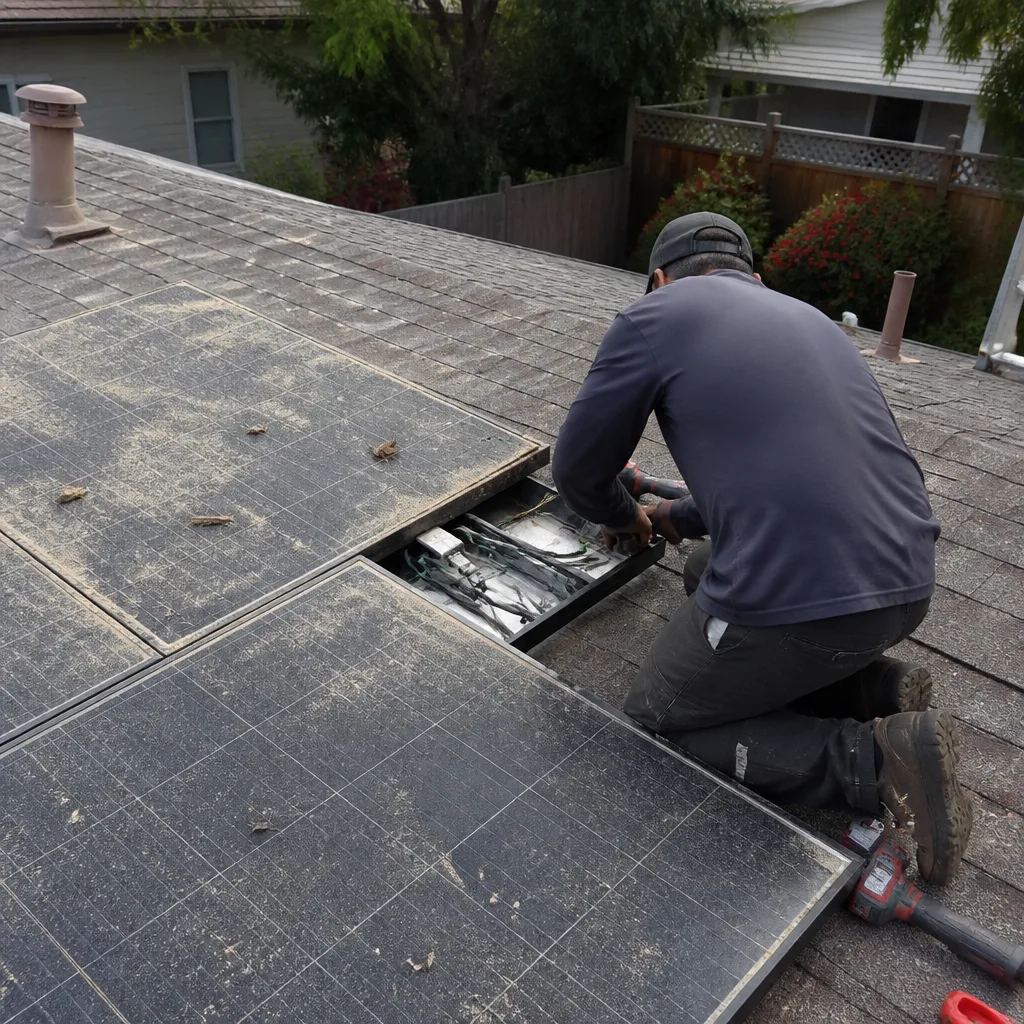 Before
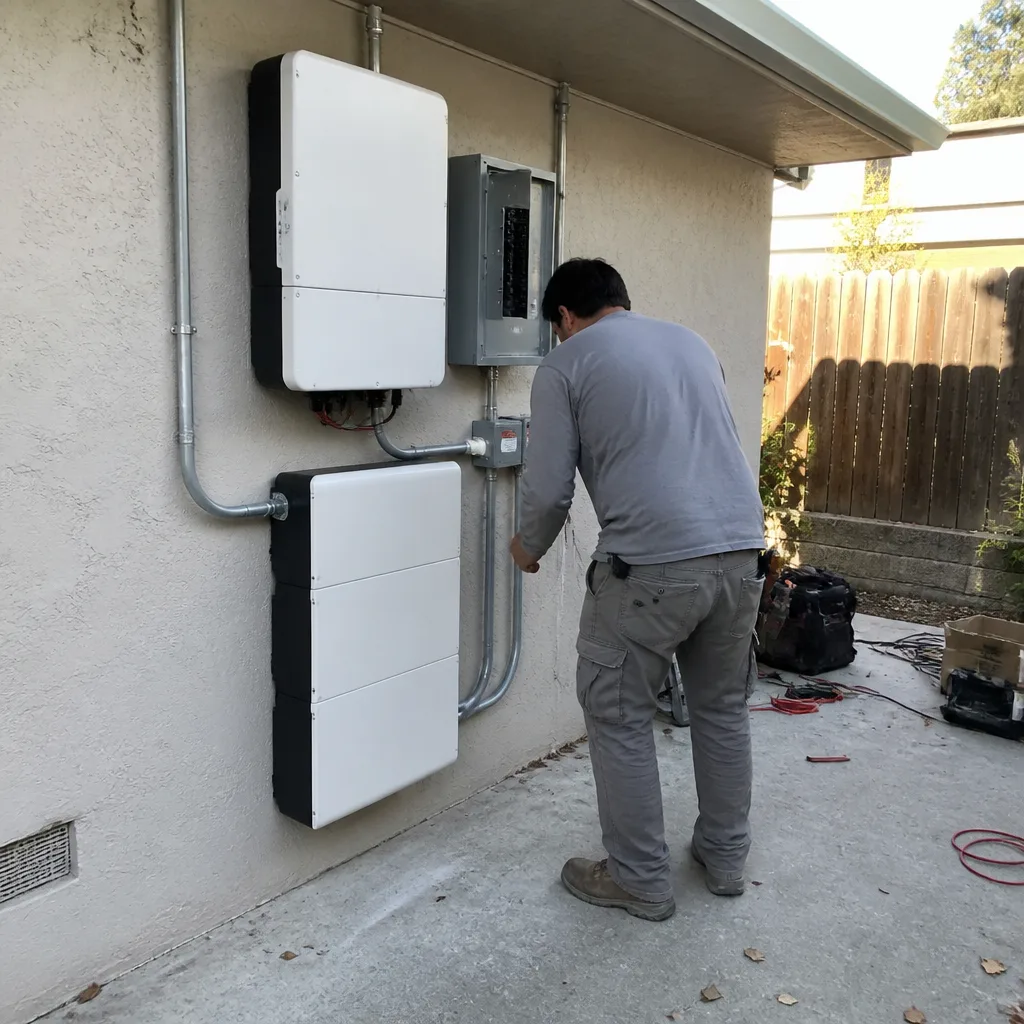 After
After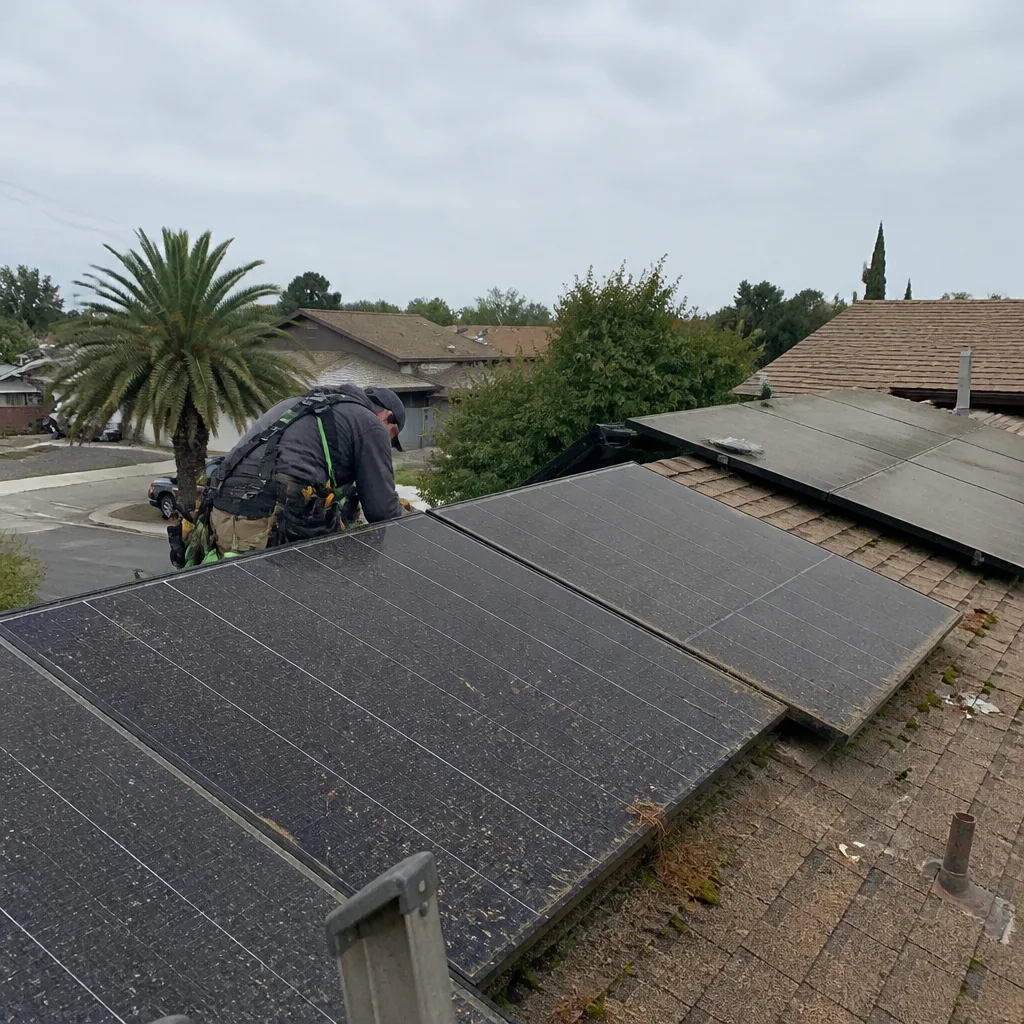 Before
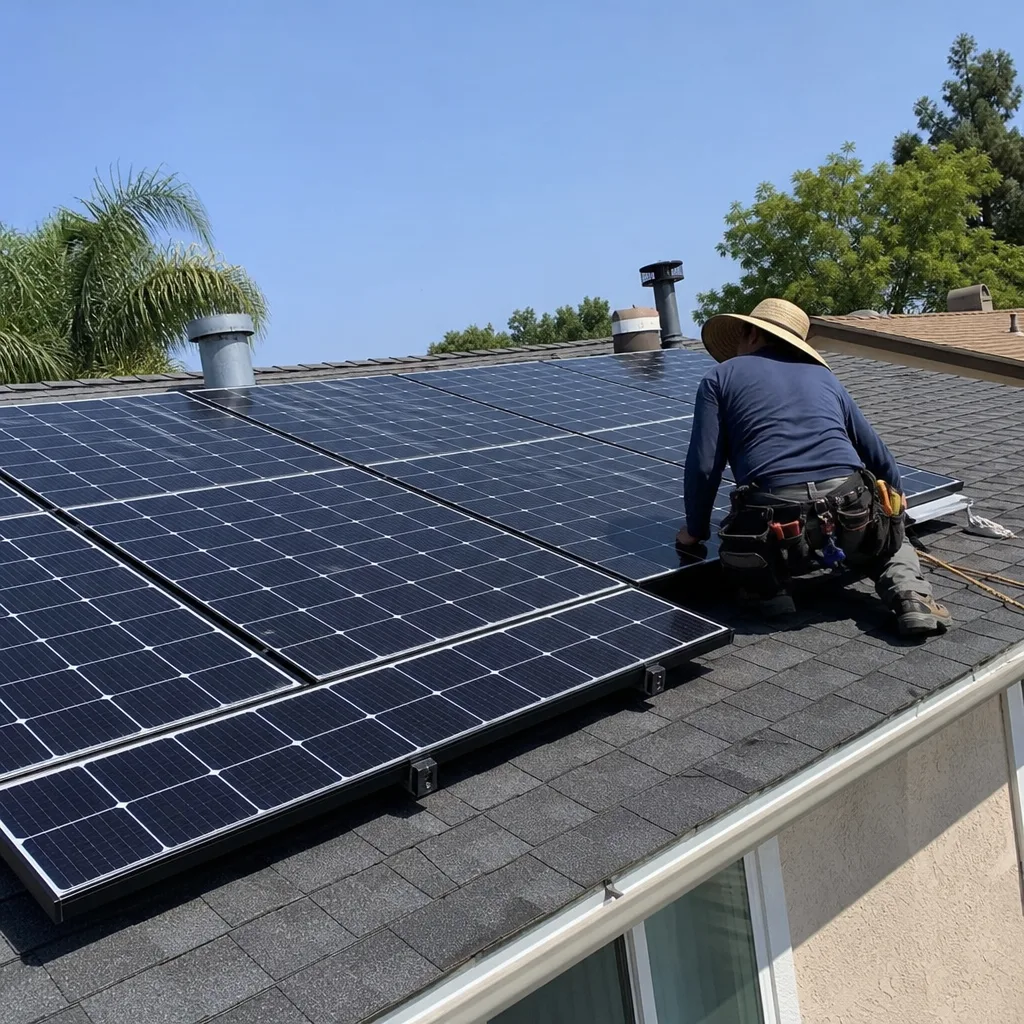 After
After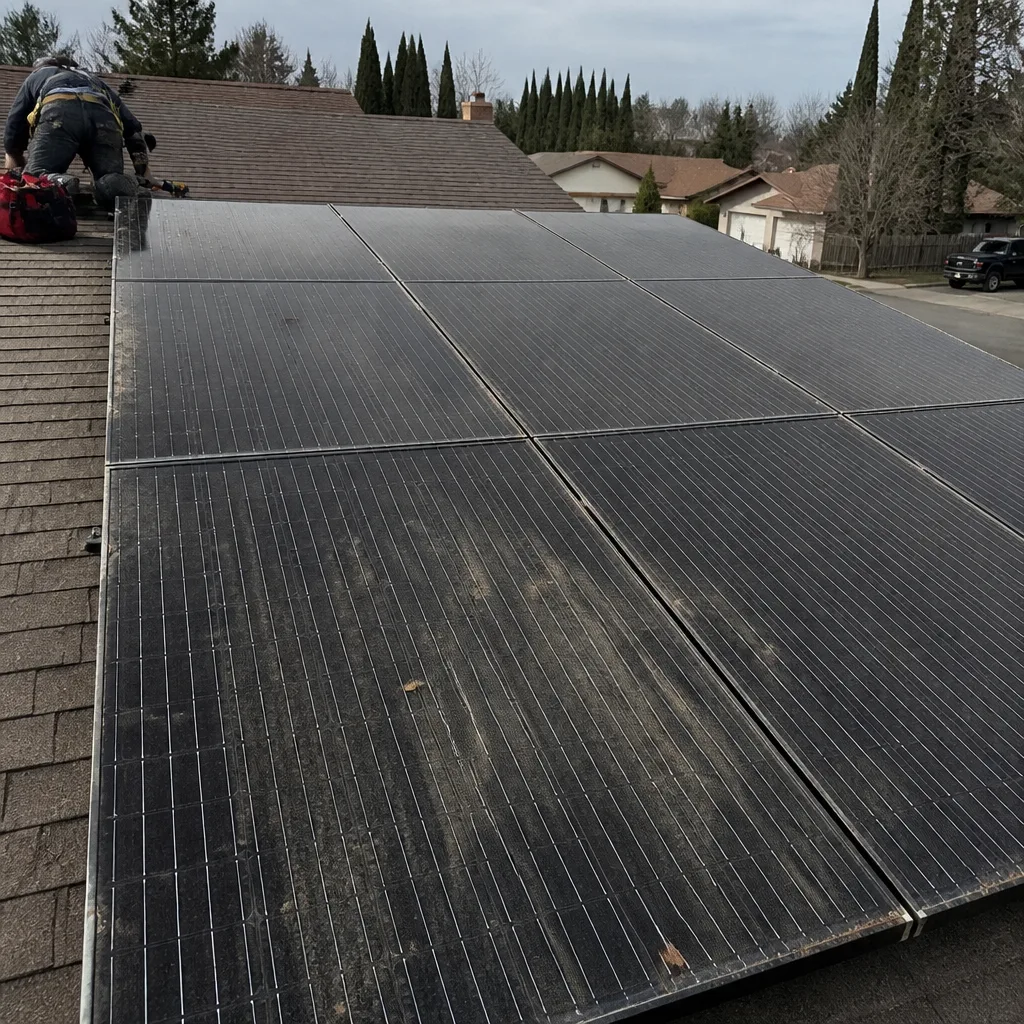 Before
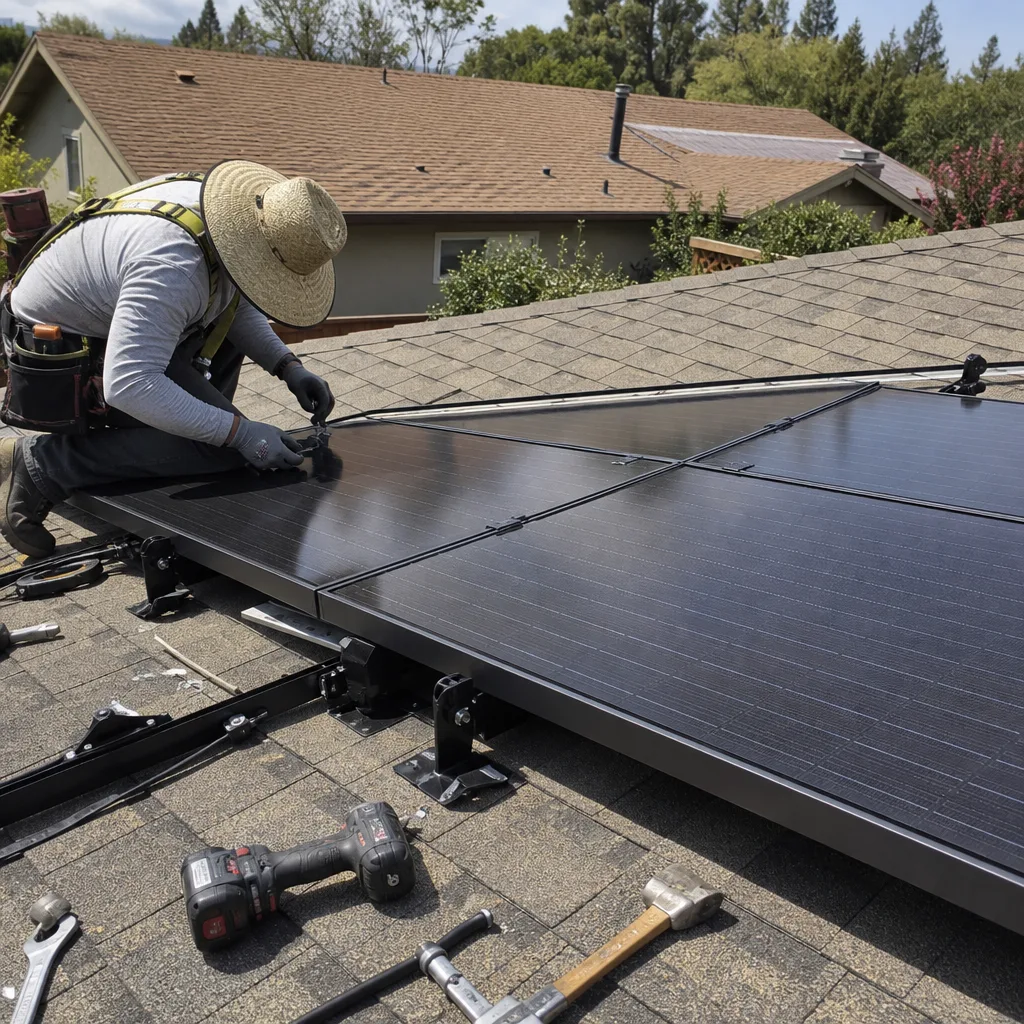 After
AfterFast, Reliable Solar Panel Cleaning Across Plumas Lake
Solar panel cleaning in Plumas Lake typically costs $150 to $380 for a standard residential array, and most jobs are completed in under two hours. We’re the local crew that shows up in marked trucks, with uniformed techs who know exactly what rice-field dust and tule fog do to your panels. If your system’s production numbers have dipped, call Gus’s Solar at (877) 550-6892 and we’ll give you a straight answer on whether cleaning will fix it, before you spend a dime.
Plumas Lake is our backyard. We know the streets off River Oaks Boulevard, the subdivisions off Feather River Drive, and the newer pockets filling in east of Plumas Arboga Road. Our scheduling team lives close enough that we can usually be at your door within 24 to 48 hours of your call, and if you’re watching a spring production drop, that speed matters.
Why Gus’s Solar Is Plumas Lake’s Preferred Solar Panel Cleaning Company
Gus Petrakis has been running this company since 2011, and his name is on every truck. That’s not a marketing line. It means the person quoting your job is the same person whose reputation rides on whether the corner of your array still has bird droppings on it when the crew pulls away. Plumas Lake homeowners tell us the same thing: they’re tired of national outfits that quote one number on the phone and a different one when the tech has a clipboard out.
We answer our own phones. Not a call center. A live person, 24/7. When you call about a cleaning in Plumas Lake, the person you talk to knows the difference between a south-facing array on a 2006 stucco two-story and a ground mount off Highway 70. Our reviews from Plumas Lake customers consistently mention two things: we show up when we say we will, and we don’t try to upsell you on equipment you don’t need. We carry a strong local reputation because we treat a $180 cleaning with the same care as a $40,000 install.
Every tech on a Plumas Lake job is background-checked and wears the Gus’s Solar uniform. The price quoted is the price charged. No signature wants to be collected tonight. If you want to think about it for two weeks, the price will be the same.
Our Solar Panel Cleaning Services in Plumas Lake
Residential Panel Cleaning
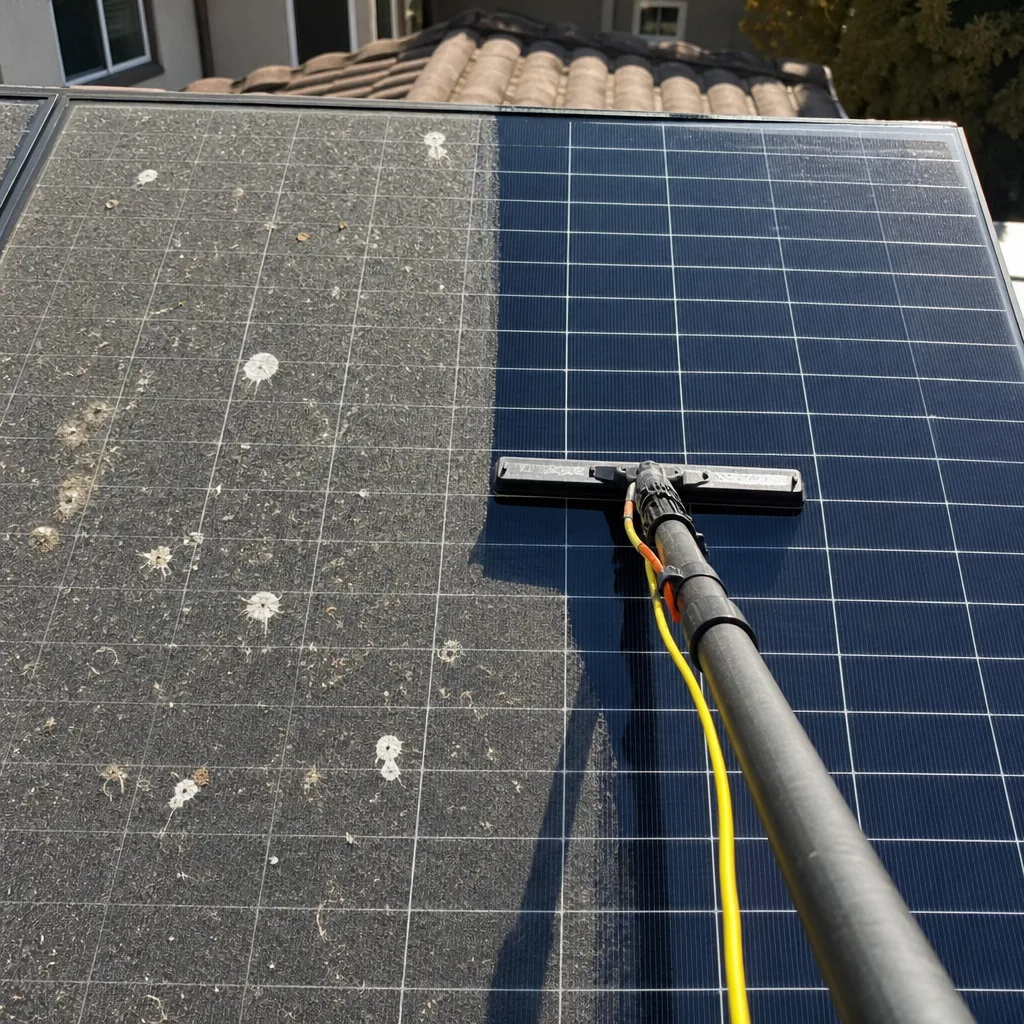
A typical residential cleaning in Plumas Lake runs $150 to $280 depending on panel count, roof pitch, and how long it’s been since the last wash. For the two-story stucco homes that dominate most subdivisions here, that price usually includes deionized water, soft brushes, and a production check before and after so you can see exactly what the dirt was costing you. Our Solar Panel Cleaning team uses a pure-water system that leaves no mineral residue, which matters when your next rinse might be the next rainstorm.
Commercial Array Cleaning
Commercial arrays in Plumas Lake usually sit on flat roofs or ground mounts, and they accumulate a different kind of grime: fine agricultural silt that compacts into a crust after repeated fog-dew cycles. Commercial cleanings here generally run $400 to $900 depending on array size. We schedule regular maintenance for several commercial properties off Plumas Arboga Road, and we’re happy to provide a fixed quarterly or semi-annual rate so you’re not renegotiating every visit.
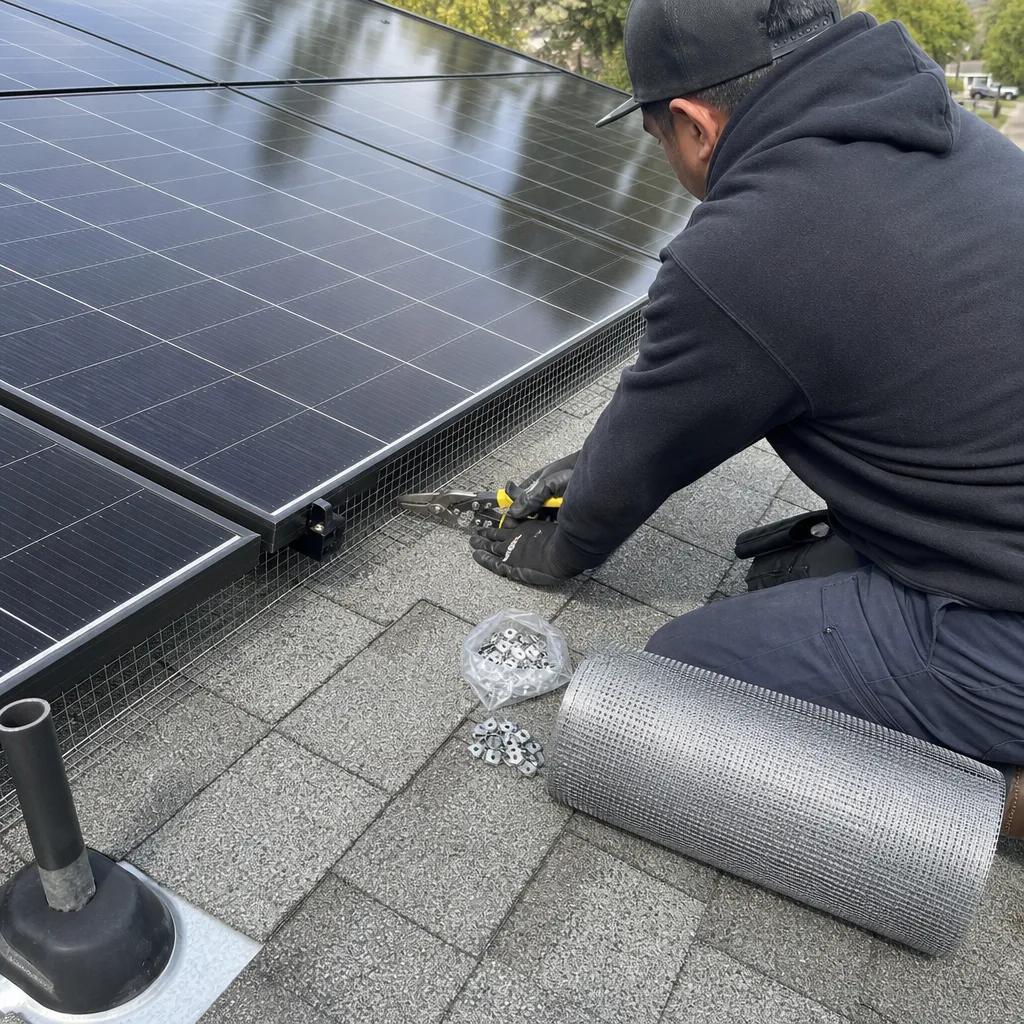
Bird & Critter Guard Installation
Swallows and pigeons find the space under your panels irresistible, and Plumas Lake’s open fields mean the birds have nowhere else to go. We install avian mesh and critter guards around the entire array perimeter, with materials that hold up to valley heat. Guard installation here runs $350 to $700 for a standard residential array, and it’s the single best way to stop the soiling cycle that bird activity creates. We often add this during a cleaning visit so you’re not paying for a second trip.
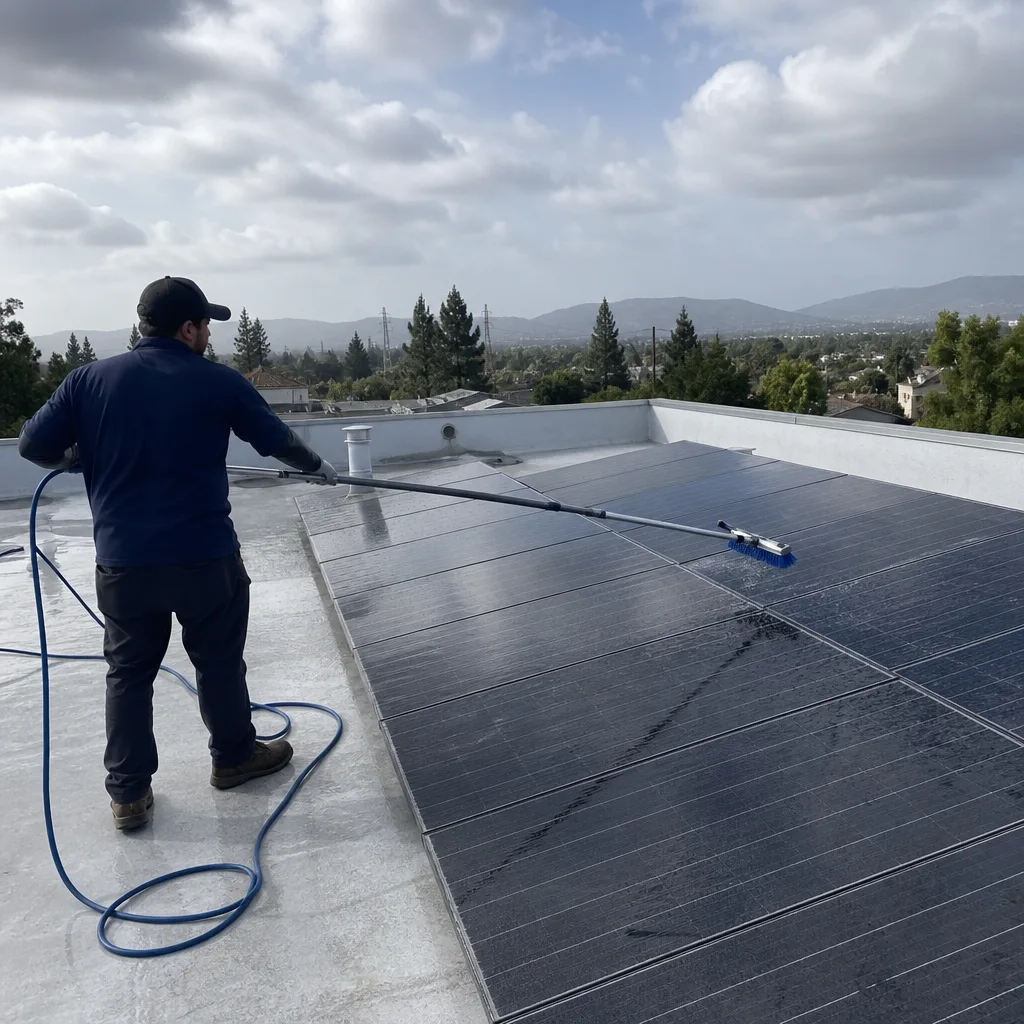
Debris & Soiling Removal
Between the rice field dust that kicks up during summer harvest and the tule fog that rolls through from December to February, your panels collect a film that’s unique to this part of the Sacramento Valley. Debris removal in Plumas Lake runs $120 to $250 when it’s a light foot-traffic-only job with no roof complications. We check panel clamps and racking bolts on every debris call, because thermal cycling from triple-digit summers to foggy near-freezing winters is hard on mid-2000s mounting hardware.
What happens when you call
- 1
A real person answersNo phone trees - you reach a local pro.
- 2
You get an upfront price rangeHonest numbers before anyone is dispatched.
- 3
A background-checked tech heads outLicensed & insured, dispatched right away.
- 4
You approve before work beginsNothing starts until you say go.
Trusted Brands We Service in Plumas Lake
Gus’s Solar works on panels from Qcells, REC, SunPower, and Panasonic, among others. Whether your system runs Enphase microinverters or a SolarEdge string setup, our techs know the hardware and can usually identify a production issue before the cleaning even starts. We keep common replacement parts and cleaning supplies stocked in our local vehicles, so we rarely need to order anything for a Plumas Lake job. No waiting two weeks for a clamp or a rail because the crew came from Fresno.
The Plumas Lake Panel Soiling Problem Most National Companies Miss
Nearly every home in Plumas Lake was built between roughly 2003 and 2008, on land that was rice fields a generation ago. The street grid is planned around solar exposure, so you’ve got clean, south-facing roof planes with minimal tree obstruction. That’s good news. But it also means the dust that settles on your panels isn’t the typical urban grime you’d find in Sacramento. It’s fine agricultural silt, lifted by summer harvest winds, that mixes with winter tule fog and bakes into a stubborn film by March. The whole valley produces some version of this, but Plumas Lake’s open, flat exposure and lack of mature evergreens means the soiling comes almost entirely from dust, fog residue, and bird activity on uniform two-story stucco homes.
Our crew cleaned a 24-panel Enphase microinverter array on a two-story stucco home off River Oaks Boulevard. The homeowner had noticed a 12% drop in production estimate despite no visible shading. Our tech found a caked layer of rice-field dust and dried tule fog on the south-facing azimuth. After a deionized-water wash and a rinse of the microinverters’ heat sinks, the system returned to within 2% of its modeled kWh offset. We added a bird guard under the array to keep swallows from nesting on the racking. That’s the kind of thing you catch when you know this specific valley, not just solar panels generally.
Common Solar Panel Cleaning Problems We See in Plumas Lake Homes
- Hard-water residue from DIY garden hose rinses. Plumas Lake water carries minerals that leave spots when panels dry in summer heat. Those spots build, and repeated hose cleaning can create a permanent haze that cuts output by up to 5%, which is why we use deionized water on every job.
- Tule fog film that bakes on in early spring. December through February fog condenses with agricultural dust into a grimy layer. Once the sun returns in March, that film cooks onto the glass, and skipping a pre-spring cleaning means losing your highest-production months.
- Loose racking bolts on arrays from 2005 to 2008. The thermal cycling from 100°F+ summers to foggy winter mornings loosens mounting hardware. Our torque checks catch loose bolts on about one in four Plumas Lake arrays from that build era.
- Bird nesting under panels along field edges. Homes on the northern and eastern edges of Plumas Lake border open agricultural land, and swallows move in fast. Nesting material blocks airflow under the panels, which raises operating temperature and reduces efficiency.
Pricing for Solar Panel Cleaning in Plumas Lake, CA
| Service | Typical Plumas Lake Range |
|---|---|
| Residential cleaning (up to 25 panels) | $150 - $280 |
| Residential cleaning (26-45 panels, two-story) | $280 - $380 |
| Bird & critter guard installation | $350 - $700 |
| Commercial array cleaning (flat roof/ground mount) | $400 - $900 |
| Debris & soiling removal (light, ground-level) | $120 - $250 |
What moves the number is roof pitch, panel count, accessibility, and whether you’re adding a bird guard or scheduled maintenance at the same visit. Two-story stucco homes, which make up most of Plumas Lake, fall mid-range: the roof is steep enough to require harness work, but the layout is predictable. We welcome you to bring us your last cleaning invoice or any written estimate from another company. Gus will give you a free second opinion, and the number we quote is the number you’ll pay. There’s no trip charge inside Yuba County. Call (877) 550-6892 for an exact quote on your Plumas Lake array.
We Also Serve Cities Near Plumas Lake
Our crews work throughout the lower Yuba County area, including Solar Panel Cleaning in Plumas Lake and the surrounding communities. If you’re in Yuba City, Linda, Olivehurst, or South Yuba City, we can usually schedule you within the same week, and our no-trip-charge policy covers the whole county. Same crew, same deionized-water system, same straight pricing.
Serving Plumas Lake, CA - Our Local Coverage Area
We’re based in the Plumas Lake area and know this community well. Use the map below to see our service coverage - if you’re nearby, we can almost certainly help.
FAQs - Solar Panel Cleaning in Plumas Lake
Plumas Lake panels lose more production to soiling than Sacramento panels because the dirt here is different. Sacramento gets urban grime and leaf debris from mature trees, but Plumas Lake sits on former rice fields and gets fine agricultural silt that mixes with winter tule fog into a dense film. That film blocks more light per millimeter than typical city dust, and because Plumas Lake has almost no mature tree canopy, there’s nothing to slow the wind that carries it. The result is a 10 to 15% production drop in our Plumas Lake cleaning cases, compared to 5 to 8% we commonly see in Sacramento. Call (877) 550-6892 for a production check before you assume the equipment is failing.
Yes, in many Plumas Lake homes a cleaning recovers most or all of the lost production. We’ve seen systems less than two years old here that were 12% under their modeled output, and a single deionized-water wash brought them back to within 2%. The mid-2000s south-facing roof stock in Plumas Lake collects dust fast, especially during summer harvest and the fog season, so a newer system isn’t immune. If cleaning doesn’t recover the numbers, we’ll tell you that plainly and our crew will walk you through what else could be going on, without trying to sell you a replacement you don’t need.
Tule fog matters because of what it leaves behind, not just the light it blocks in winter. From December through February, fog condenses on your panels and traps the agricultural dust already sitting there. That mixture dries into a film once the fog season ends in March, and by April the sun is strong enough to bake it on. We recommend scheduling a cleaning in late February or early March in Plumas Lake for that reason: you remove the fog-season film before the high-production spring and summer months, rather than losing those months to baked-on grime. Homeowners who wait until June are cleaning off a crust instead of a film.
No. The 100-amp electrical service panels common in Plumas Lake’s 2003-2008 housing stock affect installation capacity and whether an upgrade is needed before adding equipment, but they have no impact on panel cleaning or the soiling of your array. A cleaning is purely physical: removing dust, film, and bird debris from the glass and the hardware. What does connect the two is that homes built in that window often have racking that’s now 15 to 20 years old, and we check those mounting bolts during every cleaning because loose clamps and rails from a decade of thermal cycling are common here.
Swallows and pigeons are the main culprits under Plumas Lake panels, especially on homes that border the open fields along the north and east edges of town. Birds build nests in the shaded gap under the array, and the nesting material blocks airflow, which raises panel temperature and cuts output. Droppings also cake on the glass and are harder to remove than dust. A cleaning removes the soiling, but the long-term fix is installing a critter guard around the array perimeter. We install avian mesh during cleaning visits all the time in Plumas Lake, and it stops the cycle before it starts again. Call (877) 550-6892 and we’ll tell you if your array is a candidate for a guard based on where you live relative to the fields.
Get Your Plumas Lake Array Clean and Producing at Full Power
Call Gus’s Solar at (877) 550-6892 for a free estimate on solar panel cleaning in Plumas Lake. A live person answers 24/7. We’ll tell you exactly what we think your array needs, what it’ll cost, and when we can be there. If you have a written estimate from another company, bring it to us for a free second opinion. No trip charge in Yuba County. Senior and veteran customers save 10% on every service, no expiration date.
Written by Gus Petrakis, Owner at Gus’s Solar, serving Plumas Lake and the surrounding Yuba County communities since 2011.