
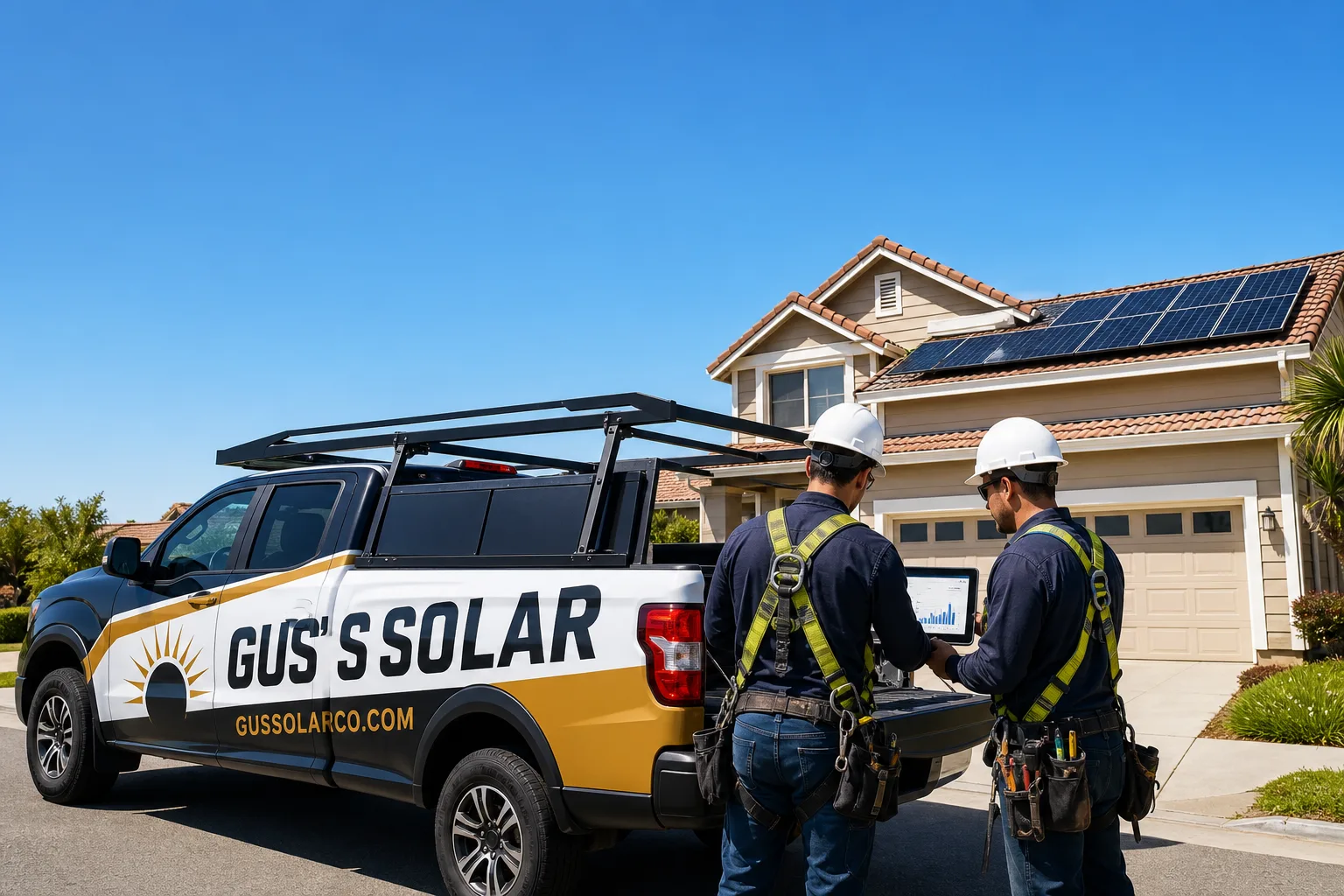
Free bill analysis - bring a power bill, get the production math for your actual roof, panel brands like Qcells and REC compared side by side
If the pitch starts at your door and ends with "sign tonight for the special," sleep on it. The sun will still be there tomorrow; so will we.
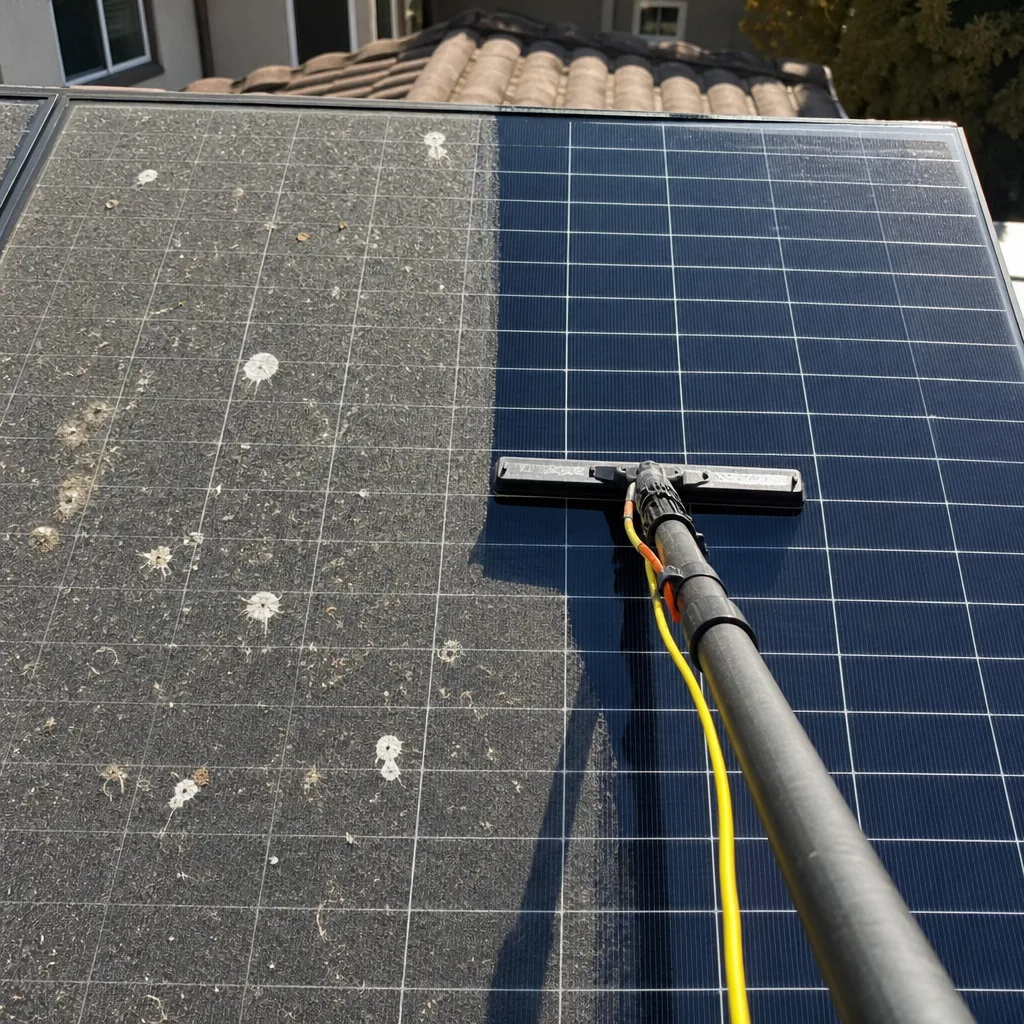
 Before
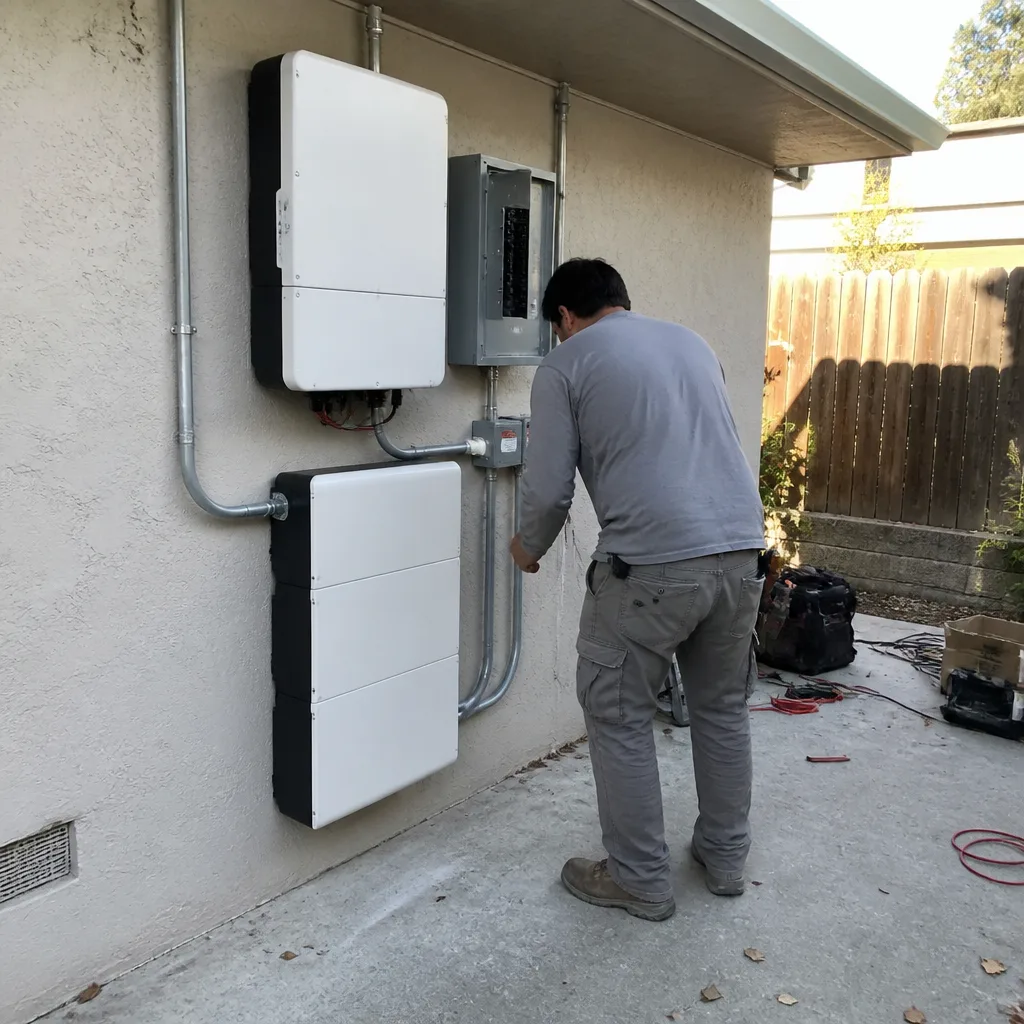 After
After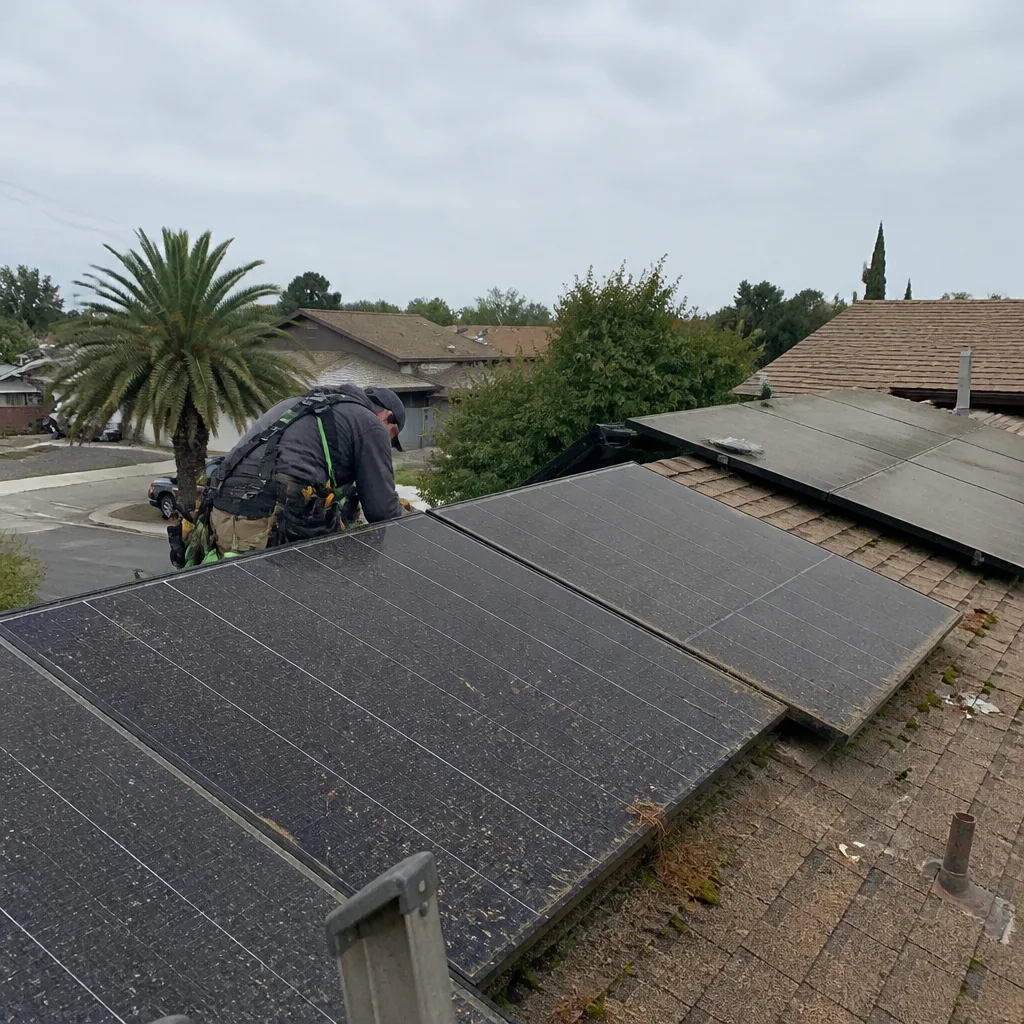 Before
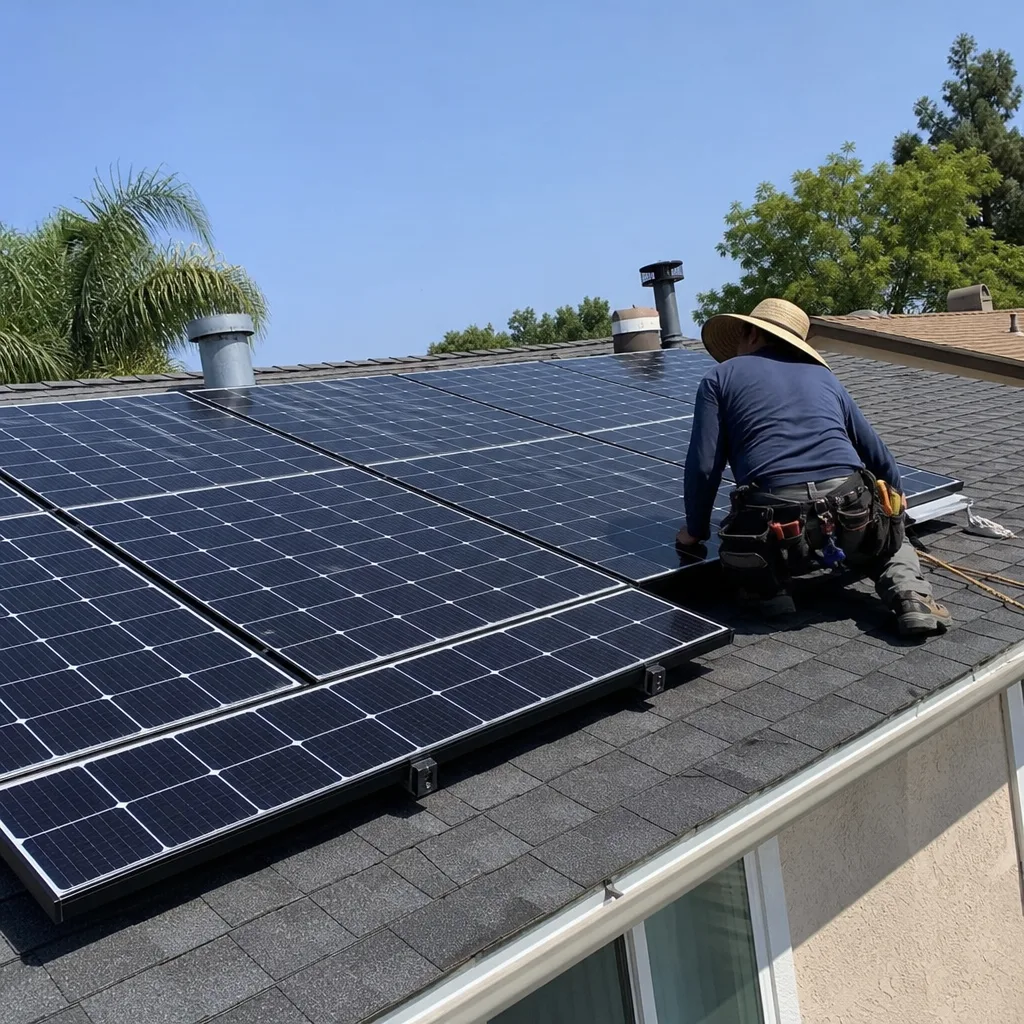 After
After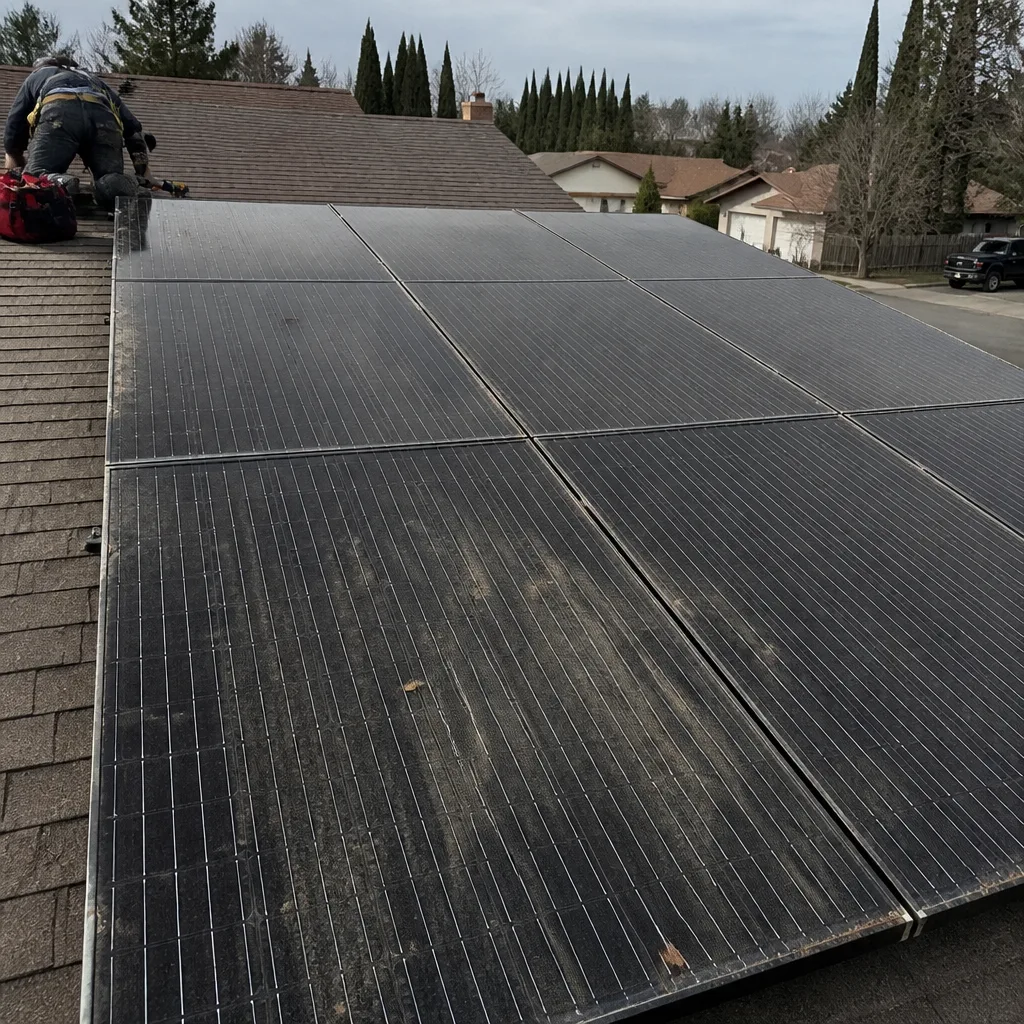 Before
 After
AfterFast, Reliable Solar Panel Maintenance & Monitoring Across Plumas Lake
Solar panel maintenance and monitoring in Plumas Lake typically costs $150-$385 for an annual inspection with monitoring setup, and most diagnostics or repair visits run $95-$250 depending on what we find. Gus’s Solar has been keeping systems in Plumas Lake running since the neighborhood’s first arrays went up, and we answer the phone around the clock at (877) 550-6892. If your monitoring app went dark or your production dropped and you’re not sure why, call us. We’ll be straight with you about what it costs and whether it can wait.
Plumas Lake is the kind of place where we know the streets by name, which means when you call about a fault code on your Enphase app or a panel that isn’t reporting, we already have a good idea what we’re walking into before we pull up. That’s not a marketing line. It’s just what happens when you’ve serviced the same streets for years.
Why Plumas Lake Homeowners Call Gus’s Solar First
Gus Petrakis founded this company in 2011 and still answers his own phone. Most solar companies send a call center, a portal, and a three-week wait. Gus doesn’t. When your production monitor shows nothing after a PG&E grid event, you don’t want a ticket number. You want someone who knows what a 2006-era Siemens load center looks like because he’s opened four hundred of them in your zip code.
Plumas Lake was built fast. Nearly every home in 95992 went up between 2003 and 2008, and the electrical infrastructure is remarkably consistent. That consistency means our crew sees the same failure patterns over and over, and we’ve learned to spot them early. Out-of-area technicians visit Plumas Lake occasionally. We work here every week.
Every job is backed by our 90-Day Done Right Promise. If it’s not right, Gus makes it right. In writing, on every invoice. One call brings him back.
Live person, 24/7. Background-checked, uniformed crew. Upfront pricing, no signature wanted tonight. That’s how we operate in Plumas Lake.
Our Solar Panel Maintenance & Monitoring Services in Plumas Lake
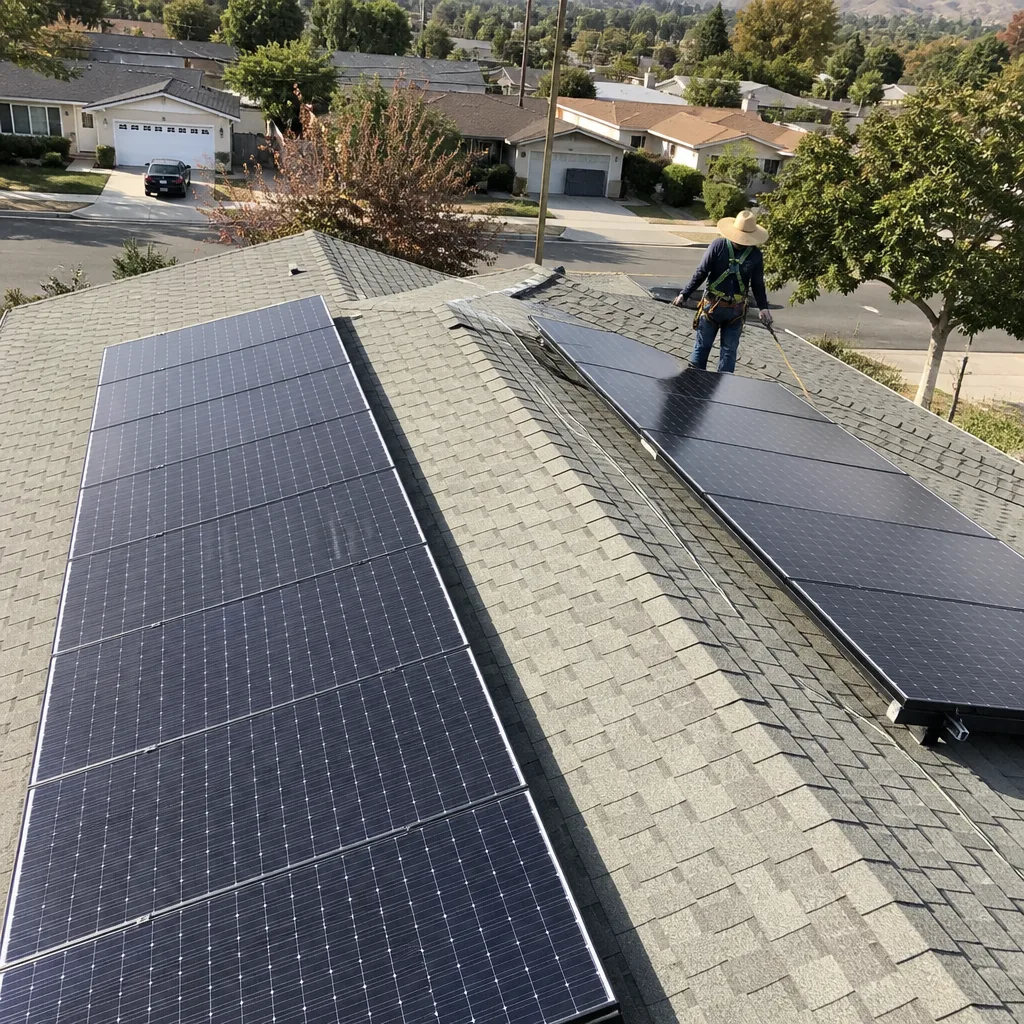
Here’s what we actually do for homeowners in Plumas Lake, in plain language. Our full Solar Panel Maintenance & Monitoring team covers everything from a quick health check to a deep diagnostic when production numbers don’t match the estimate.
Annual System Inspection
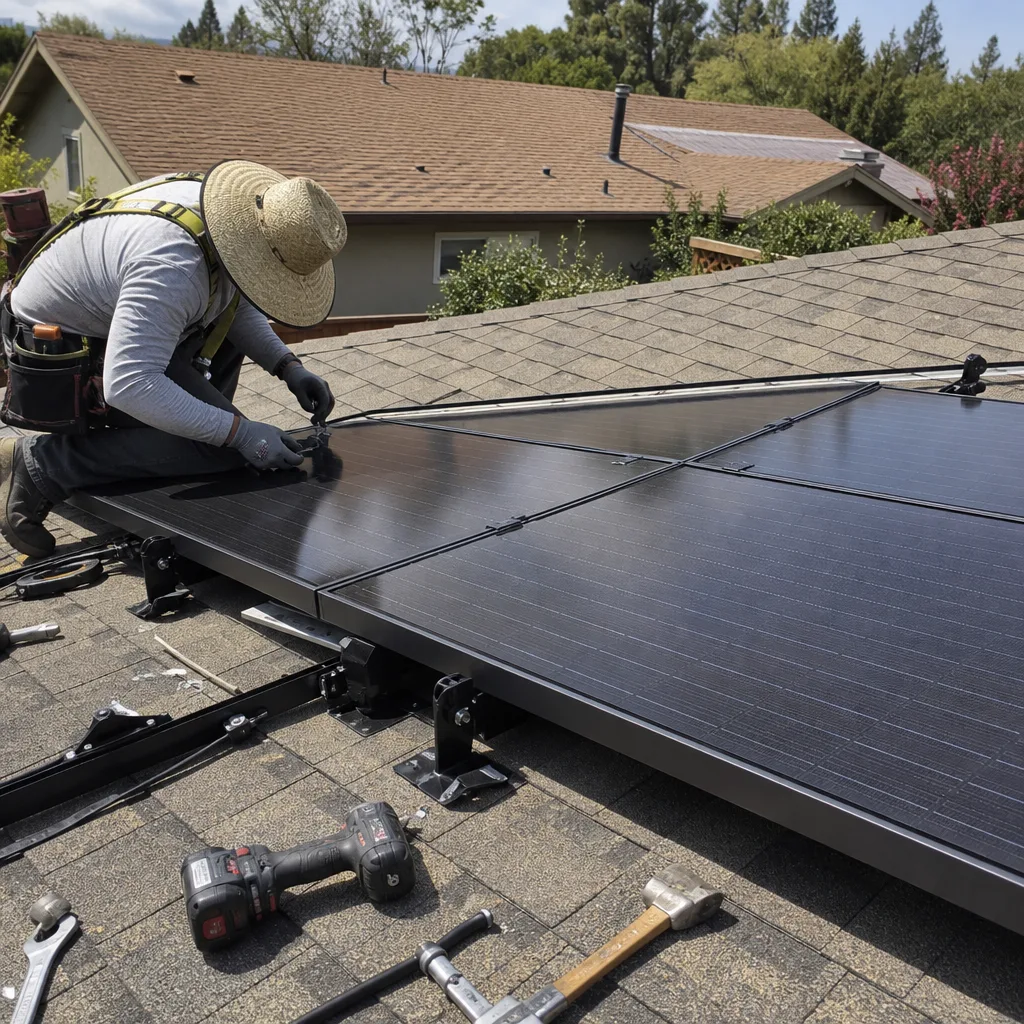
We walk the array, check every connection, torque the lugs in your load center, and compare actual production against what a system on your specific roof plane in Plumas Lake should be producing. Because the Plumas Lake housing stock is so uniform, we can benchmark your output against dozens of near-identical systems on the same street grid. A typical annual inspection in Plumas Lake runs $150-$250, and it takes about 90 minutes. You’ll get a written report, not a verbal shrug.
Production Monitoring Setup
If your system was installed without proper monitoring or the original installer vanished and left you with a dead app, we set up Enphase, SolarEdge, or Tesla monitoring correctly. That means configuring the gateway on your home’s Wi-Fi, verifying the cellular backup if it exists, and making sure your production data actually reaches your phone. In Plumas Lake, the 2000s-era routers in these homes drop the inverter’s Wi-Fi connection frequently, especially when tule fog settles in and routers power-cycle. Setup runs $200-$350 including hardware configuration and a walkthrough of the app.
Underperformance Diagnostics
When production dips and you can’t figure out why, we trace it. We’ve spent enough hours in Plumas Lake attics and garages to know that a rapid shutdown event is often not a panel problem at all. It’s the builder-grade 100-amp panel overheating under summer AC load. We test string by string, check inverter thermals, and compare your actual output against seasonal expectations for your exact roof pitch. Diagnostic visits in Plumas Lake run $95-$195, and if the fix is simple, we often complete it on the spot for the price of parts.
Firmware & App Configuration
Inverter firmware updates matter more than most homeowners realize. A SolarEdge inverter running two-year-old firmware can throttle production for no visible reason. We keep current firmware for Enphase, SolarEdge, and Tesla systems, and we update it during routine visits. If your app shows “no data” after a PG&E outage, we’ll reconnect it and configure the grid profile correctly. Firmware work is $75-$150 as a standalone visit, and it’s included free with an annual inspection.
What happens when you call
- 1
A real person answersNo phone trees - you reach a local pro.
- 2
You get an upfront price rangeHonest numbers before anyone is dispatched.
- 3
A background-checked tech heads outLicensed & insured, dispatched right away.
- 4
You approve before work beginsNothing starts until you say go.
Trusted Brands We Service in Plumas Lake
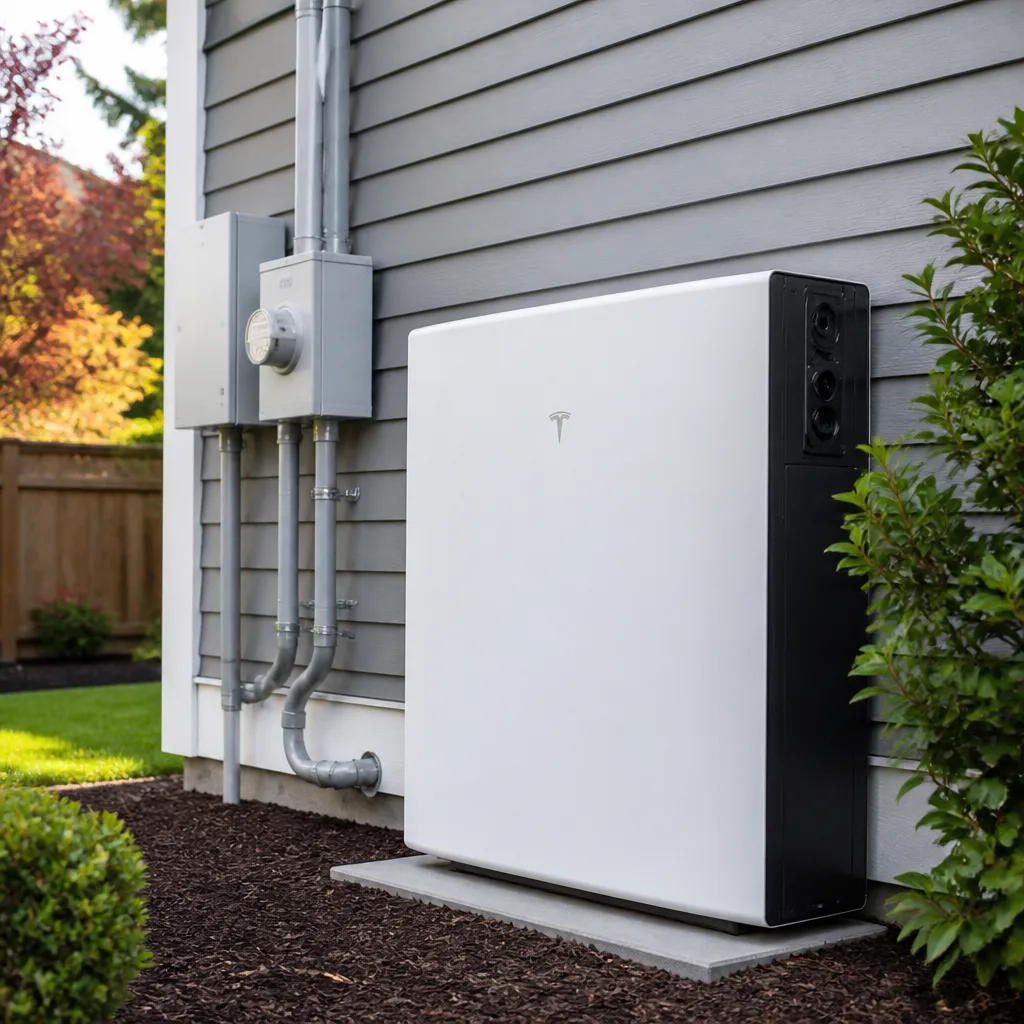
We work on Tesla, Enphase, SolarEdge, and FranklinWH equipment every day in Plumas Lake. We stock common replacement parts, CT sensors, and communication hardware for these brands locally, so we don’t have to order a part and drive back next week. When your Enphase microinverter stops reporting in winter, we can usually fix it in one trip. If it needs replacement, we quote the part cost honestly and let you decide.
Common Solar Panel Maintenance & Monitoring Problems We See in Plumas Lake Homes
Here’s what we actually find when we roll up to homes across Plumas Lake:
- Monitoring apps showing “no data” after grid events. PG&E outages knock the inverter’s Wi-Fi connection offline, and the 2005-era routers in these homes don’t always reconnect cleanly. The fix is usually a manual reconnect and a static IP assignment. We do this every week.
- Rapid shutdown events on hot summer afternoons. A 100-amp Square D panel from 2006 running a full AC load plus EV charging can overheat and trip. The homeowner blames the solar panels. The solar panels are fine. The panel needs an upgrade or load management.
- Tule fog cutting winter production by 40-50%. December through February, Plumas Lake sits under fog for weeks. Your true-up statement shows winter underproduction, and if nobody explained that to you at install, it looks like your system is failing. It’s not. But it’s worth confirming with actual data.
- Inverter throttling in garages that hit 100°F+. Plumas Lake garages get brutally hot in July and August. An inverter in a 104°F garage derates its output to protect itself. Ventilation fixes this, and we now check garage airflow during every annual inspection in Plumas Lake.
We traced a 19% production shortfall on a south-facing array off River Oaks Boulevard to a SunPower inverter throttling at 118°F inside a garage that hit 104°F ambient during a July heat wave. Our tech relocated the inverter’s thermal sensor, added a vented enclosure, and reconfigured the Enphase microinverters’ grid profile. Production came back to within 2% of the original estimate, and we now include that garage-ventilation check in every Plumas Lake annual inspection.
Why Plumas Lake’s Uniform Housing Stock Makes Solar Maintenance Predictable
Plumas Lake is almost entirely a mid-2000s master-planned community built on former Sacramento Valley farmland. That means the housing stock is strikingly uniform: nearly all homes date from roughly 2003-2008, with similar roof pitches, southward-oriented roof planes from the planned street grid, and the same generation of electrical infrastructure. For solar maintenance, this is actually a huge advantage. Because virtually every home in Plumas Lake was permitted through Yuba County in the same five-year window, our crews encounter the same 100-amp Square D or Siemens load centers repeatedly. We know what fails, when it fails, and how to fix it before you lose a full billing cycle of production.
That same uniformity means out-of-area contractors often get surprised by things we consider routine. If a national outfit quotes you a panel upgrade as a “change order” after the fact, that tells you they don’t work Plumas Lake often. We do. A 100-amp to 200-amp upgrade on a 2006 tract home in 95992 is a known, common job, and we price it upfront. We stock what we need. We don’t treat your home’s wiring as a surprise.
Pricing for Solar Panel Maintenance & Monitoring in Plumas Lake, CA
Here are real numbers for Plumas Lake, not a brochure range:
- Annual system inspection: $150-$250
- Production monitoring setup (app + gateway configuration): $200-$350
- Underperformance diagnostic visit: $95-$195
- Firmware update or app reconnect: $75-$150
- Preventive maintenance plan (annual inspection + priority scheduling + quarterly monitoring review): $299-$499 per year
What changes the price: roof accessibility, system size, whether you need a panel upgrade, and how stubborn the inverter’s communication issue is. We quote upfront, in writing, and we don’t ask for a signature tonight. Take two weeks. Think about it. The price will be the same. Call (877) 550-6892 for a free estimate, and if you’re over 65 or a veteran, ask about our 10% discount that never expires.
We Also Serve Cities Near Plumas Lake
Our crews cover Plumas Lake and the surrounding Yuba County and Sutter County communities regularly. If you’re in Yuba City, Linda, Olivehurst, or South Yuba City, we offer the same upfront pricing and same response time we give Plumas Lake homeowners. No trip charge inside our own county. Dispatch is coordinated from our Sacramento office, but the crews work locally and know these roads.
Serving Plumas Lake, CA - Our Local Coverage Area
We’re based in the Plumas Lake area and know this community well. Use the map below to see our service coverage - if you’re nearby, we can almost certainly help.
FAQs - Solar Panel Maintenance & Monitoring in Plumas Lake
Tule fog. Plumas Lake sits in the Sacramento Valley, and from December through February, dense fog sits over the area for days or weeks at a time. It cuts direct sunlight dramatically, even on days that look bright by mid-morning. A south-facing array that produces 40 kWh in July might produce 18-22 kWh in January on the same clear hour count. That’s normal for Plumas Lake, not a panel fault. The best way to confirm is with year-over-year production data, which we pull during any annual inspection. Call (877) 550-6892 if you want us to check yours.
Usually no. In Plumas Lake’s tract homes built between 2003 and 2008, the most common cause is the original 100-amp Square D or Siemens load center overheating under full summer AC load, especially if you also charge an EV at home. The panel trips, the inverter complies with rapid shutdown, and the homeowner thinks the solar equipment is failing. The fix is usually a panel upgrade to 200 amps or load management, not a new inverter. We diagnose this in one visit. Diagnostic fee is $95-$195, applied toward any repair.
It doesn’t hurt accuracy, but it can hurt benchmarking if your monitoring setup used generic regional assumptions instead of your home’s actual roof plane. Plumas Lake’s planned street grid means most homes have clean south- or west-facing planes, which is good. But if your original installer configured monitoring with the wrong azimuth or tilt, your “expected production” baseline is wrong, and every month looks like a shortfall when it isn’t. We correct these configuration errors during monitoring setup or annual inspections.
Your true-up statement shows net energy use over a 12-month period. For a Plumas Lake system, the key number is your annual production versus the original estimate. Most systems lose 0.5% or less per year. If your year-over-year production is down more than 3-4% and it’s not a fog-heavy winter explaining the difference, that’s worth investigating. We pull the production data directly from your inverter during an annual inspection and compare it to your original system design. If we find underperformance, we tell you exactly what’s causing it and what it costs to fix. Call (877) 550-6892 and ask for a production audit.
This is a known communication issue, not usually a panel failure. In winter, tule fog and cold mornings cause condensation and temperature swings that disrupt the powerline or Wi-Fi communication between the Enphase gateway and individual microinverters. The 2000s-era home routers in Plumas Lake also power-cycle more often in winter, dropping the gateway’s connection. The microinverter itself is usually still producing power; it’s just not reporting. We fix this by re-pairing the device, assigning a static IP, and often upgrading the gateway firmware. This is a $75-$150 fix in most cases, and it’s included with any annual inspection.
If you’ve got a monitoring issue, a production drop, or just want a second set of eyes on your system before true-up season, call Gus’s Solar at (877) 550-6892. We’ll answer. We’ll be straight with you. And we’ll show up when we say we will.
Written by Gus Petrakis, Owner at Gus’s Solar, serving Plumas Lake since 2011.