

Free bill analysis - bring a power bill, get the production math for your actual roof, panel brands like Qcells and REC compared side by side
If the pitch starts at your door and ends with "sign tonight for the special," sleep on it. The sun will still be there tomorrow; so will we.
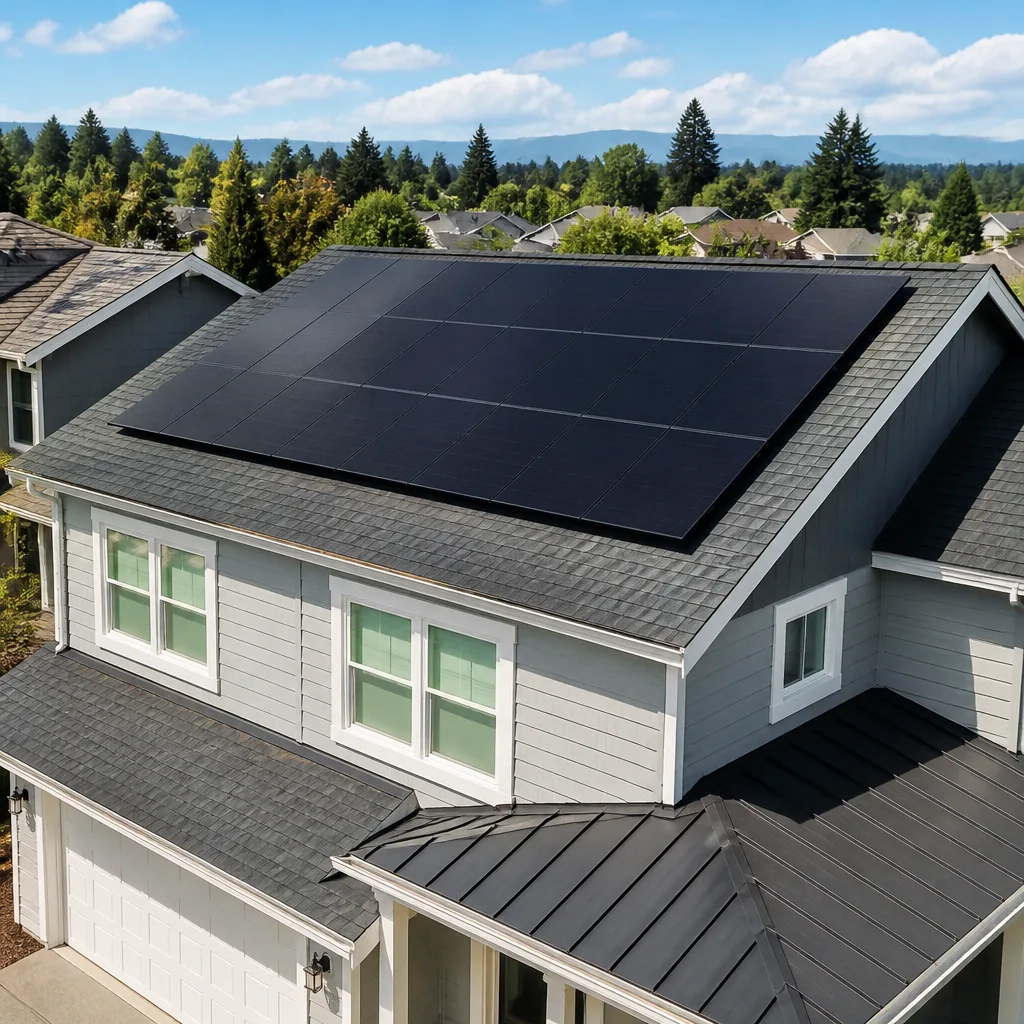
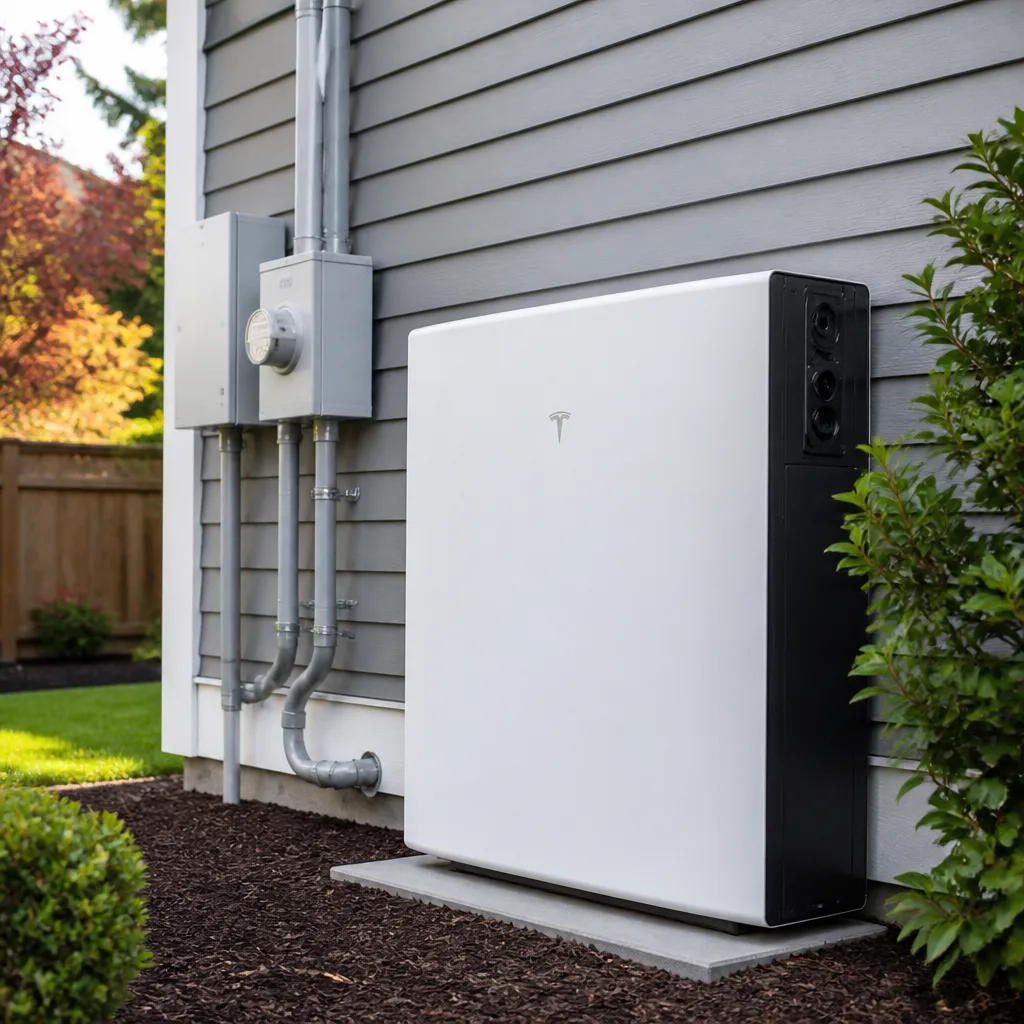
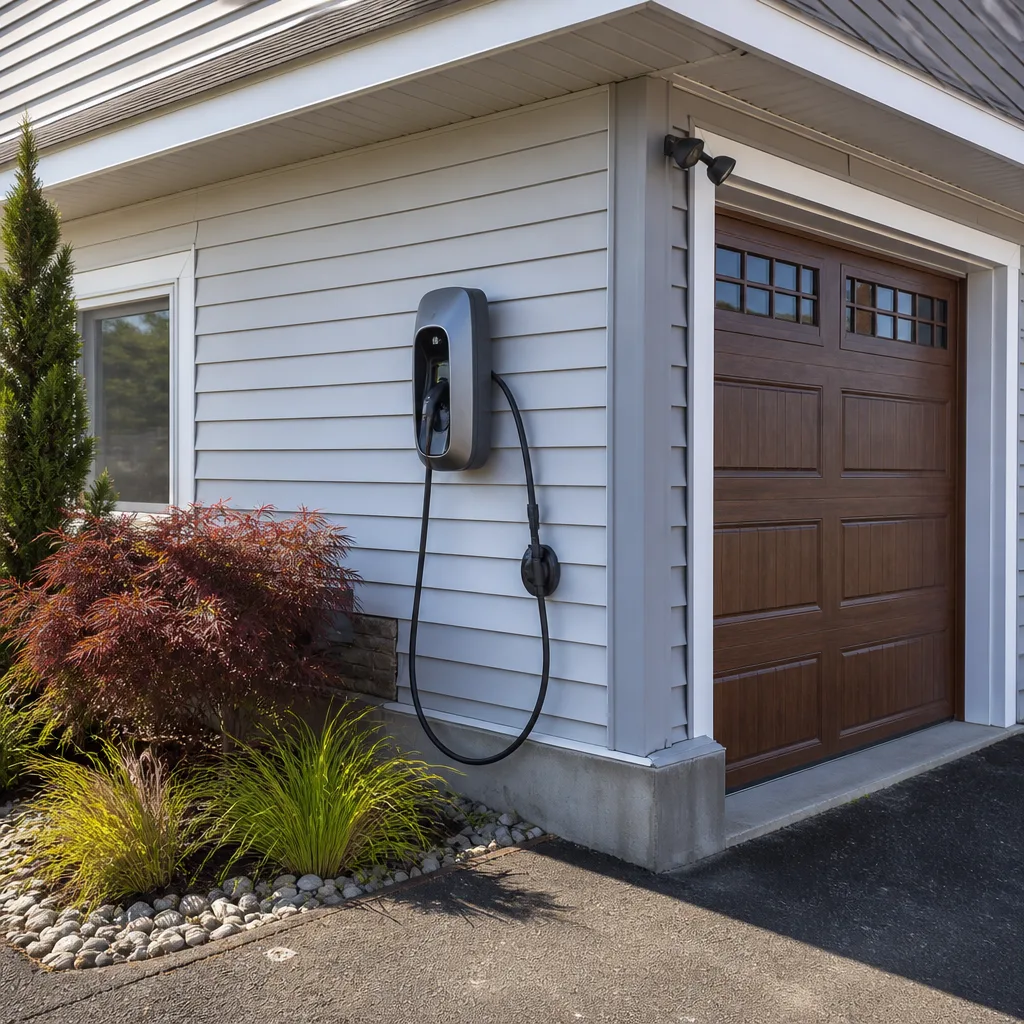
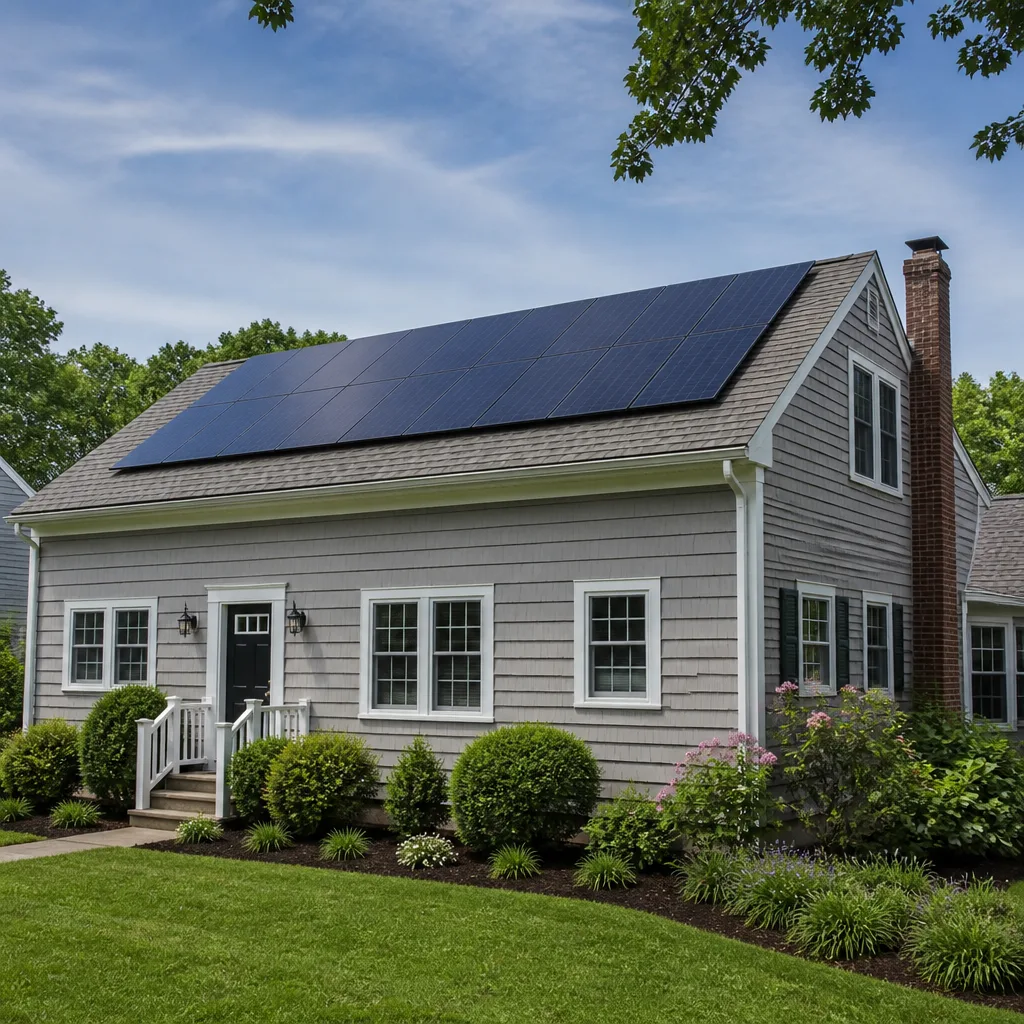

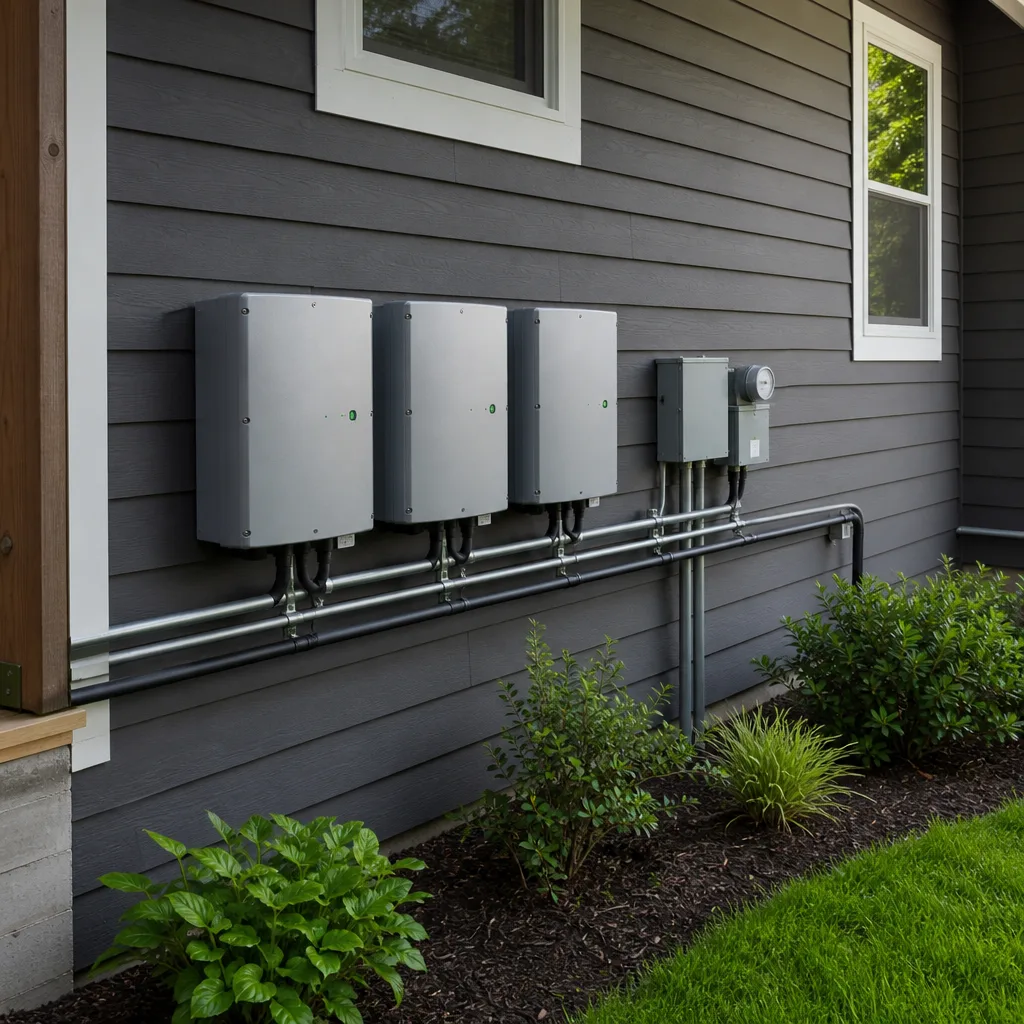
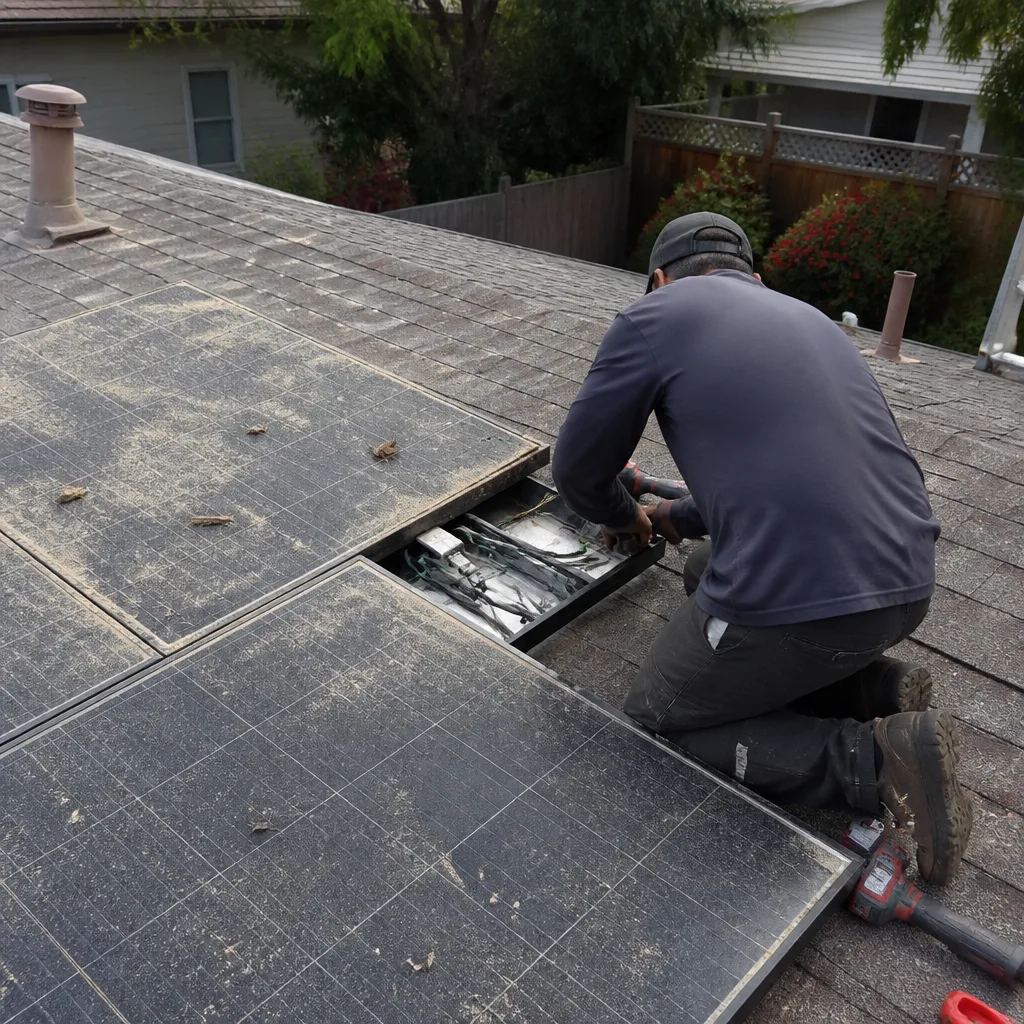 Before
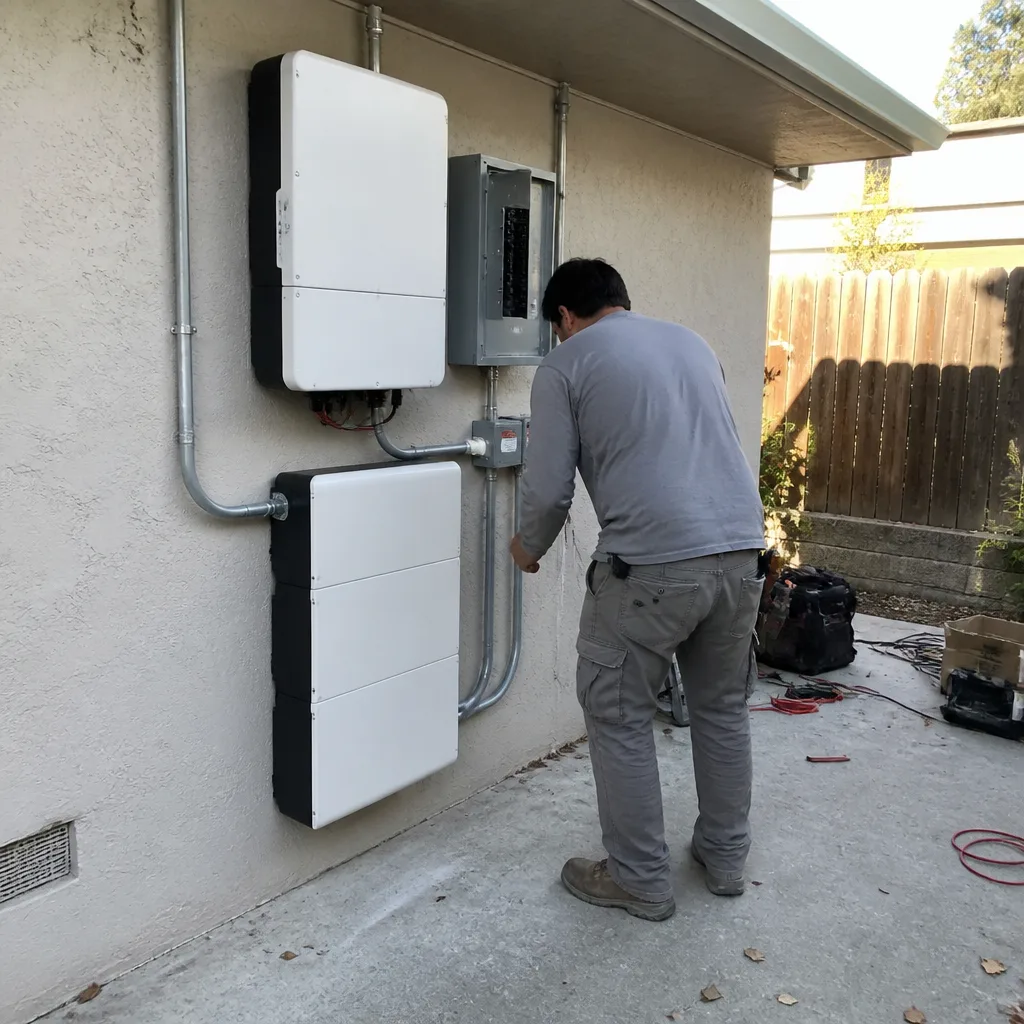 After
After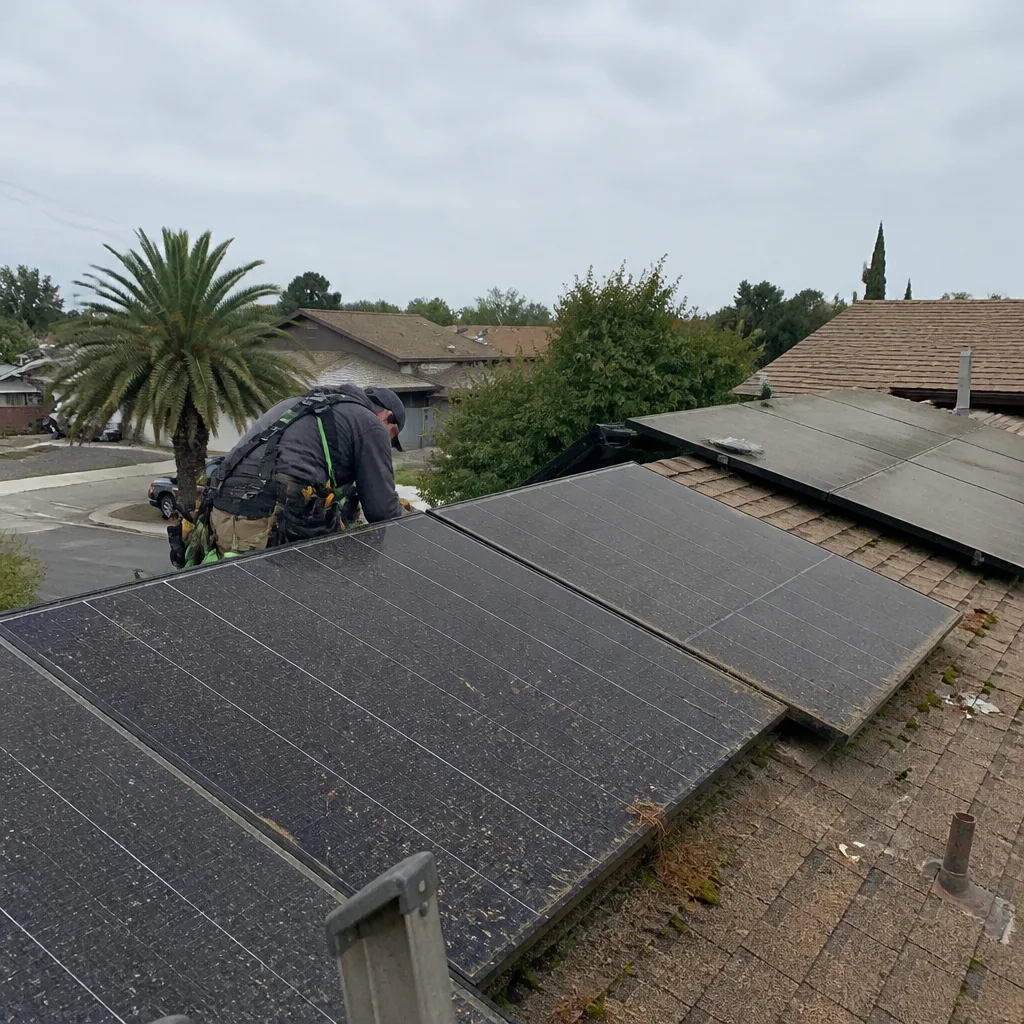 Before
 After
After Before
 After
AfterFast, Reliable Solar Battery Storage & Backup Across San Antonio
Solar battery storage in San Antonio typically runs $11,000 to $18,500 installed for a single battery, and a whole-home backup setup with two batteries lands between $22,000 and $34,000 before any federal tax credit. Most San Antonio homeowners get a battery tied to a new or existing solar array, and the work is usually done in one to two days once CPS Energy approves the interconnection. If you’re wondering whether battery backup makes sense for your San Antonio home, call Gus’s Solar at (877) 550-6892 and we’ll walk through the numbers off your actual CPS Energy bill. We know San Antonio’s utility rules, its historic-district hurdles, and its hail season better than any out-of-town installer ever will.
Why Gus’s Solar Is San Antonio’s Preferred Solar Battery Storage & Backup Company
Gus Petrakis put his name on this company in 2011, and he still answers the phone. That matters in San Antonio, where CPS Energy runs its own interconnection queue and its own net metering rules, and where one wrong assumption about export credits can quietly eat your battery’s payback for a decade. Our Solar Battery Storage & Backup team has worked through CPS Energy approvals on homes from Beacon Hill to the South Side, so we know what gets approved, what gets flagged, and what gets delayed. We’re not a call center three states away. We’re local, we’re reachable 24/7, and every quote is built off your actual usage history, not a brochure estimate.
San Antonio homeowners tell us the same thing over and over: a national outfit quoted one number on the phone, then a different one at the door. That doesn’t happen with us. The price we quote is the price you pay. Gus’s crew does the install, background-checked and uniformed, and the 90-Day Done Right Promise is in writing on every job. If something isn’t right, one call brings Gus back. No ticket queue, no voicemail roulette.
Our Solar Battery Storage & Backup Services in San Antonio
Tesla Powerwall Installation
A Tesla Powerwall 3 installed in San Antonio typically runs $12,500 to $16,000 for the first unit, including the gateway and standard electrical work. In neighborhoods like Monte Vista or King William, where the Historic and Design Review Commission can restrict street-facing equipment, we often place the Powerwall in a garage or a ventilated rear enclosure to keep the HDRC happy and the array hidden from public view. That’s the kind of local knowledge that only comes from doing this work in San Antonio long enough to know which inspectors expect what.
Enphase IQ Battery Installation
Enphase IQ Battery systems in San Antonio run roughly $11,500 to $15,500 for a 5P configuration, and they’re a smart fit for homes with existing Enphase microinverters because the whole system talks through one app. For San Antonio’s older housing stock, especially pre-1960s bungalows with original electrical panels, an Enphase battery often requires a main panel upgrade before installation. We’ll tell you that upfront, with a real number, not a surprise line item three days into the job.
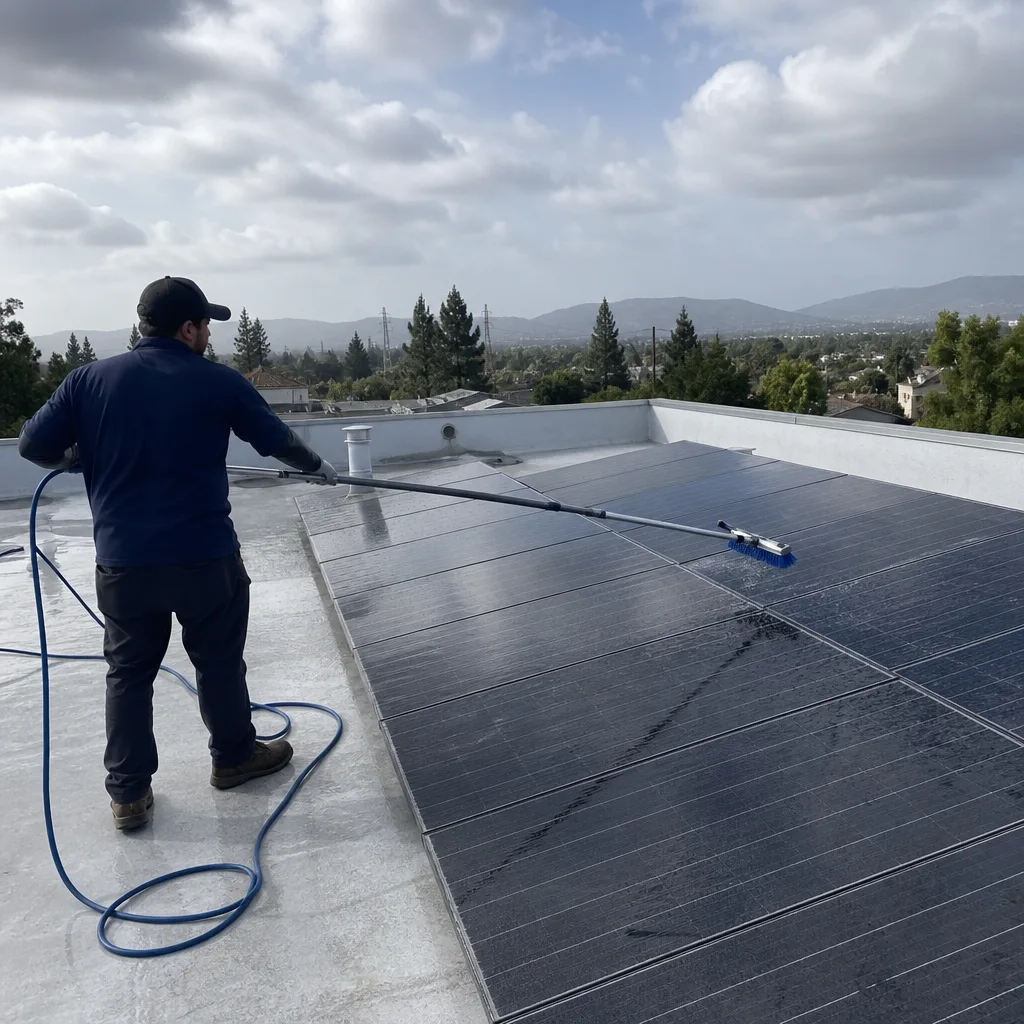
Whole-Home Backup Power
Whole-home backup in San Antonio usually means two or three batteries, and budget $24,000 to $38,000 depending on your square footage and whether you’re backing up air conditioning. San Antonio’s July and August heat makes AC load the single biggest factor in battery sizing. A single Powerwall will keep your fridge, router, lights, and medical devices running. Two or three start to cover real HVAC runtime. We’ll model it off your actual CPS Energy interval data so you’re not guessing.
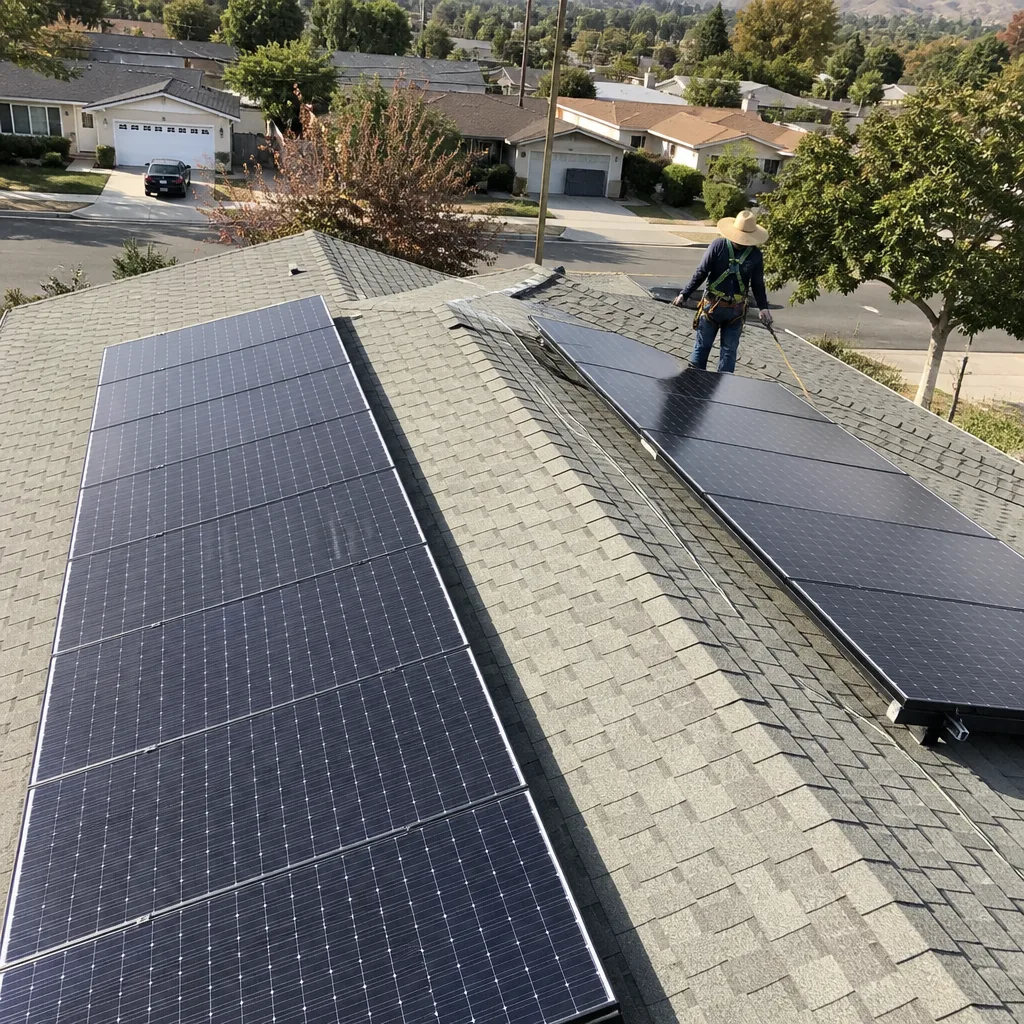
Battery Retrofit for Existing Solar
Adding a battery to an existing solar array in San Antonio typically runs $12,000 to $17,000 for a single unit, depending on whether your inverter needs a companion gateway or a panel upgrade. Homes in the 78201 and 78203 ZIP codes often have older panels and wiring that add a few thousand to the scope. We retrofit batteries on systems we installed and systems other companies installed. Bring us a bill, we’ll bring you the math.
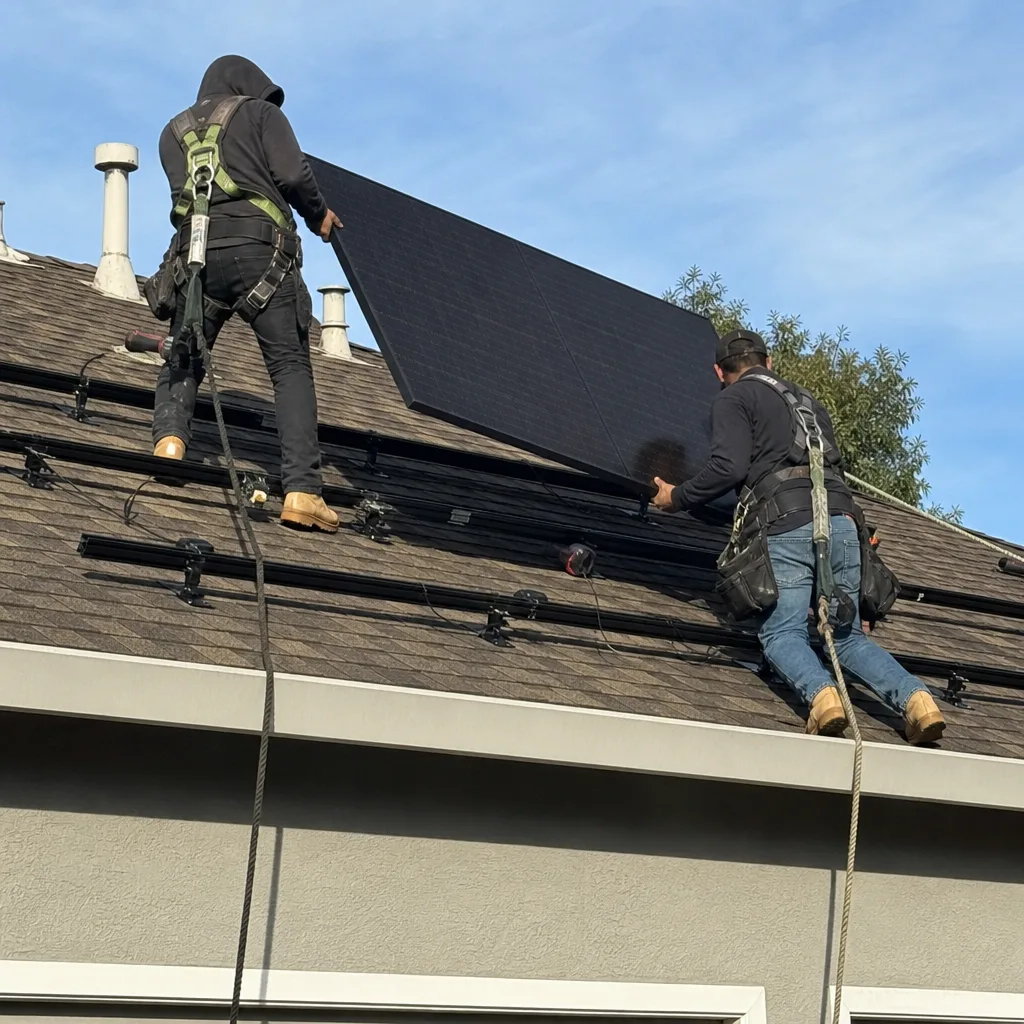
What happens when you call
- 1
A real person answersNo phone trees - you reach a local pro.
- 2
You get an upfront price rangeHonest numbers before anyone is dispatched.
- 3
A background-checked tech heads outLicensed & insured, dispatched right away.
- 4
You approve before work beginsNothing starts until you say go.
Trusted Brands We Service in San Antonio
We service and install Tesla Powerwall, Enphase IQ Batteries, and FranklinWH systems, and we pair them with panels from Qcells, REC, and Panasonic. Because we’re local to San Antonio, we keep common parts and gateway units in stock, which means a failed communication board or a firmware-flash issue doesn’t leave you waiting on a slow UPS truck from Dallas. If your existing battery is under a manufacturer warranty, we handle the claim for you. If it’s out of warranty, we repair it. You will never hear us say you need a full replacement before we’ve actually looked at it.
Common Solar Battery Storage & Backup Problems We See in San Antonio Homes
- Hail damage starving the battery. San Antonio sits in a high-frequency hail corridor, and a damaged rooftop array can’t charge your battery. But a damaged microinverter or bypass diode can also block grid charging, leaving you without backup exactly when severe weather is coming. We test the whole charge path, not just the panel glass.
- CPS Energy interconnection lag. CPS Energy’s approval queue can run months behind installation, especially during spring storm season. A battery installed in April may sit unapproved and non-exporting through the first big hail event. We file the paperwork the day the system goes in and track the queue like a hawk.
- Historic district stop-work orders. In King William and Monte Vista, a battery mounted on a street-facing exterior wall can trigger an HDRC stop-work order, forcing relocation and resubmission mid-project. We pre-clear equipment placement before we ever drill a mounting bracket.
- Old panels that can’t carry the load. Many San Antonio homes built before 1960 still carry original electrical panels with no spare breaker space. A battery retrofit on those homes usually needs a main panel upgrade first. We flag it in the proposal, not after demolition starts.
Pricing for Solar Battery Storage & Backup in San Antonio, TX
Here’s what you can expect to pay in San Antonio: a single Tesla Powerwall 3 runs $12,500 to $16,000; an Enphase IQ Battery 5P runs $11,500 to $15,500; a two-battery whole-home setup runs $22,000 to $34,000; and a battery retrofit for existing solar runs $12,000 to $17,000. The federal tax credit covers 30% of the total installed cost, including the battery and any required panel upgrade. What changes your number: your main panel’s age, whether you’re in a historic district with placement restrictions, how much AC load you want backed up, and CPS Energy’s current net metering rate schedule. We quote the year-25 output, not the day-one brochure number. Call (877) 550-6892 for a free estimate and bring your CPS Energy bill. The math gets easier when we both look at the same numbers.
We Also Serve Cities Near San Antonio
Gus’s Solar handles battery storage and backup work across San Antonio and its surrounding communities, including Alamo Heights, Terrell Hills, Kirby, and Windcrest. If you’re in one of those areas and your CPS Energy bill looks higher than it should, we’ll come out and give you a straight answer. Same crew, same guarantee, same 24/7 phone number.
How CPS Energy Rules Shape Battery Backup in San Antonio
Here’s the thing most national installers won’t tell you about San Antonio: CPS Energy is a city-owned municipal utility with its own interconnection rules, net metering caps, and approval timelines that have nothing to do with the PUC of Texas framework that governs most of the state. That means every battery we install in San Antonio has to clear CPS Energy’s own process, and the export rate you get for battery-discharged power is not the same as what an Austin Energy or Oncor customer gets. This isn’t a footnote. It changes how we size your battery, how we configure time-of-use self-consumption, and whether adding a second battery actually shortens your payback or stretches it. If a salesman quotes you a payback period without asking which utility you’re on, that’s a red flag. We’ve been working inside CPS Energy’s system long enough to know exactly what to file, when to file it, and what to expect back.
The Historic District Problem Nobody Warns You About
If you live in Monte Vista (78201) or King William (78204), your battery backup plan has an extra approval step that most of San Antonio never faces. The city’s Historic and Design Review Commission requires that solar equipment not be visually prominent from the public right-of-way. In practice, that means arrays get pushed to rear roof faces or tucked behind parapets, and batteries get moved into garages or enclosed rear enclosures. Sometimes that cuts usable capacity by 30 to 40% compared to an optimal south-facing layout. A national installer won’t know this until the stop-work order shows up. We pre-plan around HDRC requirements before the proposal leaves our office, because we’ve done it enough times to know exactly what they’ll flag. Our crew recently retrofitted a 1938 bungalow in Monte Vista with a Tesla Powerwall 3. The original electrical panel and knob-and-tube remnants forced a full main panel upgrade before we could tie in the battery, and the HDRC restriction meant the Powerwall had to live in a ventilated enclosure behind the garage, hidden from street view. After locking in CPS Energy’s net metering rate schedule, we configured the battery for time-of-use self-consumption, cutting the homeowner’s true-up bill by an estimated 60% while keeping their critical loads running through the hail-season outages. That’s what local actually means.
Serving San Antonio, TX - Our Local Coverage Area
We’re based in the San Antonio area and know this community well. Use the map below to see our service coverage - if you’re nearby, we can almost certainly help.
FAQs - Solar Battery Storage & Backup in San Antonio
No. CPS Energy credits battery-discharged power at a different rate than live solar export, and the exact rate depends on your interconnection agreement and the current rate schedule. In practice, the smartest configuration for most San Antonio homes is time-of-use self-consumption: charge the battery during cheap overnight hours, discharge it during peak afternoon pricing, and export only when the battery is full. Call (877) 550-6892 and we’ll model your bill both ways so you see the actual dollar difference.
Usually yes, but placement matters. The HDRC’s rule is that solar equipment must not be visually prominent from the public right-of-way, which almost always means the battery goes in a garage, a rear enclosure, or behind the home. A street-facing wall mount will likely draw a stop-work order. We’ve handled Monte Vista installations enough times to pre-position the battery correctly in the initial proposal, including ventilation and clearance details the commission likes to see.
One Enphase IQ Battery 5P can back up essential loads like a fridge, router, lights, and a CPAP machine, but it will not run a central air conditioner. Homes in Beacon Hill, many built before 1940, often need a main panel upgrade before any battery install because the original panels lack spare breaker space and safe bus ratings. A two-battery setup paired with load management will cover most of a 1,200 to 1,600 square foot bungalow’s daily needs, but the first step is an honest look at your panel.
Your battery will keep discharging to your backed-up loads, but it won’t recharge from solar until the damaged panel and any affected microinverters are repaired. Worse, a damaged bypass diode or microinverter can sometimes prevent the battery from accepting a charge even from the grid, which means you’d have no backup exactly when the next storm rolls in. We check the full charge path, not just the obvious glass damage. Call (877) 550-6892 if your system took hail and we’ll test everything.
Yes, and not always in the direction you’d expect. Under CPS Energy’s current net metering structure, a battery only shortens your payback if you use it for time-of-use self-consumption or if you value backup protection during outages. If you’re only adding a battery to export stored power, the lower export rate can stretch your payback by years. We run the numbers both ways off your actual bill and tell you if the battery pays for itself or if it’s a resilience purchase. Take two weeks. Think about it. The price will be the same.
Written by Gus Petrakis, Owner at Gus’s Solar, serving San Antonio and surrounding communities since 2011.