
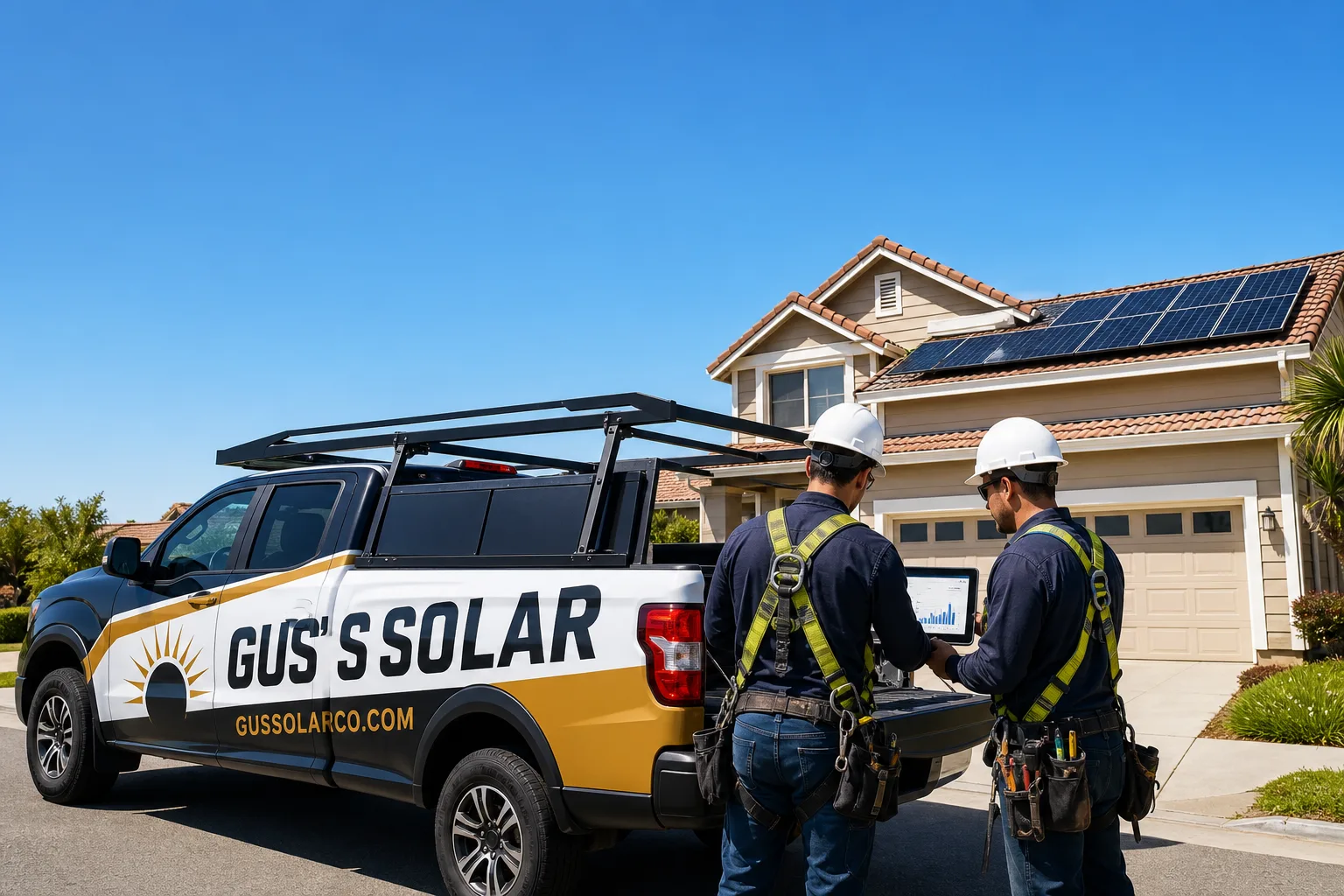
Free bill analysis - bring a power bill, get the production math for your actual roof, panel brands like Qcells and REC compared side by side
If the pitch starts at your door and ends with "sign tonight for the special," sleep on it. The sun will still be there tomorrow; so will we.
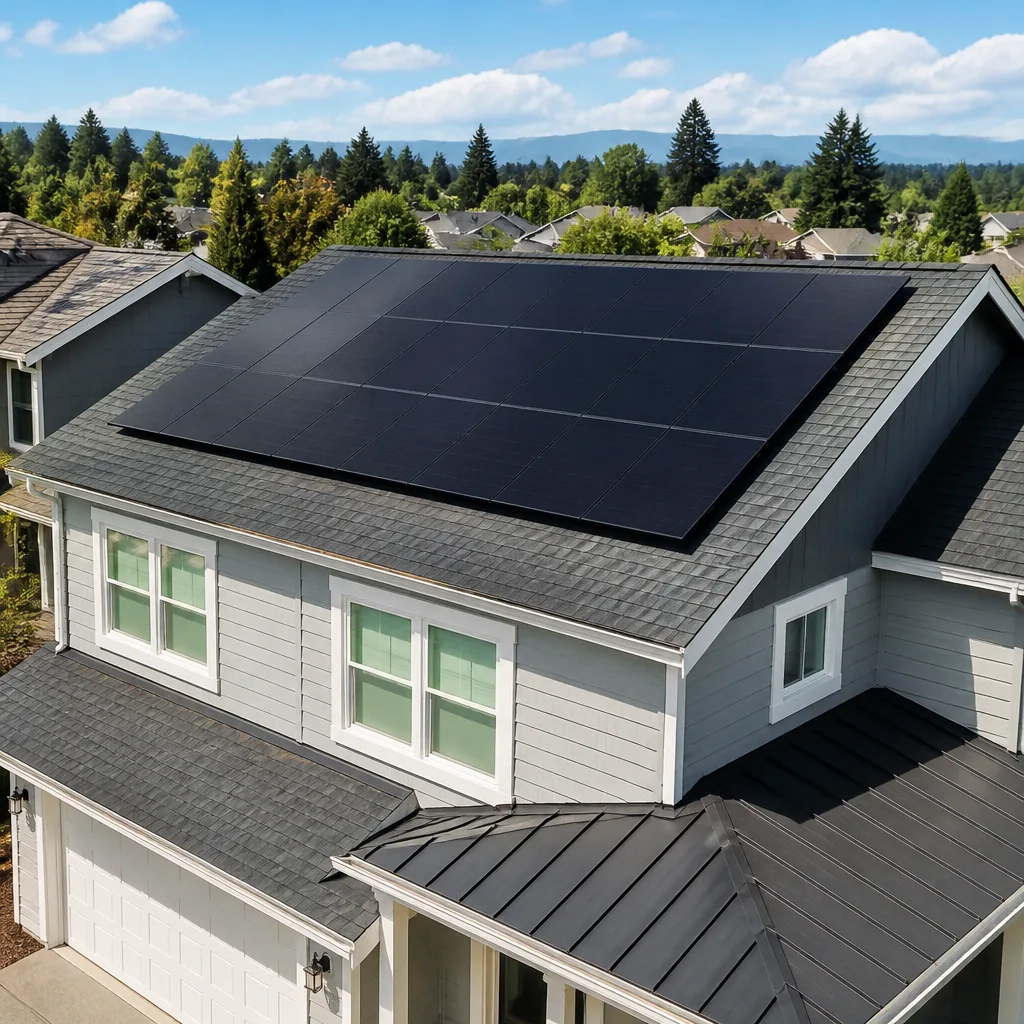
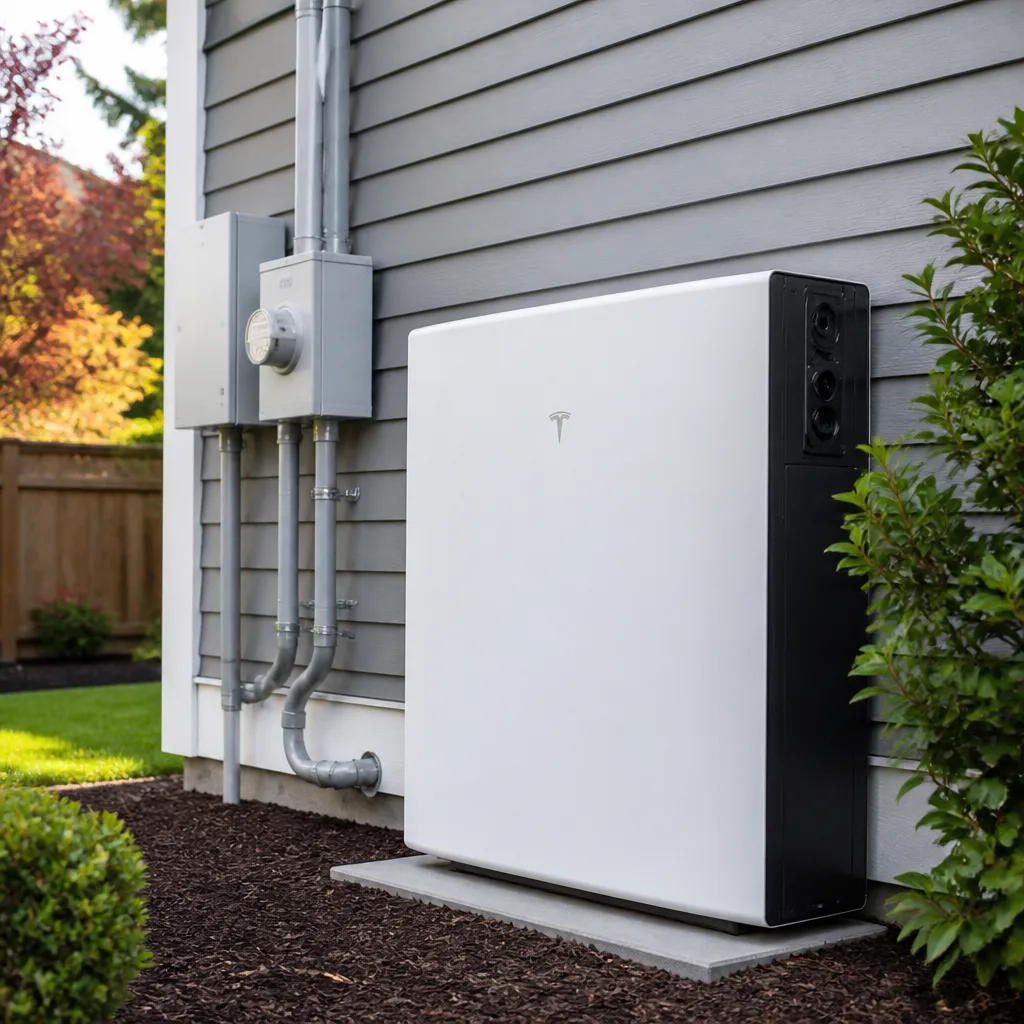
 Before
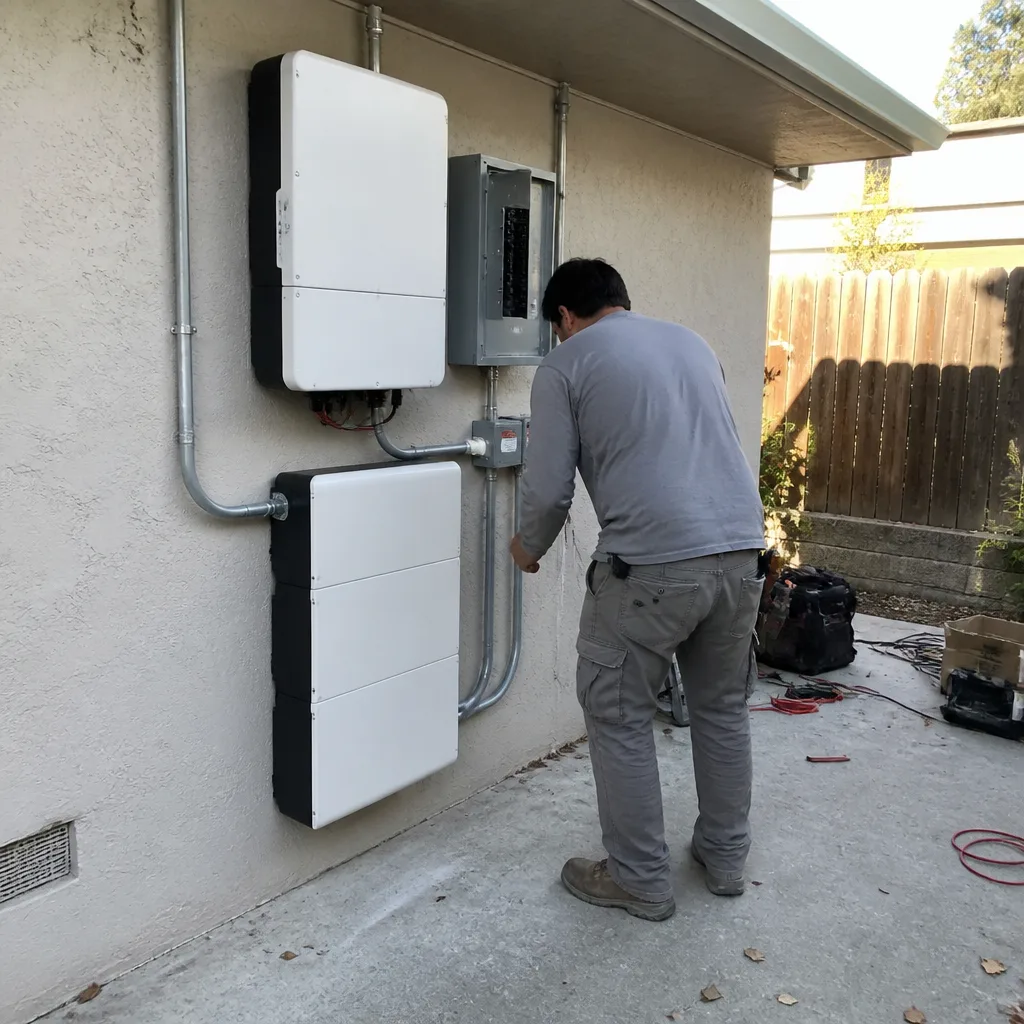 After
After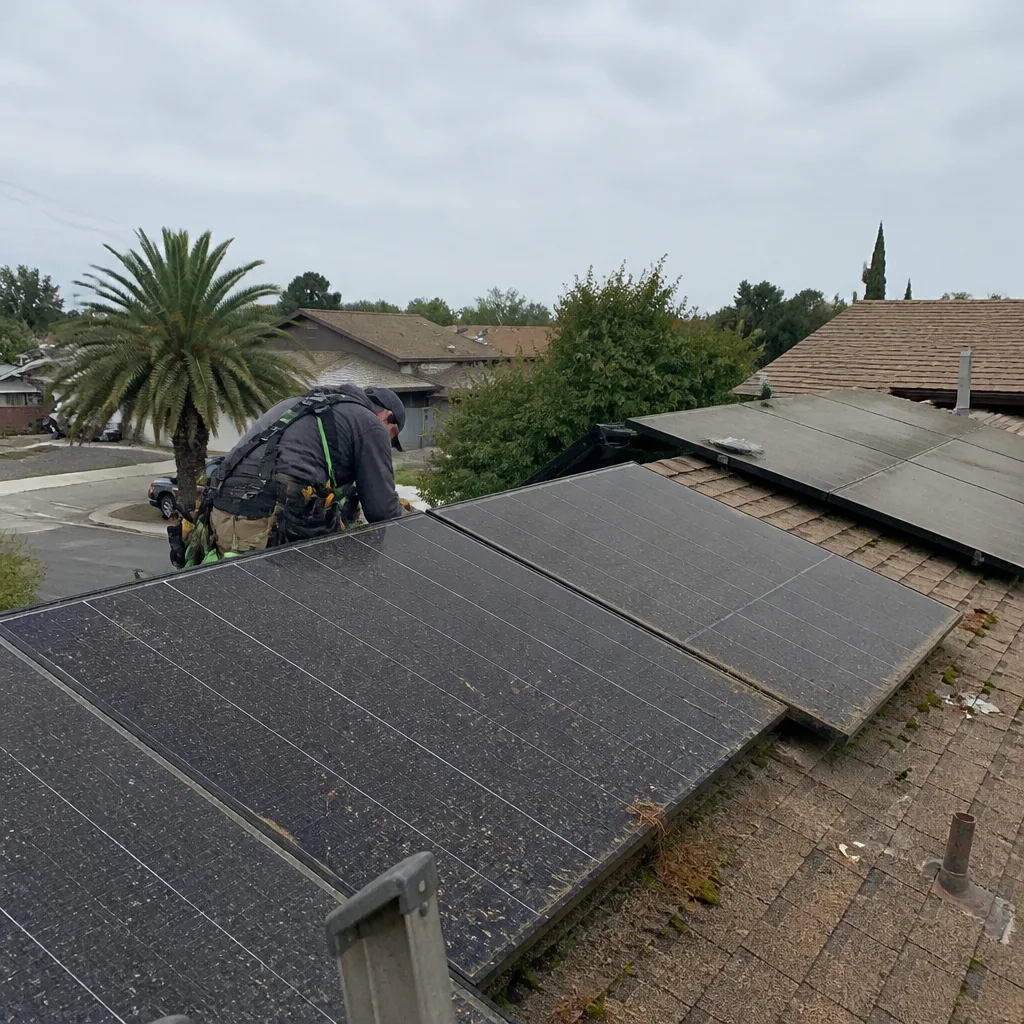 Before
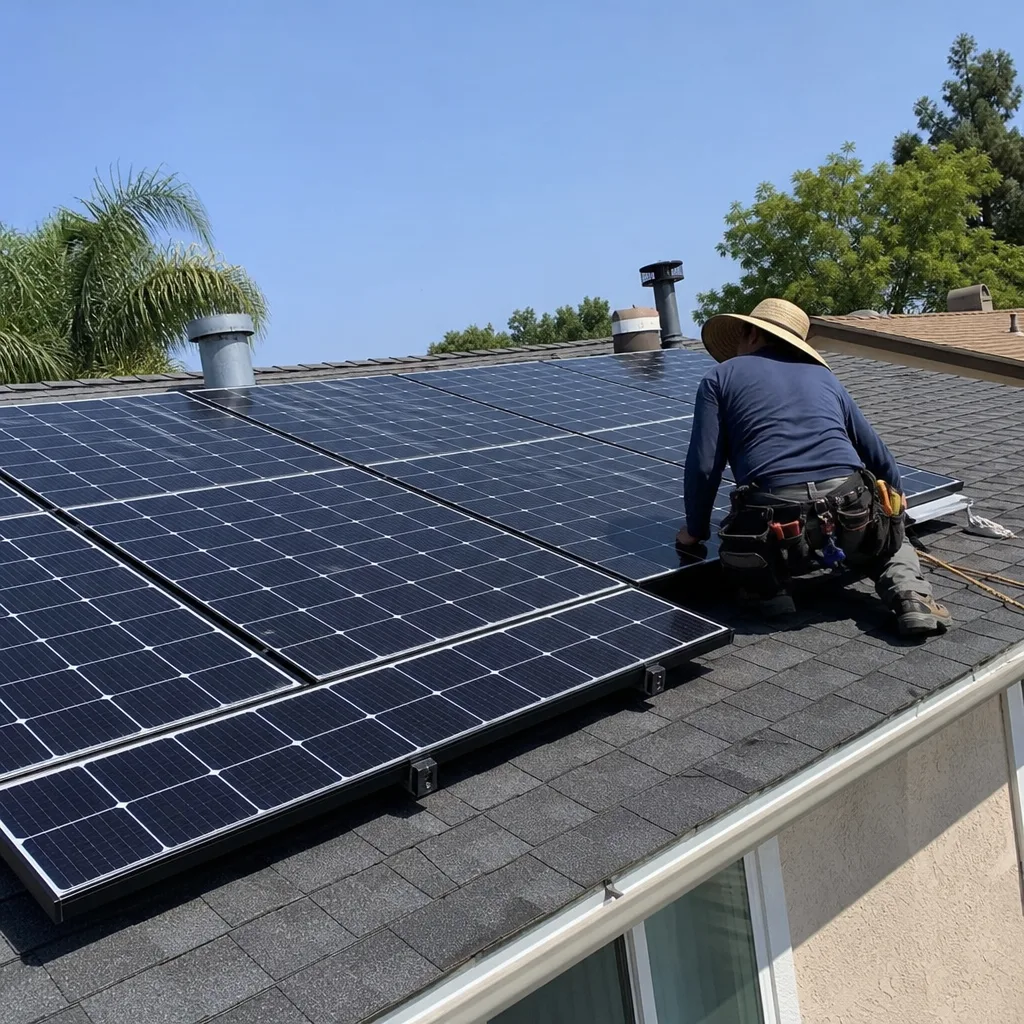 After
After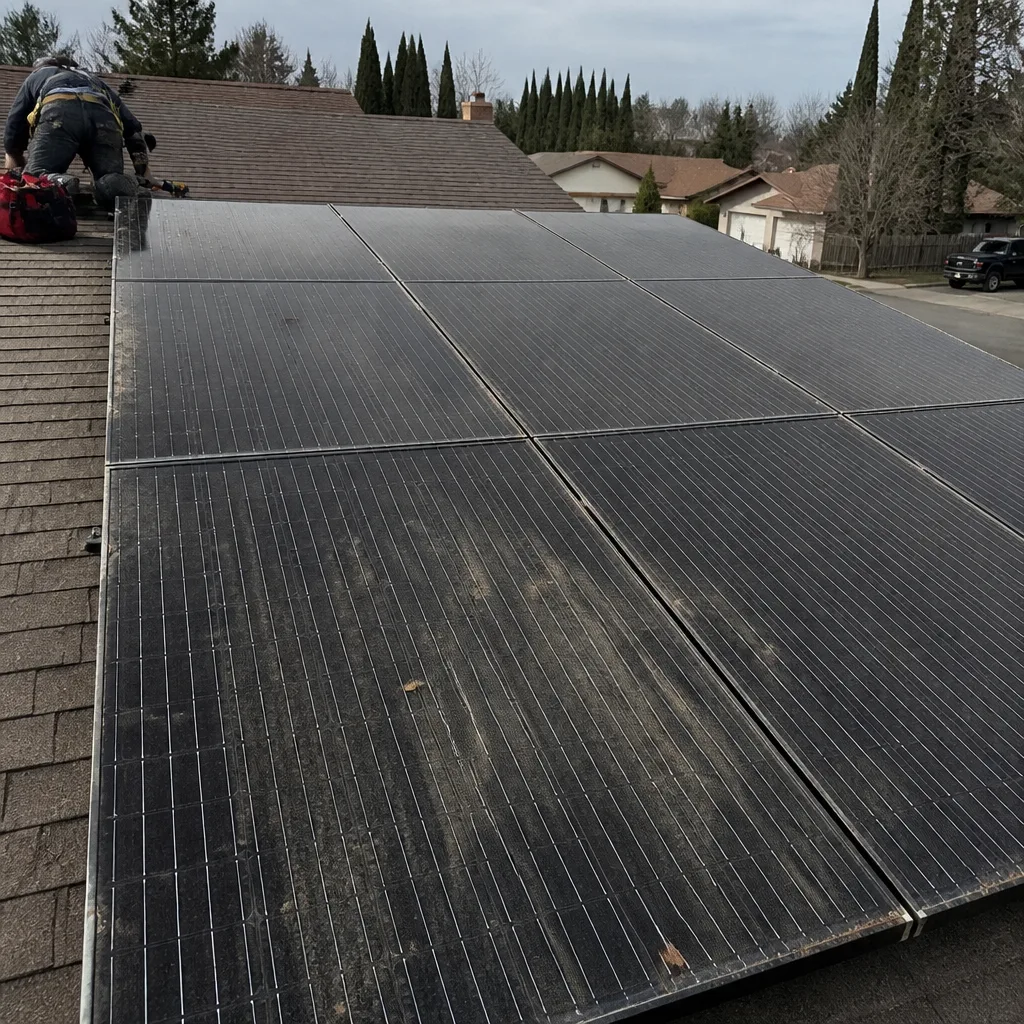 Before
 After
AfterFast, Reliable EV Charger Installation Across San Antonio
EV charger installation in San Antonio runs about $650 to $2,400 for most Level 2 setups, with panel upgrades adding $1,800 to $3,500 when your existing service can’t handle the load. We do most installs same-week, often in a single day. If you live in Alamo Heights, Monte Vista, the 78225 corridor, or anywhere else in San Antonio, you’ll deal with one local crew from start to finish, not a rotating cast of subcontractors. Call (877) 550-6892 for a straight quote based on your actual panel and your driveway layout, not a brochure estimate.
San Antonio is different from most Texas markets because CPS Energy, not the PUC of Texas, controls every interconnection and export rule. That changes how a solar-paired EV charger gets permitted, what it costs to operate, and how fast it pays for itself. We know those rules cold because we live under them. Same goes for the HDRC requirements in historic districts like Monte Vista and King William. If you want a charger that actually works with your home, your panel, and your utility, this is the page for you.
Why Gus’s Solar Is San Antonio’s EV Charger Installation Team
Gus Petrakis put his name on this company in 2011 and he’s never taken it off. We’re not a sales outfit that hands your job to an anonymous crew. Gus’s own background-checked, uniformed team does the work, and a live person answers the phone 24/7. When you call (877) 550-6892 about a charger that tripped a breaker at 10 p.m., you’ll talk to a person who knows what your panel looks like, not a call center three states away.
We’ve installed EV chargers in San Antonio homes ranging from 1920s bungalows in 78201 to newer tract homes near Windcrest. The common thread is that every quote starts with your real conditions. Your panel rating. Your service entrance. Your roof orientation if solar is part of the picture. The price we quote is the price you pay, and we’ll tell you to take two weeks to think about it. The number won’t change.
Our EV Charger Installation team carries those same habits into every job. No pressure. No signature wanted tonight. Just straight answers about what your house can handle and what it’ll cost.
Our EV Charger Installation Services in San Antonio
Level 2 Charger Installation
A Level 2 charger is the workhorse for San Antonio EV owners. It adds 25 to 30 miles of range per hour, fills most batteries overnight, and requires a dedicated 240V circuit. In most San Antonio homes built after 1990, we can pull the circuit and mount the charger in a morning. In older homes, especially the pre-1960 stock in 78201 and 78202, we often find 100A panels that need a load calculation before we can add a 48A continuous draw. We’ll tell you up front if your panel can carry it.
Tesla Wall Connector Installation
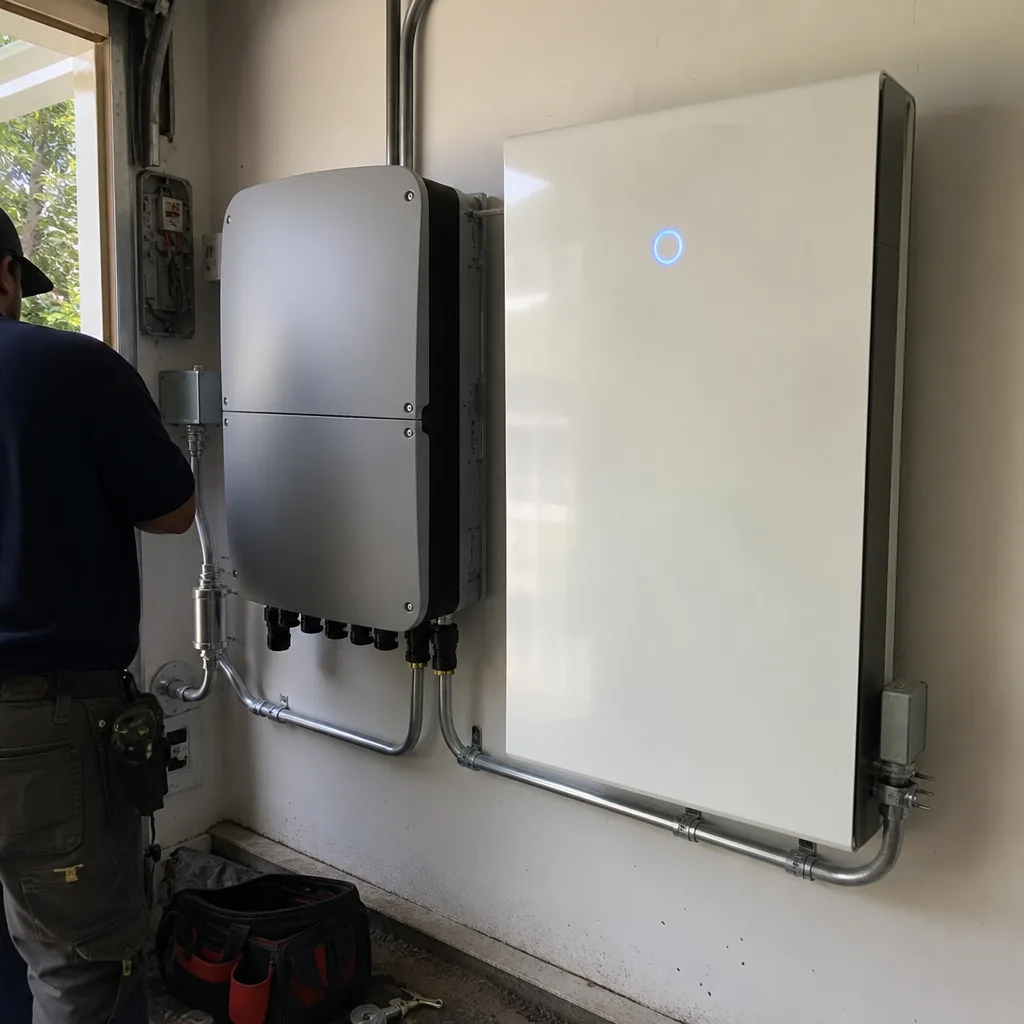
The Tesla Wall Connector is the most common charger we install in San Antonio, and it draws a full 48A on a 60A breaker. That’s a serious continuous load. In a newer home with 200A service, it’s usually straightforward. In a 1920s craftsman in Monte Vista with an original 100A panel, it’s a different story. Here’s a real example: we installed a Tesla Wall Connector on just such a bungalow in 78201. The original panel couldn’t support the load, so our crew upgraded the service to 200A, ran a dedicated 60A circuit through the crawl space, and set the charger to scheduled charging to align with the home’s solar production estimate. The homeowner’s effective fuel cost dropped to near zero, and the historic street-facing facade stayed untouched.
Panel Upgrade for EV Charging
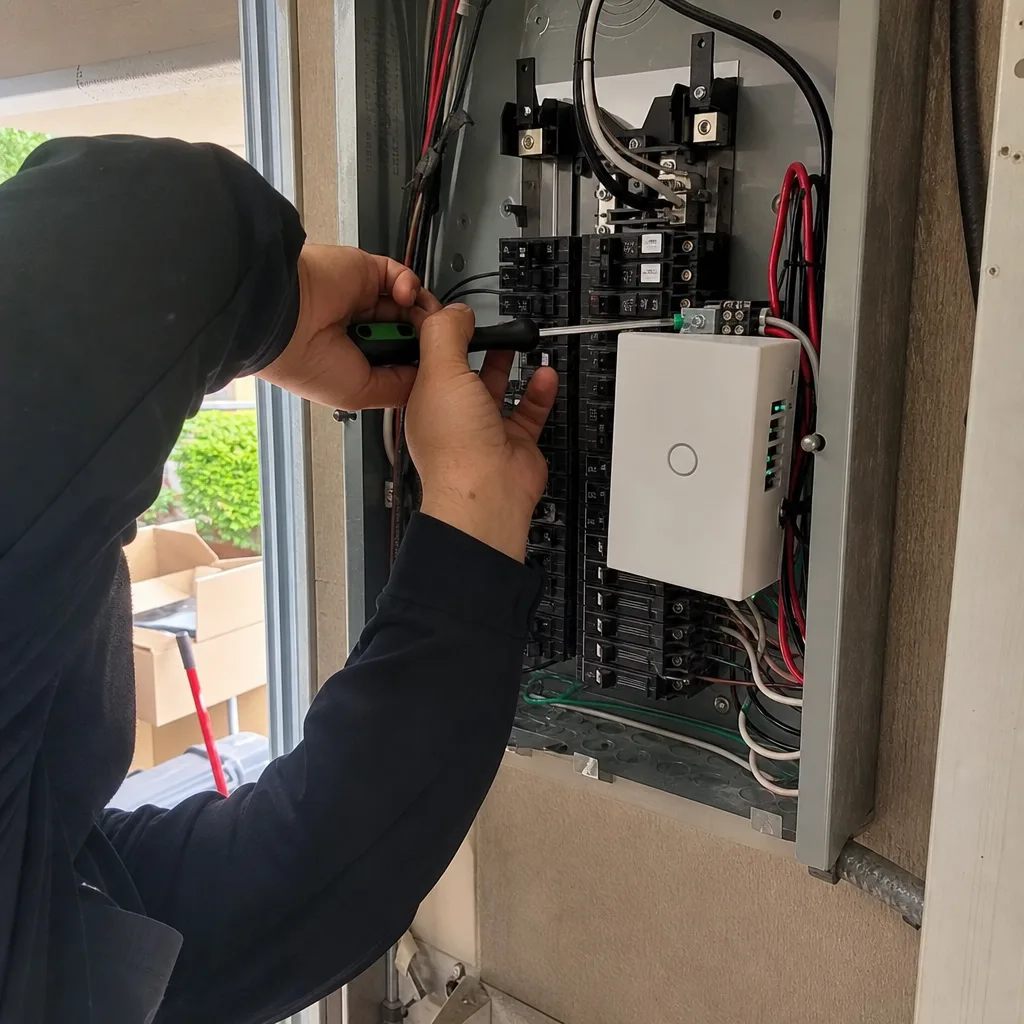
Panel upgrades are the single most overlooked cost in San Antonio EV charger installation. A Level 2 charger pulling 48A is roughly the same draw as an electric oven and a dryer running at once. If your panel is 100A, you don’t have room. We replace panels with 200A service, which also future-proofs the house for a second charger, an induction range, or a heat pump down the line. In the 78201-78210 corridor, where many homes still run original pre-1960 panels, we recommend a panel evaluation before you buy the charger. Better to know now than to find out after the breaker trips for the third time.
Garage & Driveway Charger Wiring
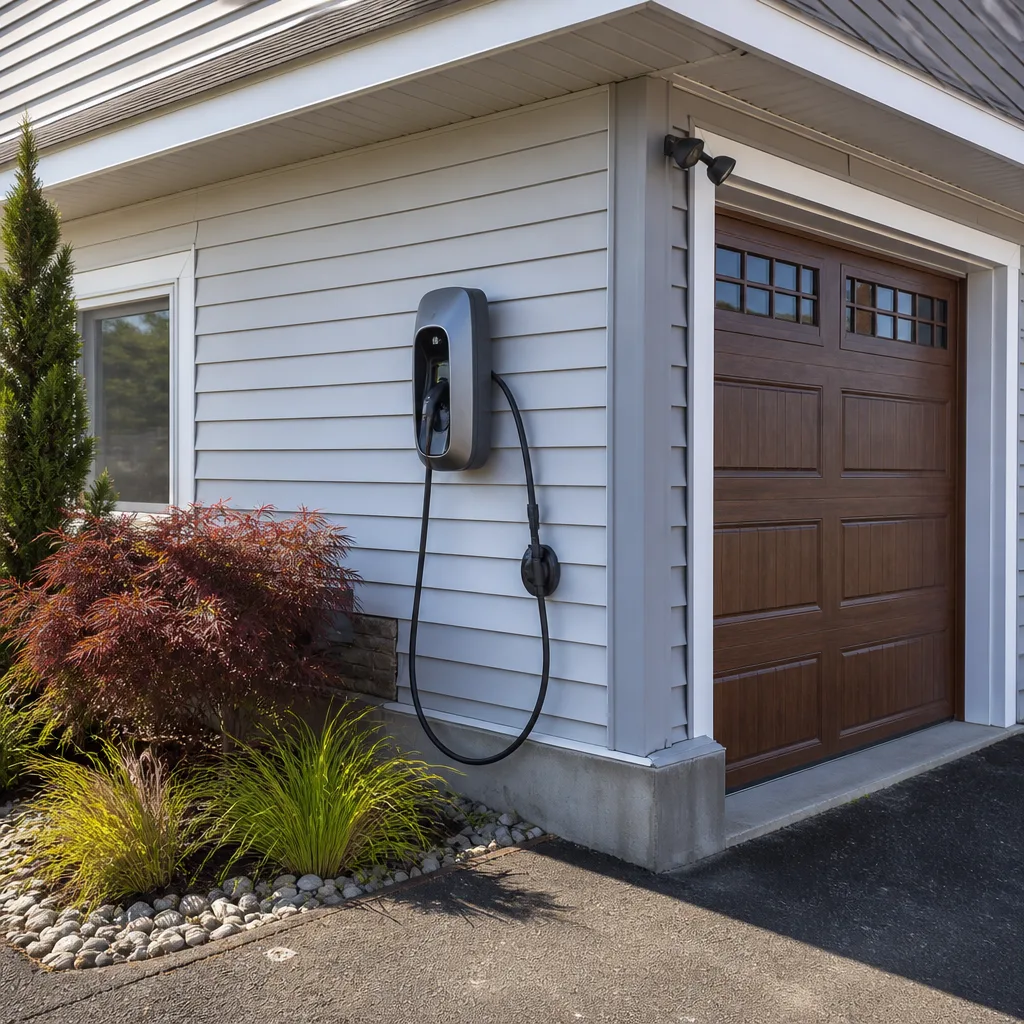
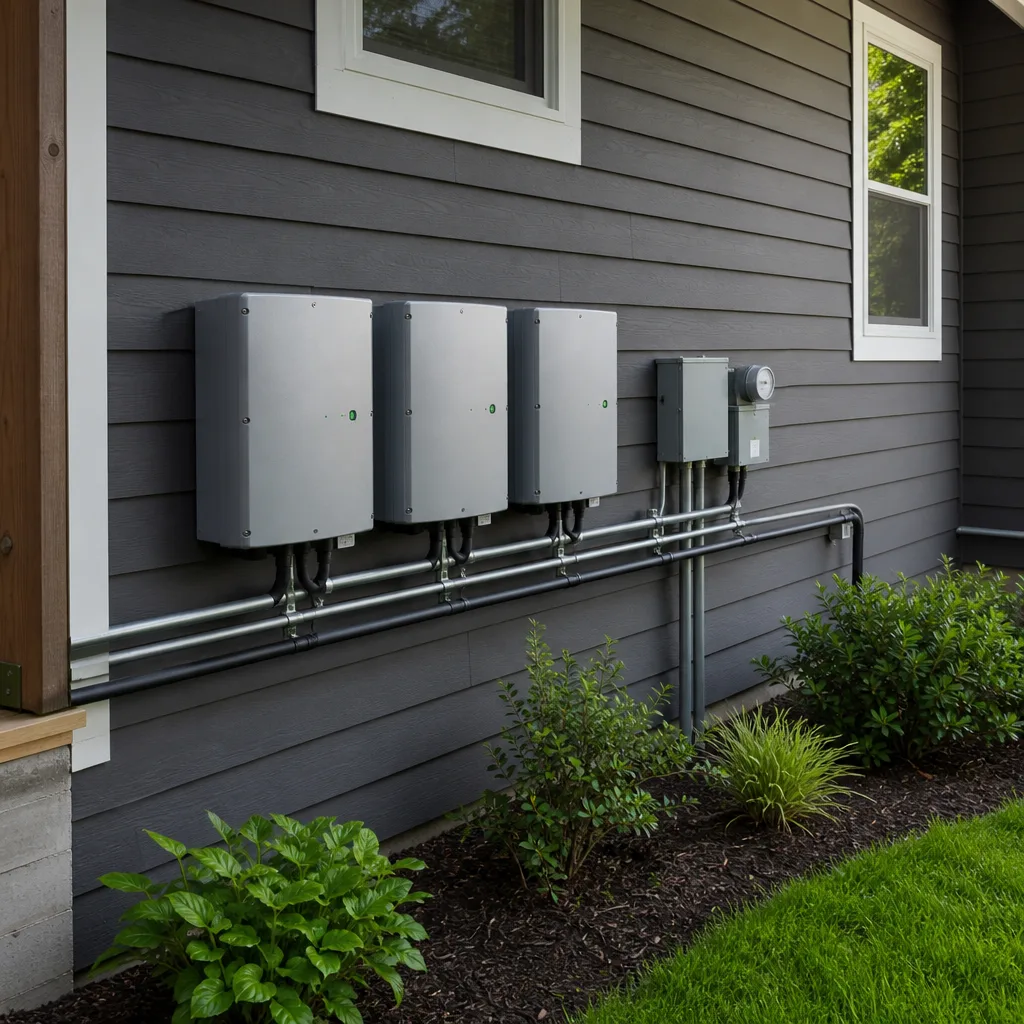
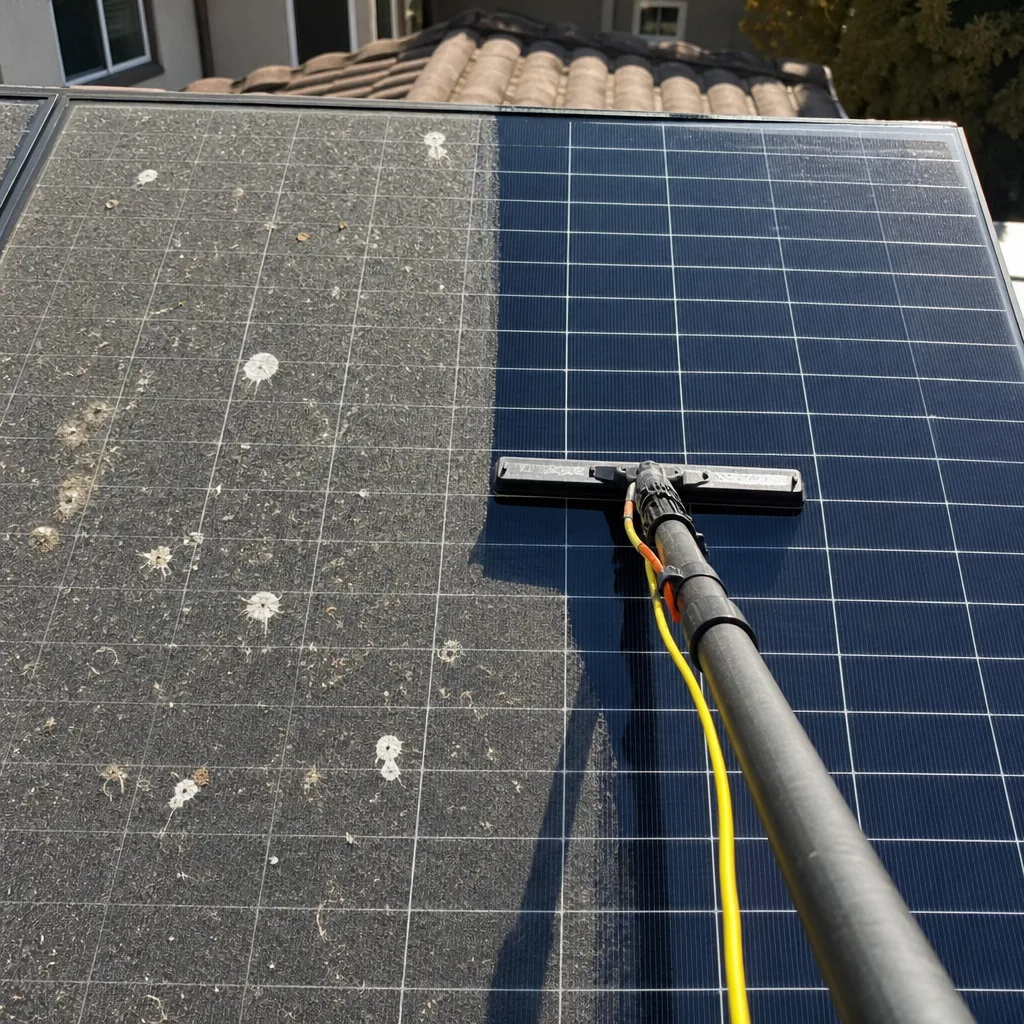
Whether your charger goes in the garage or on an exterior driveway wall, the wiring route matters. In San Antonio’s older neighborhoods, we run conduit through crawl spaces and attics to keep the install clean. On newer slab-foundation homes, we surface-mount conduit and paint it to match. Every install includes a dedicated breaker, proper gauge wire sized for the charger’s load, and a final torque check. We’ve seen too many chargers fail because someone used undersized wire or left a loose lug at the breaker. That doesn’t happen on our jobs.
What happens when you call
- 1
A real person answersNo phone trees - you reach a local pro.
- 2
You get an upfront price rangeHonest numbers before anyone is dispatched.
- 3
A background-checked tech heads outLicensed & insured, dispatched right away.
- 4
You approve before work beginsNothing starts until you say go.
Solar-Paired EV Charging: Why San Antonio Is Different
This is where San Antonio parts ways with most of Texas. Every solar export in this city runs through CPS Energy’s municipal interconnection rules, not the PUC of Texas framework that covers investor-owned utilities elsewhere in the state. That means a solar-paired EV charger in San Antonio faces a CPS-specific net-metering cap and a true-up statement that changes the math on how fast a Level 2 charger pays for itself. A homeowner in Austin or Dallas might get one export rate. You get whatever CPS Energy’s current structure allows, and that structure changes. We read those rate sheets when they’re published, and we quote the year-25 output, not the day-one brochure number.
Then there’s the HDRC factor. In the King William Historic District (78204) and Monte Vista Historic District (78201), the Historic and Design Review Commission requires that solar panels not be visually prominent from the street. In practice, that often means limiting arrays to rear roof faces or tucking them behind parapets, which can cut usable capacity by 30 to 40 percent compared to an optimal south-facing layout. If your array gets squeezed onto a shaded rear roof, the charger draws more grid power than a production estimate based on an unshaded roof would promise. That’s a trade-off we disclose in writing before you sign anything. If a salesman says you can just ignore the HDRC, walk away.
Trusted Brands We Service in San Antonio
We work with chargers and solar equipment from Tesla, Enphase, SolarEdge, SunPower, Panasonic, and FranklinWH. We stock common connectors, breakers, and mounting hardware locally, so a San Antonio install doesn’t stall waiting on a part from a warehouse in Dallas. If you’ve got a Tesla charger paired with Qcells or REC panels, we service both sides. Same for a SunPower array feeding a FranklinWH battery with a Level 2 charger downstream. One phone call covers the whole chain.
Common EV Charger Installation Problems We See in San Antonio Homes
- CPS Energy interconnection delays stall solar-paired EV charging. When a solar array needs utility approval before it can export, the charger’s daytime solar benefit can sit idle for months. A standalone Level 2 charger doesn’t need interconnection approval, so we often recommend installing the charger first, then adding solar later.
- Pre-1960 panels in 78201-78210 can’t handle a 48A continuous load. We regularly find 100A panels with busbars that overheat or breakers that trip the moment a charger ramps to full draw. The fix is usually a service upgrade to 200A, and we’ll show you the load calculation before we touch anything.
- HDRC rear-roof restrictions slash solar output by 30 to 40 percent. If a historic district forces panels onto a shaded rear roof, the array can’t produce what an unshaded southern exposure would. The charger ends up pulling more grid power at night, which changes the payback math on the solar side. We disclose this before you fall in love with a system size.
- Garage circuits in San Antonio’s hot summers get overloaded. A garage that already runs a chest freezer, a window unit, and half a workshop on one 15A circuit isn’t ready for a charger. We often pull a new dedicated circuit all the way from the main panel rather than piggybacking on whatever’s already there.
Pricing for EV Charger Installation in San Antonio, TX
A basic Level 2 charger install in San Antonio, where the garage is attached and the panel is 200A, runs $650 to $1,200 including the charger and labor. A Tesla Wall Connector install typically lands at $900 to $1,800, depending on wire run length and whether we’re fishing through a crawl space or running surface conduit. Panel upgrades add $1,800 to $3,500 on top of the charger install. Solar-paired EV charging, which includes the array, inverter, and charger integration, starts around $18,000 before the CPS Energy rebate structures are applied. Every quote comes from your actual panel, your actual utility bill, and your actual roof. Call (877) 550-6892 for a free estimate. We’ll bring the math, you bring a bill, and nobody has to decide anything tonight.
We Also Serve Cities Near San Antonio
Along with our work throughout San Antonio, we serve Alamo Heights, Terrell Hills, Kirby, and Windcrest. If you’re in one of those cities, the same local crew does the install, the same live person answers the phone, and the same no-pressure quote applies. Same-day service is often available, and we don’t charge a trip fee inside our own county.
Serving San Antonio, TX - Our Local Coverage Area
We’re based in the San Antonio area and know this community well. Use the map below to see our service coverage - if you’re nearby, we can almost certainly help.
FAQs - EV Charger Installation in San Antonio
Yes, but with a cap. CPS Energy uses its own interconnection and net-metering structure, separate from the PUC of Texas, and your solar production is credited at CPS-specific rates, not the rates an investor-owned utility would apply. If your array produces more than you use during the day, you bank credits that apply to overnight charging, but the credit rate may not match the retail rate. We’ll pull your actual CPS bill and show you the real offset before you commit. Call (877) 550-6892 for a straight reading of your usage.
Usually yes if the home still has its original 100A panel, which many pre-1960 homes in those districts do. A Tesla Wall Connector draws 48A continuous, which is too much for a 100A service once you account for the dryer, range, and air conditioning. Upgrading to 200A costs between $1,800 and $3,500 in San Antonio, and we handle the whole thing, permit included. Get a load calculation done before you order any hardware.
They can restrict where panels go, not whether you can charge an EV. The HDRC requires solar panels not be visually prominent from the street in Monte Vista and King William, which often means rear-roof placement and a 30 to 40 percent output reduction. You can still install a charger and still install solar, but the payback changes. We’ll walk the site with you, tell you what the HDRC will likely approve, and quote based on that, not on a fantasy south-facing array.
It means patience. CPS Energy processes interconnection applications on its own schedule, and a solar array won’t export anything until approval comes through. Your charger works the day we install it; the solar offset arrives later. In our experience, San Antonio homeowners can wait weeks to a few months for full interconnection, depending on CPS Energy’s current queue. We usually install the charger first so you’re driving electric day one.
Yes, but the math shifts. A Level 2 charger still beats public charging on cost and convenience, even on grid power alone. The solar part just means the charger draws more from the grid at night than a south-facing array would offset. We’ll show you both scenarios: grid-only charging and the reduced solar contribution from a rear-roof array. Take two weeks, look at the numbers, and the price will be the same when you call back.
Written by Gus Petrakis, Owner at Gus’s Solar, serving San Antonio since 2011. One name, one truck, one phone number: (877) 550-6892.