
Free bill analysis - bring a power bill, get the production math for your actual roof, panel brands like Qcells and REC compared side by side
If the pitch starts at your door and ends with "sign tonight for the special," sleep on it. The sun will still be there tomorrow; so will we.
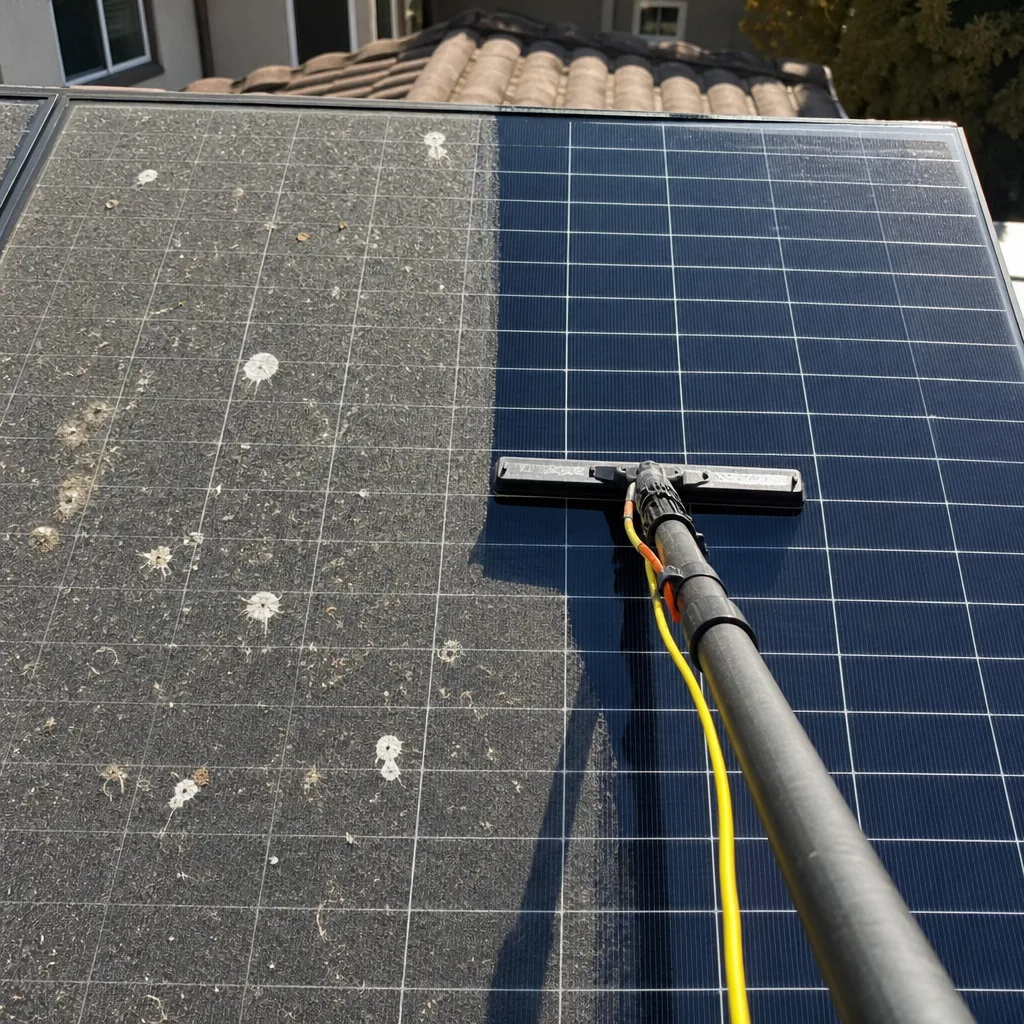
 Before
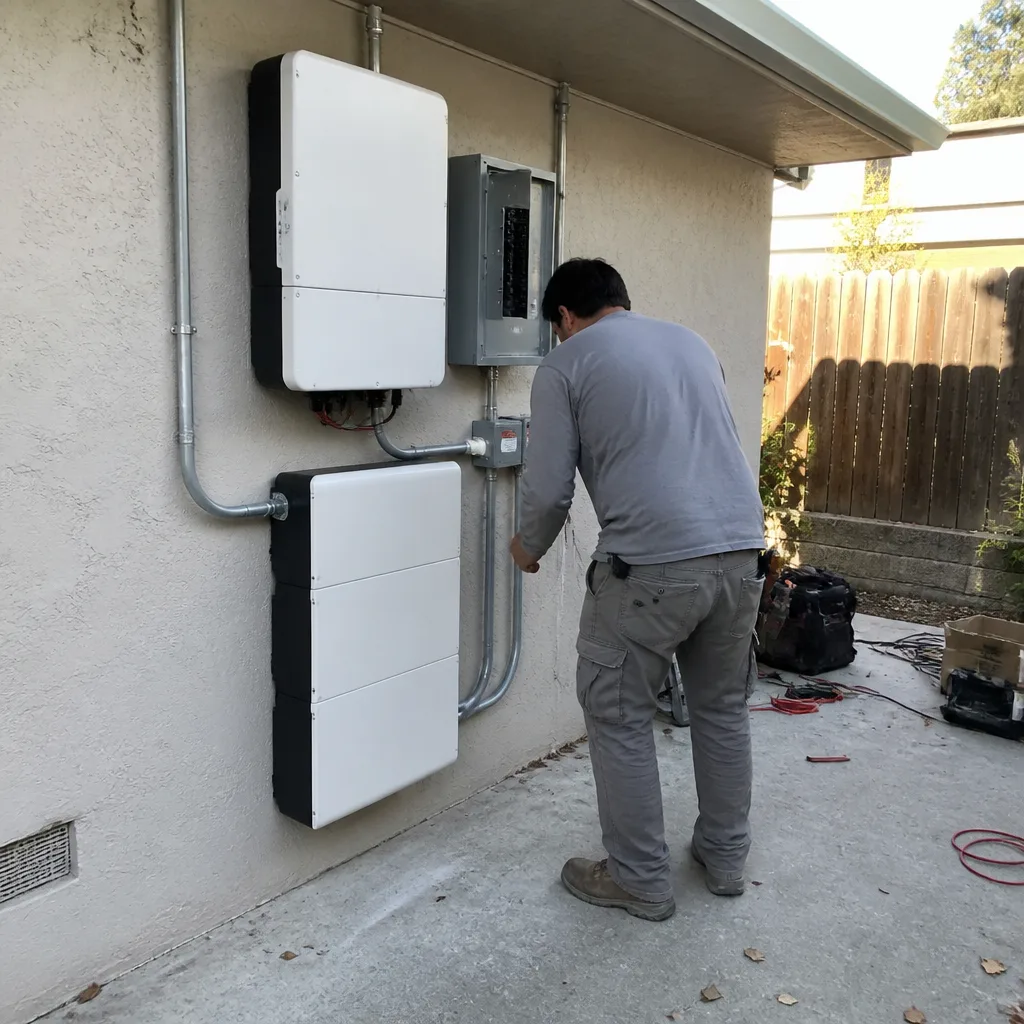 After
After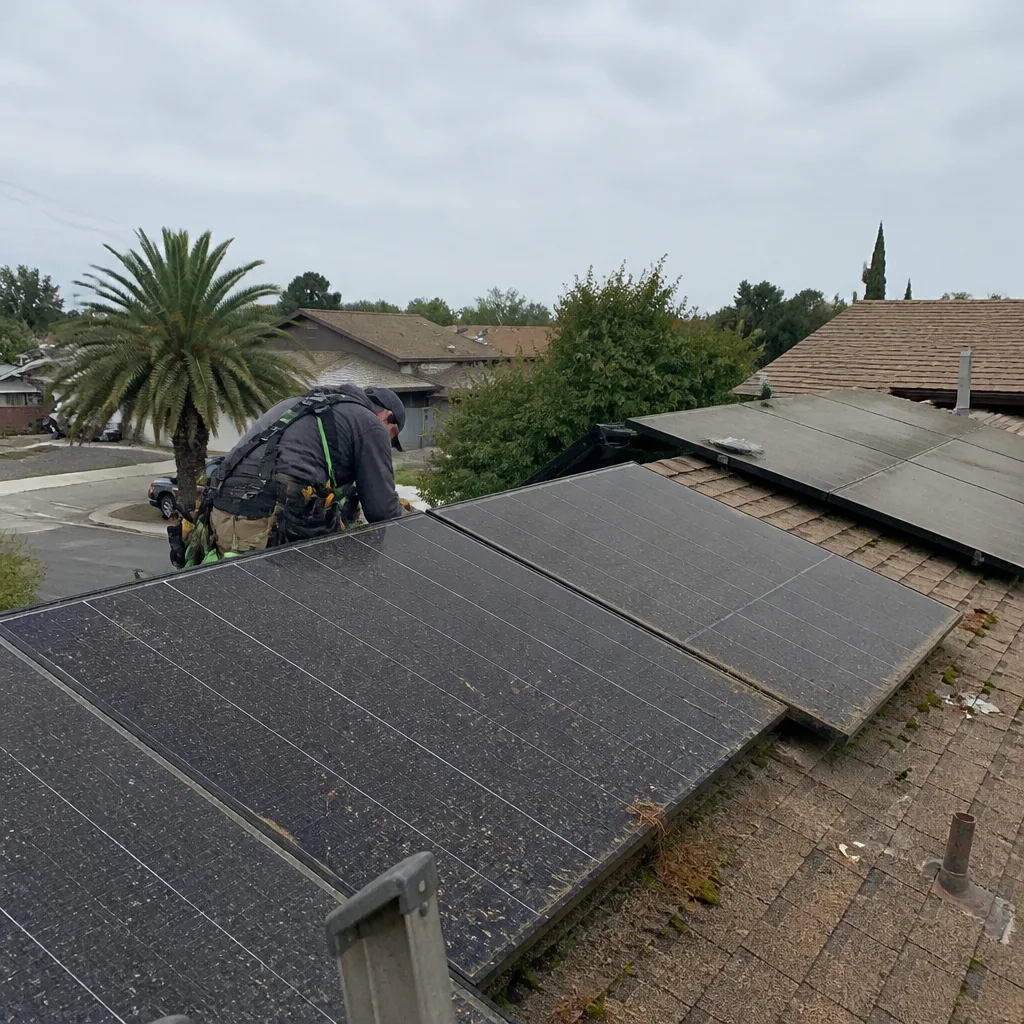 Before
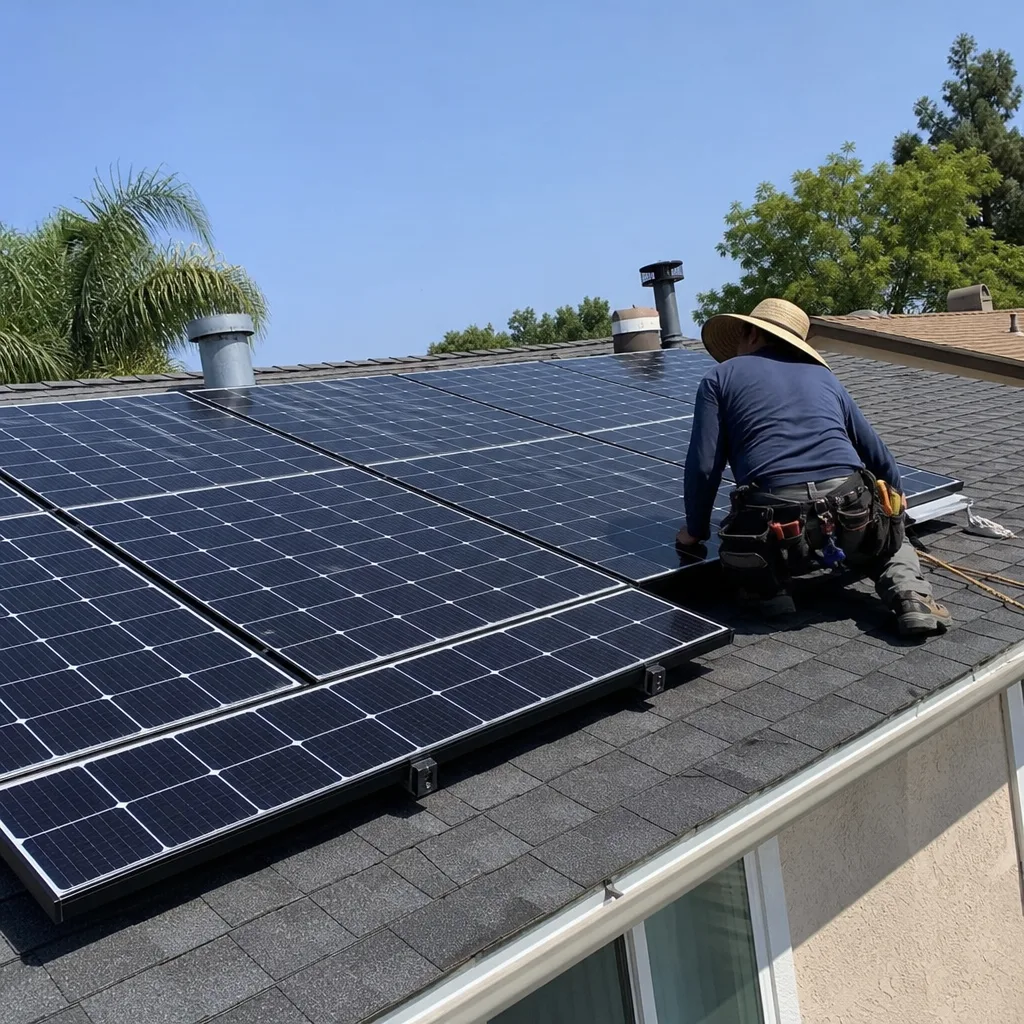 After
After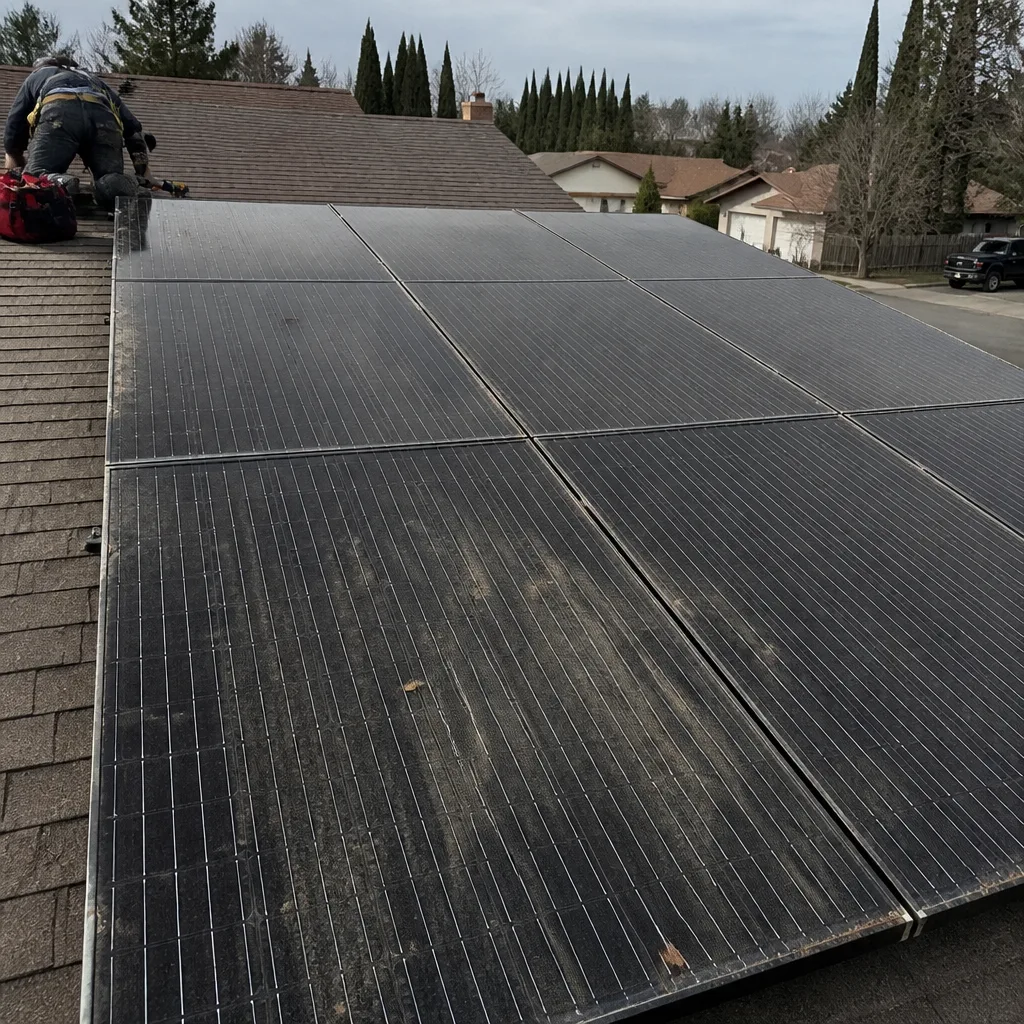 Before
 After
AfterFast, Reliable Commercial Solar Installation Across Manhattan Beach
Commercial solar installation in Manhattan Beach costs between $2.85 and $4.10 per watt for most rooftop and carport projects, which puts a typical 100 kW array at roughly $285,000 to $410,000 before the federal Investment Tax Credit. Gus’s Solar handles the whole job from initial shade analysis through interconnection, and we’re usually on-site in Manhattan Beach within 24 to 48 hours for an assessment. If you own a warehouse, office, or retail property in the 90266 or 90267 zip codes and you’re tired of watching June Gloom eat your production estimates, call (877) 550-6892. We’ll bring real math built off your actual usage, not a brochure number.
Key Takeaways:
- Manhattan Beach commercial arrays need 15-20% more capacity than inland systems because of the coastal marine layer.
- Marine-grade racking is not an upgrade here. It’s the minimum standard within a mile of the water.
- Gus Petrakis owns this company. His name and license are on every job, and he answers his own phone.
- We quote the year-25 output, not the day-one brochure number.
Why Gus’s Solar Is Manhattan Beach’s Preferred Commercial Solar Installation Company
We’ve been installing commercial systems in Manhattan Beach long enough to know that a warehouse off Rosecrans and a retail space on Highland Avenue have very different solar needs. The Rosecrans building contends with late-afternoon shading from the Hill Section slopes. The Highland Avenue space deals with salt spray and constant foot traffic around the storefront. Gus’s crew knows both blocks, and we’ve pulled permits through Manhattan Beach’s building department enough times to know what their plan reviewers look for.
When you call our office, you get a live person. Not a voicemail, not a call center three states away. At 2 a.m. or 2 p.m., someone picks up. That matters when your inverter throws a fault on a Saturday and you’re losing production while the marine layer burns off overhead. Gus Petrakis founded this company in 2011, and his name is on the building, the trucks, and the work. When something needs attention, one call brings Gus back. That’s the 90-Day Done Right Promise, in writing on every commercial job.
We employ our own background-checked, uniformed technicians. The crew you meet at the initial walkthrough is the crew on your roof. We don’t hand work off to subcontractors, and we don’t disappear after the interconnection agreement gets signed. Manhattan Beach property owners tend to verify things: the license, the address, the name on the building. Ours are published. You can check.
For a closer look at how we approach projects like yours, see our Commercial Solar Installation service hub. And for the full picture of what we do across this stretch of the coast, visit our Manhattan Beach city page.
Our Commercial Solar Installation Services in Manhattan Beach
Commercial Rooftop Solar
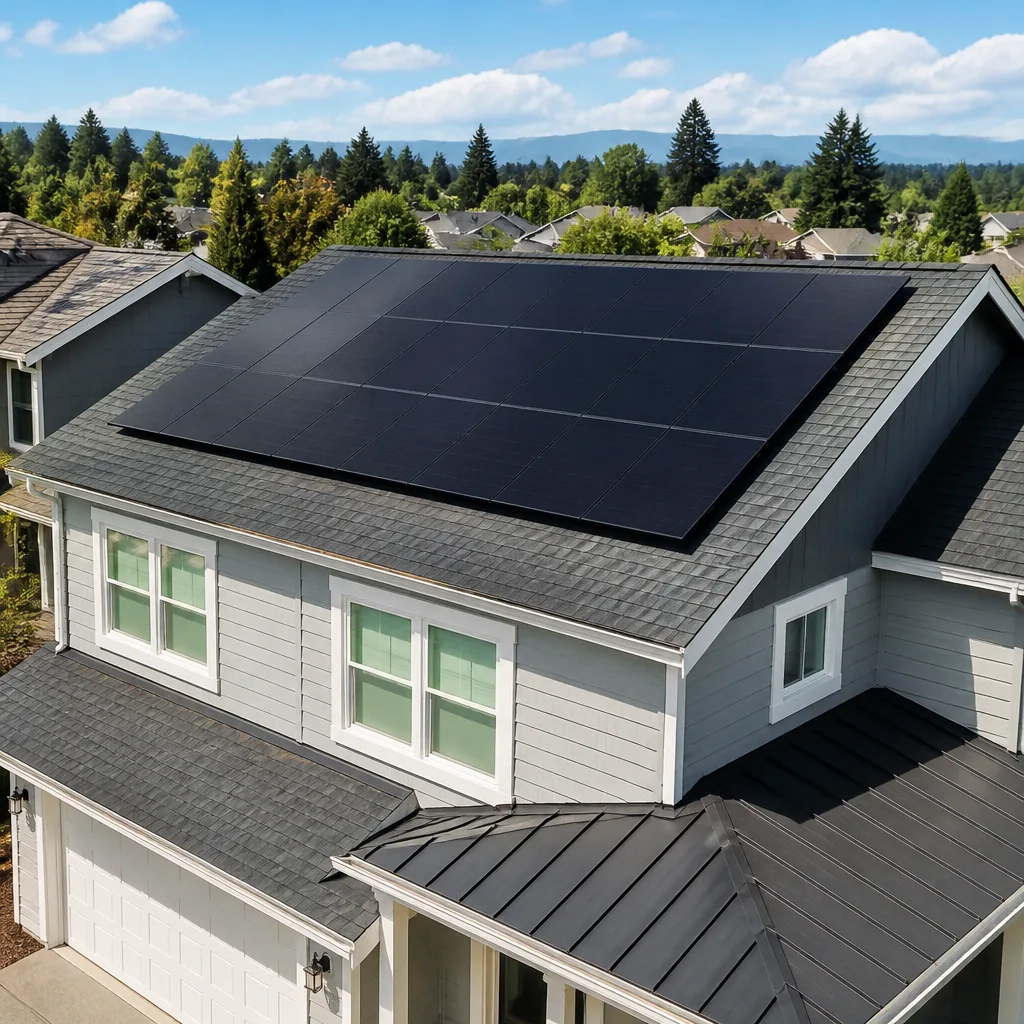
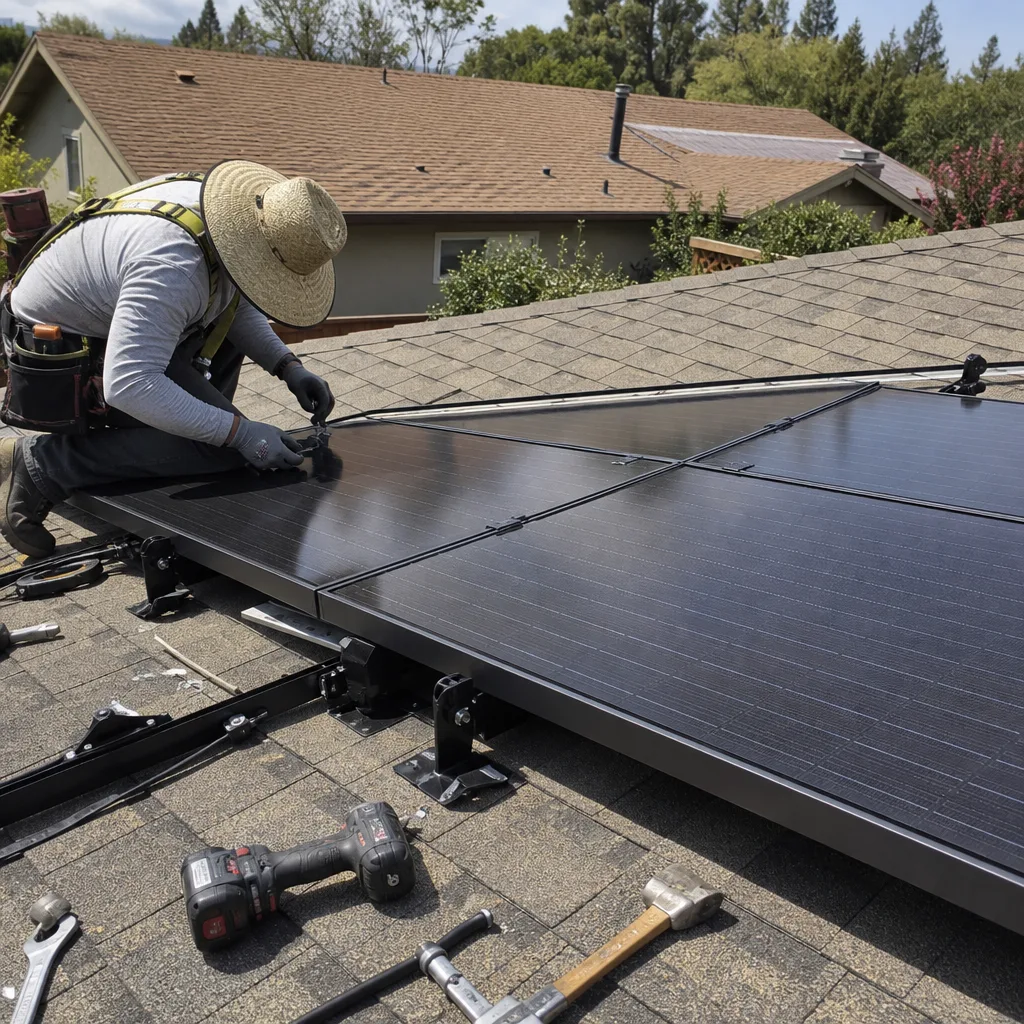
Rooftop arrays are the backbone of commercial solar in Manhattan Beach, and they require more careful engineering here than almost anywhere else in the South Bay. The combination of salt-laden air and the marine layer means we size systems differently than we would for a Torrance warehouse. A 200 kW rooftop array on a Hill Section commercial building off Rosecrans, for example, needs roughly 20% more panel surface area to hit the same annual kWh offset that a comparable building 8 miles inland would get with fewer modules. We account for that on day one, not when your true-up statement arrives in July.
Flat and low-slope roof sections are common on newer three-story commercial builds in Manhattan Beach, and those roofs demand ballasted or mechanically attached racking rated for coastal corrosion. We use anodized aluminum or marine-grade stainless hardware as standard practice within a mile of the ocean. It costs slightly more upfront. Replacing flaking galvanized rails five years later costs far more.
Warehouse & Industrial Solar
Warehouse and industrial properties in the 90266 zip code, particularly along the Rosecrans corridor and the industrial pockets near Sepulveda, have the roof square footage to support meaningful commercial solar. These projects typically pencil out fastest because the buildings run daytime operations that align with solar production windows. But Manhattan Beach’s May Gray and June Gloom suppression means the payback math has to be built on actual coastal irradiance data, not a generic California production model.
Our crew sized a 200 kW rooftop array with Enphase IQ8 commercial microinverters on a warehouse off Rosecrans not long ago. Before we finalized string configurations, we ran a neighbor-parcel shade analysis because a new three-story mixed-use building was about to go up next door. The production estimate had to account not just for the marine layer but also for the new building’s shadow. We added six extra panels and used marine-grade anodized racking to handle the salt air. That’s the kind of thing you only catch if you’re actually looking at the adjacent parcels.
Solar Carport Installation
Solar carports make sense for Manhattan Beach commercial properties where rooftop space is limited, which is common in the more tightly packed sections of the city. A carport array over an employee or customer lot doubles as shade, and it avoids the structural and shading problems that come with older commercial rooflines. Carport projects in Manhattan Beach typically run $3.10 to $4.10 per watt, with the higher end reflecting taller canopies and custom engineering for coastal wind loads.
Carport structures also sidestep one of the biggest headaches we see in this city: rooftop systems on buildings slated for teardown or major renovation. If your Manhattan Beach property might get remodeled in the next decade, a carport array keeps your solar investment portable and your production stable.
Commercial Battery Storage
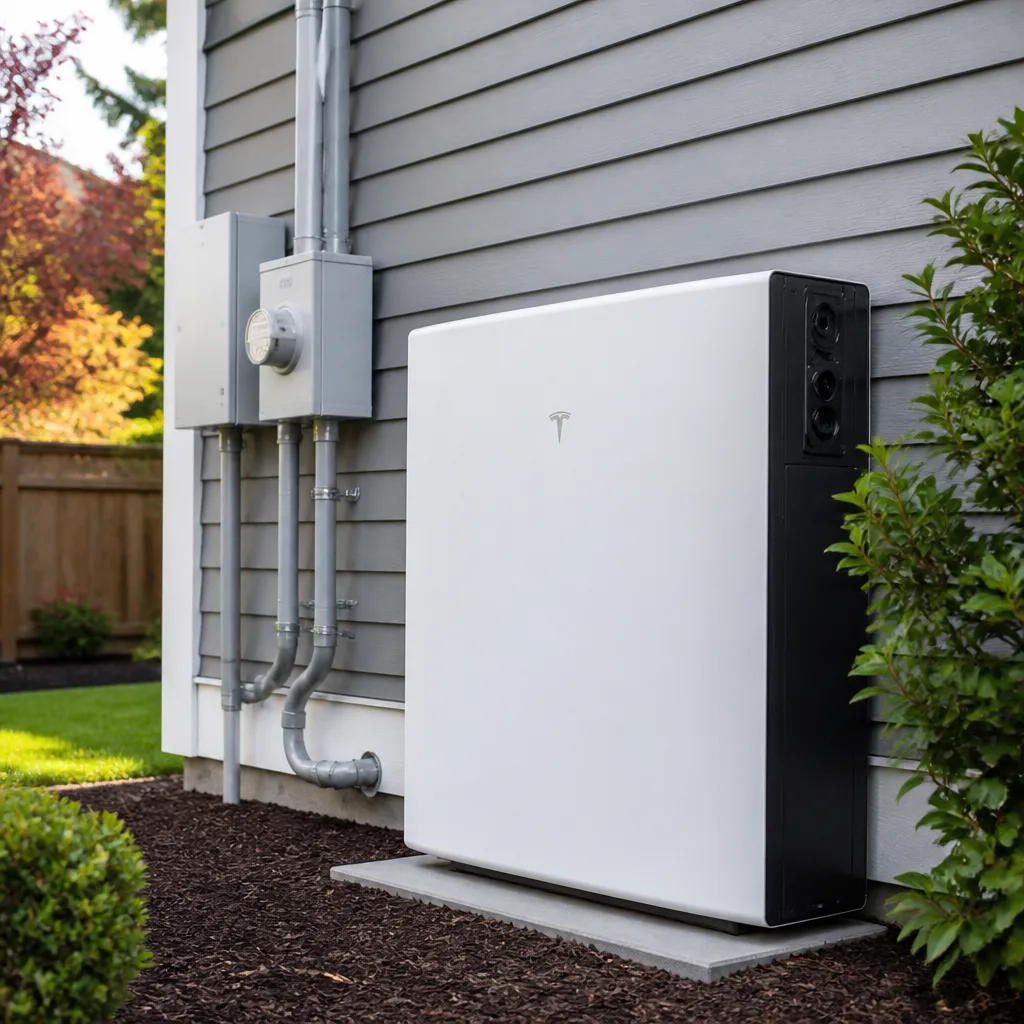
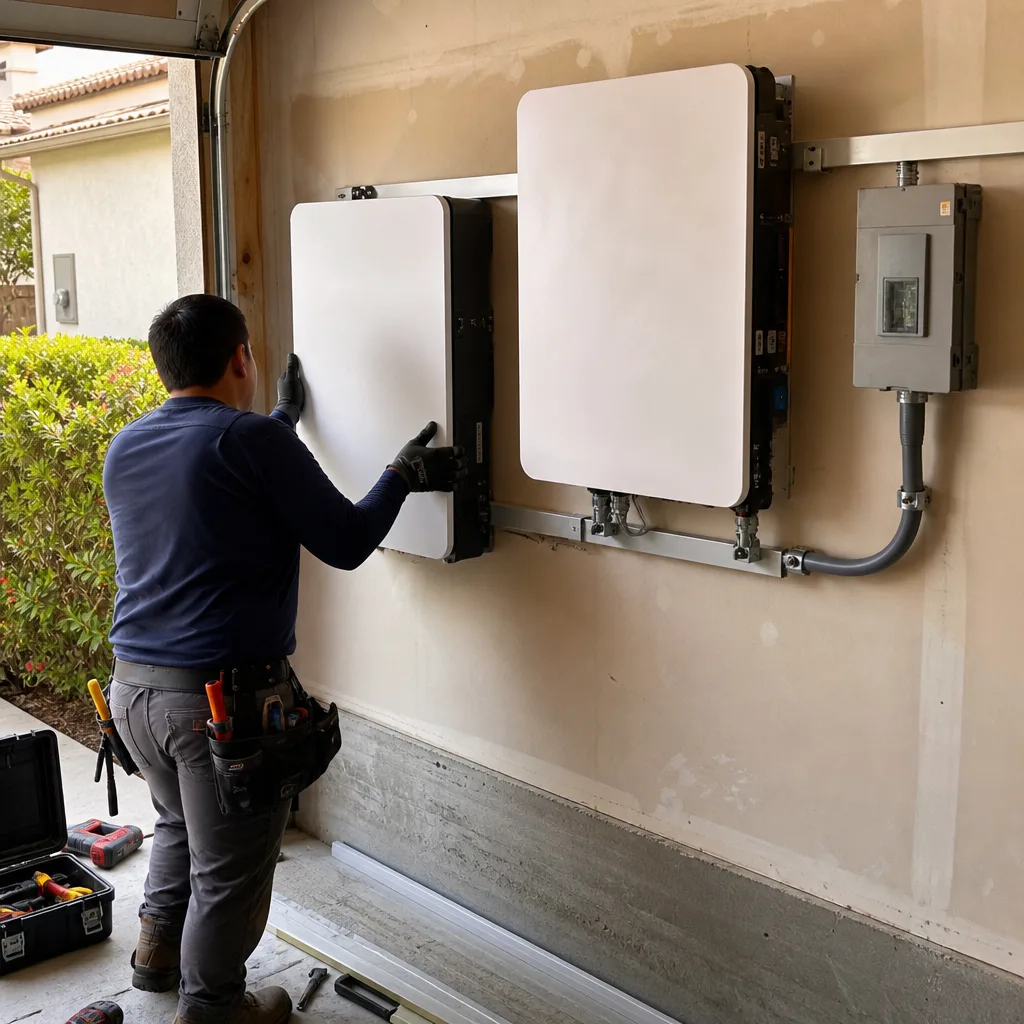
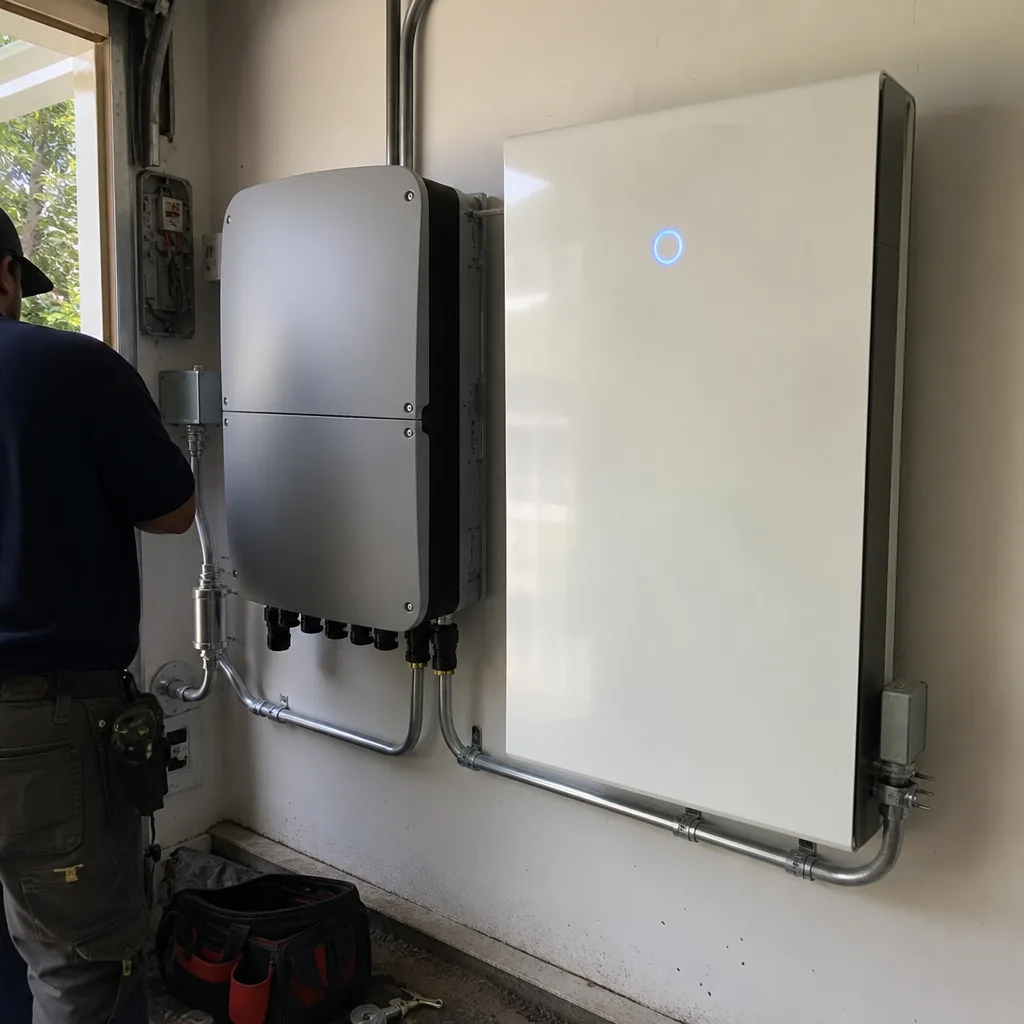
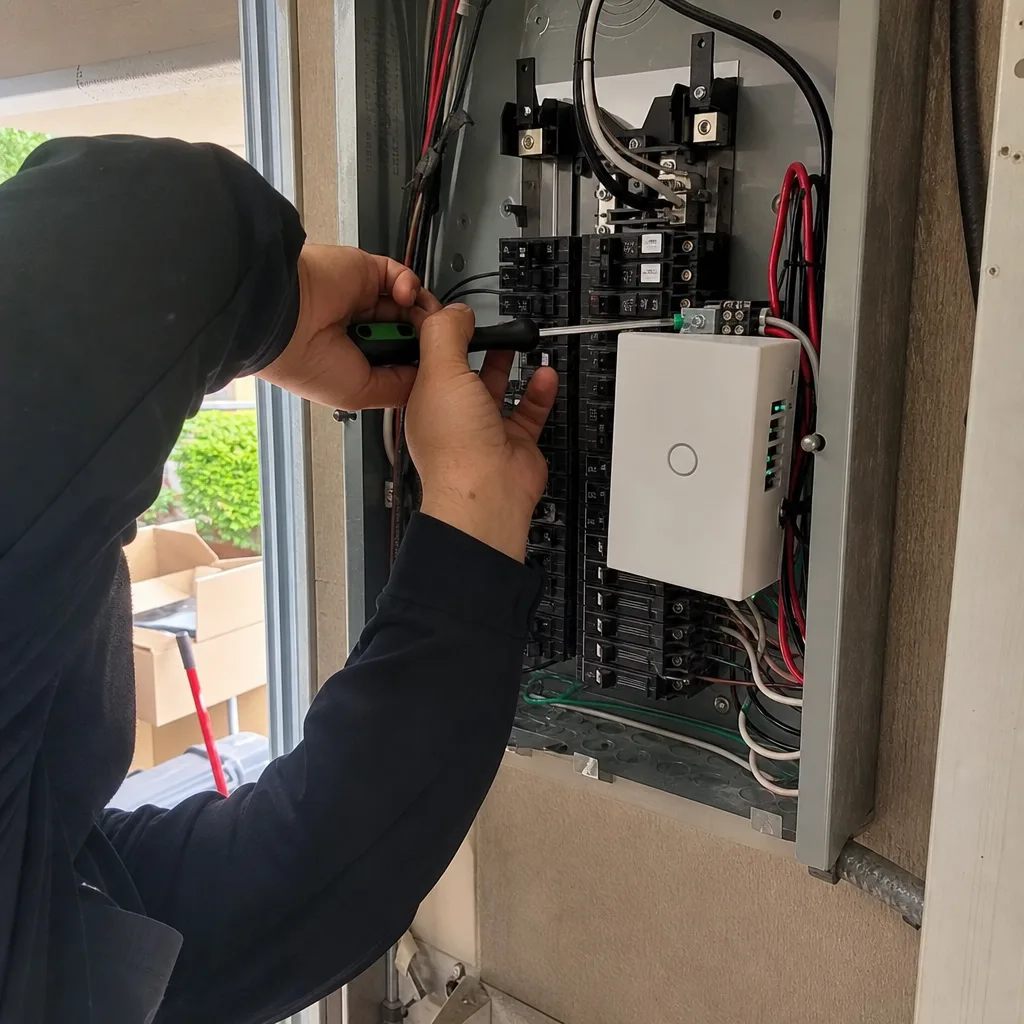
Battery storage is not an upsell for Manhattan Beach commercial clients. For many of them, it’s the difference between a solar array that pencils out and one that doesn’t. The marine layer suppresses midday production during the exact months when coastal businesses are running their HVAC hard. A properly sized battery bank from FranklinWH or Tesla lets a commercial building store morning production and discharge through the foggy afternoons. That shifts usable solar energy into the hours when the building actually needs it, and it protects against demand charges that hammer businesses during peak-rate windows.
Battery storage also gives Manhattan Beach commercial owners a hedge against the teardown-and-rebuild cycle that defines this city’s real estate market. When a neighboring parcel gets redeveloped and introduces new shading, a battery system lets your existing array store what it does produce, rather than bleeding it straight to the grid at a bad export rate.
What happens when you call
- 1
A real person answersNo phone trees - you reach a local pro.
- 2
You get an upfront price rangeHonest numbers before anyone is dispatched.
- 3
A background-checked tech heads outLicensed & insured, dispatched right away.
- 4
You approve before work beginsNothing starts until you say go.
Trusted Brands We Service in Manhattan Beach
We work with equipment that’s built for coastal conditions and long production horizons. Tesla, Enphase, SolarEdge, Panasonic, Qcells, REC, and FranklinWH are all in our service rotation. For Manhattan Beach commercial projects, we lean on Enphase microinverters for shaded or complex rooftops and SolarEdge optimized strings for clean, open roof planes. When a commercial battery is part of the design, FranklinWH and Tesla Powerpack-scale systems are what we quote most often because they handle the daily cycling that coastal marine-layer compensation demands. If you’ve got an existing system from any major manufacturer, we service it. Parts for common Manhattan Beach setups are stocked locally at our Los Angeles office, which means faster turnaround when something does fail.
One note worth making: the brand matters less than the sizing and the racking. A premium panel on corroding galvanized rails is a bad system. A mid-tier panel on marine-grade anodized aluminum with honest coastal production modeling will outperform it every year for 25 years. We quote the year-25 output, not the day-one brochure number.
Common Commercial Solar Installation Problems We See in Manhattan Beach Homes
Manhattan Beach’s building stock creates a specific set of failure modes for commercial solar. Here’s what we see most often:
- Undersizing for June Gloom: An installer who doesn’t factor Manhattan Beach’s 15-20% marine-layer production loss leaves a commercial client with a true-up statement shock every July. The system was sized for a generic California production profile, and the math never works. We’ve had to add panels to systems that were installed by out-of-town crews three or four years prior.
- Corroding galvanized racking within a mile of the beach: Salt-laden air chews through standard galvanized rails faster than most property owners expect. We’ve pulled failed systems where the inverter is fine but the rails are flaking and the clamps are failing. Within a mile of the Santa Monica Bay shoreline, marine-grade anodized aluminum or stainless steel is the practical floor, not an option.
- Neighbor-parcel shading that wasn’t modeled: In the Sand Section and the commercial strips around it, a teardown two doors down can cut a system’s production by 10% within a year. Commercial arrays are usually on larger roofs with fewer adjacent buildings, but Manhattan Beach’s redevelopment cycle moves fast. If the original installer didn’t run a shade-impact analysis on adjacent parcels, the production estimate is already stale.
- Flat roof penetrations failing in the salt air: Low-slope commercial roofs need flashed and sealed penetrations that can handle marine corrosion. We’ve seen membrane damage from improper flashing on coastal commercial buildings, where the salt accelerates degradation around the penetration points. Our crew flashes every penetration properly, and it’s checked before we walk away.
Pricing for Commercial Solar Installation in Manhattan Beach, CA
Here’s what commercial solar actually costs in Manhattan Beach, based on the projects we’ve quoted and built in this market:
| System Type | Typical Cost per Watt | Example (100 kW system) |
|---|---|---|
| Commercial Rooftop Solar (flat or low-slope) | $2.85 - $3.40 | $285,000 - $340,000 |
| Warehouse & Industrial Solar | $2.75 - $3.25 | $275,000 - $325,000 |
| Solar Carport Installation | $3.10 - $4.10 | $310,000 - $410,000 |
| Commercial Battery Storage (per kWh added) | $850 - $1,200/kWh | $85,000 - $120,000 for 100 kWh |
What pushes a Manhattan Beach project toward the higher end? It’s usually one of three things: marine-grade racking (necessary, not optional), an undersized system that has to be oversized to compensate for the marine layer, or structural reinforcement on an older commercial roof. What doesn’t affect the price: how busy our calendar is or whether you sign tonight. Take two weeks. Think about it. The price will be the same. Call (877) 550-6892 and bring us a bill. We’ll bring you the math.
We Also Serve Cities Near Manhattan Beach
Gus’s Solar handles commercial installations throughout the South Bay, including Redondo Beach, Rolling Hills Estates, Palos Verdes Estates, and Torrance. The marine layer and salt air are realities up and down this coast, and our crews know the local permit offices and utility requirements in each jurisdiction. If your commercial property is a few miles from Manhattan Beach, the same coastal-sizing logic applies.
Serving Manhattan Beach, CA - Our Local Coverage Area
We’re based in the Manhattan Beach area and know this community well. Use the map below to see our service coverage - if you’re nearby, we can almost certainly help.
FAQs - Commercial Solar Installation in Manhattan Beach
Manhattan Beach’s June Gloom typically reduces commercial solar production by 15-20% from May through July compared to inland systems in Torrance or Gardena, which means the array must be oversized by that same margin to hit the same annual kilowatt-hour offset. If you don’t account for it, your payback period stretches by several years. A properly sized system, modeled on coastal irradiance data rather than a generic California average, lands on roughly the same payback window as an inland installation: 5 to 8 years for most commercial rooftops after the federal tax credit. Call (877) 550-6892 and we’ll run the numbers off your actual usage.
Yes, if your building is within a mile of the ocean, which covers most of Manhattan Beach’s commercial property in the 90266 and 90267 zip codes. Salt-laden air corrodes standard galvanized racking within a few years, and we’ve pulled failed systems where the rails were flaking while the inverter was still running fine. Marine-grade anodized aluminum or stainless steel hardware is the standard we install on coastal commercial jobs.
Yes, commercial solar customers in Manhattan Beach can use net metering through Southern California Edison under the current NEM 3.0 structure, though export credits are lower than they were under previous programs. That’s one reason commercial battery storage has become a smarter companion to solar for Manhattan Beach businesses: storing production and using it on-site often beats exporting it at NEM 3.0 rates. We’ll walk you through the real math on both options.
A neighboring teardown and rebuild can introduce shading that didn’t exist when your system was permitted, cutting production by 10% or more within a year or two of installation. In Manhattan Beach, where the redevelopment cycle is constant, this is a real risk. We run shade-impact analyses on adjacent parcels before finalizing string configurations so the production estimate accounts for what’s coming, not just what’s there today. If a new shadow does appear after installation, we can rework string layouts or add capacity as needed.
For most Manhattan Beach warehouses, a high-wattage mono PERC panel from REC, Qcells, or Panasonic paired with Enphase IQ8 microinverters or SolarEdge optimizers is the right call. The panel itself matters less than the coastal production modeling and marine-grade racking underneath it. We choose panels with strong low-light performance ratings because Manhattan Beach’s marine layer suppresses peak irradiance during the months when the system should be producing the most.
Get a Straight Answer on Commercial Solar in Manhattan Beach
If you own a commercial property in Manhattan Beach and you want a real number built off your actual utility bill, call (877) 550-6892. Gus Petrakis answers his own phone, and he’ll tell you the truth even when it’s not what you wanted to hear. That’s how this company has operated since 2011. Free estimate, no signature wanted tonight, and no pressure to commit before you’ve had time to think. If a salesman needs an answer tonight, the answer is no. Our door’s open whenever you’re ready.
Written by Gus Petrakis, Owner at Gus’s Solar, serving Manhattan Beach, CA.