
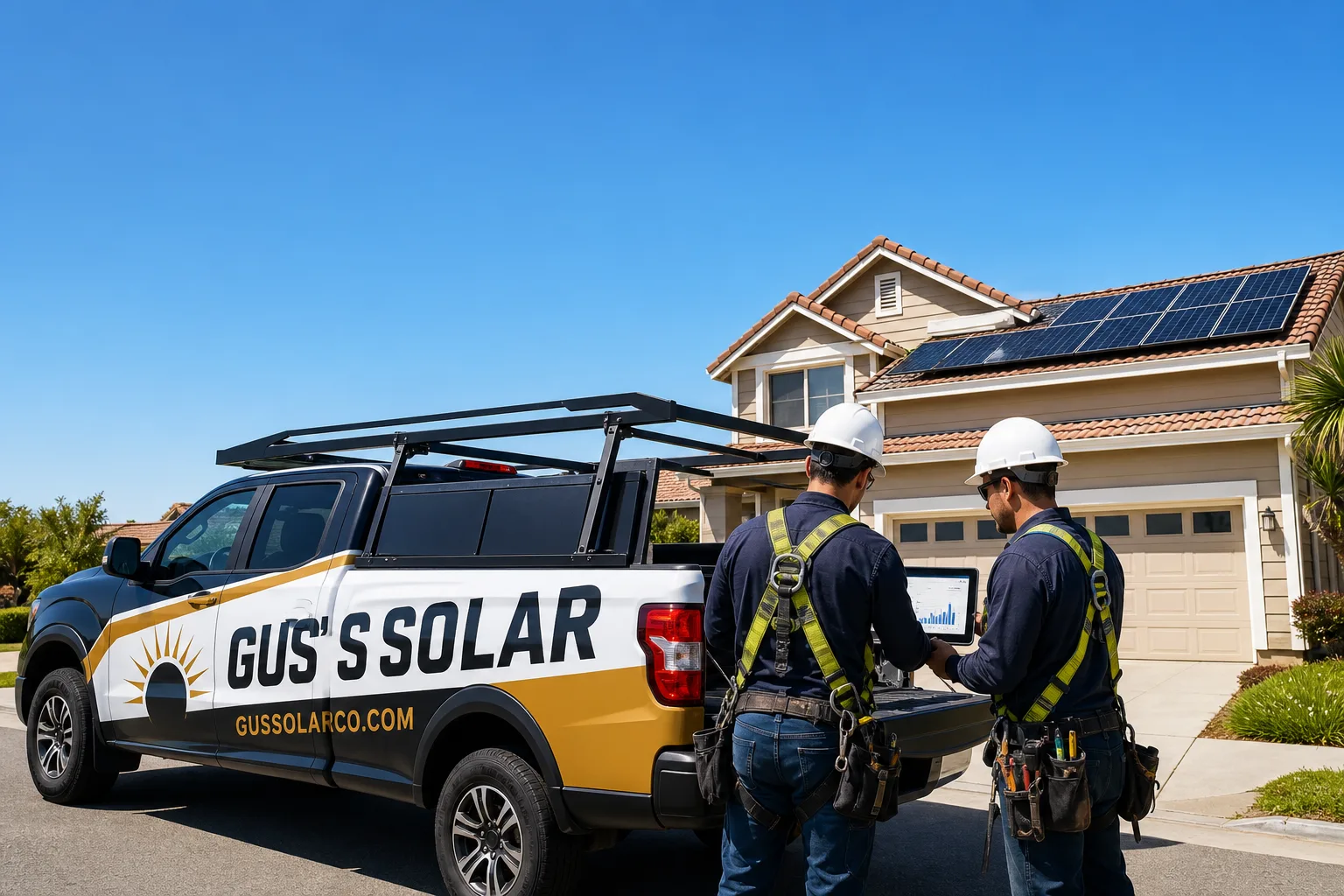
Free bill analysis - bring a power bill, get the production math for your actual roof, panel brands like Qcells and REC compared side by side
If the pitch starts at your door and ends with "sign tonight for the special," sleep on it. The sun will still be there tomorrow; so will we.
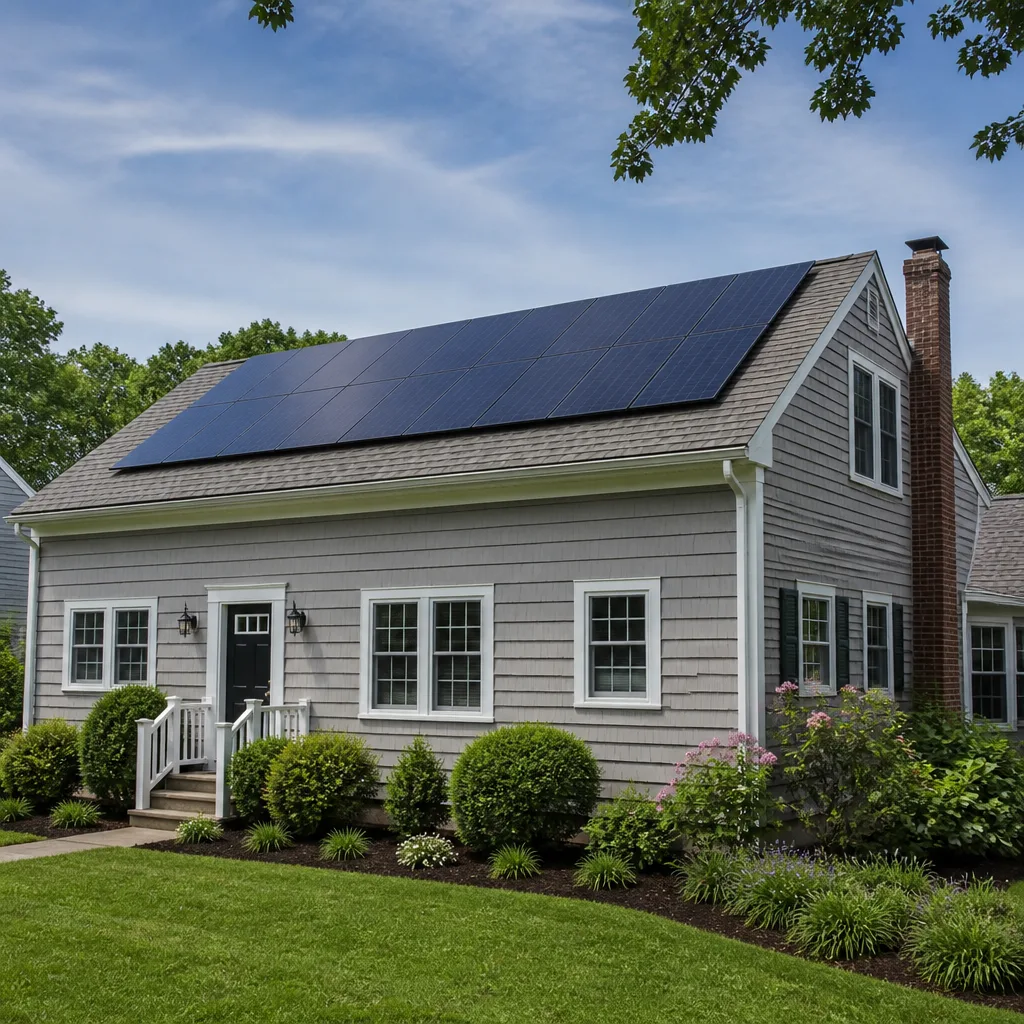
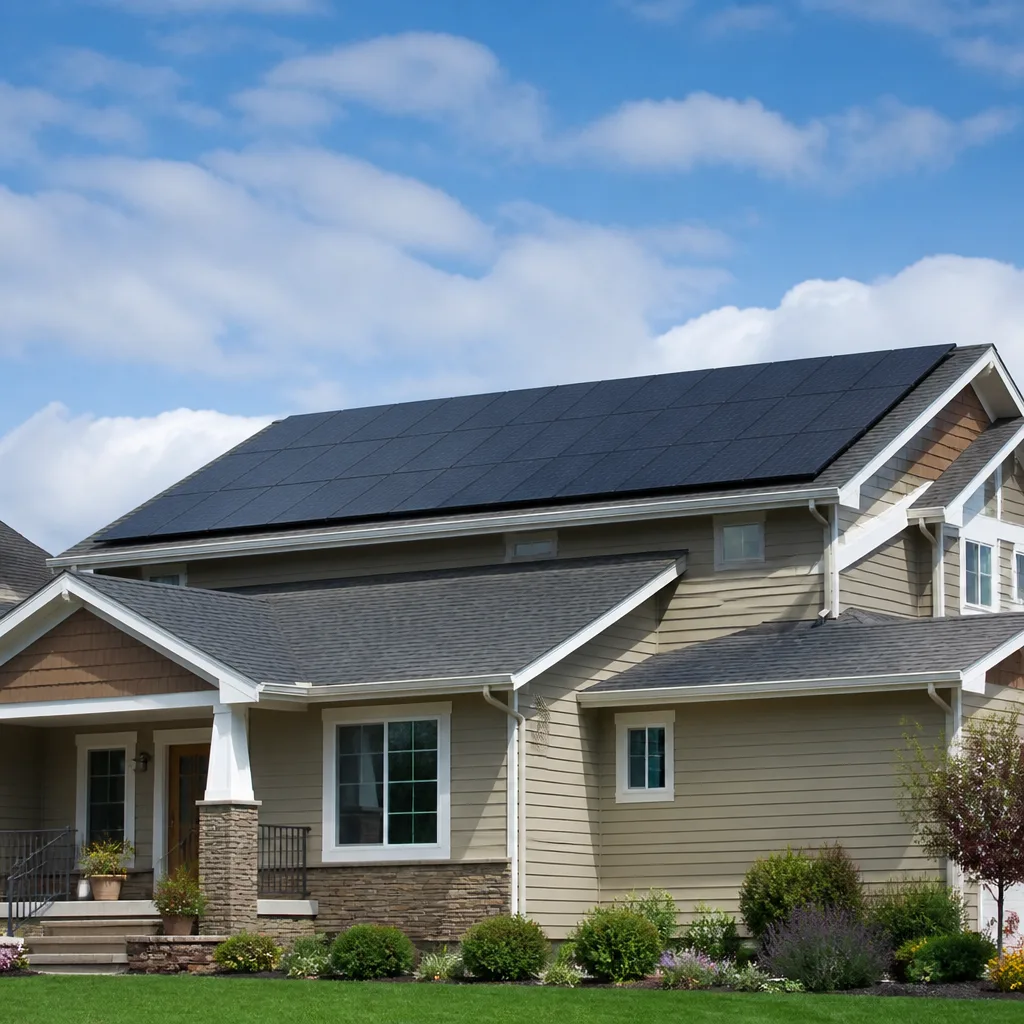
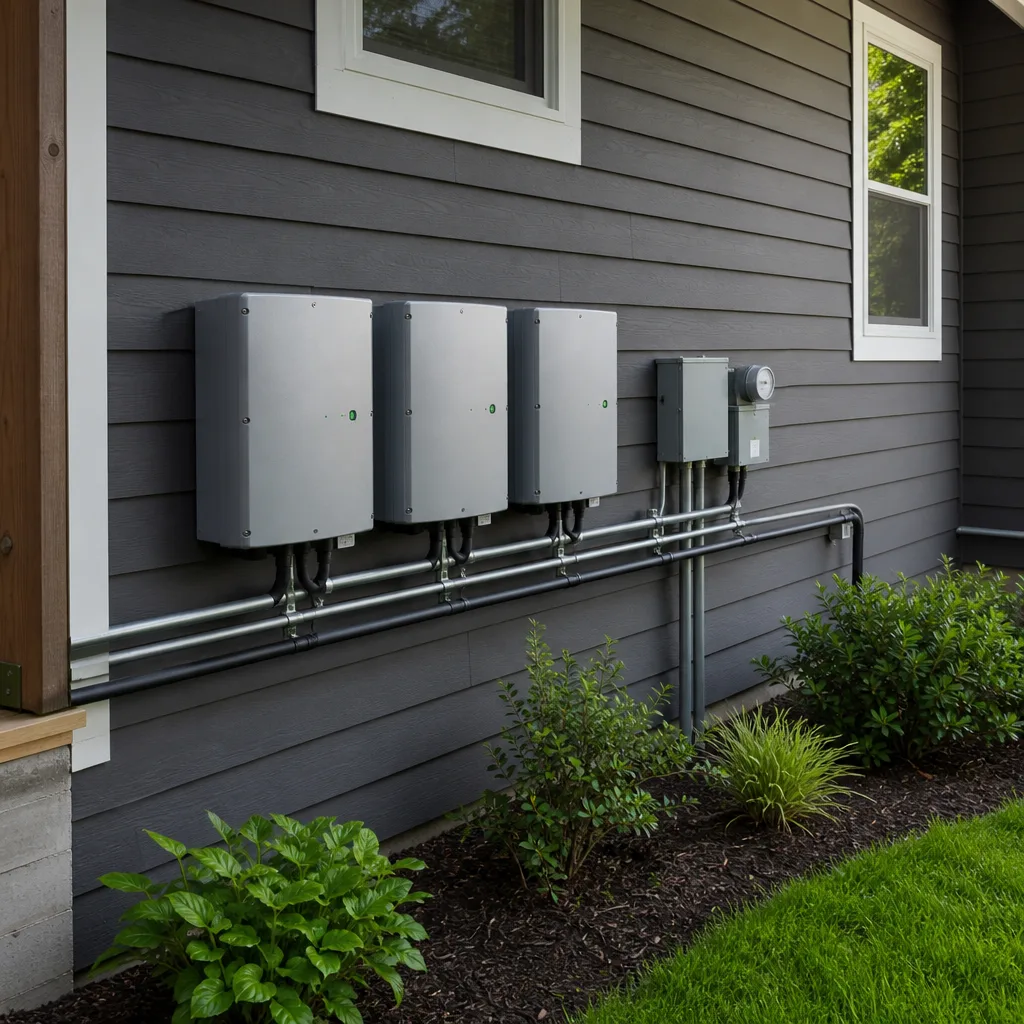
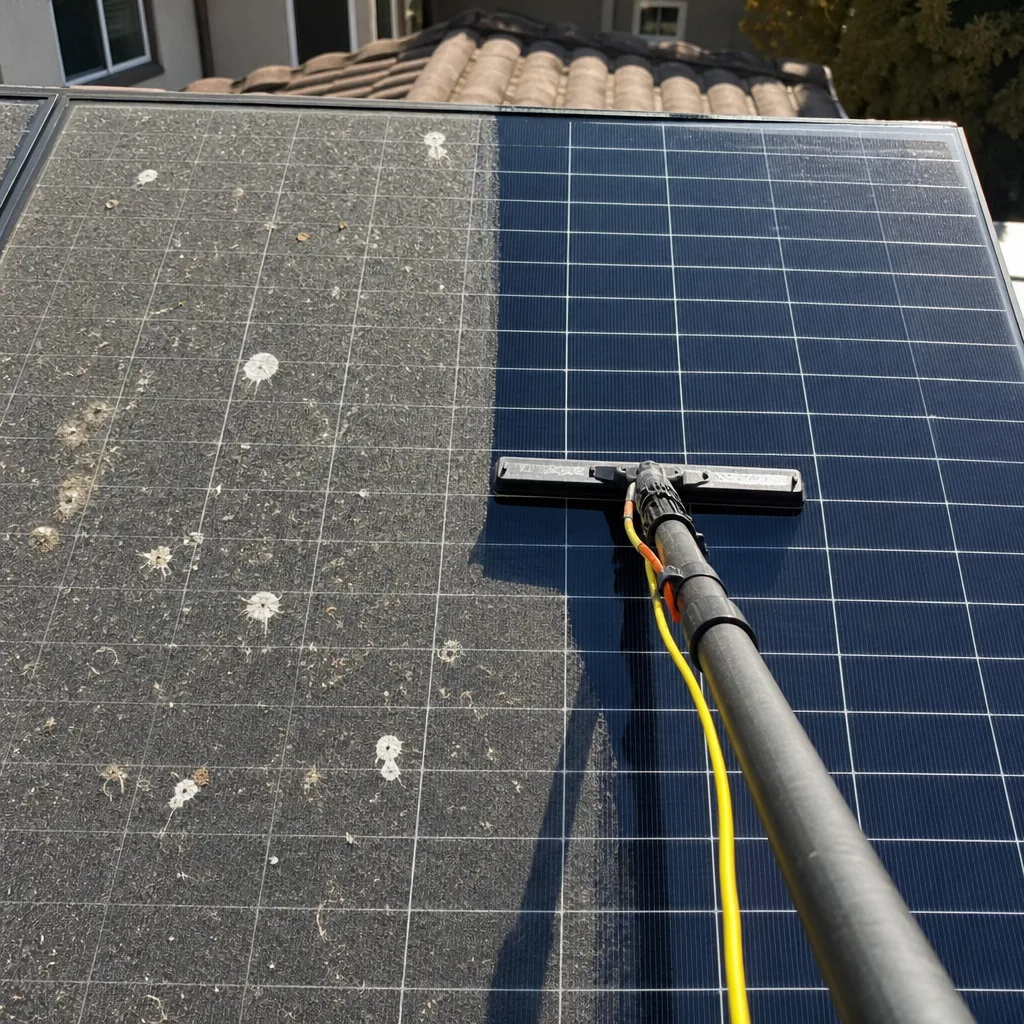
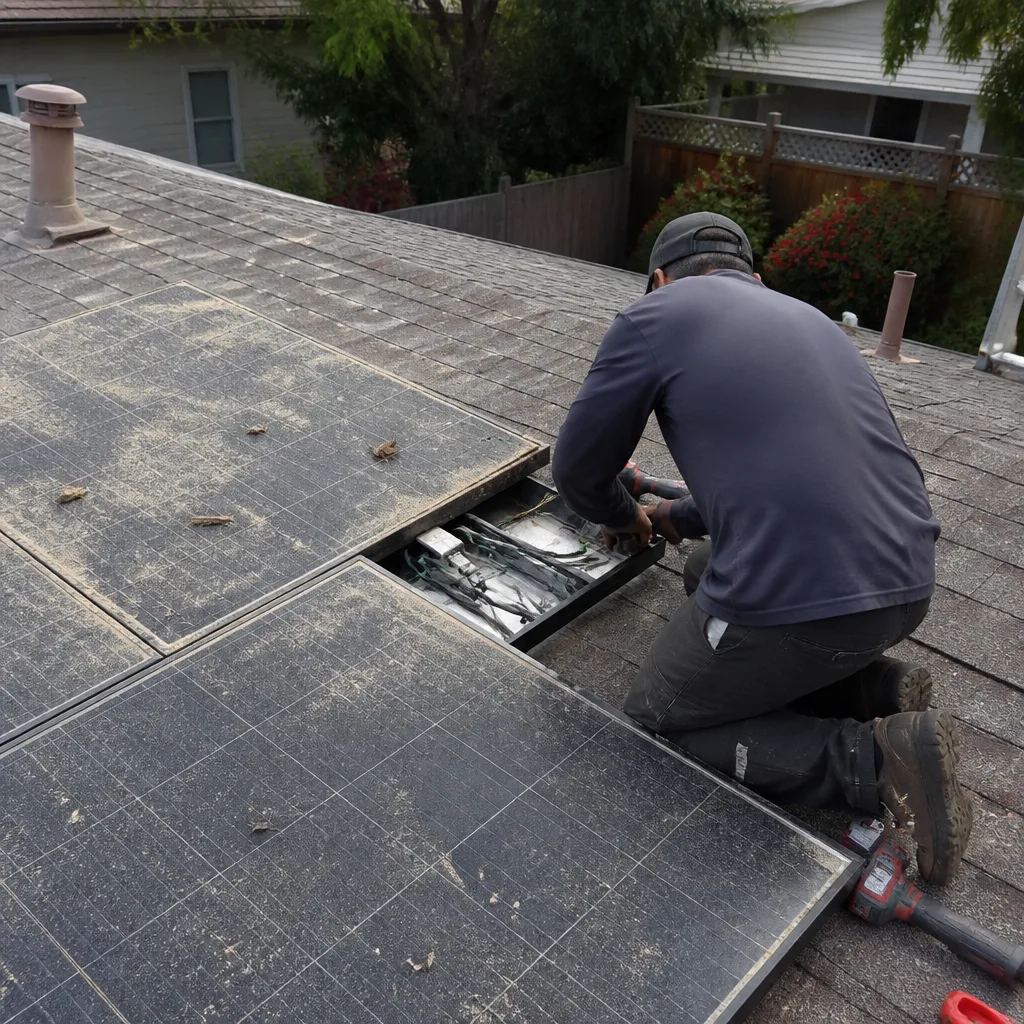 Before
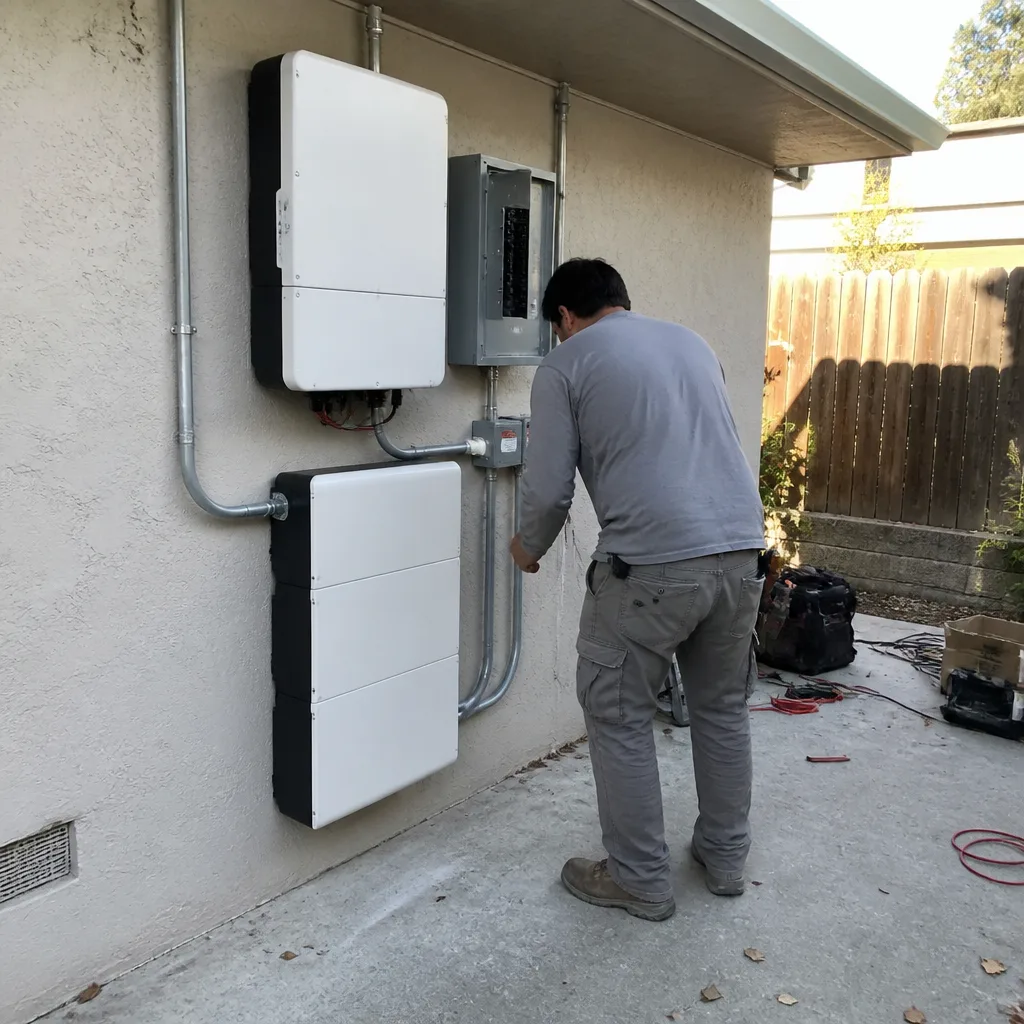 After
After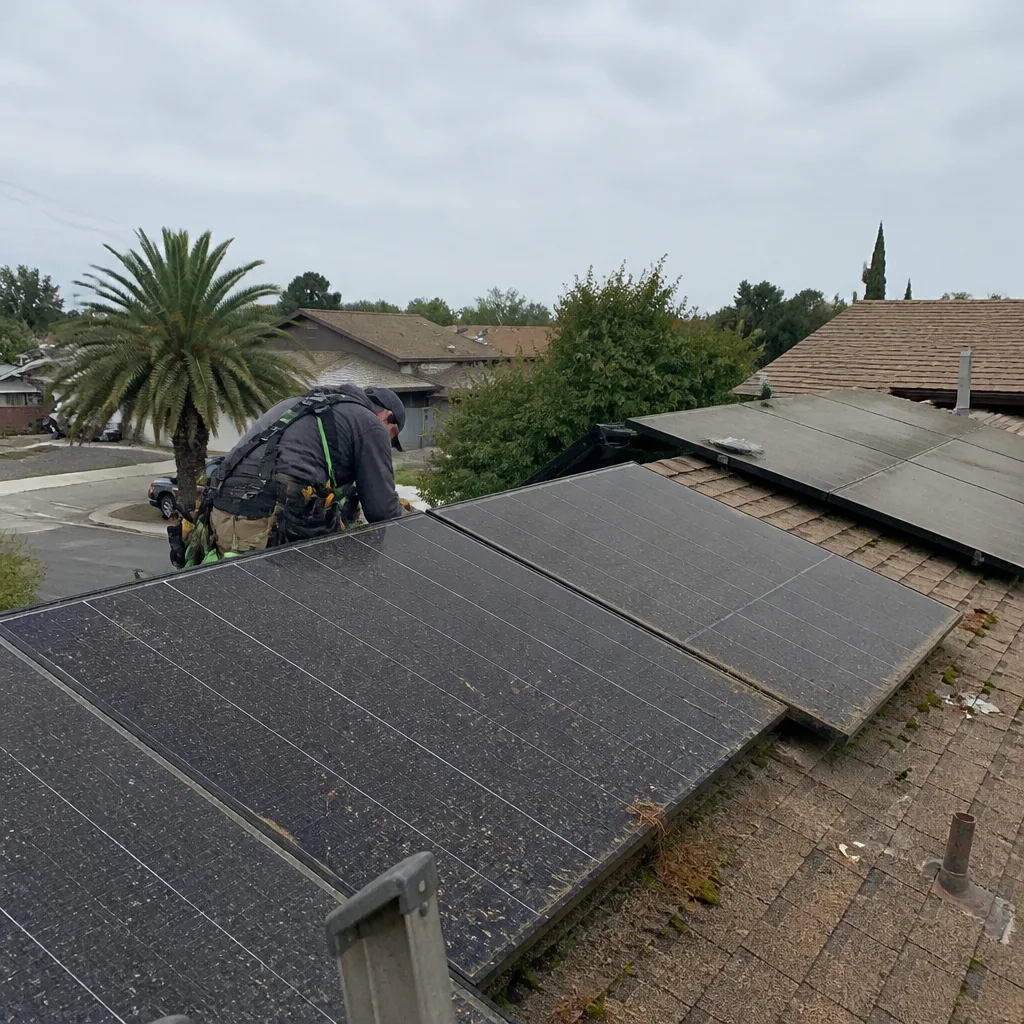 Before
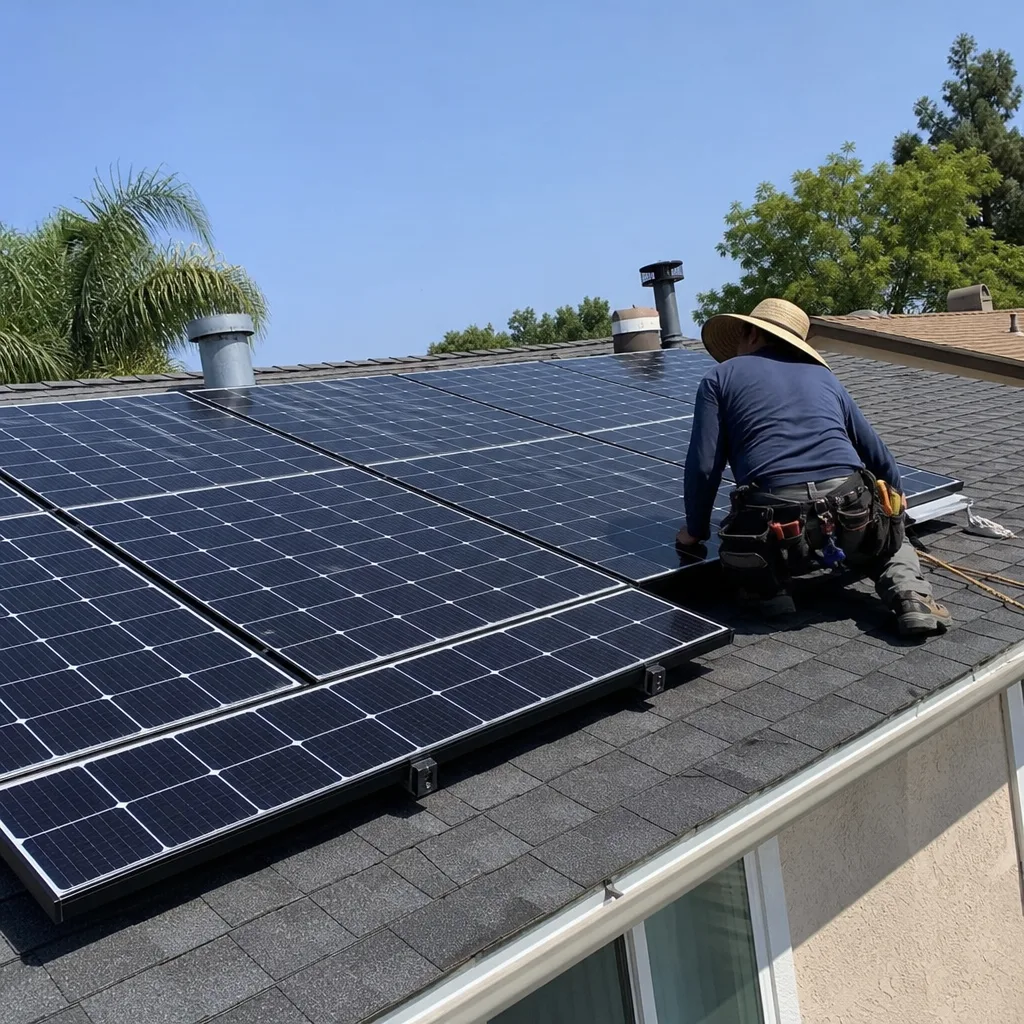 After
After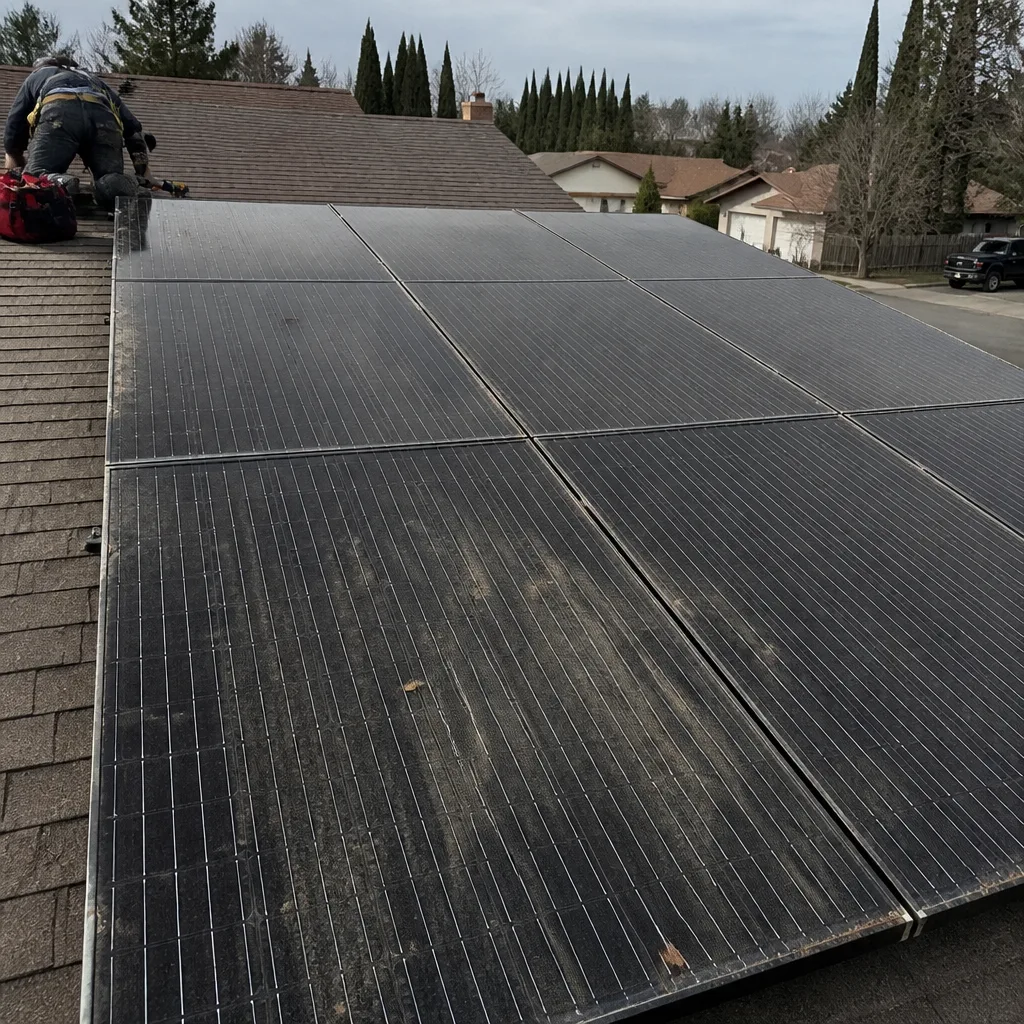 Before
 After
AfterFast, Reliable Commercial Solar Installation Across Torrance
Commercial solar in Torrance means one thing more than anything else: sizing for the marine layer. A rooftop system that looks right on paper using inland solar-hours data will underproduce 20-30% from May through July because of how long the coastal cloud cover lingers over this part of the South Bay. We build that derate factor into every proposal we write for a Torrance address. If you own or manage a commercial building here, call us at (877) 550-6892 and we’ll come out, read your actual usage, and give you numbers that hold up against your utility bill.
Gus Petrakis founded this company in 2011, and his name is on the truck, the building, and every job we complete. We’re not a sales org that hands your project to a sub crew we’ve never met. The team that quotes your system is the team that installs it, and the guy who answers the phone is the guy who owns the place.
Why Gus’s Solar Is Torrance’s Preferred Commercial Solar Installation Company
We’ve spent years working on commercial rooftops across Torrance, from the warehouse rows near 90501 down to the office parks and retail buildings around the Del Amo corridor in 90503. We know which roofs in Southwood and North Torrance were framed in the 1960s and can carry a ballasted array without structural upgrades, and which ones need a structural review before we even spec the racking. That kind of local knowledge doesn’t show up in a door-to-door pitch.
Every job we do in Torrance carries the 90-Day Done Right Promise in writing. If something isn’t right, Gus comes back and makes it right. That’s not a marketing line; it’s the standard we’ve operated under since day one. We also answer the phone with a live person, 24/7. No ticket queue, no call center three states away. When you call about your Torrance building, you get someone who knows exactly where your job stands.
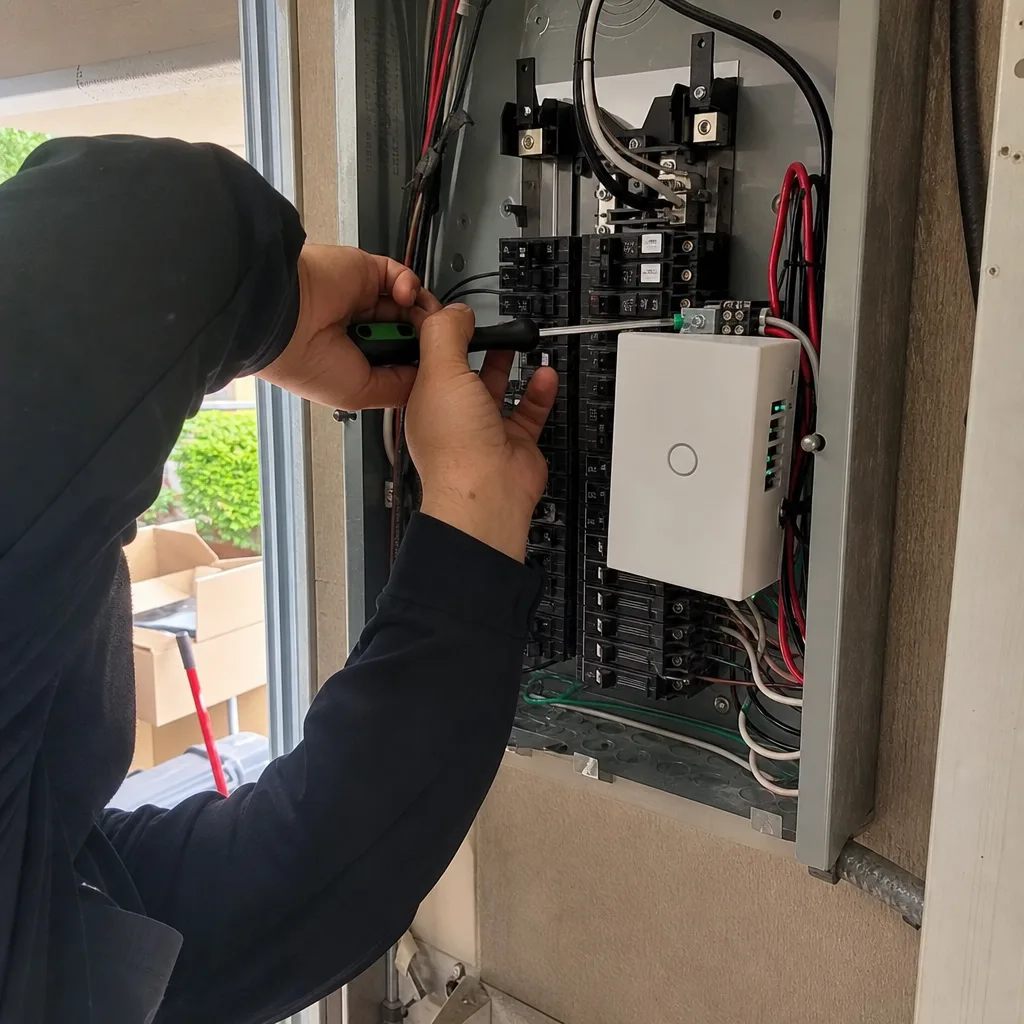
Our Commercial Solar Installation team handles everything from the first site walk to the interconnection paperwork with Torrance Building & Safety. We’ve been through their plan-check process enough times to know what gets flagged and what sails through, and we submit accordingly. That saves you weeks on the permit timeline.
Our Commercial Solar Installation Services in Torrance
Torrance commercial properties come in a lot of shapes: 1950s ranch-style office buildings, 1970s concrete-tilt warehouses, newer retail centers around Del Amo Fashion Center, and light industrial parks tucked along Western Avenue. Each one needs a different approach to solar, and we do all of it.
Commercial Rooftop Solar
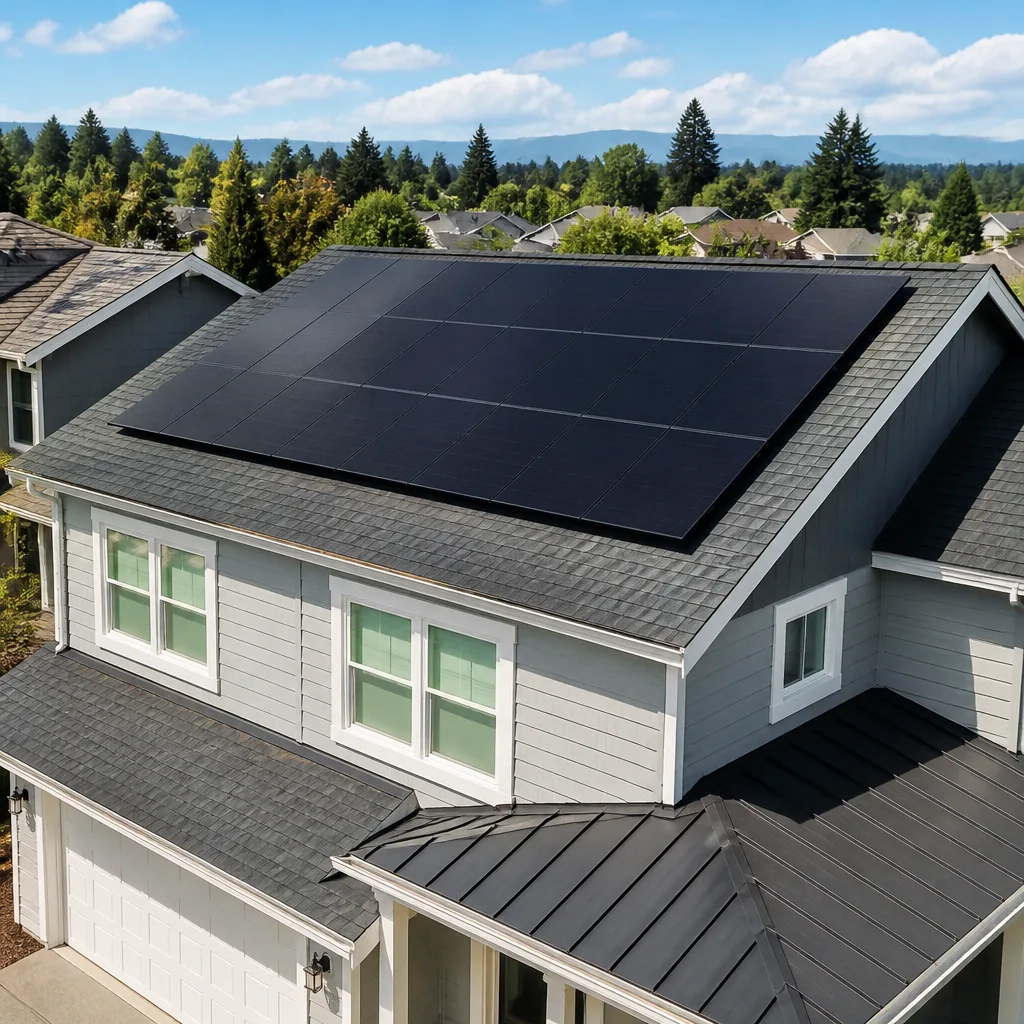
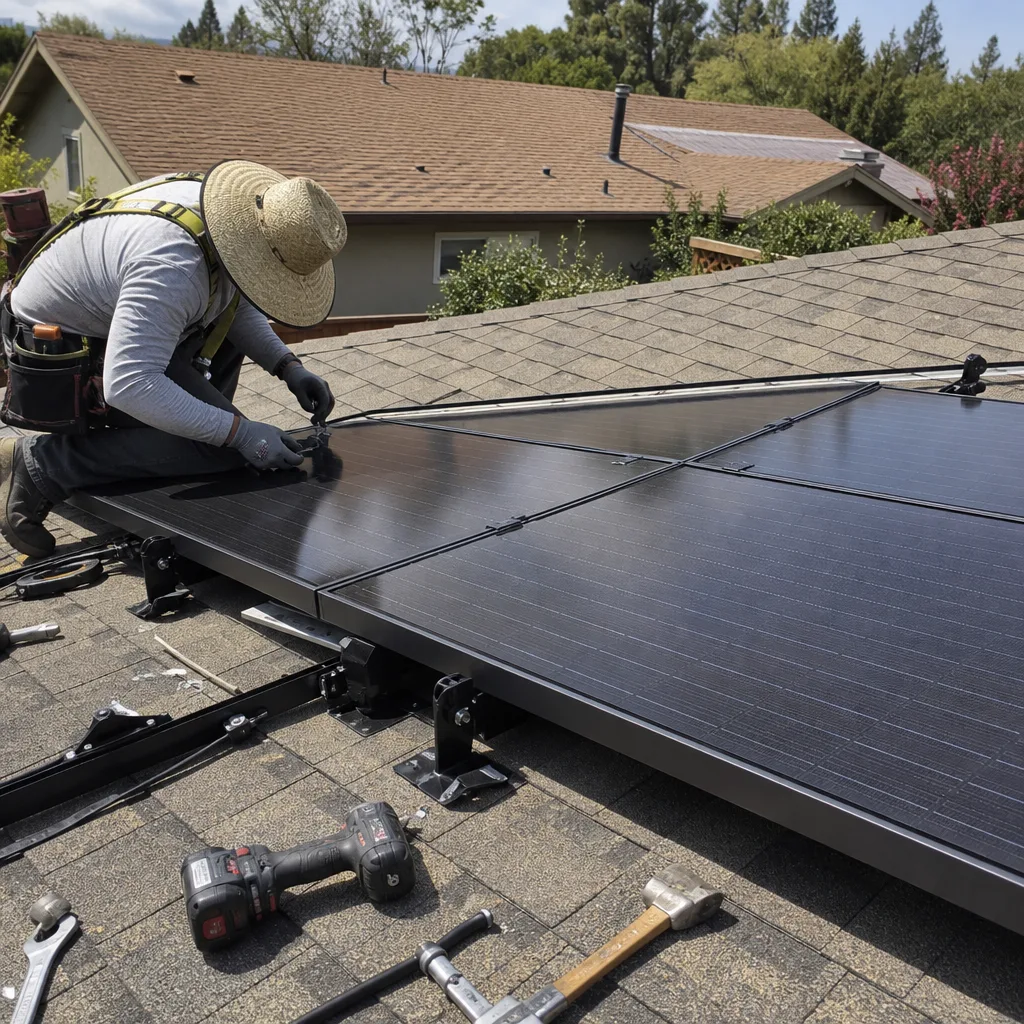
This is the bulk of what we do in Torrance. The wide, low-pitched roofs on the older commercial stock here in 90501 and 90504 give us excellent south-facing planes for panel placement. We’ve installed systems on everything from small medical office buildings to 40,000-square-foot distribution centers, and we always correct for the coastal derate factor before we finalize the system size. Panels from Qcells and REC are our most common commercial rooftop picks because they hold their output well in the diffuse light conditions we get during June Gloom.
Warehouse & Industrial Solar
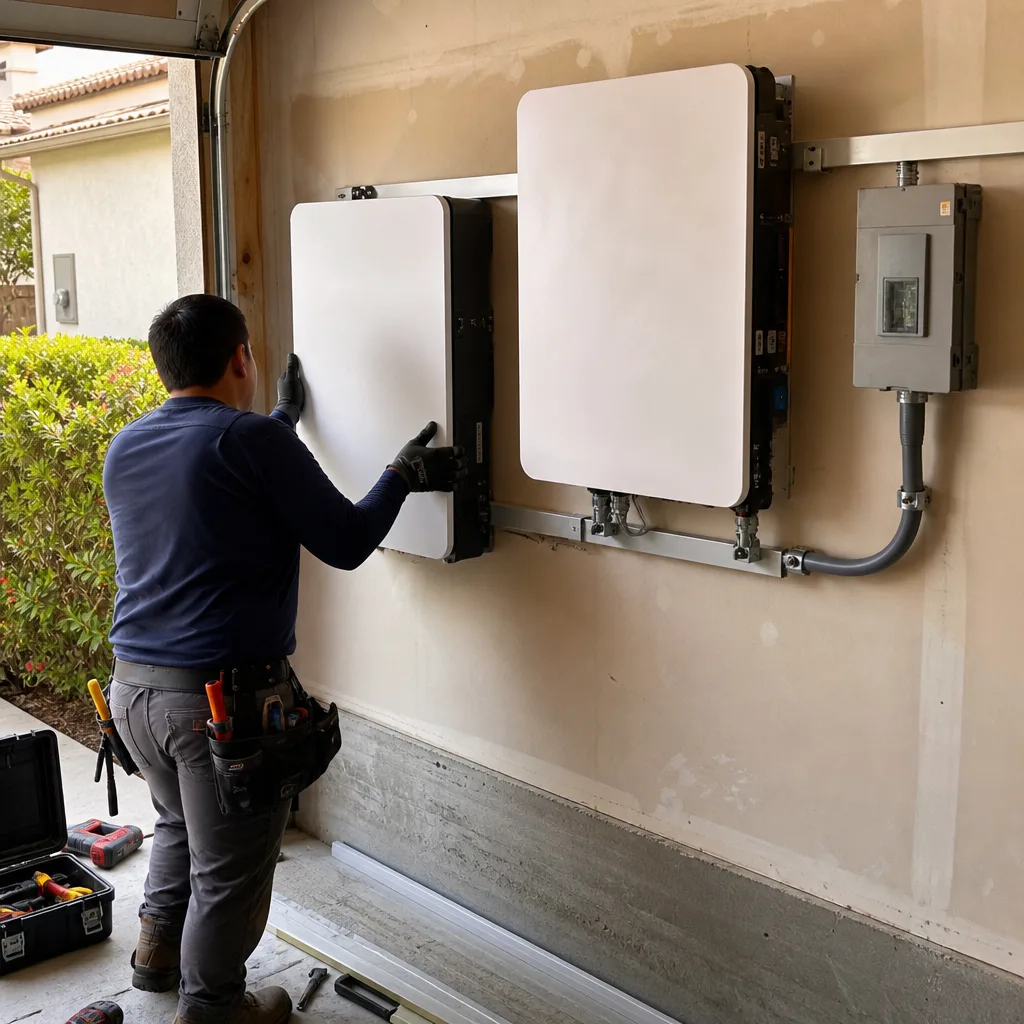
Torrance has a deep bench of light industrial and warehouse space, especially in the zones near the 405 and the refinery corridor. These buildings often have big, flat membrane roofs that are perfect for ballasted or mechanically attached racking systems. The bigger consideration here is usually demand charges and time-of-use rates, which is why we often pair a warehouse array with battery storage. Our team sizes these systems off the actual 12-month interval data from your utility account, not a square-footage estimate.
Solar Carport Installation
Surface parking lots are prime real estate for solar in Torrance, and carport systems let you generate power while shading employee and customer vehicles. We’ve done carport arrays for office complexes and retail centers around the city, and the permitting path through Torrance Building & Safety is something we handle end to end. Because carport structures are engineered steel, the marine air means we spec galvanized or powder-coated components that hold up against the salt and moisture rolling in off the Pacific.
Commercial Battery Storage
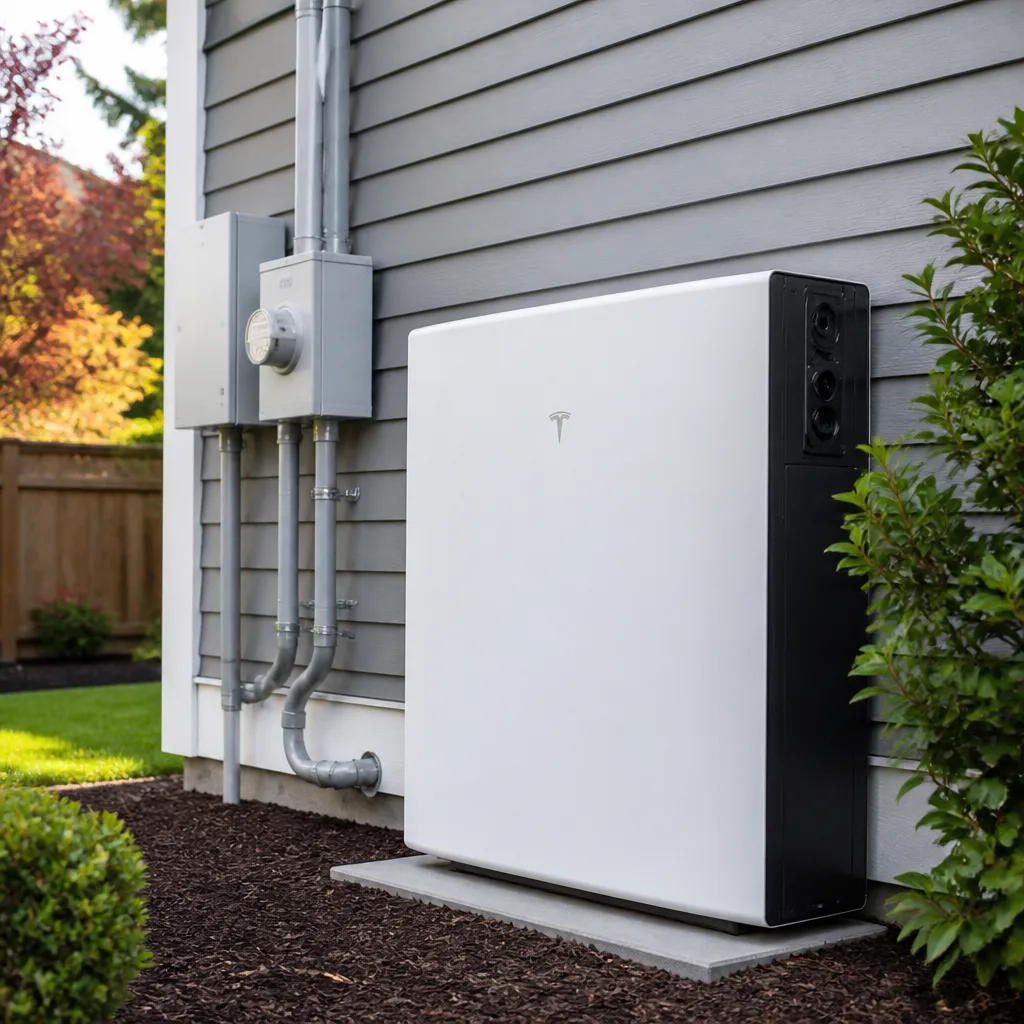
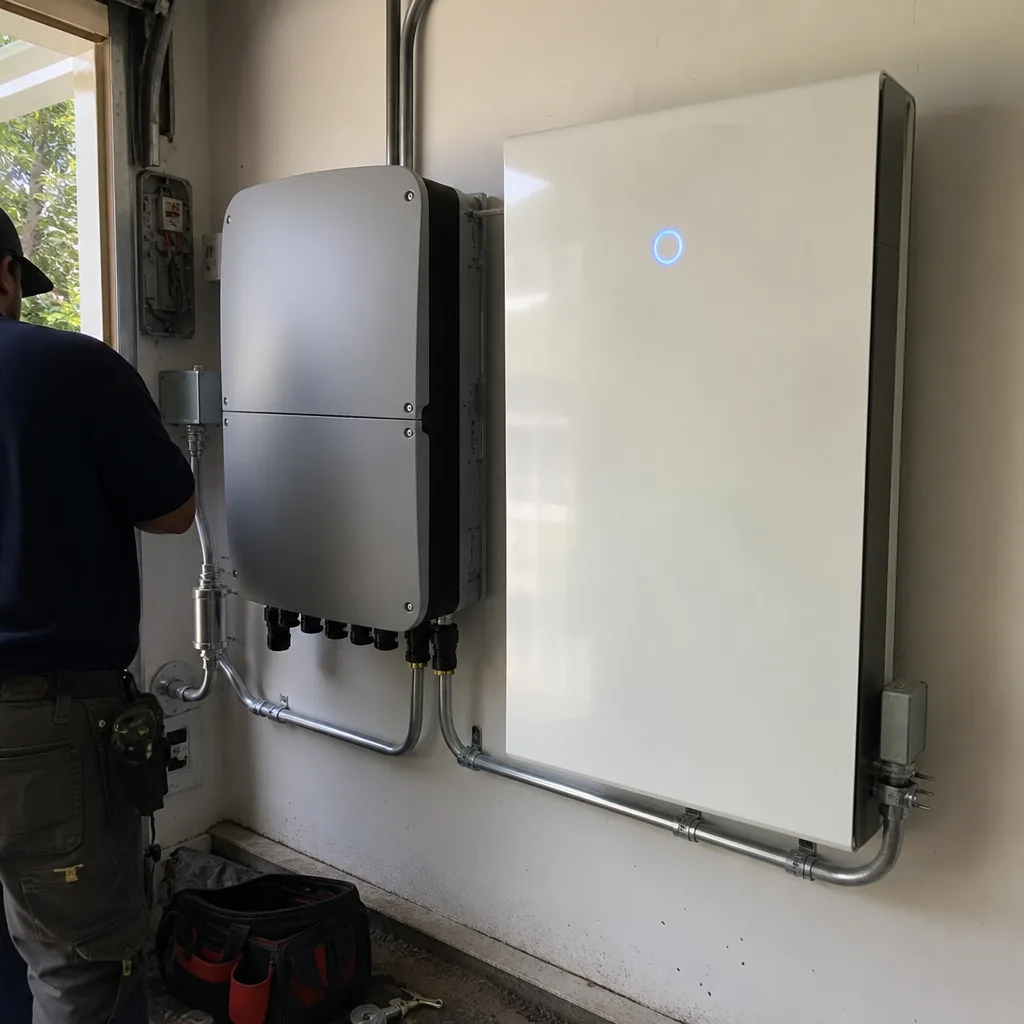
Most Torrance commercial customers who add storage do it for one reason: the marine layer cuts afternoon production during the exact months when air conditioning loads peak. A battery bank that charges during the clear morning window and discharges through the cloudy afternoon can eliminate the highest-priced demand charges on your bill. We install FranklinWH and Tesla Powerpack systems, and we size them against your actual interval data, not a generic “20% of array capacity” rule of thumb. In Torrance, that nuance matters.
What happens when you call
- 1
A real person answersNo phone trees - you reach a local pro.
- 2
You get an upfront price rangeHonest numbers before anyone is dispatched.
- 3
A background-checked tech heads outLicensed & insured, dispatched right away.
- 4
You approve before work beginsNothing starts until you say go.
Trusted Brands We Service in Torrance
We work with SunPower and REC panels most often on commercial rooftops in Torrance, and we pair them with Enphase microinverters when a building has the kind of partial shading that marine-layer mornings and rooftop equipment commonly create. Parts availability is never an issue; we maintain local stock of the hardware we install most, so when a Torrance customer needs a replacement optimer or a warranty swap, we’re not waiting on a truck from Phoenix. We’ve been servicing these brands for years and we’ve earned direct installer relationships with the manufacturers, which means faster warranty resolution for you.
Common Commercial Solar Installation Problems We See in Torrance Homes
- Systems sized with inland solar-hours data. We see this constantly. A building owner gets a great-looking proposal based on Lancaster or Riverside production numbers, the system goes in, and by August they’re asking why their true-up statement is hundreds of dollars short of what was promised. Torrance sits one to two miles from the Pacific, and the marine layer here is deeper and persists longer than even Gardena or Lawndale. The derate factor isn’t optional; it’s the difference between a system that performs and one that disappoints.
- Torrance Building & Safety permit corrections. Torrance runs its own building and safety department, independent of LA City. Installers who submit permit packages using LA City templates routinely get correction notices back, especially on rapid-shutdown configurations. Every correction notice adds days or weeks to your timeline, and we’ve had to take over jobs from other companies that got stuck in this loop for months.
- Spanish-tile roof mounting done wrong. A lot of the commercial construction from the 1980s and 1990s around the Del Amo corridor used Spanish tile. If an installer tries to use standard rail mounts instead of tile-hook hardware, the panel feet can crack tiles and create leak paths. After the first winter rains, the building owner is dealing with water intrusion inside the building, not just a solar problem. We use tile-hook mounting systems on every tile roof we touch in Torrance.
- No plan for the marine layer’s effect on panel output. June Gloom is real here, and it runs from May through July. A commercial array sized without a coastal derate factor will underproduce during those months, which compounds over the life of the system. Some owners respond by overbuilding, which wastes money; others respond by accepting the underproduction, which wastes money over 25 years. The right answer is a Torrance-specific production model built off your actual roof orientation and the local weather patterns we’ve measured over years of installations.
Pricing for Commercial Solar Installation in Torrance, CA
Here are real numbers for the Torrance market. A typical commercial rooftop system in this city runs between $2.50 and $3.20 per watt before incentives, which puts a 100 kW system in the $250,000-$320,000 range. Solar carport installations land higher, usually $3.00-$3.80 per watt, because the steel structure and foundation work add cost. Commercial battery storage in Torrance typically adds $800-$1,200 per kilowatt-hour of storage capacity, depending on the chemistry and whether you need backup islanding or just peak-shaving mode.
What moves the number on your building specifically: the condition and type of your roof (Spanish tile costs more in labor than membrane), the amount of structural reinforcement needed, the distance from your electrical service to the array location, and whether Torrance Building & Safety requires additional review on your particular rapid-shutdown configuration. The quote we give you is the price you pay. Bring us a bill and we’ll bring you the math built off your real usage, not a brochure estimate. Call (877) 550-6892 for a free estimate.
We Also Serve Cities Near Torrance
Our crews work locally throughout the South Bay, and we regularly serve commercial buildings in Lomita, West Carson, Rolling Hills Estates, and Manhattan Beach. If you own or manage a commercial property in any of these cities, the same team and the same 90-Day Done Right Promise apply. Whether you’re in Torrance or the next town over, we’re close by and we answer the phone.
Serving Torrance, CA - Our Local Coverage Area
We’re based in the Torrance area and know this community well. Use the map below to see our service coverage - if you’re nearby, we can almost certainly help.
FAQs - Commercial Solar Installation in Torrance
The marine layer in Torrance suppresses solar production 20-30% during May, June, and July compared to inland South Bay locations like Gardena or Lawndale, and any production estimate for a Torrance system needs to apply that coastal derate factor. We build a Torrance-specific production model for every proposal we write, which means your kWh offset projection matches your actual true-up statement instead of overpromising. Call (877) 550-6892 for an estimate built off your building’s real location, not a generic South Bay average.
You must go through Torrance Building & Safety, which operates independently of LA City and runs its own solar-specific plan-check process with different turnaround times and a stricter eye on rapid-shutdown configurations. Submittals templated for LA City routinely get bounced back with correction notices in Torrance. We’ve handled enough Torrance pulls to know exactly what their reviewers look for, and we submit accordingly from day one.
Spanish-tile roofs need tile-hook mounting hardware, not standard rail mounts, because the hooks anchor to the roof structure without cracking the tiles or creating the leak paths that show up after winter rains. At a 1970s commercial building near the Del Amo corridor, we retrofitted an aging Spanish-tile roof with tile-hook mounts and Enphase microinverters, sizing the array for the marine layer’s May-July suppression. The owner’s true-up statement hasn’t shown a surprise underproduction since we flipped the switch.
Start with your actual 12-month usage and your current rate schedule, then model the system’s hourly production using a Torrance-specific weather file that accounts for the marine layer and the Southern California Edison or LADWP interconnect rules that apply to your address. Payback for commercial systems in Torrance typically lands between 5 and 8 years after applying the federal Investment Tax Credit and the accelerated depreciation available for commercial installations, but the real number depends on your building’s load profile. We run these numbers for you and show our work, because a payback projection is only as good as the production model behind it.
For many Torrance commercial buildings, yes, because the marine layer compresses your highest solar production into the morning and early afternoon window, precisely when demand charges on commercial rate schedules are most expensive. A battery bank that charges during the clear morning and discharges through the cloudy afternoon can pay for itself within the life of the system, especially on time-of-use tariffs. We’ll model your interval data both ways and show you the numbers before you decide. Take two weeks to think about it; the price will be the same.
Written by Gus Petrakis, Owner at Gus’s Solar, serving Torrance since 2011.