
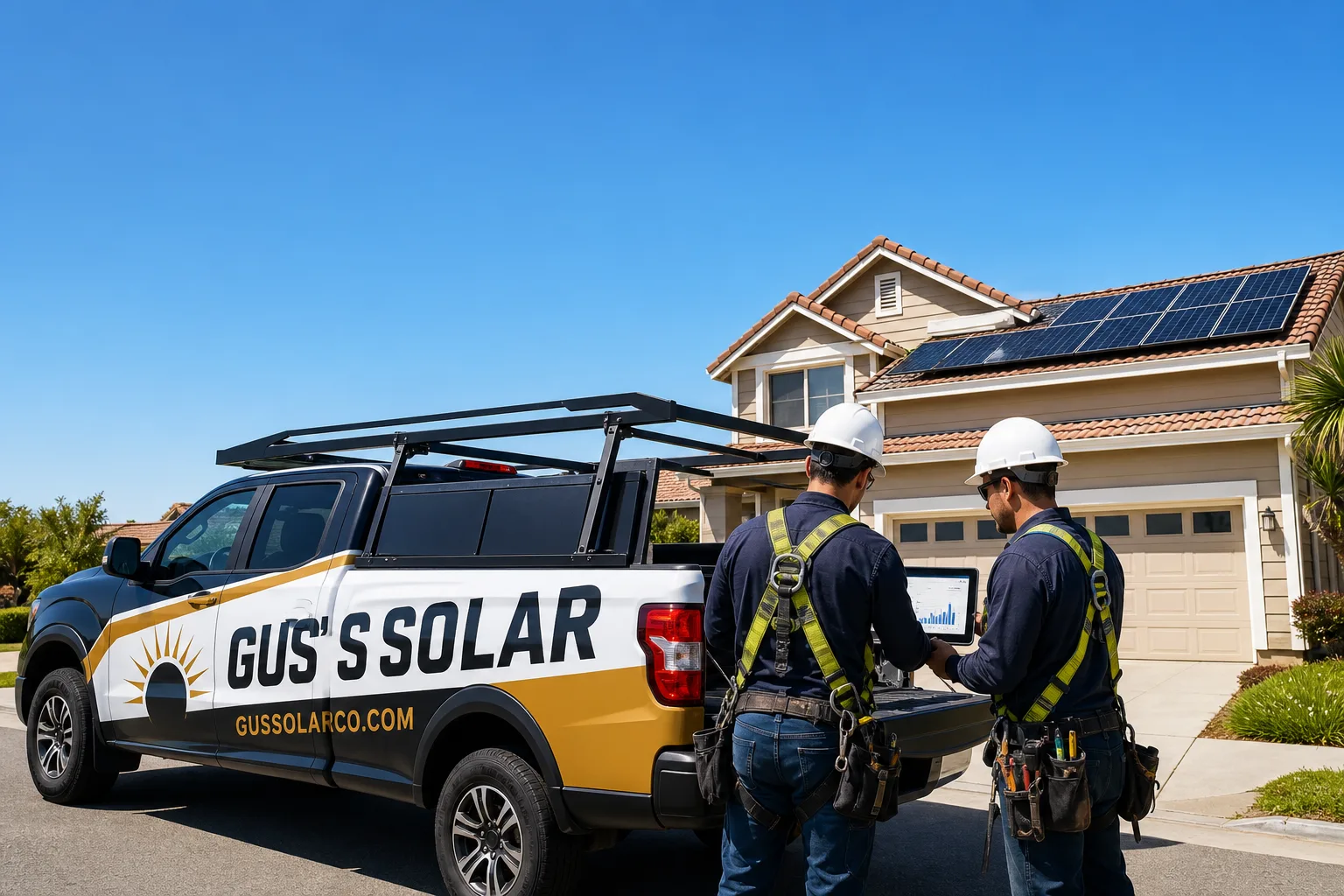
Free bill analysis - bring a power bill, get the production math for your actual roof, panel brands like Qcells and REC compared side by side
If the pitch starts at your door and ends with "sign tonight for the special," sleep on it. The sun will still be there tomorrow; so will we.
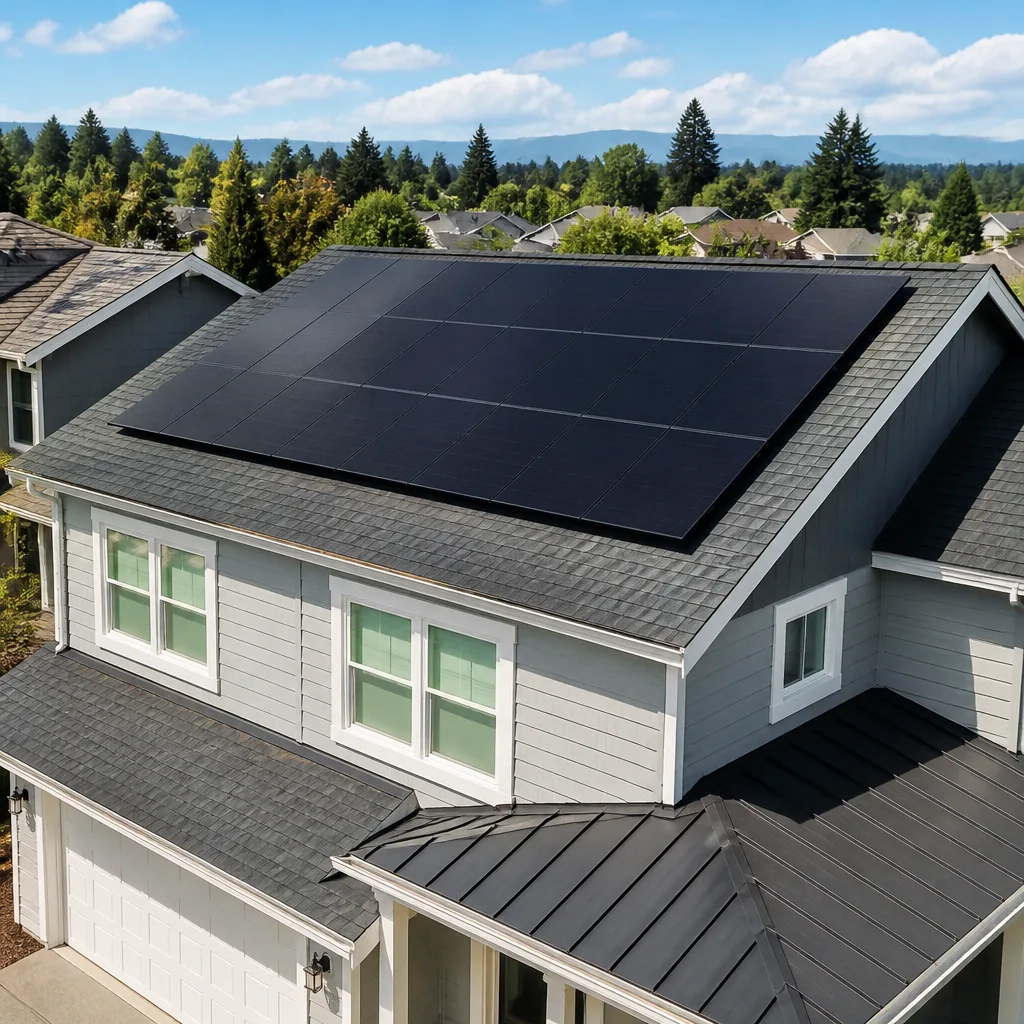
 Before
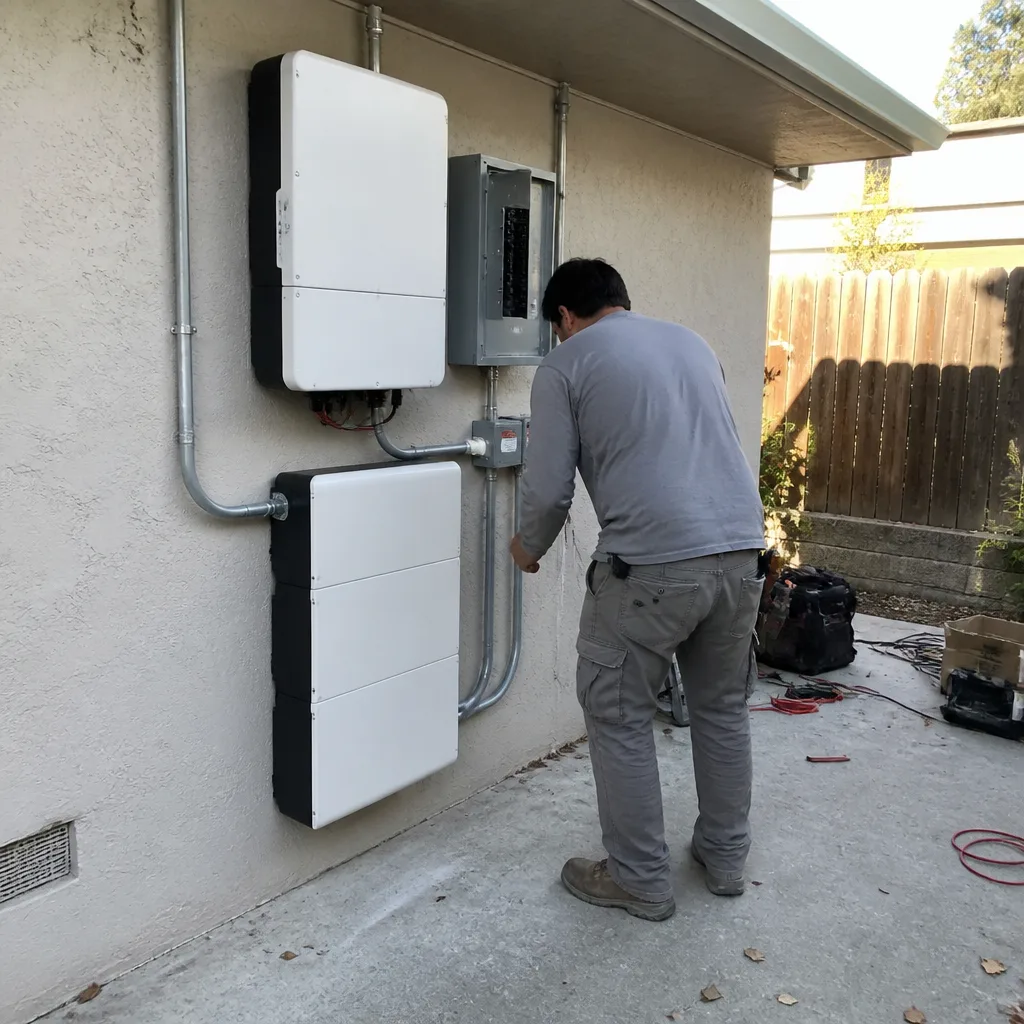 After
After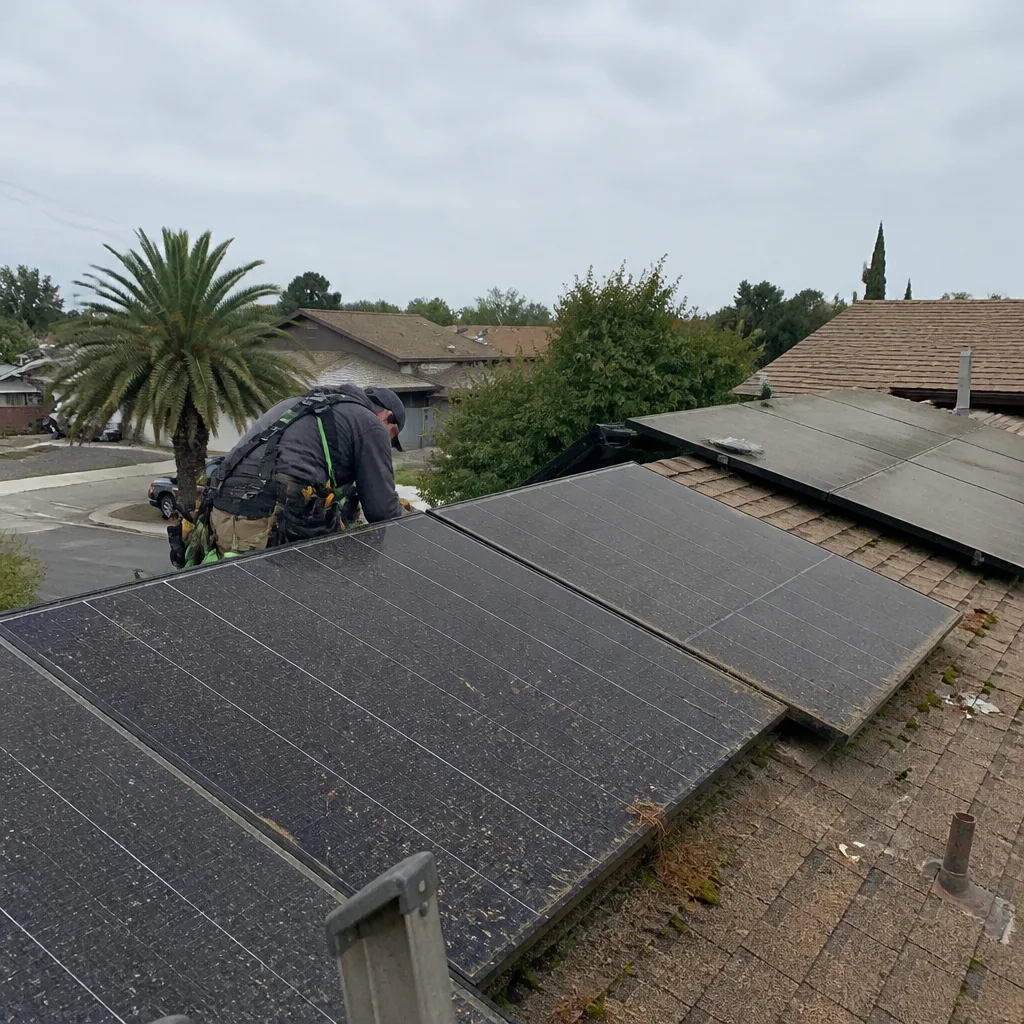 Before
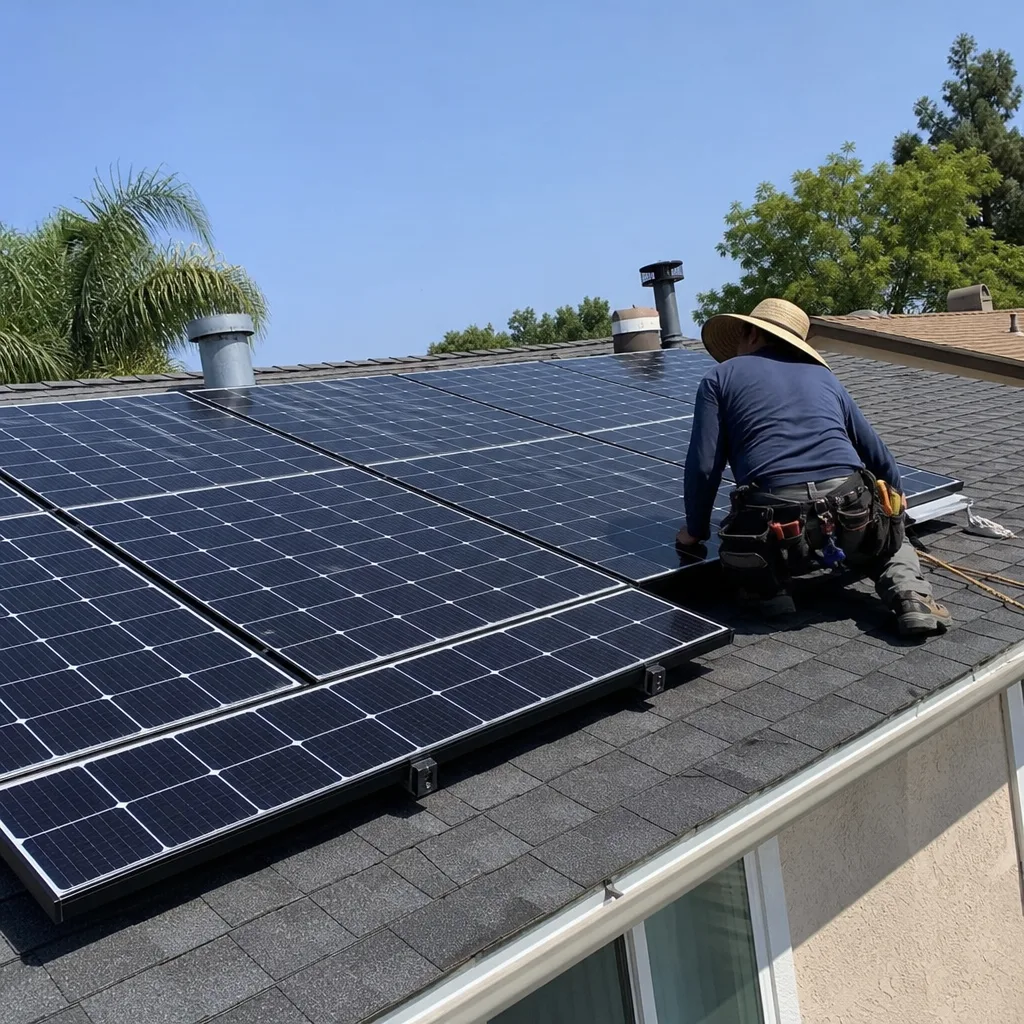 After
After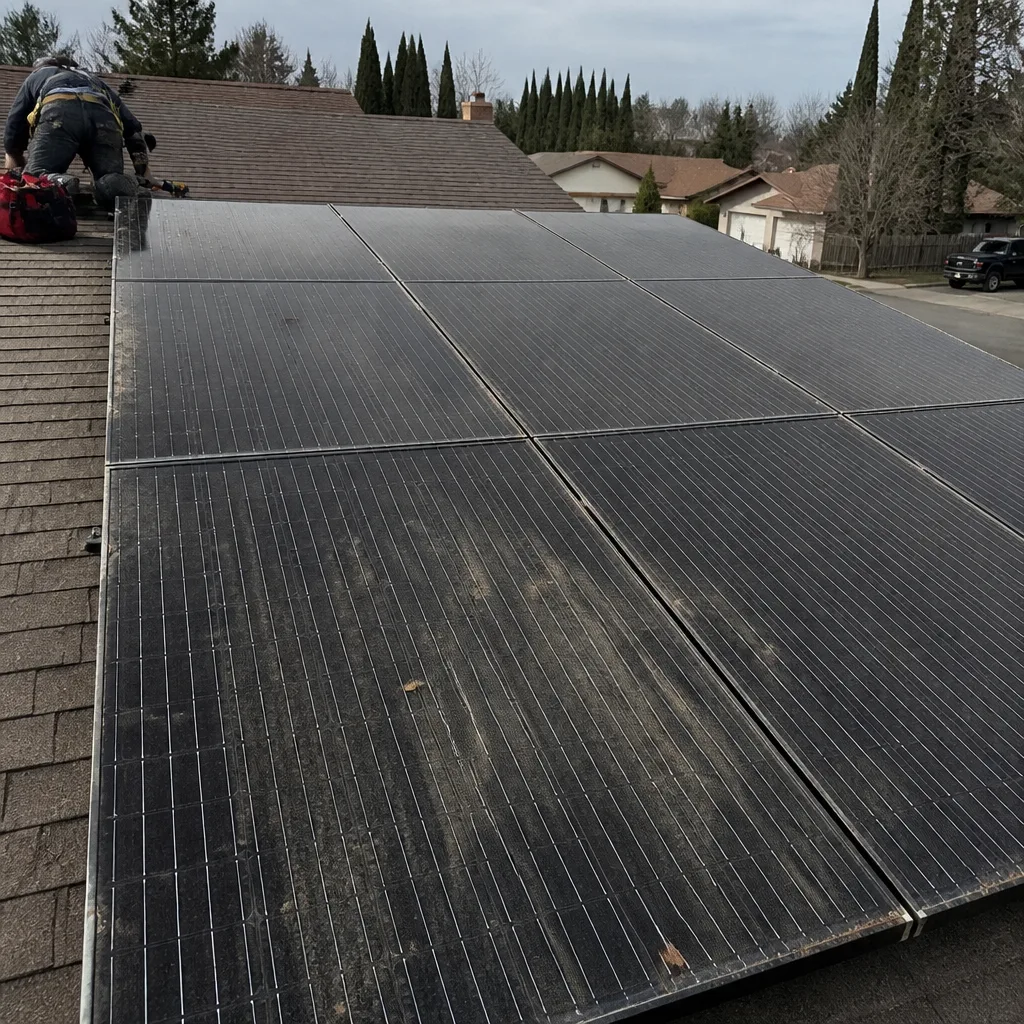 Before
 After
AfterFast, Reliable Solar Panel Installation Across Mission District
Solar panel installation in Mission District typically runs $16,000 to $32,000 for a 4-8 kW rooftop system on a Victorian or Edwardian flat, with panel-upgrade work adding $3,500 to $6,000 when your building still carries a 100-amp or 60-amp service. Most Mission District jobs take 6 to 10 weeks from signed contract to utility approval, with the permitting step at SF Planning consuming a large share of that timeline. If you call (877) 550-6892, you’ll reach Gus Petrakis or one of his crew directly, not a call center, and we’ll tell you straight whether your roof, your panel, and your building’s ownership structure can support solar before anyone climbs a ladder.
Why Gus’s Solar Is Mission District’s Preferred Solar Panel Installation Company
Gus Petrakis has been putting his own name on solar work since 2011, and that’s a different standard than a national outfit that rotates project managers every quarter. When a three-unit Edwardian on 24th Street needs rear-roof design work under SF Planning’s design review, you want someone who has already handled that exact building type. We have. Our crews know that Mission District roofs are mostly flat or low-slope tar-and-gravel over 2×6 old-growth framing, that the rear roof sections are often shaded by the next building’s rear stairwell, and that the parapet facing the street is almost always off-limits for panels under design review guidelines. That local knowledge changes where we place panels, how we size the array, and what we tell PG&E in the interconnection application.
Reviews from Mission District customers lean on two things: we show up when we say we will, and we do not hand the work to a subcontract crew. The same uniformed, background-checked team that measures your roof is the team that flashes every penetration and terminates every microinverter lead. Our L.O.C.A.L. values, local roots, on time, community first, accountable, loyal, are not a poster on a warehouse wall. They are how a job on Shotwell Street gets the same attention as a job on 24th Street, because Gus lives with his name on both.
Response time to Mission District is usually same-day for a consultation request and within 3 to 5 business days for a full site visit with a shade analysis. If you call with an existing system that has stopped producing, we can often be there the same afternoon. A live person answers the phone 24/7, including at 2 a.m. when a tenant calls about a breaker that tripped after a storm.
Our Solar Panel Installation Services in Mission District
Rooftop Solar Installation
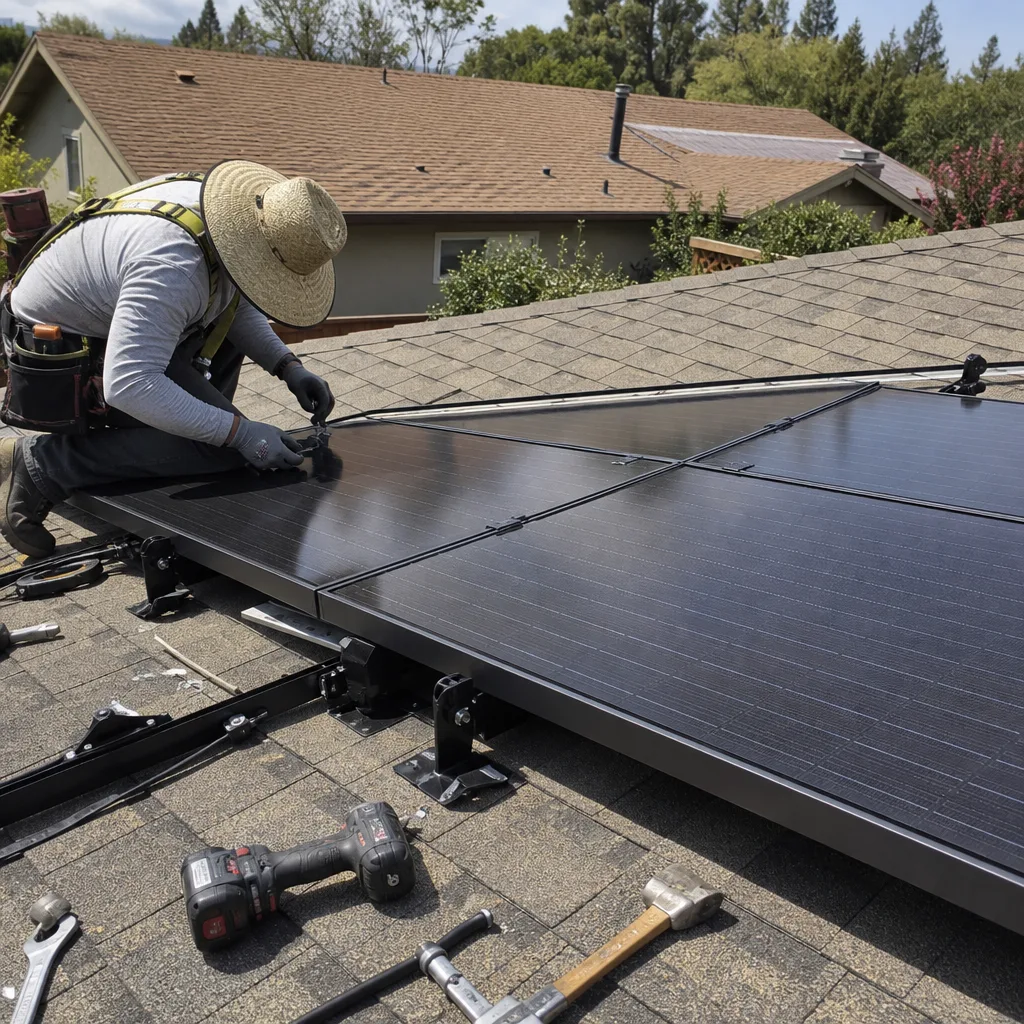
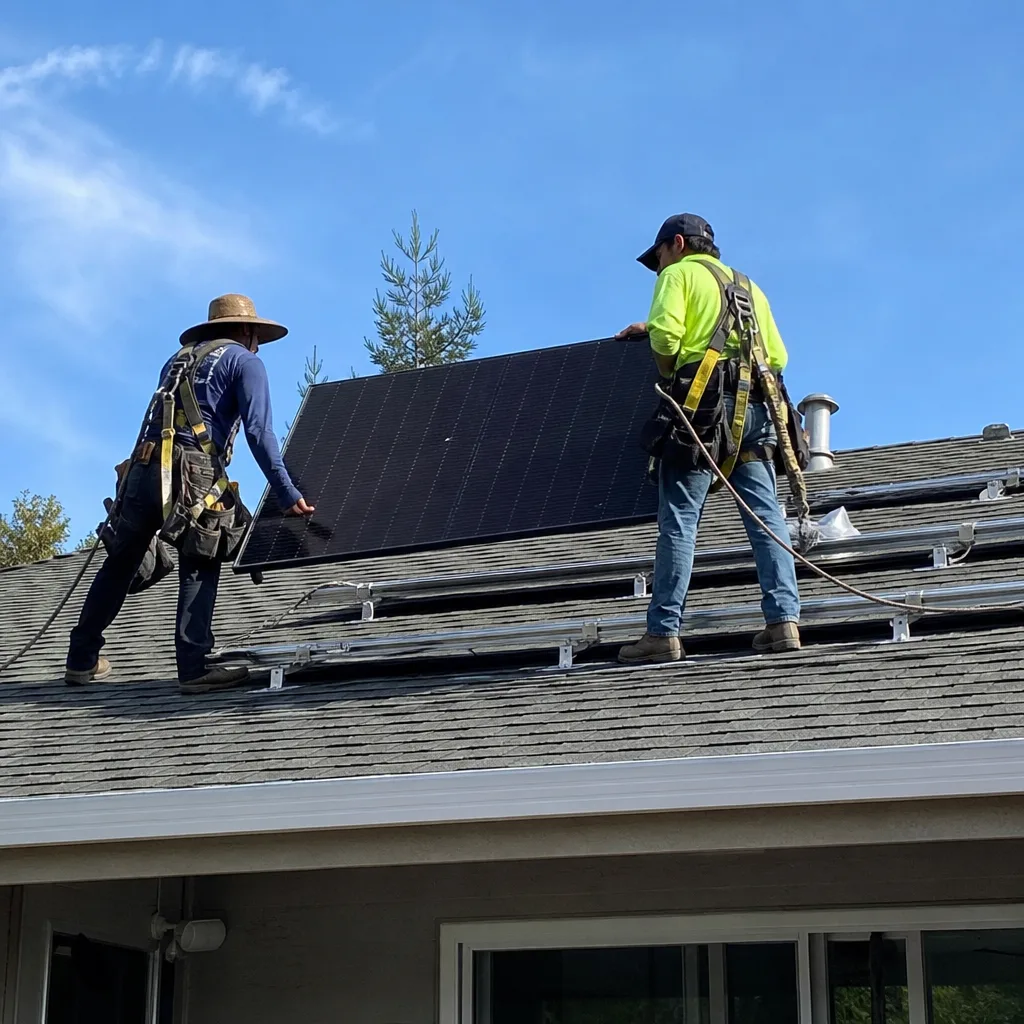
Rooftop solar in the Mission District almost always means working with a flat or low-slope roof on a building older than 1925. We use ballasted racking where the roof structure permits, or mechanically fastened flashing mounts where SF wind-load requirements demand it. Every penetration gets double-layer flashing, and we photograph every mount before panels go on, so you can see the work without climbing a ladder yourself. The array on a Mission flat is typically 4 to 6 kW for a single unit or 8 to 12 kW for a multi-unit building with Virtual Net Metering.
Solar System Design & Permitting
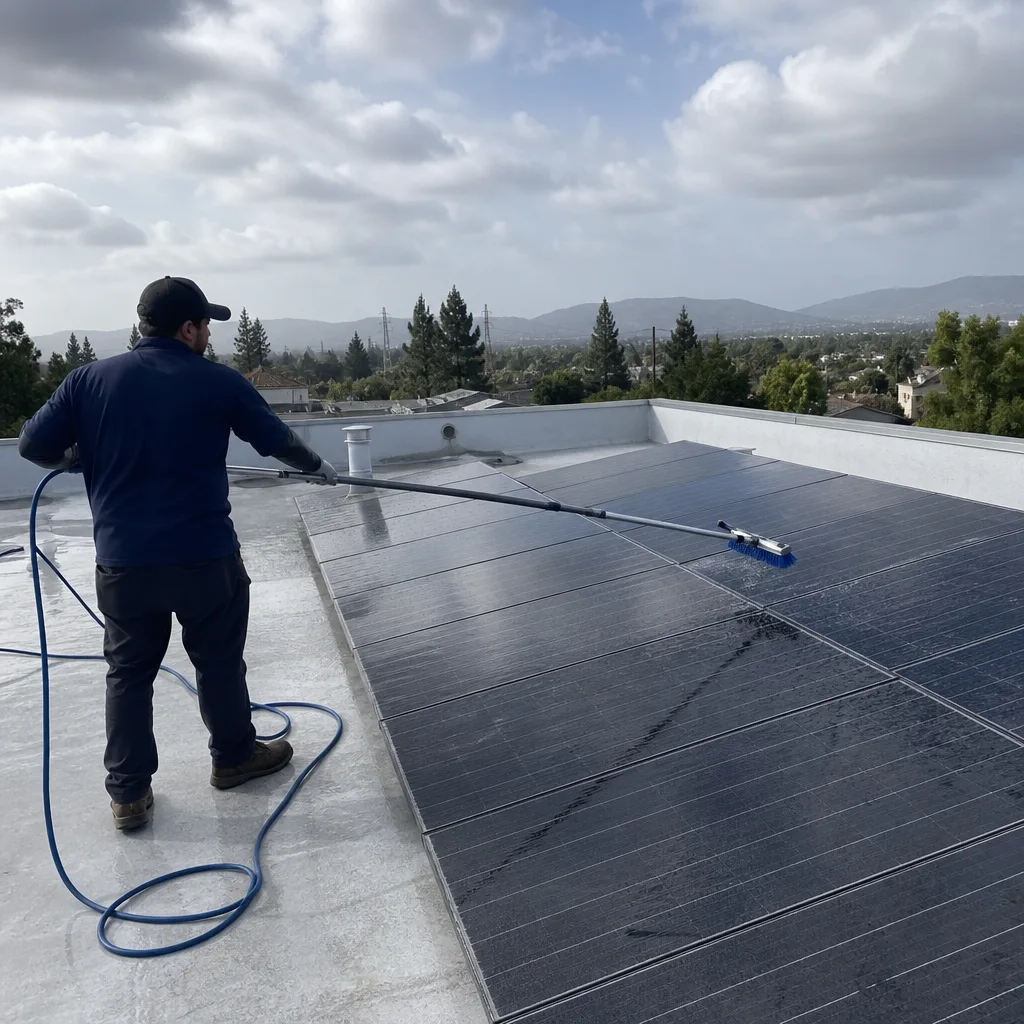
This is where Mission District jobs live or die. SF Planning’s design review process means a street-facing array is rarely approvable on a 1908 Edwardian with an ornate parapet, so the design has to maximize rear-roof square footage. We also have to document the Mission’s fog-shadow advantage explicitly, because a generic San Francisco shade map will undersize your array and hand you a 20-year payback for no good reason. We produce a shading analysis based on the 94110 microclimate, not a citywide average, and we submit the SF-specific electrical permit package that actually clears the desk at 49 South Van Ness.
Solar Panel Replacement
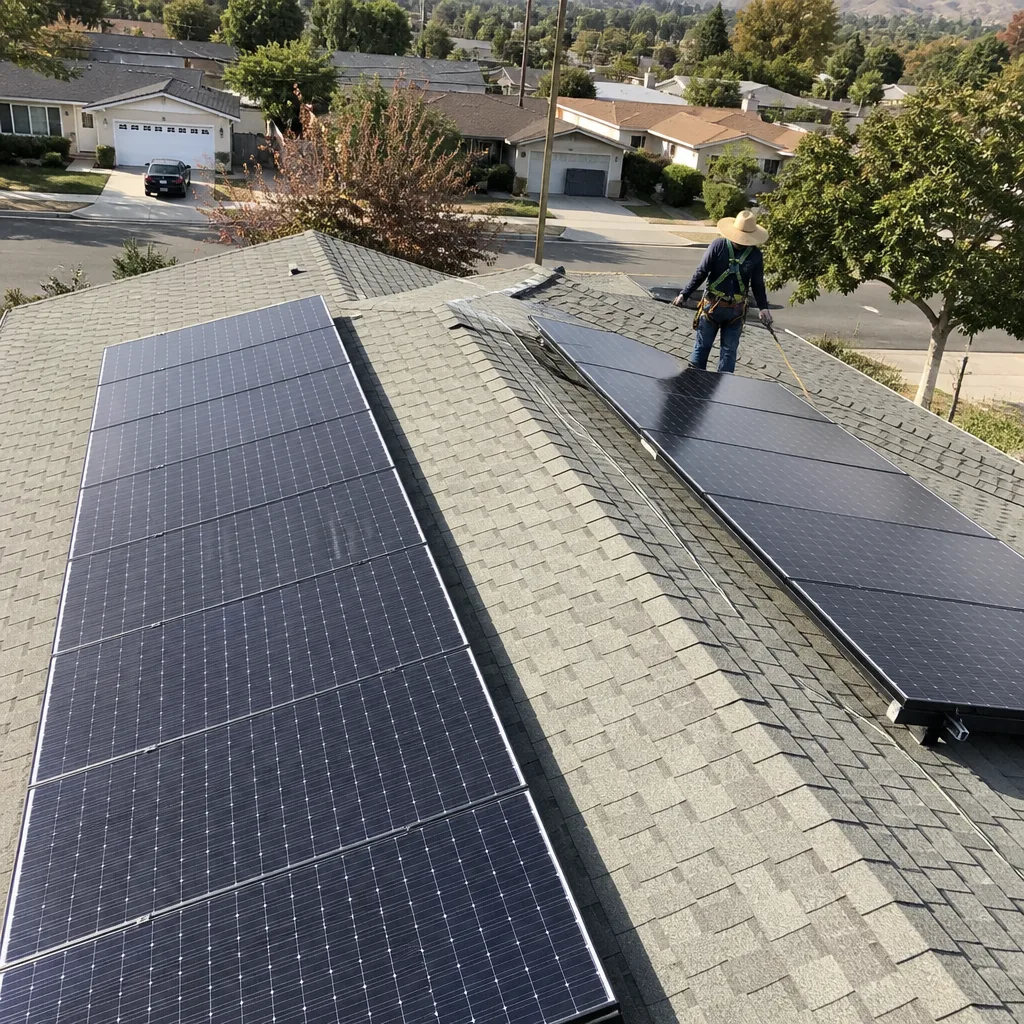
If your existing Mission District array was installed 10 or 15 years ago by a company that no longer answers the phone, we replace panels, inverters, or the whole system. Older string-inverter systems from the early 2010s are failing at higher rates now, and many Mission roofs carry panels that were undersized from day one because the original designer used the wrong shade map. We replace those with current-generation panels paired to Enphase or SolarEdge electronics, sized correctly for the Mission’s actual production profile.
Roof-Mount & Tile Roof Solar
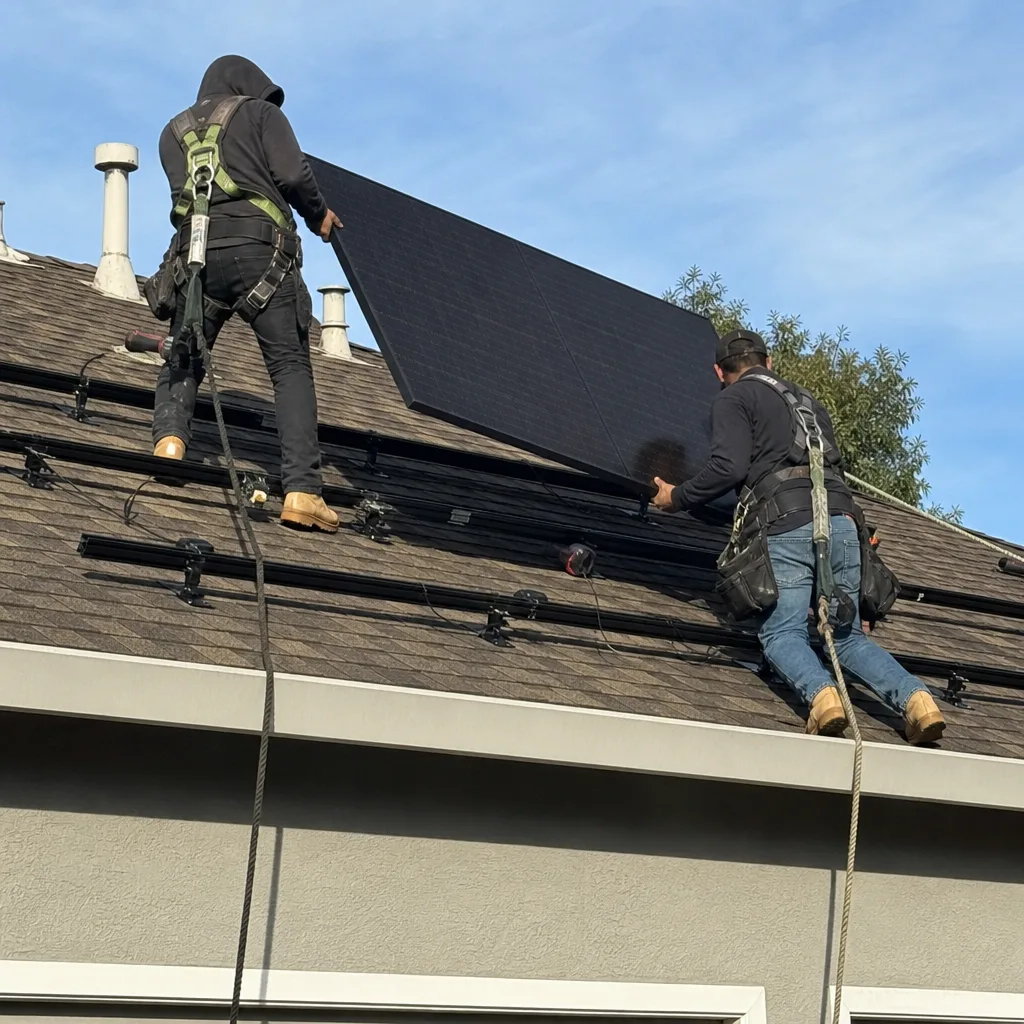
Most Mission District roofs are flat tar-and-gravel or rolled composition, not tile, but when we do encounter tile, it’s usually on the few single-family homes near Dolores Park or on the southern edge toward Bernal Heights. Roof-mount work on tile requires replacing cracked or brittle tiles around each mount point, and we keep Mission-appropriate tile replacements on the truck. If your roof is original Spanish tile, we will tell you before you sign that some tiles will crack during installation and that we carry matching stock to replace them same-day.
What happens when you call
- 1
A real person answersNo phone trees - you reach a local pro.
- 2
You get an upfront price rangeHonest numbers before anyone is dispatched.
- 3
A background-checked tech heads outLicensed & insured, dispatched right away.
- 4
You approve before work beginsNothing starts until you say go.
Trusted Brands We Service in Mission District
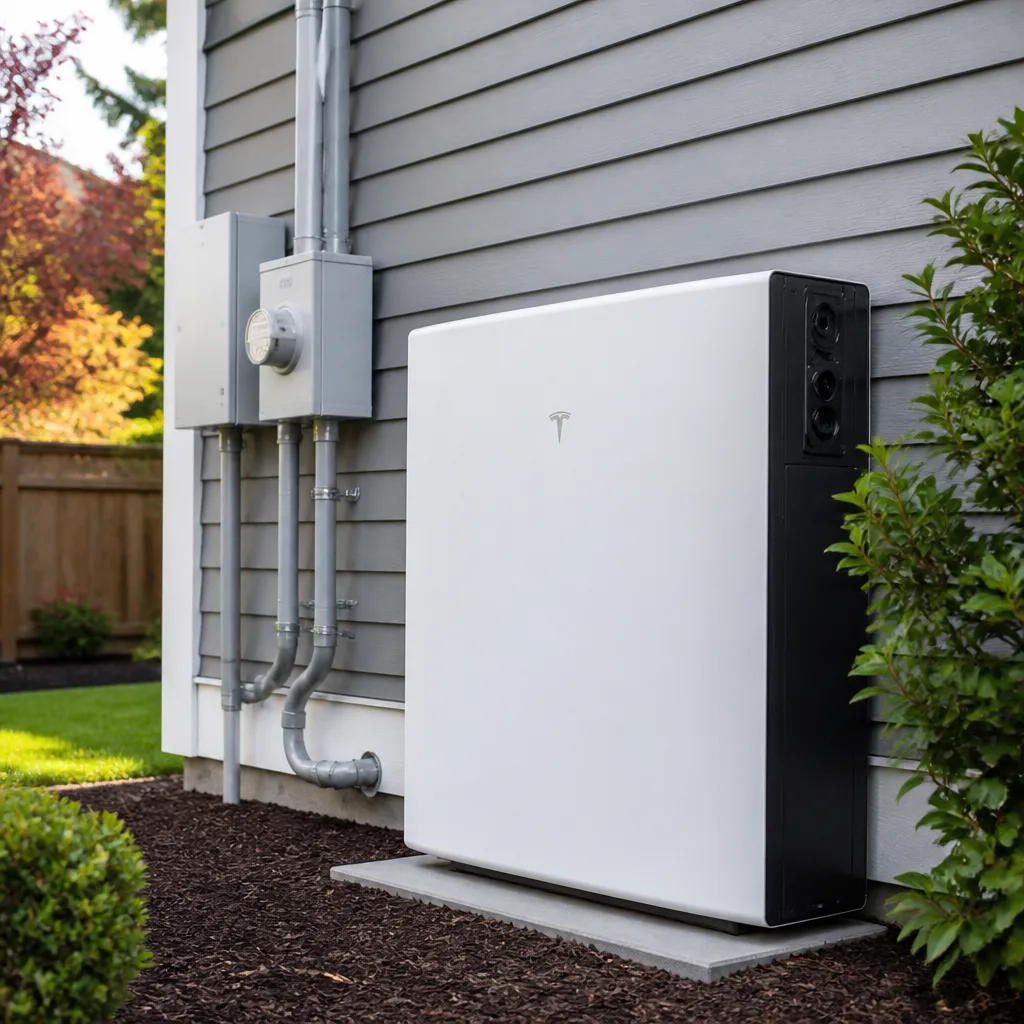
We install and service equipment from Tesla, Enphase, SolarEdge, and FranklinWH, among others. For Mission District multi-unit jobs, Enphase microinverters are our default recommendation because they handle per-panel shading independently, which matters when your rear roof is partially shaded by the building behind you. We stock common replacement parts locally so a failed microinverter on a Dolores Street building doesn’t wait a week for a part from a warehouse in Arizona. If your existing system uses a brand we didn’t install, we still service it, and the $40-off-over-$200 repair discount applies.
Common Solar Panel Installation Problems We See in Mission District Homes
- Virtual Net Metering disputes kill projects before they start. On a three-unit Victorian, the landlord owns the roof and the tenants pay the electric bills. If the VNEM allocation isn’t agreed to in writing before the contract is signed, the project dies at the owner meeting. We bring the VNEM allocation worksheet to the first site visit, not the last.
- The 100-amp panel stalls interconnection for months. PG&E will not approve solar on a building with a 60-amp or overloaded 100-amp service. The SF-specific electrical permit for a 100-amp-to-200-amp upgrade can take 3 to 6 weeks alone, so we file that permit the same week you sign, before panels are ever ordered.
- Undersized rear-roof arrays from generic shade maps. A designer who uses a citywide San Francisco shade map instead of the Mission’s fog-shadow data will undersize your array by 15 to 25 percent. That means a 20-year payback and an owner who thinks solar was a mistake. We document the 94110 microclimate advantage in every proposal.
- SF design review blocks street-facing arrays entirely. If your building has an ornate street-facing parapet, SF Planning will not approve panels there. Period. The entire array has to go on the rear roof, which is smaller and sometimes shaded by the next building. We design for that constraint from day one, not as a surprise revision after the permit is denied.
Pricing for Solar Panel Installation in Mission District, CA
A typical rooftop solar installation in Mission District runs $16,000 to $25,000 for a 4-6 kW system on a single unit, and $28,000 to $45,000 for a multi-unit building with a 8-12 kW array and VNEM structure. Main panel upgrades add $3,500 to $6,000. Solar panel replacement on an existing array runs $2,800 to $7,000 depending on panel count and inverter type. Solar system design and permitting as a standalone service, for owners who want the permit package before committing to an installer, runs $1,500 to $3,000. Roof-mount and tile roof work adds $800 to $2,500 depending on roof condition and tile replacement needs. Call (877) 550-6892 for an exact quote based on your actual PG&E bill and your specific roof, and bring your bill. We’ll bring the math. No signature wanted tonight, and the price we quote is the price you pay.
We Also Serve Cities Near Mission District
Beyond Mission District, Gus’s Solar serves Mission District neighbors in Noe Valley, San Francisco, Visitacion Valley, and Chinatown. If you’re in one of those neighborhoods, the same local crew and the same owner, Gus Petrakis, handles your job. Our service hub for Solar Panel Installation covers all these areas with the same 90-Day Done Right Promise in writing.
Serving Mission District, CA - Our Local Coverage Area
We’re based in the Mission District area and know this community well. Use the map below to see our service coverage - if you’re nearby, we can almost certainly help.
FAQs - Solar Panel Installation in Mission District
VNEM lets a single solar array serve multiple tenant meters without rewiring the building, so the landlord gets the array on the roof and tenants get solar credit on their individual PG&E bills. The owner and tenants must agree on the allocation split in writing before PG&E will approve the interconnection, which is why we bring the allocation worksheet to the first visit, not the last. If the tenants cannot agree, the project stalls, so that conversation has to happen early. Call (877) 550-6892 if you want someone to walk your building through it in plain English.
Almost certainly not. Street-facing parapets and ornate facades on buildings in the Mission’s landmark-adjacent blocks trigger design review, and SF Planning consistently requires arrays to be placed on rear roof sections only. We design for that constraint from the first site visit and size the rear-roof array to still hit a high offset using the Mission’s fog-shadow advantage. Call us and we’ll tell you what your specific building can actually get approved before you spend a dime.
In most cases, yes. The Mission’s housing stock is dominated by 2-to-4-unit buildings built between 1890 and 1925, and nearly all of them carry original or early-upgraded 100-amp or sometimes 60-amp service panels. PG&E will not interconnect a solar system on a panel that cannot safely handle the backfeed, so plan on a $3,500 to $6,000 panel upgrade as part of the project. We file the SF electrical permit for the upgrade the same week you sign, because that permit alone can take three to six weeks.
Yes, and it’s significant. The Twin Peaks ridge blocks the marine fog layer that settles over the Sunset and Richmond districts, so 94110 addresses get measurably more peak sun hours per year than most of San Francisco. A correct Mission-specific production estimate is typically 15 to 25 percent higher than what a generic San Francisco shade map would predict. We run the 94110 numbers, not the citywide average, and we show you the difference in writing.
Yes, and in the Mission this is often the only way the numbers make sense for a landlord. The SGIP battery incentive can offset a significant share of a battery installation, and the battery can be paired with a VNEM solar array so tenants get solar credit while the landlord gets the system on the roof. The combination is not common in single-family neighborhoods but is almost routine in the Mission because so much of the housing stock is multi-unit rental. Call (877) 550-6892 for a free estimate and we’ll run both the solar and battery numbers off your actual bill.
How a Mission Victorian with a 100-Amp Panel Still Hits a 90%+ Offset
Here’s the thing most generic solar pages won’t tell you: the Mission’s combination of microclimate, multi-unit ownership, and old-service panels is not a reason to skip solar. It’s a reason to design it properly. Our crew recently designed a rear-roof array for a three-unit Edwardian on 24th Street where the street-facing parapet was off-limits under SF Planning design review. The tenants had separate PG&E meters, so we structured the project under Virtual Net Metering, paired Enphase microinverters with a 100-amp-to-200-amp panel upgrade, and ran the rapid-shutdown wiring through the existing dumbwaiter chase to avoid exterior conduit on the landmark facade. The building ended up with a 92% kWh offset, tenants paying less than their pre-solar PG&E bills, and an owner who didn’t have to touch the street-facing facade. That’s not a brochure case study. That’s a job we did, and it’s what Mission District solar actually looks like.
Contact Gus’s Solar in Mission District
If you own a flat, a Victorian, or a single-family home in Mission District and you want straight answers without a sales pitch, call (877) 550-6892. A live person answers 24/7. Bring us a PG&E bill and we’ll bring you the math, including the panel upgrade, the VNEM structure, and the Mission-specific production estimate. Take two weeks. Think about it. The price will be the same. And if any salesman tells you a solar decision has to happen tonight, the answer is no. We’re at the other end of the phone when you’re ready.
Written by Gus Petrakis, Owner at Gus’s Solar, serving Mission District with honestly priced solar since 2011.