
Free bill analysis - bring a power bill, get the production math for your actual roof, panel brands like Qcells and REC compared side by side
If the pitch starts at your door and ends with "sign tonight for the special," sleep on it. The sun will still be there tomorrow; so will we.
 Before
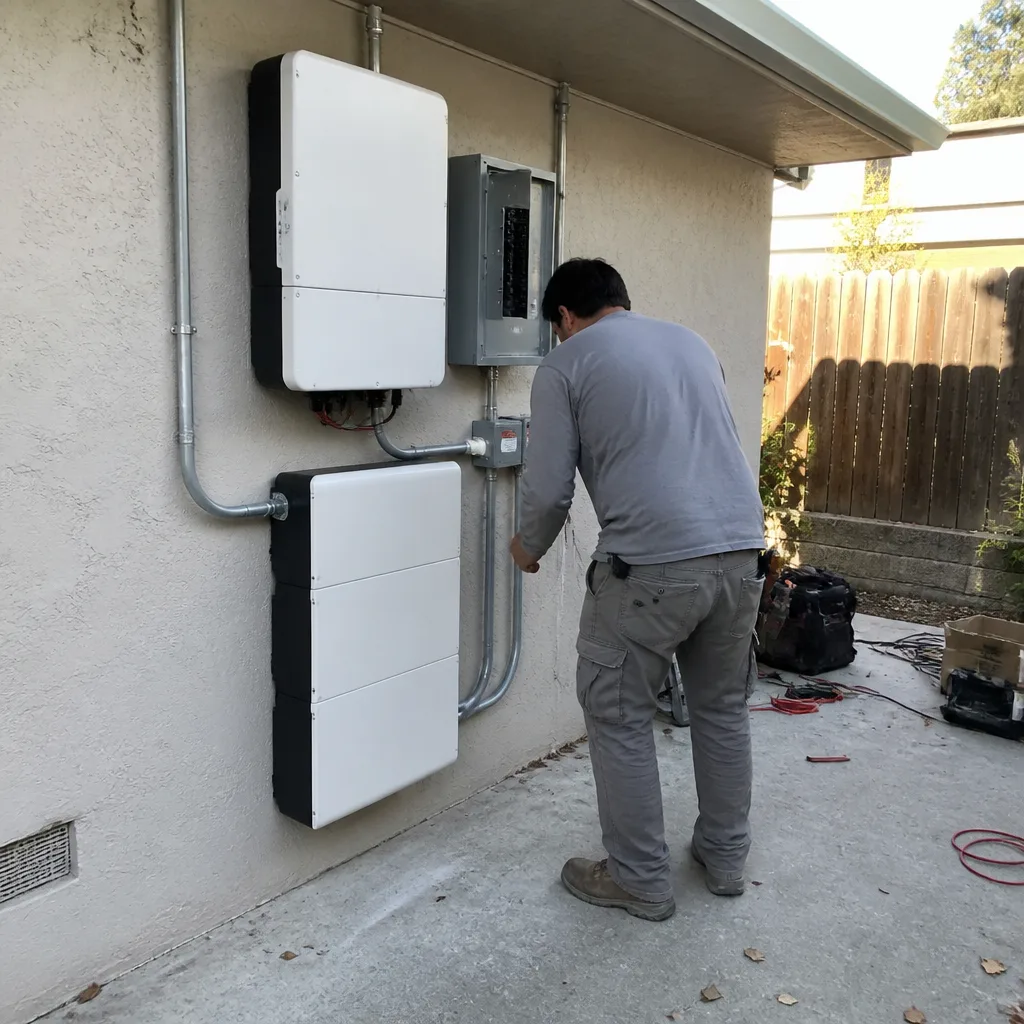 After
After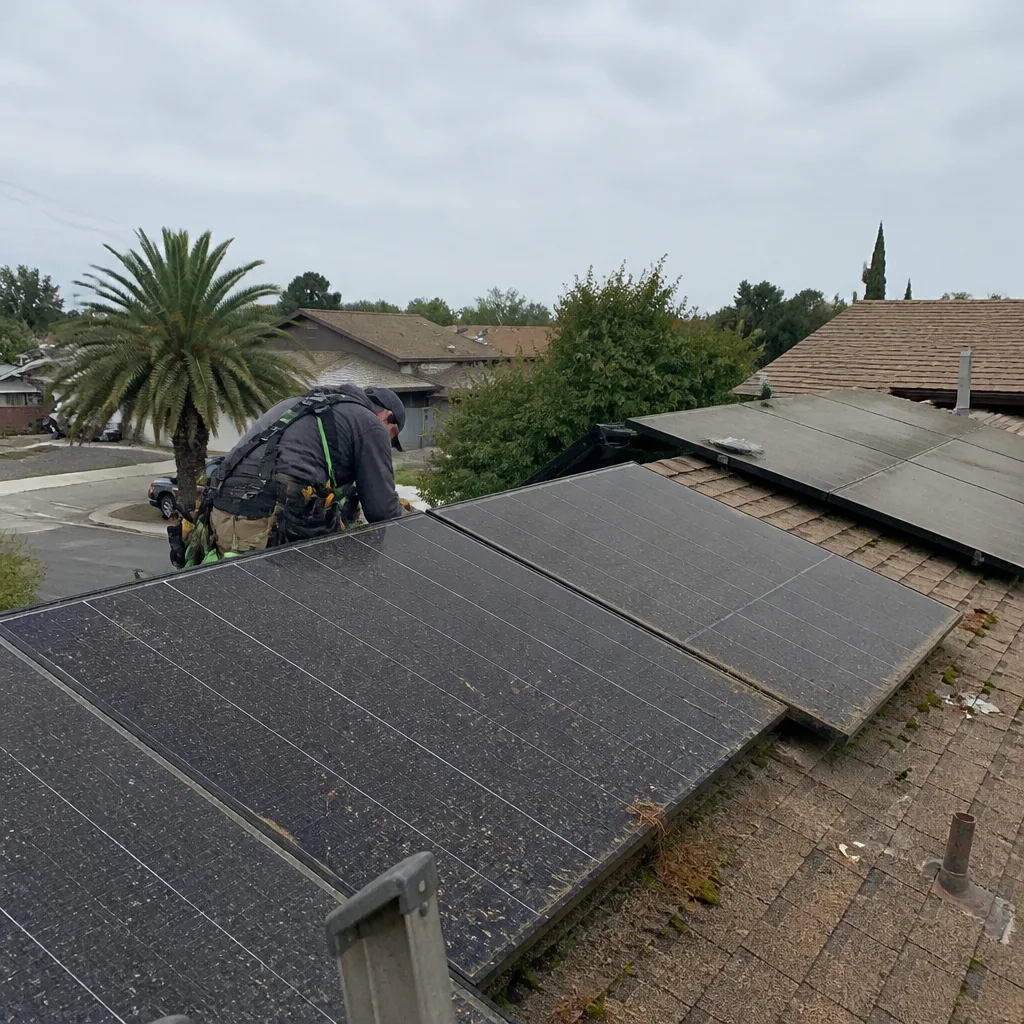 Before
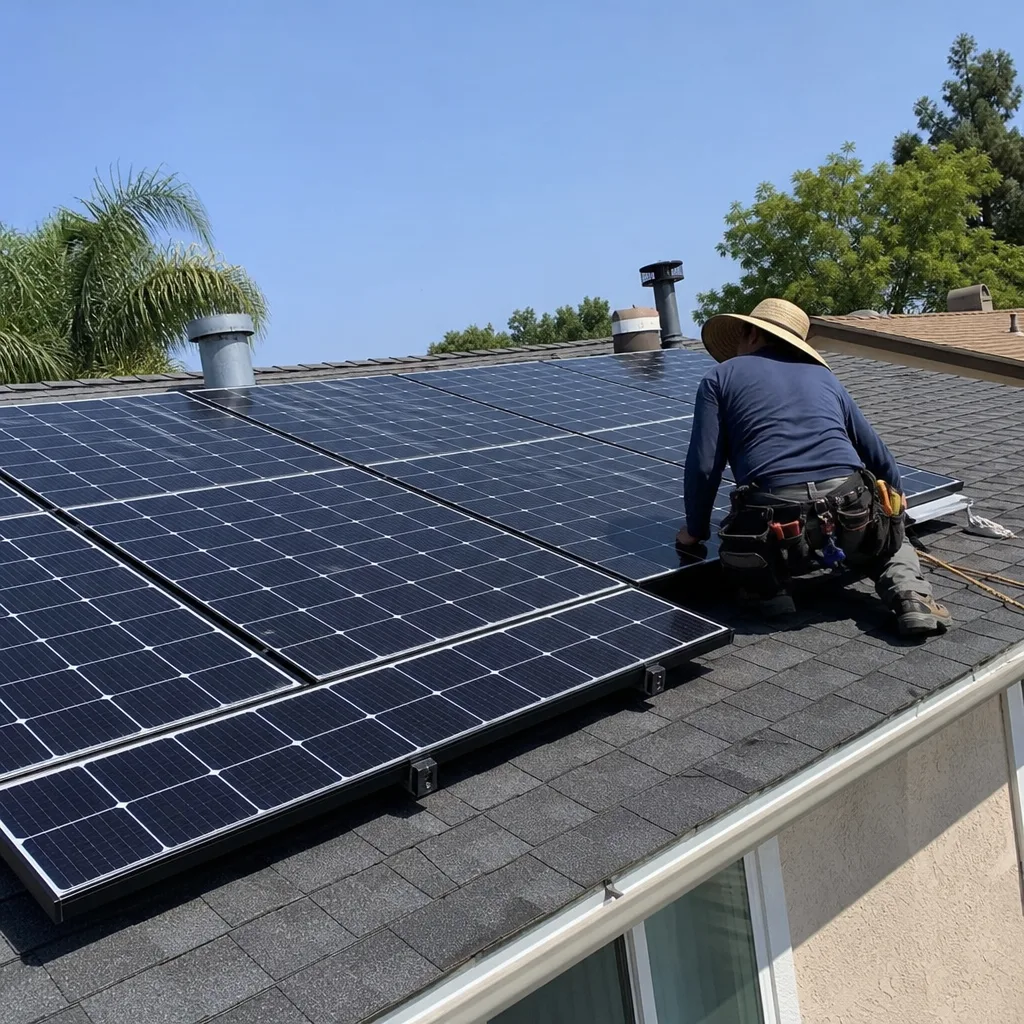 After
After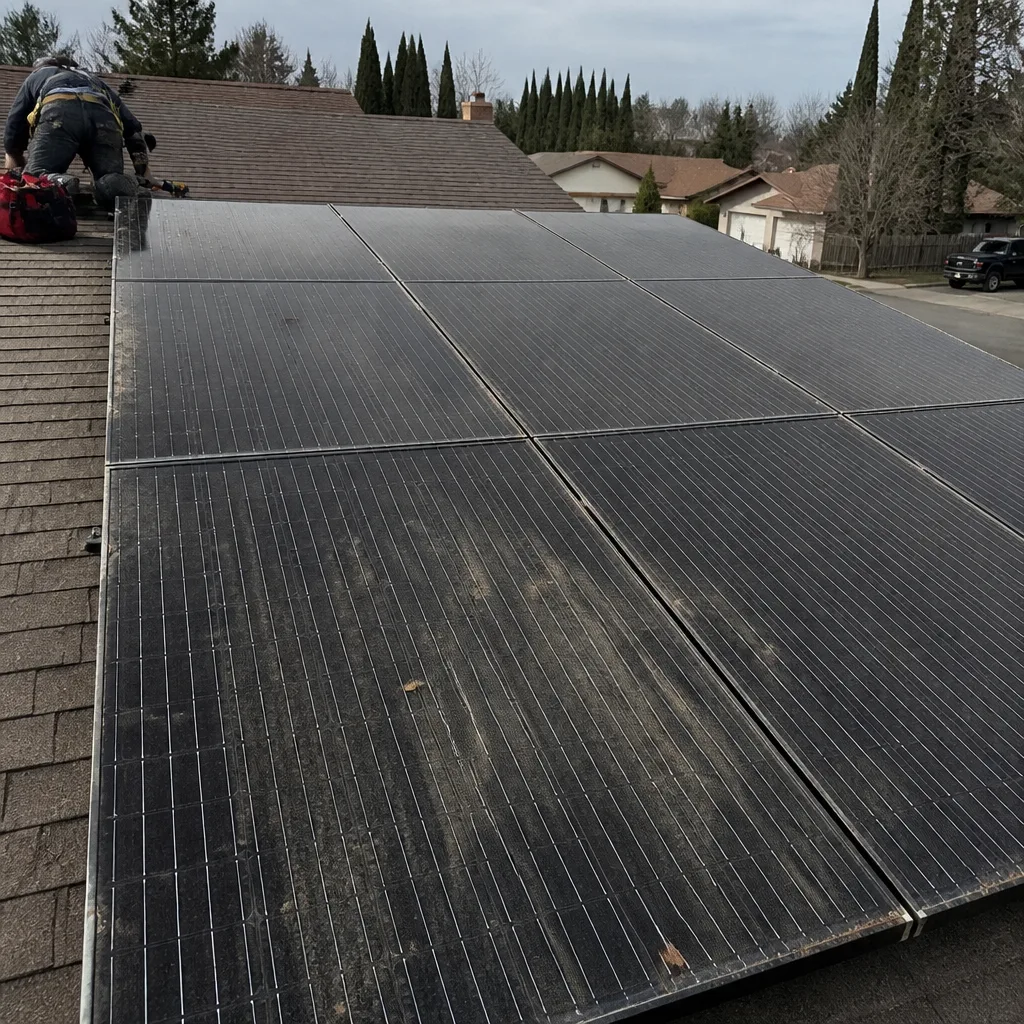 Before
 After
AfterFast, Reliable Solar Panel Installation Across Big Bear Lake
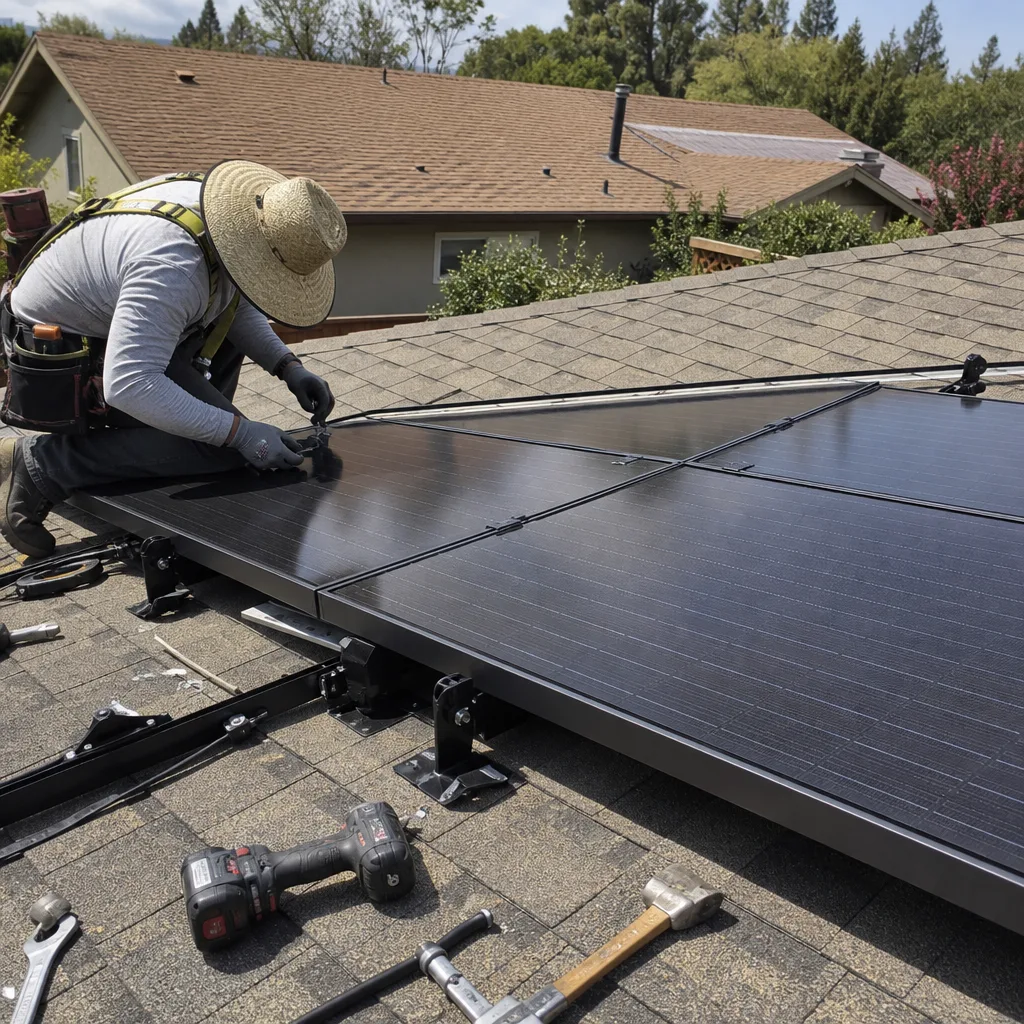
Solar panel installation in Big Bear Lake runs $18,000 to $34,000 for a typical 6-8 kW rooftop system before the federal tax credit, and most jobs take two to four days on site once permits clear. Panels up here produce 15-20% more power than identical panels in the San Bernardino Valley because Big Bear Lake sits at 6,752 feet, above the marine layer, in cleaner and thinner air. If you want the real numbers for your cabin or full-time home, call Gus at (877) 550-6892 and bring a utility bill. He’ll do the math off your actual usage, not a brochure.
We’ve installed and serviced solar on A-frames, ski chalets, and 1950s cabins across 92315 long enough to know which roofs hold snow, which racking survives a 60 lb/sq ft load, and which inverters keep working when one side of the roof stays shaded for three days. That matters in a place where the February snowpack can bury a ground mount up to the panel frames. Solar Panel Installation here is not the same job it is down the hill.
Why Gus’s Solar Is Big Bear Lake’s Preferred Solar Panel Installation Company
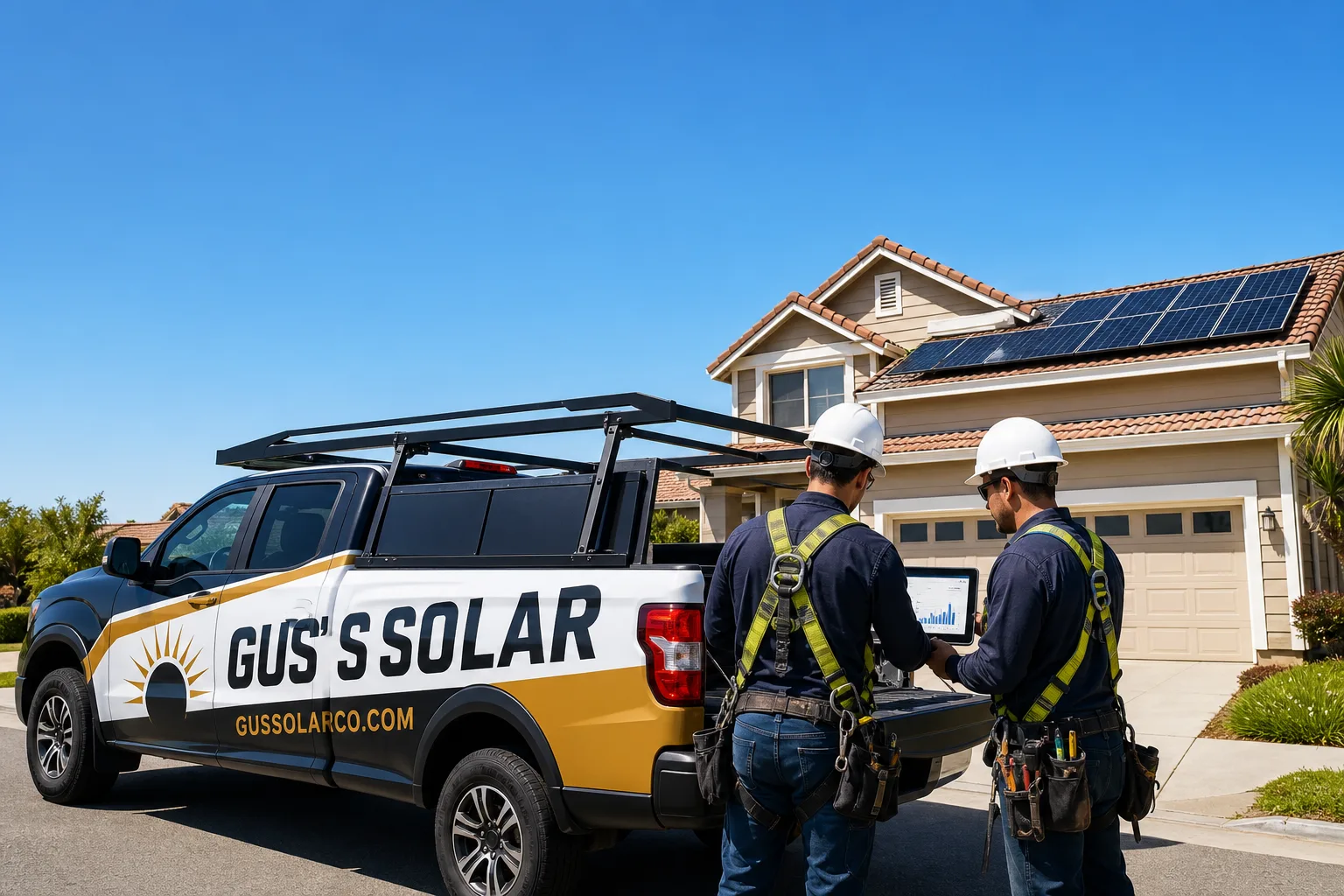
Gus Petrakis founded this company in 2011 and he still puts his own name on the truck, the estimate, and the warranty. When you call (877) 550-6892, a live person answers. Not a call center. Not a ticketing portal. That matters when your system throws an error code at 9 p.m. on a Friday and there’s two feet of snow on the roof.
We work on the mountain regularly. Our crew knows the permitting process through San Bernardino County’s mountain division. We know which Big Bear Lake roads get plowed last. We know that scheduling a crane in February on Pine Knot Avenue means waiting for a weather window. And we never hand work to a sub. The same background-checked, uniformed crew on your estimate is the crew on your roof.
Here’s what Big Bear Lake homeowners tell us. The big national outfits quote a number, collect a deposit, then hand the job to someone who has never seen snow loads like ours. We quote a number off your actual SCE bill, put it in writing, and tell you to take two weeks before you sign. The price will be the same. If a salesman needs an answer tonight, the answer is no.
Our Solar Panel Installation Services in Big Bear Lake
Rooftop Solar Installation
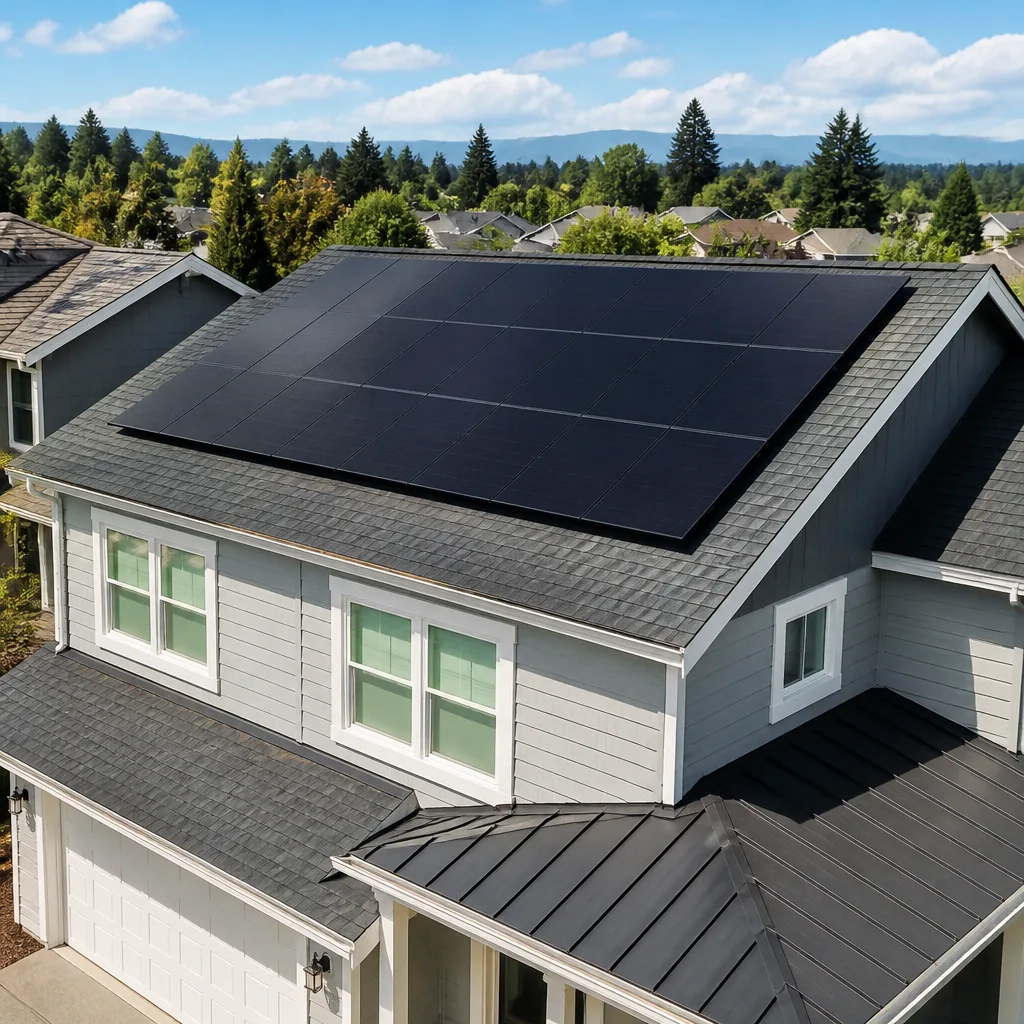
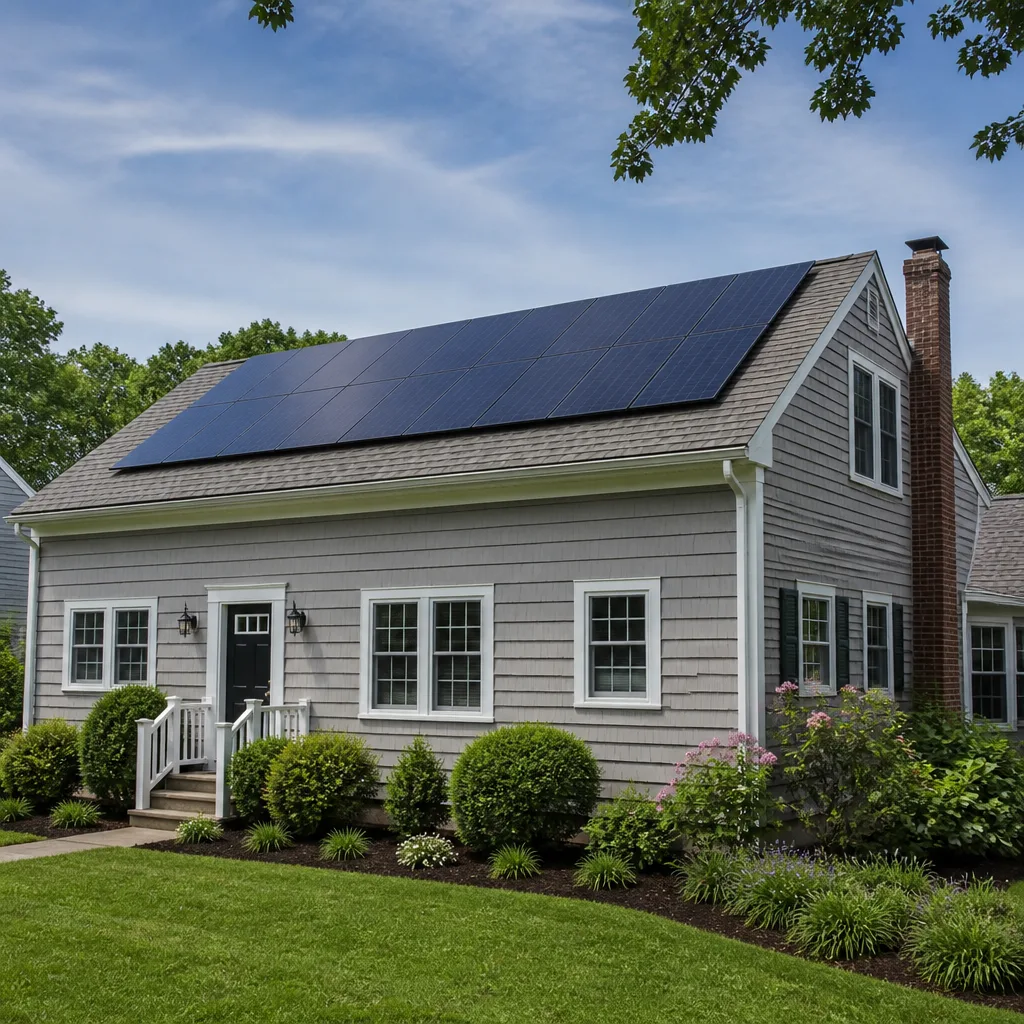
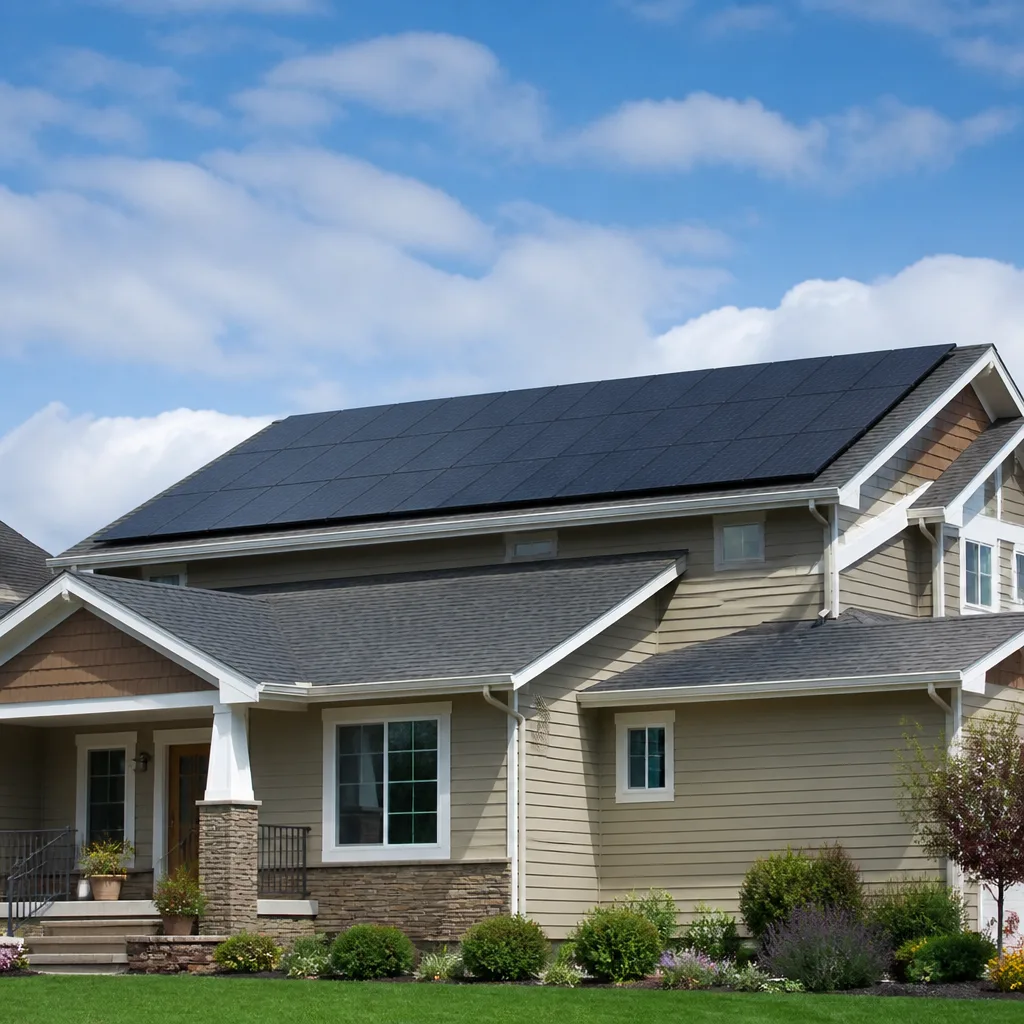
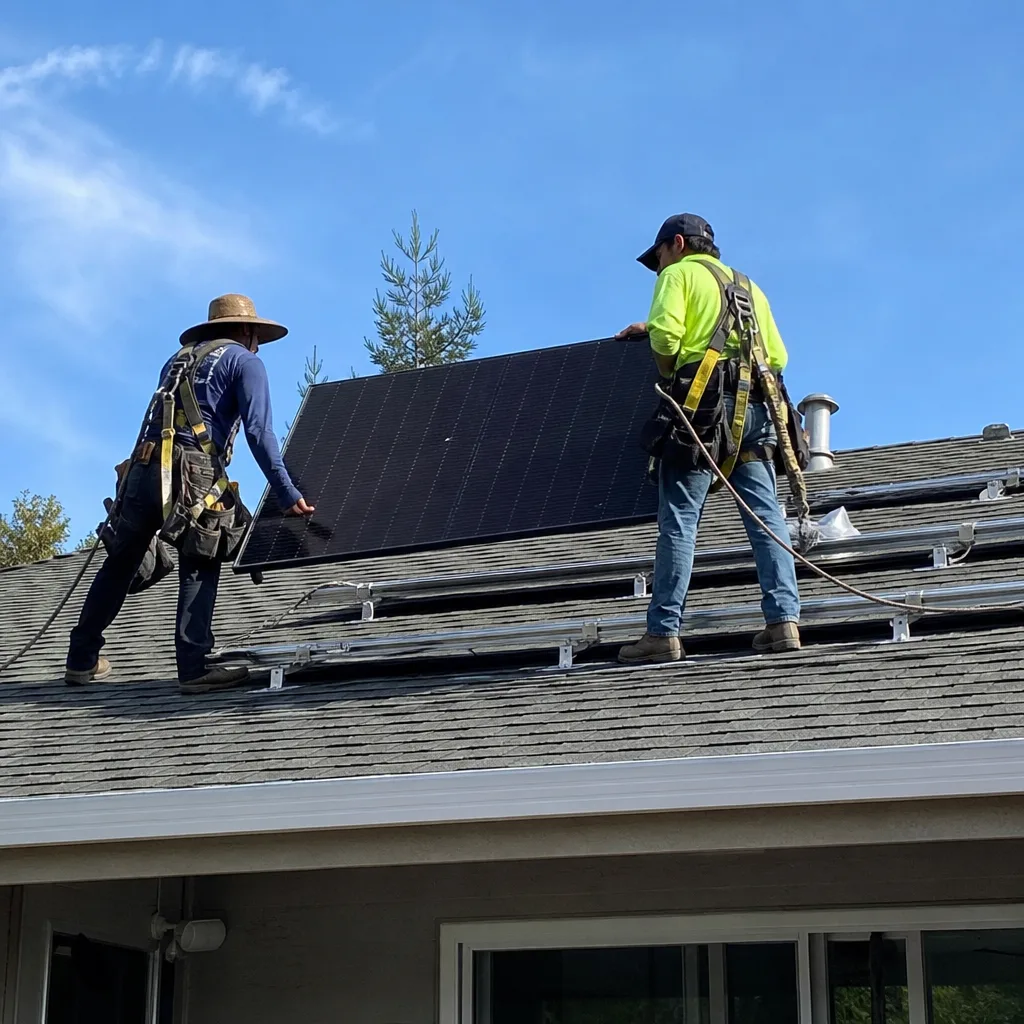
Most Big Bear Lake installs go on steep-pitched A-frames and chalet roofs, where the slope is your friend for snow shedding but your enemy for standard racking. We design every array around the roof’s actual pitch, the prevailing wind, and how snow piles drift on the lee side. A 7.2 kW system up here usually runs $21,000 to $30,000 installed, depending on roof condition and panel choice.
Solar System Design & Permitting
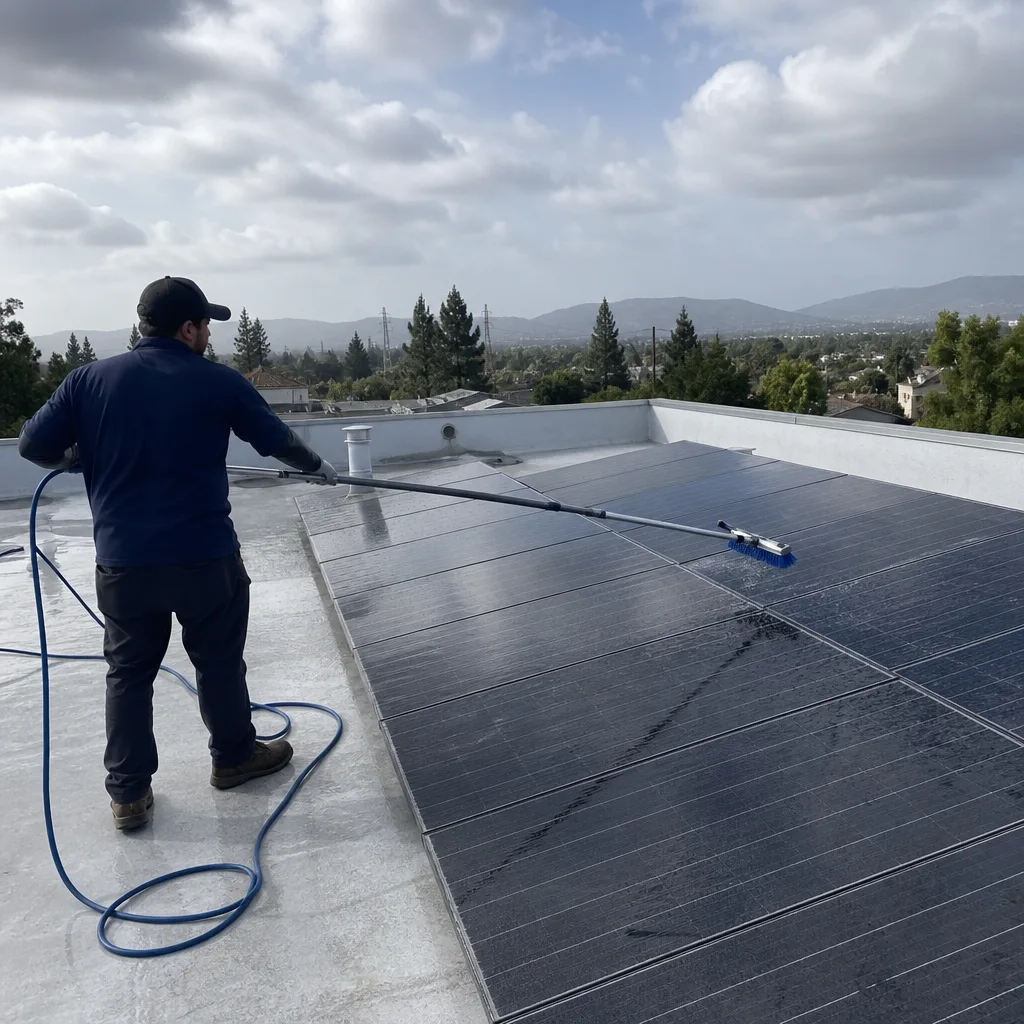
Big Bear Lake falls under San Bernardino County jurisdiction, and the mountain building division enforces snow load requirements that valley inspectors never see. We handle the full plan set, structural calculations for 60+ lb/sq ft ground snow, and the interconnection paperwork with SCE. Permit timelines on the mountain run four to eight weeks. We’ll tell you that upfront.
Solar Panel Replacement
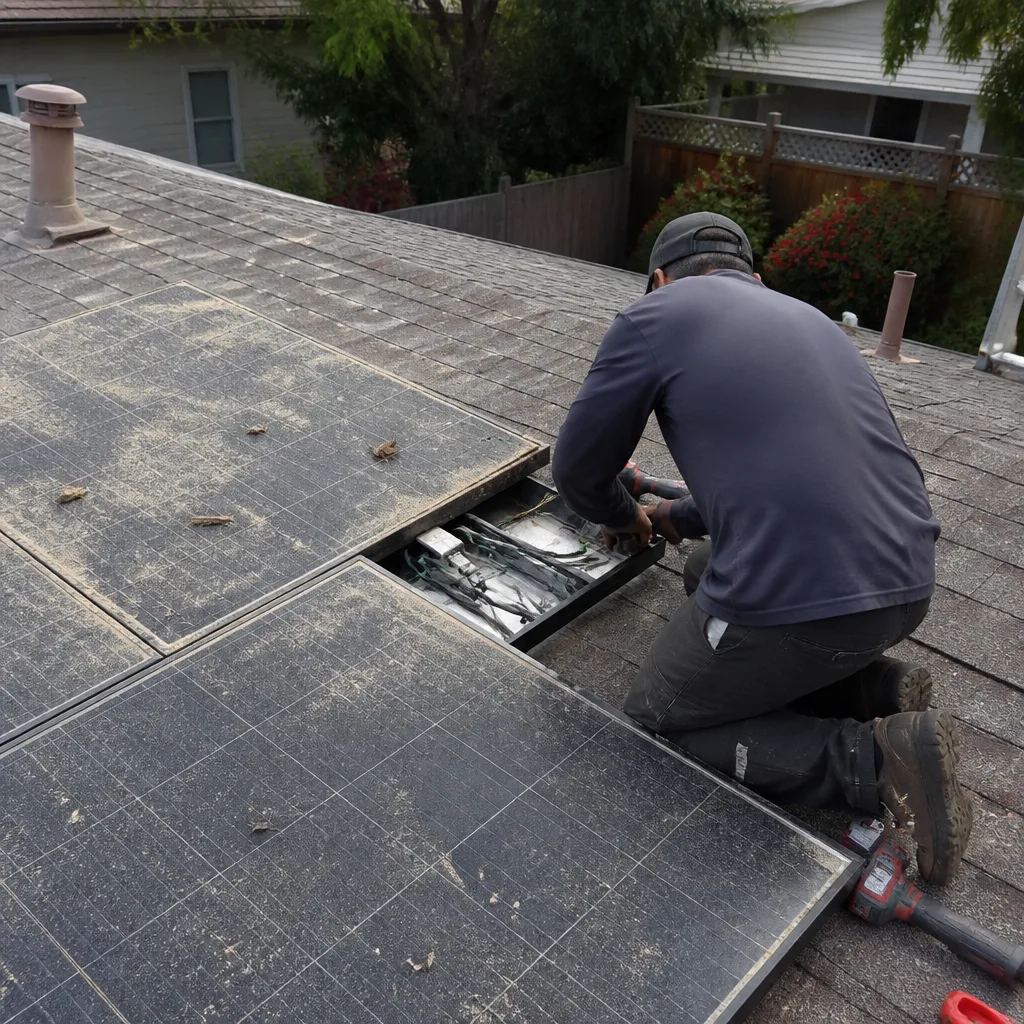
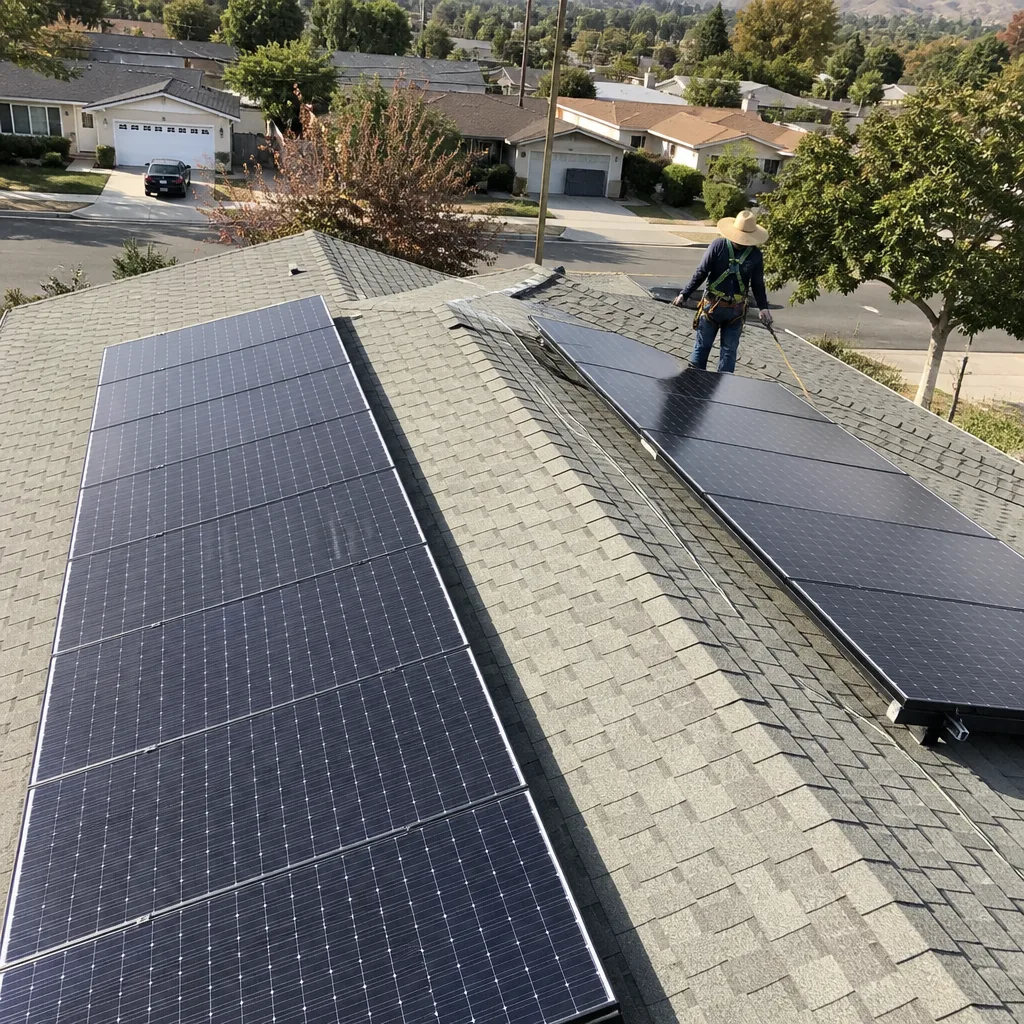
If your system was installed over a decade ago by an out-of-state outfit, the racking is probably not alpine-rated and the sealant around roof penetrations is cracking from freeze-thaw cycles. We remove old panels, inspect the mount points, and replace components with hardware rated for -40°F and a snow load that actually applies up here. Panel-only replacement in Big Bear Lake typically runs $7,000 to $13,000 for a full array.
Roof-Mount & Tile Roof Solar
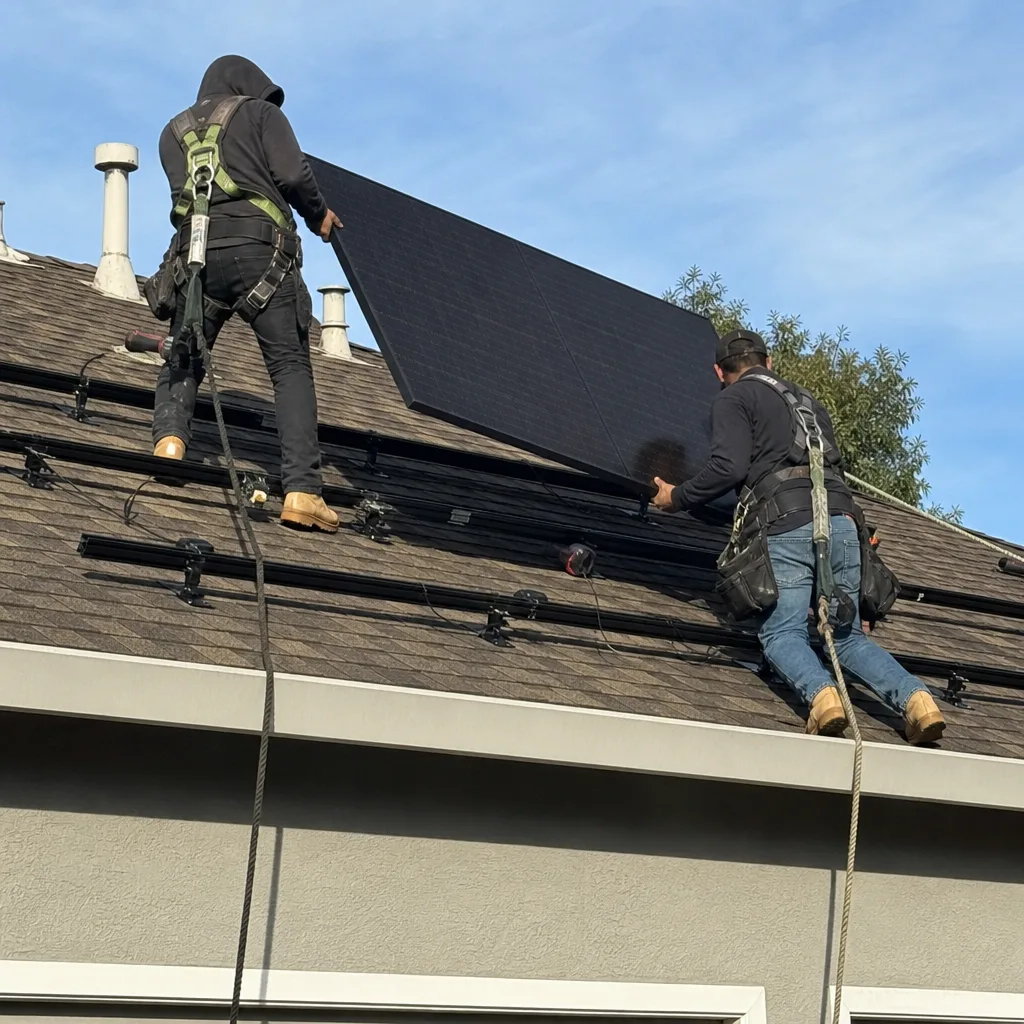
Tile roofs are less common in Big Bear Lake than they are down the hill, but we see them around Fox Farm and along Stanfield Cutoff. Tile work requires extra care because cracked tiles at 6,700 feet become leak points during the freeze-thaw season. We flash every penetration and use compression-mount standoffs that keep water out when ice expands. Rack-and-flash tile roof installs typically add $1,800 to $3,200 over a standard composite roof job.
What happens when you call
- 1
A real person answersNo phone trees - you reach a local pro.
- 2
You get an upfront price rangeHonest numbers before anyone is dispatched.
- 3
A background-checked tech heads outLicensed & insured, dispatched right away.
- 4
You approve before work beginsNothing starts until you say go.
Trusted Brands We Service in Big Bear Lake
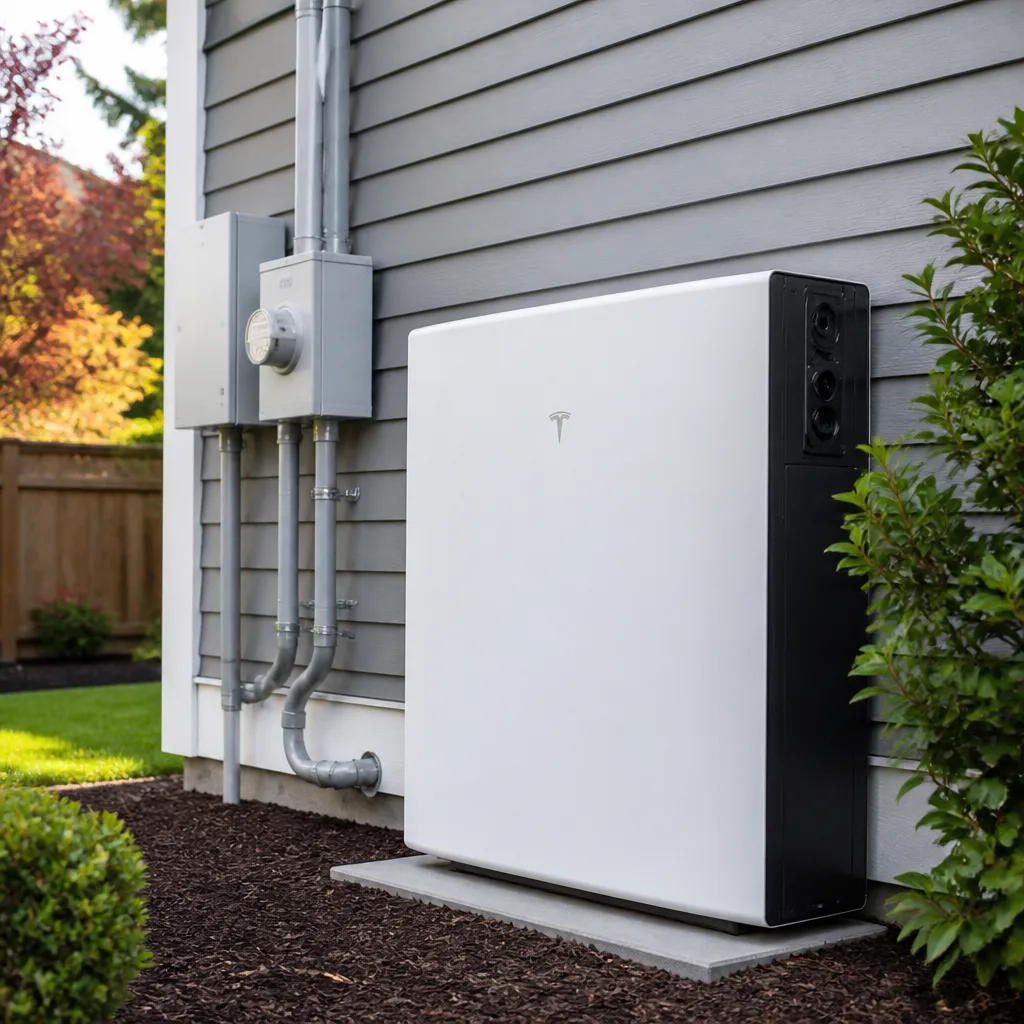
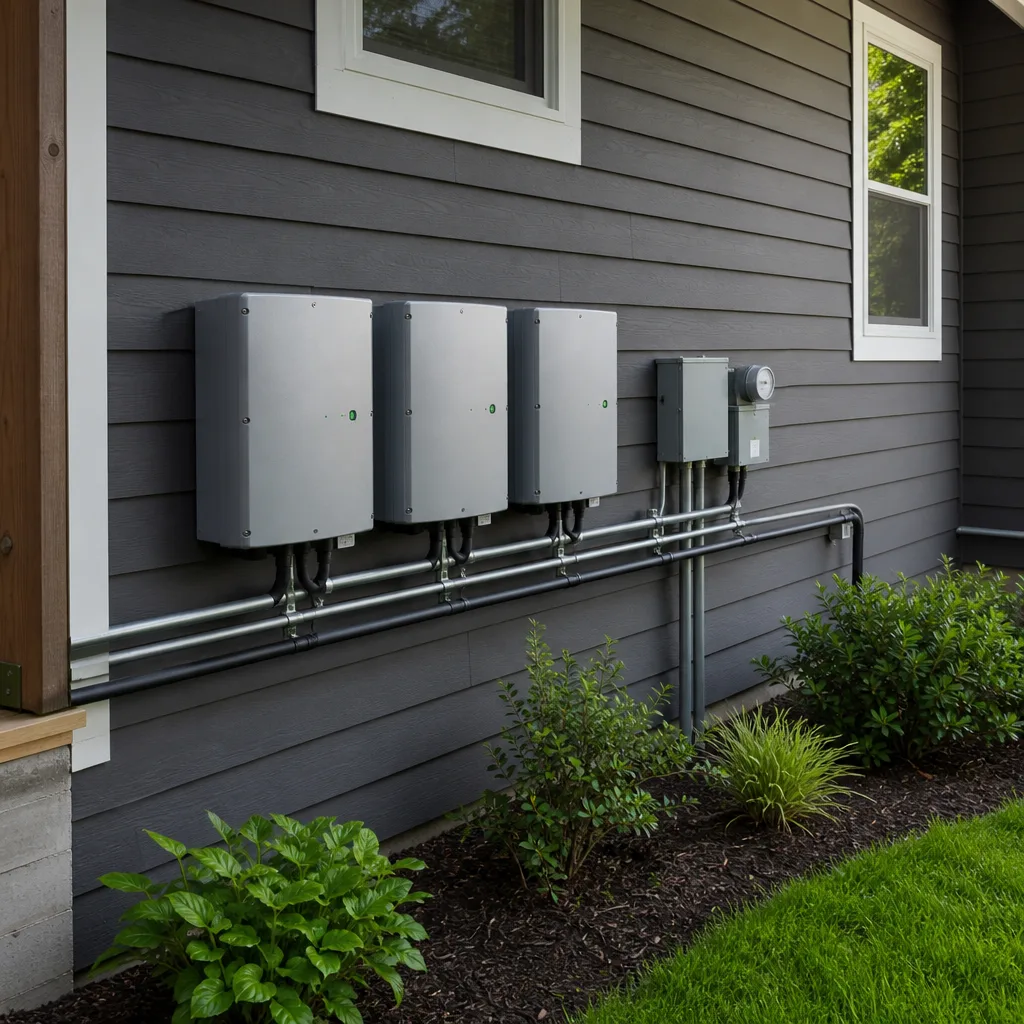
We install and service equipment from Panasonic, Canadian Solar, JinkoSolar, and others, and we pair panels with Enphase microinverters on almost every mountain job. The reason is simple: steep roofs mean partial shading for part of every winter day, and microinverters keep one shaded panel from pulling down the whole string. We keep spare racking hardware, cold-rated sealants, and common replacement parts in our mountain service vehicle so we’re not waiting on a warehouse in Ontario when your system needs a fix. FranklinWH and similar battery systems are on the table for any Big Bear Lake homeowner who wants backup power through the next multi-day SCE outage.
Common Solar Panel Installation Problems We See in Big Bear Lake Homes
- Racking collapse or deformation under snow load. Standard residential racking rated for 5-10 lb/sq ft live load has no business on a Big Bear Lake roof. We’ve replaced systems where aluminum feet bent and sheared bolts after a single heavy storm. Our racking is specified for the county’s mountain snow zone, not the valley standard.
- Freeze-thaw leaks at roof penetrations. Every mount point is a potential leak. At this elevation, water freezes, expands, and pries open gaps that sealants would handle in Redlands. We re-penetrate with silicone-based sealants rated to -40°F and verify every flashing with a hose test after snowmelt.
- String inverter failure during patchy snow coverage. A steep A-frame roof can hold snow on the north side while the south side melts clean. With a string inverter, one buried panel drops production across the whole array. We design Big Bear Lake systems with Enphase microinverters or SolarEdge optimizers so shade or snow on one section doesn’t kill the rest.
- Older vacation cabins with undersized electrical panels. Many 1950s-1970s cabins around Boulder Bay and Moonridge still run on 100-amp panels that can’t take a new solar feed. We’ll check your main panel during the estimate and tell you if a 200-amp upgrade needs to be part of the job. That upgrade runs $2,500 to $4,500 in Big Bear Lake.
Pricing for Solar Panel Installation in Big Bear Lake, CA
Here are real ranges for Big Bear Lake, not national averages. A full rooftop system on a standard composite roof runs $18,000 to $34,000 before the 30% federal tax credit. That’s $8,000 to $15,000 higher than a comparable valley install because the racking is heavier, the snow load engineering is required, and the drive up the 330 or the 38 means logistics planning rather than same-day dispatch. A ground mount runs $22,000 to $40,000 depending on trenching and bedrock. Solar system design, engineering, and county permits run $1,800 to $3,500 as a standalone service if you’re comparing bids. None of these numbers are a guess. Bring us an SCE bill and we’ll quote your system off the actual kWh you use, including how mountain winter rates change the payback math.
| Big Bear Lake Solar Work | Typical Range |
|---|---|
| 6-8 kW rooftop system (installed, before credit) | $18,000 - $34,000 |
| Snow-rated racking upgrade on existing array | $4,500 - $9,000 |
| Full solar panel replacement (labor + panels) | $7,000 - $13,000 |
| Main panel upgrade (100A to 200A) | $2,500 - $4,500 |
| Design, engineering, permits only | $1,800 - $3,500 |
We Also Serve Cities Near Big Bear Lake
If your property is a few miles outside Big Bear Lake proper, we cover Big Bear Lake plus Big Bear City, Lucerne Valley, Mentone on the 38 corridor, and Yucaipa below the pass. Mountain roads and valley highways don’t change how we quote or how we work. You’ll get the same math, the same crew, and the same number to call.
Serving Big Bear Lake, CA - Our Local Coverage Area
We’re based in the Big Bear Lake area and know this community well. Use the map below to see our service coverage - if you’re nearby, we can almost certainly help.
FAQs - Solar Panel Installation in Big Bear Lake
Your racking must be engineered for 60+ lb/sq ft ground snow load and installed with cold-rated hardware, which means steel feet, heavier rails, and more roof penetrations than a flatland installer would ever specify. A typical Big Bear Lake racking system runs $4,500 to $9,000 as an upgrade on an existing array, or is built into the full install price. If a bid doesn’t mention snow load, that installer hasn’t done the engineering. Call (877) 550-6892 and ask us to look at the plan set side by side.
Yes. SCE’s net billing program works for part-time homes, but your payback math looks different because weekend-only load means you’re exporting more power during the week and drawing at night and during storm outages. For a weekend cabin in Big Bear Lake, a battery often shortens the real payback period because you’re storing your own solar instead of buying peak-rate mountain power on Saturday nights. We’ll model both scenarios off your actual SCE history. Bring a bill, we’ll bring the math.
Most Big Bear Lake homeowners hit payback in 8 to 11 years, depending on roof pitch, panel orientation, and whether you install a battery. Mountain electric rates run higher than valley averages, and a solar system at 6,752 feet produces 15-20% more than the same panel array in San Bernardino, which shortens the timeline. We quote the year-25 output, not the day-one brochure number. That’s the number that matters.
Yes, and not just because code requires it. Rapid shutdown is mandatory in San Bernardino County, but for mountain homes the hardware choice also determines whether patchy snow kills your whole array. We use Enphase microinverters on nearly every Big Bear Lake job because module-level shutdown meets code and a single snow-shaded panel doesn’t drag the string to zero. The hardware choice is included in our estimate, and we’ll explain why it’s there.
Panels degrade faster in high-UV, high-temp-cycling environments, so expect 0.5-0.7% annual degradation up here instead of the 0.4% you might see in coastal fog. Over 25 years, that’s a difference of 3-7% total output. It matters because a cheap panel with a weak warranty will underdeliver exactly when your roof is buried in snow and your SCE bill is highest. We quote the year-25 output because that’s the honest number for a 6,752-foot installation.
Gus built Gus’s Solar on a simple standard: his name is on the work, his number is on the truck, and he answers when you call. That’s the L.O.C.A.L. code he built the company on: Local roots, On time, Community first, Accountable, Loyal. You’ll see it on every estimate and every invoice. If you’re ready to find out what solar looks like at 6,752 feet, call (877) 550-6892 for a free estimate. Take two weeks to think about it. The price will be the same, and Gus will still answer the phone.
Written by Gus Petrakis, owner and founder of Gus’s Solar, a locally owned and operated solar company based in Southern California and serving Big Bear Lake and the surrounding mountain communities since 2011.