
Free bill analysis - bring a power bill, get the production math for your actual roof, panel brands like Qcells and REC compared side by side
If the pitch starts at your door and ends with "sign tonight for the special," sleep on it. The sun will still be there tomorrow; so will we.
 Before
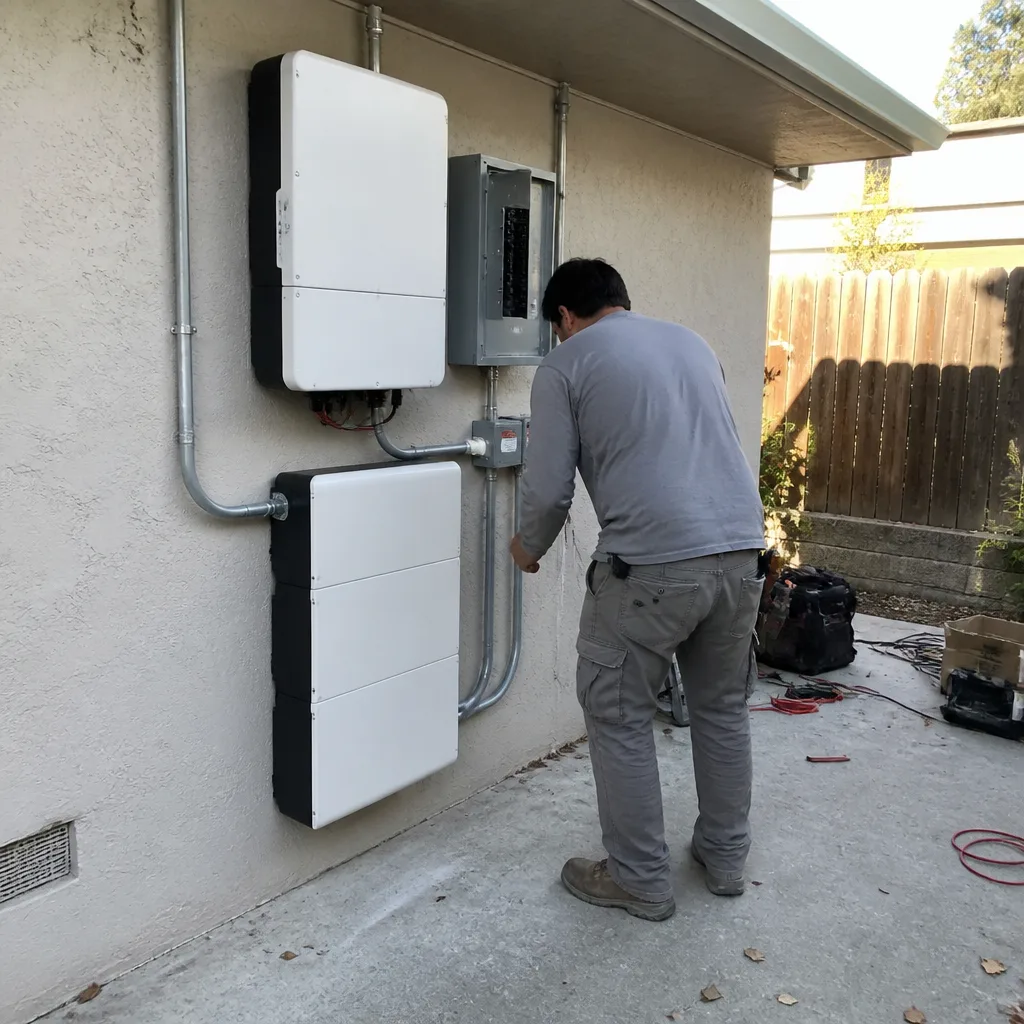 After
After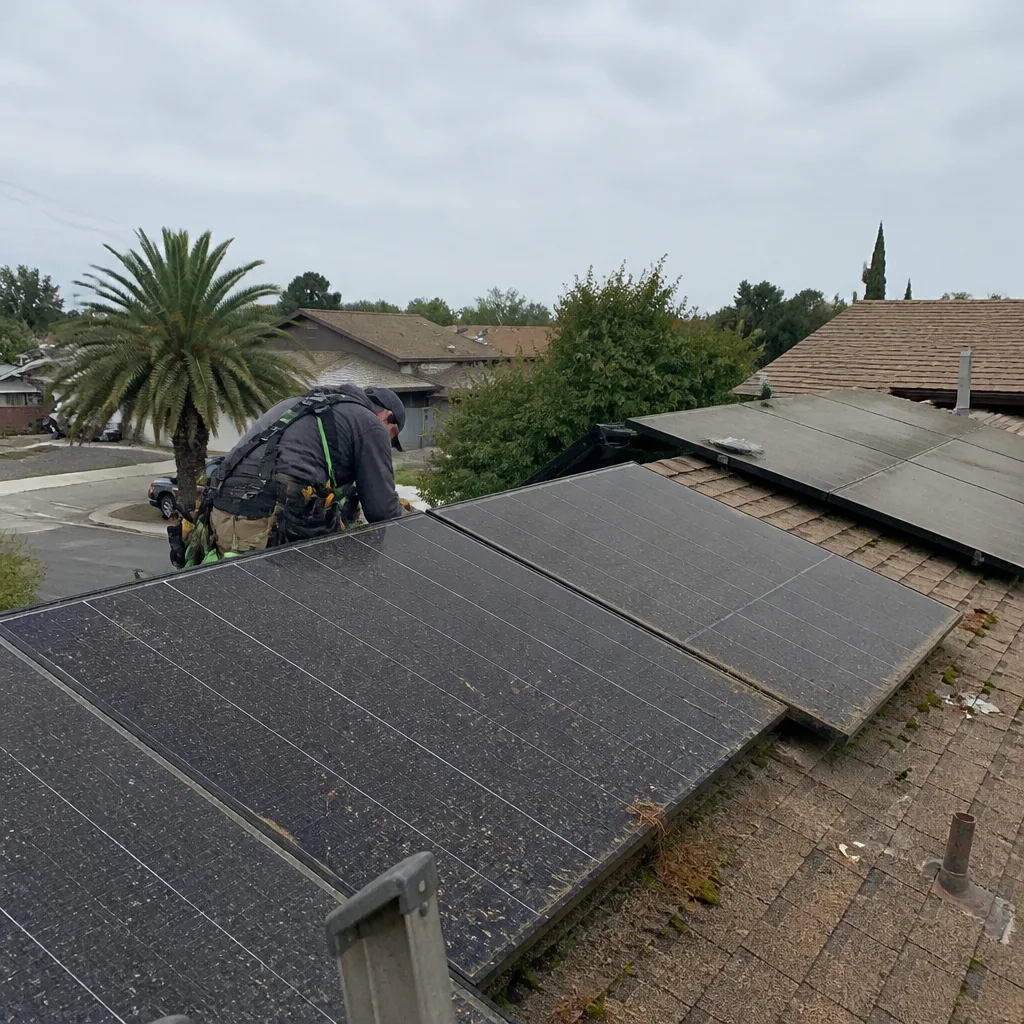 Before
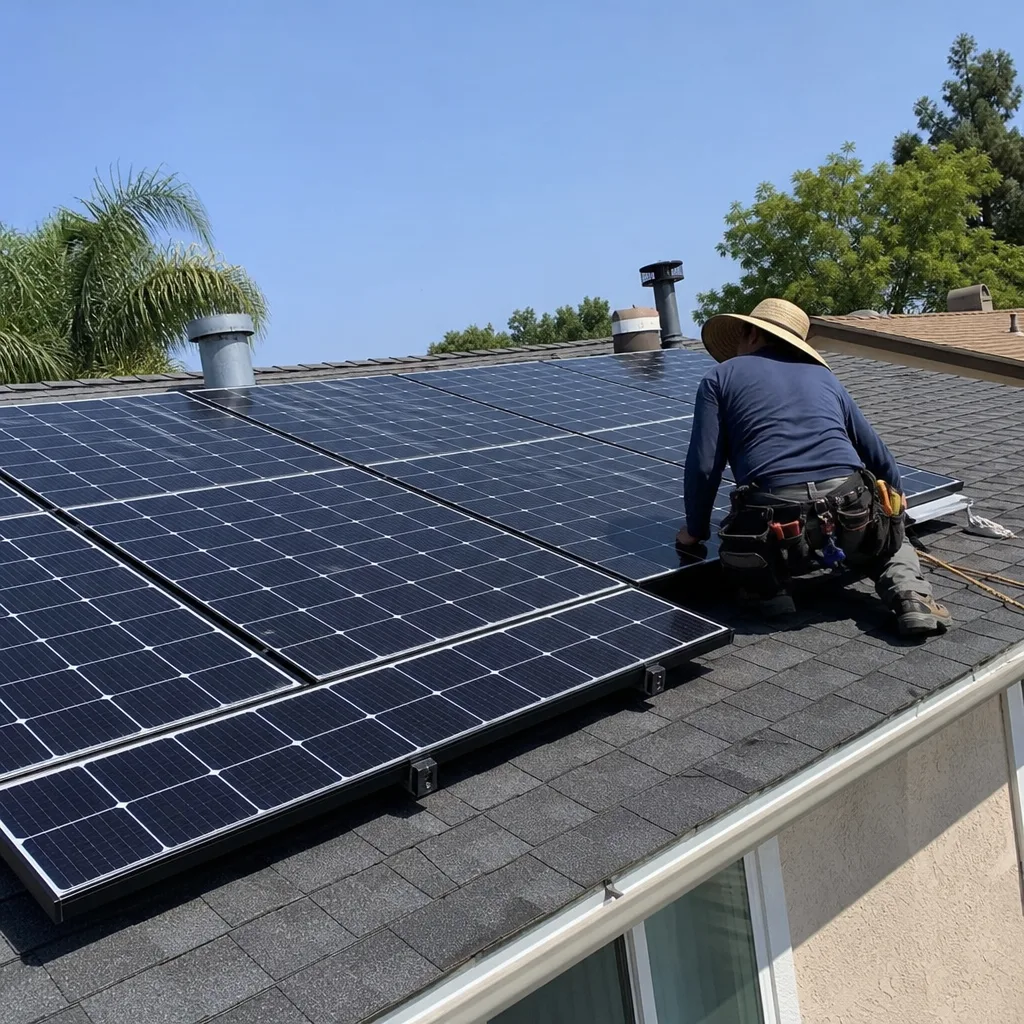 After
After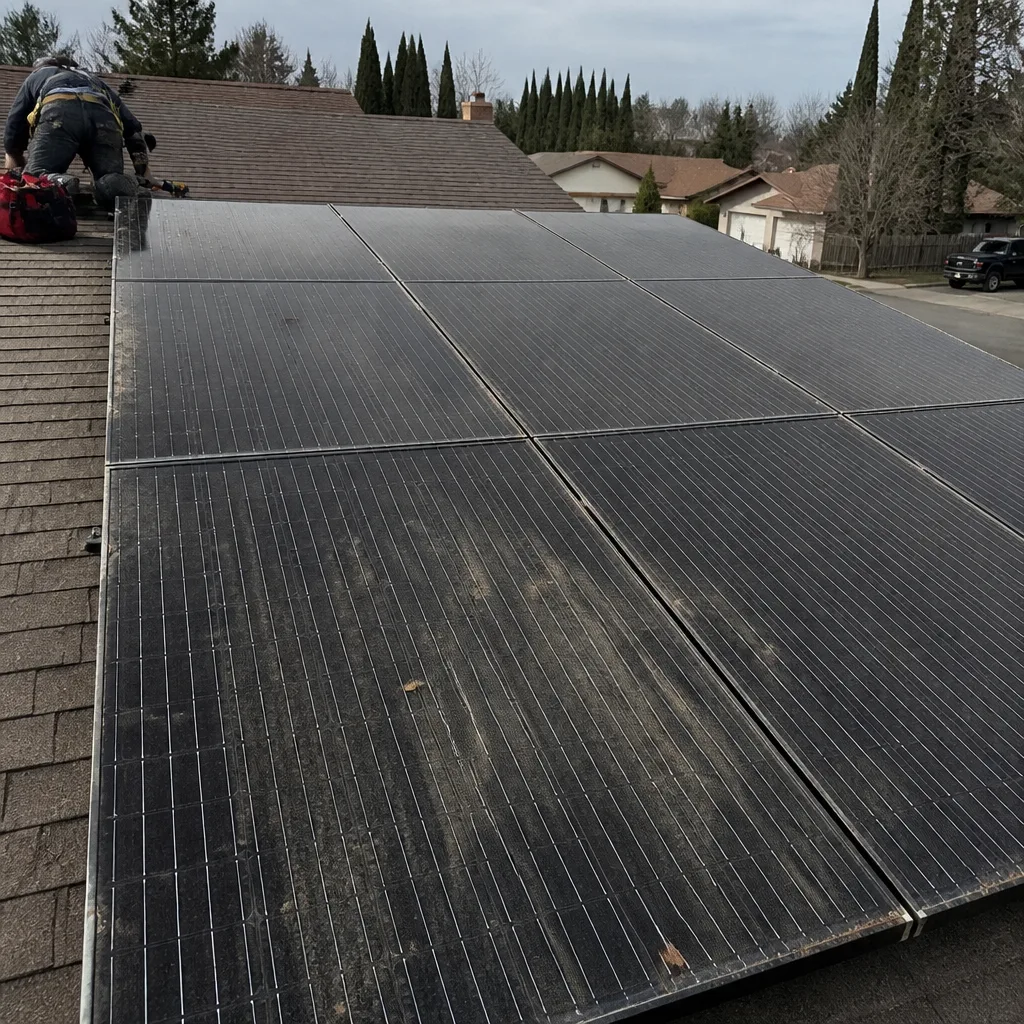 Before
 After
AfterFast, Reliable Solar Panel Maintenance & Monitoring Across Big Bear Lake
Solar panel maintenance in Big Bear Lake typically runs $180-$480 for an annual inspection and $250-$700 for diagnostics when production drops. Most calls we take from Big Bear Lake homeowners come after a winter storm or a string of low-output days, and we can usually be there within 24-48 hours. At 6,752 feet, your panels are doing something no flatland array does: producing exceptional power through thin air while getting buried under snowpack that can hit 60 pounds per square foot. That changes what maintenance actually means here. Call (877) 550-6892 and we’ll walk you through what your system needs before you spend a dollar.
If you already have panels and the numbers on your bill don’t match what you were promised, start with our Solar Panel Maintenance & Monitoring inspection. We’ll find out whether it’s snow, wiring, an inverter issue, or something the original installer missed. Big Bear Lake is a different animal. We treat it that way.
Why Gus’s Solar Is Big Bear Lake’s Preferred Solar Panel Maintenance & Monitoring Company
Gus Petrakis founded this company in 2011 and his name is on the truck. When a homeowner on Sugarloaf Boulevard calls about a ground fault code, Gus is the one who picks up the phone. That matters more up here than it does in the valley, because mountain solar work is less forgiving. A loose roof penetration in Big Bear Lake freezes, thaws, and cracks within two seasons. A junction box that survives fine in Redlands lets water in after one February at elevation. We built Big Bear Lake maintenance around those realities, not around a generic checklist from a sales office.
Our customers in Moonridge, Boulder Bay, and Fox Farm know the rhythm: we don’t chase you for a signature, we don’t push a new panel system if yours is fine, and we answer the phone 24/7. When a storm takes out SCE mountain circuits and your production monitor shows zero, somebody picks up. That somebody is usually Gus. He’s been working on mountain systems long enough to know that a SolarEdge arc-fault code after a February storm often means ice in the junction box, not a bad module.
Every inspection comes with the 90-Day Done Right Promise in writing. If we miss something, we come back and make it right. You also get a live person on the phone around the clock, no ticket queue, no call center three states away. That’s the whole point of hiring a local shop instead of a door-knocker with a brochure.
Key Takeaways
- Big Bear Lake’s elevation and snowpack create failure modes flatland installers never see.
- We respond to Big Bear Lake calls within 24-48 hours, faster for emergencies.
- Gus Petrakis owns the company, answers the phone, and stands behind every inspection in writing.
- No-hassle upfront pricing. The quote is the price, no signature tonight, ever.
- Senior and veteran discounts never expire: 10% off, every job, every year.
Our Solar Panel Maintenance & Monitoring Services in Big Bear Lake
Here’s what we actually do when we come out to your property, and why each piece matters in Big Bear Lake specifically.
Production Monitoring Setup
Most systems up here were installed with basic monitoring that shows total output and not much else. That doesn’t cut it when one panel is shaded by a snow drift and the rest of the string is dragging down because of it. We configure module-level and string-level monitoring through Enphase or SolarEdge so you can see exactly which panel is underperforming, by how much, and whether it’s weather, wiring, or a failing cell. In Big Bear Lake, that granularity is the difference between catching a $300 junction box fix early and replacing a $2,800 string of panels after freeze-thaw damage spreads.
Annual System Inspection
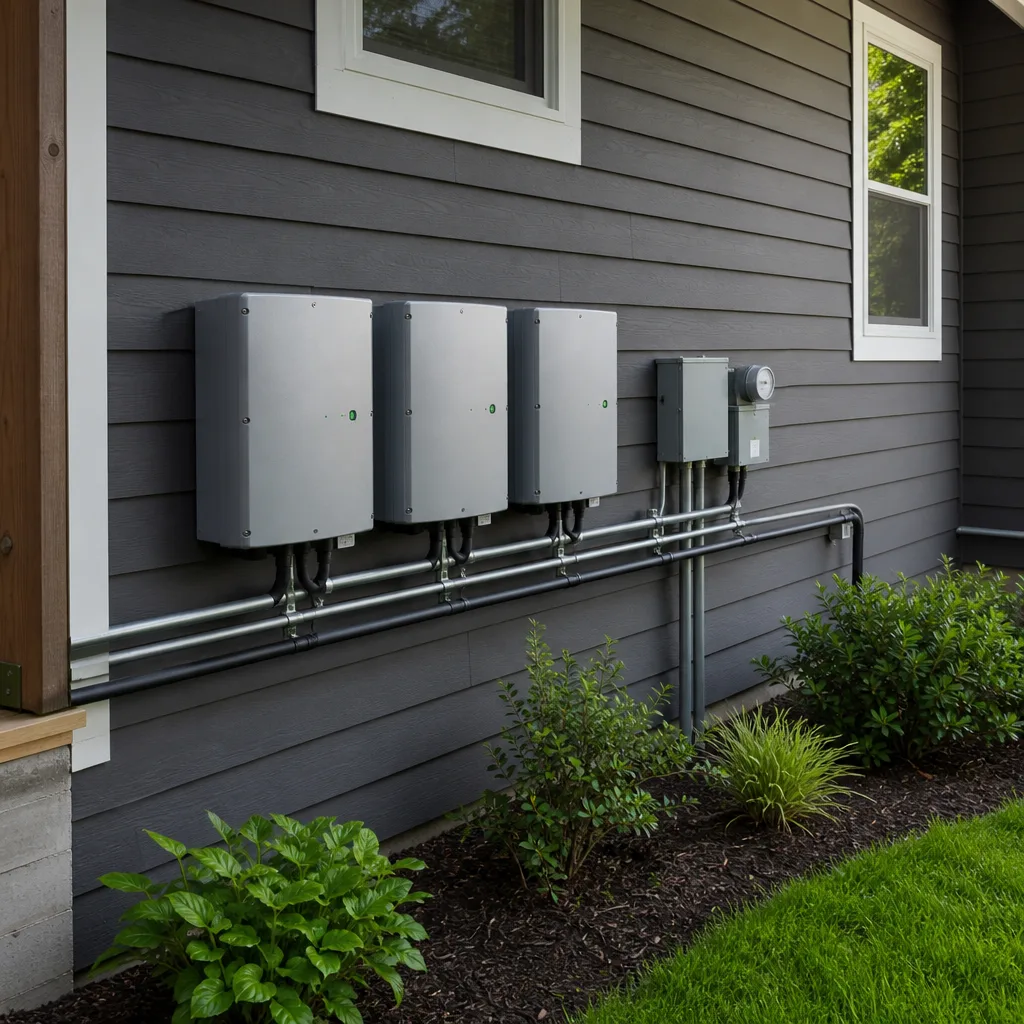
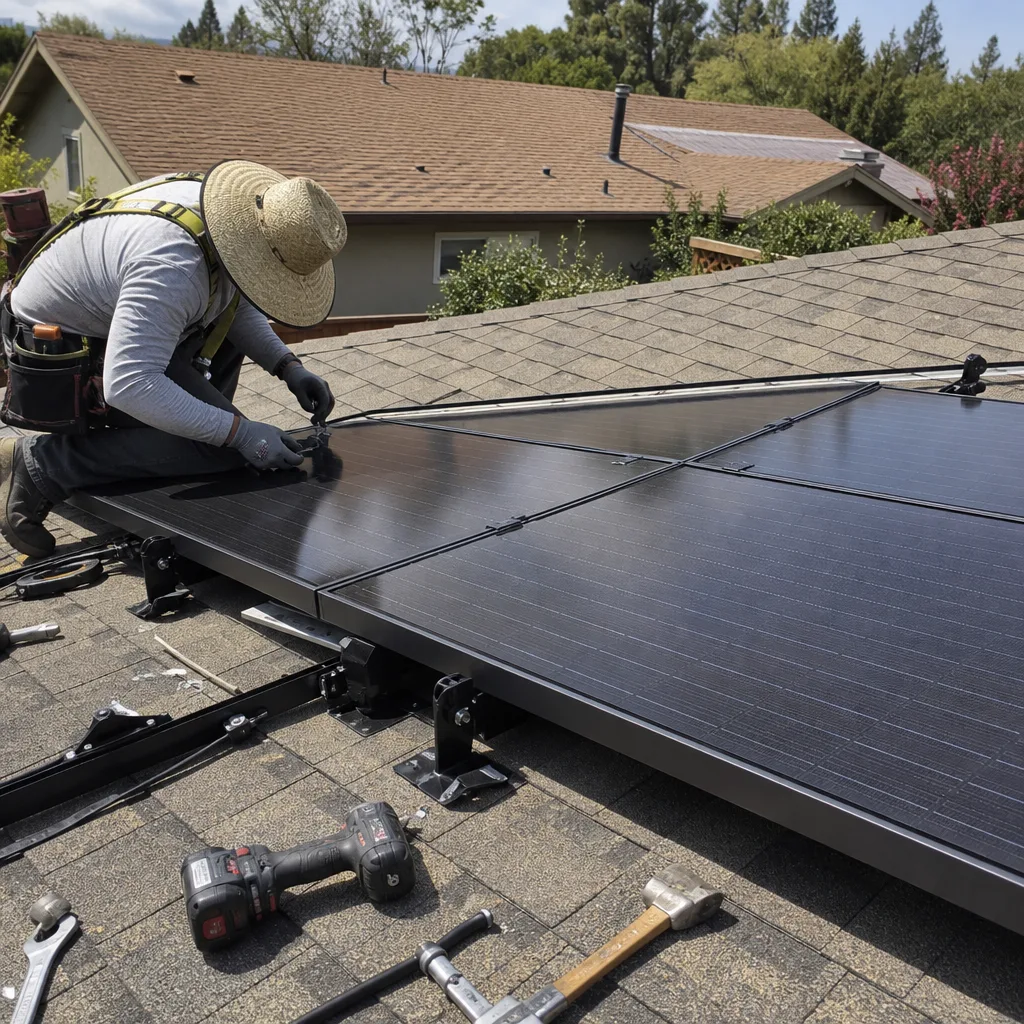
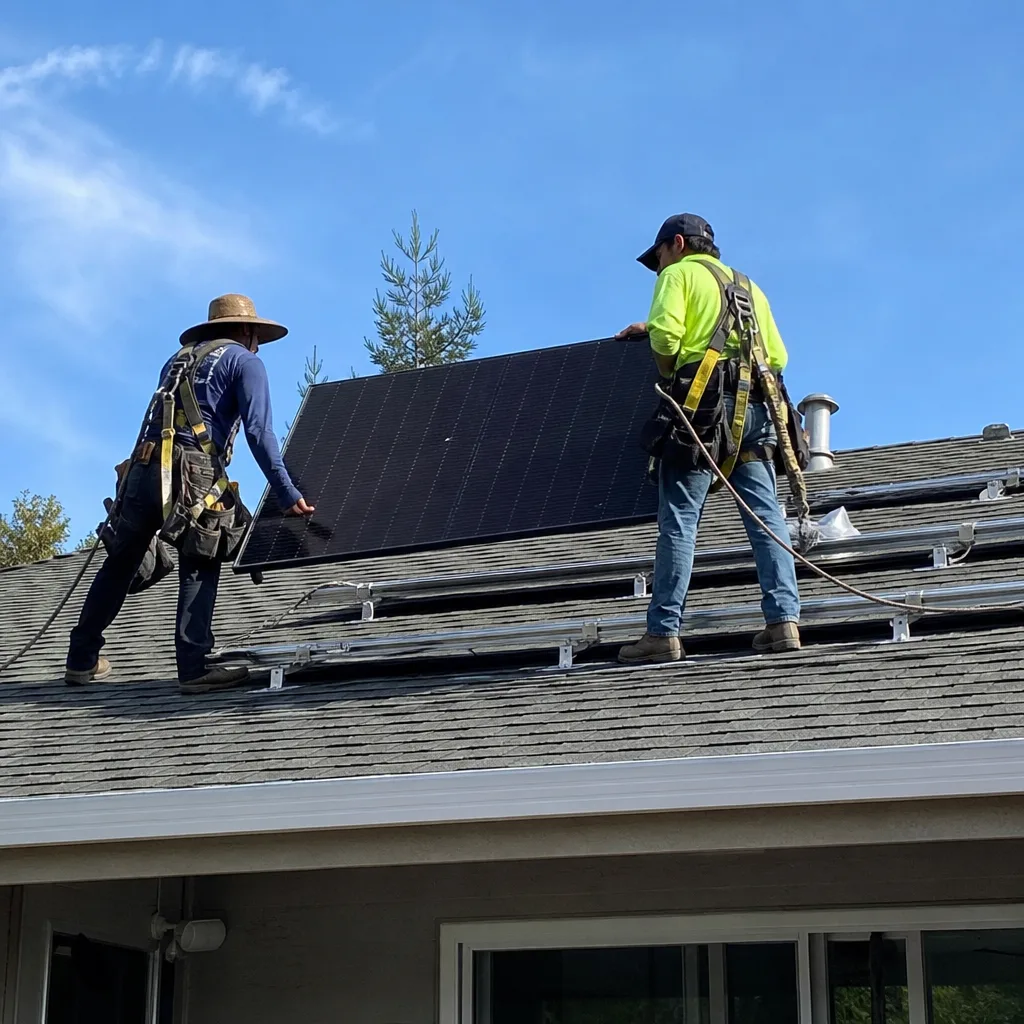
A Big Bear Lake annual inspection isn’t a quick visual walkaround. It includes torque checks on racking bolts after months of thermal cycling, sealant inspection on every roof penetration, conduit and junction box condition checks, and a full inverter diagnostics read. We’ve seen freeze-thaw cycling at this elevation crack rigid conduit within three winters. That’s not a valley problem. It’s a 6,752-foot problem. We look for it every visit.
Underperformance Diagnostics
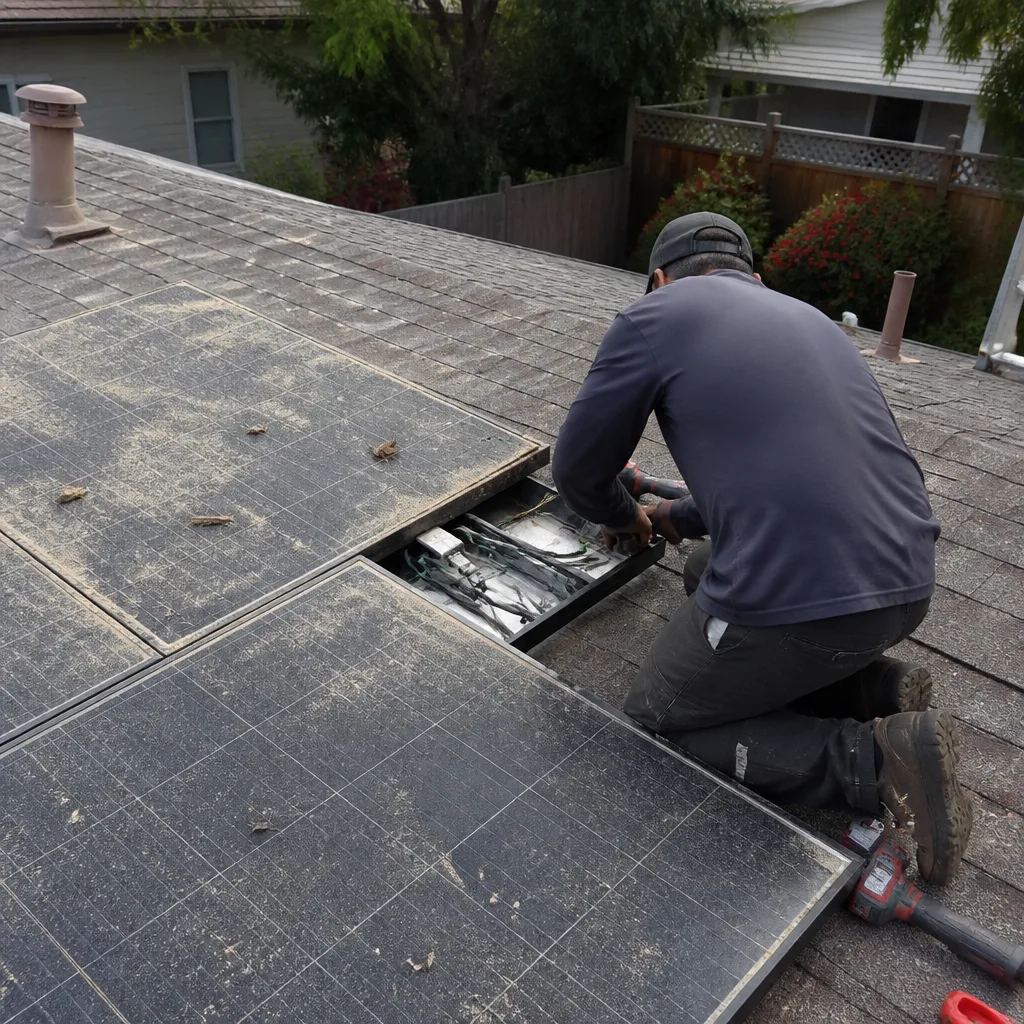
When your system is producing less than it should, we start with the inverter event log, then move to module-level data. In Big Bear Lake, the usual suspects are snow-related micro-cracks in panel glass, arc-fault or ground-fault codes from moisture in rooftop boxes, and damaged cable clips from snow sliding off steep A-frame roofs. We’ve also seen plenty of systems that were never sized for actual snow-load shading in winter and simply underperform from December through March. We’ll tell you the truth about what’s fixable and what isn’t, in plain language.
Firmware & App Configuration
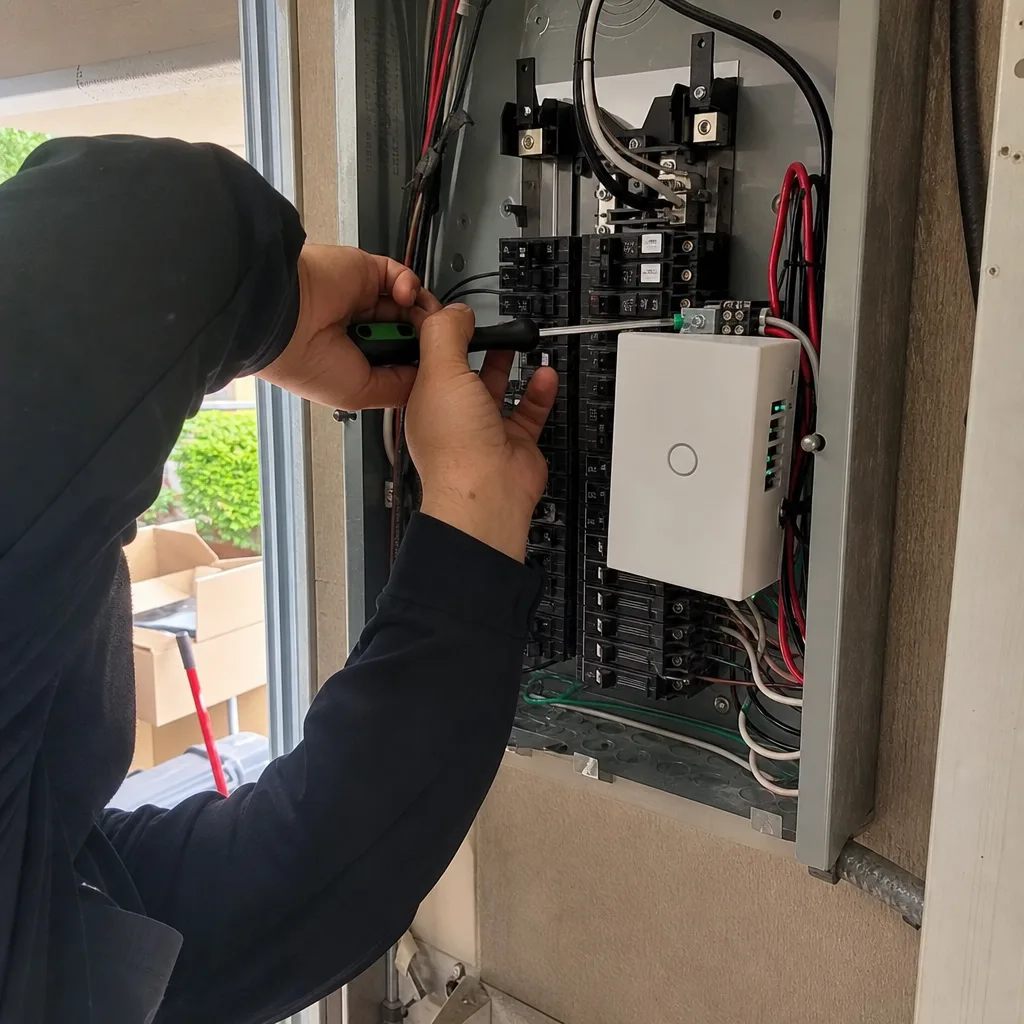
Enphase and SolarEdge both release firmware updates that affect how your system communicates with monitoring portals. If your firmware is years behind, you may be getting false error codes or missing production alerts entirely. We update firmware, reconfigure alerts so you get flagged before a voltage spike trips rapid shutdown, and make sure your app actually shows Big Bear Lake conditions correctly. That last part matters: some monitoring dashboards aren’t set up to account for snow-coverage derating, so they show “low production” warnings that are just physics.
Preventive Maintenance Plans
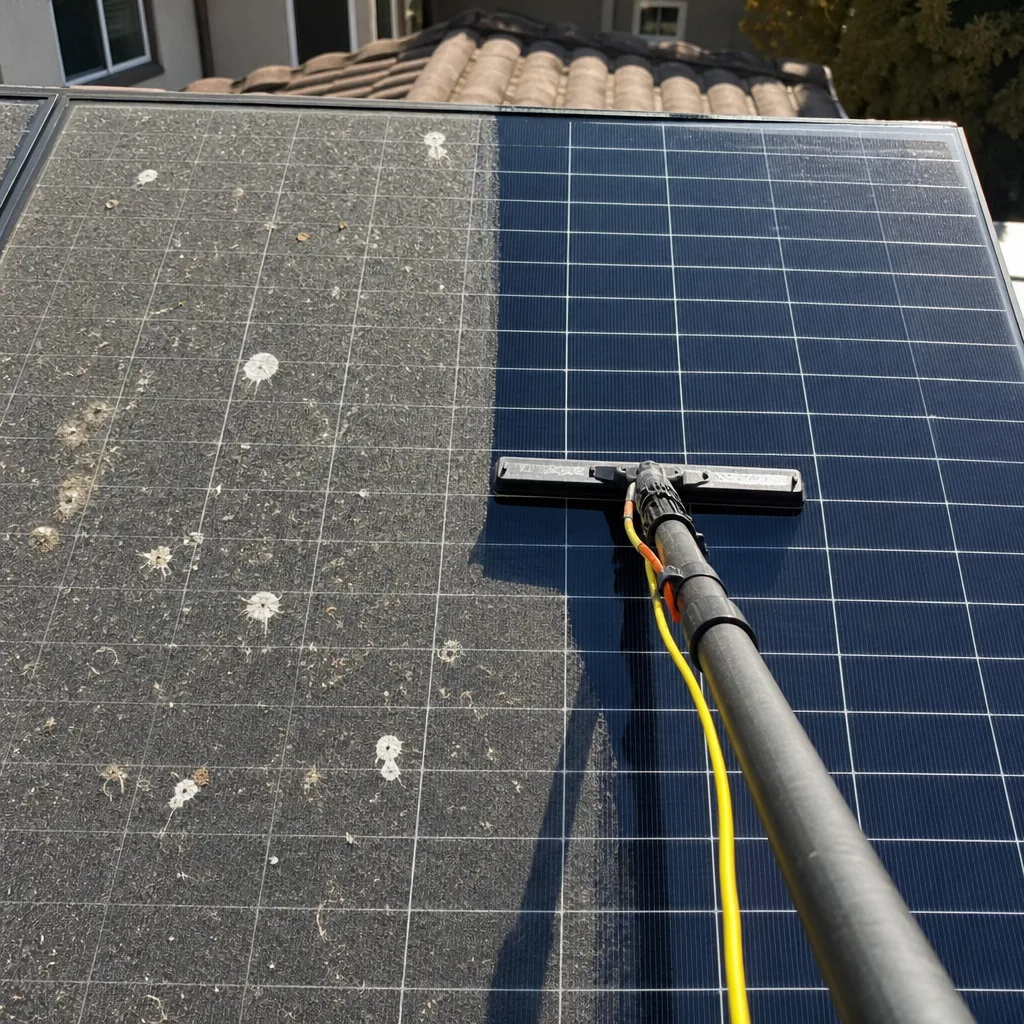
For homeowners who don’t want to think about any of this, we offer annual or biannual plans that include inspection, sealant touch-ups, monitoring health checks, and priority scheduling before winter. Big Bear Lake is a second-home market for many owners. If you’re not up here full time, we check your system when you can’t. You’ll get a report with photos and a plain-English summary. No jargon, no upsell.
What happens when you call
- 1
A real person answersNo phone trees - you reach a local pro.
- 2
You get an upfront price rangeHonest numbers before anyone is dispatched.
- 3
A background-checked tech heads outLicensed & insured, dispatched right away.
- 4
You approve before work beginsNothing starts until you say go.
Trusted Brands We Service in Big Bear Lake
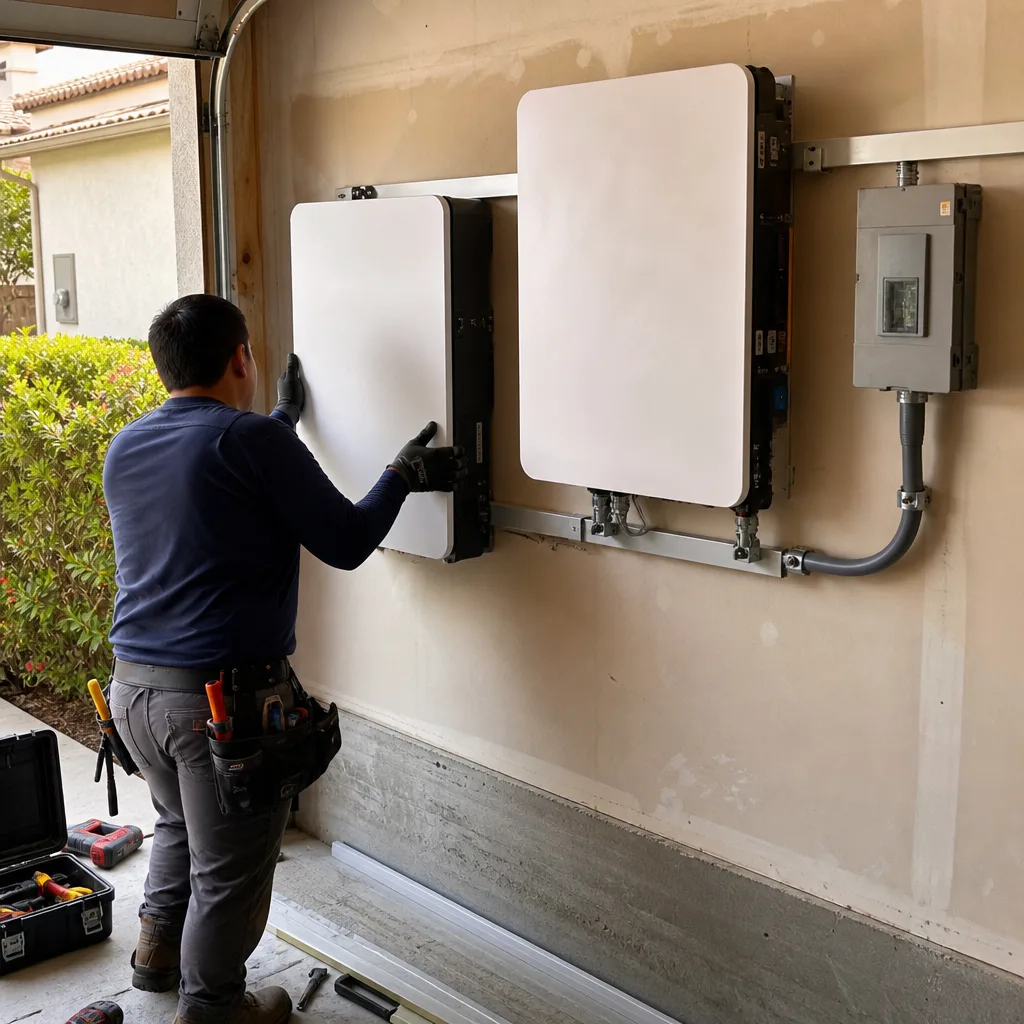
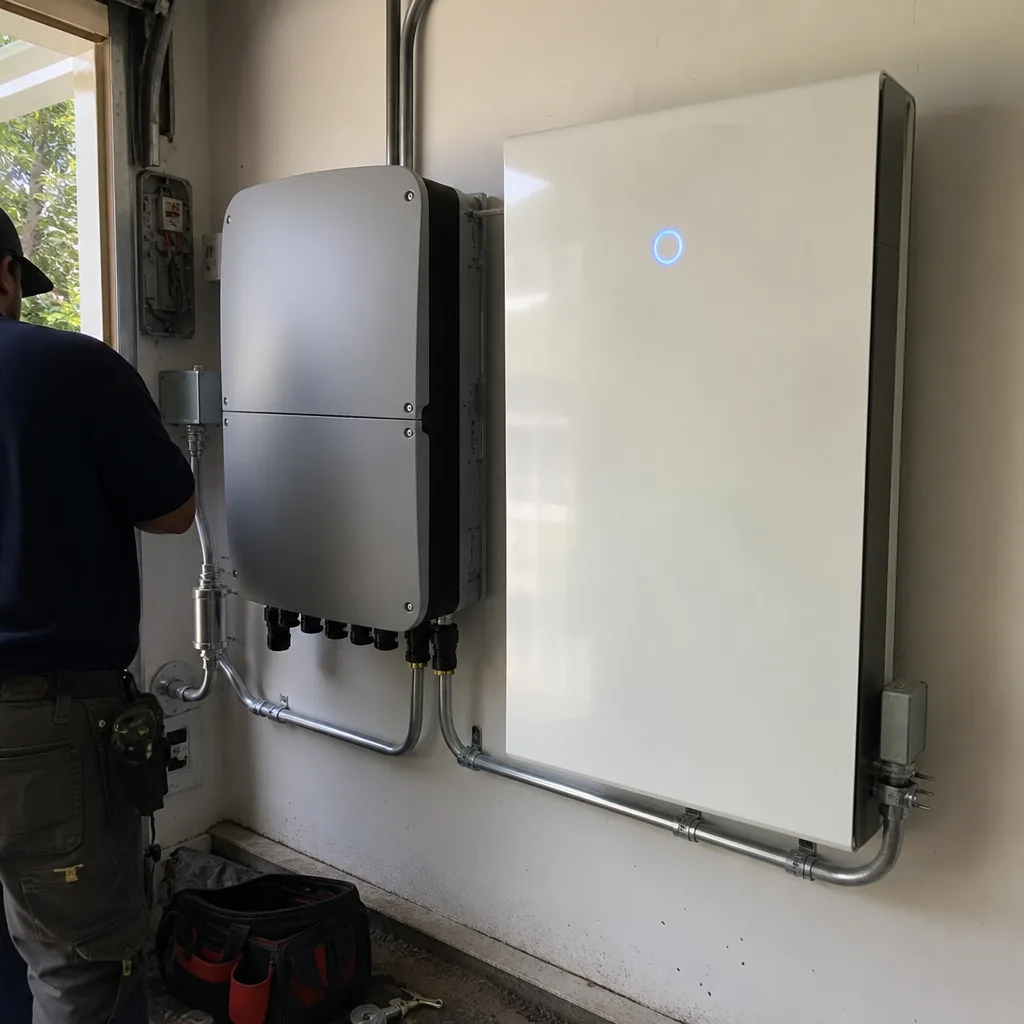
We service systems built on Enphase and SolarEdge microinverters and optimizers, plus full array brands including Panasonic and Canadian Solar. If you have a FranklinWH battery paired with your array, we can integrate it into your monitoring dashboard and confirm islanding settings are configured for SCE mountain outages. For Big Bear Lake customers, we keep common replacement parts in our Inland Empire shop and can bring what’s needed up the hill the same day rather than ordering and waiting a week. That’s the advantage of a local crew that knows the drive up Highway 330 and 18 better than any out-of-state dispatcher.
Common Solar Panel Maintenance & Monitoring Problems We See in Big Bear Lake Homes
- Snow-load micro-cracks. Flat sections of roof that accumulate snow beyond 60 lb/sq ft put flex stress on panels. Micro-cracks degrade output and show up as uneven production across a string. Module-level monitoring catches this; whole-system totals don’t.
- Freeze-thaw conduit and junction box failures. At 6,752 feet, water gets into rooftop boxes, freezes, expands, and trips arc-fault or ground-fault codes. We replace with IP67-rated enclosures and cold-weather urethane sealant rated to -40°F.
- Snow-slide cable damage. Steep A-frame roofs shed snow fast, but the sudden slide rips off unsecured cable clips. Wires dangle, then get torn by ice or chewed by squirrels before the next storm. We secure runs with alpine-rated clips and check them each fall.
- Wrong monitoring thresholds. Many Big Bear Lake systems trip “low production” alerts every winter because the monitoring was configured for flatland expectations. We recalibrate so you get real alerts, not snow-season noise.
Pricing for Solar Panel Maintenance & Monitoring in Big Bear Lake, CA
Here are straight numbers for Big Bear Lake. An annual inspection with full diagnostics runs $180-$320 for most residential systems under 8 kW. Production monitoring setup or reconfiguration is $150-$350 depending on whether we’re adding module-level hardware or just fixing portal settings. Underperformance diagnostics that require climbing, thermal imaging, and inverter forensics run $250-$700. Preventive maintenance plans start at $220 per year for one visit and monitoring health checks. If you’re on a fixed income, ask about the Senior and Veteran 10% discount that never expires. And if you already have a written estimate from another shop, bring it in. We’ll give you a free second opinion. Call (877) 550-6892 for an exact quote. No charge for the call, no trip charge in our county, and nobody will ask you to sign tonight.
We Also Serve Cities Near Big Bear Lake
Our crews work throughout the San Bernardino Mountains and up the front range. If you’re in Big Bear City, Lucerne Valley, Mentone, or Yucaipa, we can schedule the same mountain-aware inspection and monitoring setup. The drive up from our Inland Empire shop is something we do weekly, so you’re not paying for a crew that’s never seen snow up close. Call (877) 550-6892 and tell us where you’re at.
Serving Big Bear Lake, CA - Our Local Coverage Area
We’re based in the Big Bear Lake area and know this community well. Use the map below to see our service coverage - if you’re nearby, we can almost certainly help.
FAQs - Solar Panel Maintenance & Monitoring in Big Bear Lake
Snowpack reduces your annual output by roughly 5-15% depending on roof pitch, array tilt, and how many days per winter panels stay buried. Steep A-frame arrays shed snow faster and lose less. Flat sections lose more. The key is to model your system against real Big Bear Lake weather data, not Riverside numbers. We can recalibrate your monitoring dashboard to show actual snow-adjusted offset so you’re not chasing phantom underperformance every December through March. Call (877) 550-6892 if your numbers look worse than your installer promised.
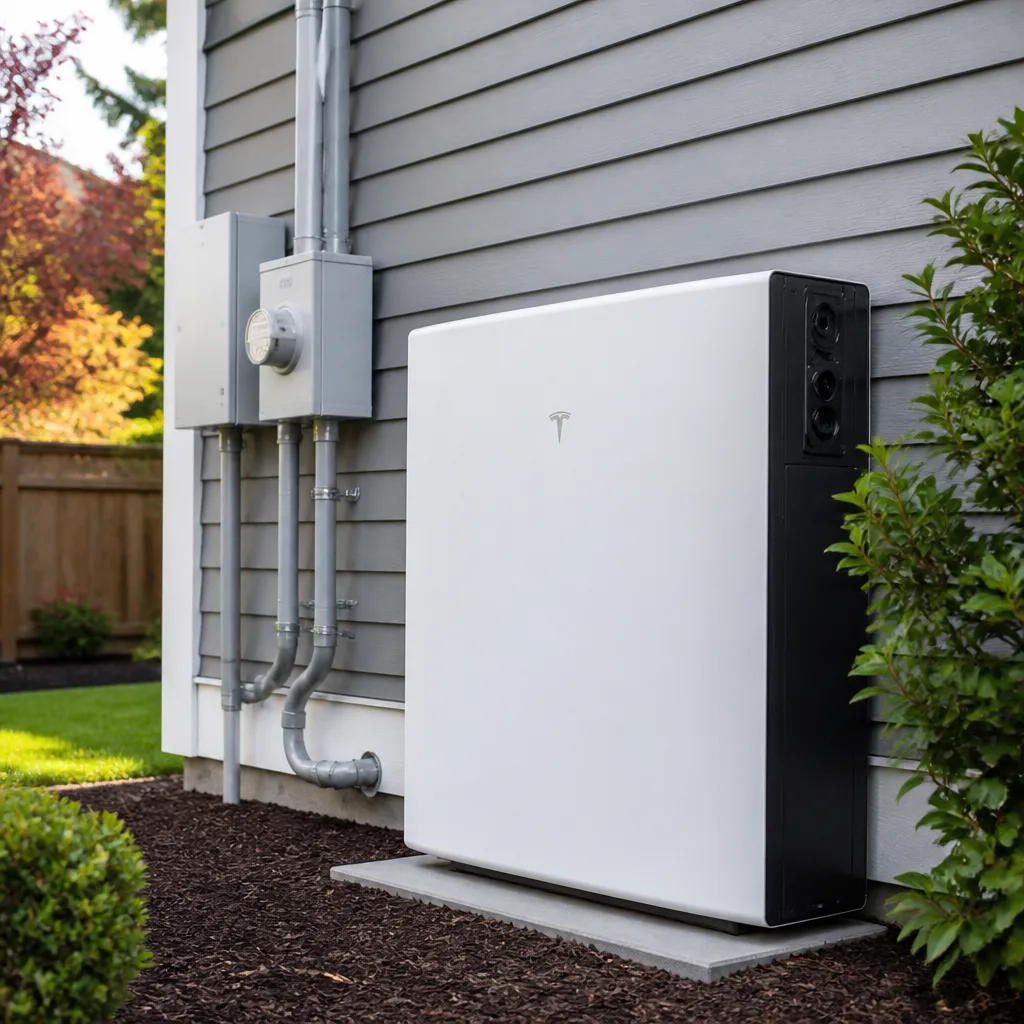
Yes, if your system is configured for islanding and your battery is sized for your actual mountain loads, including a heat pump and well pump. Many Big Bear Lake systems were installed by valley companies that never tested islanding under load. We verify that your battery disconnects from the grid properly, your backup loads are wired correctly, and your monitoring alerts you the moment grid power drops. If you have a FranklinWH or Tesla battery, we can test the full cycle before winter. Call us and we’ll schedule it.
Freeze-thaw cycling cracks rigid sealants and expands small gaps into water paths within two to three winters at Big Bear’s elevation. We recommend inspecting every penetration at least once per year, ideally in late fall before the first heavy snow, and again after the last thaw if you saw ice damming. We use cold-weather urethane that stays flexible to -40°F, which standard sealants don’t. If you haven’t had yours checked since installation, start with our annual inspection. Call (877) 550-6892 for pricing.
No. Shoveling snow off panels scratches the glass, and a metal shovel can crack cells. The right move is to let the panels shed snow naturally or use a soft roof rake from the ground if you must clear them, staying clear of wiring. Sun exposure after a storm clears panels on most pitched roofs within a day or two. If your system stays buried for a week and your production monitor shows zero, call us before you climb anything. We’ll check whether it’s snow cover or something else. (877) 550-6892.
Look at per-panel production, not just system totals. In Big Bear Lake, one shaded or micro-cracked panel on a string will drag down every panel wired in series. If you see a single panel reading 20% lower than its neighbors on clear days, that’s your early warning. Check again after storms, and compare month-over-month against last year’s same month, not against summer. We can set up alerts that flag exactly that pattern so you get a text before a small problem becomes a big one. Call (877) 550-6892 and ask about monitoring configuration.
Written by Gus Petrakis, Owner at Gus’s Solar, serving Big Bear Lake since 2011.