
Free bill analysis - bring a power bill, get the production math for your actual roof, panel brands like Qcells and REC compared side by side
If the pitch starts at your door and ends with "sign tonight for the special," sleep on it. The sun will still be there tomorrow; so will we.
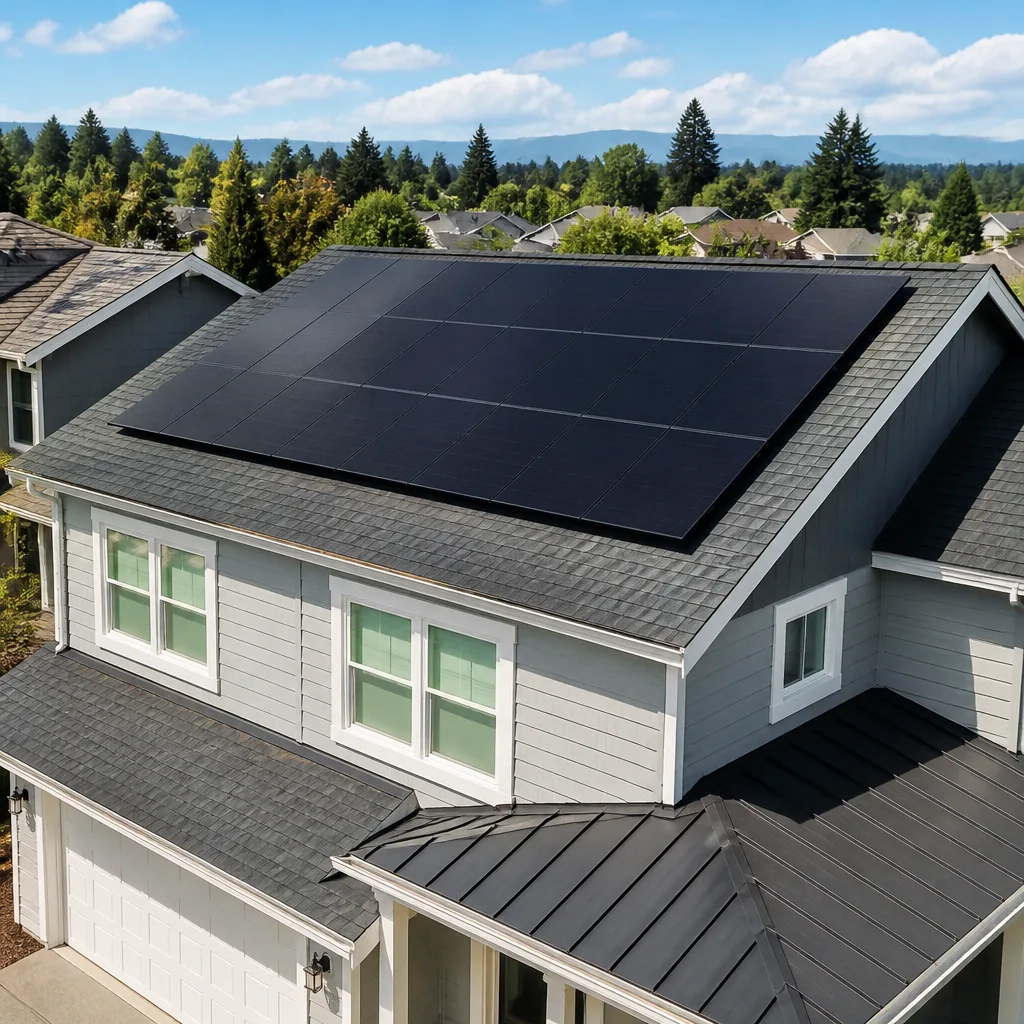
 Before
 After
After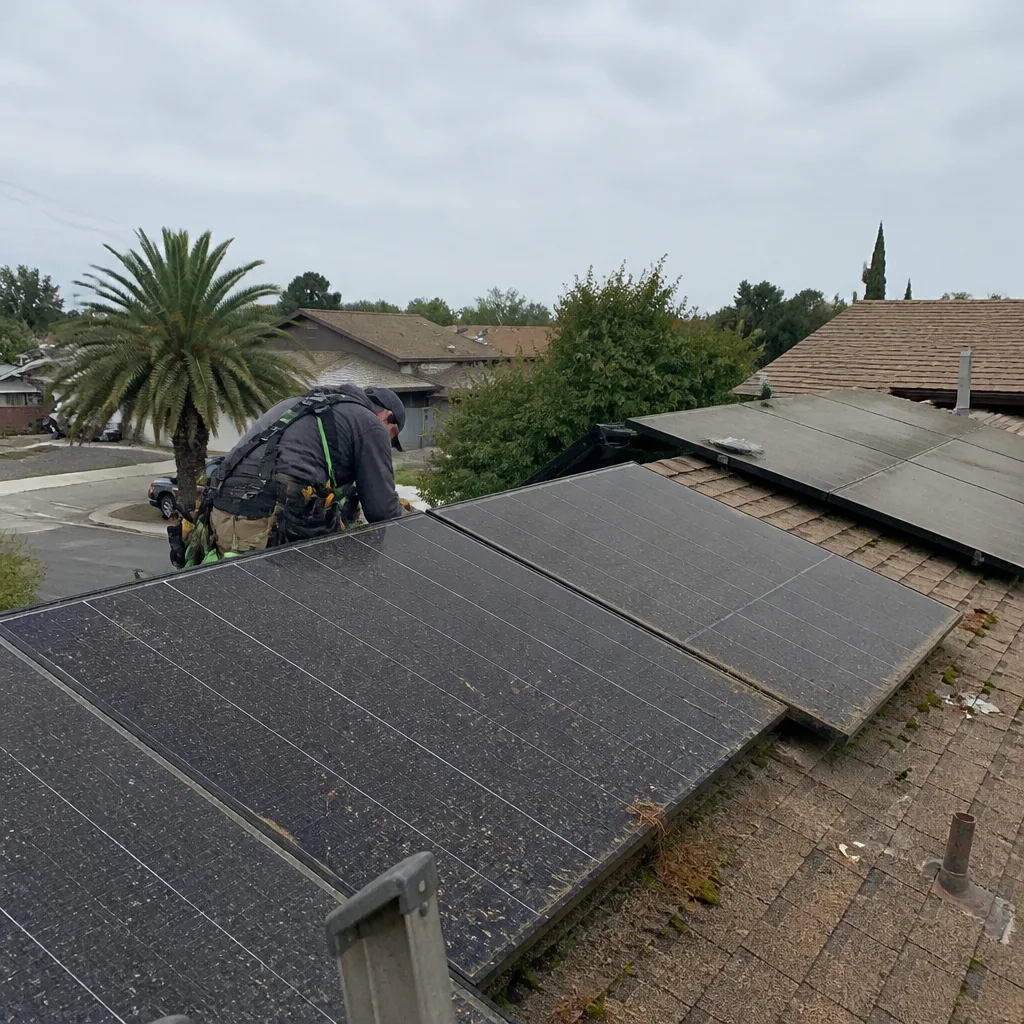 Before
 After
After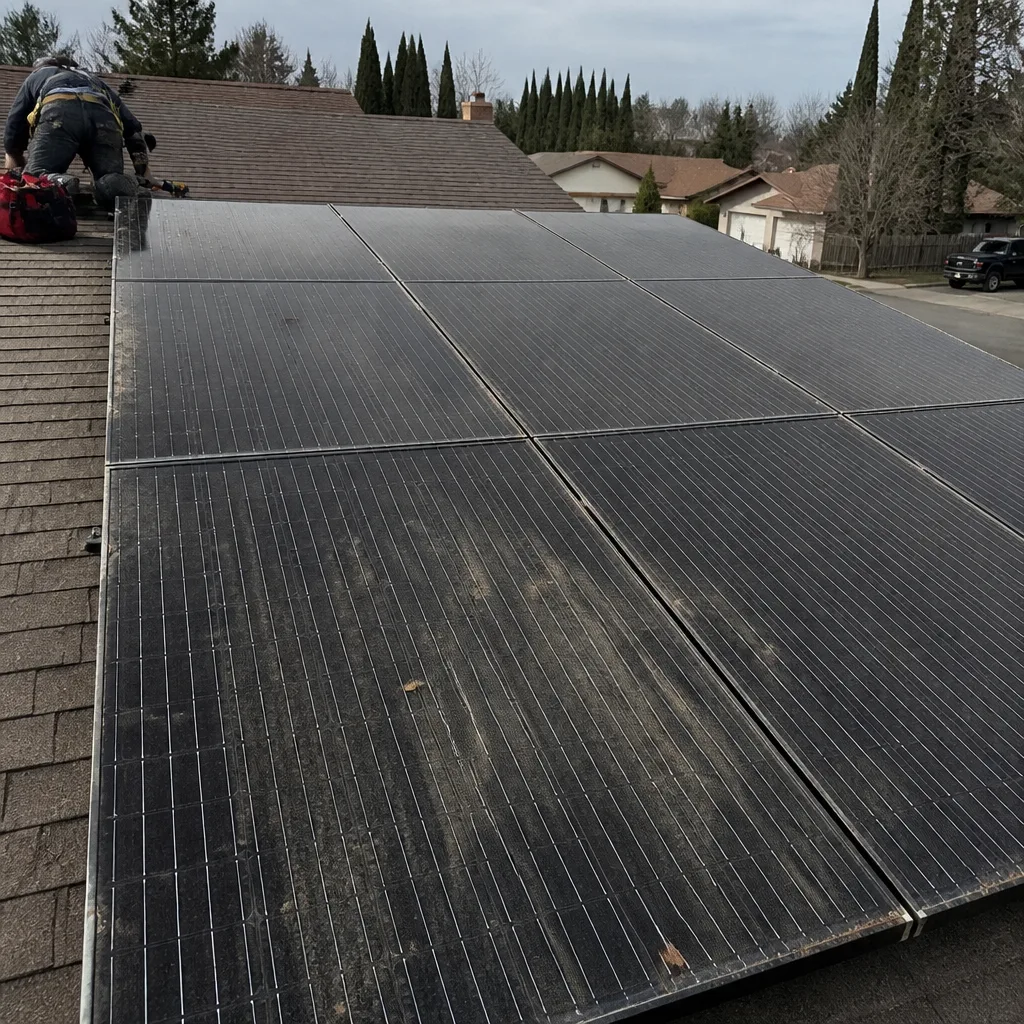 Before
 After
AfterFast, Reliable Solar Panel Cleaning Across Williams
Solar panel cleaning in Williams typically costs $150-$320 for a standard residential roof-mount array and $300-$600 for a larger ground-mount system. Most jobs are done the same week we get the call. If you’re watching your PG&E true-up statement climb because tule fog left a film on your glass, call us at (877) 550-6892 and we’ll get your array producing again.
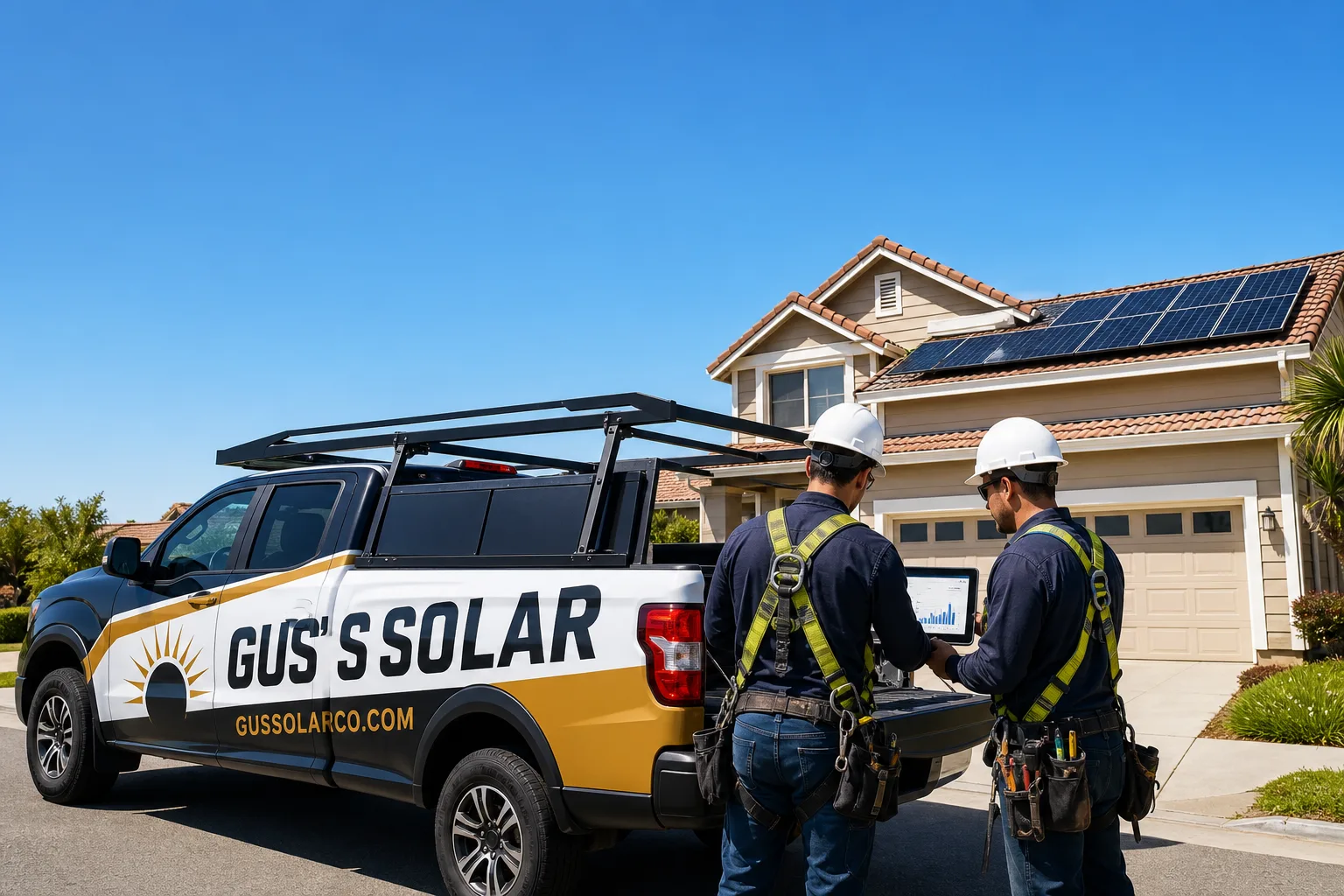
Gus’s Solar has been cleaning panels across Colusa County long enough to know exactly what Williams dust, fog, and harvest season do to a photovoltaic system. We’re not a pop-up crew with a pressure washer and a prayer. We’re a local, owner-operated shop that sends background-checked, uniformed technicians to your property, and we stand behind every job with a written guarantee.
Why Gus’s Solar Is Williams’s Preferred Solar Panel Cleaning Company
Williams homeowners keep our number saved for one simple reason: we show up when we say we will, and the work is done right the first time. Gus Petrakis founded this company in 2011 and put his own name on the building. That’s a different relationship than you get from a call center that dispatches whichever subcontractor picks up the phone.
Our crew knows the difference between a roof-mount array on a 1960s ranch home near the Williams Cemetery and a ground-mount system off Highway 20 near the rice check stations. That local knowledge means we arrive prepared, not guessing. We carry the right equipment, the right deionized water system, and the right safety gear for every job.
A live person answers our phone 24/7. No voicemail tree, no ticketing portal, no “leave a message and we’ll get back to you within two business days.” When you call about dirty panels or a production drop, you talk to a human who can schedule a visit to Williams.
Our Solar Panel Cleaning Services in Williams
Here’s what we do for Williams homeowners and growers. Every service includes a visual inspection of the array and a production check on your inverter, because cleaning alone doesn’t tell you if something else is wrong.
Residential Panel Cleaning
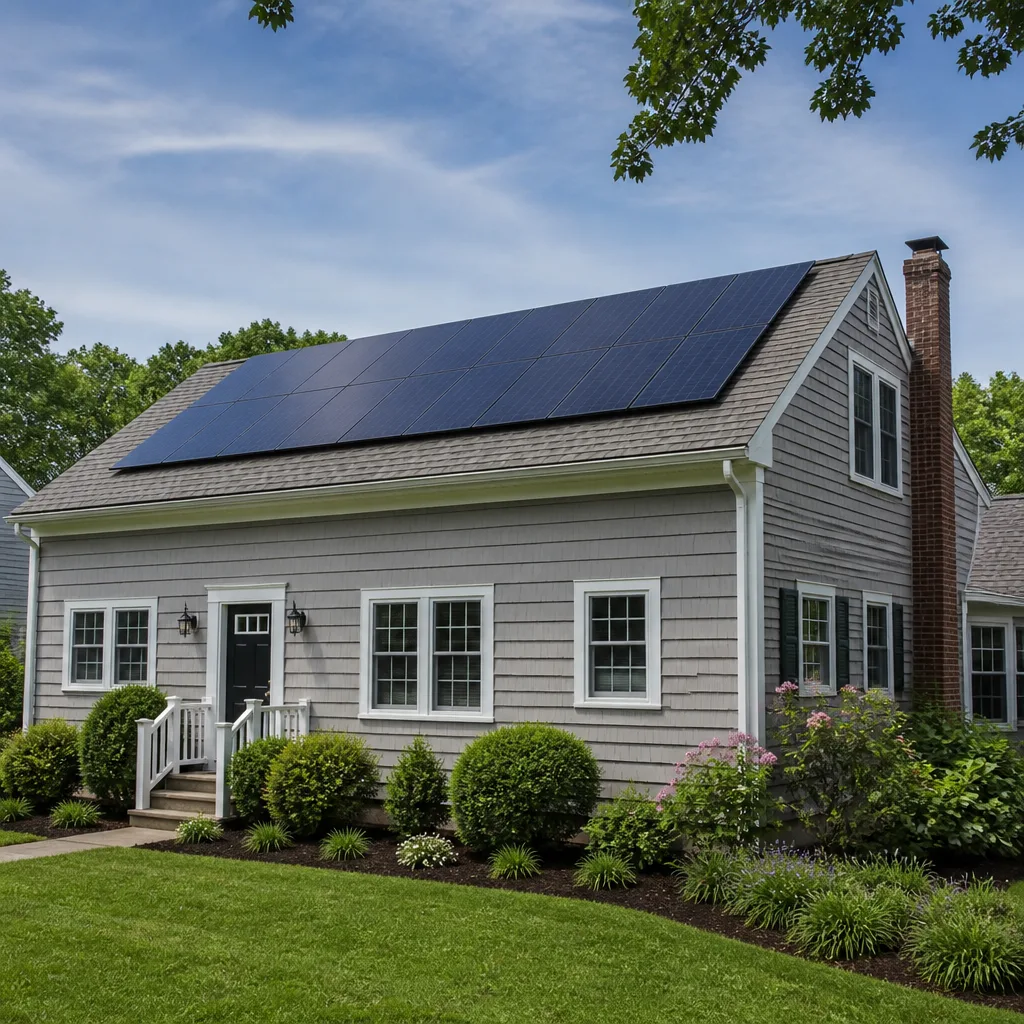
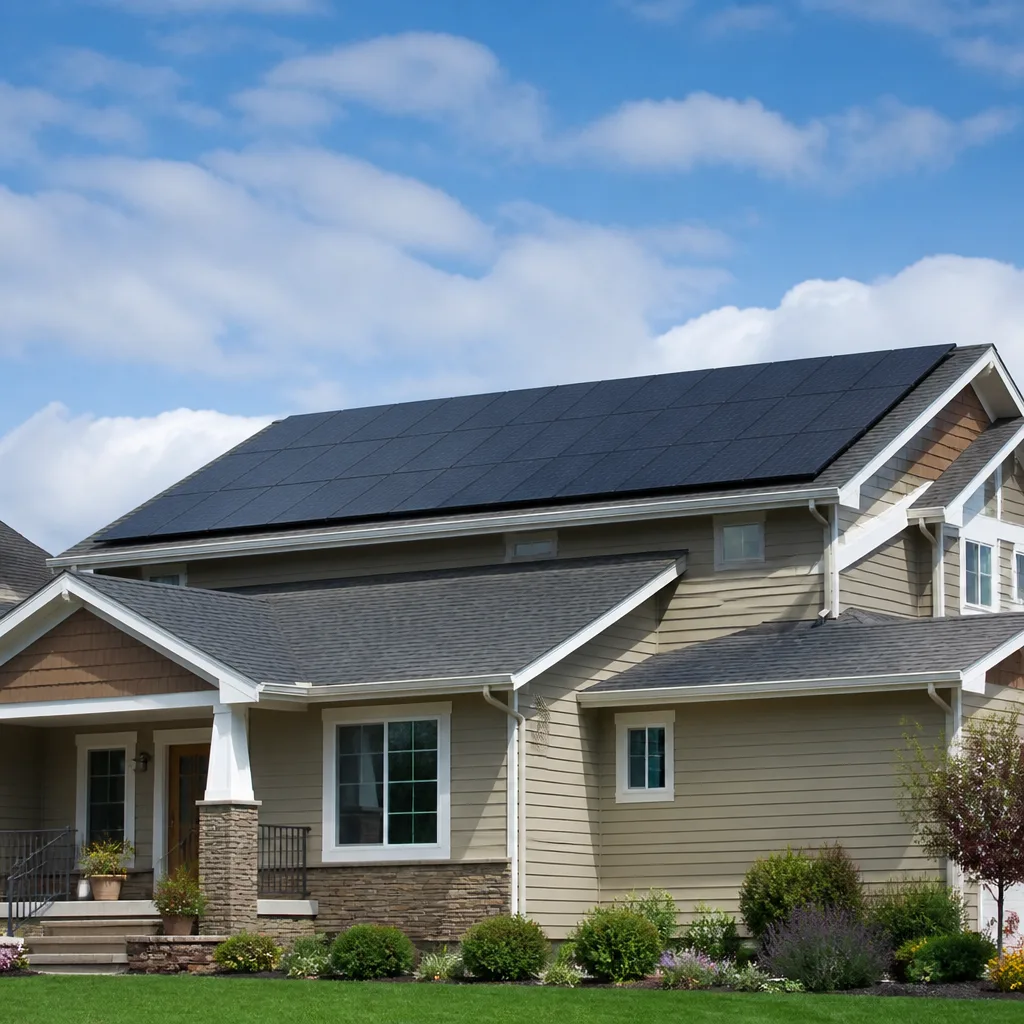
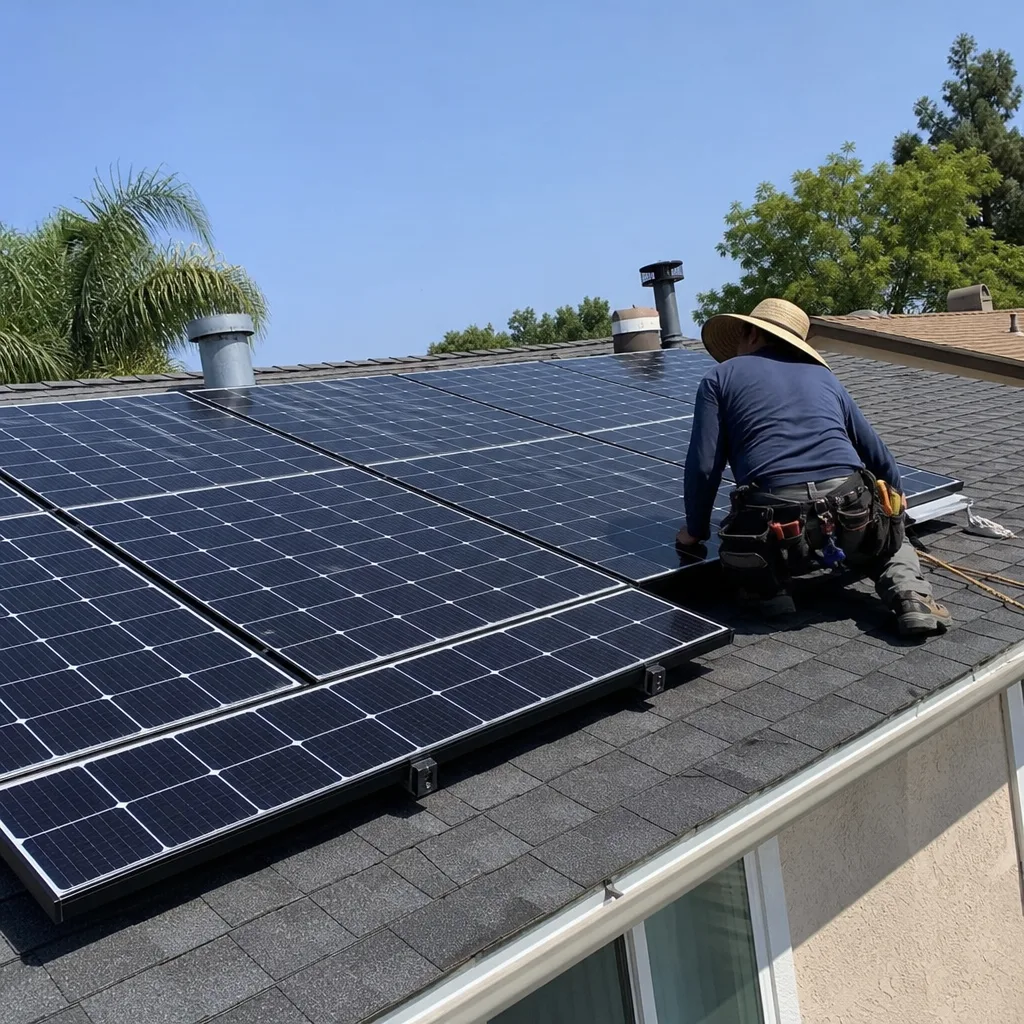
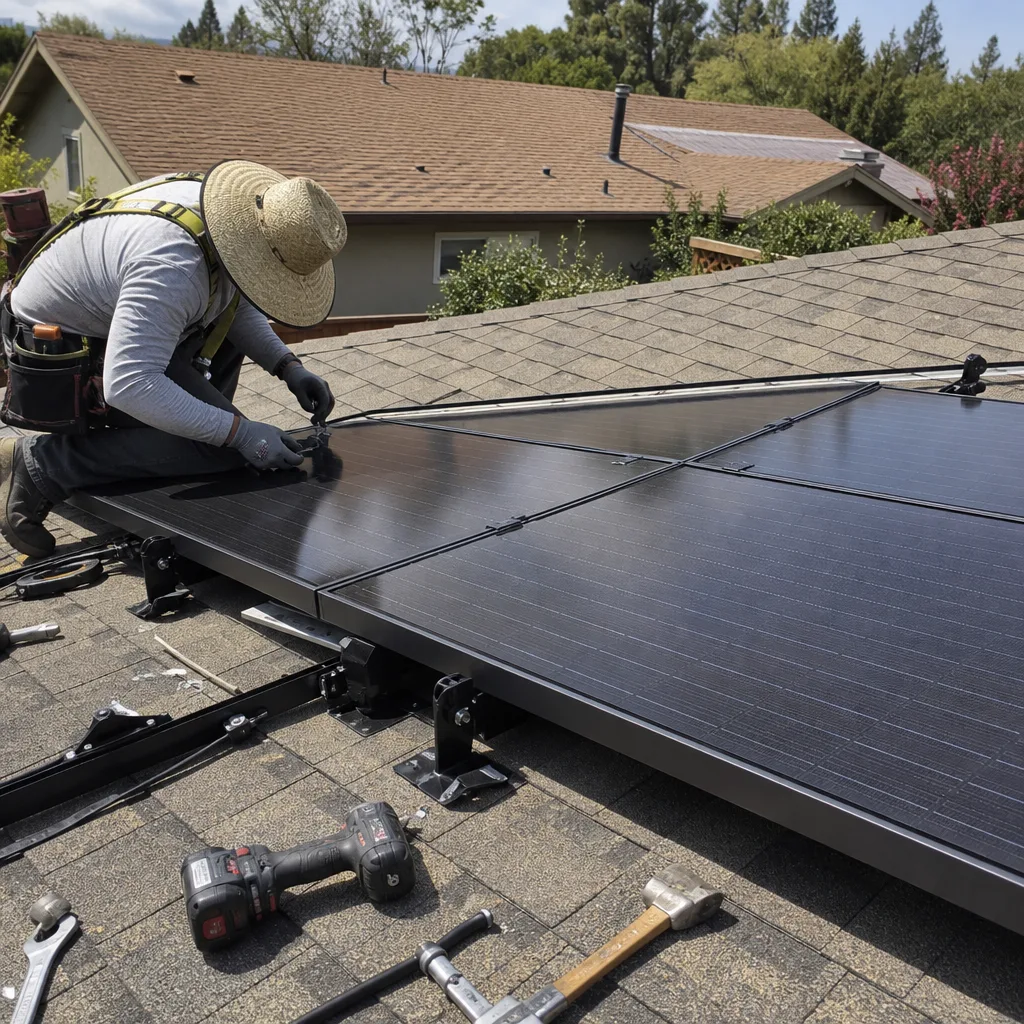
For roof-mount arrays on the modest single-story ranch homes that dominate Williams’s residential core, we use filtered, deionized water and soft-bristle brushes. No harsh chemicals, no pressure washing. A typical 20-panel residential array in Williams takes our crew 60 to 90 minutes from setup to final rinse, and we clean the racking and the area around the array while we’re up there. Low-pitched roofs common to 1950s through 1980s construction are straightforward for our technicians, and we leave your gutters cleaner than we found them.
Commercial Array Cleaning
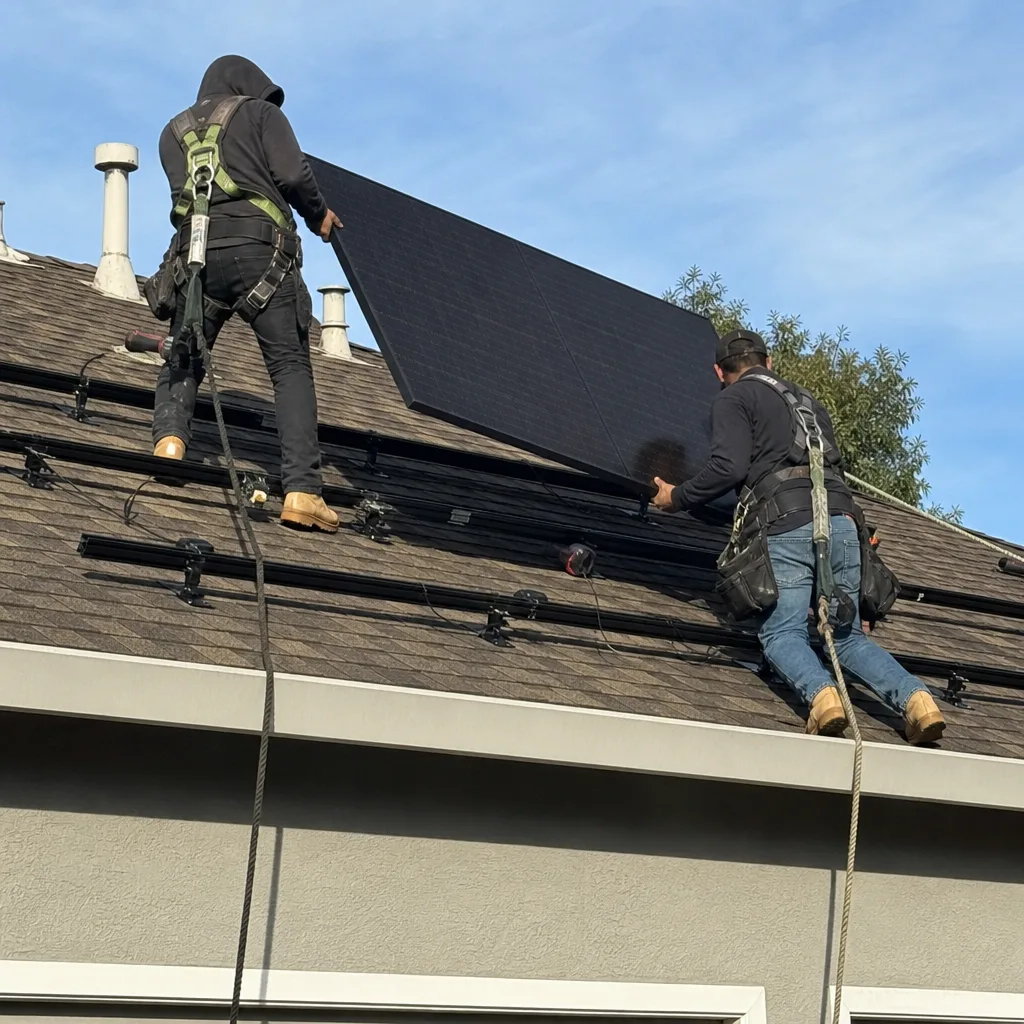
Colusa County’s agricultural economy means Williams has more than a few commercial and agricultural arrays. We service grain elevators, cold storage facilities, and the ground-mount systems that power irrigation pumps across the 95987 zip code. These arrays collect dust differently than residential roofs, especially during rice harvest when chaff and soil particles drift across the valley floor. We schedule commercial cleanings around your operation so the downtime is minimal, and we provide before-and-after production data for your records.
Bird & Critter Guard Installation
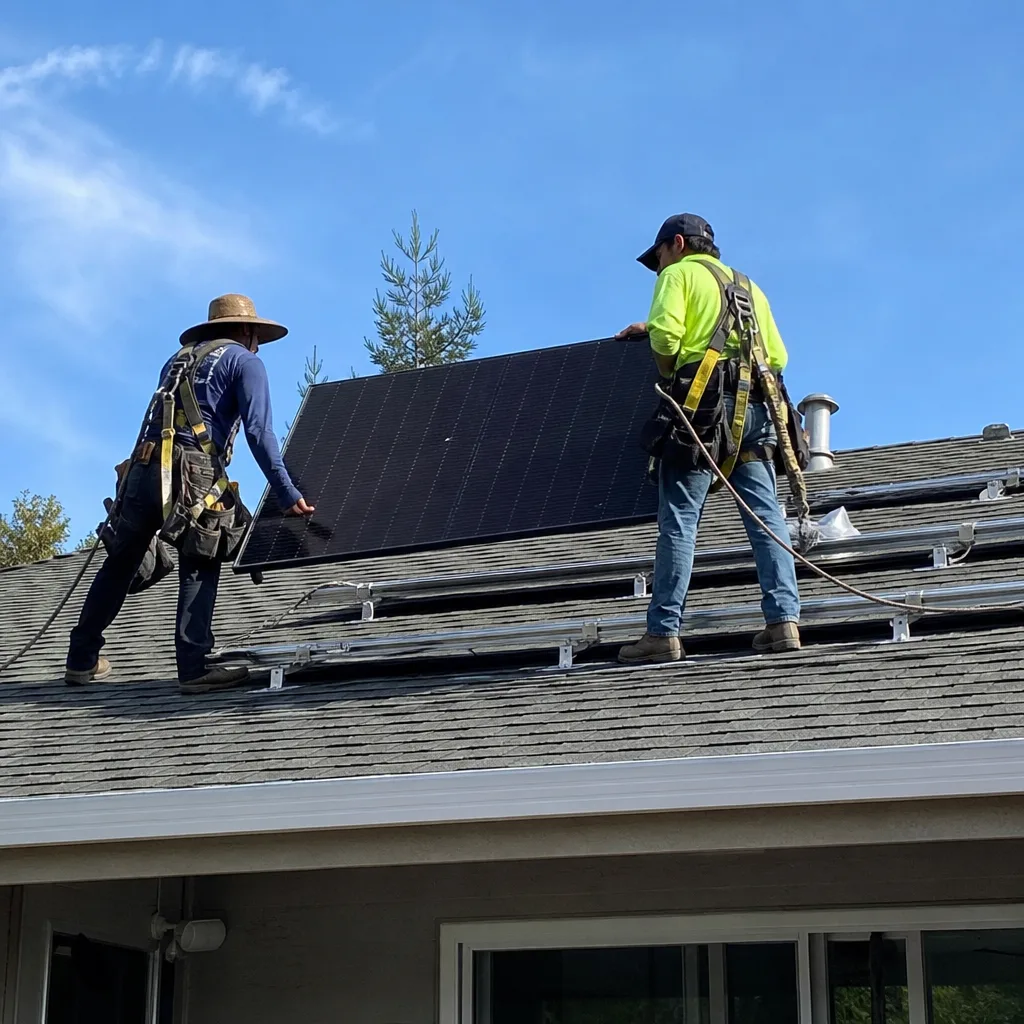
Almond orchards surround Williams, and where there are orchards, there are birds. Pigeons, starlings, and swallows nest under panels, and their droppings don’t just block sunlight; they etch glass over time if left in place. We install galvanized steel critter guard around your array perimeter, sealed properly so squirrels and birds can’t get underneath. This is one of the best investments a Williams homeowner can make in their solar system, and it’s a service most national cleaning companies don’t offer.
Debris & Soiling Removal
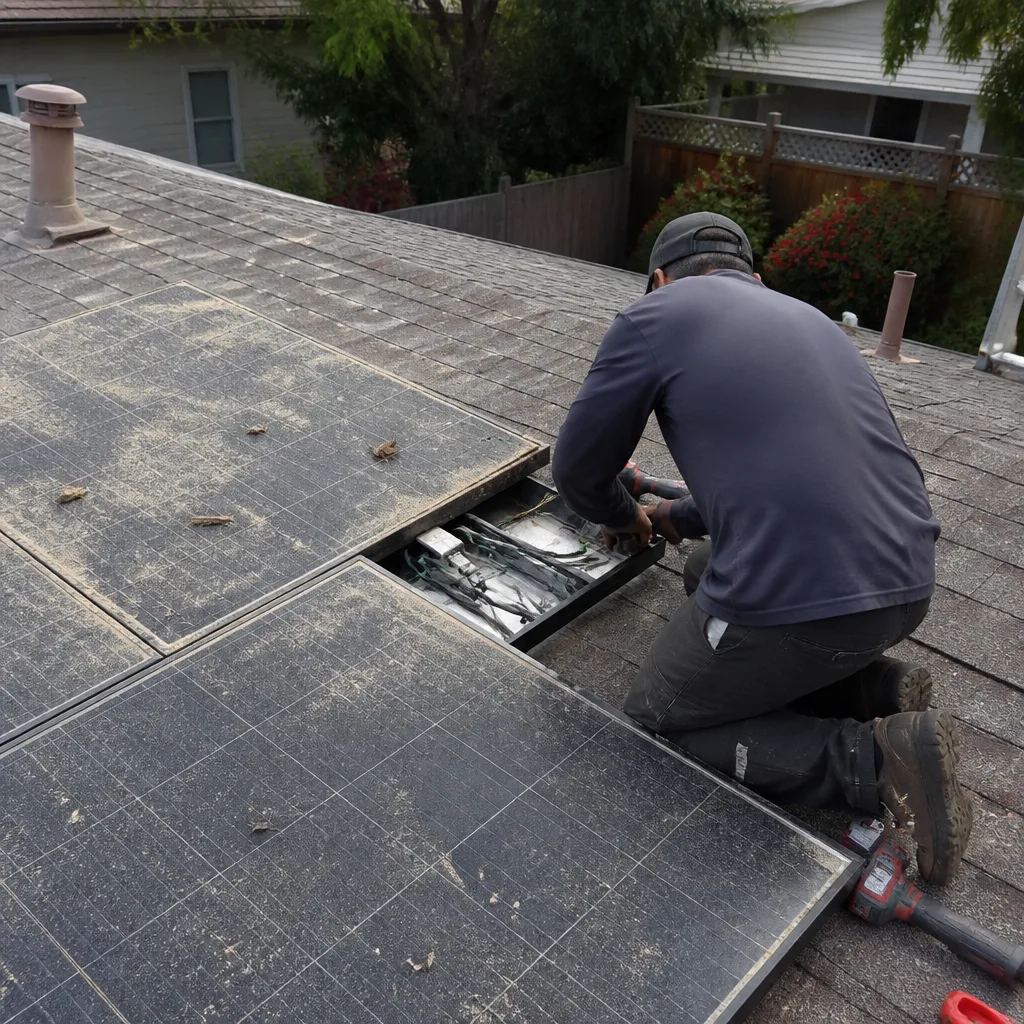
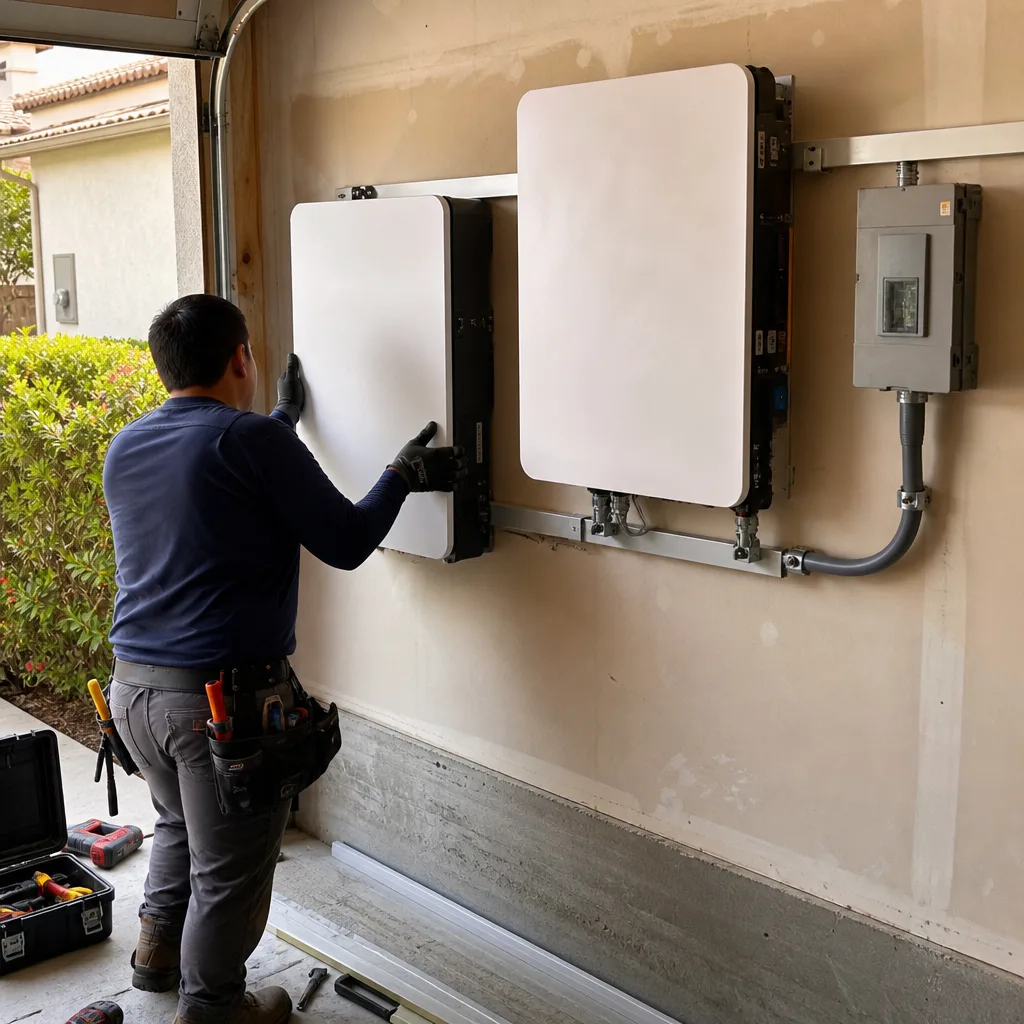
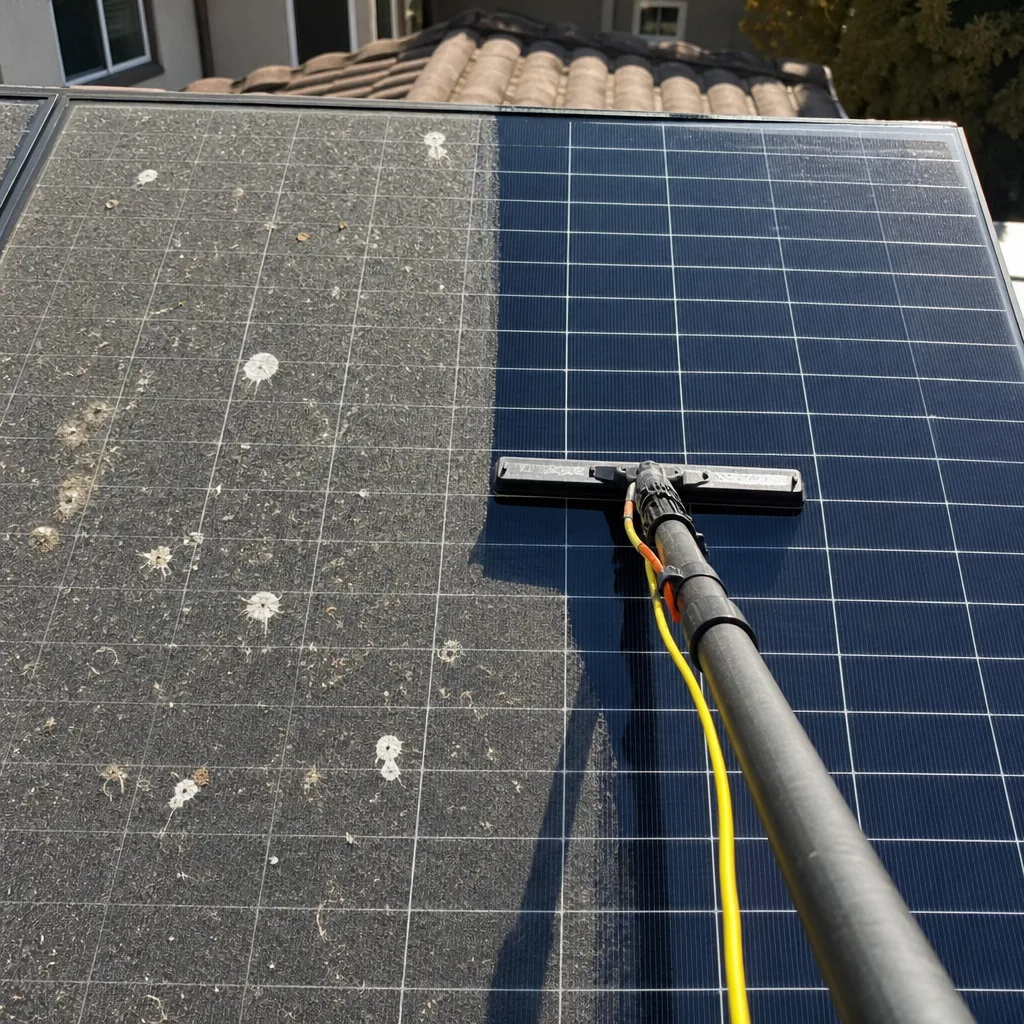
Williams sits on the flat Sacramento Valley floor, surrounded by fields that go through planting, growth, and harvest cycles every year. Dust from tilling, chaff from rice harvest, and the fine particulate matter that hangs in Colusa County air all settle on your panels. Left alone through a 100°F summer, that dust bakes into the glass. Our debris and soiling removal process includes a full array wash, inspection of panel clips and racking, and a final production check to confirm your system is back to expected output.
Scheduled Cleaning Plans
We offer recurring cleaning plans built around Williams’s actual soiling cycle. Most Williams homeowners do best with two cleanings per year: one after tule fog season ends in late February or March, and one in early September after the summer heat and harvest dust peak. We’ll keep your schedule on file, call to remind you, and show up without you needing to remember. Plans are flexible, and you can adjust the cadence based on what your production data tells you.
Post-Storm Panel Cleaning
Valley storms move fast. After a wind event kicks dust and debris across Colusa County, your panels can lose 5 to 10 percent of their output overnight. We run post-storm cleanings for Williams customers who want their arrays back to full production before the next clear-weather stretch. If a storm has done more than dirty your glass, we’ll tell you, and we’ll give you an honest assessment of whether you need a repair or a cleaning.
What happens when you call
- 1
A real person answersNo phone trees - you reach a local pro.
- 2
You get an upfront price rangeHonest numbers before anyone is dispatched.
- 3
A background-checked tech heads outLicensed & insured, dispatched right away.
- 4
You approve before work beginsNothing starts until you say go.
Trusted Brands We Service in Williams
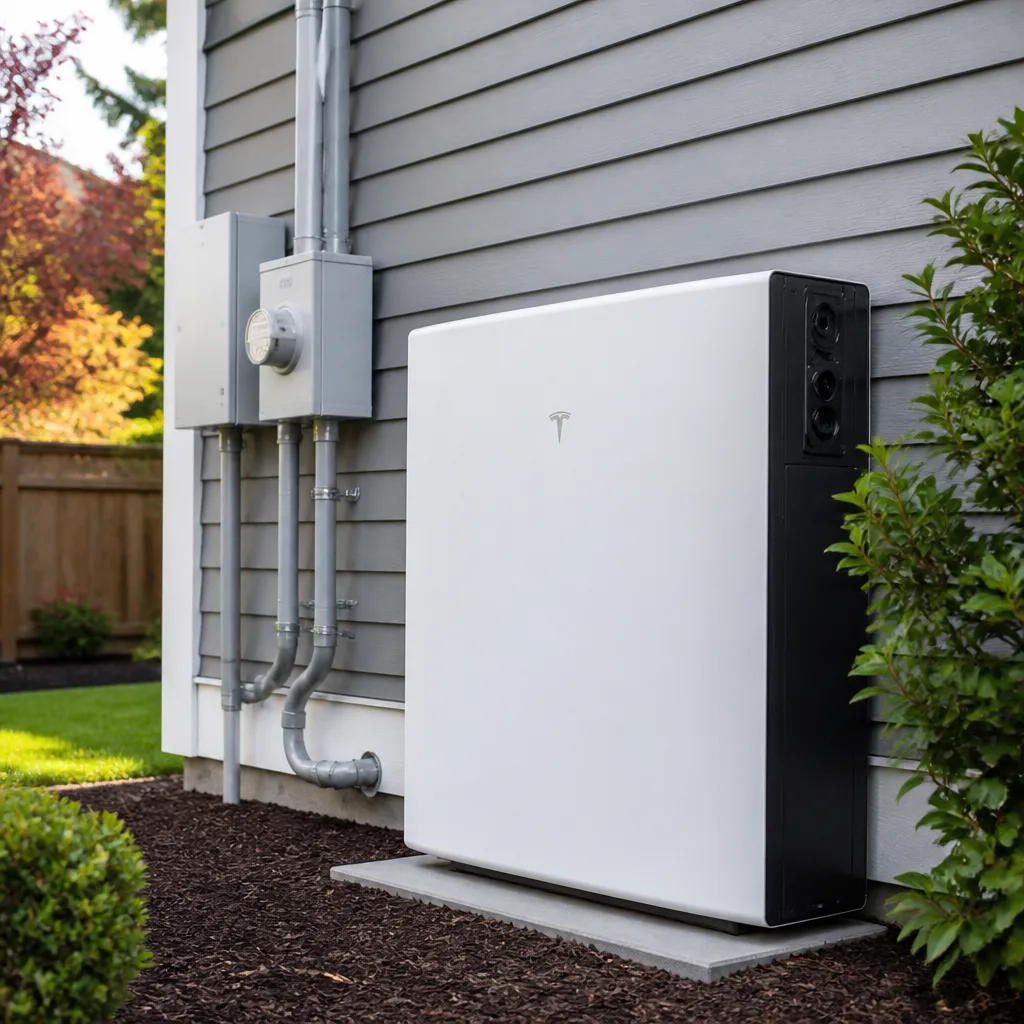
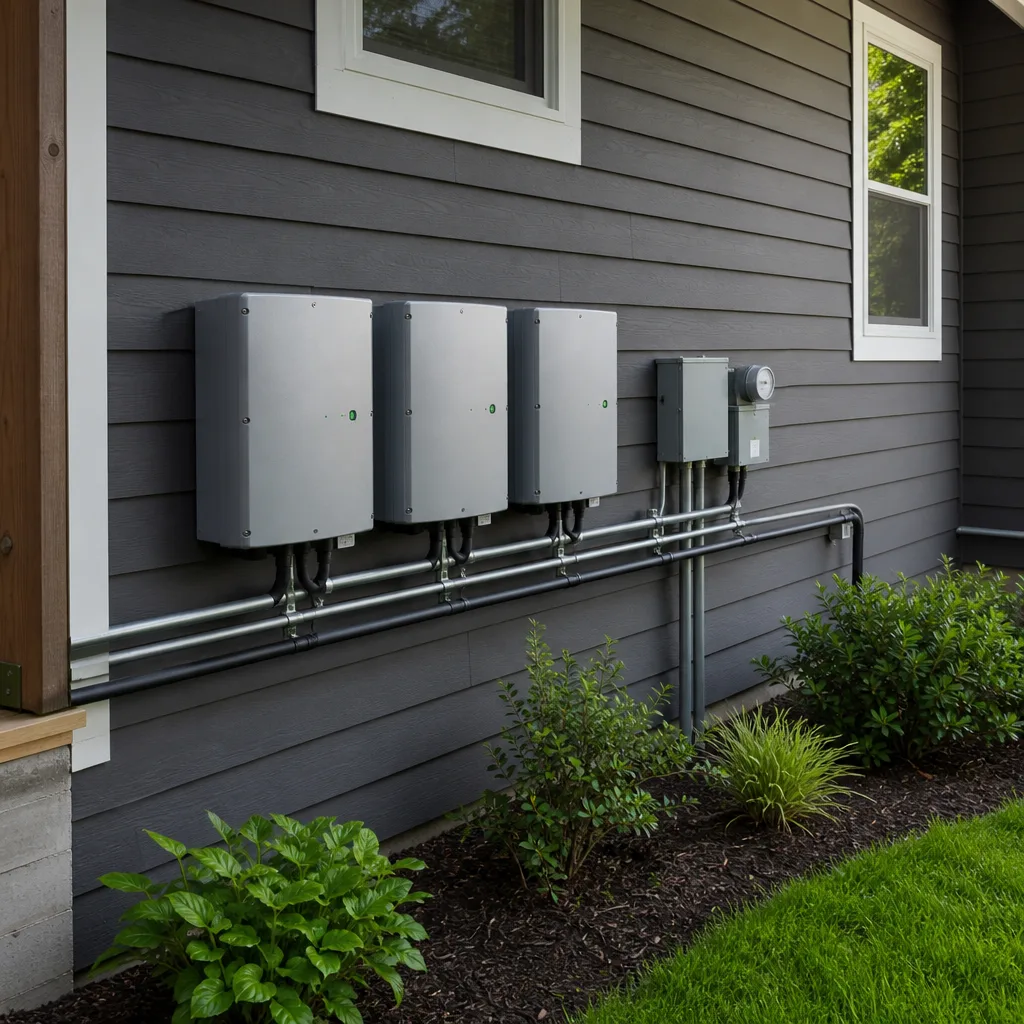
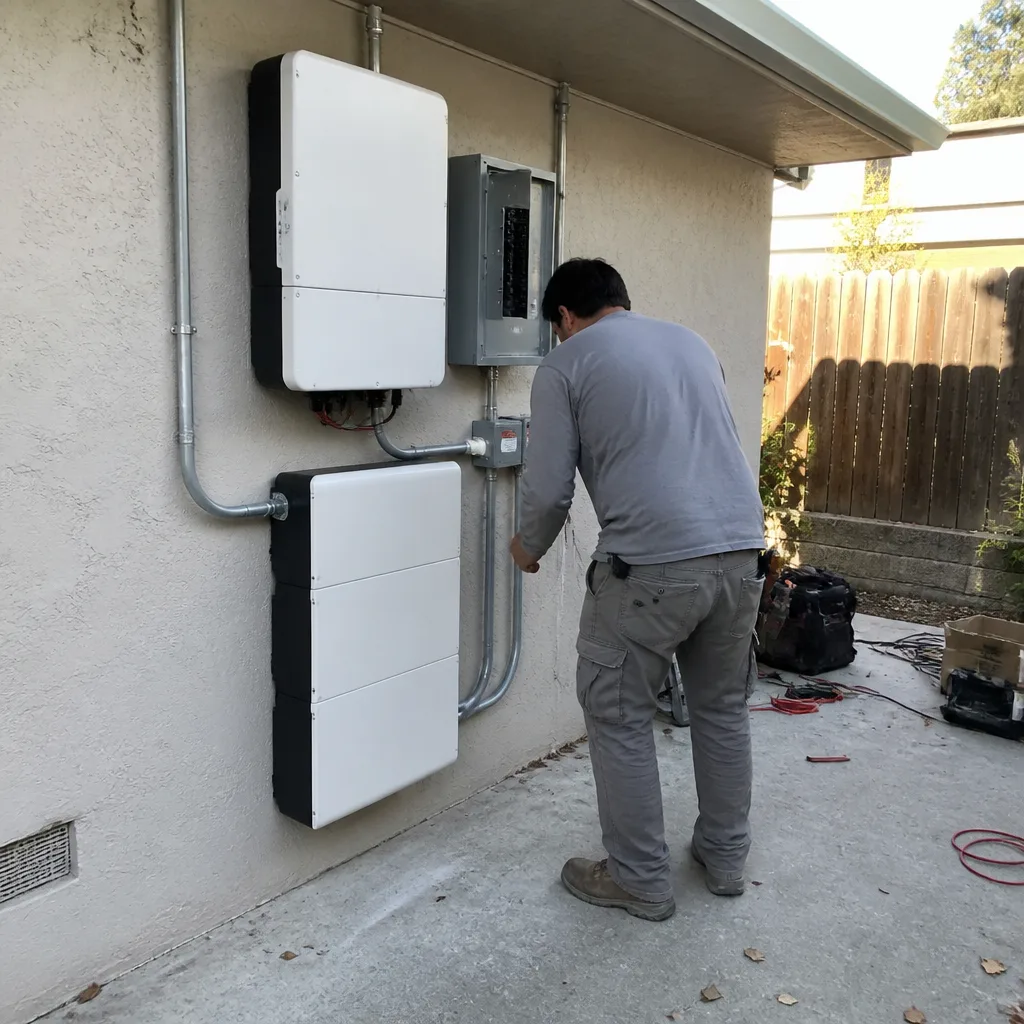
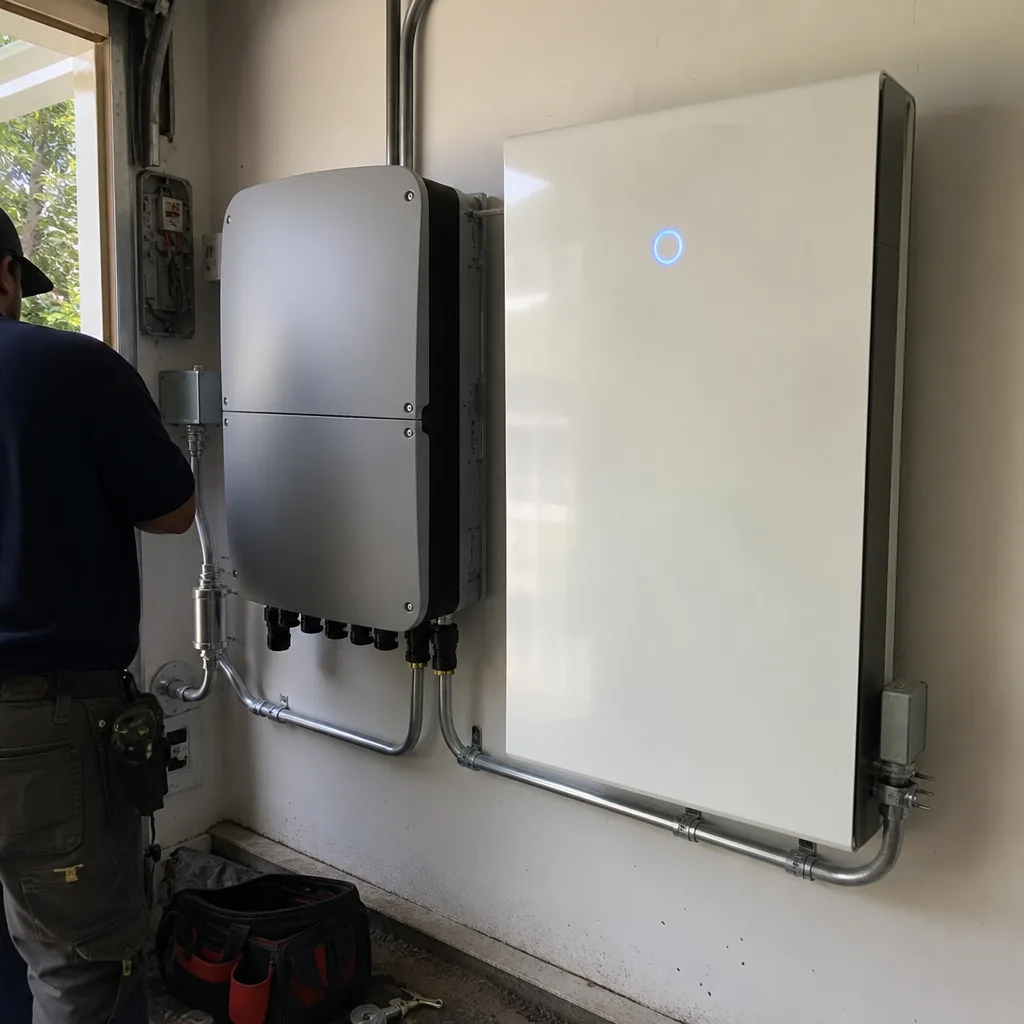
We clean and maintain systems built around whatever equipment is on your roof. That includes Enphase microinverters under Canadian Solar and Panasonic modules, SolarEdge string inverters paired with REC or Qcells panels, and FranklinWH battery systems. Our technicians have worked on all of these brands long enough to know how they behave in Colusa County conditions. When a cleaning reveals a fault code or a production anomaly, we can usually diagnose it on the spot instead of telling you to call someone else.
If you’re not sure what brand of panels you have, that’s fine. Bring us a bill, and we’ll bring you the math on what your system should be producing and whether cleaning is the fix or something else is going on.
Common Solar Panel Cleaning Problems We See in Williams Homes
These are the issues that come up again and again on Williams rooftops and ground-mounts:
- Tule fog film residue. The dense winter fog that blankets Williams from November through February doesn’t just block sunlight while it’s present. It leaves behind an organic film and sticky particulate residue that plain rain doesn’t wash off. This film compounds over multiple fog events, and by March your array can be running 10 to 15 percent below where it should be on clear days.
- Harvest dust and chaff buildup. Rice harvest in late summer and fall sends fine dust and chaff drifting across the valley. If your array is on the edge of town near agricultural ground, that material lands on your panels and gets baked into the glass during 100°F afternoons. A simple rinse won’t remove it once it’s baked on.
- Bird droppings from orchard-adjacent properties. Homes near almond orchards deal with higher bird pressure. Droppings are acidic and can etch panel glass permanently if they sit for months. Bird and critter guard installation solves the root cause, but existing damage needs professional cleaning and assessment.
- Ground-mount arrays with irrigation overspray. Williams has a lot of ground-mount systems installed to serve irrigation pumps or to avoid roof penetrations on older homes. Irrigation overspray leaves mineral deposits on panel glass that are different from dust. You can’t wash them off with a garden hose. Deionized water and the right cleaning technique matter.
Pricing for Solar Panel Cleaning in Williams, CA
Here’s what Williams homeowners can expect to pay:
| Service | Typical Price Range |
|---|---|
| Residential roof-mount cleaning (10-20 panels) | $150-$280 |
| Residential roof-mount cleaning (21-35 panels) | $280-$420 |
| Ground-mount cleaning (up to 40 panels) | $300-$600 |
| Bird & critter guard installation | $400-$900 (varies by array perimeter) |
| Scheduled cleaning plan (per visit, annual contract) | $120-$250 per visit |
| Post-storm emergency cleaning | $200-$450 (same-week scheduling) |
What affects the price? Array size, roof pitch, whether you need a ladder or lift, and how much buildup has accumulated. A ground-mount array is easier to access and usually costs less per panel than a steep-pitch roof. We give upfront pricing before we start, and the number we quote is the number you pay. No surprise add-ons. No “while we’re here” upsells. Call (877) 550-6892 for an exact quote. Estimates are free, and seniors and veterans save 10 percent.
We Also Serve Cities Near Williams
Our Solar Panel Cleaning team works throughout the northern Sacramento Valley. Beyond Williams, we regularly schedule cleanings in Colusa, Clearlake, Hidden Valley Lake, and Live Oak. If you’re within our service radius, same-week appointments are usually available. If you’re just outside it, call us anyway; we’ll tell you honestly whether we can get there or point you in the right direction.
Serving Williams, CA - Our Local Coverage Area
We’re based in the Williams area and know this community well. Use the map below to see our service coverage - if you’re nearby, we can almost certainly help.
FAQs - Solar Panel Cleaning in Williams
You should schedule your first cleaning of the year for late February or early March, after the worst of the tule fog breaks in Williams. The fog leaves a sticky residue that accumulates over multiple fog events, and cleaning too early just means another coat of film settles on your panels. By late February, most of the season’s fog has passed, and a single thorough cleaning restores your array for the clear spring months when production should climb. Call (877) 550-6892 and we’ll get your cleaning on the schedule before the spring production window opens.
Yes, if your panels have a meaningful soiling layer. A residential array in Williams that has gone a full season without cleaning can be losing 8 to 18 percent of its output to soiling alone. That lost production shows up directly as lower net metering credits on your true-up statement. We’ve measured the difference before and after cleaning on dozens of local arrays; the improvement is real, measurable, and predictable. If you’re looking at a true-up bill that’s higher than expected, start with cleaning and a production audit before assuming something more serious is wrong.
Yes, if left long enough. Bird droppings are acidic, and when they sit on panel glass through a Colusa County summer with 100°F heat, they can etch the surface of the glass permanently. That etching doesn’t wash off. It reduces panel output for the life of the module. The fix is two-part: remove current droppings professionally, and install bird and critter guard to keep birds from nesting under the array in the first place. We do both, and we’ll advise you on whether your panels show signs of etching when we inspect them.
The cleaning technique is similar, but ground-mount arrays in Williams collect different soiling and often need more frequent attention. Ground-mount systems sit closer to field dust, irrigation overspray, and the chaff that blows off neighboring agricultural land during harvest. They also tend to be larger, which means more glass surface accumulating debris. Irrigation overspray is a particular problem for ground-mounts near agricultural water lines; the minerals in that water leave deposits that need deionized water to remove properly. We recommend two cleanings per year for most Williams ground-mounts.
Twice a year is the right cadence for most Williams residential arrays: once after fog season ends in late February or March, and once in early September before or during the harvest dust period. Some properties near active agricultural operations or with known bird pressure benefit from a third cleaning. We’ll base our recommendation on what we see on your panels and what your production data shows. Take two weeks. Think about it. The price will be the same when you call back.
Written by Gus Petrakis, Owner at Gus’s Solar, serving Williams since 2011.