

Free bill analysis - bring a power bill, get the production math for your actual roof, panel brands like Qcells and REC compared side by side
If the pitch starts at your door and ends with "sign tonight for the special," sleep on it. The sun will still be there tomorrow; so will we.
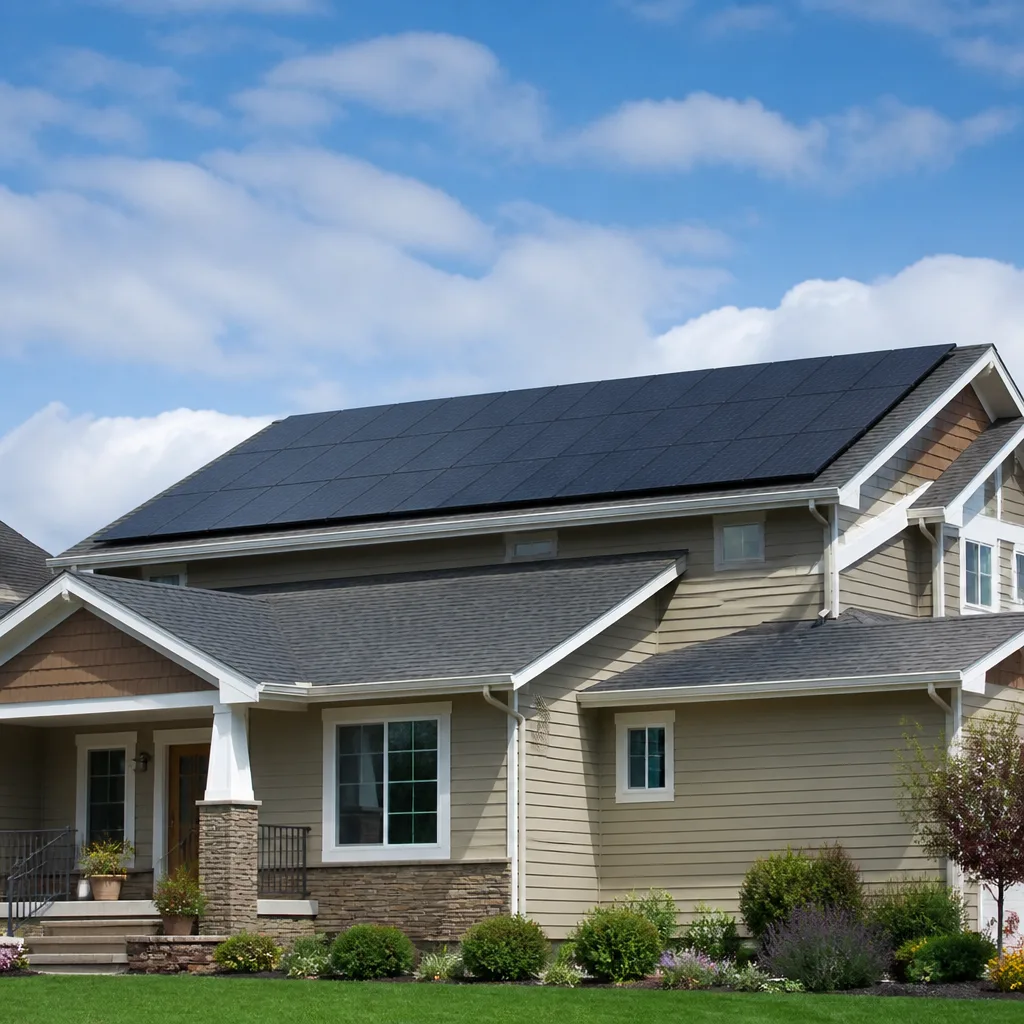
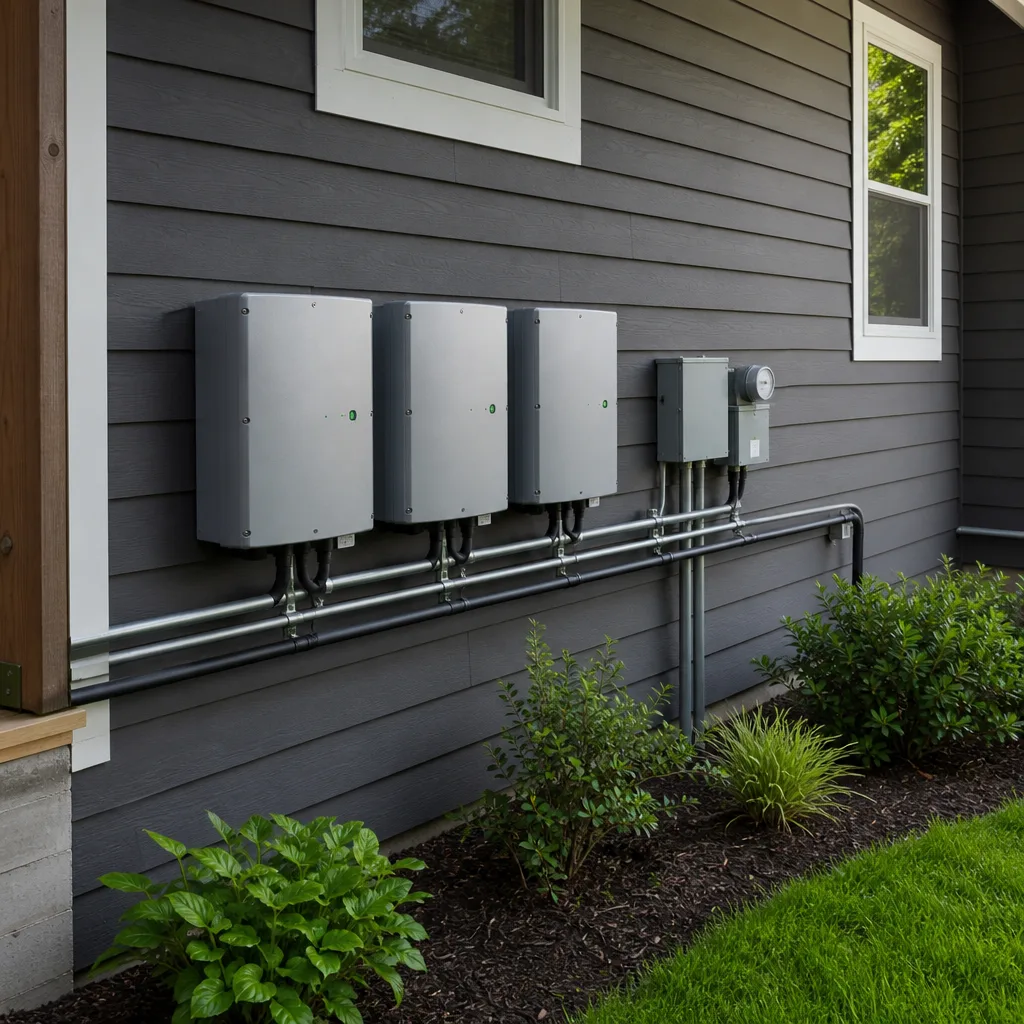
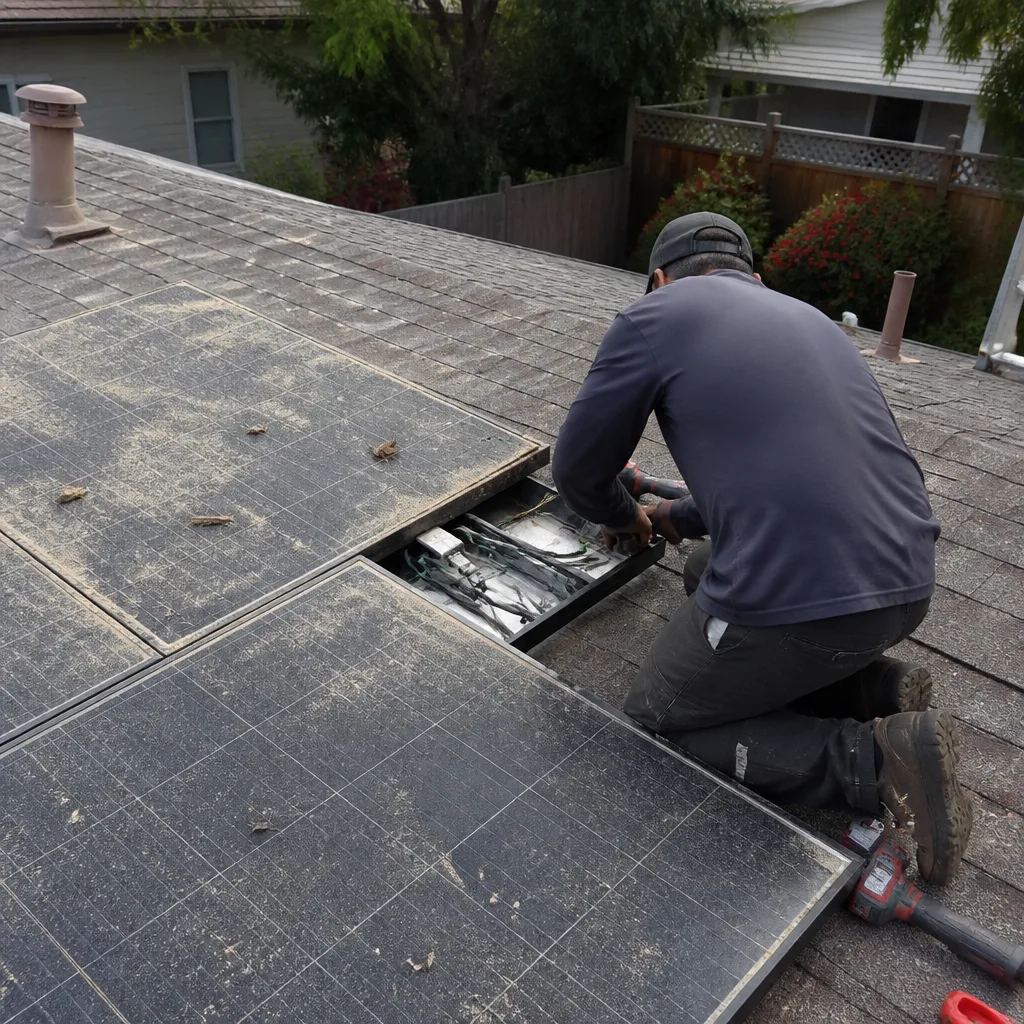 Before
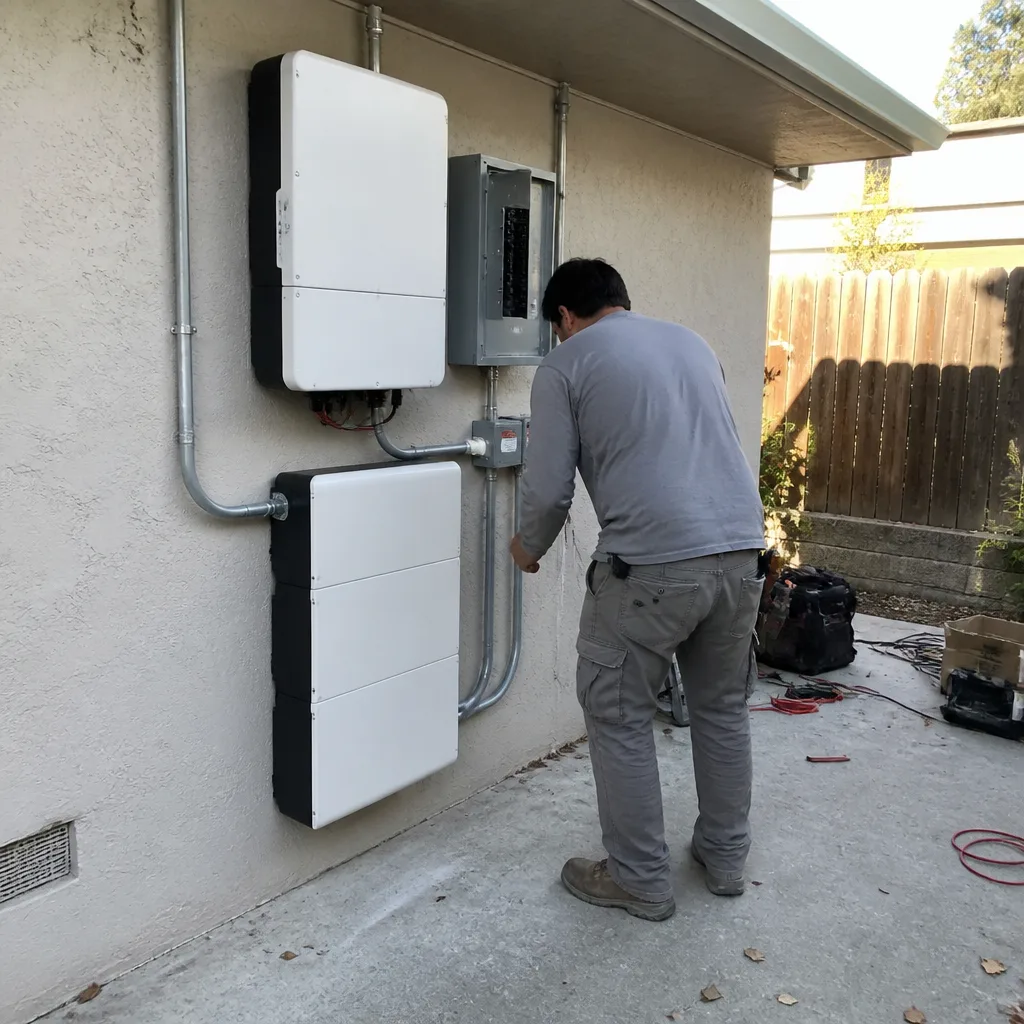 After
After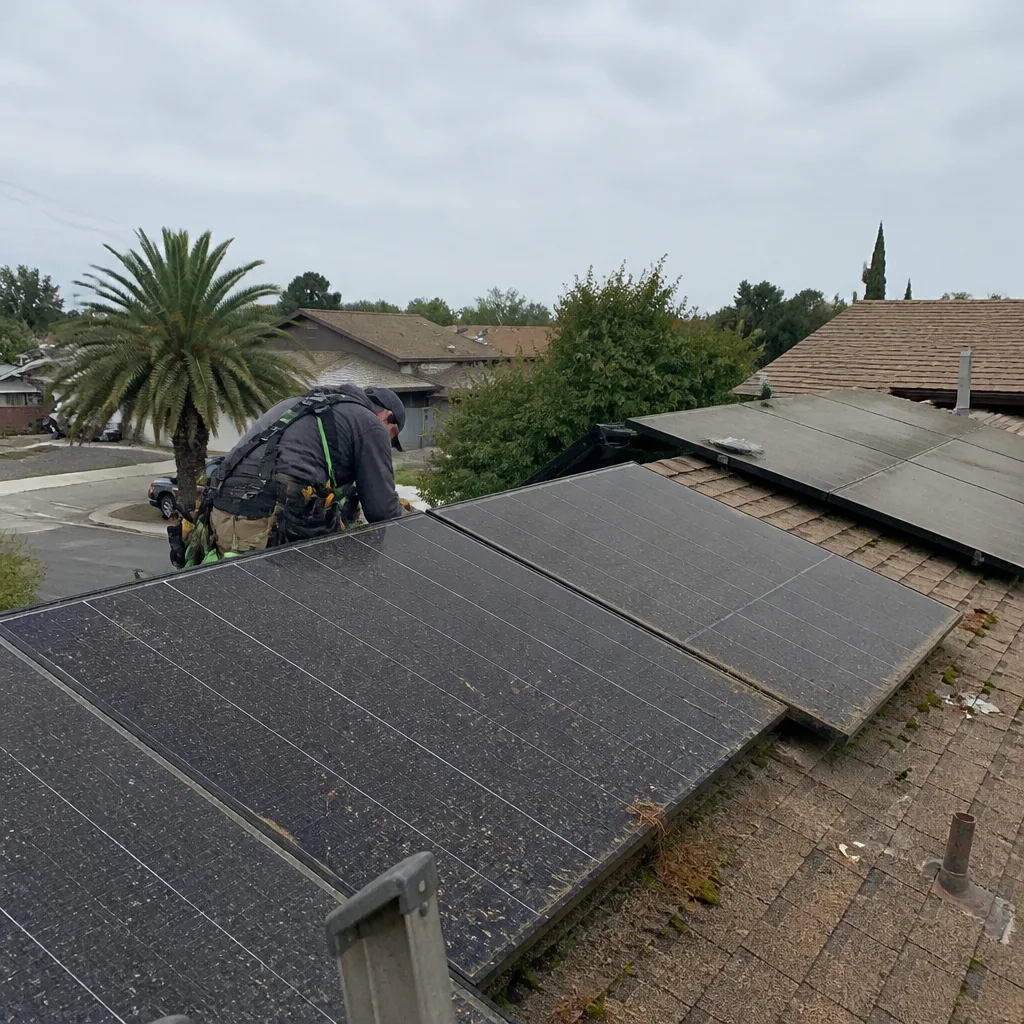 Before
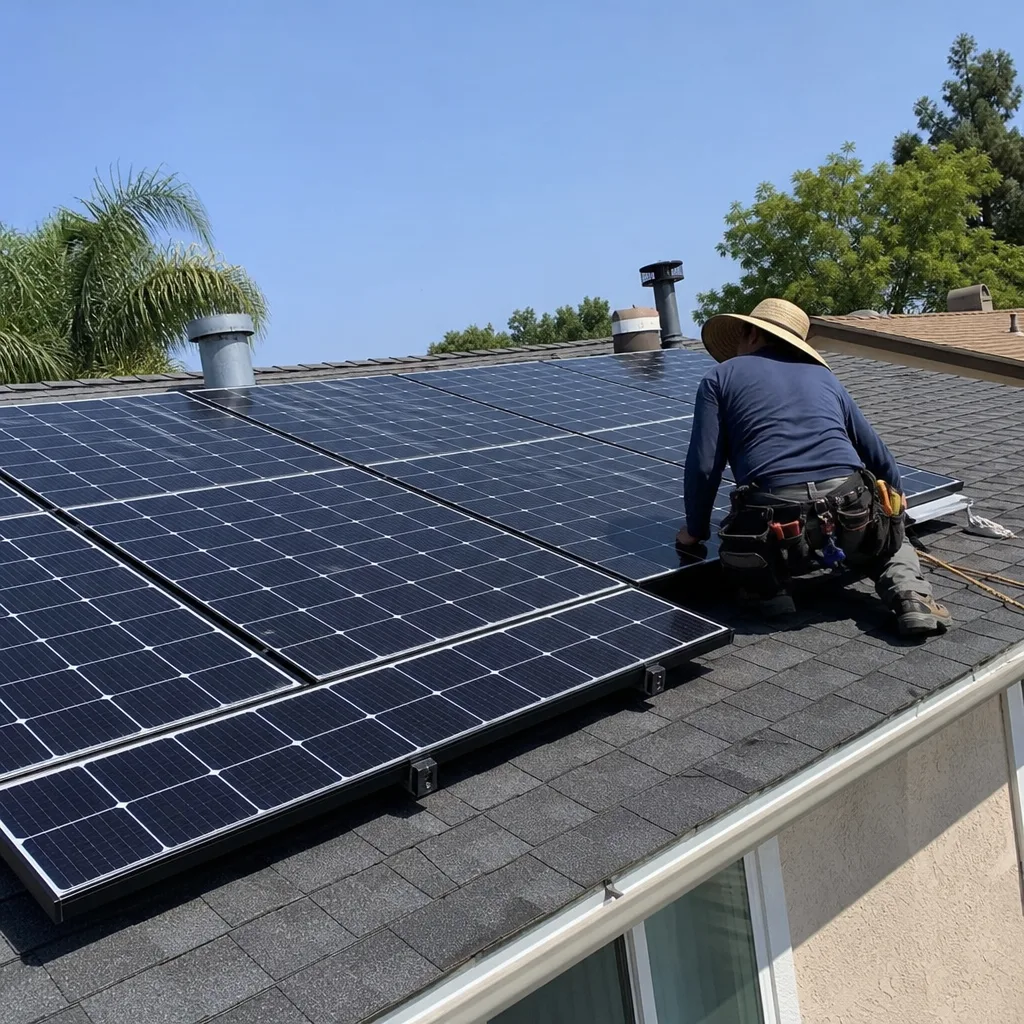 After
After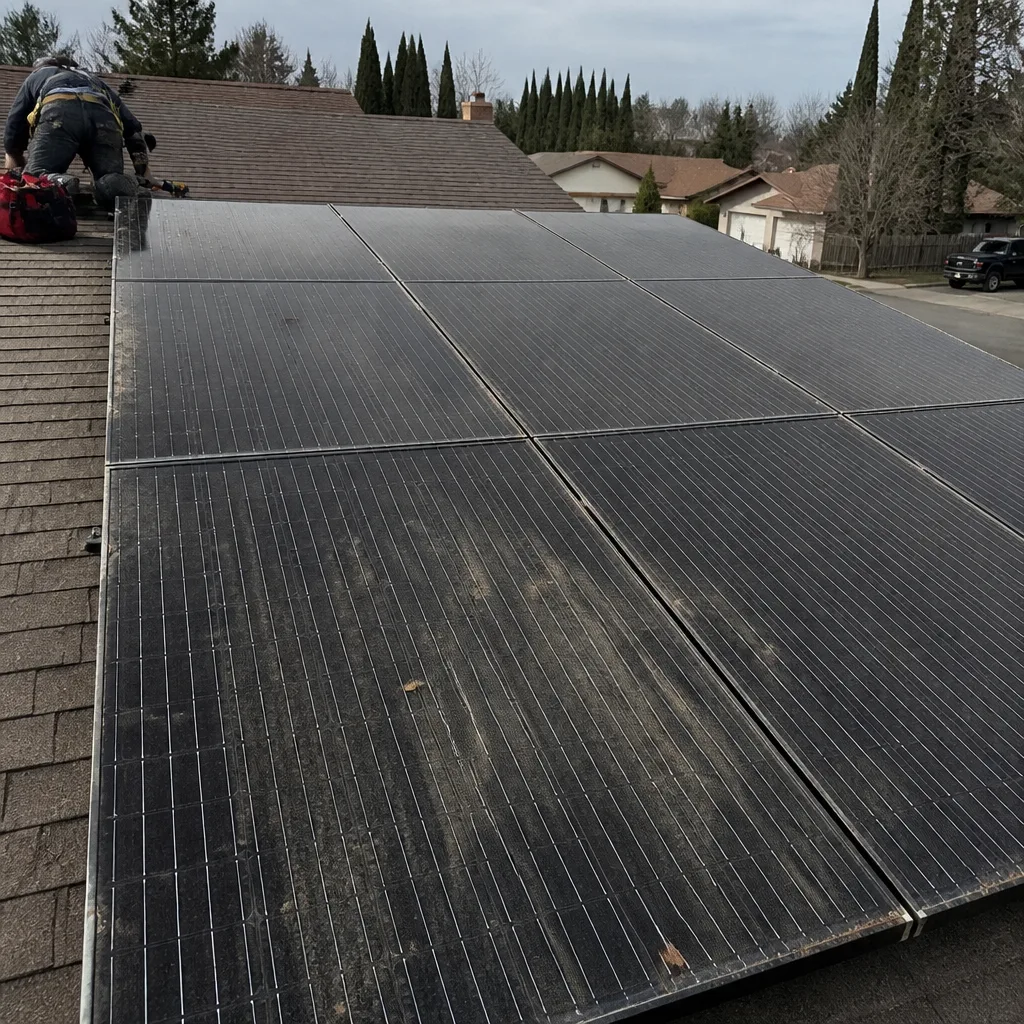 Before
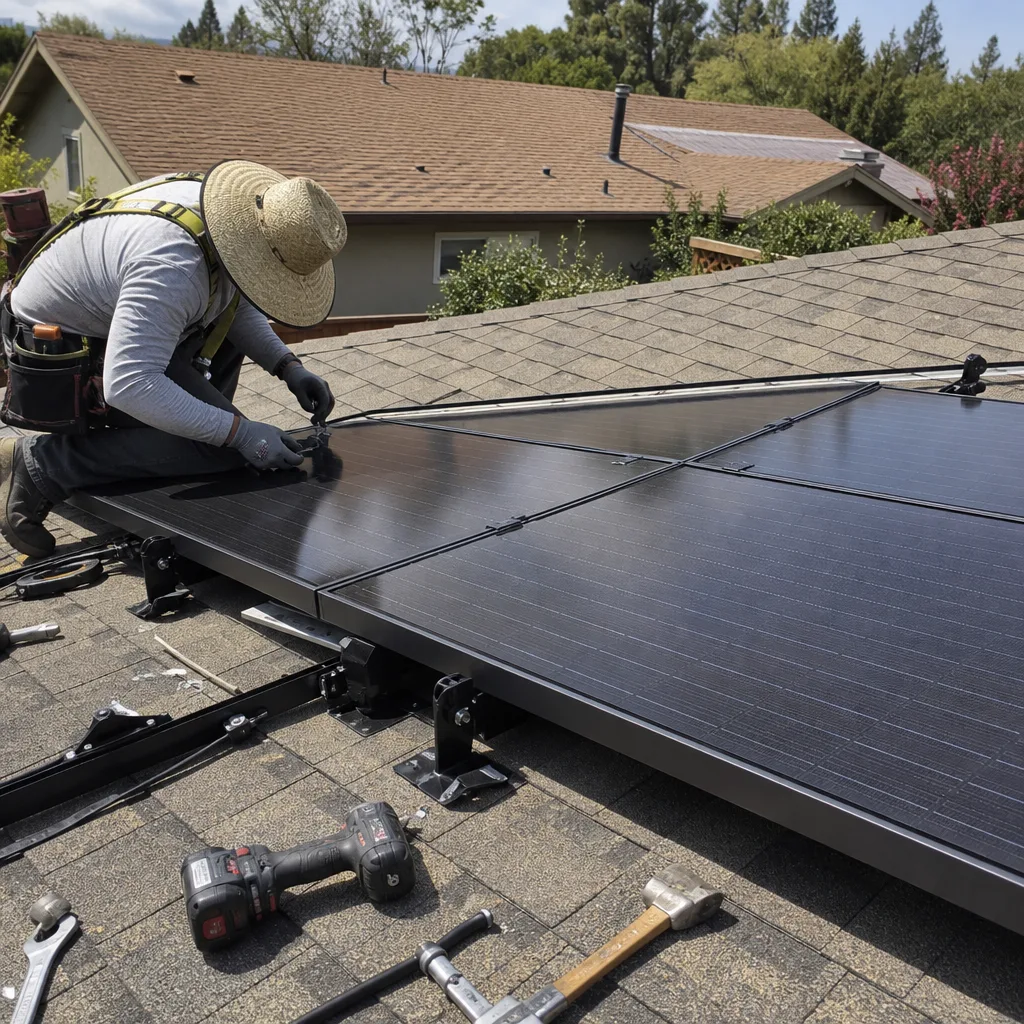 After
AfterFast, Reliable Solar Panel Cleaning Across Soquel
Solar panel cleaning in Soquel typically runs $180-$340 for a standard residential array, and most jobs on the Soquel Creek valley side are done the same week. The marine layer off Monterey Bay leaves a salt-and-pollen film on glass that morning fog masks until afternoon sun bakes it into a stubborn crust. That’s the Soquel pattern, and it’s why a plain rinse with a garden hose won’t get your array back to peak output. If your panels have been underperforming and you’re off Old San Jose Road, Soquel Drive, or up in the hills near Porter Gulch, call (877) 550-6892 and we’ll give you a straight answer and a free estimate.
Why Gus’s Solar Is Soquel’s Preferred Solar Panel Cleaning Company
Gus Petrakis put his own name on the truck fourteen years ago, and he’s the one who answers the phone. We’re not a franchise, not a lead-broker, and not a call center three states away. When you call about Solar Panel Cleaning in Soquel, you get a live person who knows the difference between a redwood-tannin film and marine salt crust, because we’ve cleaned both off arrays across 95073.
Our crew shows up in uniforms, on time, with the right soft brushes and deionized water. Soquel homeowners have told us the same thing for years: they’d rather pay a fair price once than gamble on a guy with a pressure washer who doesn’t know an anti-reflective coating from a scratch. The 90-Day Done Right Promise backs every job in writing. If the cleaning wasn’t done right, one call brings Gus back. No arguing, no waiting.
Response time to Soquel homes is same-week for most scheduled cleanings. For post-storm or critter emergencies, we prioritize Soquel because it’s local to our crew routes. That matters when a Pacific storm slams the coast and leaves half of Capitola and Aptos calling at once. You’ll talk to someone who actually knows where Porter Gulch Road connects to Soquel San Jose Road, not a dispatcher reading a zip code off a screen. And every technician is background-checked. The face you see on your roof is the same one you’d nod to at the hardware store.
Our Solar Panel Cleaning Services in Soquel
Residential Panel Cleaning
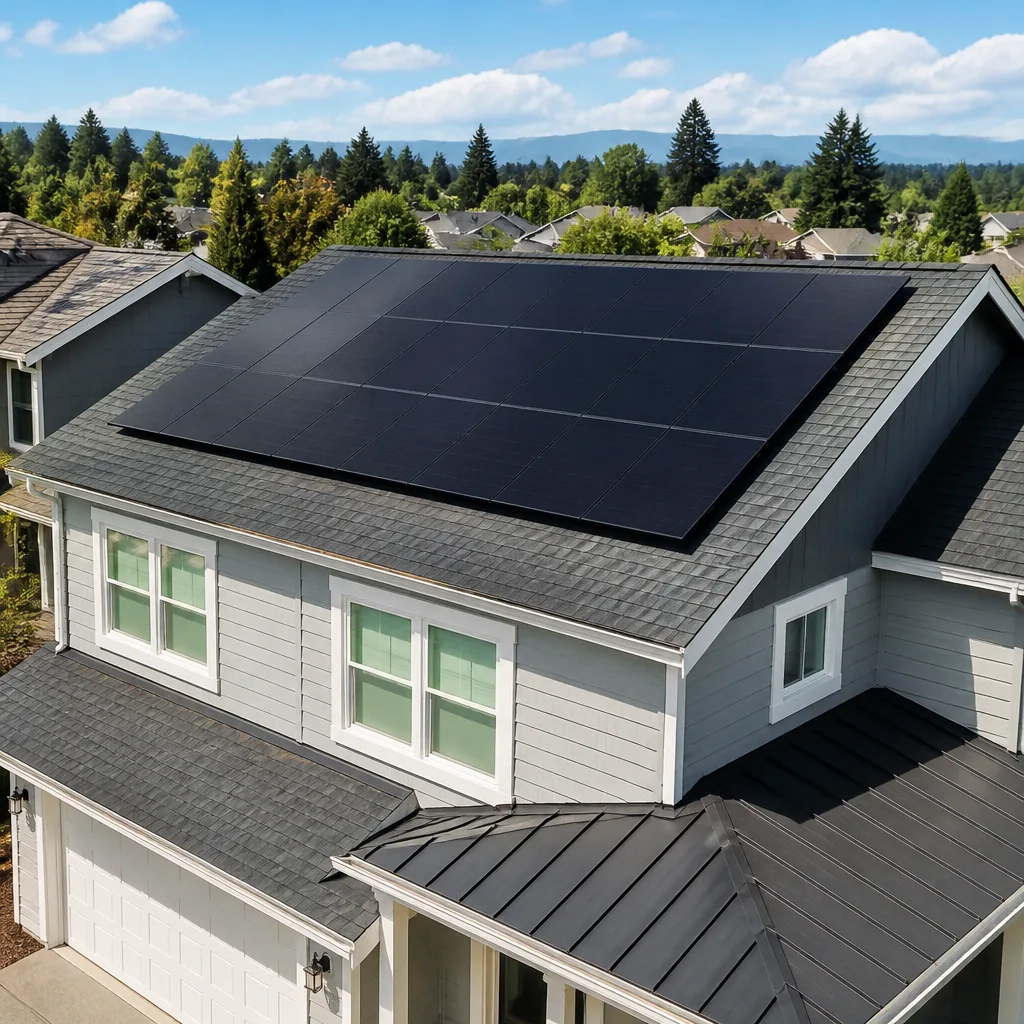
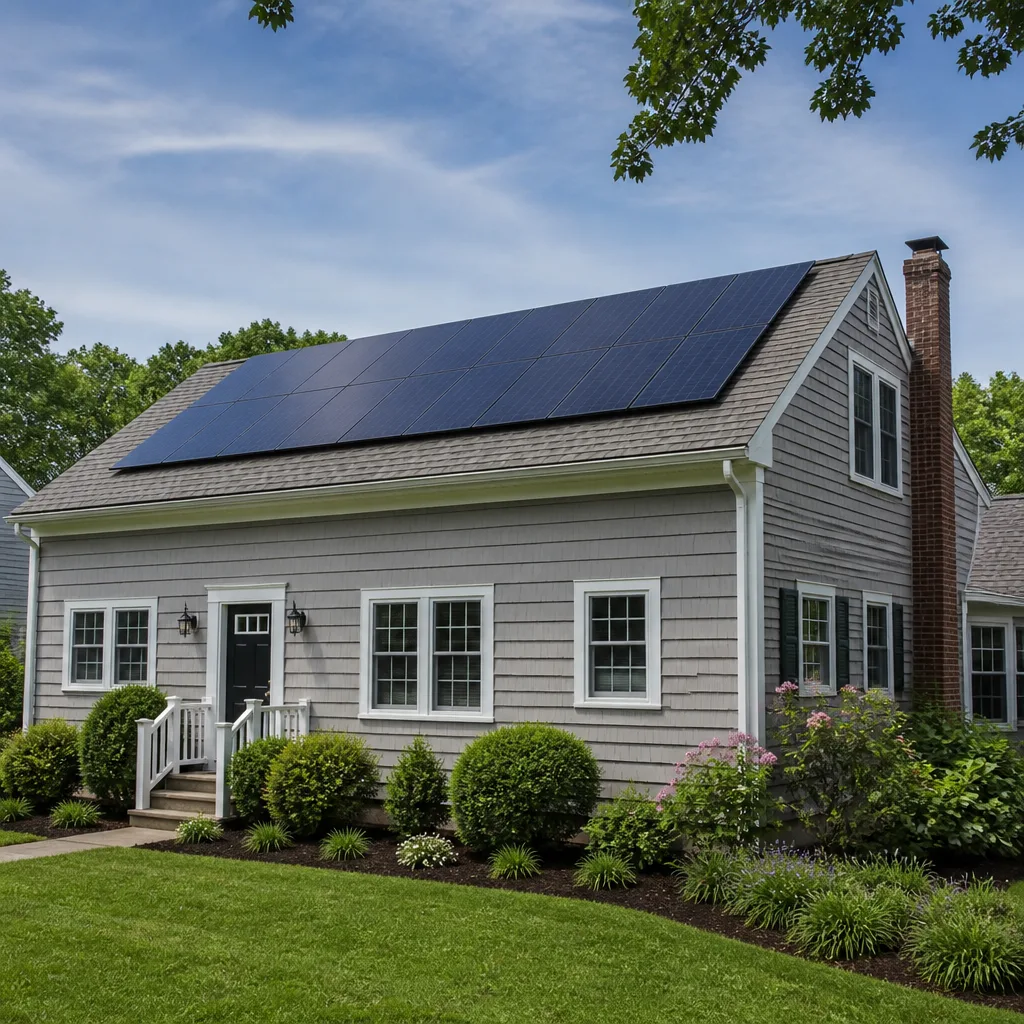
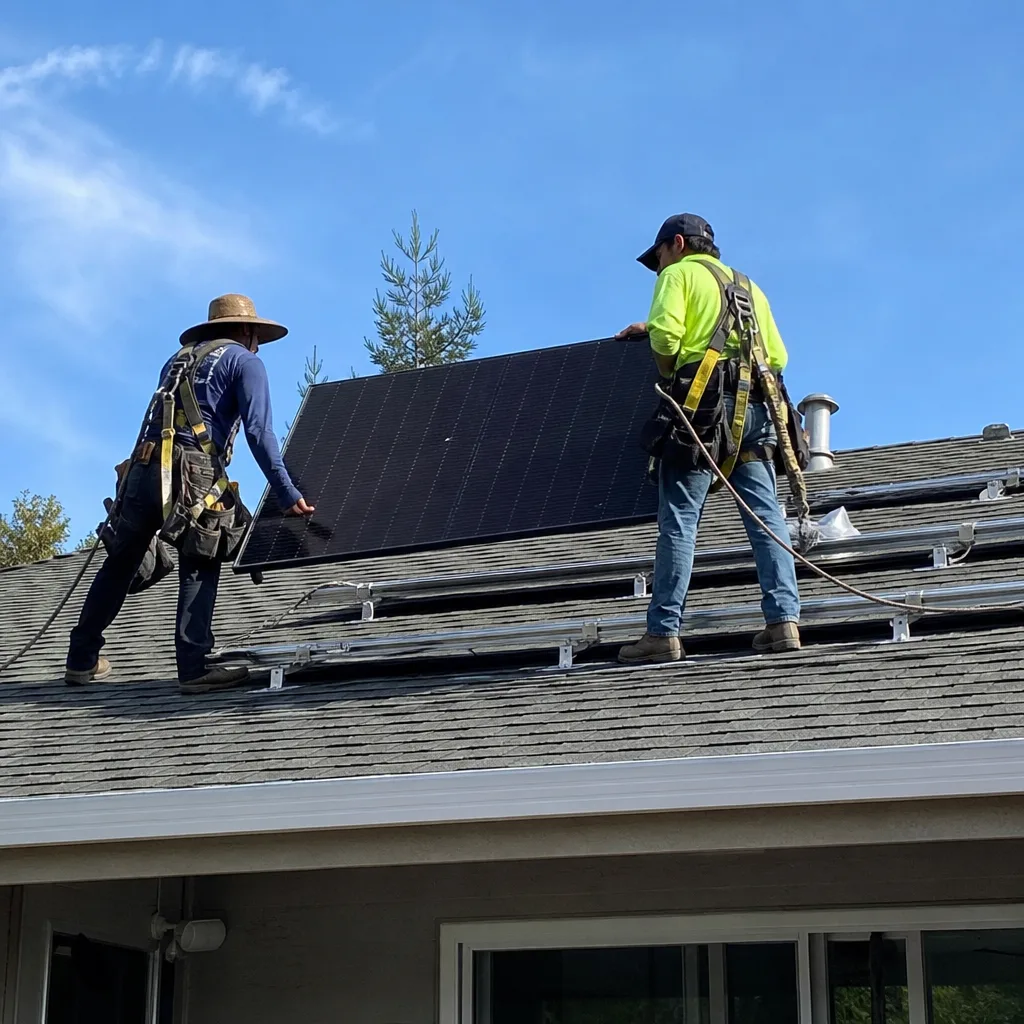
Most Soquel homes have arrays between 12 and 28 panels, often on the east or west roof planes of 1960s-1980s ranch homes. We hand-wash each panel with soft-bristle brushes, deionized water, and no harsh chemicals that could eat through seals or leave residue. Sloped lots mean ladder work, harness tie-offs, and respect for the ground below. A standard residential cleaning on a single-story Soquel home runs $180-$280, and two-story or steep-pitch rooflines run $250-$340. If your roof is steep enough to make you nervous just looking at it, let our crew handle it. Falls from second-story eaves are a real risk, and the medical bill costs more than any cleaning.
Commercial Array Cleaning
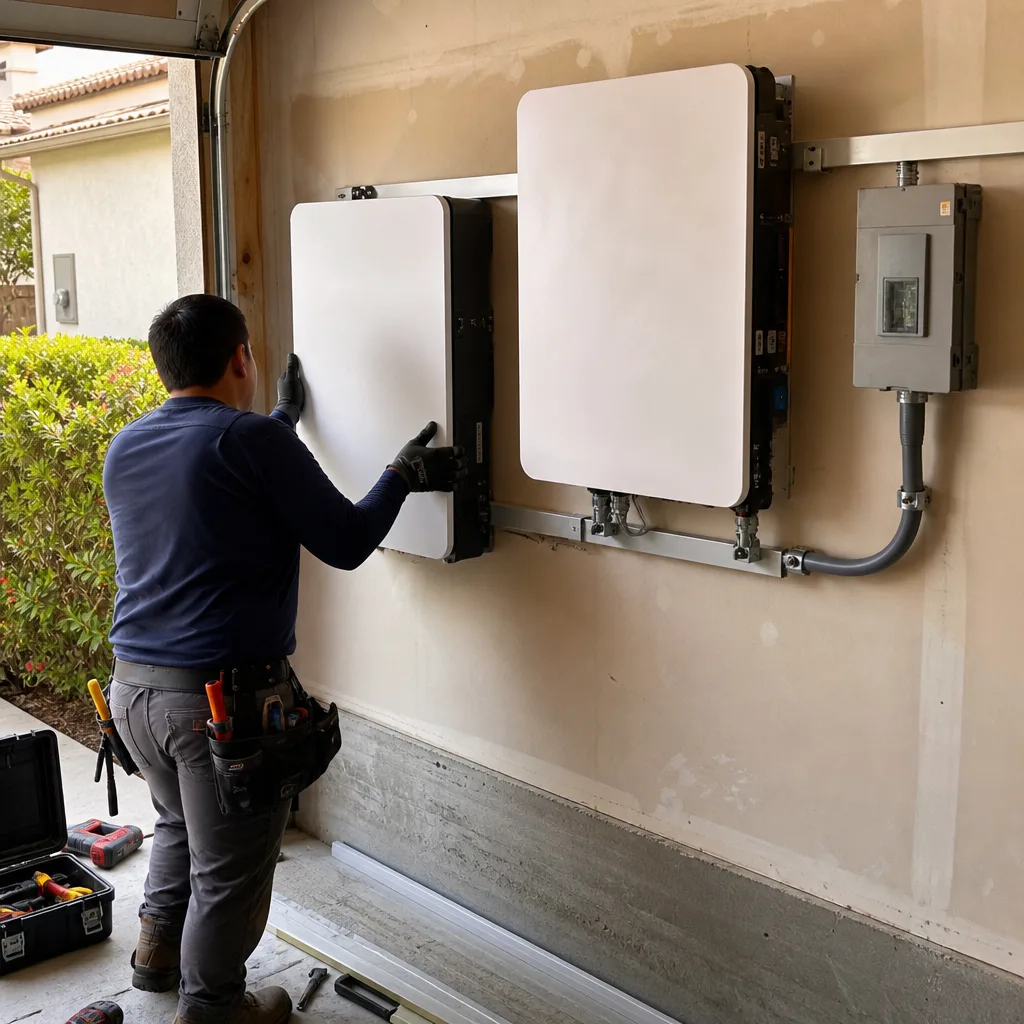
Small commercial arrays across Soquel Drive and the commercial pockets near the 95073 corridor collect more dust than residential systems, thanks to drive-up traffic and wider open roof space. We clean flat and pitched commercial arrays up to a few hundred panels, usually in a single visit. Pricing for commercial work starts around $220 for a smaller 40-60 panel array and scales by panel count and roof access. We schedule around your open hours, and we don’t leave muddy bootprints across the rooftop membrane.
Bird & Critter Guard Installation
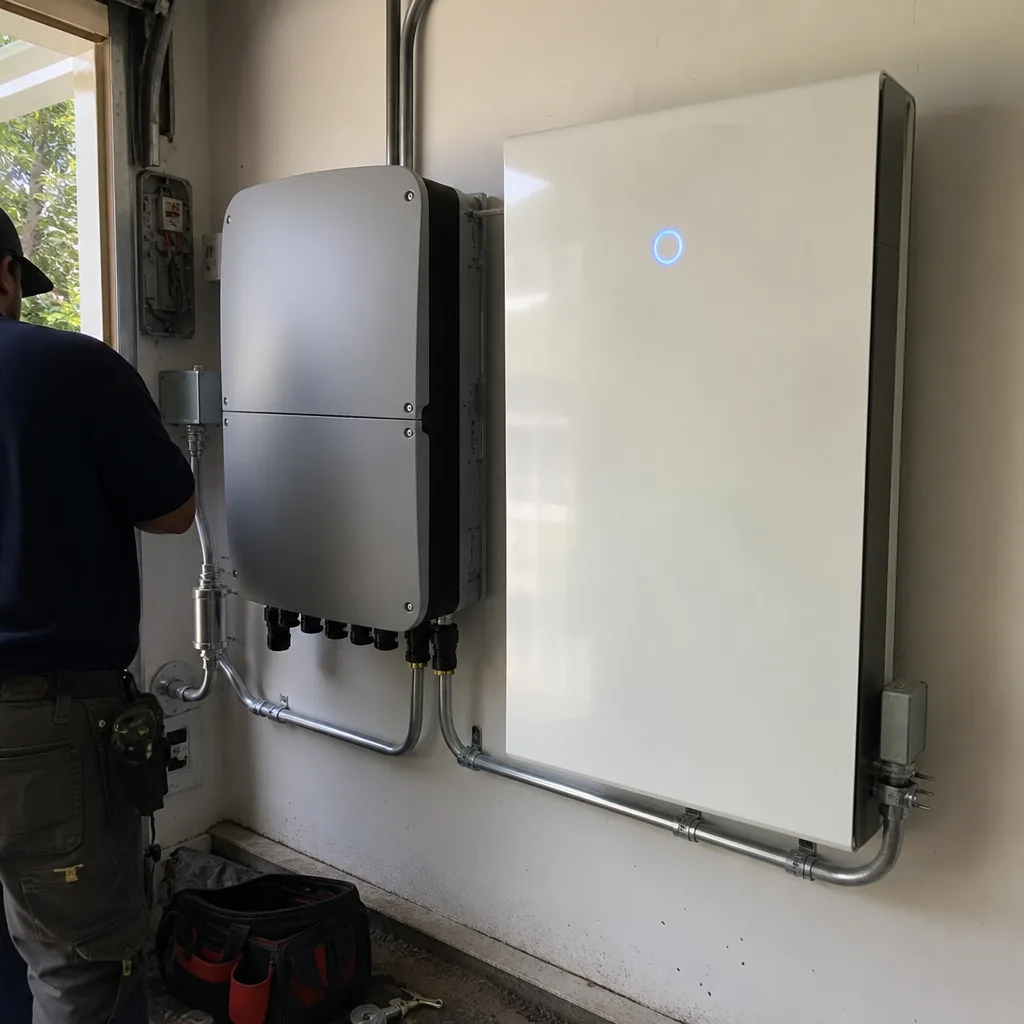
Soquel’s tree canopy means birds, squirrels, and the occasional raccoon treat the space under your panels as prime covered nesting. Pigeons are the worst offenders in the older commercial buildings, while tree squirrels and roof rats cause most residential problems up on the hillside lots. We install heavy-gauge, powder-coated mesh around the array perimeter. It keeps critters out without trapping heat or blocking airflow. Installed screens in Soquel run $14-$22 per linear foot depending on roof access and array configuration. If you’re already hearing scratching or cooing from under the array, call before a squirrel chews through a microinverter wire. That repair costs more than any screen job.
Debris & Soiling Removal
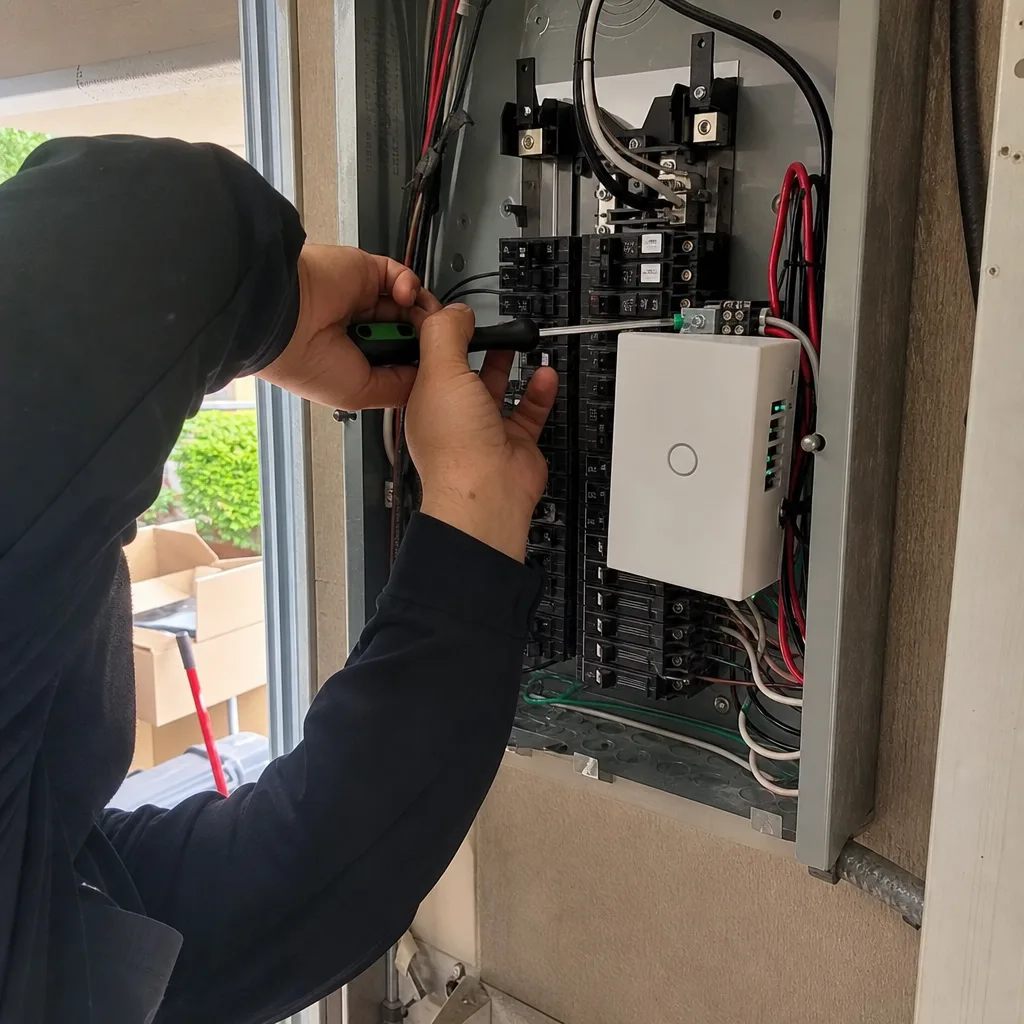
This is the one Soquel homeowners need most and postpone longest. Redwood needles, oak leaves, tannin drip, and marine-layer fog film accumulate in layers that morning shade hides. The window for seeing the problem is short: from mid-afternoon until dusk, when sunlight hits the array and exposes the baked-on grime. We remove needle piles from roof valleys and under panel edges, clean the glass with deionized water, and verify that drainage channels are clear. A debris removal plus full cleaning on a typical Soquel hillside home runs $220-$300. If heavy redwood canopy overhangs your roof, you may need this twice a year rather than once.
What happens when you call
- 1
A real person answersNo phone trees - you reach a local pro.
- 2
You get an upfront price rangeHonest numbers before anyone is dispatched.
- 3
A background-checked tech heads outLicensed & insured, dispatched right away.
- 4
You approve before work beginsNothing starts until you say go.
Trusted Brands We Service in Soquel
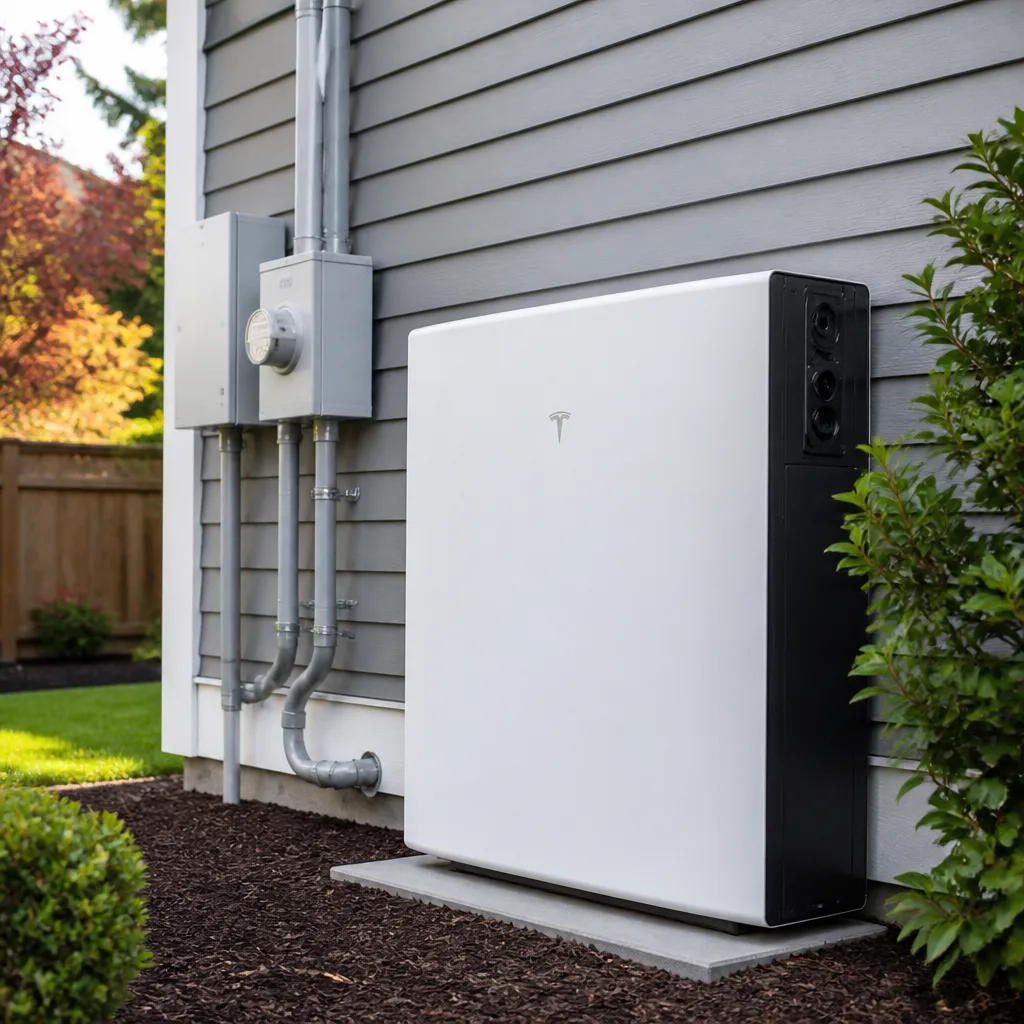
We clean and maintain every major brand installed across Soquel: Tesla, Enphase, SolarEdge, REC, Panasonic, Qcells, and more. Gus’s crew works with the same equipment those manufacturers specify for warranty-safe cleaning. Soft brushes, low-pressure deionized water, no abrasive pads, no pressure washers. We stock common replacement parts and critter guard fittings for these systems, which means most sites don’t wait on a backordered clip. If your system runs Enphase microinverters or Tesla Powerwall, we know how to verify production before and after cleaning so you can see the difference in kilowatt-hours, not a salesman’s promise.
Common Solar Panel Cleaning Problems We See in Soquel Homes
- Baked-on marine layer film. Morning fog off Monterey Bay deposits salt and pollen on the glass. By the time afternoon sun burns through, the film has dried into a crust that plain water won’t lift. We’ve seen arrays off Old San Jose Road where this cycle repeated so often the glass needed a two-stage deionized wash and careful squeegee work to restore output.
- Redwood needle and tannin staining. Overhanging second-growth redwoods drop needles that pile at the panel edges and bleed tannins down the glass. The acidic film etches the anti-reflective coating over time. Waiting too long means the coating degrades faster than it should, and no cleaning brings that back. The answer is earlier, gentle removal, not aggressive scrubbing later.
- East and west-facing array imbalances. Most solar production software assumes a south-facing array on a clear lot. Soquel’s valley geography and street-parallel grading created a different reality: east arrays collect the salty morning fog crust, west arrays collect afternoon dust and pollen. A cleaning plan that only does half the array leaves half the production loss on the table. We clean every panel, and we check output per azimuth when you want the numbers.
- Unpermitted or under-permitted legacy systems. Because Soquel is unincorporated, county records aren’t always current with what’s actually on the roof. We regularly find arrays installed years ago that never got final county sign-off, and the trigger for discovering it is a cleaning visit. We can’t fix the paperwork ourselves, but we’ll tell you honestly what we see and point you to the right county desk in Santa Cruz. Better to know now than during a home sale.
Pricing for Solar Panel Cleaning in Soquel, CA
Here’s the honest math for Soquel, no brochure fluff. A standard single-story residential array of 12-24 panels runs $180-$280. Two-story homes, steep pitches, or roof access that requires harness work runs $250-$340. Commercial arrays start around $220 for smaller rooftops and go up by panel count. Bird and critter guard install runs $14-$22 per linear foot of perimeter mesh. Debris removal and full cleaning together on a hillside lot runs $220-$300. Post-storm cleaning after heavy winds or a Pacific front runs a flat $200-$320 for a standard residential array, and we prioritize that work for Soquel callers. Every estimate is free, the price we quote is the price you pay, and Gus’s 90-Day Done Right Promise applies in writing to every cleaning job. Take two weeks to think about it. The price will be the same.
We Also Serve Cities Near Soquel
If you live just outside Soquel, we handle Solar Panel Cleaning in Soquel and the surrounding communities too. Our crews regularly work Capitola, Rio Del Mar, Aptos, and Santa Cruz. Same crew, same deionized rinse, same 90-day promise. Call (877) 550-6892 and tell us which side of Highway 1 you’re on.
Serving Soquel, CA - Our Local Coverage Area
We’re based in the Soquel area and know this community well. Use the map below to see our service coverage - if you’re nearby, we can almost certainly help.
FAQs - Solar Panel Cleaning in Soquel
It makes cleaning a twice-a-year job for many hillside arrays. The marine layer arrives wet and salty every morning from Monterey Bay, and it dries fast once the sun breaks through around late morning. That daily wet-dry cycle bakes residue onto the glass faster than inland sites. If your array sits under redwood canopy or faces east into the fog path off the bay, two cleanings per year usually hold output steady. South-facing arrays on clear ridgelines can sometimes stretch to one. Call (877) 550-6892 and we’ll tell you what your roof’s orientation and shade actually call for.
Yes, it can. Soquel is unincorporated, so all permits and plan checks run through Santa Cruz County’s Planning and Building Department. The county frequently flags mature redwood proximity when any work touches the roof, and if branches overhang your panels, a certified arborist shading report may be required before county staff will sign off on approved work. It catches homeowners by surprise, especially those who installed without issue at a previous address in a nearby city. We’ll tell you upfront if your site looks like it may need an arborist letter before county sign-off. That conversation is free, and it can save you weeks of waiting.
East-facing arrays take the brunt of the salt-laden morning fog off Monterey Bay, which dries into a white crust. West-facing arrays collect the afternoon dust and pollen that blows up the valley. A south-facing array on a clear lot gets full sun all day and burns off some of that residue naturally, but it still accumulates. One-size-fits-all cleaning misses half the production loss on east-west homes, which are common in Soquel’s 1950s-1980s ranch stock. We clean every panel and check output per azimuth when you want hard numbers.
Yes, and it shows up in actual kilowatt-hours, not percentages a sales rep invented. Soquel’s compressed solar window means your array captures most of its production between late morning and early evening under NEM 3.0’s lower export rates. Dirty panels lose 5-15% of that already-narrow window, and with battery systems like FranklinWH or Tesla Powerwall, the effect compounds: less daytime generation means less stored power for nighttime use. A clean array is the cheapest production boost you can buy. Bring us a bill, and we’ll bring you the math. Free estimate, no signature tonight.
No, routine panel cleaning does not require a county permit. Washing, debris removal, and critter guard installation are maintenance work, not structural changes. The complication only arises if county staff flag an existing unpermitted array or if heavy redwood branches overhang the roof and trigger a shading review before other roof work. If your cleaning reveals a bigger issue, we’ll tell you straight and help you get to the right county office. Cleaning itself, done with soft brushes and deionized water by trained professionals, is safe and permit-free.
Written by Gus Petrakis, Owner at Gus’s Solar, serving Soquel and the surrounding Santa Cruz County communities since 2011.