

Free bill analysis - bring a power bill, get the production math for your actual roof, panel brands like Qcells and REC compared side by side
If the pitch starts at your door and ends with "sign tonight for the special," sleep on it. The sun will still be there tomorrow; so will we.
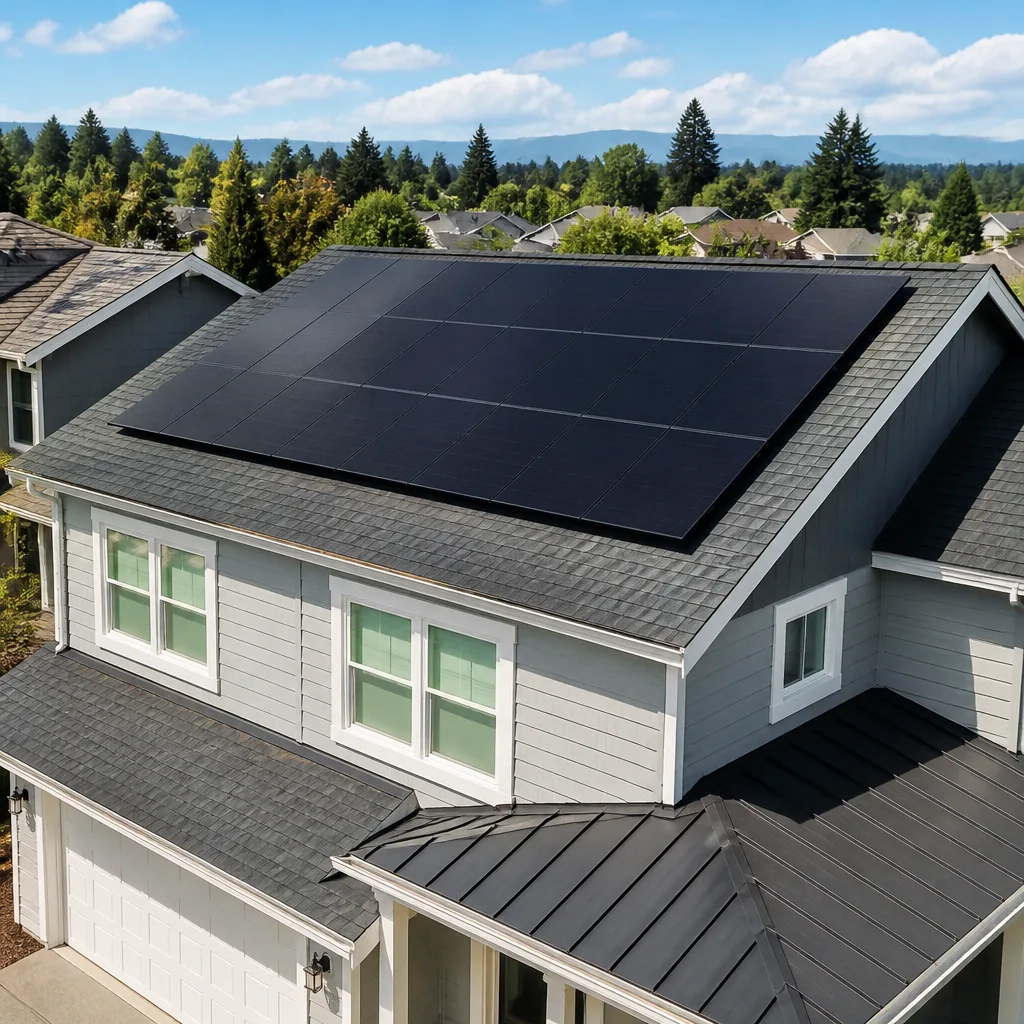
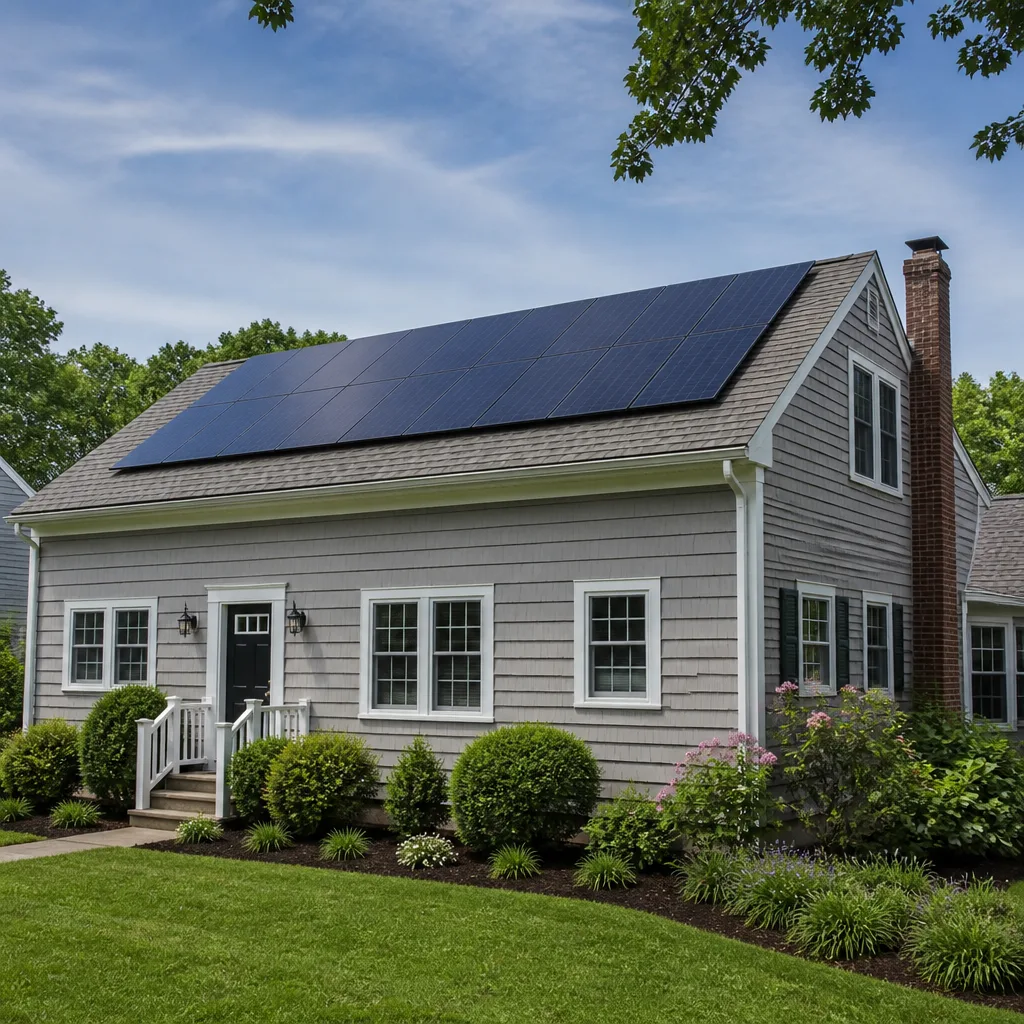

 Before
 After
After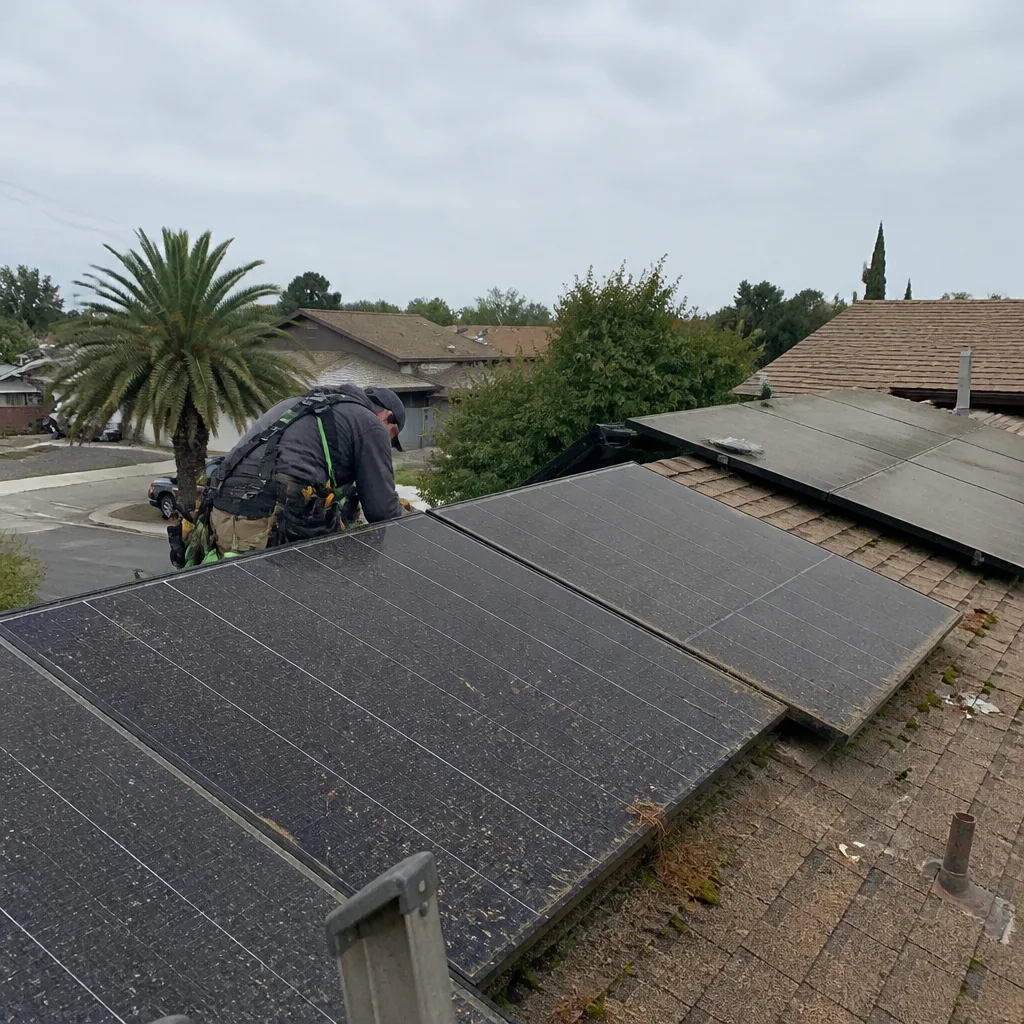 Before
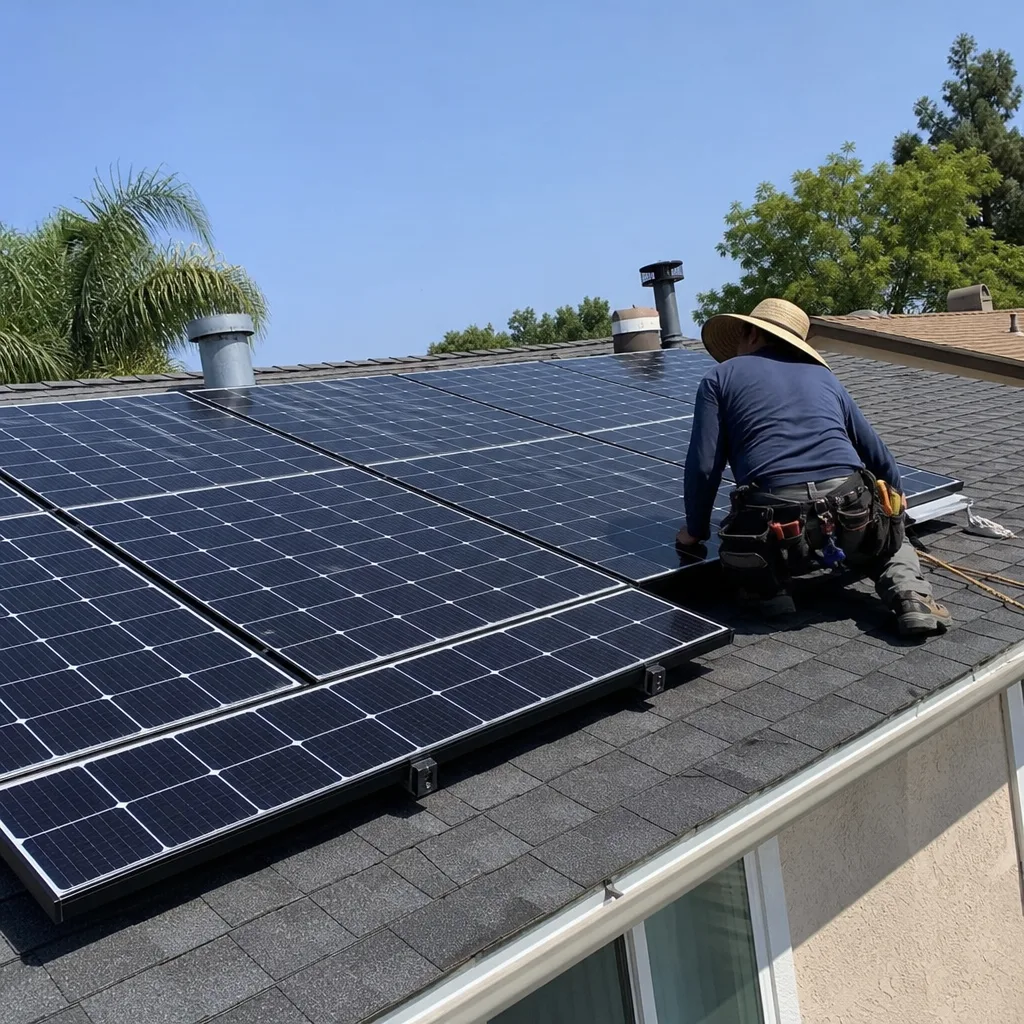 After
After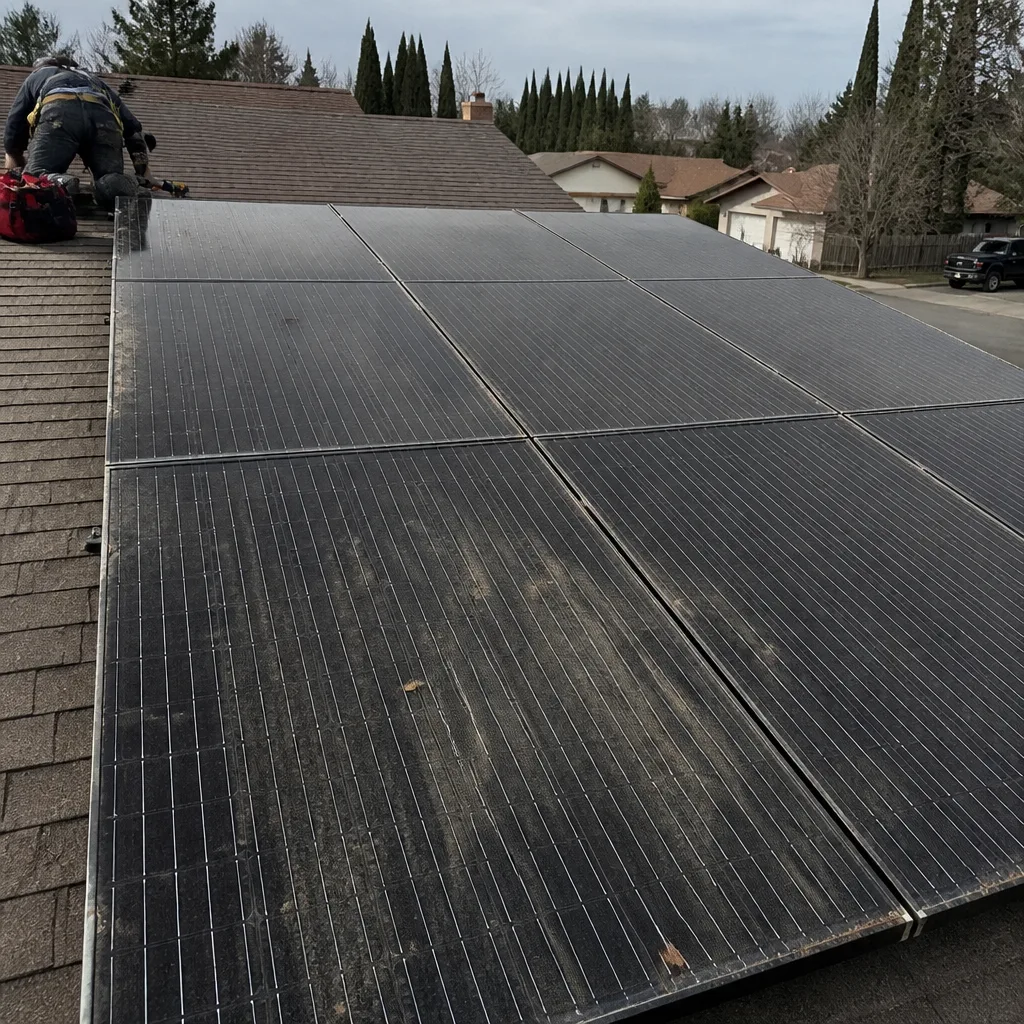 Before
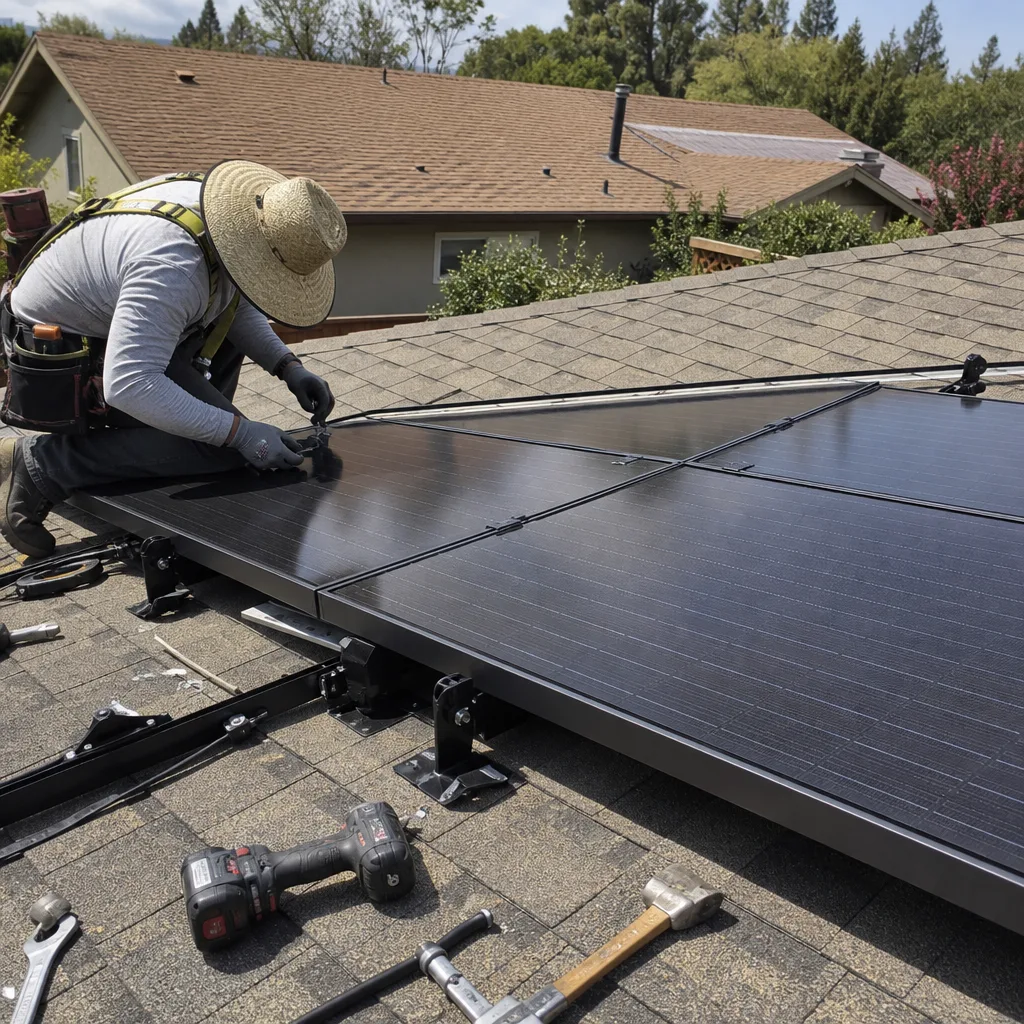 After
AfterFast, Reliable Solar Panel Cleaning Across Rio Del Mar
A typical solar panel cleaning in Rio Del Mar runs $150 to $325 for a residential array, and we can usually be on your roof within 48 hours of your call. If your panels sit within a half-mile of Monterey Bay, the salt haze and fog residue building up on the glass is quietly cutting your production right now. That’s not a sales line. It’s what our techs measure on inverter logs every week from Beach Drive to Clubhouse Drive. Call us at (877) 550-6892 for a free estimate, and we’ll tell you honestly whether your array even needs a cleaning yet.
Key Takeaways:
- Rio Del Mar’s marine layer and salt spray can cut panel output by 10% or more by mid-summer if panels go uncleaned.
- Most residential cleanings in the 95001 zip code cost $150 to $325, depending on panel count, roof pitch, and soiling level.
- We schedule cleanings around the fog window. Afternoon visits work better here than inland.
- Gus’s Solar is locally owned and operated by Gus Petrakis since 2011. A live person answers our phone 24/7.
- Every job is backed by the 90-Day Done Right Promise in writing.
Why Gus’s Solar Is Rio Del Mar’s Preferred Solar Panel Cleaning Company
Gus Petrakis put his own name on this company in 2011 and has kept it there. That matters in a beach town like Rio Del Mar, where homeowners have dealt with plenty of out-of-area outfits that quote a phone number, show up late, and never answer a callback. We’re not that. Our service area covers all of Rio Del Mar and the surrounding Aptos, Capitola, Soquel, and Interlaken communities, and our Solar Panel Cleaning team works from a schedule built around the coastal fog pattern, not some template written for a Fresno suburb.
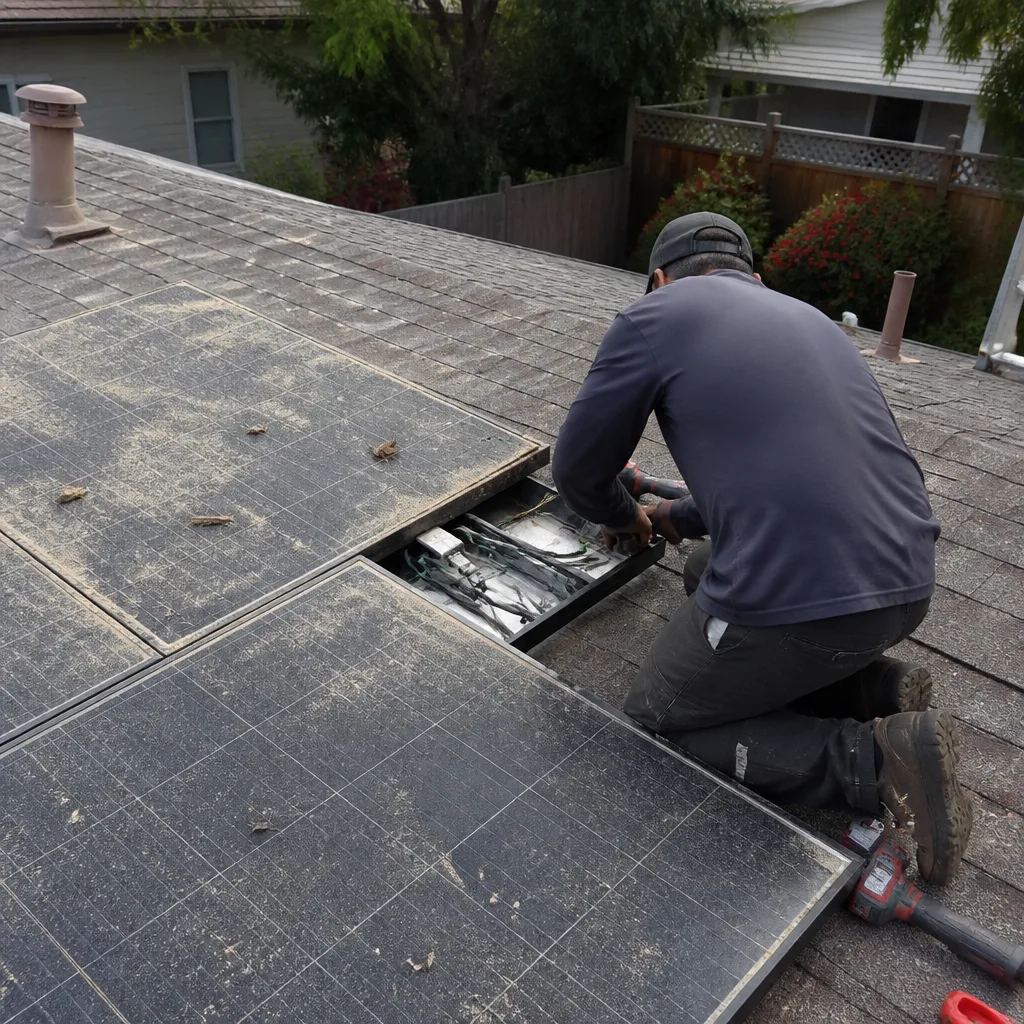
Our Rio Del Mar customers keep calling back because we do the small things right. We show up on time, in uniform, and background-checked. We put drop cloths down when we need to run a hose through a finished garage or beach cottage. We photograph every array before and after so you can see exactly what we removed. And if something isn’t done right, the 90-Day Done Right Promise brings Gus back, no argument.
We answer our own phone. That sounds small until you have a question at 9 p.m. and get a human instead of a ticketing portal.
Our Solar Panel Cleaning Services in Rio Del Mar
Residential Panel Cleaning
For homes across Rio Del Mar, we use filtered water and soft-bristle brushes sized for solar glass. No hard water, no pressure washers, no abrasive scrub pads. The marine layer here means panels accumulate a salt-and-fog film that inland systems never see, so our rinse sequence takes a little longer. Most residential arrays take under two hours. Flat-rate pricing, no surprise add-ons.
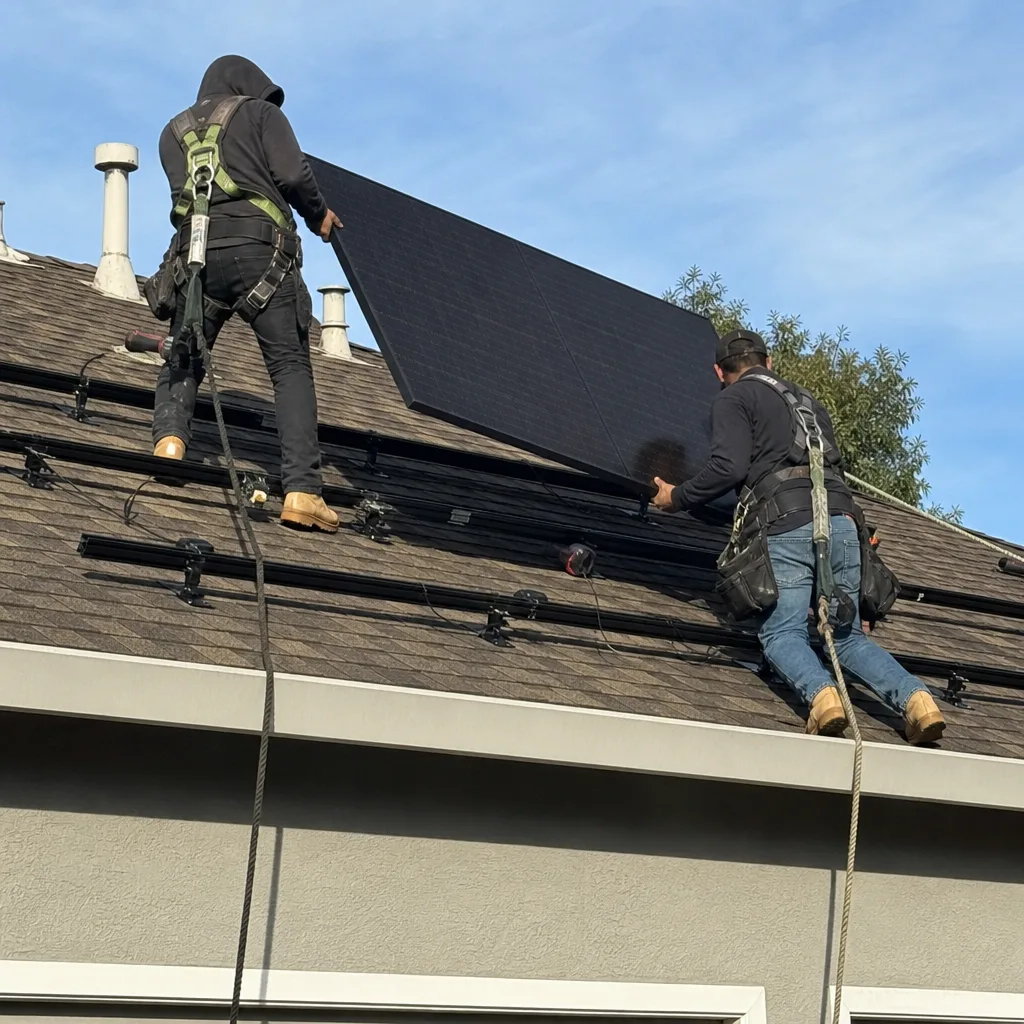
Commercial Array Cleaning
Rio Del Mar’s small commercial properties, cafes, inns, and the vacation rental management offices along Soquel Drive, need clean panels to meet their production projections. We schedule commercial work during off-peak afternoon hours, after the fog burns off and the arrays are actually producing. We can set up monthly or quarterly visits so your array never falls behind its modeled output.
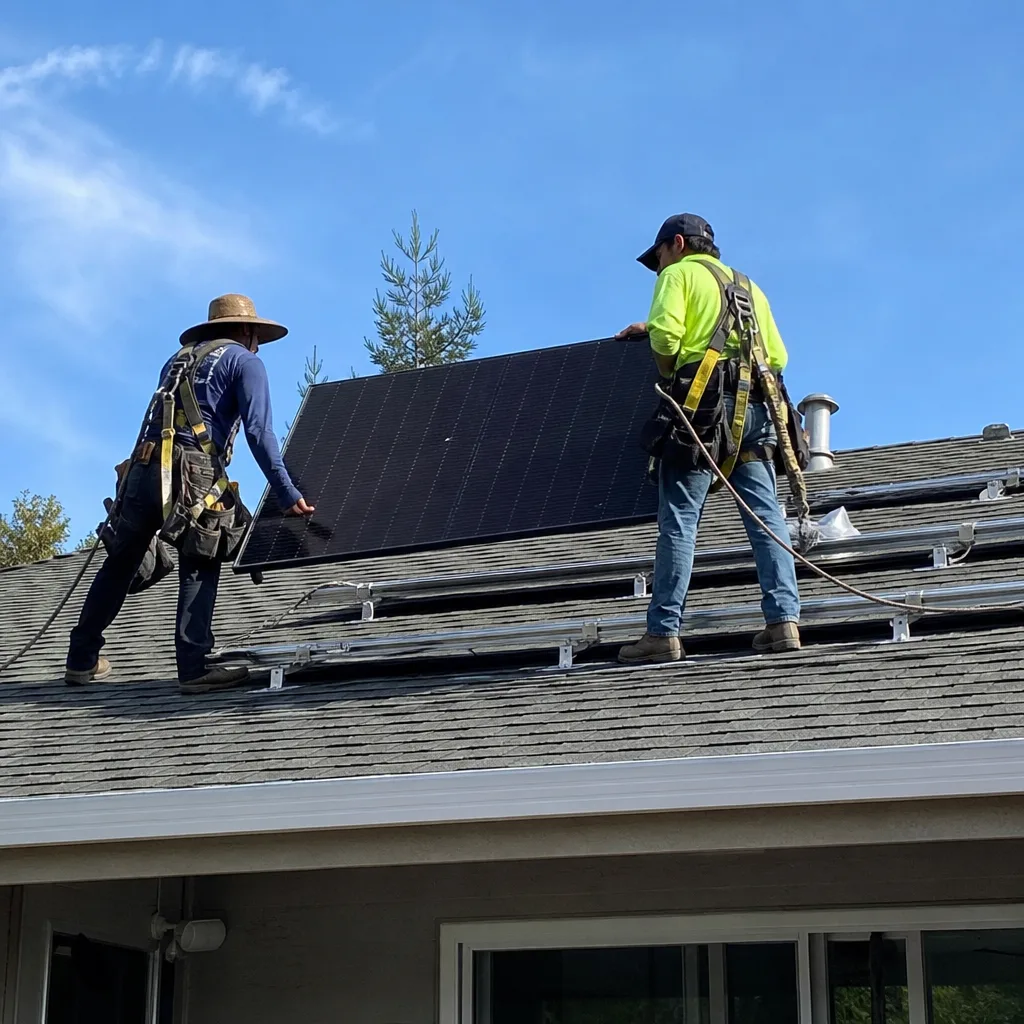
Bird & Critter Guard Installation
Gulls and cormorants along the Rio Del Mar shoreline leave droppings that bake onto panels faster than any inland dust. We install powder-coated steel mesh guards around array perimeters that keep birds out without trapping them. This is a common add-on for beachfront and near-beach homes in the 95001 zip code, where the bird pressure is constant. A guard install usually runs $300 to $600 depending on the array footprint.
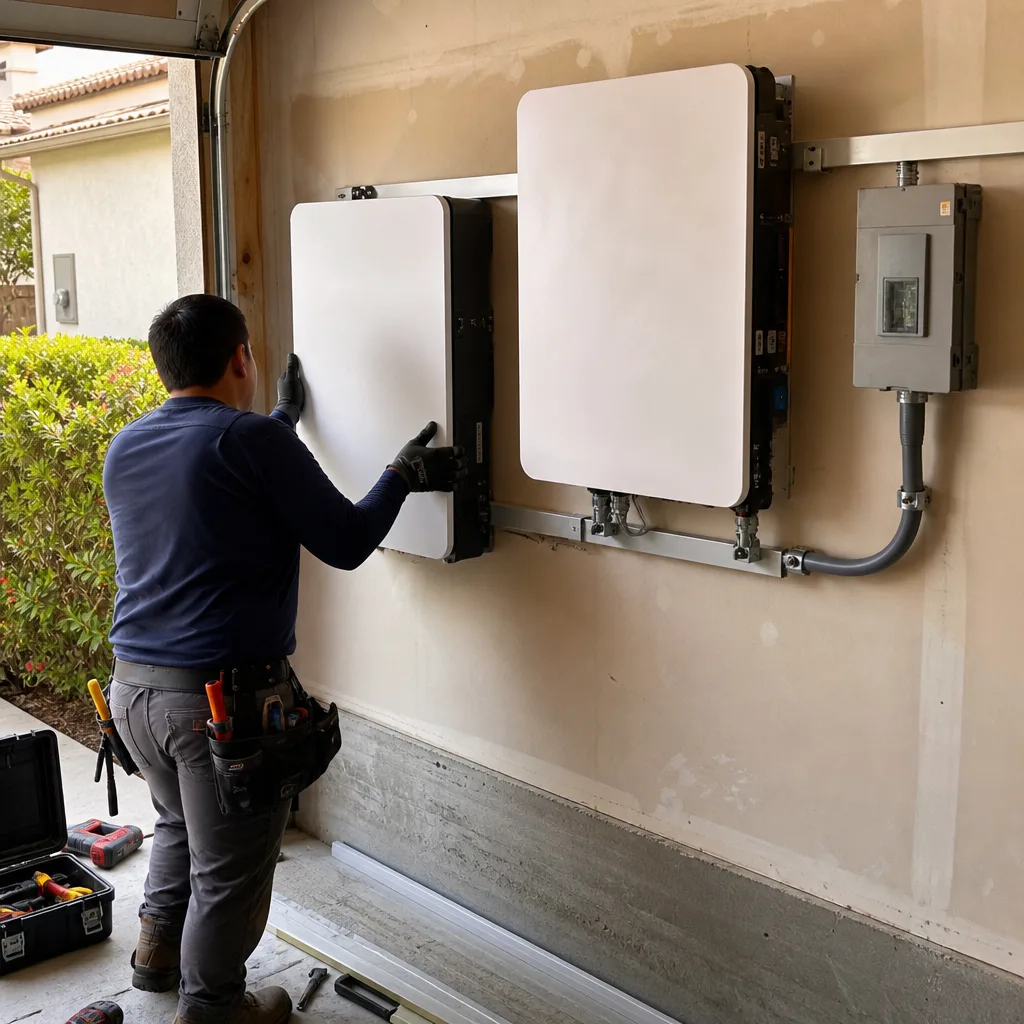
Debris & Soiling Removal
Between spring pollen, coastal salt crust, and the occasional wind-driven sand from Rio Del Mar State Beach, panels here collect a specific kind of grime. We remove it by hand with deionized water, then squeegee and dry the glass in sections. No shortcuts. If your array sits under an oak or pine near the Aptos Creek corridor, we’ll clear needles and sap before they etch the glass. Scheduled plans work well for seasonal rentals where no one is around to notice a production dip.
What happens when you call
- 1
A real person answersNo phone trees - you reach a local pro.
- 2
You get an upfront price rangeHonest numbers before anyone is dispatched.
- 3
A background-checked tech heads outLicensed & insured, dispatched right away.
- 4
You approve before work beginsNothing starts until you say go.
Trusted Brands We Service in Rio Del Mar
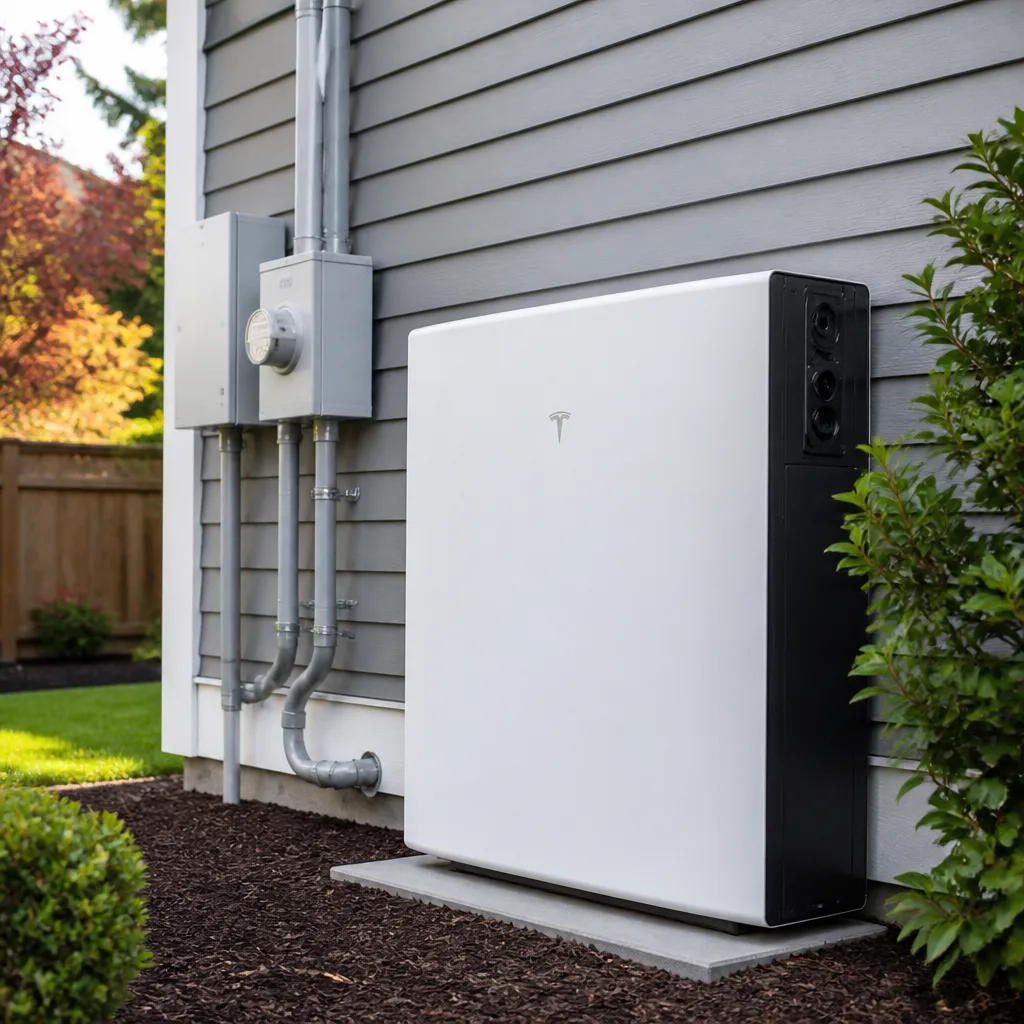
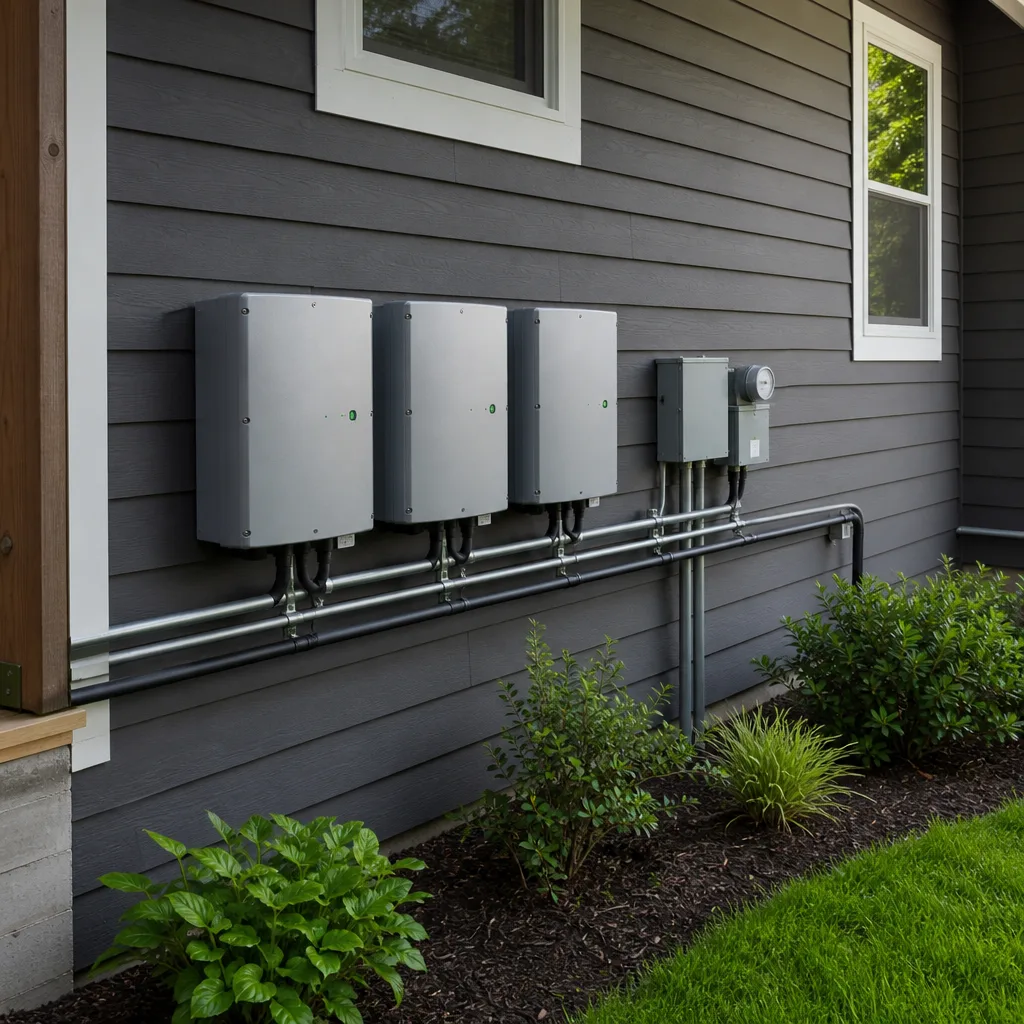
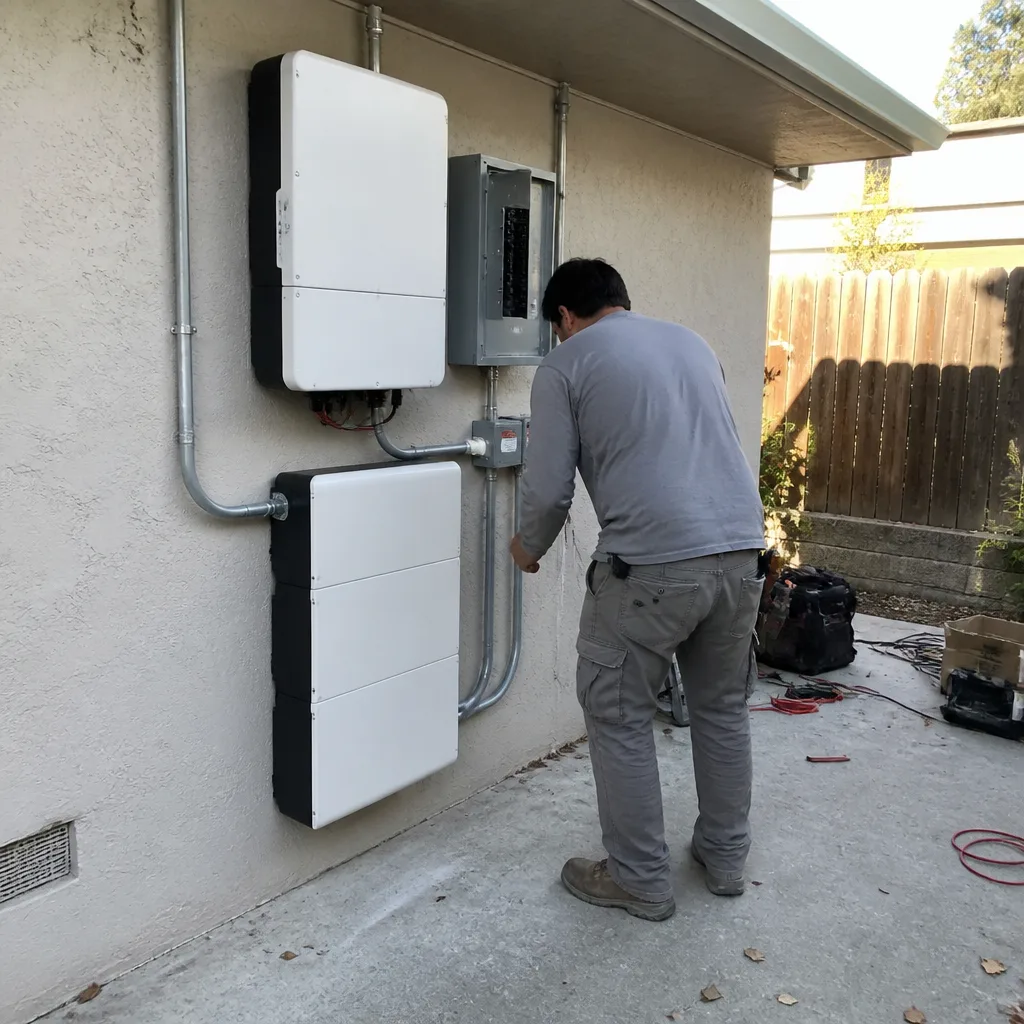
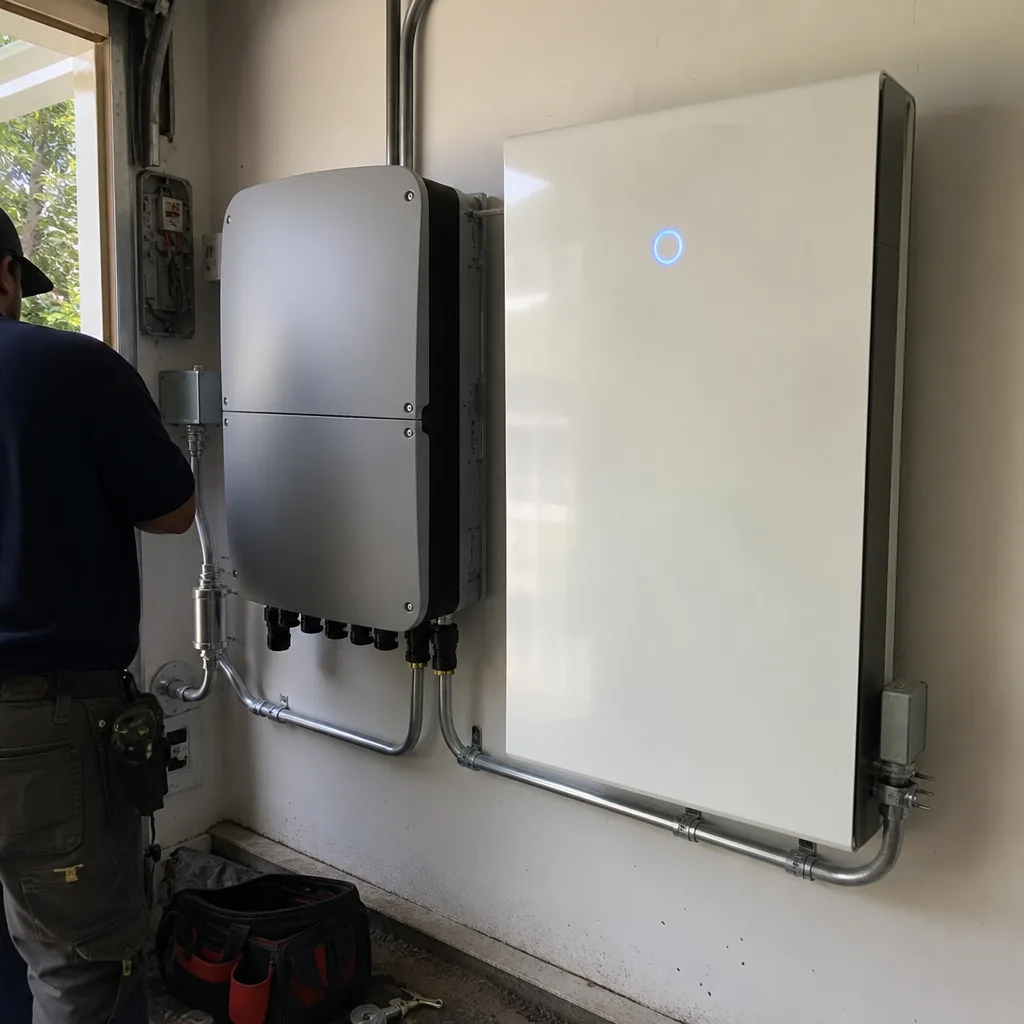
We clean and inspect panels from every major manufacturer, including Panasonic, Canadian Solar, JinkoSolar, and systems backed by FranklinWH batteries. Older SunPower arrays need a gentler touch than newer Qcells, and we adjust our brush pressure and rinse approach accordingly. If your system includes a FranklinWH battery cabinet mounted near the ocean air, we’ll check the enclosure seals during the visit. We stock common cleaning supplies and minor replacement parts locally, so there’s no waiting on a warehouse three states away.
Common Solar Panel Cleaning Problems We See in Rio Del Mar Homes
- Fog-and-salt film that blocks production by mid-summer. The marine layer rolls in overnight, condenses on cool glass, and leaves behind a saline residue that bakes on once the sun finally breaks through. Afternoon production still looks fine on a sunny day, which masks the morning losses. We see this pattern constantly between Aptos and Rio Del Mar.
- Hard-water mineral etching from previous wash jobs. Some owners hire a window cleaner who doesn’t do solar, and the result is streaked glass with mineral deposits that get etched in by the next week’s sun. We remove what’s removable and advise honestly when the glass has permanent damage.
- Gull and cormorant droppings concentrated along the panel’s lower edge. That’s the zone where fog condensation pools each morning, and birds roost on the upper racking. Droppings there block cells directly and can create hot spots. Our bird guard installs solve this at the source.
- Panel soiling on seasonal rental properties. Many Rio Del Mar homes are second homes or vacation rentals, and owners live elsewhere. A tripped breaker, shading from an overgrown cypress, or a badly soiled array can go unnoticed for months. We set up scheduled cleanings with remote monitoring checks so those systems stay on track even when no one’s home.
Pricing for Solar Panel Cleaning in Rio Del Mar, CA
Here’s what Rio Del Mar homeowners typically pay. A standard residential cleaning for up to 20 panels runs $150 to $250. Larger arrays, 21 to 40 panels, run $225 to $325. Steep roof pitches on some of the older ocean-view cottages add $50 to $100 because they take longer and require additional tie-off safety gear. Bird and critter guard installation runs $300 to $600 depending on linear feet and access. Post-storm debris removal, especially after winter storm surges that carry sand and salt spray, adds about $75 to $150 to a standard cleaning. Commercial arrays are quoted by panel count and site conditions.
Every quote is flat-rate and written down before we start work. We don’t ask for a signature tonight. Take two weeks. The price will be the same. Call (877) 550-6892 and bring us your last utility bill. We’ll run the math on what soiling is actually costing you.
We Also Serve Cities Near Rio Del Mar
If you own a home in Rio Del Mar or nearby, we cover the whole stretch. That includes Aptos, Capitola, Soquel, and Interlaken. Same crew, same pricing model, same 90-Day Done Right Promise. If you’re just outside the 95001 zip code boundary, call anyway. If we can get to you same-week, we will.
Serving Rio Del Mar, CA - Our Local Coverage Area
We’re based in the Rio Del Mar area and know this community well. Use the map below to see our service coverage - if you’re nearby, we can almost certainly help.
FAQs - Solar Panel Cleaning in Rio Del Mar
Every 4 to 6 months, and more often if you’re within a half-mile of the beach. The marine layer and salt spray here create a film that inland systems never see, and summer morning fog means panels are wet for hours each day. Owners who want to stay within 3% of modeled output typically do a spring cleaning and a late-summer cleaning.
No. You don’t need to touch your system at all. We clean the array while it’s operating, and the microinverters manage their own output. We do ask that you let us know if you’ve recently had a service visit or if any monitoring alerts are showing, because that tells us where to look first. If you’re unsure, our tech will check the Enphase app with you on site.
Yes, if they cover enough of the array. Droppings block individual cells and can reduce total output by 2 to 5 percent, sometimes more if the birds roost consistently. On a NEM true-up, that lost production shows up as a credit shortfall. We see this most on Rio Del Mar homes near the beach and the creek, where gulls and cormorants nest. A cleaning plus a guard install usually fixes it for good.
Fog changes the cleaning chemistry. Inland dust rinses off easily with filtered water. Coastal fog condenses on the glass and carries airborne salt, which dries into a film that resists plain water. Our Rio Del Mar process uses a deionized rinse and a gentle mechanical scrub to lift that film without scratching the glass. We also schedule for afternoon windows when the panels are dry and the fog has burned off. You cannot properly clean a wet, fogged-in array in the morning and expect it to stay clean.
Mostly no, but older SunPower panels have a softer anti-reflective coating that scratches more easily with stiff brushes. We use different brush pressure for older arrays and avoid any cleaning tools that could scuff the surface. Newer Qcells panels are more durable, but we still use the same deionized water and microfiber approach across all brands. If you tell us your panel brand and year when you call, we’ll bring the right kit for it.
How the Rio Del Mar Marine Layer and Salt Spray Cut Panel Output
Rio Del Mar sits directly on Monterey Bay, where the marine layer often doesn’t burn off until late morning or midday. That’s not a minor detail. It means your panels sit damp for hours each morning, collecting condensation that mixes with airborne salt and settles on the glass. As the sun finally breaks through, that residue bakes into a translucent film. By mid-summer, it’s blocking up to 10% of production. Not in a textbook. In the inverter logs we pull from arrays along Clubhouse Drive and Beach Drive every week.
We cleaned a 7-year-old Tesla array on Clark Drive in Rio Del Mar where the inverter logs showed a 14% drop from the original production estimate. After a post-fog rinse and a microfiber scrub, our tech found a crust of salt and bird droppings concentrated on the lower third of each panel. That’s the exact zone where fog condensation pools each morning. Within a week, the remote monitoring showed the system back within 3% of its modeled output.
This is why Rio Del Mar isn’t a normal cleaning market. The fog dictates when we can clean and what we clean with. Hard water leaves mineral streaks that become permanent etched spots under the next week’s sun. Abrasive brushes scratch the glass and make soiling worse. A generic solar cleaning checklist doesn’t work here, and a crew that doesn’t know the difference won’t know why your production is still down after they leave.
We do. That’s the whole point.
Call (877) 550-6892 for a free estimate, or to ask Gus a question directly. A live person answers. If we can’t improve your output, we’ll tell you that too.
Written by Gus Petrakis, Owner at Gus’s Solar, serving Rio Del Mar and the surrounding Santa Cruz County coastline since 2011.