
Free bill analysis - bring a power bill, get the production math for your actual roof, panel brands like Qcells and REC compared side by side
If the pitch starts at your door and ends with "sign tonight for the special," sleep on it. The sun will still be there tomorrow; so will we.
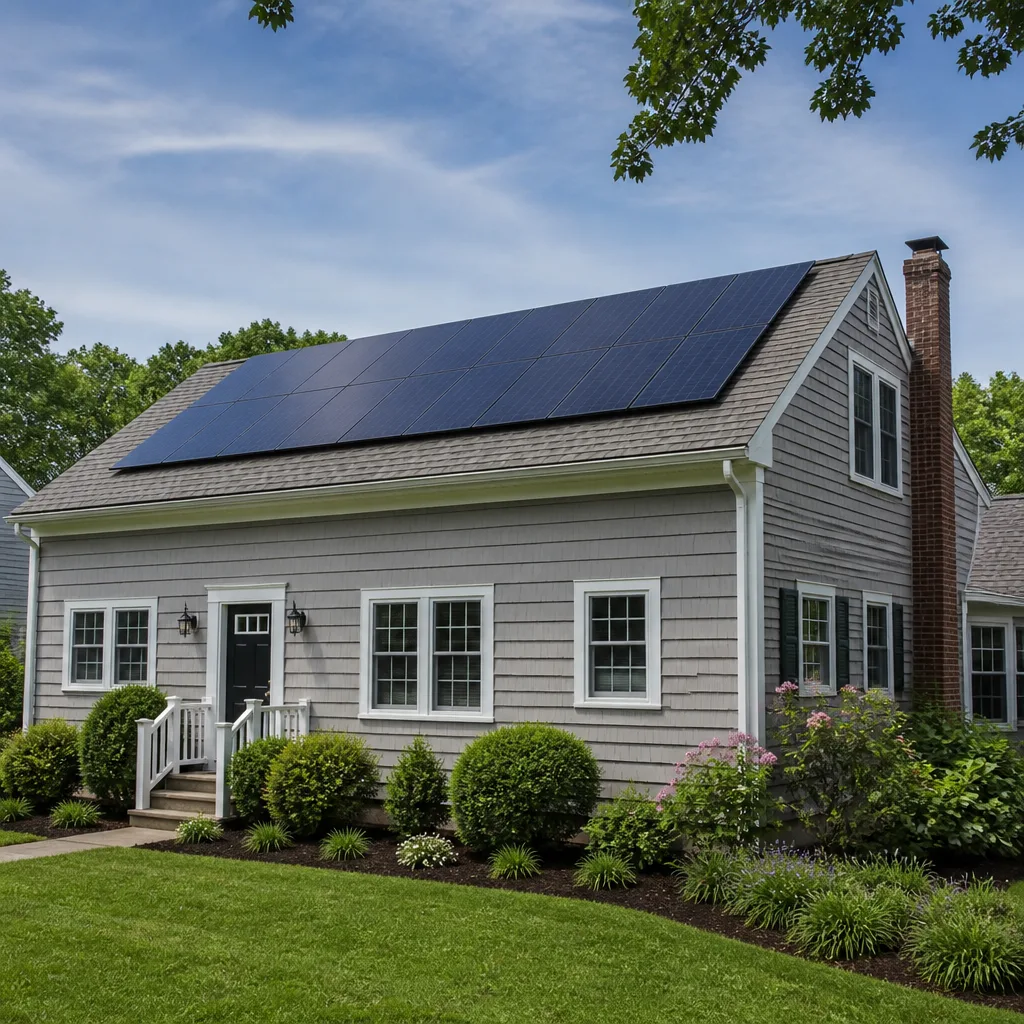
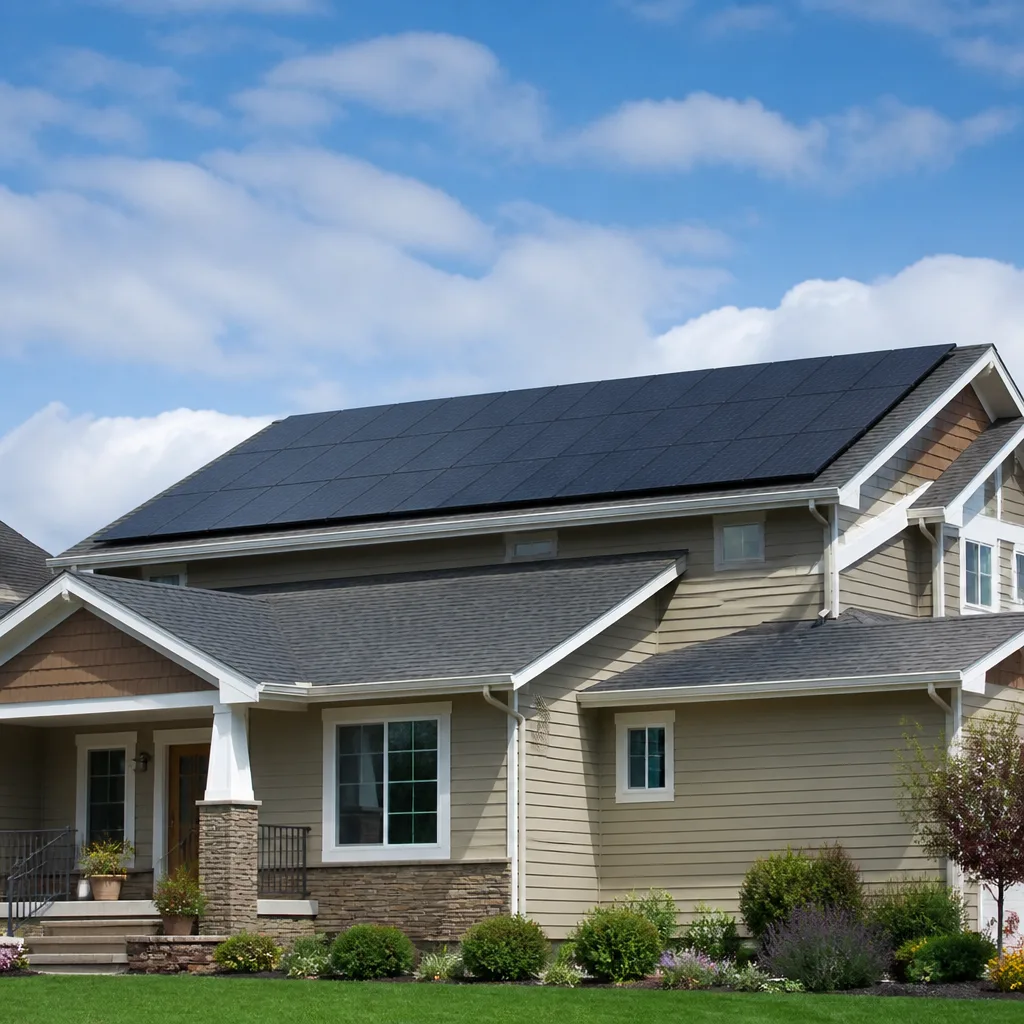
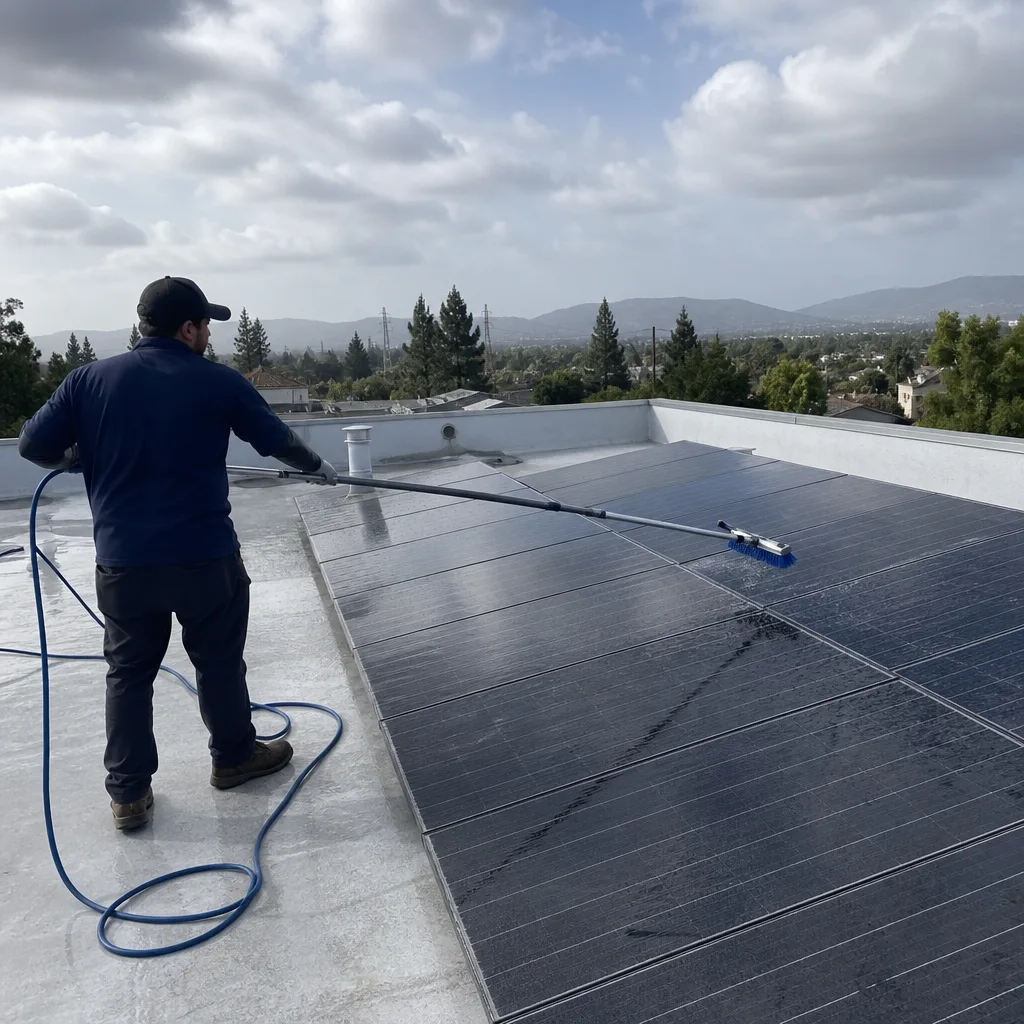
 Before
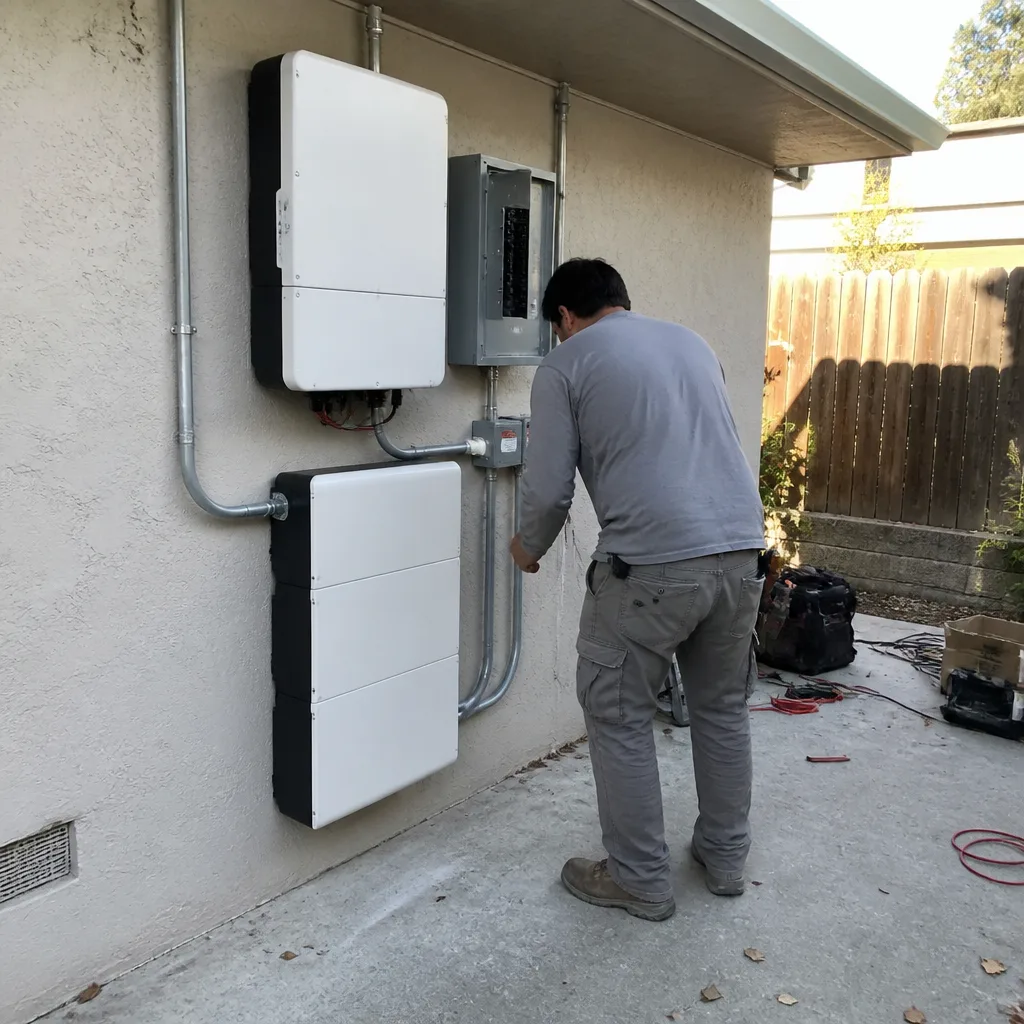 After
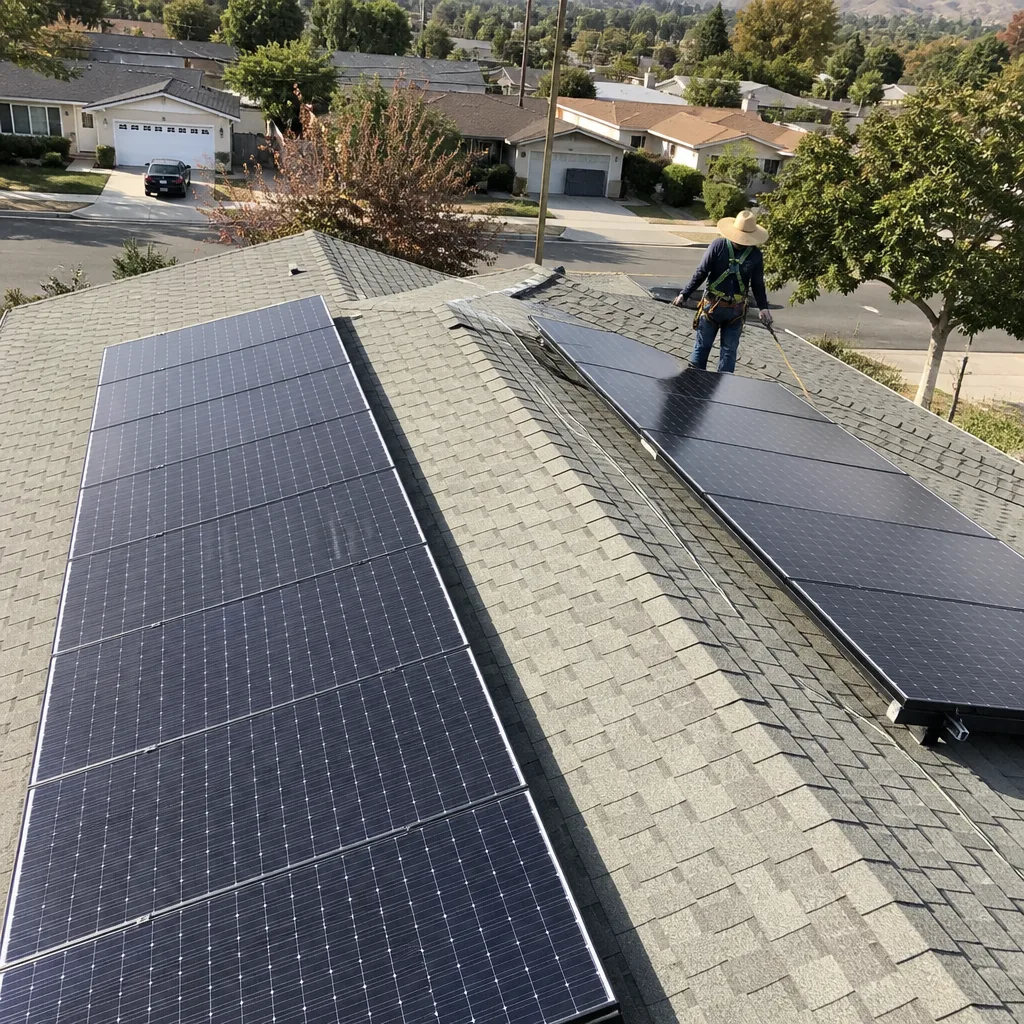
After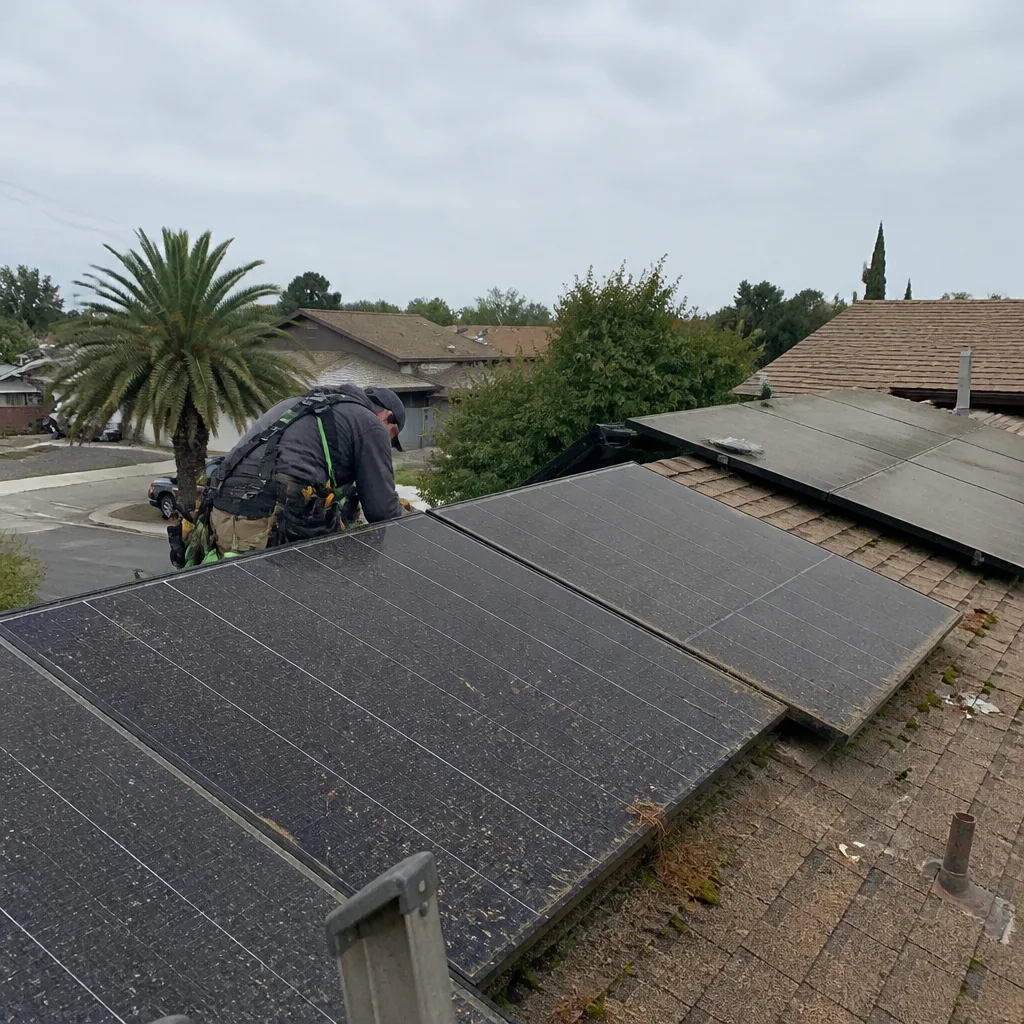 Before
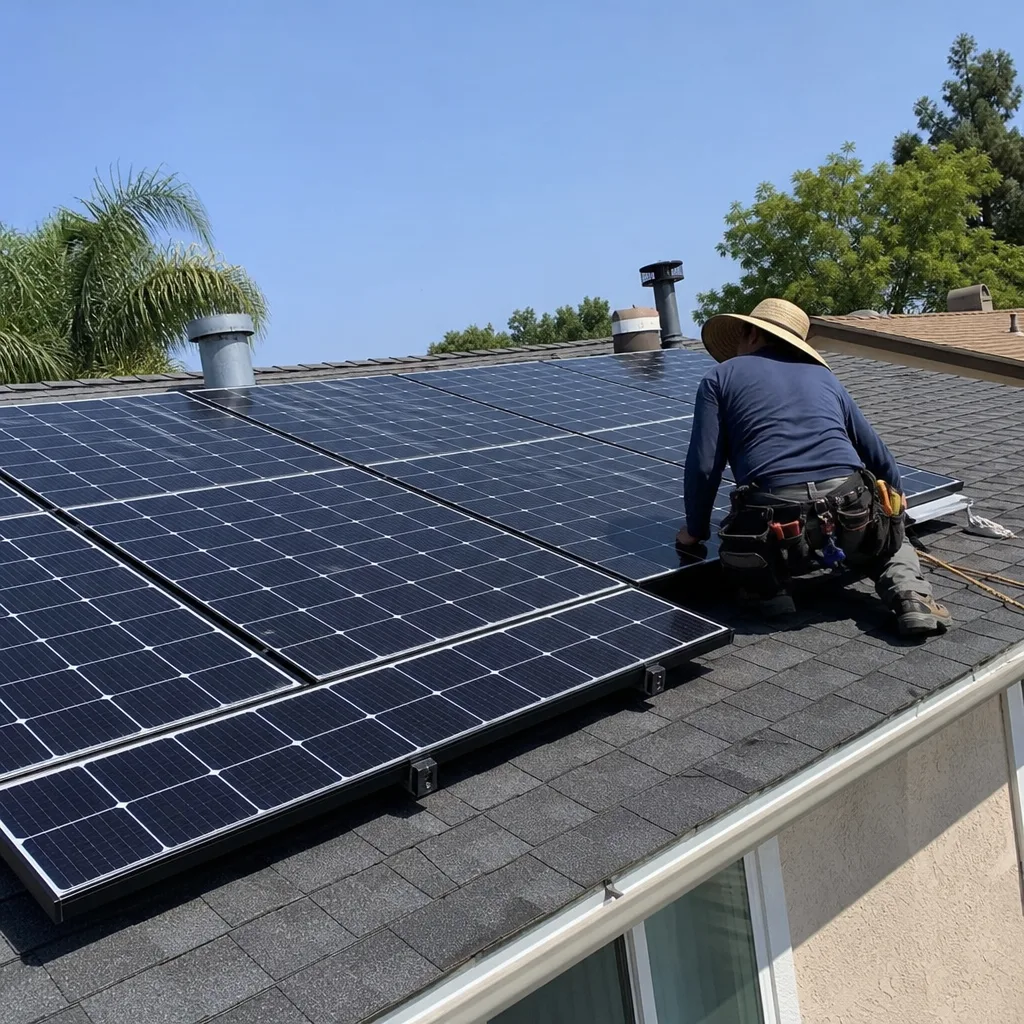 After
After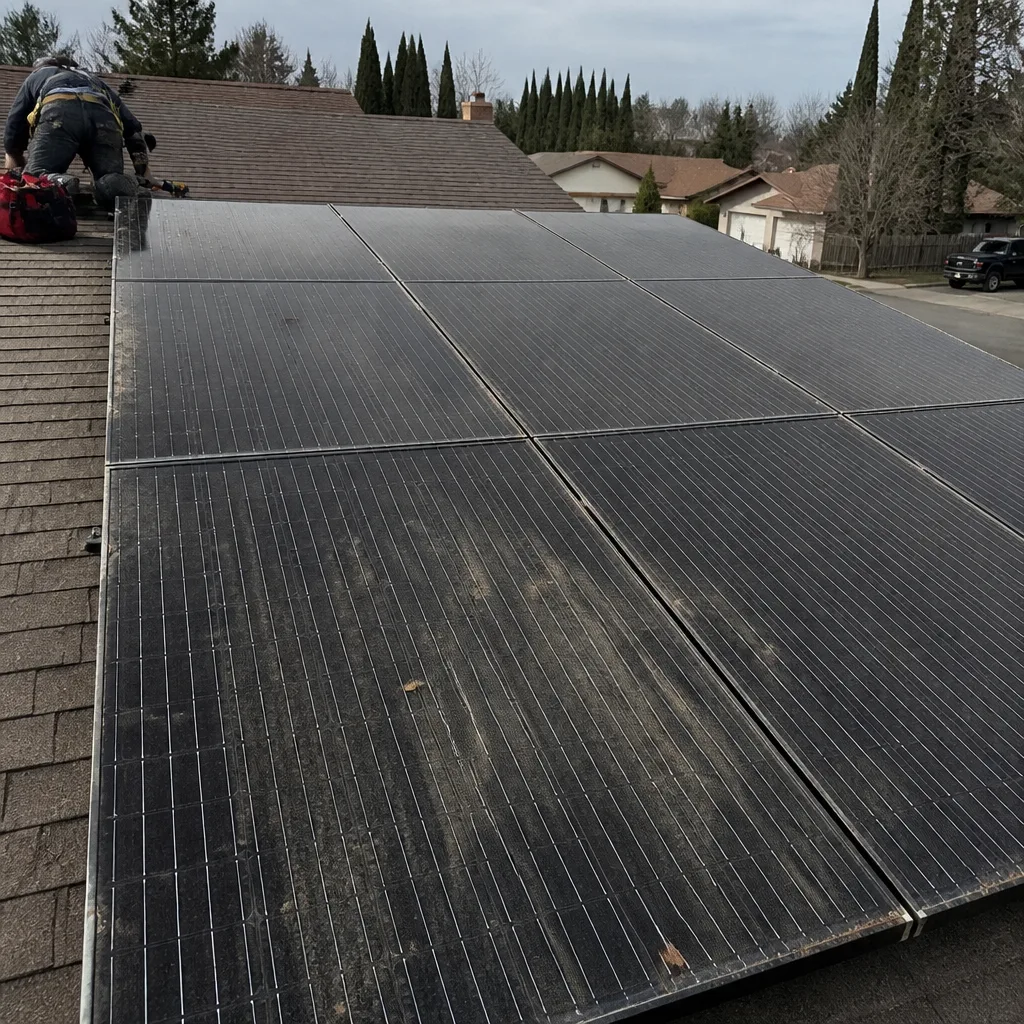 Before
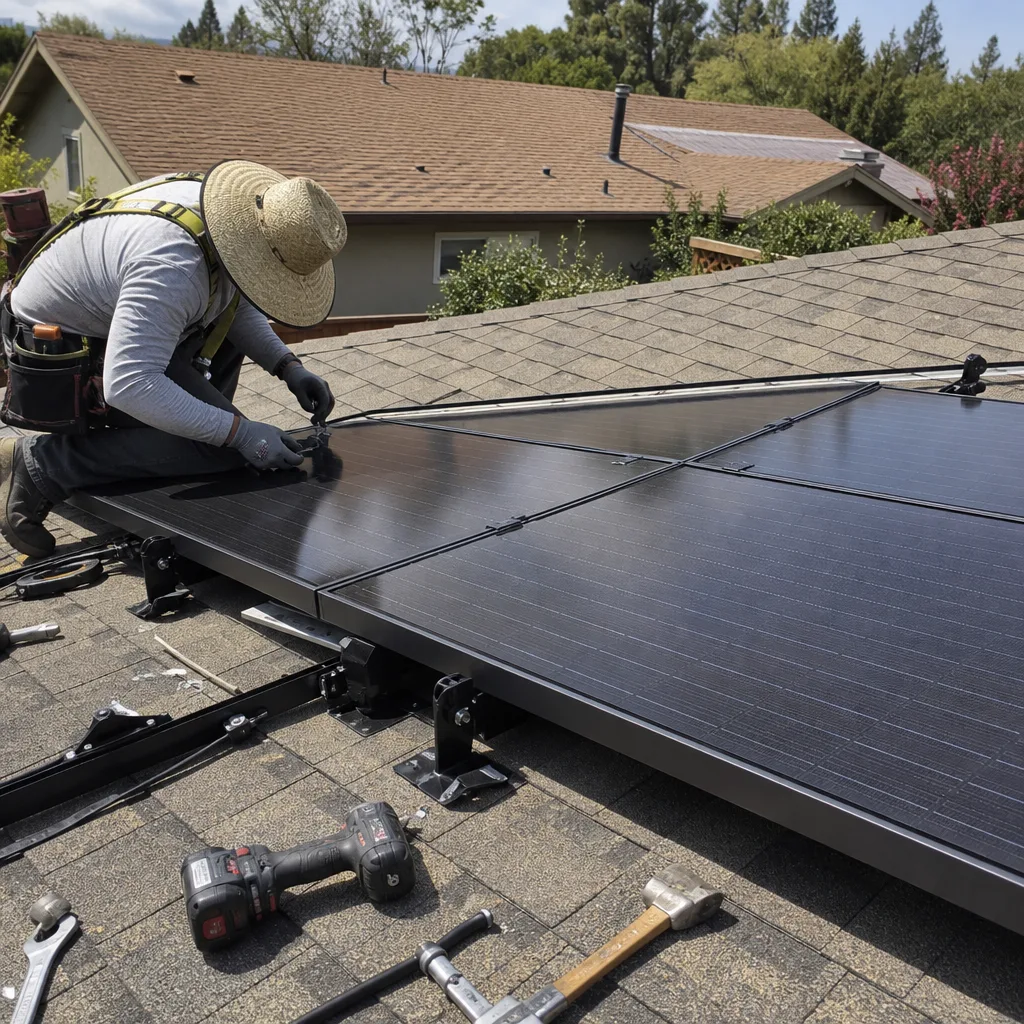 After
AfterFast, Reliable Solar Battery Storage & Backup Across Mountain House
Solar battery storage in Mountain House typically costs between $9,500 and $16,500 for a single battery installed, with most homeowners pairing a Tesla Powerwall or Enphase IQ Battery alongside an existing rooftop system. We’re in Mountain House most weeks, and we know this community’s homes better than any out-of-town crew ever will. If you’re tired of watching your AC eat through your solar credits every July afternoon, call Gus’s Solar at (877) 550-6892. Bring us your PG&E bill, and we’ll show you the real year-25 math, not a brochure number.
Why Mountain House Homeowners Call Gus’s Solar for Battery Storage
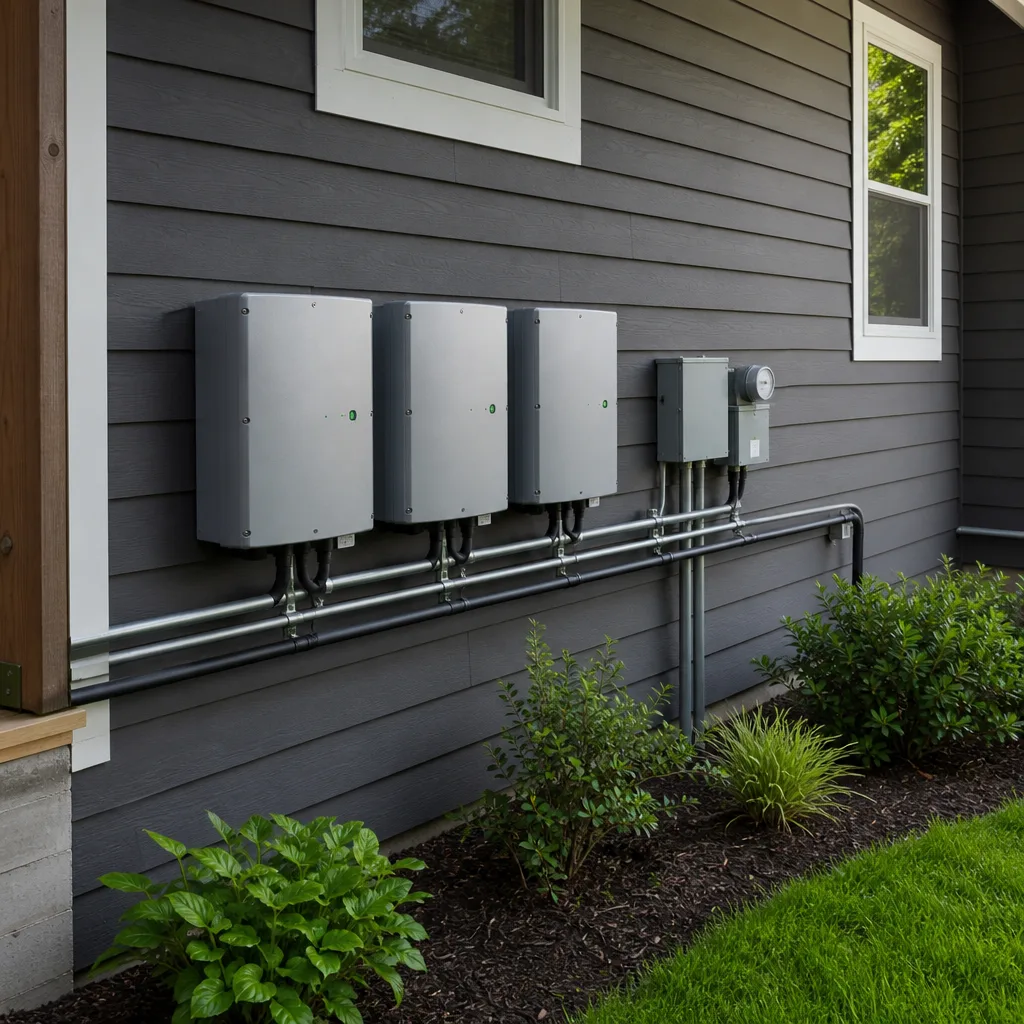
Mountain House is different from Tracy or Manteca in one way that matters a lot for solar work: the HOA. Nearly every home here sits under covenants that require architectural review before you can mount a battery on the garage wall or run conduit along an exterior stucco face. We’ve done enough projects across Altamira Village, Wicklund, and Questa that we keep a pre-approved submittal package ready for Tesla and FranklinWH equipment. That’s not a sales pitch. It’s the difference between a four-day HOA turnaround and a six-week stall.
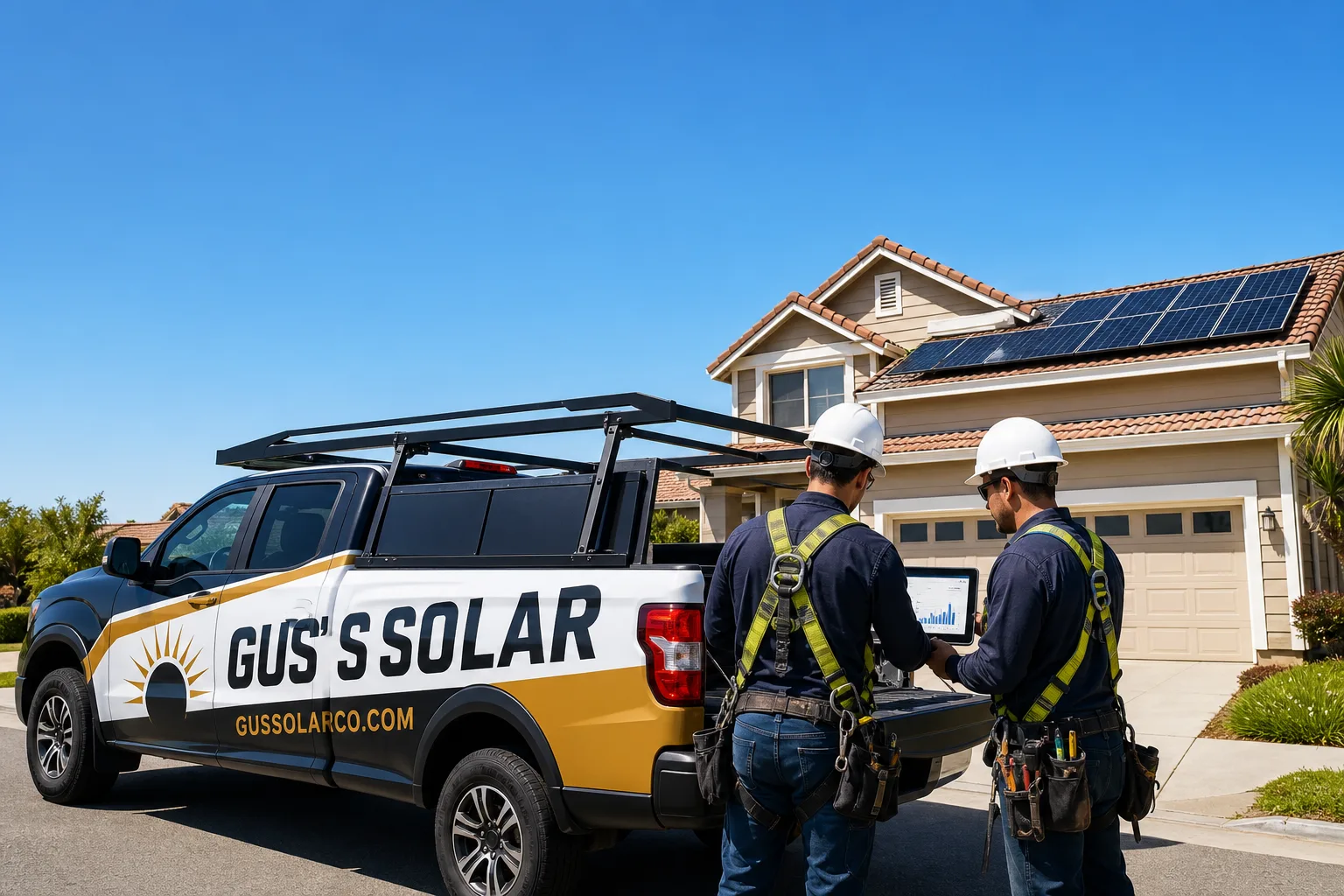
Gus Petrakis founded this company in 2011, and his name is on the truck. He answers his own phone, quotes off your actual utility bill, and does not want a signature tonight. Over 29 years serving Central Valley communities, we’ve learned that the homeowners who call us back are the ones who wanted straight answers the first time. That’s what we deliver in Mountain House. A live person answers 24/7, the crew is background-checked and uniformed, and every job carries our 90-Day Done Right Promise in writing.
Our Solar Battery Storage & Backup Services in Mountain House
Here’s what we actually do in Mountain House, and how each service fits the homes and grid conditions here.
Tesla Powerwall Installation
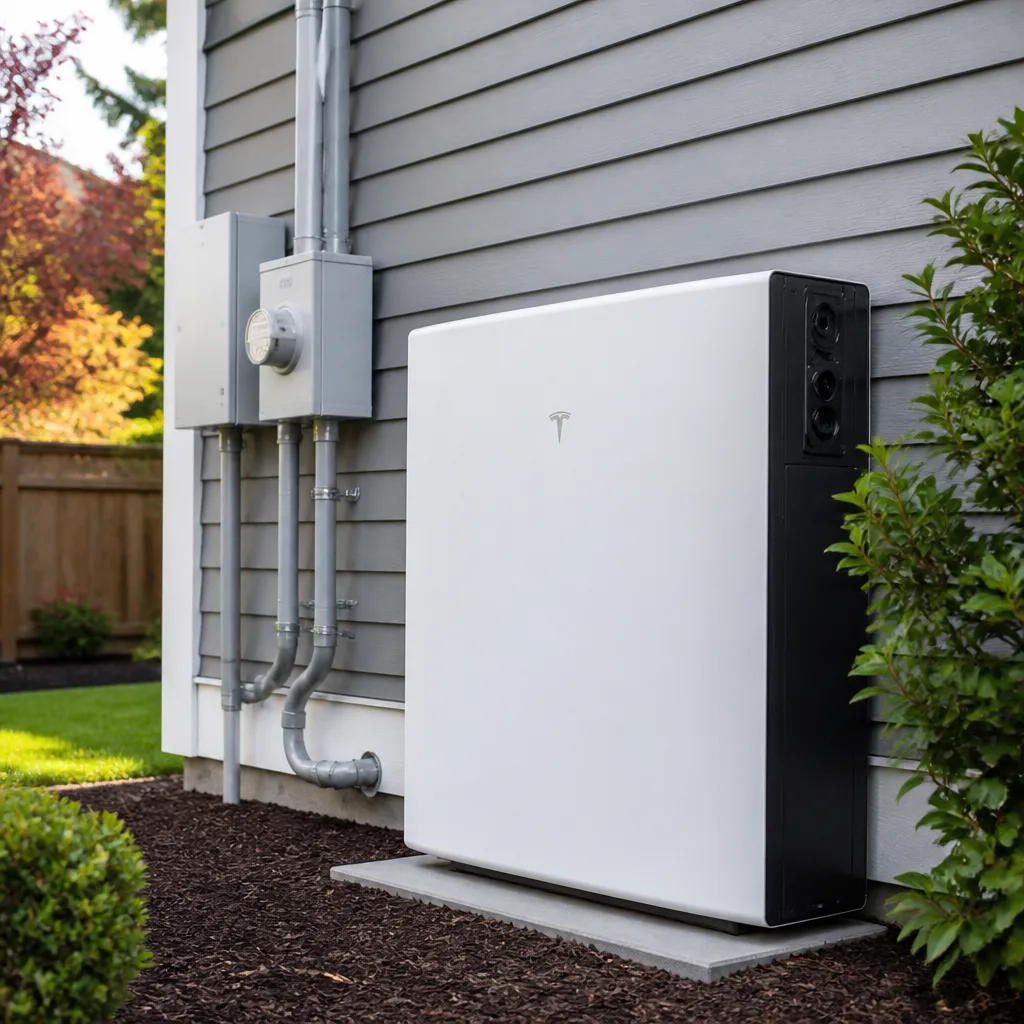
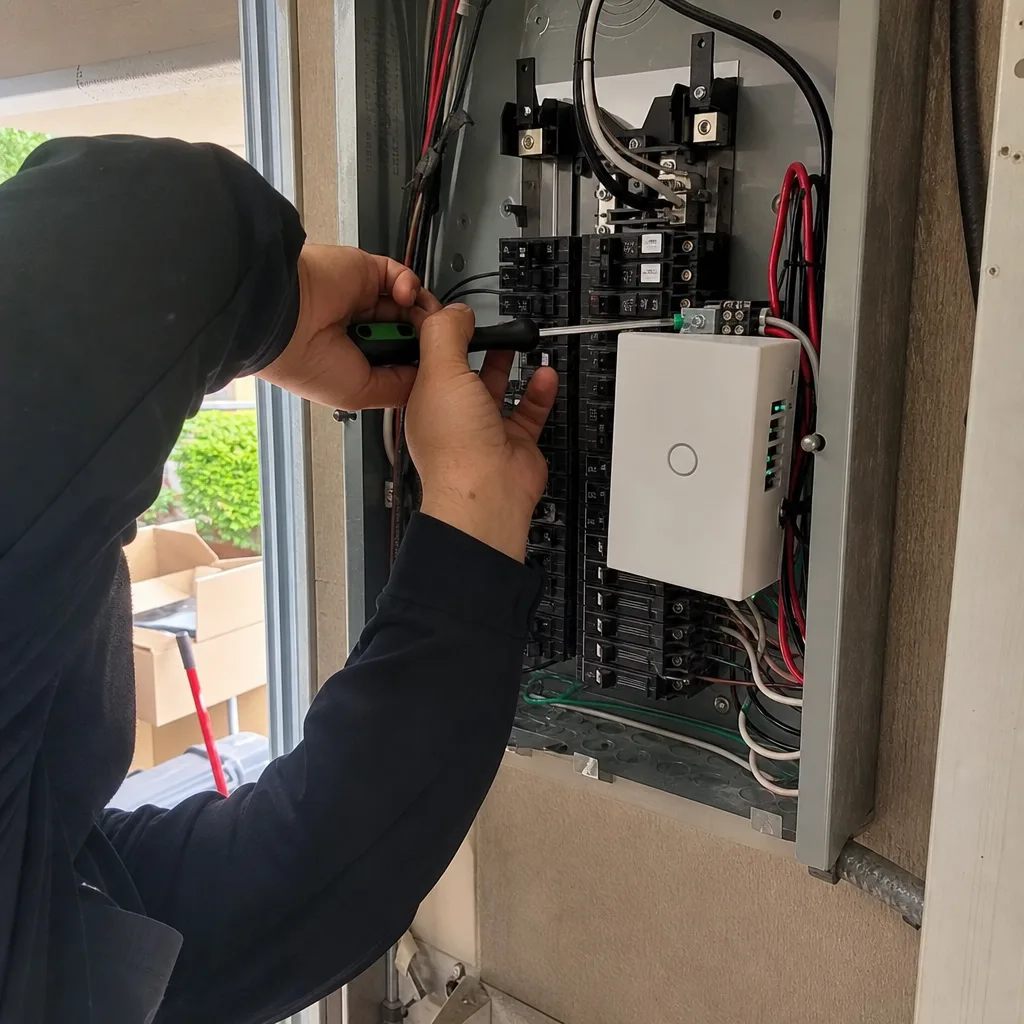
A single Powerwall 3 covers a Mountain House home’s evening peak on most days, but for the 100°F stretches when the AC runs past 9pm, we often recommend two. Our Mountain House installs route the backup gateway through your existing 200-amp panel, which nearly every post-2000 tract home here already has. No service upgrade, no rewiring, no surprise second invoice.
Enphase IQ Battery Installation
If your rooftop system already runs on Enphase microinverters, the IQ Battery 5P is the cleanest retrofit path. We see a lot of these on Shea and Pulte two-story builds in Mountain House where the original solar went in between 2005 and 2019. The battery pairs with your existing Enphase gateway, and we can usually finish the job in a single day.
Battery Retrofit for Existing Solar
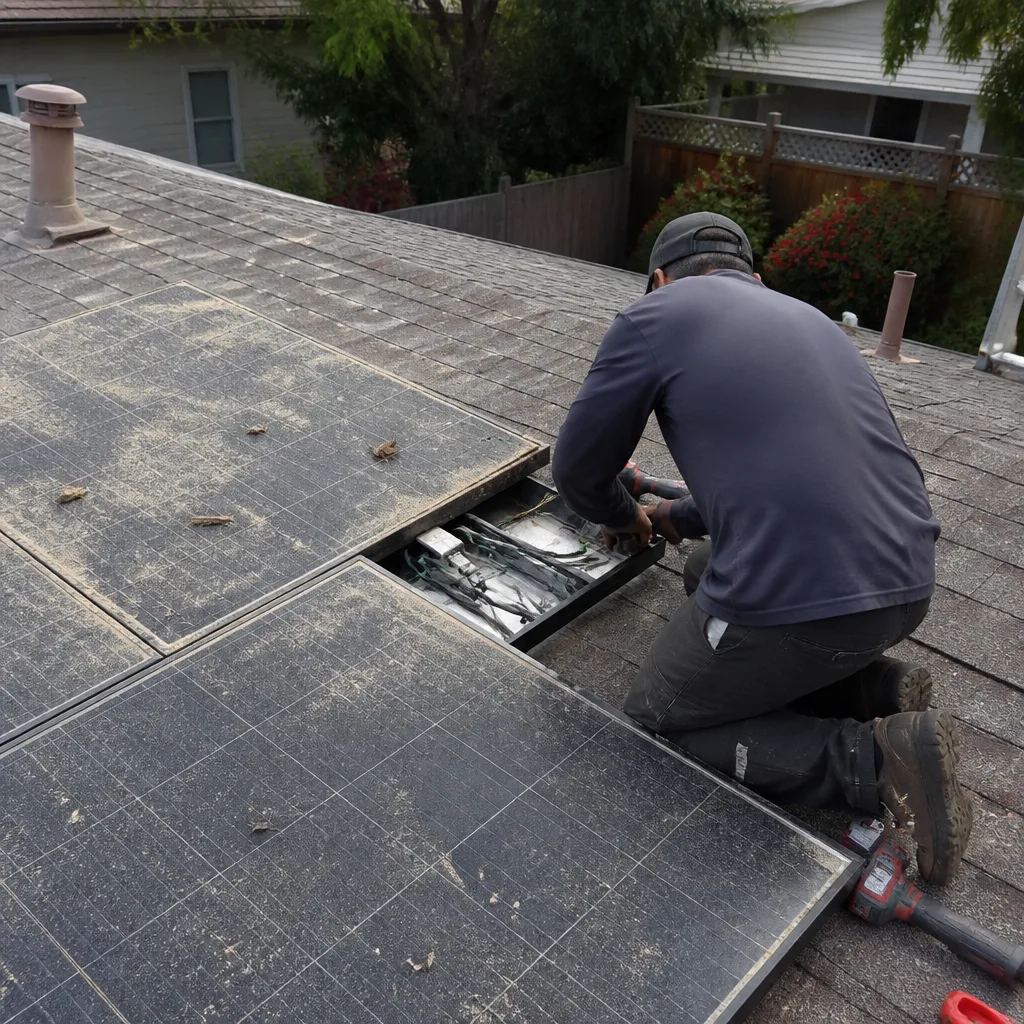
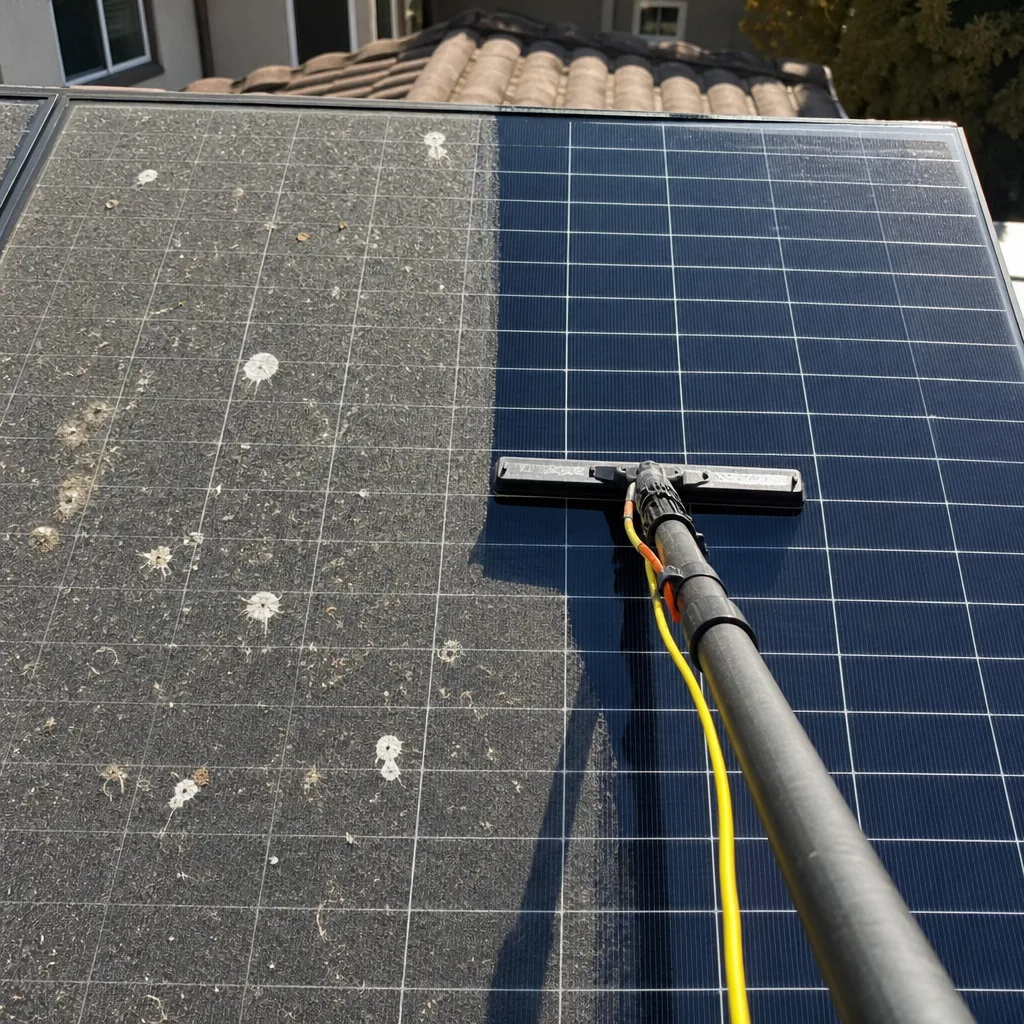
We do more retrofits in Mountain House than brand-new battery-plus-solar packages. That’s because so many homes here hit their first solar adoption window before batteries were standard. The key is not disturbing your current net metering agreement. We’ve seen installers change inverter settings during a retrofit and trigger a full utility interconnection review, which pushes your permission to operate out two to three weeks. We configure around that, not through it.
Whole-Home Backup Power
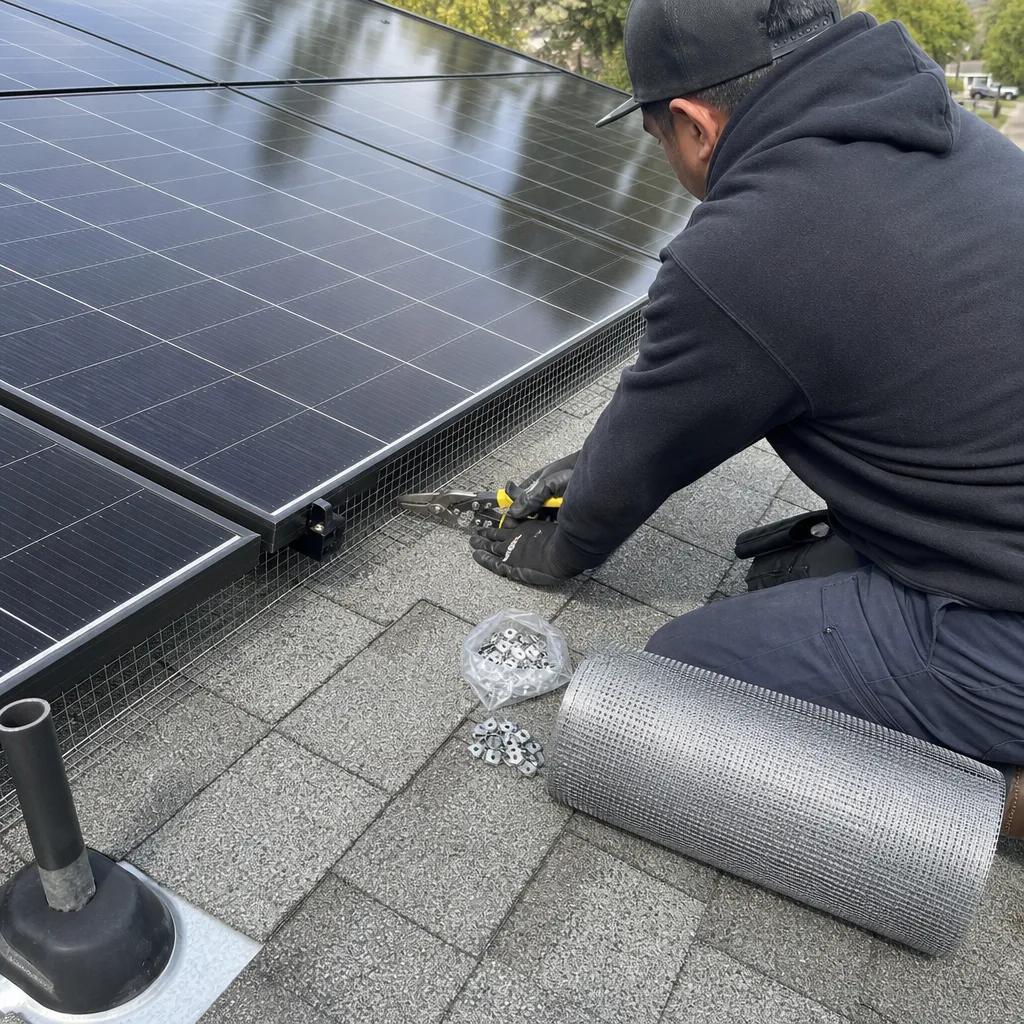
Mountain House sits on a relatively new grid, but it’s still the San Joaquin Valley, and summer heat waves push rotating outages into the forecast more often than people expect. Whole-home backup means your AC, fridge, and well pump stay on when the grid drops. For most two-story homes here, that’s a two-battery config with a smart load panel. We size it from your actual bill, not a square-footage guess.
Time-of-Use & NEM 3.0 Optimization
PG&E’s NEM 3.0 export rates mean your solar credits are worth more when you store power and use it later, rather than pushing it back to the grid at midday for pennies. In Mountain House, that math is especially important because summer AC loads are huge and winter tule fog suppresses production for weeks. We program your battery to charge from solar during the day and discharge through the evening peak. It’s the single highest-ROI adjustment most Mountain House homeowners can make, and it doesn’t require a new system.
What happens when you call
- 1
A real person answersNo phone trees - you reach a local pro.
- 2
You get an upfront price rangeHonest numbers before anyone is dispatched.
- 3
A background-checked tech heads outLicensed & insured, dispatched right away.
- 4
You approve before work beginsNothing starts until you say go.
Trusted Brands We Service in Mountain House
We install and service batteries from Tesla, Enphase, and FranklinWH, and our roof-side work pairs those batteries with panels from Canadian Solar, Panasonic, and JinkoSolar. We stock common replacement parts and firmware tools for the equipment we install, which means when a Mountain House homeowner calls about a battery that’s not cycling correctly, we can often fix it on the first visit instead of ordering parts and waiting. No dispatch lag, no call center. You call, we answer.
Common Solar Battery Storage Problems We See in Mountain House Homes
- HOA denial due to visible conduit or wrong placement. Mountain House design guidelines are specific about where a battery can sit and how conduit can be routed. We’ve seen neighbors stall for months because a cheaper installer submitted a generic drawing and got bounced. Our submittals match the community’s published elevation templates, so they clear faster.
- Undercharged battery during tule fog season. December through February, dense Valley fog cuts solar production for weeks at a stretch. If your battery isn’t sized and programmed for that seasonal reality, you’ll drain it every evening and buy grid power at peak rates. We model winter production honestly, not from a sunny June curve.
- Utility interconnection review triggered mid-retrofit. Some installers swap inverter settings during a battery add-on and accidentally kick the job into PG&E’s review queue. That’s a two-to-three-week delay you never hear about until it’s already happening. We avoid the setting changes that trigger review unless they’re truly necessary, and if they are, we tell you before we start.
- Single-battery systems that can’t cover the evening AC load. A Powerwall or 5P alone may be fine in March, but during a July heat wave with the AC cycling hard from 5pm to 10pm, one battery runs dry. We see this repeatedly in Mountain House’s two-story tract homes. If we’re quoting you one battery, we’ll show you the July numbers before we both commit.
Pricing for Solar Battery Storage & Backup in Mountain House, CA
A single-battery retrofit in Mountain House runs roughly $9,500 to $13,500 installed, depending on brand and whether we need to add a backup gateway or smart load panel. A two-battery whole-home setup lands between $16,000 and $24,000. A Powerwall 3 install with backup switching typically falls at the upper end, while an Enphase 5P add-on to an existing Enphase system runs lower. Panel upgrades are rarely needed here because Mountain House homes were built with 200-amp service from day one, which keeps your total predictable. We’ll quote your exact number off your bill, not a brochure. Estimates are free, and the price we quote is the price you pay. Call (877) 550-6892 and ask for Gus.
Key Takeaways for Mountain House Homeowners
- HOA architectural approval applies to nearly every battery install in Mountain House. Our standardized submittals clear faster.
- Almost every home here already has a 200-amp panel, so battery retrofits skip the service-upgrade cost common in older cities.
- Tule fog season matters. A battery sized for a sunny summer won’t carry you through December without buying grid power.
- NEM 3.0 makes time-of-use programming the highest-value change you can make without buying new hardware.
- Gus answers his own phone. No call center, no high-pressure pitch, and the 90-Day Done Right Promise in writing.
We Also Serve Cities Near Mountain House
Our Solar Battery Storage & Backup team works throughout the East Altamont corridor and neighboring San Joaquin Valley towns. If you’re in Tracy, Discovery Bay, Livermore, or Brentwood, give us a call. We schedule Mountain House jobs on dedicated route days, so service feels local even when the crew drives in from the Valley. Same crew, same promise, same phone number.
Serving Mountain House, CA - Our Local Coverage Area
We’re based in the Mountain House area and know this community well. Use the map below to see our service coverage - if you’re nearby, we can almost certainly help.
FAQs - Solar Battery Storage & Backup in Mountain House
Plan for three to ten days of HOA review on top of city permitting. In Mountain House, nearly every home falls under architectural committee oversight, which means your battery’s wall placement, conduit routing, and even paint match can be scrutinized. We keep Tesla and Enphase submittal templates that mirror the community’s published design guidelines, and that typically cuts review time to under a week. If your installer doesn’t know Mountain House, expect delays. Call (877) 550-6892 and ask about our HOA-ready submittal package.
In almost every case, yes, your 200-amp panel handles the battery without an upgrade. Mountain House homes were built under modern California Title 24 codes with 200-amp service standard, so the load-side connection usually has room. We verify your specific panel’s available breaker slots and busbar rating before quoting, and if an upgrade were ever needed, we’d tell you with real numbers before any work starts. But for this housing stock, it’s rare.
We configure your battery’s charge and discharge schedule around PG&E’s current time-of-use windows and your NEM agreement. Under NEM 3.0, the export credit for midday solar is low, so the money is in storing energy and using it from 4pm to 9pm. In Mountain House’s hot summer climate, that shifts an AC-heavy load off the grid during peak pricing. We program the system to follow your actual rate schedule, not a default profile, and we show you the before-and-after math from your bill.
A battery can’t create solar production that the fog blocks, but it does change how you weather those weeks. Mossdale and the surrounding Valley floor get dense fog from December through February, and your panels may produce 40-60% less than their summer output during that stretch. With a battery programmed for winter, you’ll still pull from the grid during those underproduction days, but you’ll avoid the highest peak rates and keep essential circuits running through evening brownout risks. We model winter honestly in your quote so you’re not surprised by a January bill. Call (877) 550-6892 for a real projection.
Use elevation drawings and equipment specifications that match Mountain House’s published design guidelines from day one. Our team has already worked through the approval process on dozens of homes in Wicklund, Altamira Village, and Questa, so we know what the committee flags and what sails through. On a recent Altamira Village project, our community-specific template cleared HOA review in four days. If you’re in a hurry, call us for a free second opinion on any written estimate. We’ll tell you if the delay is avoidable and what it’ll take.
Get a Straight Answer From a Local Crew
If you’re in Mountain House and wondering whether a battery makes sense for your home, call (877) 550-6892. Gus will ask for a copy of your PG&E bill, run the year-25 numbers, and tell you if the investment is worth it. If it’s not, he’ll say so. Take two weeks to think about it. The price will be the same. And if a salesman needs an answer tonight, the answer is no.
Written by Gus Petrakis, Owner at Gus’s Solar, serving Mountain House and the Central Valley since 2011.