
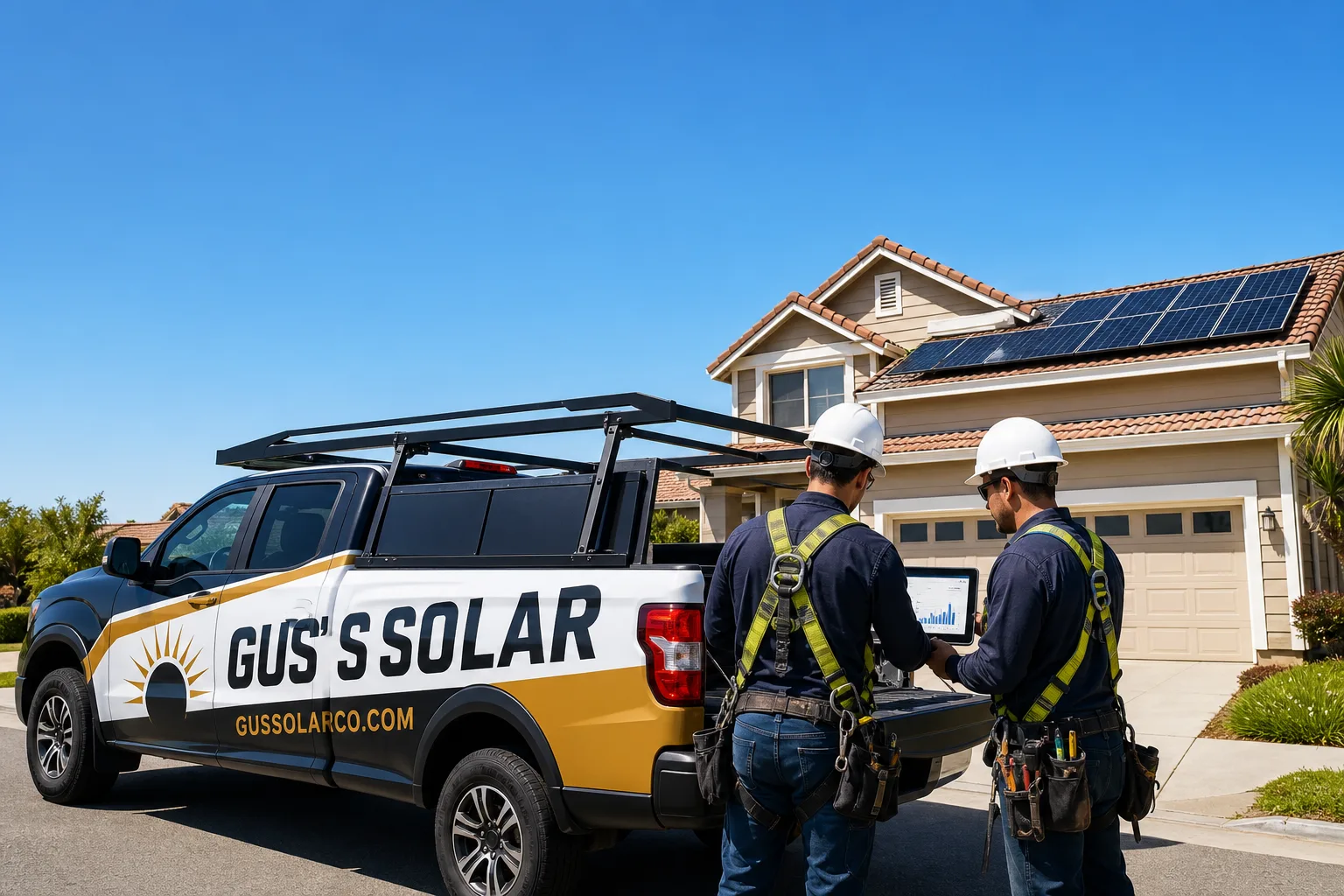
Free bill analysis - bring a power bill, get the production math for your actual roof, panel brands like Qcells and REC compared side by side
If the pitch starts at your door and ends with "sign tonight for the special," sleep on it. The sun will still be there tomorrow; so will we.
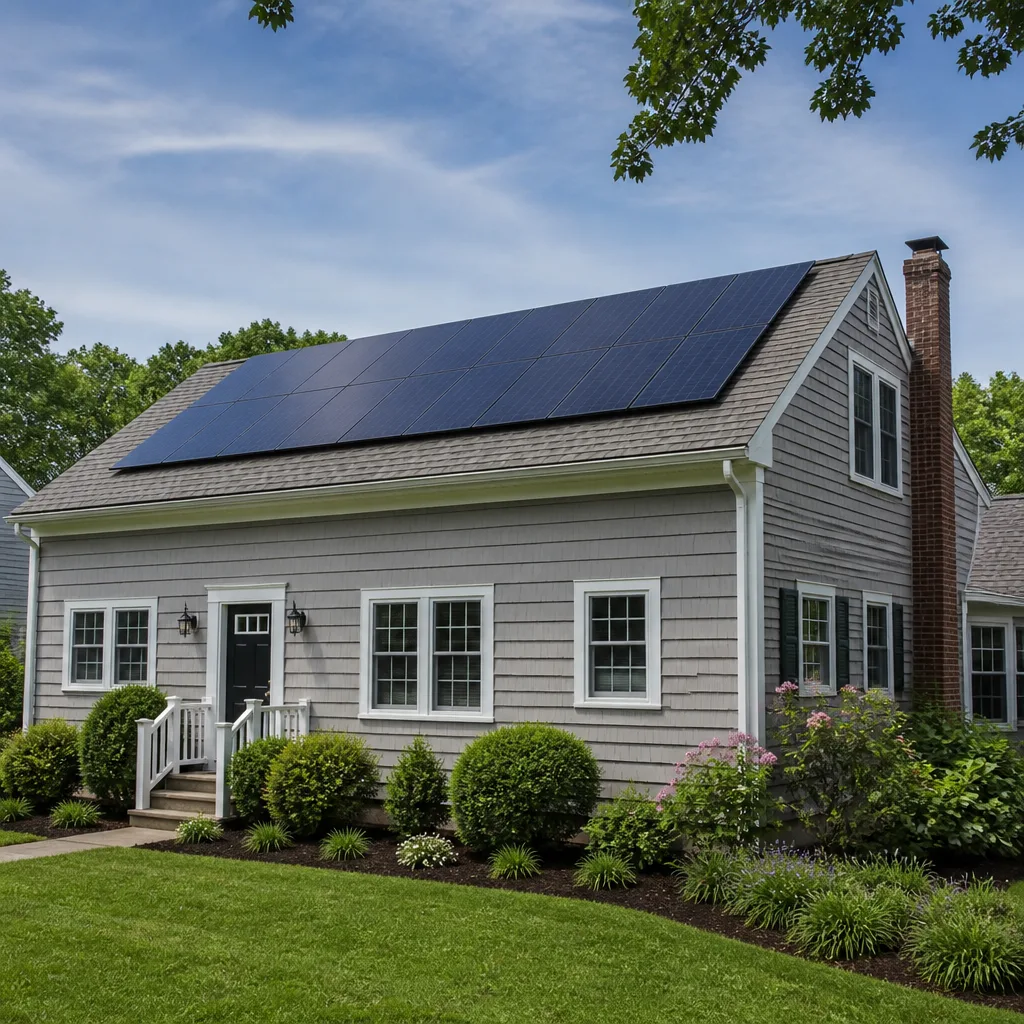

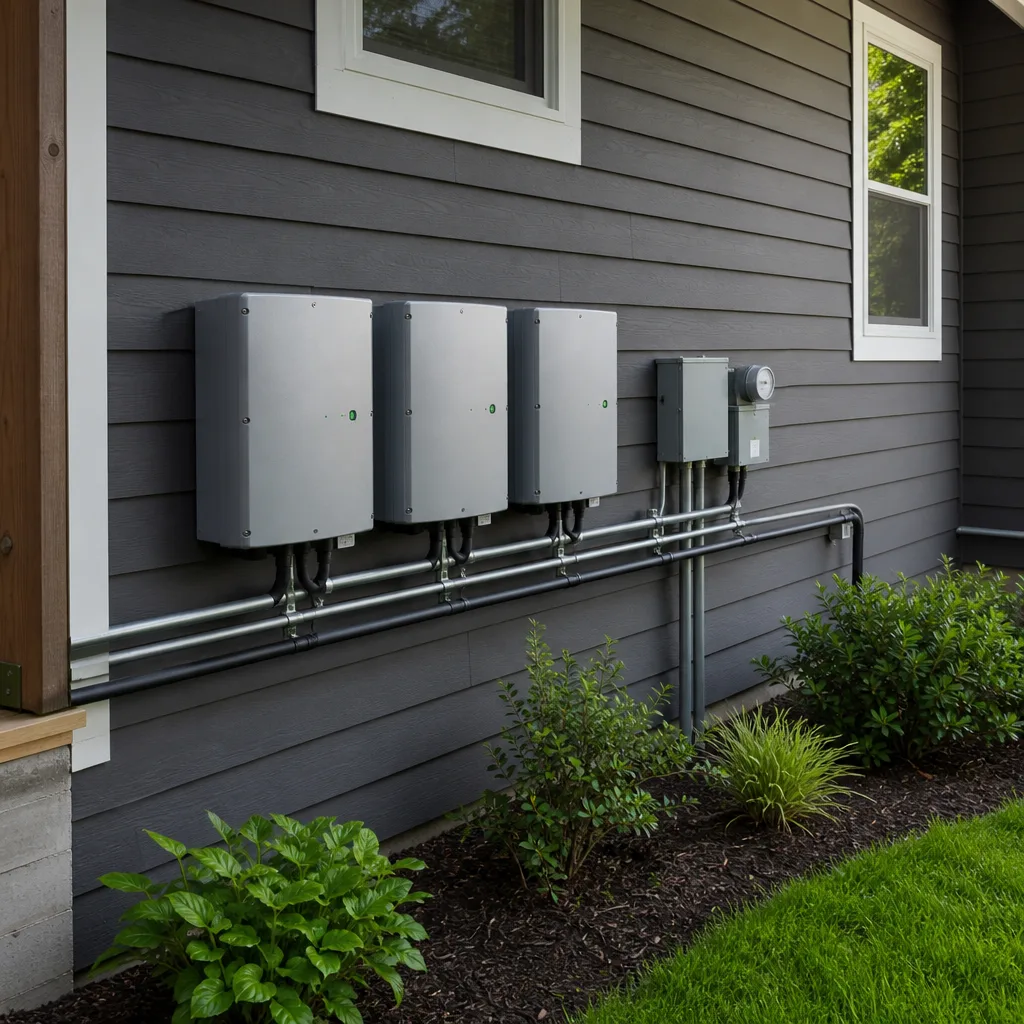
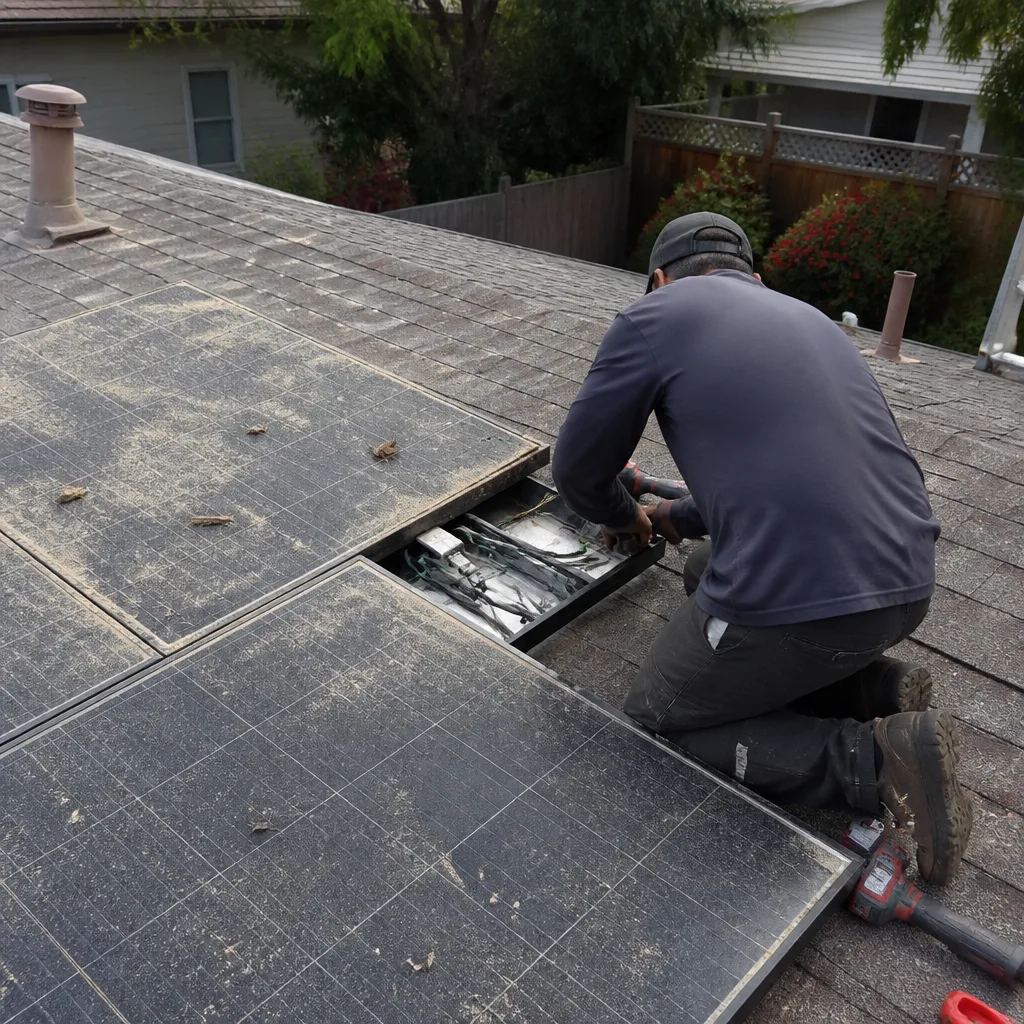 Before
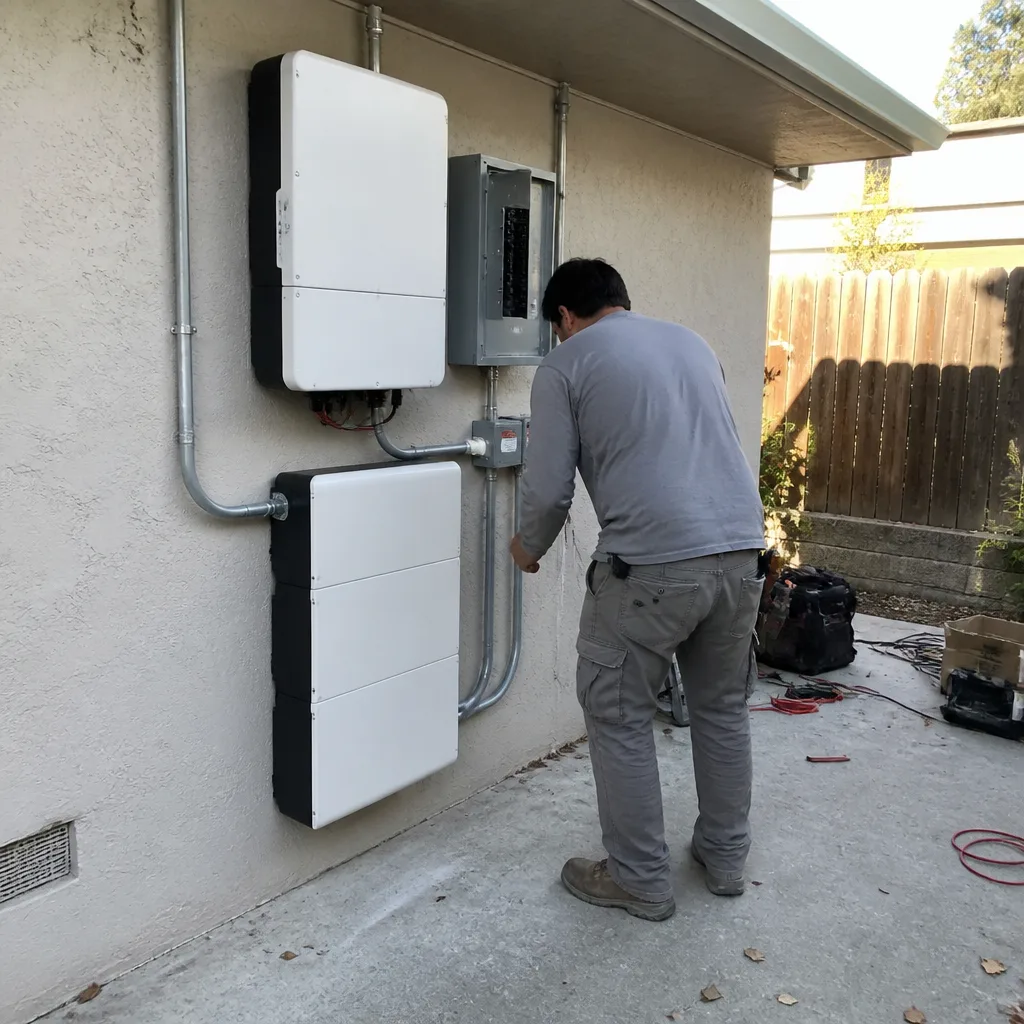 After
After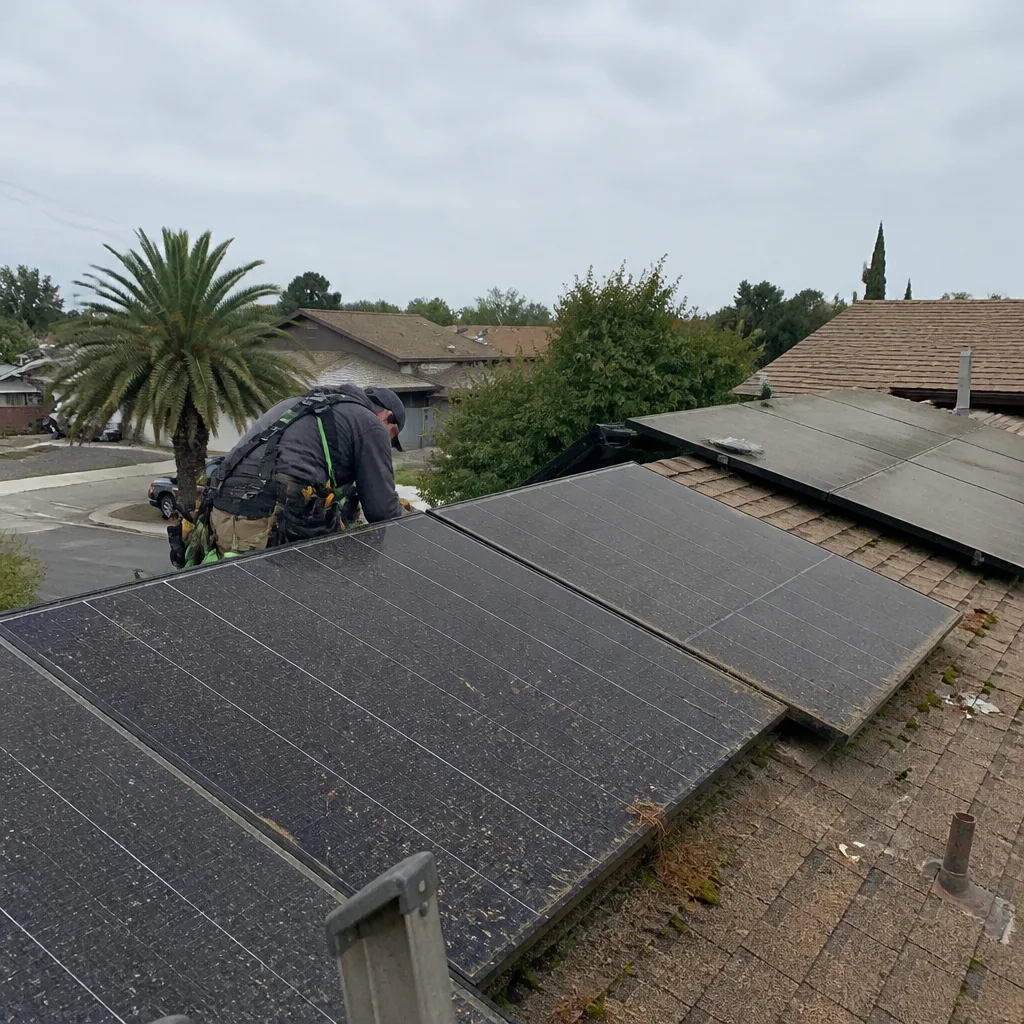 Before
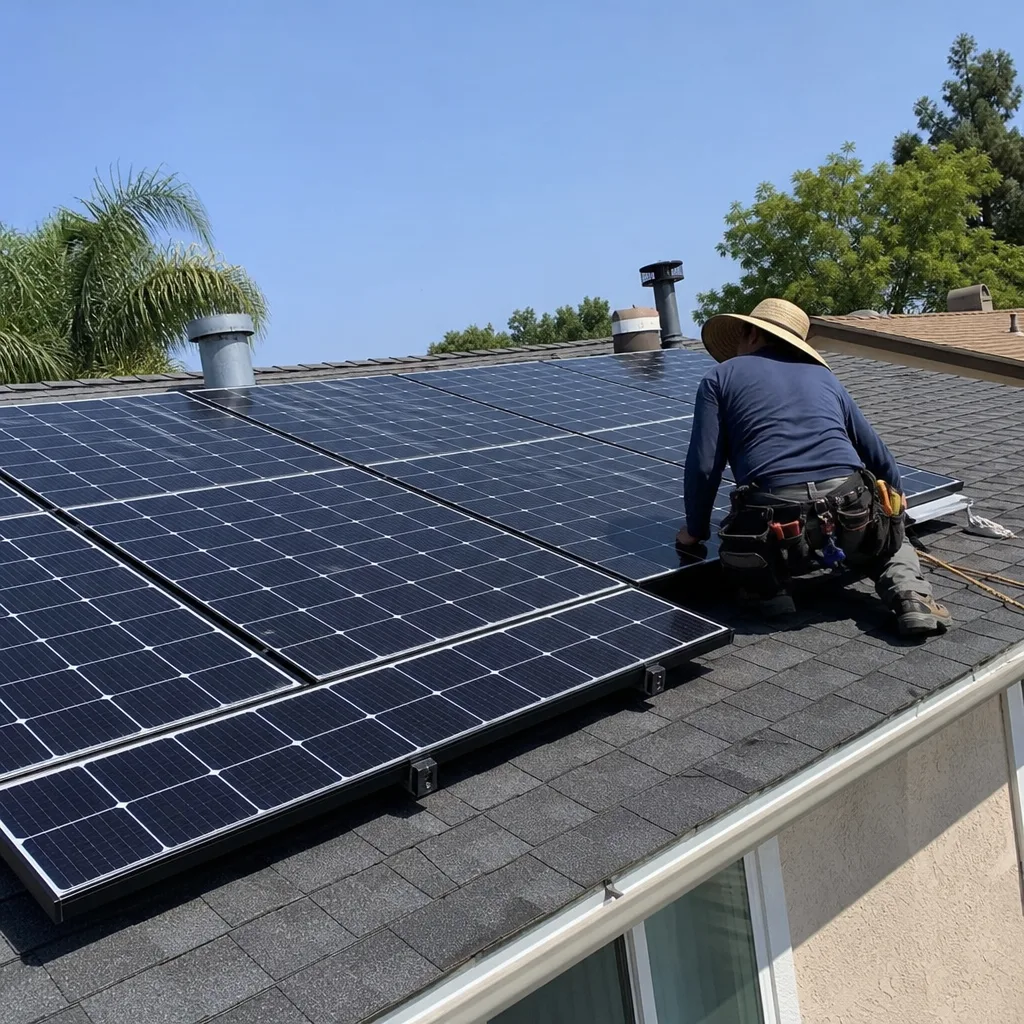 After
After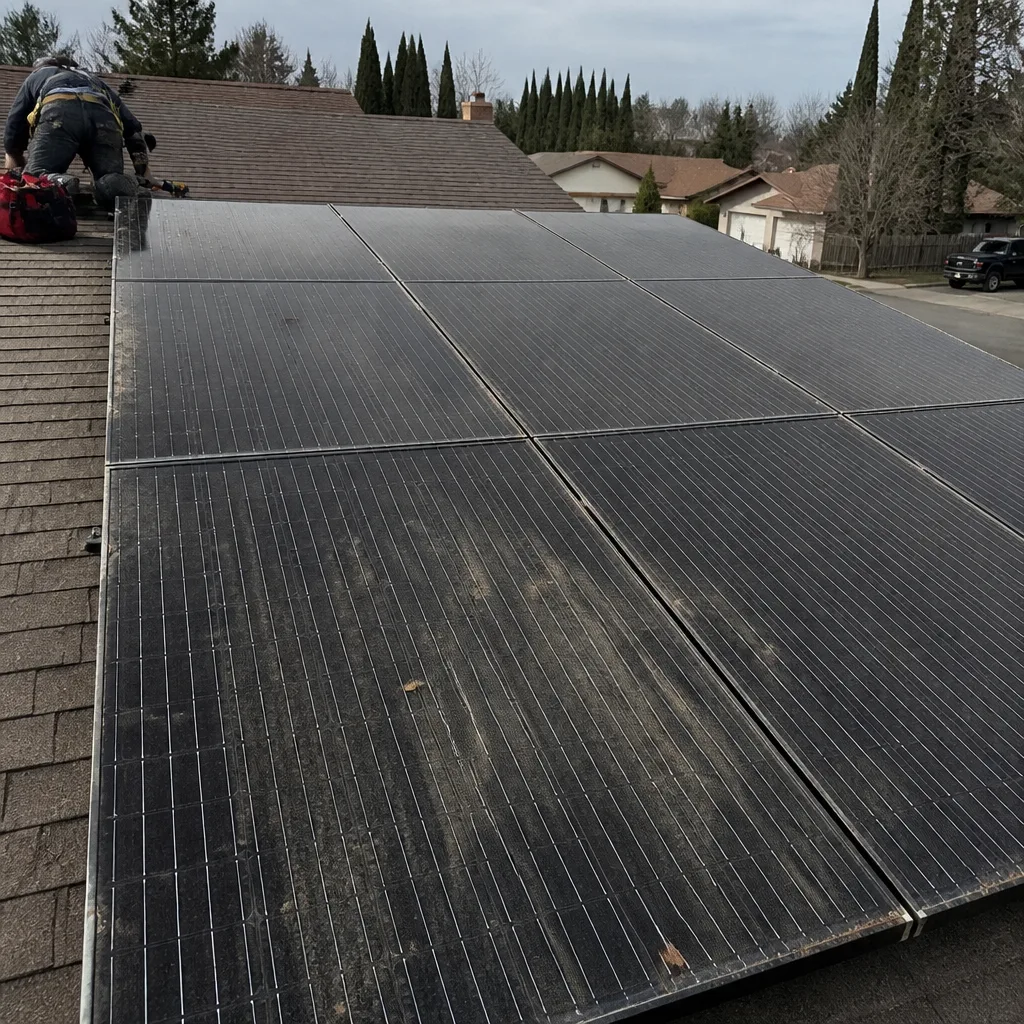 Before
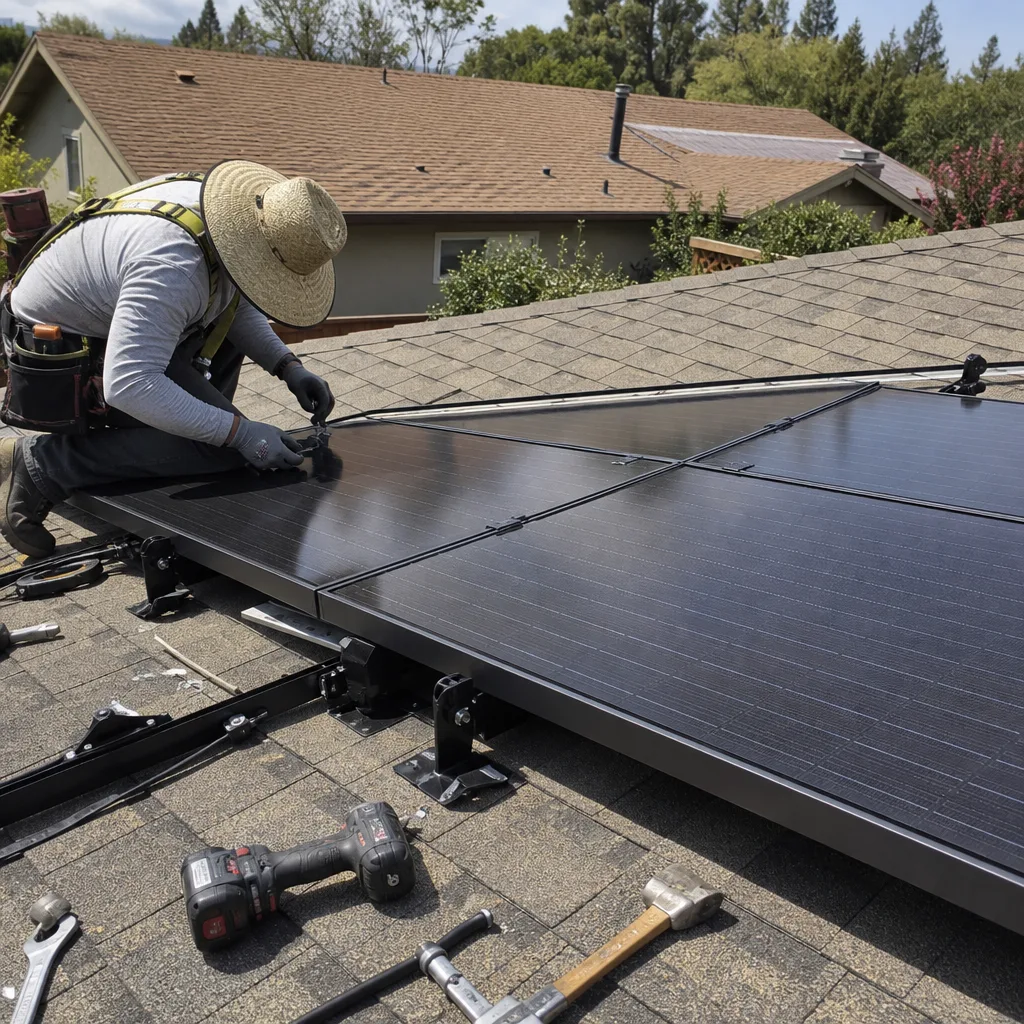 After
AfterFast, Reliable Solar Panel Maintenance & Monitoring Across Mountain House
If your Mountain House solar system isn’t producing like it should, the problem usually isn’t the panels. It’s the monitoring. Inverter firmware goes stale, Wi-Fi bridges drop offline after a grid hiccup, and apps quietly stop reporting while your PG&E bill climbs. We fix all of it. Gus’s Solar has been servicing Mountain House systems since the first tract homes went solar here, and we know exactly how HOA approval cycles, tule fog, and valley heat affect your array. Call (877) 550-6892 and we’ll send a uniformed tech who knows Mountain House. Not a call center three states over.
Key Takeaways
- Most Mountain House underperformance issues trace to monitoring failures, not panel defects. A production gap you can’t see is a payback period you won’t get.
- Mountain House sits in a tule fog belt that suppresses December-February output. Without calibrated monitoring, you won’t know if a true-up surprise is weather or a dead inverter.
- Nearly every Mountain House home goes through an HOA architectural review. We keep a pre-approved equipment list and elevation-drawing template that shortens approval timelines, even on service upgrades.
- Warranty claims are easier when you catch failures early. We handle the paperwork, the serial numbers, and the manufacturer back-and-forth.
- Gus Petrakis answers his own phone. No pressure, no signature wanted tonight. Bring us your bill and we’ll bring you the math.
Why Gus’s Solar Is Mountain House’s Preferred Solar Panel Maintenance & Monitoring Company
We’re not a door-knock operation. Gus Petrakis founded this company in 2011, put his own name on the building, and still answers the phone when you call. When you hire Solar Panel Maintenance & Monitoring through us in Mountain House, you get Gus’s own crew. Background-checked, uniformed, and accountable to the man whose name is on the work. No subcontractors. No hand-off.
Mountain House customers have a particular set of concerns: HOA design guidelines, PG&E true-up timing, and the valley’s unique weather. We’ve walked those streets. We’ve sat in those HOA pre-approval meetings. We know that a 2006 Shea home in Altamont Village has different monitoring needs than a 2018 Pulte home in Questa Village, even when both run Enphase hardware. The reviews from Mountain House homeowners talk about the same things: a real person answering, honest numbers, and techs who clean up after themselves.
Response time to Mountain House matters. We’re not an out-of-state outfit that schedules you three weeks out and sends a stranger. When your Envoy gateway drops offline or your SolarEdge screen goes dark, we send someone who knows the drive into 95391 and can be there fast. A live person answers our phone 24/7. That’s not marketing copy. That’s Gus’s own line.
Our Solar Panel Maintenance & Monitoring Services in Mountain House
Production Monitoring Setup
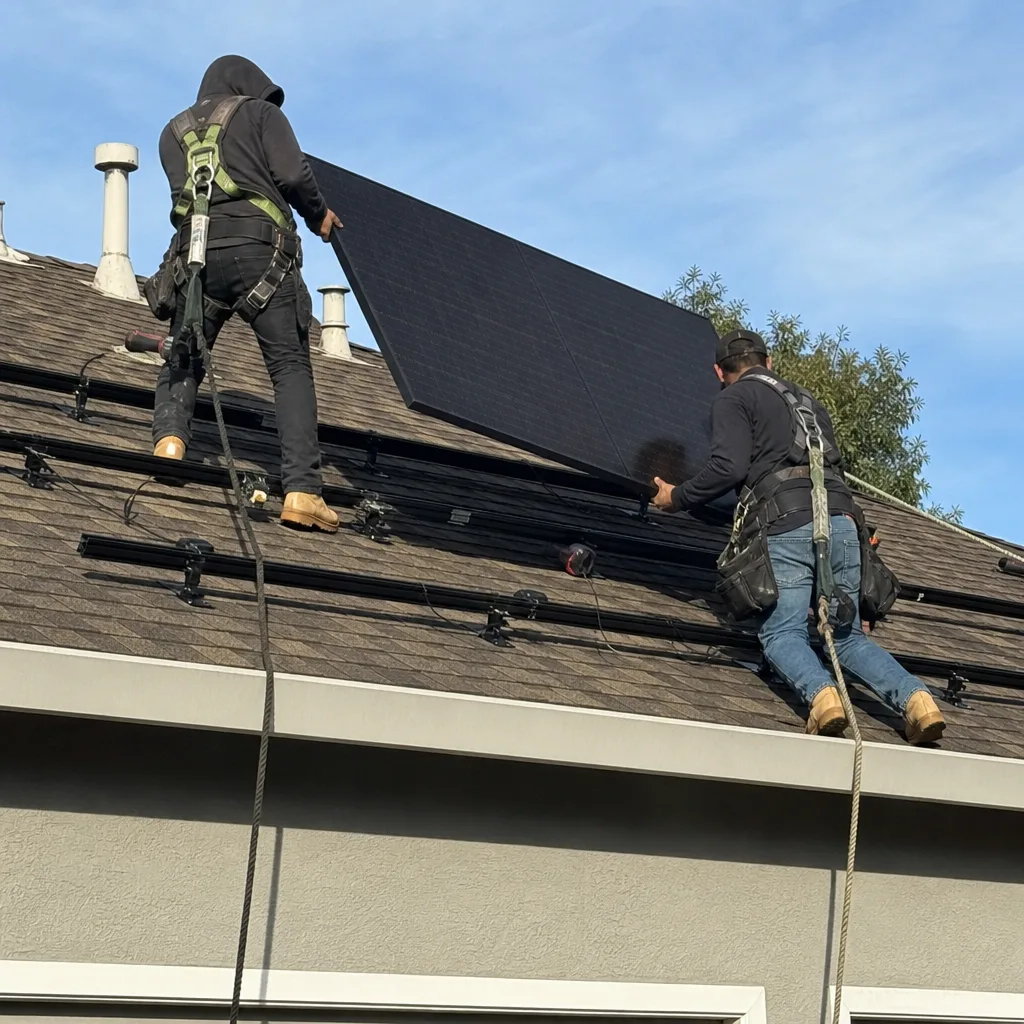
If your Mountain House home has a solar system without active monitoring, you’re flying blind. You don’t know if December’s fog cut your output or if an inverter failed in October. We set up production monitoring on Enphase Enlighten, SolarEdge, Tesla, and FranklinWH systems. We calibrate the app to your roof’s actual azimuth and tilt, not the installer’s default assumptions. In Mountain House, where HOA-approved layouts sometimes push panels onto west-facing planes, that calibration is the difference between accurate true-up projections and annual bill shock.
Underperformance Diagnostics
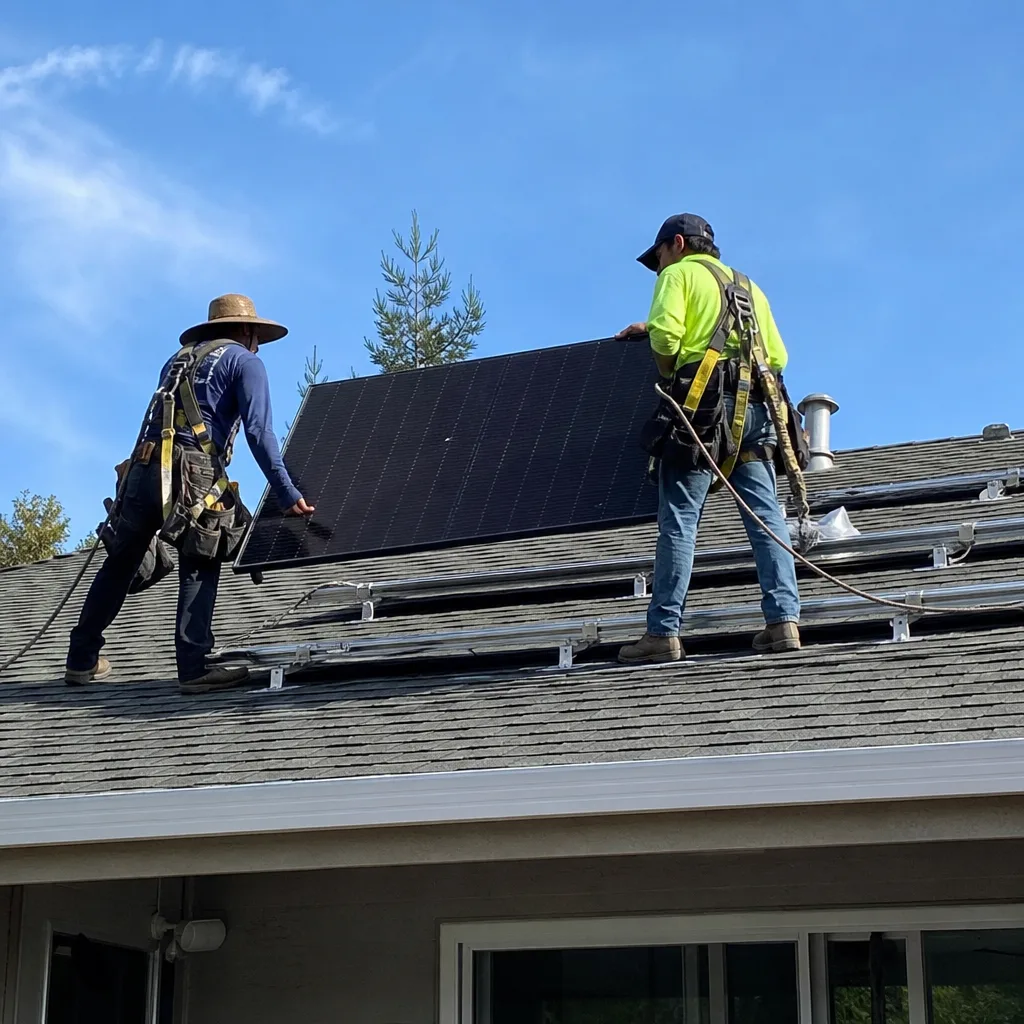
Your panels might look fine. Your app might say everything’s fine. But your PG&E bill says otherwise. We run underperformance diagnostics that compare your system’s actual output against what your roof, your equipment, and your local weather data say it should produce. We’ve found dead microinverters, thermal throttling from 105°F summer afternoons, and string-level failures that never triggered a single alert. In Mountain House, where homes built between 2005 and 2019 are hitting the end of their original inverter warranties, catching a silent failure early can save you an entire year of lost production.
Firmware & App Configuration
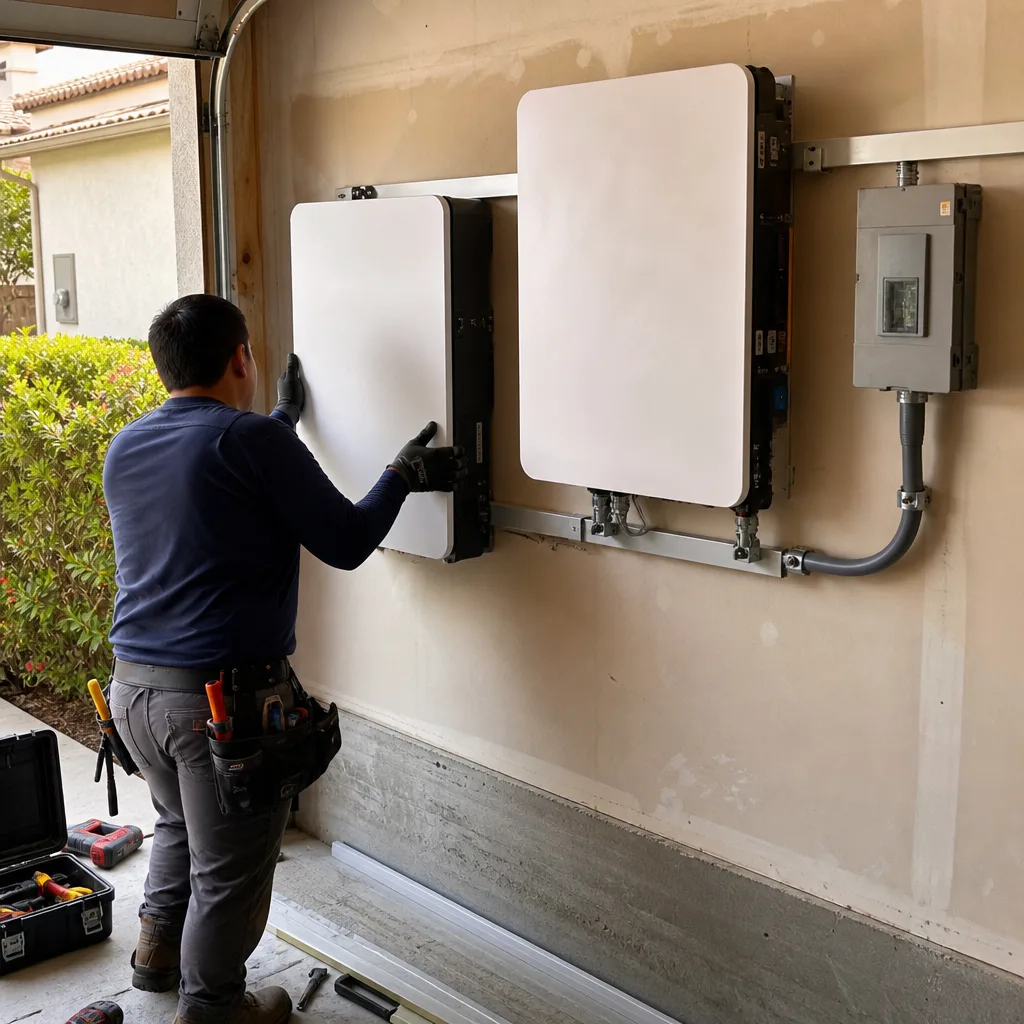
Most homeowners don’t think about inverter firmware until something breaks. That’s a mistake. Outdated firmware drops Wi-Fi bridges, disables rapid shutdown alerts, and leaves your system running on default settings that don’t match your actual equipment. We update Envoy gateways, SolarEdge inverters, and Tesla Powerwall firmware. We re-pair microinverters after grid disturbances. We configure app alerts so you get notified when production dips below your system’s expected range. Our crew recently serviced a 2016 Shea home on N. Escuela Drive in Altamont Village where the Enphase Envoy stopped reporting two weeks after a PG&E true-up surprise charge. Outdated firmware had dropped the Wi-Fi connection after a grid event. We updated the Envoy, re-paired all 24 microinverters, and corrected the production estimate in the app. Same-day fix. The next true-up reflected real output.
Annual System Inspection
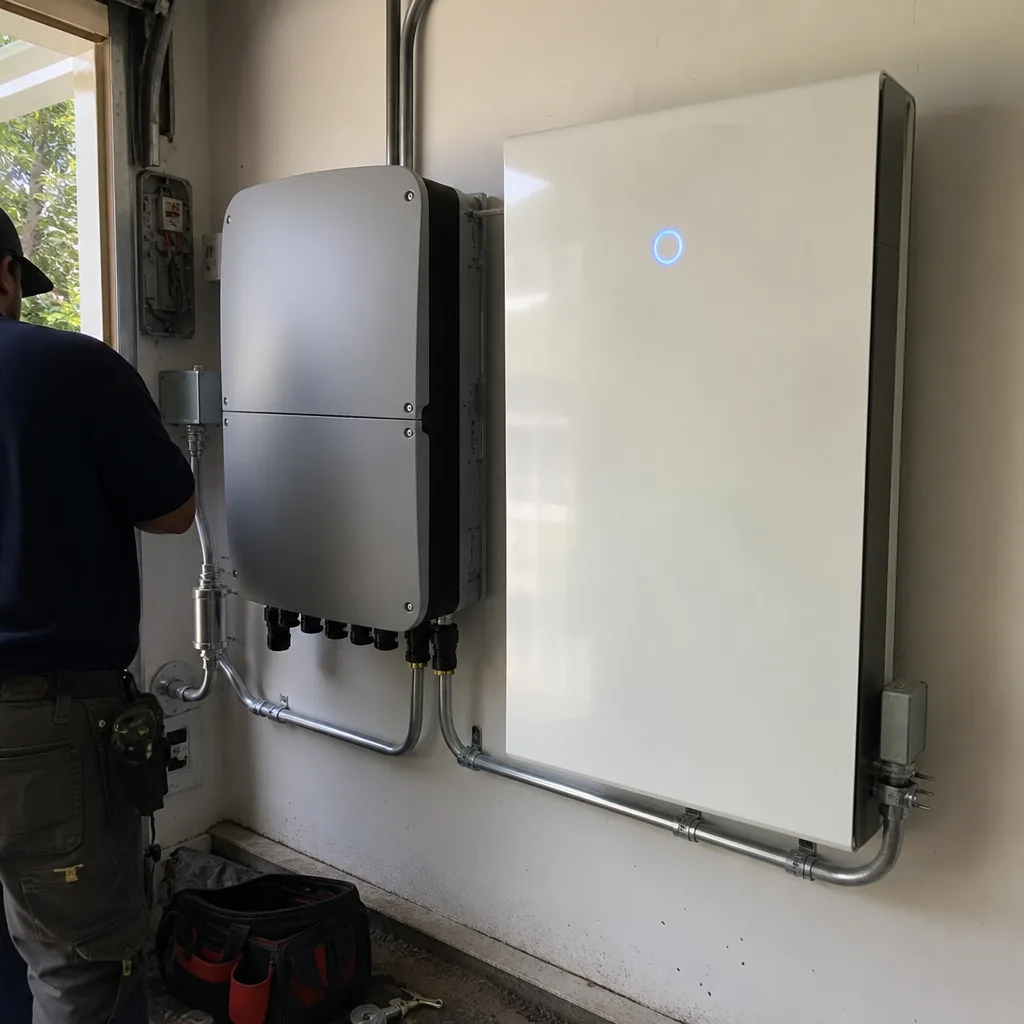
Once a year, someone should put eyes on your array, your inverter, and your electrical connections. We inspect for cracked panels, loose conduit, rodent damage, and corrosion on rooftop junction boxes. In Mountain House’s summer heat, thermal expansion works connections loose faster than in coastal climates. A one-hour inspection catches the small stuff before it becomes a warranty claim or a fire hazard. We also verify that your monitoring hardware is still communicating and that your production matches your utility statement.
What happens when you call
- 1
A real person answersNo phone trees - you reach a local pro.
- 2
You get an upfront price rangeHonest numbers before anyone is dispatched.
- 3
A background-checked tech heads outLicensed & insured, dispatched right away.
- 4
You approve before work beginsNothing starts until you say go.
Trusted Brands We Service in Mountain House
We work on the equipment already installed across Mountain House’s tract-home neighborhoods, including Panasonic, Canadian Solar, and JinkoSolar panels paired with Enphase, SolarEdge, and FranklinWH systems. We keep common parts on hand for Mountain House customers, and we know the firmware quirks of each platform. A SolarEdge inverter from 2013 behaves differently than one from 2021, and we’ve seen enough of both to know what breaks first. If you’re not sure what brand sits on your roof, call us. We’ll figure it out from your equipment labels or your old paperwork.
Common Solar Panel Maintenance & Monitoring Problems We See in Mountain House Homes
- Silent inverter failures during tule fog season. Mountain House’s December-February fog can suppress production for weeks. If your inverter died in late November, your app might show low output that looks like weather. It isn’t. You won’t know until your true-up statement lands with a surprise charge. We see this constantly in 2005-2019 homes reaching the end of original inverter warranties.
- Disabled rapid shutdown alerts. Builder-installed systems often ship with rapid shutdown alerts turned off in the factory firmware. After a hot Mountain House summer causes microinverter thermal throttling, your system underperforms silently. No app notification. No error code. Just a lower true-up credit than you expected.
- Miscalibrated production estimates. HOA-approved layouts sometimes put arrays on west-facing roof planes with suboptimal azimuth. If your monitoring system was never calibrated for actual tilt and orientation, the app will consistently overestimate generation. You’ll plan your budget around numbers that won’t materialize. We fix that calibration during any service visit.
- Wi-Fi bridge dropouts after grid disturbances. The valley’s PG&E infrastructure experiences enough voltage fluctuations that monitoring hardware occasionally loses its wireless connection. Your system keeps producing, but you stop seeing data. Old firmware makes this worse. We update the firmware and re-pair the bridge the same day.
Pricing for Solar Panel Maintenance & Monitoring in Mountain House, CA
What you’ll pay depends mostly on what’s broken and what equipment sits on your roof. A production monitoring calibration in Mountain House typically runs $150-$300, including app configuration and alert setup. Firmware updates and Wi-Fi re-pairing usually fall between $120 and $250. Full underperformance diagnostics that involve roof access and per-panel testing run $250-$500. An annual inspection is $199-$349, depending on array size and whether we’re also doing the diagnostics. Preventive maintenance plans that include one annual visit, monitoring review, and priority scheduling start at $299 per year. If a repair quote crosses $200, take $40 off automatically. And if you have a written estimate from another company, bring it in. We’ll give you a free second opinion, and if you’re in our own county, there’s no trip charge.
Here’s how Gus does numbers: bring us your PG&E bill and your production data. We’ll quote off your actual usage and your real export rates. Take two weeks to think about it. The price will be the same. If a salesman needs an answer tonight, the answer is no.
We Also Serve Cities Near Mountain House
Our crews work across the greater Tri-Valley and San Joaquin corridor. If you’re in Tracy, Discovery Bay, Livermore, or Brentwood and need someone who knows Mountain House-style tract-home solar systems, call us. We schedule across the region, and the same crew handles the whole area. Same phone number. Same owner on the line. Dispatch is coordinated from our Fresno, Central Valley office, and crews serve Mountain House locally.
Serving Mountain House, CA - Our Local Coverage Area
We’re based in the Mountain House area and know this community well. Use the map below to see our service coverage - if you’re nearby, we can almost certainly help.
FAQs - Solar Panel Maintenance & Monitoring in Mountain House
Yes, and no. Tule fog in Mountain House can suppress solar production for two to four weeks between December and February, sometimes more. Your monitoring system will show dramatically reduced output, and that’s expected. But here’s the thing: fog suppression looks different from an inverter failure. Fog reduces output across the whole array proportionally. An inverter failure drops production to zero on a specific string or kills it entirely. If your app shows a sudden, complete dropoff that doesn’t recover when the fog burns off, that’s a failure, not weather. Read your true-up statement against your production data month by month. If December shows low production but the fog was heavy, that’s normal. If March shows low production under clear skies, call us. Call (877) 550-6892 and we’ll pull your monitoring data and tell you what’s actually happening.
In most cases, no, but Mountain House’s HOA architectural committees remain active despite California Civil Code 714. A monitoring upgrade that doesn’t change the panel layout, add new roof penetrations, or alter the visual profile of the array typically falls outside the architectural review scope. But because Mountain House HOAs have design guidelines specific to the community, it’s worth checking. We keep a pre-approved equipment list and elevation-drawing template specific to Mountain House’s requirements. That shortens the review timeline if approval is needed, and it prevents change-order friction on smaller service calls. We’ll tell you upfront whether your specific upgrade needs HOA sign-off and handle the paperwork if it does.
It depends on the inverter model and its condition. Some 2013-era SolarEdge inverters can be updated to firmware that supports modern monitoring via a retrofitted communication gateway. Others are too old to support the current SolarEdge monitoring platform and need a communication board or a replacement inverter. In Mountain House, where 2013 Pulte homes are now past the original inverter warranty period, we typically see a split: roughly half can be brought online with a firmware update and gateway installation, and half need hardware replacement. We’ll tell you which camp you’re in before we do any work. The diagnostic itself is straightforward, and if you’re in our county, there’s no trip charge.
Mountain House is served by PG&E in a net metering regime where your true-up credit is calculated against your actual exported kilowatt-hours. Every hour your system underproduces because of a monitoring failure or an undetected fault is a kilowatt-hour you don’t get paid for. Over a year, a small underperformance compound. A maintenance plan that catches a dead microinverter in February instead of August preserves thousands of kilowatt-hours of production that would otherwise vanish from your true-up statement. The math is simple: a $299 annual plan that prevents one unnoticed two-month outage pays for itself several times over.
Arc fault errors on Tesla systems in Mountain House tract homes are uncommon but not rare, and they need immediate attention. An arc fault is a safety system warning that indicates potential electrical arcing somewhere in the DC circuit, often at a connection point that has loosened over time due to thermal cycling in the valley’s extreme summer heat. It’s not a normal condition and shouldn’t be dismissed. Whether it triggers a warranty claim depends on the root cause: if a failed component is still under warranty, yes, we’ll file the claim and handle the manufacturer communication. If it’s a loose connection from thermal expansion, that’s a repair, not a warranty issue. Either way, don’t ignore it. Call (877) 550-6892 and we’ll send a tech who knows Tesla hardware and Mountain House’s specific failure modes.
Contact Gus’s Solar in Mountain House
If your system isn’t producing like it should, or you just want a straight answer about what your monitoring data actually means, call (877) 550-6892. Gus Petrakis answers his own phone. No pressure, no same-day signature demand, no out-of-state call center. We’ll send a uniformed, background-checked tech who knows Mountain House’s neighborhoods, HOAs, and weather patterns. Bring us your bill and your app data. We’ll bring you the math. Every job is backed by the 90-Day Done Right Promise: if it’s not right, Gus makes it right, in writing. Take two weeks to decide. The price stays the same.
Written by Gus Petrakis, Owner at Gus’s Solar, serving Mountain House with honest numbers and real accountability since 2011.