

Free bill analysis - bring a power bill, get the production math for your actual roof, panel brands like Qcells and REC compared side by side
If the pitch starts at your door and ends with "sign tonight for the special," sleep on it. The sun will still be there tomorrow; so will we.
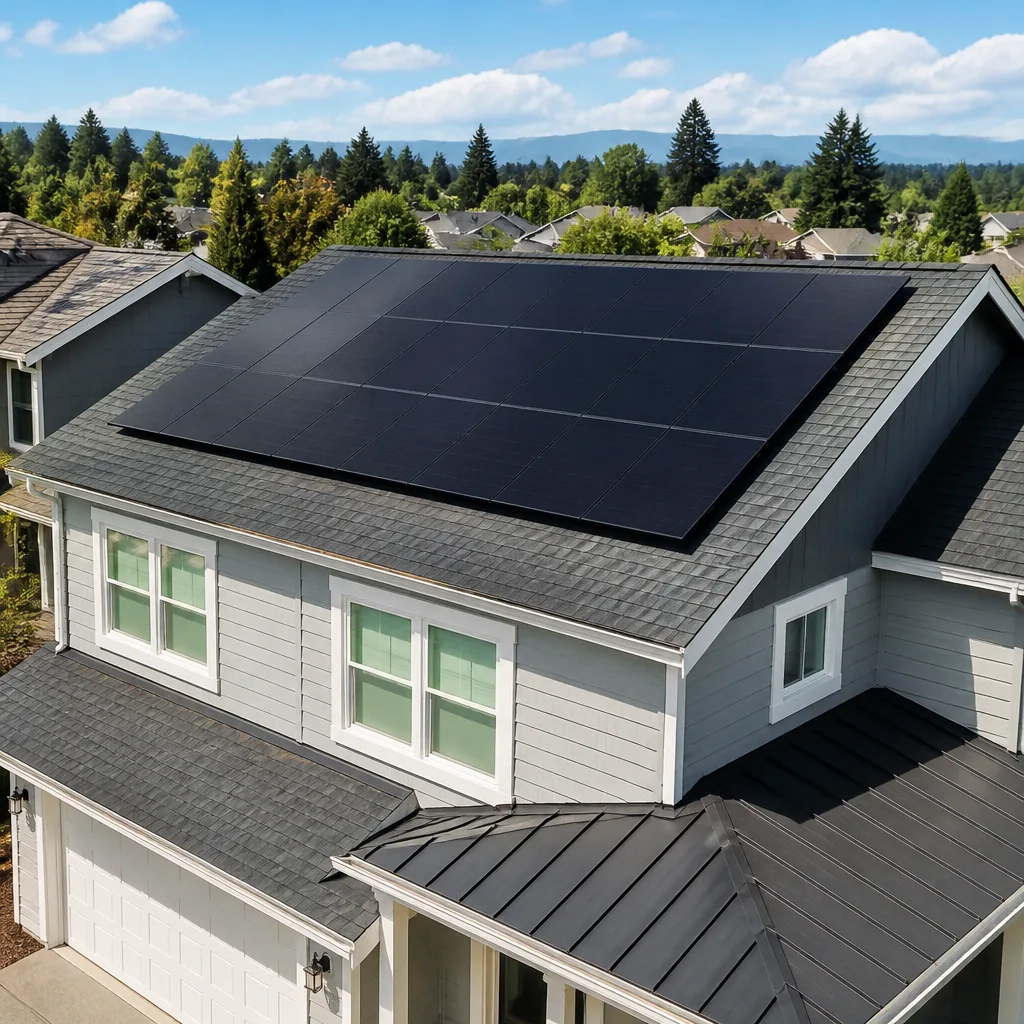
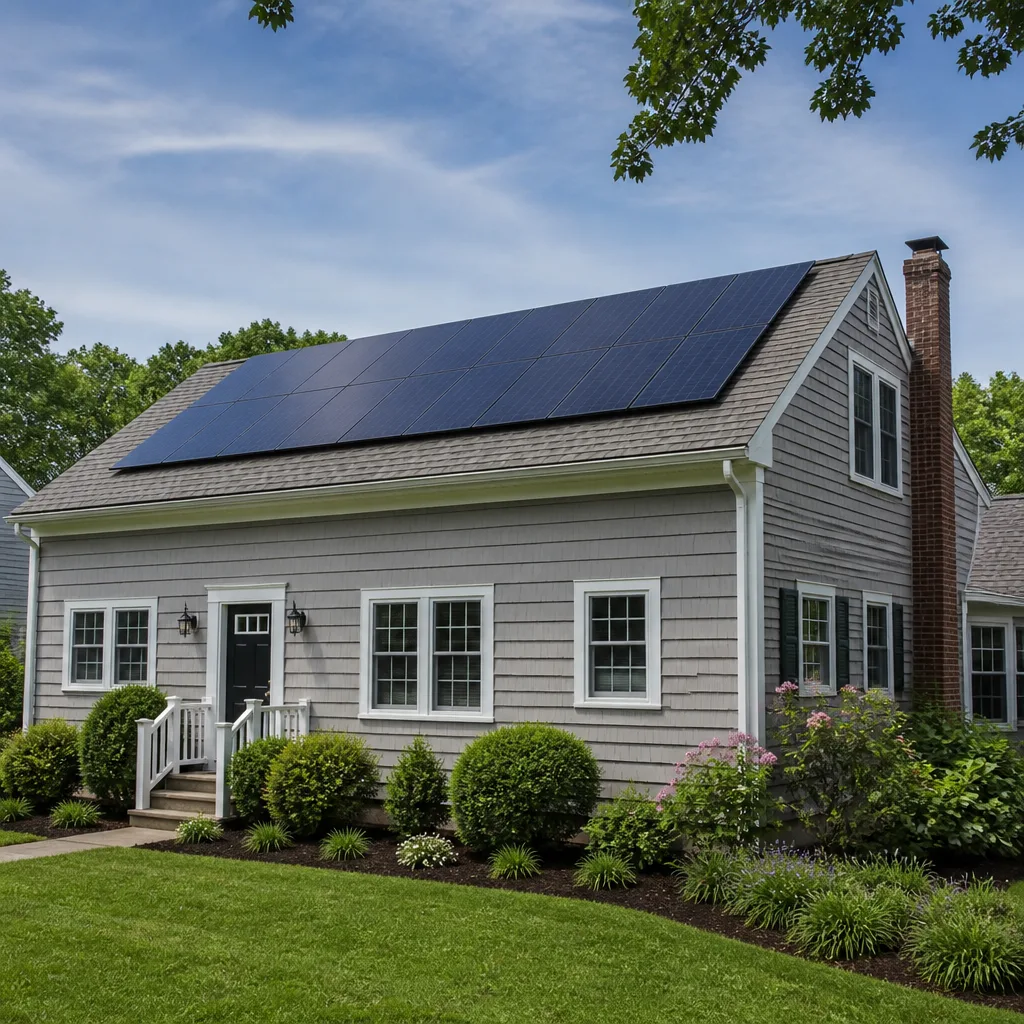
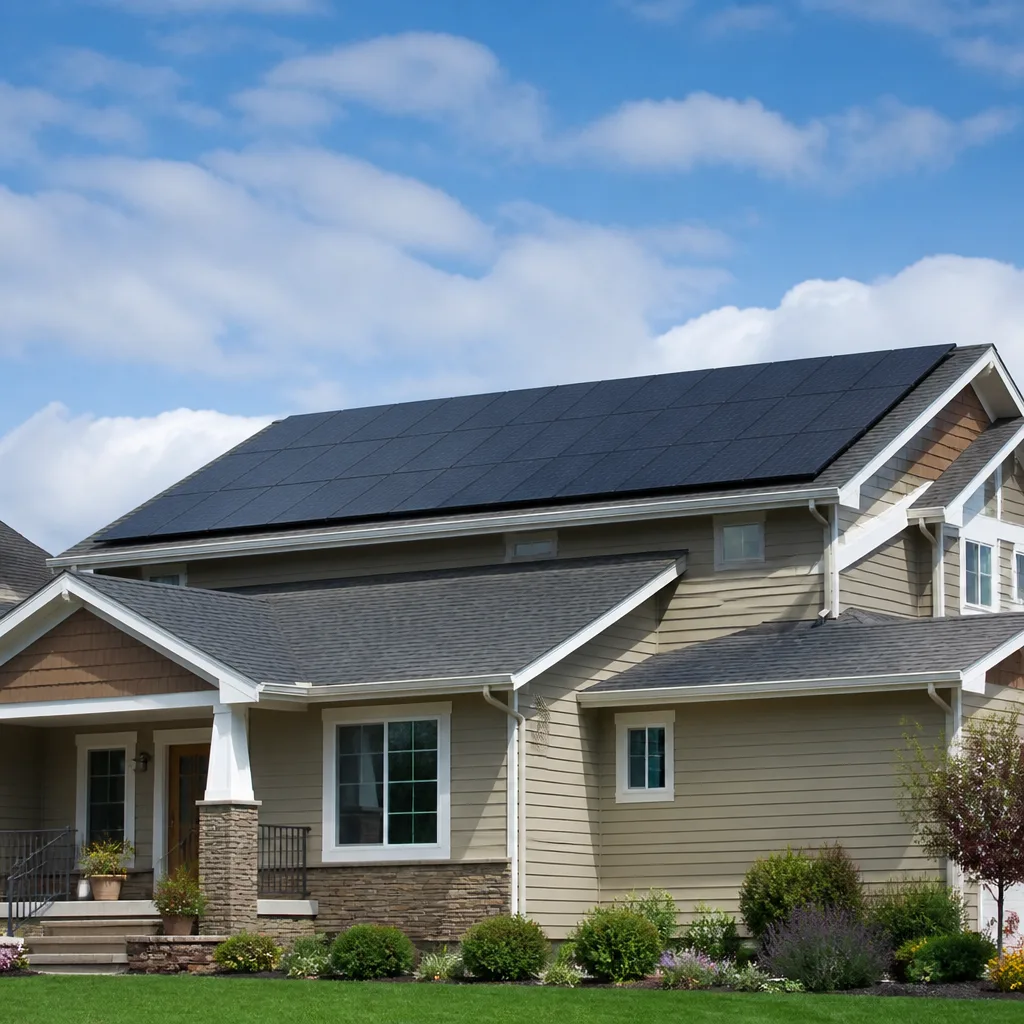
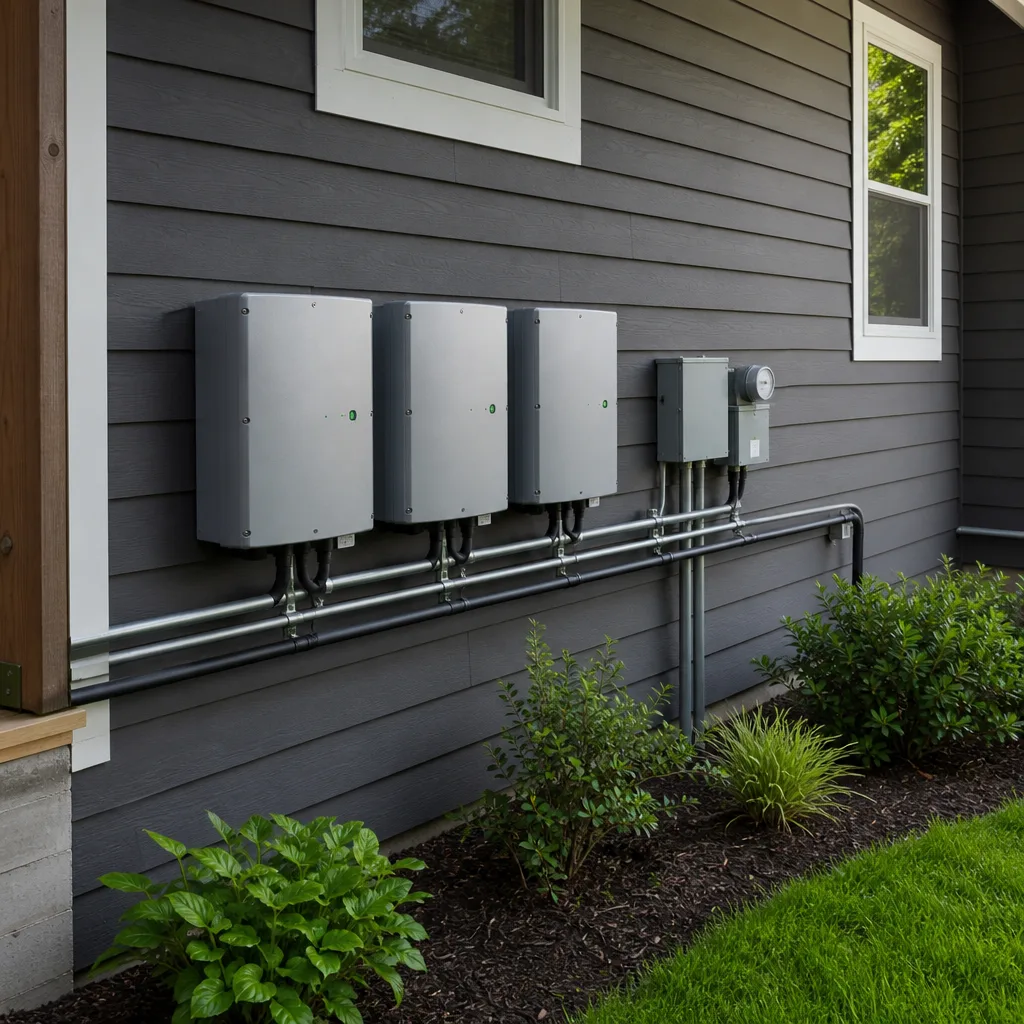
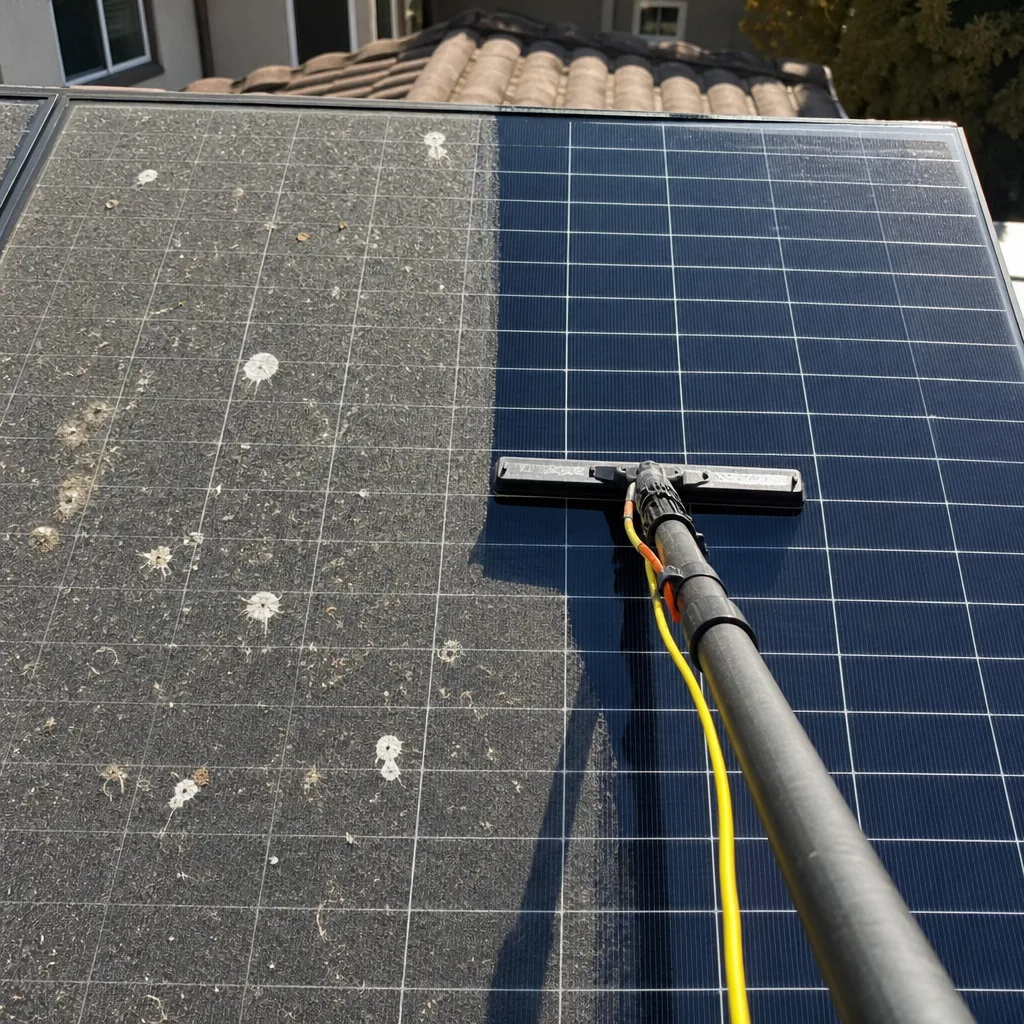
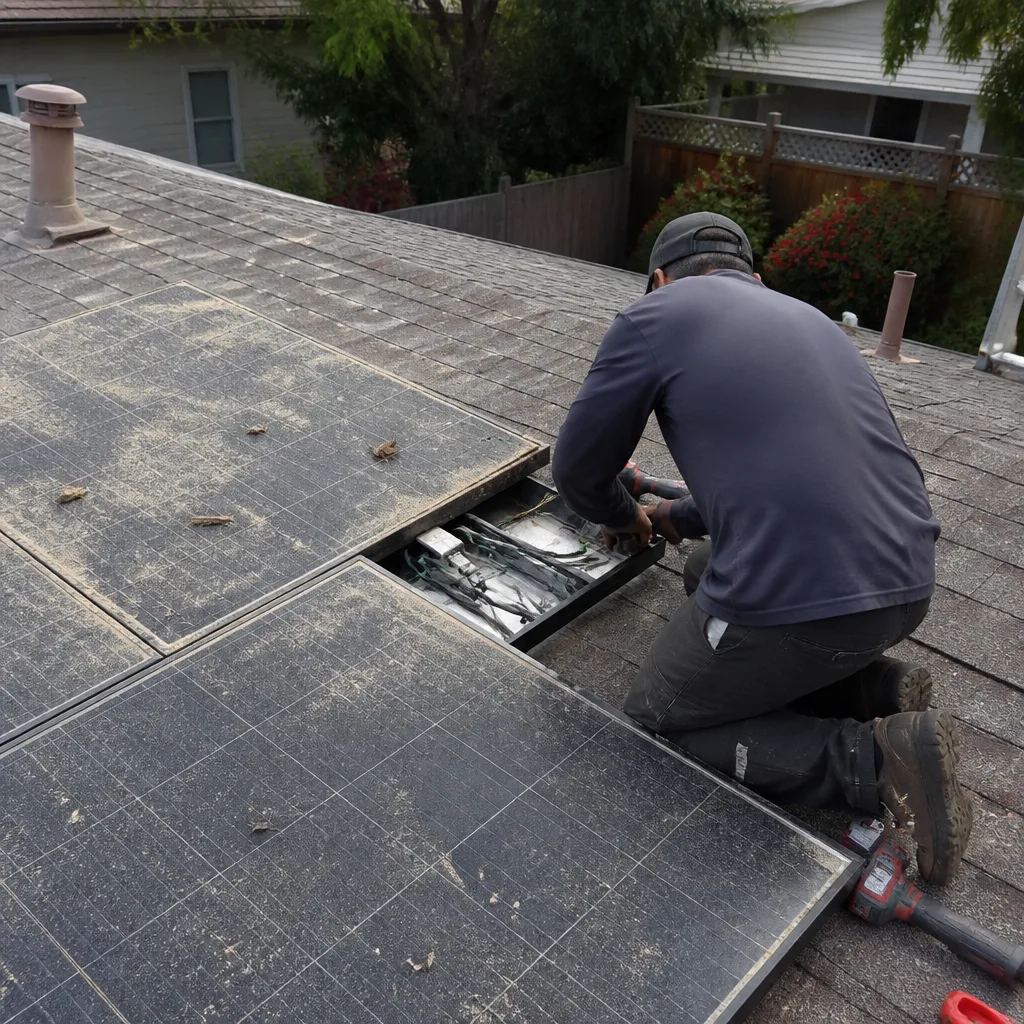 Before
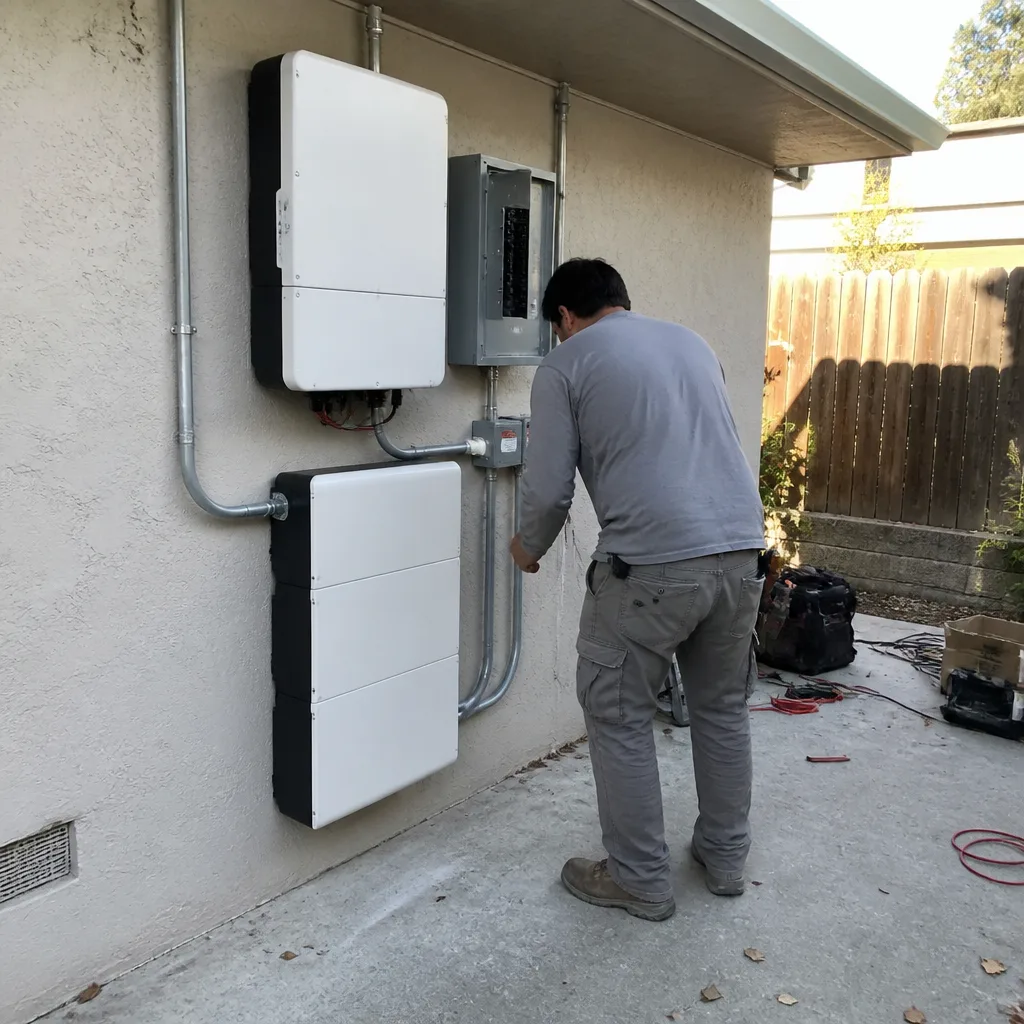 After
After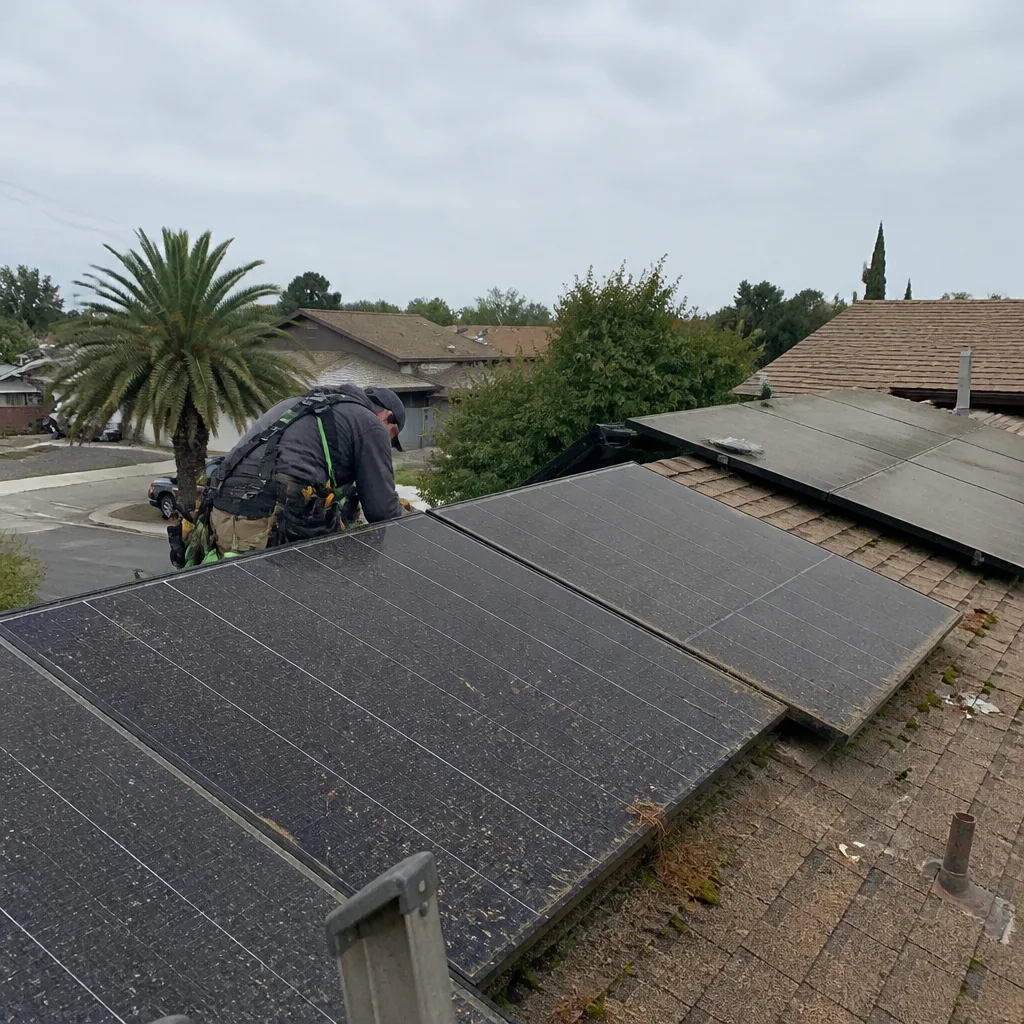 Before
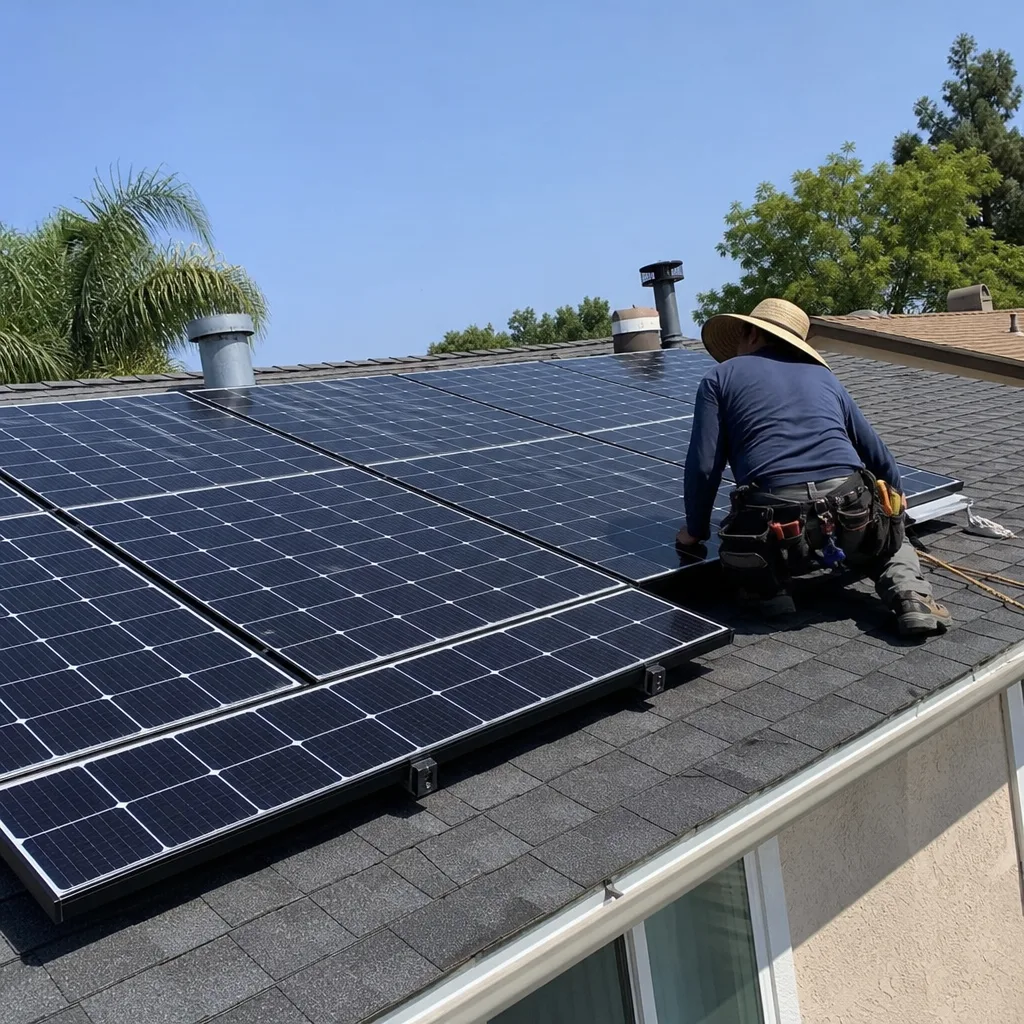 After
After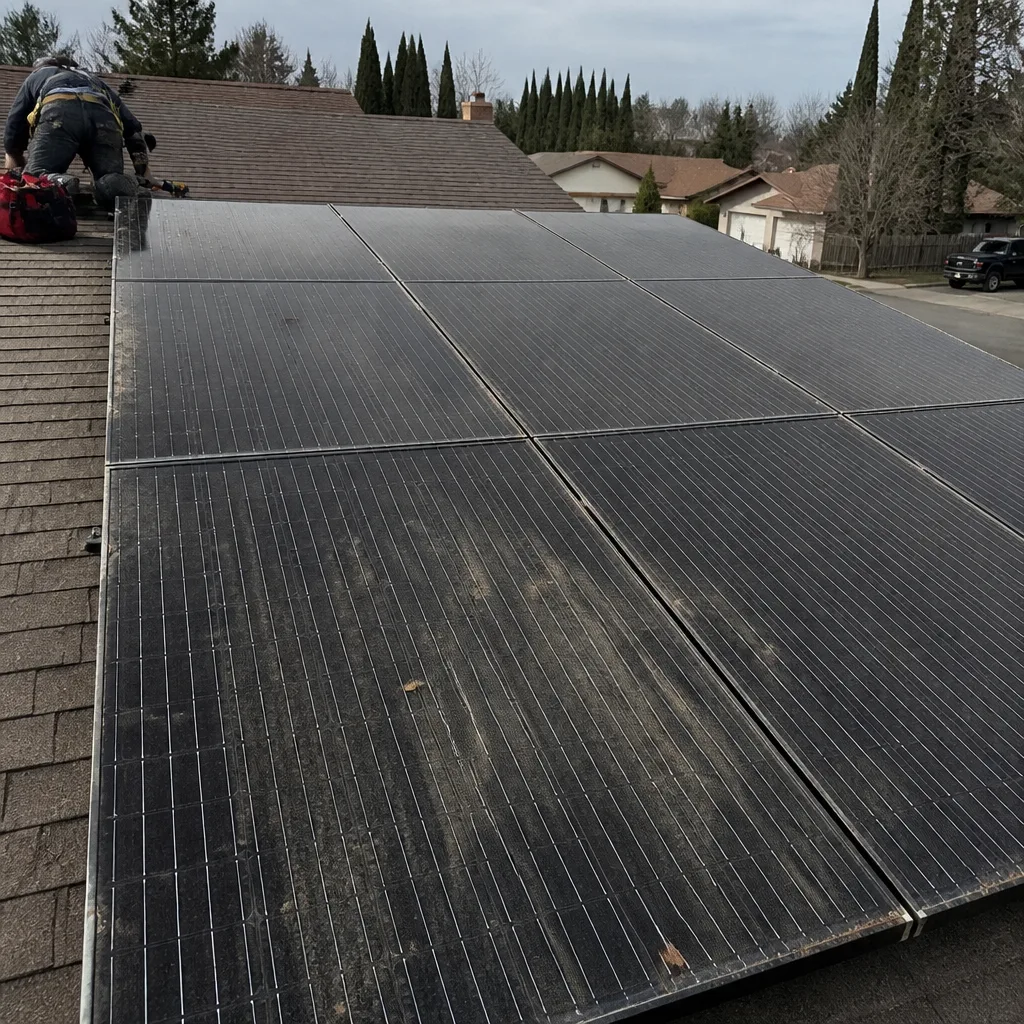 Before
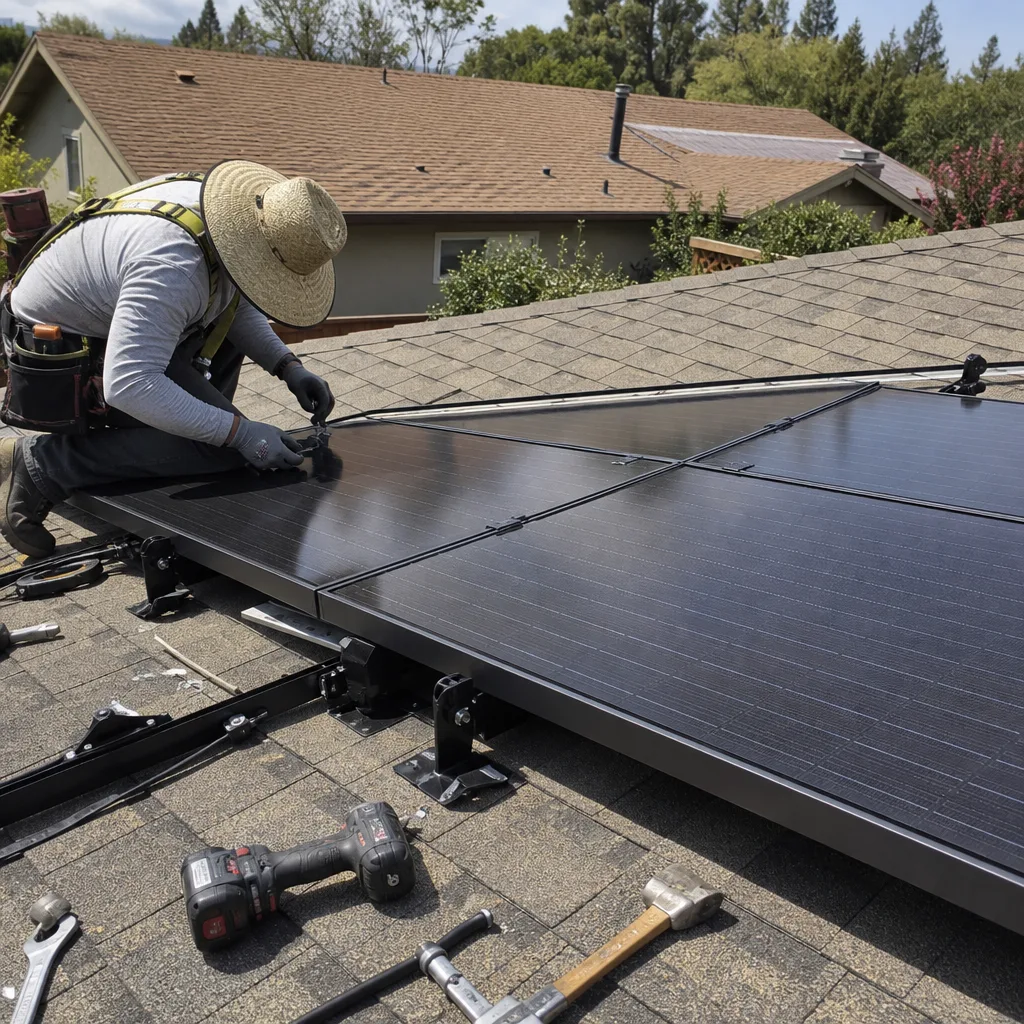 After
AfterFast, Reliable Solar Battery Storage & Backup Across Cupertino
Solar battery storage in Cupertino typically costs between $12,500 and $18,500 installed after the federal tax credit, with most installations completed in one to two days once permits clear. The real bottleneck in Cupertino isn’t the install itself. It’s the PG&E interconnection queue and the city’s building permit review, which is why working with a contractor who understands Cupertino’s specific workflow matters more than the hardware you pick. Call (877) 550-6892 and Gus will walk you through the actual timeline for your neighborhood, not a brochure estimate.
Why Gus’s Solar Is Cupertino’s Preferred Solar Battery Storage & Backup Company
Gus Petrakis founded this company in 2011 and still answers his own phone. That’s not a marketing line. Call the number on this page and you’ll get Gus, not a call center three states away. Cupertino homeowners tell us the same thing again and again: they already did the research, they already read the NEM 3.0 tariff documents, and they want straight answers about year-25 output and true-up math. That’s exactly the conversation Gus has been having for nearly three decades.
Our crews serve Cupertino directly from our San Francisco Bay Area office, so we’re not juggling schedules from Fresno or Sacramento. When a 1960s ranch in Monta Vista needs a 100-amp panel upgraded before a battery can be commissioned, we’ve seen that exact house a dozen times. We know which streets in the 95014 zip code still have knob-and-tube remnants. We know how Cupertino Building Division reviews fire setbacks. That local knowledge shows up in the quote before you sign anything, not after the inspector flags it.
Our Solar Battery Storage & Backup Services in Cupertino
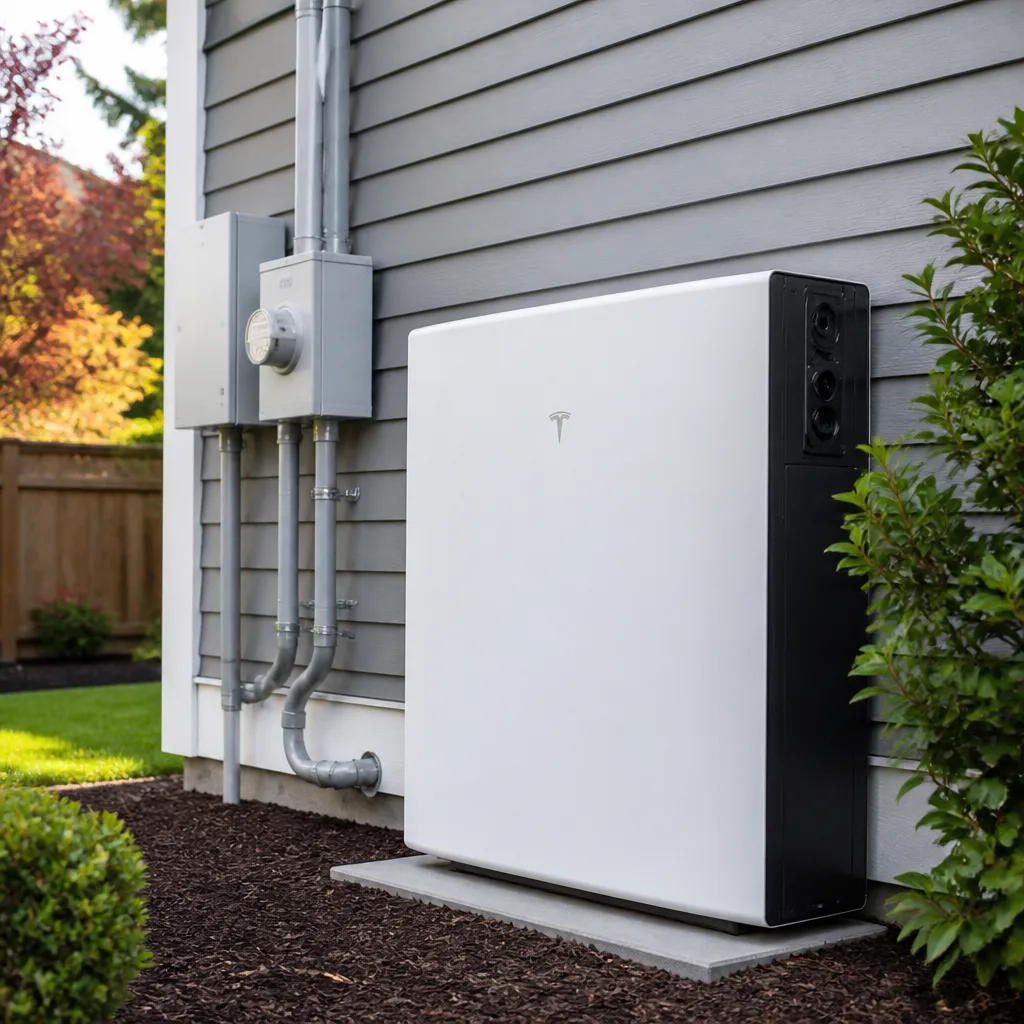
Tesla Powerwall Installation
A Tesla Powerwall 3 installed in Cupertino runs $11,000 to $14,000 for the unit and installation before incentives. For homes in the 95014 area with whole-home backup needs, we typically size two Powerwalls, which brings the range to $19,000 to $24,000. The Powerwall 3’s integrated inverter simplifies retrofits where the existing solar inverter is failing, a common situation on Cupertino’s aging ranch homes.
Enphase IQ Battery Installation
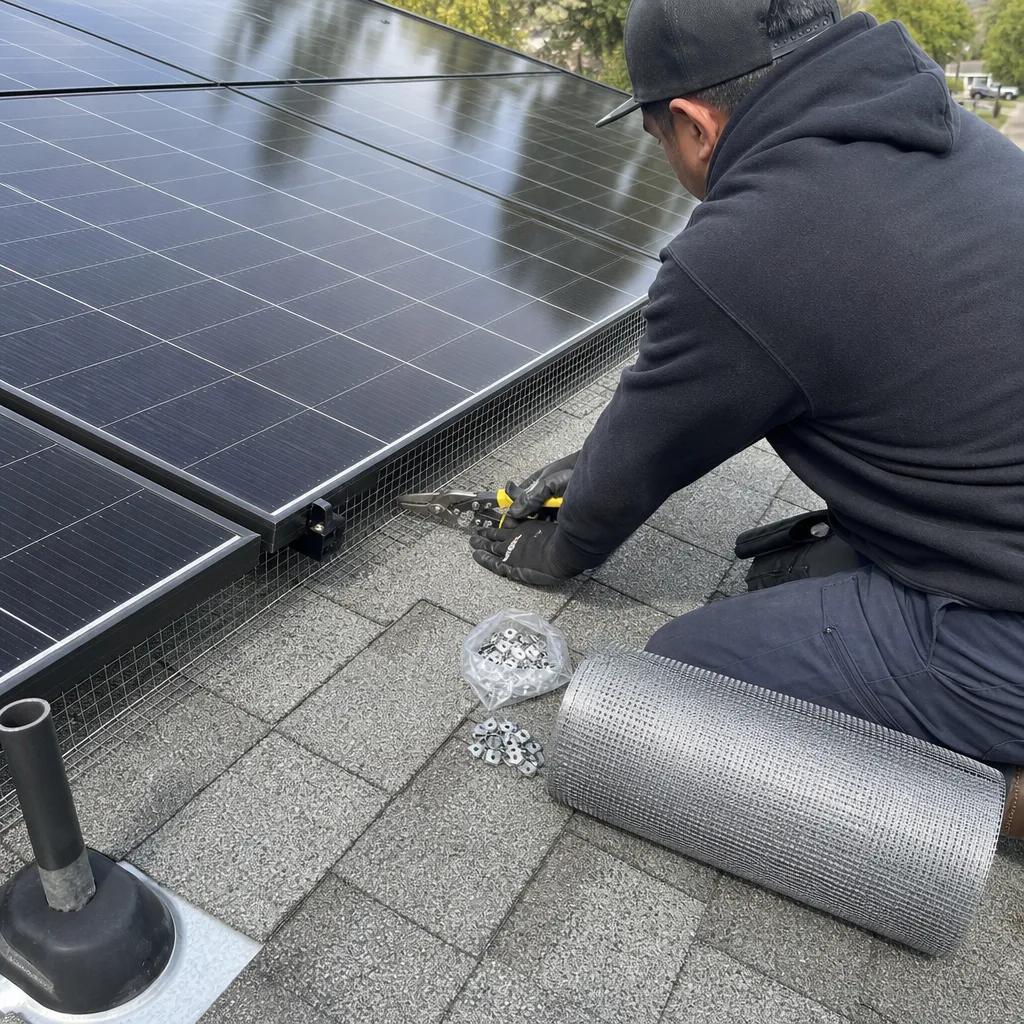
Enphase IQ Battery systems in Cupertino run $9,500 to $13,500 for a single 5P unit with installation. For homes that already have Enphase microinverters, the IQ Battery integrates cleanly without adding a separate gateway box. We recommend the Enphase ecosystem for Cupertino homeowners who want granular per-panel monitoring, which matters when you’re trying to isolate why the marine layer is eating your morning production.
Whole-Home Backup Power
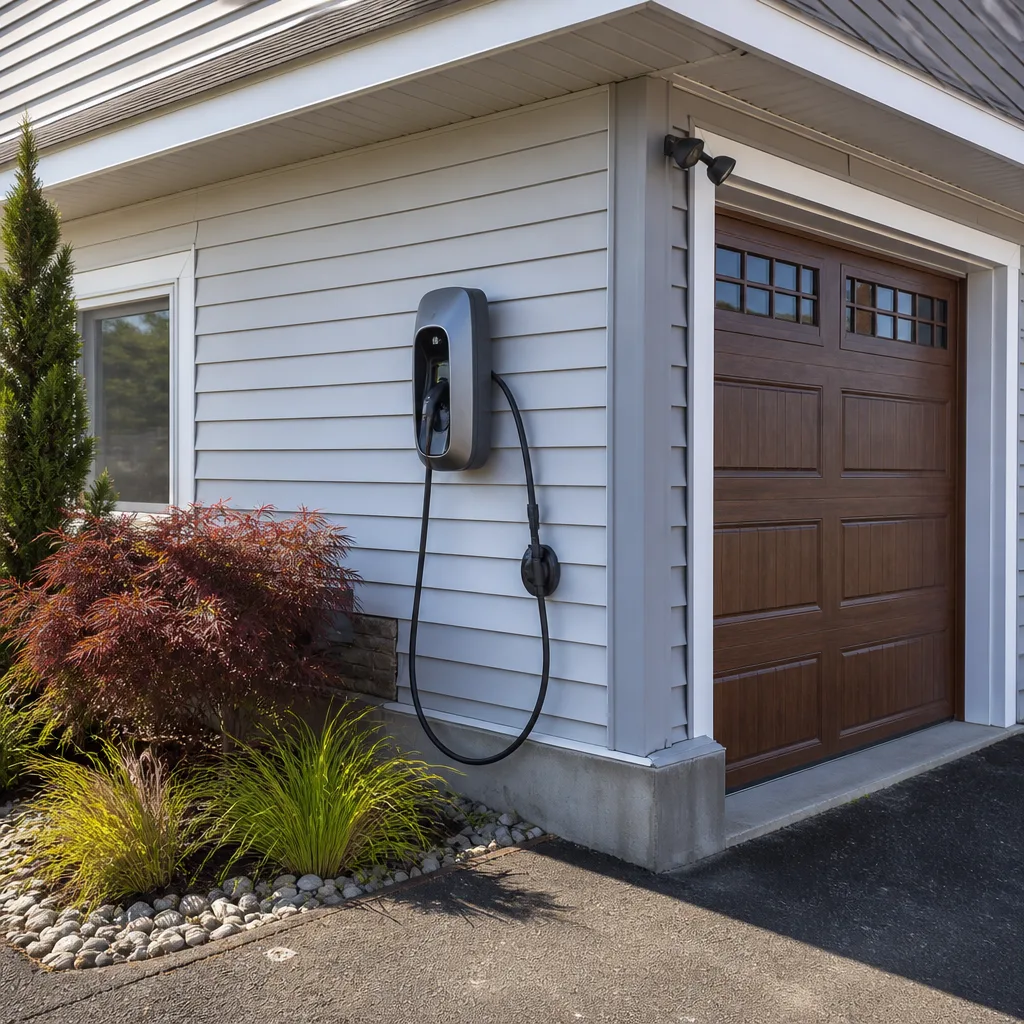
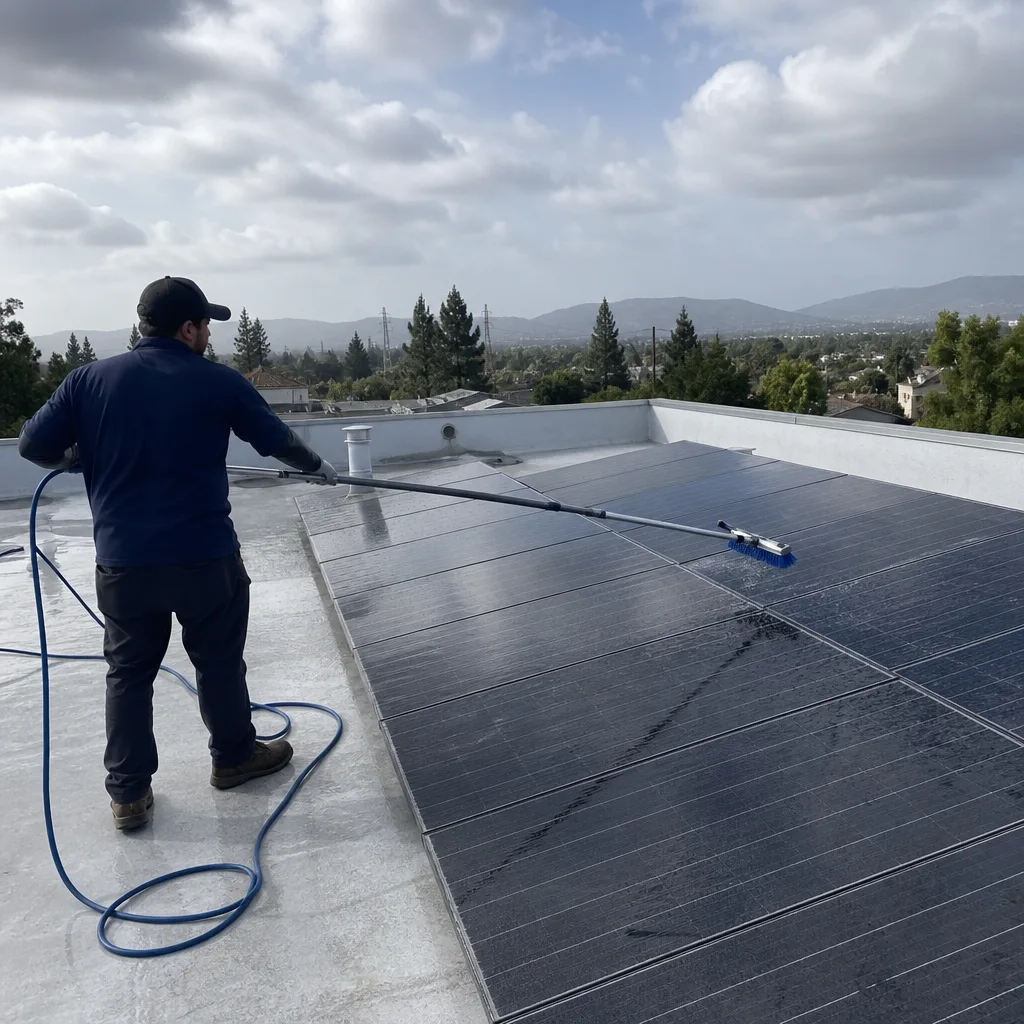
Whole-home backup in Cupertino means your HVAC, refrigerator, EV charger, and well pump (if you’re on the edges of 95015 toward the foothills) keep running through a PG&E outage. A properly sized whole-home system for a Cupertino ranch runs $18,000 to $28,000 depending on panel count and battery capacity. The bigger constraint is usually the electrical panel: most 1960s and 1970s homes in Cupertino still have original 100-amp service that can’t support a whole-home battery without an upgrade to 200 amps.
Battery Retrofit for Existing Solar
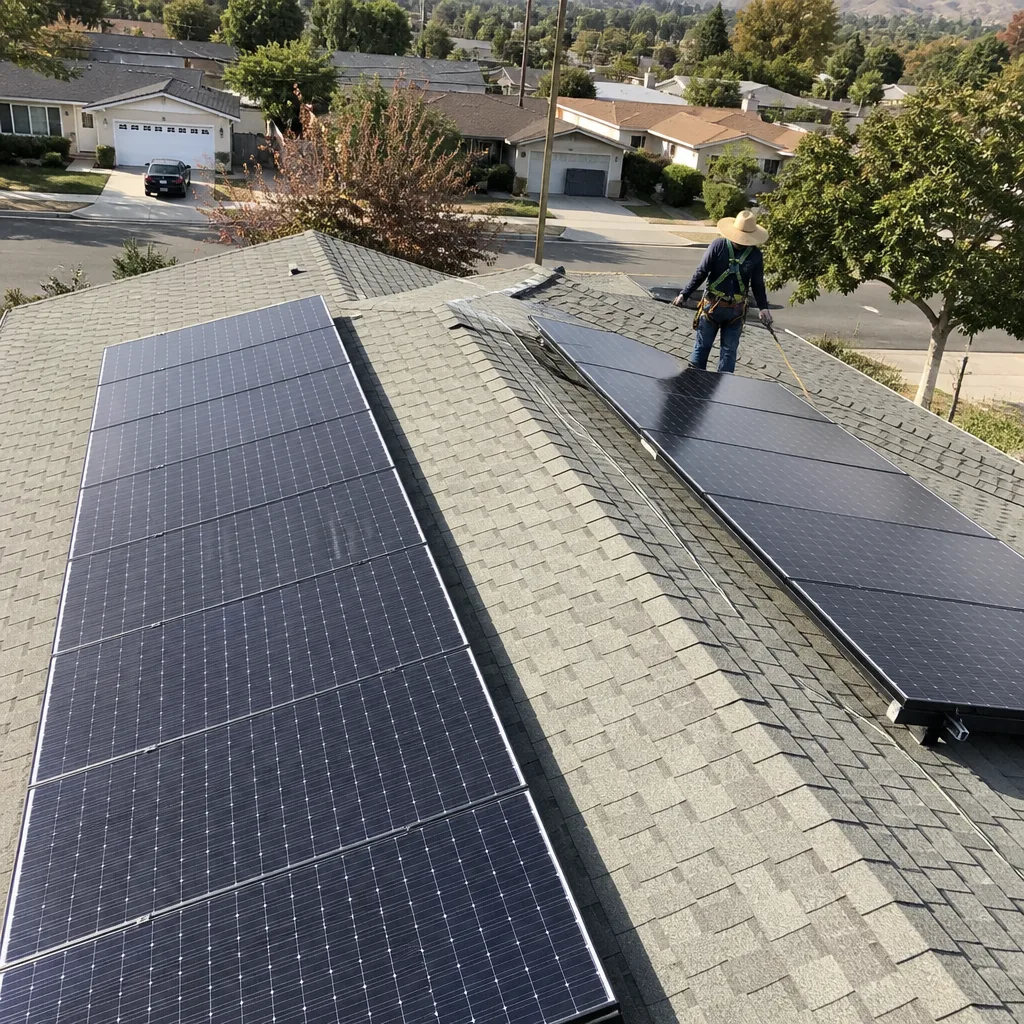
Adding storage to a solar array that’s already producing is the most common request we get in Cupertino, especially from homeowners who locked in NEM 2.0 before April 2023 and don’t want to jeopardize their grandfathering. A retrofit in Cupertino typically costs $12,000 to $17,000 depending on whether the existing inverter is compatible or needs replacement. Last year our crew retrofitted a 1969 ranch off Rodrigues Avenue in Monta Vista. The homeowner had a nine-year-old Qcells array with a failing SolarEdge inverter, and during a July Flex Alert his production graph showed the classic marine-layer morning dip. We installed a Tesla Powerwall 3 with whole-home backup and reconfigured the east-facing string. The new Enphase microinverters raised the array’s production estimate by 12%, and the system now offsets 92% of the home’s annual kWh load.
What happens when you call
- 1
A real person answersNo phone trees - you reach a local pro.
- 2
You get an upfront price rangeHonest numbers before anyone is dispatched.
- 3
A background-checked tech heads outLicensed & insured, dispatched right away.
- 4
You approve before work beginsNothing starts until you say go.
Trusted Brands We Service in Cupertino
We work with the equipment Cupertino homeowners actually ask for: Tesla, Enphase, SolarEdge, SunPower, Panasonic, Qcells, REC, and FranklinWH. That’s the full Solar Battery Storage & Backup lineup we install across the Bay Area. Because we’re local, we don’t wait on a warehouse in Phoenix to ship parts. If a Qcells panel or a SunPower inverter needs replacement under warranty, we’re usually on it within a week, not a month.
Common Solar Battery Storage & Backup Problems We See in Cupertino Homes
- 100-amp panels tripping during battery backfeed. Cupertino’s housing stock is dominated by ranch homes built in the 1960s and early 1970s, and most still run original 100-amp electrical service. When a battery inverter tries to backfeed during a PG&E outage, the main breaker trips or the panel overheats. Commissioning fails without a panel upgrade to 200 amps, which adds $3,500 to $6,000 to the project and extends the permit timeline.
- Marine-layer mornings cutting the battery’s recharge window. Cupertino sits east of the Santa Cruz Mountains but still catches Bay fog on June and July mornings. The early-day production dip means batteries have fewer hours to recharge before evening peak rates kick in. We size storage capacity for Cupertino’s actual solar curve, not a generic California average.
- NEM 3.0 export rates ruining battery payback math. PG&E’s NEM 3.0 pays so little for exported solar that a battery sized only for backup often extends the payback period beyond what Cupertino’s engineer-homeowners model in their spreadsheets. The fix is TOU optimization: configure the battery to charge from solar when rates are low and discharge during peak-rate windows. That’s a settings problem, not a hardware problem, and it changes the ROI meaningfully.
- Fire setback rules constraining where the battery can go. Santa Clara County fire setback compliance, reviewed by Cupertino Building Division, dictates minimum distances between battery units and structures, windows, and property lines. On small Cupertino lots, this often pushes the battery to the garage interior wall or a side yard that gets less direct sun. We measure setbacks at the quote stage, so there’s no surprise redesign after the permit is filed.
Pricing for Solar Battery Storage & Backup in Cupertino, CA
Here’s what Cupertino homeowners actually pay, based on our recent installations in the 95014 and 95015 zip codes. A single Tesla Powerwall 3 runs $11,000 to $14,000 installed. An Enphase IQ Battery 5P runs $9,500 to $13,500. A whole-home backup system with two batteries and a panel upgrade runs $22,000 to $30,000. A battery retrofit added to existing solar runs $12,000 to $17,000. What moves the number: whether your house in Cupertino has a 100-amp or 200-amp panel, how far the battery sits from the main service entrance, and whether your inverter needs replacement to talk to the new battery. We quote year-25 output, not the day-one brochure number. Call (877) 550-6892 for a free estimate. Bring us a bill and we’ll bring you the math.
We Also Serve Cities Near Cupertino
Our crews handle Solar Battery Storage & Backup in Cupertino and the surrounding communities every week. We’re regularly installing batteries in Saratoga, Sunnyvale, Los Altos, and Mountain View, so we understand how each city’s permit office and PG&E service territory differ. Same local crew, same 90-Day Done Right Promise, no matter which side of the Cupertino border you’re on.
Serving Cupertino, CA - Our Local Coverage Area
We’re based in the Cupertino area and know this community well. Use the map below to see our service coverage - if you’re nearby, we can almost certainly help.
FAQs - Solar Battery Storage & Backup in Cupertino
Cupertino requires a separate solar permit with Santa Clara County fire setback compliance reviewed by Cupertino Building Division staff, and that review adds two to four weeks beyond the typical solar-only timeline. Local contractors who batch their PG&E interconnection application before the permit is even issued can shave six to ten weeks off total activation time. Call (877) 550-6892 and we’ll tell you exactly where your project sits in both queues.
For a typical Cupertino ranch home running a central air conditioner, refrigerator, and basic lighting during a summer Flex Alert, you need at least 13.5 kWh of usable capacity, which is one Tesla Powerwall 3 or two Enphase IQ Battery 5P units. If you want to also run an EV charger or a well pump during the outage, plan for 27 kWh. We size based on your actual PG&E usage data, not a generic square-footage estimate.
Yes, adding a battery to an existing NEM 2.0 system does not change your NEM 2.0 grandfathering status for the solar portion of your system, as long as the battery is added as a separate interconnected device. The key is that the battery’s export behavior must be configured to match PG&E’s interconnection rules, and we handle that paperwork as part of the install. Many Cupertino homeowners add storage now because NEM 2.0 grandfathering is locked for 20 years from your original PTO date.
Santa Clara County fire code, enforced through Cupertino Building Division, requires battery storage systems to maintain a minimum setback of three feet from windows, doors, and property lines, and five feet from any air intake. On Cupertino’s small lots, this often pushes the Powerwall to an interior garage wall or a side yard. We measure setbacks at the estimate stage, so the placement in the quote is the placement the inspector will approve.
The June and July marine layer typically suppresses morning solar production in Cupertino by 15 to 25 percent until 10 or 11 a.m., which means your battery gets fewer hours of strong charging before evening peak rates begin. That’s why we configure Cupertino systems with south-facing panel strings where possible and prioritize TOU optimization so the battery discharges during PG&E’s highest-rate windows. A battery sized without accounting for the marine layer will recharge slower and extend your payback period by two to four years. Call (877) 550-6892 for an exact quote, and we’ll map your production curve against the battery’s charge window.
Written by Gus Petrakis, Owner at Gus’s Solar, proudly serving Cupertino since 2011.