

Free bill analysis - bring a power bill, get the production math for your actual roof, panel brands like Qcells and REC compared side by side
If the pitch starts at your door and ends with "sign tonight for the special," sleep on it. The sun will still be there tomorrow; so will we.
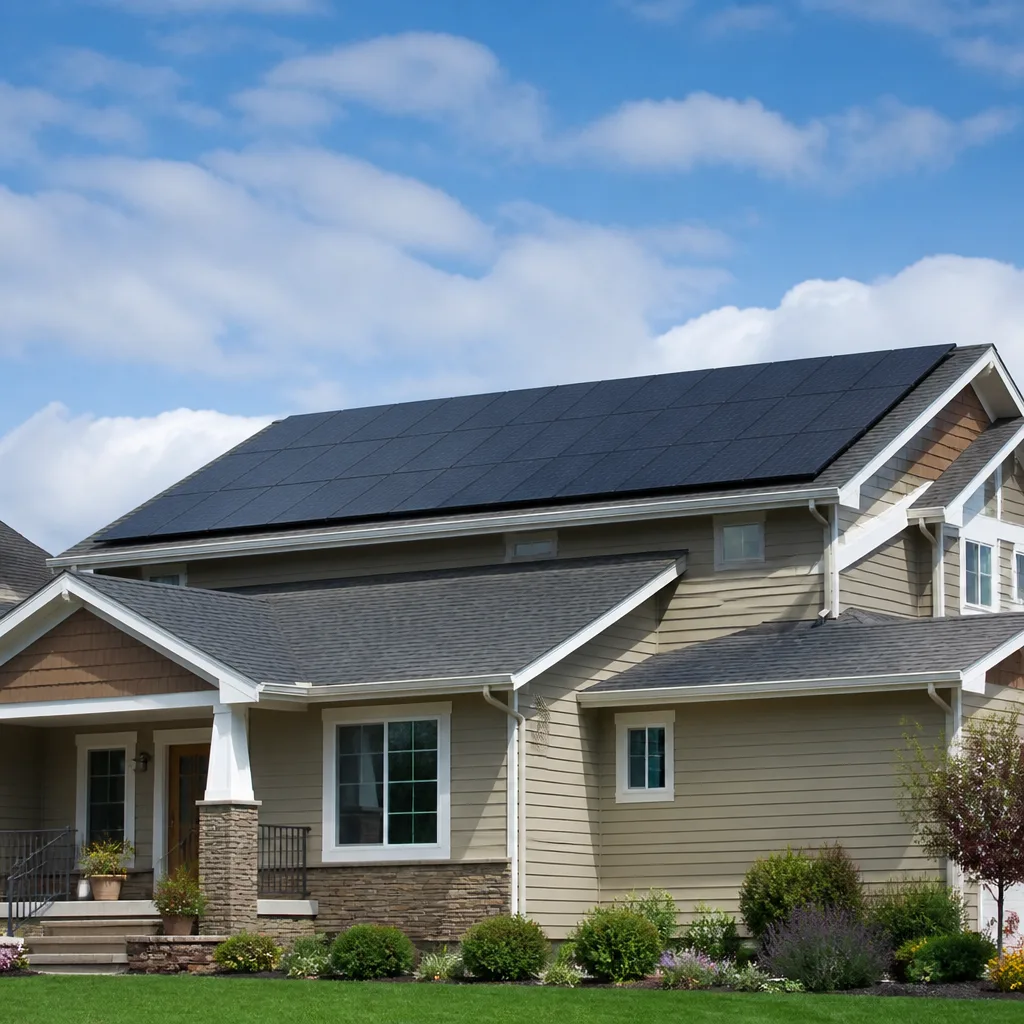
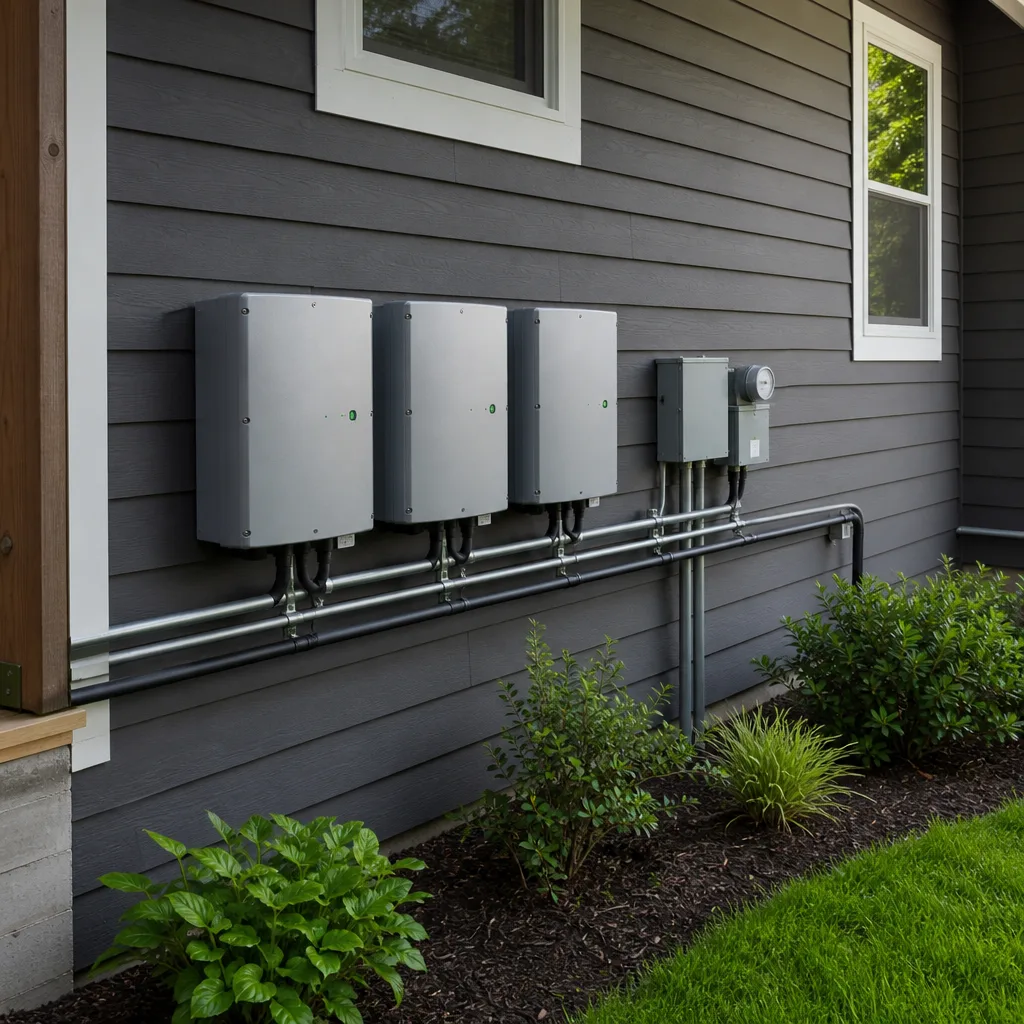
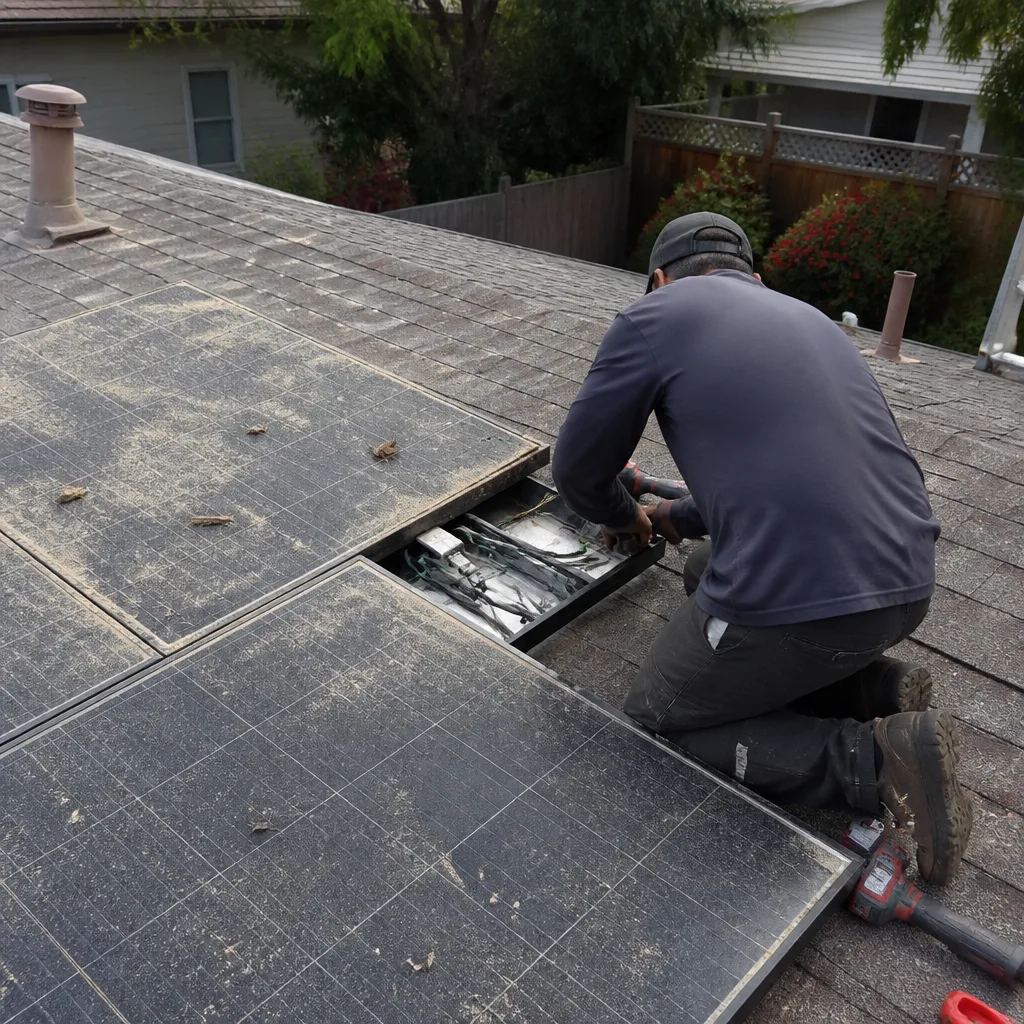 Before
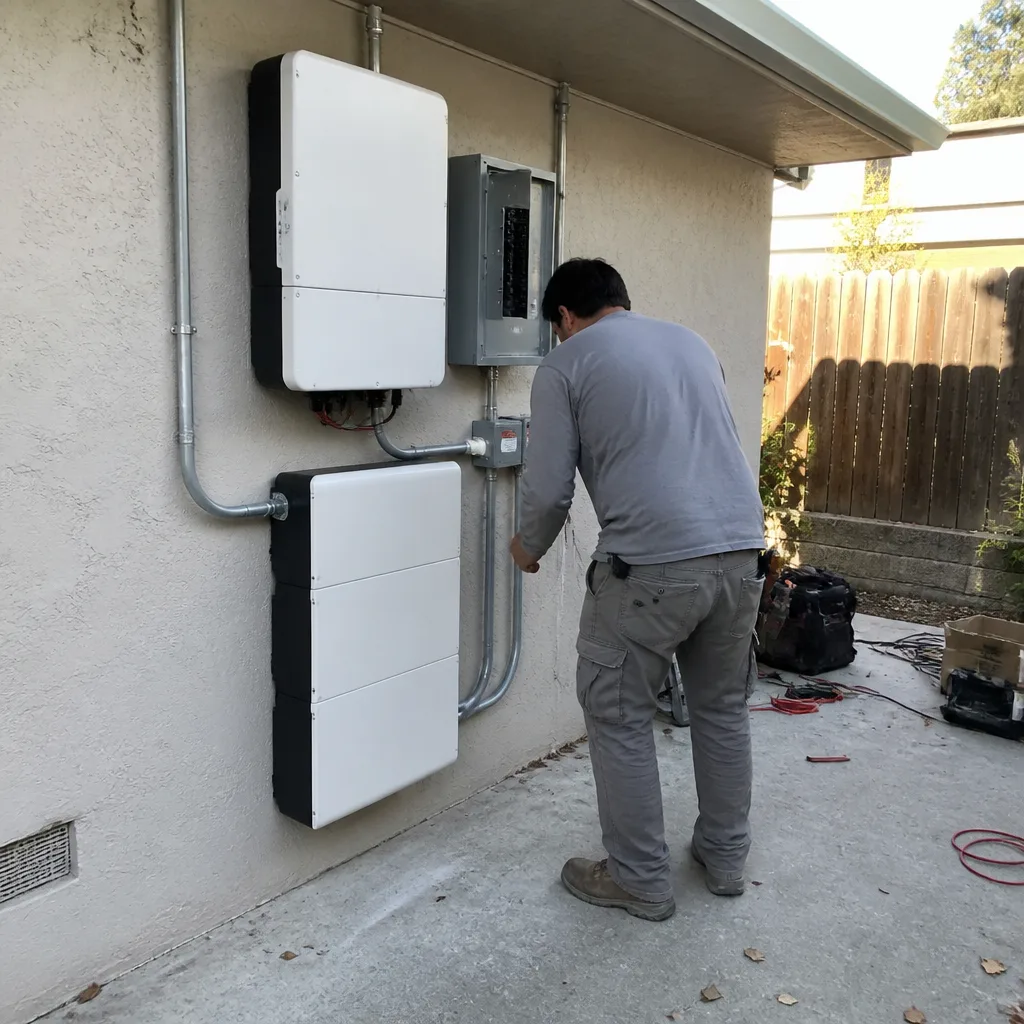 After
After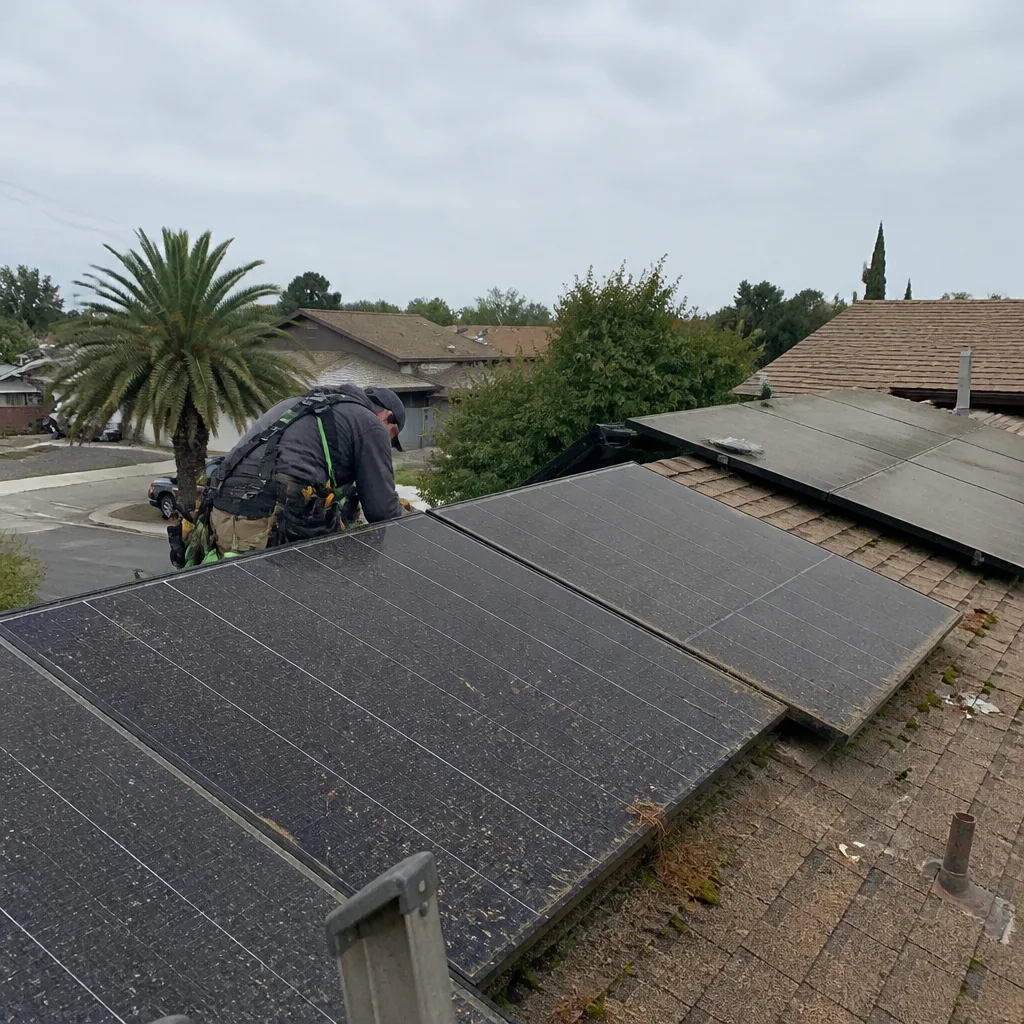 Before
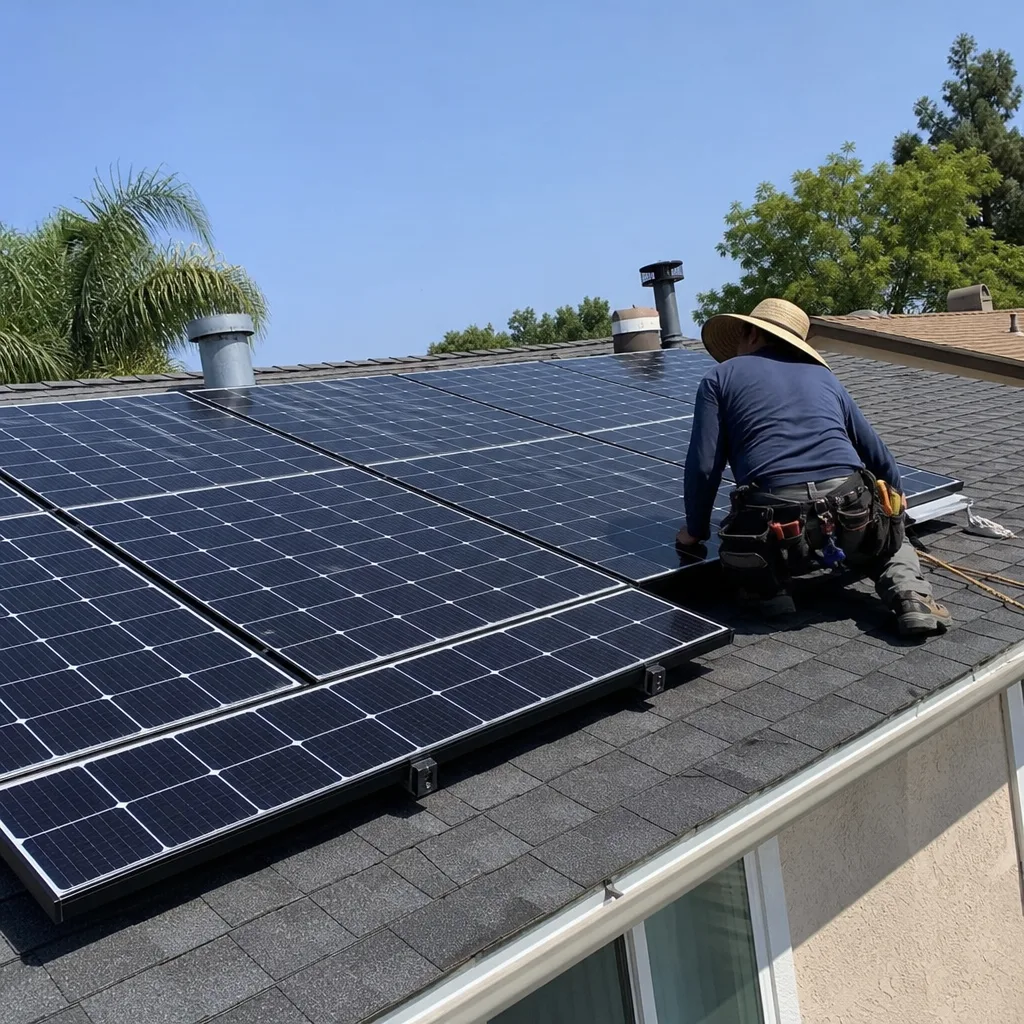 After
After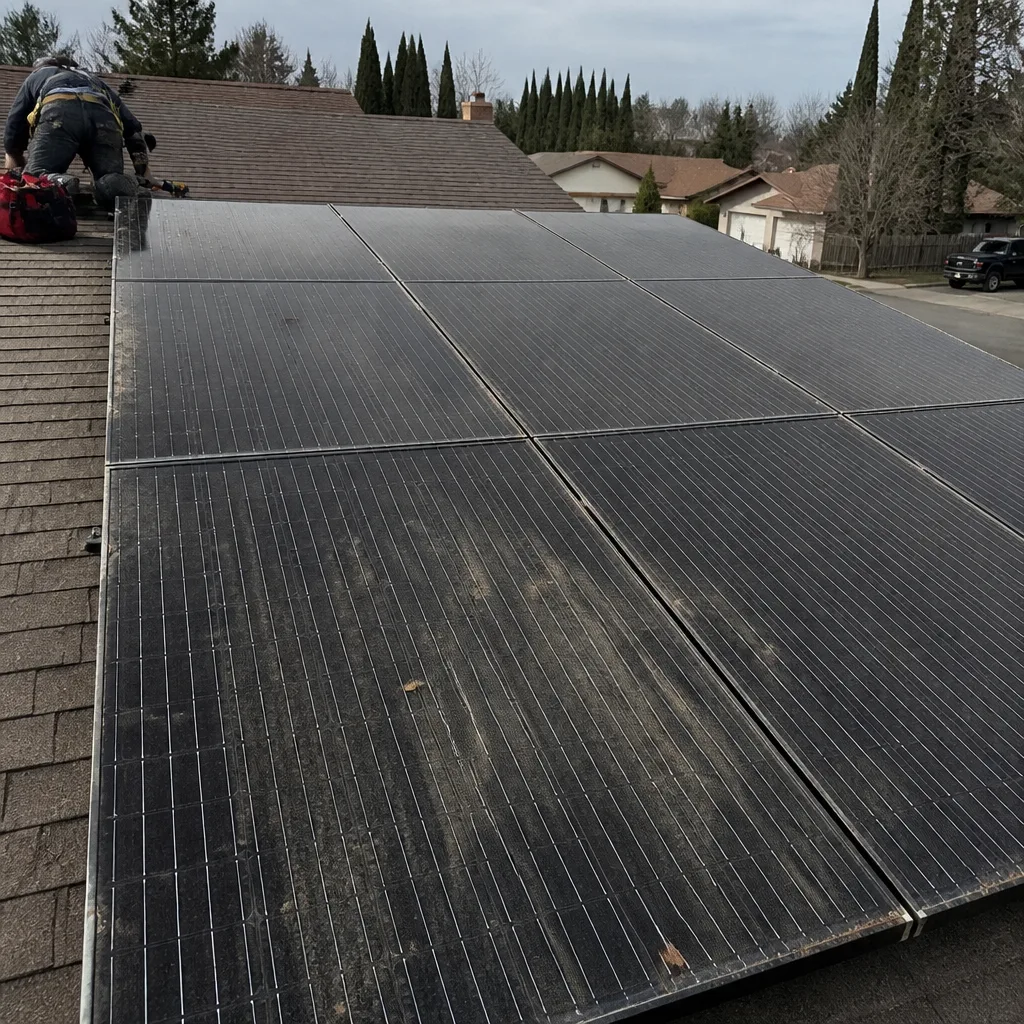 Before
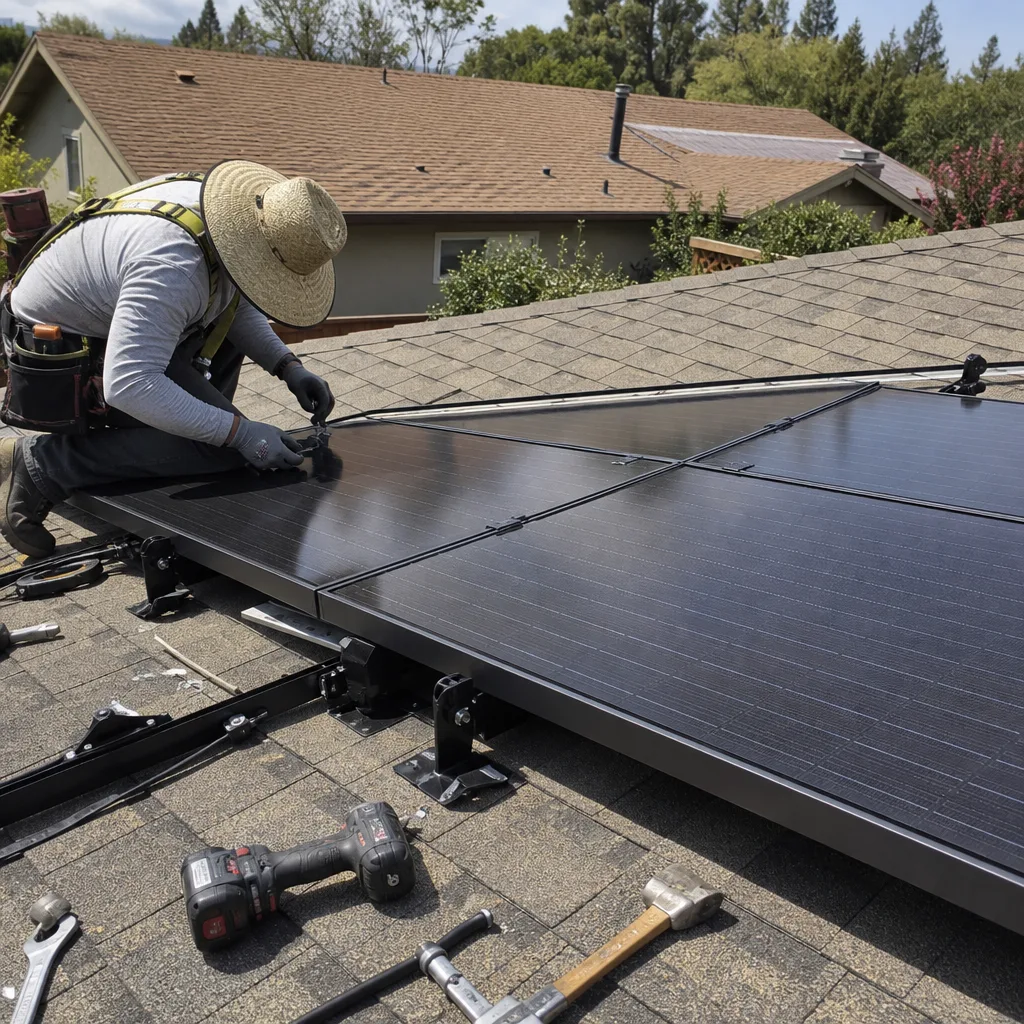 After
AfterFast, Reliable Solar Battery Storage & Backup Across Cupertino
Solar battery storage in Cupertino typically costs $14,500-$19,800 installed for a Tesla Powerwall 3 or Enphase IQ Battery 5P, and most retrofits we quote are designed to slash the evening-peak portion of a PG&E true-up bill by 60-80%. If you live in the 95014 or 95015 zip codes and you’re tired of watching your solar array send power to the grid at pennies while you buy it back at peak rates, this page explains exactly how battery backup works in Cupertino’s specific market, what it costs, and how we get systems activated faster than most. Gus Petrakis answers the phone at (877) 550-6892 and he’ll tell you straight whether a battery makes sense on your bill.
Why Gus’s Solar Is Cupertino’s Preferred Solar Battery Storage & Backup Company
Cupertino homeowners don’t respond to door-knockers. This is a city full of engineers, product managers, and technical staff who have already read the PG&E tariff sheets before they pick up the phone. Gus Petrakis knows that, because he’s sat at hundreds of Cupertino kitchen tables since 2011, quoting real year-25 output numbers off an actual utility bill, not a brochure. He’s the owner. His name is on the building, on the truck, and on every contract his crew has ever installed in 95014 and 95015. If something isn’t right, one call brings Gus back. Every job carries the 90-Day Done Right Promise in writing, no fine print.
We’re not an out-of-state installer with a call center. Our dispatchers coordinate from the Bay Area office, and when you call at 2 a.m. because a breaker tripped during a PG&E Public Safety Power Shutoff, a live person answers. Not a voicemail. Not a ticketing portal. The team knows Cupertino’s streets: we’ve run crews down Stevens Creek Boulevard, through the Ranch 99 shopping center traffic off De Anza Boulevard, and up into the hillside neighborhoods off Foothill Expressway. Our technicians are background-checked, uniformed, and they are Gus’s own employees. Nobody gets subcontracted.
Our Solar Battery Storage & Backup Services in Cupertino
Tesla Powerwall Installation
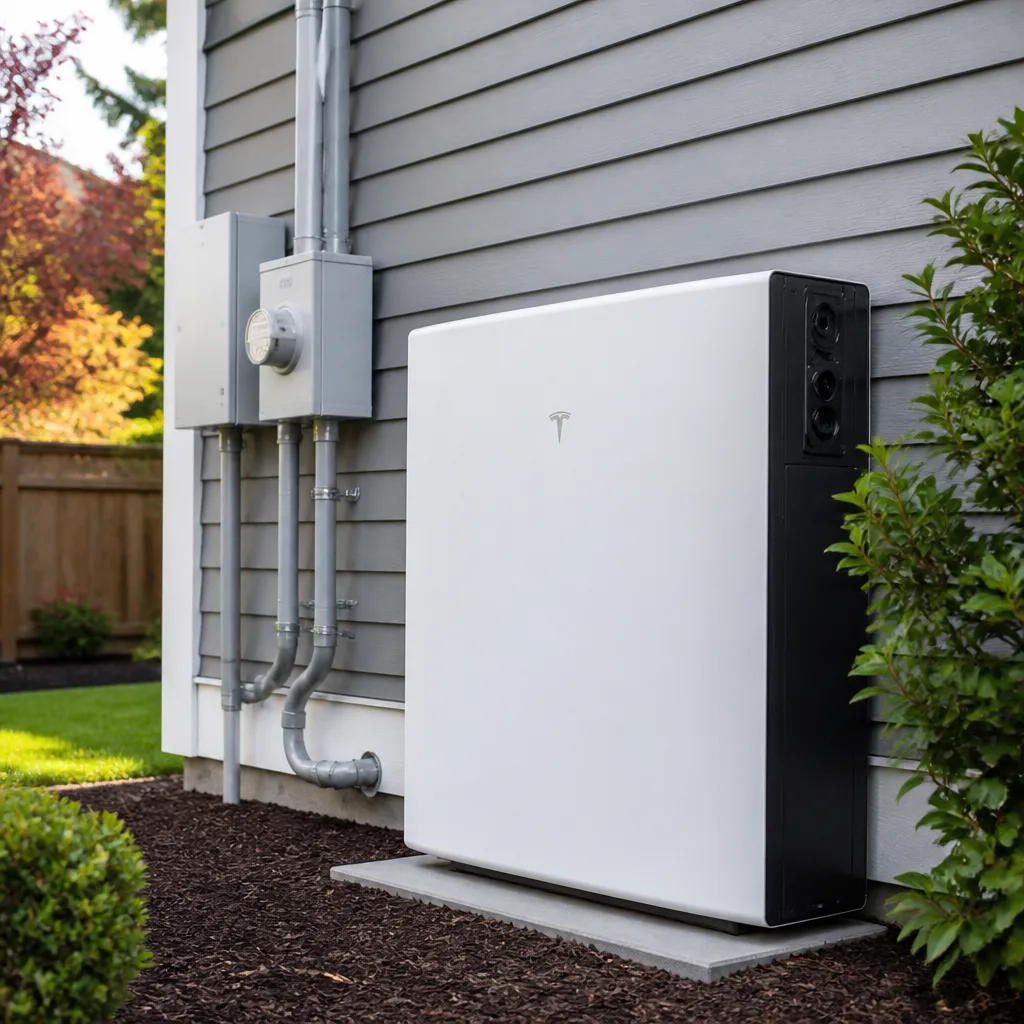
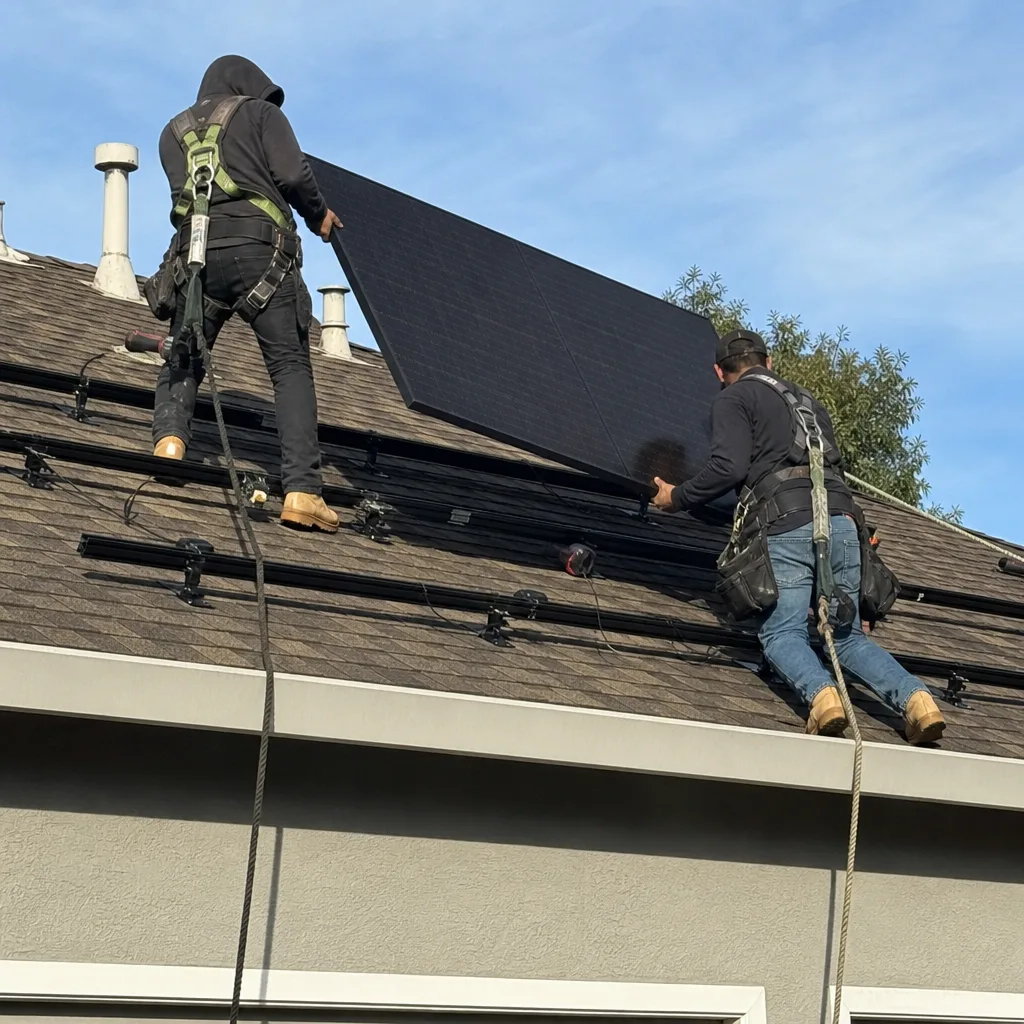
A Tesla Powerwall 3 installed in Cupertino runs $15,500-$18,900 before incentives, and we set it to Time-of-Use mode so it charges during off-peak solar production and discharges during PG&E’s 4-9 p.m. peak window. The Powerwall 3’s integrated inverter means homes with newer Enphase or SolarEdge systems can often skip a separate inverter purchase. For Cupertino homes built in the 1960s and 70s, the real question is whether your electrical panel can handle the added load, which we cover in more detail below.
Battery Retrofit for Existing Solar
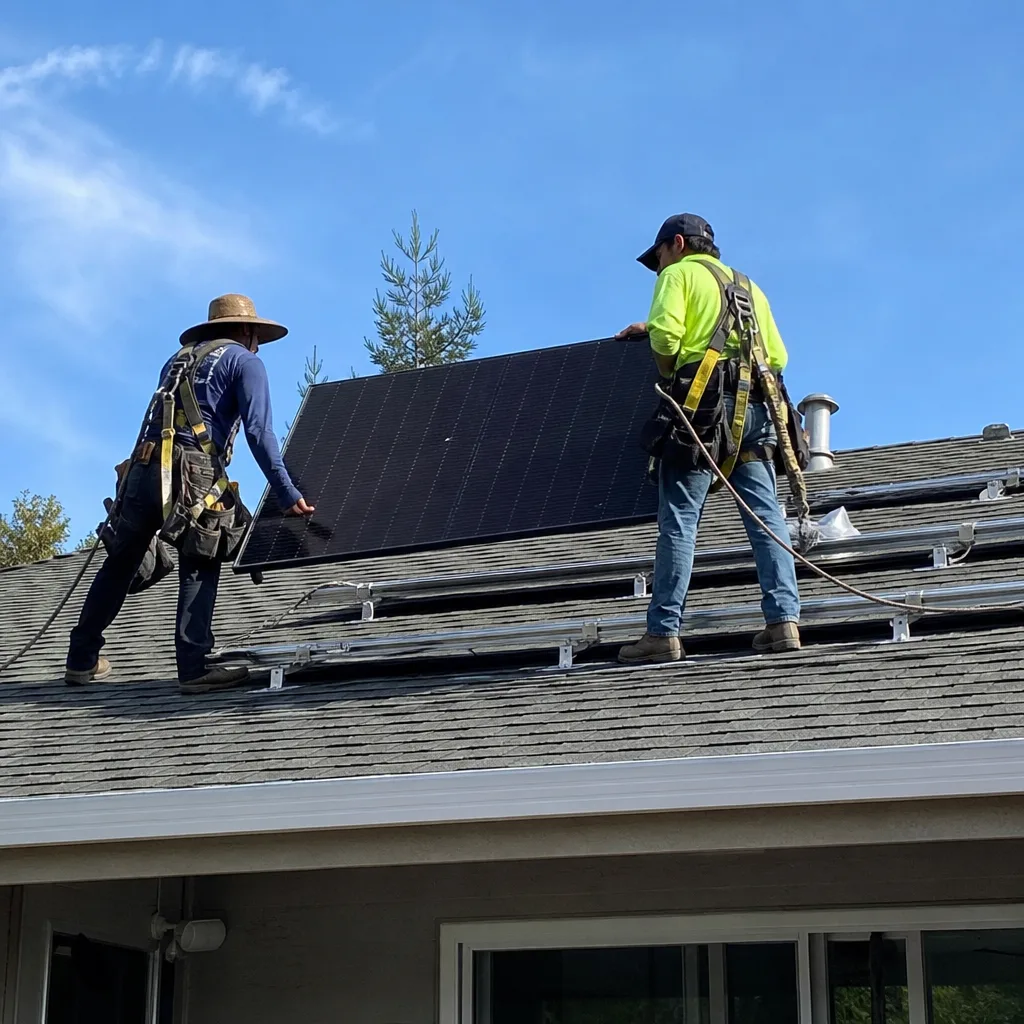
If your rooftop array is already producing, retrofitting a battery in Cupertino costs $13,900-$17,500 depending on whether you go Tesla or Enphase and whether we’re doing an AC-coupled or DC-coupled design. We audit your existing inverter first. Some older string inverters from 2011-2015 don’t play cleanly with newer battery systems, and we’ll tell you that before you spend a dollar, not after. We also check for aluminum branch wiring, which shows up in a meaningful share of 1960s Cupertino ranch homes and can cause intermittent charging faults until replaced.
Whole-Home Backup Power
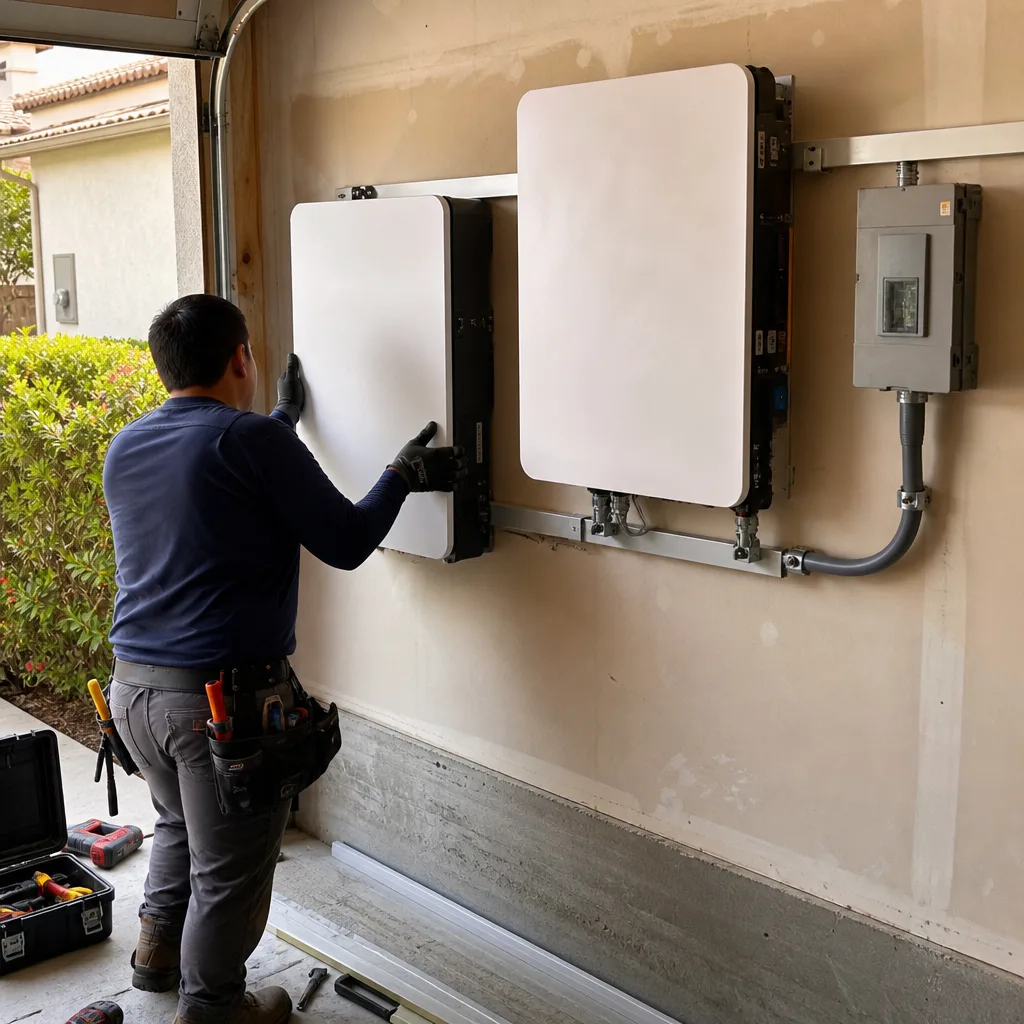
Full-home backup for a typical 1,800-2,400 square foot Cupertino rancher usually requires two Powerwall units or an Enphase 20 kWh configuration, landing between $28,000 and $36,000 before the 30% federal tax credit. That’s the honest range, not a teaser number. Whole-home backup means your air conditioner, refrigerator, internet, and EV charger all keep running when PG&E cuts power during a heat event. Our Solar Battery Storage & Backup team has done enough of these in Cupertino to know exactly which subpanels need load-shedding relays and which don’t.
Time-of-Use & NEM 3.0 Optimization
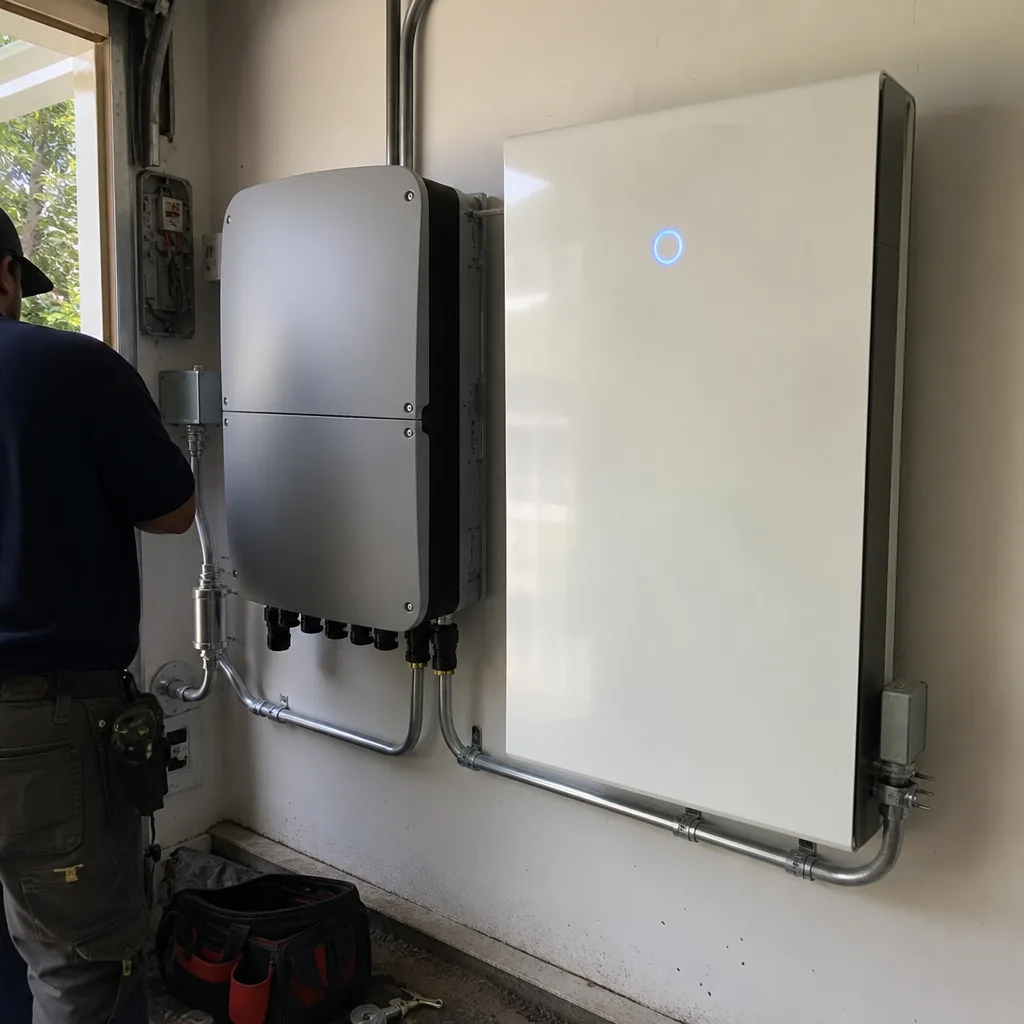
This is the service that matters most in Cupertino specifically. Under NEM 3.0, PG&E credits exported solar at roughly 75% less than what you pay to import during peak hours. A battery fixes that math. We program your system so it never exports a single watt during the 4-9 p.m. window unless your battery is already full. For Cupertino clients who track project milestones on shared Google Sheets, we provide the exact discharge schedule and estimated true-up savings in writing before we start the install. That’s the L.O.C.A.L. standard: Local roots, On time, Community first, Accountable, Loyal. Bring me a bill, I’ll bring you the math.
What happens when you call
- 1
A real person answersNo phone trees - you reach a local pro.
- 2
You get an upfront price rangeHonest numbers before anyone is dispatched.
- 3
A background-checked tech heads outLicensed & insured, dispatched right away.
- 4
You approve before work beginsNothing starts until you say go.
How Cupertino’s NEM 3.0 Queue-Batching Gets Your Battery Live Faster
Here’s something you won’t find on a generic solar page. Cupertino sits in PG&E territory with one of the longest NEM 3.0 interconnection queues in Northern California, and the city’s Building Division requires a separate solar permit with Santa Clara County fire setback compliance before any battery can be energized. Savvy local contractors batch their interconnection applications with PG&E before pulling the Cupertino permit, so the utility clock starts running earlier. That timing trick routinely shaves six to ten weeks off activation in 95014 and 95015. We do this on every project. It means a battery ordered in Cupertino often goes live faster than the same battery ordered in Saratoga or Mountain View, despite everyone facing the same utility backlog. If a national installer isn’t local enough to know this, you’ll be waiting longer for the same hardware. That’s the information-gain edge that comes from working in Cupertino for years, not parachuting in.
Trusted Brands We Service in Cupertino
We install and service Qcells, REAL, and Panasonic storage-ready equipment alongside the battery platforms our Cupertino customers request most. But the battery itself is only half the picture. The integration work, panel upgrades, load management, and the way the software is programmed to your actual PG&E rate schedule matter just as much as the brand label on the enclosure. We keep common parts in local inventory so a failed gateway or a 60-amp breaker swap doesn’t mean waiting a week for a part to ship cross-country. For retrofit jobs, we work with existing SunPower and Panasonic arrays regularly.
Common Solar Battery Storage & Backup Problems We See in Cupertino Homes
- 100-amp electrical panels tripping under battery + EV charger load. Cupertino’s residential core is dominated by single-story ranch homes built in the 1960s and early 70s, and a large share still have their original 100-amp service. When you bolt on a whole-home battery and a Level 2 EV charger, that panel can overload, trip breakers, and in worst cases fail during an outage. The fix is a 200-amp panel upgrade before the battery install, which adds roughly $3,800-$5,500 to the project and about a week of permit processing through the Cupertino Building Division.
- Aluminum branch wiring creating hot spots at inverter connections. Some original-build Cupertino ranches used aluminum branch circuits, and we find them during retrofit audits. At the inverter connection points, aluminum can loosen and oxidize over decades, causing intermittent battery charging faults and, in rare cases, heat damage. If we find it, we replace it. We don’t patch over it.
- Morning marine layer suppressing west-facing array production in June and July. Cupertino sits east of the Santa Cruz Mountains in a partial rain shadow, so we get more annual sunshine than coastal Santa Cruz or fog-prone West San Jose. But summer mornings still bring marine layer push, and if your array is west-only, that early-day dip means the battery may not reach full charge before a PG&E Flex Alert hits in late afternoon. We size batteries for this reality, not for a perfect spring day. South-facing panels are preferable if you have the roofline for it.
- Unexpected permit scope on older low-pitched rooflines. Cupertino’s 1960s ranch homes usually have uncluttered, low-pitched roofs that make racking straightforward. But attic depth is often minimal, and occasionally we find old knob-and-tube wiring during the electrical audit. That’s a code compliance issue for any battery interconnection, and it has to be addressed. We flag it in the estimate. You’ll know before you sign.
Pricing for Solar Battery Storage & Backup in Cupertino, CA
Here are the real numbers for Cupertino’s market. A single Tesla Powerwall 3 installation runs $15,500-$18,900. An Enphase IQ Battery 5P install runs $13,900-$17,500. A whole-home backup system with two batteries and the required panel work lands between $28,000-$36,000 before the 30% federal tax credit. A 200-amp panel upgrade adds $3,800-$5,500 when required. The price we quote is the price you pay. Take two weeks, think about it. The price will be the same. And if you have a written estimate from any other installer, Gus will give you a free second opinion on it. Call (877) 550-6892 and bring a bill. He’ll bring the math.
We Also Serve Cities Near Cupertino
From our Bay Area dispatch office, crews also handle solar battery storage and backup work in Cupertino‘s neighboring communities, including Saratoga, Sunnyvale, Los Altos, and Mountain View. If you’re just outside the 95014 or 95015 zip codes, call us anyway. We’re likely already working down the street.
Serving Cupertino, CA - Our Local Coverage Area
We’re based in the Cupertino area and know this community well. Use the map below to see our service coverage - if you’re nearby, we can almost certainly help.
FAQs - Solar Battery Storage & Backup in Cupertino
Cupertino requires a separate solar permit with Santa Clara County fire setback compliance reviewed by the Building Division, and PG&E’s NEM 3.0 interconnection queue adds its own delay. Batching the PG&E interconnection application before pulling the Cupertino permit shaves six to ten weeks off activation. That’s standard practice for us on every Cupertino job, and we map the timeline for you before we start. Call (877) 550-6892 if you want a project schedule specific to your address.
In most cases, no. A whole-home battery plus a Level 2 EV charger on a 100-amp panel creates a real overload risk, and we will not install against it. The fix is a 200-amp service upgrade, which we quote at $3,800-$5,500 and handle as part of the battery project. Some smaller Cupertino townhomes with limited loads can get by on the existing panel, but we’ll verify that with a load calculation before quoting.
NEM 3.0 is the same tariff region-wide, but Cupertino’s combination of high air-conditioning loads during late-summer heat events, frequent PG&E Flex Alerts, and a homeowner base that monitors grid data in real time makes the battery’s arbitrage function more valuable here. A battery that shifts evening AC load off the grid in Cupertino can cut the true-up bill by $2,400 or more annually. In cooler neighboring towns with smaller AC pulls, the same battery saves less. The number comes off your actual bill, not a generic savings calculator.
Yes, especially if your panel array faces west. The June and July marine layer suppresses early-day production, so a battery sized only for afternoon peaks may not reach full charge before a Flex Alert event. We size Cupertino batteries against real monthly generation data, not nameplate capacity, and we’ll tell you if a south-facing array redesign or a slightly larger battery makes sense for your roofline.
The short answer: we audit your inverter, your panel, and your branch wiring before we recommend anything. Some older string inverters from 2011-2015 can’t communicate cleanly with new battery management systems, and some original-build Cupertino homes have aluminum branch wiring that causes charging faults. We’ll tell you exactly what works and what doesn’t, with a written scope and price. Estimates are free. Call (877) 550-6892.
Written by Gus Petrakis, Owner at Gus’s Solar, serving Cupertino since 2011.