
Free bill analysis - bring a power bill, get the production math for your actual roof, panel brands like Qcells and REC compared side by side
If the pitch starts at your door and ends with "sign tonight for the special," sleep on it. The sun will still be there tomorrow; so will we.
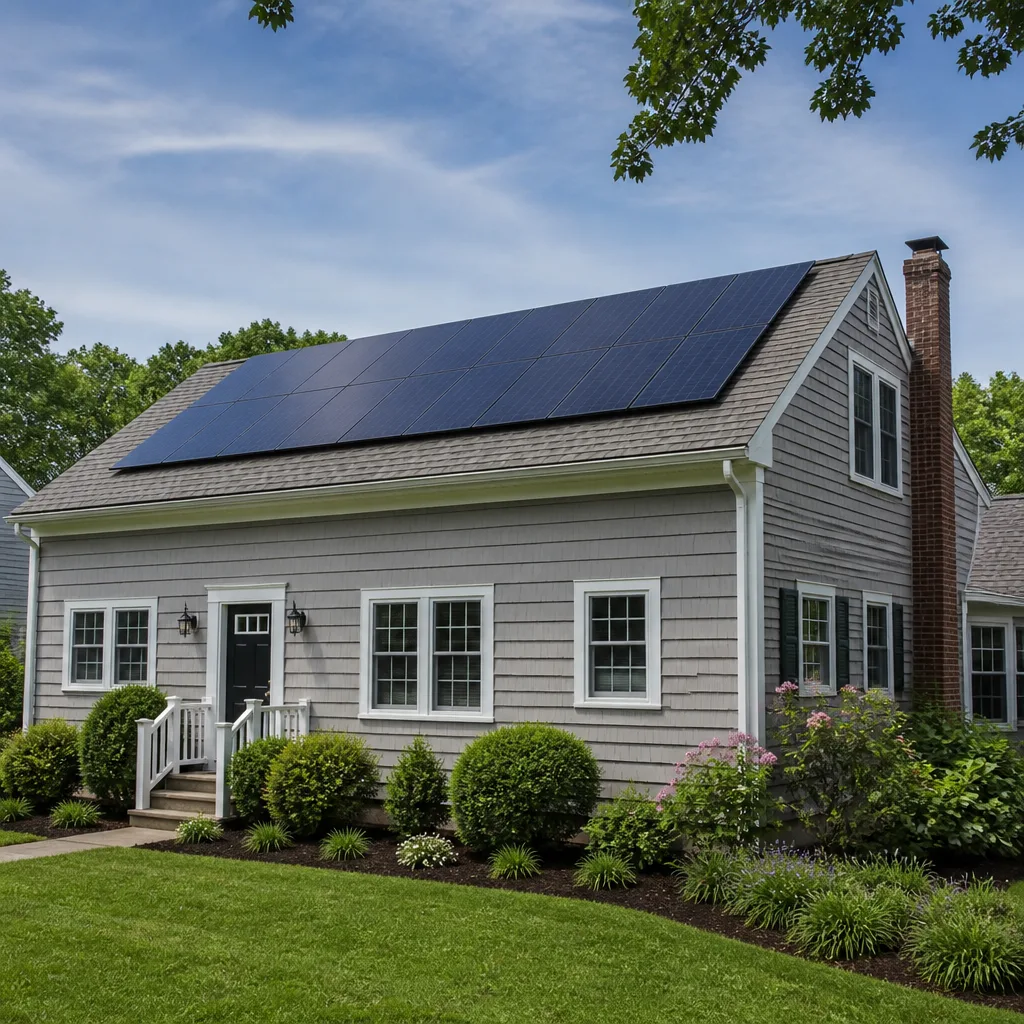
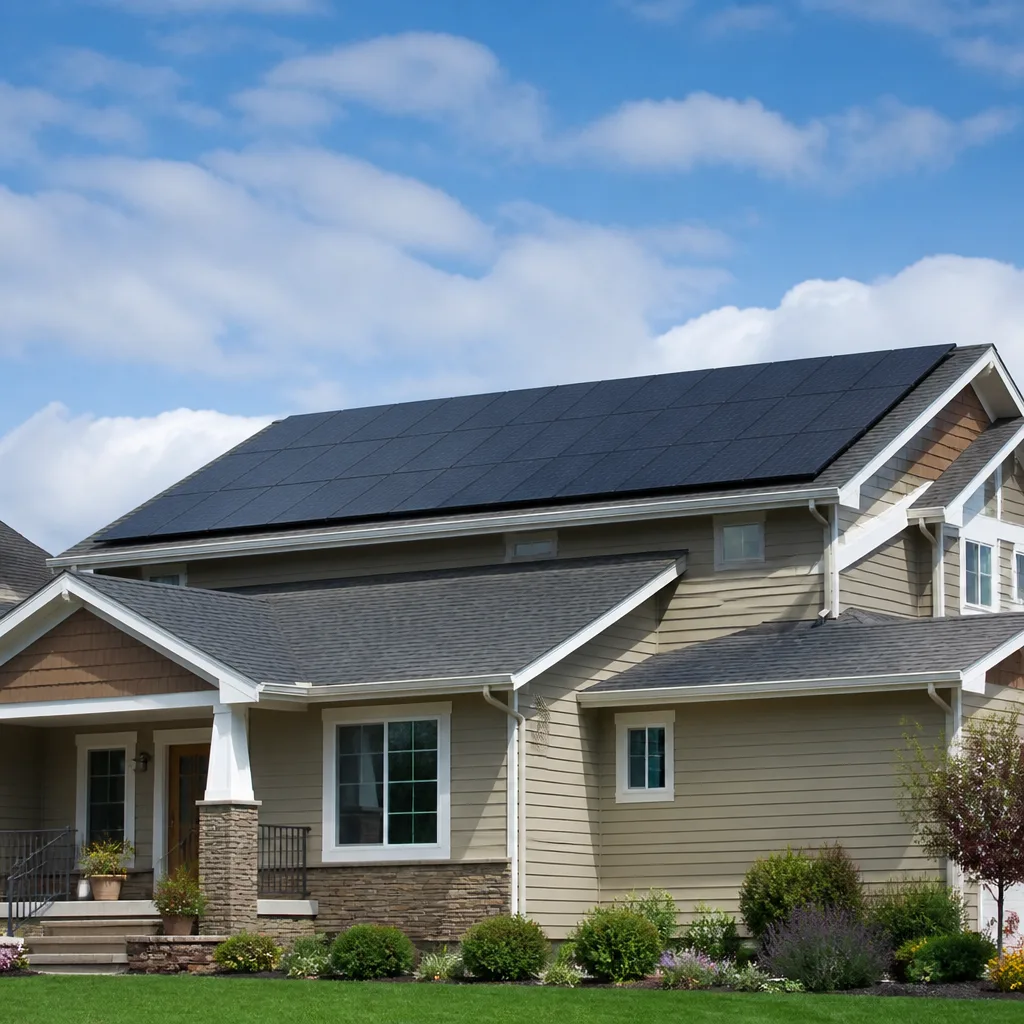
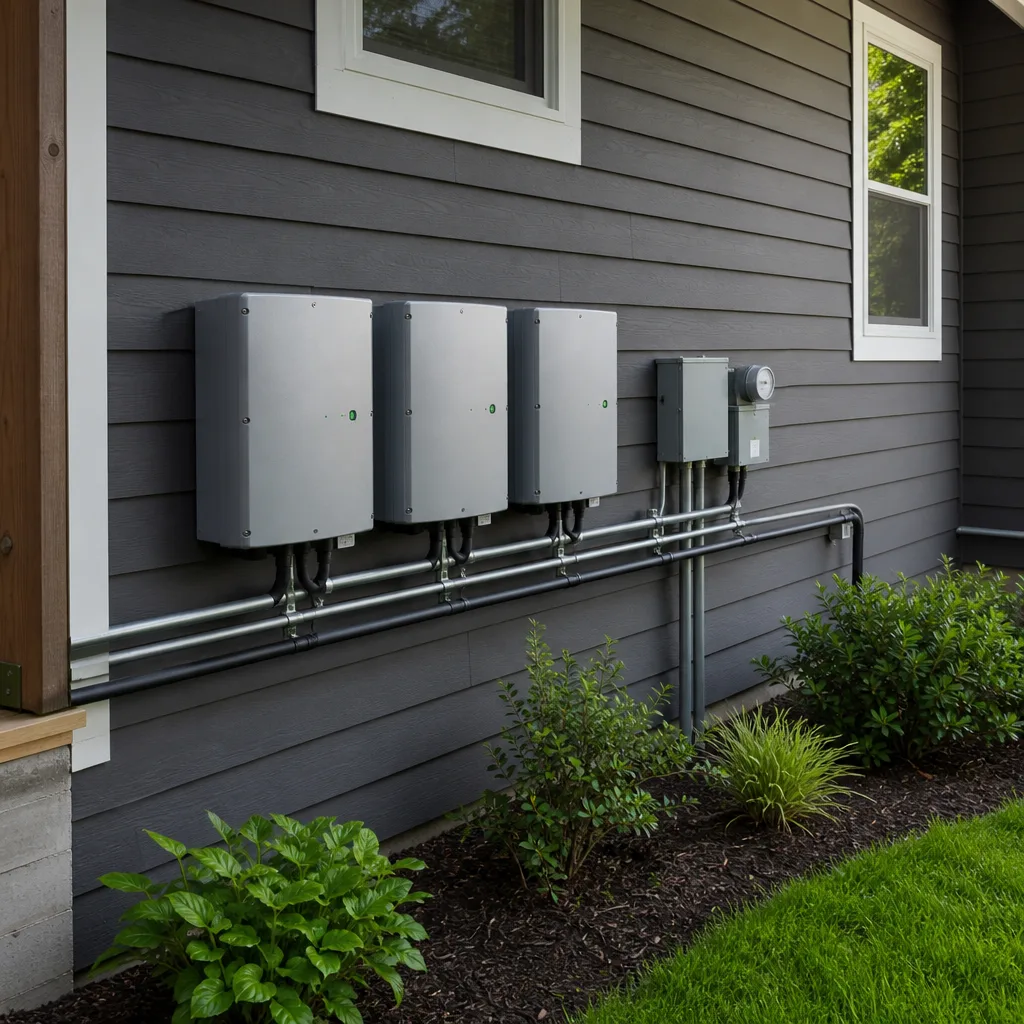
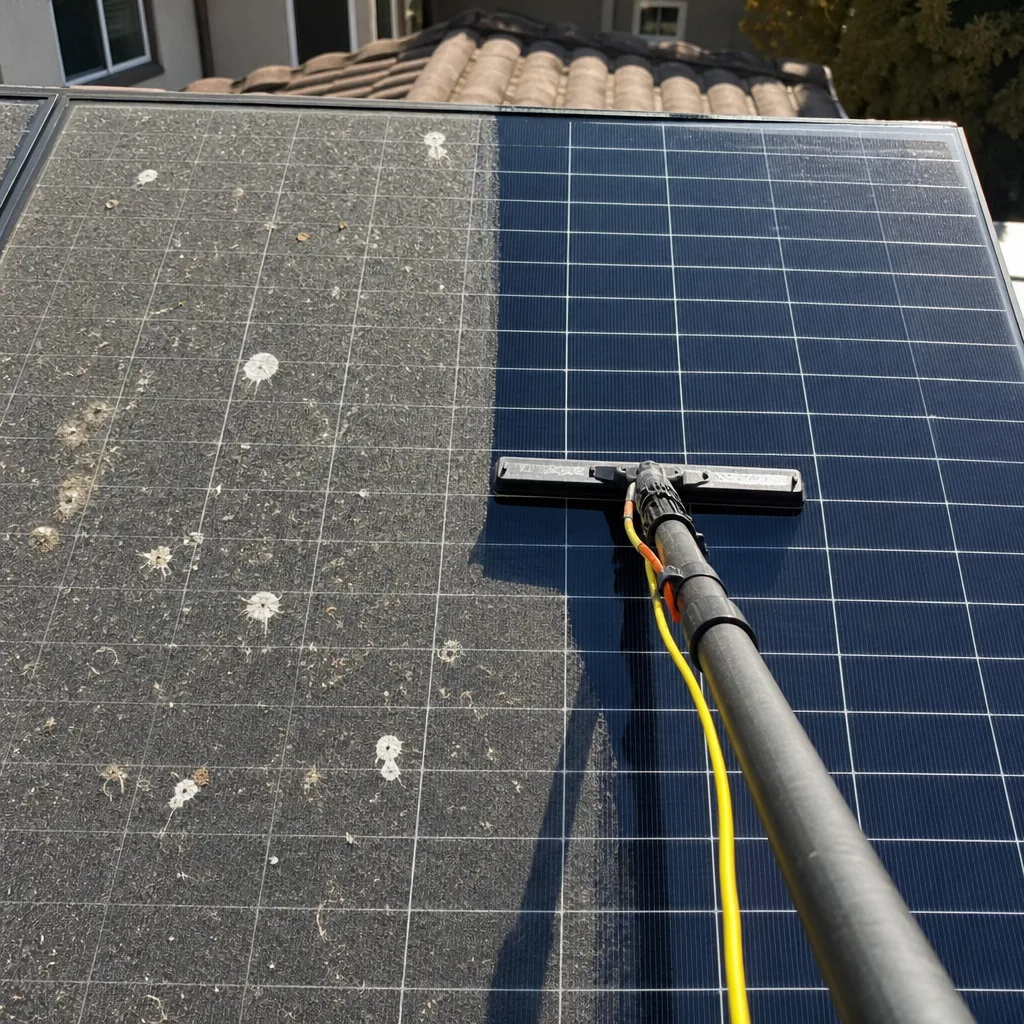
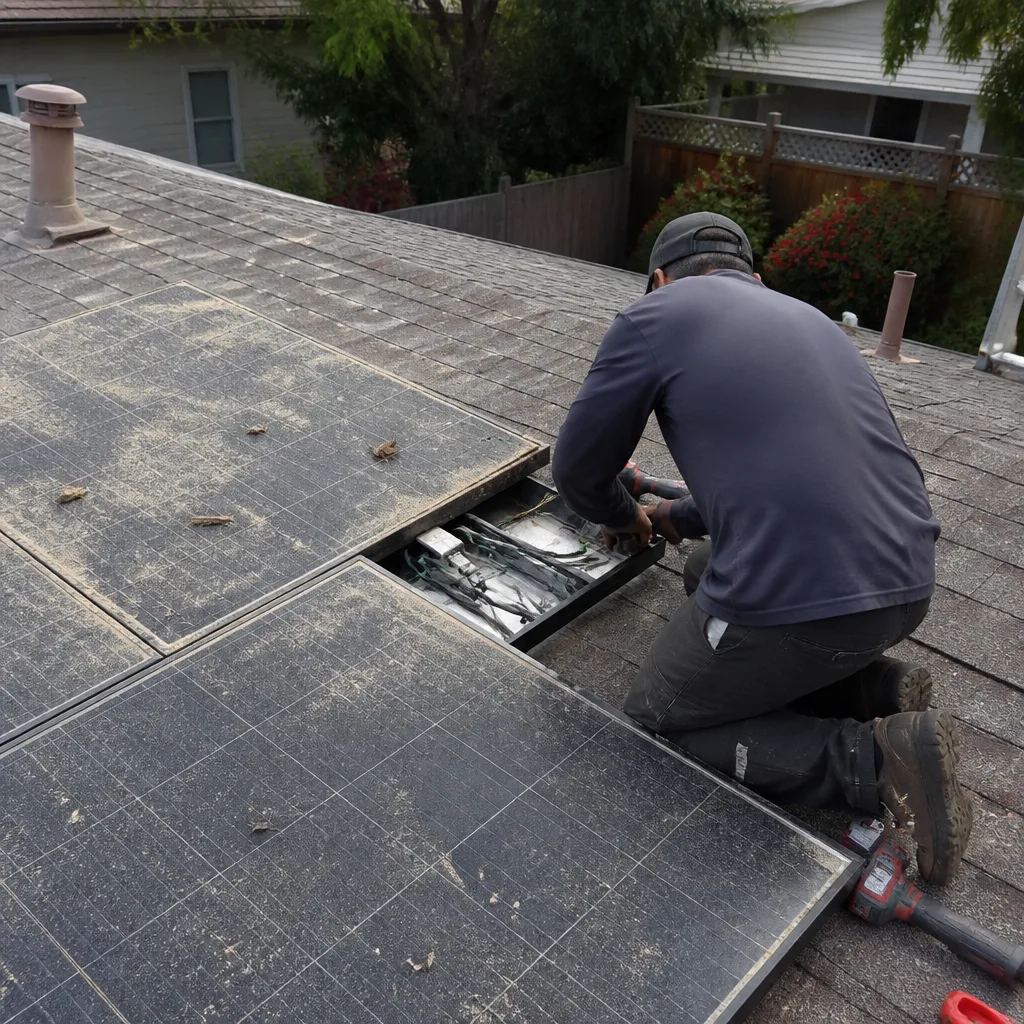 Before
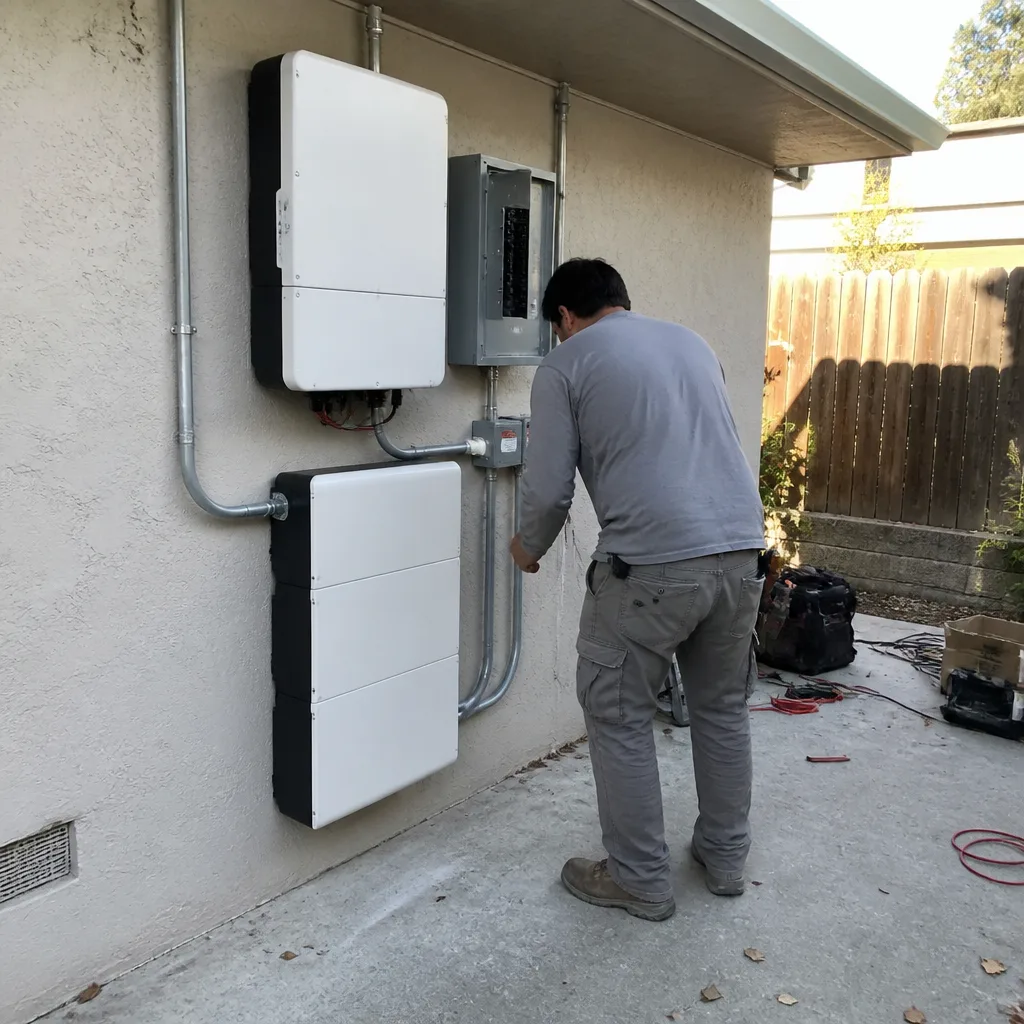 After
After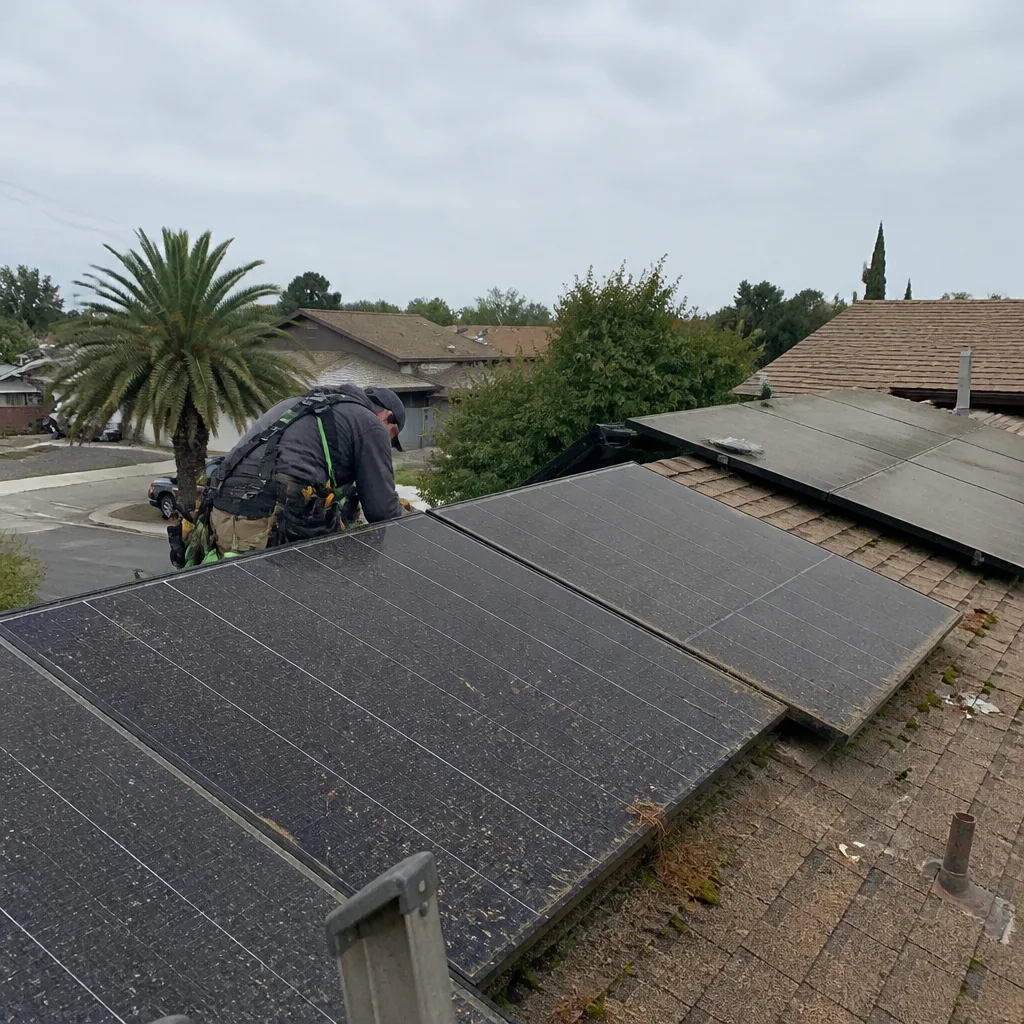 Before
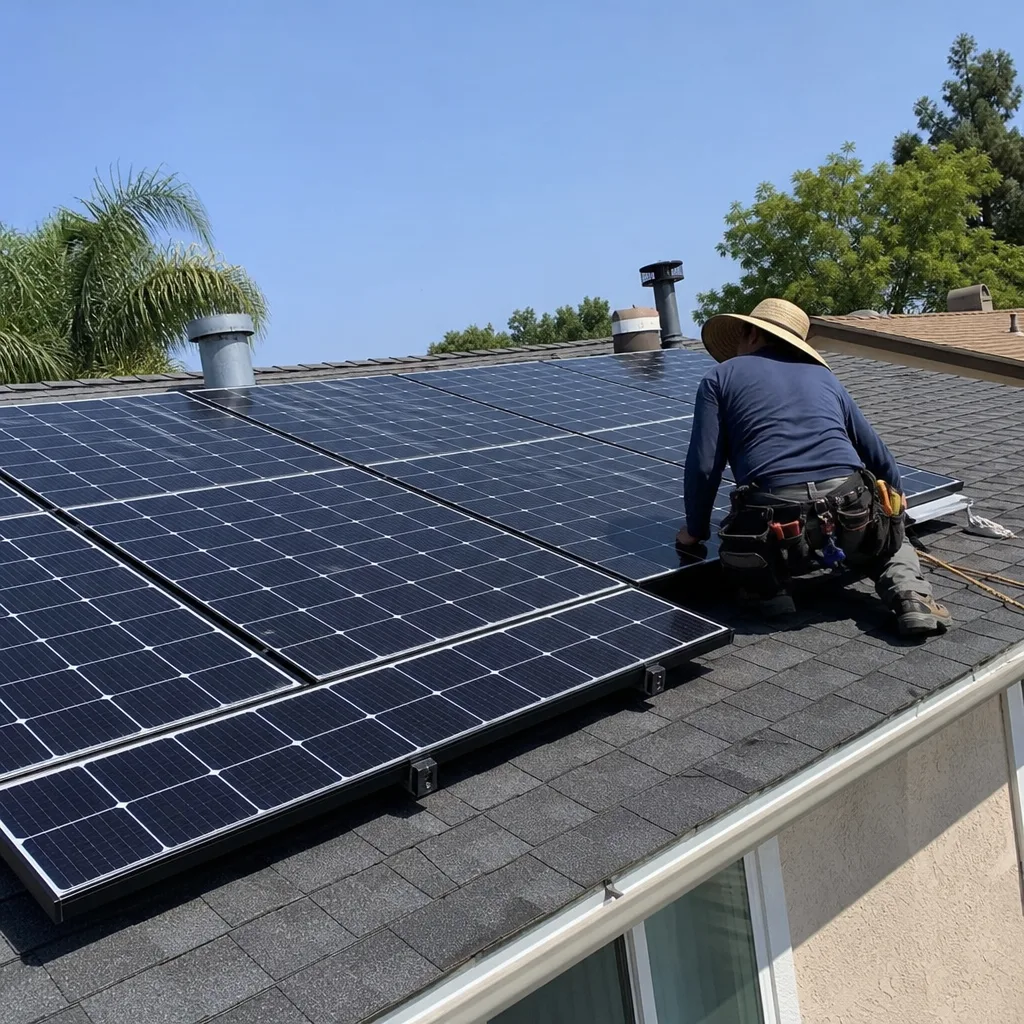 After
After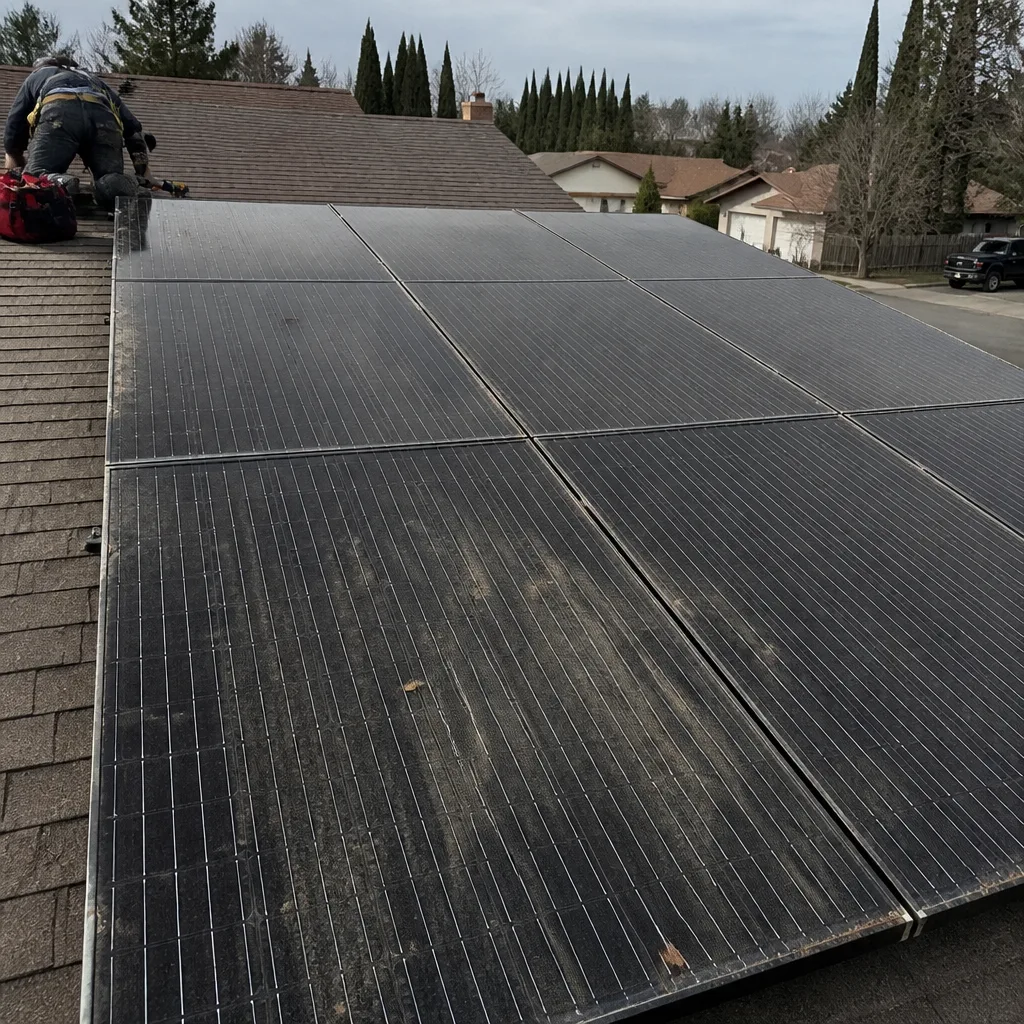 Before
 After
AfterFast, Reliable Solar Battery Storage & Backup Across Big Bear Lake
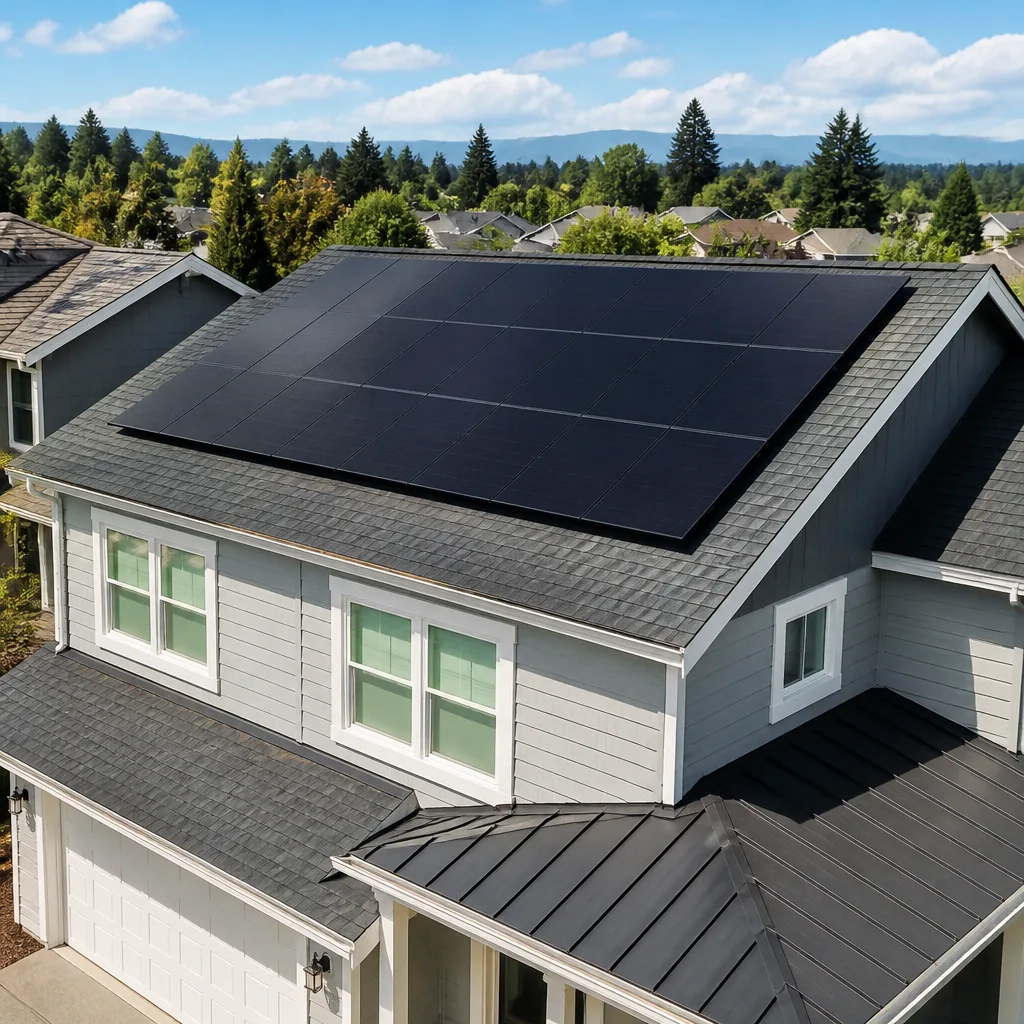
Solar battery storage in Big Bear Lake isn’t a luxury add-on. It’s the difference between a warm cabin and a frozen pipe when an SCE mountain circuit drops during a February storm. We’re Gus’s Solar, and we’ve been designing battery backup systems for Big Bear Lake homeowners long enough to know that a flatland solar playbook doesn’t survive its first alpine winter up here. At 6,752 feet, your array produces exceptional power on clear days. But when 22 inches of snow buries those panels for three days straight, your battery is the only thing keeping the well pump and heat pump running. That’s the system we design. Call (877) 550-6892 for a straight answer and a real number.
Why Gus’s Solar Is Big Bear Lake’s Preferred Solar Battery Storage & Backup Company
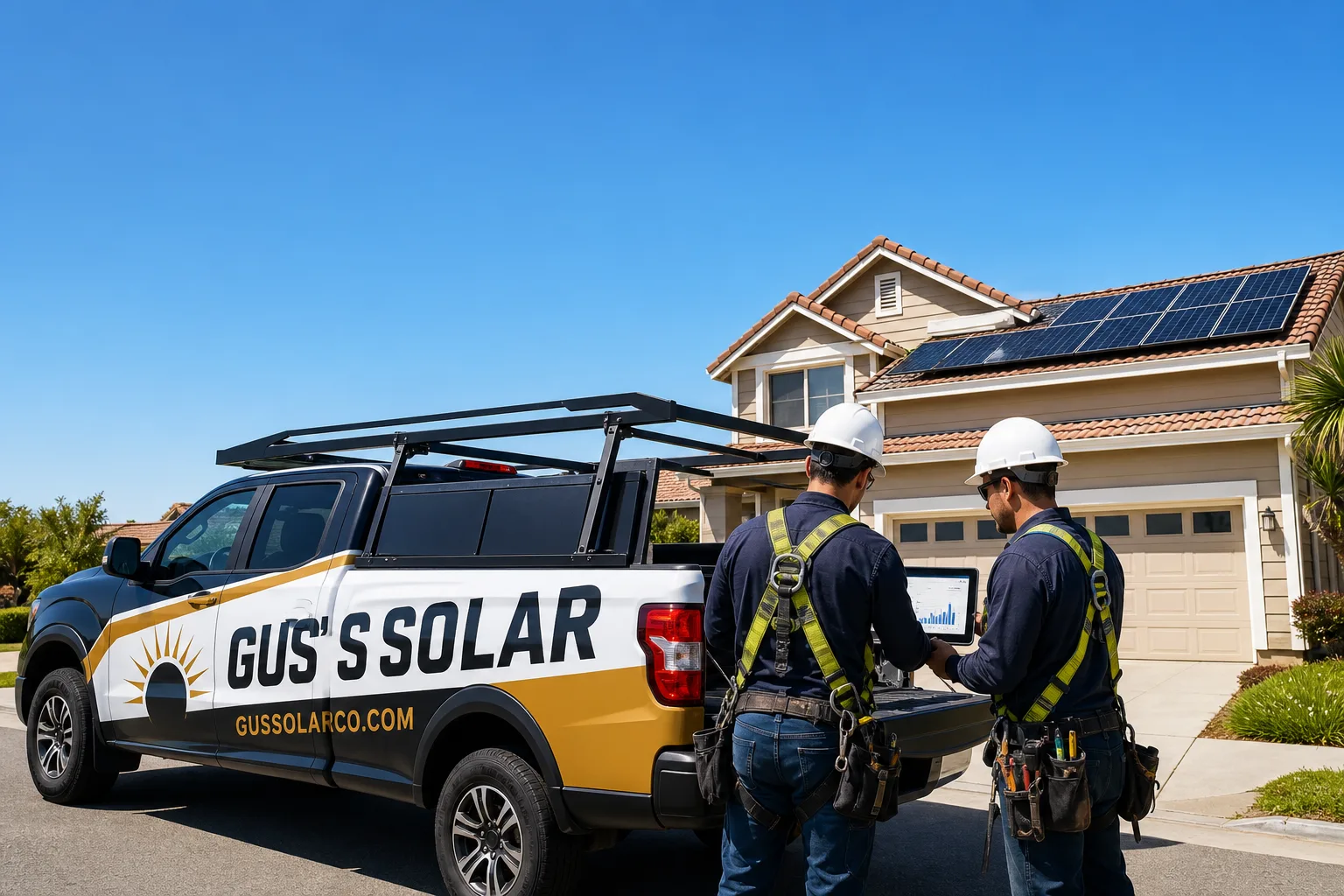
Gus Petrakis started this company in 2011, and he still answers his own phone. That matters in a mountain town where people check each other’s work. Big Bear Lake homeowners don’t want a call center in Phoenix when their battery inverter derates at 8 degrees. They want the person whose name is on the truck. Gus’s crew runs background-checked, uniformed technicians on every job, and nobody hands your install off to a subcontractor. When something goes wrong, one call brings Gus back. The 90-Day Done Right Promise puts that in writing on every solar job.
We work on the specific housing stock Big Bear Lake actually has: 1950s through 1970s A-frames, steep-pitched ski chalets, and rustic vacation cabins on SCE mountain distribution lines. That’s not the same grid as Redlands or Riverside. Mountain circuits lose power for multiple days during ski season, and a battery sized only for nightly offset leaves a cabin dark by day two. We size for the outage you’ll actually experience, not the one a brochure assumes.
Response time to Big Bear Lake: same day for emergency calls, and typically within 48 hours for scheduled service. A live person answers the phone 24/7, not a voicemail queue. If your battery system flags a fault at 2 a.m. during a storm, you’ll talk to a human who knows what a fault code on an Enphase IQ Battery means at single-digit temperatures. That’s the whole point of Solar Battery Storage & Backup done by people who live with the same winter you do.
Our Solar Battery Storage & Backup Services in Big Bear Lake
Tesla Powerwall Installation
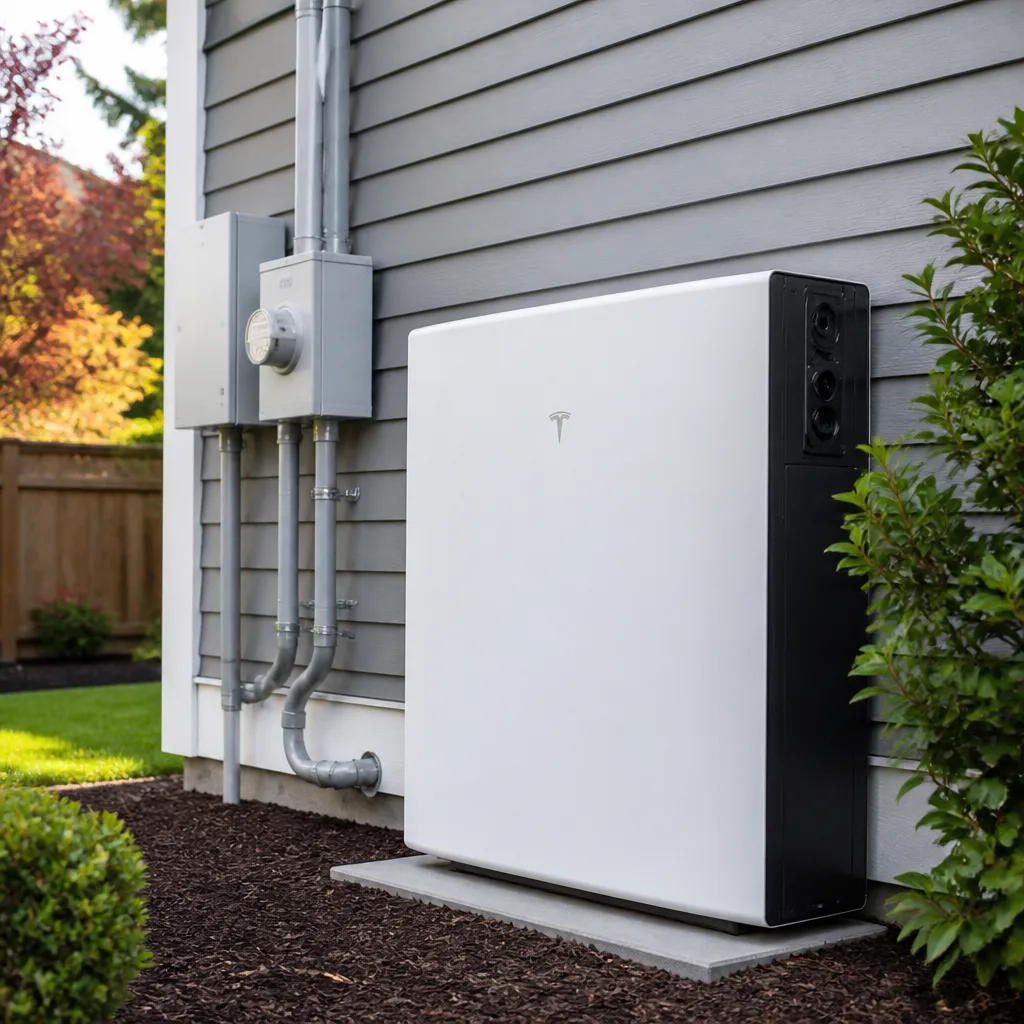
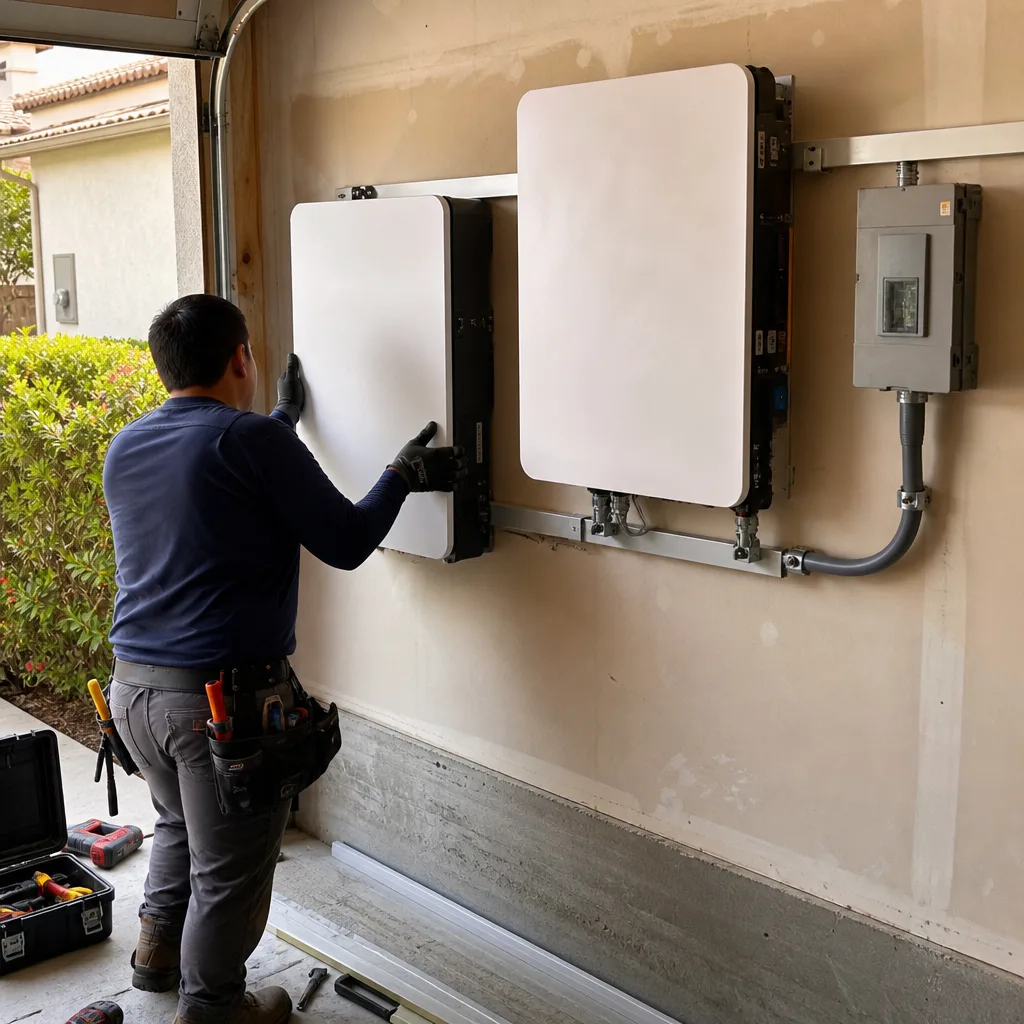
A Tesla Powerwall in Big Bear Lake needs outdoor-rated installation or a protected interior space. We’ve installed Powerwalls in heated crawlspaces off Summit Boulevard and in garages with supplemental heat trace. A Powerwall installed outside a Big Bear cabin without cold-weather consideration will derate when overnight lows hit single digits. That’s the difference between a system that works through a February outage and one that sits dark with the grid. Typical Tesla Powerwall installation in Big Bear Lake runs $14,000-$18,500 for the first unit, including gateway and cold-weather mounting.
Enphase IQ Battery Installation
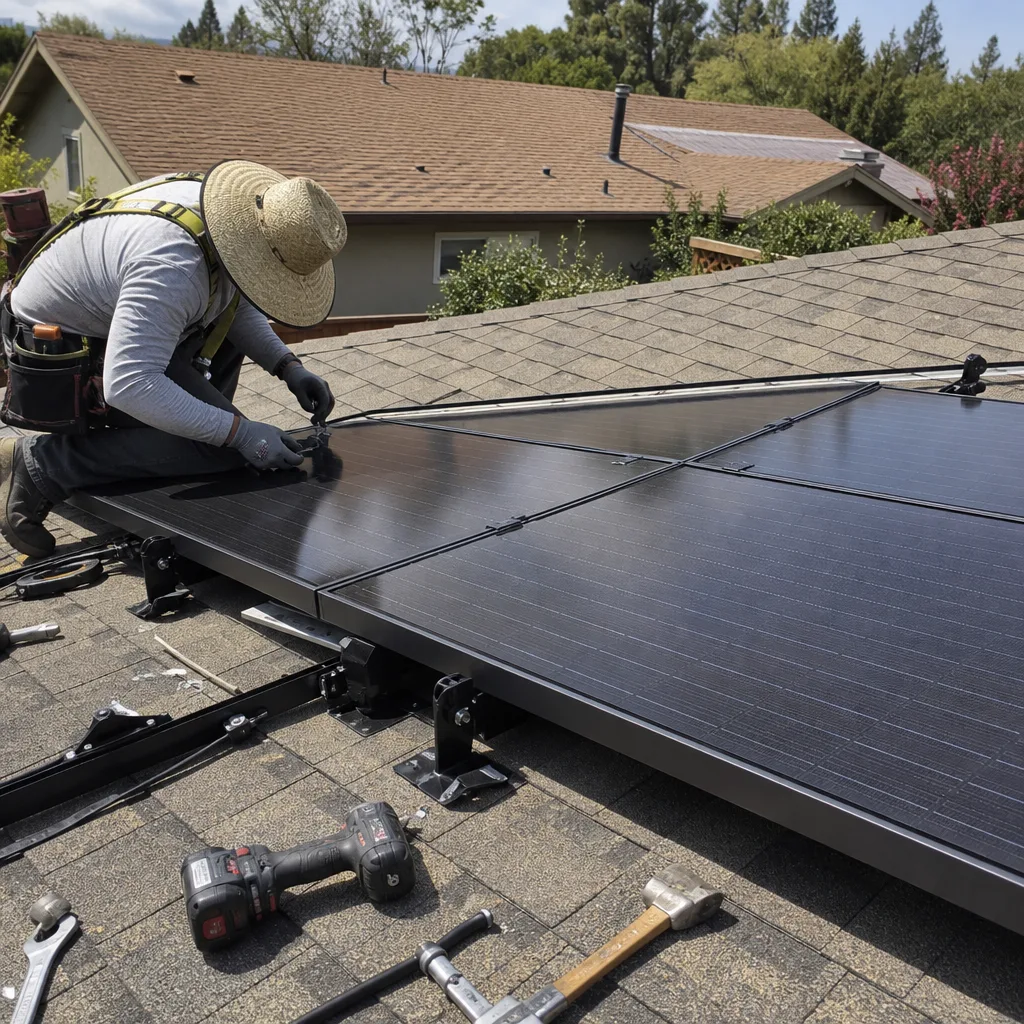
The Enphase IQ Battery 5P is, in our experience, the best fit for legacy Big Bear cabins because it’s modular and can be mounted in a crawlspace where temperatures stay more stable than an attached garage. Last winter we retrofitted a 1970s A-frame on Summit Boulevard with an Enphase IQ Battery system after a February storm dropped 22 inches in 48 hours and knocked out power for three days. Our crew installed the battery bank and smart inverter in a heated crawlspace to protect the electronics from freeze-thaw cycling, then re-engineered the array’s rapid-shutdown wiring with cold-rated conduit to handle the roof’s steep 12/12 pitch. Enphase IQ Battery installation in Big Bear Lake generally runs $9,500-$14,000 for a 5 kWh system, depending on mounting location and panel configuration.
Whole-Home Backup Power
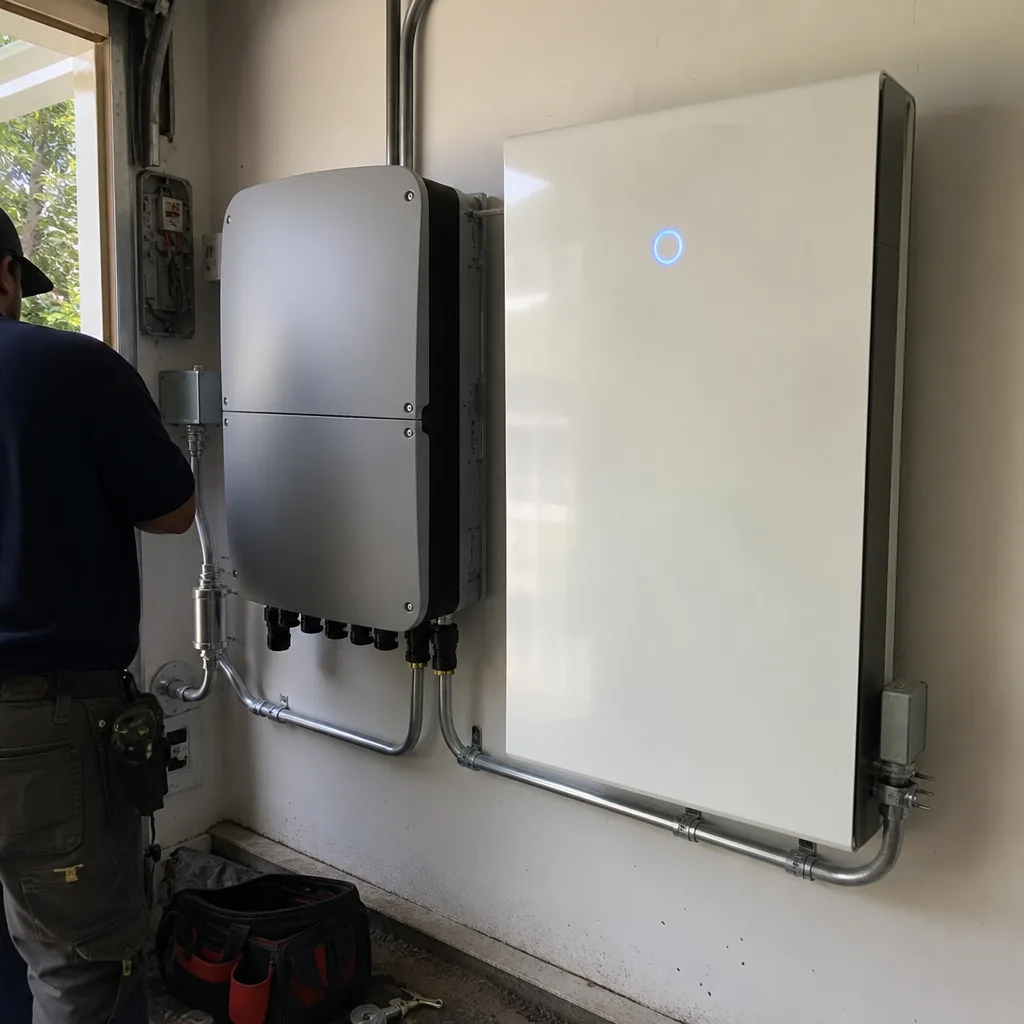
Whole-home backup in Big Bear Lake means sizing for the loads that actually keep a mountain house habitable: well pump, heat pump or furnace blower, refrigerator, a few circuits of lights and outlets, and communications. Not a flatland 200-amp panel built for air conditioning. We pull your actual 12 months of SCE usage and size storage accordingly. If you have a vacation rental cabin, whole-home backup also protects you from the liability of guests arriving to a frozen, dark property after a storm. Whole-home backup systems for Big Bear Lake cabins typically run $16,000-$28,000, including battery, inverter, and smart load panel.
Battery Retrofit for Existing Solar
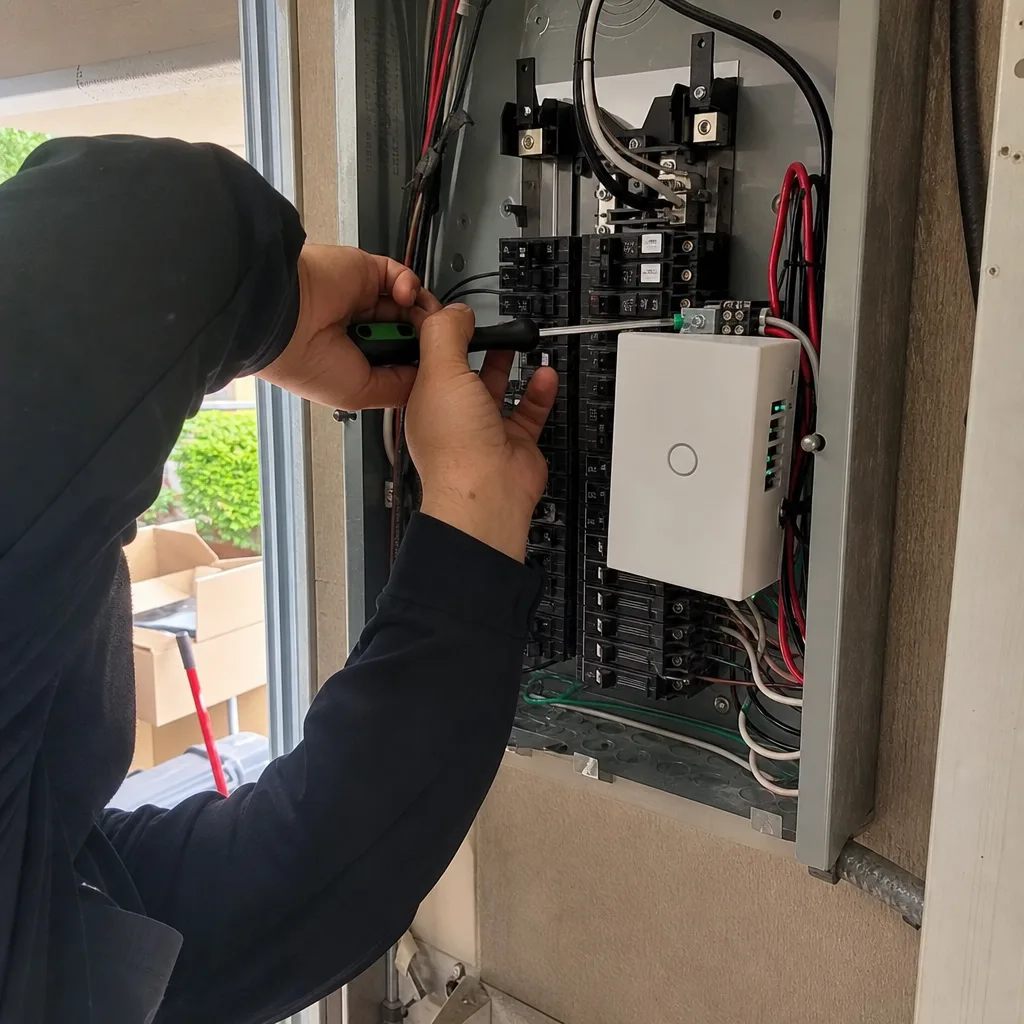
Many Big Bear Lake cabins have solar arrays installed years ago by valley companies who never accounted for snow slides or sub-zero electronics behavior. A battery retrofit means adding storage to that existing array without re-roofing or replacing panels. We’ll inspect your current inverter, check whether your rapid-shutdown wiring is cold-rated, and tell you honestly whether a retrofit makes sense or whether you’re better off starting fresh. Battery retrofits for existing solar in Big Bear Lake typically run $10,500-$16,000, depending on whether your current inverter supports AC-coupling or needs replacement. Many older systems need a service panel upgrade first, which adds $3,500-$6,000.
What happens when you call
- 1
A real person answersNo phone trees - you reach a local pro.
- 2
You get an upfront price rangeHonest numbers before anyone is dispatched.
- 3
A background-checked tech heads outLicensed & insured, dispatched right away.
- 4
You approve before work beginsNothing starts until you say go.
Trusted Brands We Service in Big Bear Lake
We work with Tesla, Enphase, and FranklinWH because those are the brands that hold up at 6,752 feet and in single-digit cold. We stock cold-rated conduit, alpine racking hardware, and common replacement parts for our Big Bear Lake customers, which means when a snow slide shears a conduit run, we’re not waiting on a shipment from San Diego. The team at Gus’s Solar handles warranty coordination directly with the manufacturer, so you’re not stuck on hold with a third party. Our techs know these systems at altitude because we’ve fixed them at altitude.
Common Solar Battery Storage & Backup Problems We See in Big Bear Lake Homes
- Battery inverters mounted in unheated garages or crawlspaces. When overnight lows hit single digits, lithium iron phosphate batteries and their inverters derate or shut down entirely. We see this constantly in Big Bear Lake cabins where a valley installer mounted the battery outside or in an uninsulated garage. The fix is relocation to a heated space or adding an enclosure with heat trace.
- Snow sliding off steep A-frame roofs shearing conduit and racking. A 12/12 pitch roof sheds snow fast. When it slides, it can rip conduit runs right off the wall and disconnect panels from storage. Standard conduit and racking rated for flat SoCal roofs fails up here. We install only alpine-rated hardware with cold-weather sealants on every Big Bear Lake job.
- SCE mountain circuits losing power for multiple days. This is the big one. Big Bear Lake is on SCE mountain distribution lines that can stay dark for 48-72 hours during a ski-season storm. A battery sized for one night of offset leaves you dark by day two. We size storage for the actual outage duration we’ve measured in this area over 29 years of local service.
- Battery systems sized only for nightly offset. A flatland solar company will sell you a battery sized to dodge Time-of-Use charges. That’s a valley strategy. Up here, the battery’s primary job is to keep a cabin’s well pump and heat pump running through a multi-day outage. Every Big Bear Lake storage system we design accounts for the worst-case storm, not the average Tuesday.
Pricing for Solar Battery Storage & Backup in Big Bear Lake, CA
Here’s what you can expect to pay in Big Bear Lake as of 2025. A single Enphase IQ Battery 5P installation runs $9,500-$14,000. A Tesla Powerwall with gateway and cold-weather mounting runs $14,000-$18,500 for the first unit, $10,000-$13,000 for each additional. A full whole-home backup system sized for a typical Big Bear cabin with well pump and heat pump runs $16,000-$28,000. Battery retrofits for existing solar run $10,500-$16,000, plus $3,500-$6,000 if your 1960s-era service panel needs upgrading first. We also offer a Senior and Veteran 10% discount that never expires. Bring me a bill, I’ll bring you the math. Call (877) 550-6892 for a free estimate. No signature wanted tonight, and the price quoted is the price charged.
We Also Serve Cities Near Big Bear Lake
Gus’s Solar provides the same high-altitude solar battery storage and backup expertise to nearby mountain and foothill communities, including Big Bear Lake, Big Bear City, Lucerne Valley, Mentone, and Yucaipa. If you’re on an SCE mountain circuit anywhere in the San Bernardino range, we know the outage patterns and the snow loads. Call (877) 550-6892 to talk through your specific property.
Serving Big Bear Lake, CA - Our Local Coverage Area
We’re based in the Big Bear Lake area and know this community well. Use the map below to see our service coverage - if you’re nearby, we can almost certainly help.
FAQs - Solar Battery Storage & Backup in Big Bear Lake
If snow fully covers your panels, they stop producing and your battery can no longer recharge. A Big Bear Lake storm that drops 18-24 inches in 48 hours will bury a ground-mounted or low-pitch array completely. Steep A-frame roofs shed snow faster, but even a 12/12 pitch can hold snow for a day or two after a big dump. This is exactly why we size Big Bear Lake batteries for multi-day autonomy, not overnight offset. If your array is covered and your battery is draining, conserve loads until the sun returns. Call (877) 550-6892 and we’ll review your exact array pitch and storage sizing for free.
Yes, but not without cold-weather engineering. Both Tesla and Enphase publish operating temperature ranges, and Big Bear Lake winter lows drop below them on a regular basis. An outdoor battery at 6,752 feet needs an enclosure with heat trace or a protected mounting location that avoids direct snow contact and wind-driven cold. We prefer indoor or crawlspace mounting for Big Bear Lake installs because it protects the electronics from freeze-thaw cycling. A battery that’s outside and derated during a storm is no battery at all. Call (877) 550-6892 for a site evaluation specific to your cabin.
Most 1960s-era Big Bear Lake A-frames have 100-amp panels, and many still have the original panel from construction. A battery retrofit typically requires a main panel that can safely integrate battery breakers and smart load circuits. If your panel is original and ungrounded or shows signs of thermal wear from decades of freeze-thaw cycling, we’ll recommend an upgrade before any battery work. That upgrade runs $3,500-$6,000 in Big Bear Lake. We’ll tell you upfront if you need it, and we won’t touch the panel until you understand exactly why. Call (877) 550-6892 for a straight answer.
Big Bear Lake averages over 300 sunny days a year, and at 6,752 feet, your panels receive more solar irradiance than any flatland installation in Southern California. That’s great for daily production. But during a February storm, your panels can be buried under snow for 24-72 hours, and your battery doesn’t recharge. That’s the paradox of high-altitude solar: exceptional annual production, but periodic multi-day gaps during storms. We size storage for those gaps. When the sun comes back, your array will recharge the battery fast, often in a single clear afternoon. That’s the system Gus designs. Call (877) 550-6892 for specifics on your property.
NEM 3.0 drastically cut the value of exported solar energy, but for Big Bear weekend cabins, the economics still make sense when the battery’s primary job is outage protection. Under NEM 3.0, the value of solar is highest when you store and use your own power rather than export it. For a weekend cabin on a mountain circuit with multi-day outages, a battery that keeps the well pump and heat pump running during a February storm is worth far more than the kilowatt-hours it offsets. We run the numbers off your actual SCE bill, not a brochure estimate. Take two weeks. Think about it. The price will be the same. Call (877) 550-6892 for the math on your cabin.
Get Battery Guidance Sized for Big Bear Lake, Not a Flatland Solar Playbook
Big Bear Lake solar battery storage requires alpine engineering that most Southern California installers never learned. Snow loads over 60 pounds per square foot, freeze-thaw cycling on every penetration and conduit run, single-digit winter lows that derate electronics mounted outside, and SCE mountain circuits that go dark for days during ski season. That’s the environment we design for. If your cabin sits off Summit Boulevard, near Snow Summit, or anywhere along Big Bear Boulevard, the team at Gus’s Solar has likely worked on a house like yours. Gus Petrakis puts his name on the truck and answers his own phone. Call (877) 550-6892 for a free estimate, no pressure, and a number you can verify against your own bill.
Written by Gus Petrakis, Owner at Gus’s Solar, serving Big Bear Lake and the surrounding mountain communities.