
Free bill analysis - bring a power bill, get the production math for your actual roof, panel brands like Qcells and REC compared side by side
If the pitch starts at your door and ends with "sign tonight for the special," sleep on it. The sun will still be there tomorrow; so will we.
 Before
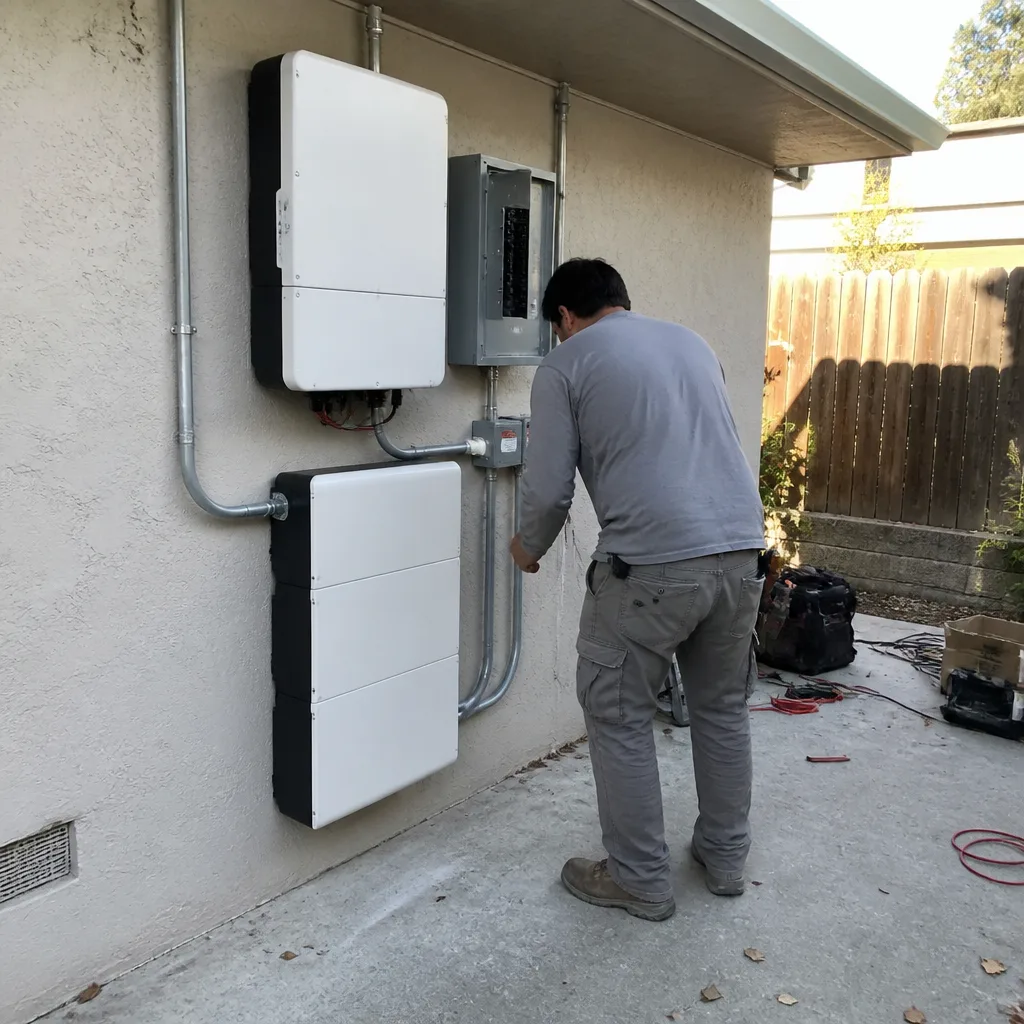 After
After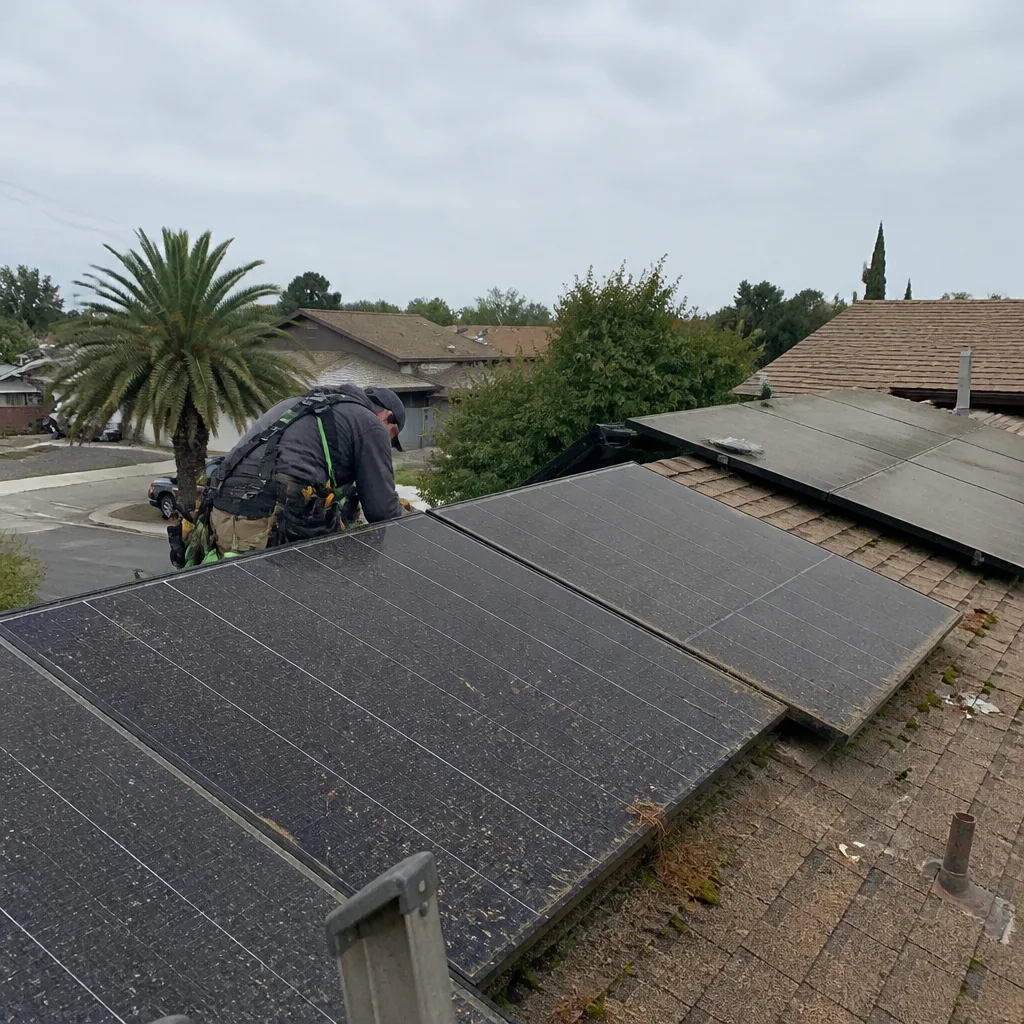 Before
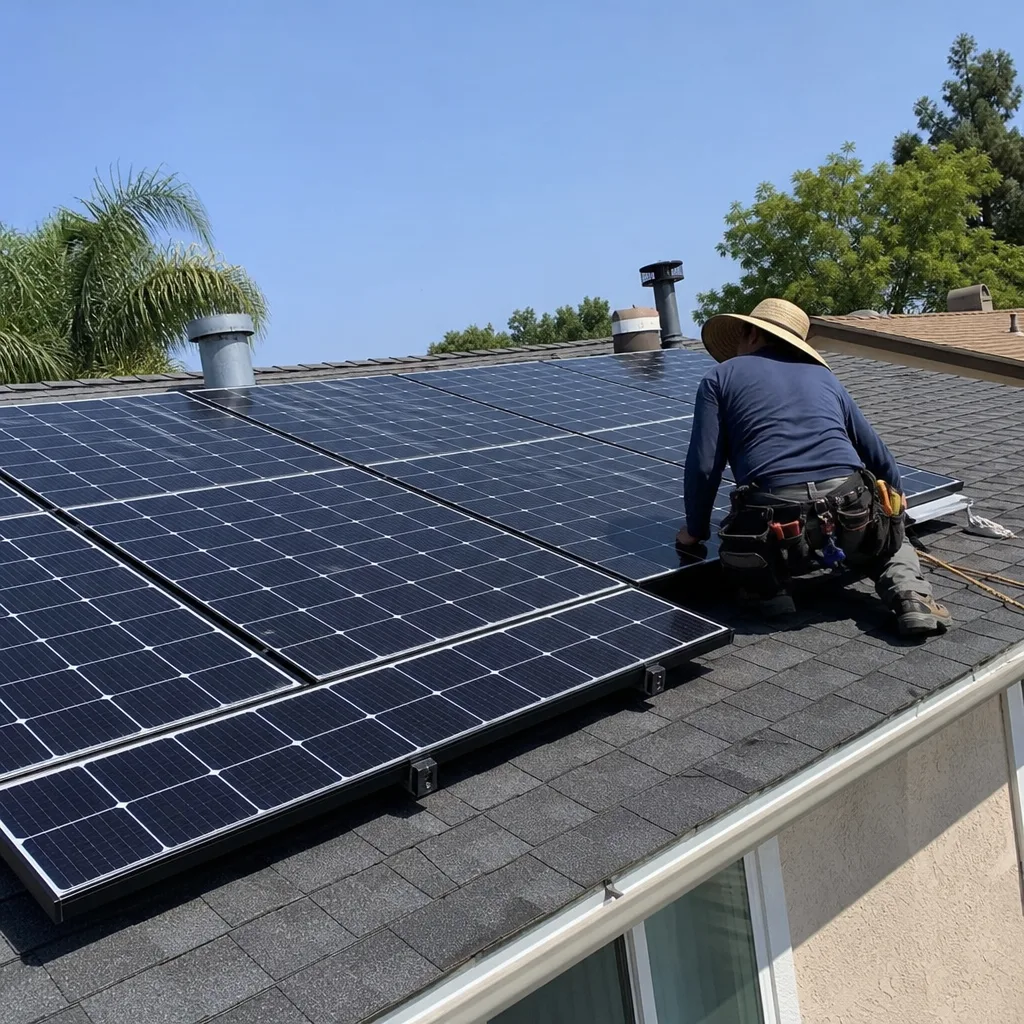 After
After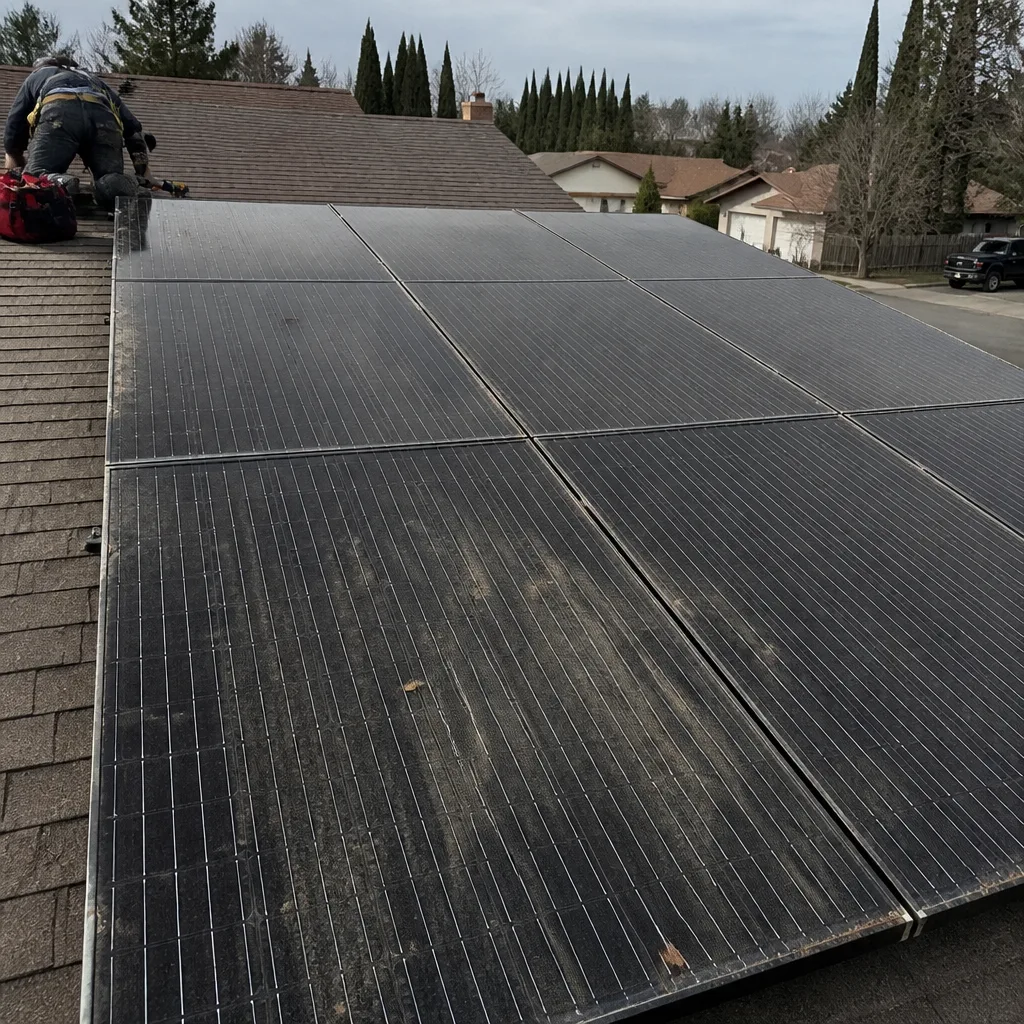 Before
 After
AfterFast, Reliable EV Charger Installation Across Tiburon
EV charger installation in Tiburon typically starts around $1,400 for a straightforward Level 2 setup and climbs to $4,500 or more when a panel upgrade is needed. Most jobs take one day, and we schedule Tiburon calls within a 48-hour window. If you live off Paradise Drive, up on the ridge near St. Hilary’s, or down by the ferry landing in the 94920 zip code, we know your streets, your panel types, and your building department. Call (877) 550-6892 for a straight answer and a written estimate that holds.
Why Gus’s Solar Is Tiburon’s Preferred EV Charger Installation Company
Gus Petrakis founded this company in 2011 on a simple idea: put your own name on the truck, answer your own phone, and stand behind the work long after the truck leaves. That’s how we treat every EV Charger Installation job in Tiburon, from a simple garage outlet to a full panel replacement on a 1960s hillside contemporary. We’re not a sales crew working a territory. We’re a local shop with a live person answering calls at all hours, and that matters when your charger trips at 6 a.m. and the marine layer is still sitting on the bay.
Tiburon homeowners talk. We’ve worked on homes along Tiburon Boulevard, up Lyford Drive, and in the Belveron Gardens area. The feedback we hear most is that we showed up when we said we would, quoted a price that matched the invoice, and didn’t hand the work to a stranger. Gus’s own crew does the install. Background-checked, uniformed, and familiar with Marin County’s electrical and architectural review process. That also includes our 90-Day Done Right Promise in writing: if it isn’t right, Gus comes back and makes it right.
Our EV Charger Installation Services in Tiburon
Level 2 Charger Installation
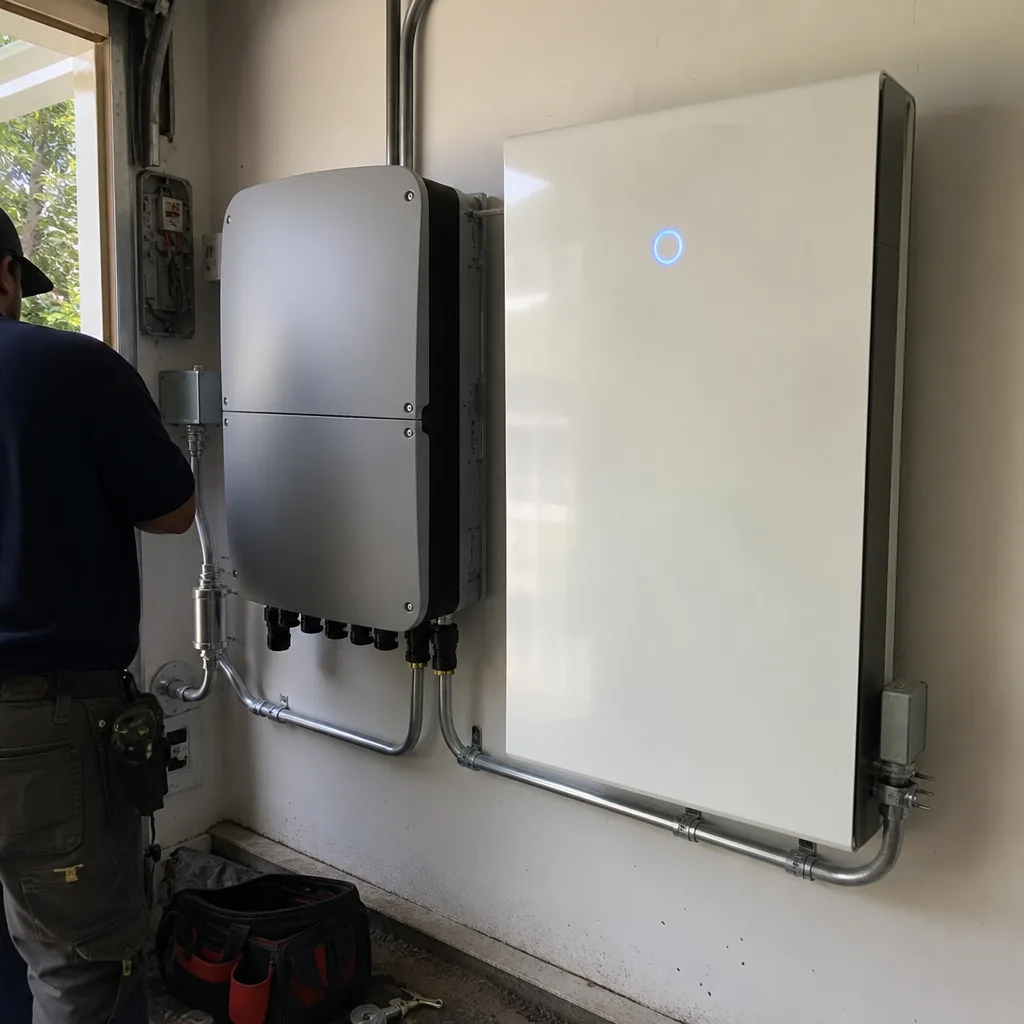
A Level 2 charger delivers 240 volts and adds 20 to 30 miles of range per hour. In Tiburon, where most garages are built into the hillside on the lower floor, the main work is running conduit from your panel to the charger location without defacing the street-facing elevation. That matters here. We’ve pulled permits through the Tiburon Design Review Board enough times to know where conduit can go and where it’ll get red-tagged.
Tesla Wall Connector Installation
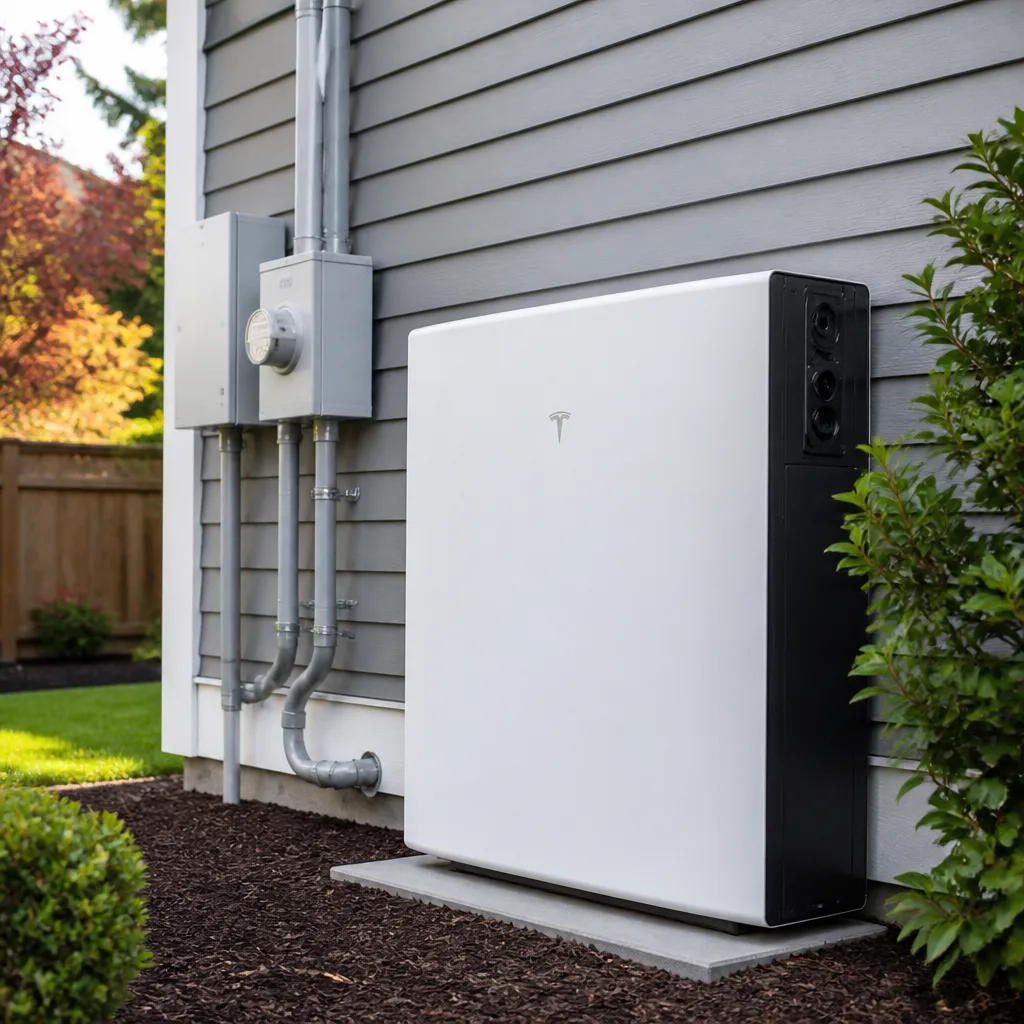
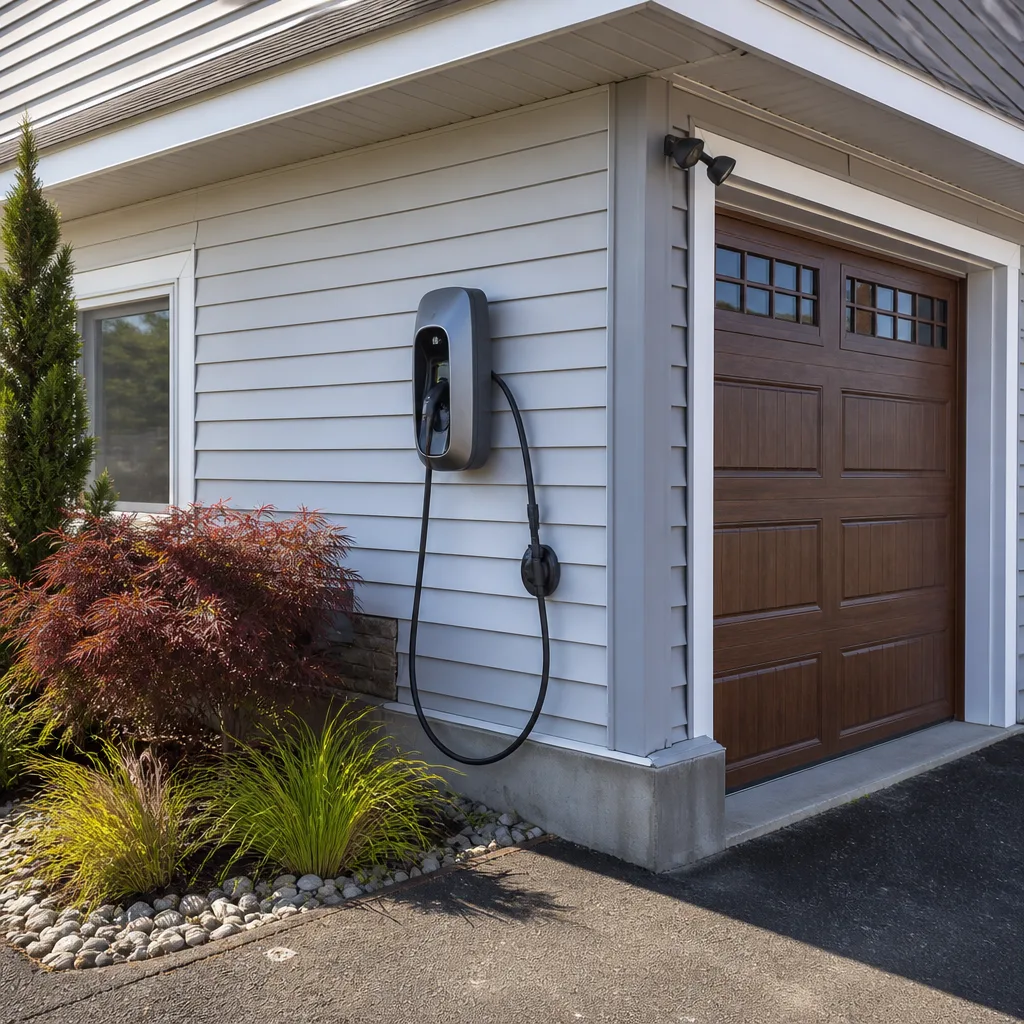
Tesla Wall Connectors are the most common charger we install in Tiburon. They’re weather-rated, but the salt air off Richardson Bay and the Golden Gate is unforgiving. We use stainless or coated mounting hardware, route conduit along interior walls where possible, and add a whole-home surge protector rated for coastal transients. On fog-heavy mornings, your Tesla is charging while your heat pump runs and your water heater kicks on. That’s a load math question, and we calculate it off your actual panel.
Panel Upgrade for EV Charging
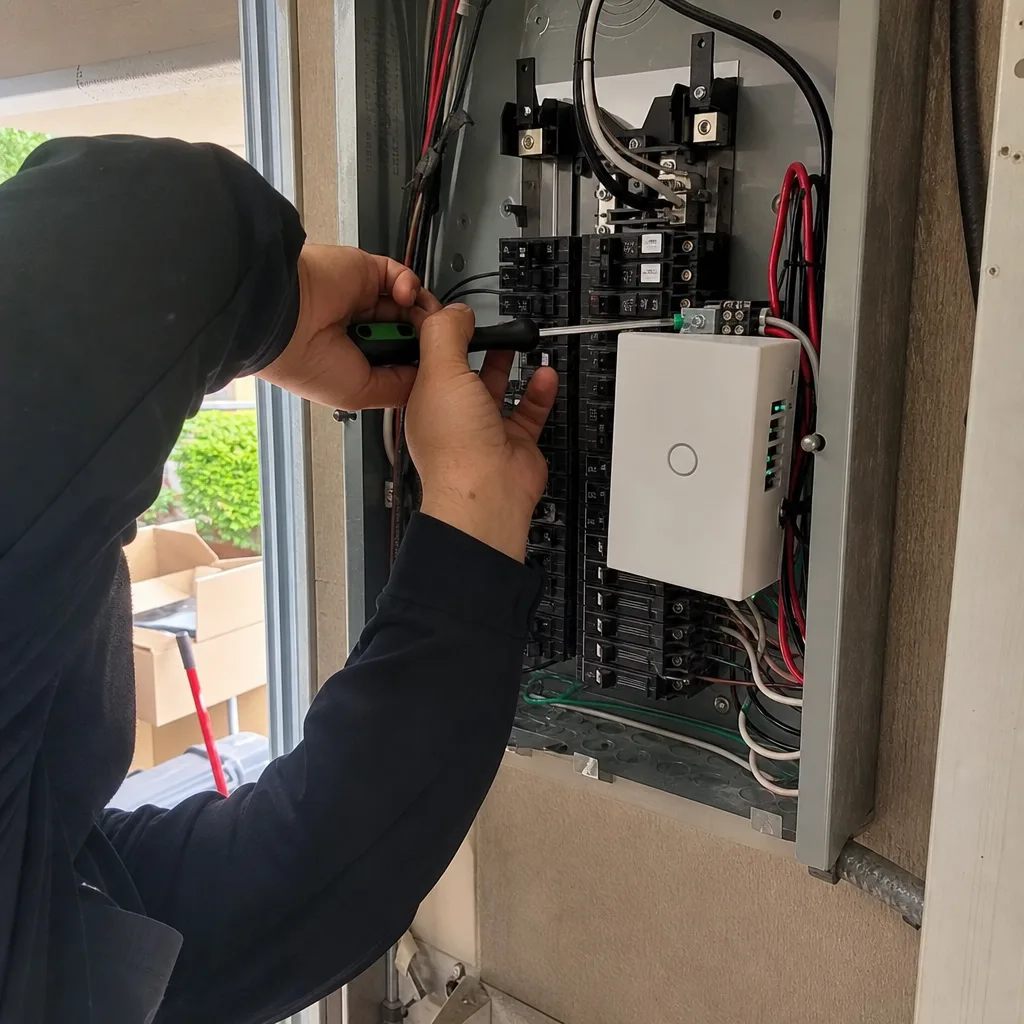
Many Tiburon homes from the 1960s through the 1980s still run on 100-amp panels. Add a Level 2 charger pulling 48 amps, a heat pump, an induction range, and a pool pump, and you’re over. We replace panels with 200-amp service, and because we’re an electrical and solar shop, we do it in one permit, one inspection, one day of work where possible. The Design Review Board doesn’t need to see panel upgrades the same way they see exterior conduit, but it still adds a layer to the timeline. We factor that in from day one.
Garage & Driveway Charger Wiring
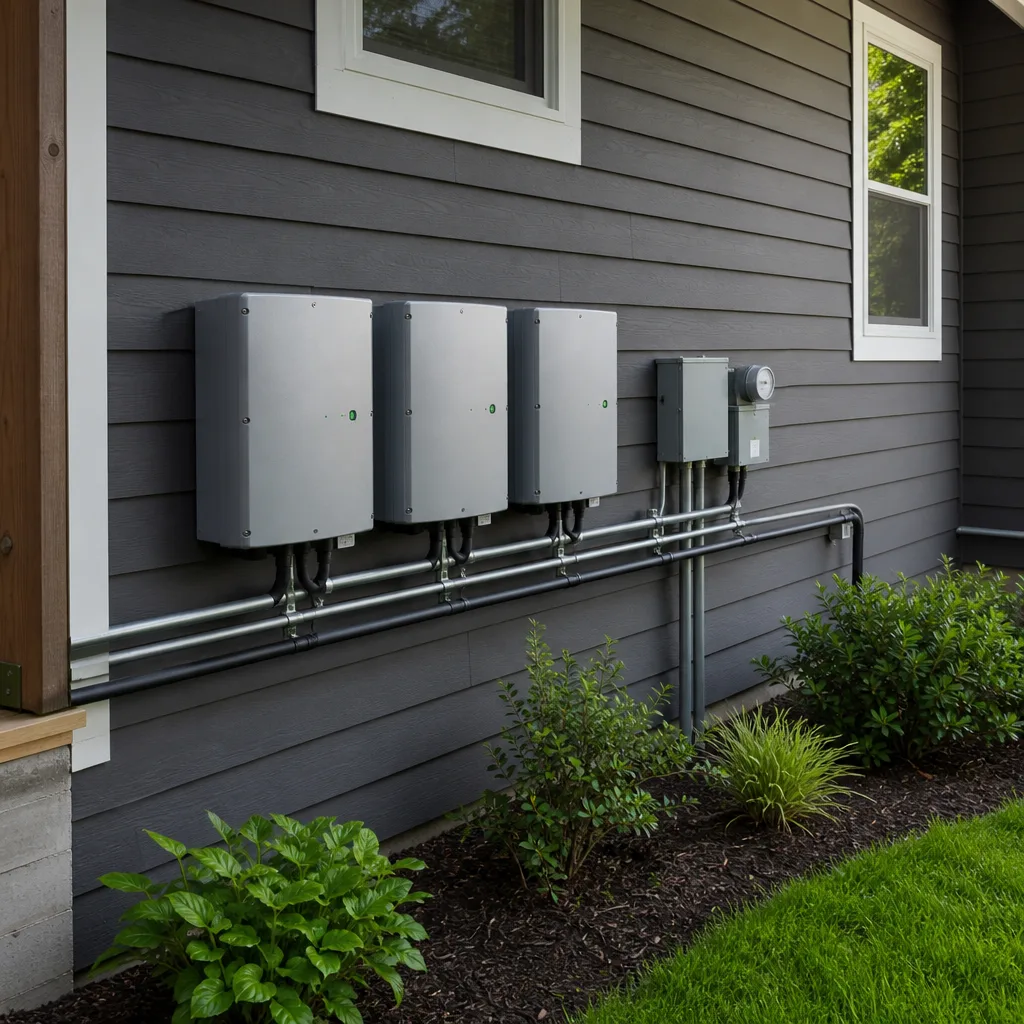
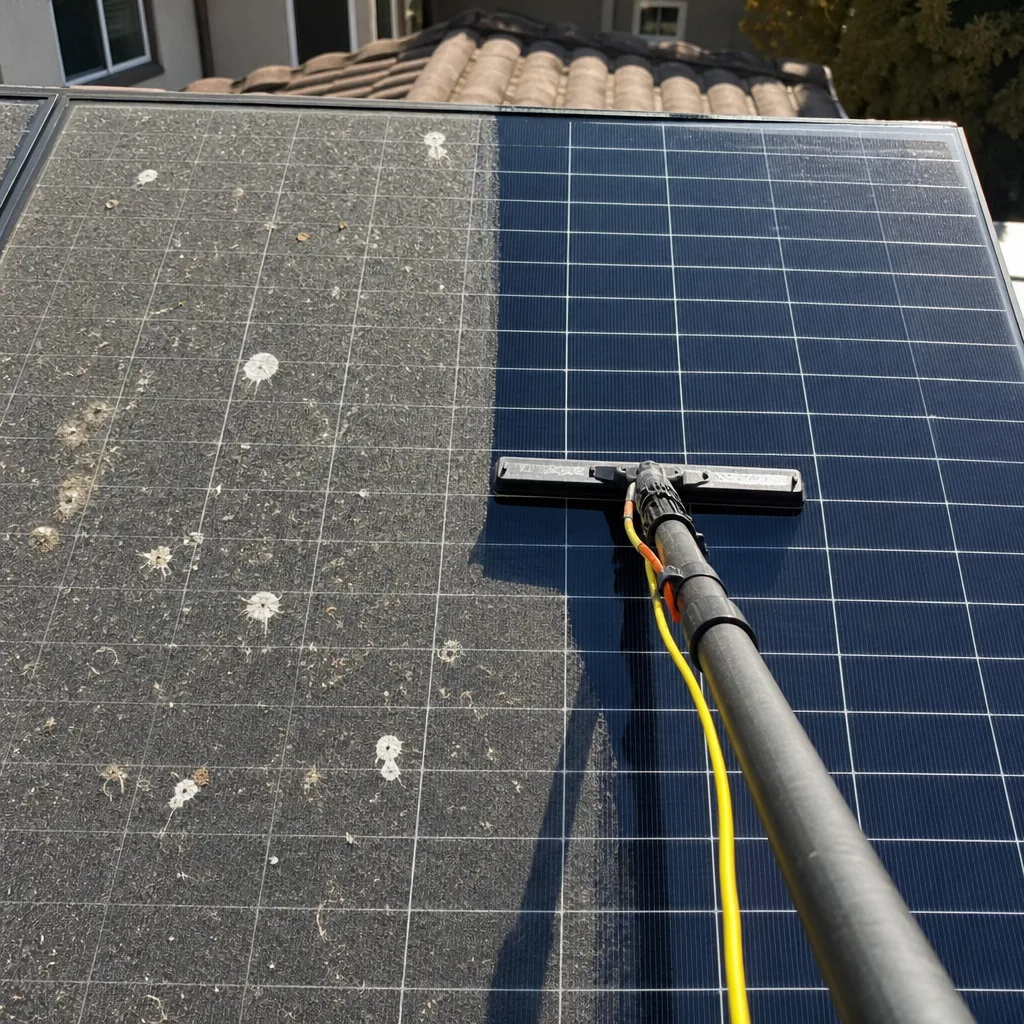
Running wire through a finished garage in Tiburon often means going through floor joists, around fire walls, and through stucco. We do it clean. On a 1970s hillside contemporary off Paradise Drive, our crew replaced a corroded garage subpanel before installing a Tesla Wall Connector. The original flush-mount panel had rusted hinges and a pitted bus bar from decades of salt air. We ran EMT conduit along the interior garage wall to a recessed niche, keeping the charger body out of direct fog exposure, and added a whole-home surge protector.
What happens when you call
- 1
A real person answersNo phone trees - you reach a local pro.
- 2
You get an upfront price rangeHonest numbers before anyone is dispatched.
- 3
A background-checked tech heads outLicensed & insured, dispatched right away.
- 4
You approve before work beginsNothing starts until you say go.
Trusted Brands We Service in Tiburon
We work with Tesla, Enphase, SolarEdge, SunPower, Panasonic, Qcells, and FranklinWH. For Tiburon customers pairing an EV charger with solar, we recommend using the same brand ecosystem where possible. A Qcells array with an Enphase IQ charger integrates cleanly through one monitoring app. If you’re bringing your own charger, we’ll install it. If you want a recommendation, we’ll give you an honest one based on your panel, your driving distance, and your utility rate schedule. We stock common parts locally and can get most chargers to Tiburon within days, not weeks.
Common EV Charger Installer Problems We See in Tiburon Homes
- Corroded subpanels and bus bars. Salt air from the bay attacks electrical components within 5 to 10 years. We see pitted bus bars, rusted breaker clips, and green corrosion on neutral lugs. Installing a charger on a compromised panel is a fire risk. We inspect and replace before we add load.
- Nuisance GFCI tripping through exterior junction boxes. Tiburon’s fog and salt spray settle inside exterior boxes and corrode terminals. When you splice a charger lead through one of those boxes, the GFCI trips constantly. We avoid exterior splices where possible and spec weatherproof boxes with stainless hardware when we can’t.
- Undersized 100-amp panels causing voltage drop and throttling. On a cold foggy morning, your heat pump is running, your water heater cycles, and your charger pulls 48 amps. On a 100-amp service, that chargers throttles or the main breaker trips. We calculate your actual load before we recommend anything.
- Design Review Board conflicts on conduit placement. Running a conduit along the front elevation of your garage can trigger a DRB requirement to paint it to match trim or reroute it. We’ve navigated this enough to plan for it in the estimate, so there’s no surprise at the permit counter.
Pricing for EV Charger Installation in Tiburon, CA
Here’s what Tiburon homeowners typically pay:
- Standard Level 2 charger installation (NEMA 14-50 outlet, close to panel): $850-$1,400
- Level 2 hardwired charger, 25-50 feet of conduit: $1,200-$2,200
- Tesla Wall Connector installation with surge protector and coastal-rated hardware: $1,500-$2,800
- Panel upgrade to 200 amps, including EV charger circuit: $3,200-$5,500
- DRB-related routing, patching, or paint-matching add-ons: $300-$1,000 depending on the path
The biggest factors are panel capacity, distance from panel to charger, and whether your Design Review Board submission needs architectural review. Call (877) 550-6892 and we’ll give you a fixed price in writing before we start. No signature wanted tonight. The price is the price.
We also offer a Senior and Veteran 10% discount that never expires. If your charger is part of a solar installation, we’ll stack the $40 off any repair over $200 credit on the first service visit. And if another company already quoted you, bring us the estimate. We’ll give you a free second opinion.
We Also Serve Cities Near Tiburon
Our crews cover the entire Tiburon peninsula and down into Sausalito, Tamalpais Valley, Tamalpais-Homestead Valley, and Corte Madera. If you’re in one of those towns and wondering whether salt air is eating your garage panel, the answer is usually yes. Call (877) 550-6892 and we’ll come take a look.
Serving Tiburon, CA - Our Local Coverage Area
We’re based in the Tiburon area and know this community well. Use the map below to see our service coverage - if you’re nearby, we can almost certainly help.
FAQs - EV Charger Installation in Tiburon
Yes, and it’s something most national installers won’t tell you. Tiburon’s persistent summer marine layer typically burns off by late morning, which cuts peak solar production by 15 to 25 percent compared to inland Marin towns like Novato. That means your solar array produces less when you’re most likely charging at night. The fix is usually a larger array, a battery to shift production, or a charger that can throttle to match your actual solar output in real time. We model all three off your actual PG&E bill, not a brochure. Call (877) 550-6892 and bring me a bill. I’ll bring you the math.
Sometimes, yes. The Tiburon Design Review Board can require EV charger conduits to be routed along non-street-facing elevations and painted to match trim. That adds 4 to 6 weeks to the permitting timeline. Contractors coming from Sonoma or the East Bay are often surprised by this. We’re not. We’ve pulled enough permits in Tiburon to know what triggers the requirement and how to design around it from the start. We’ll tell you up front if your project needs DRB sign-off, and we’ll budget the timeline into the estimate.
Yes, and it’s the exact right question to ask. Salt air attacks garage hardware first: springs, hinges, rollers, tracks, fasteners, and opener chains corrode years faster near the bay than they do inland. If your garage door opener is struggling, it’s drawing extra current and adding load to the same panel we’re about to connect your charger to. We don’t repair garage doors, but we’ll flag the condition and coordinate with a local door company before or after the charger goes in. A corroded opener and a new charger on the same circuit is a recipe for nuisance trips.
Usually no, and here’s the honest reason. A Level 2 charger pulls 32 to 48 amps. A 1970s hillside home on a 100-amp panel already runs a heat pump, an electric water heater, a washer, a dryer, and kitchen circuits. On a foggy morning when everything cycles at once, you’re over the limit. The charger will throttle, the main breaker may trip, and you’ll be resetting breakers in your garage at 6 a.m. We can sometimes fit a lower-amperage charger with a load management device, but most Tiburon homes we see need a 200-amp upgrade. We’ll tell you which one applies to your house after one look at your panel.
Net metering rules are set by PG&E and the California Public Utilities Commission, so they’re the same across Tiburon, Sausalito, and Belvedere. What differs is how much your solar actually produces, and that’s where Tiburon’s fog and bay orientation hurts. A west-facing array toward Angel Island produces less than a south-facing array in Corte Madera. That affects how much credit you bank, which affects the cost per mile of driving. We’ll run your actual production estimate using satellite imagery, your roof pitch, and local weather data. Call (877) 550-6892 for a free estimate.
If you’re on the fence, take two weeks. Think about it. The price will be the same when you call back. And if a salesman needs an answer tonight, the answer is no.
Written by Gus Petrakis, Owner at Gus’s Solar, serving Tiburon and Marin County since 2011.