
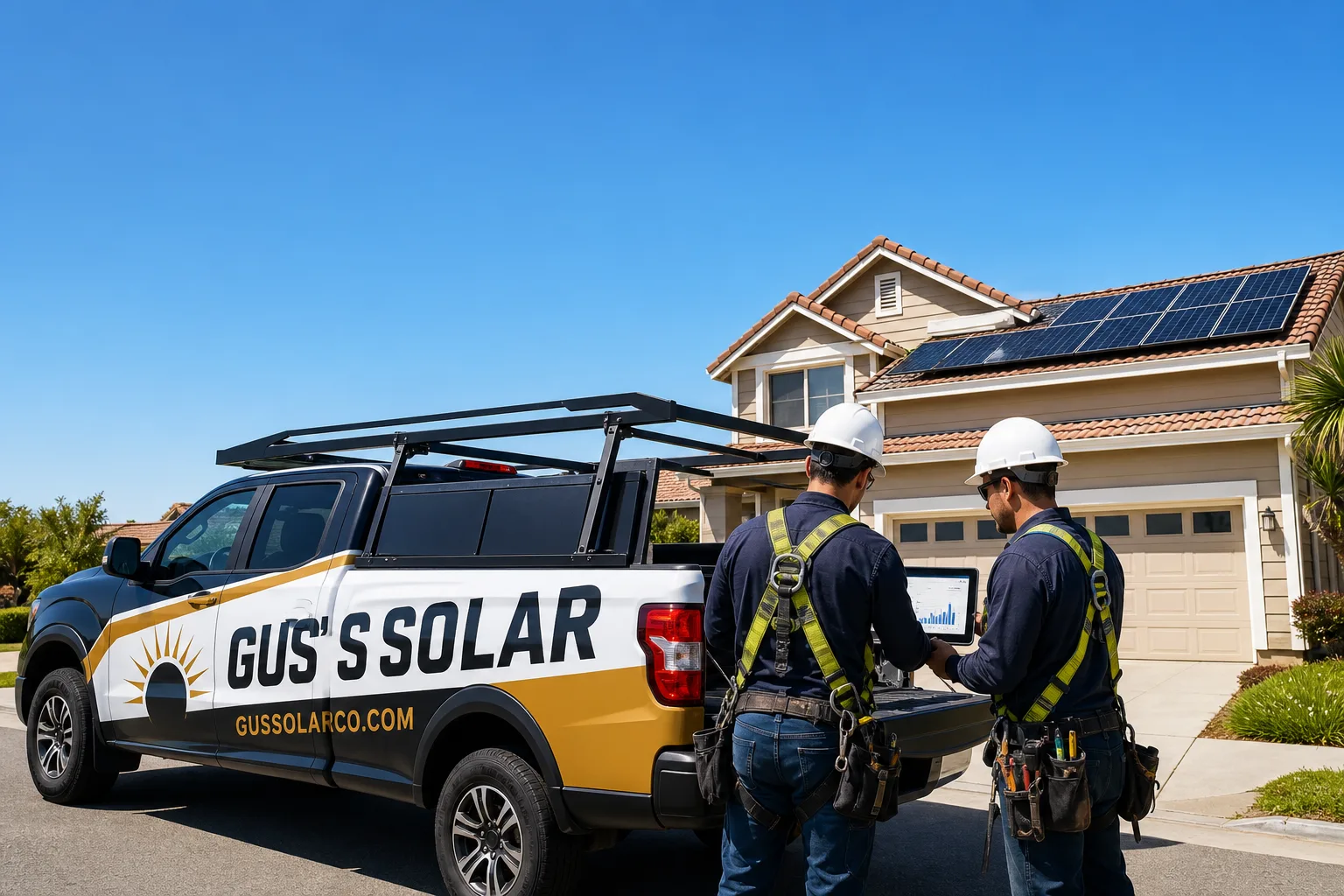
Free bill analysis - bring a power bill, get the production math for your actual roof, panel brands like Qcells and REC compared side by side
If the pitch starts at your door and ends with "sign tonight for the special," sleep on it. The sun will still be there tomorrow; so will we.
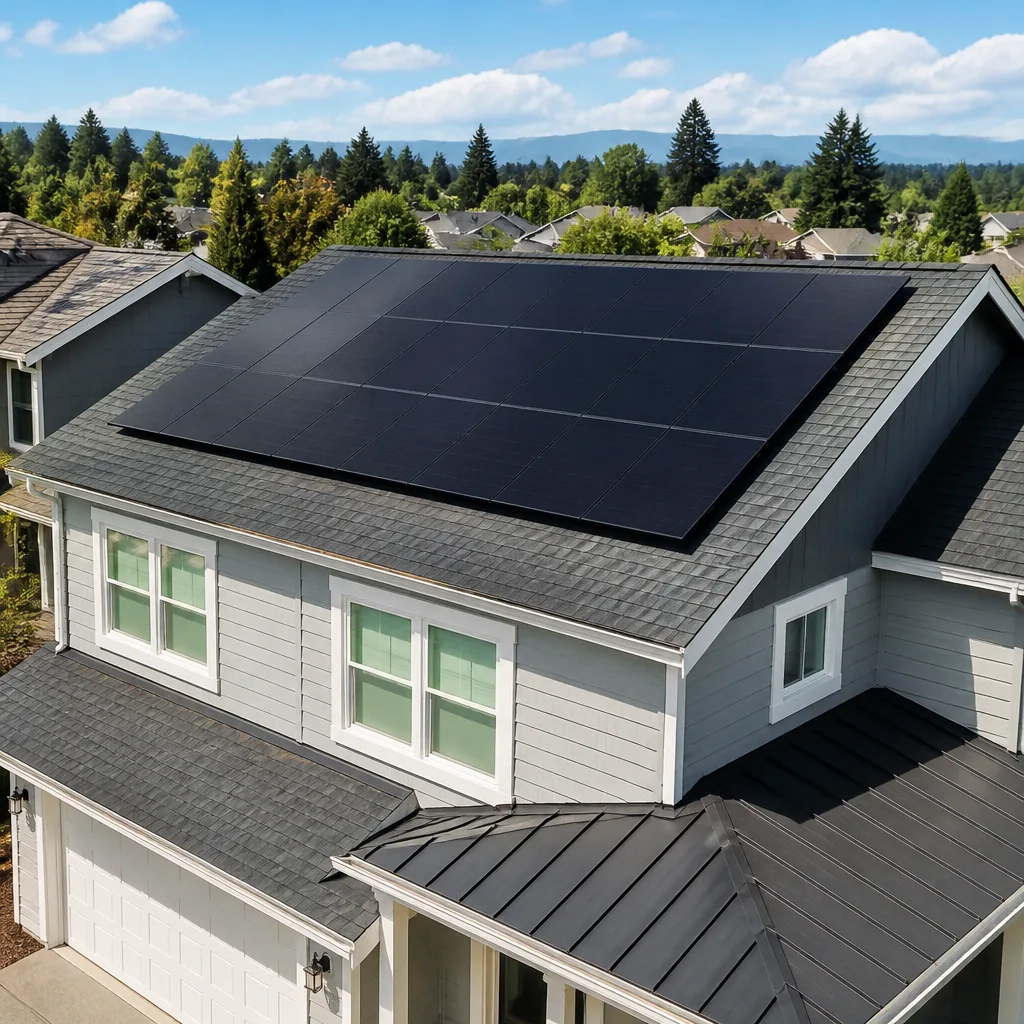
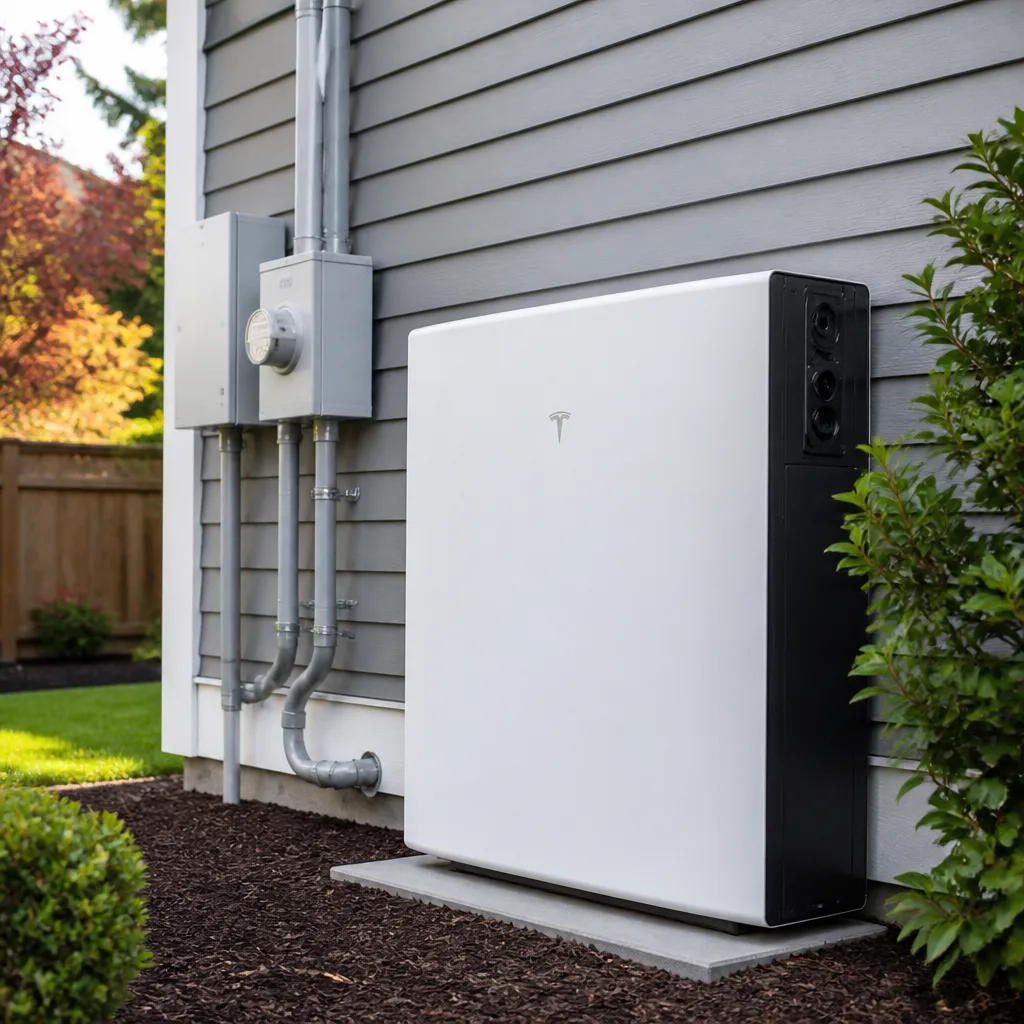
 Before
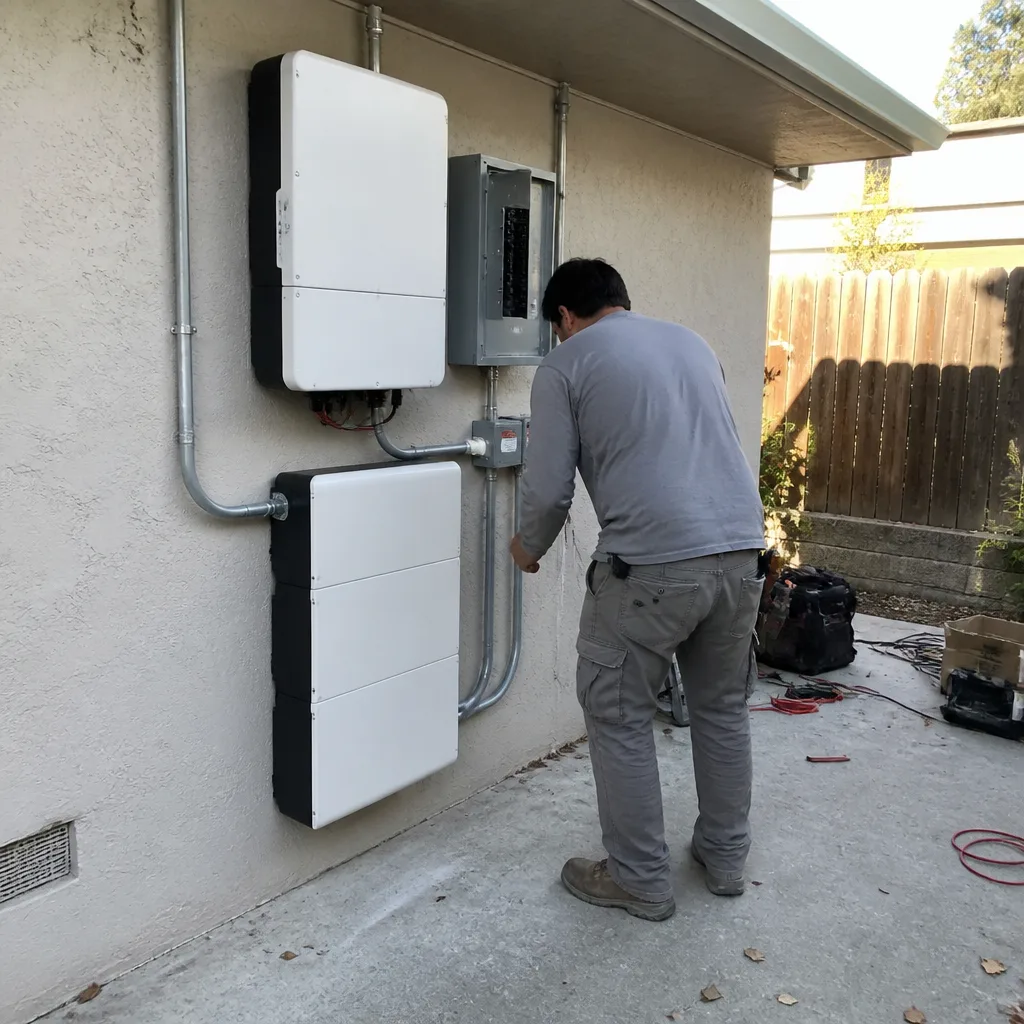 After
After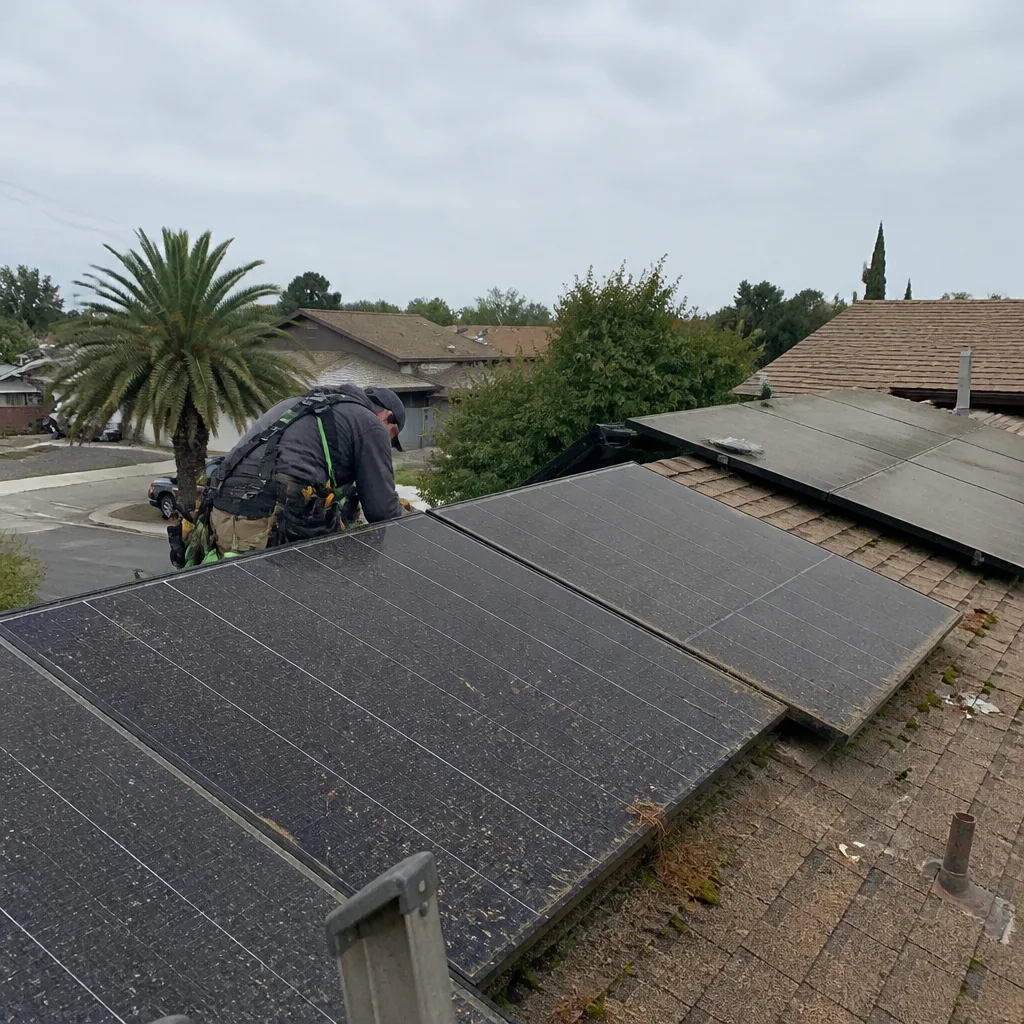 Before
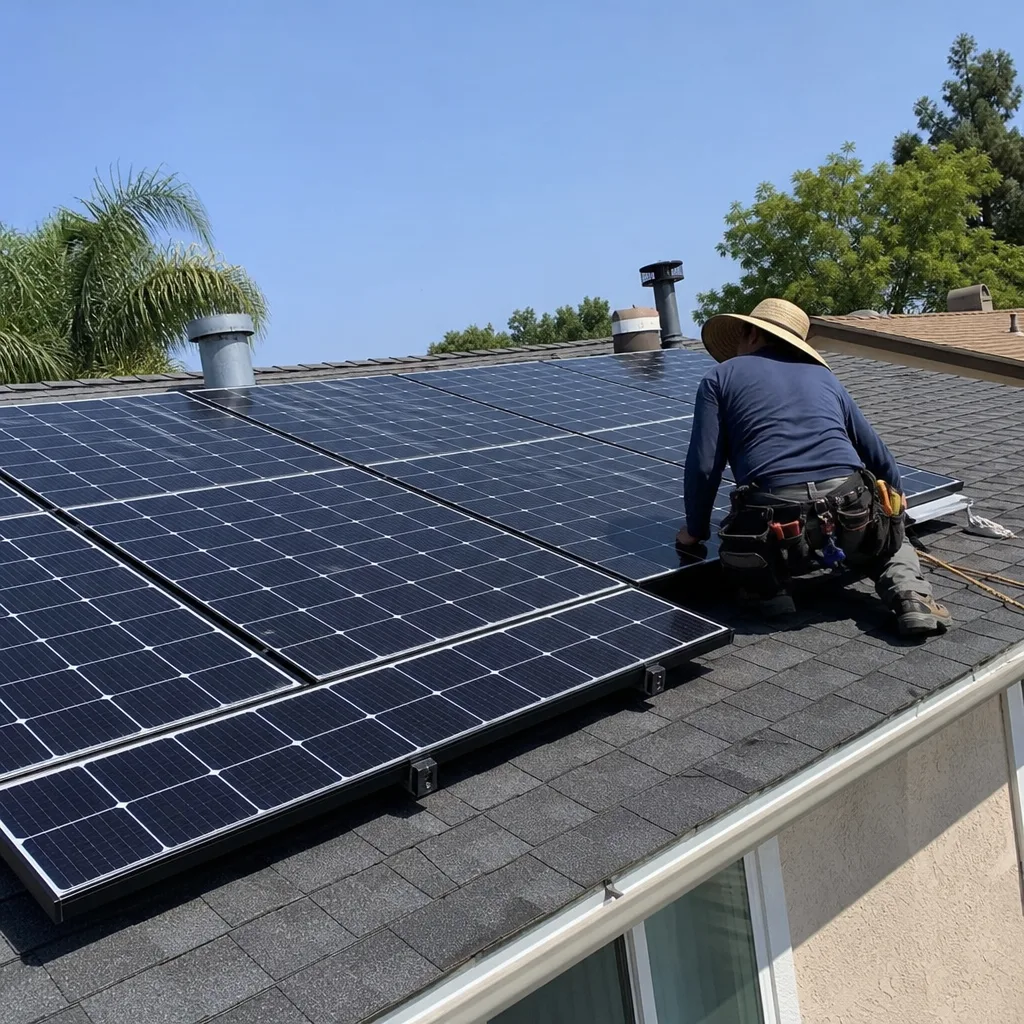 After
After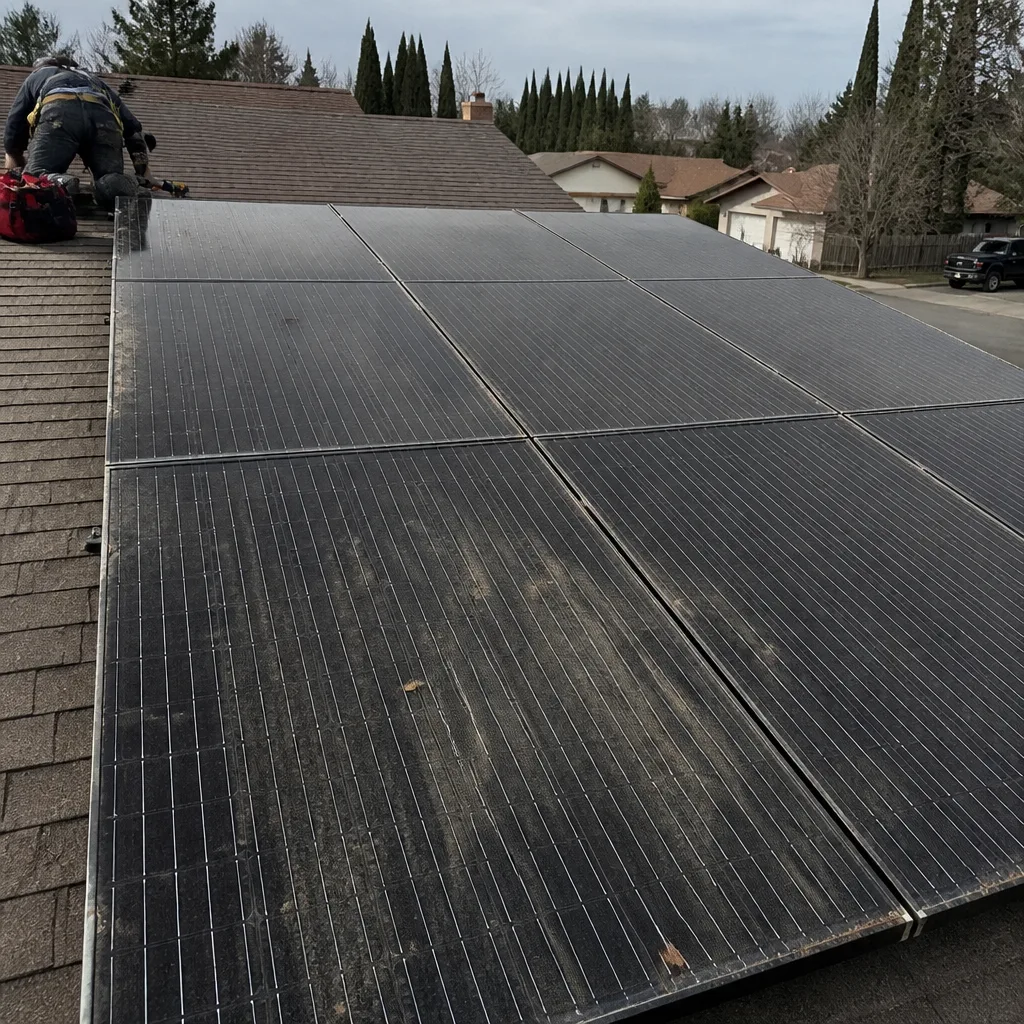 Before
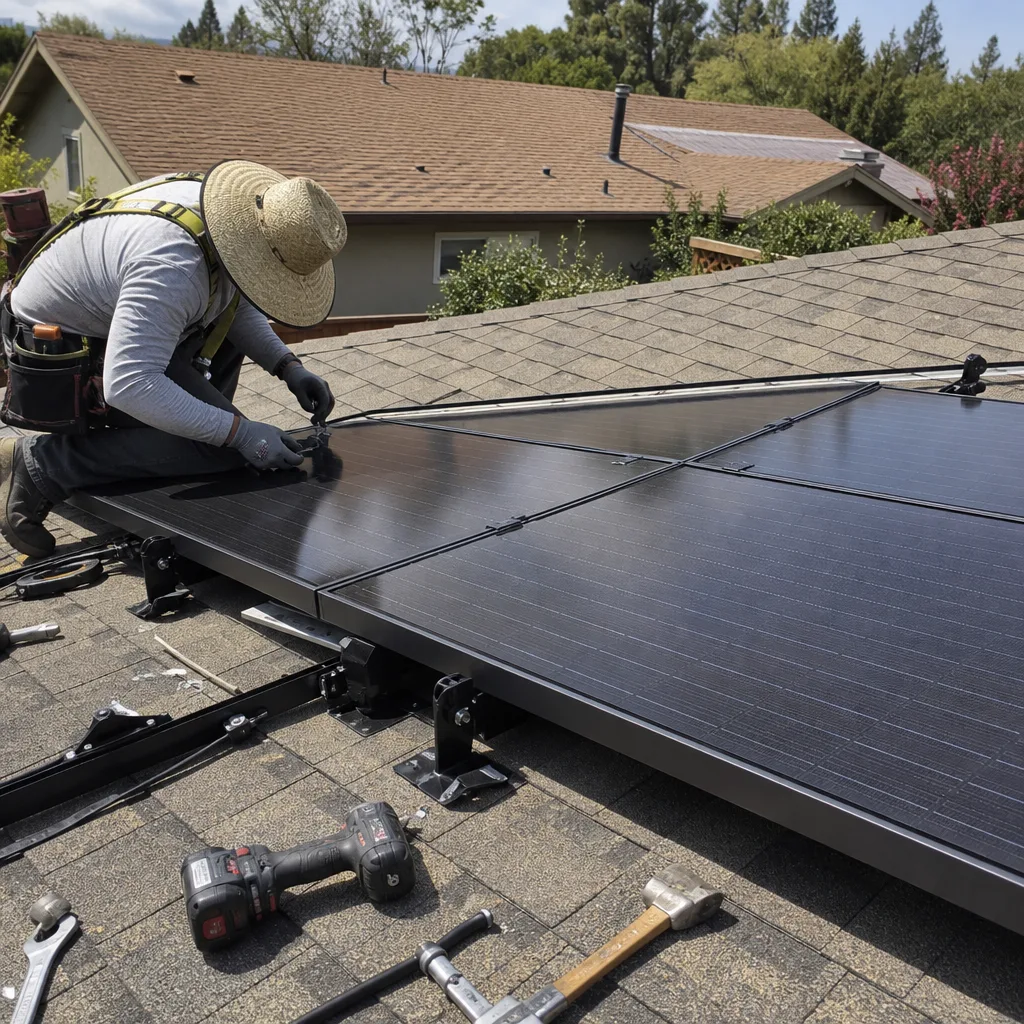 After
AfterFast, Reliable EV Charger Installation Across Manhattan Beach
EV charger installation in Manhattan Beach runs $800-$3,500 for most homes, depending on panel capacity, wire-run distance, and whether trenching is required. Most Level 2 installs here finish in one day. If you live in the Sand Section or have an older 100-amp panel, expect the higher end of that range. Call (877) 550-6892 and we’ll give you an honest number before any work begins.
We know Manhattan Beach’s stock of 1950s beach cottages, 1970s Hill Section originals, and new three-story custom builds. Each one presents a different wiring challenge. Gus’s crew has handled all three, from subgrade garages behind narrow alleys to detached garages at the far end of long lots. We’re not guessing when we quote your job. We’ve probably already worked on a house like yours within six blocks of you.
Why Gus’s Solar Is Manhattan Beach’s Preferred EV Charger Installation Company
Gus Petrakis started this business in 2011 and runs it like a local tradesman should. His name is on the truck. He answers his own phone. When Manhattan Beach homeowners call about EV Charger Installation, they’re not routed to a call center in another state. They get a straight answer from someone who has pulled permits in this city.
Our reputation in Manhattan Beach is built on showing up when we say we will and quoting a number that holds. Customers on 90266 and 90267 have called us back for second and third jobs because the first one went smoothly. That’s not marketing language. That’s how a 29-year track record works when the owner’s name is on the building.
Response time to Manhattan Beach is usually same-day or next-day for estimates. We schedule from our Los Angeles office, but Gus’s crew serves this city directly. No subcontractors. The same uniformed, background-checked technicians who install your charger are the ones you’ll see if anything ever needs attention later.
If you want a second opinion on a written estimate from another company, bring it to us. We’ll go over it line by line, free. That’s the L.O.C.A.L. code we operate by: Local roots, On time, Community first, Accountable, Loyal. Not slogans. Just how we work.
Our EV Charger Installation Services in Manhattan Beach
Level 2 Charger Installation
A Level 2 charger delivers 240 volts and charges your EV 5-7 times faster than a standard wall outlet. In Manhattan Beach, most Level 2 installs require a dedicated 40-60 amp circuit. If your panel has room, we can often complete this in under four hours. If your panel is a legacy 100-amp unit from the 1960s or 70s, we’ll tell you before we start whether a panel upgrade makes more sense than squeezing the circuit in.
Tesla Wall Connector Installation
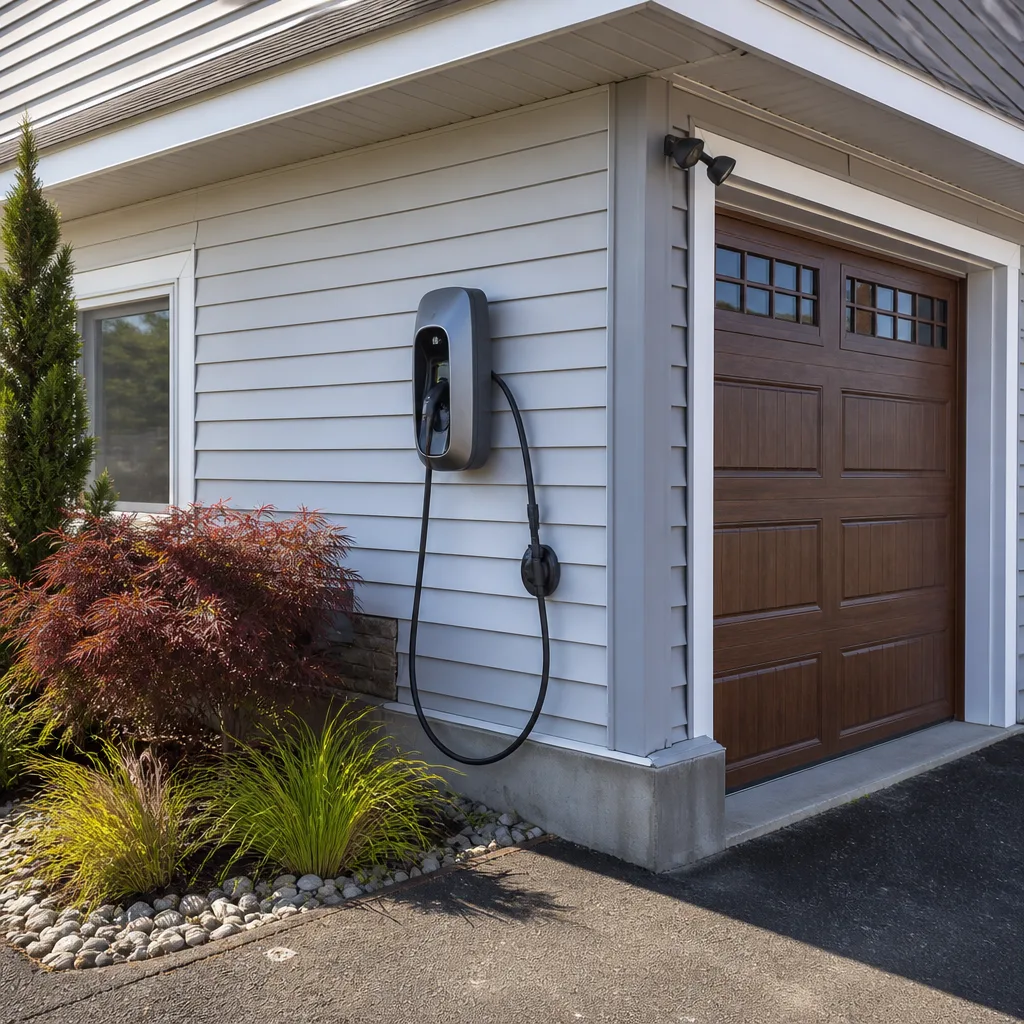
Tesla Wall Connectors are the most common charger we install in Manhattan Beach, especially in the Sand Section where garages are tight and homeowners want a clean, flush-mounted unit. The Wall Connector pulls up to 48 amps, which means it needs a 60-amp breaker. On older panels, that’s often the breaking point. We’ll assess your actual load before recommending anything.
Panel Upgrade for EV Charging
This is the single most common service we perform for Manhattan Beach EV charger jobs. Homes in the Hill Section and Tree Section built in the 1960s and 70s often still run on 100-amp panels. Add a 48-amp charger, run the A/C in August, and throw a load of laundry in the dryer, and that main breaker trips. A panel upgrade to 200 amps costs $3,000-$5,500 in Manhattan Beach depending on meter location and whether the service entrance needs replacement. We’ll never push this on you if your existing panel can handle the charger safely.
Garage & Driveway Charger Wiring
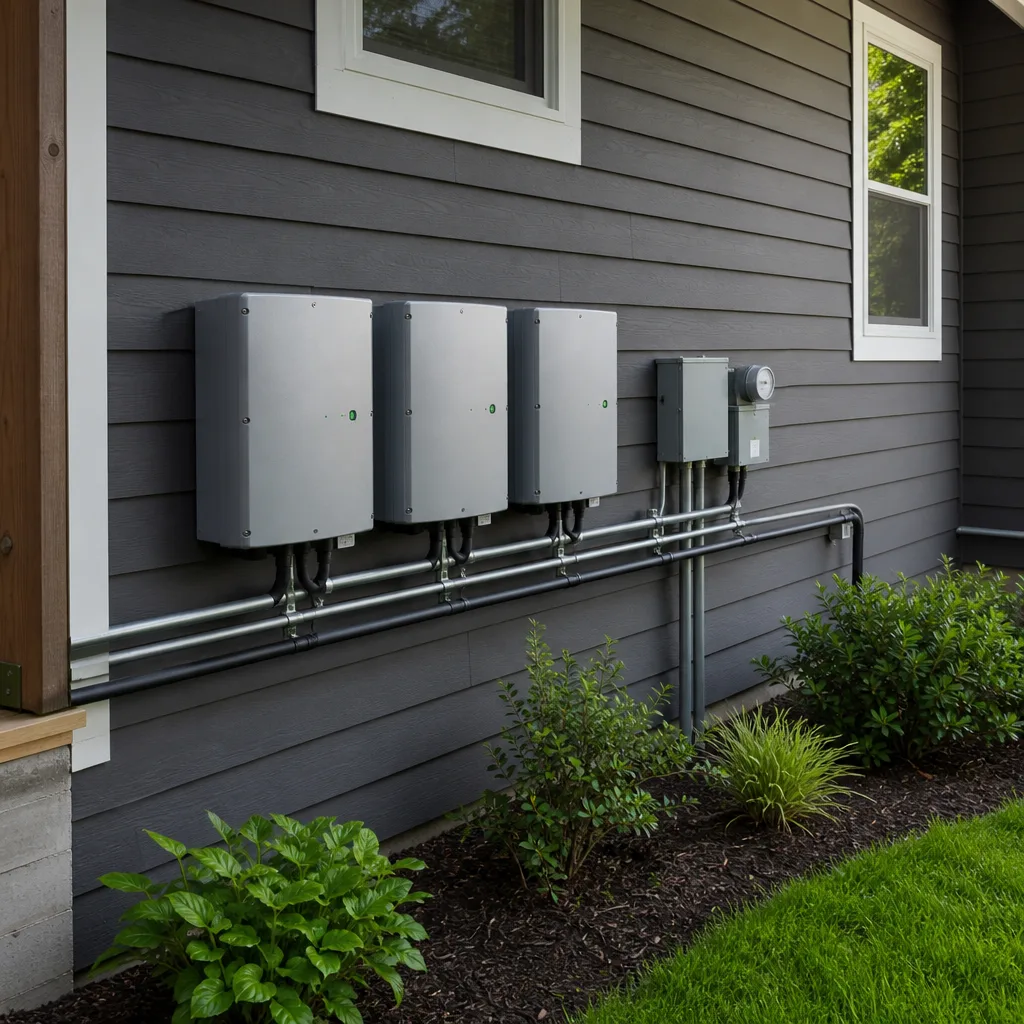
Detached garages and driveway-mounted chargers create specific challenges in Manhattan Beach. The wire run matters. If your panel is at the south end of the house and the garage is at the north end, that’s 60-100 feet of conduit, which affects both material cost and voltage drop. In Sand Section homes rebuilt as three-story custom houses, the electrical panel is sometimes on the third floor, meaning a subpanel in the garage is the practical solution. We run this math before you spend a dollar.
What happens when you call
- 1
A real person answersNo phone trees - you reach a local pro.
- 2
You get an upfront price rangeHonest numbers before anyone is dispatched.
- 3
A background-checked tech heads outLicensed & insured, dispatched right away.
- 4
You approve before work beginsNothing starts until you say go.
Trusted Brands We Service in Manhattan Beach
We work with the leading equipment brands, including Tesla, Enphase, Qcells, Panasonic, and SolarEdge. For Manhattan Beach customers, we keep common replacement breakers, conduit fittings, and disconnect boxes in stock so we’re not waiting on a supply house when you’re waiting to charge. If you already have a Qcells or Panasonic solar array, pairing it with your new EV charger is straightforward. We’ll explain exactly how the system interacts so your overnight charging doesn’t spike your utility bill.
Common EV Charger Installation Problems We See in Manhattan Beach Homes
- Salt-air corrosion at garage subpanel terminals. Homes within a half-mile of the ocean in 90266 see faster corrosion on electrical connections than anywhere inland. We see intermittent charging faults on 1960s-70s panels near The Strand where salt has eaten at the bus bar and terminal screws. Marine-grade materials aren’t optional here.
- Overloaded 100-amp legacy panels tripping breakers. Manhattan Beach’s older Hill Section homes run fine day to day until a Level 2 charger, central A/C, and dryer all pull at once. The main breaker trips, the charger faults, and the homeowner thinks the charger is defective. It’s not. It’s the panel.
- Voltage drop on long wire runs to detached garages. Sand Section cottages rebuilt as three-story custom homes often have the panel far from the garage. A 100-foot run of undersized wire means the charger underperforms or faults. We size wire for the actual distance, not the minimum code requirement.
- Subgrade garages with moisture exposure. Below-grade garages along the alleys in the Sand Section trap humidity. Standard indoor-rated chargers can fail early in those conditions. We recommend NEMA 4-rated or weather-sealed enclosures for those installs, which adds about $150-$300 but prevents callbacks.
Pricing for EV Charger Installation in Manhattan Beach, CA
Here’s what we actually charge in Manhattan Beach, not a national average. A straightforward Level 2 charger install with panel capacity available and a short wire run runs $800-$1,400. A Tesla Wall Connector install on an existing 200-amp panel with a 20-foot run is typically $900-$1,600. Adding a panel upgrade pushes the total to $3,800-$6,000 depending on the service entrance. Trenching for a detached garage or driveway pedestal adds $1,500-$3,000. Salt-air-rated enclosures and marine-grade conduit fittings add $150-$300. Every estimate is free, in writing, and based on your actual electrical panel and wire run, not a brochure. Call (877) 550-6892 and we’ll come out, look at it, and hand you a number that won’t change.
We Also Serve Cities Near Manhattan Beach
We work throughout the South Bay. If you live in Redondo Beach, Rolling Hills Estates, Palos Verdes Estates, or Torrance, our crews serve those areas the same week we serve Manhattan Beach. Many of our customers find us through word of mouth from neighbors in Manhattan Beach. Read more about our full EV Charger Installation services across the South Bay and Los Angeles County.
Serving Manhattan Beach, CA - Our Local Coverage Area
We’re based in the Manhattan Beach area and know this community well. Use the map below to see our service coverage - if you’re nearby, we can almost certainly help.
FAQs - EV Charger Installation in Manhattan Beach
Yes. Sand Section homes on 30-35 foot-wide lots near The Strand frequently have subgrade garages, original 100-amp panels, or panels located far from the charging location. When we evaluate a Sand Section install, panel load and wire-run distance are the first two things we check. About 60% of Sand Section Level 2 installs need some form of panel work, compared to maybe 20-30% in the Hill Section. Call (877) 550-6892 and we’ll tell you within 15 minutes whether your panel can handle the charger you want. The estimate is free.
Yes, and you should if you have a Qcells or Panasonic array already producing. The smartest config is charging during peak solar production hours, usually 10am-2pm, when your system is generating more than the home is using. We recently installed a Tesla Wall Connector at a 1970s Tree Section home off Rosecrans Avenue where the original 100-amp panel couldn’t support a 48-amp charger. Our crew upgraded the panel, ran a dedicated 60-amp circuit through the crawlspace to the garage, and paired the charger with the home’s existing Enphase microinverter array. The homeowner now charges overnight without pushing the main breaker, and his solar production offsets the load. If you have solar and want an EV charger, bring us your last utility bill and we’ll map your actual usage before recommending anything.
Salt air accelerates corrosion on electrical connections, especially within a half-mile of the ocean. In Manhattan Beach, that means homes in the Sand Section and lower Hill Section should use marine-grade stainless or anodized aluminum conduit fittings, weather-sealed NEMA 4 enclosures for outdoor or subgrade installs, and dielectric grease on all terminals. We use marine-grade components as standard practice for coastal Manhattan Beach installs, not as an upsell. It adds $150-$300 to the job but prevents the intermittent charging faults we regularly repair on older beach-area panels.
For a driveway charger, not directly. Shading affects solar production, not EV charger performance. But a teardown rebuild next door can indirectly affect your charger if the construction requires your electrical service to be temporarily relocated or if the new build’s foundation work disturbs your existing conduit. For solar, the Sand Section is so tightly spaced that a new three-story build on a 30-foot lot absolutely can shade a system that was fine when originally permitted. We run shade-impact analyses on adjacent parcels before finalizing string configurations, because a teardown next door can change production within a year or two. If you’re installing solar and a charger together, we plan both with the neighborhood’s build cycle in mind.
Have a licensed electrician pull the permit and handle the city inspection from the start. Manhattan Beach requires permits for new 240-volt circuits, and the city’s building department will flag unpermitted work if you sell the home. We handle the permit, the install, and the inspection as one package. Most Level 2 installs are approved within 1-2 weeks from first call to final inspection. Same-week installation is common when the panel is ready. Call (877) 550-6892 for a free estimate and we’ll give you a realistic timeline for your specific home.
Written by Gus Petrakis, Owner at Gus’s Solar, serving Manhattan Beach and the wider South Bay since 2011.