
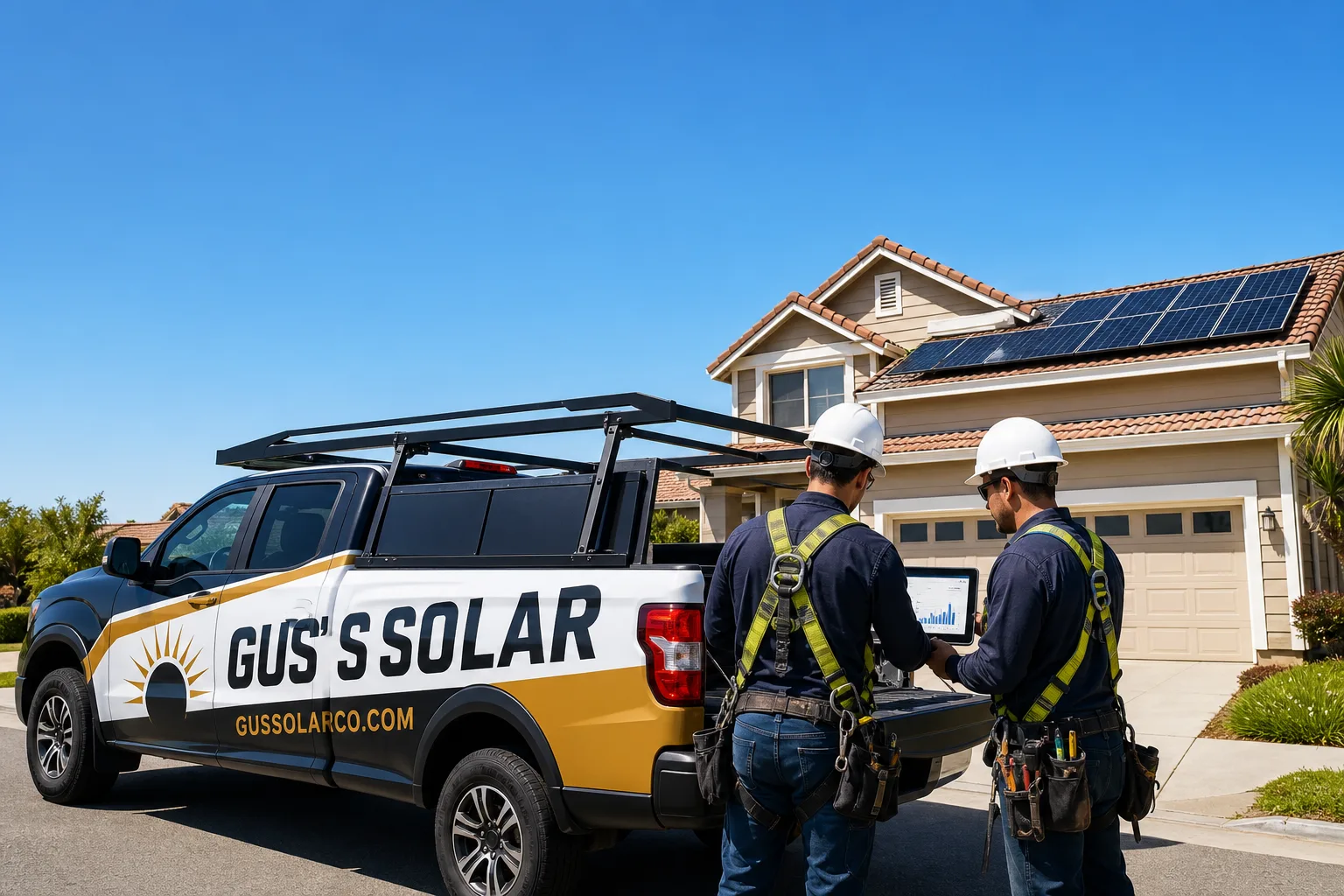
Free bill analysis - bring a power bill, get the production math for your actual roof, panel brands like Qcells and REC compared side by side
If the pitch starts at your door and ends with "sign tonight for the special," sleep on it. The sun will still be there tomorrow; so will we.
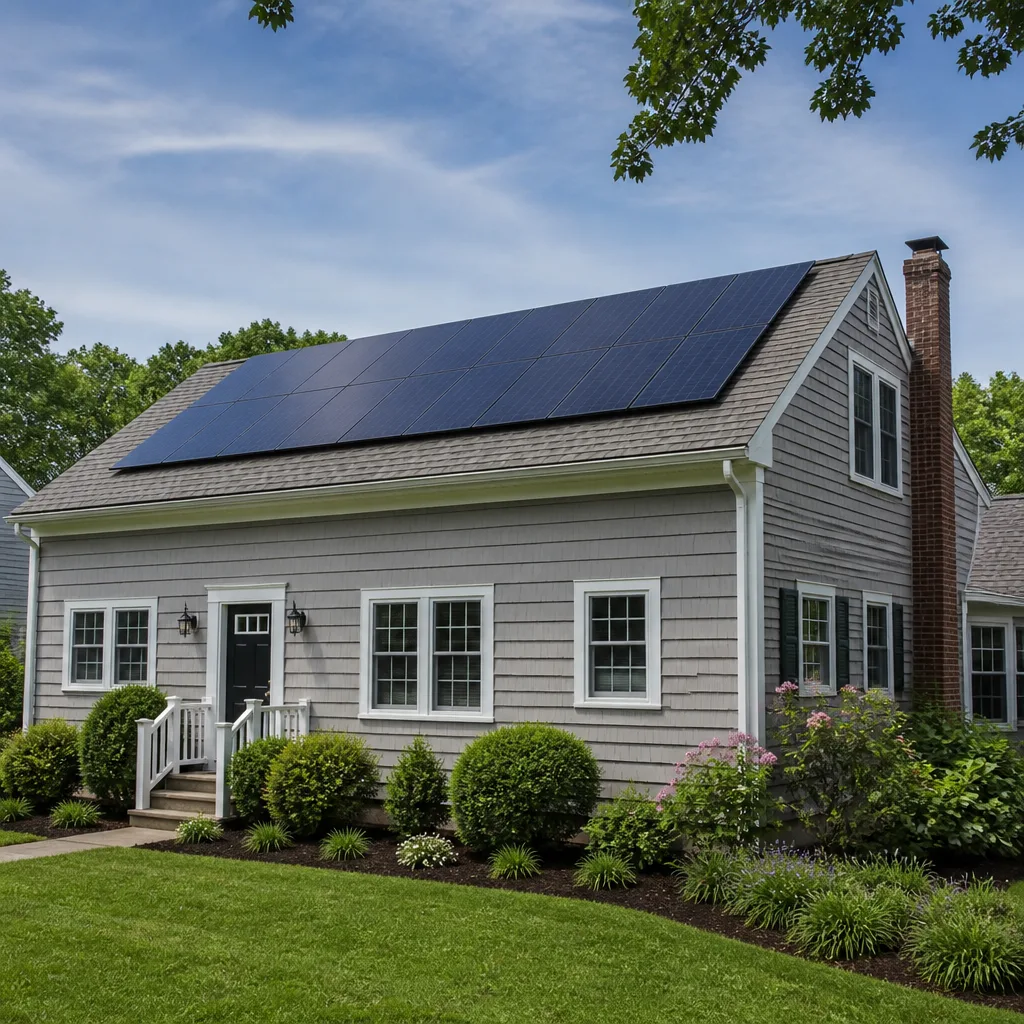
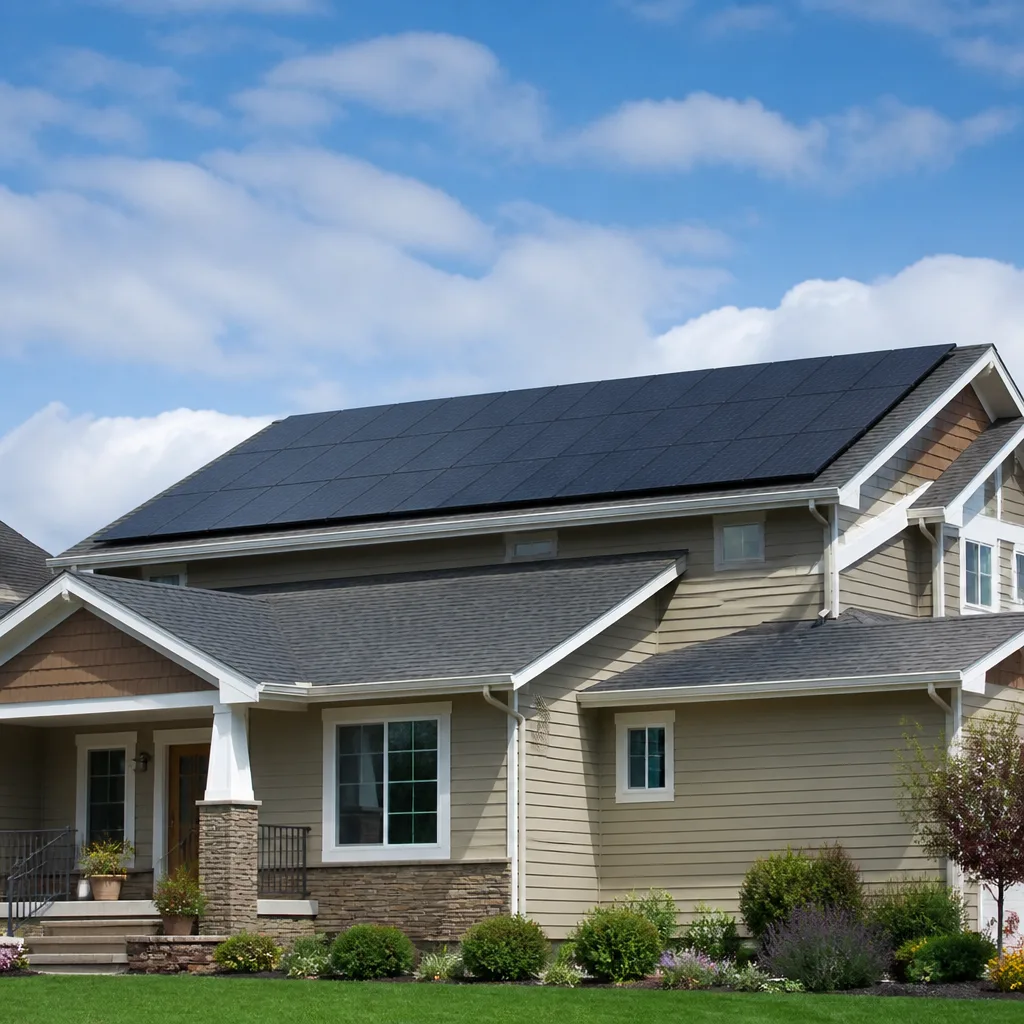
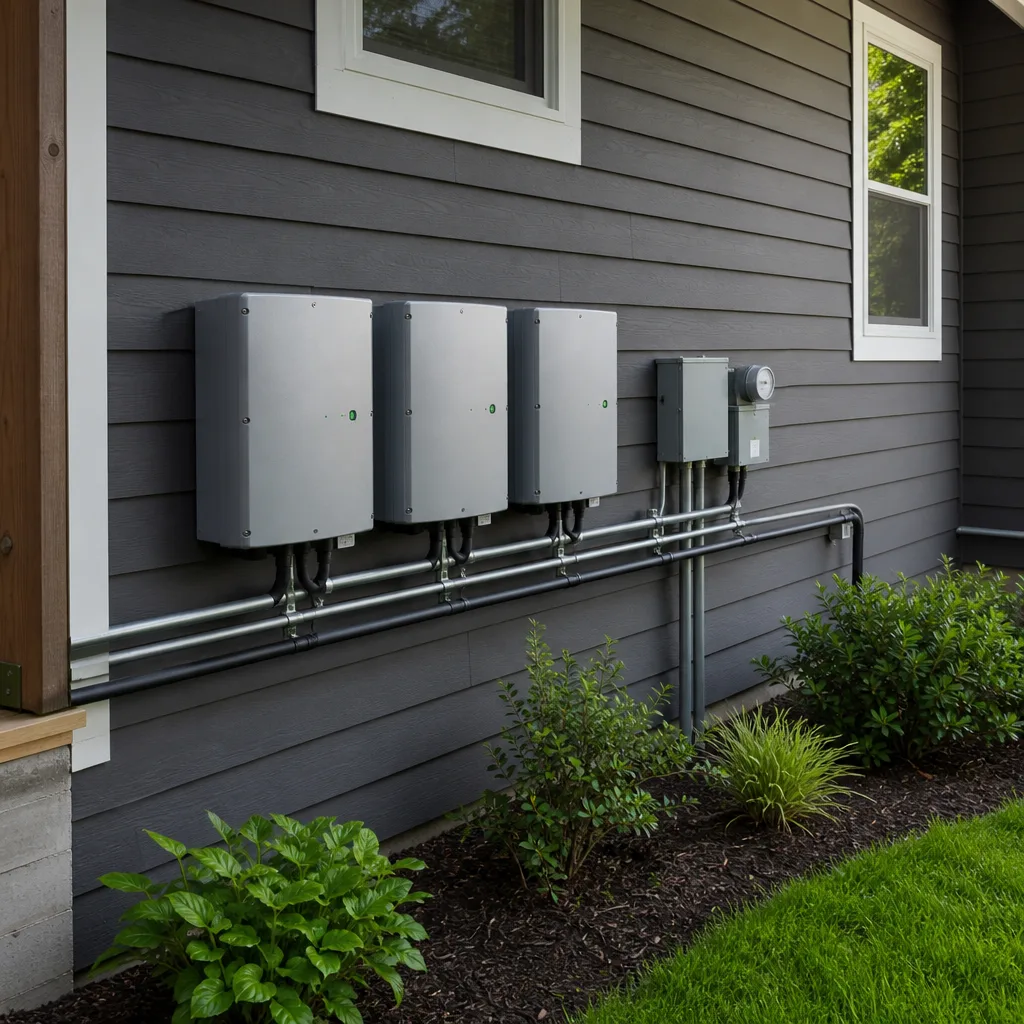
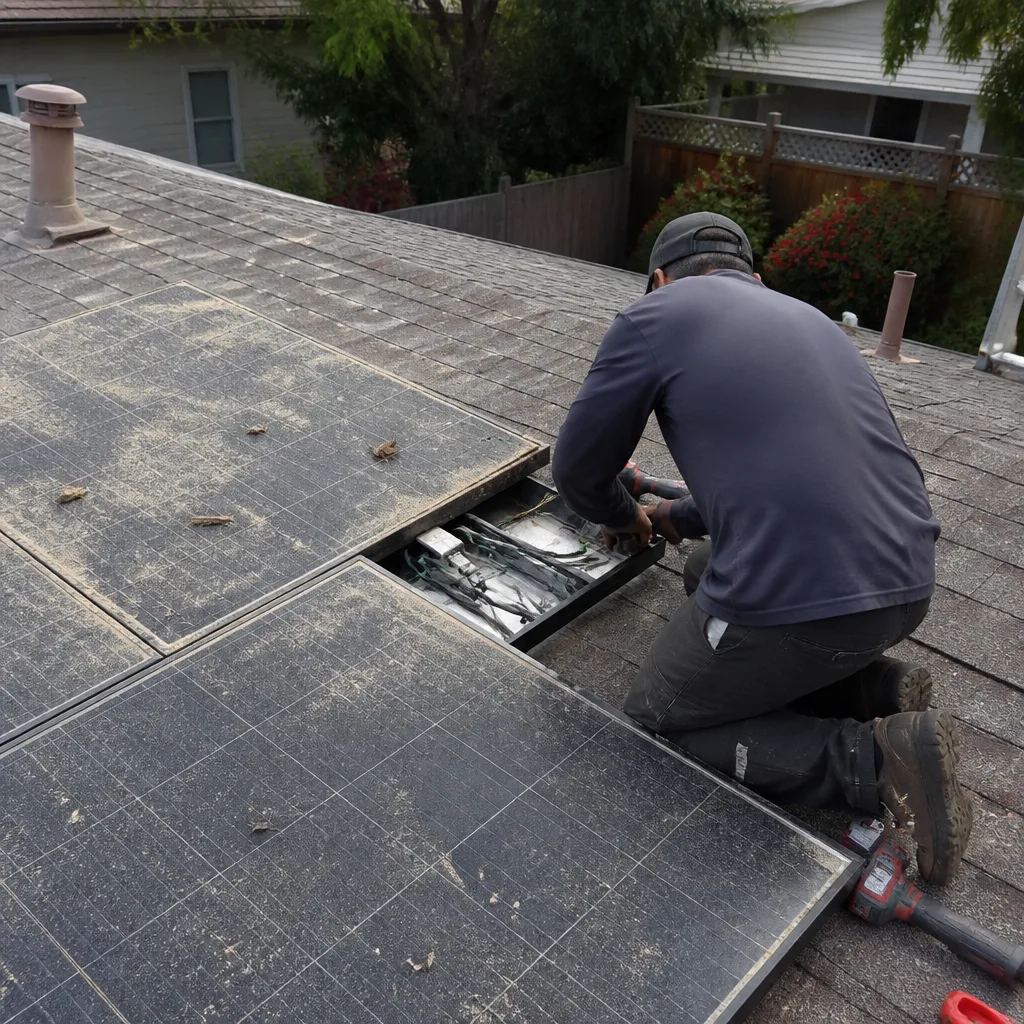 Before
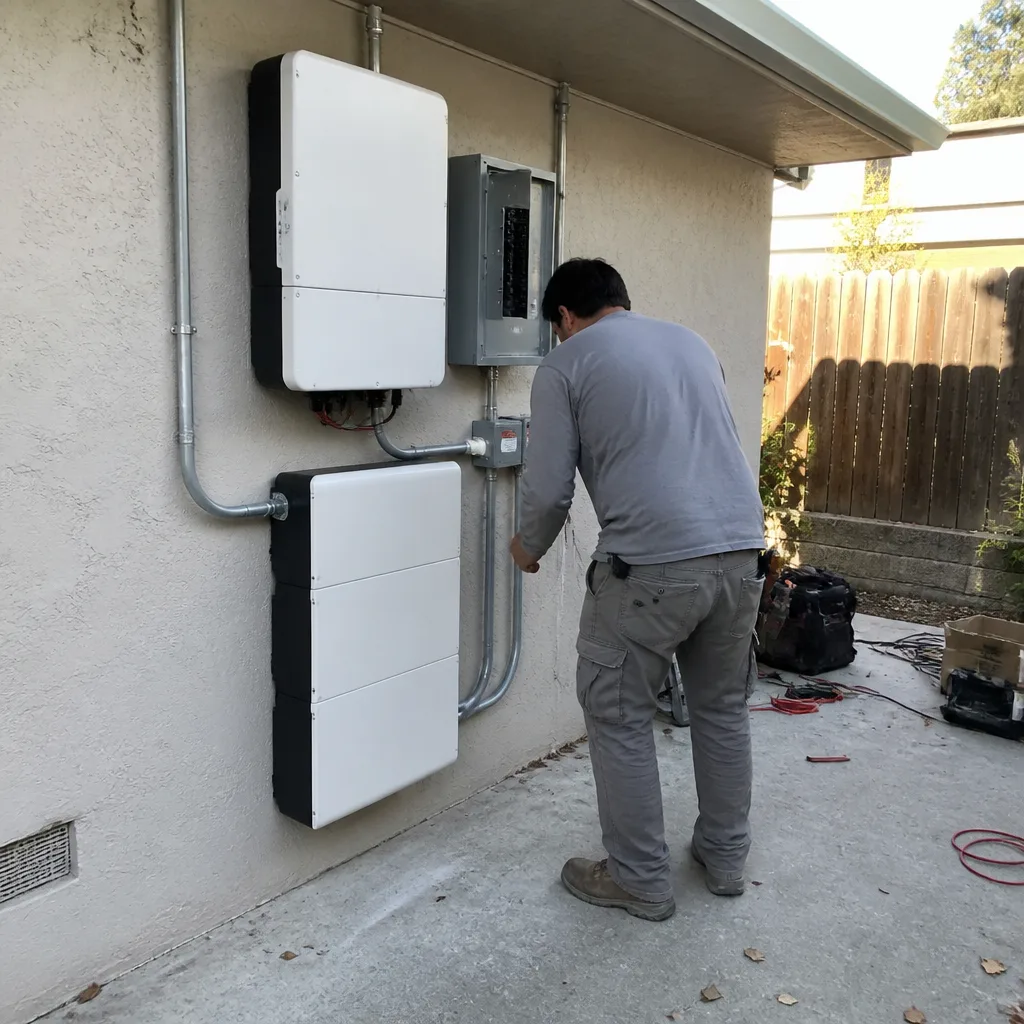 After
After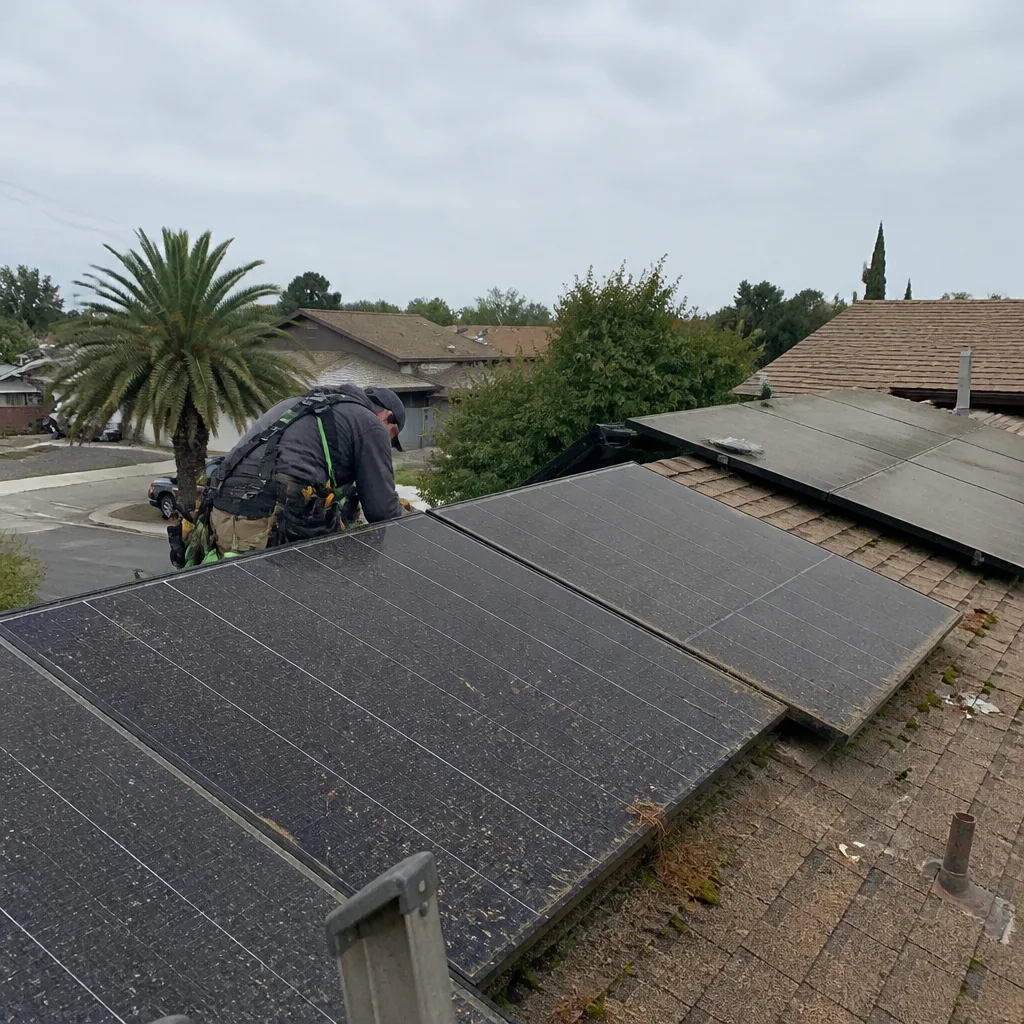 Before
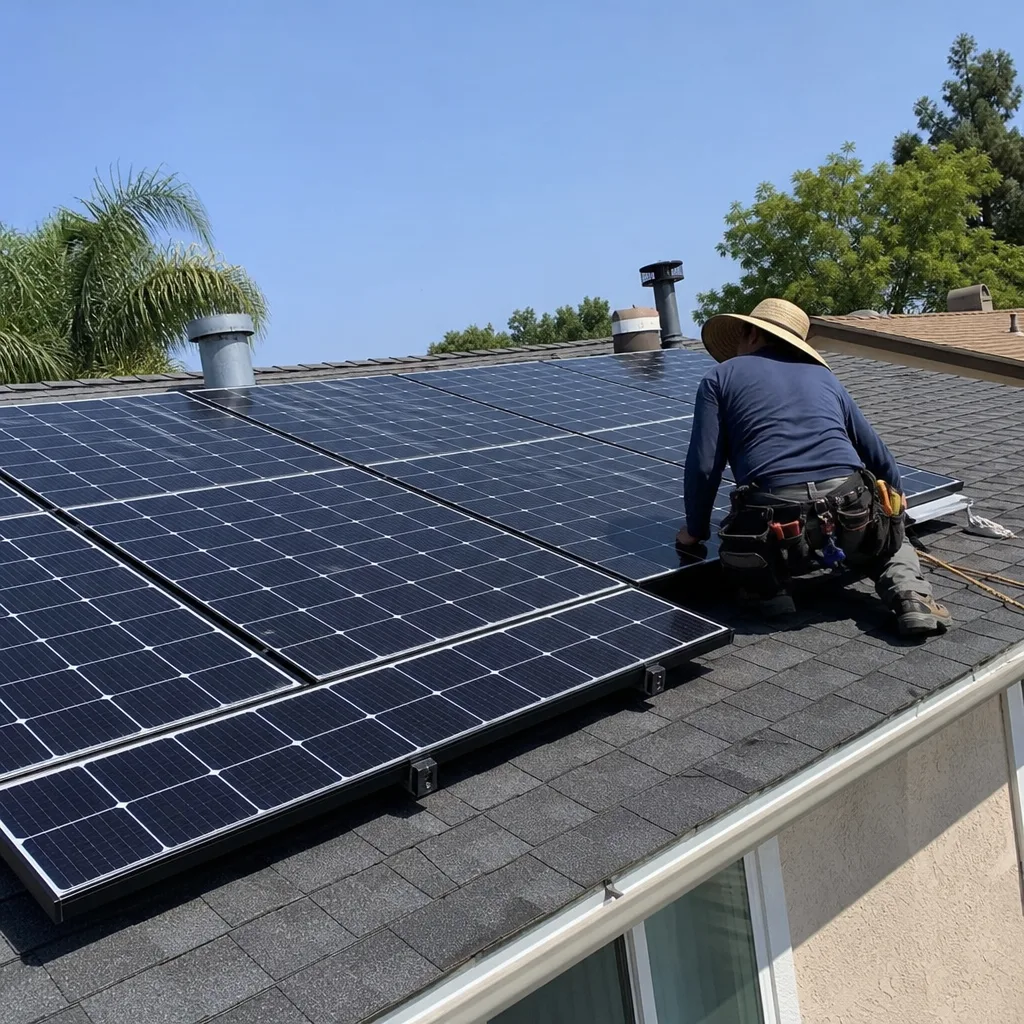 After
After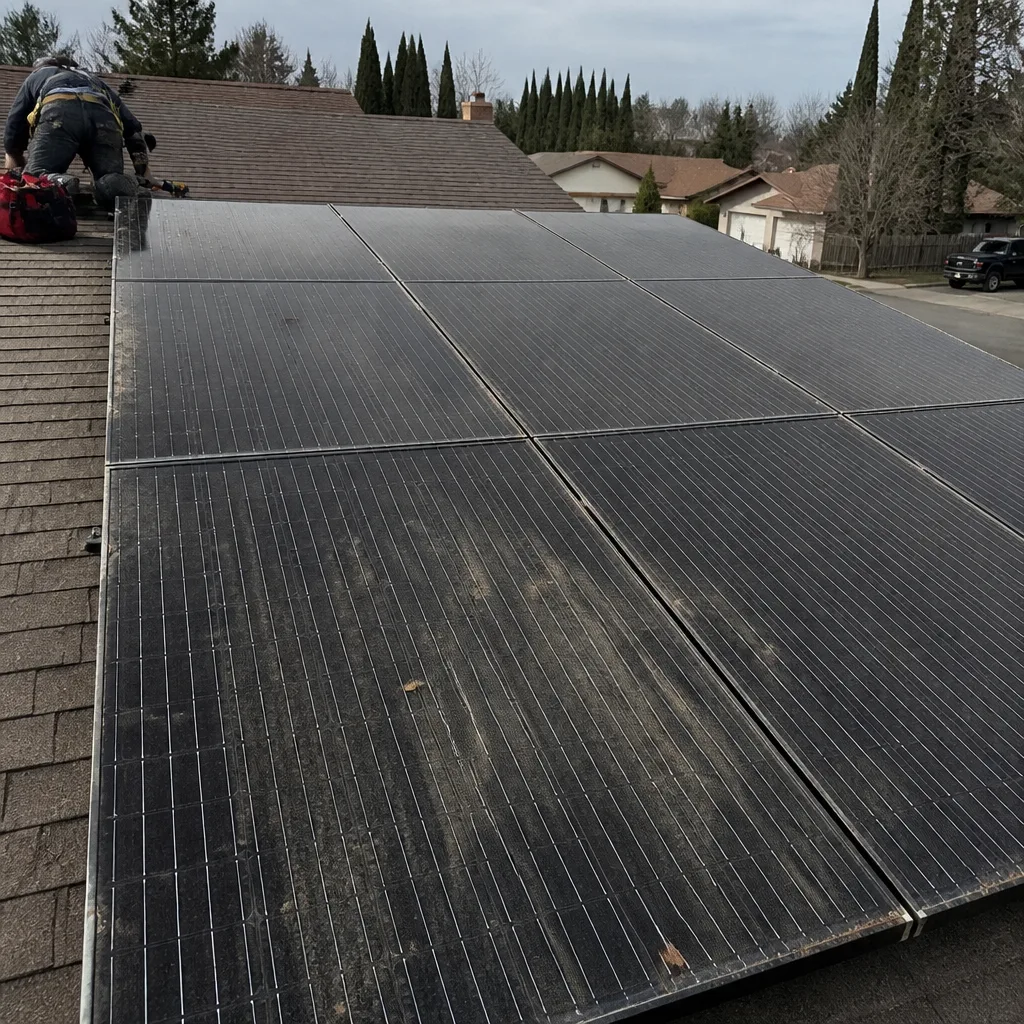 Before
 After
AfterFast, Reliable Commercial Solar Installation Across Palo Alto
Commercial solar installation in Palo Alto runs $85,000 to $450,000 depending on system size, roof type, and whether you add battery storage. Most projects take 8 to 16 weeks from permit to power-on, but CPAU’s interconnection queue can add two to four weeks if you’re not ahead of it. We’ve worked Palo Alto’s commercial roofs long enough to know the difference between a straightforward warehouse array and a Professorville storefront that needs Architectural Review Board sign-off. Call (877) 550-6892 and we’ll walk the roof with you before quoting anything.
Here’s the thing about Palo Alto that changes the math: you’re not on PG&E. City of Palo Alto Utilities runs its own grid, its own net metering program, and its own inspection process. That means the payback conversation is different here than in Menlo Park or Mountain View, even for identical buildings. We build that reality into every estimate we write for Commercial Solar Installation in Palo Alto. No brochure math, no generic spreadsheet. Just your actual CPAU bill, your actual roof, and a set of numbers you can verify.
Why Gus’s Solar Is Palo Alto’s Preferred Commercial Solar Installation Company
Gus Petrakis started this company in 2011 and never handed the work off to anyone else. When you call about a commercial array in the 94303 corridor or a battery retrofit in Midtown, you’re talking to the same person who signs the permits and shows up on install day. No national call center, no revolving door of project managers. Just one name on the truck and one phone number that a live person answers 24/7.
Our reputation in Palo Alto comes from the weird jobs. The 1960s warehouse on Industrial Avenue with a sawtooth roof that needed microinverters instead of a central string inverter because every azimuth caught different morning light. The flat-roof Eichler-style commercial building in Midtown where conventional racking would have punched holes in the roof membrane. The corner storefront in 94301 where panel visibility from the street triggered a historic-district review nobody warned the owner about. We’ve handled all of it, and we tell you about these pitfalls before you sign, not after.
Every job carries our 90-Day Done Right Promise in writing. If something isn’t right, one call brings Gus back. No ticket queue, no escalation department. You call, he shows up.
Our Commercial Solar Installation Services in Palo Alto
Commercial Rooftop Solar
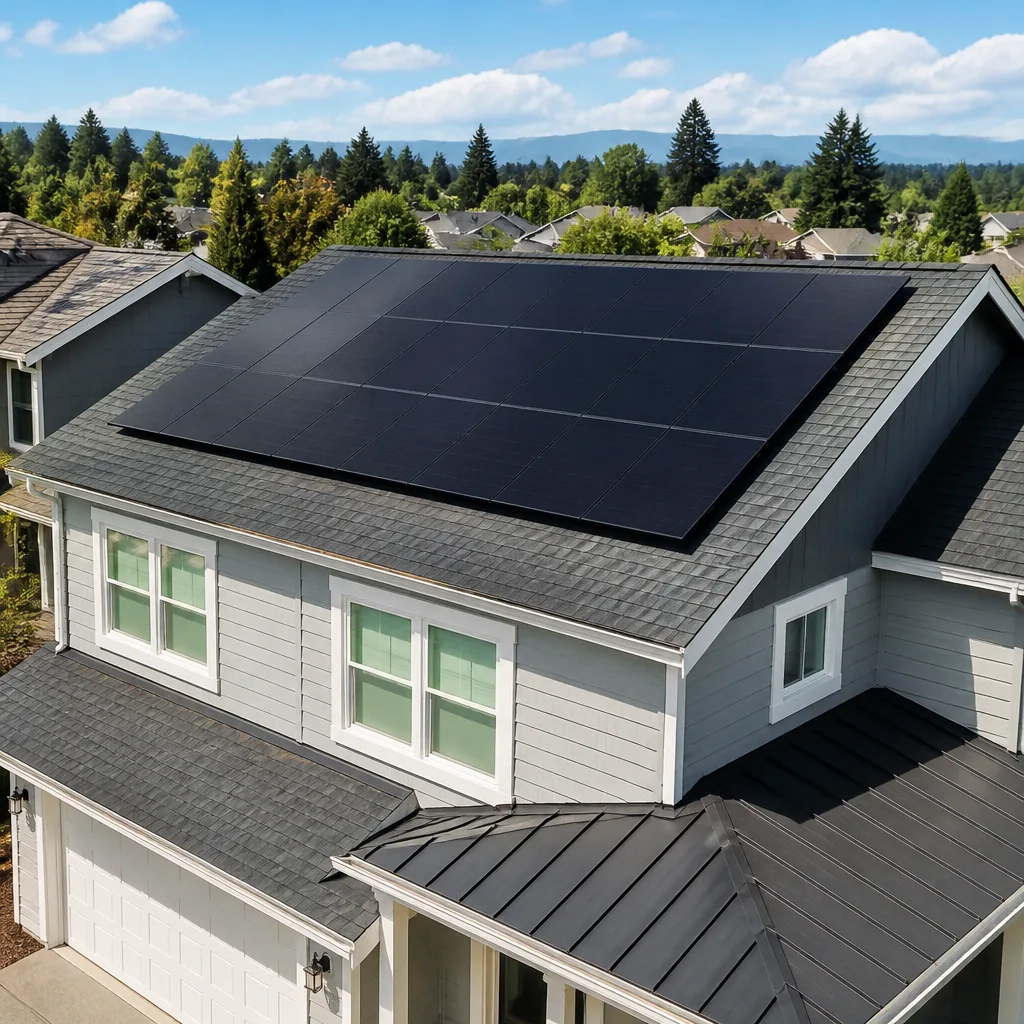
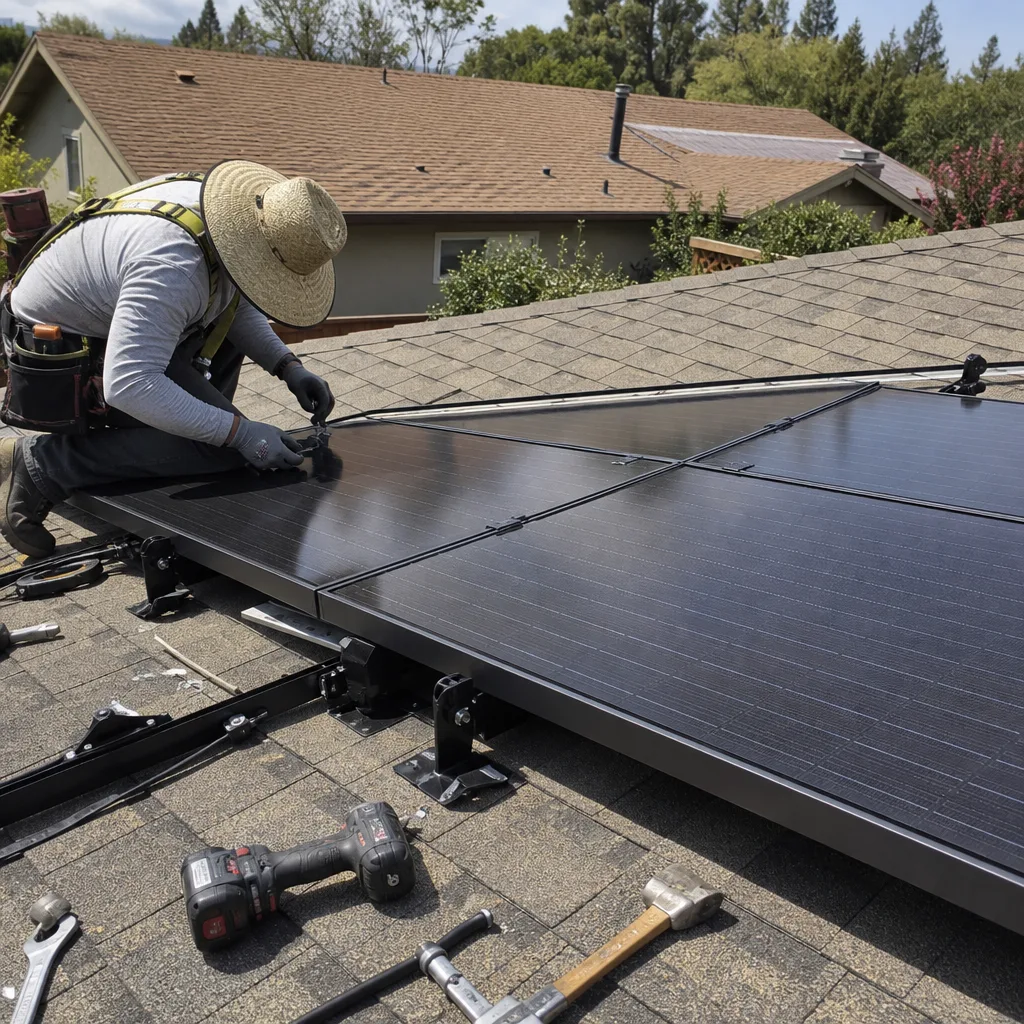
Rooftop arrays are the workhorse of Palo Alto commercial solar. Most of the warehouses and office buildings in 94303 and 94304 have flat or low-slope membrane roofs that take ballasted racking well, but only if the dead-load calculation includes the full weight of ballast blocks, panels, and wind-uplift resistance. We run those numbers off the building’s structural drawings, not a guess. Where the roof membrane is older, we coordinate with your roofer so penetrations get flashed and sealed the same week, not three months apart.
Warehouse & Industrial Solar
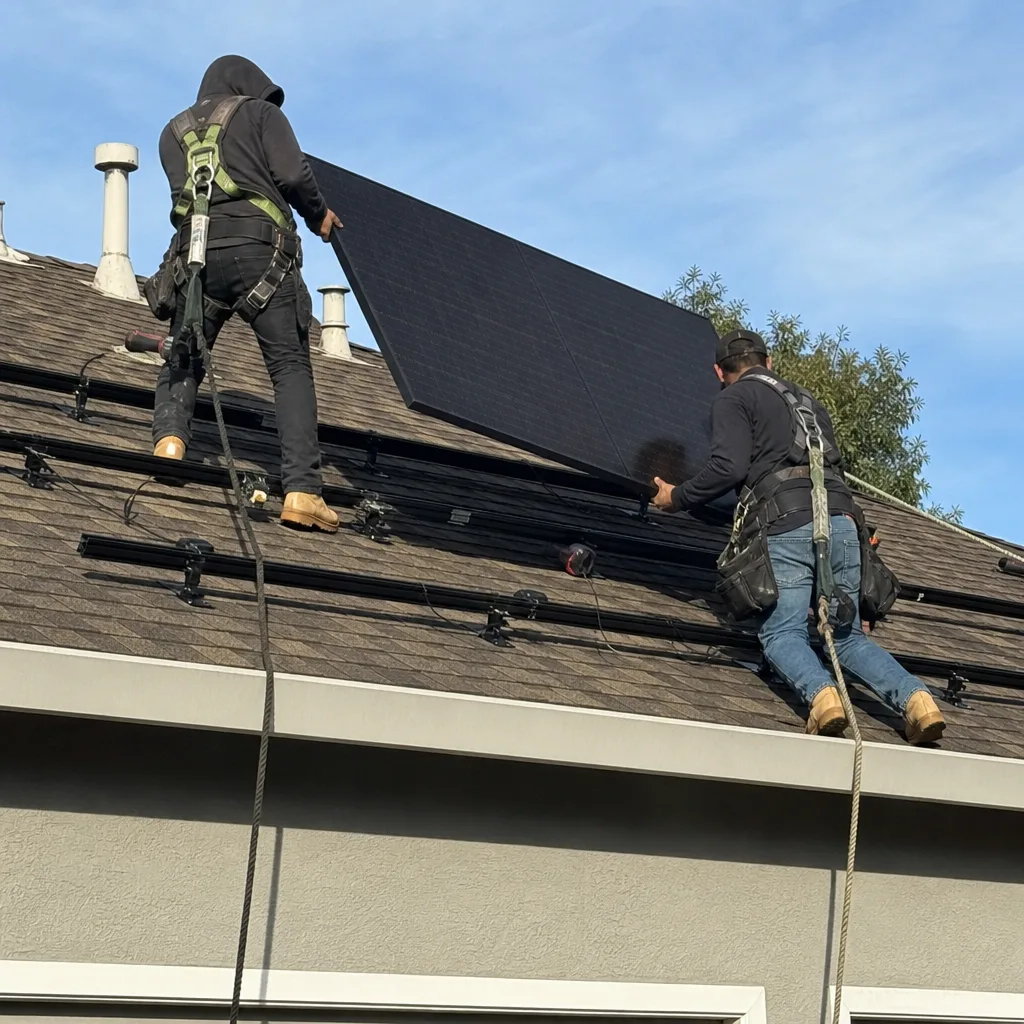
Large-footprint industrial roofs in Palo Alto’s eastern corridor often have the best solar economics in the city: big square footage, minimal shading, and high daytime load. But sawtooth and clerestory designs common in 1960s-era industrial buildings create multiple roof planes with different azimuths. That’s where microinverters from Enphase or SolarEdge’s power optimizers earn their keep. A central inverter strings across mismatched roof planes and leaves production on the table. We quote what the year-25 output actually looks like, not the day-one brochure number.
Solar Carport Installation
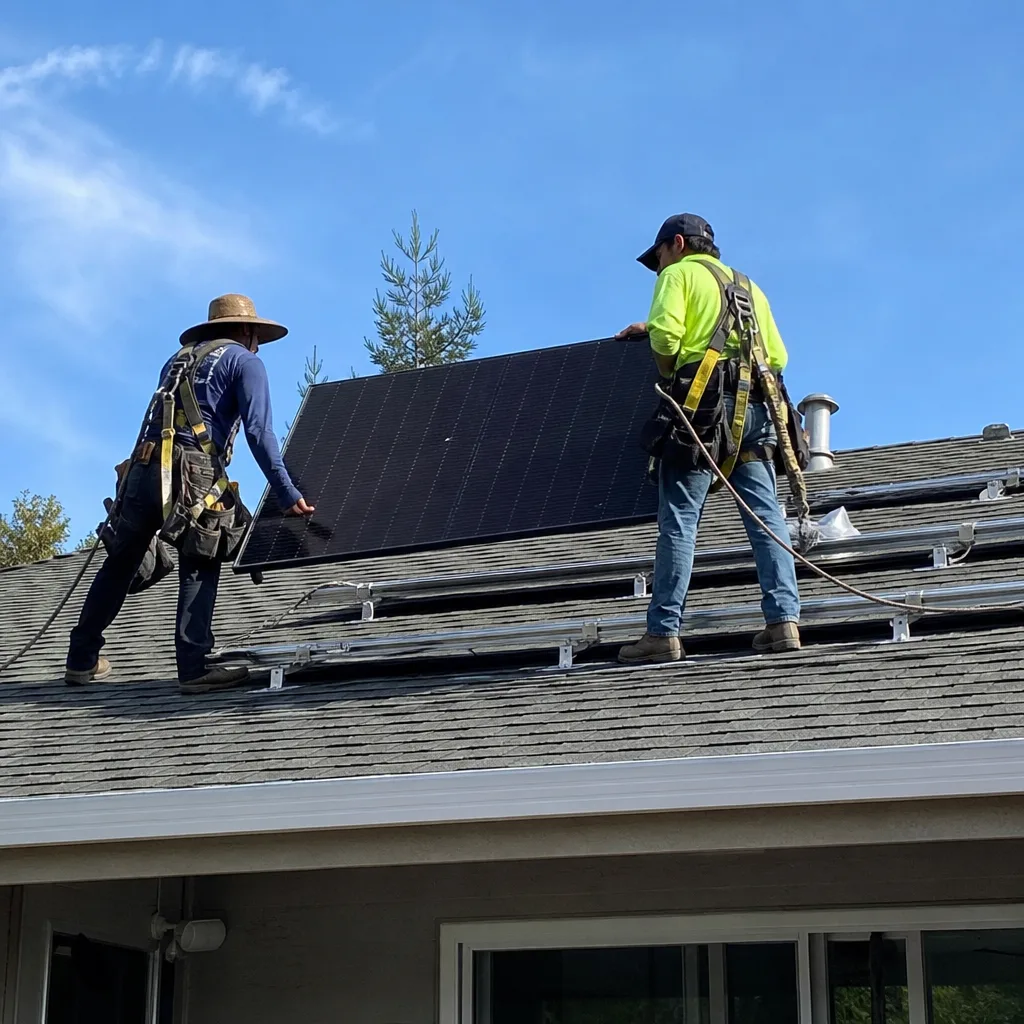
Palo Alto has steady demand for solar carports in office park settings, especially where rooftop space is limited or the building owner doesn’t want penetrations. Carports double as shaded parking and generation, and they sidestep a lot of the roof-membrane concerns entirely. The catch is structural engineering: carport footings need soil reports, and CPAU’s inspectors look at the electrical runs from the carport back to the service panel with particular care. We’ve done enough of these in Palo Alto to know exactly what triggers a correction notice and what passes first time.
Commercial Battery Storage
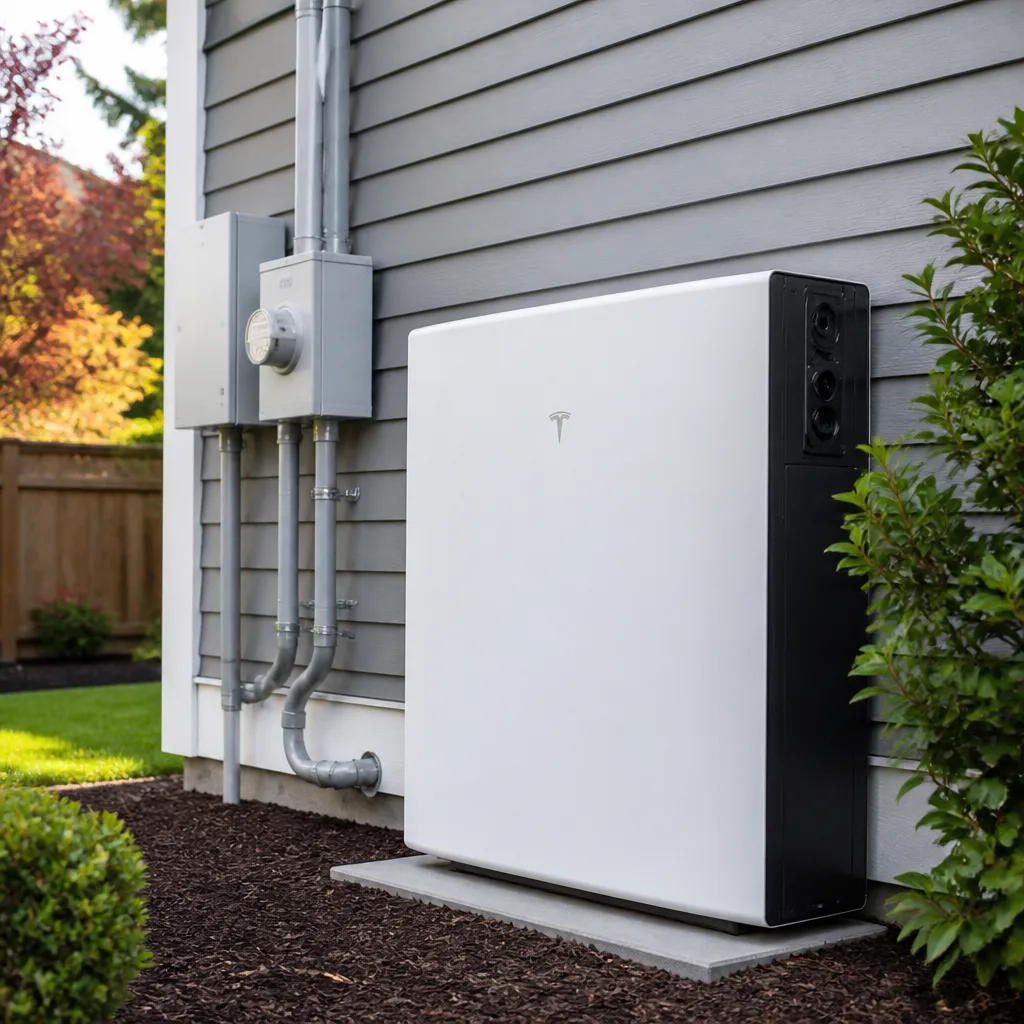
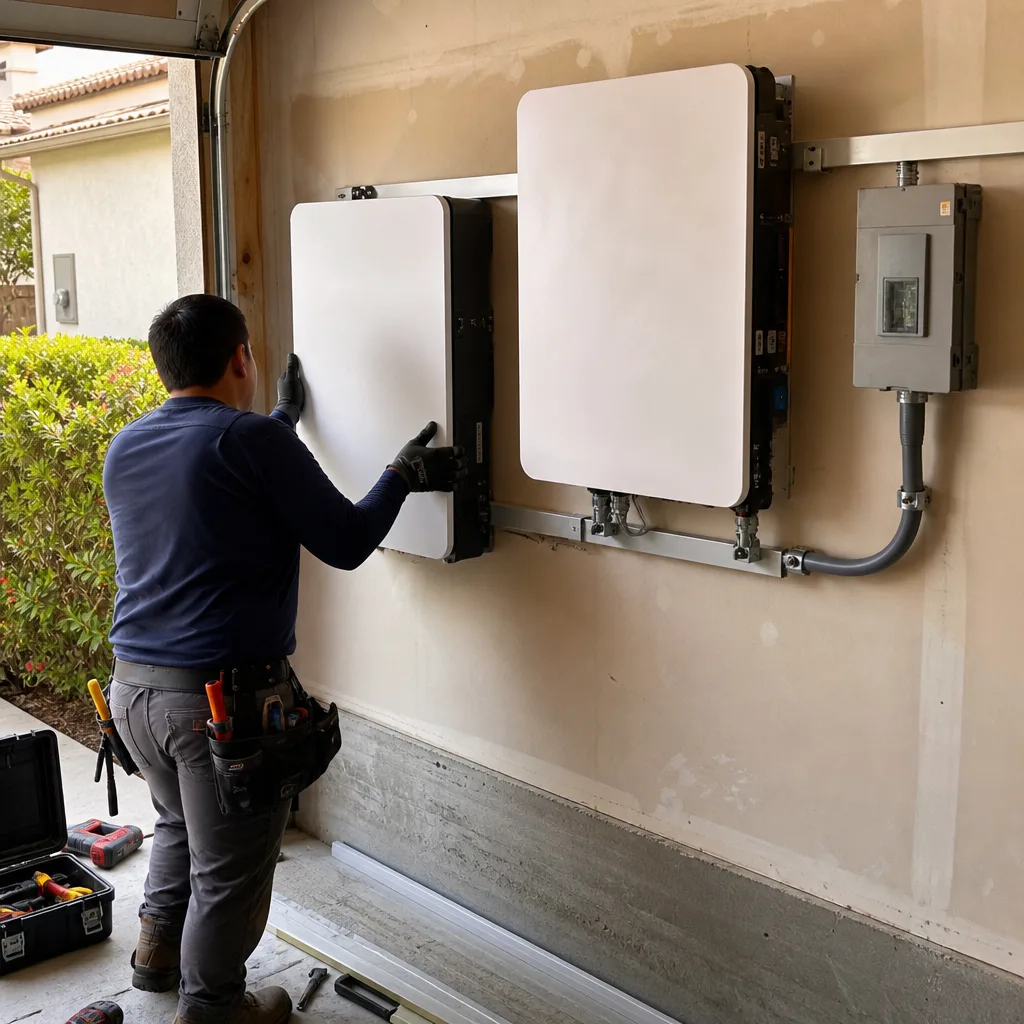
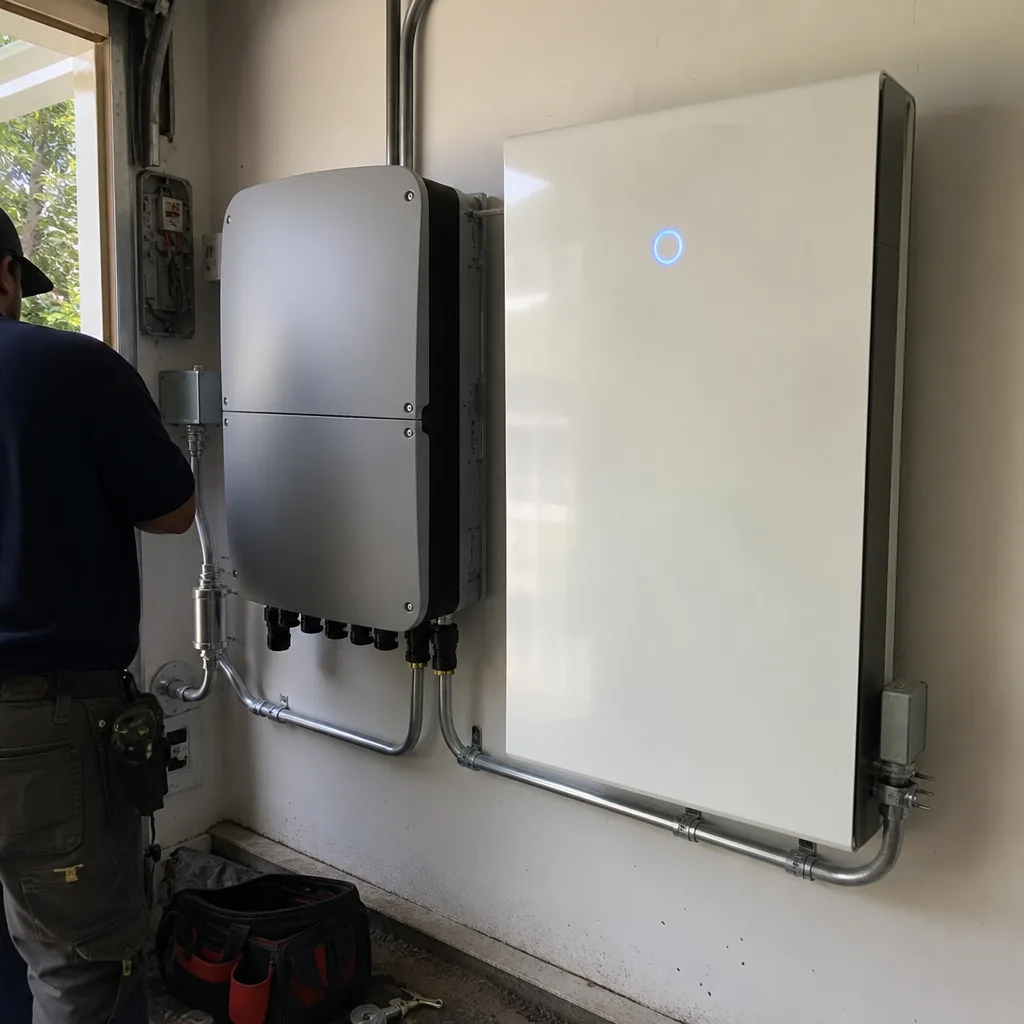
CPAU’s grid is reliable, but their rates have climbed steadily, and their net metering credit structure doesn’t pay you back at full retail for every kilowatt-hour you export. Commercial battery storage changes the arithmetic: instead of selling your midday surplus back to CPAU at wholesale, you store it and use it during peak afternoon and evening hours. For Palo Alto restaurants, data centers, and any business with a large afternoon load, that’s the difference between a 7-year payback and a 12-year payback. We pair Tesla Powerpack, FranklinWH, and Enphase battery systems with arrays and model the whole thing against your actual CPAU interval data.
What happens when you call
- 1
A real person answersNo phone trees - you reach a local pro.
- 2
You get an upfront price rangeHonest numbers before anyone is dispatched.
- 3
A background-checked tech heads outLicensed & insured, dispatched right away.
- 4
You approve before work beginsNothing starts until you say go.
Trusted Brands We Service in Palo Alto
We install and service equipment from Qcells, REC, SunPower, and Panasonic, along with inverters from Enphase and SolarEdge. We keep common replacement parts stocked in our Bay Area shop so a failed microinverter or a degraded panel isn’t a three-week wait. For Palo Alto customers, that means if something underperforms, we’re back on the roof faster than the manufacturer’s warranty process can even assign a case number. We also do warranty work on systems we didn’t install, because a lot of Palo Alto businesses bought from a national outfit that isn’t answering its phone anymore.
Common Commercial Solar Installation Problems We See in Palo Alto Homes
- CPAU interconnection lead times caught too late. The city’s municipal utility processes solar interconnection applications on its own timeline, and it’s often two to four weeks longer than neighboring PG&E territory. We had a warehouse on Industrial Avenue where the inverter commissioning slipped by two weeks because the interconnection queue wasn’t in the schedule from day one. Lesson: file with CPAU before you order equipment, not after.
- Wrong racking on flat and low-slope commercial roofs. Lots of Palo Alto commercial buildings are Eichler-influenced or have modified-bitumen roofs that don’t take standard pitched-roof mounts. Punching conventional racks into that surface is how you get water intrusion and a roofer who won’t warranty the patch. Ballasted systems or custom flash-mount designs are the right call, but they require a structural review first.
- Historic overlay surprises in 94301. A commercial storefront in the Professorville historic district can need Architectural Review Board approval on panel placement and visibility from the street. That’s several extra weeks of permit time, plus review fees, and it comes as a surprise to owners who didn’t check the historic overlay map. We pull that map before we quote any roof in Old Palo Alto.
- Summer marine layer messing with production estimates. Palo Alto sits far enough inland to avoid the heavy fog that kills production in Pacifica, but June through August mornings still see marine layer suppression. If your array is fixed-tilt and east-facing, that morning loss adds up over 25 years. We model production with real local weather data from Palo Alto, not a generic NREL table.
Pricing for Commercial Solar Installation in Palo Alto, CA
A commercial rooftop array in Palo Alto typically runs $2.10 to $2.80 per watt for the system itself, before any battery storage. That puts a 50 kW system at roughly $105,000 to $140,000, and a 200 kW warehouse array at $420,000 to $560,000. Commercial battery storage adds $700 to $1,000 per kilowatt-hour of capacity, so a 100 kWh system lands around $70,000 to $100,000 before incentives. Solar carports run 15 to 25 percent higher per watt than rooftop because of the steel and engineering involved. The biggest cost variables in Palo Alto are CPAU interconnection fees, roof condition, and whether your building sits in a historic overlay where architectural review adds time and money.
We give you a written quote built off your actual CPAU bill, not a generic brochure estimate. Take two weeks with it. Think about it. The price will be the same when you’re ready. Call (877) 550-6892 for a free estimate, and if you have a written quote from another installer, bring it in. We’ll give you a second opinion on it for free.
We Also Serve Cities Near Palo Alto
Most of our crew lives within 30 minutes of Palo Alto, so Palo Alto jobs get same-week site visits. We regularly work in Stanford, East Palo Alto, Atherton, and Los Altos Hills too. If you’re at the county line or just across it, call and ask. The Commercial Solar Installation team covers the whole mid-peninsula and South Bay, and we’ll tell you straight if the drive makes your job a fit for us or not.
Serving Palo Alto, CA - Our Local Coverage Area
We’re based in the Palo Alto area and know this community well. Use the map below to see our service coverage - if you’re nearby, we can almost certainly help.
FAQs - Commercial Solar Installation in Palo Alto
Yes, CPAU offers net metering for commercial solar, but the credit rate structure is different from PG&E’s, and your export credits are settled on CPAU’s true-up calendar, not PG&E’s. In practice, your bill looks different than an identical system in Menlo Park: CPAU’s rates bake in a different cost-of-service calculation, and the city already procures nearly 100 percent carbon-free power, so the financial case here leans more on rate hedging and energy independence than on carbon reduction. Bring us a CPAU bill and we’ll show you the real numbers. Call (877) 550-6892 for a free bill analysis.
The Architectural Review Board in Palo Alto’s historic districts, including parts of 94301, can require design review for roof-mounted solar panels if they’re visible from the street, which adds several weeks to the permit timeline and a review fee that doesn’t exist elsewhere in the city. We check the historic overlay map before quoting any commercial roof in Professorville or Old Palo Alto so there are no surprises mid-permit.
Ballasted racking systems work well on flat and low-slope commercial roofs in Palo Alto, because they don’t require roof penetrations at all. For buildings where ballast weight is a concern, a flashed penetration mount with proper membrane sealing is the fallback, and we coordinate with your roofer so the warranty stays intact. The wrong rack on these roofs is the most common cause of leaks we see, and it’s almost always a cheap fix turned expensive.
Palo Alto’s summer marine layer suppresses morning solar production from June through August, typically shaving 10 to 20 percent off the first three to four hours of generation. That matters most for east-facing arrays on sawtooth warehouse roofs or any array where the morning is supposed to be the productive window. We size systems using local Palo Alto weather data, not generic Bay Area averages, so your payback numbers reflect what the array actually sees from this specific microclimate.
Battery storage usually makes sense for Palo Alto commercial buildings that have high afternoon loads or that want to arbitrage the difference between CPAU’s midday export credit and its peak evening rate. The grid is reliable, so backup isn’t the driver here; it’s the bill. We model your interval usage data and tell you the exact crossover point where a battery pays for itself. If the numbers don’t work, we tell you that too.
Written by Gus Petrakis, Owner at Gus’s Solar, serving Palo Alto since 2011.