
Free bill analysis - bring a power bill, get the production math for your actual roof, panel brands like Qcells and REC compared side by side
If the pitch starts at your door and ends with "sign tonight for the special," sleep on it. The sun will still be there tomorrow; so will we.
 Before
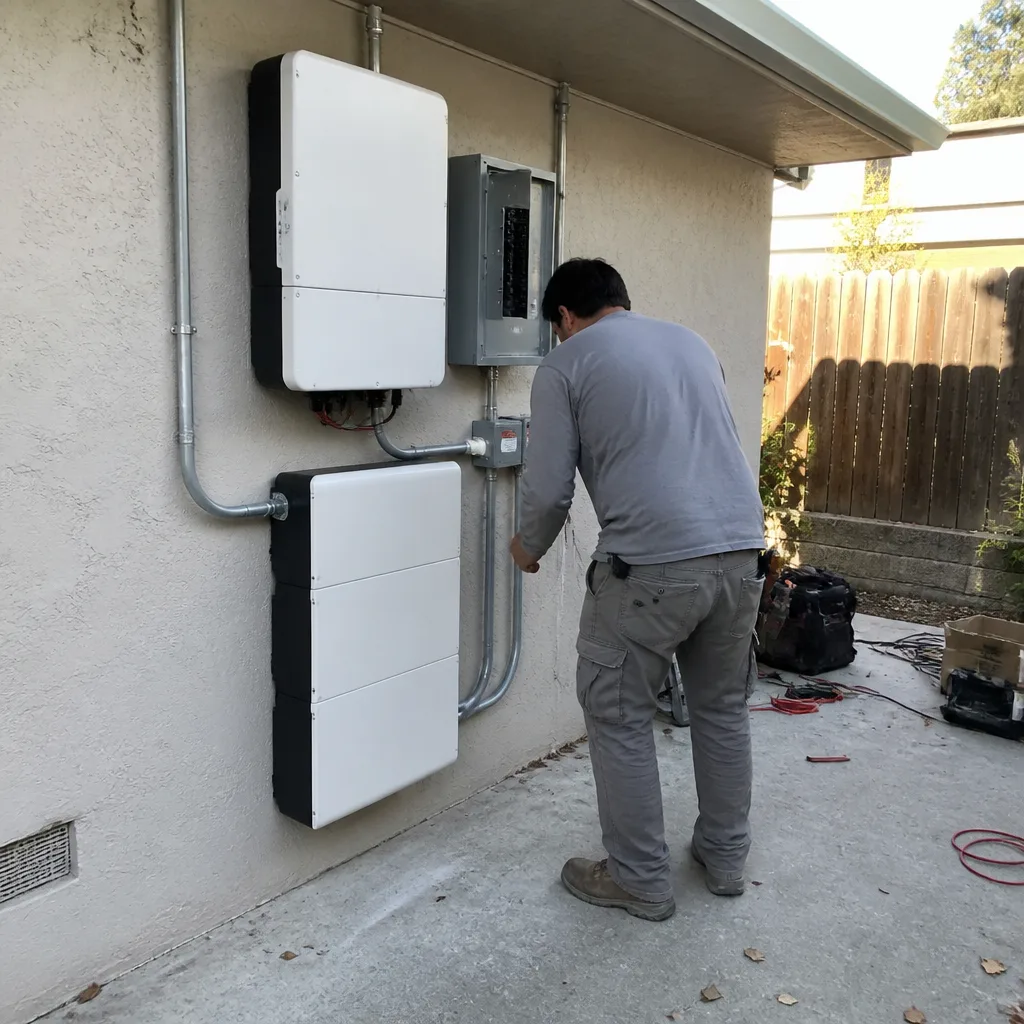 After
After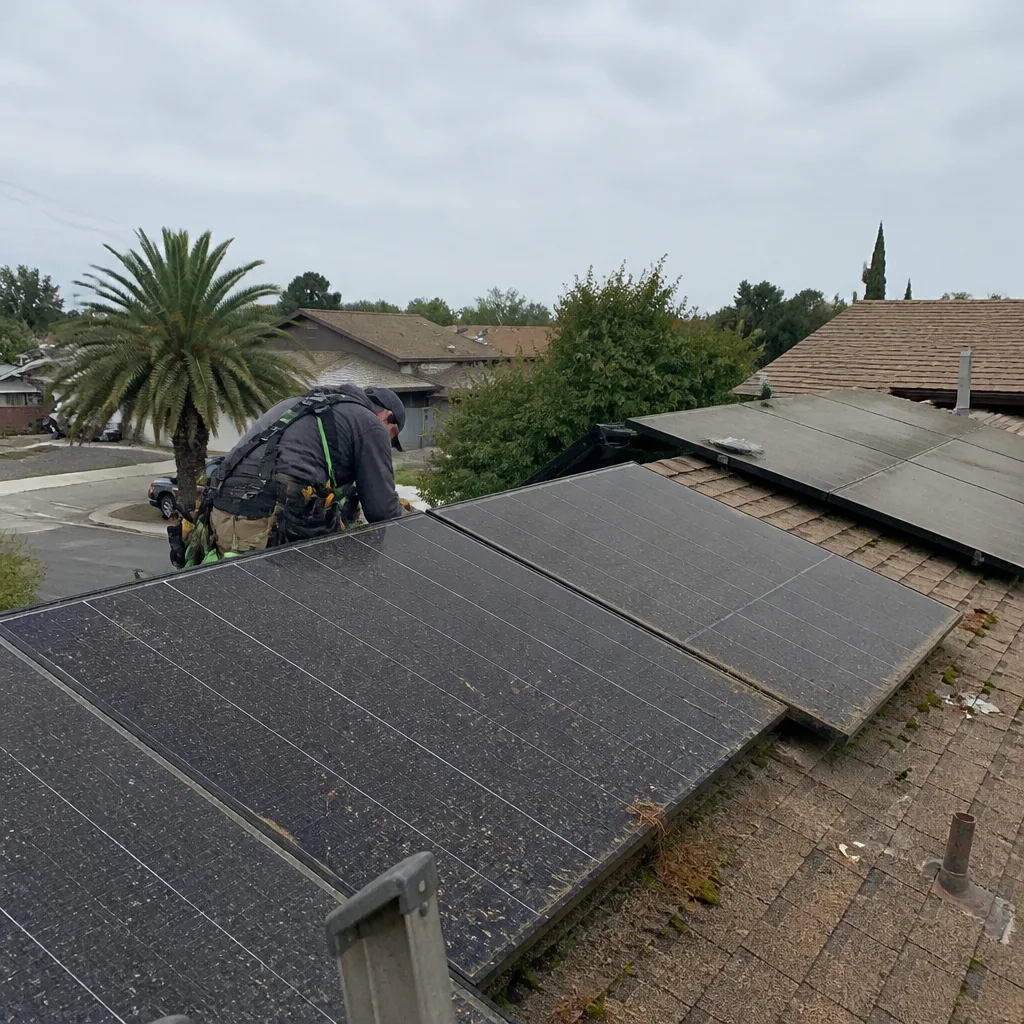 Before
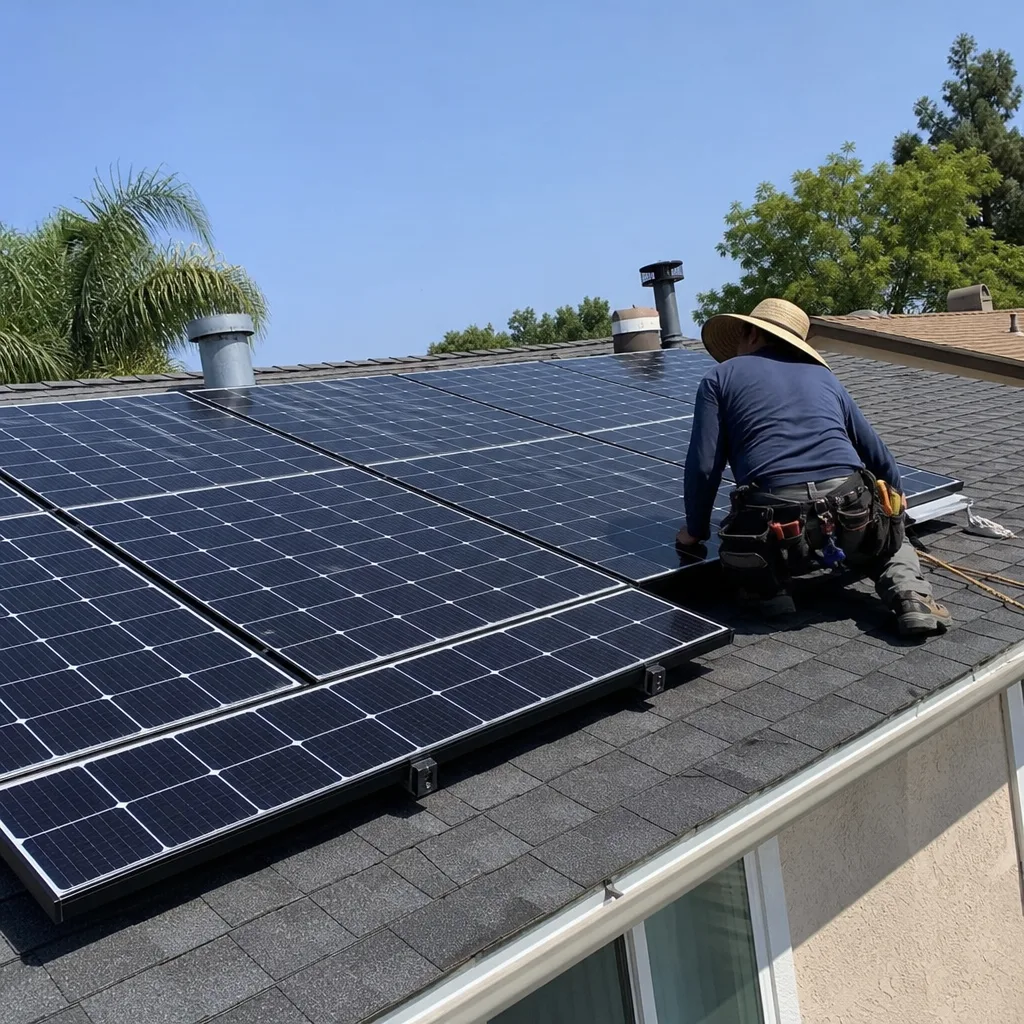 After
After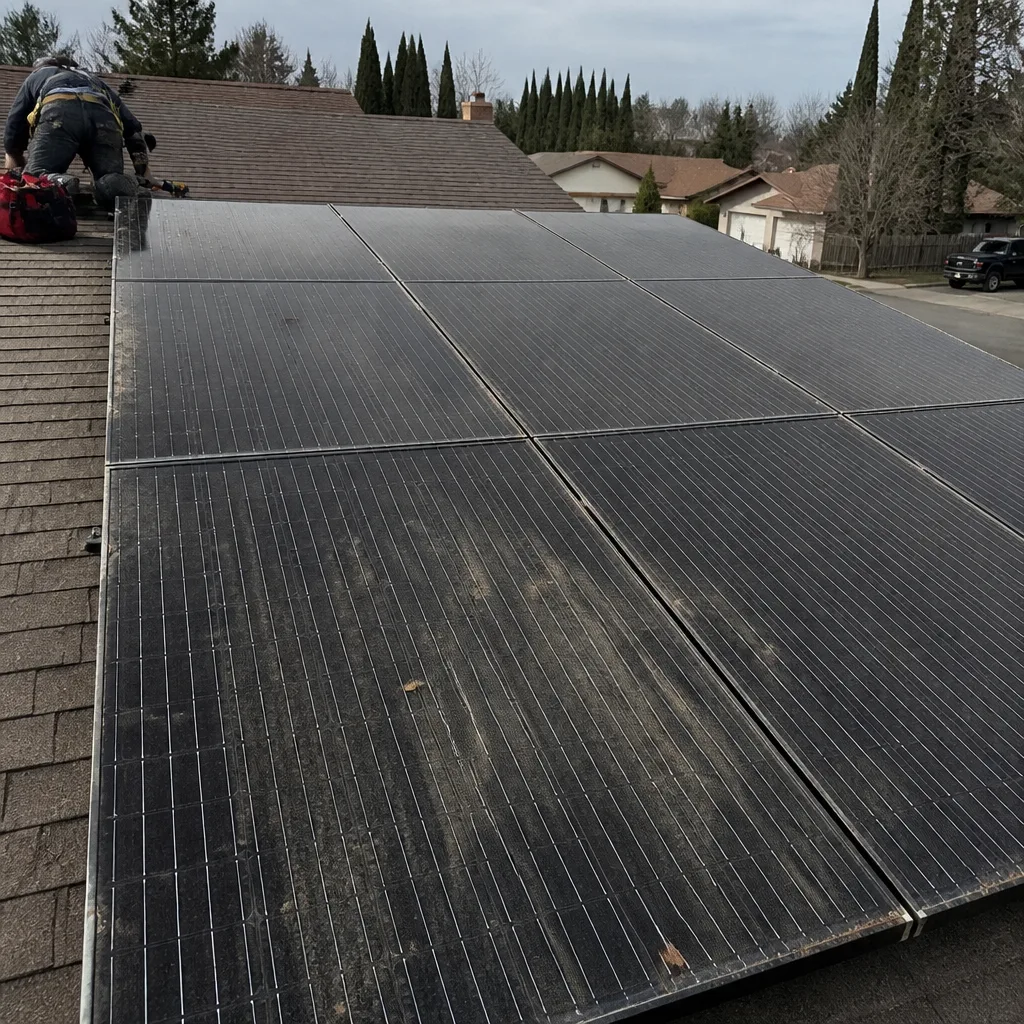 Before
 After
AfterFast, Reliable Commercial Solar Installation Across Stanford
Commercial solar in Stanford runs on a different set of rules than anywhere else in the Bay Area. Stanford University owns virtually every commercial building in the 94305 ZIP code, which means your project needs approval through Stanford Facilities Management and must clear the university’s design review before a single panel goes up. A typical commercial rooftop array in Stanford runs $85,000 to $240,000 depending on system size and structural work, and the interconnection alone can take six to eight weeks because you’re feeding Stanford’s own campus grid, not PG&E’s. That’s why working with a team that knows the institutional approval path matters more than any equipment spec. Call (877) 550-6892 and we’ll walk you through what your building actually needs.
Why Gus’s Solar Is Stanford’s Preferred Commercial Solar Installation Company
Gus Petrakis has been running solar crews in the Bay Area since 2011, and his name is on every truck, every quote, and every job. When you call about commercial solar at a Stanford property, you talk to a live person who knows what a SESI interconnection is and why it changes your timeline. Not a call center. Not a sales rep reading from a script.
We’ve done commercial work at university-owned buildings in Stanford, including a mid-century Faculty Staff Housing office conversion off Gerona Road. That job taught us more about Stanford’s internal metering protocol than any spec sheet ever could. Our crew coordinated directly with Stanford facilities managers, matched our SolarEdge inverter design to the building’s actual azimuth, and got the array through the university’s energy review. It took seven weeks for interconnection because we had to interface with the campus distribution grid rather than file a standard PG&E application. The payback still penciled out well because the panels degrade at only about half a percent per year, and the university’s energy managers can see exactly what they’re banking each spring.
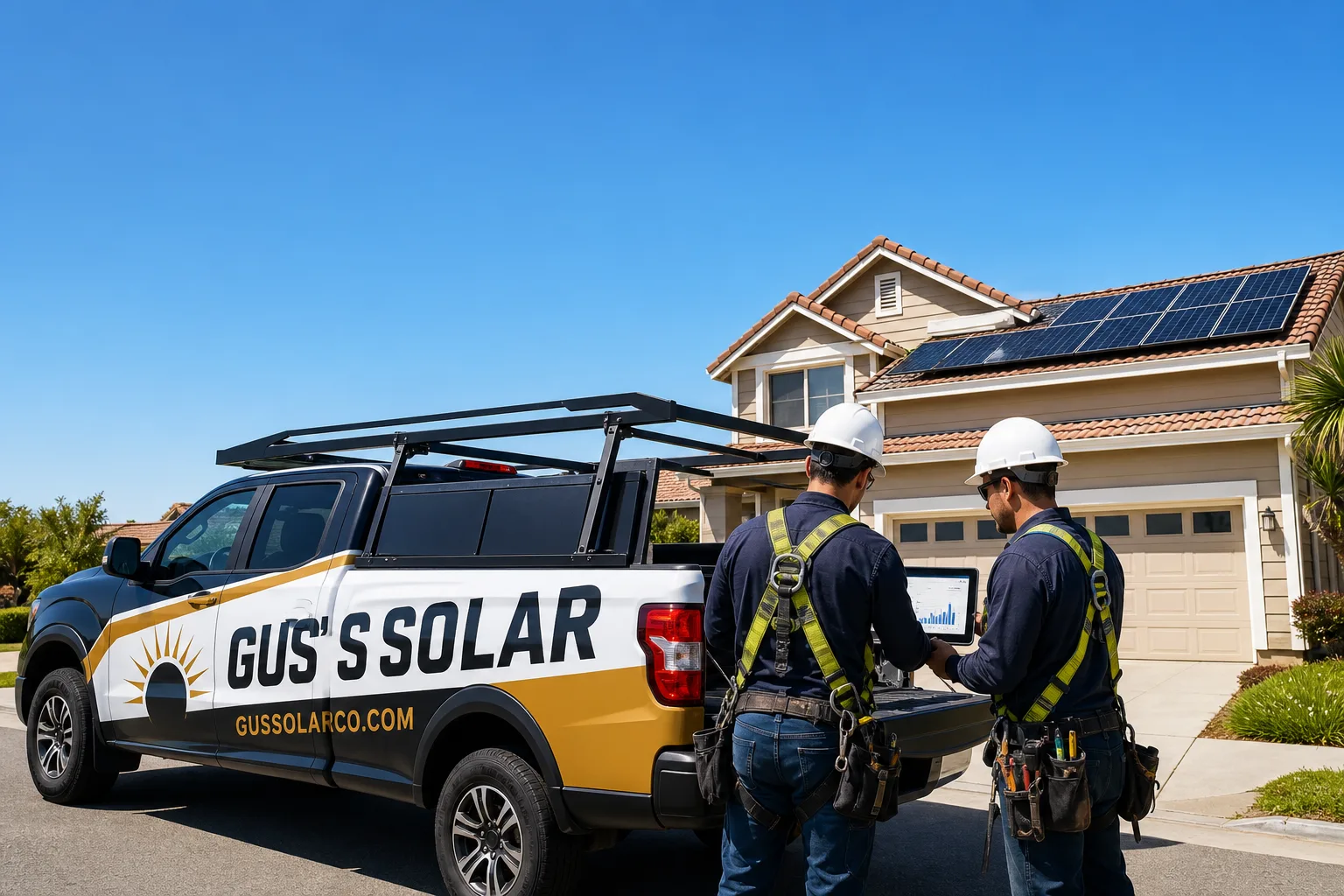
When Stanford calls, we’re there. Our scheduling is coordinated from the Bay Area office, and our crews serve Stanford locally. The 90-Day Done Right Promise applies to every commercial job we take, in writing. If something isn’t right, Gus comes back and fixes it. No fine print, no chasing a subcontractor. Our own uniformed crew does the install.
Our Commercial Solar Installation Services in Stanford
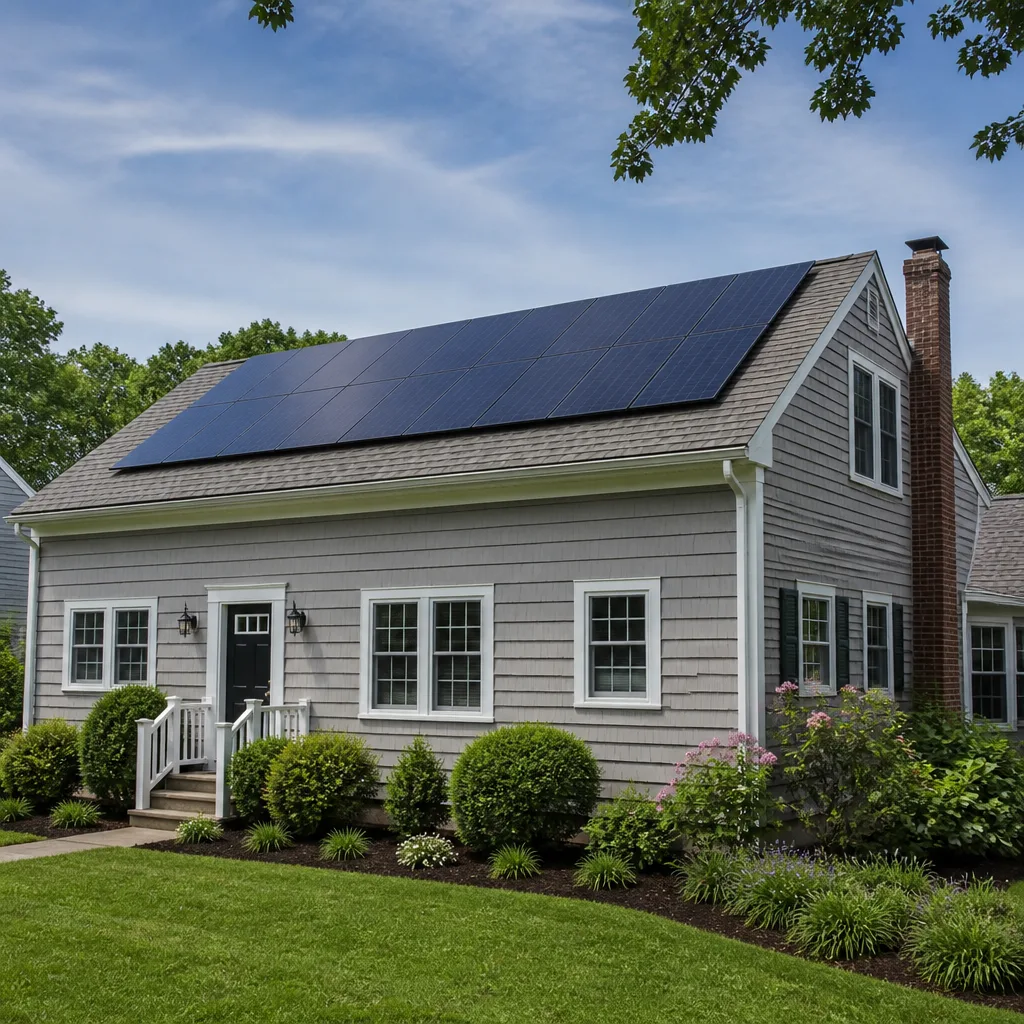
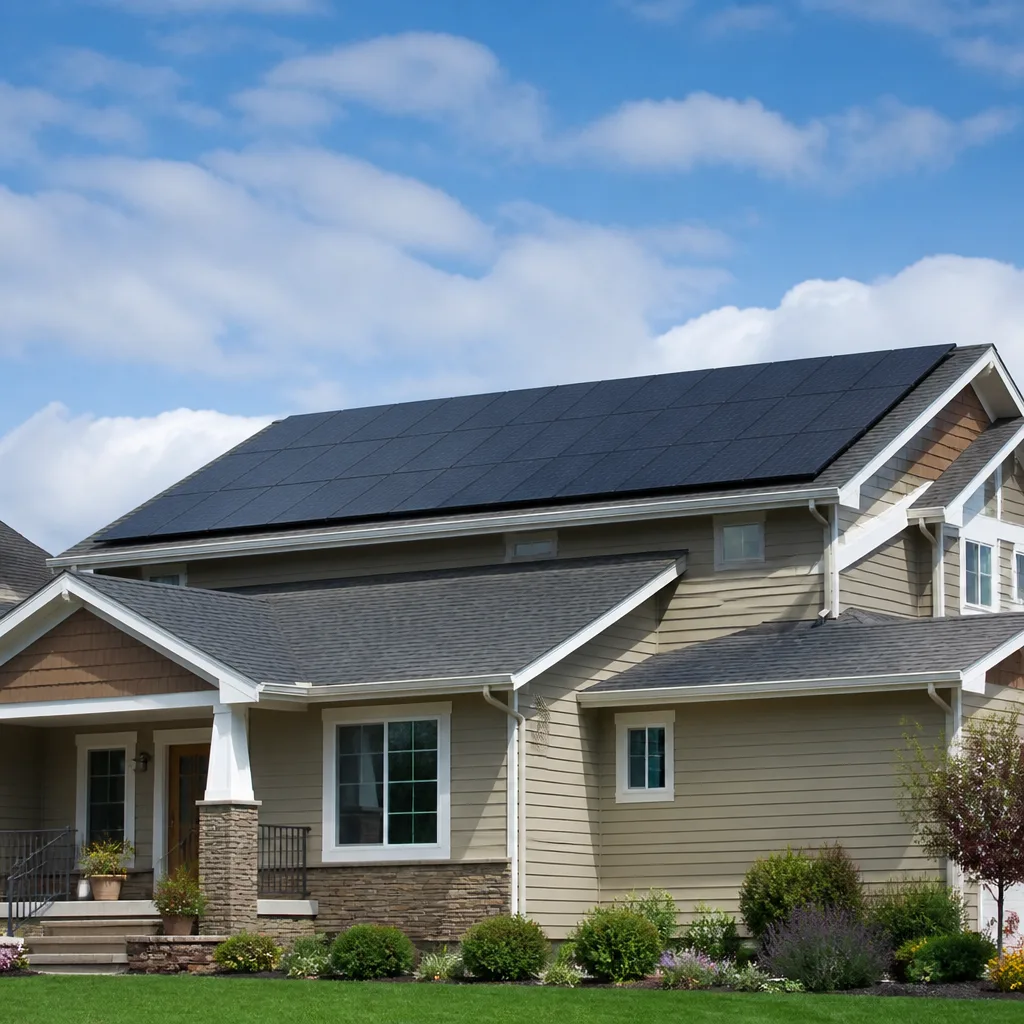
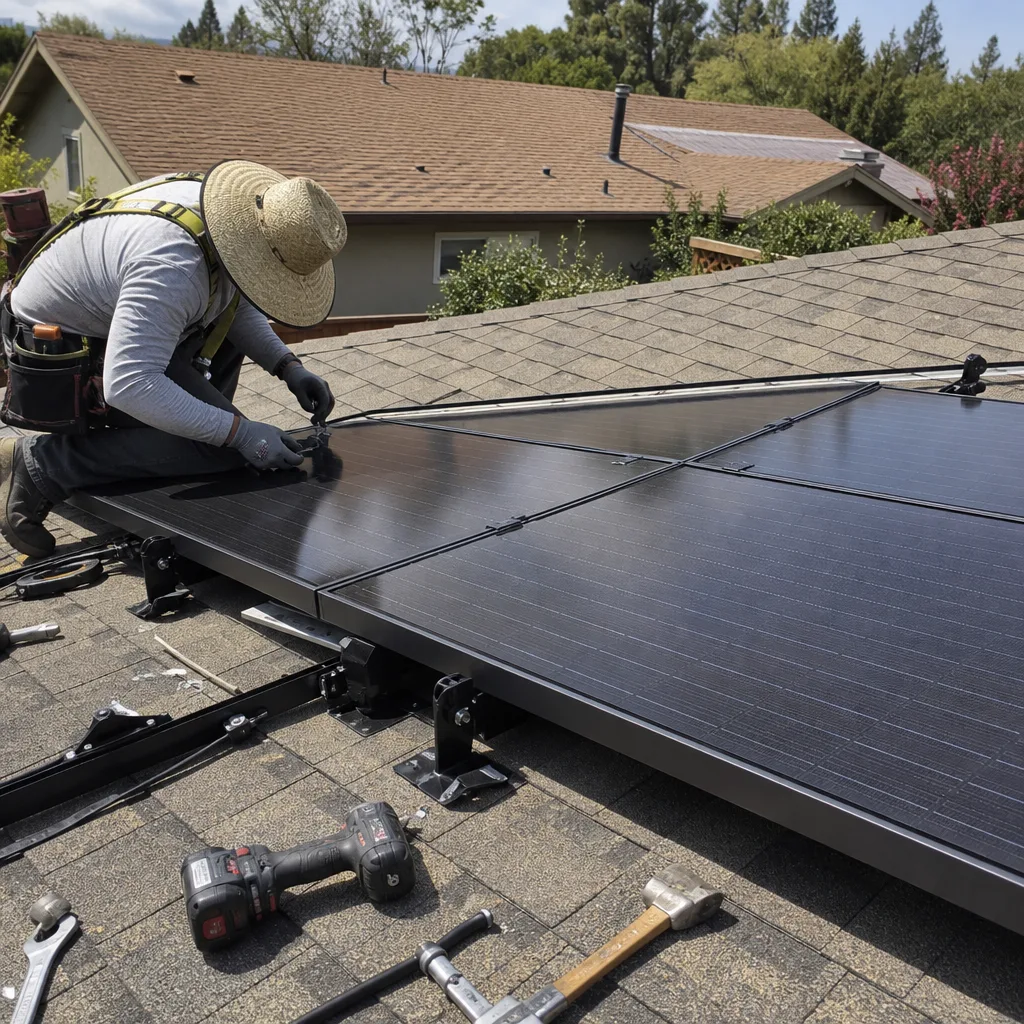
Commercial Rooftop Solar
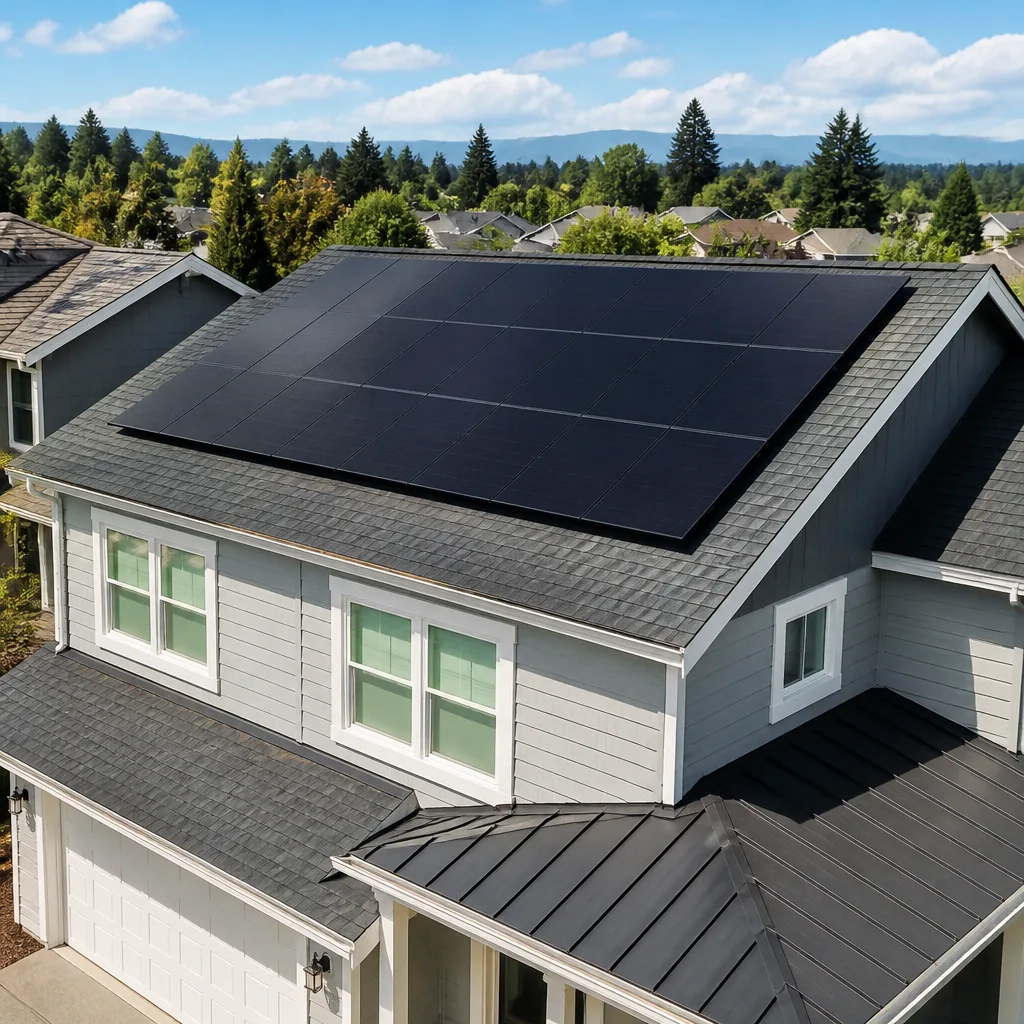
Most commercial buildings in Stanford are university-owned, and that changes the rooftop conversation. You’re not just sizing panels to a roof; you’re working within the university’s architectural review standards, especially for buildings near the Main Quad where historic character guidelines restrict visible rooftop equipment. A 50 kW commercial rooftop array in Stanford typically runs $95,000 to $150,000 installed. We spec Qcells and REC modules for these jobs because their degradation rates hold up over the 25-year window that institutional buyers care about.
Solar Carport Installation
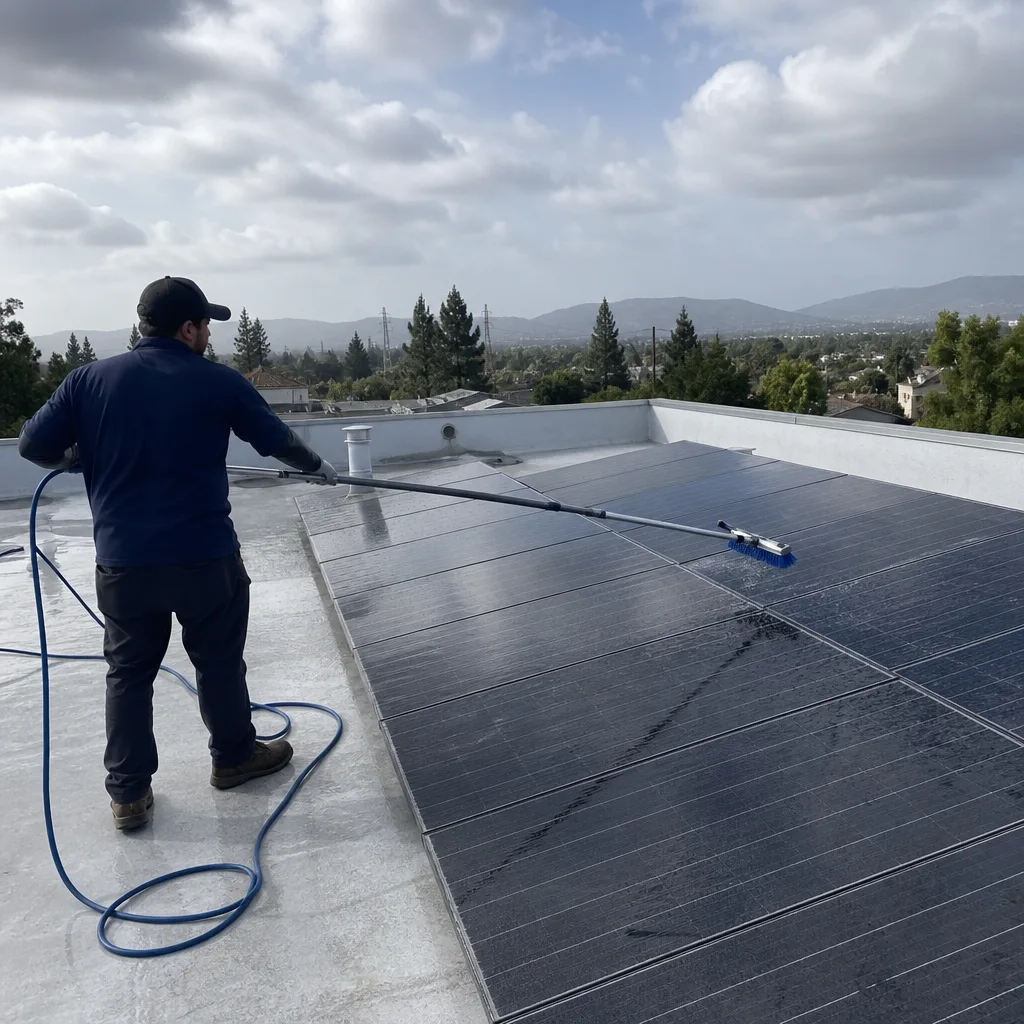
Stanford’s campus has parking lots that are functionally the best solar real estate in the ZIP code. Carports avoid roof penetrations entirely, which means no landlord roof warranty issues and faster approval through Facilities Management. A single-aisle commercial carport array with 30 to 40 kW of capacity runs $70,000 to $110,000 in Stanford. The steel structure does the heavy lifting, and the energy production is often better than rooftop because you can optimize tilt angle without fighting the building’s existing roofline. For buildings near heritage trees or with slate or tile roofs that shouldn’t be touched, carports are usually the answer.
Commercial Battery Storage
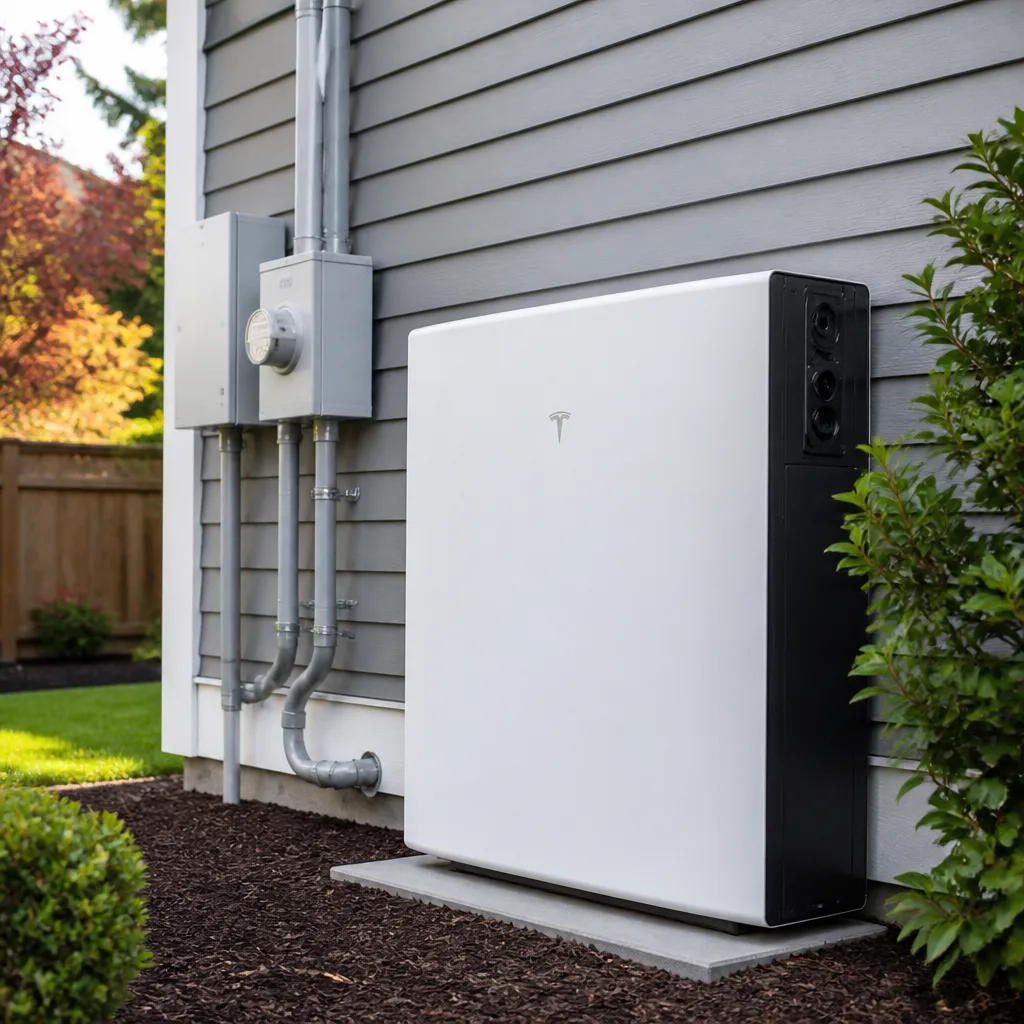
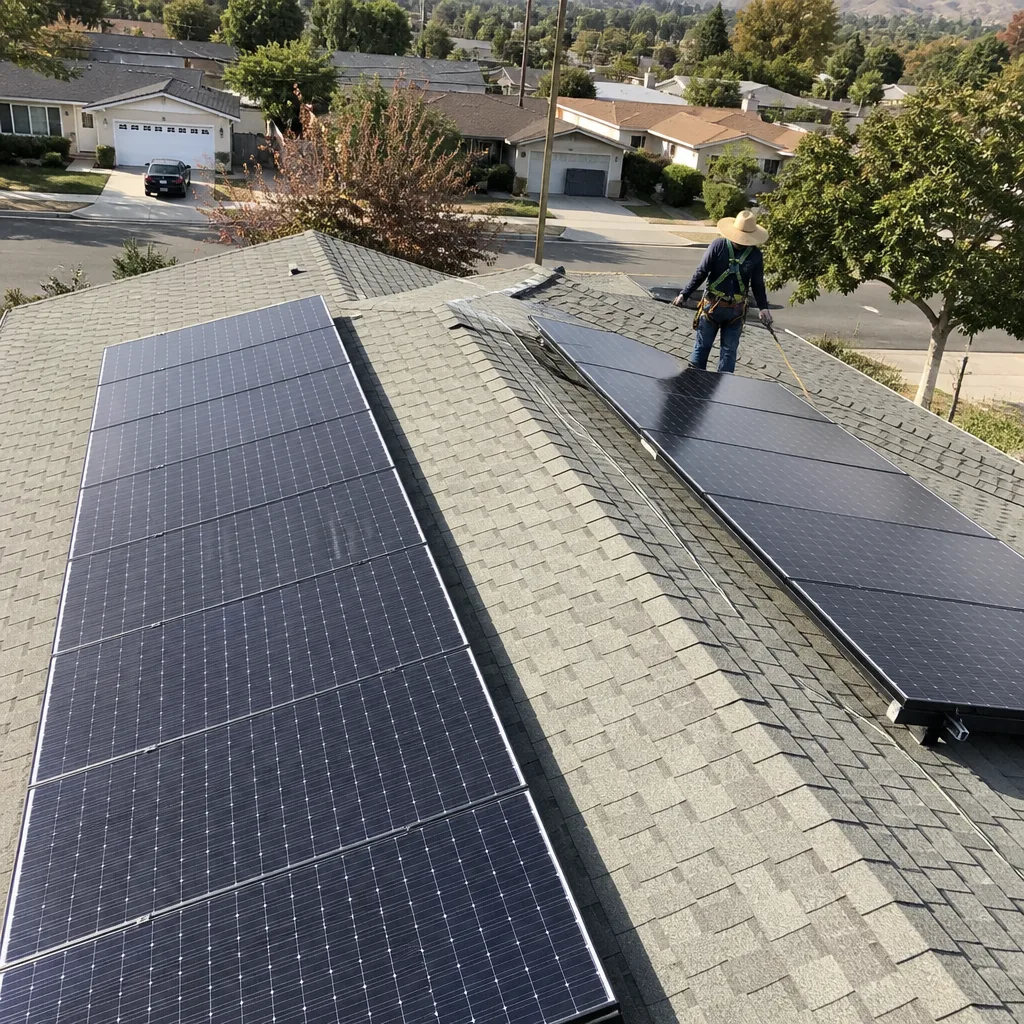
Battery storage on Stanford’s campus grid is a different animal than a standard PG&E interconnection. The university’s energy system has its own demand profiles, and a battery that’s sized wrong is a capital expense that never pays for itself. We design commercial battery systems around the building’s actual interval data, not a generic rule of thumb. A 30 kWh commercial battery system in Stanford runs $28,000 to $45,000 installed. FranklinWH and Enphase are our go-to brands for this market because their monitoring software gives university energy managers the visibility they need to justify the spend.
Agricultural & Ground-Mount Solar
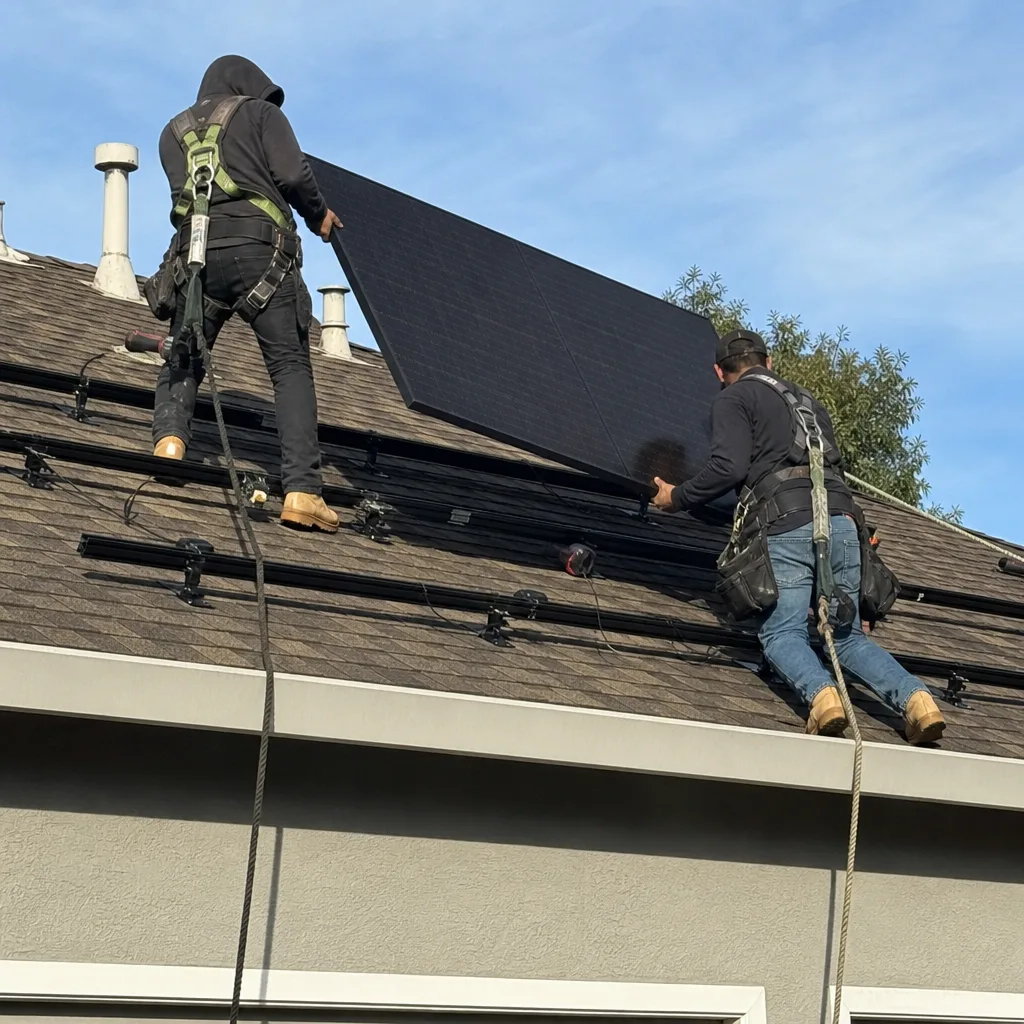
Stanford may be known for the university, but there are still large open parcels and agricultural research areas within the ZIP. Ground-mount arrays sidestep every rooftop approval headache and let you build at the exact angle your latitude wants. A 100 kW ground-mount system in Stanford runs $160,000 to $230,000 before any incentive. The site work matters: Stanford’s dry summers mean minimal shading from marine overcast, which pushes annual irradiance well above the Bay Area average, but you still need to account for heritage tree shadows and the university’s landscape review. We handle that with a shade analysis up front, so the production estimate is not a surprise.
What happens when you call
- 1
A real person answersNo phone trees - you reach a local pro.
- 2
You get an upfront price rangeHonest numbers before anyone is dispatched.
- 3
A background-checked tech heads outLicensed & insured, dispatched right away.
- 4
You approve before work beginsNothing starts until you say go.
Trusted Brands We Service in Stanford
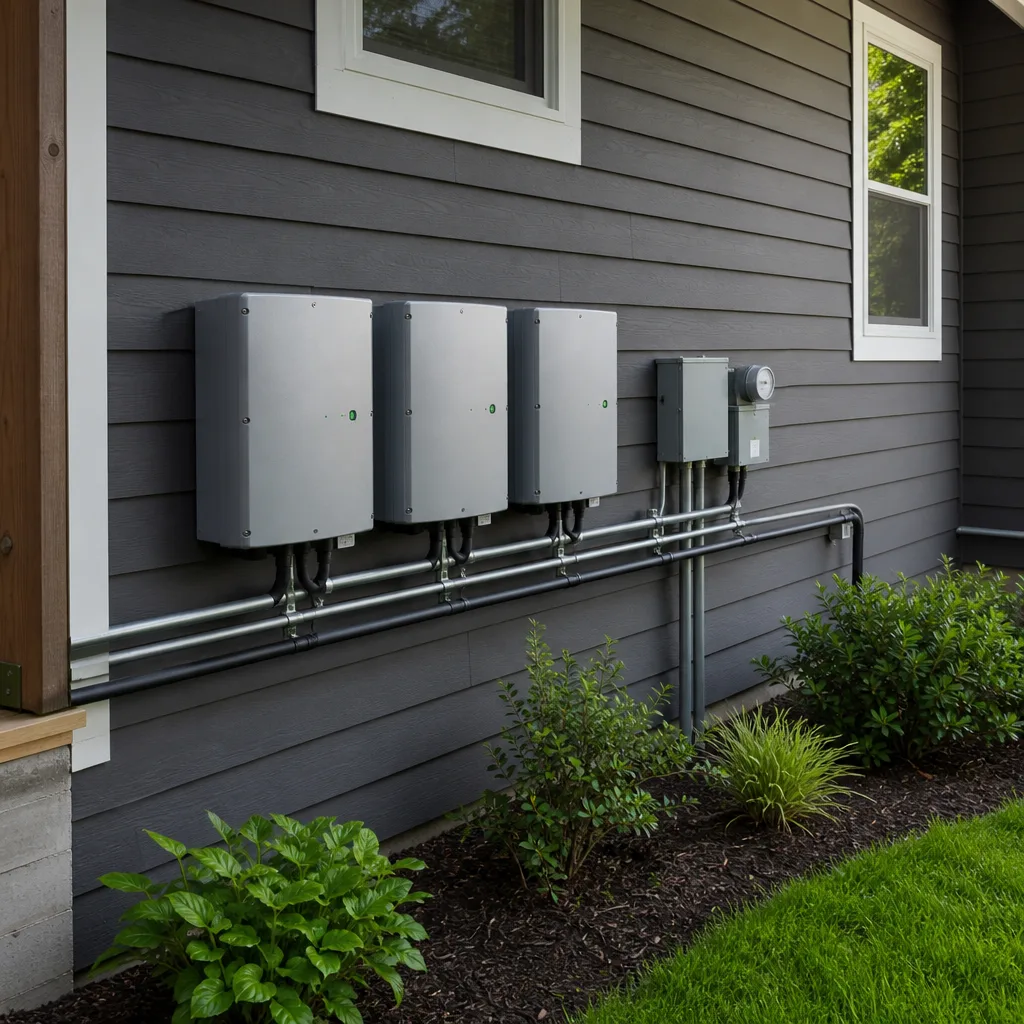
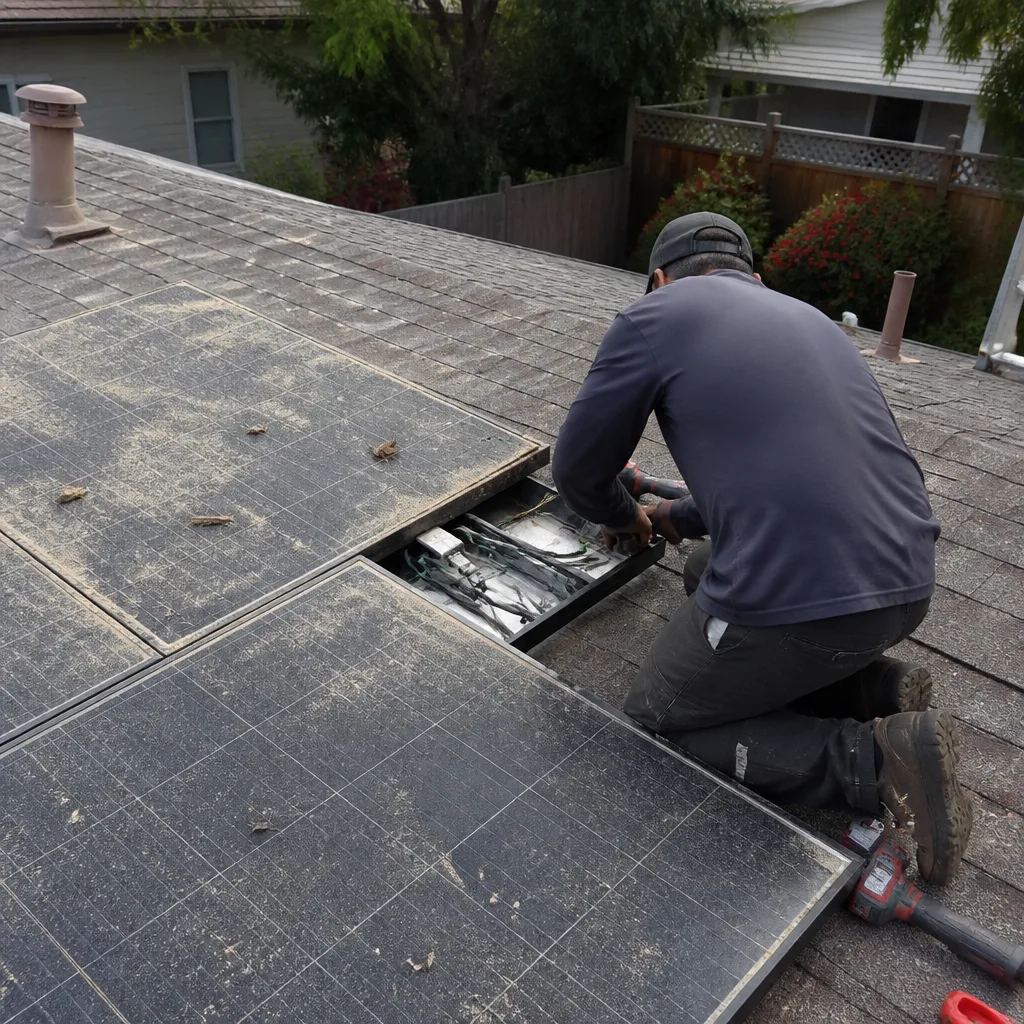
We install and service equipment from Qcells, REC, SunPower, and Panasonic, along with SolarEdge and Enphase inverter platforms that Stanford’s energy managers already know how to read. For Stanford clients, we keep the parts that fail locally in stock, so a failed optimizer or a tripped rapid-shutdown device doesn’t mean a week of downtime on a campus building. If you have an existing array that’s underperforming, bring us the monitoring report. Gus will tell you straight whether it’s worth repairing or replacing.
Common Commercial Solar Installation Problems We See in Stanford Homes
- Interconnection stall on the SESI system: Contractors file a standard PG&E application and then discover that Stanford operates its own distribution infrastructure. The paperwork bounces back, and the project sits for weeks. We start every Stanford job by confirming the interconnection path with the university’s energy managers before we order equipment.
- Roof penetrations on protected buildings: A contractor mounts racking through a slate or tile roof on a sandstone Romanesque building without landlord sign-off, and Stanford Facilities Management issues a stop-work order. Every commercial roof in Stanford needs written approval before the first foot touches the roof. We get that approval in writing, and we flash every penetration properly.
- Production estimates that ignore Stanford’s tree canopy: The university’s heritage oaks and mature landscape trees cast shade that kills a marginal design. A design that ignores azimuth and tree shading underdelivers on year-one production, and the payback stretches beyond what the university will accept. We run a shade analysis on every Stanford proposal, including winter sun angles.
- Undersized inverters that trip under campus voltage conditions: Stanford’s internal grid has different voltage behavior than PG&E’s, and an inverter that’s borderline on paper may fault out in real conditions. We specify inverters with the headroom to handle campus voltage swings, and we verify that with the university’s electrical team during design review.
Pricing for Commercial Solar Installation in Stanford, CA
Here’s what we actually quote on Stanford commercial jobs. A 25 to 40 kW rooftop array runs $85,000 to $115,000. A 50 to 100 kW rooftop or carport system runs $120,000 to $210,000. A 100 kW to 250 kW ground-mount runs $160,000 to $350,000 depending on trenching and racking labor. Commercial battery storage adds $28,000 to $45,000 for a 30 kWh system, and more for larger banks. The things that move the number in Stanford are the SESI interconnection coordination time, structural engineering for older campus buildings, and any required campus design review revisions. Gus quotes the year-25 output, not the day-one brochure number. Bring us a bill, and we’ll bring you the math. Take two weeks to think about it. The price will be the same.
We Also Serve Cities Near Stanford
Our crews serve Stanford and the surrounding communities, including Palo Alto, Atherton, East Palo Alto, and Los Altos Hills. If your building sits just outside the 94305 ZIP, the approval path changes considerably. Our Commercial Solar Installation team handles both the university-campus process and standard municipal permitting, so you’re not stuck explaining the difference to a national call center.
Serving Stanford, CA - Our Local Coverage Area
We’re based in the Stanford area and know this community well. Use the map below to see our service coverage - if you’re nearby, we can almost certainly help.
FAQs - Commercial Solar Installation in Stanford
Yes. Stanford University owns virtually all real property in the 94305 ZIP, and every commercial solar installation must go through Stanford Facilities Management approval, including the university’s architectural review standards. If your building is on university land or fed by the campus energy system, you cannot simply file a standard PG&E or Palo Alto Utilities interconnection application. Our team handles the Stanford approval path directly, and we’ll tell you what the university will and won’t approve before you spend a dime on engineering. Call (877) 550-6892 to talk it through.
It doesn’t use standard net metering at all. Stanford operates its own distribution infrastructure under the Stanford Energy System Innovations program, so any on-site generation must coordinate with university energy managers and their internal metering protocols. That means your interconnection approval comes from Stanford’s energy office, not PG&E, and the timeline typically runs six to eight weeks. Contractors who have never worked on the campus grid routinely blow their schedules on this. We plan for it from day one.
Solar carports and ground-mount arrays are the most practical options. Carports avoid roof penetrations entirely, which removes the biggest landlord objection and speeds up Stanford Facilities Management review. Ground-mount works well on open parcels where you can optimize tilt and spacing. For buildings near the Main Quad where visible rooftop equipment is restricted by historic-character guidelines, these two approaches are usually the only paths to meaningful on-site generation.
We recommend SolarEdge power optimizers with rapid shutdown for commercial rooftop arrays on Stanford buildings, because the campus grid has different voltage behavior than PG&E’s and optimizers give you panel-level visibility that university energy managers expect. For larger ground-mount or carport projects, a central inverter with a well-designed string layout can be more cost-effective. We’ll match the inverter to your actual site conditions and the university’s metering requirements, not a template.
Not necessarily. The interconnection wait adds time, but the financial math is driven by what the system produces against what the building consumes. Stanford sits far enough inland that it largely escapes the marine fog layer that suppresses solar production in coastal ZIP codes, so annual irradiance is strong. A well-designed commercial array in Stanford typically reaches payback in 6 to 9 years, even with the institutional coordination. We’ll model your actual usage and give you the real year-25 number. (877) 550-6892 gets you an exact quote, and the estimate is free.
Get a Straight Answer on Your Stanford Commercial Solar Project
If you manage a commercial building in Stanford, whether it’s university-owned or on the edge of campus, call Gus’s Solar at (877) 550-6892. We’ll answer the phone, ask about your building, and tell you what’s realistic. Free estimate, no signature wanted tonight, and if a salesman needs an answer tonight, the answer is no. That’s not how we work.
Written by Gus Petrakis, Owner at Gus’s Solar, serving Stanford and the Bay Area since 2011.