
Free bill analysis - bring a power bill, get the production math for your actual roof, panel brands like Qcells and REC compared side by side
If the pitch starts at your door and ends with "sign tonight for the special," sleep on it. The sun will still be there tomorrow; so will we.
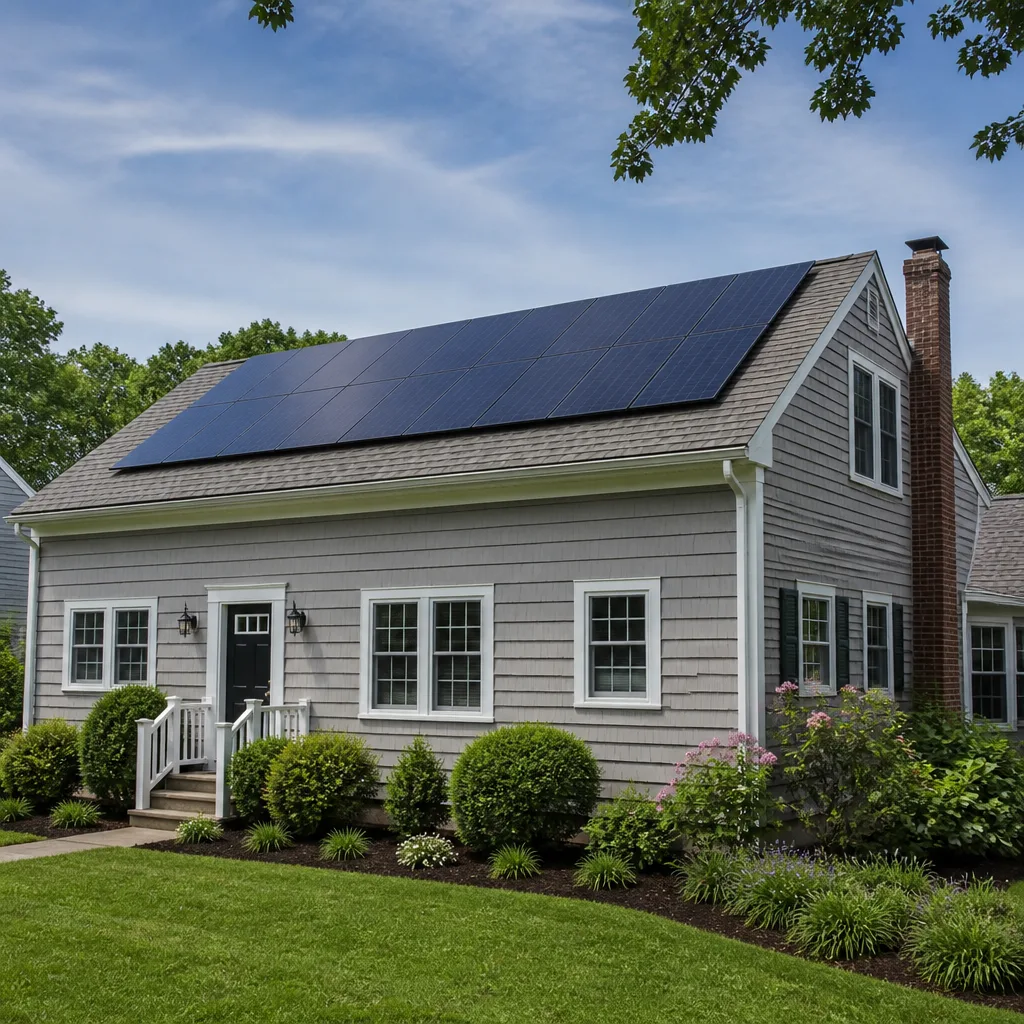
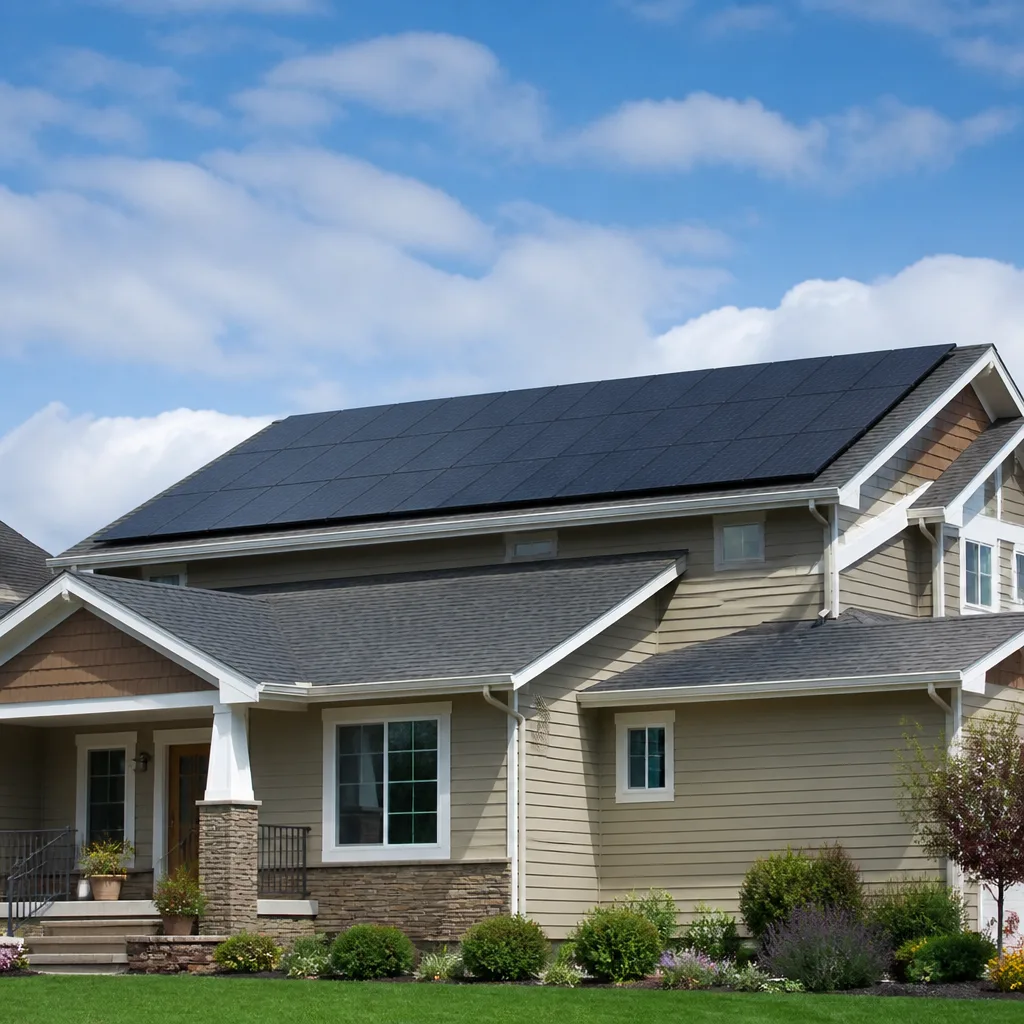
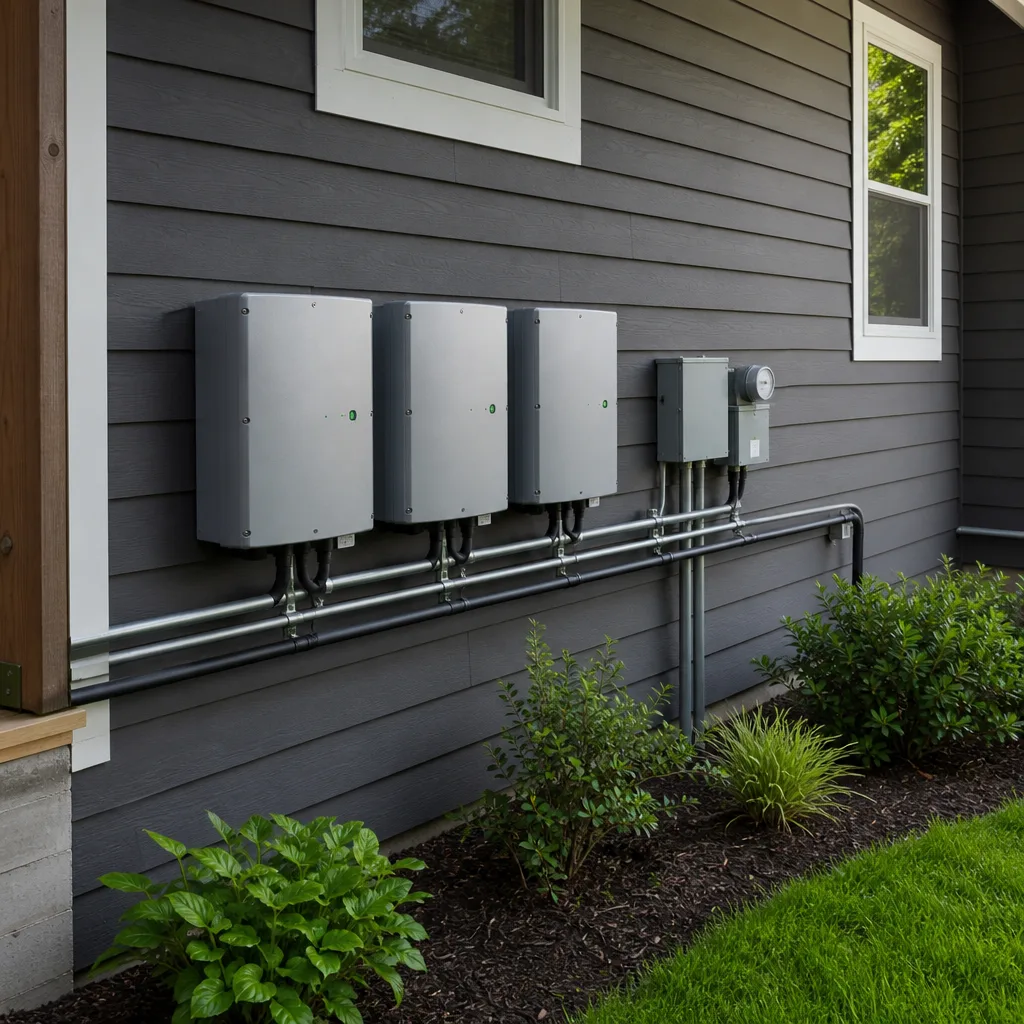
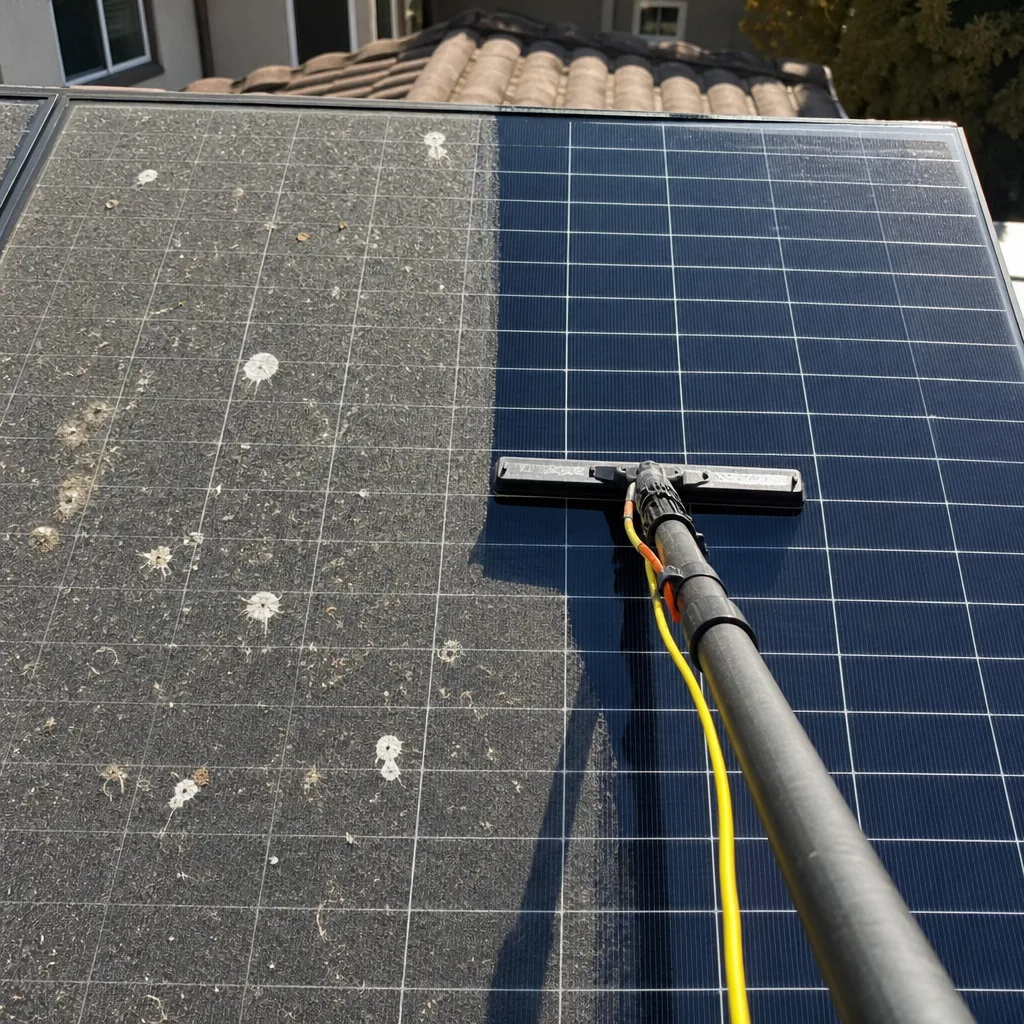
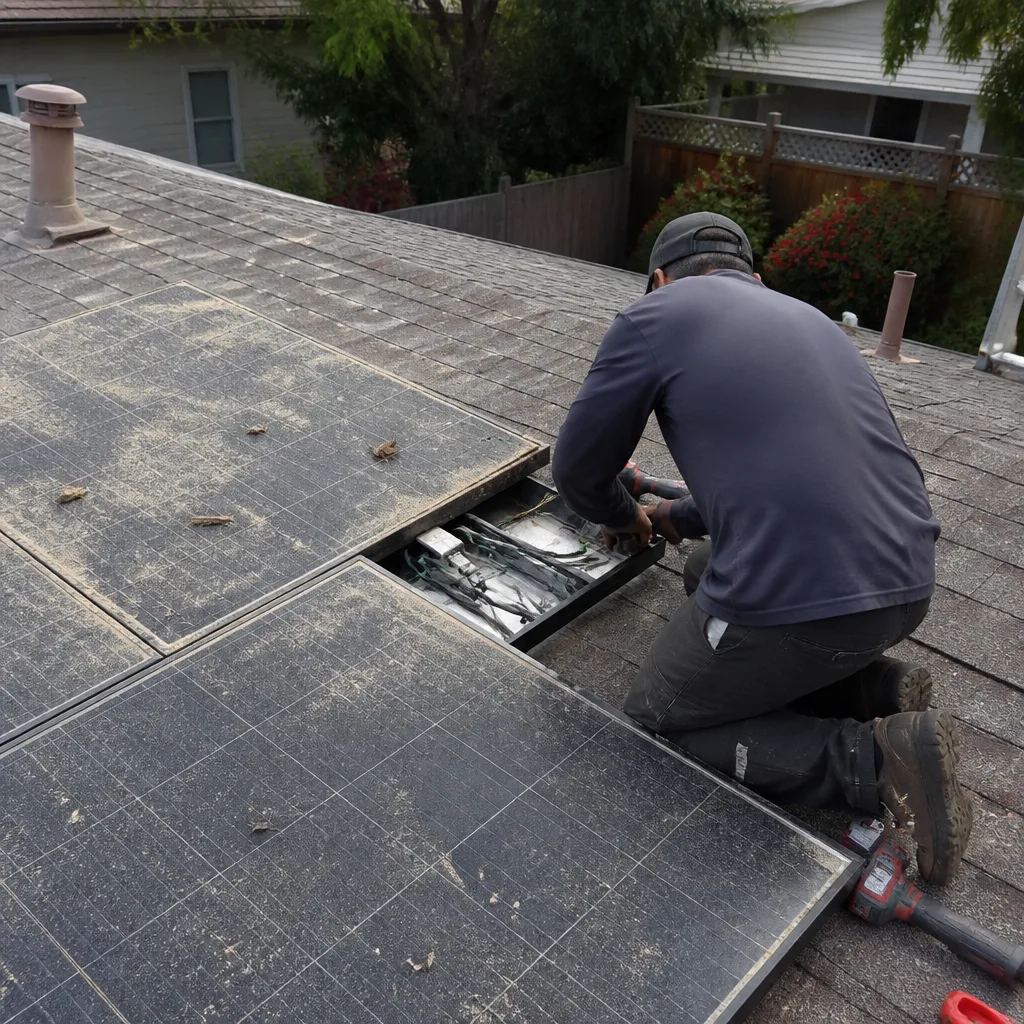 Before
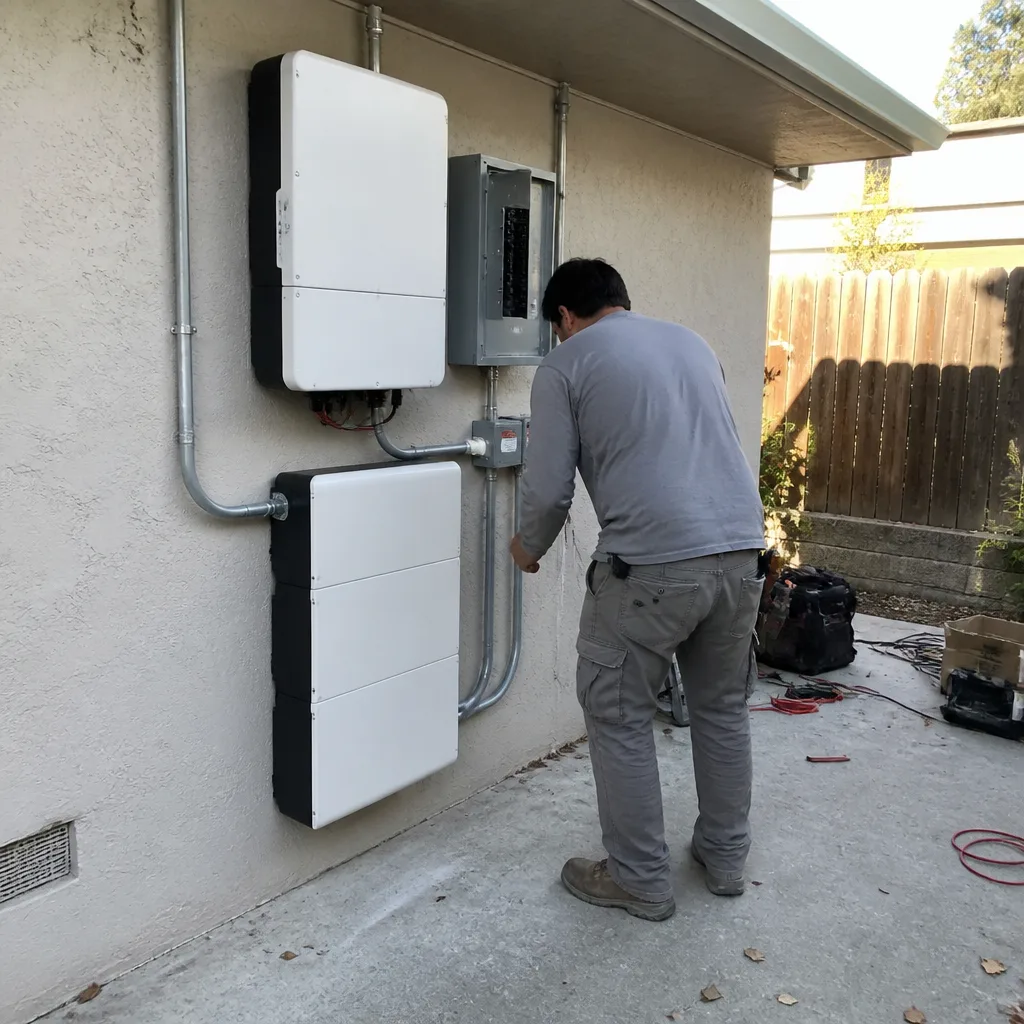 After
After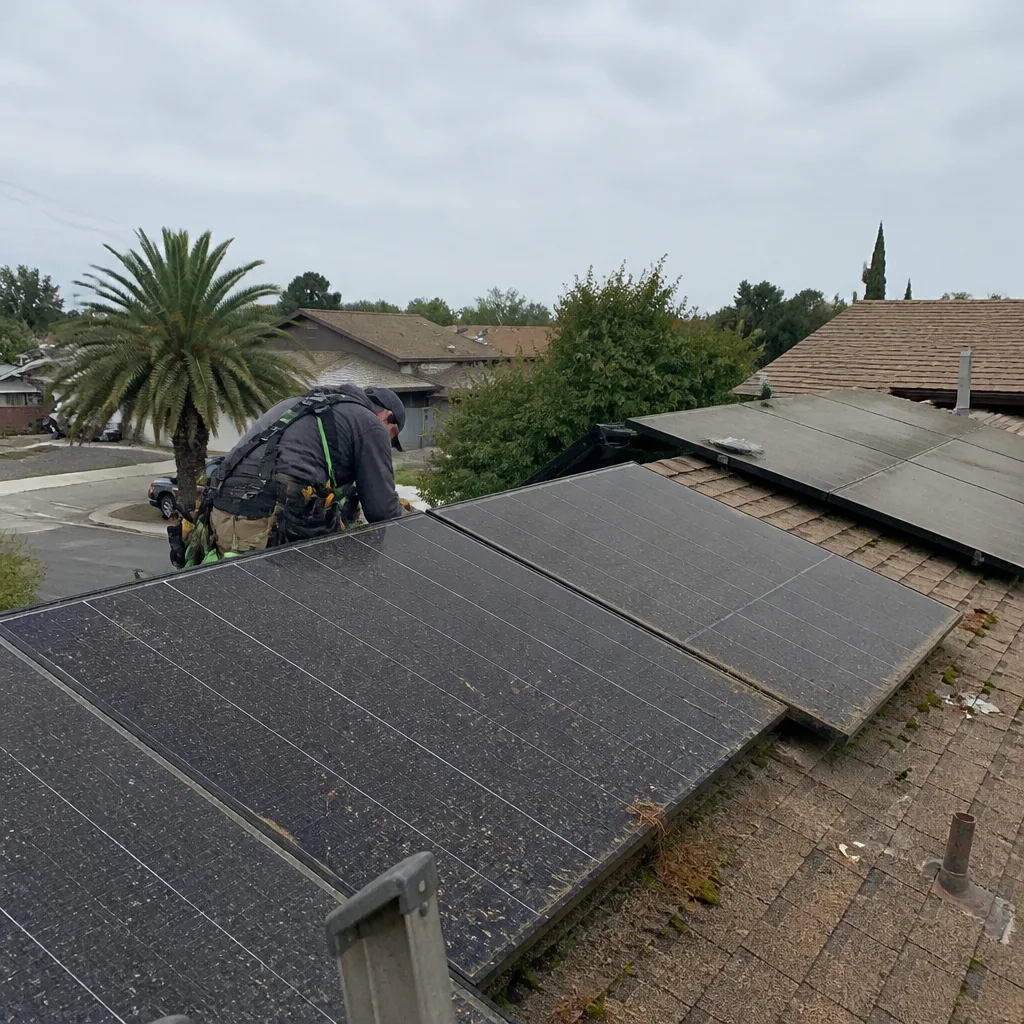 Before
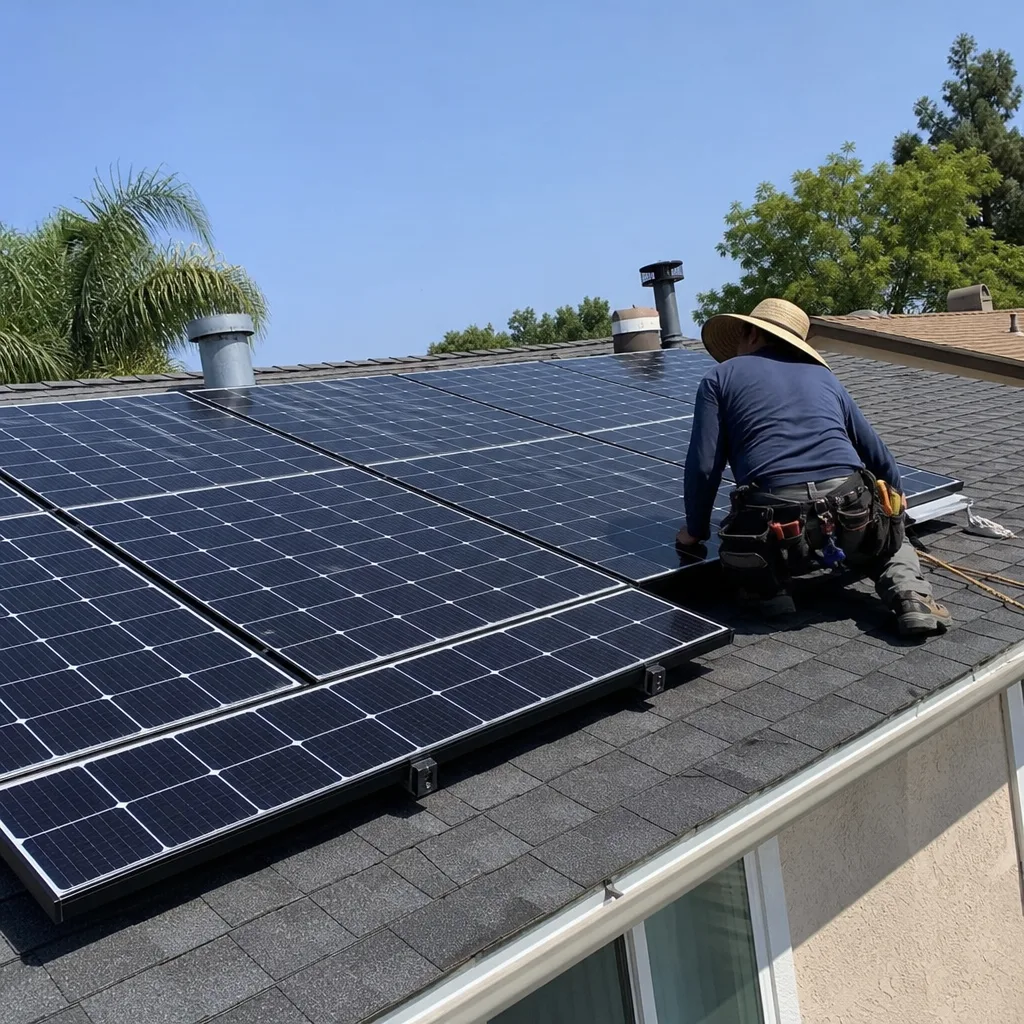 After
After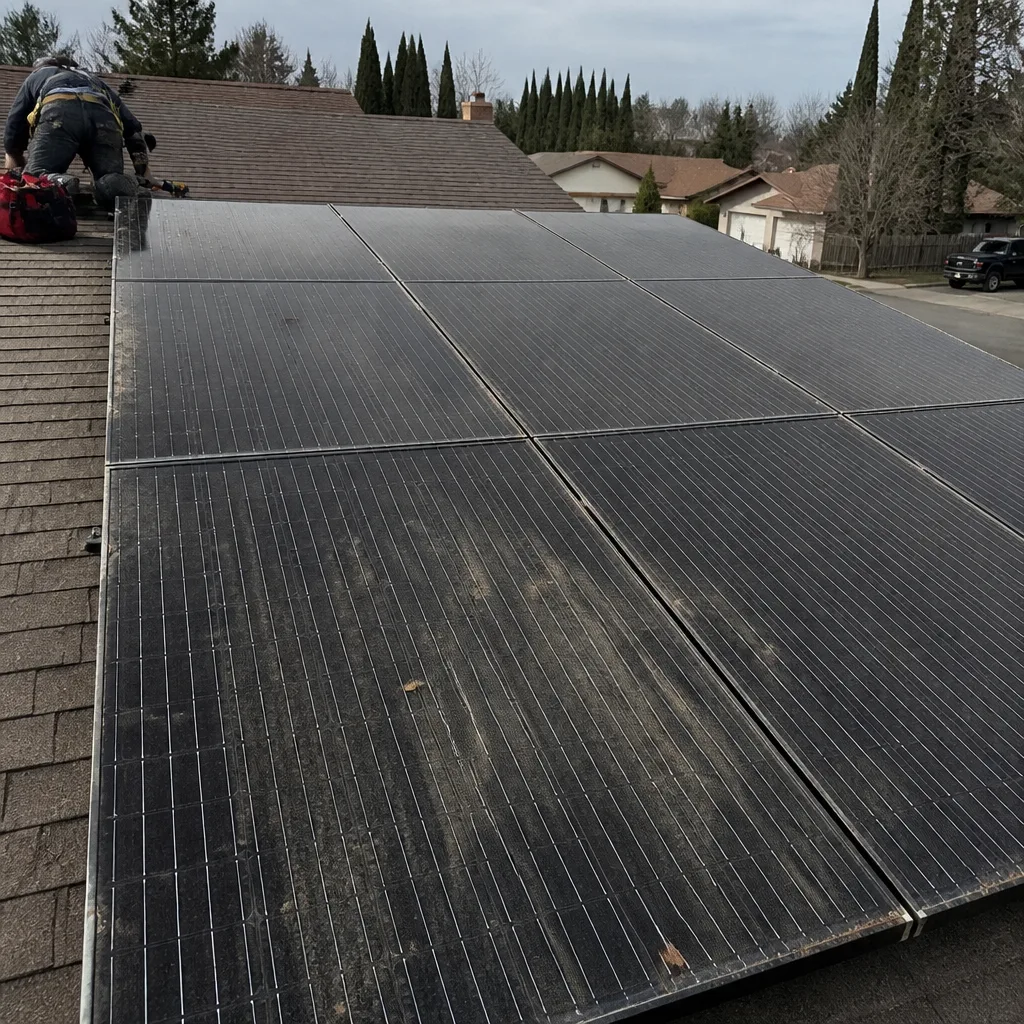 Before
 After
AfterFast, Reliable Commercial Solar Installation Across Corona
Commercial solar in Corona pays back differently than it does fifteen miles west. That’s the honest truth. The same warehouse array that pencils out in Anaheim under municipal utility rates has to work much harder here under SCE’s NEM 3.0 tariff, where export credits dropped hard after April 2023. What that means for a Corona business owner is simple: the math only works when someone designs your system around battery storage, real usage patterns, and the actual sun your specific roof gets. Not a brochure estimate. Gus’s Solar has been doing exactly that since 2011, and we serve every Corona ZIP code from the 92882 industrial corridor to the 92883 hillsides. Call (877) 550-6892 and bring us a bill. We’ll bring you the math.
Why Gus’s Solar Is Corona’s Preferred Commercial Solar Installation Company
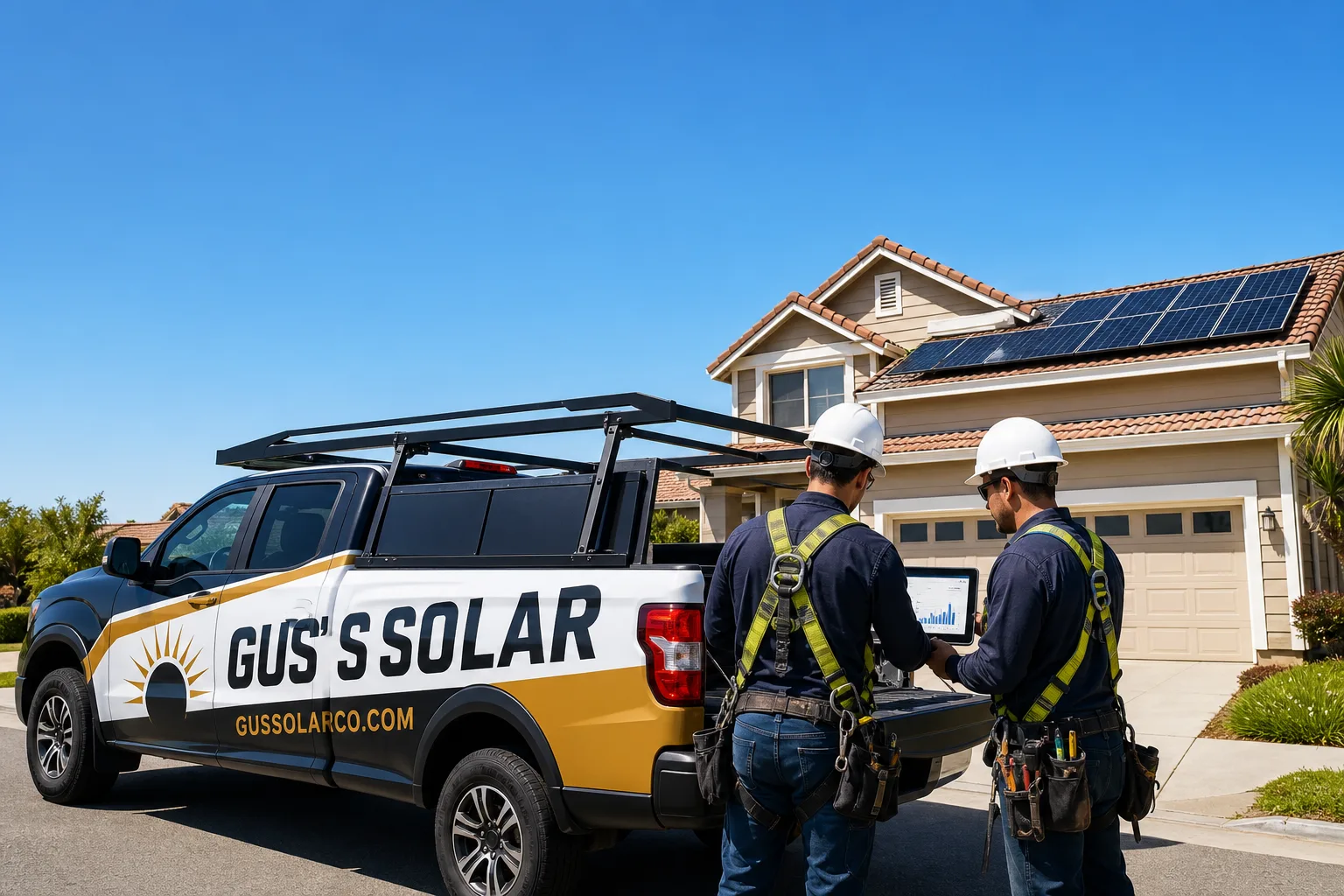
We’re not a door-knocking outfit that parachutes into Corona for a season and disappears. Gus Petrakis puts his name on the truck, on the building, and on every permit we pull. Our Commercial Solar Installation team lives and works in this metro, which means we’ve sat in the same Riverside County plan check line more times than we can count. We know what the plan checker flags on a 1999 concrete S-tile roof. We know which South Corona HOAs take six weeks to approve a low-profile rack and which ones turn it around in ten days.
Corona businesses tell us the same story over and over: a national company quoted one number on the phone, then a different number at the contract table. That’s not how we operate. The price we quote is the price you pay. No signature wanted tonight, no “this deal expires Friday.” Gus’s standing line holds: if a salesman needs an answer tonight, the answer is no. Take two weeks. The price will be the same.
And when you call, a live person answers. Not a voicemail, not a ticket queue, not a call center three states over. That matters when your inverter throws a fault at 6 a.m. before a production day and you need to know someone is actually coming.
Our Commercial Solar Installation Services in Corona
Commercial Rooftop Solar
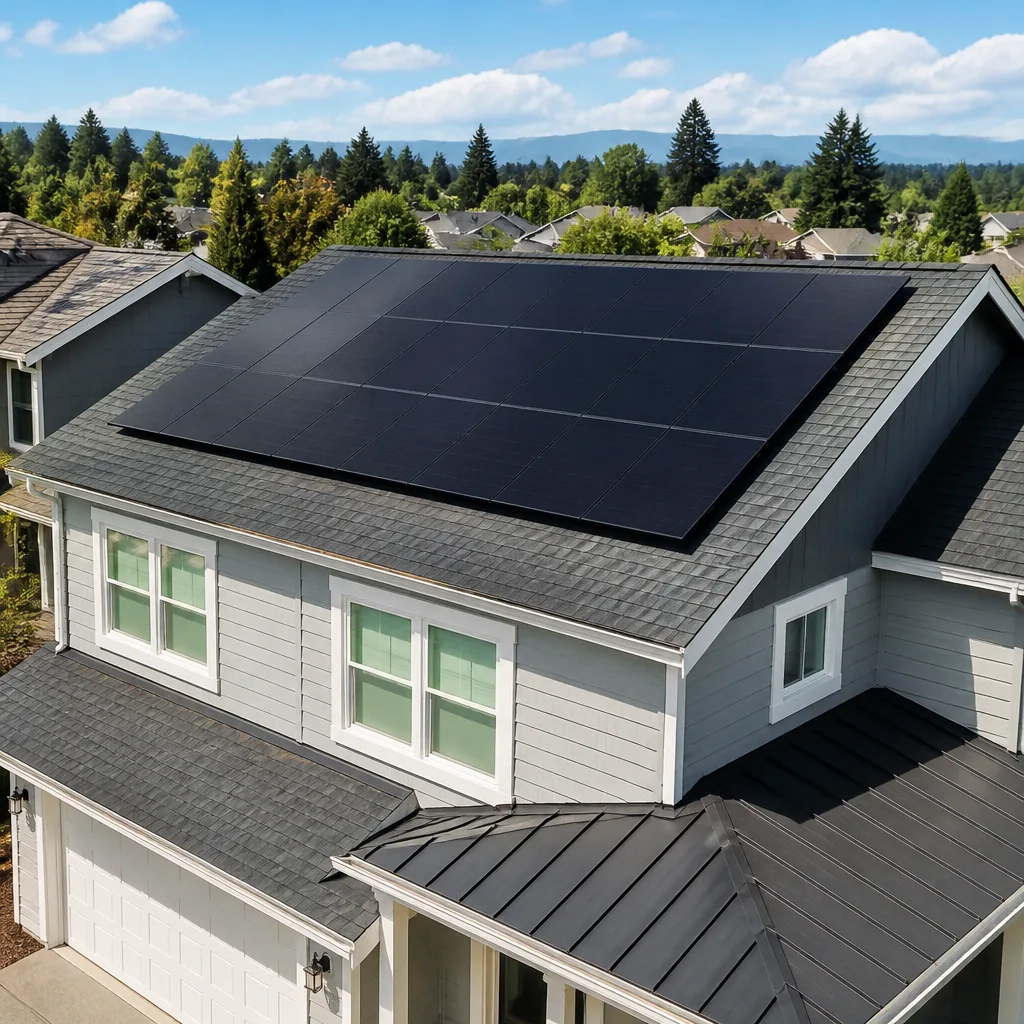
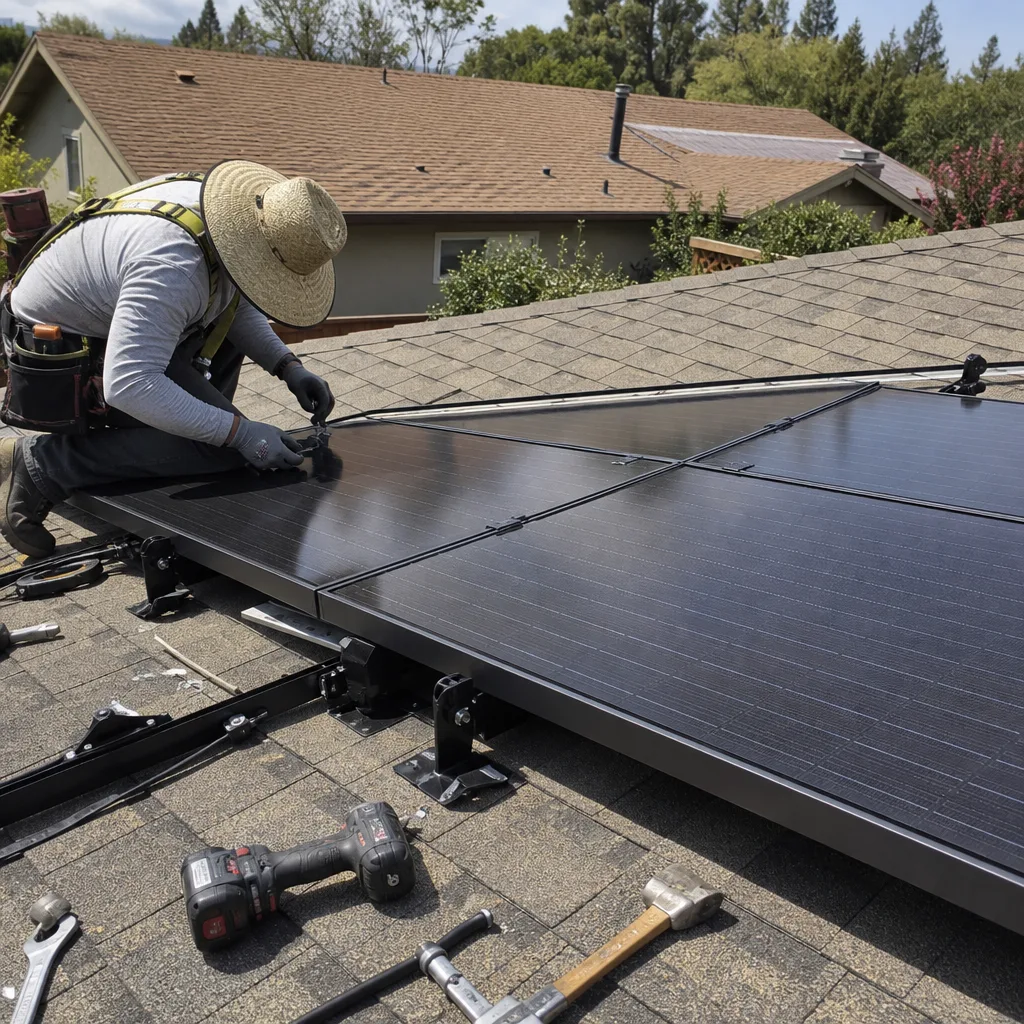
A commercial rooftop array in Corona has to survive two things most installers from cooler climates don’t plan for: sustained 105°F afternoons that push panel temps well past their STC rating, and Santa Ana wind events that funnel down from the Santa Ana Mountains and hit the 92883 corridor harder than the flatlands. We design for both. Panels lose 10-15% of real-world output on the hottest afternoons here, so we size arrays off the year-25 output model that accounts for that heat, not the day-one brochure number. The roof penetration work is done by Gus’s own crew, not a sub, and every flashing gets checked before final inspection.
Warehouse & Industrial Solar
Corona’s warehouse stock spans everything from 1980s tilt-ups off the 15 to 2000s distribution centers near the 91/15 interchange. The roof structure, not the panel wattage, usually drives the engineering. Older tilt-wall buildings often have open-web steel joists that need reinforcement for ballasted racking, while newer concrete tilt-ups can typically take a standard rail system without trouble. We pull the structural drawings before we quote so the number you see is the number you pay, not a placeholder that changes after engineering review.
Solar Carport Installation
A carport array in Corona does double duty: it generates power and shades vehicles from the kind of July heat that makes a steering wheel untouchable by 2 p.m. Most carport structures we install here are steel-framed with cantilevered or double-column designs built to Riverside County wind-uplift specs. The engineering around footings is critical in Corona’s alluvial soils between the Santa Ana River and the foothills. We’ve done enough of these to know which caliche pockets mean deeper piers.
Commercial Battery Storage
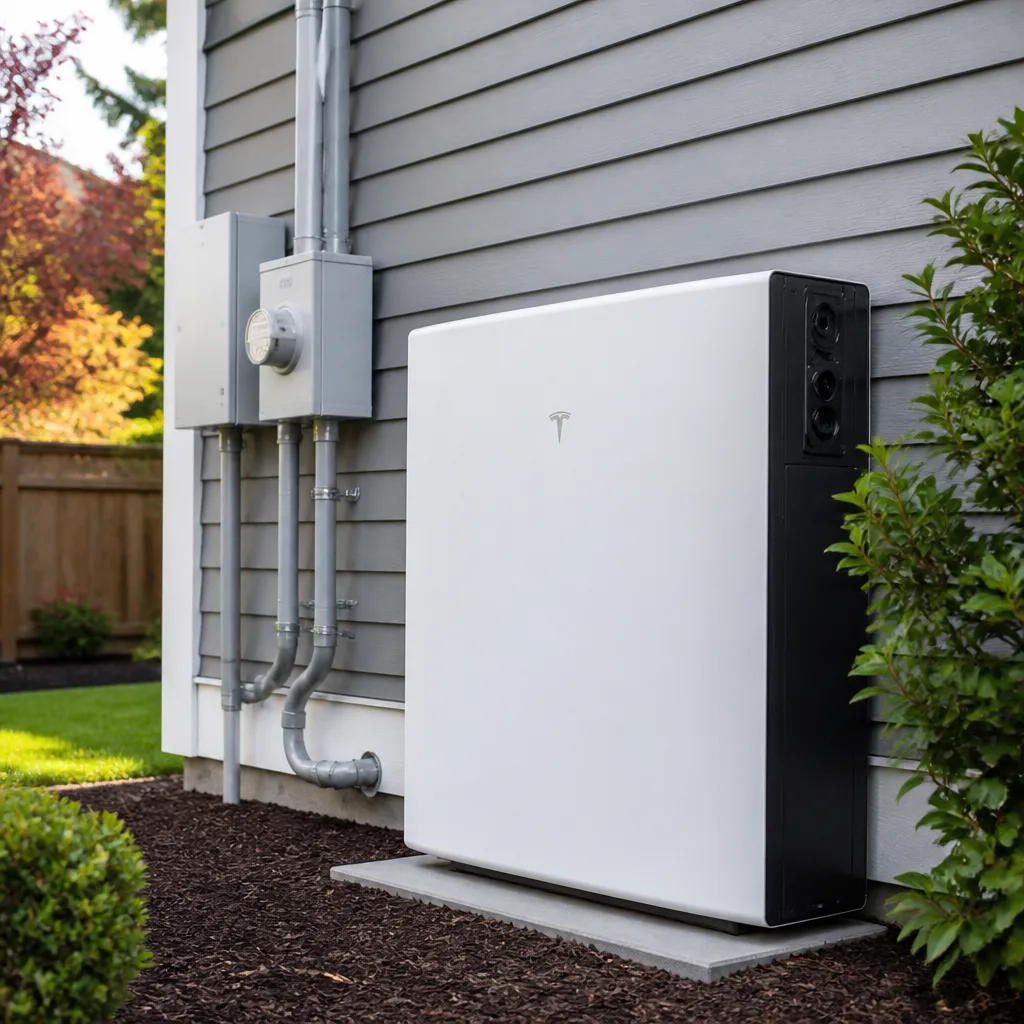
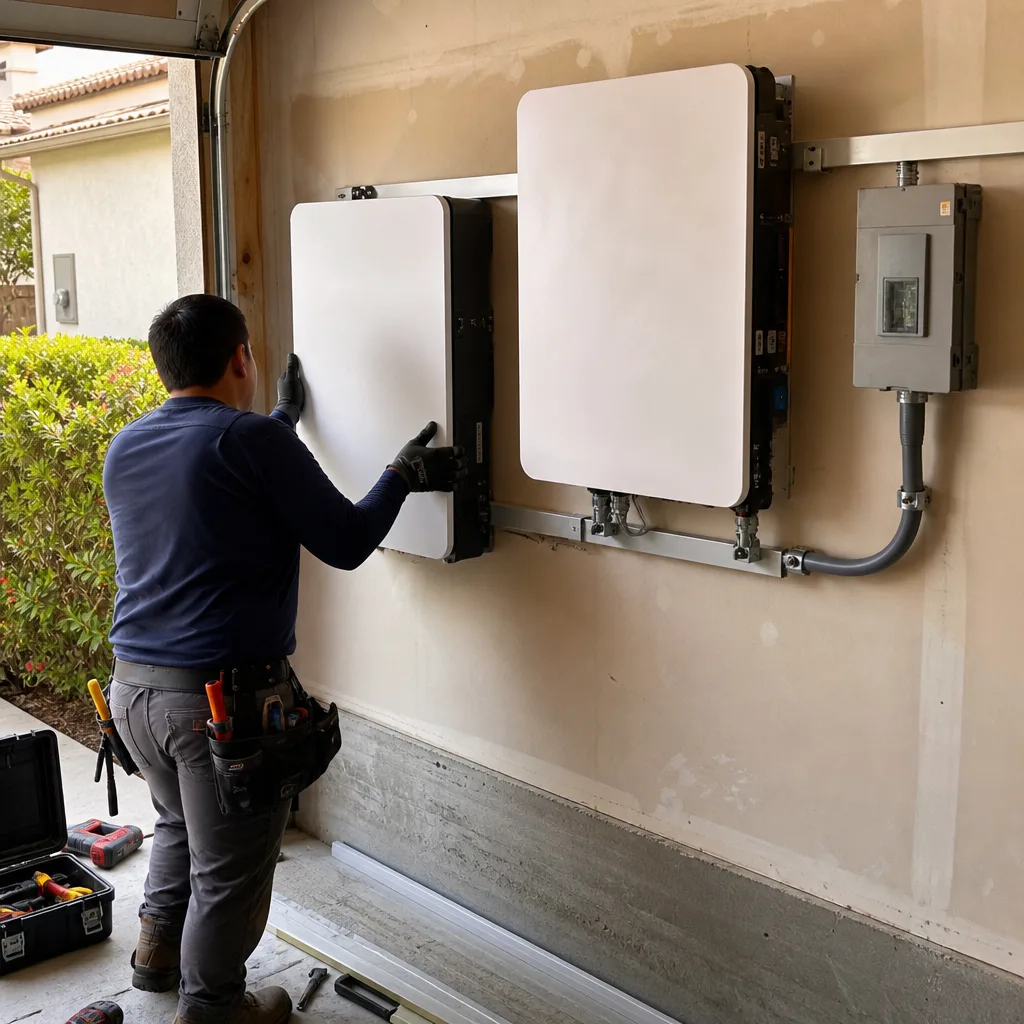
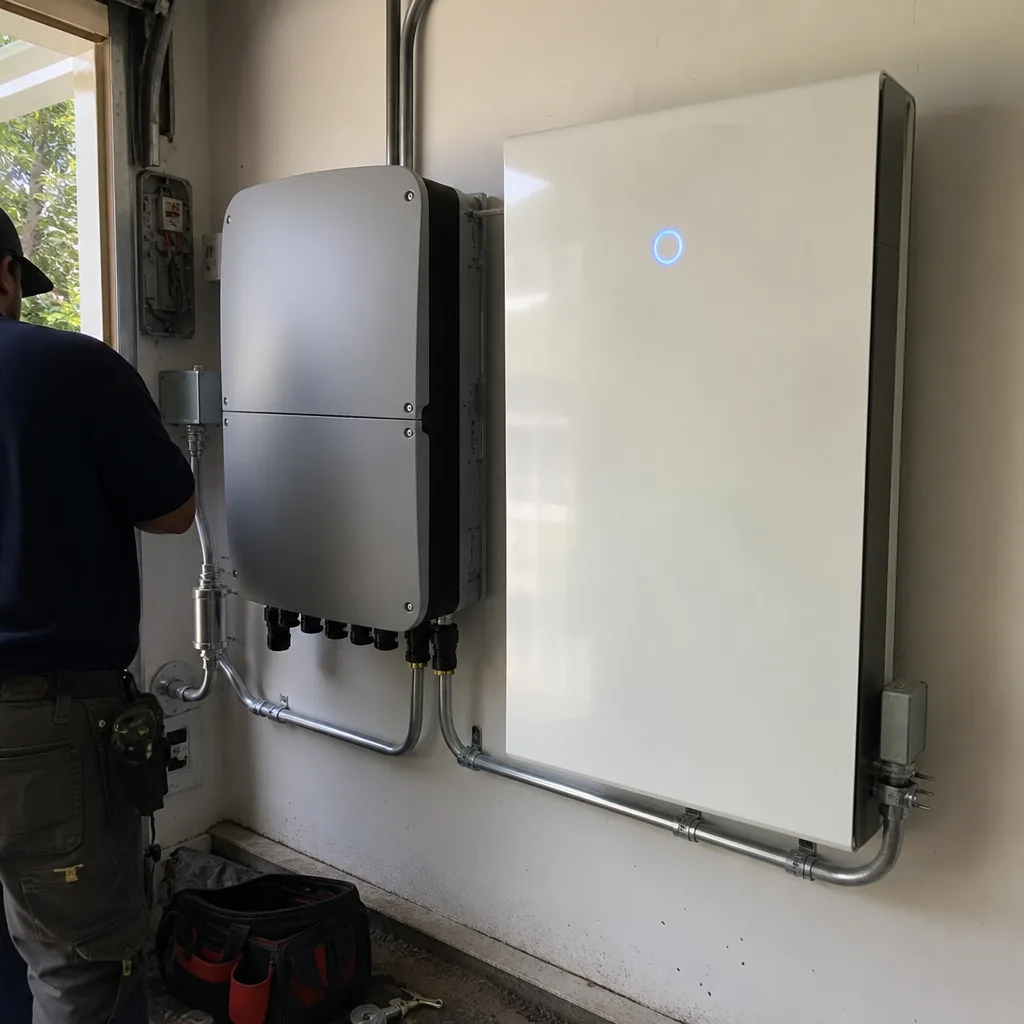
This is the service that actually makes commercial solar work in Corona under NEM 3.0. When SCE dropped export credits to a fraction of what they were, the only way a business recovers real value beyond what they consume on-site is by storing it. We pair FranklinWH and Tesla storage systems with arrays sized to fill the battery during our 5.7-6.0 peak sun hours, then discharge through the expensive late-afternoon demand window when Corona’s bowl heat has every HVAC unit running full tilt. A correctly sized battery turns a solar array from a modest offset into a meaningful reduction on your true-up statement.
What happens when you call
- 1
A real person answersNo phone trees - you reach a local pro.
- 2
You get an upfront price rangeHonest numbers before anyone is dispatched.
- 3
A background-checked tech heads outLicensed & insured, dispatched right away.
- 4
You approve before work beginsNothing starts until you say go.
Trusted Brands We Service in Corona
We install and service equipment from Panasonic, Canadian Solar, JinkoSolar, and FranklinWH, plus the full inverter lineups that pair with them. What matters for a Corona commercial customer is that when a JinkoSolar panel underperforms or a FranklinWH battery throws a communication error, you’re not waiting two weeks for a part from a regional distributor three counties away. We keep common replacement components stocked and our crew comes out to Corona directly. When a business loses production days, that’s real money. We treat it that way.
Common Commercial Solar Installation Problems We See in Corona
- HOA architectural review stalls in South Corona. The master-planned communities off Temescal Canyon Road have design committees that move on their own schedule. Pulling CC&Rs after the permit is submitted, not before, adds 3-6 weeks and sometimes forces a complete racking redesign. We pull CC&Rs as step one, always.
- Riverside County flags lag-bolt mounts on S-tile roofs. Late-90s and 2000s concrete tile roofs dominate Corona’s commercial and light-industrial stock. A standard lag-bolt rafter mount gets rejected at plan check on those roofs. Tile hooks or tile-replacement systems are required, and crews that skip that step push interconnection back by weeks.
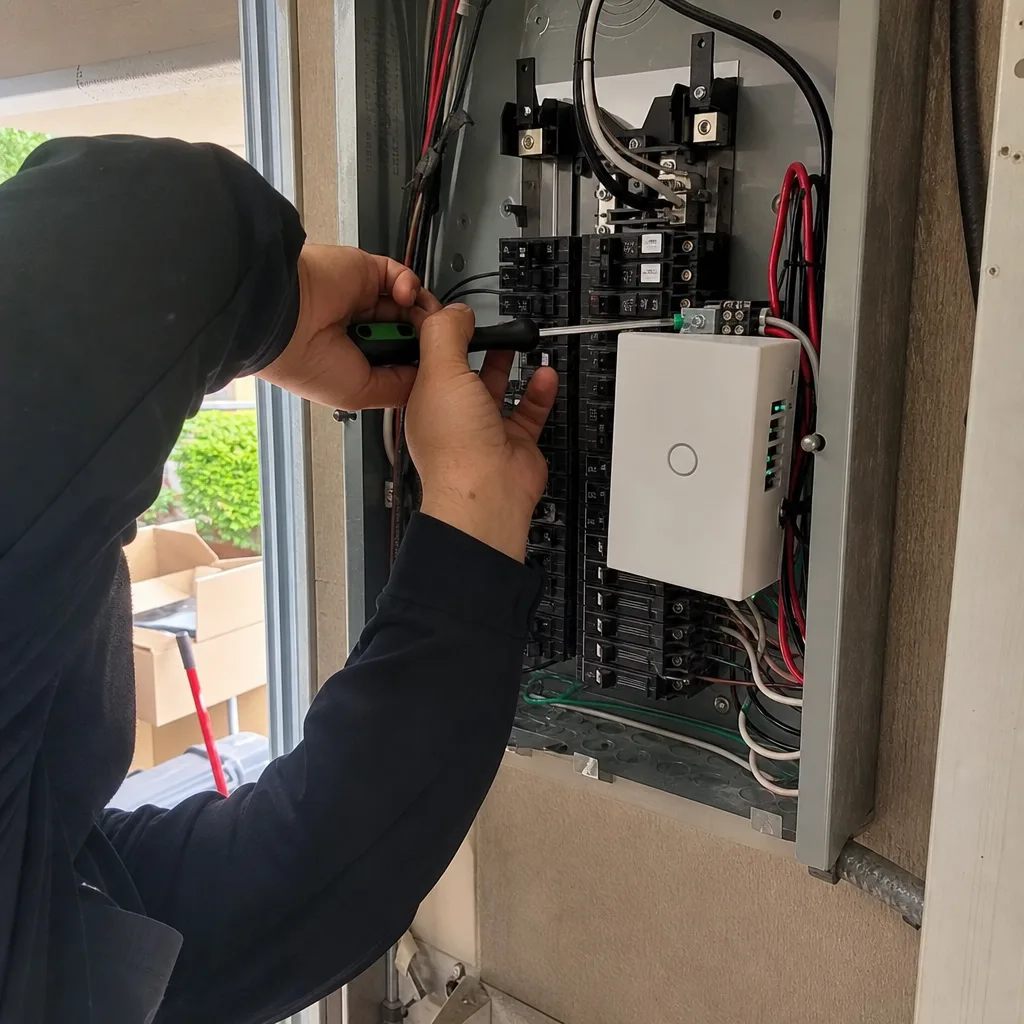
- 150-amp panels that can’t handle the load. A surprising number of Corona commercial buildings from the 1990s still carry the original 150-amp main panel. Pair a full array with a battery on that panel and the utility approval dies. The panel upgrade has to be in the scope from day one or the true-up statement shows grid charges instead of export credits.
- Heat derating that the original proposal never mentioned. Panels rated at 400 watts in a lab produce meaningfully less on a 108°F Corona afternoon. If the original quote used STC numbers instead of NOCT and ignored our bowl geography, the customer’s “underperforming system” is actually performing exactly as physics predicts. We model this before we quote so there are no surprises.
Pricing for Commercial Solar Installation in Corona, CA
Commercial rooftop solar in Corona typically runs between $2.10 and $2.60 per watt for a straightforward rack-mounted system on a structurally sound roof, before any tax credits or depreciation. A 100 kW array lands in the $210,000-$260,000 range. Warehouse and industrial jobs with ballasted racking or structural reinforcement run closer to $2.40-$2.90 per watt. Commercial battery storage adds $800-$1,200 per kWh of usable capacity depending on chemistry and scale. A solar carport in Corona runs $3.00-$3.80 per watt because of the foundation and structural engineering involved. The thing that shifts Corona pricing more than anywhere nearby is the NEM 3.0 math: without a battery, your export value collapses, so most of our quotes include storage sized to your actual load profile. Call (877) 550-6892 for a free estimate based on your actual usage, not a generic per-watt brochure number.
We Also Serve Cities Near Corona
Our crew serves commercial properties across Corona, Home Gardens, El Cerrito Corona, Eastvale, and Norco. If you run a warehouse in Eastvale or an industrial building in Norco, the NEM 3.0 battery math works the same way it does in Corona. We send our own people, not a sub, and we’re there fast because we’re already working the corridor every week.
Serving Corona, CA - Our Local Coverage Area
We’re based in the Corona area and know this community well. Use the map below to see our service coverage - if you’re nearby, we can almost certainly help.
FAQs - Commercial Solar Installation in Corona
NEM 3.0 stretches the simple payback on a solar-only system from roughly 5-7 years under the old tariff to 9-12 years on SCE territory. The export credit rate dropped by roughly 75% in April 2023, which means every kWh you send back to the grid is worth dramatically less. Pairing the array with commercial battery storage brings the effective payback back down to 6-8 years because you’re avoiding the highest-demand charges instead of exporting at the lowest value. That’s the math we run for every Corona customer before they sign anything. Call (877) 550-6892 and we’ll run it on your actual bill.
Yes. Riverside County plan check applies elevated wind-uplift specifications to rooftop arrays in the hillside developments near the Cleveland National Forest boundary, where Santa Ana events channel off the Santa Ana Mountains and gust higher than the valley floor. That typically means additional roof attachments, closer rail spacing, or heavier ballast blocks on flat commercial roofs. An installer who specs a standard inland California wind zone is going to get a redline from the county and a delay. We design to the higher spec from the start.
Panel output drops 10-15% below its rated capacity when the cell temperature climbs into the 140°F-plus range, which happens regularly on flat commercial roofs in Corona from mid-July through early September. The heat also reduces inverter efficiency slightly. This is not a defect; it’s the temperature coefficient every panel carries. What matters is that the quote you got accounts for it. We run our production models using Corona’s actual summer weather data and NOCT ratings, not lab-standard STC numbers, so the year-25 output we quote is the year-25 output you get.
Usually no, not without a main panel upgrade. A 150-amp panel on a 1990s commercial building in Corona can rarely accommodate a full array plus a battery under current Riverside County and SCE requirements. The utility interconnection application will get kicked back, and the true-up statement will show grid charges instead of export credits. The fix is a panel upgrade, which typically adds $3,500-$6,000 depending on the service configuration. We catch this before we quote, not after you’ve signed. Get a free estimate and we’ll tell you exactly what your building needs.
You pull the HOA CC&Rs and architectural guidelines first, before the permit is submitted. Master-planned communities off Temescal Canyon Road have design committees that require specific low-profile mounting approvals, and submitting the county permit before the HOA signs off forces a racking redesign if the committee requires changes. The sequence that works, and the one we follow on every South Corona job, is CC&R review, HOA application, then county permit submission with the approved racking spec attached. Done correctly it adds a week. Done in the wrong order it adds 3-6 weeks.
Written by Gus Petrakis, Owner at Gus’s Solar, serving Corona, CA since 2011.