
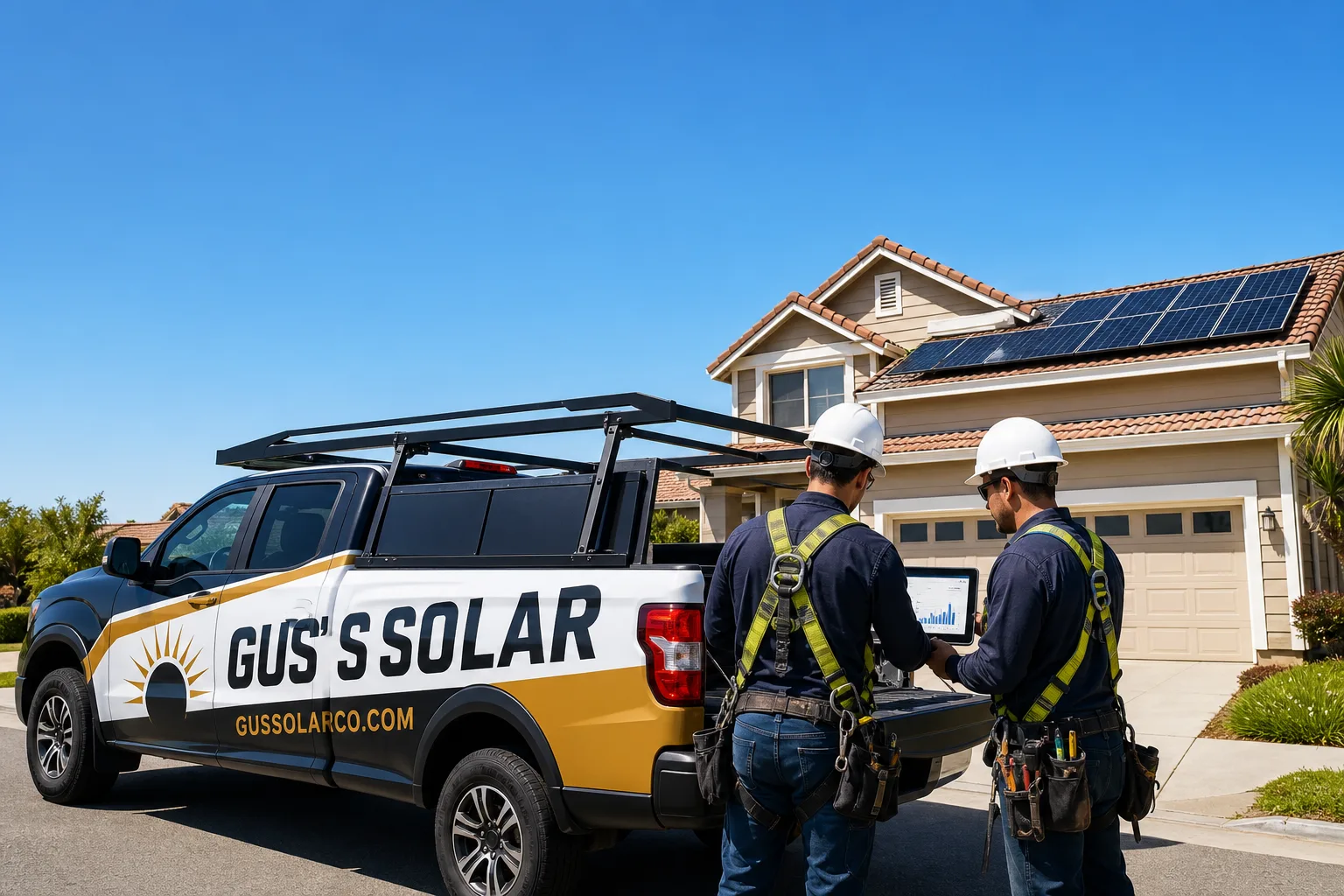
Free bill analysis - bring a power bill, get the production math for your actual roof, panel brands like Qcells and REC compared side by side
If the pitch starts at your door and ends with "sign tonight for the special," sleep on it. The sun will still be there tomorrow; so will we.
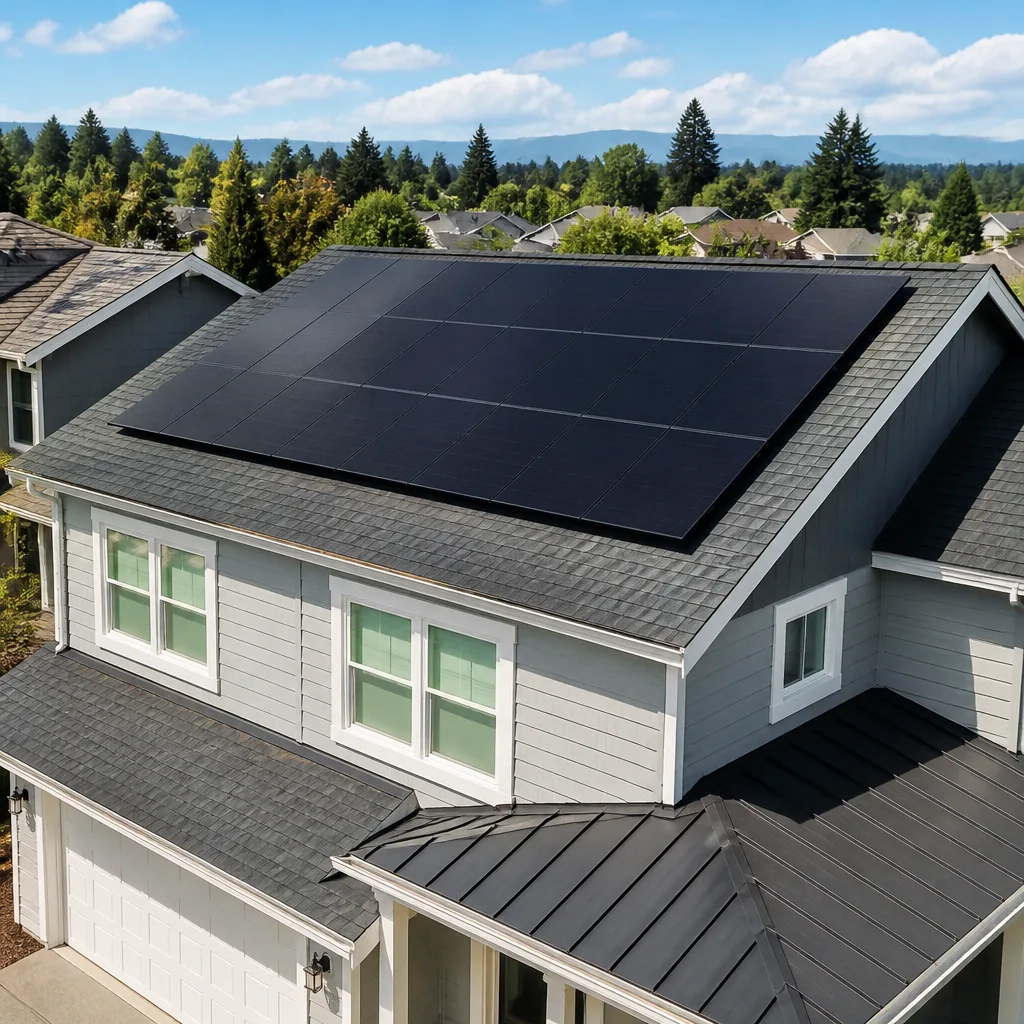
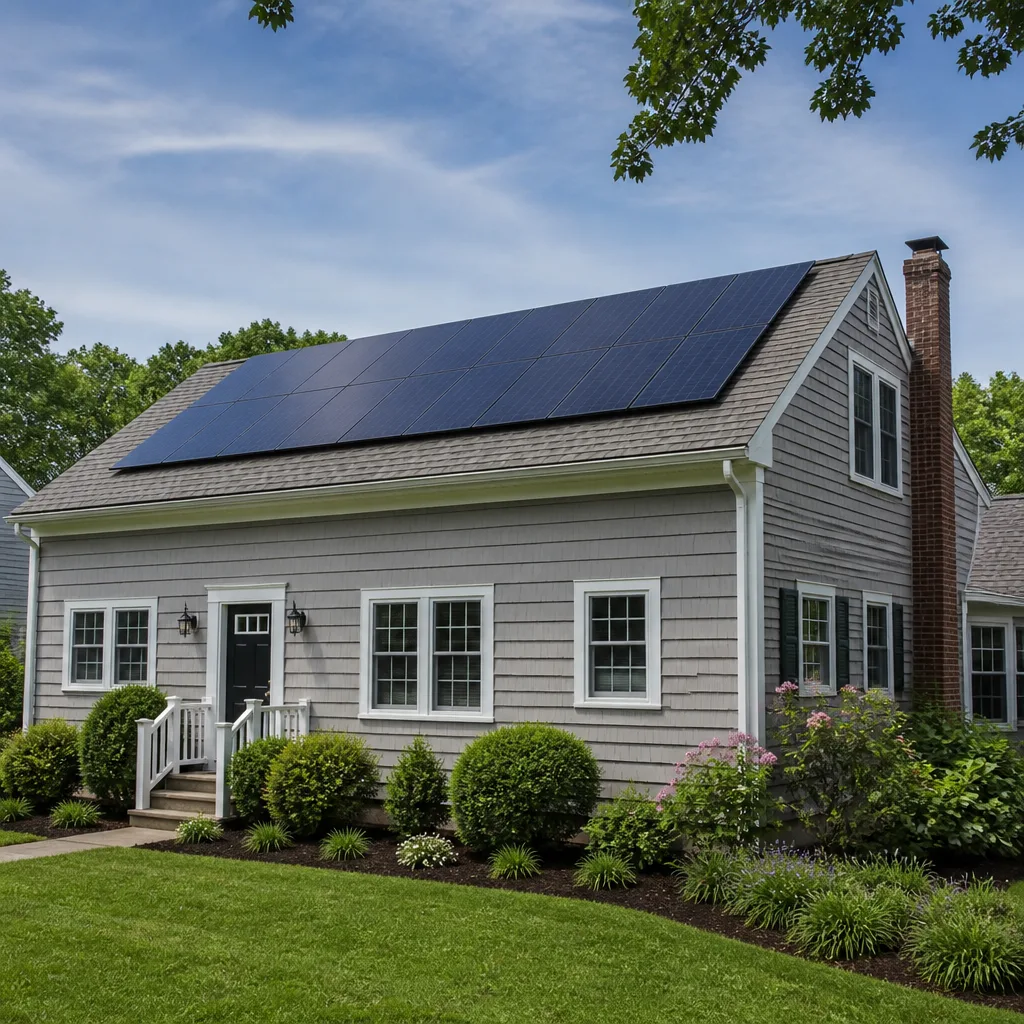
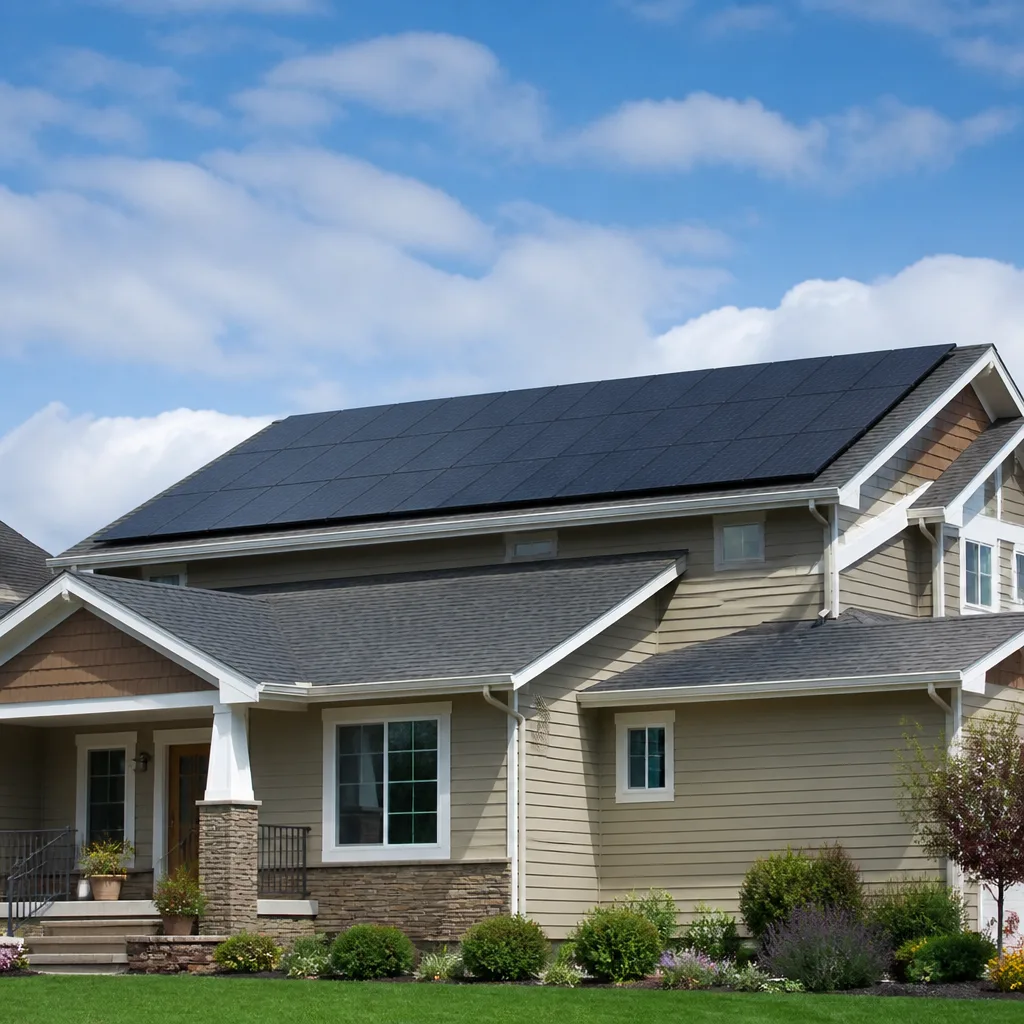
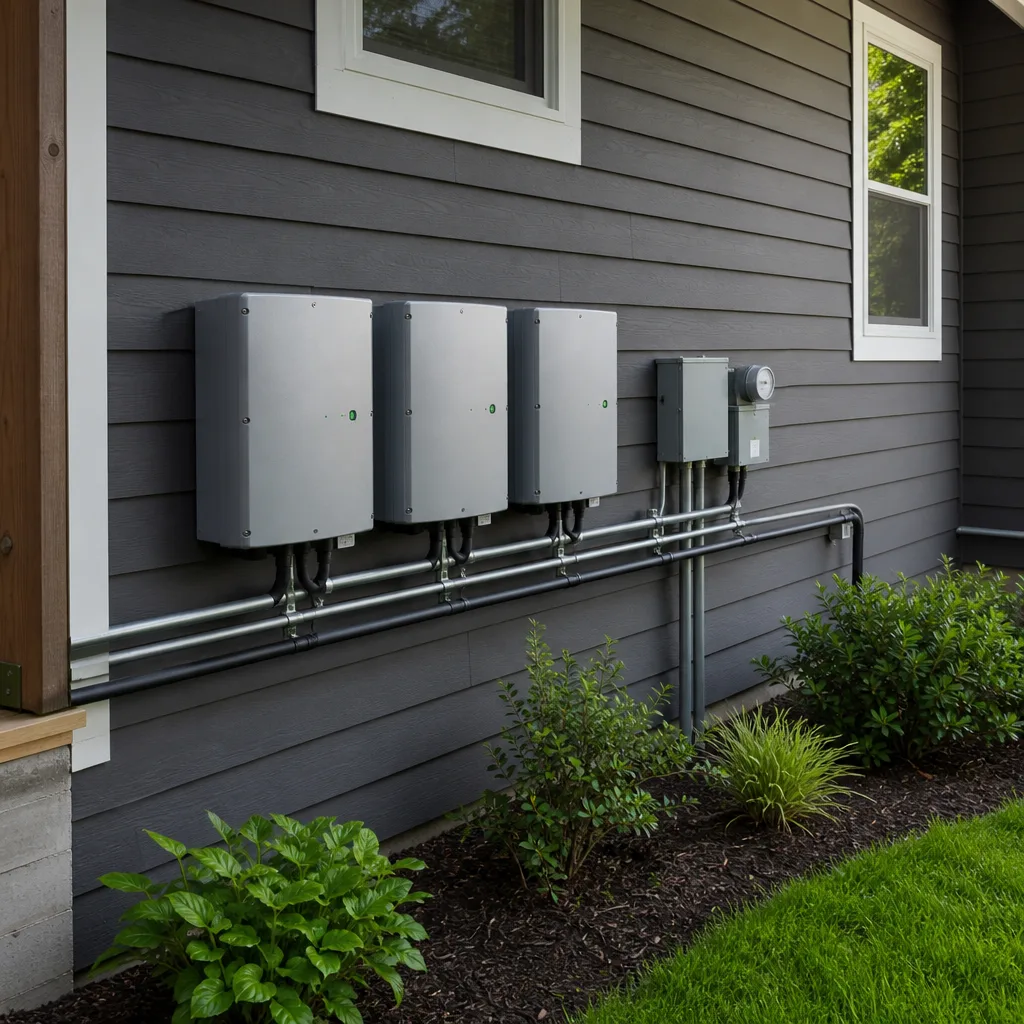
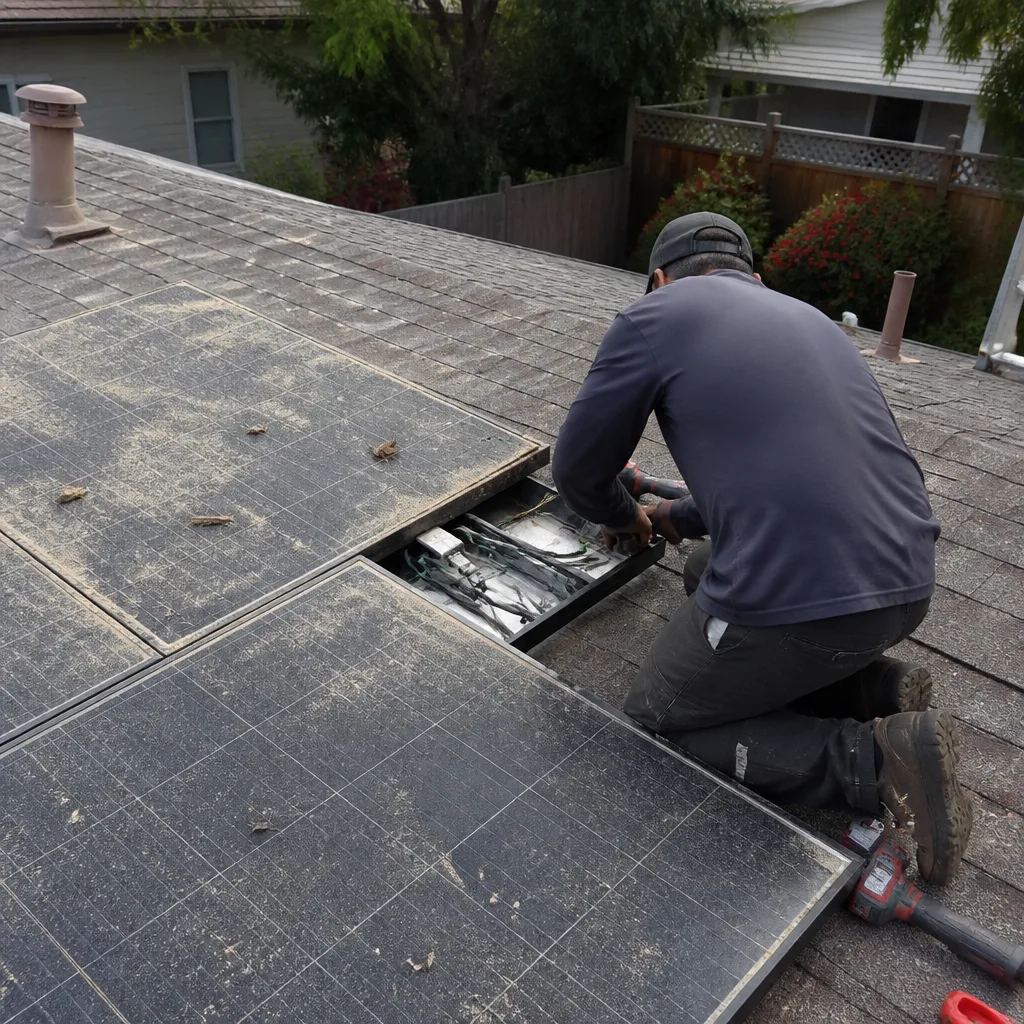 Before
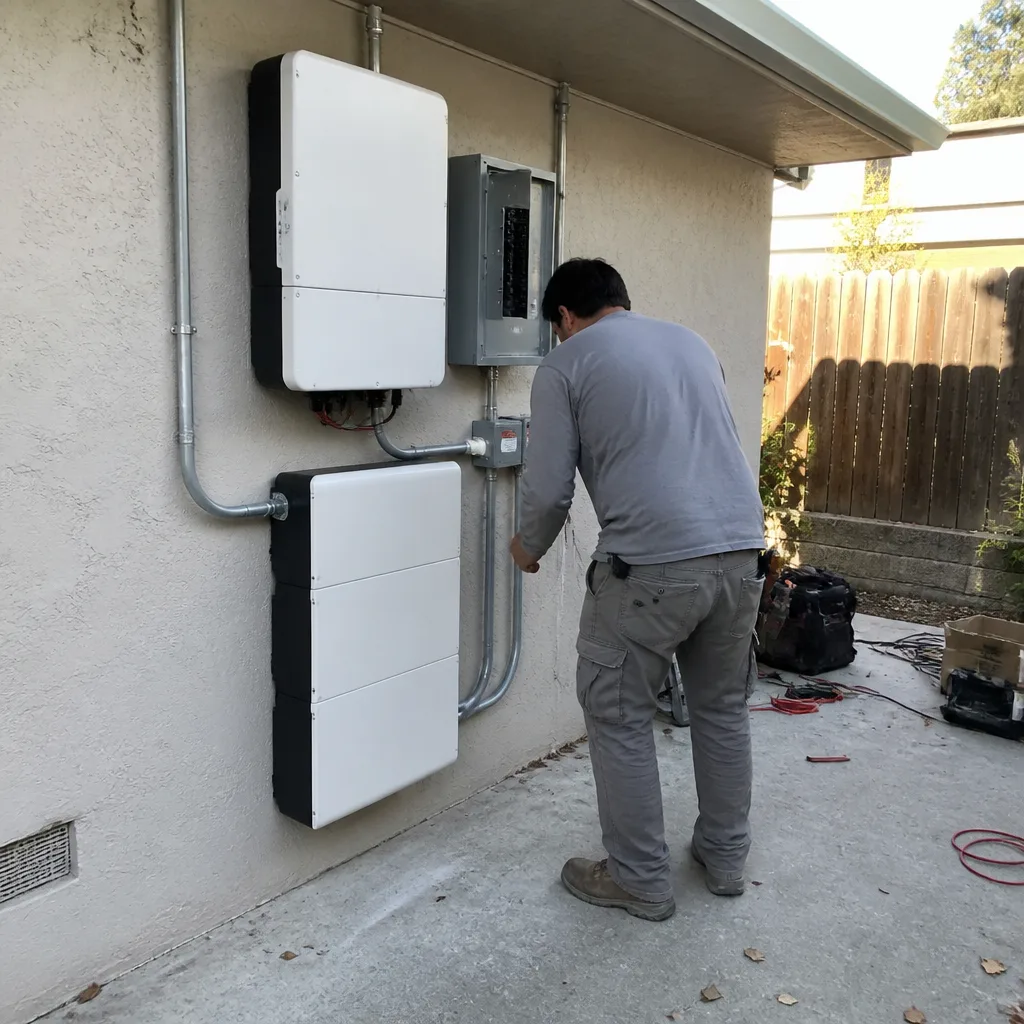 After
After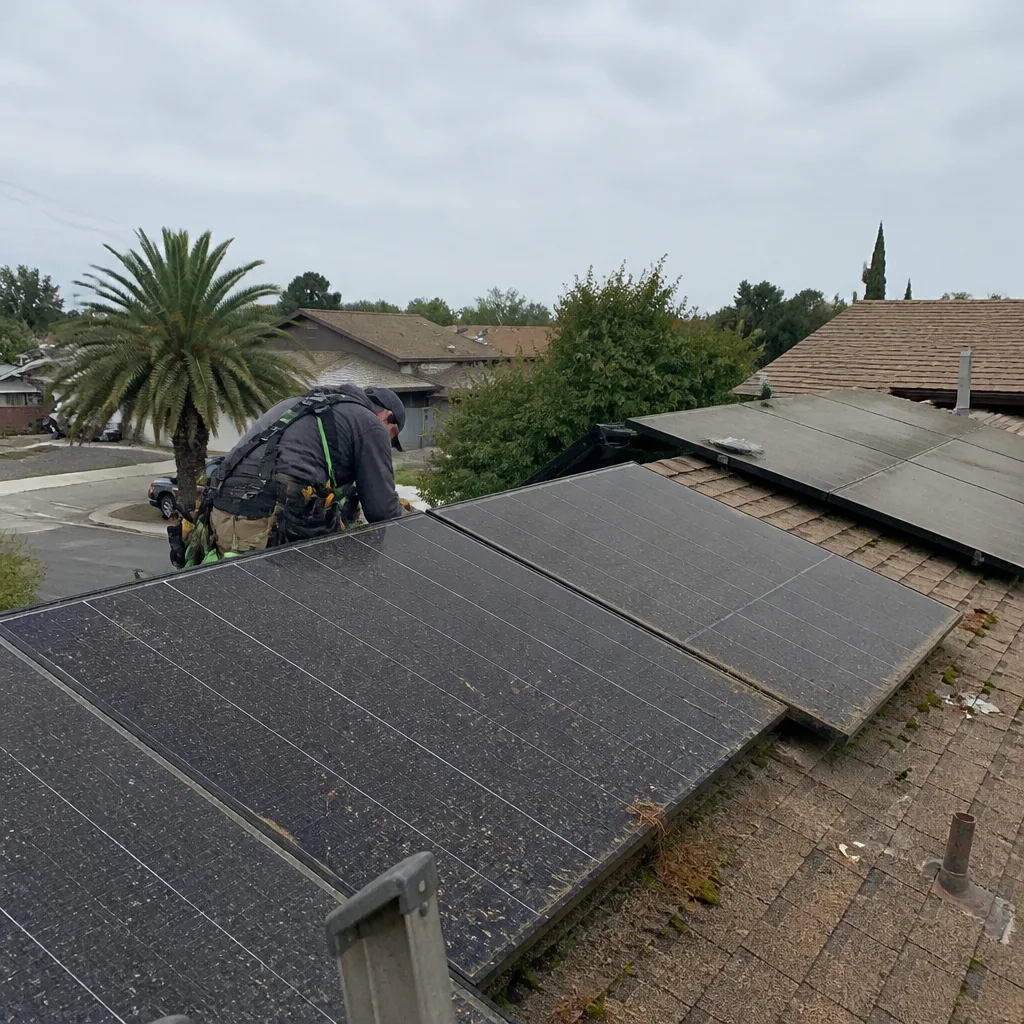 Before
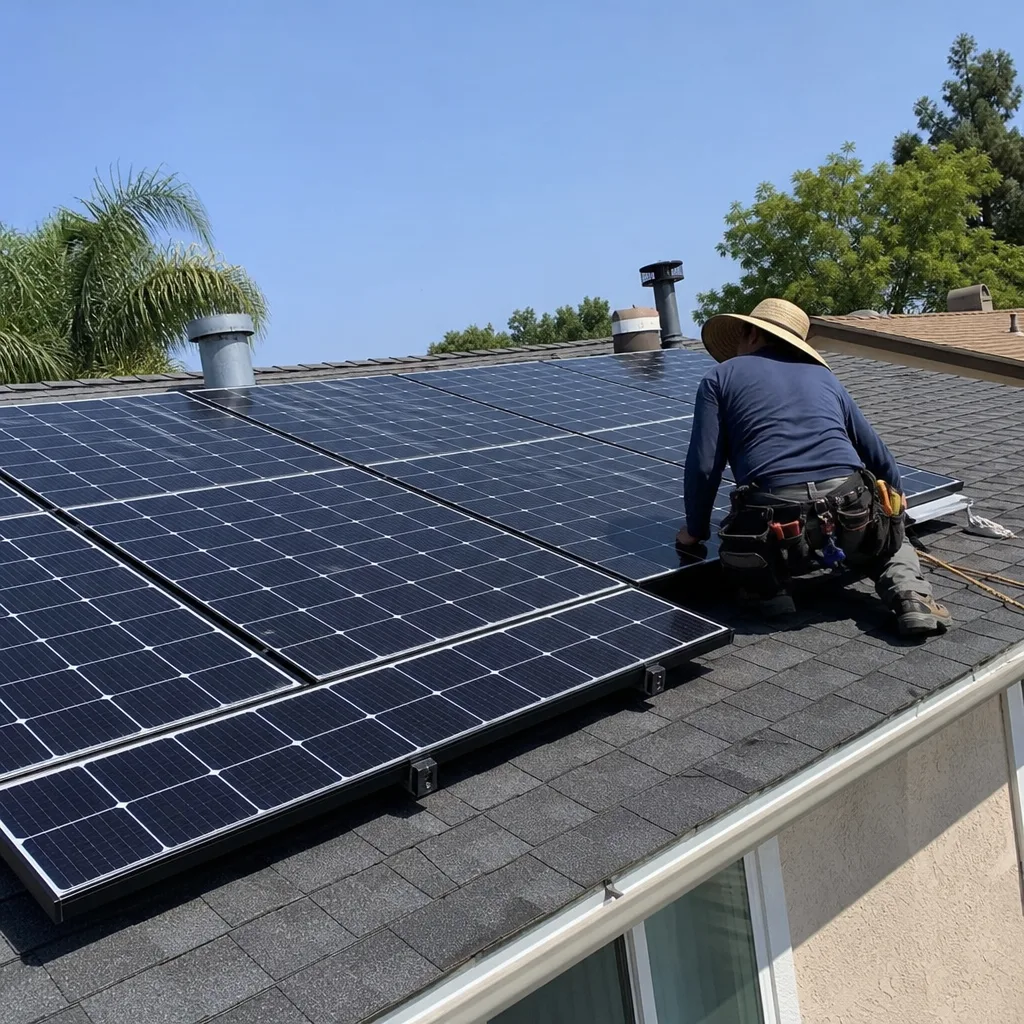 After
After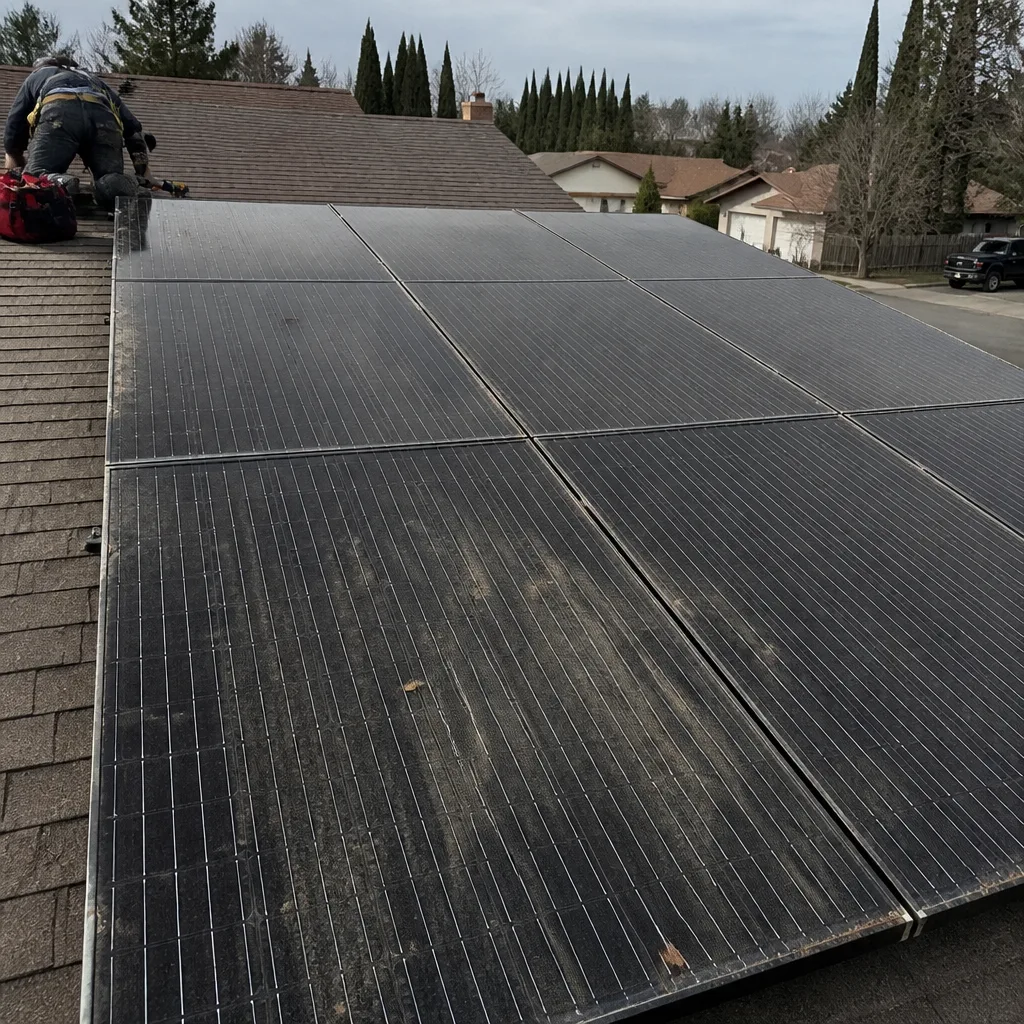 Before
 After
AfterFast, Reliable Solar Battery Storage & Backup Across Corona
Solar battery storage in Corona typically runs $9,500-$16,500 for a full installation, and most retrofits on existing solar arrays take one to two days once equipment arrives. If you’re staring at an SCE bill that keeps climbing while your panels sit idle during peak-rate hours, a battery changes that math immediately. Gus’s Solar has worked the Corona grid long enough to know exactly how NEM 3.0 rewired the economics here, and we’ll show you the real numbers off your own bill. Call (877) 550-6892 and we’ll walk the math with you, no signature asked for tonight.
Why Gus’s Solar Is Corona’s Preferred Solar Battery Storage & Backup Company
Gus Petrakis put his name on the truck in 2011 and never looked back. That matters in Corona, where plenty of out-of-state outfits blew through town during the solar boom and left homeowners holding warranties nobody answers. Our Solar Battery Storage & Backup crew works the 92877, 92878, 92879, and 92880 ZIP codes every week, and the same faces show up year after year. When a battery inverter drops offline during a July heat wave, you don’t want a ticketing portal. You want a live person on the line, and that’s what we run.
Corona’s bowl-shaped valley means afternoon temps run 10-15°F hotter than cities just 20 miles west. That heat loads batteries harder than coastal installs, and it demands sizing decisions that a generic installer will miss. We quote the year-25 output, not the day-one brochure number. Bring us a bill, we’ll bring you the math. Take two weeks. Think about it. The price will be the same.
Our Solar Battery Storage & Backup Services in Corona
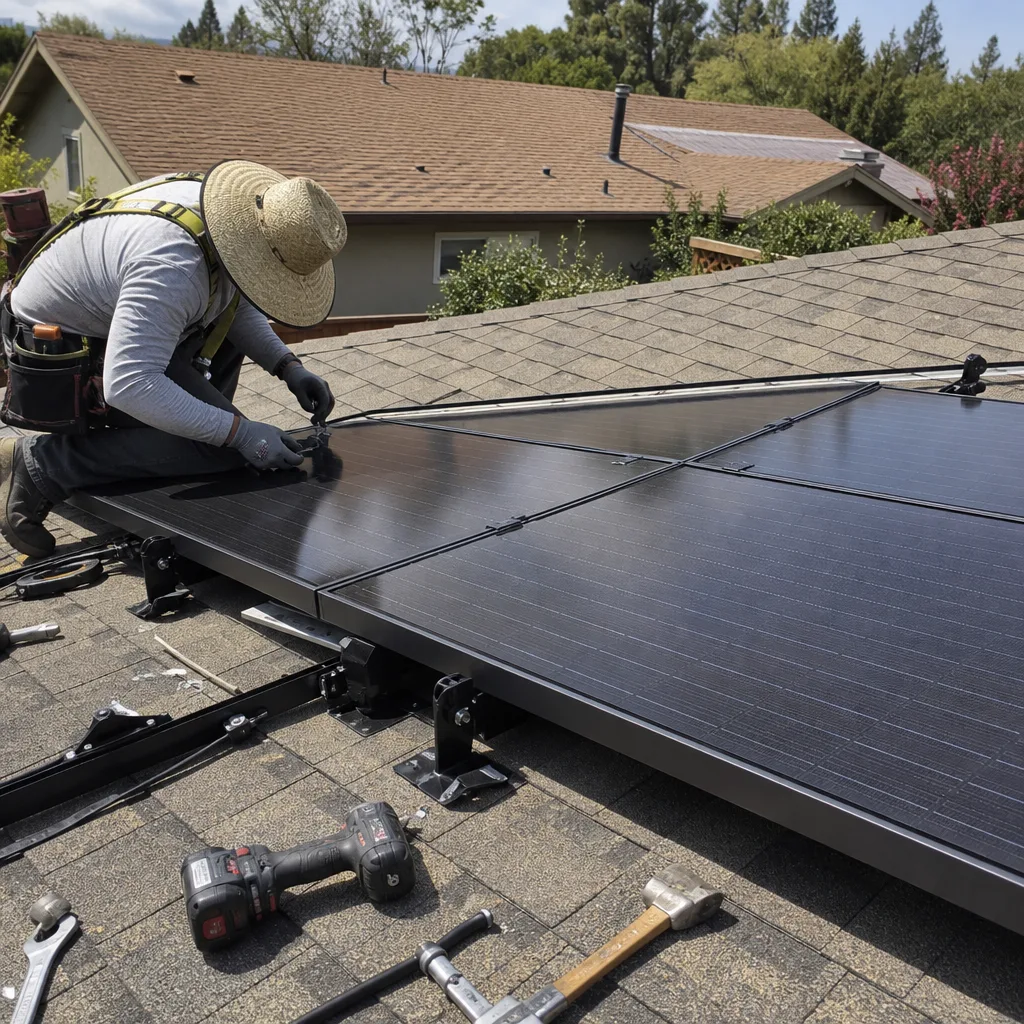
Battery Retrofit for Existing Solar
Corona has thousands of homes with solar arrays installed before 2023, back when SCE still paid meaningful export credits. Those systems now bleed value every afternoon. Retrofitting a battery onto an existing array in Corona typically runs $9,500-$14,000 depending on panel compatibility and whether your main panel needs an upgrade. We see original 150-amp panels all over the 1990s tract homes in 92879 and 92880, and those usually need a 200-amp swap before the battery can clear interconnection. We handle the full scope, no subcontracted labor.
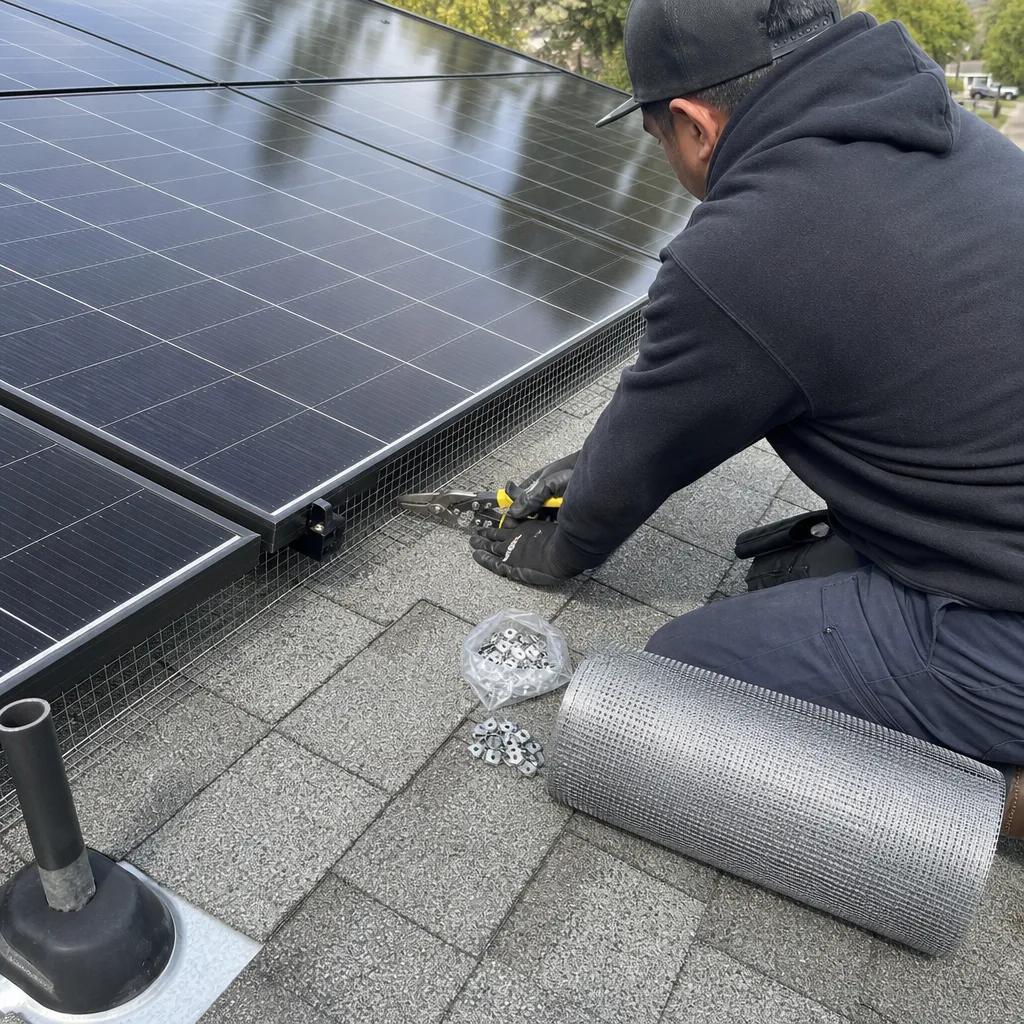
Time-of-Use & NEM 3.0 Optimization
Under post-April-2023 NEM 3.0, SCE export credits in Corona collapsed by roughly 75% for new solar customers. That’s not a rumor, it’s the tariff schedule. A battery set to Self-Powered or Time-Based Control shifts your stored solar into the 4-9 p.m. window when rates spike, which is where the actual savings live now. We’ll pull your interval data from SCE, map your usage against Corona’s actual rate schedule, and show you the payback before you spend a dollar. No brochure estimates, no pressure.
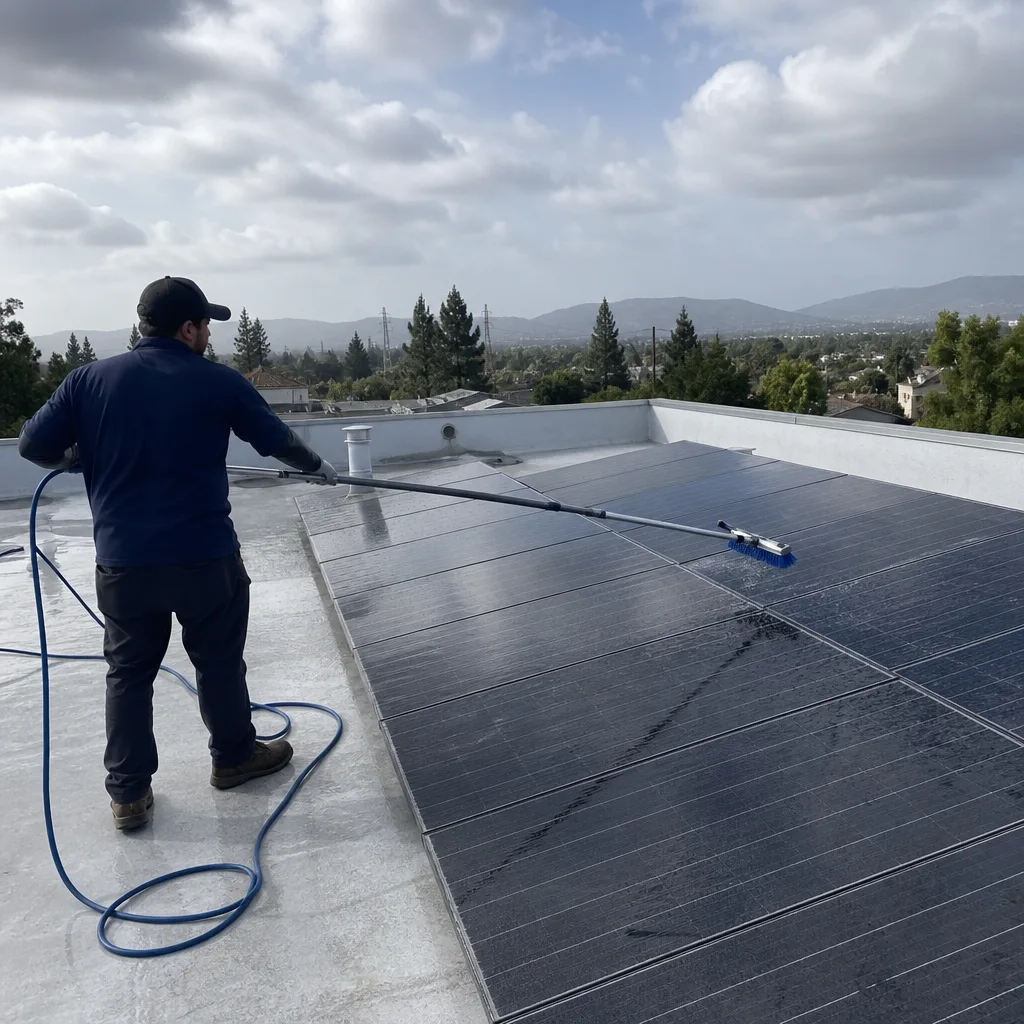
Whole-Home Backup Power
Corona’s Santa Ana wind events knock out power more often than people expect, especially in the 92883 hillside developments near the Cleveland National Forest boundary. Whole-home backup with a Tesla Powerwall 3 or Enphase IQ Battery 5P keeps your AC, refrigerator, and medical equipment running through an outage. One Powerwall 3 can start and run a 4-ton AC unit, but sustained 105°F afternoons will cut runtime and may require load-shedding on secondary appliances. We’ll be straight about what one battery can actually carry in Corona’s heat.
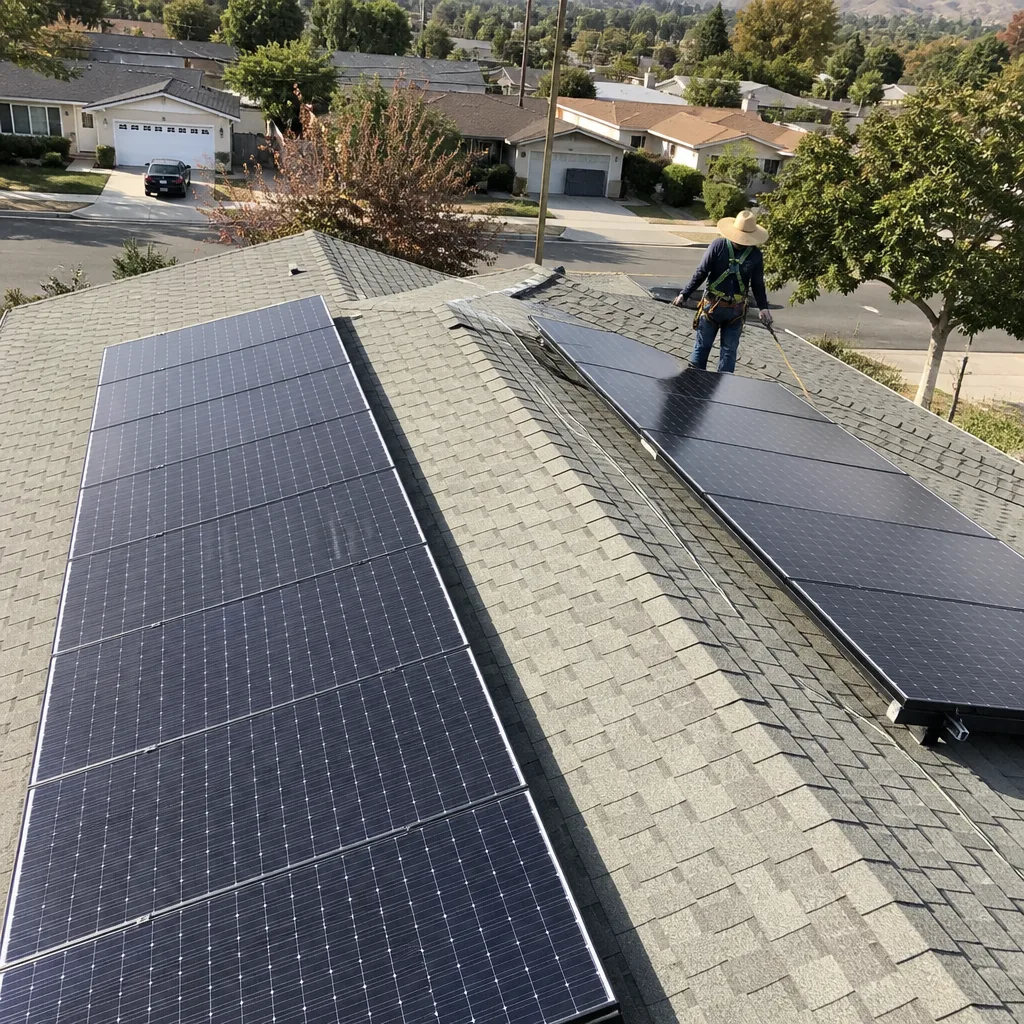
Enphase IQ Battery Installation
For Corona homes with existing Enphase microinverters, the IQ Battery 5P integrates cleanly and gives you granular per-circuit control during outages. These units run $4,500-$7,500 installed when paired with a system controller, and they derate less in high ambient heat than earlier generations. That matters here, where surface temps on south-facing garage walls in 92883 can hit 130°F in August. We position enclosures to shade where possible and engineer for the wind loads Riverside County requires.
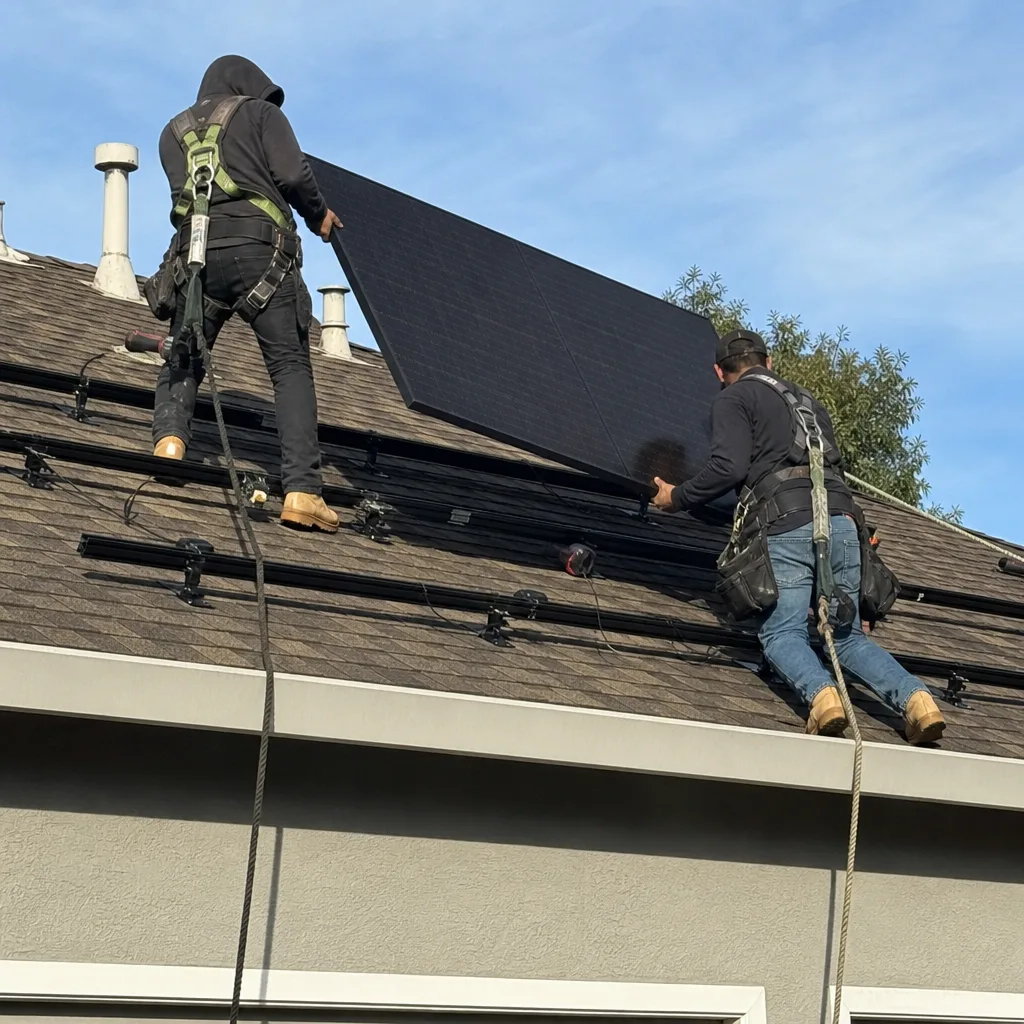
Tesla Powerwall Installation
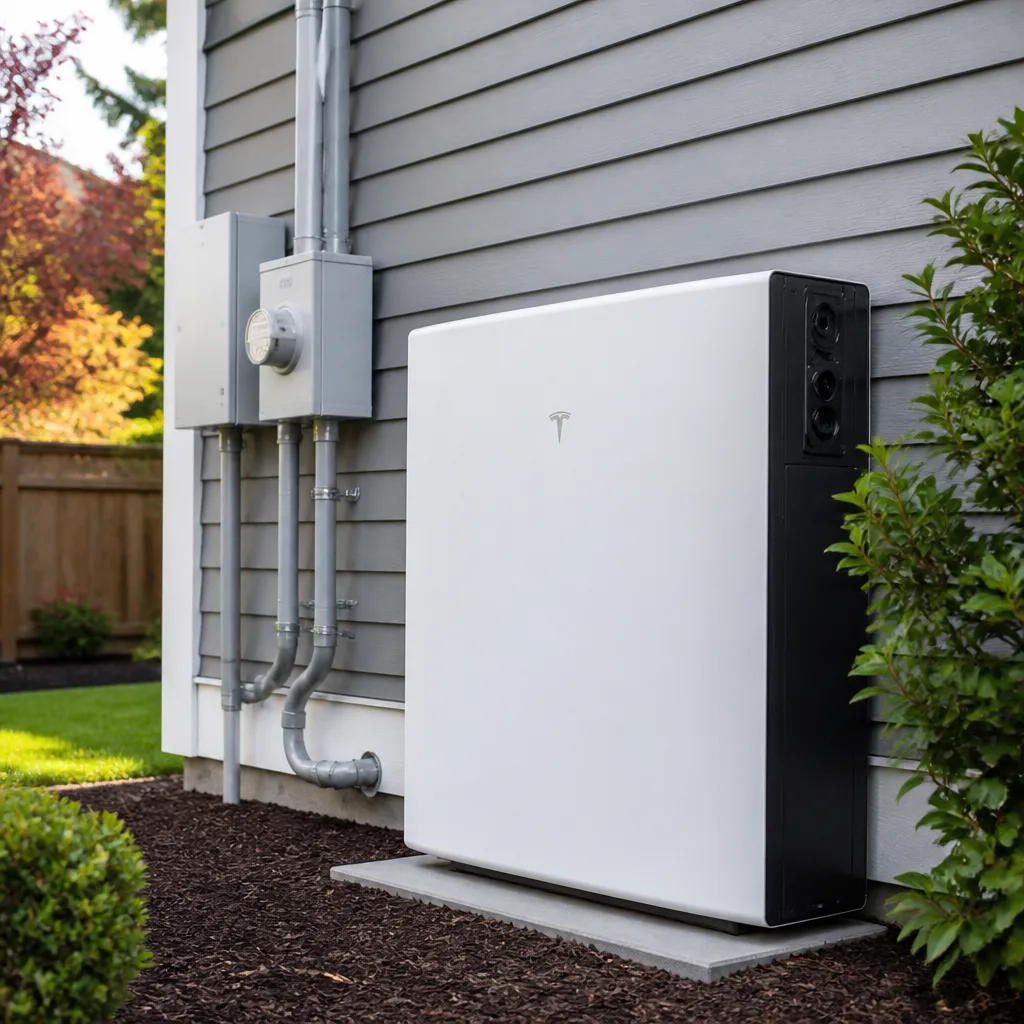
A single Tesla Powerwall 3 in Corona usually runs $11,000-$15,500 installed, including gateway, permits, and interconnection paperwork. Two Powerwalls for larger two-story production homes off Temescal Canyon Road typically land between $20,000 and $26,000. The Powerwall 3’s integrated inverter simplifies retrofits, but its wall-mount form factor triggers HOA review in several master-planned communities along the 92883 corridor. We pull CC&Rs before we pull permits, because design revisions add 3-6 weeks nobody wants.
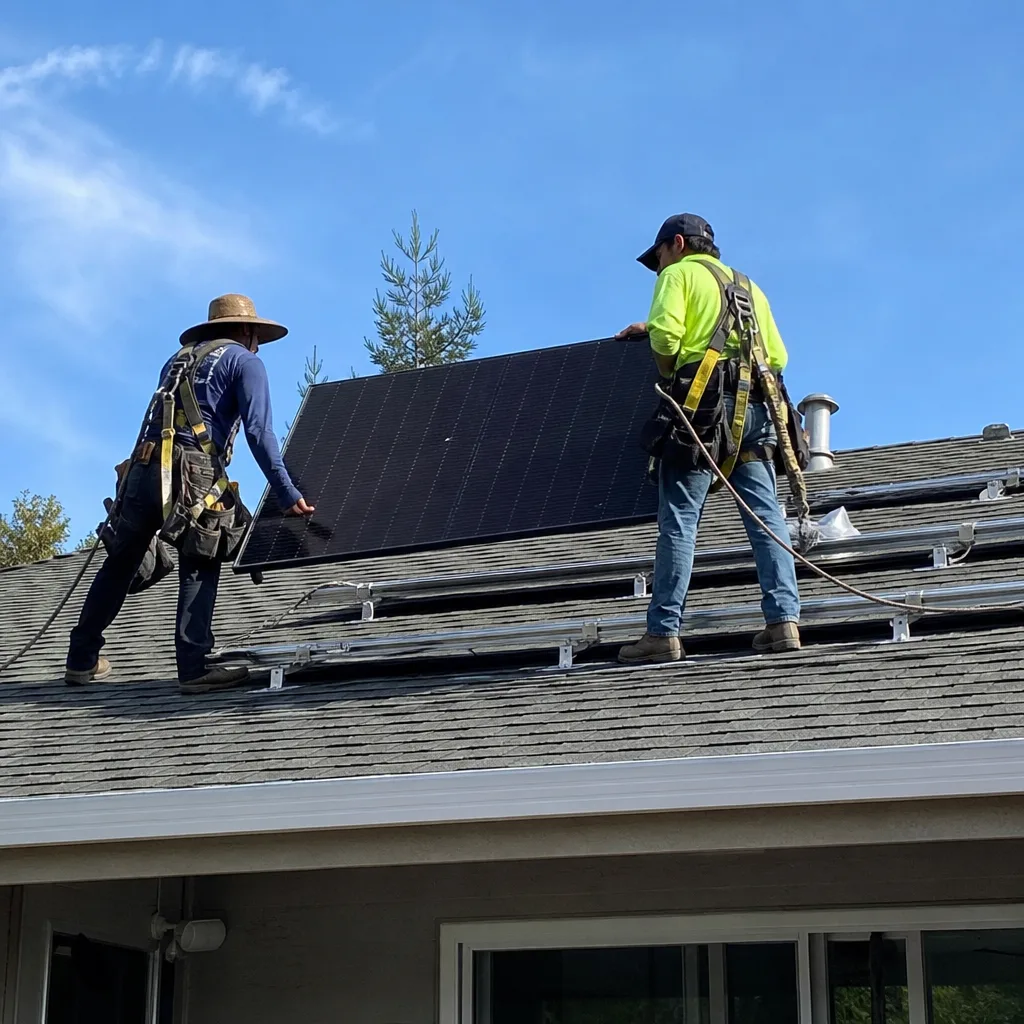
What happens when you call
- 1
A real person answersNo phone trees - you reach a local pro.
- 2
You get an upfront price rangeHonest numbers before anyone is dispatched.
- 3
A background-checked tech heads outLicensed & insured, dispatched right away.
- 4
You approve before work beginsNothing starts until you say go.
Trusted Brands We Service in Corona
We install and service battery systems from Tesla, Enphase, and FranklinWH, all of which have proven track records in high-heat inland environments like Corona. If you already have SunPower panels or Qcells modules on your roof, those pair cleanly with all three battery platforms. We keep common replacement parts in our Inland Empire warehouse, so a failed gateway or communications module doesn’t mean a two-week wait. Gus’s own crew does the work, background-checked, uniformed, and accountable to the name on the door.
Common Solar Battery Storage & Backup Problems We See in Corona Homes
- Battery inverter derating during 105°F+ heat waves: When the ambient temp climbs past 105°F, most battery inverters throttle output to protect internal components. That cuts backup runtime and can force load-shedding exactly when your AC is working hardest. We size systems with Corona’s July and August numbers, not the STC ratings from a spec sheet.
- HOA rejections on wall-mounted battery enclosures: Several Temescal Canyon Road master-planned communities have architectural committees that flag battery enclosures for color, placement, or visibility from the street. That adds 3-6 weeks of design revisions if you don’t address it up front. We pull the CC&Rs before submitting your Riverside County permit, because we’ve learned the hard way.
- Original 150-amp main panels failing rapid shutdown self-test: Riverside County requires a rapid shutdown self-test on battery-plus-solar installs, and the 150-amp panels common in 1990s Corona tract homes often trip during the test. The fix is a 200-amp panel upgrade, which adds $2,800-$4,500 to the project. We flag it during the estimate, not during the install.
- Santa Ana wind loads flagged during plan check: Corona’s location at the mouth of the Santa Ana Mountains means Riverside County plan check reviewers routinely require elevated wind-uplift engineering on battery equipment anchored to south-facing walls. Coastal Orange County installs on the same SCE grid never see this. We engineer for it from the first submittal.
Pricing for Solar Battery Storage & Backup in Corona, CA
A single-battery retrofit on an existing Corona solar array typically runs $9,500-$14,000. A new solar-plus-battery installation on a 1990s tract home in 92879 or 92880 usually lands between $18,000 and $28,000 before the federal tax credit, depending on array size and battery count. Whole-home backup with two batteries on a larger 92883 two-story commonly runs $20,000-$26,000. Panel upgrades add $2,800-$4,500. HOA-driven design revisions and wind-uplift engineering can add $800-$1,500 on hillside lots. Every estimate is free, built off your actual SCE bill, and the price we quote is the price you pay. Call (877) 550-6892 for the real numbers.
Key Takeaways:
- Battery retrofits in Corona start around $9,500 and most are done in 1-2 days.
- NEM 3.0 slashed SCE export credits, making storage the main lever for actual savings.
- Riverside County wind-uplift specs and HOA reviews in 92883 add time and cost that coastal installs never face.
- Senior and veteran customers get a 10% discount that never expires. Free second opinions on any written estimate. No trip charge inside our own county.
We Also Serve Cities Near Corona
Beyond Corona itself, our crews cover Home Gardens, El Cerrito Corona, Eastvale, and Norco. If you’re anywhere near the 91/15 interchange or up Temescal Canyon Road, we’re already working in your neighborhood. Our Solar Battery Storage & Backup in Corona team keeps equipment locally staged so we can be at your door fast when a battery drops offline.
Serving Corona, CA - Our Local Coverage Area
We’re based in the Corona area and know this community well. Use the map below to see our service coverage - if you’re nearby, we can almost certainly help.
FAQs - Solar Battery Storage & Backup in Corona
Under NEM 3.0, SCE export credits in Corona dropped to roughly 25% of their pre-2023 value, which means every kWh you send to the grid during midday buys you back almost nothing. A battery lets you store that midday production and use it during the 4-9 p.m. peak window, when SCE rates in Corona run $0.55-$0.72 per kWh. For a typical Corona home using 900 kWh per month with a 6 kW array, that shift typically cuts the solar payback period from roughly 12-14 years down to 7-9 years. Call (877) 550-6892 and bring your last 12 months of SCE statements; we’ll run those numbers on your actual usage.
The 92883 corridor sits against the Santa Ana Mountains and the Cleveland National Forest boundary, where wind-uplift exposure is classified higher than the flatter terrain around 92503. Riverside County plan check applies stricter structural engineering requirements to wall-mounted battery enclosures in those hillside developments, including anchor specifications and sometimes stamped engineering drawings. It adds $800-$1,500 to a typical project and about two weeks to permitting. We’ve submitted enough of these to know exactly what the reviewers want on the first pass.
Yes, a single Tesla Powerwall 3 can start and run a 4-ton AC unit, but sustained 105°F+ afternoon temperatures in Corona will cut usable runtime significantly, often down to 3-5 hours once the AC compressor cycles continuously. If you want whole-home backup through a full heat-wave outage, two Powerwalls or a FranklinWH aPower system with load management is the realistic answer. We’ll size the system for Corona’s actual July and August conditions, not a mild-weather rating.
Most master-planned communities along Temescal Canyon Road require architectural review of any wall-mounted battery enclosure, including photos or renderings of the proposed location, finish color, and elevation drawings. Some also require a signed acknowledgment that the equipment may be visible from a neighbor’s property. We pull the CC&Rs before submitting your Riverside County permit, because a rejected HOA design can add 3-6 weeks to your project. That’s standard pre-job practice for us in South Corona.
Lithium iron phosphate batteries, which are what Tesla, Enphase, and FranklinWH all use now, degrade faster when ambient temperatures stay above 100°F for extended stretches. Corona’s July and August afternoons routinely sit 10-15°F hotter than cities like Anaheim or Orange, which means a battery mounted on a south-facing garage wall here may lose capacity roughly 0.5-1% faster per year than the same unit near the coast. A well-ventilated north-facing wall or shaded enclosure in Corona can keep degradation close to Orange County levels. This is what we design for, and it’s why we don’t just copy install specs from coastal jobs.
Written by Gus Petrakis, Owner at Gus’s Solar, serving Corona since 2011.
Ready for real numbers on battery storage for your Corona home? Call (877) 550-6892 for a free estimate. A live person answers, 24/7. Free second opinion on any written estimate, no trip charge inside our own county, and a senior and veteran 10% discount that never expires.