
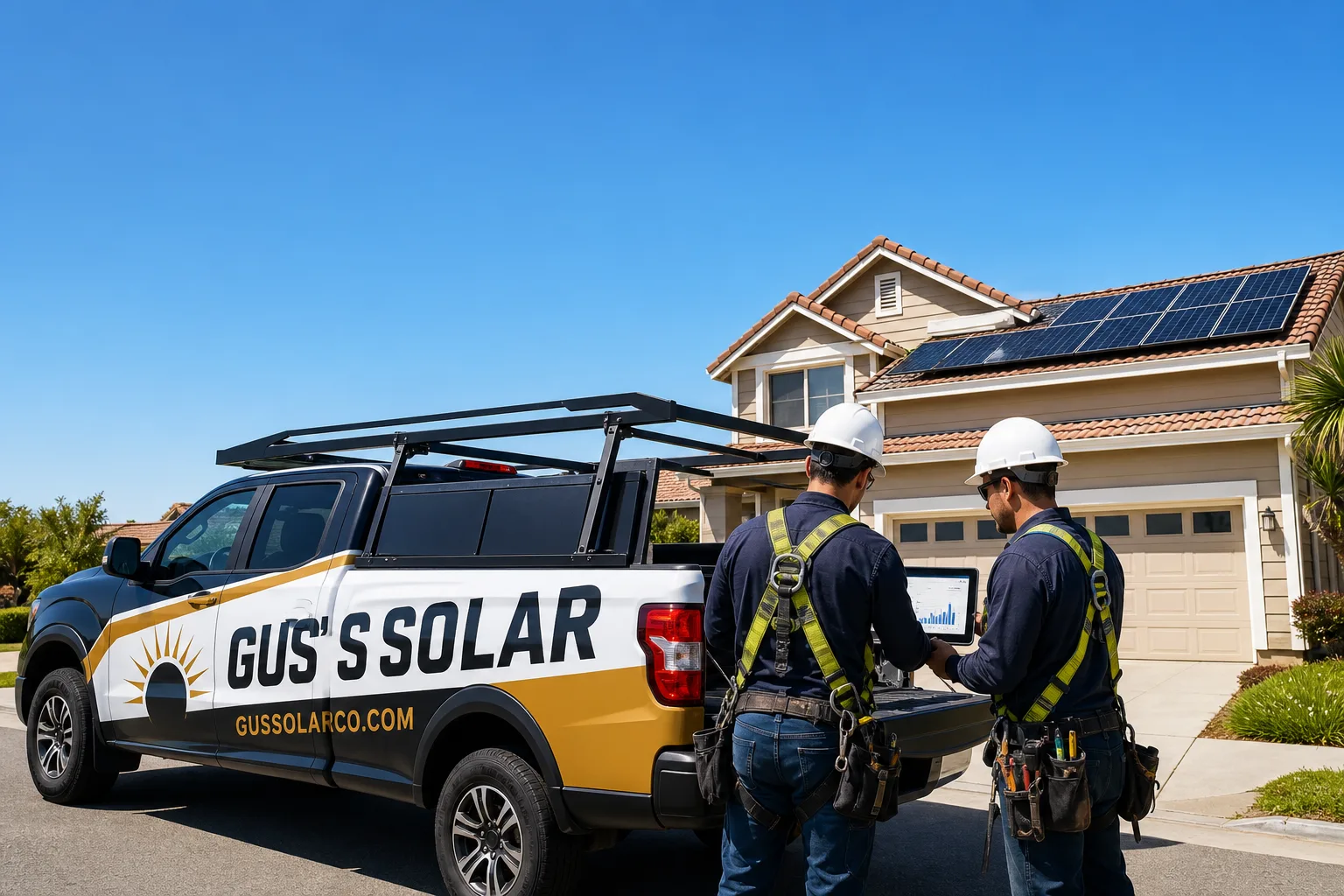
Free bill analysis - bring a power bill, get the production math for your actual roof, panel brands like Qcells and REC compared side by side
If the pitch starts at your door and ends with "sign tonight for the special," sleep on it. The sun will still be there tomorrow; so will we.
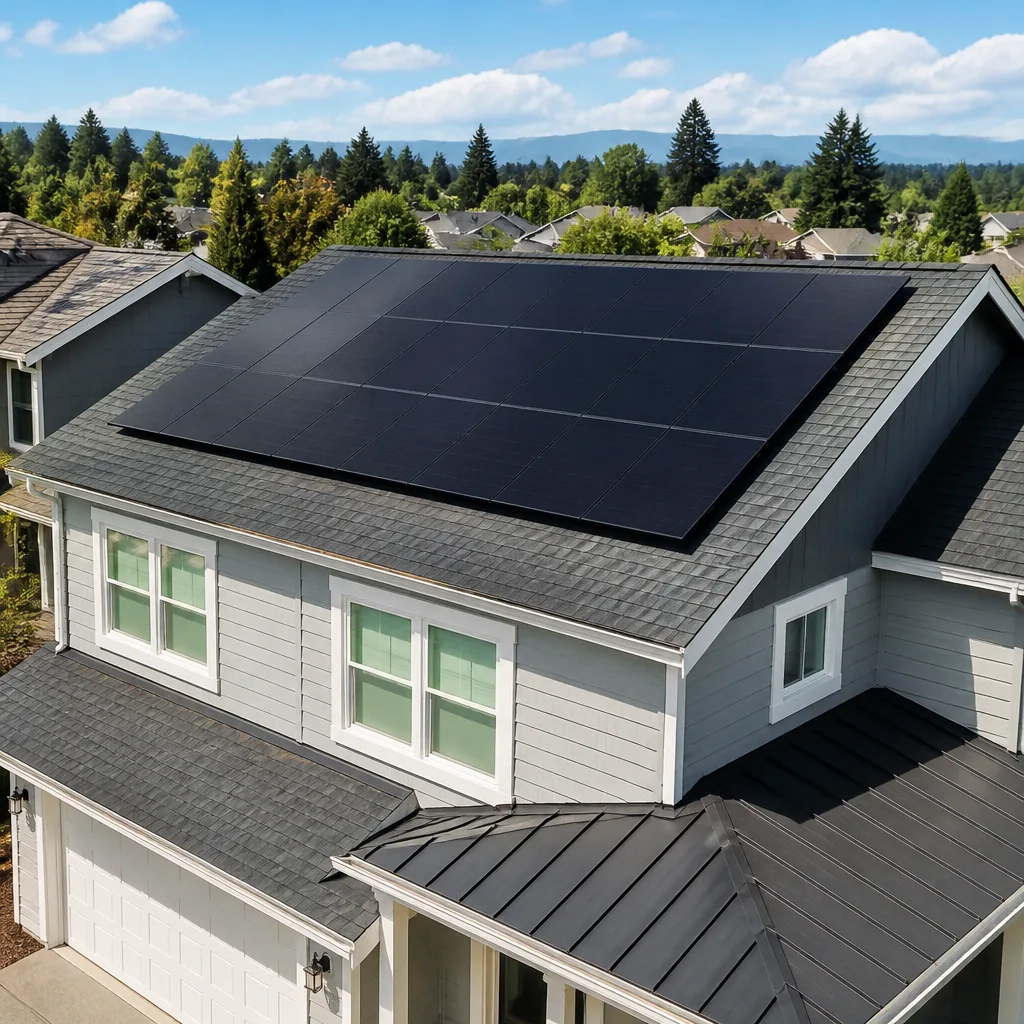
 Before
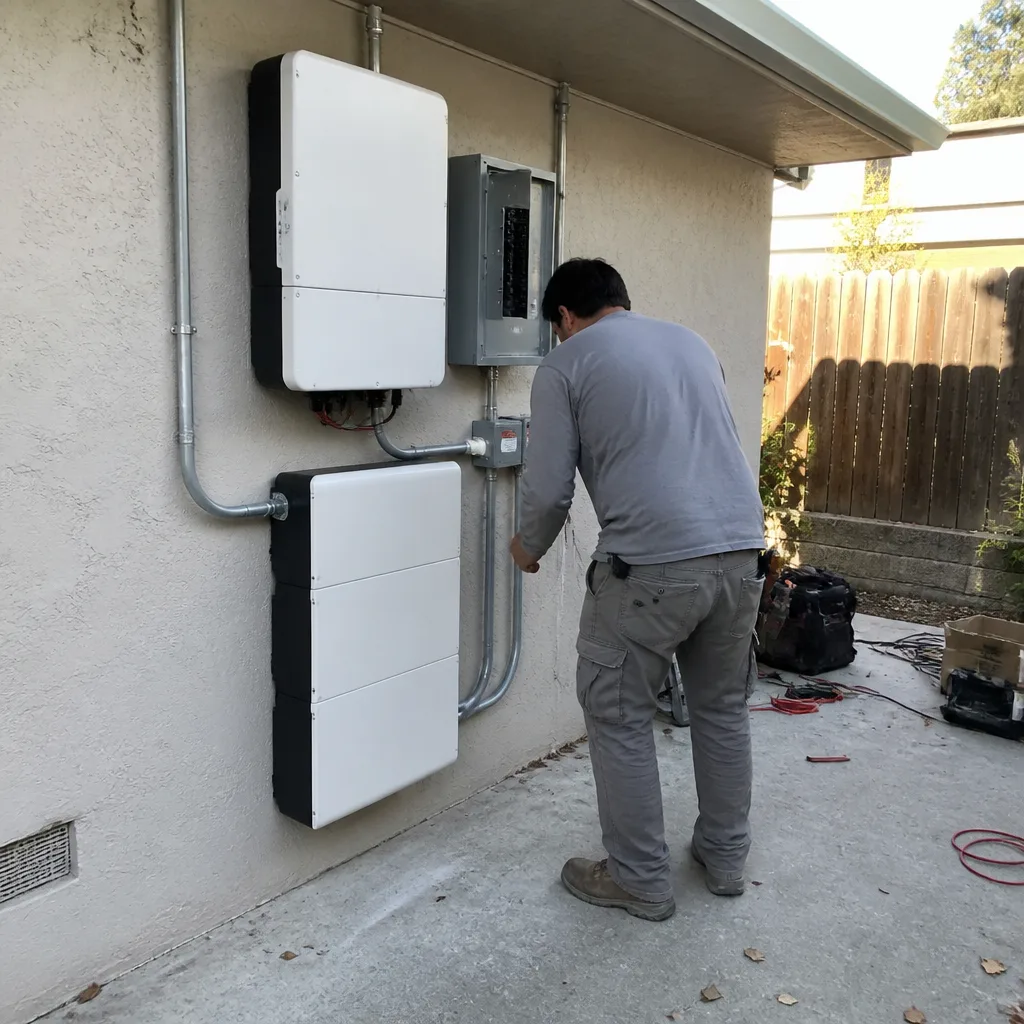 After
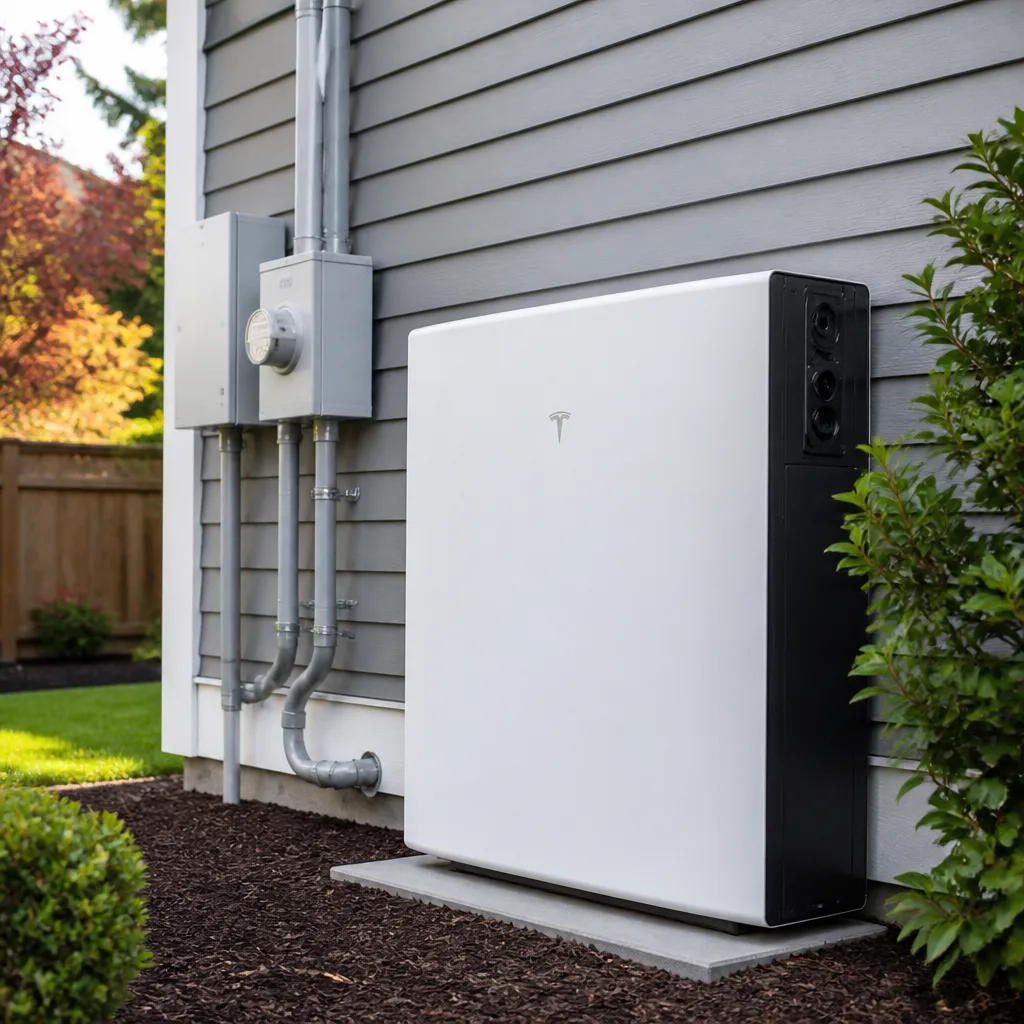
After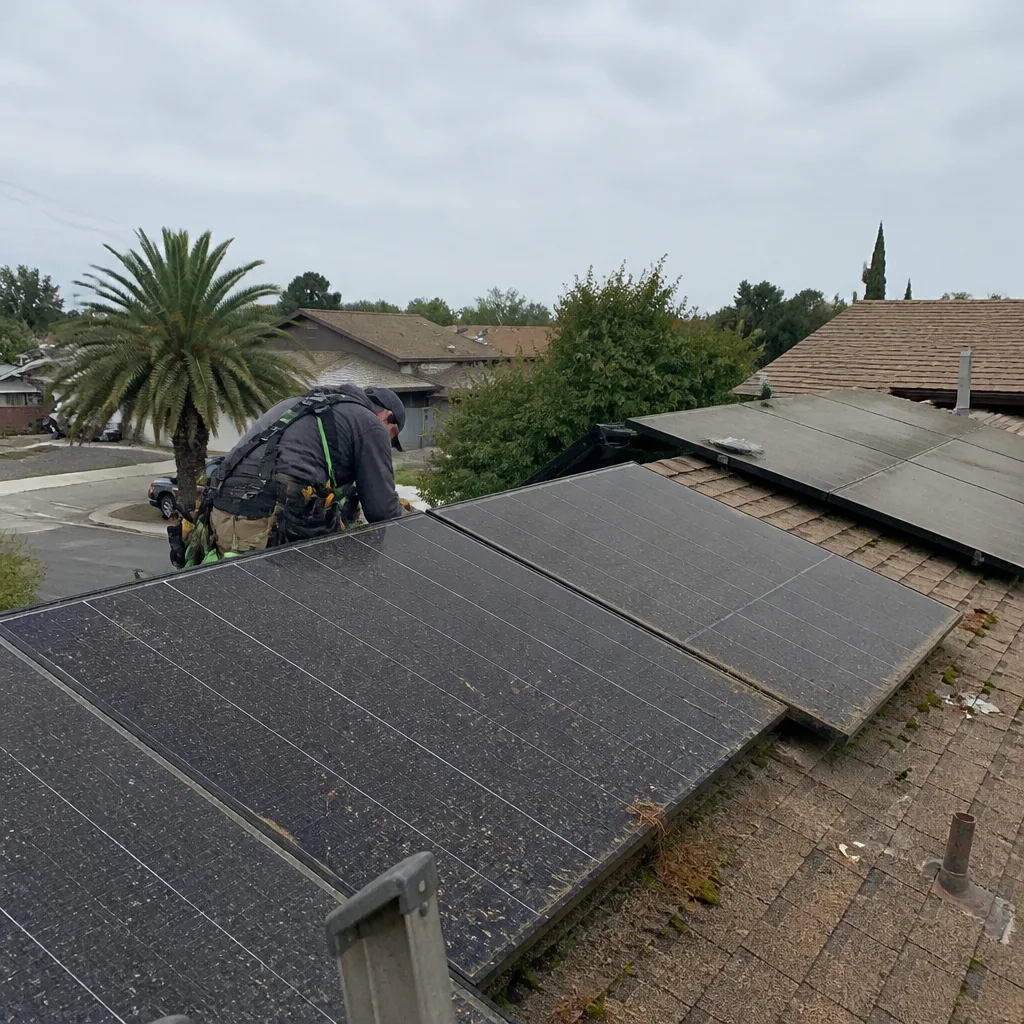 Before
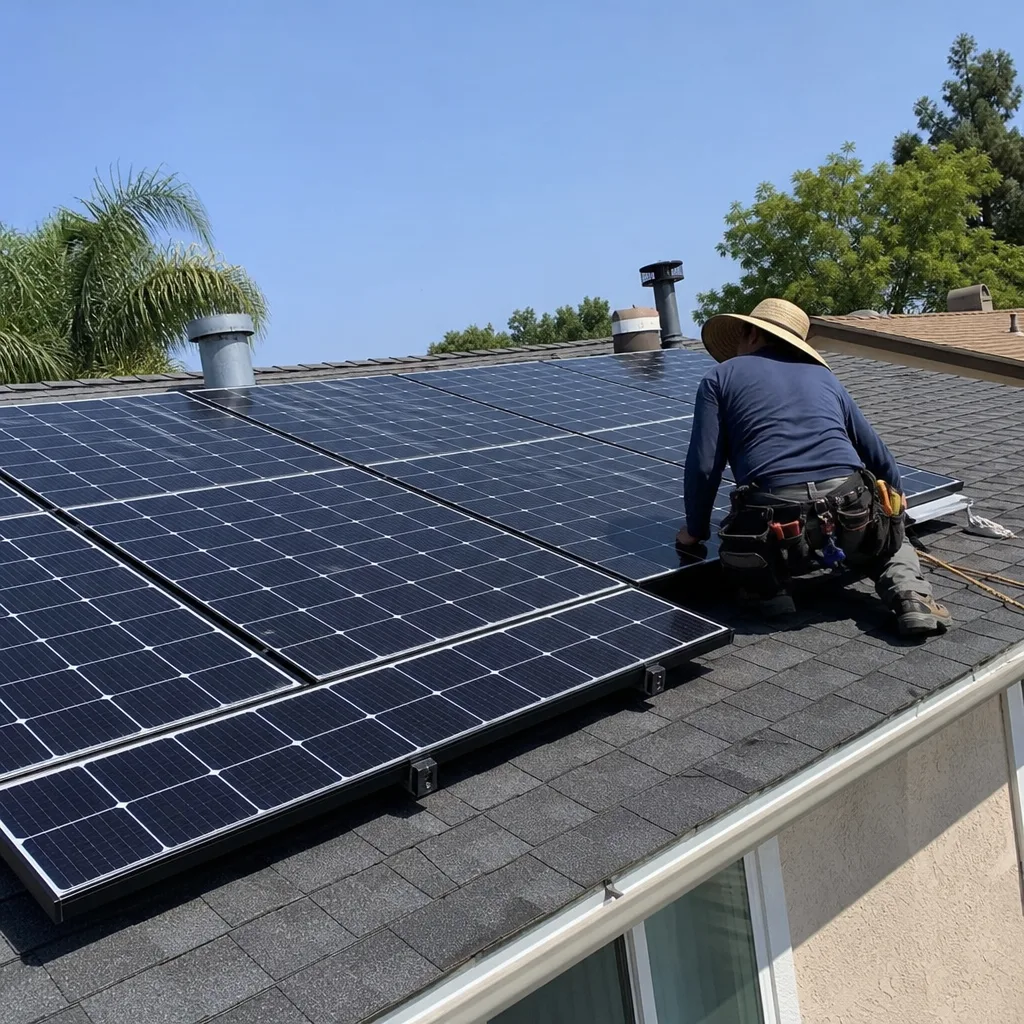 After
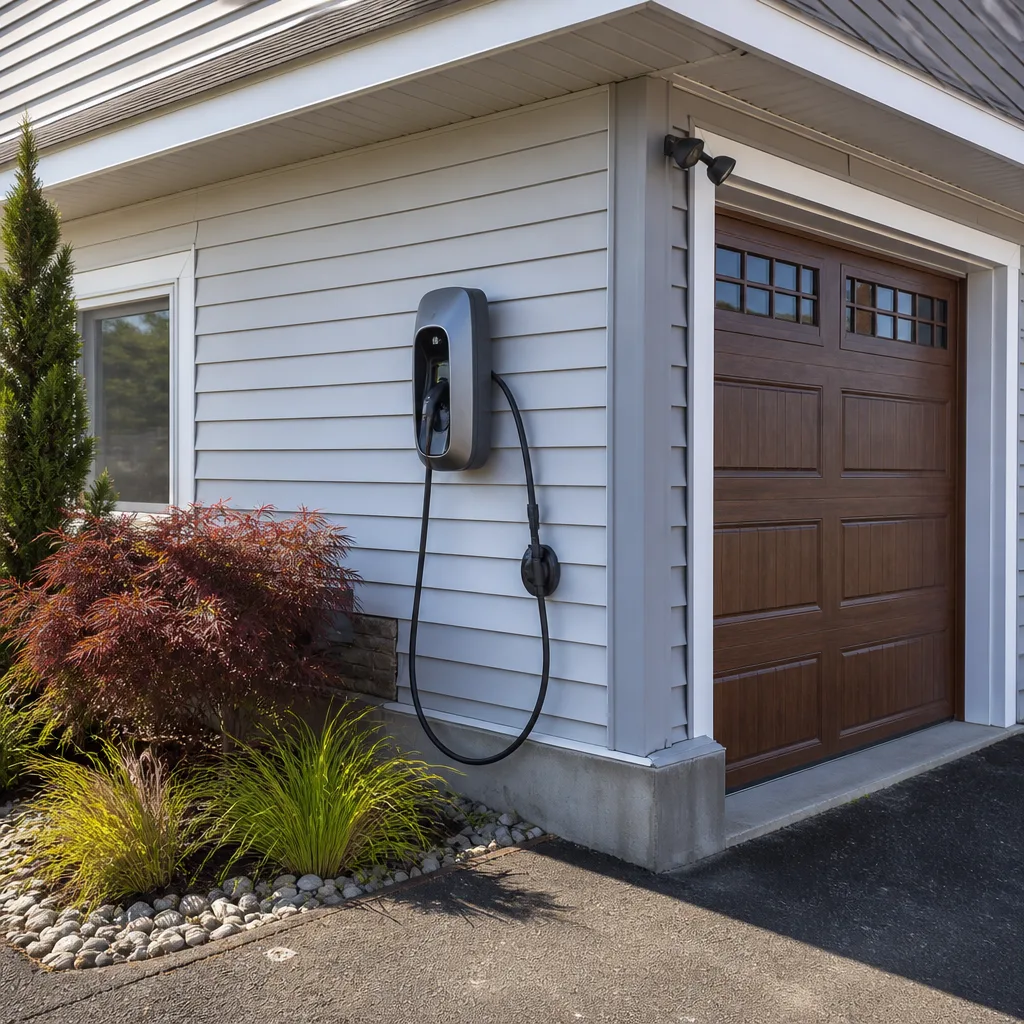
After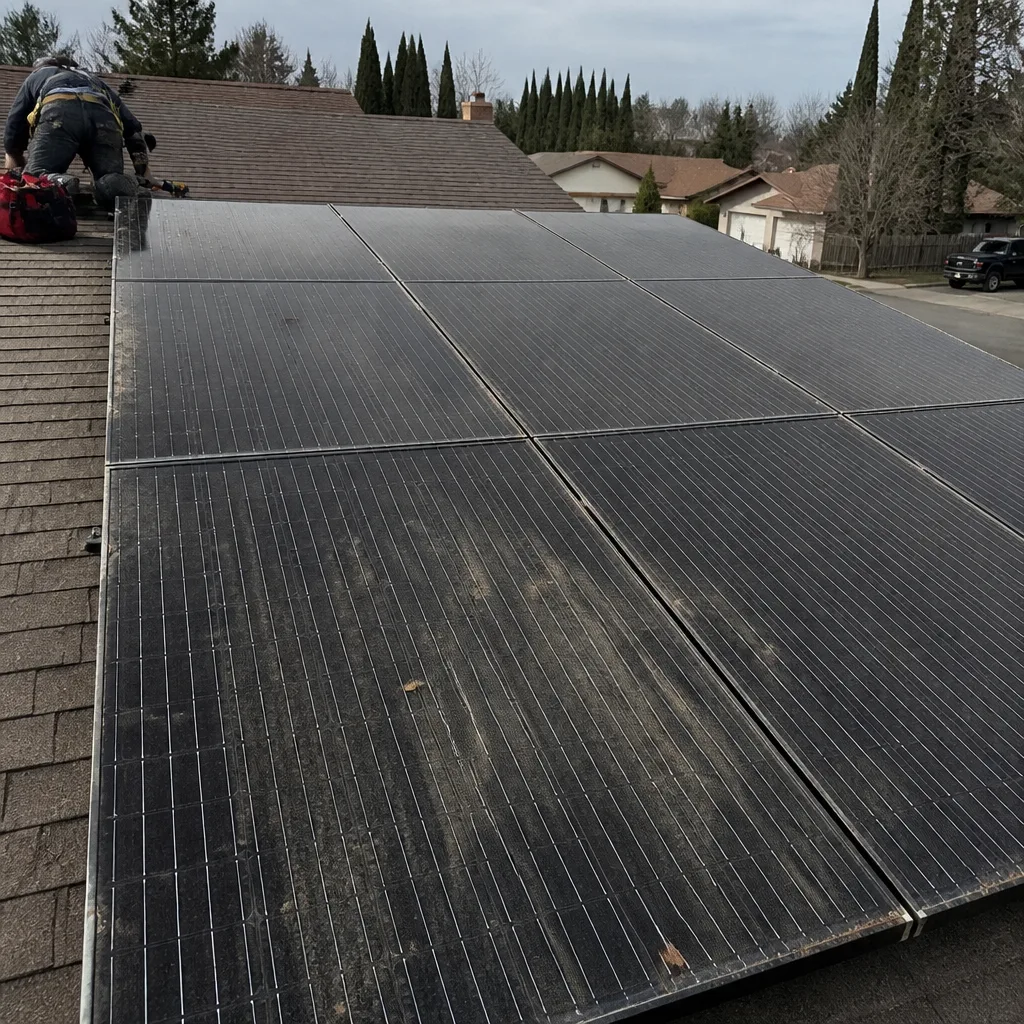 Before
 After
AfterFast, Reliable Solar Panel Maintenance & Monitoring Across Palo Alto
Solar panel maintenance in Palo Alto costs roughly $180-$340 for a standard annual inspection, and most underperformance diagnostics run $250-$450. We can typically have a technician at your home within 24-48 hours, not next week. If your system has stopped reporting or your CPAU true-up statement looks wrong, call Gus’s Solar at (877) 550-6892 and a live person answers, day or night.
Here’s what matters in Palo Alto specifically: you’re on City of Palo Alto Utilities, not PG&E. Your net metering, interconnection, and true-up statements all flow through CPAU’s own process, which means diagnosing a struggling array here requires someone who reads CPAU’s rate structure as fluently as the inverter’s error logs. We do both. Our Solar Panel Maintenance & Monitoring team has spent years tracing production gaps back to CPAU billing quirks, failed gateways, and ballasted flat-roof mounts that shifted just enough to throw off a microinverter. Nobody wants to discover a 25% production loss by opening a true-up bill in April. We catch it first.
Key Takeaways
- Annual inspections in Palo Alto run $180-$340; same-week appointments are usually available.
- Underperformance diagnostics cost $250-$450 and include a CPAU true-up reconciliation.
- We service all major brands: Enphase, SolarEdge, Tesla, Panasonic, FranklinWH, and more.
- Free second opinion on any written estimate, plus a $40 credit on repairs over $200.
Why Gus’s Solar Is Palo Alto’s Preferred Solar Panel Maintenance & Monitoring Company
Gus Petrakis founded this company in 2011 and still puts his own name on the truck. That’s not a marketing line. When you call about a solar array that’s underperforming in Professorville or a microinverter that’s gone silent in Midtown, the person who answers knows Palo Alto’s housing stock, its tree canopy, and its municipal utility rules. We’re not reading from a script.
Most of our Palo Alto customers are homeowners who already went through the door-knocker gauntlet once. They got quoted one number, signed something else, and watched the installer disappear after commissioning. Then the system stopped reporting and they were told to “check the app.” We hear that all the time. Gus’s crew shows up in uniform, background-checked, and we fix the thing. The 90-Day Done Right Promise covers every service call in writing: if it’s not done right, Gus comes back. One call brings him back.
Our techs work throughout Palo Alto weekly, from the early-1900s Craftsman bungalows in Old Palo Alto to the Eichler-influenced flat roofs in South Palo Alto. That local rhythm means we already know what we’re walking into before we park the truck. It also means parts arrive fast. We stock common replacement components for Enphase, SolarEdge, and Panasonic systems right here in the Bay Area, so a failed gateway or cooling fan doesn’t turn into a three-week wait on a national distributor’s backorder.
Our Solar Panel Maintenance & Monitoring Services in Palo Alto
Every home in Palo Alto has a slightly different set of failure modes. A 1960s ranch in Midtown with legacy SolarEdge gear needs different attention than a 2018 Panasonic array on a low-slope roof in 94306. Here’s what we actually do when you call us.
Annual System Inspection
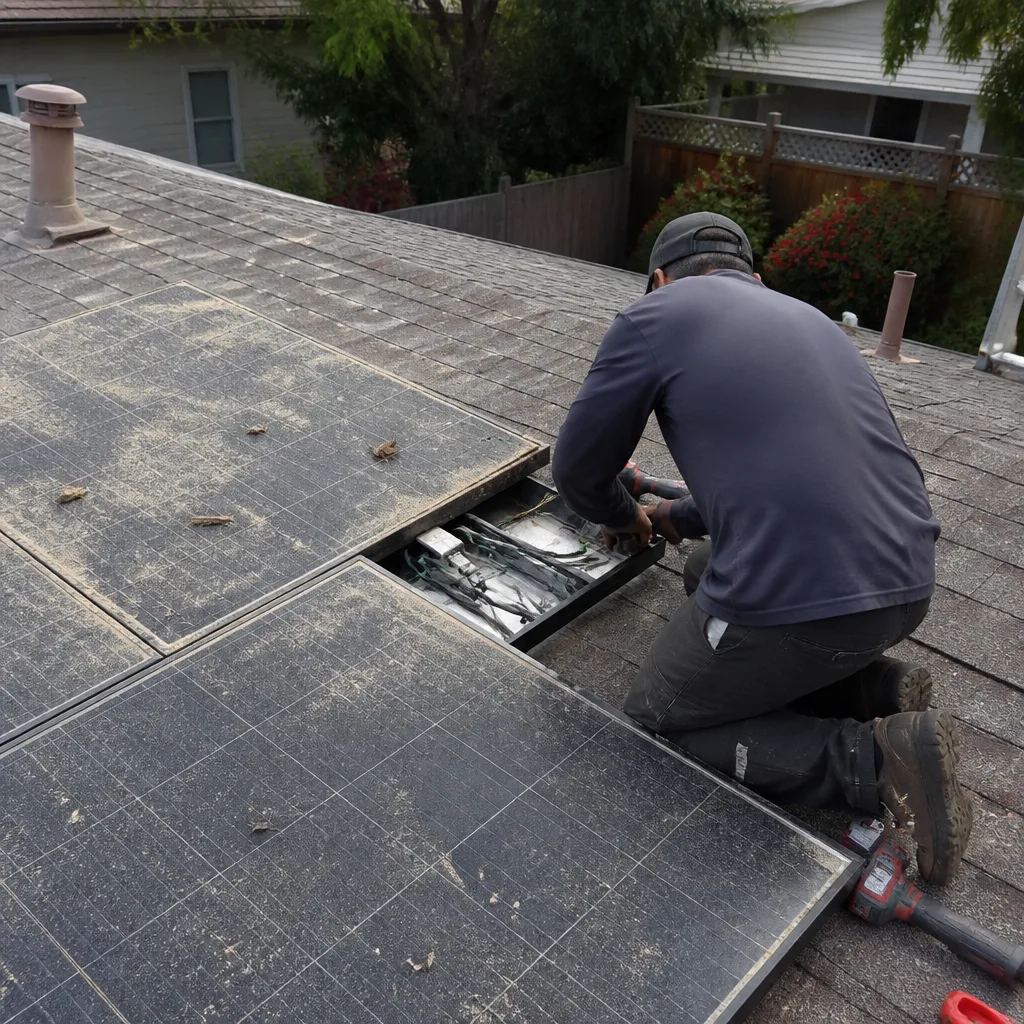
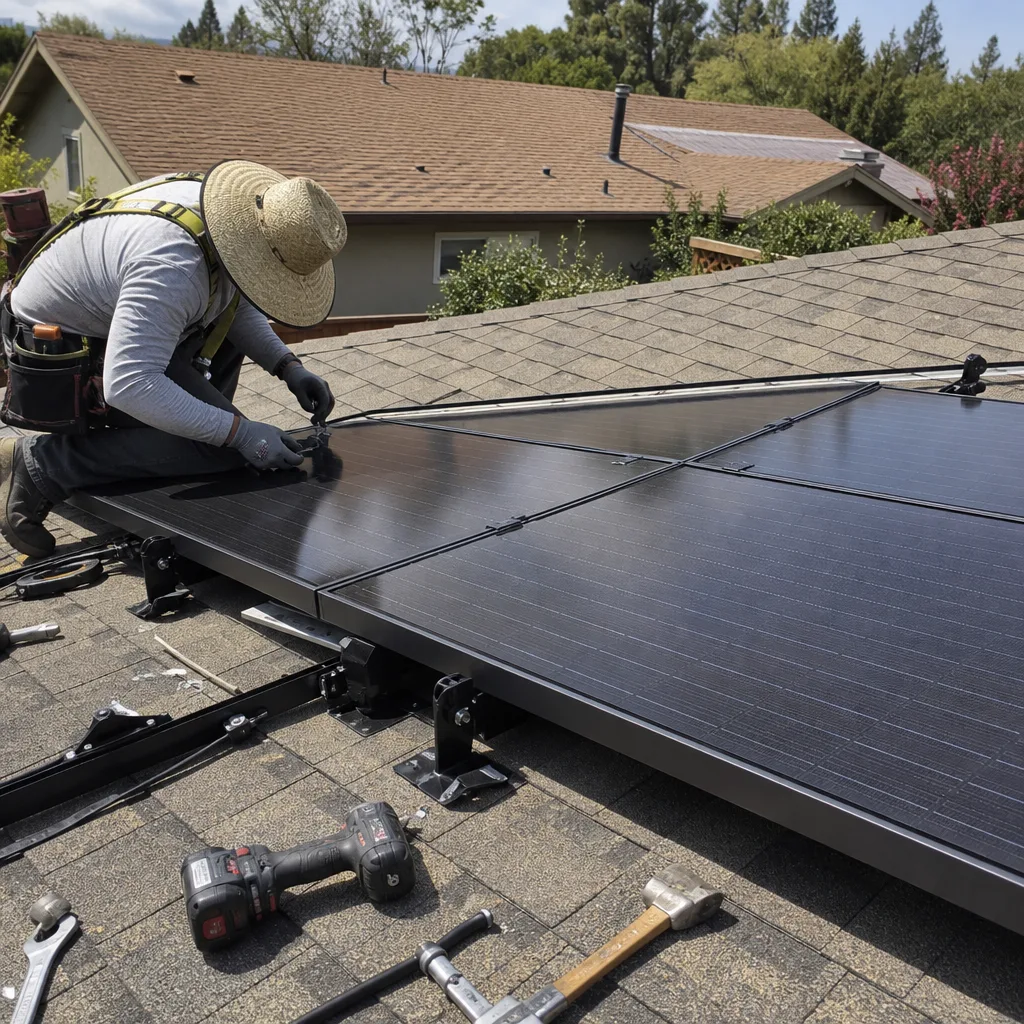
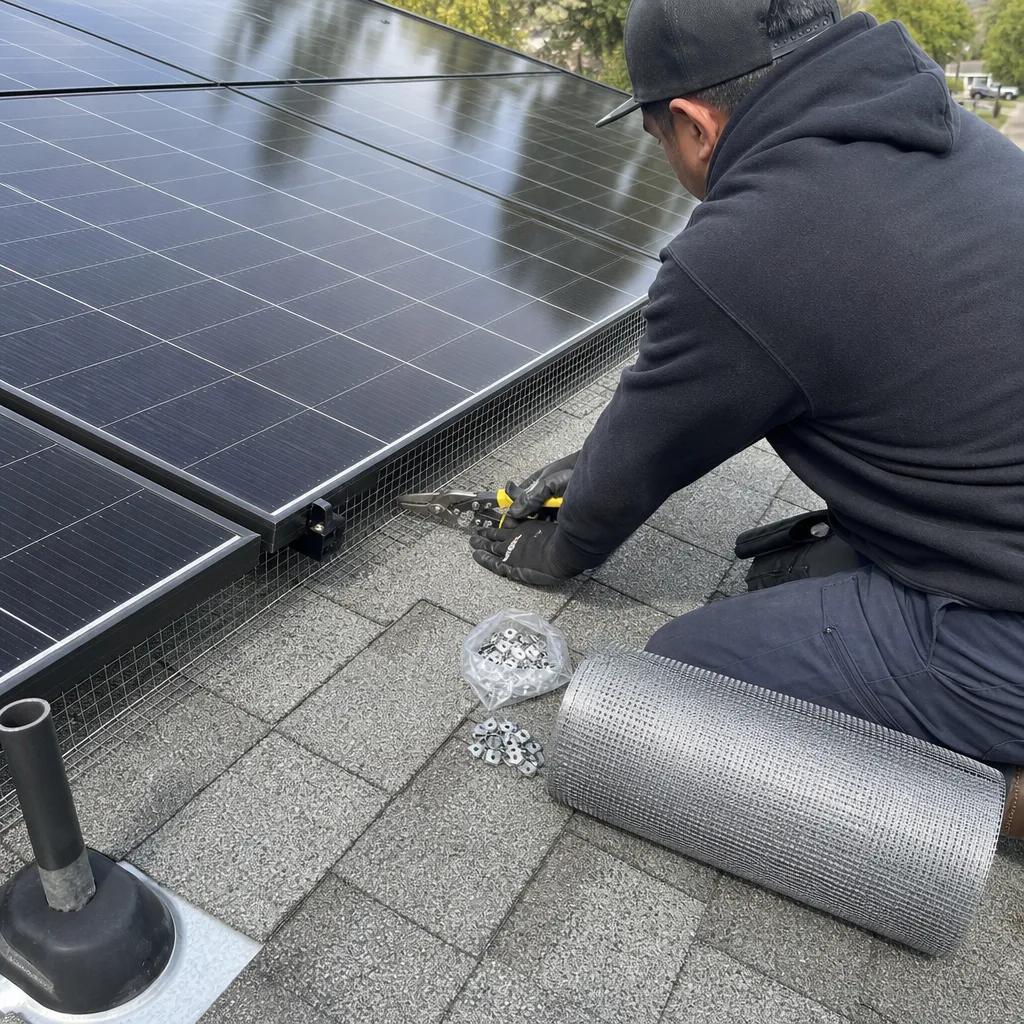
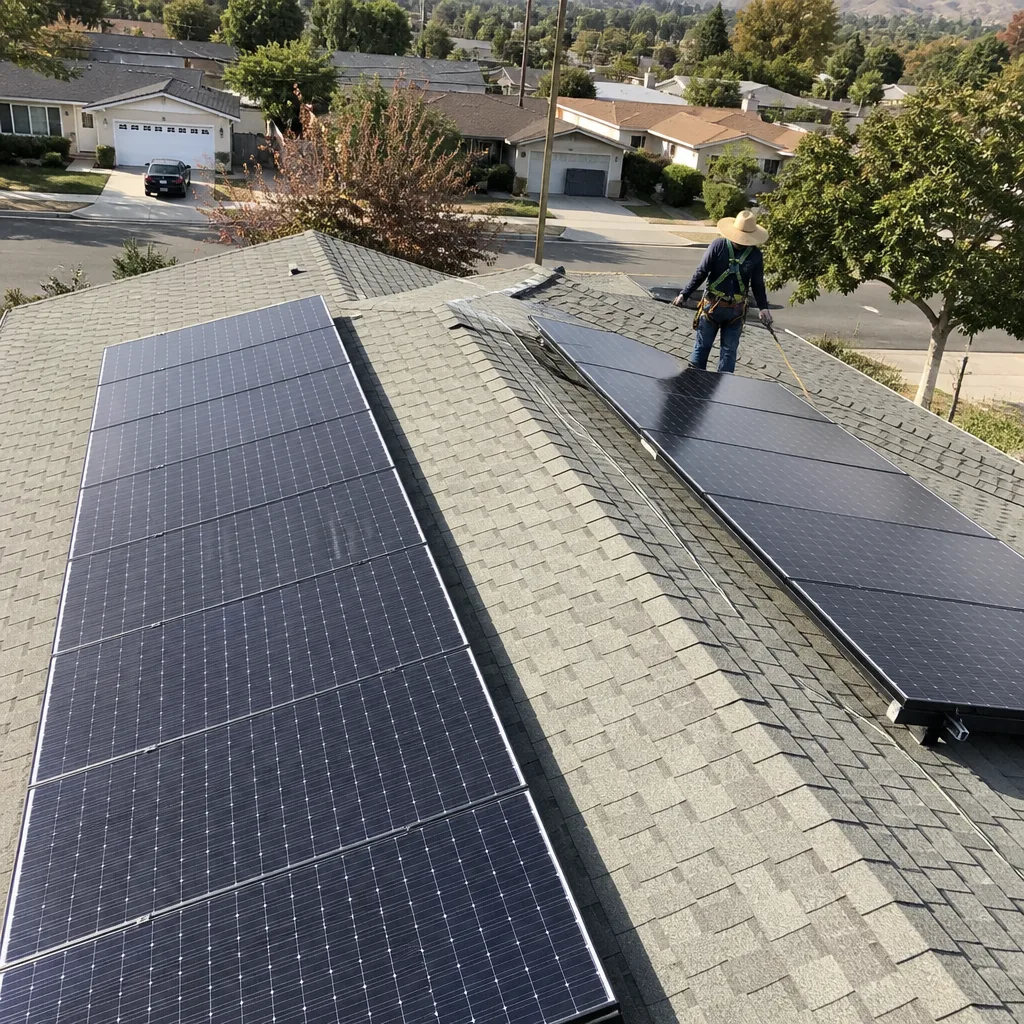
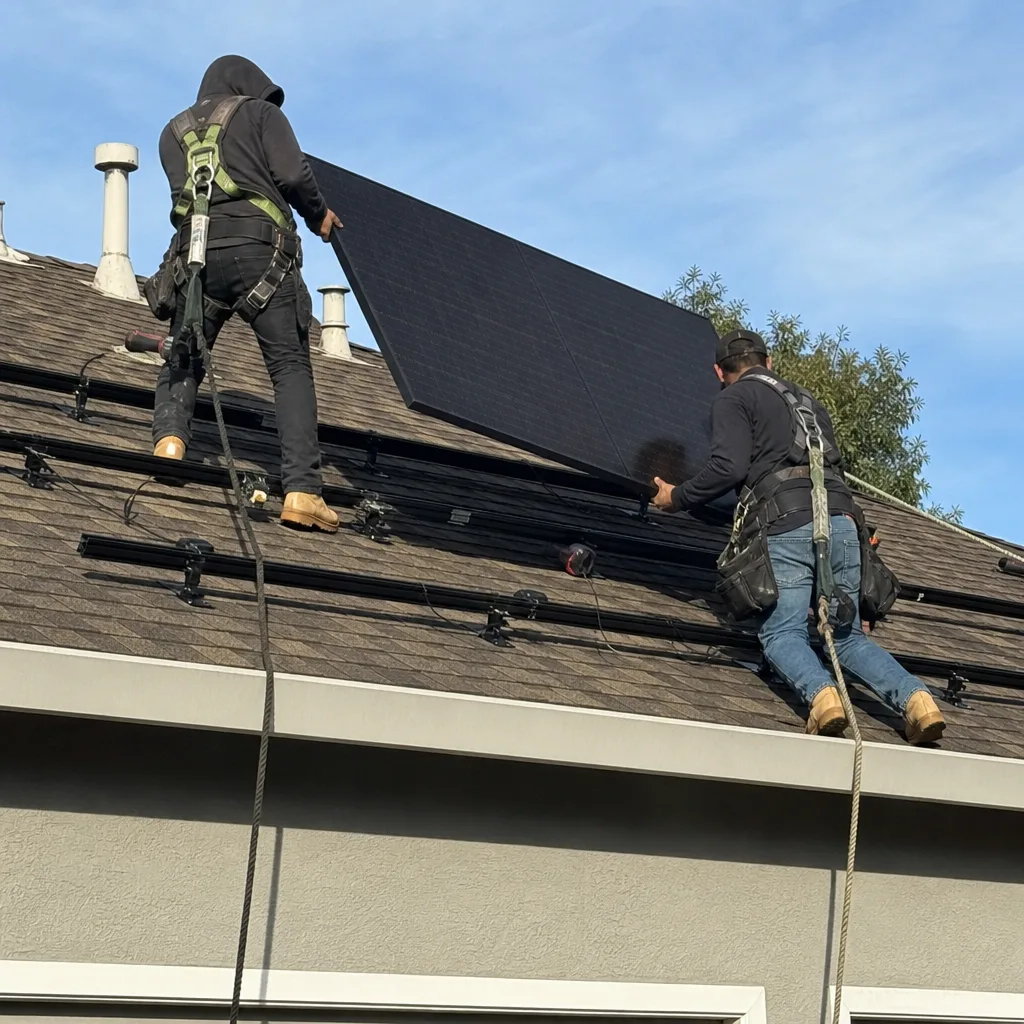
We walk the roof, check every panel for micro-cracks, hot spots, and corrosion, torque all the racking connections, and pull the inverter logs. In Palo Alto, we also check for leaf and sap buildup from mature street trees, particularly in Old Palo Alto and Professorville where oaks and maples hang over rooftops. A full inspection runs $180-$340 depending on system size and roof access. Most inspections take about two hours, and you get a written report with photos and production numbers.
Production Monitoring Setup
If your system was installed before monitoring portals were standard, or if you’ve never actually logged in to see your daily production, we can set that up. We configure Enphase Enlighten, SolarEdge Monitoring, Tesla app access, and FranklinWH dashboards on your phone and walk you through reading the data. In Palo Alto, we set up monitoring to line up with CPAU’s billing calendar, so you can compare monthly production against your true-up statement without doing spreadsheet math. Setup runs $200-$400, including app configuration and a tutorial.
Underperformance Diagnostics
This is the service Palo Alto homeowners need most. You open a CPAU true-up statement and the credit is smaller than it should be. Or the app shows a 30% drop since last spring. We start with the inverter logs, then the string-level diagnostics, then the roof. In Midtown (94303), a 1960s ranch with early SolarEdge inverters had stopped reporting to the monitoring portal after a firmware update. We traced the issue to a failed ZigBee gateway and an improperly configured rapid shutdown circuit, then replaced the gateway, re-commissioned the system to CPAU’s interconnection standards, and restored real-time production tracking. Our tech also verified the roof-mounted microinverters on the flat-roof addition were ballasted correctly for the low-slope installation. Diagnostics run $250-$450, and you get a clear written diagnosis before any repair quote.
Firmware & App Configuration
Inverter firmware updates go wrong more often than people realize. An update pushes overnight, the gateway loses its pairing, and suddenly your app shows zero production even though the panels are fine. We fix that. We also reconfigure systems after router changes, Wi-Fi password updates, or gateway replacements. If your Enphase system in Palo Alto shows lower morning production from June through August, the marine layer is part of the story, but a misconfigured consumption meter can also distort what you’re seeing. We sort out which is which. Firmware and app work typically runs $120-$220 and can often be done remotely before we ever send a truck.
What happens when you call
- 1
A real person answersNo phone trees - you reach a local pro.
- 2
You get an upfront price rangeHonest numbers before anyone is dispatched.
- 3
A background-checked tech heads outLicensed & insured, dispatched right away.
- 4
You approve before work beginsNothing starts until you say go.
Trusted Brands We Service in Palo Alto
We work on Panasonic, Canadian Solar, JinkoSolar, and FranklinWH equipment every month here, along with Enphase, SolarEdge, Tesla, SunPower, Qcells, and REC. We don’t steer you toward replacing hardware that still has years of life just because it’s not the brand we prefer. If a Panasonic panel is underperforming, we find out why. If a FranklinWH battery isn’t charging on schedule, we trace the firmware. We keep common parts for all the major brands in local stock, which means faster turnaround for Palo Alto customers and no week-plus wait on a distributor shipping from out of state.
Common Solar Panel Maintenance & Monitoring Problems We See in Palo Alto Homes
- Ballasted flat-roof mounts shifting on Eichler-style homes. Low-slope roofs with ballasted racking can settle over time, especially after heavy rain or minor seismic activity. When panels drift even a few degrees, microinverter communication faults can appear, and you won’t notice until a CPAU true-up statement shows unexpected charges.
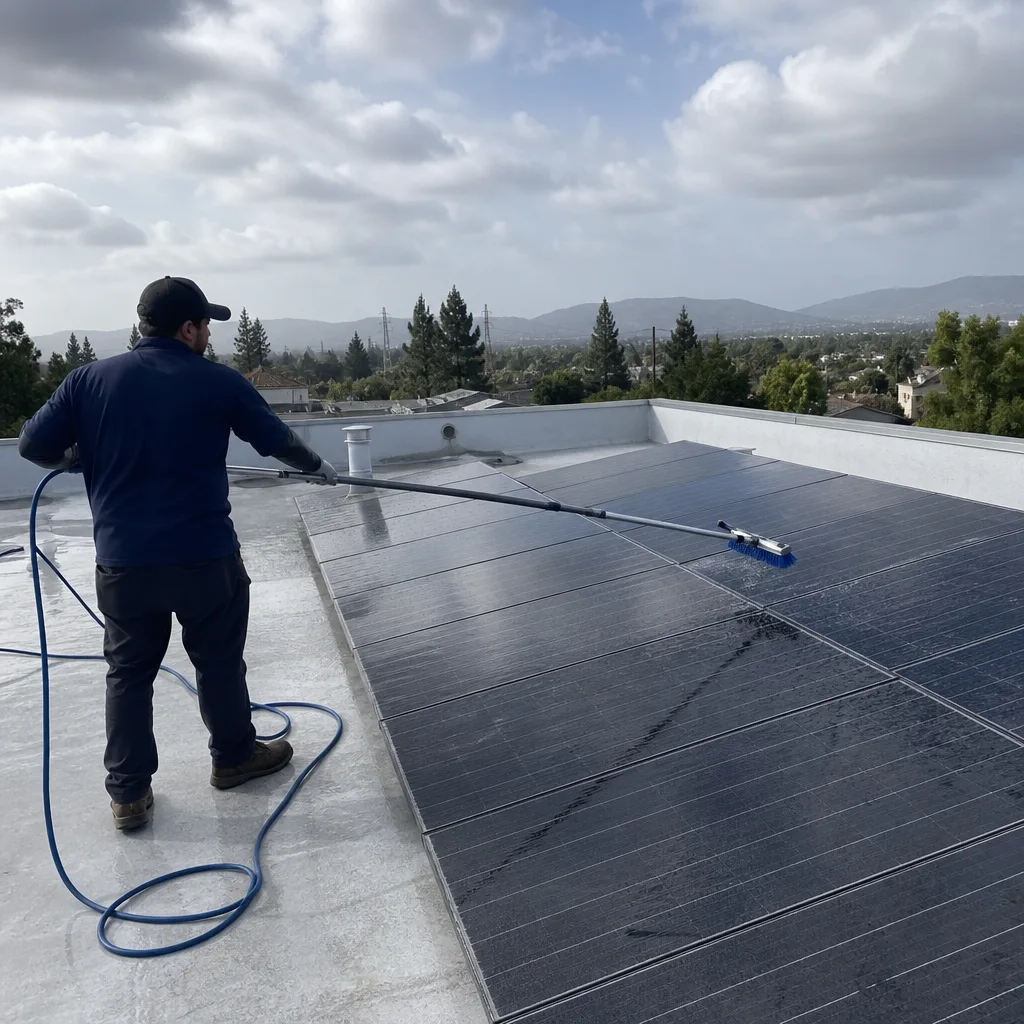
- Leaf and sap accumulation from mature street trees in Old Palo Alto. Oaks and maples drop organic material that bakes onto panels, reducing production well below the original kWh offset estimate and accelerating hot-spot degradation on older glass. A twice-yearly cleaning schedule makes a measurable difference on these lots.
- Legacy SolarEdge string inverters failing their LCD screens and cooling fans. Early-2010s SolarEdge units are common on Professorville re-roofs. Their screens go dim and fans seize, triggering error codes homeowners ignore until an annual inspection reveals production has dropped by 20-30%.
- Monitoring portals going dark after firmware updates. An overnight update can break the communication link between the gateway and the inverter, leaving you blind to production data. The panels are still making power, but you’d never know it from the app. This is a quick fix if it’s caught early, and a costly diagnostic if it isn’t.
Pricing for Solar Panel Maintenance & Monitoring in Palo Alto, CA
| Service | Typical Range in Palo Alto |
|---|---|
| Annual System Inspection | $180-$340 |
| Production Monitoring Setup | $200-$400 |
| Underperformance Diagnostics | $250-$450 |
| Firmware & App Configuration | $120-$220 |
| Preventive Maintenance Plan (annual) | $275-$500 |
| Warranty Claim Support (documentation & filing) | $150-$300 |
What moves the number is system size, roof access, and whether we’re pulling apart legacy equipment or working with a modern setup. A flat-roof Eichler in South Palo Alto takes longer to walk than a pitched comp roof in Midtown, and that’s reflected in the quote. We don’t pad estimates with mystery line items. Bring us a bill, Gus will bring you the math. Estimates are free, and there’s no trip charge inside our own county. Take two weeks. Think about it. The price will be the same.
We Also Serve Cities Near Palo Alto
Our Palo Alto service area extends to Stanford, East Palo Alto, Atherton, and Los Altos Hills. If you’re just over the city line, call us anyway. We know these neighborhoods and their utilities well, and we’ll tell you honestly whether your issue is a Palo Alto-specific CPAU matter or something broader. Same crew, same pricing, same 90-Day Done Right Promise.
Serving Palo Alto, CA - Our Local Coverage Area
We’re based in the Palo Alto area and know this community well. Use the map below to see our service coverage - if you’re nearby, we can almost certainly help.
FAQs - Solar Panel Maintenance & Monitoring in Palo Alto
Your CPAU true-up statement compares your solar production credits against your household consumption over a 12-month billing cycle, so a smaller expected credit is often the first hard signal that your panels are producing less than they should be. In Palo Alto, we routinely reconcile CPAU true-up statements against inverter production logs to catch underperformance early. If your true-up shows a credit that’s 20% or more below the prior year, that’s a diagnostic call worth making. Call (877) 550-6892 and we’ll pull your production data and line it up against your CPAU history. Estimates are free.
Yes, ballasted mounts on low-slope Eichler roofs need periodic inspection for shifting and settling, especially after heavy rain or minor seismic events. Ballast that drifts can misalign panels and cause microinverter communication faults that don’t show up until your CPAU true-up looks off. We check ballast placement, panel pitch, and microinverter reporting as part of any annual inspection in 94306 and the surrounding neighborhoods. If your array hasn’t been checked since the original install, now’s the time to call (877) 550-6892.
An Architectural Review Board sign-off means the original panel placement and street visibility were approved when the system went in, and any significant change to that layout may require another review in the 94301 ZIP. That’s not a maintenance problem, but it is something we handle: we know to pull the historic overlay map before quoting a roof in Old Palo Alto or Professorville, so you don’t get blindsided by a permit requirement two weeks into a repair. If your panels are already approved and you’re just maintaining them, no new sign-off is needed. Call (877) 550-6892 if you’re not sure which category you’re in.
Yes, a mature oak that’s grown since your system was originally sized can now be throwing shade across your array during key production hours, and that shading grows every year. We use LIDAR-based site assessments to map current tree canopy against your panel layout, and in Old Palo Alto we commonly find that a neighbor’s oak has taken 10-15% out of an array that was originally sized for full sun. The fix might be trimming, panel-level optimization, or simply knowing how much of your reduced production is environmental rather than a hardware fault. Call (877) 550-6892 and we’ll map it.
Marine layer from the Bay pushes over the peninsula on summer mornings, muting production from roughly 7 a.m. to 10 a.m. even when the rest of the day is bright. That’s normal for Palo Alto, and it’s not a system fault. What’s not normal is if your afternoons are also showing lower production than they used to, or if the morning drop is paired with error codes. If you’re seeing a summer drop that persists past noon, call (877) 550-6892 and we’ll pull your per-panel data and tell you whether it’s fog or something failing.
Contact Gus’s Solar in Palo Alto
If your monitoring portal has gone silent, your true-up statement looks wrong, or you just want someone who actually understands CPAU’s net metering process to look at your system, call Gus’s Solar at (877) 550-6892. A live person answers, 24/7. No call center, no voicemail maze. We’ll send a background-checked, uniformed technician to your Palo Alto home, usually within 24-48 hours, and you’ll get an honest diagnosis with a written quote. Free estimates, no-hassle pricing, and if it’s not done right, Gus makes it right. That’s been the deal since 2011, and it hasn’t changed in Palo Alto.
Written by Gus Petrakis, Owner at Gus’s Solar, serving Palo Alto and the surrounding Bay Area since 2011.