
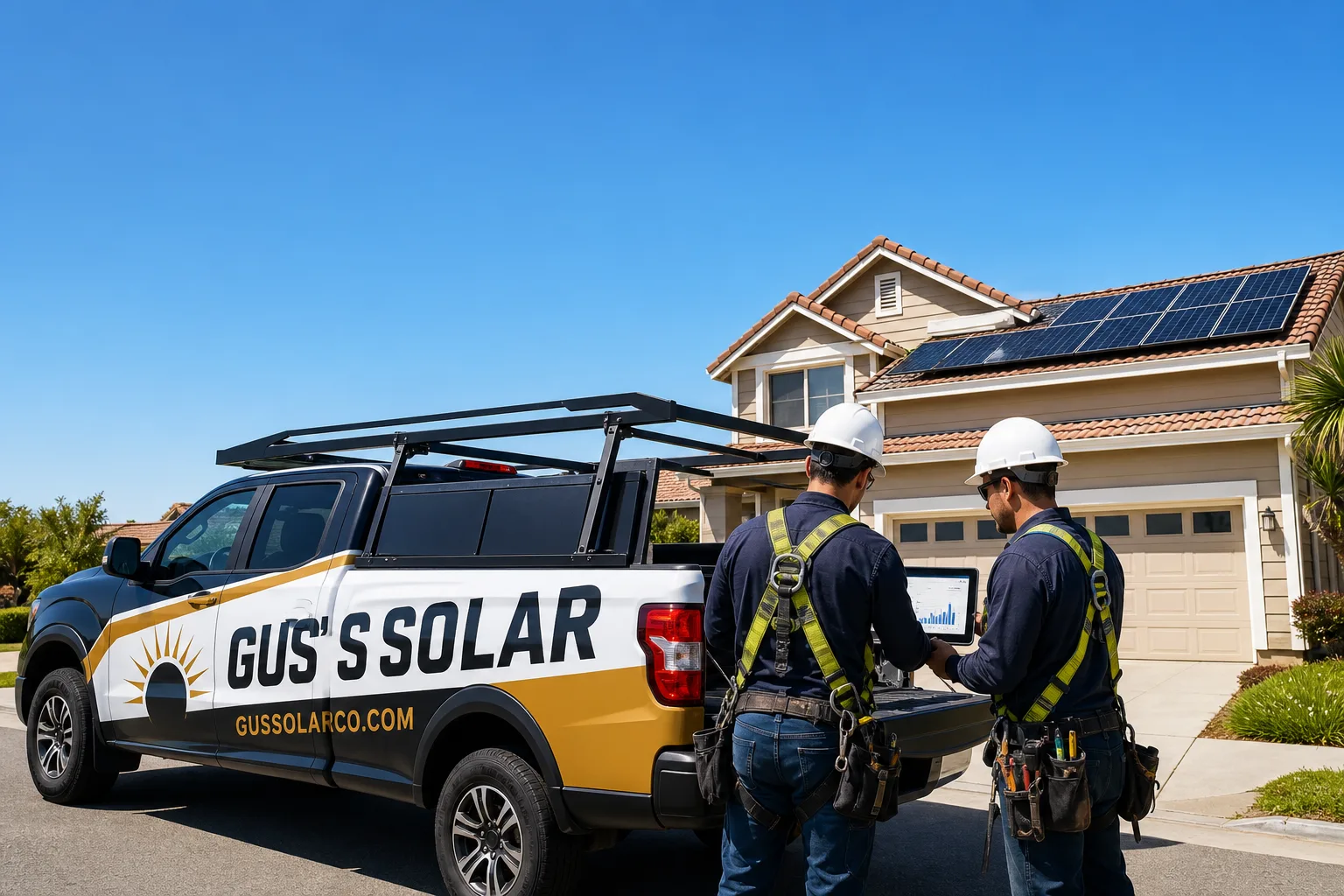
Free bill analysis - bring a power bill, get the production math for your actual roof, panel brands like Qcells and REC compared side by side
If the pitch starts at your door and ends with "sign tonight for the special," sleep on it. The sun will still be there tomorrow; so will we.
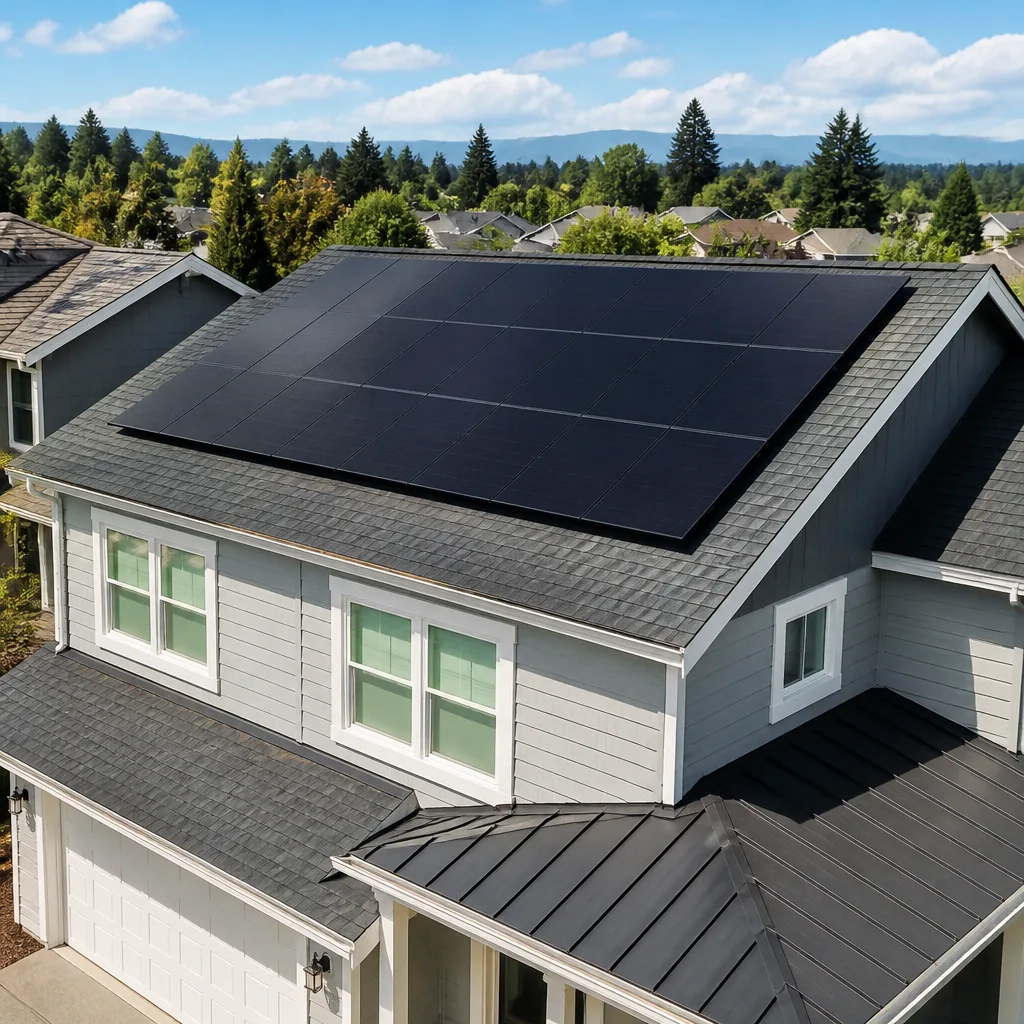
 Before
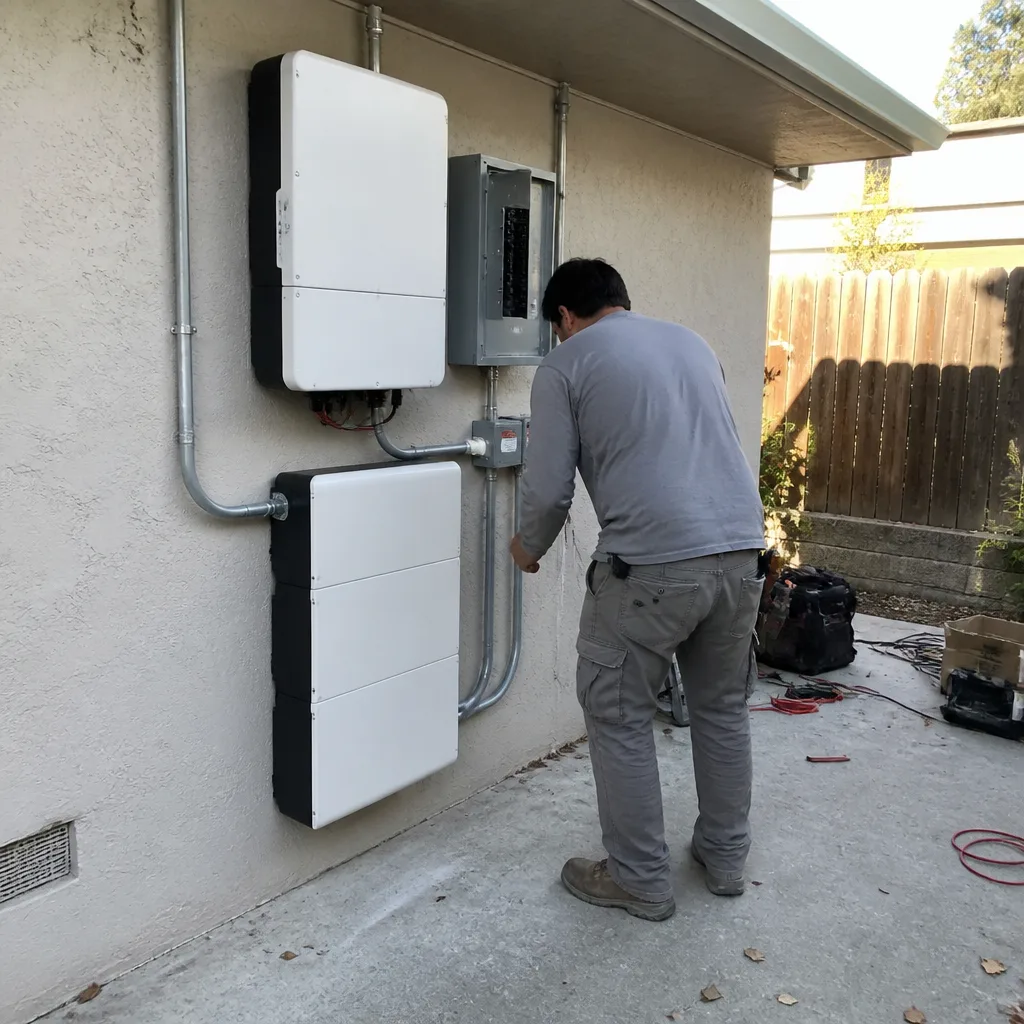 After
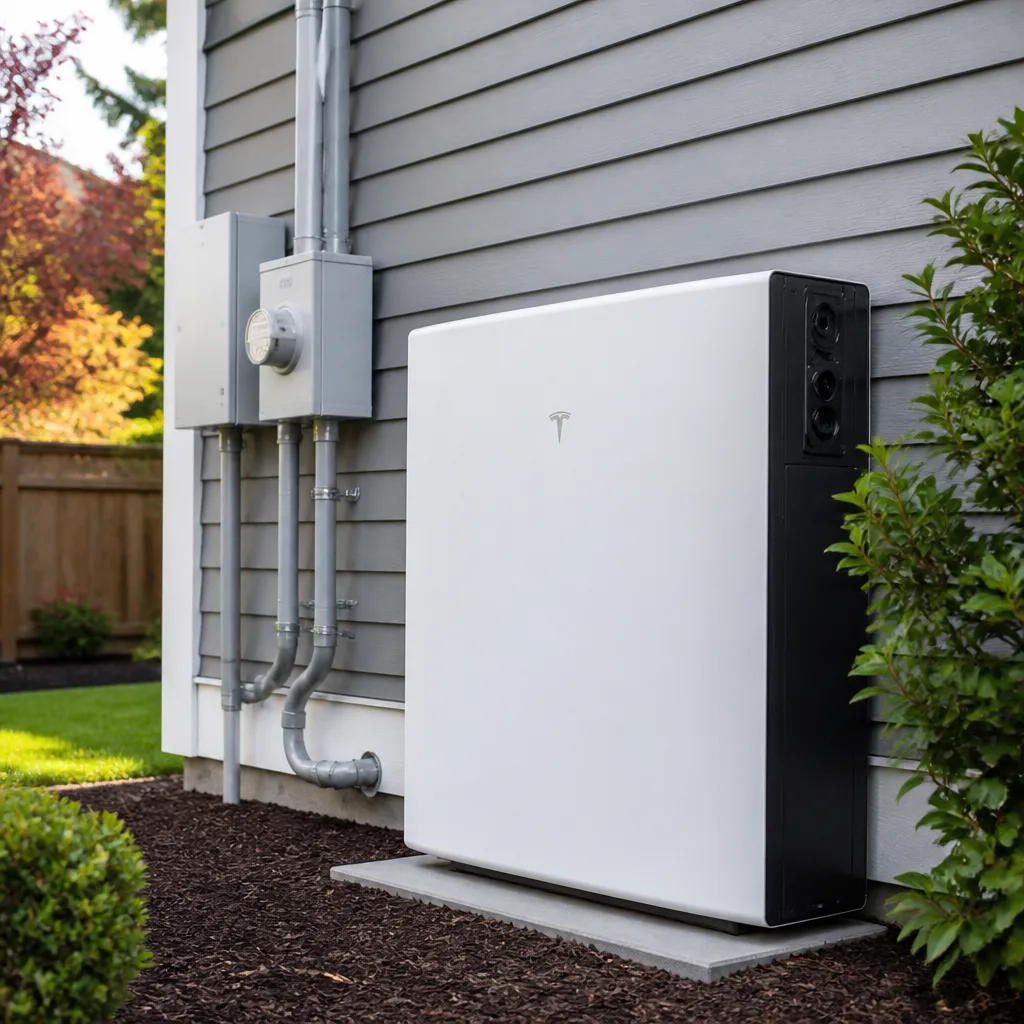
After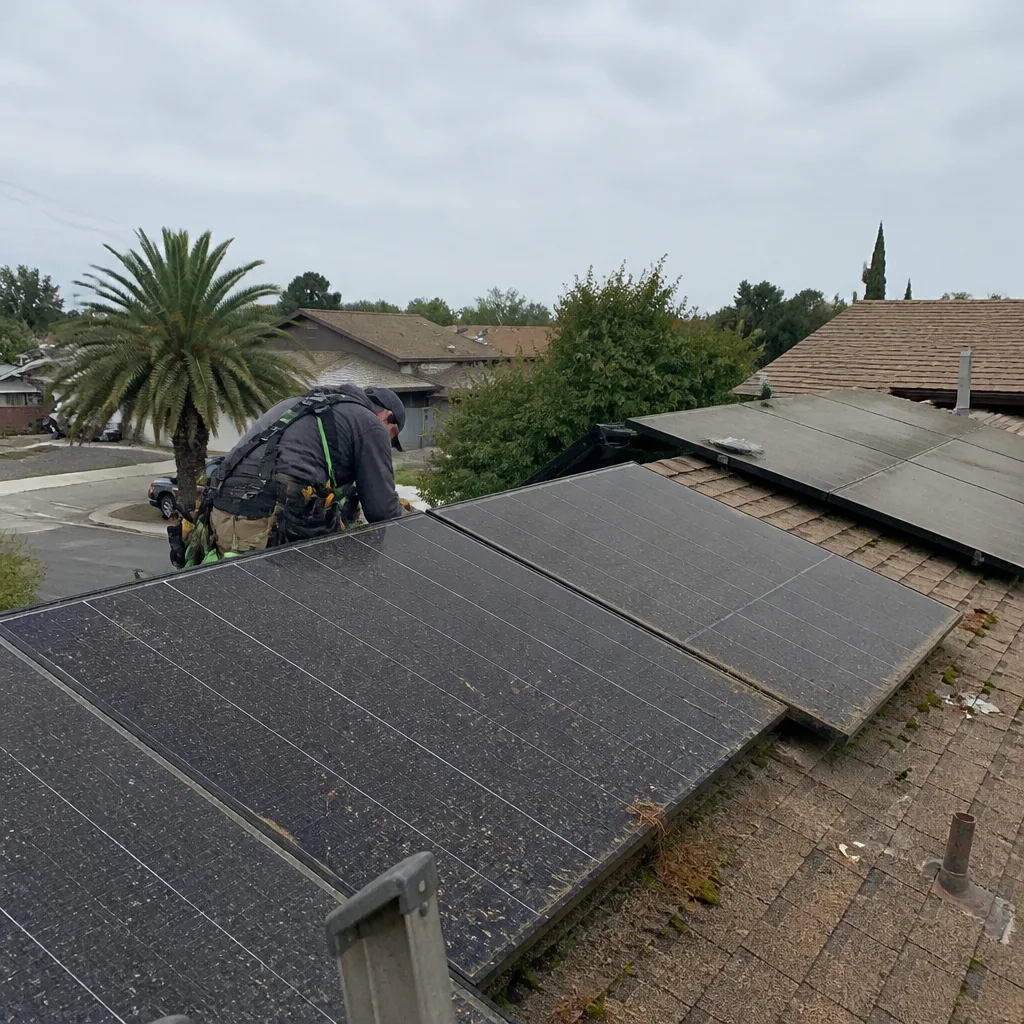 Before
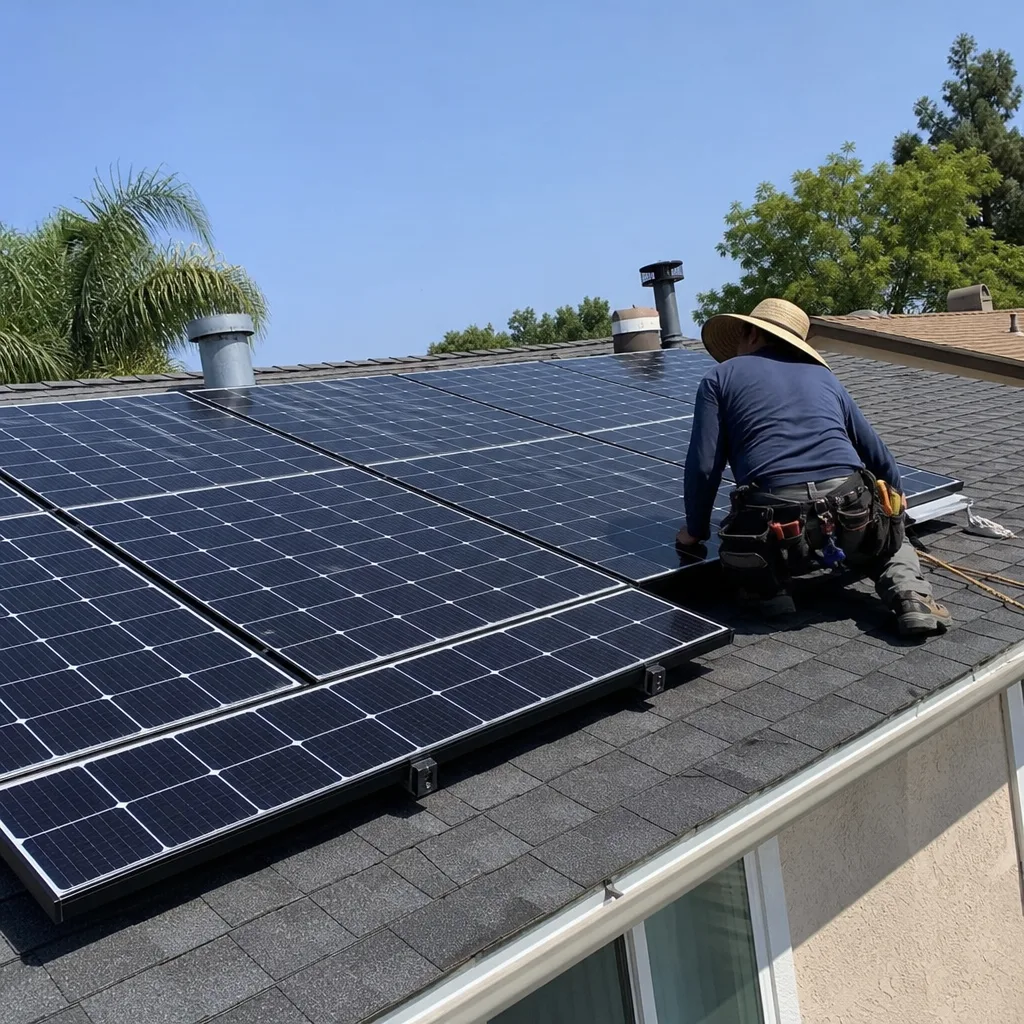 After
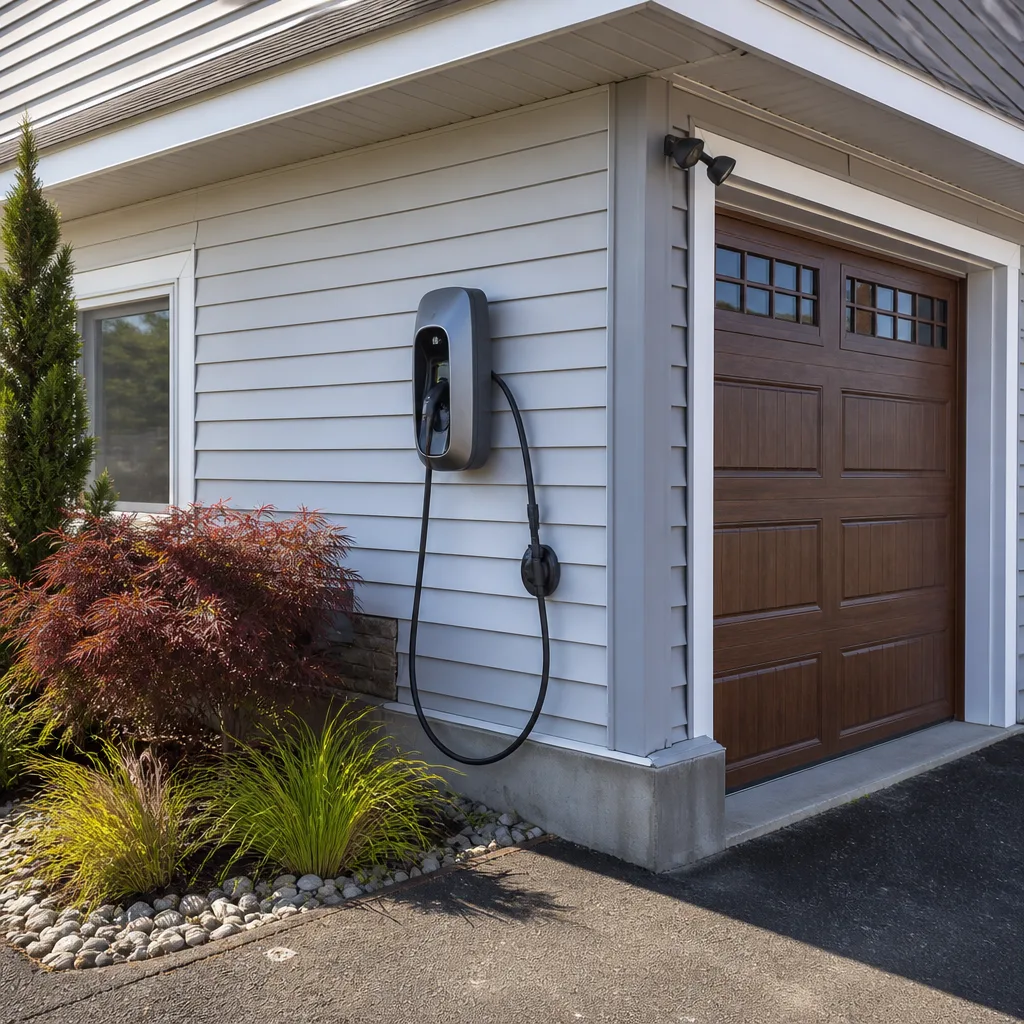
After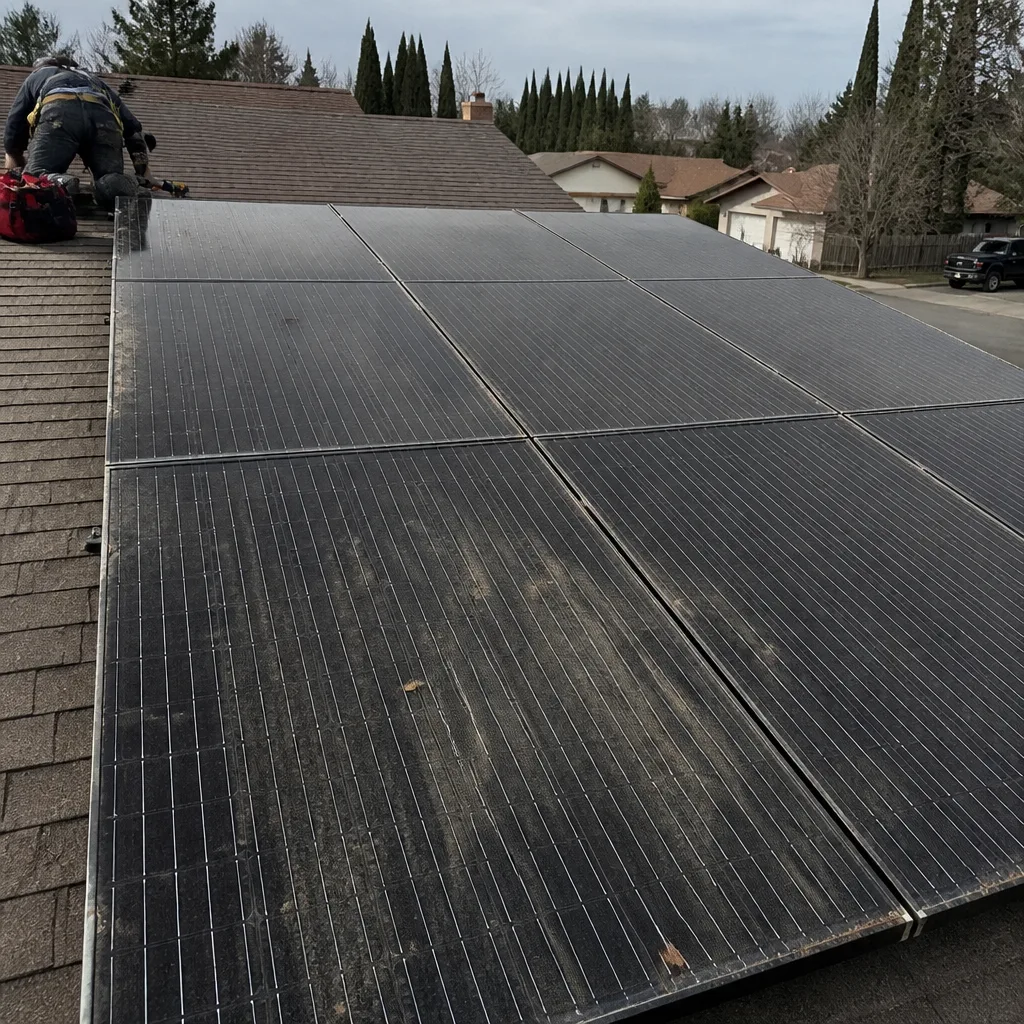 Before
 After
AfterFast, Reliable Commercial Solar Installation Across Atwater
Commercial solar in Atwater runs roughly $2.35 to $3.25 per watt installed, so a 50-kW warehouse system lands between $117,000 and $162,000 before the federal tax credit. Most projects we take on are permitted, installed, and online within 8 to 12 weeks. The catch in Atwater, and it’s a big one, is that a whole lot of commercial buildings here sit on 100-amp panels left over from the Castle Air Force Base days, and those almost never pass modern interconnection review. We handle that upgrade as part of the job. Call (877) 550-6892 and we’ll walk you through what your specific building actually needs.
Why Gus’s Solar Is Atwater’s Preferred Commercial Solar Installation Company
Gus Petrakis founded this shop in 2011, and his name is on the building, the trucks, and every invoice. That matters in Atwater because commercial property owners here have dealt with too many fly-by-night crews who quote a number on the phone and a different one at the door. We don’t do that. The price we quote off your actual utility bill is the price you pay, period, and we’ll tell you to take two weeks before you sign anything. If a salesman needs an answer tonight, the answer is no.
We answer our own phone, 24/7. Not a voicemail, not a call center three states away. When you call about a system we installed, you get Gus or someone on his crew who knows your building. The 90-Day Done Right Promise is in writing on every commercial job we do in Atwater. If it’s not right, Gus makes it right, and one call brings him back. That’s the whole point of hiring an owner-operated shop in the first place.
We’re not strangers to this town. We know the Castle Homes corridor, the warehouses off Bellevue Road, the ag buildings out toward the old base land. We know what Merced County inspectors look for. That local knowledge saves you time and failed inspections, and it’s the reason commercial property owners around 95301 keep calling us back.
Our Commercial Solar Installation Services in Atwater
Commercial Rooftop Solar
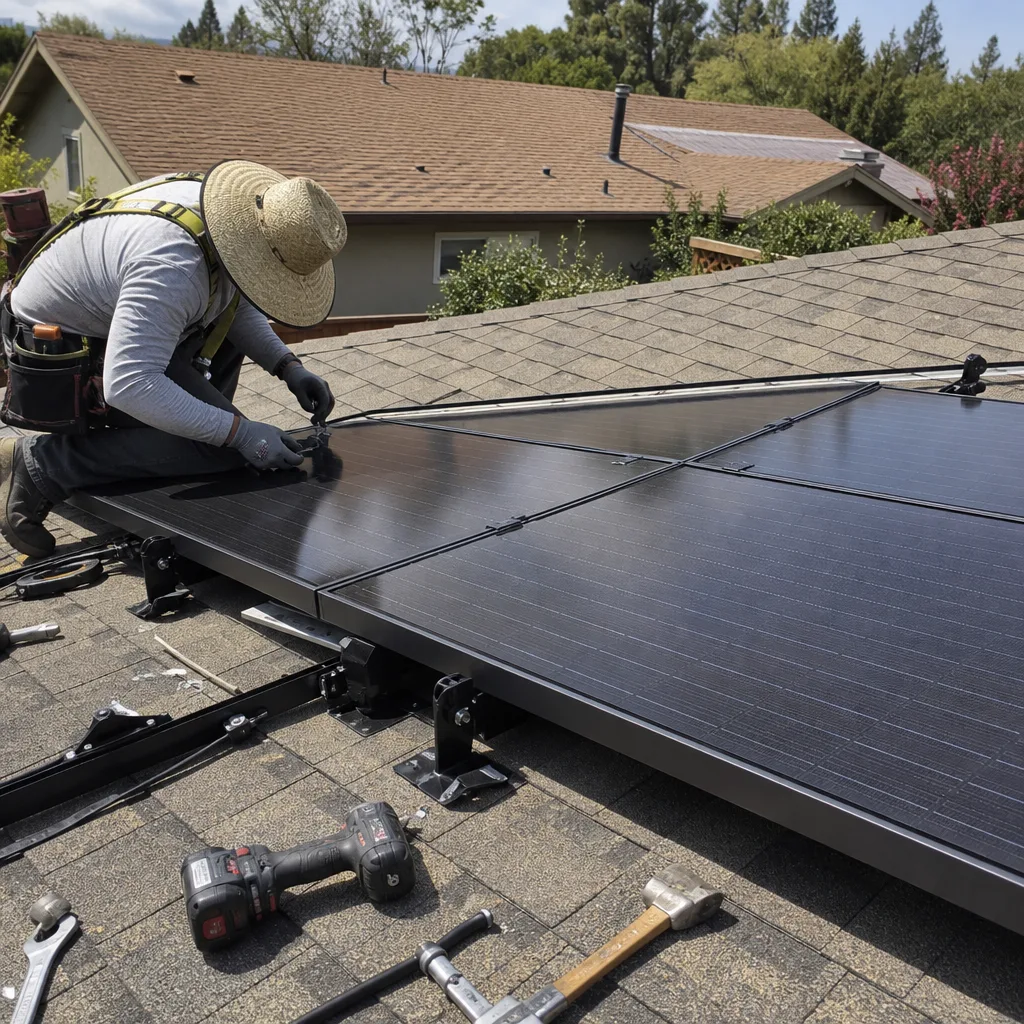
Flat and low-slope roofs dominate Atwater’s commercial stock, especially on the 1950s and 60s buildings converted from base-era use. We use ballasted racking systems on those roofs so we’re not punching holes through old membranes, and we mind the clearance rules that keep delivery trucks moving. On the 1990s and 2000s tilt-up warehouses, we more often use a penetrating mount with proper flashing on every penetration. The math matters here: an 80-kW array on a low-slope roof in Atwater will produce enough to offset most monthly demand charges if it’s sized off your real interval data, not a guess.
Warehouse & Industrial Solar
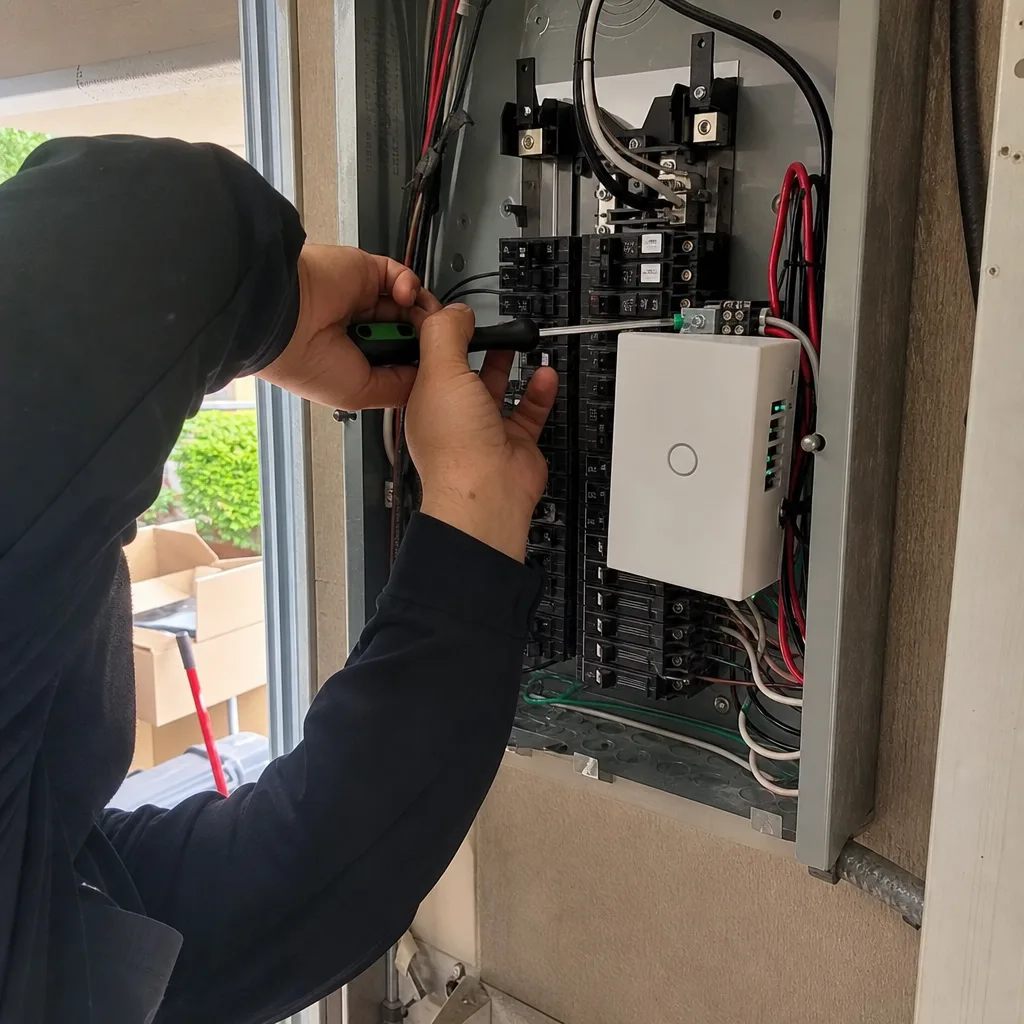
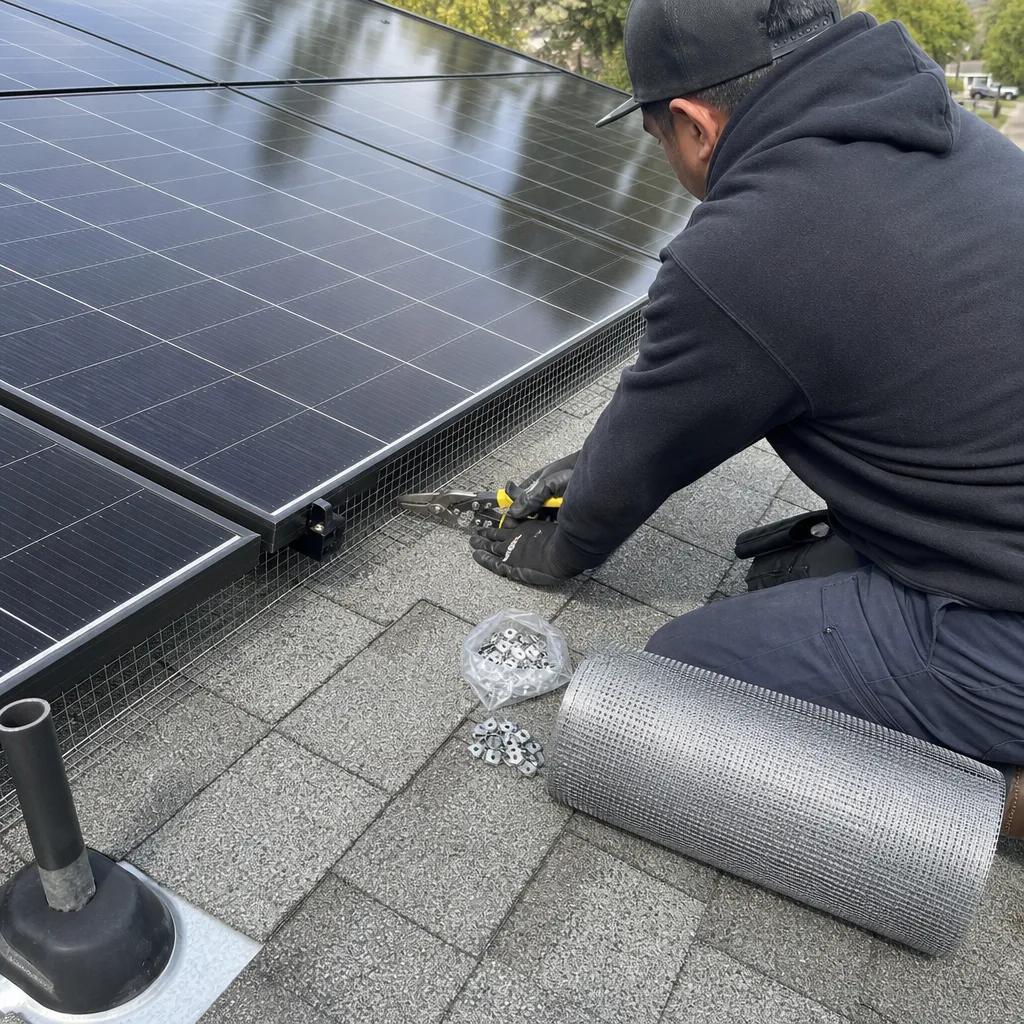
Warehouses off Juniper Avenue and out along the industrial corridors eat electricity through refrigeration, lighting, and loading equipment. A properly sized rooftop array can knock 60 to 75 percent off the annual electric spend on those buildings. Our crew just finished a commercial rooftop system on a warehouse off Bellevue Road, right in the old Castle Homes corridor. The client’s original 100-amp panel was a non-starter for the 80-kW array, so we engineered a 200-amp main service upgrade first. Then we fitted the low-slope roof with Qcells modules on a ballasted rack, leaving alley clearance intact for delivery trucks. That’s the kind of sequencing that keeps a project moving instead of stalling at the inspector’s desk.
Solar Carport Installation
A carport array makes a lot of sense in Atwater for two reasons. First, the valley sun in July and August is brutal, and shaded parking is a real benefit for tenants and employees. Second, carports don’t touch your roof, which means no roof retrofit, no membrane concerns, and no structural questions about a 60-year-old truss system. A typical commercial carport array in Atwater runs $3.00 to $3.75 per watt, higher than rooftop because of the steel structure, but it gives you generation plus parking cover in one project.
Commercial Battery Storage
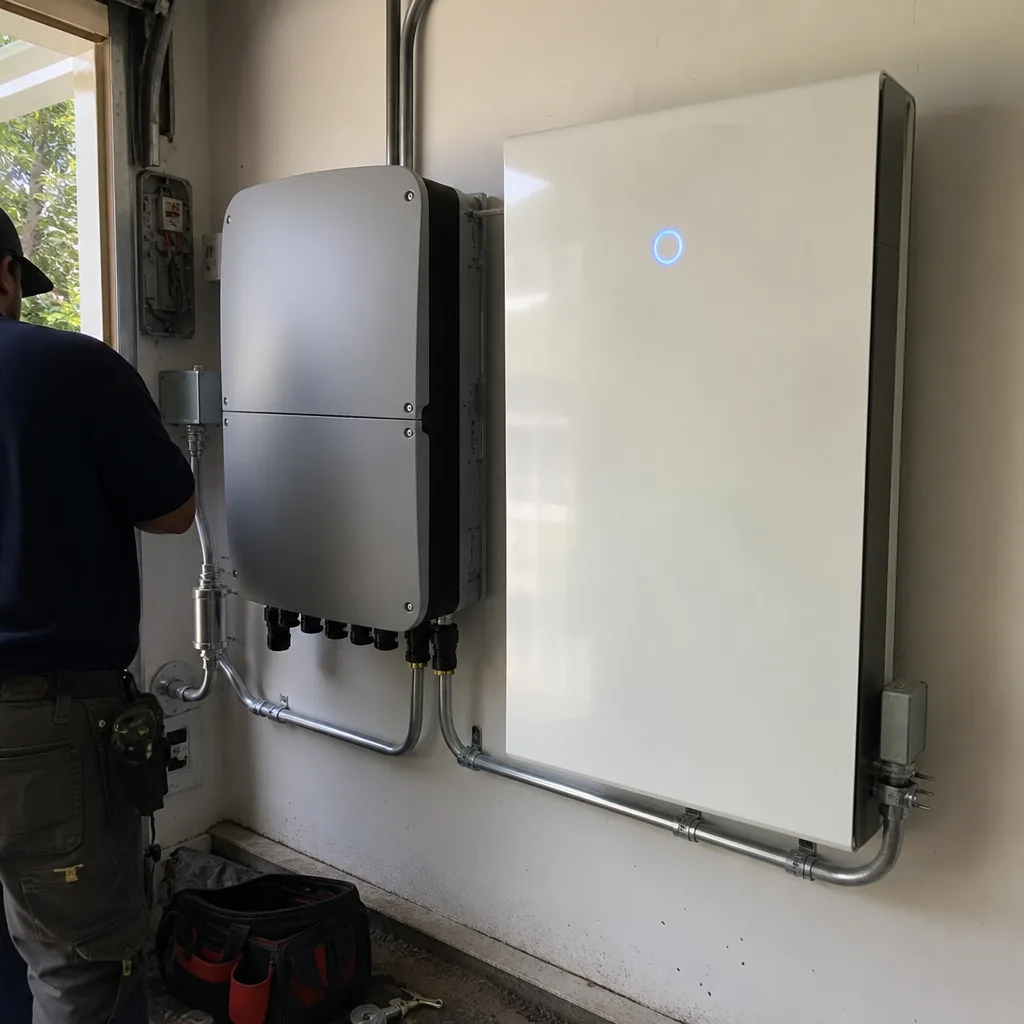
Atwater’s tule fog season runs roughly November through February, and it can suppress solar production for days or weeks at a time. A commercial battery bank solves two problems at once: it shifts your midday solar output into the evening peak when PG&E’s time-of-use rates spike, and it gives you a cushion when fog blankets the valley and your array is producing at 20 percent. We install FranklinWH and Enphase battery systems sized to your actual load profile. The payback math on batteries in Atwater is often better than people expect precisely because the fog makes self-consumption more valuable than exporting to the grid at low daytime rates.
What happens when you call
- 1
A real person answersNo phone trees - you reach a local pro.
- 2
You get an upfront price rangeHonest numbers before anyone is dispatched.
- 3
A background-checked tech heads outLicensed & insured, dispatched right away.
- 4
You approve before work beginsNothing starts until you say go.
Trusted Brands We Service in Atwater
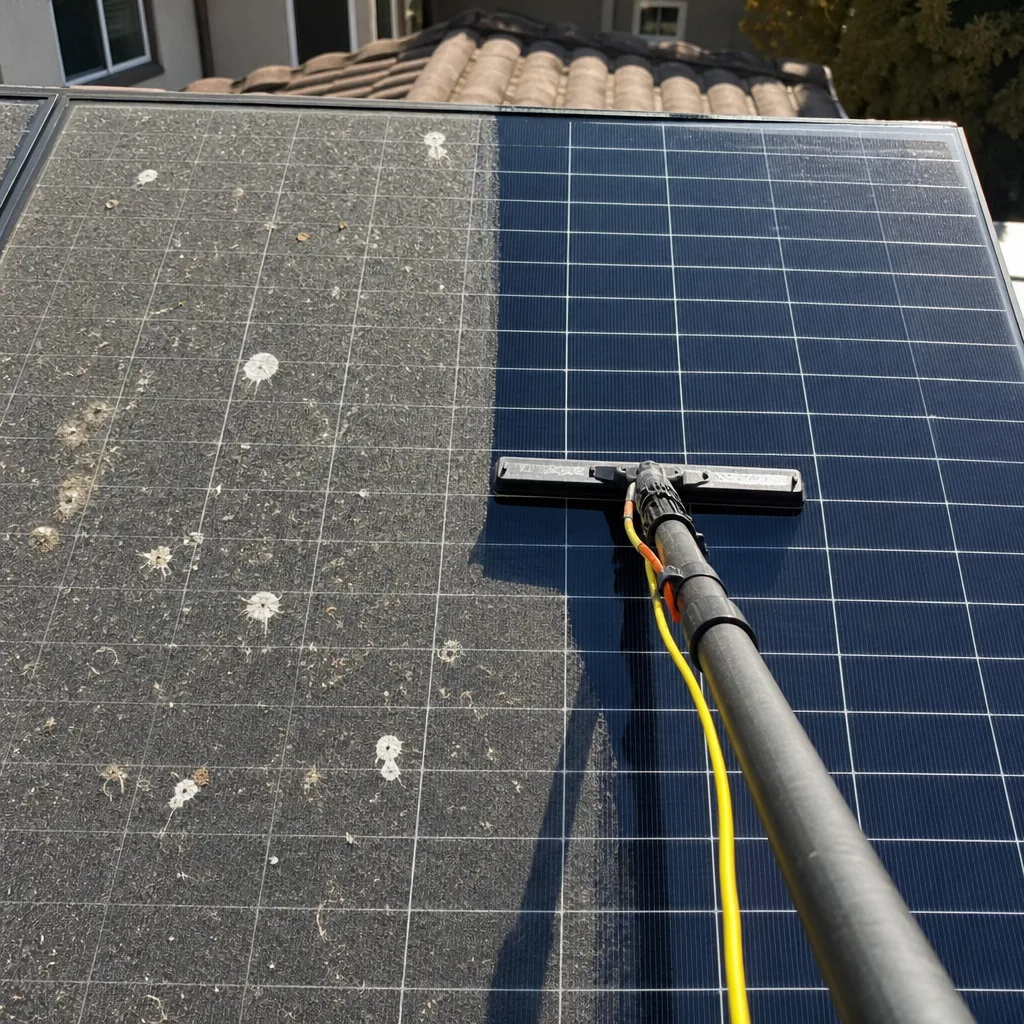
We work with Qcells, REC, SunPower, and Panasonic modules, and we pair them with Enphase and SolarEdge inverters depending on the roof layout and shading profile. We stock common parts locally, which means a failed microinverter or a damaged panel on an Atwater warehouse doesn’t sit dark for two weeks while someone orders parts from a warehouse in Ohio. If you already own a system and want a second opinion on a repair quote, bring us the estimate. A fresh set of eyes costs you nothing, and we honor the senior and veteran 10 percent discount on every commercial job.
Common Commercial Solar Installation Problems We See in Atwater
- 100-amp base-era panels that fail interconnection review. This is the single most common blocker on Atwater commercial projects, especially on buildings from the 1950s through the 1970s. A 100-amp service almost never meets modern commercial interconnection requirements, and we price the main panel upgrade into the first quote so there are no surprises.
- Shallow-pitch roofs that trigger rapid shutdown setbacks. Many older Atwater commercial buildings have very low roof slopes, and installers who mount modules too close to the roofline fail Merced County inspection. We plan array geometry around setback rules before we ever file for permits.
- Tight alley-load zones that make crew staging a problem. The older storefronts and mixed-use buildings in Atwater often share alley access for deliveries and dumpsters. Crews that park trucks in the wrong spot cause tenant complaints before the permit is even pulled. We coordinate parking and staging with property managers up front.
- Unrealistic winter production estimates. Contractors who plug Atwater into a calculator built for coastal or desert assumptions overstate December and January output. Tule fog is real, and it suppresses generation for stretches every winter. We show you a fog-adjusted monthly output graph before you sign anything.
Pricing for Commercial Solar Installation in Atwater, CA
A typical commercial rooftop system in Atwater runs $2.35 to $3.25 per watt installed, depending on roof condition, system size, and whether a main panel upgrade is required. That puts a 50-kW warehouse array between $117,000 and $162,000 before the 30 percent federal tax credit and any available depreciation. Carport-mounted systems run $3.00 to $3.75 per watt. Ground-mount agricultural arrays on open land south of Atwater toward the old base run $2.60 to $3.40 per watt. Battery storage adds $700 to $1,000 per kWh of capacity installed. Every quote we give you is built off your actual utility bill and current export rates, not a brochure figure. If you want an exact number, call (877) 550-6892 and bring us a bill. We’ll bring you the math, and you can take two weeks to think about it.
We Also Serve Cities Near Atwater
We run crews to Winton, Livingston, Merced, and Delhi on the same schedules we run to Atwater. If your commercial building sits in any of those towns, the same local crew, the same 90-Day Done Right Promise, and the same upfront pricing apply. For a full look at how we approach commercial projects, see our Commercial Solar Installation service page.
Serving Atwater, CA - Our Local Coverage Area
We’re based in the Atwater area and know this community well. Use the map below to see our service coverage - if you’re nearby, we can almost certainly help.
FAQs - Commercial Solar Installation in Atwater
A 100-amp panel almost never meets modern commercial interconnection requirements in Atwater because the utility needs headroom for both your existing load and the new solar feed. This is especially common on Castle Air Force Base conversion buildings from the 1950s through the 1970s, which were built to military specs that didn’t anticipate today’s electric loads. We price the 200-amp upgrade into the first quote so you’re not surprised at the permit counter. Call (877) 550-6892 and we’ll check your panel during the site visit.
Plan on a 20 to 35 percent reduction in December and January output compared to a clear-sky calculator, depending on fog density that season. The fog rolls in from roughly November through February, and some years it’s worse than others. The annual impact is usually 6 to 10 percent of total production, which is why we build fog-adjusted estimates into every Atwater quote instead of showing you a clean coastal number.
Yes, and we do it regularly. A ballasted racking system sits on the roof surface without penetrating the membrane, and we can position the array away from parapet edges and dock-height conflicts. On the Bellevue Road warehouse we recently finished, the array left the alley side completely clear for delivery trucks while still hitting the client’s target output.
For most commercial properties, yes, because the summer months more than make up for the fog. Atwater sits in some of the strongest solar irradiance in the United States from May through September, and your system will overproduce during those months. The real value is pairing solar with a battery so you’re not exporting at low midday rates. We’ll run your actual interval data through a fog-adjusted model before you commit.
A ballasted, non-penetrating rack is usually the best choice on the shallow-pitch roofs common on base-era Atwater buildings. It avoids roof penetrations on aging membranes, it respects rapid shutdown setback requirements, and it’s removable without major roof repair work if you re-roof down the line. On steeper 1990s-era roofs, we use a penetrating mount with proper flashing, but we make that call after inspecting the trusses and decking.
Written by Gus Petrakis, Owner at Gus’s Solar, serving Atwater since 2011.