
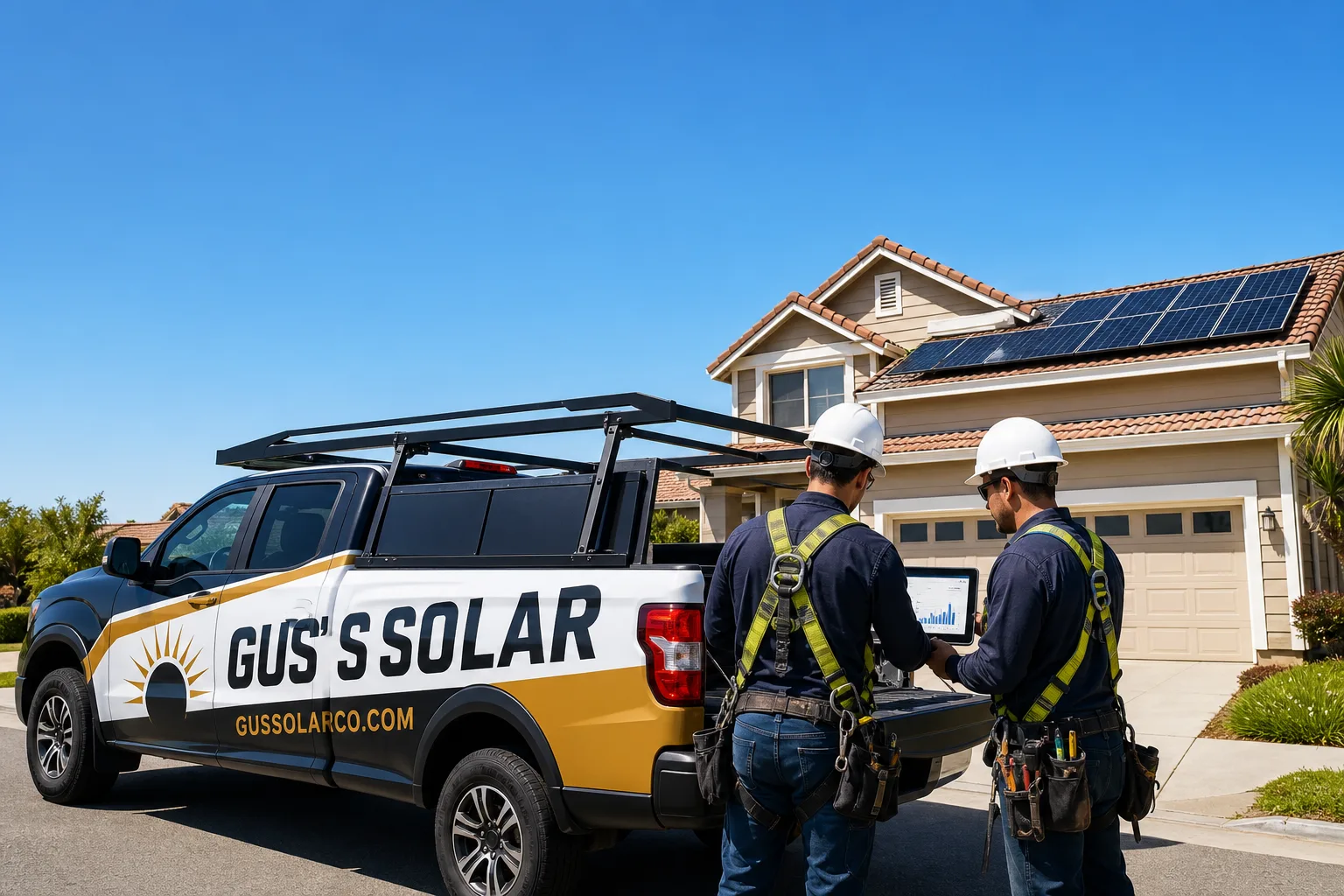
Free bill analysis - bring a power bill, get the production math for your actual roof, panel brands like Qcells and REC compared side by side
If the pitch starts at your door and ends with "sign tonight for the special," sleep on it. The sun will still be there tomorrow; so will we.
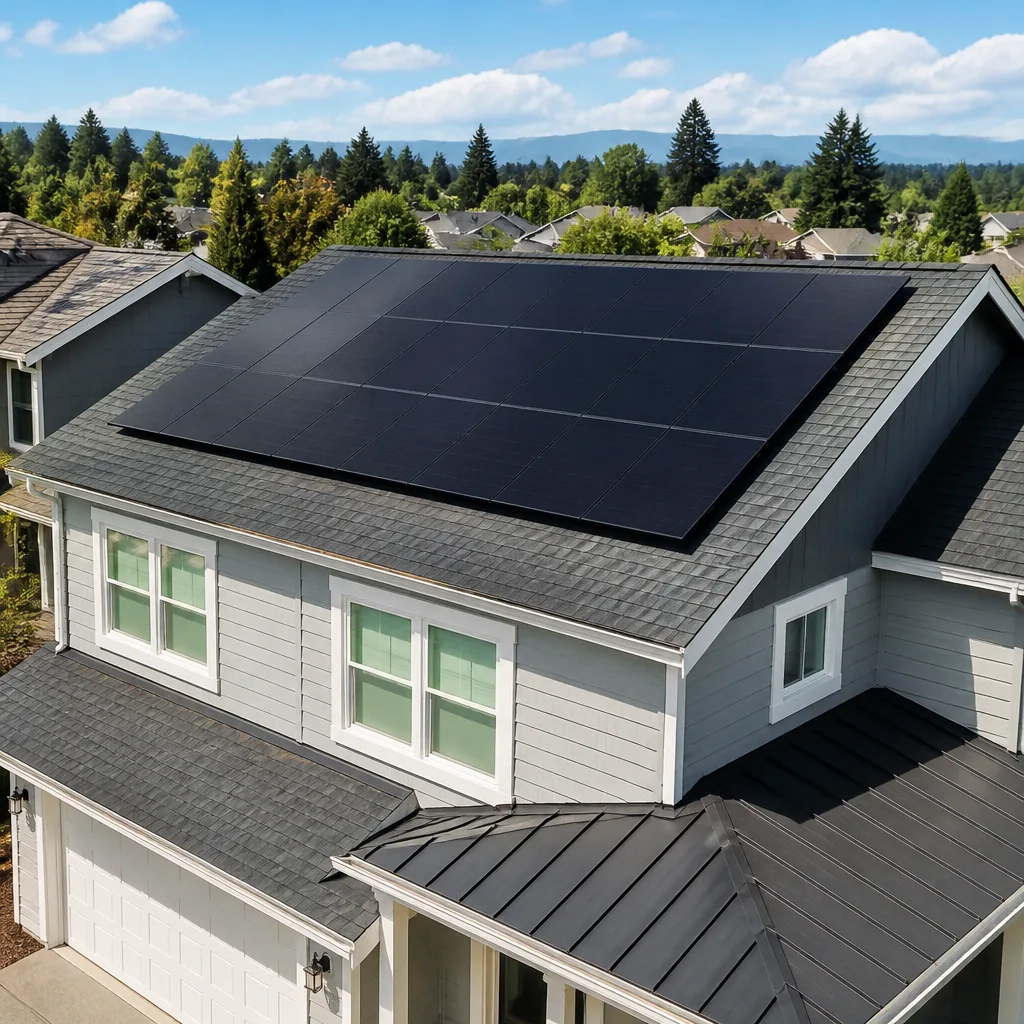
 Before
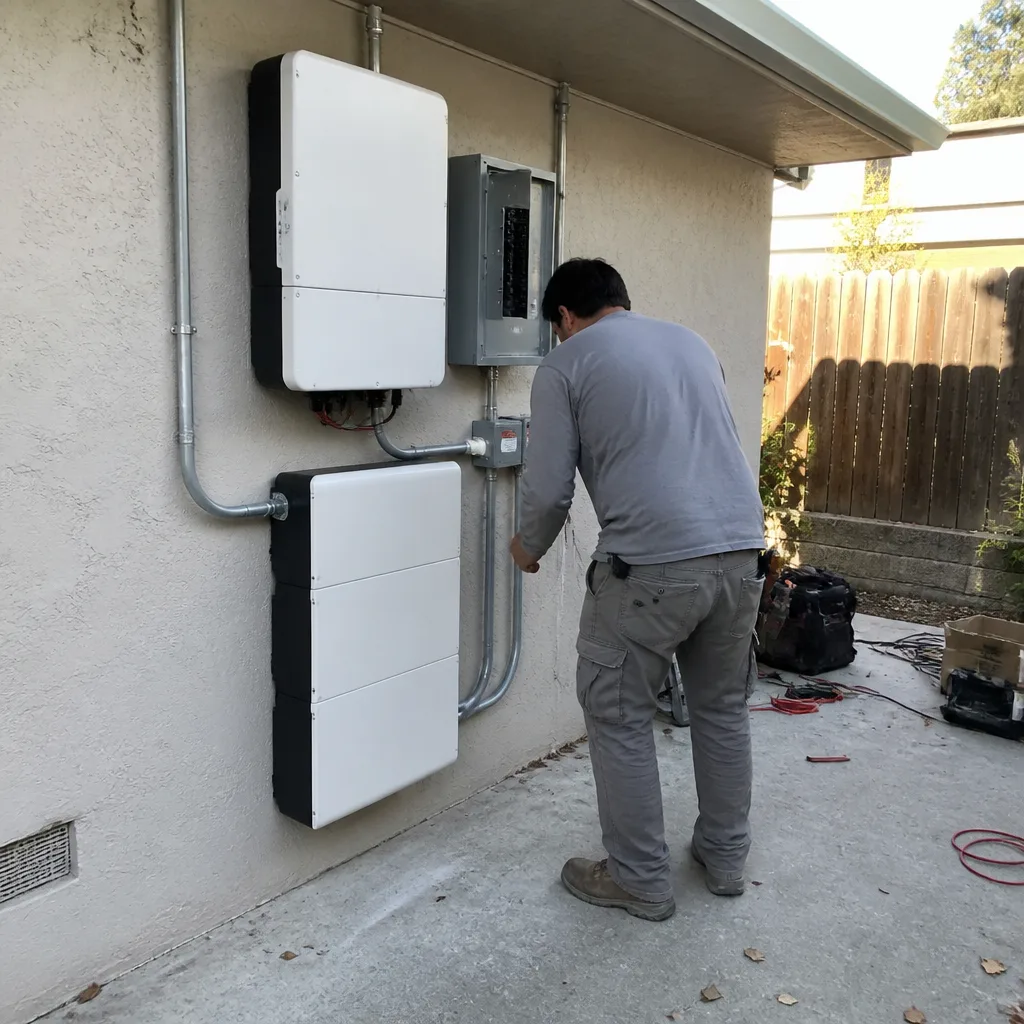 After
After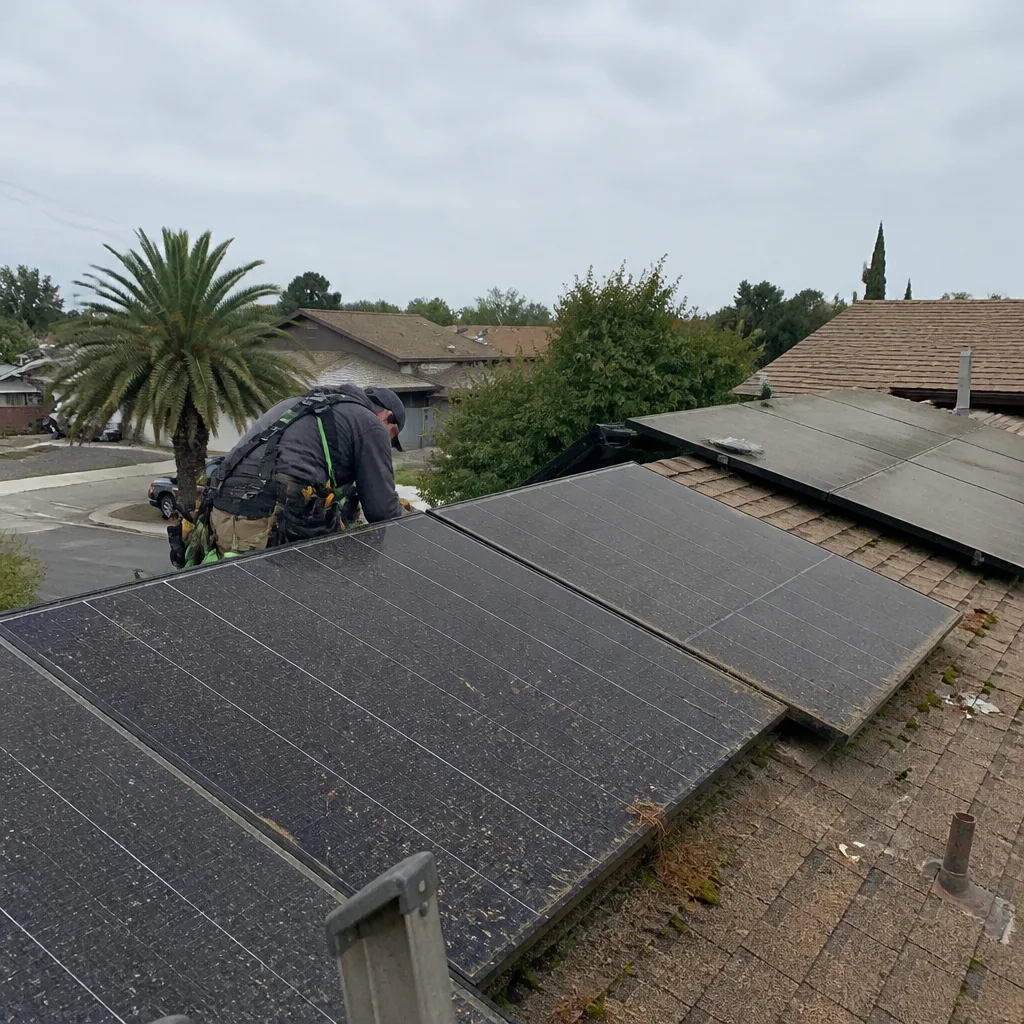 Before
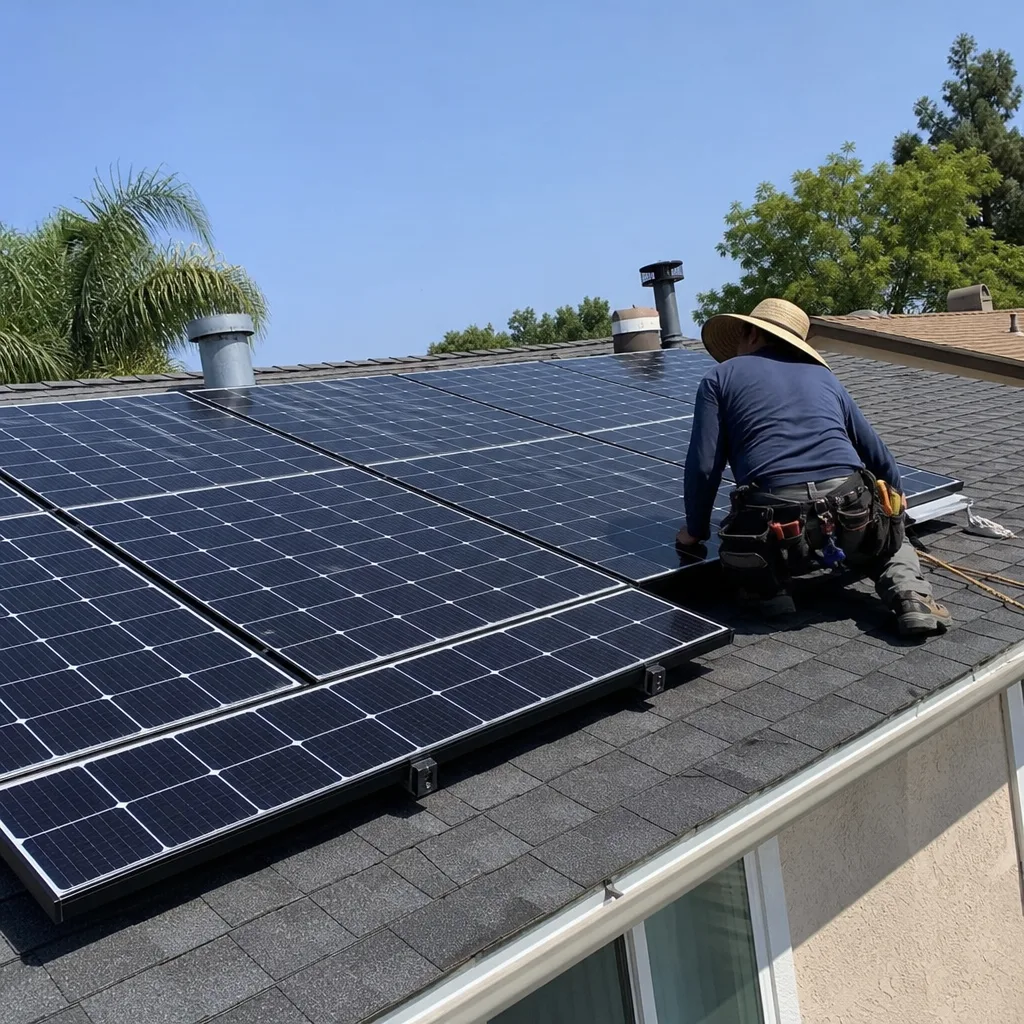 After
After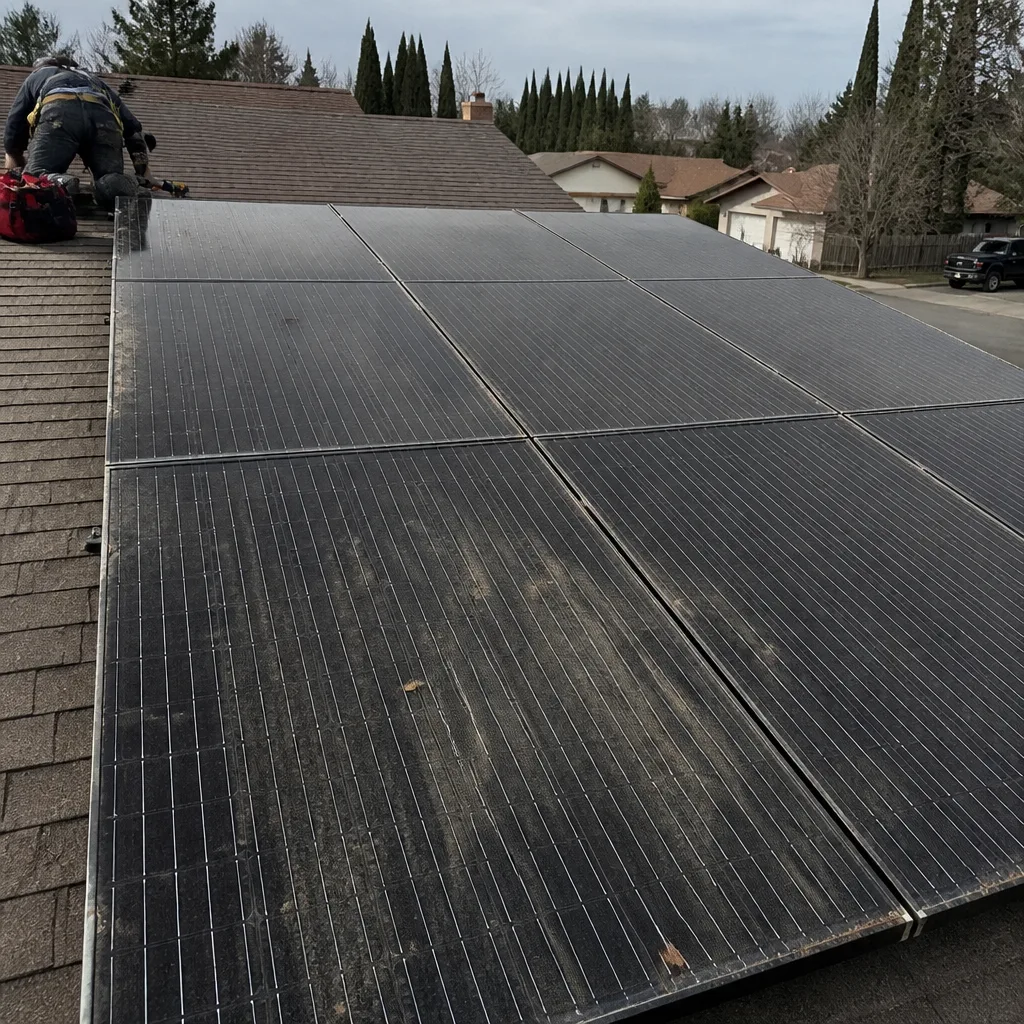 Before
 After
AfterFast, Reliable Commercial Solar Installation Across Delhi
Commercial solar installation in Delhi runs $2.40 to $3.10 per watt before incentives, which means a typical 100 kW warehouse array lands between $240,000 and $310,000. Most systems take 4 to 6 weeks from permit to power-on, depending on county plan-check. We’ve been doing this work in Delhi long enough to know that the real question isn’t whether the sun is strong enough here – it’s whether your system can survive the harvest dust and still produce through the fog.
You’re in an unincorporated Merced County community, which means your commercial solar permit goes through the county building department in Merced, not a city office. That changes timelines, and it changes who you want standing at the inspection. Call Gus at (877) 550-6892 and we’ll walk you through what actually happens on a Delhi job.
Why Gus’s Solar Is Delhi’s Preferred Commercial Solar Installation Company
Gus Petrakis founded Gus’s Solar in 2011 and put his own name on the building. When you call, a live person answers – not a voicemail, not a ticketing portal. That matters in Delhi, where a 500-acre almond operation can’t sit waiting for a callback while panels sit dirty.
We work throughout 95315 and know the county roads off Vincent, Griffith, and Ashlan Avenue. We know that scheduling a crane around harvest traffic takes local knowledge, not a call center three states away. Gus’s crew does the install – background-checked, uniformed, and on your roof ourselves. No subs.
Every commercial job comes with the 90-Day Done Right Promise in writing. If it’s not right, one call brings Gus back. That’s not a slogan. It’s been the operating rule since 2011.
Our Commercial Solar Installation Services in Delhi
Agricultural & Ground-Mount Solar
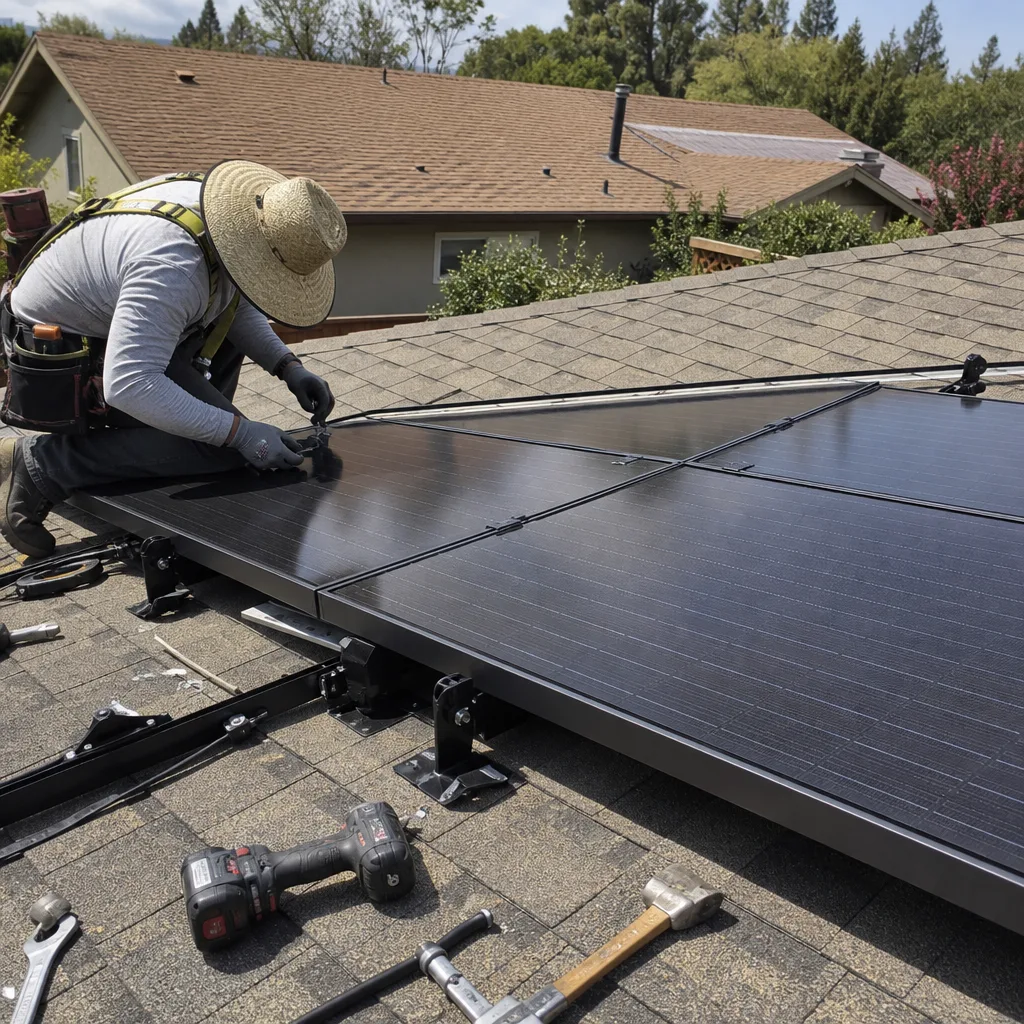
Delhi runs on agriculture, and ground-mount arrays do most of the heavy lifting for farms and packing operations. We’ve installed ground-mount systems for almond hullers, tomato processors, and row-crop operations that need three-phase power where trenching conduit matters as much as the panel count. A typical agricultural ground-mount in Delhi starts around $180,000 for a 75 kW system. The county permits these as commercial structures, but they’re treated differently than rooftop systems, so plan-check has its own review path.
Commercial Battery Storage
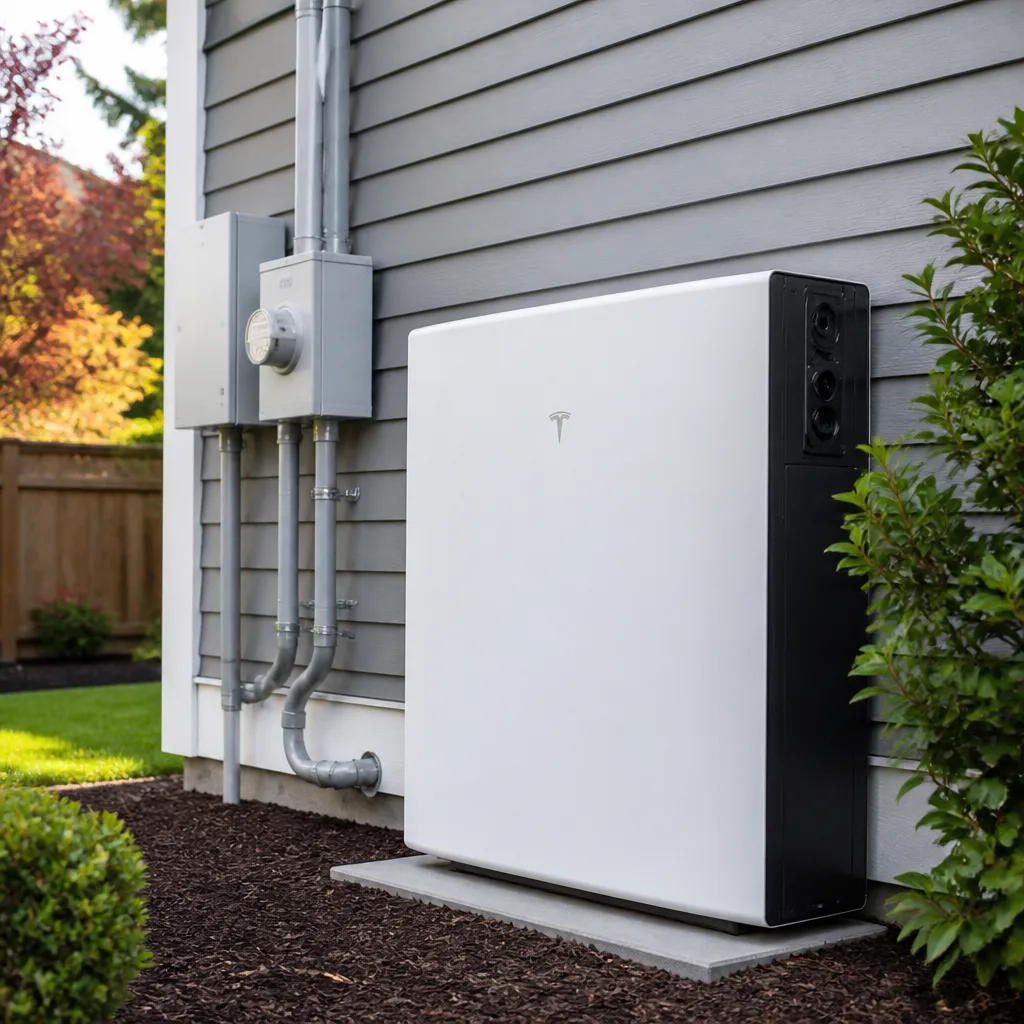
Most Delhi farmers and warehouse operators don’t want a battery to save money – they want it because PG&E outages during harvest cost more than the battery does. We pair FranklinWH and Enphase batteries with commercial arrays, sized to keep irrigation pumps, cold storage, and graders running when the grid drops. A 40 kWh commercial battery bank in Delhi runs $38,000 to $52,000 installed. The fog doesn’t shut you down, but an October outage during almond shaking will. That’s why our Commercial Solar Installation team puts storage on the table early.
Warehouse & Industrial Solar
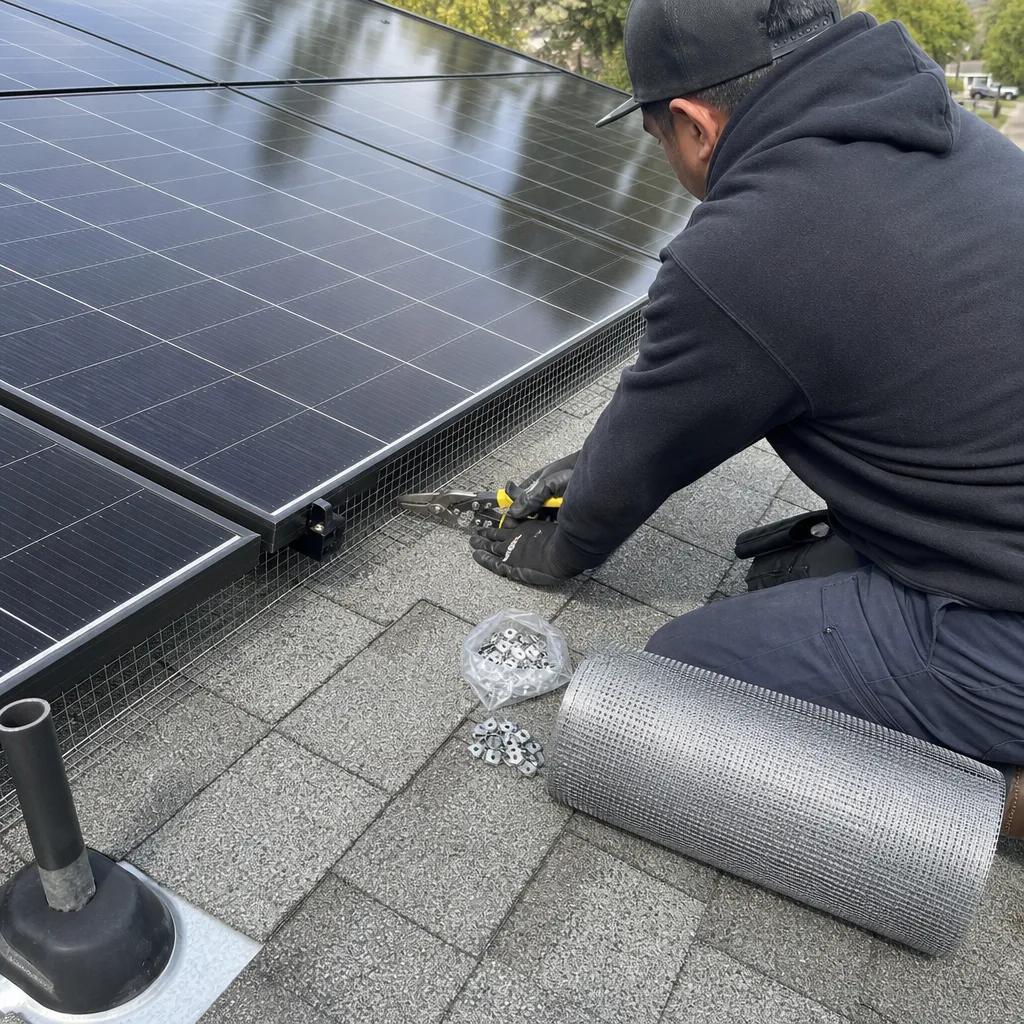
Warehouses along Highway 99 and the industrial pockets around Delhi’s packing sheds catch strong sun year-round, but their roofs are typically 30 to 40 years old. We flag re-roofing needs before signing anything. A 150 kW warehouse system in Delhi typically runs $360,000 to $465,000. The payback math works here because Delhi’s irradiance hours are among the highest in the state, but only if you correct for fog and dust. We do.
Commercial Solar Maintenance
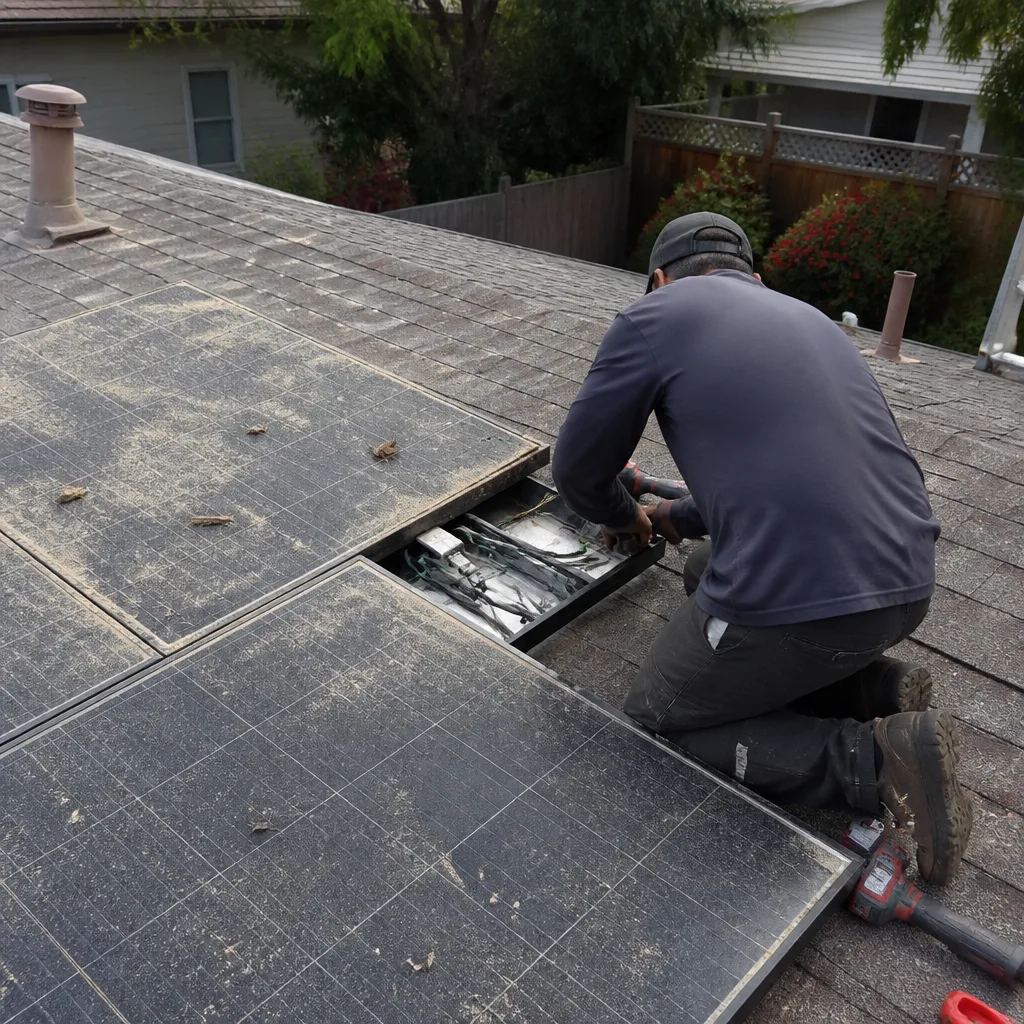
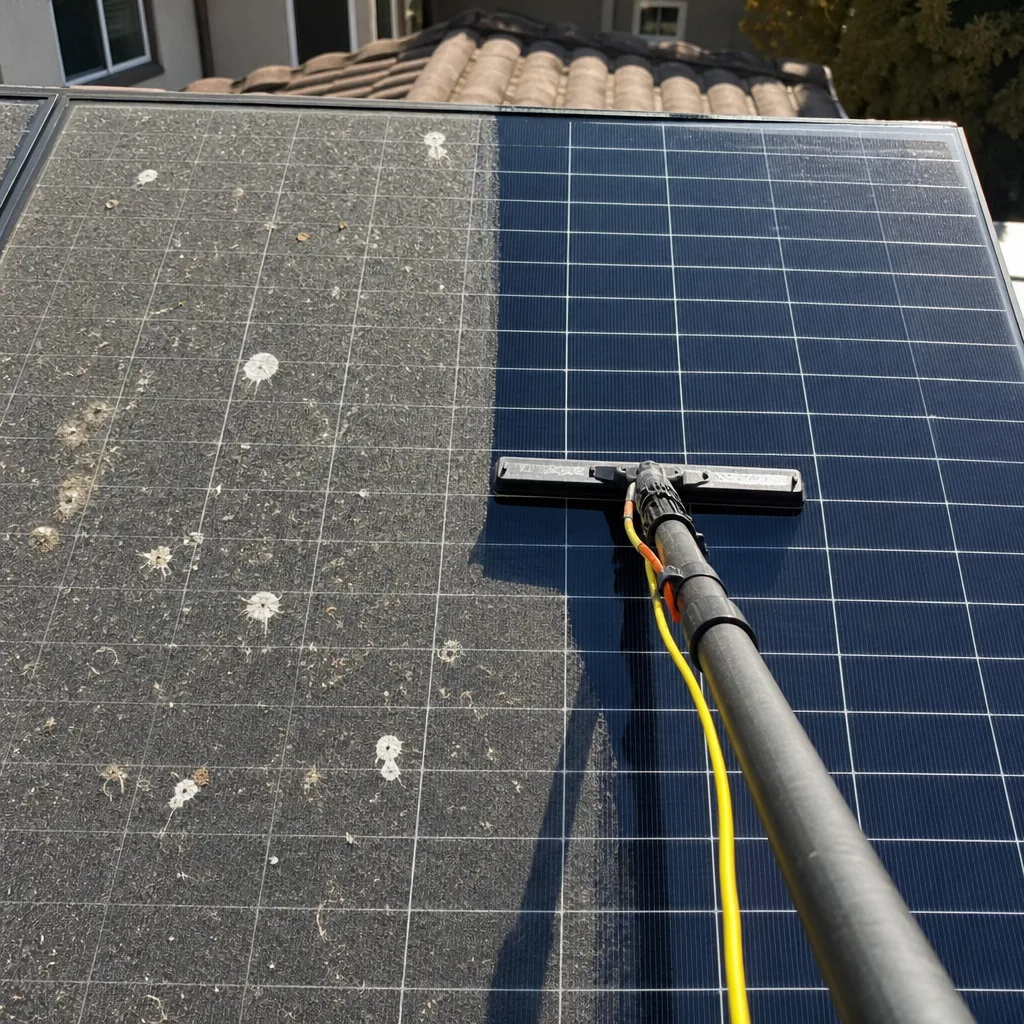
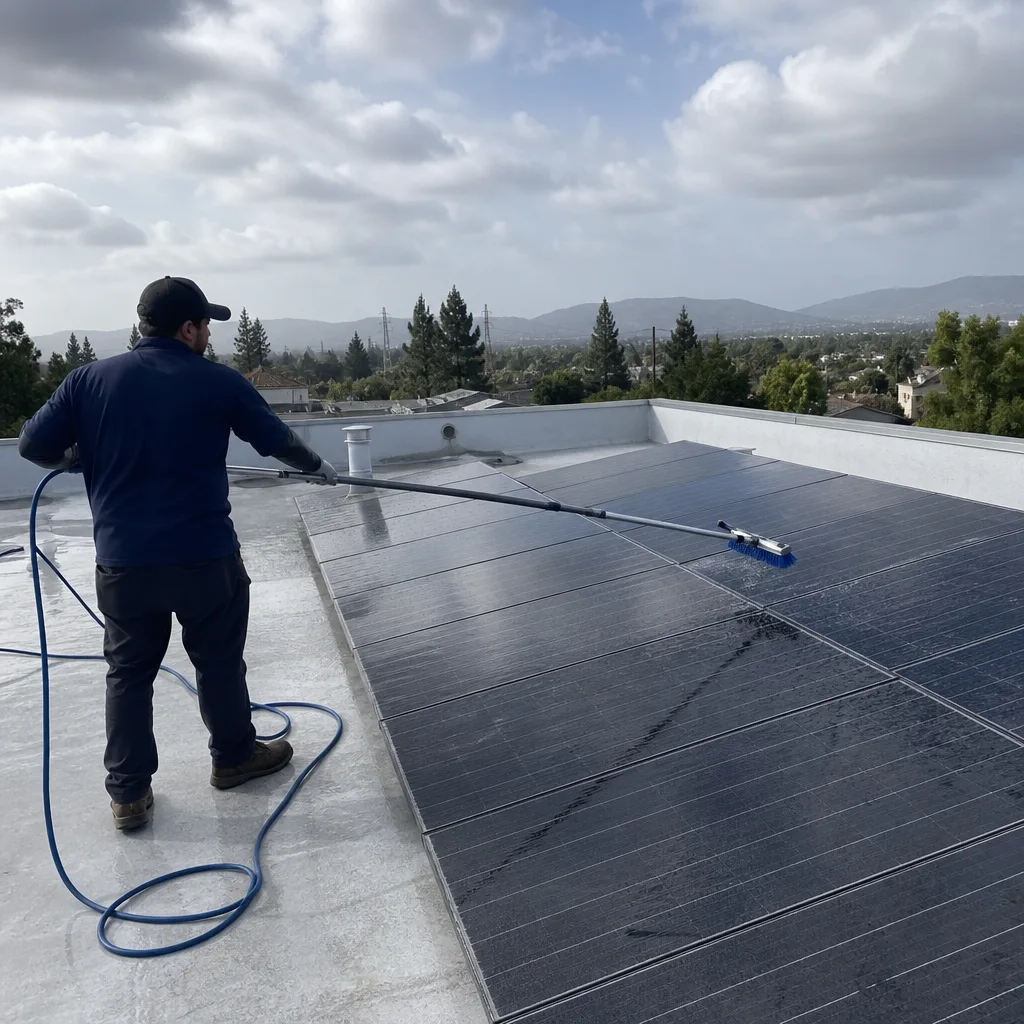
This is the service that separates Delhi from every other Central Valley town. Almond harvest dust, tomato harvester chaff, and tillage silica coat panels here faster than anywhere we service. We run scheduled post-harvest cleanings every October and November because skipping them means heading into fog season with dirty panels on top of near-zero generation. A maintenance contract in Delhi runs $1,800 to $4,500 per year depending on array size. It pays for itself in true-up savings.
What happens when you call
- 1
A real person answersNo phone trees - you reach a local pro.
- 2
You get an upfront price rangeHonest numbers before anyone is dispatched.
- 3
A background-checked tech heads outLicensed & insured, dispatched right away.
- 4
You approve before work beginsNothing starts until you say go.
Trusted Brands We Service in Delhi
We install and maintain equipment from Tesla, Enphase, SolarEdge, and FranklinWH. For Delhi customers, we keep Enphase and SolarEdge microinverters and optimizers in stock locally, because a failed component on a 95 kW array shouldn’t wait a week for shipping while your packing shed draws from the grid. Gus’s crew is certified across all four brands and does warranty service directly.
Common Commercial Solar Installation Problems We See in Delhi Homes
- Harvest dust coatings before fog season. Almond shakers and tomato harvesters run around the clock from August through October, and the silica-heavy dust they kick up settles on every panel. Without a post-harvest cleaning, an array heading into November tule fog produces almost nothing.
- Service panel limitations on older ag properties. Delhi’s commercial buildings were mostly built decades ago with 200-amp services that can’t handle a modern array plus the equipment that runs off it. Panel upgrades are routine here, not optional.
- Unrealistic production estimates from out-of-town installers. A generic California solar quote doesn’t factor in 60 to 80 fog days from November through February. We model those days explicitly so your payback numbers match reality.
- County interconnection delays. Merced County’s building department processes Delhi permits, and agricultural systems with battery backup need interconnection approval before they can power your equipment. We handle that process end to end.
Pricing for Commercial Solar Installation in Delhi, CA
Here’s what commercial solar actually costs in Delhi right now:
- Small commercial rooftop (25-50 kW): $60,000 – $155,000
- Medium warehouse or ag building (50-100 kW): $120,000 – $310,000
- Large warehouse or solar carport (100-250 kW): $240,000 – $775,000
- Agricultural ground-mount (75-200 kW): $180,000 – $620,000
- Commercial battery storage (30-100 kWh): $28,500 – $130,000
What moves the number in Delhi specifically: county permit fees, whether you need a service panel upgrade, roof condition on older packing sheds, and whether you’re adding battery storage. We quote off your actual utility bill and the year-25 output, not a brochure. Bring us a bill, we’ll bring you the math. Take two weeks – the price will be the same. Call (877) 550-6892 for a free estimate.
We Also Serve Cities Near Delhi
We work all across the 95315 corridor and into the neighboring towns. That includes Delhi itself, plus Livingston, Hilmar-Irwin, Turlock, and Winton. If your operation sits in unincorporated Merced or Stanislaus County, Gus’s crew covers that too. Dispatch is coordinated from our Fresno, Central Valley office, and crews serve Delhi locally – same-day response for emergency calls.
Serving Delhi, CA - Our Local Coverage Area
We’re based in the Delhi area and know this community well. Use the map below to see our service coverage - if you’re nearby, we can almost certainly help.
FAQs - Commercial Solar Installation in Delhi
Delhi’s permits go through the Merced County building department, not a city office, so plan-check timelines typically run 2 to 4 weeks longer than in incorporated cities like Turlock. That means your project schedule needs to account for county review, not a faster city permitting desk.
We’ve handled enough Delhi county permits to know when to submit, what the plan-checkers flag, and how to schedule inspections around county road access rules. Call (877) 550-6892 and we’ll give you a straight timeline for your building.
Yes, it will cut daily generation by 70 to 90 percent on heavy fog days from November through February, and on the densest fog days, production can drop to almost zero. But the annual number still works because Delhi’s spring and summer irradiance is among the highest in the continental U.S.
The problem is when an installer quotes you a production estimate without correcting for fog. We model those days explicitly. You’ll see the winter dip in writing before you sign anything. Call (877) 550-6892 with your bill and we’ll show you the real annual output.
Almond harvest dust is silica-heavy and settles on panels as a fine, hard film that blocks light and bakes on in the summer heat. It doesn’t just reduce output – it creates hot spots that can degrade cells over time.
The fix is a scheduled post-harvest cleaning in late October or early November, before fog season compounds the losses. We run maintenance contracts for Delhi operations specifically around the harvest calendar. A typical cleaning for a 100 kW array runs $600 to $1,200 per visit.
Most Delhi ag buildings were built with 200-amp service, and a solar system plus battery storage plus the equipment you’re already running will exceed that. So yes, in most cases you need a service panel upgrade to 400 amps or higher.
We size the upgrade alongside the array, not as a surprise add-on after you’ve signed. Panel upgrades on Delhi commercial properties typically run $8,000 to $18,000 depending on the existing service and trench work involved.
Yes, commercial systems in Delhi can use net metering through PG&E’s commercial program, but the rate structure changed in 2023 and the credit rate for excess generation is now lower than the retail rate you pay. That means battery storage changes the math significantly.
Your true-up statement will look different than a residential one because agricultural operations draw power unevenly – harvest weeks spike demand, winter months collapse it. We quote the year-25 output and model your true-up off your actual bills. Bring us a bill and we’ll show you the real numbers. Call (877) 550-6892.
How Delhi’s Harvest Cycle Changes Commercial Solar Design
Here’s what a generic California commercial solar page will never tell you, and it’s the single biggest factor in whether a Delhi system delivers what the proposal promises: the harvest calendar dictates your system’s performance curve more than panel efficiency ever will. From August through October, almond shakers run 22 hours a day across acreage that surrounds Delhi on all sides. Tomato harvesters follow. Tillage equipment kicks up dust that hangs in the valley air and settles on every surface – including your panels. A 100 kW array can lose 8 to 15 percent of its output to that dust film alone in the weeks between harvest and the first rain.
Then fog season starts. From November through February, dense tule fog settles over the valley floor and suppresses daily generation to near zero for 60 to 80 days. If your panels are still coated in silica-heavy harvest dust when that fog arrives, you lose the little winter production you would have gotten – and you carry that soiling loss into spring. The annual true-up statement punishes you for it. So when we design a Delhi system, we schedule the post-harvest cleaning in October as part of the installation plan, not as an afterthought. That’s not a generic recommendation. That’s the difference between a solar array that pays back in year 6 and one that stretches to year 9.
One more thing – we quoted a 95 kW rooftop array for a packing shed off Vincent Road where the existing main service was only 200 amps. Our crew sized a 400-amp service upgrade alongside 240 Qcells panels with SolarEdge optimizers, and we modeled the production estimate to show how the tule fog dip from November through February cuts the winter kWh offset almost to zero – before stringing the DC run to the inverter. We scheduled the final county inspection around the almond harvest because silica dust could trigger a rapid shutdown fault on the roof before the inspector arrived. We know how to schedule work here because we’ve been doing it here.
What Actually Goes Wrong on Delhi Commercial Solar Jobs
Skipping a post-harvest cleaning is the most common mistake we see, and it’s not close. A Delhi operation that runs October with dirty panels and then sits through four months of fog will show a true-up statement that looks nothing like the proposal. Sometimes the owner calls us thinking the system failed. It didn’t fail – it was never cleaned when it mattered.
The second one is production estimates that don’t correct for tule fog. An installer from Fresno or the Bay Area runs a standard model, quotes a payback of 5 years, and then reality sets in. We don’t do that. We show you the winter dip in writing. We tell you the year-25 output, not the day-one brochure number.
The third is marginal interconnection approval. Merced County permits are thorough, and if the interconnection paperwork isn’t clean, the system sits unpermitted while your equipment can’t legally draw from it. Gus’s crew handles every permit and every inspection. You won’t chase paperwork.
Local Roots, On Time, Community First, Accountable, Loyal
Those are the values we operate by in Delhi. Local roots mean we know the county permitting process. On time means we schedule around harvest, not through it. Community first means we don’t leave a packing shed dark because we forgot about a fog forecast. Accountable means Gus Petrakis’s name is on the work. Loyal means we’ll be here when the true-up statement arrives and when the panels need cleaning next October.
If a salesman needs an answer tonight, the answer is no. Take two weeks. Think about it. The price will be the same. And if you want someone local who shows up in a truck with his own name on it, call (877) 550-6892 for a free estimate on commercial solar in Delhi.
Written by Gus Petrakis, Owner at Gus’s Solar, serving Delhi and the surrounding Central Valley for over 29 years as a locally owned and operated business.