

Free bill analysis - bring a power bill, get the production math for your actual roof, panel brands like Qcells and REC compared side by side
If the pitch starts at your door and ends with "sign tonight for the special," sleep on it. The sun will still be there tomorrow; so will we.
 Before
 After
After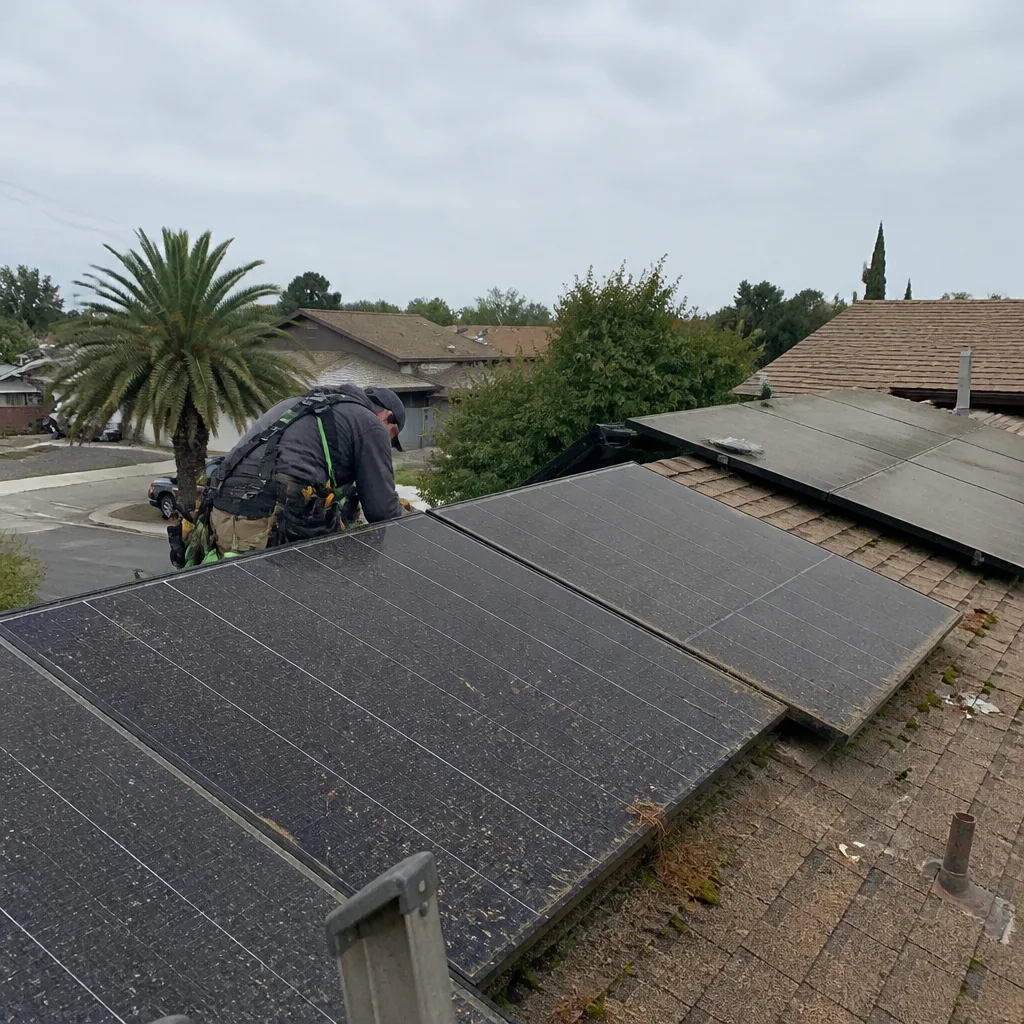 Before
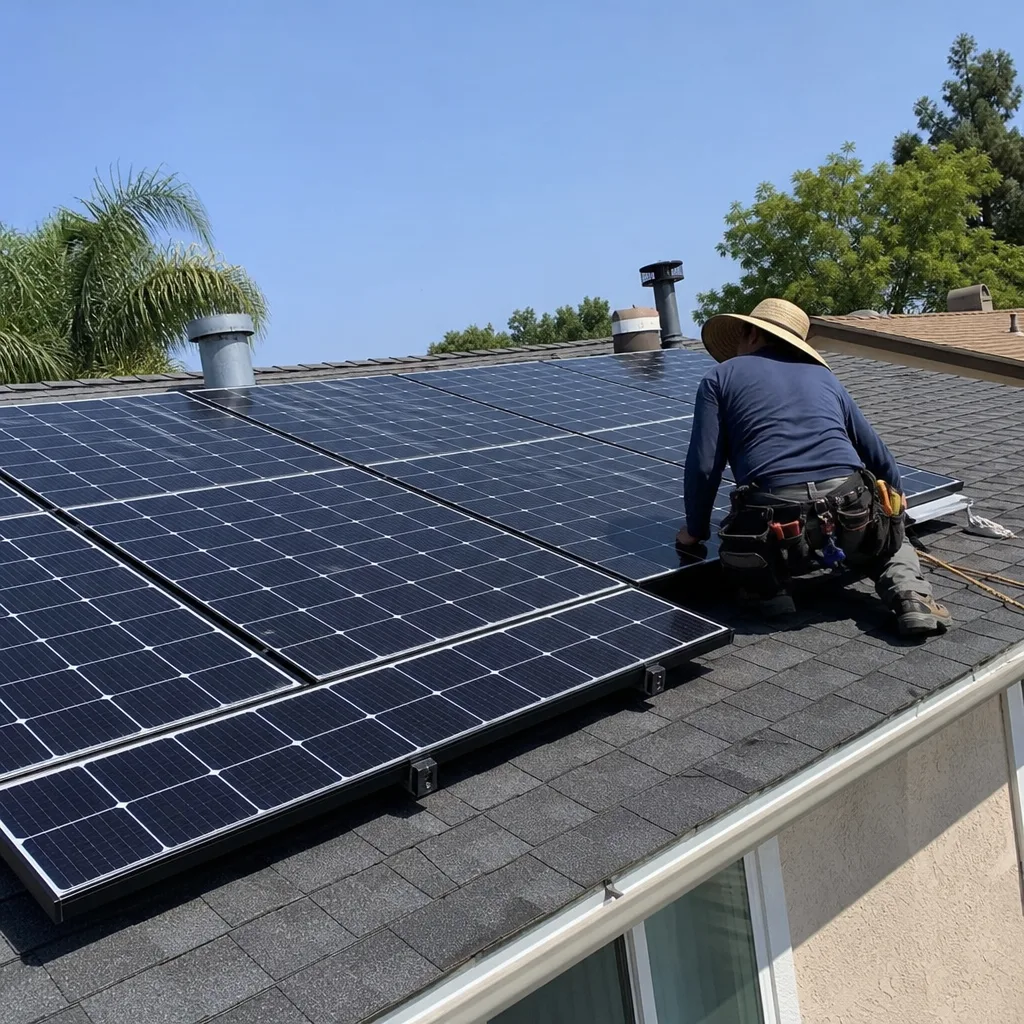 After
After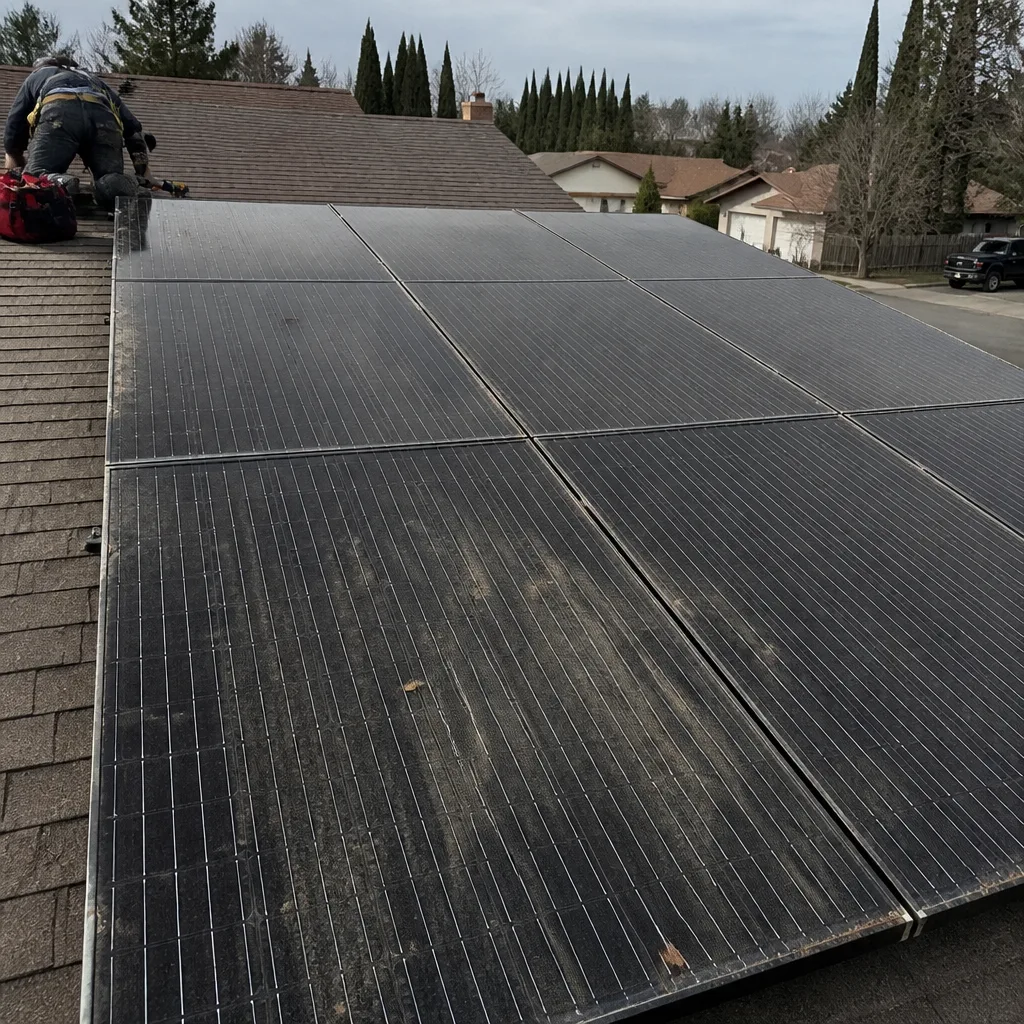 Before
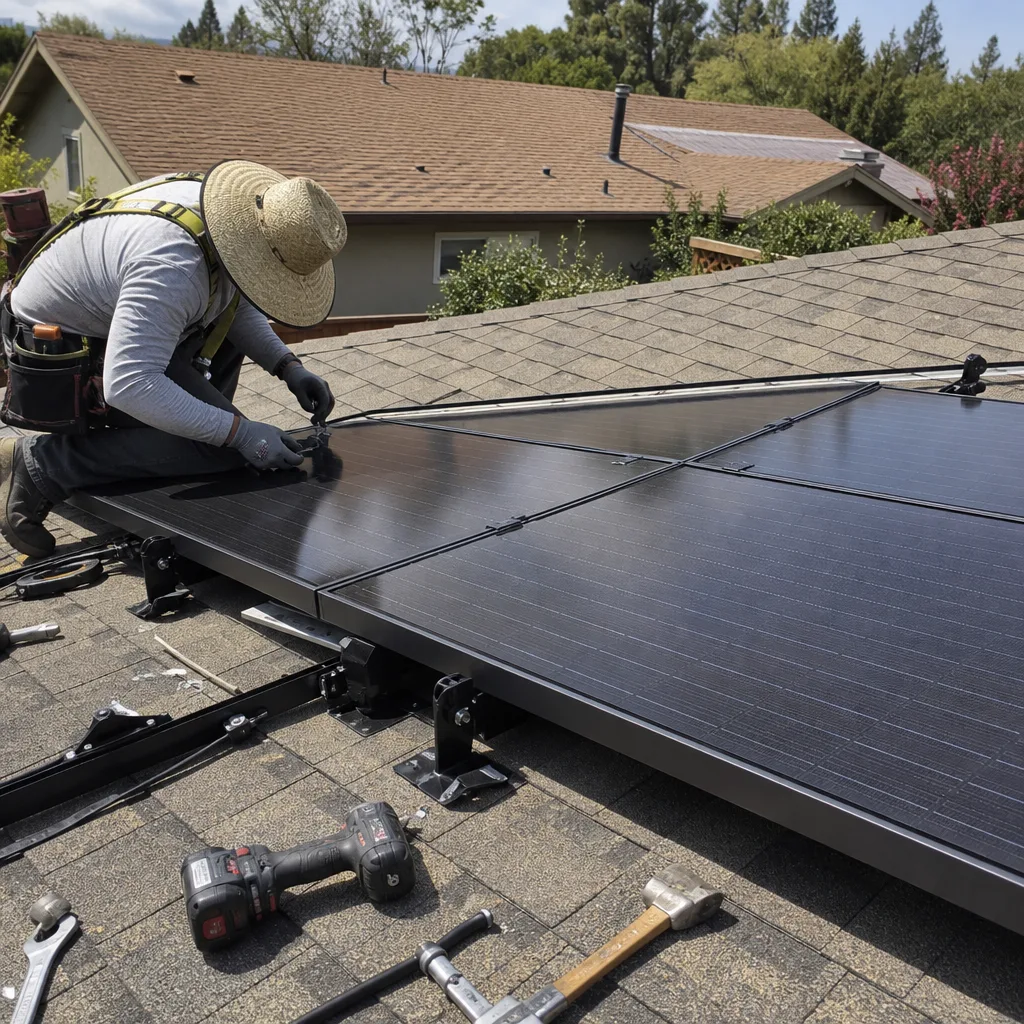 After
AfterFast, Reliable Solar Panel Maintenance & Monitoring Across Tamalpais Valley
Solar panel maintenance in Tamalpais Valley usually costs between $180 and $450 per visit, and most homeowners need a thorough check every 12 to 18 months, not every five years like the brochure said. The marine layer that sits over this valley until mid-morning changes how your system performs, and it changes what you should watch for. Gus Petrakis has been maintaining and monitoring solar systems in Marin County since 2011, and his crew knows the difference between a fog-related production dip and a real fault. If your monitoring app shows numbers that don’t make sense, call (877) 550-6892 and a live person answers, day or night.
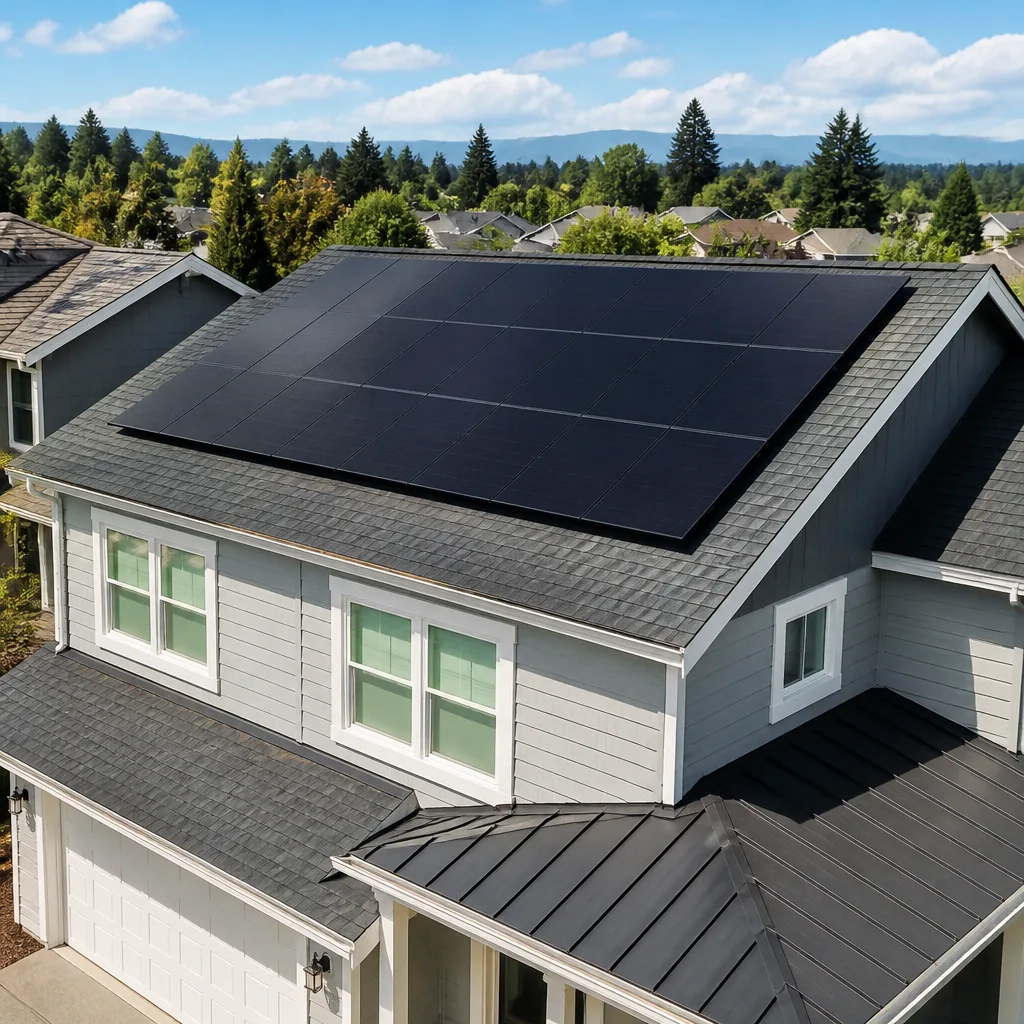
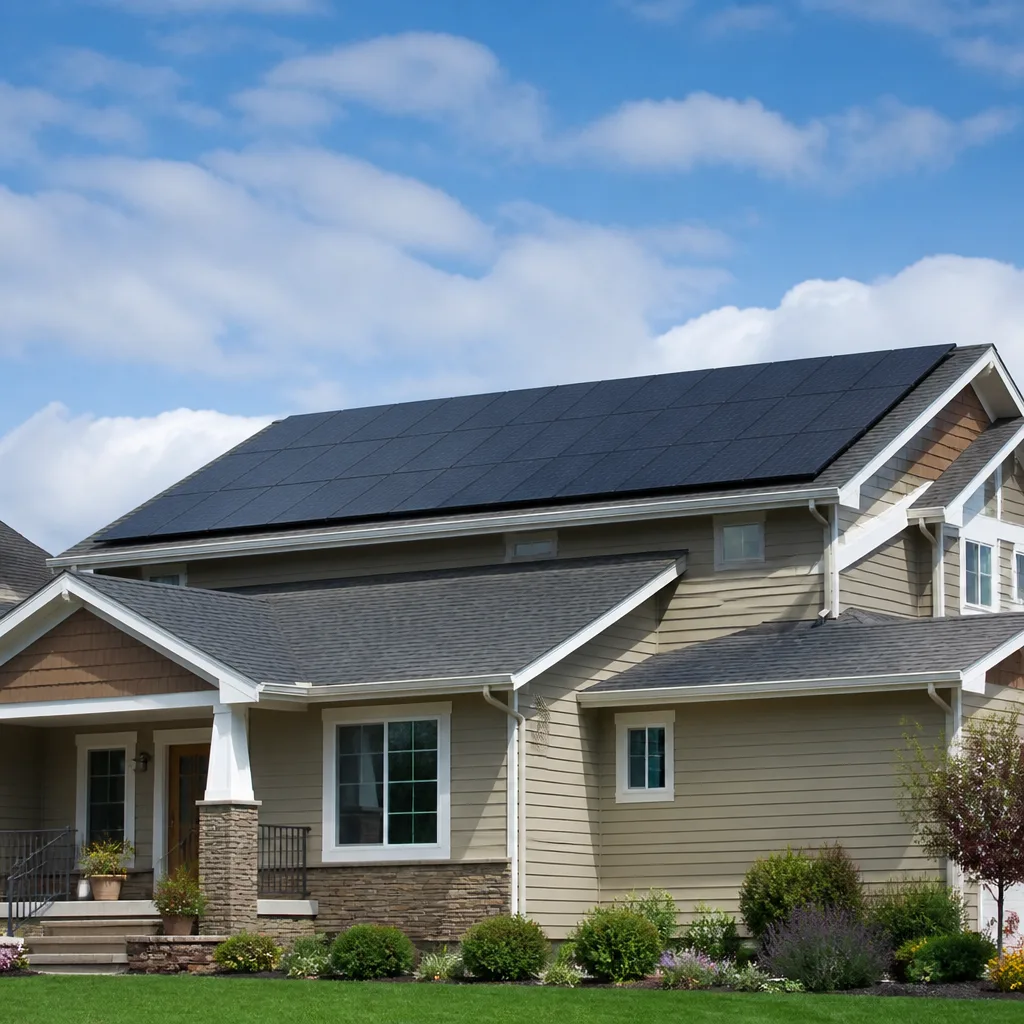
The homes here aren’t like the flat suburban rooftops over in the East Bay. Tamalpais Valley is post-and-beam hillside contemporaries from the 1950s through the 70s, built into steep canyon lots with multi-plane roofs. That means fewer contiguous south-facing surfaces, more shade from second-growth redwoods, and monitoring that has to work at the panel level to catch problems early.
Why Gus’s Solar Is Tamalpais Valley’s Preferred Solar Panel Maintenance & Monitoring Company
Solar Panel Maintenance & Monitoring in Tamalpais Valley works differently when the person quoting the work lives with the same fog and the same redwoods as you do. Gus Petrakis puts his name on the truck, publishes his license number, and answers his own phone. That phrase “locally owned” gets thrown around by national outfits that opened a regional call center last spring. Gus founded this company in 2011 and has been climbing onto Marin County roofs ever since.
Customers in Tamalpais Valley tend to call us after they’ve already been burned once. They’ll tell us the national installer quoted one production number on the phone, and the system never hit it. We dial production estimates back 10 to 15 percent here compared to what PVWatts would suggest, because we know the fog corridor along the 94941 zip stretches morning shade longer than anyone expects. That honesty earns us the kind of reviews money can’t buy. Gus’s crew are background-checked, uniformed, and they know how to walk a steep roof without making you nervous. When you call, a live person picks up. Not a ticket queue.
Our Solar Panel Maintenance & Monitoring Services in Tamalpais Valley
Underperformance Diagnostics
When your utility true-up statement comes in worse than expected, or your Enphase app shows a panel or two dragging down the array, we send a tech out to figure out why. In Tamalpais Valley, the answer is often shade that wasn’t there two years ago. Redwood and bay laurel regrowth on these canyon lots is aggressive, and an array with clean sun at install can be 10 to 15 percent shaded within five years. We don’t guess and we don’t start swapping parts. We measure, identify, and then explain what it’ll take to fix it.
Production Monitoring Setup
Most systems in Tamalpais Valley came with some form of monitoring from the install, but many homeowners were never shown how to read it. We set up your monitoring dashboard properly, configure alerts, and walk you through the app on your phone. For systems with module-level power electronics, microinverters from Enphase or optimizers from SolarEdge, that panel-by-panel visibility is the only way to catch a fog-shaded underperformer before it quietly eats your annual production for a decade. We’ll show you what normal looks like for this specific valley, not for a generic California suburb.
Annual System Inspection
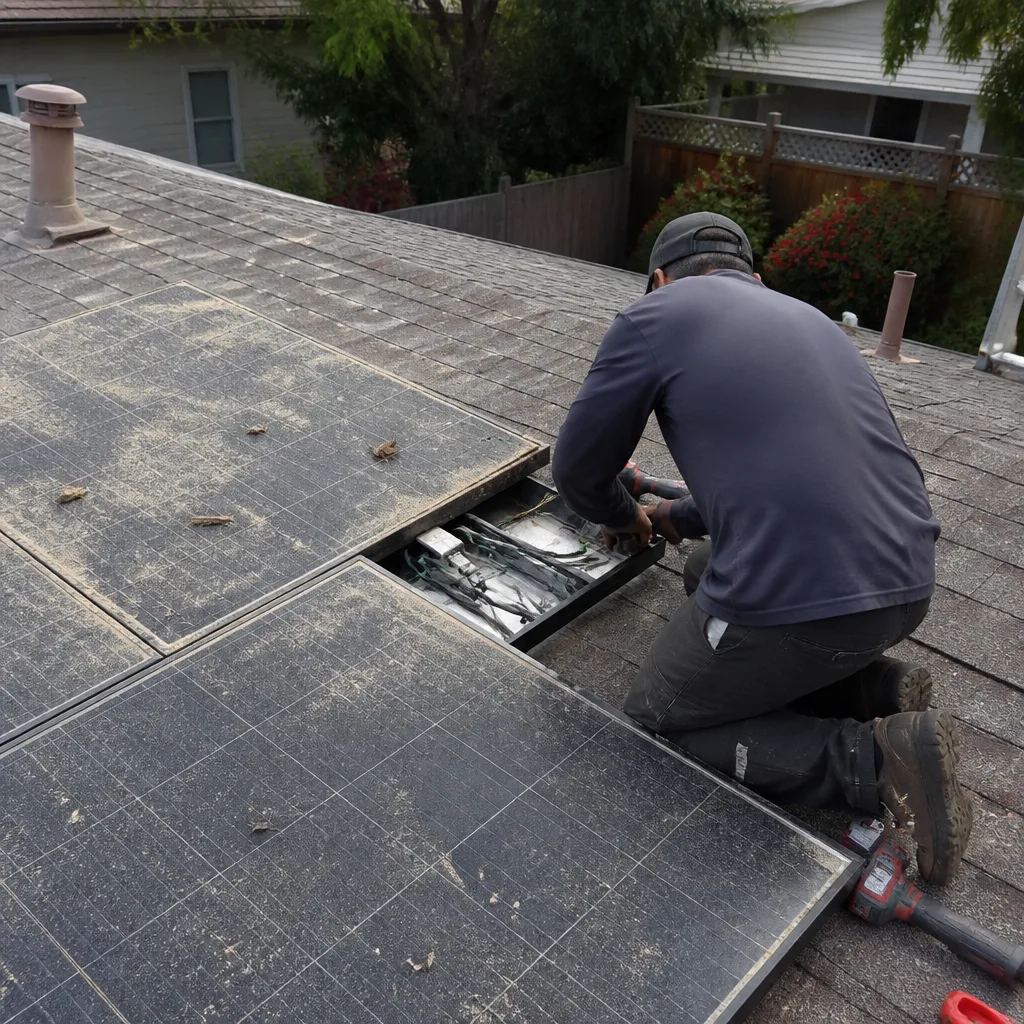
Once a year, we walk the roof, check every panel, torque the mount connections, and verify the inverter’s output against the system’s original design. On the steep multi-plane roofs common around Panoramic Highway and Shoreline Highway, we pay extra attention to mounting points and flashing. Moisture from the marine layer accelerates corrosion on older racking, and the post-and-beam homes from the 60s and 70s often used roof materials that don’t forgive a sloppy penetration. A thorough inspection runs $180 to $280 for most residential systems in Tamalpais Valley.
Firmware & App Configuration
Inverter firmware updates get pushed out and ignored by most people, until something stops reporting and you can’t see your production anymore. We handle firmware updates for SolarEdge, Enphase, Tesla, and others, then reconfigure the app so it’s actually useful to you. If your inverter went offline after a PG&E power event or a heavy storm rolling off Mount Tam, we can often restore communication without a truck roll just by walking you through the app over the phone. When that’s not enough, we come out.
What happens when you call
- 1
A real person answersNo phone trees - you reach a local pro.
- 2
You get an upfront price rangeHonest numbers before anyone is dispatched.
- 3
A background-checked tech heads outLicensed & insured, dispatched right away.
- 4
You approve before work beginsNothing starts until you say go.
Trusted Brands We Service in Tamalpais Valley
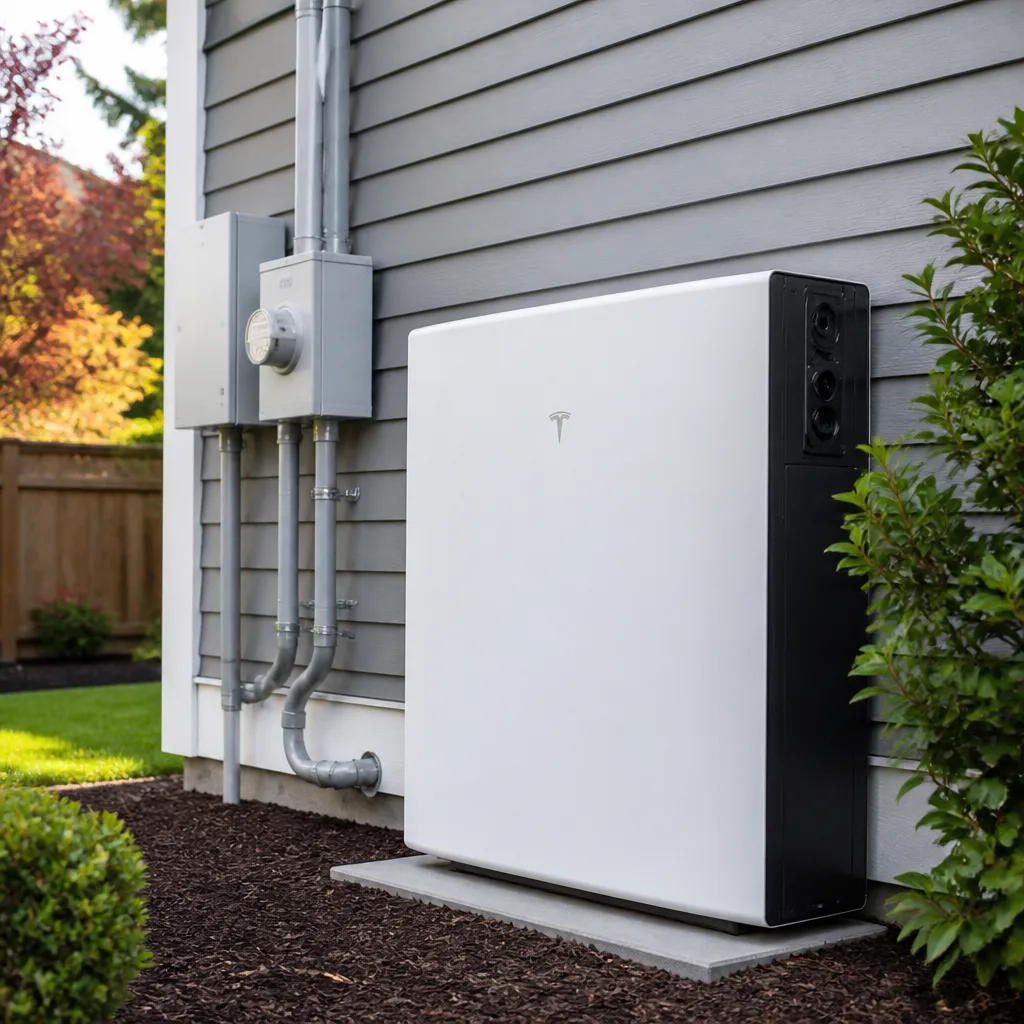
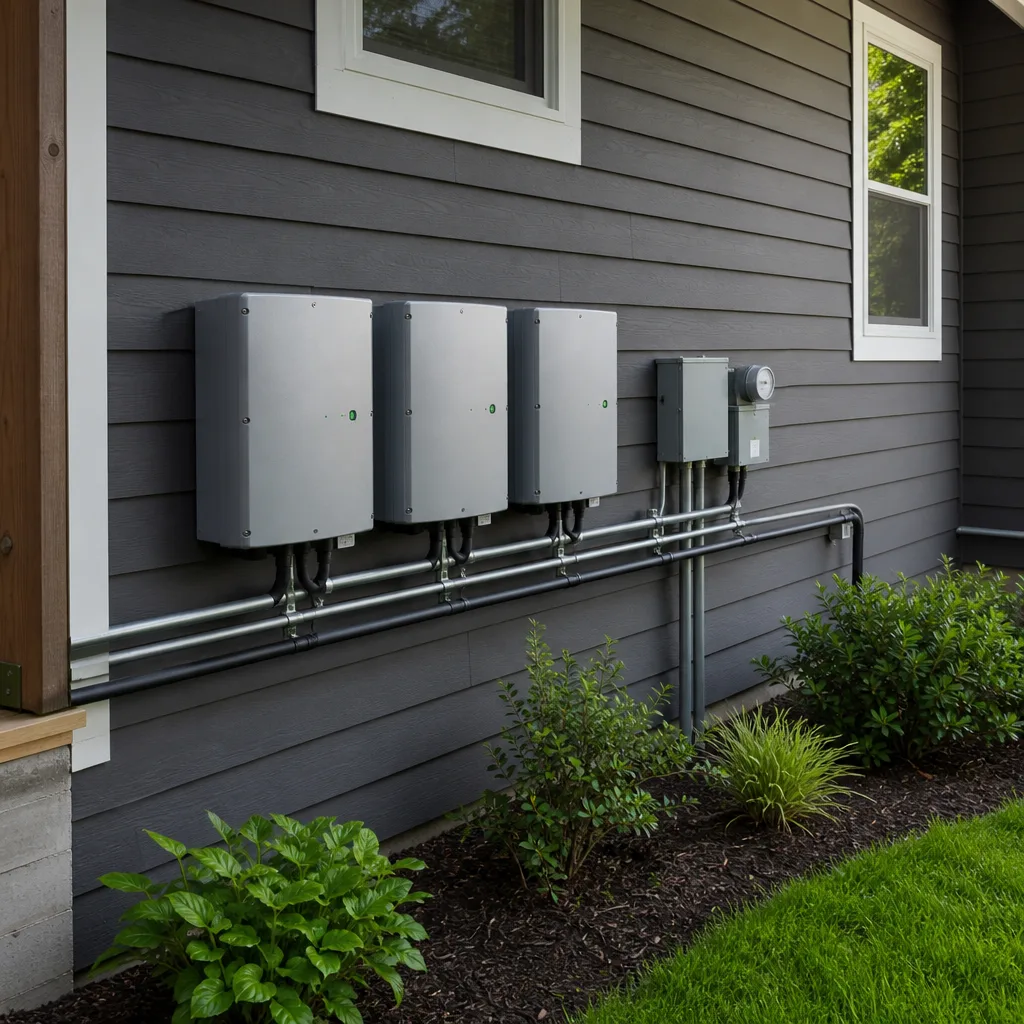
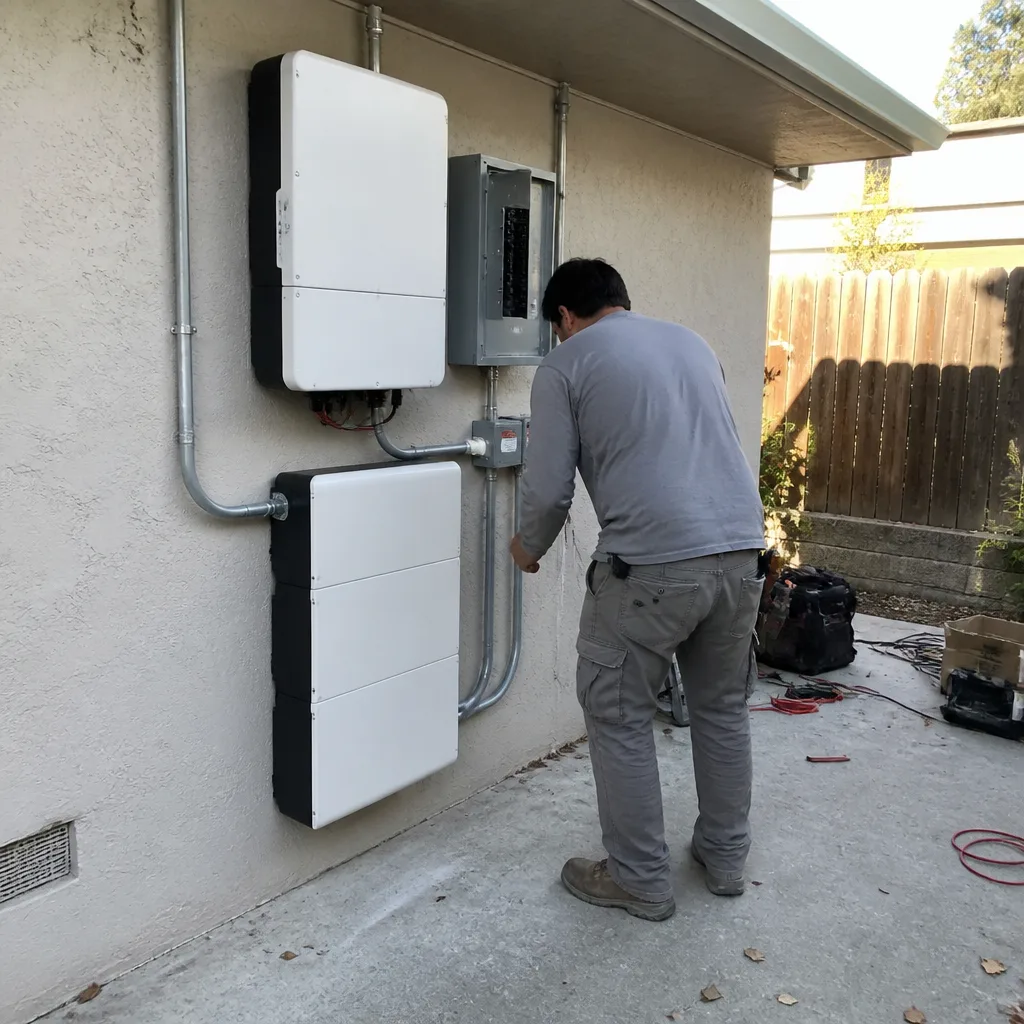
We service all the major equipment installed across Marin County: Enphase microinverters, SolarEdge optimizers, Tesla Powerwall and inverter systems, and FranklinWH battery integrations. We keep common parts for these brands in our Bay Area warehouse, so a Tamalpais Valley service call doesn’t drag out while a part ships from across the country. If a SolarEdge optimizer failed on a string up off Panoramic Highway, we can often replace it the same visit. If your Powerwall isn’t cycling correctly or your Enphase gateway stopped reporting, we have the diagnostic tools and the experience to sort it without a week of back-and-forth with tech support.
Common Solar Panel Maintenance & Monitoring Problems We See in Tamalpais Valley Homes
- Fog-corridor underproduction. The marine layer off the Pacific sits over Tamalpais Valley two to three hours longer than it does over San Rafael or Novato. A system sized for inland Marin sunshine will underproduce here every single summer morning, and the monitoring app won’t say “fog” - it just shows lower numbers.
- Mount Tamalpais afternoon shade. West-facing roof slopes lose direct sun earlier here than almost anywhere else in Marin because the mountain itself blocks the low afternoon angle. Without panel-level monitoring, a string inverter can’t flag that single shaded panel, and your whole string drops to the weakest link.
- Redwood and bay laurel regrowth. Trees here grow fast. A clean south exposure at install can look very different within five years, and old string inverter systems will throw shade faults that homeowners often mistake for inverter failure. It’s not the inverter. It’s the tree.
- Corrosion from marine air. Roof-mounted connectors, racking hardware, and junction boxes here age faster than they do inland. The same salt-and-moisture mix that keeps this valley green all summer also works on your electrical connections. Annual inspection catches it before a connector arcs.
Pricing for Solar Panel Maintenance & Monitoring in Tamalpais Valley, CA
We Also Serve Cities Near Tamalpais Valley
Our service area reaches through Tamalpais-Homestead Valley, Mill Valley, Corte Madera, and Larkspur. If you’re just over the line in one of those spots, you’re still covered by the same crew and the same no-hassle pricing that Tamalpais Valley homeowners get. The full details of our work across the bay area are on our Solar Panel Maintenance & Monitoring page.
Serving Tamalpais Valley, CA - Our Local Coverage Area
We’re based in the Tamalpais Valley area and know this community well. Use the map below to see our service coverage - if you’re nearby, we can almost certainly help.
FAQs - Solar Panel Maintenance & Monitoring in Tamalpais Valley
How does Tamalpais Valley’s fog corridor affect my solar panel maintenance schedule?
The morning marine layer that sits over Tamalpais Valley two to three hours longer than inland Marin compresses your daily peak-sun window and changes how you should read your monitoring data. You’ll want to review production on a monthly basis rather than once a year, because fog-related dips are easy to miss if you only look at annual totals, and annual totals can mask an emerging shade problem from redwood regrowth. Call (877) 550-6892 if your monthly numbers stop matching your system’s design curve - a quick phone review costs you nothing.
My production is dropping - could tree regrowth be legally pruned in Tamalpais Valley?
Maybe, but it’s not a simple trim. Marin County’s tree-protection ordinance covers unincorporated areas like Tamalpais Valley, and removing limbs that shade a solar array often requires an arborist report and sometimes a county permit before any saw work happens. We can help you document the production loss, measure the shade window, and refer you to a local arborist who handles solar-access cases. Don’t touch the tree first; the county will see the cut and the bill for a violation is steeper than a permit fee.
Should I request microinverter-specific monitoring for my Tamalpais Valley system?
Yes, if you bought your system as an upgrade or you’re looking at a repair, insist on module-level power electronics. Microinverters from Enphase or optimizers from SolarEdge give you panel-by-panel visibility, which matters more here than in flat, sunny towns. The bulk of Mount Tamalpais casting afternoon shade on a west-facing roof, combined with tree regrowth on canyon lots, means a single string inverter system can lose far more production than the monitoring app will ever show you. If your system is already on a string inverter, talk to us before you replace more panels.
What is the typical degradation rate for panels in Tamalpais Valley’s coastal climate?
High-quality panels degrade at maybe 0.5 percent per year in ideal conditions, but in Tamalpais Valley you should plan for slightly higher effective loss because of marine-layer moisture and salt air. The real number is usually 0.6 to 0.8 percent per year, and then you add the fog and shade compression on top of that. A system that should produce 10,000 kWh in year ten might realistically produce 8,500 to 9,000 kWh here. We factor that into our production reviews, so you’re not chasing ghosts.
Can you help me understand my net metering true-up statement for a fog-impacted system?
Yes, and honestly this is where a lot of Tamalpais Valley homeowners get frustrated. Your true-up statement reflects actual production, not the brochure estimate, and if the system was sized without a fog adjustment you’ll see a deficit by September. Bring the statement with you or read it over the phone. We’ll translate what your credits and charges actually mean, whether your system is underproducing or just mis-sized, and what it would take to get you back to credit territory. Call (877) 550-6892 and we’ll walk through it line by line.
The Redwood Shade Problem Most Installers Never Mentioned
Second-growth redwoods and bay laurels don’t just grow; they sprint. On these steep canyon lots, a tree that was fifteen feet tall at install can be forty feet tall in a decade, and the canopy doesn’t care about your solar access. Marin County’s tree-protection ordinance applies to unincorporated Tamalpais Valley, which means proactive trimming for solar access requires an arborist sign-off and often a county permit. That’s legally complicated, but ignoring it quietly strangles your production year after year.
On a ridge off Panoramic Highway, our tech found a 2018 Enphase system producing 22 percent below its original production estimate. The homeowner assumed the panels were failing. The real culprit was a row of bay laurels on the neighbor’s upslope lot that had grown into the morning sun window. With the homeowner’s arborist report and a county pruning permit in hand, we trimmed the offending limbs and then re-optimized the array’s azimuth settings in the Enphase app. The next true-up statement came back in credit territory. No new panels. No inverter replacement. Just someone who knew what to look for in this specific valley.
That’s what separates real local maintenance from a guy with a ladder and a leaf blower. We know what fog does to a production curve here. We know what shade from Mount Tam does to a west-facing roof after 3 PM. And we know how to document all of it so you can make a smart call about repair, pruning, or upgrade. If your monitoring app has been showing numbers that don’t add up, call (877) 550-6892. Gus answers. He’ll tell you if it’s worth a service visit or if you’re simply seeing what every system in Tamalpais Valley sees in July.
Written by Gus Petrakis, Owner at Gus’s Solar, serving Tamalpais Valley and surrounding Marin County communities since 2011.