
Free bill analysis - bring a power bill, get the production math for your actual roof, panel brands like Qcells and REC compared side by side
If the pitch starts at your door and ends with "sign tonight for the special," sleep on it. The sun will still be there tomorrow; so will we.
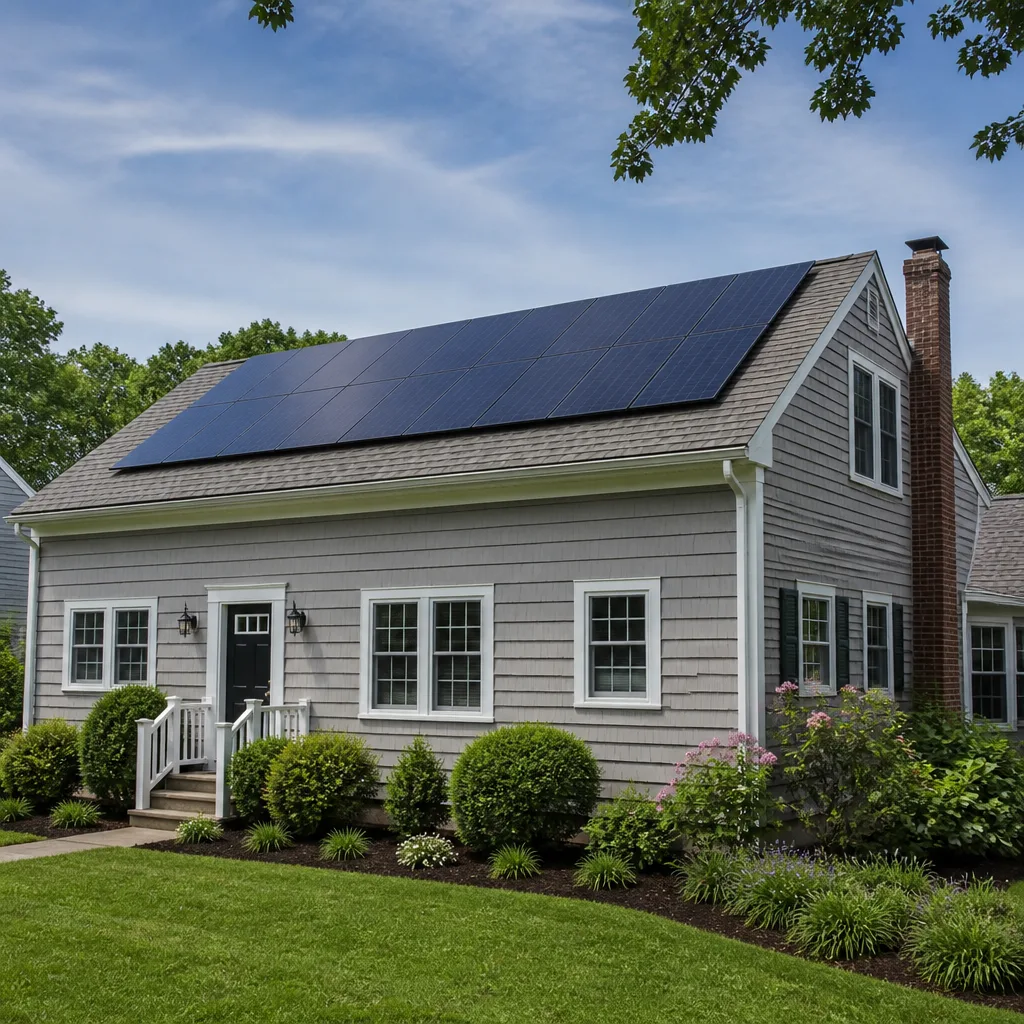
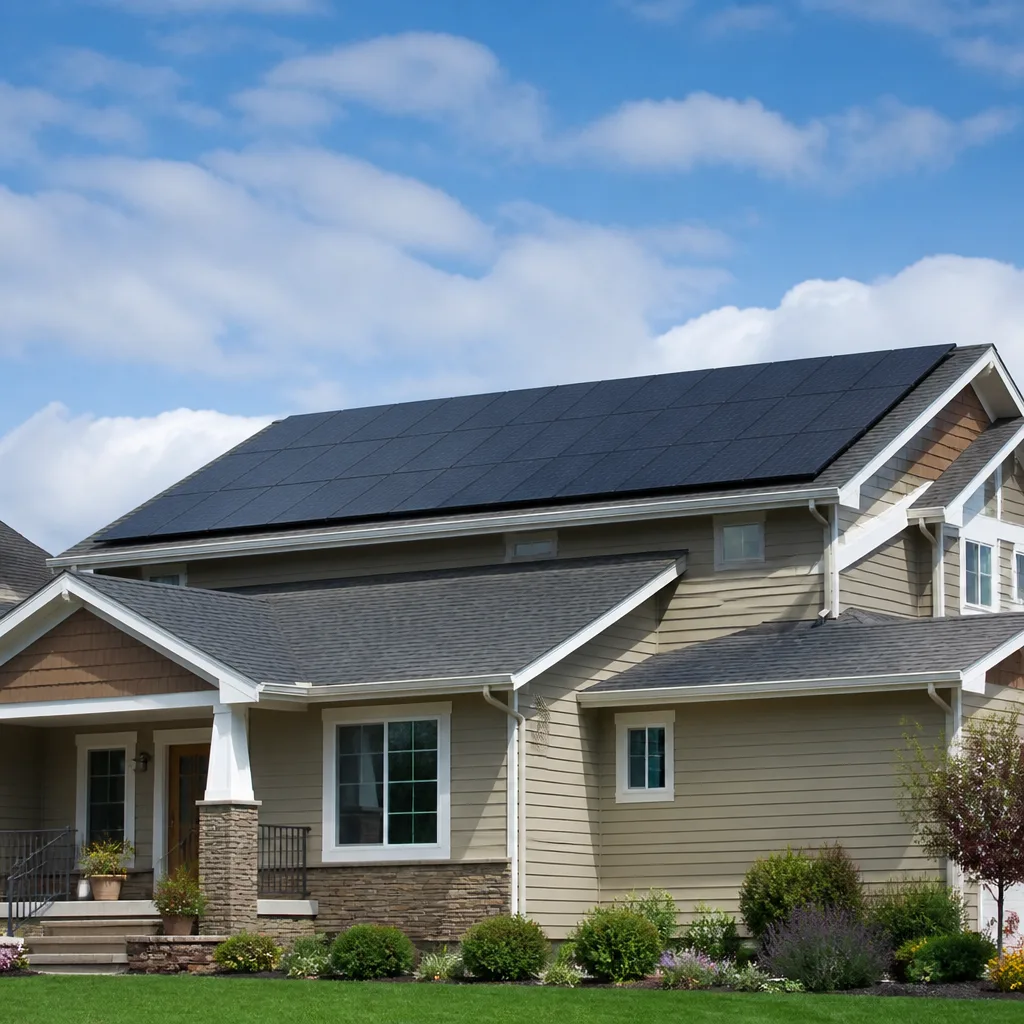
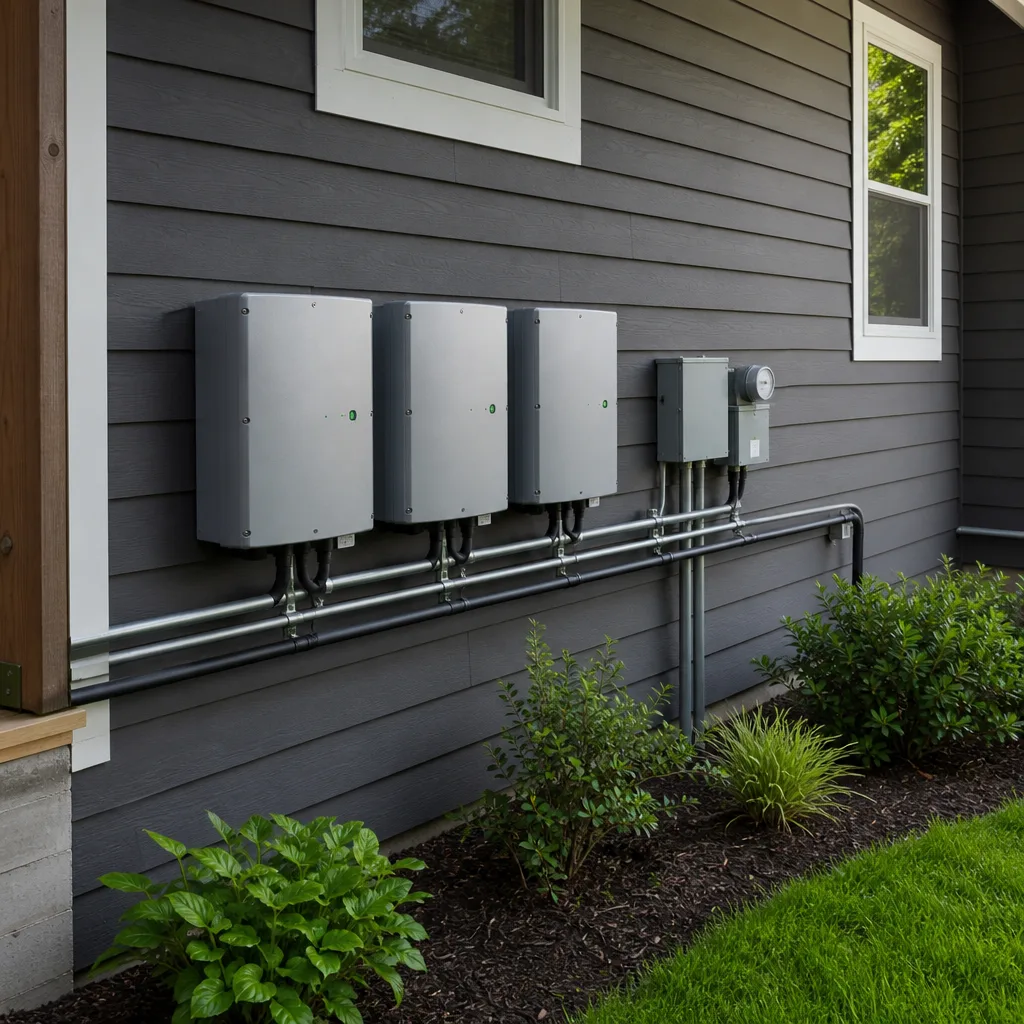
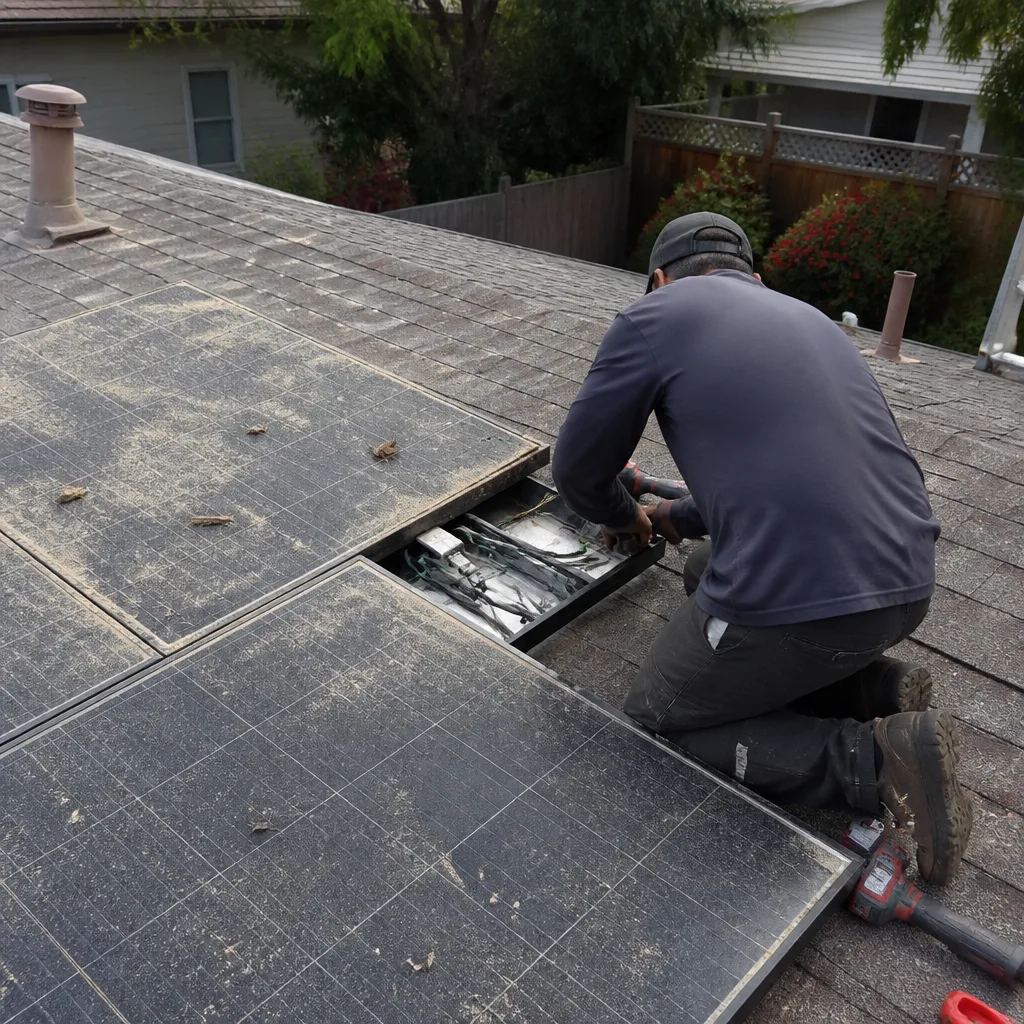 Before
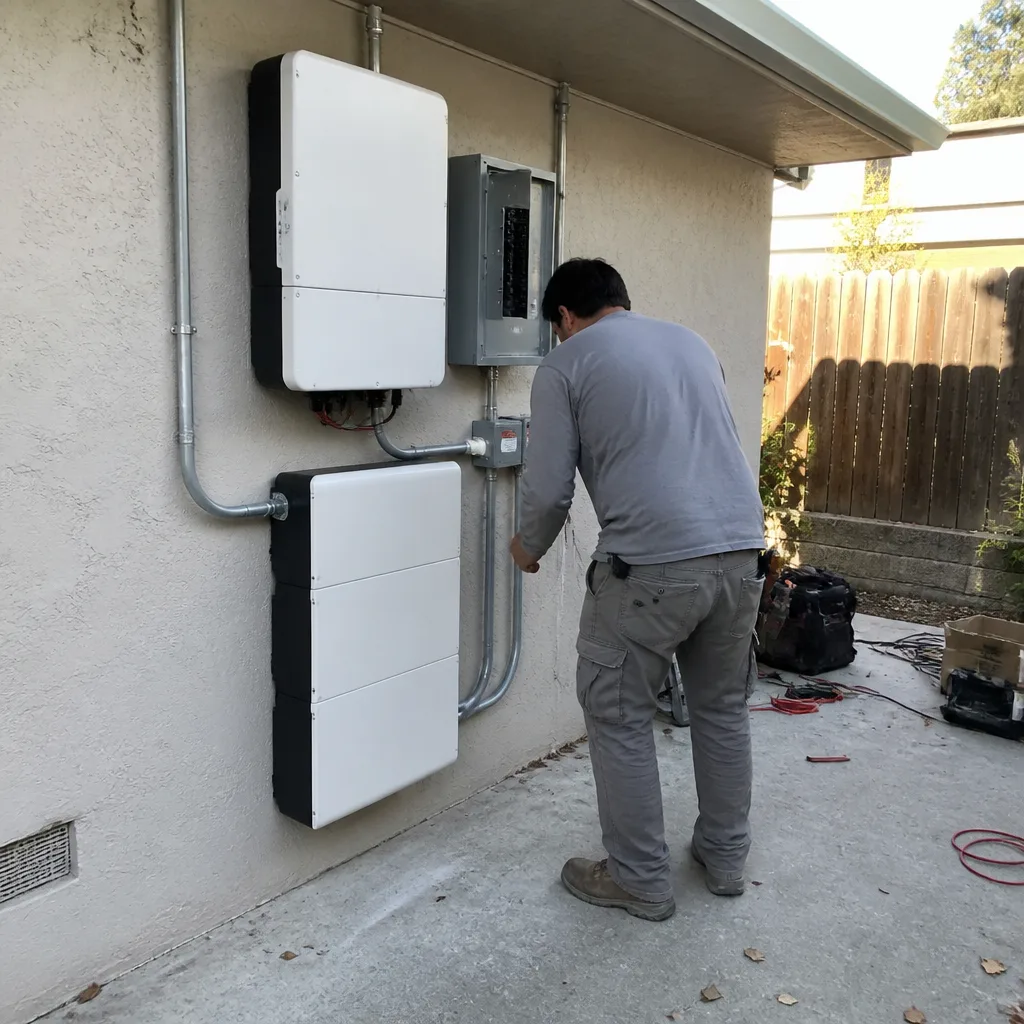 After
After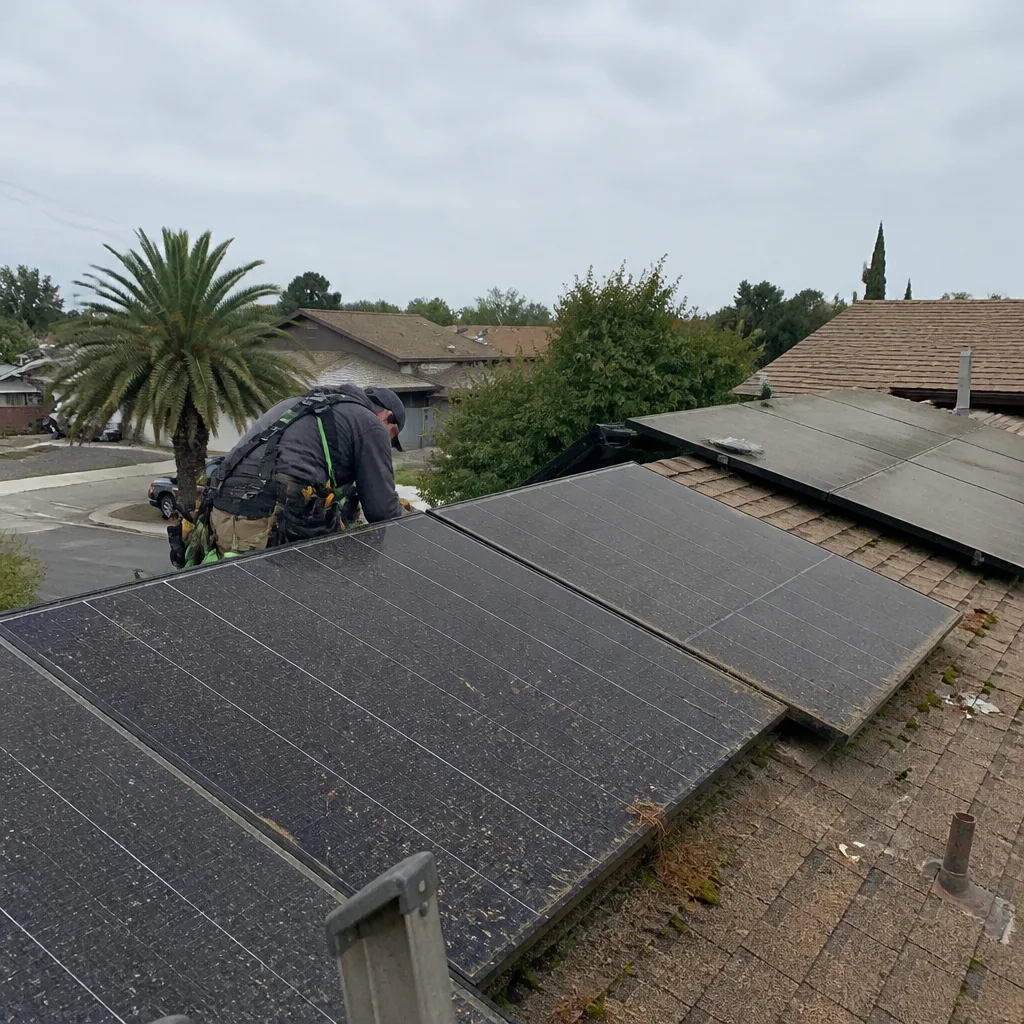 Before
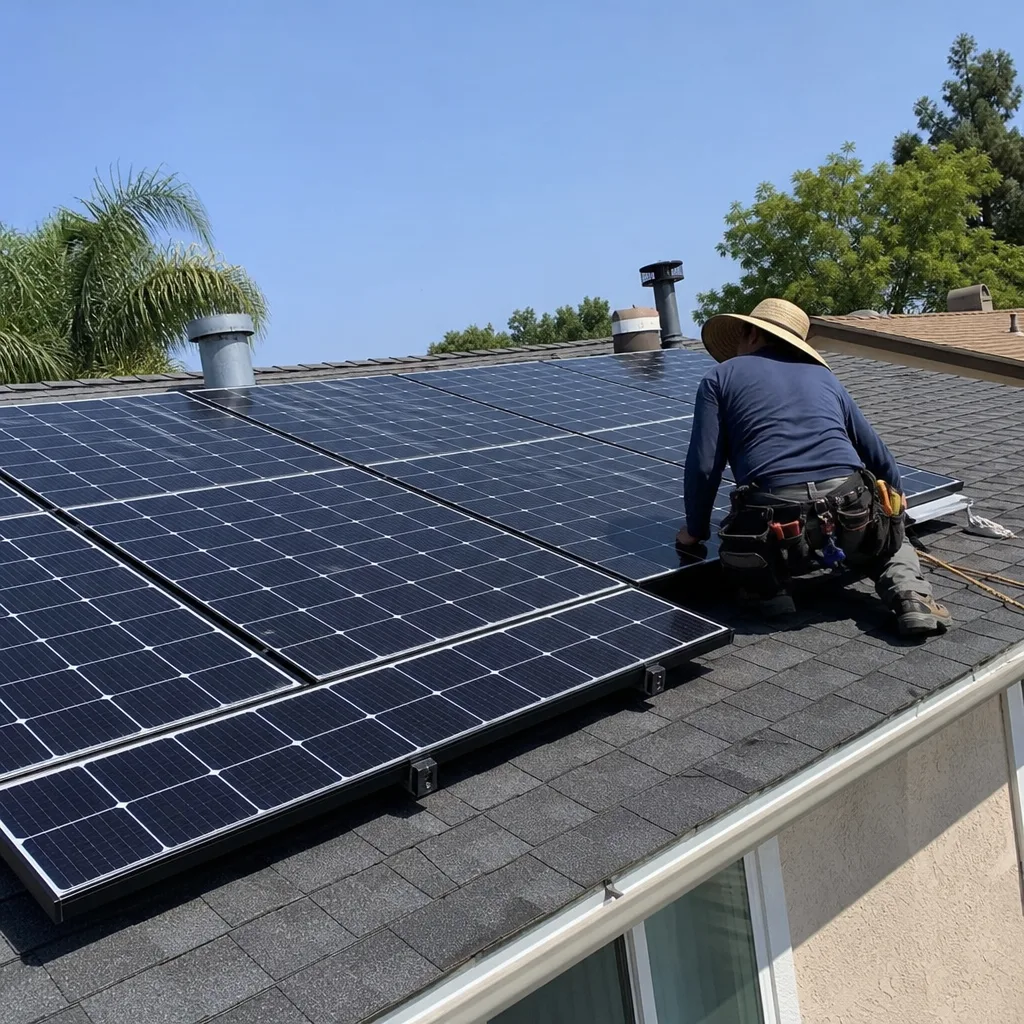 After
After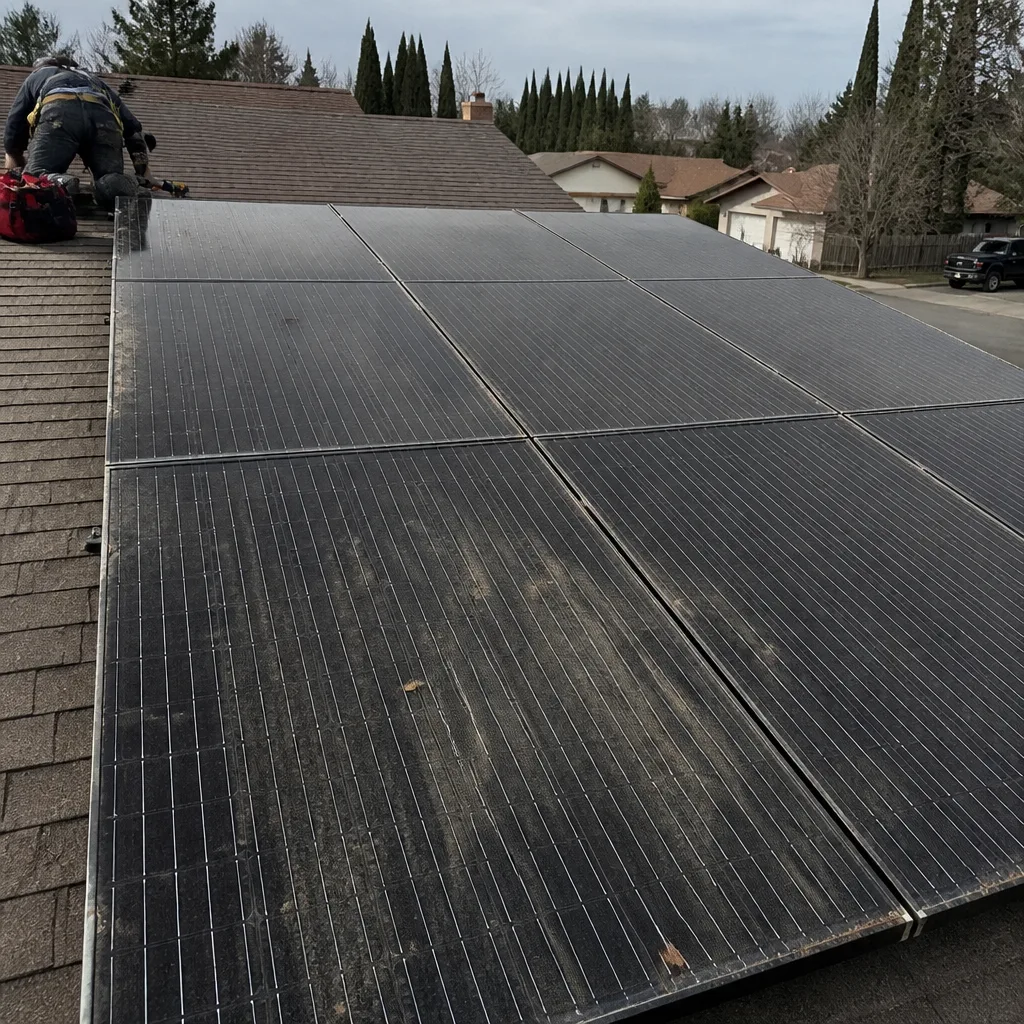 Before
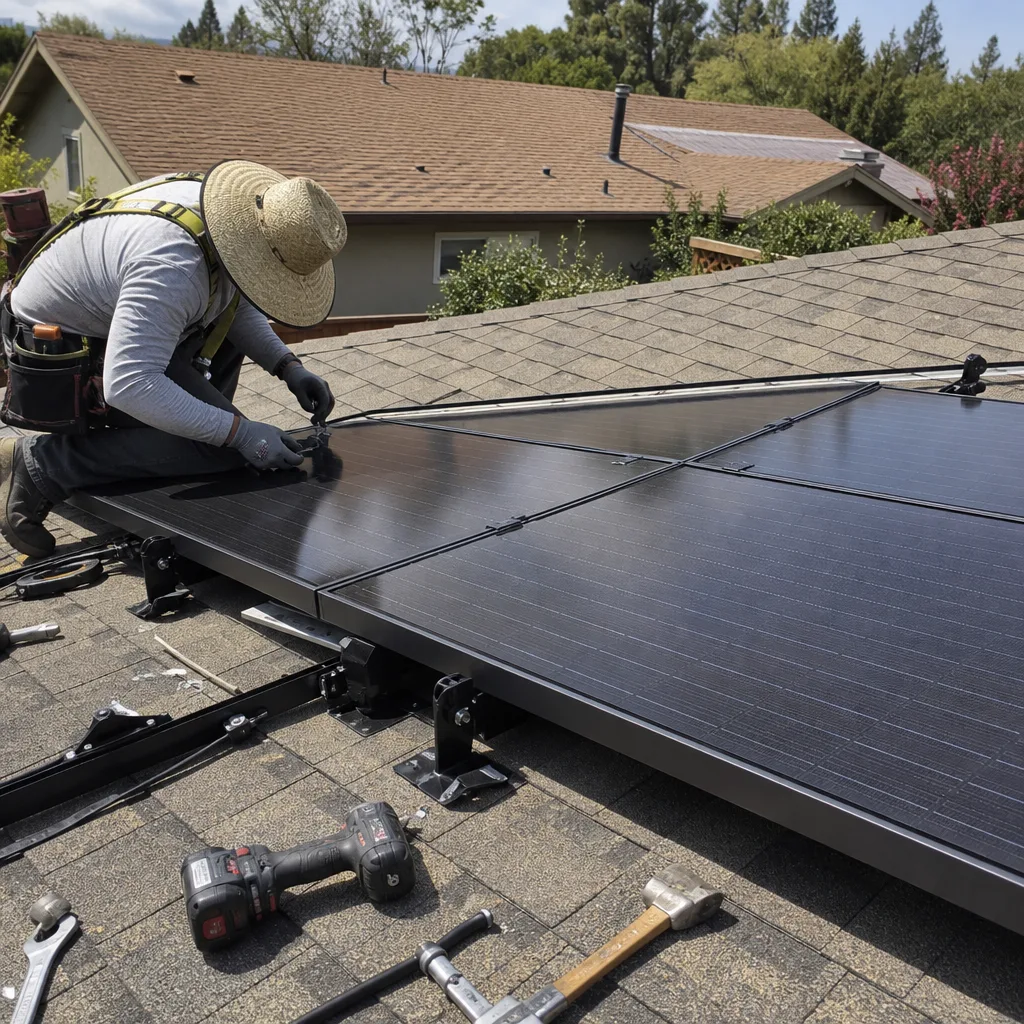 After
AfterFast, Reliable Solar Panel Maintenance & Monitoring Across San Dimas
Solar panel maintenance in San Dimas typically runs $150 to $400 per visit depending on what the system needs, and most diagnostics calls can be scheduled within 72 hours. If your array is underproducing, your monitoring app is throwing errors you can’t decipher, or your SCE true-up statement looks nothing like what the installer promised, that’s exactly the work Gus’s Solar handles every week in San Dimas. We’re a locally owned shop, not a national call center, and when you call (877) 550-6892, a live person answers.
San Dimas sits at the inland base of the San Gabriel Mountains, fully outside the coastal marine layer. That means more usable sun than cities twenty miles west, but it also means your system works harder in summer heat and, on some lots, fights winter mountain shading that rooftop surveys never catch. Maintenance here isn’t a generic checklist. It’s knowing which problems actually show up on San Dimas roofs, which false alarms to ignore, and which small issues will quietly eat your payback period if they go unfixed.
Why Gus’s Solar Is San Dimas’s Preferred Solar Panel Maintenance & Monitoring Company
Gus Petrakis founded Gus’s Solar in 2011, and his name is on the truck, the invoice, and the work. That matters in a town like San Dimas, where homeowners have seen plenty of door-knockers and out-of-state crews come through, quote one number, and vanish after the install. Gus’s crew does the work themselves, background-checked and uniformed, and when something goes wrong with a system we installed or one we maintain, the same people who showed up first come back to fix it.
We’re familiar with the neighborhoods that make San Dimas unique. The split-levels along Arrow Highway built in the 1960s and 70s. The foothill streets up near San Dimas Canyon Road where the ridgeline plays tricks with winter production. The newer developments south of the 210. Each pocket has different wiring, different shading, different service panel realities. That local familiarity means we arrive already knowing what to look for, not starting from zero.
Every maintenance and monitoring job carries the 90-Day Done Right Promise in writing. If something isn’t right, Gus makes it right. No fine print, no dispatch queue, no call center in another state. When you call about your San Dimas system, you talk to a person who can actually answer your question.
Our Solar Panel Maintenance & Monitoring Services in San Dimas
Our Solar Panel Maintenance & Monitoring team covers the full range of what a San Dimas system needs to keep producing at its real, year-25 output. Here’s what that looks like on the ground.
Annual System Inspection
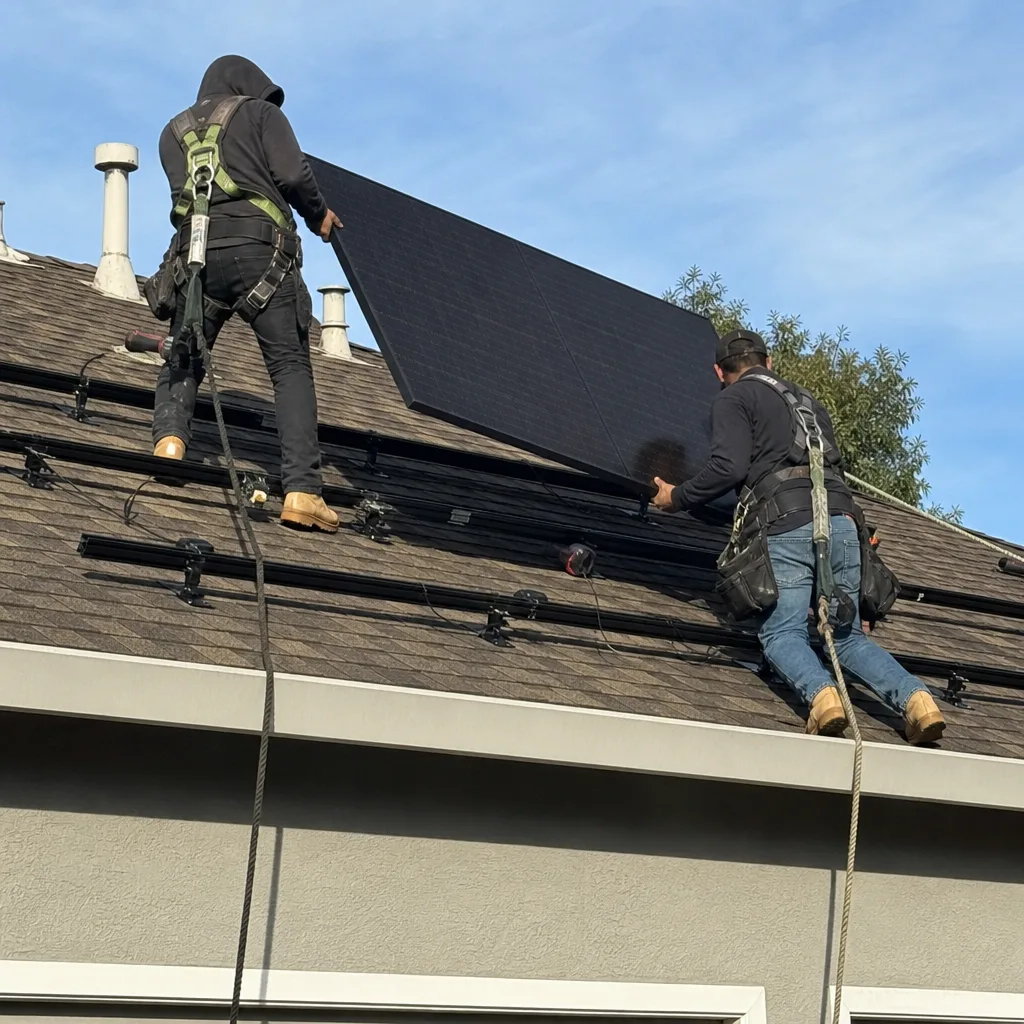
A thorough inspection in San Dimas should never be just a visual walkaround. We check every module connection, torque the mounting hardware, verify the inverter enclosure hasn’t been compromised by foothill dust and heat, and pull production data against what the array’s azimuth and tilt predict. In the 91773 zip, we pay especially close attention to any sign of critter damage under the array, because the dry brush along the foothill edges pushes squirrels and rats up onto roofs more than coastal neighborhoods ever see.
Production Monitoring Setup
If your system was installed without proper monitoring or your app stopped reporting, we set up production tracking that gives you real numbers you can actually read. For San Dimas homeowners on SCE’s tiered rates, that visibility matters more than it does in LADWP territory. A system silently underproducing by 15% during a summer when AC loads push past 100°F is real money on your bill. We configure alerts so they flag genuine faults, not normal seasonal dips.
Underperformance Diagnostics
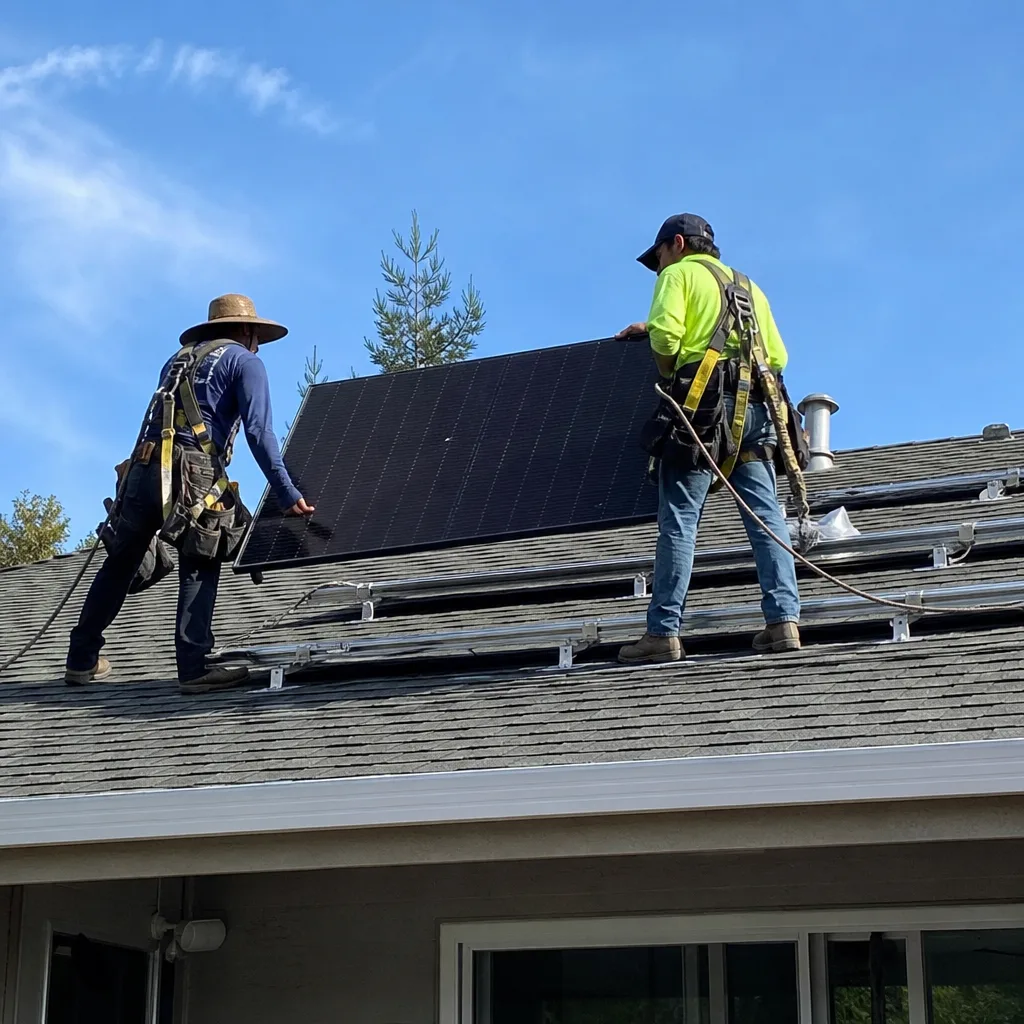
This is the service that catches what other maintenance calls miss. In San Dimas, underperformance usually traces to one of three things: a failed microinverter, a string-level fault, or shading that the original install never accounted for. We don’t just reset the alarm and leave. We pull the inverter’s event log, check per-panel output, and when the numbers suggest shading rather than hardware failure, we run a full horizon analysis instead of swapping parts that don’t need swapping.
Firmware & App Configuration
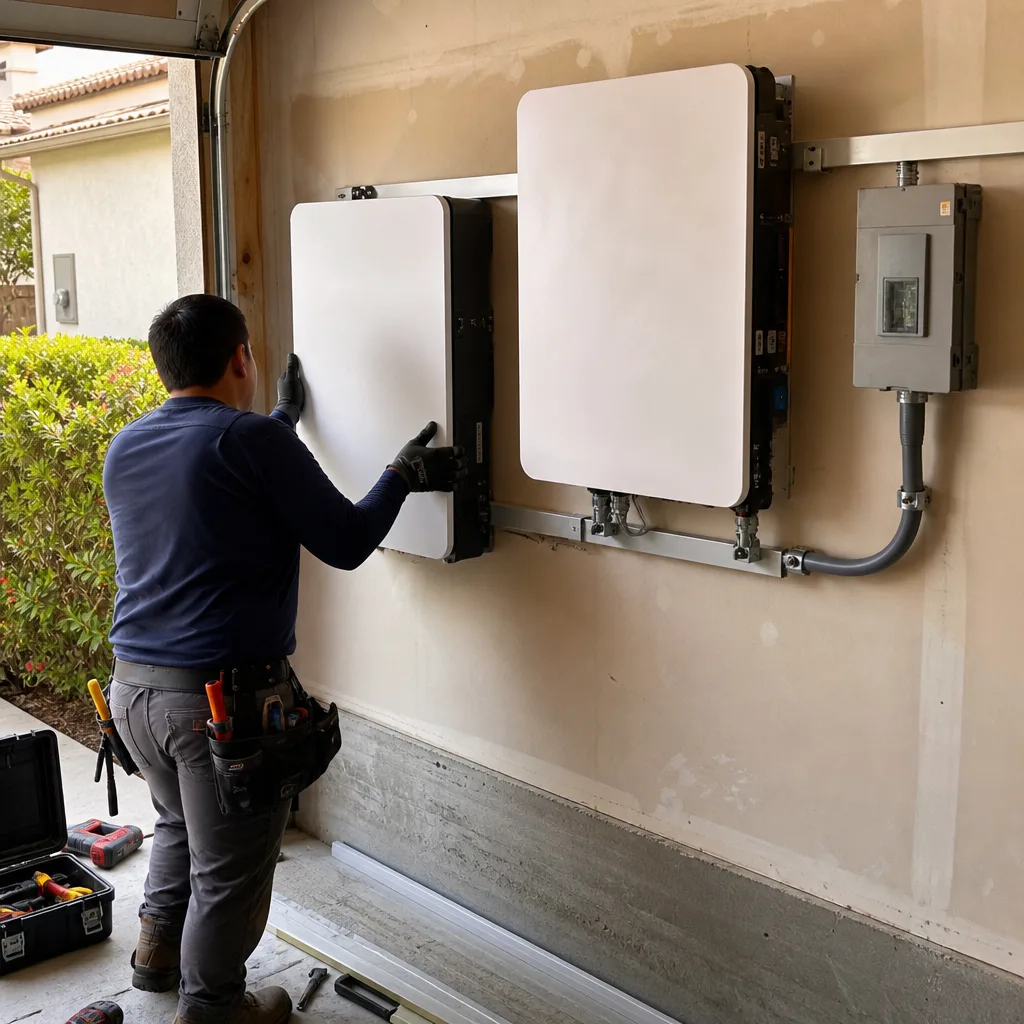
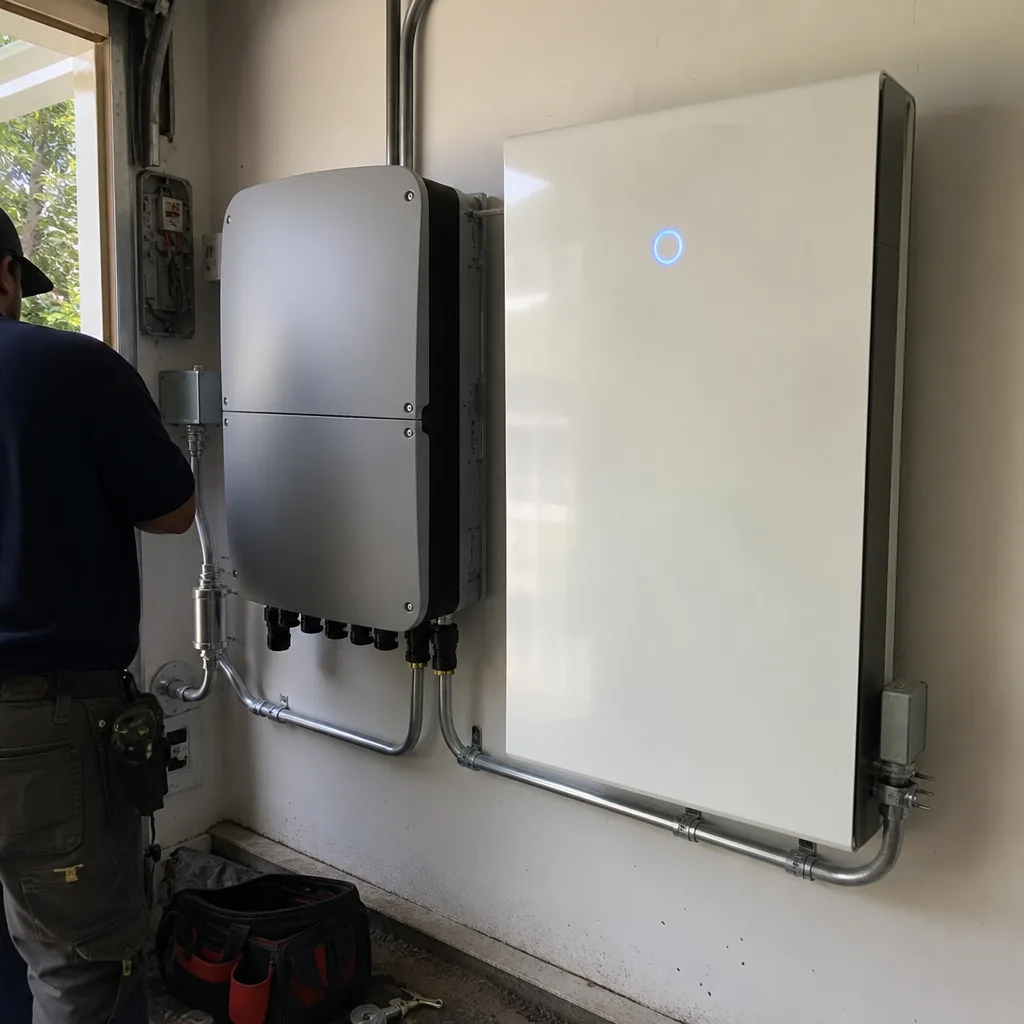
Enphase, SolarEdge, Tesla, and the other major platforms push firmware updates regularly, and a system that’s three versions behind can report errors that aren’t real faults. We handle updates, reconfigure monitoring thresholds for San Dimas’s actual solar conditions, and make sure your app shows production data that matches what SCE bills. We work with equipment from Panasonic, Canadian Solar, JinkoSolar, FranklinWH, and the rest of the major brands.
What happens when you call
- 1
A real person answersNo phone trees - you reach a local pro.
- 2
You get an upfront price rangeHonest numbers before anyone is dispatched.
- 3
A background-checked tech heads outLicensed & insured, dispatched right away.
- 4
You approve before work beginsNothing starts until you say go.
Trusted Brands We Service in San Dimas
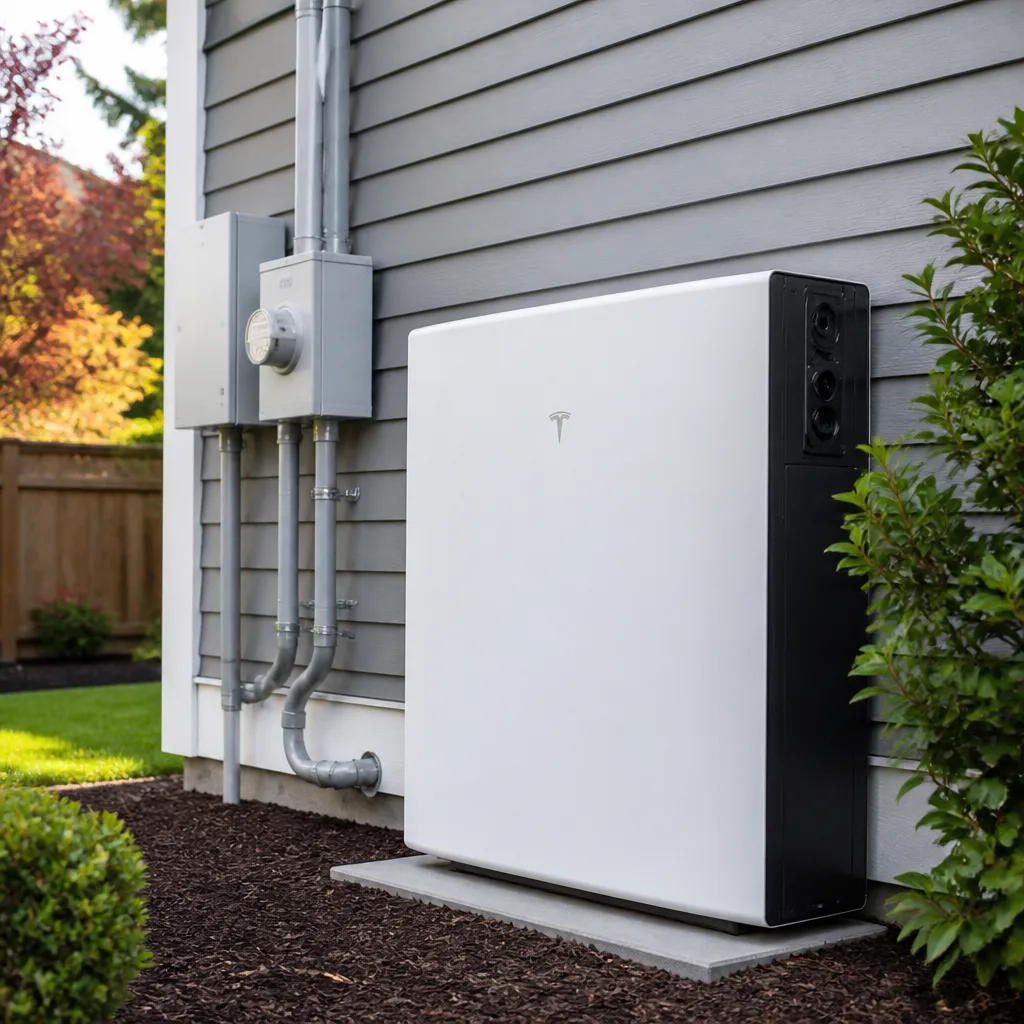
We maintain and monitor systems built around Enphase microinverters, SolarEdge string inverters, Tesla Powerwall batteries, and panels from Panasonic, Canadian Solar, and JinkoSolar. Because we see these systems across San Dimas regularly, we know which firmware versions have known bugs, which inverter models fail more in foothill heat, and which monitoring platforms need configuration tweaks for SCE’s billing structure. We keep common replacement parts on hand for faster turnaround, and we don’t tell you to wait three weeks for a part that should be in stock.
Common Solar Panel Maintenance & Monitoring Problems We See in San Dimas Homes
- Winter afternoon shading near the foothills. Homes on the north and northeast edges of San Dimas, especially near San Dimas Canyon Road, sit close enough to the San Gabriel ridgeline that winter sun drops behind the mountain by mid-afternoon. The array is fine. The production estimate is wrong. Owners think the inverter is failing when it’s actually a shading reality no one measured.
- Dust and heat stress on inverters. San Dimas summers routinely pass 110°F, and inverters mounted on west-facing walls or in unshaded enclosures run hotter than their nameplate ratings anticipate. We see thermal derating on sunny July afternoons that looks like a fault on the monitoring app but is actually the hardware protecting itself.
- Original 100-125A service panels limiting monitoring upgrades. Many of the 1960s to 1980s split-levels around San Dimas still carry their original electrical panels. When a maintenance visit turns up the need for a panel upgrade before monitoring or battery integration can be completed, the delay isn’t our scheduling, it’s SCE approval and Wildland-Urban Interface fire zone permitting.
- False underperformance tickets from bad monitoring thresholds. When the original installer left the production estimate at a flat annual number, winter production in San Dimas will always look like a failure. We reconfigure those thresholds so the app tracks seasonal reality instead of triggering alerts every December.
Pricing for Solar Panel Maintenance & Monitoring in San Dimas, CA
Here are real numbers for the San Dimas market. An annual system inspection runs $150 to $250. Production monitoring setup, including app configuration and alert thresholds, runs $200 to $350. Underperformance diagnostics runs $250 to $400 depending on whether the fault is a single microinverter replacement or a full string-level investigation requiring a horizon shading analysis. Firmware updates and app reconfiguration run $100 to $175. Preventive maintenance plans covering annual inspection plus monitoring review run $275 to $450 per year.
What moves the price: roof access difficulty on steep foothill lots, whether your system uses microinverters or a central string inverter, and whether we’re diagnosing a known failure or hunting an intermittent issue. There’s no trip charge inside our own county, and estimates are free. Call (877) 550-6892 and we’ll give you a number before we schedule anything.
Take two weeks. Think about it. The price will be the same.
We Also Serve Cities Near San Dimas
Gus’s Solar handles Solar Panel Maintenance & Monitoring in San Dimas and the surrounding foothill communities. If you’re in Charter Oak, La Verne, Pomona, or Glendora, the same crew, the same response time, and the same straight pricing applies. We schedule San Dimas work alongside those neighboring cities, so wait times stay short and we’re never stretched thin when summer heat spikes demand.
Serving San Dimas, CA - Our Local Coverage Area
We’re based in the San Dimas area and know this community well. Use the map below to see our service coverage - if you’re nearby, we can almost certainly help.
FAQs - Solar Panel Maintenance & Monitoring in San Dimas
In San Dimas, the answer is usually the San Gabriel Mountain ridgeline. Homes north of the 210, especially near San Dimas Canyon Road, lose direct sun in the afternoon during winter months because the mountain blocks the low sun angle. Your panels aren’t dirty and the inverter isn’t failing. The original production estimate was modeled on a flat annual average that never accounted for real horizon shading. The fix is a shading analysis and a reconfigured monitoring baseline, not a hardware replacement. Call (877) 550-6892 and we’ll run the numbers before touching anything.
You can add monitoring to a 100A panel, yes. The monitoring hardware draws almost nothing and doesn’t require a service upgrade on its own. But if your maintenance visit reveals that you also need battery backup or expanded solar capacity, the original 100A panel will likely need replacement first. That upgrade triggers SCE review and, in San Dimas’s Wildland-Urban Interface fire zones along the northern foothill edges, additional permitting. We’ll tell you honestly whether a panel upgrade is actually needed or whether your monitoring goals work fine without it.
Extreme summer heat in San Dimas, regularly 110°F during heat events, pushes both panels and inverters below their nameplate efficiency. That’s physics, not a defect. What maintenance should do is verify the inverter mounting location isn’t adding unnecessary heat, check that enclosures have proper airflow, and confirm the monitoring system is comparing output against temperature-adjusted expectations rather than the day-one brochure number. We quote the year-25 output, not the day-one brochure number, and that includes accounting for San Dimas heat.
Yes. In San Dimas’s fire zones along the northern foothill edges, your monitoring setup should include backup battery state-of-health tracking and alert thresholds configured for heat-related derating. Powerwall systems in the WUI also benefit from annual thermal imaging of the battery and inverter connections, because the dry heat accelerates connection wear. We configure the Tesla app’s alerts to distinguish between normal summer derating and actual faults, so you’re not getting false alarms every August afternoon. Bring us a bill, we’ll bring you the math.
Often, yes. When a San Dimas homeowner’s true-up bill far exceeds the original prediction, the cause is usually one of three things: the system underproduced due to an undiagnosed fault, the production estimate ignored foothill shading, or the original sizing math used a generic SCE rate assumption instead of your actual usage pattern. We start by pulling your system’s real production history, comparing it against a proper shading and temperature model, and reconciling it with your actual SCE bills. Then we fix what’s fixable and give you honest numbers about what isn’t. If a salesman needs an answer tonight, the answer is no. Call (877) 550-6892 for a straight read on your system.
Local Conditions That Make San Dimas Maintenance Different
Homes on the north and northeast edges of San Dimas, particularly near San Dimas Canyon Road, sit close enough to the San Gabriel Mountain ridgeline that winter sun angles cause meaningful afternoon mountain shading. This is a production loss that rooftop-only surveys miss entirely. A drone survey can’t see the ridgeline. A satellite image can’t model how the sun tracks behind it from November through February. Catching it requires a full horizon shading analysis before signing a 25-year lease, and it’s the difference between a system that meets its true-up numbers and one that misses them by 20% every winter.
We had a maintenance call on a 1970s ranch near San Dimas Canyon Road where the owner’s Enphase microinverters kept flagging low afternoon output, but the panels looked spotless. Our tech pulled the solar horizon profile from the array’s azimuth and tilt, walked the roofline with a Solmetric SunEye, and found the winter sun disappearing behind the ridgeline by 2:30 pm. Not a fault, but a shading reality the initial rooftop survey never measured. We reconfigured the monitoring alerts so the production estimate reflects that seasonal drop, and now the system’s true-up statement matches its actual kWh offset instead of triggering false underperformance tickets every December.
That’s the kind of thing that only comes from working in San Dimas, not from reading a generic solar maintenance script. The same hardware on a flat coastal roof in Claremont behaves differently than it does on a shaded foothill lot off San Dimas Canyon Road. The same 100A panel on a 1970s split-level in the 91773 zip carries different constraints than a modern panel in a new development south of the 210. If you want maintenance and monitoring that understands those differences, that’s what we do.
Call Gus’s Solar for San Dimas Solar Panel Maintenance & Monitoring
If your system isn’t producing what it should, your monitoring app is confusing more than it’s clarifying, or your SCE bill looks wrong, call us at (877) 550-6892. We’ll send someone who knows San Dimas roofs, San Dimas shading, and San Dimas electrical panels. The estimate is free, the price we quote is the price you’ll pay, and if it’s not done right, Gus makes it right. That’s been the standard since 2011, and it’s not changing.
Written by Gus Petrakis, Owner at Gus’s Solar, serving San Dimas since 2011.