

Free bill analysis - bring a power bill, get the production math for your actual roof, panel brands like Qcells and REC compared side by side
If the pitch starts at your door and ends with "sign tonight for the special," sleep on it. The sun will still be there tomorrow; so will we.

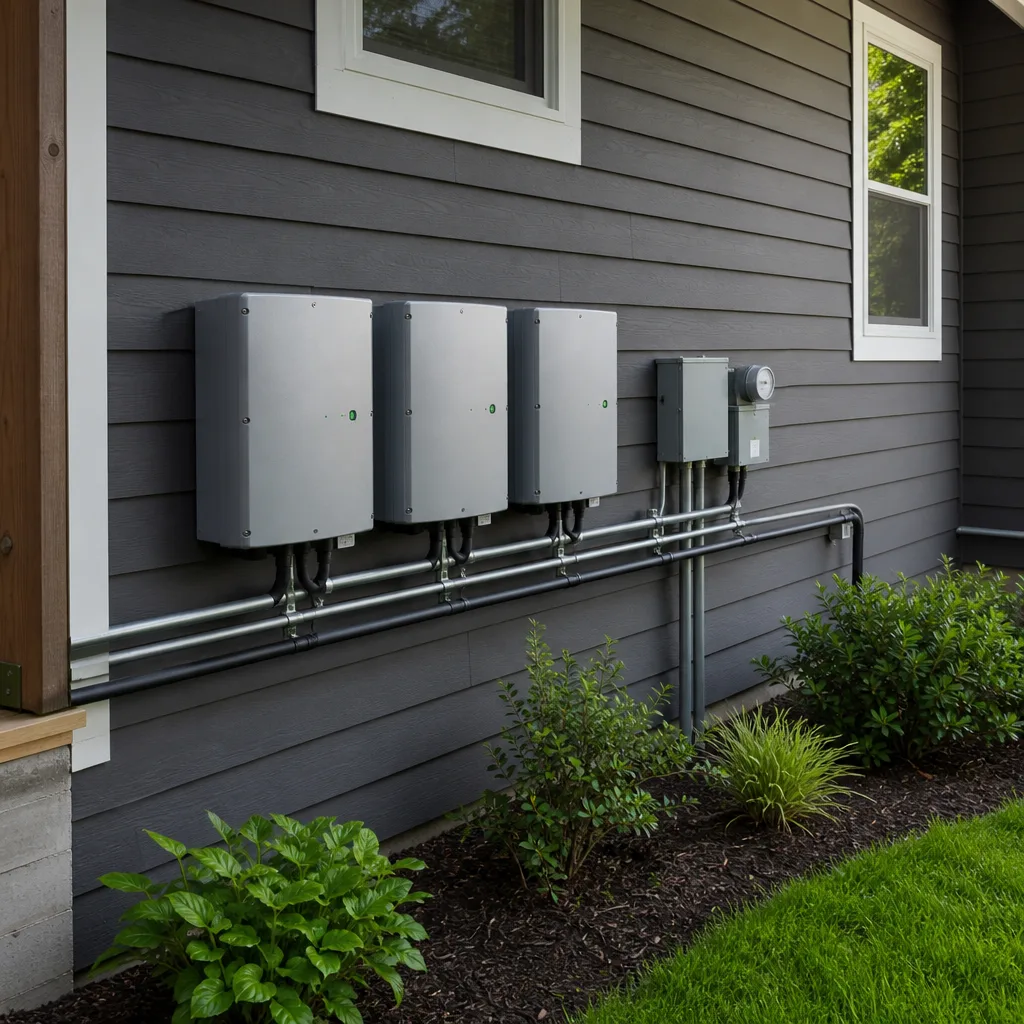
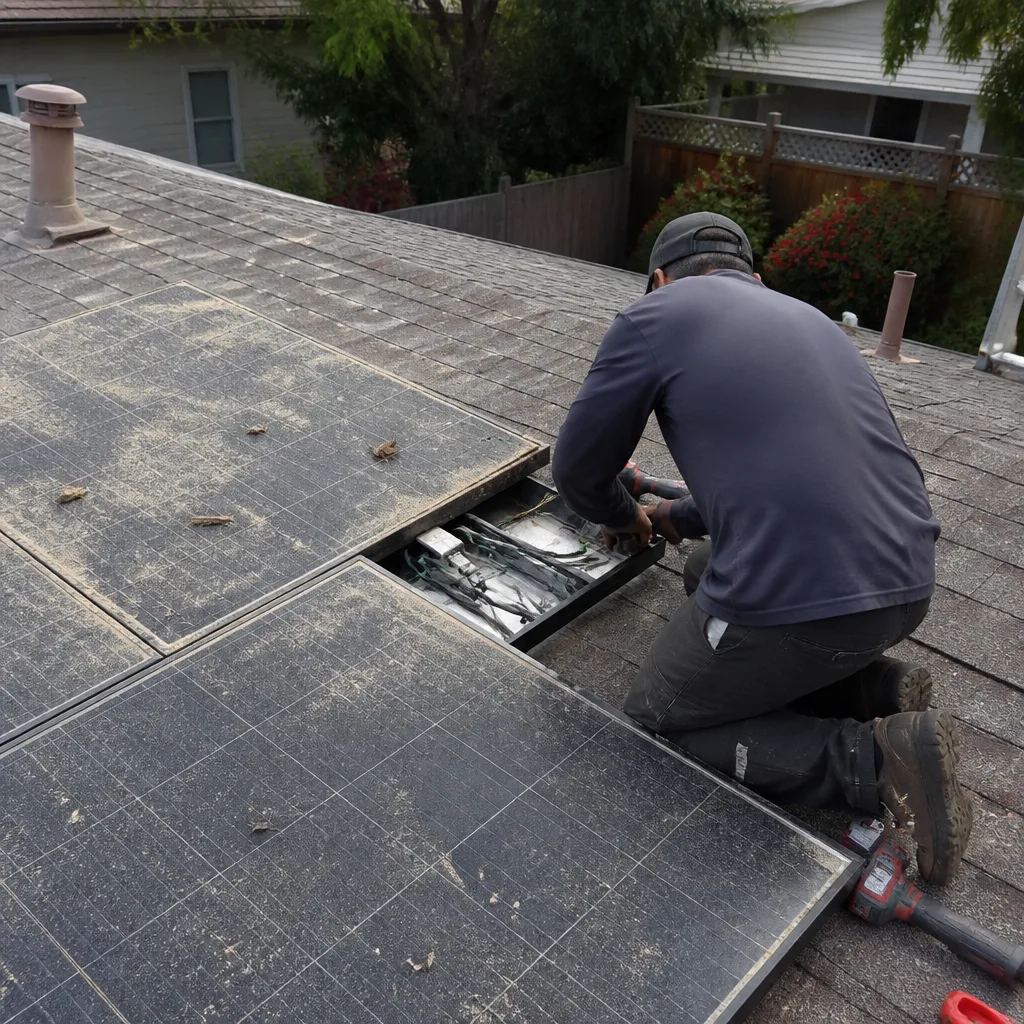 Before
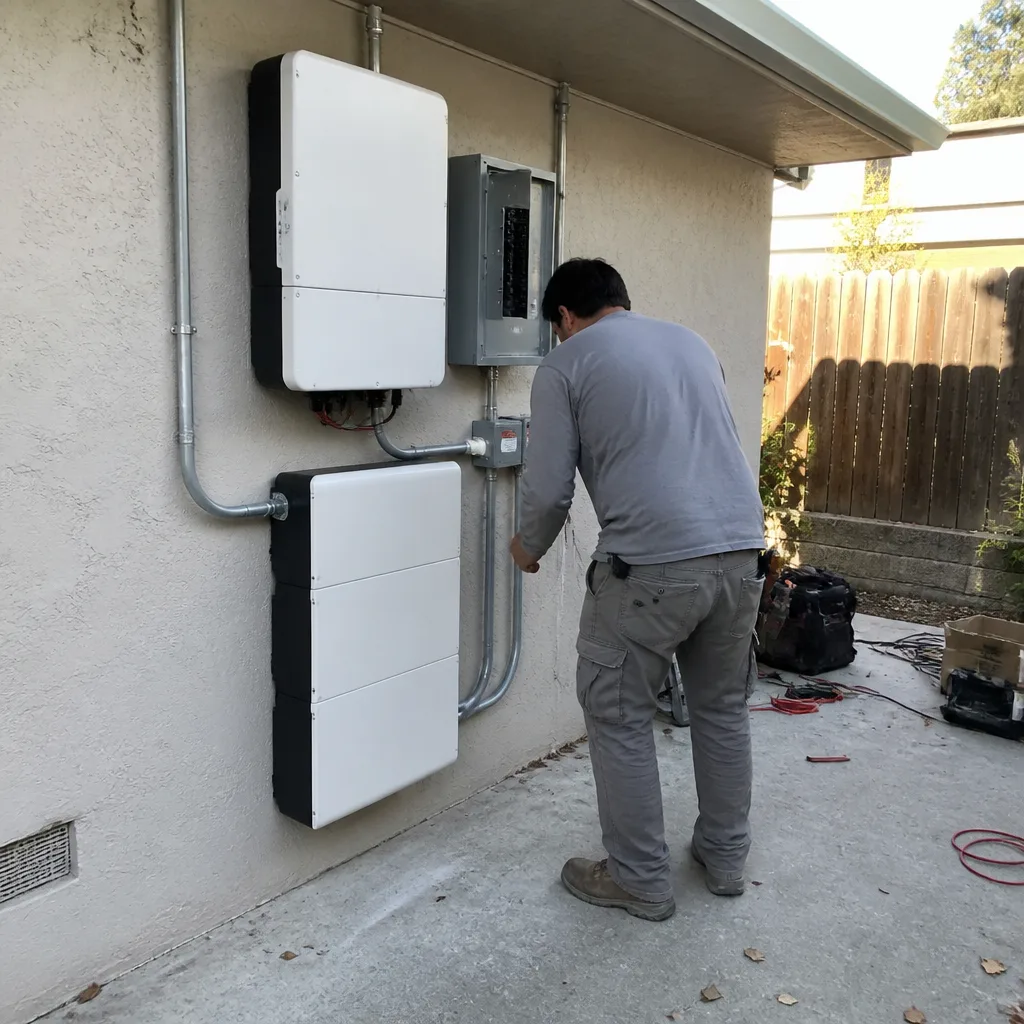 After
After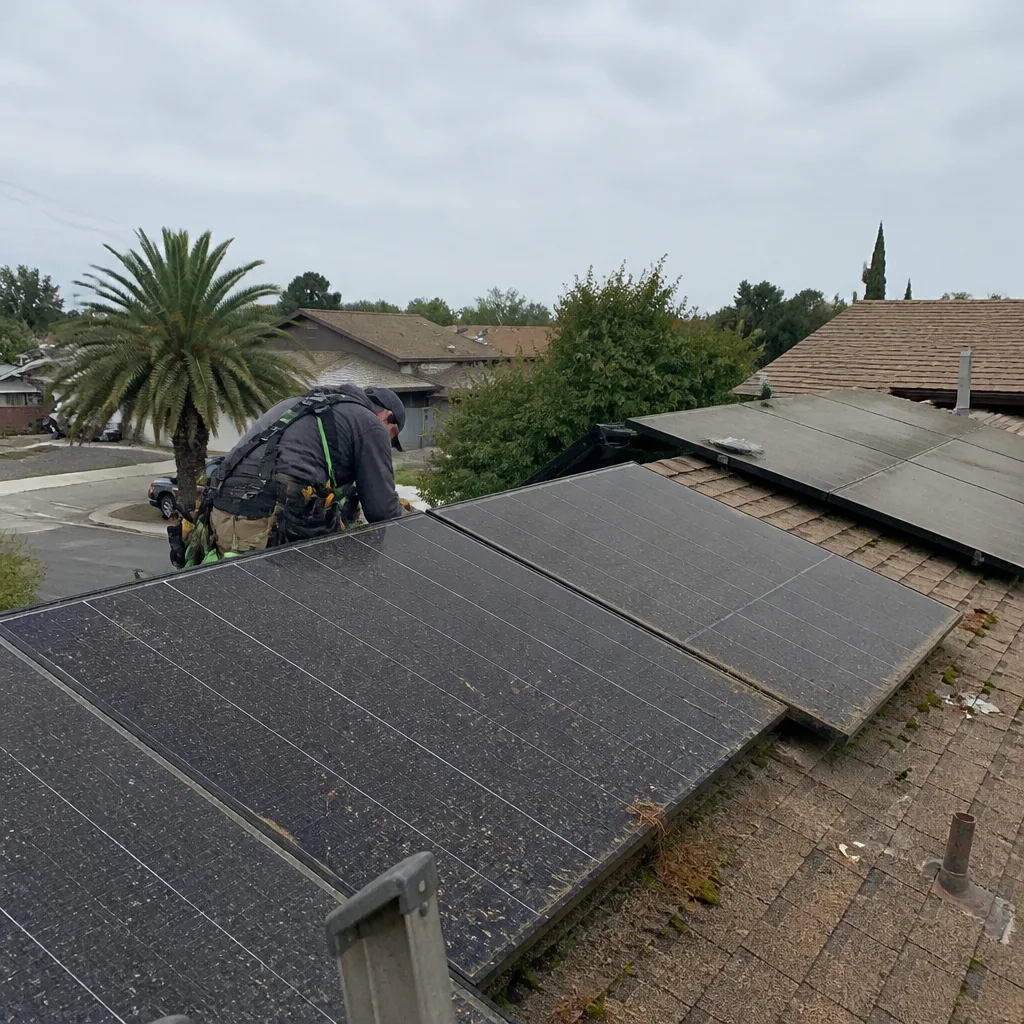 Before
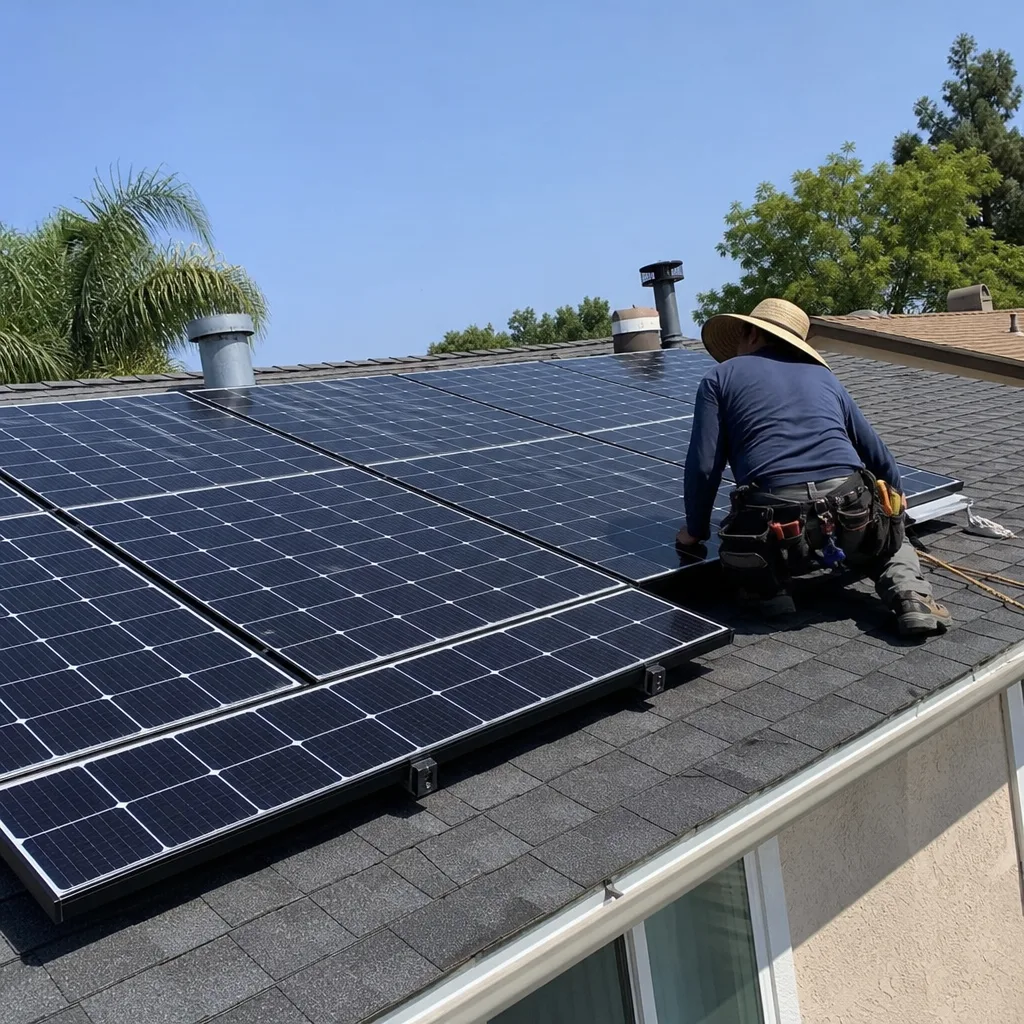 After
After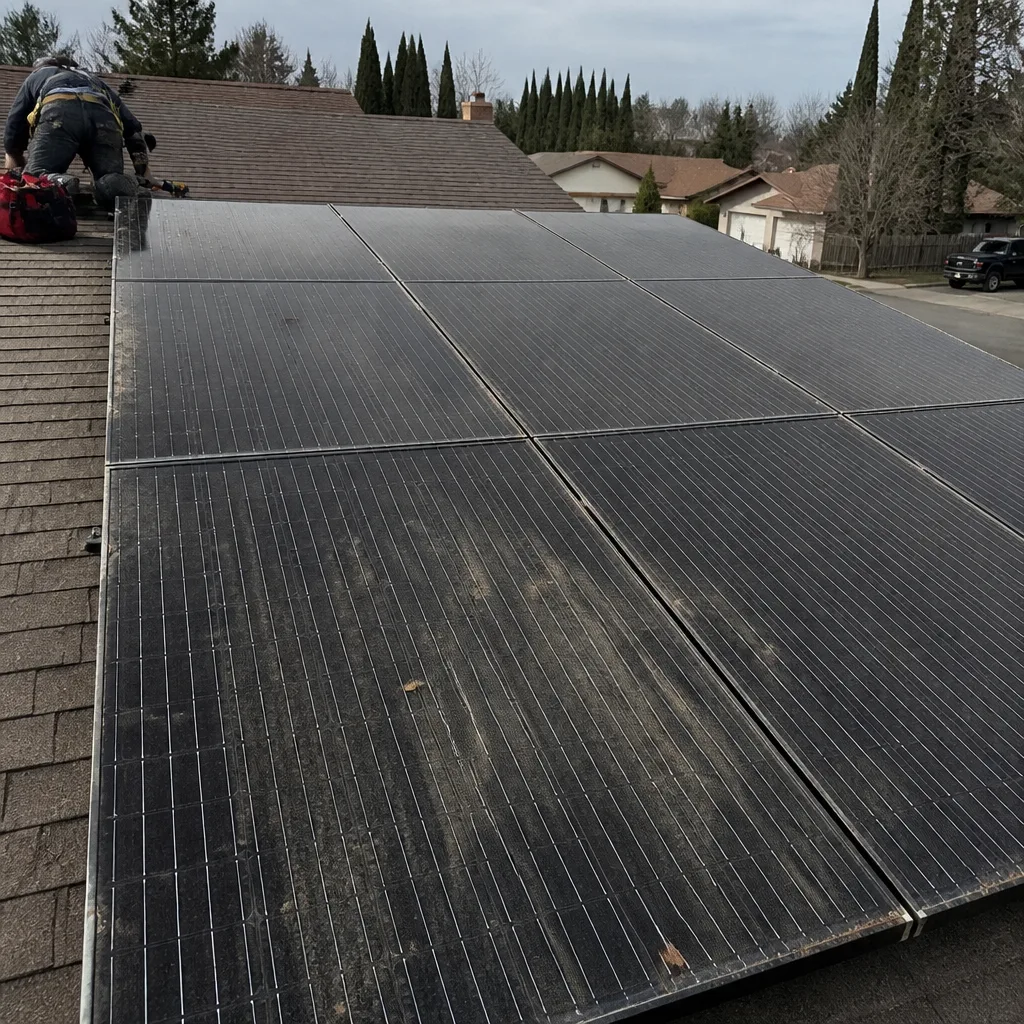 Before
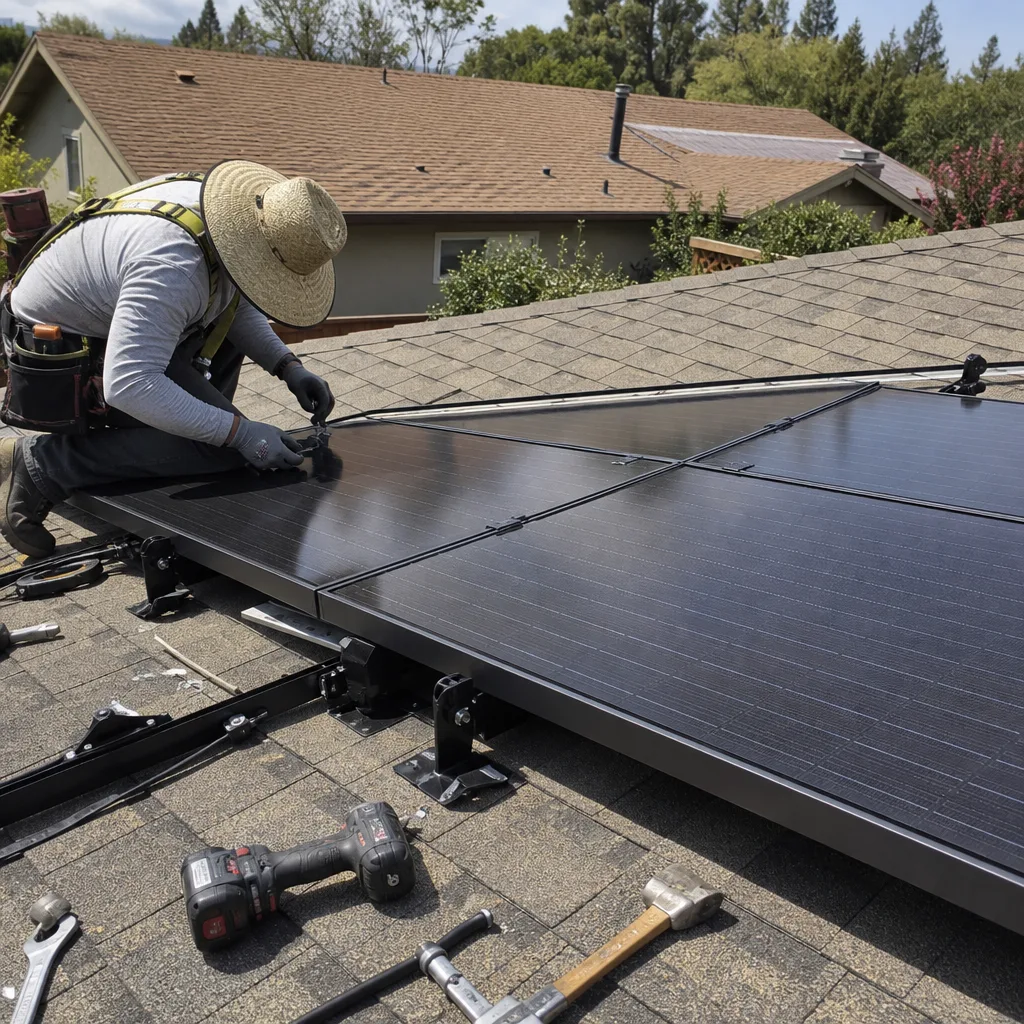 After
AfterFast, Reliable Solar Panel Maintenance & Monitoring Across Piñon Hills
Solar panel maintenance in Piñon Hills isn’t a once-a-decade afterthought. At 4,000 feet on the high-desert side of the San Gabriel Mountains, your array deals with snow load, Cajon Pass wind gusts, and intense UV that most lower-desert systems never see. A neglected system here loses production quietly, and by the time you notice the true-up bill, you’ve already paid for it. Gus’s Solar handles inspection, monitoring setup, diagnostics, and firmware work for Piñon Hills homeowners who’d rather catch a $200 torque issue than eat a $2,000 inverter failure. Call (877) 550-6892 and we’ll send someone who actually knows this terrain.
Why Gus’s Solar Is Piñon Hills’s Preferred Solar Panel Maintenance & Monitoring Company
Gus Petrakis founded this company in 2011 and put his own name on the truck. That matters in Piñon Hills, where a lot of folks have already been through the door-knocker routine and watched the installer vanish the week after the permit closed. We’re still here, still answering the phone, and still showing up on Sheep Creek Road, Phelan Road, and the dirt drives off Highway 138.
Our Solar Panel Maintenance & Monitoring crew knows that Piñon Hills homes aren’t tract-built boxes. Most sit on 2.5 to 5 acres, with 4/12 or steeper roofs built to shed snow. That changes how we inspect racking, how we check microinverter torque, and what we look for after a windy January. We also respect that you probably want one trip, done right, with a real person explaining what they found. That’s how Gus runs every job. When you call, a live person answers. Not a voicemail, not a portal. Day or night.
We serve the whole 92372 ZIP code and the surrounding high desert, and we’re familiar with the specific failure patterns that show up after snow, wind, and heat-pump retrofits. You won’t have to explain your property to us twice.
Our Solar Panel Maintenance & Monitoring Services in Piñon Hills
Annual System Inspection
Every Piñon Hills array should get a full inspection once a year, and ideally right after the last snow melts. We check rail splice torque, mid-clamp tension, microinverter connections, and roof penetration flashing. Snow sliding off a 4/12 roof exerts shear force on clamps and trunk cables that lower-desert systems never experience. An annual inspection in Piñon Hills typically runs $180 to $260. Catching a loosened mid-clamp in March is a lot cheaper than replacing a bowed rail in August.
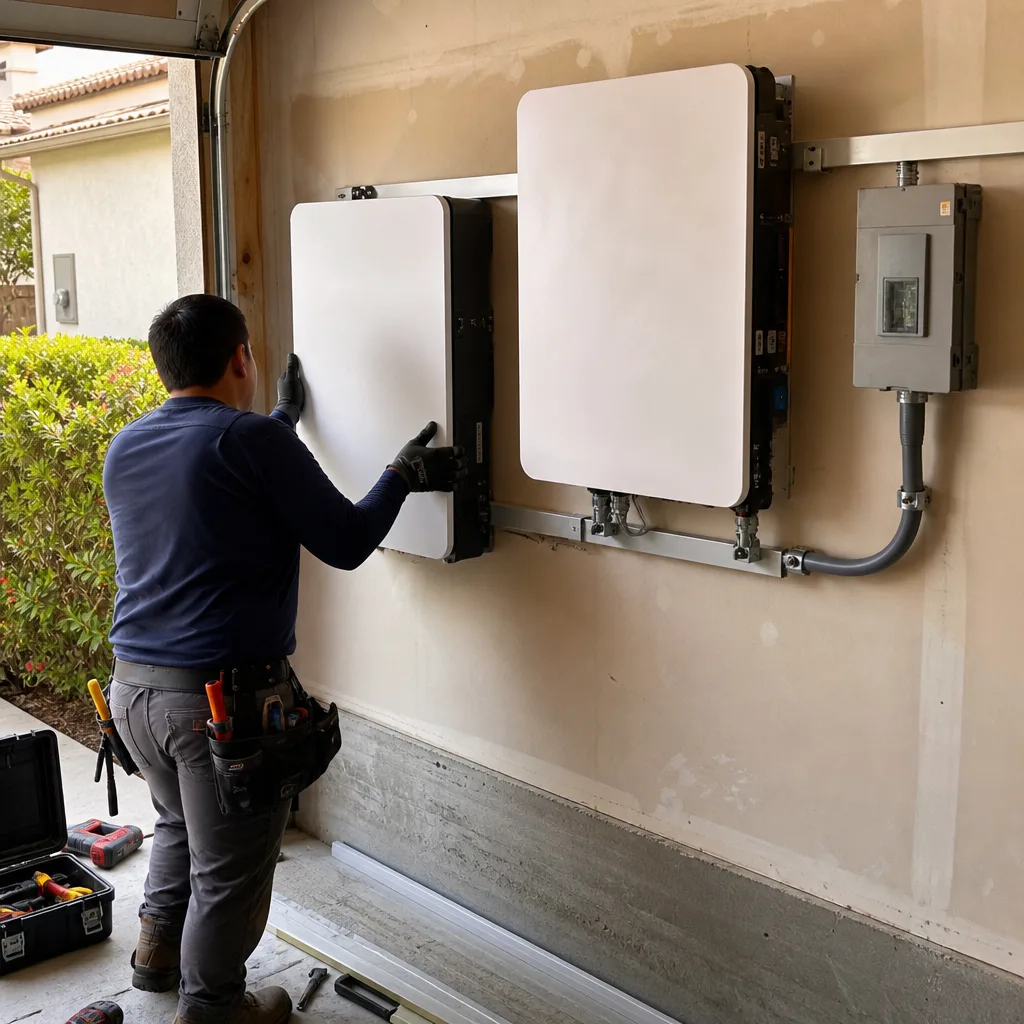
Production Monitoring Setup
If your system was installed without owner-facing monitoring, you’re flying blind. We set up Enphase, SolarEdge, and other brand apps so you can see production by panel, by day, by snow event. For Piñon Hills specifically, we configure alerts for the failure modes that matter here: sudden production drops after wind events, grid-voltage fault logs during SCE outages, and inverter derating on cold propane-backup mornings. Setup usually takes one visit, and we walk you through the app before we leave.
Underperformance Diagnostics
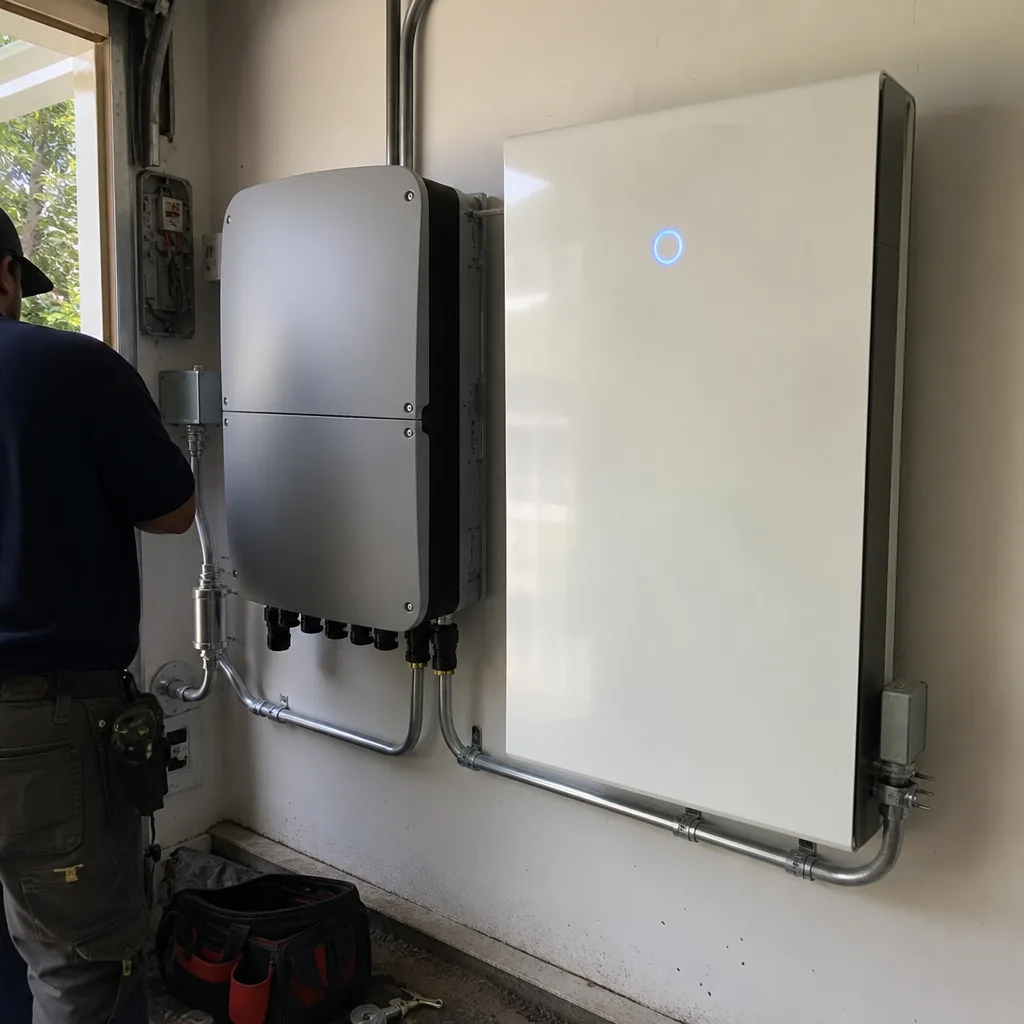
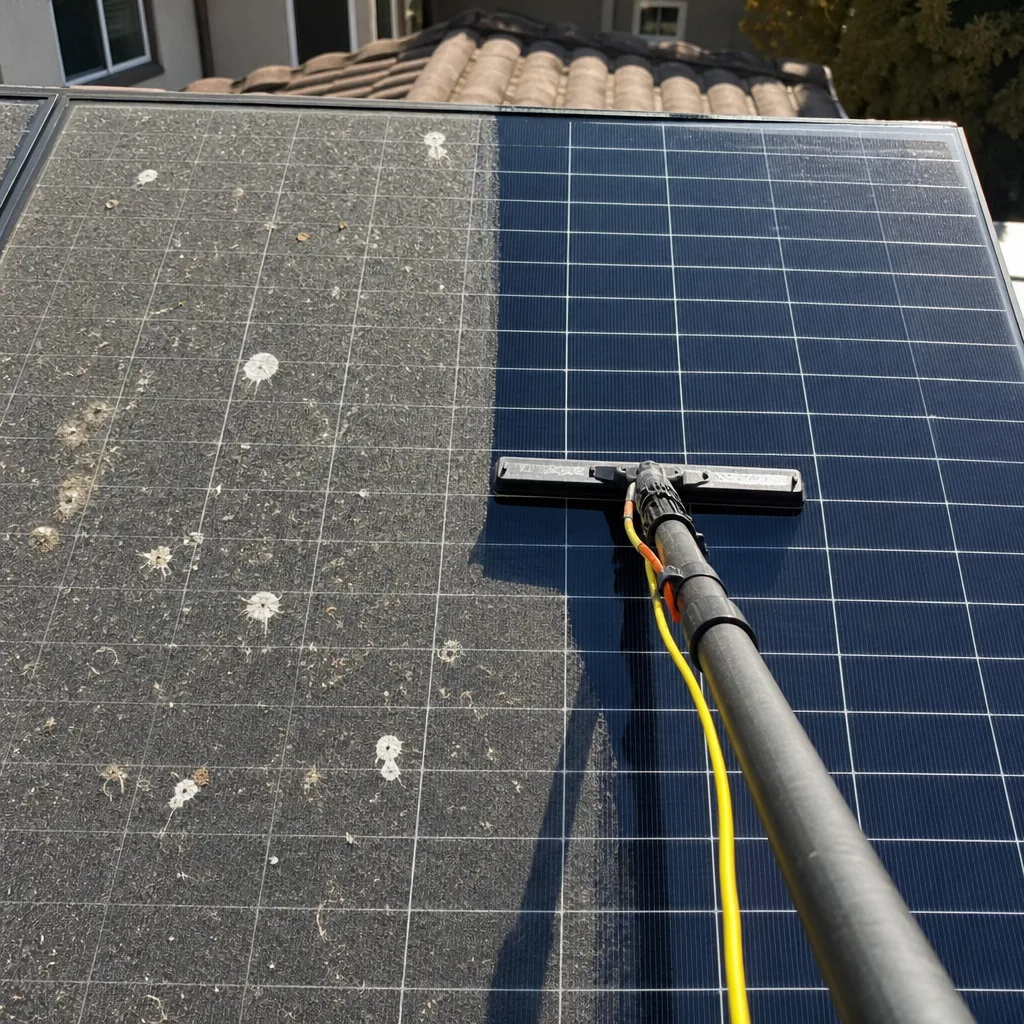
You notice the bill went up. The app says everything’s fine. That’s the classic Piñon Hills pattern. High-wind grit and thermal cycling cause micro-cracks in cells that don’t trip any error code but slowly bleed output. We run panel-level diagnostics, thermal imaging where it’s warranted, and production history analysis against your system’s year-25 estimate, not the day-one brochure number. Diagnostic visits in Piñon Hills generally run $150 to $220, and if we find something under warranty, we handle that paperwork too.
Firmware & App Configuration
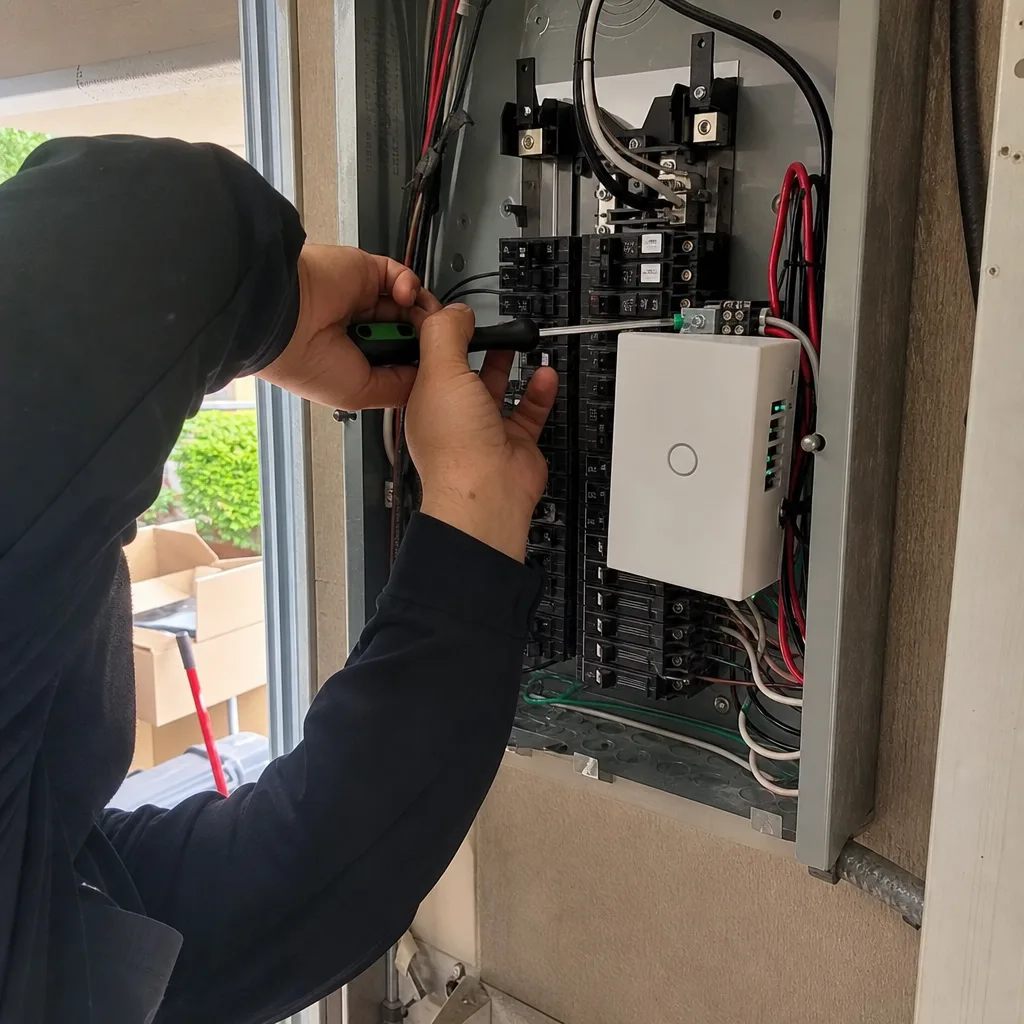
Enphase and SolarEdge push firmware updates that occasionally break monitoring or change inverter behavior. When an update fails, your system can go dark in the app while still producing power. We re-flash firmware, restore app connectivity, and configure settings for your actual setup, including heat-pump loads and battery integration. Most firmware fixes in Piñon Hills take under an hour on site.
What happens when you call
- 1
A real person answersNo phone trees - you reach a local pro.
- 2
You get an upfront price rangeHonest numbers before anyone is dispatched.
- 3
A background-checked tech heads outLicensed & insured, dispatched right away.
- 4
You approve before work beginsNothing starts until you say go.
Common Solar Panel Maintenance & Monitoring Problems We See in Piñon Hills Homes
- Snow-load clamp shear. Snow slides off steep roofs in sheets, and that lateral force loosens mid-clamps and torques rail splices over time. If torque isn’t re-checked after a heavy winter, panels drift and microinverter trunks stretch. We inspect these connections every spring.
- Wind-grit micro-cracks. Cajon Pass pressure gradients drive sustained gusts through Piñon Hills that vibrate arrays for hours at a time. The result is hairline cell fractures that don’t show up as faults, just as slow underperformance. This is the most common “invisible” problem we diagnose.
- Inverter overload from heat-pump retrofits. Many Piñon Hills homes run on propane, and propane prices out here routinely run 40 to 60 percent above urban gas rates. When homeowners add a heat pump to cut propane costs, the inverter often can’t handle the cold-morning surge, tripping rapid shutdown or derating without throwing a visible error. We see this constantly.
- Microinverter fault logs after SCE outages. Rural grid infrastructure around Piñon Hills is thin. When Southern California Edison has an outage, microinverters log grid-voltage faults that can leave the system in a protective state. Re-flashing firmware and clearing those logs gets production back the next clear morning.
Trusted Brands We Service in Piñon Hills
We work on Enphase, SolarEdge, SunPower, Panasonic, and Tesla systems every week, and we stock common Enphase and SolarEdge parts locally so Piñon Hills customers aren’t waiting on a warehouse in another state. If your array uses Qcells or REC panels, we know their degradation curves at this elevation and we check output against what those panels should actually produce at 4,000 feet under Mojave-edge irradiance, not against a generic coastal California baseline.
Pricing for Solar Panel Maintenance & Monitoring in Piñon Hills, CA
A standard annual inspection in Piñon Hills runs $180 to $260. Diagnostic visits for underperformance typically land between $150 and $220. Monitoring setup, including app configuration and alert thresholds, usually runs $120 to $200 depending on system size. Firmware and app configuration work is generally $90 to $150. These are the numbers we quote over the phone, and they’re the numbers on the invoice. We offer a free second opinion on any written estimate, no trip charge inside our own county, and a Senior and Veteran discount of 10 percent that never expires. Call (877) 550-6892 and we’ll give you an exact number before anyone gets in the truck.
We Also Serve Cities Near Piñon Hills
Gus’s Solar handles maintenance and monitoring for homes across the high desert, including Piñon Hills, Phelan, Oak Hills, Adelanto, and Hesperia. If you’re just over the county line or down the hill, call us. Same crew, same owner, same guarantee.
Serving Piñon Hills, CA - Our Local Coverage Area
We’re based in the Piñon Hills area and know this community well. Use the map below to see our service coverage - if you’re nearby, we can almost certainly help.
FAQs - Solar Panel Maintenance & Monitoring in Piñon Hills
Once a year, and ideally in March or April after the last snow has melted. Snow sliding off a 4/12 or steeper Piñon Hills roof puts real shear force on mid-clamps and rail splices, and that damage accumulates. Call (877) 550-6892 for scheduling; we book annual inspections weeks out in spring, so don’t wait until the heat arrives.
Micro-cracks in panel cells are almost always the culprit. Sustained wind gusts through the Cajon Pass corridor vibrate the array enough to create hairline fractures that don’t trigger error codes, they just bleed output slowly over months. Our underperformance diagnostic visit checks panel-level output against your system’s year-25 estimate and catches these early. Estimates are free.
Yes, if your system was configured with owner-facing monitoring. The app will show production dropping as snow accumulates on the panels, then spiking when it slides off. What the app won’t tell you is whether the snow load damaged your racking torque or stretched your microinverter trunks, and that’s what the spring inspection is for. If you can’t see your system in the app at all, call (877) 550-6892 and we’ll fix the configuration.
Heat pumps draw hard on cold mornings, and in Piñon Hills those cold mornings are common in winter. If your inverter was sized for your original propane-era loads, the retrofit can push it into derating or rapid-shutdown trips without throwing visible error codes. We check inverter sizing against your actual heat-pump draw during our diagnostic visits and can recommend whether you need a larger inverter or load-shifting configuration.
Quality panels like REC, Qcells, or SunPower should degrade around 0.25 to 0.5 percent per year. At Piñon Hills elevation, intense UV and thermal cycling from hot days to freezing nights can accelerate that slightly if micro-cracks have already begun forming. When we inspect, we compare your actual output to the year-25 degradation curve for your specific panel model, not to a generic “panels lose a little over time” rule. If the numbers are off, we find out why, and we do it free on the first diagnostic call. Call (877) 550-6892.
What to Ask a Maintenance Tech About Snow, Wind, and Inverter Sizing
Here’s the thing most generic solar maintenance checklists get wrong for Piñon Hills. A checklist written for the lower desert, for Victorville or Hesperia, will check connections and call it done. It won’t ask whether your snow-load torque was re-checked after that January storm. It won’t look for wind-grit micro-cracks that don’t throw error codes. It won’t ask whether your heat-pump retrofit overloaded your inverter’s cold-morning surge capacity. Those three failure modes are exactly what kills production out here at 4,000 feet. When you schedule maintenance, ask the tech three questions: Did you torque-check the mid-clamps and rail splices? Did you run panel-level output diagnostics for micro-cracks? Did you verify inverter capacity against my current load profile, including any heat pump? If the answer to any of those is a blank stare, call us instead. Gus built this company on the idea that the homeowner deserves straight answers, and in Piñon Hills the straight answer is that this elevation changes the maintenance game.
Last January we serviced a 9.6 kW Enphase system on a large-lot custom home off Sheep Creek Road. A week of snow had left production at nearly zero, and the homeowner couldn’t tell whether the array was damaged or just buried. Our tech found the microinverters had logged multiple grid-voltage faults during the SCE outage, so we re-flashed firmware, checked the snow-load racking torque, and adjusted the tilt on two south-facing REC panels that had drifted. By the next clear morning the array was back to its full production estimate and the homeowner’s true-up statement stayed on track. That’s the kind of one-trip, know-the-terrain service we bring to every Solar Panel Maintenance & Monitoring in Piñon Hills job.
If you want a maintenance team that treats your system like it’s their own, call (877) 550-6892. We answer live, we quote real numbers, and we don’t want a signature tonight. Take two weeks. Think about it. The price will be the same.
Written by Gus Petrakis, Owner at Gus’s Solar, serving Piñon Hills and the high desert since 2011.