
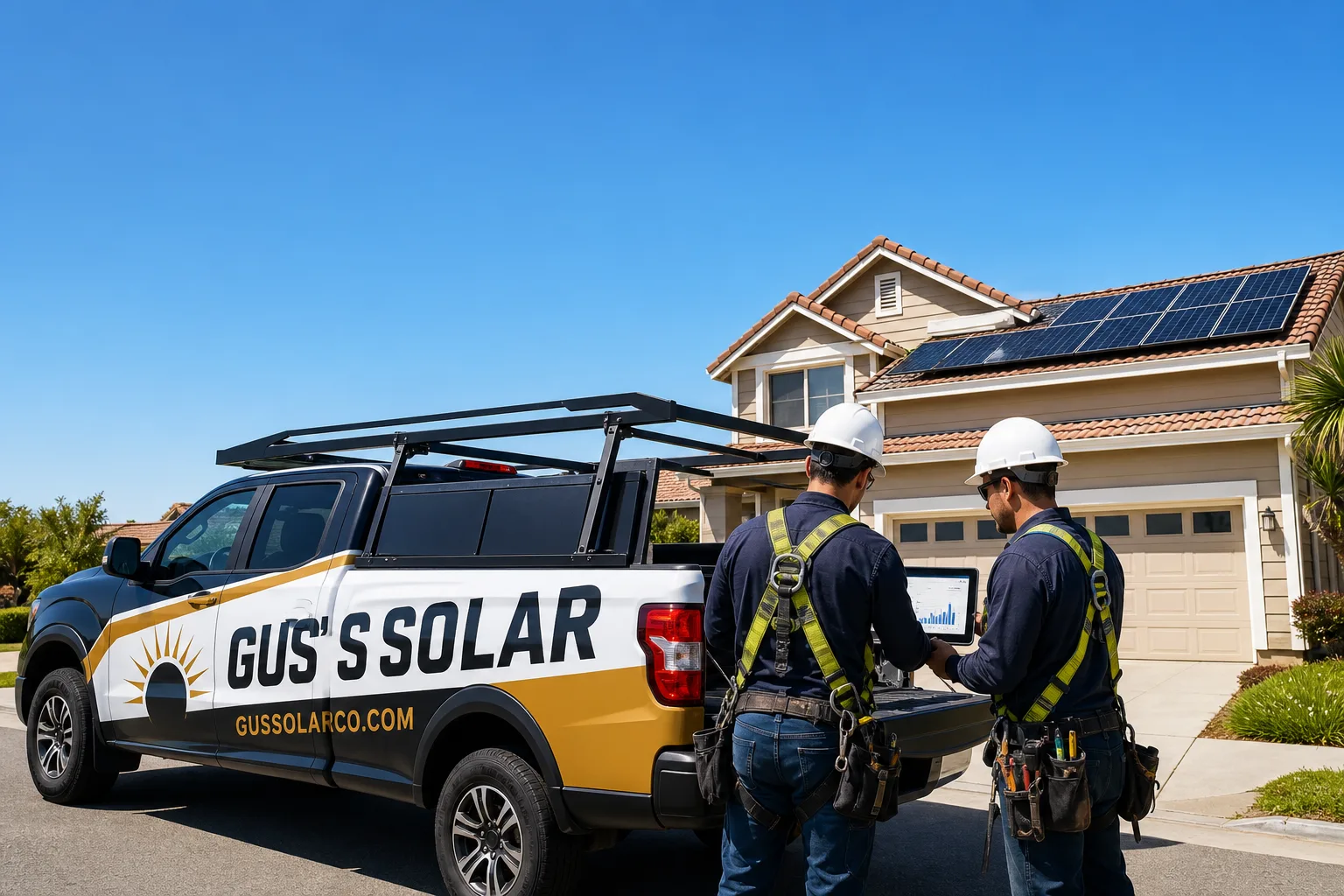
Free bill analysis - bring a power bill, get the production math for your actual roof, panel brands like Qcells and REC compared side by side
If the pitch starts at your door and ends with "sign tonight for the special," sleep on it. The sun will still be there tomorrow; so will we.
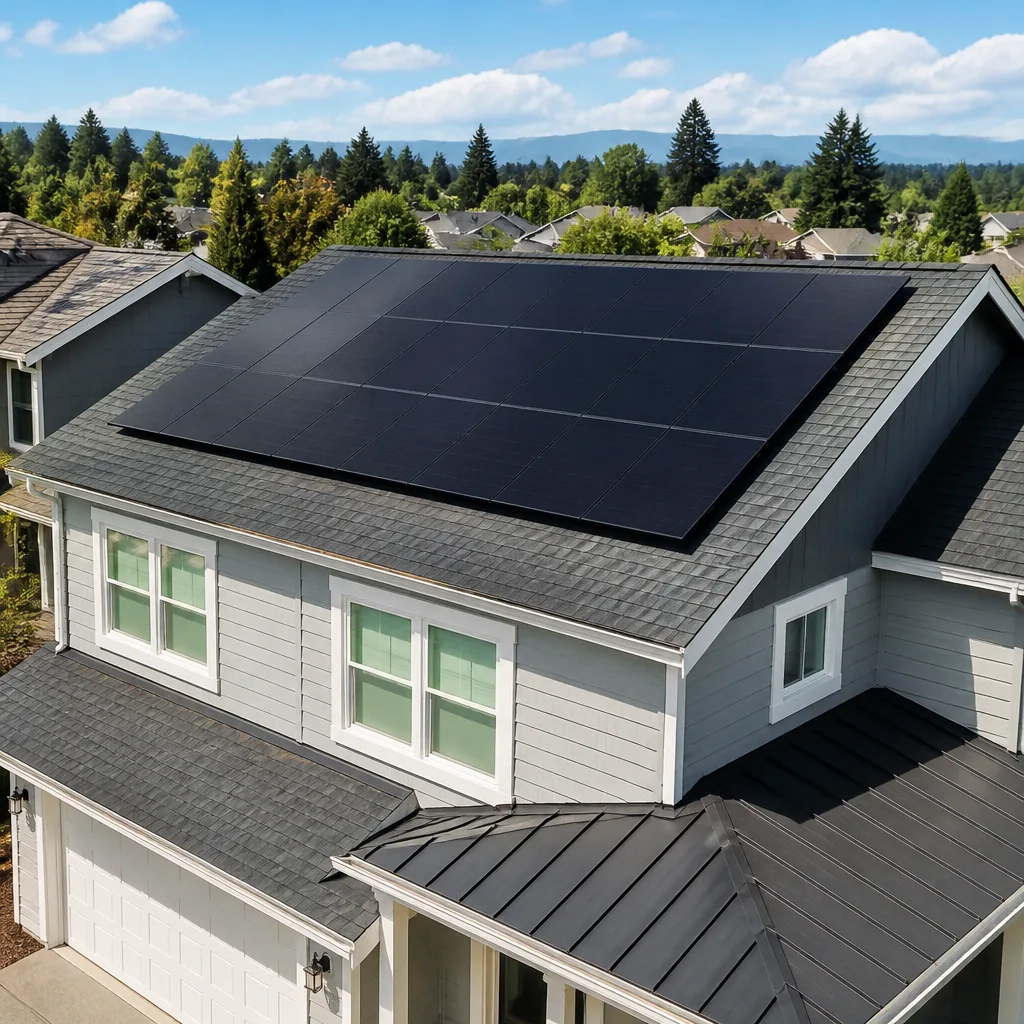
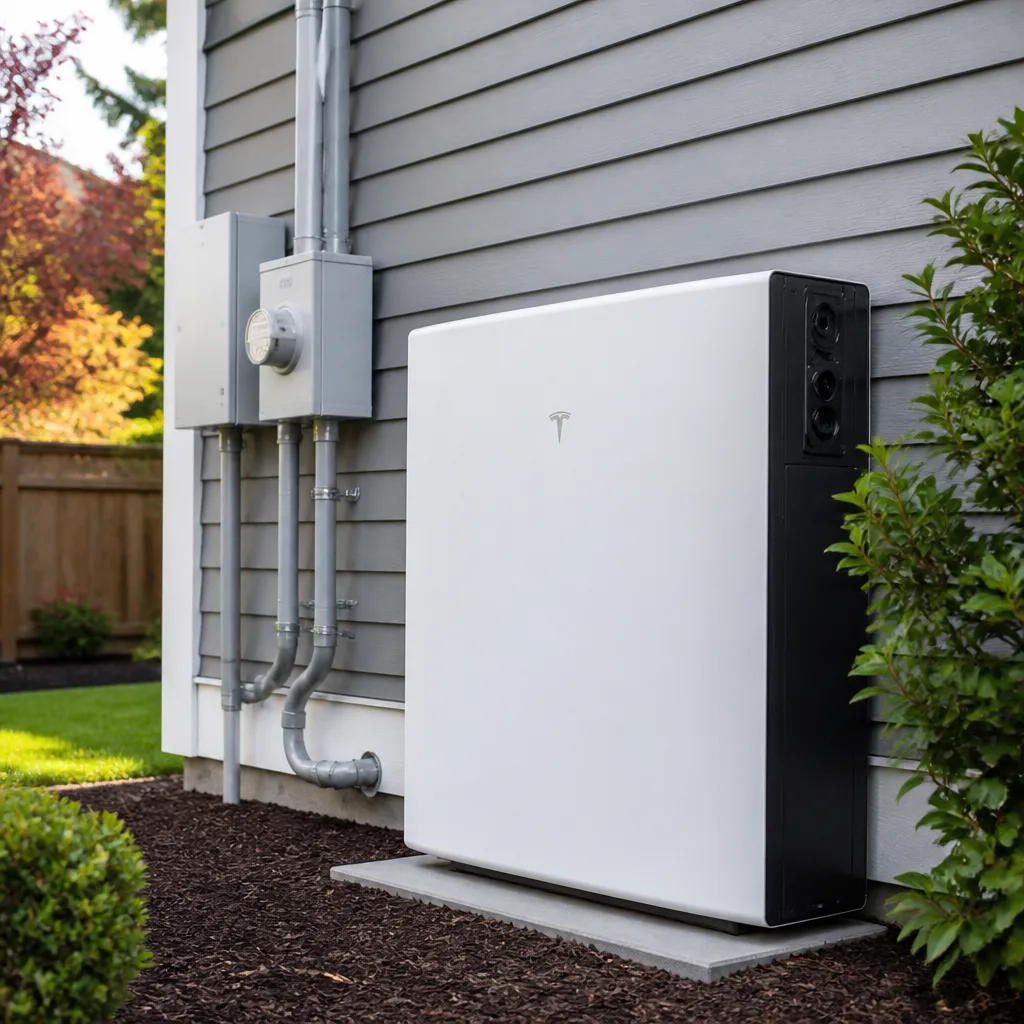
 Before
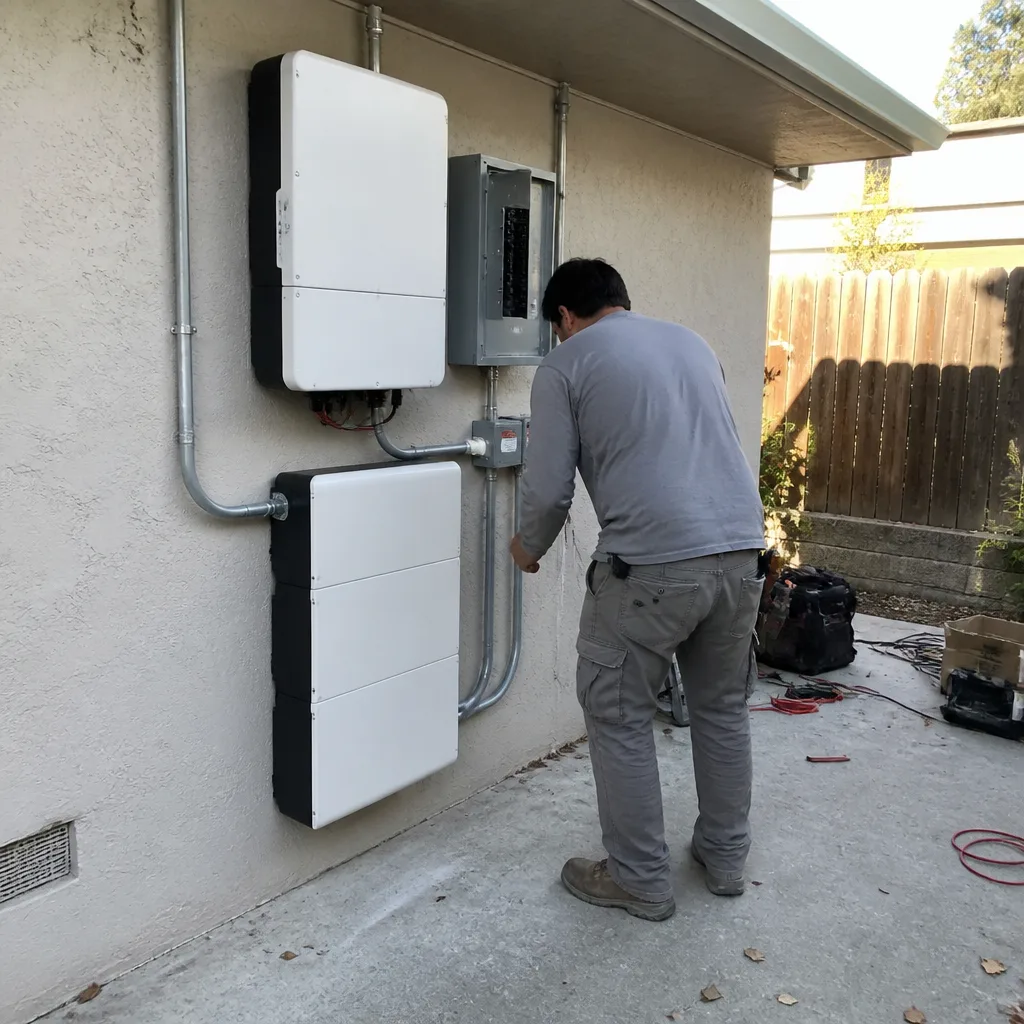 After
After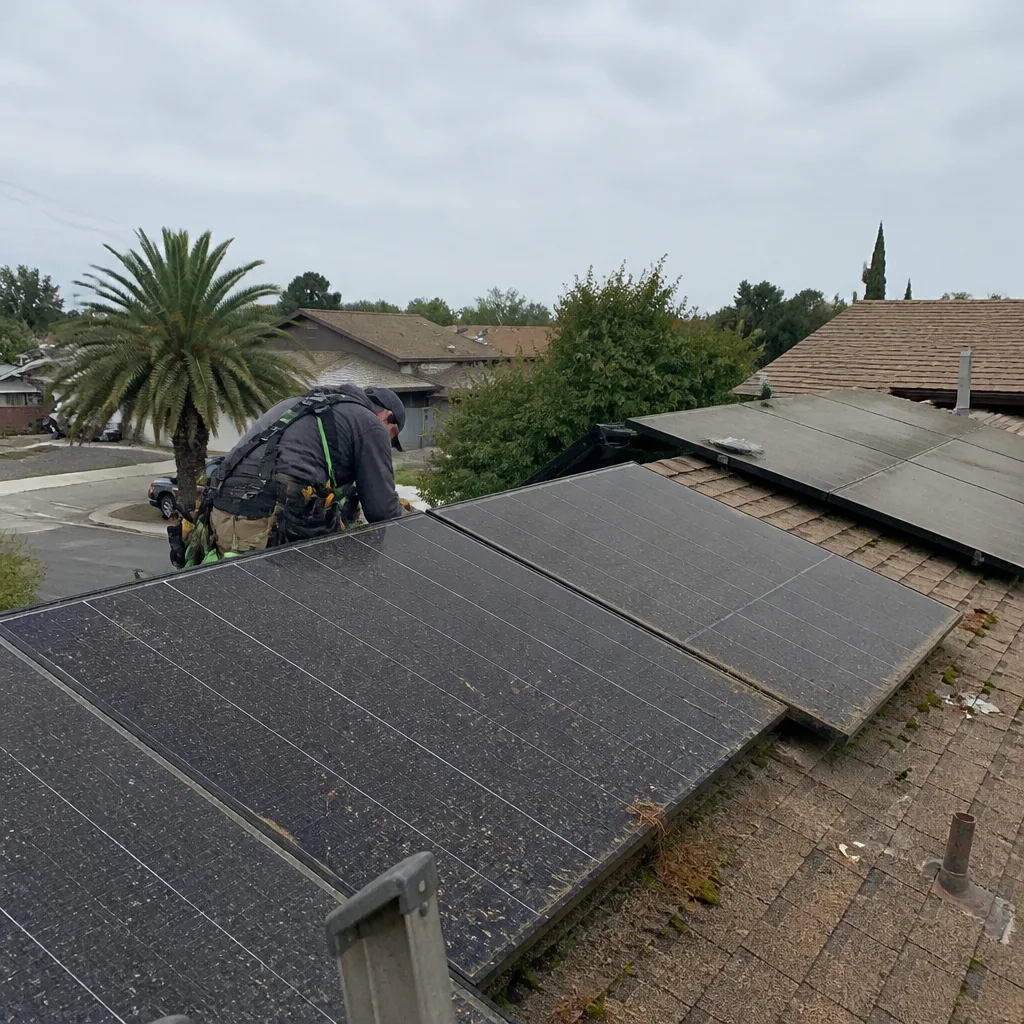 Before
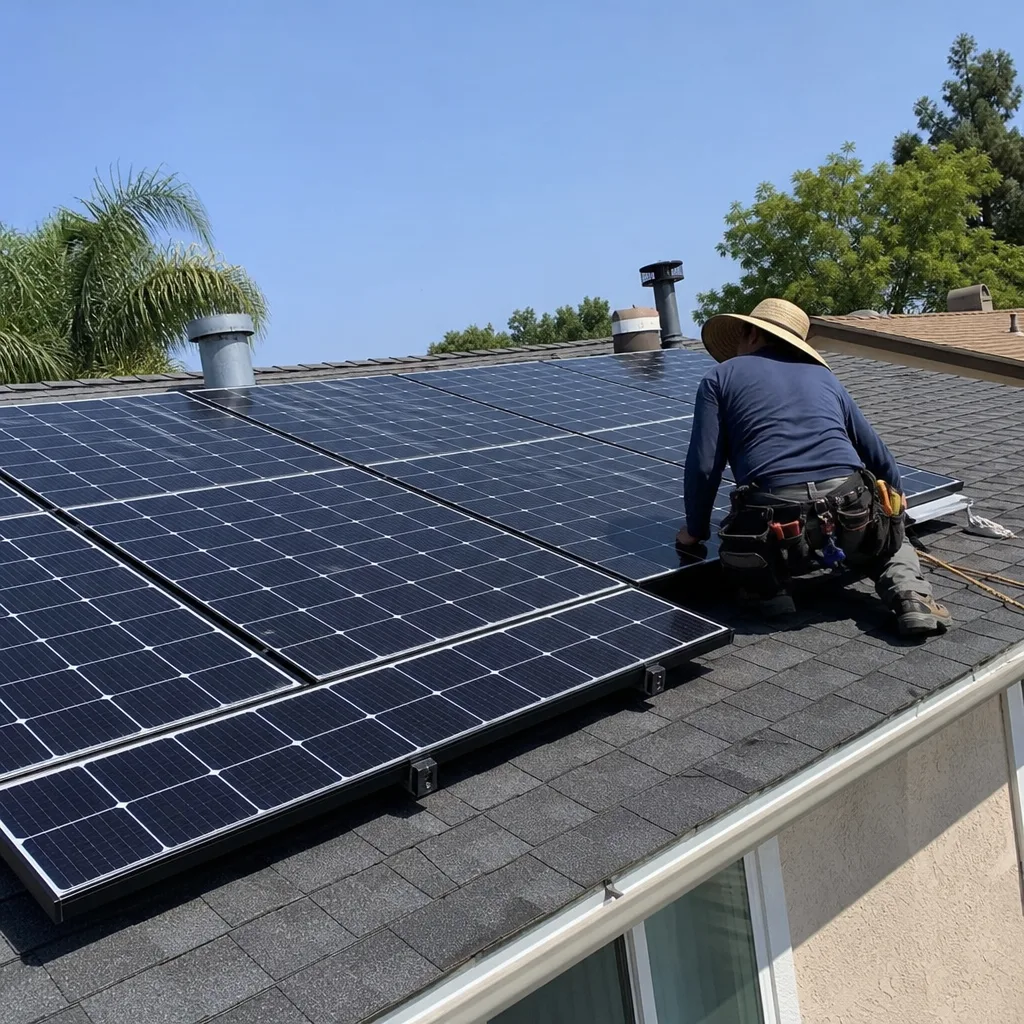 After
After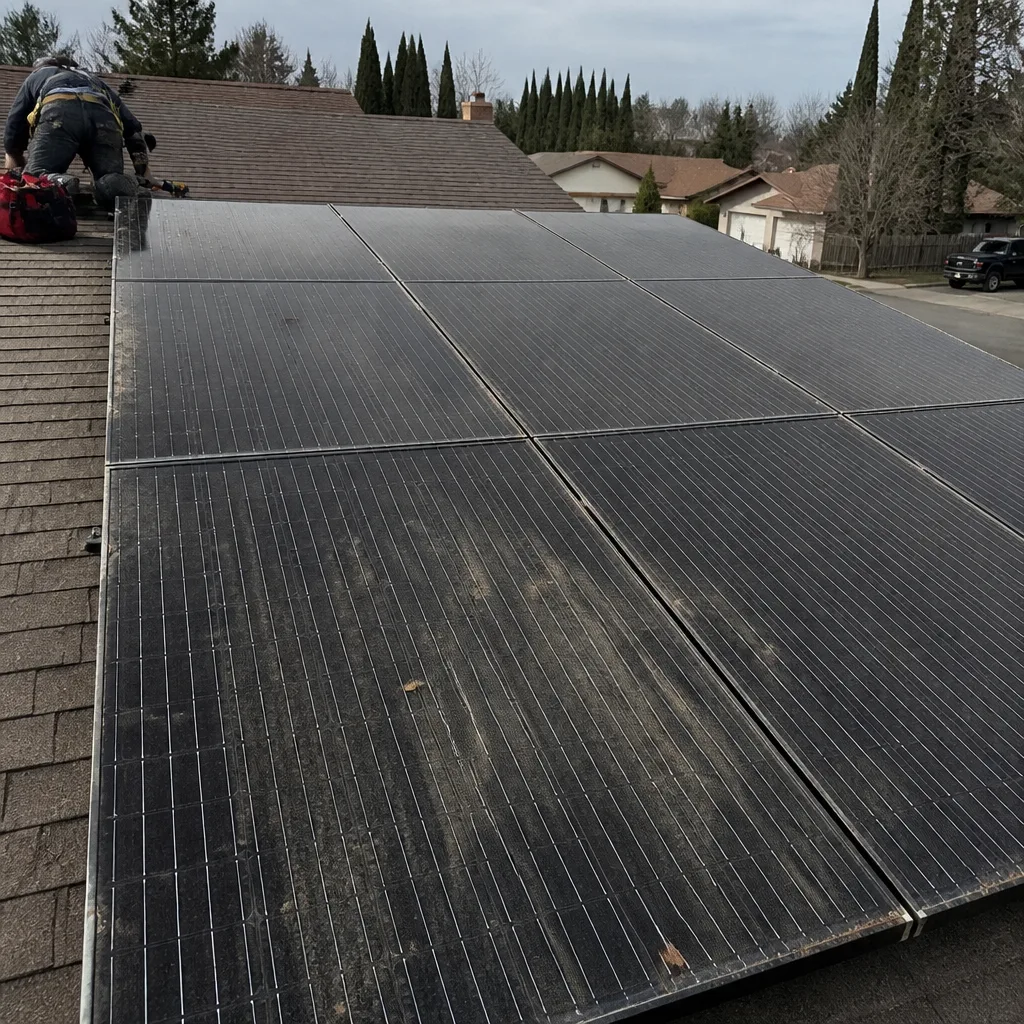 Before
 After
AfterFast, Reliable Solar Panel Maintenance & Monitoring Across Oceano
Solar panel maintenance in Oceano costs between $149 and $485 per visit for most homes, with quarterly preventive plans running $95 to $210 per wash-and-inspection cycle. The reason these numbers sit higher than inland pricing is simple: the Oceano Dunes State Vehicular Recreation Area sits right against the west side of town, and the sand and salt air coming off it punish solar equipment year-round. We’ve been maintaining systems here long enough to know exactly what fails first, what a realistic cleaning cadence looks like, and when a system is quietly losing money instead of making it. If you’re seeing lower production than your proposal promised, call (877) 550-6892 and bring a year of utility statements. We’ll tell you straight whether it’s the panels, the hardware, or the marine layer, and what it costs to fix.
Key Takeaways:
- Oceano’s dune-sand abrasion and salt-air corrosion are a combined threat no neighboring city faces, affecting both glass and electrical hardware.
- Quarterly cleaning is not optional near the dunes; monthly production loss from sand film is measurable within weeks.
- Maintenance visits run $149-$485; preventive plans run $95-$210 per quarter; free estimates and no trip charge inside the county.
- We service Tesla, Enphase, SolarEdge, SunPower, Panasonic, FranklinWH, and the other major equipment brands.
- Gus Petrakis has been running this company since 2011 and a live person answers the phone 24/7, including nights and weekends.
Why Gus’s Solar Is Oceano’s Preferred Solar Panel Maintenance & Monitoring Company
We’re not a sales crew that parachutes into Oceano for a week and moves on. Gus Petrakis has had his name on the truck since 2011 and he runs the company that way: local roots, on time, community first, accountable, loyal. Those aren’t bullet points on a website we bought; they’re the operating rules we work by, and they show up in how we schedule service calls, how we price, and how we answer the phone. Around here, when someone in Oceano has an Enphase or SolarEdge system throwing an alert, they generally want a real person on the line who knows the difference between a dune-sand false alarm and a genuine inverter fault. That’s what we do.
Our response to Oceano calls is same-day or next-morning for underperformance alerts we can confirm remotely, and we stock common replacement parts for the brands most installed on the Central Coast, including Canadian Solar and Panasonic. We also know the local building stock. Older single-family homes and the high concentration of manufactured homes in the 93445 and 93475 ZIP codes often have electrical panels and roof conditions that influence maintenance decisions before we ever touch a panel. That matters. A company that only ever works on new construction in tract neighborhoods will misread the situation on a 1960s Pier Avenue mobile home. We don’t.
When you call (877) 550-6892, a live person answers. Not a voicemail queue, not a national call center. You get a straight answer about whether the problem is urgent, what a diagnostic will cost, and when we can be there. If you have a written estimate from another company for maintenance or repair work, we’ll give you a free second opinion on it. And we don’t ask for a signature tonight. Take two weeks. Think about it. The price will be the same.
Our Solar Panel Maintenance & Monitoring Services in Oceano
Annual System Inspection
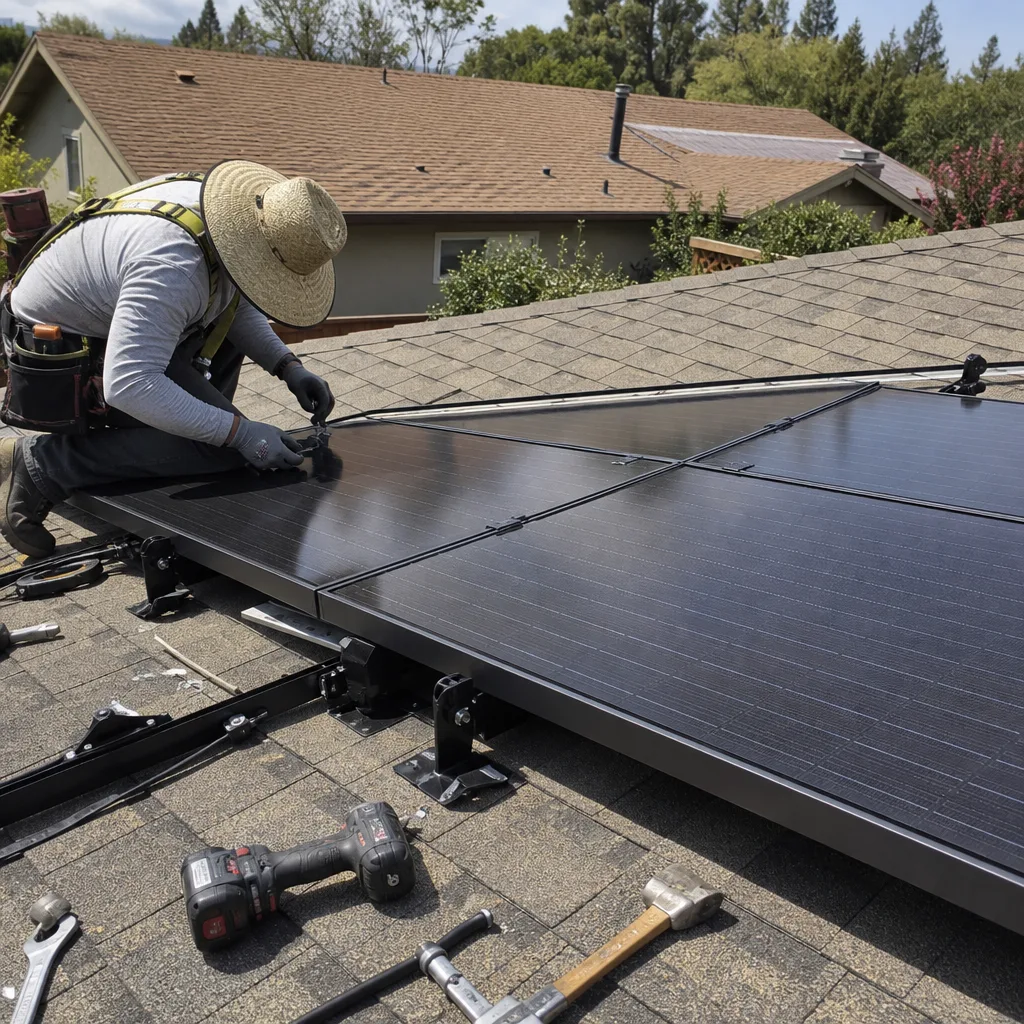
An inspection here is not a glance at the panels from the driveway. For Oceano homes we check for micro-abrasions on glass from dune sand, corrosion at every MC4 connector, aluminum racking bolt degradation from marine air, and the condition of rapid shutdown labeling, which salt air erodes faster than anyone expects. We also verify that the monitoring portal is still reading every module correctly, since a single failed microinverter on an older Enphase system can quietly erase a chunk of production for months. Annual inspection in Oceano typically runs $149 to $285, depending on system size and roof access.
Production Monitoring Setup
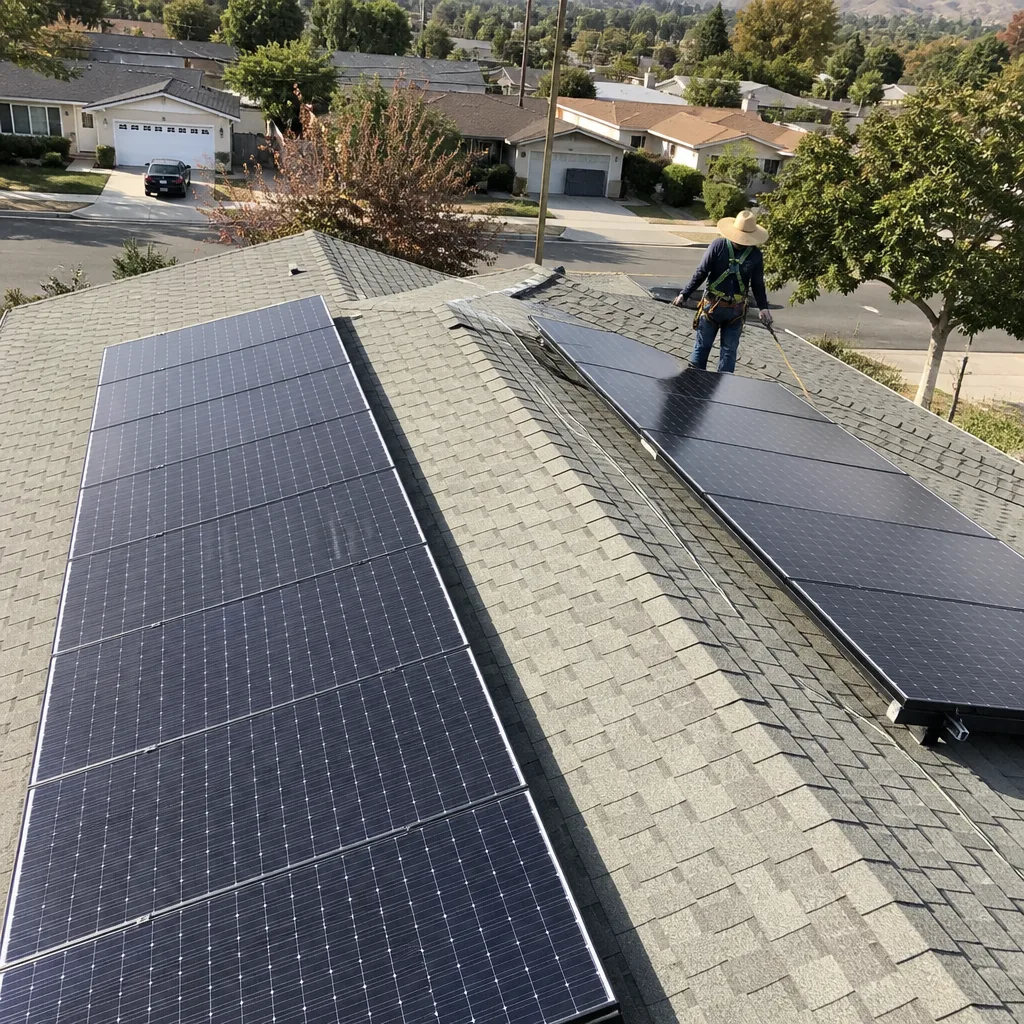
If your system was installed before monitoring was properly configured, or if you’ve never had app access set up at all, you’re flying blind. We configure production monitoring on Enphase, SolarEdge, Tesla, and other platforms so that you can see exactly what each panel is producing, down to the module level on some systems. For Oceano customers, we also calibrate the monitoring alerts to account for the marine layer. The last thing you need is a false alarm every June morning because a generic threshold was set for Fresno. Monitoring setup runs $120 to $240, including app walkthrough and alert calibration.
Underperformance Diagnostics
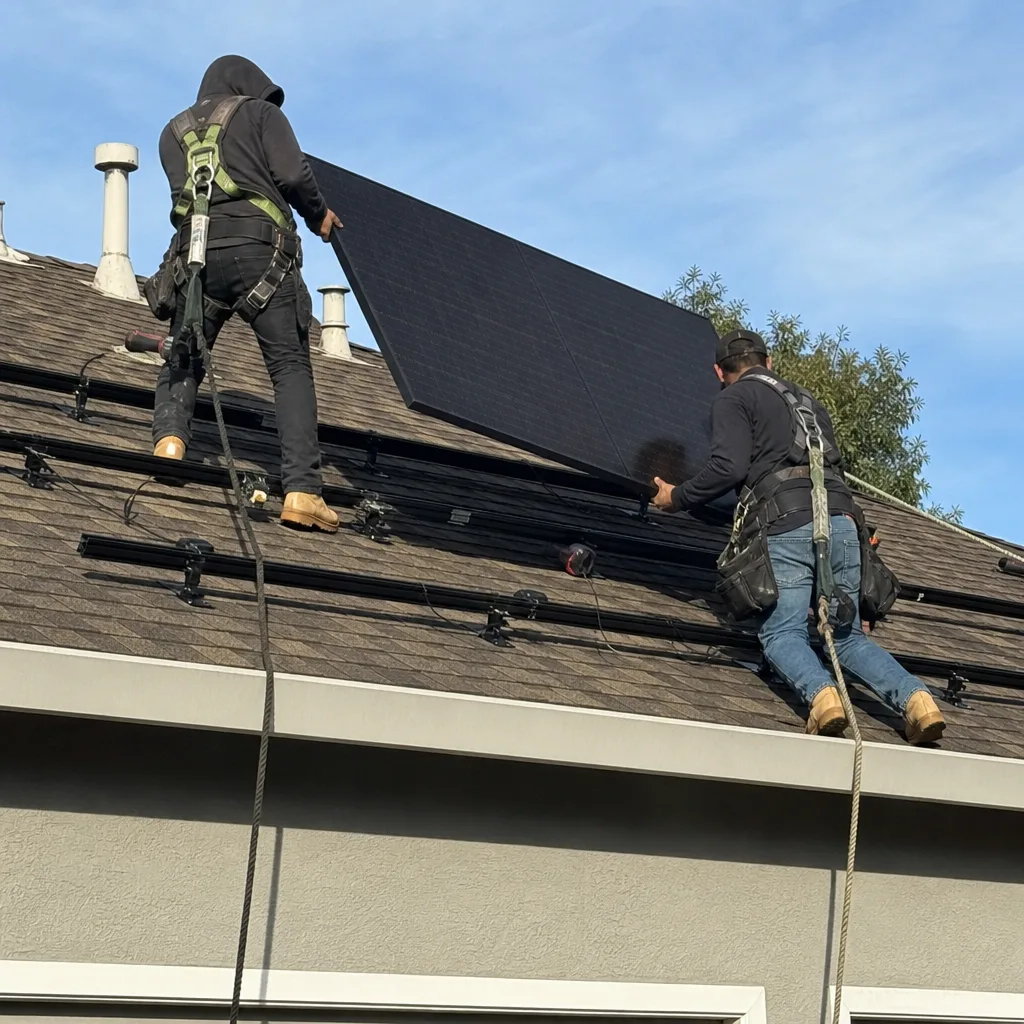
When a system is making less than it should, the cause is rarely one dramatic failure. It’s usually corrosion on a connector, a sand-etched panel or two pulling down a string, or an inverter clipping because it was sized for optimistic assumptions. We run diagnostic tests on the AC and DC sides, pull the production history, and compare it against what Oceano’s actual coastal conditions would predict, including the June Gloom effect that suppresses irradiance more here than five miles inland. A full diagnostic visit in Oceano runs $185 to $385, and the report tells you exactly what is wrong and what it costs to fix.
Firmware & App Configuration
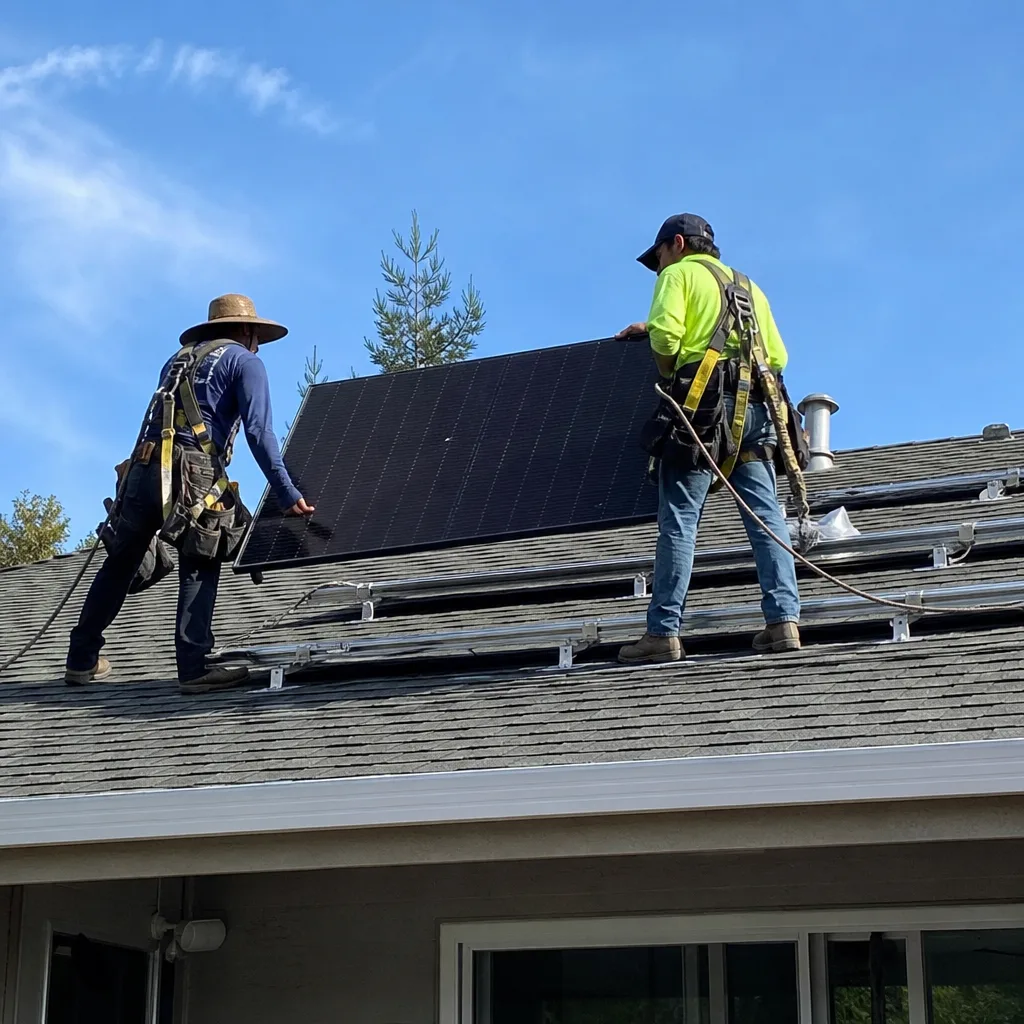
Inverter firmware updates matter more than people realize. Enphase and SolarEdge push updates that fix clipping behavior, improve rapid shutdown compliance, and correct metering inaccuracies. If your system has been running on old firmware, you may be leaving production on the table or, worse, failing a current interconnection requirement without knowing it. We also reconfigure monitoring apps after router changes, Wi-Fi dead zones, and gateway replacements. Firmware and app configuration in Oceano runs $95 to $175 per visit, usually done in one trip with no parts needed.
What happens when you call
- 1
A real person answersNo phone trees - you reach a local pro.
- 2
You get an upfront price rangeHonest numbers before anyone is dispatched.
- 3
A background-checked tech heads outLicensed & insured, dispatched right away.
- 4
You approve before work beginsNothing starts until you say go.
Trusted Brands We Service in Oceano
We work on systems built with Panasonic, Canadian Solar, JinkoSolar, FranklinWH, Tesla, Enphase, SolarEdge, SunPower, Qcells, and REC equipment. That’s not a marketing list; it’s the hardware we actually see on Oceano roofs and maintain every week. Because we stock common replacement parts for several of these brands, a connector swap or a microinverter replacement doesn’t have to wait on a two-week parts order. Our Solar Panel Maintenance & Monitoring team carries what’s needed for most Central Coast systems, and when a part is rare, we tell you the realistic timeline before you pay for the diagnostic. No surprises, no parts marked up five times. The price quoted is the price charged.
Common Solar Panel Maintenance & Monitoring Problems We See in Oceano Homes
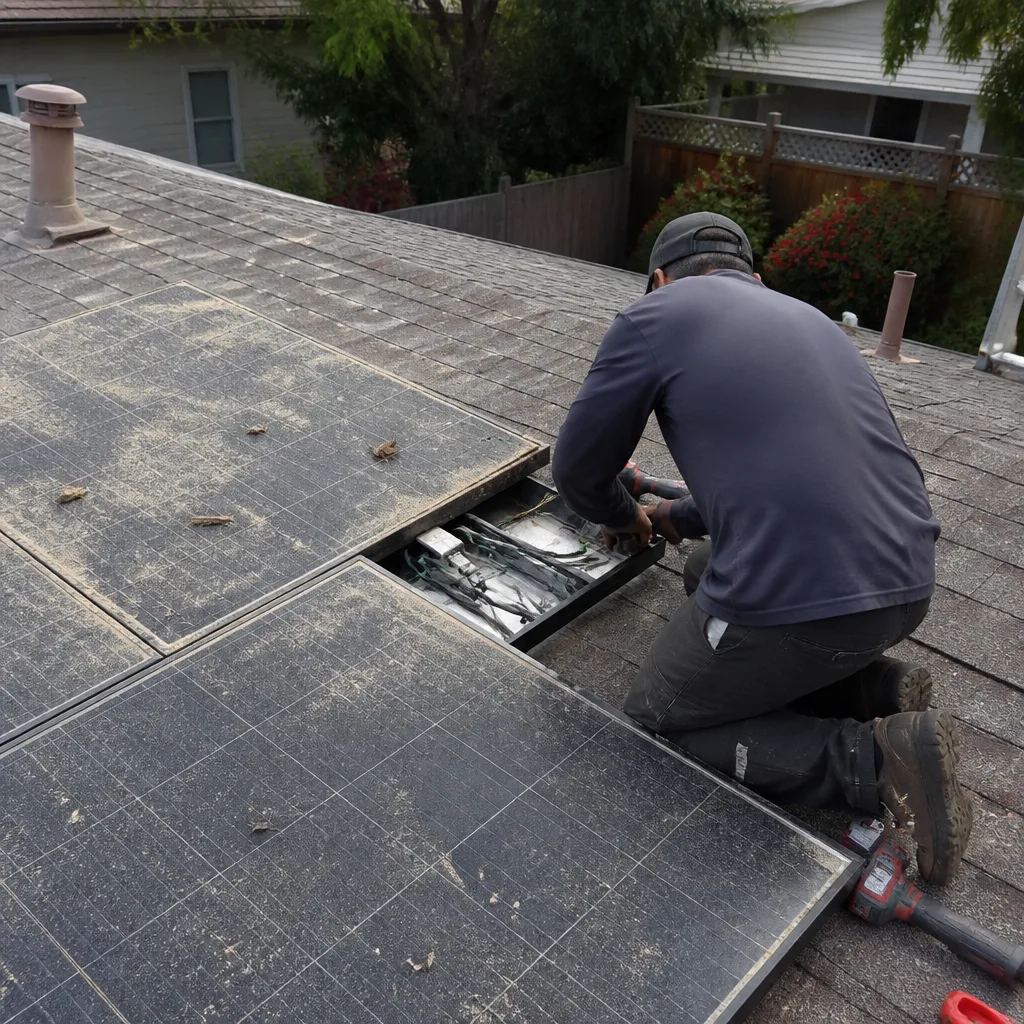
- Dune-sand abrasion on glass. Windblown sand from the Oceano Dunes etches panel surfaces within months, creating micro-abrasions that permanently reduce light transmission and accelerate degradation past the typical 0.5% per year. It’s not visible from the ground, but it shows up in production data within a year or two of installation.
- Salt-air corrosion on racking and connectors. Marine air corrodes aluminum racking bolts and MC4 connectors, causing intermittent ground faults and inverter shutdowns that a standard inland inspection would never catch. These faults look like random system hiccups in the app instead of a clear hardware failure.
- Gritty salt-sand film cutting output. Dune-adjacent properties accumulate a thin film on glass that cuts measurable output within weeks and triggers false underperformance alarms. Left unaddressed, this film is exactly what voids production guarantees or leaves a system limping through a net metering true-up.
- Marine layer suppressing afternoon production. The persistent coastal marine layer that sits over Oceano into the afternoon, especially June through August, knocks real production below what a generic California estimate would predict. If your system was sized using a standard inland curve, the shortfall may be geography, not equipment failure.
Pricing for Solar Panel Maintenance & Monitoring in Oceano, CA
Here are the straight numbers for Oceano’s market. A one-time inspection runs $149 to $285. Production monitoring setup runs $120 to $240. A full underperformance diagnostic runs $185 to $385. Firmware and app configuration runs $95 to $175. Quarterly preventive maintenance plans, including a wash and inspection cycle, run $95 to $210 per quarter depending on system size and whether the home sits west of Highway 1, where the sand load is heaviest. What affects cost the most is access: low-pitch roofs on older homes and manufactured units take longer to work on safely, and that shows up honestly in the quote. We offer free estimates in Oceano, no trip charge inside our own county, and a 10% discount for seniors and veterans that never expires. Call (877) 550-6892 and we’ll put a real number in front of you, not a brochure range.
We Also Serve Cities Near Oceano
We handle maintenance and monitoring calls throughout the Oceano area, including Oceano itself, plus Grover Beach, Pismo Beach, Arroyo Grande, and Nipomo. The coastal conditions in each have their own quirks, but the dune-and-salt combination we see on Oceano’s west side is a category of its own. If you’re unsure whether your system needs attention, call (877) 550-6892 and describe what you’re seeing. We’ll tell you if it’s worth a visit.
Serving Oceano, CA - Our Local Coverage Area
We’re based in the Oceano area and know this community well. Use the map below to see our service coverage - if you’re nearby, we can almost certainly help.
FAQs - Solar Panel Maintenance & Monitoring in Oceano
Quarterly, and more often for homes west of Highway 1 within direct reach of dune wind. In Oceano, a gritty salt-sand film can cut measurable output within two to three weeks of a wash, and permanent glass etching begins within months if the sand isn’t removed. A quarterly wash-and-inspection plan for a typical Oceano system runs $95 to $210 per cycle and keeps the glass clear, the connectors sealed, and the monitoring alerts honest. Call (877) 550-6892 and we’ll quote your exact roof.
The marine layer itself doesn’t void anything, but it does mean production estimates must be lowered from generic California assumptions, particularly for June through August. A system sized on an inland curve will appear to underperform every summer, even when it’s working correctly. Production guarantees written without accounting for Oceano’s coastal irradiance are the problem, not the panels. Bring us your original proposal and a year of utility data, and we’ll tell you whether the gap is weather, hardware, or both.
Yes. Salt-laden air corrodes MC4 connectors and grounding paths, and those corrosion points cause intermittent faults that standard inspections miss because they’re not visible without opening the connection. Microinverters themselves are generally sealed, but the wiring around them is the failure point. If your monitoring app shows random dropouts or intermittent production gaps that come and go, that’s a corrosion pattern we see regularly in Oceano, on equipment from Enphase, SolarEdge, and others. It’s fixable and usually cheaper than the output you’re losing.
For existing panels on a manufactured home, no new structural assessment is generally required just for maintenance. But Oceano has a high concentration of homes from the 1950s through 1970s, and the low-pitch or flat roof profiles on those units mean standing water and sand accumulation behave differently than on a pitched comp roof. Before any maintenance plan, we check the roof condition and the electrical panel, because older mobile home panels often need upgrades before any system changes are safe. If you have an older home and want to know what you’re working with, call (877) 550-6892 for a free assessment.
Usually yes, and sometimes dramatically. Here’s a real example from Oceano: on a 1960s mobile home off Pier Avenue, our crew found an Enphase microinverter array losing 18% of its production estimate within two weeks of the last wash. A gritty, salt-caked film on the glass was scattering light before it hit the cells. We performed an underperformance diagnostic, upgraded the rapid shutdown labeling to meet current interconnection requirements, and set the customer on a quarterly preventive plan with sand-rated seals on every connector. Their next true-up statement showed a 22% jump in net metering credits. That’s not marketing. That’s what happens when the cleaning cadence matches the actual environment.
Why Oceano’s Dune-and-Salt Environment Changes the Whole Maintenance Equation
Most solar maintenance advice assumes panels sit still in clean, dry air and only need attention once or twice a year. Oceano is different, and not in a small way. The Oceano Dunes State Vehicular Recreation Area is one of California’s largest active coastal dune systems, and the wind off those dunes carries fine sand that acts like slow sandpaper on glass. At the same time, marine air loaded with salt continuously attacks aluminum racking, steel fasteners, and every electrical connection exposed to the weather. These two forces work together. Sand abrades the protective surfaces that would otherwise slow salt corrosion, and salt crusts onto whatever the sand leaves behind. Every solar installation in the 93445 and 93475 ZIP codes needs sand-rated seals, marine-grade hardware, and a realistic maintenance schedule for abrasion cleaning. That combination is essentially unique to this town on the Central Coast, and a generic maintenance page written for California as a whole will miss it entirely.
We’ve seen what happens when that maintenance schedule shows up late. On dune-adjacent streets on the west side, panels that go without cleaning for six or eight weeks lose measurable output from a thin film of grit and salt residue that scatters light before it reaches the cells. Production guarantees written by installers who never worked near a dune system get voided over exactly this. It’s not a rare failure mode here; it’s the standard one. That’s why we build quarterly wash contracts into preventive plans for west-side Oceano homes as a condition of keeping production promises honest. If a company sold you a system in Oceano and didn’t mention any of this, that tells you something about how much time they’ve actually spent here.
That same environment dictates what parts we use. Standard aluminum racking from inland installs corrodes visibly within a couple of years in Oceano. We use coated or marine-grade fasteners and stainless hardware where the exposure is worst, and we check every connector, junction, and ground path during inspections. When we see early corrosion, we fix it before it becomes an intermittent fault that shuts down an inverter and kills a month of production before anyone notices. An inverter that’s offline in August is a quiet problem. You won’t hear it. The app might not even flag it if the alert thresholds were never set. That’s the kind of failure that costs Oceano homeowners real money, and it’s entirely preventable with the right maintenance rhythm.
About Gus Petrakis and Gus’s Solar
Gus Petrakis founded Gus’s Solar in 2011 and ran it the same way from day one: his name on the truck, his phone number on the website, and his crew doing the work. No subs, no national sales overlay, no call center three states away. The company is locally owned and owner-operated, with a published address and license number, and a live person answers calls 24/7. Every solar job carries the 90-Day Done Right Promise: if it’s not done right, Gus makes it right. The work is done by background-checked, uniformed technicians who flash every roof penetration properly and don’t hand anything off to a subcontractor. We quote real numbers off your actual utility bill, not a brochure estimate, and we work with the leading equipment brands, including Enphase, SolarEdge, Tesla, Panasonic, Canadian Solar, JinkoSolar, and FranklinWH. If a salesman needs an answer tonight, the answer is no. We don’t work that way.
Call Gus’s Solar for Maintenance & Monitoring in Oceano
If your system is underproducing, throwing alerts, or you simply don’t know whether it’s doing what it should, call (877) 550-6892. We’ll walk through what you’re seeing, tell you whether a visit is worth the trip charge, which is free inside our own county anyway, and get you on the schedule. Estimates are free. The price we quote is the price you pay. And if you want a second opinion on another company’s written estimate, bring it to us and we’ll give you an honest read at no charge. That’s how we’ve worked since 2011, and it’s how we’ll keep working for the Oceano community.
Written by Gus Petrakis, Owner at Gus’s Solar, serving the Oceano community since 2011.