

Free bill analysis - bring a power bill, get the production math for your actual roof, panel brands like Qcells and REC compared side by side
If the pitch starts at your door and ends with "sign tonight for the special," sleep on it. The sun will still be there tomorrow; so will we.
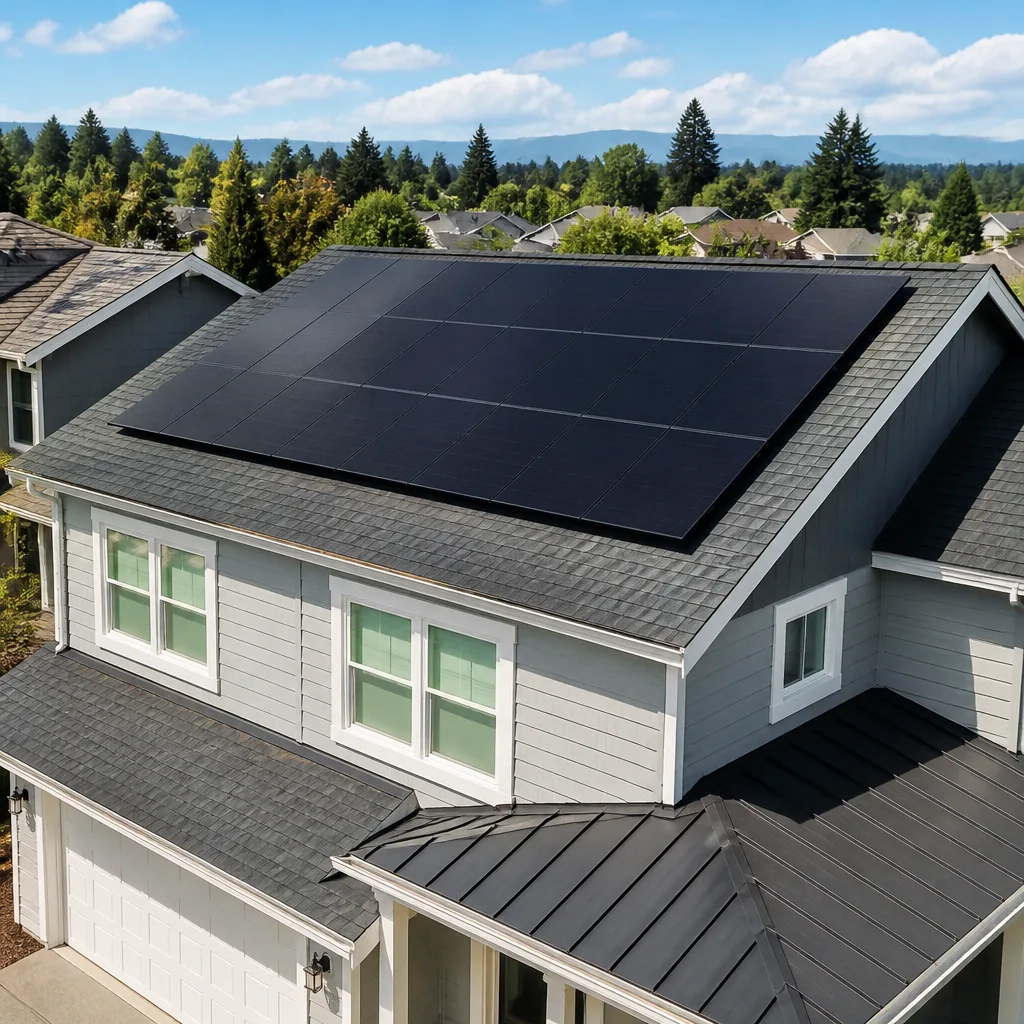
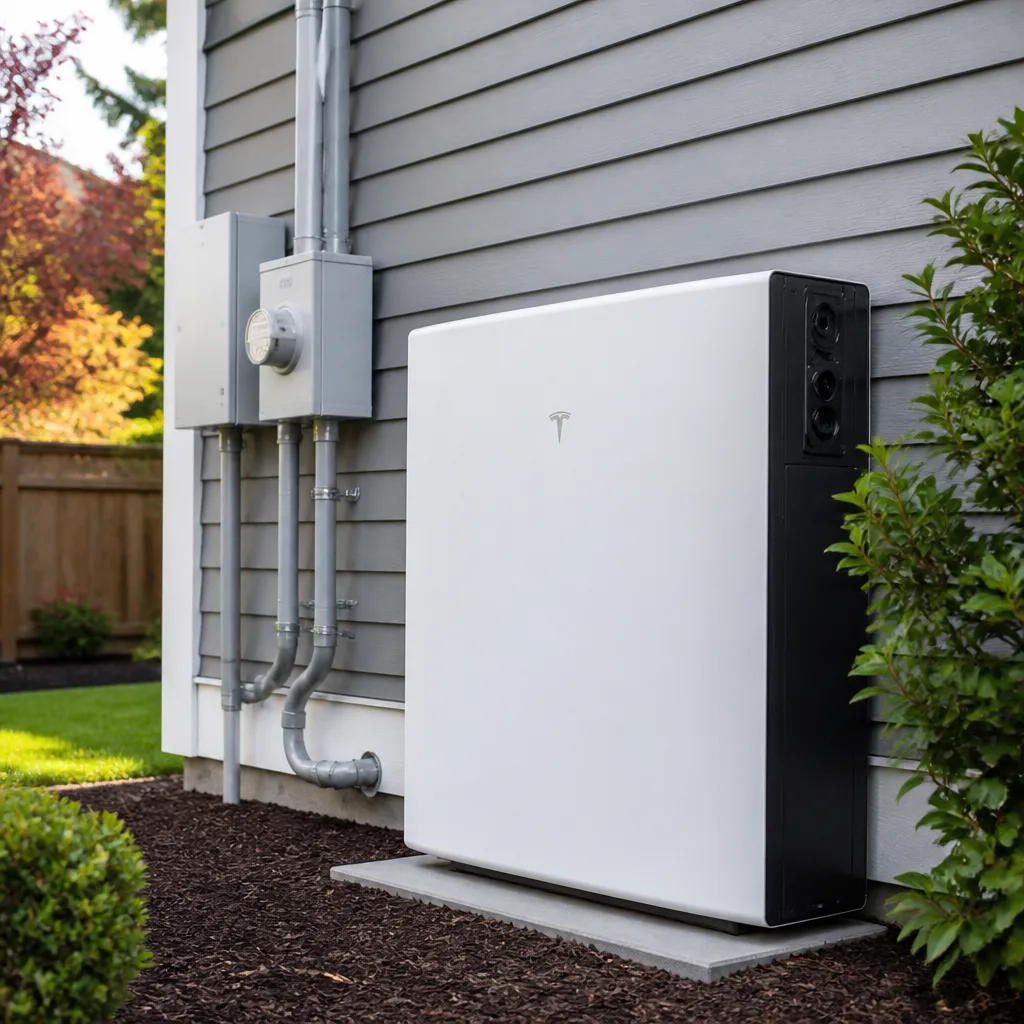
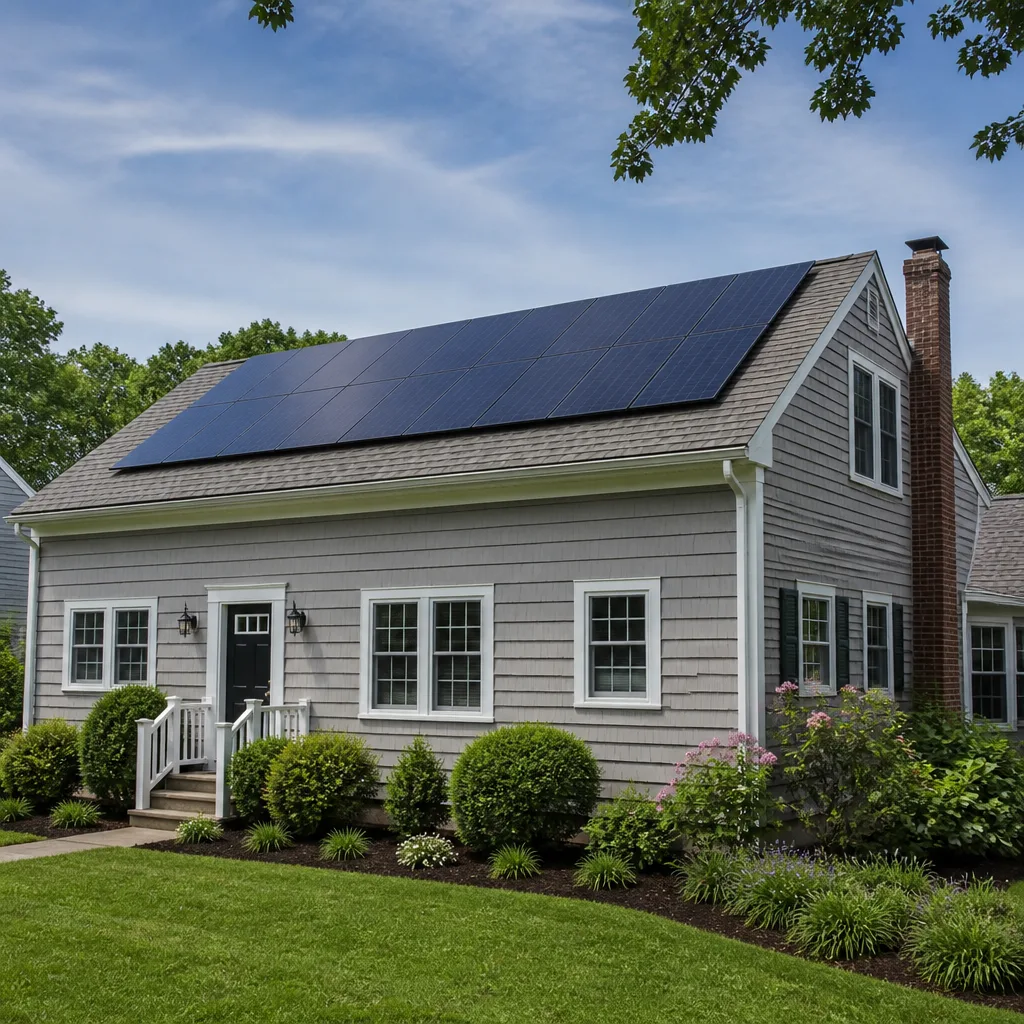

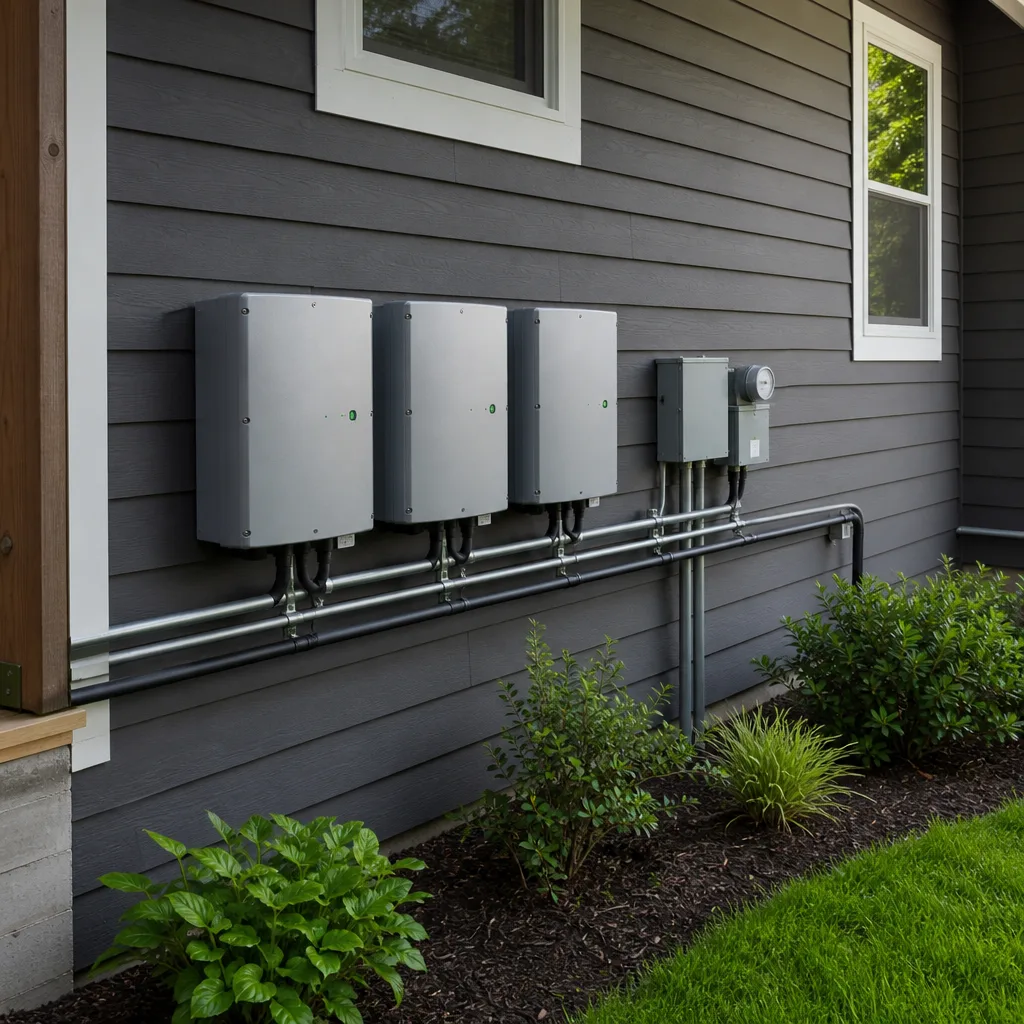
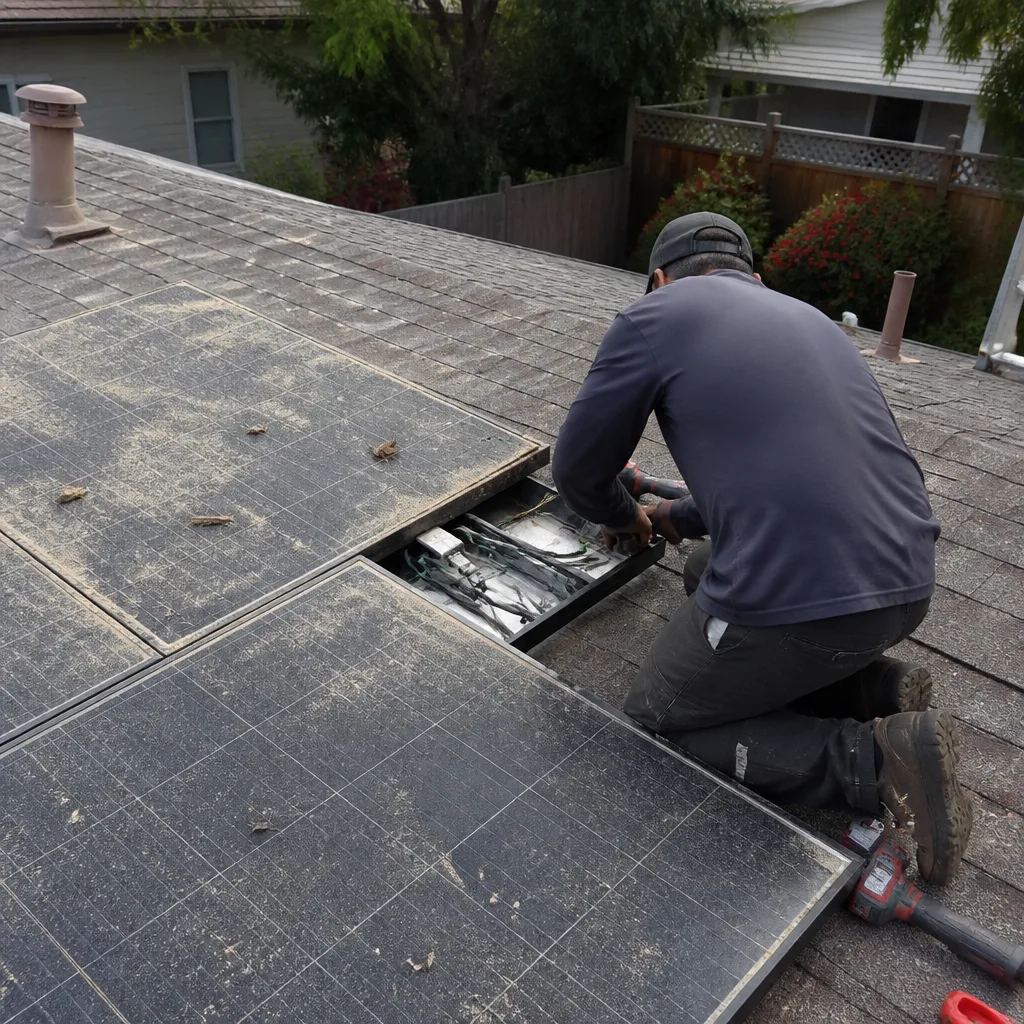 Before
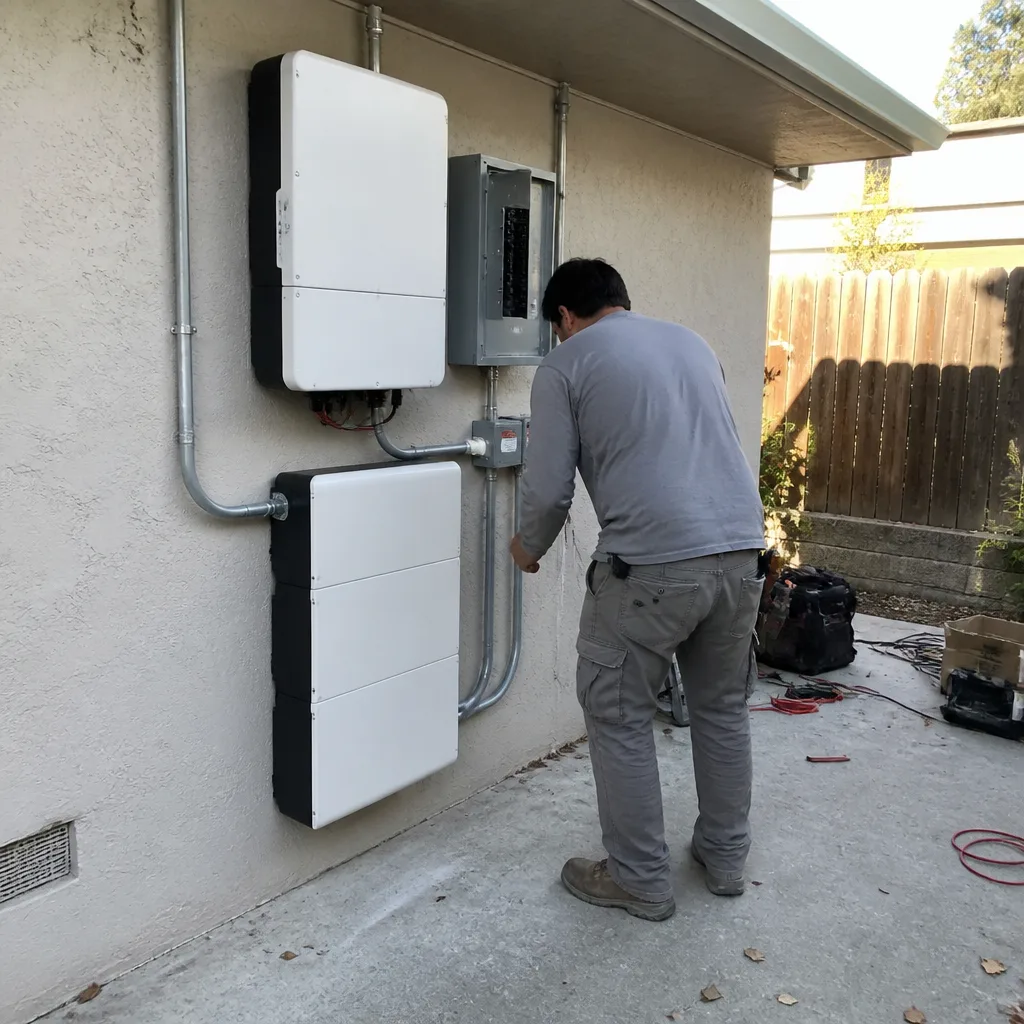 After
After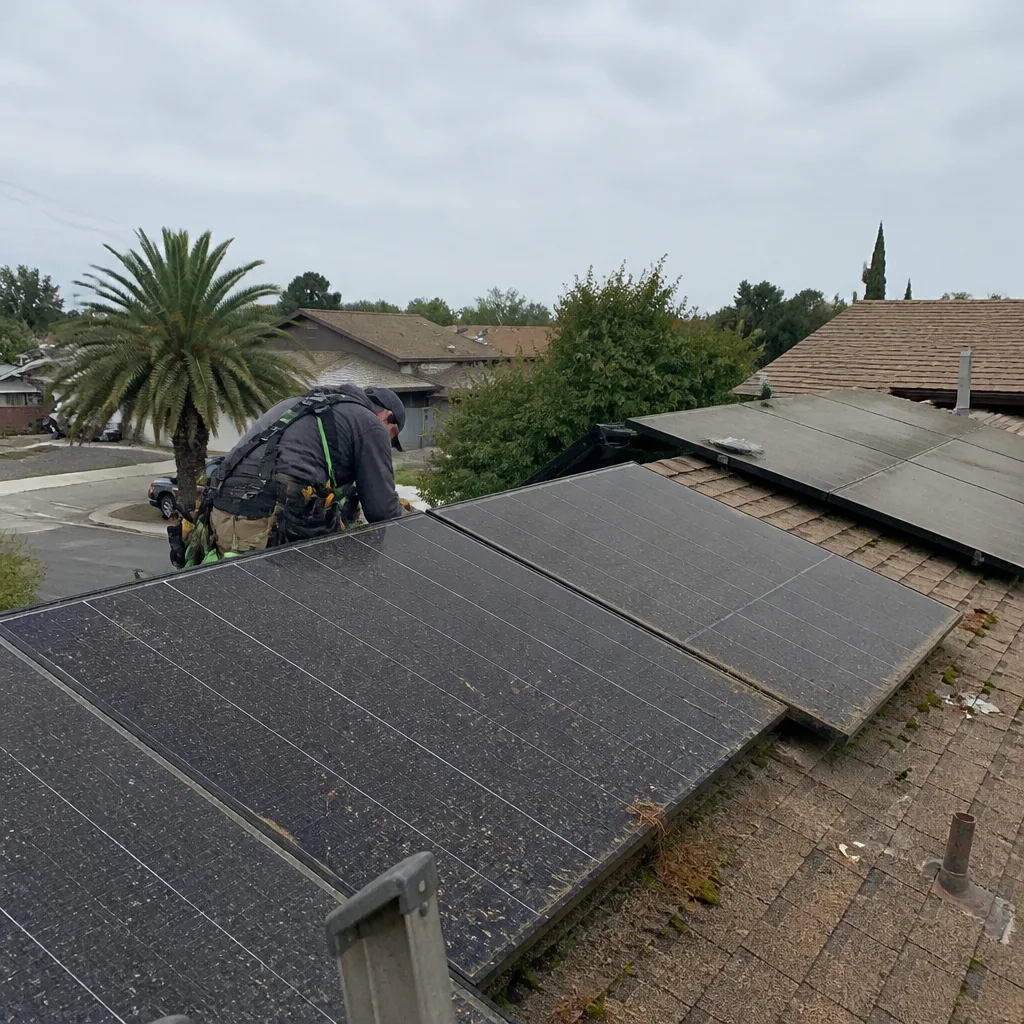 Before
 After
After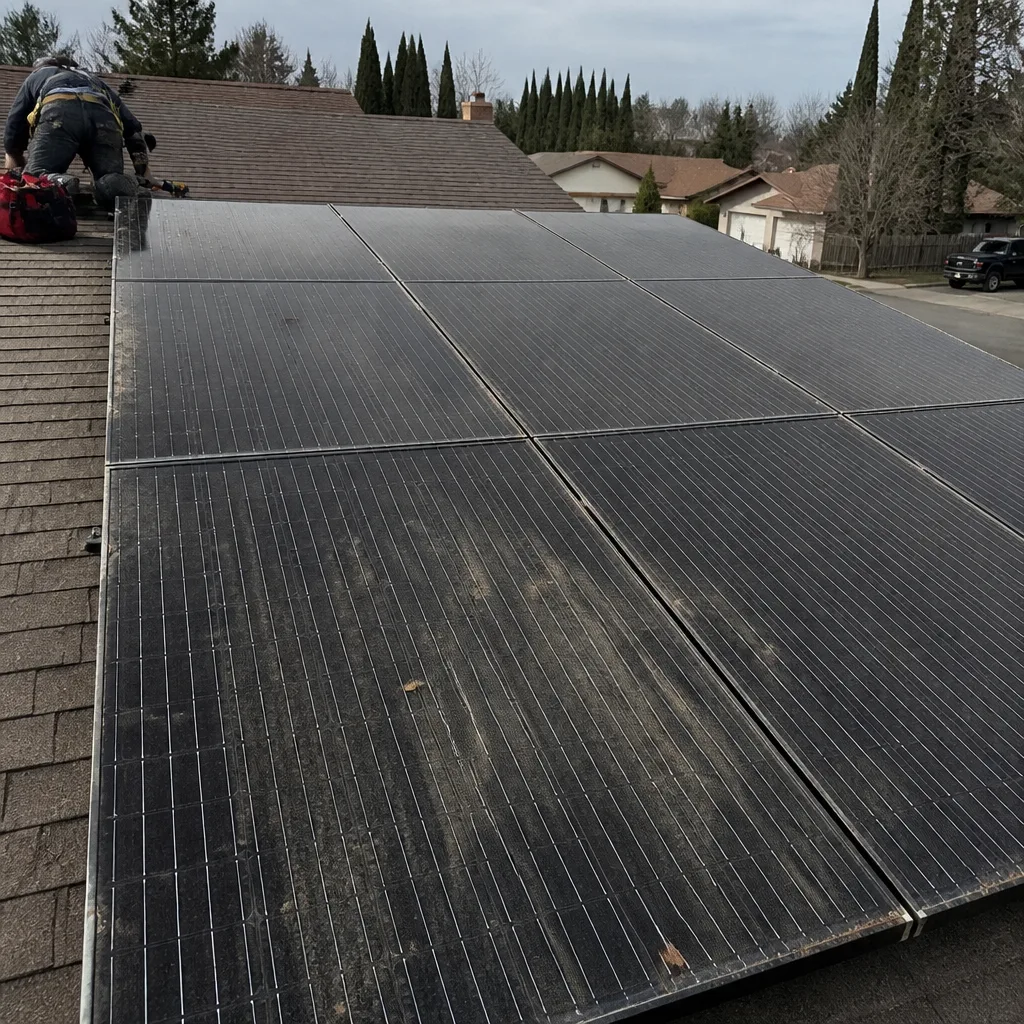 Before
 After
AfterFast, Reliable Solar Panel Maintenance & Monitoring Across Lucas Valley-Marinwood
Solar panel maintenance in Lucas Valley-Marinwood costs between $180 and $650 for most service calls, with annual inspections running $149 to $250 and full production diagnostics landing in the $350 to $600 range. We typically schedule maintenance visits within 2 to 3 business days, and urgent issues get same-day attention when your system is down. If your production numbers look off or your monitoring app has gone quiet, call (877) 550-6892 and Gus himself will walk through what you’re seeing. We know these valley-floor homes and the ridgelines that shadow them, which makes a real difference when diagnosing why a system built for open terrain is underperforming here.
Gus Petrakis has been working on Marin County solar systems since 2011, and he publishes his name, his address, and his license number because he doesn’t hide behind a call center. When you call about your system, you get Gus or one of his techs, not a ticket number. Our Solar Panel Maintenance & Monitoring crew comes out in marked trucks, shows up on time, and tells you honestly whether a service call is even necessary before charging you for one. That’s how we’ve built our name in Lucas Valley-Marinwood, one system and one neighbor at a time.
Key Takeaways for Lucas Valley-Marinwood Homeowners
- Annual solar inspections in Lucas Valley-Marinwood run $149 to $250, and they catch ridgeline shading issues before they quietly eat your annual production.
- Homes along Lucas Valley Road and the valley floor routinely lose 1 to 2 hours of usable sun daily, which automated monitoring baselines never account for.
- Our Solar Panel Maintenance & Monitoring team grounds every diagnostic in an actual site walk, not a satellite estimate.
- MCE net metering rates change what your excess production is worth, and our monitoring thresholds are set against MCE’s actual export schedule.
- Gus answers his own phone at (877) 550-6892, and he’ll tell you straight if a service call is worth your money or not.
Why Gus’s Solar Handles Solar Panel Maintenance & Monitoring in Lucas Valley-Marinwood
We have been out here long enough to know the houses, the hills, and the exact spots where the evening shadow lands first. That matters more than most people realize. Lucas Valley-Marinwood sits in a narrow valley floor flanked by Marin County ridgelines to the east and west, and those hills compress the effective daily solar window. A standard production estimate built on satellite imagery will tell a homeowner on Lucas Valley Road that their panels should be producing just fine. Then winter arrives and the system drops 40 percent below the projected curve. The panels are not broken. The baseline was wrong from day one.
We get calls from residents in the 94903 ZIP code who have been told by their original installer that everything looks normal, even when their own eyes tell them something is off. That’s because out-of-state monitoring services only see what the inverter reports. They don’t see the ridgeline clipping the low winter sun. We do, because we stand in the yard and look. The Solar Panel Maintenance & Monitoring in Lucas Valley-Marinwood work we do starts with the actual site, not a dashboard halfway across the country.
We also know the housing stock here. These single-story ranch tract homes, most built in the 1960s and early 1970s, have low-pitch roofs that were never designed with solar in mind. Original composition shingle roofs from that era are often near the end of their lifespan, and a maintenance call can quickly turn into a roof-science conversation. We have seen it enough times that we can tell you before we climb the ladder what we are likely to find.
Our Solar Panel Maintenance & Monitoring Services in Lucas Valley-Marinwood
Annual System Inspection
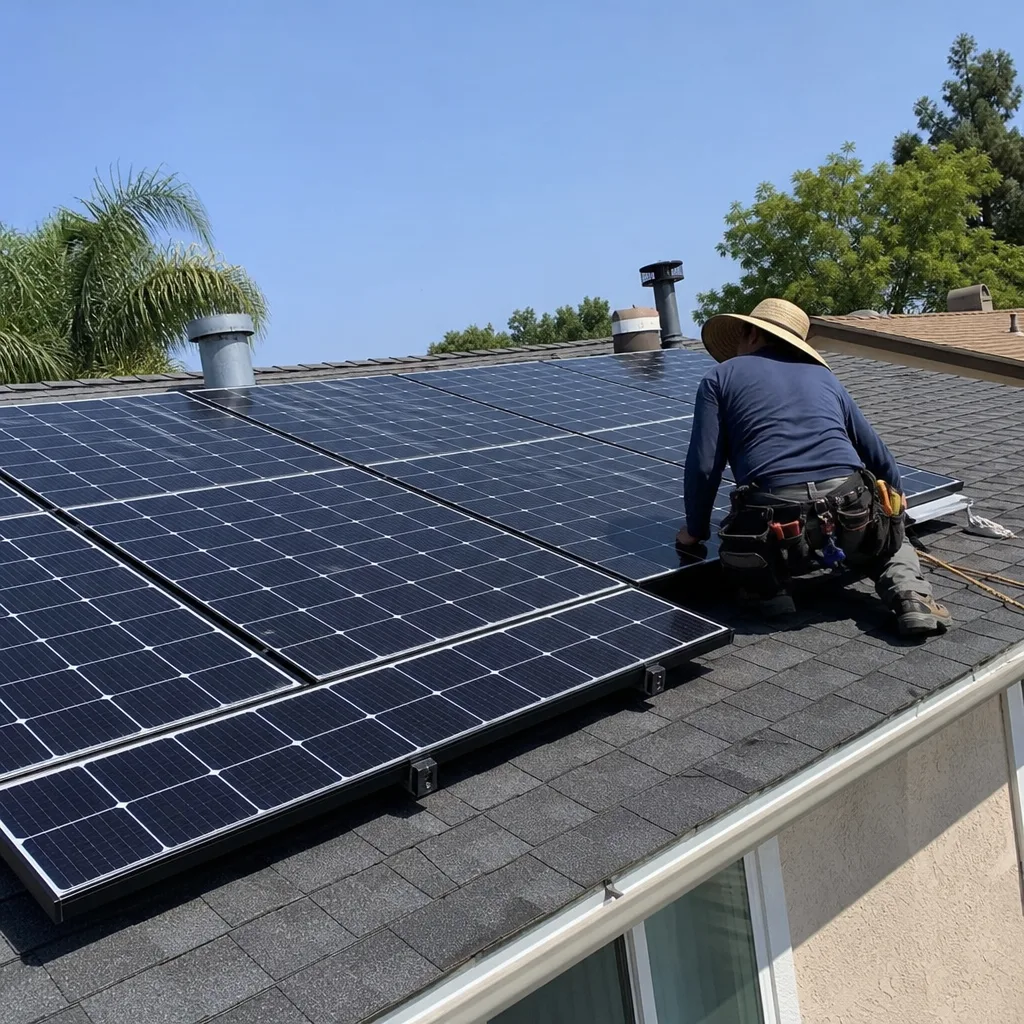
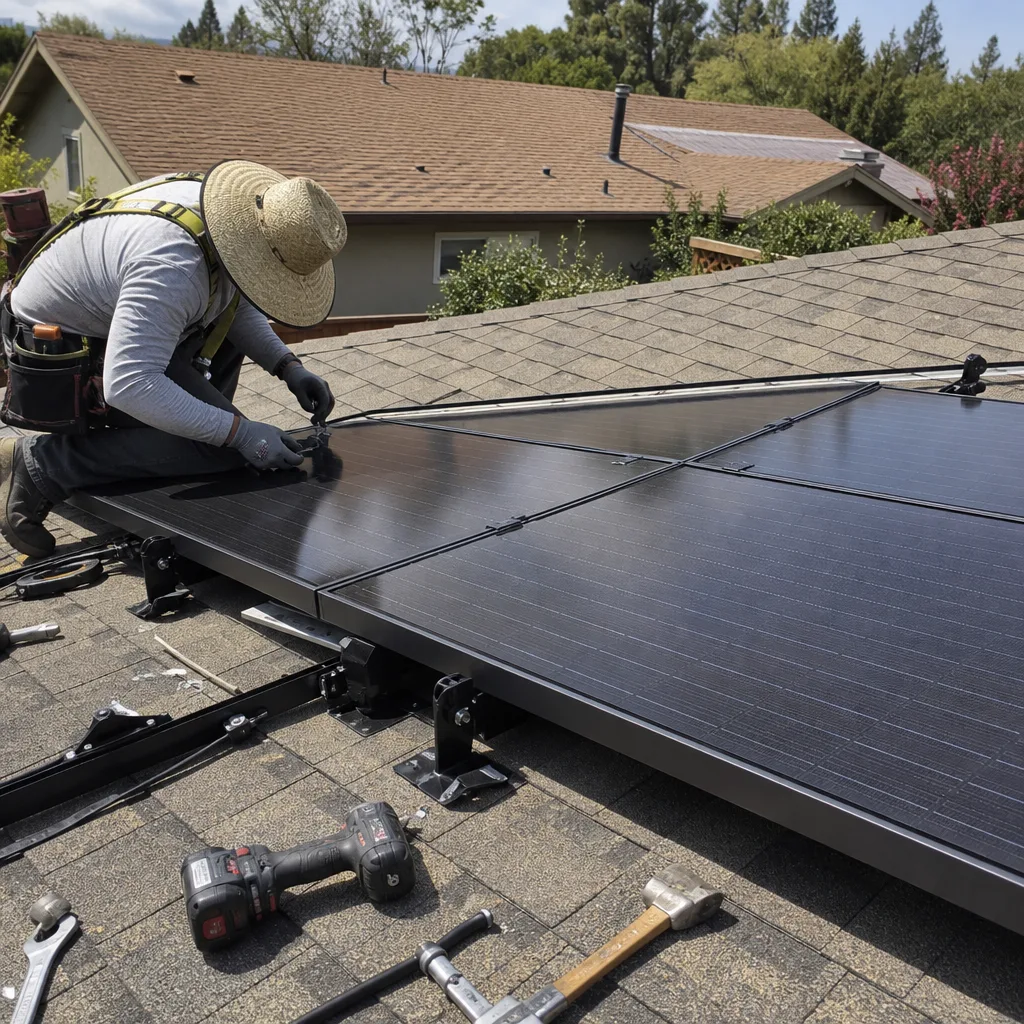
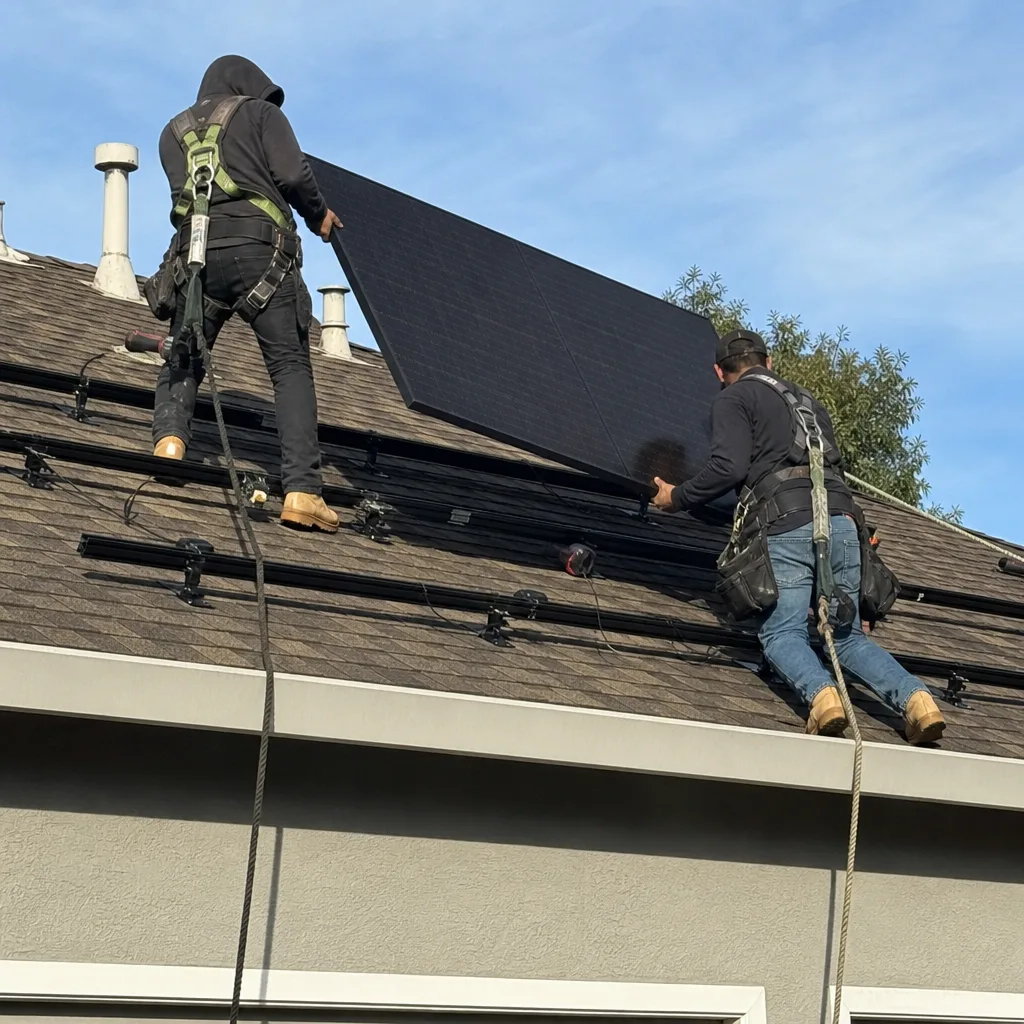
Every Lucas Valley-Marinwood solar system should get an eyes-on inspection at least once a year, and more often if you live along Lucas Valley Road or anywhere the hills steal morning or evening sun. Our annual inspection includes panel-level electrical testing, microinverter or string inverter health checks, mounting and flashing inspection, and a shade analysis revisit using a Solar Pathfinder. That last step is the one most companies skip, and it is the one that matters most in a valley with compressed sun. We tell you what is actually producing and what is dragging your system down.
Production Monitoring Setup
If your system was installed without proper monitoring, or if the original monitoring app was never configured for your household, we set it up right. We connect your Enphase, SolarEdge, Tesla, or FranklinWH system to mobile and web dashboards, then calibrate alert thresholds against your actual site conditions. In Lucas Valley-Marinwood, that means setting winter alert curves that acknowledge the ridgelines will cut production in December and January, but should recover by March. We don’t set generic thresholds. We set thresholds that make sense for your roof, your hillside, and your historical production data.
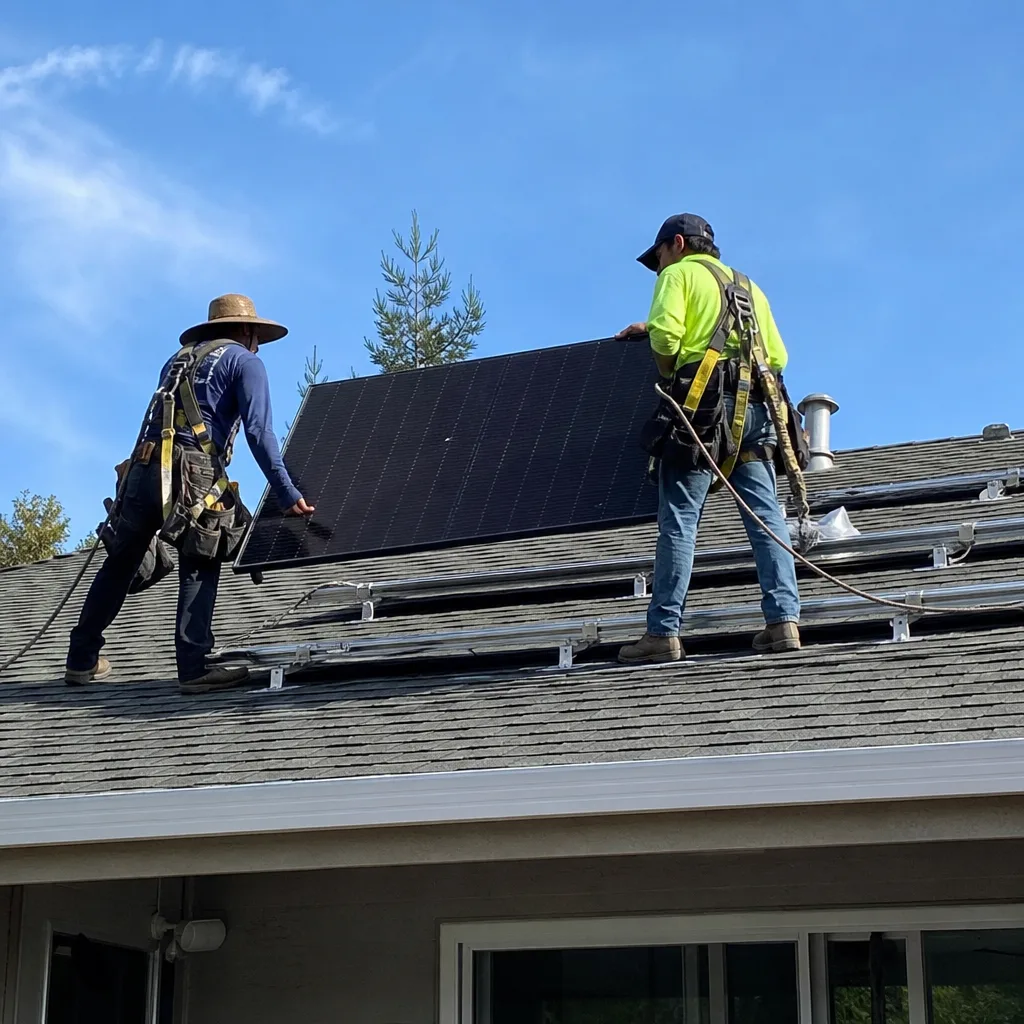
Underperformance Diagnostics
We get more underperformance calls from Lucas Valley-Marinwood than from nearly anywhere else in Marin, and most of them trace back to the same root cause. Legacy inverters and string systems were often sized using open-terrain production assumptions. When those systems sit on the valley floor east of the western ridgeline, the low winter sun arc gets clipped and the system produces far less than the original estimate said it would. Our diagnostic process separates true equipment failure from that site-specific shading penalty. We do not sell you a new inverter if a monitoring reconfiguration fixes the numbers. We tell you what we find and nothing else.
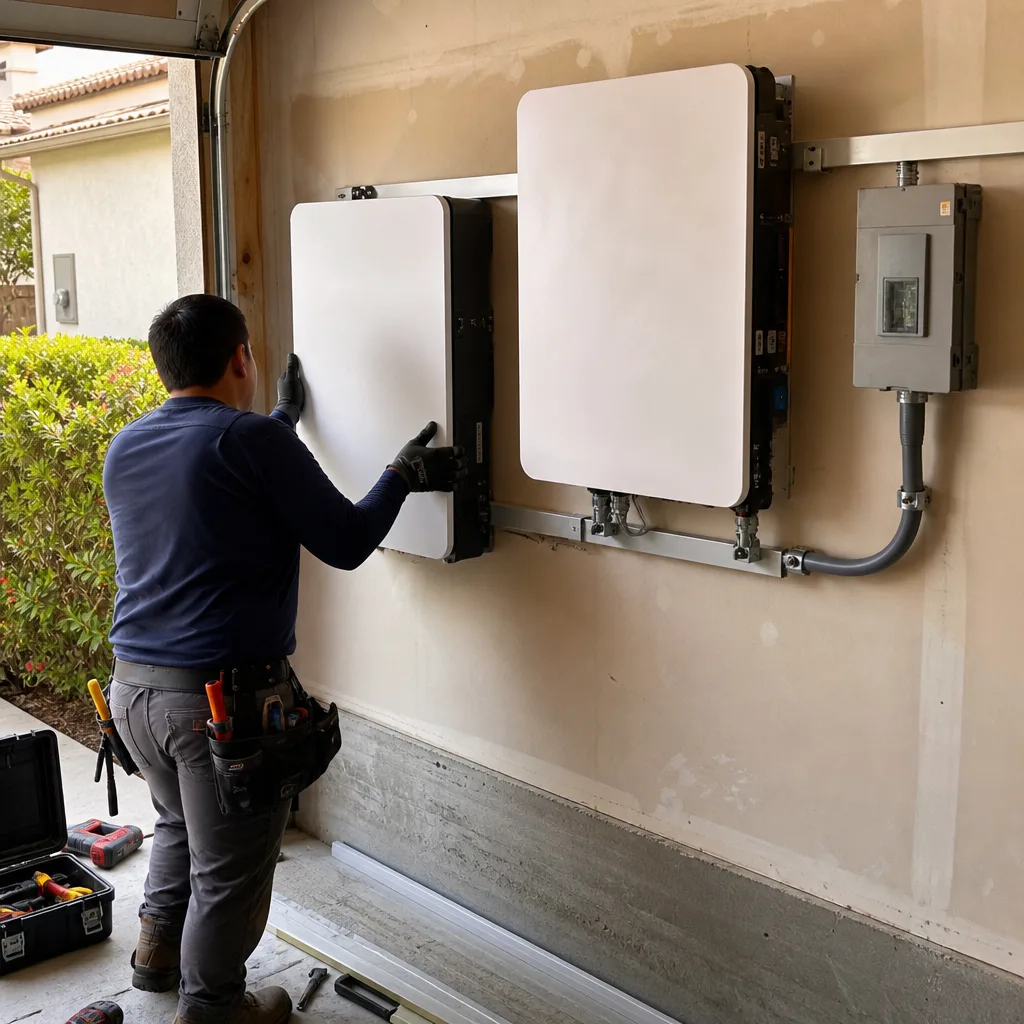
Firmware & App Configuration
Your inverter and monitoring hardware need occasional firmware updates to stay compatible with MCE interconnection requirements and utility reporting. We handle updates for Enphase IQ series, SolarEdge HD-Wave and newer models, Tesla inverters, and FranklinWH aGate systems. We also reconfigure app settings when you change Wi-Fi equipment, when MCE updates their time-of-use schedules, or when your monitoring portal stops reporting accurately. You don’t need to fight with manufacturer phone trees. That’s what we’re here for.
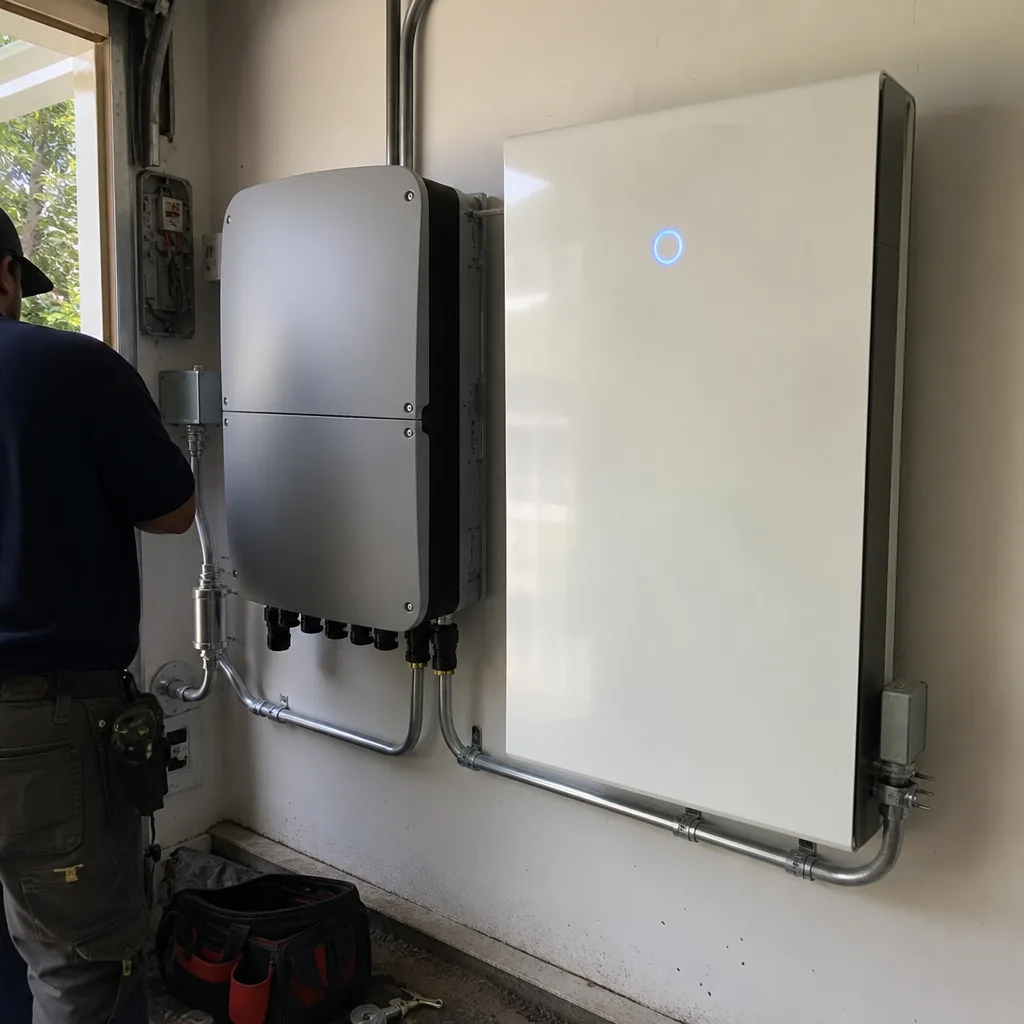
What happens when you call
- 1
A real person answersNo phone trees - you reach a local pro.
- 2
You get an upfront price rangeHonest numbers before anyone is dispatched.
- 3
A background-checked tech heads outLicensed & insured, dispatched right away.
- 4
You approve before work beginsNothing starts until you say go.
Trusted Brands We Service in Lucas Valley-Marinwood
Gus’s crew works on equipment from Enphase, SolarEdge, Tesla, and FranklinWH, and we carry common replacement parts and diagnostic tools for all four in our Marin County trucks. That means when we find a failing Enphase microinverter on a ranch home near Lucas Valley Road, we can often swap it the same day instead of ordering parts and rescheduling. If your system uses something we don’t normally stock, we tell you that up front and we get the part. We don’t pretend every repair is a quick fix. We work with the leading equipment brands because that’s what was installed on these homes, and we keep our knowledge current on all of them.
Common Solar Panel Maintenance & Monitoring Problems We See in Lucas Valley-Marinwood Homes
- Winter production drops far beyond expected panel degradation. The eastern and western ridgelines clip the low winter sun, and homes along Lucas Valley Road can lose one to two hours of usable production daily between November and February. This penalty never shows up in satellite-based production estimates.
- Original composition shingle roofs from the 1960s and early 1970s are trapping moisture under panel mounts. Shallow-pitch roofs shed water slowly, and once the original shingle layer starts to go, the mounting penetrations become a moisture pathway. We check flashing integrity on every maintenance visit in the 94903 area.
- Older string inverter systems lack rapid shutdown compliance updates. MCE interconnection audits can flag legacy hardware during maintenance events or replacements, and bringing those systems up to current code often requires an inverter retrofit or addition of module-level power electronics. We handle that compliance work in-house.
- Monitoring alerts were set against open-terrain baselines and fire off uselessly all winter. A homeowner near the valley floor gets alert fatigue from false underproduction warnings. We recalibrate thresholds against the actual hill horizon angle measured on-site, so alerts mean something again.
Pricing for Solar Panel Maintenance & Monitoring in Lucas Valley-Marinwood, CA
A typical annual inspection in Lucas Valley-Marinwood runs $149 to $250, depending on system size and roof accessibility. Production monitoring setup, including app configuration and alert calibration, costs $200 to $400 for most systems. Underperformance diagnostics and inverter-level testing run $350 to $600 when it requires a site walk with shade analysis and electrical testing at the array level. If we find something broken, we quote the repair separately and you decide before we do anything. Estimates are free, and there’s never a trip charge for Lucas Valley-Marinwood homes inside our own county. Bring us your bill, we’ll bring you the math. Call (877) 550-6892.
We Also Serve Cities Near Lucas Valley-Marinwood
Our crews handle maintenance and monitoring calls across the neighboring Marin communities of San Rafael, Fairfax, San Anselmo, and Novato. If your home sits in one of those areas and you’re noticing production drops or monitoring issues, the same Solar Panel Maintenance & Monitoring team handles it. Local scheduling, local techs, no subcontracted labor.
Serving Lucas Valley-Marinwood, CA - Our Local Coverage Area
We’re based in the Lucas Valley-Marinwood area and know this community well. Use the map below to see our service coverage - if you’re nearby, we can almost certainly help.
FAQs - Solar Panel Maintenance & Monitoring in Lucas Valley-Marinwood
Because the ridgelines on either side of Lucas Valley-Marinwood compress the effective solar window, cutting one to two hours of usable sun daily during the low winter arc. San Rafael homes in open terrain don’t face the same east-west horizon penalty. Your panels aren’t failing; your site simply receives materially less usable sunlight from November through February.
Your winter alert threshold should be calibrated to a ground-truth shade analysis, not a satellite projection. We set thresholds that expect a steeper winter production curve, with recovery benchmarks starting in late February and full recovery by mid-March. The exact numbers depend on your roofline and your distance from the western ridgeline. Call (877) 550-6892 and we’ll walk the site and set it correctly.
Yes, and significantly for some households. MCE’s NEM export rates and time-of-use schedules are different from PG&E’s standard assumptions, and your system’s financial return depends on when you produce versus when you consume. If your monitoring baseline isn’t set against MCE’s actual rate schedule, you may be making maintenance decisions based on wrong numbers. We model every Lucas Valley-Marinwood system against MCE’s published rates, not generic utility defaults.
Look for visible granule loss on composition shingles, curling or lifting at the edges, and any moss or algae buildup near panel mounting feet. These shallow-pitch ranch roofs from the 1960s and early 1970s are often at or beyond their service life, and the moisture they trap can compromise panel mounts. We check all of that during the inspection, but a quick look yourself helps you know what questions to ask.
Yes. Microinverters like Enphase IQ models isolate shading losses at the panel level, so one shadowed panel doesn’t drag the whole array down. String inverters, especially older models, lose the entire string’s output when one section goes into shade, which means the ripple effects of ridgeline shading are far more severe. If you have an older string system on a valley floor home, that’s often the first thing we diagnose.
Why Ground-Truth Shade Analysis Matters on Every Lucas Valley-Marinwood Maintenance Visit
Here’s what we see out here that no satellite estimate will ever catch. Homes along Lucas Valley Road and the valley floor of the 94903 ZIP code sit between two ridgelines that pinch the sun’s daily arc. In summer, the angle is high enough that the hills barely matter. In winter, the low sun gets cut off by the western ridgeline hours before the panels would otherwise stop producing, and the eastern ridgeline delays the first useful light of the day. That’s one to two hours of lost production daily, every day, for months. Google Project Sunroof and most installer software do not see this. They assume open terrain. We stand on your roof with a Solar Pathfinder and measure the actual horizon angle against your array. That measurement becomes the baseline for everything else: your monitoring alerts, your production forecasts, your maintenance expectations, and your ROI math.
We serviced an Enphase IQ7 microinverter system on a single-story ranch home near Lucas Valley Road where the homeowner was seeing winter production drop far more than the panel degradation rate alone would explain. The original installer’s monitoring dashboard showed everything “working normally.” Our field tech walked the site with a Solar Pathfinder and found the ridgeline was clipping the low winter sun azimuth earlier than the original production estimate assumed. We reconfigured the monitoring alerts and advised the owner to expect a steeper seasonal kWh offset curve. The system was fine. The baseline was wrong. That’s the difference between a maintenance call that finds nothing and a maintenance call that actually explains the numbers.
Common Legacy Issues in Lucas Valley-Marinwood’s Older Ranch Homes
The residential solar systems in this valley are aging alongside the houses they sit on. Most of these single-story ranch homes were built in the 1960s and early 1970s, often with composition shingle roofs that are now decades past their intended service life. When we inspect a system on an original roof, we’re looking at mounting penetrations, flashing condition, and the overall integrity of the roof deck beneath the array. We have seen moisture intrusion under mounts on these older shallow-pitch roofs, which can require roof section replacement before panel removal is safe or smart.
The inverters and monitoring hardware on many of these systems are similarly vintage. String inverters from the early 2010s often lack the rapid shutdown compliance updates that current code and MCE interconnection standards require. That means when maintenance or replacement work happens, those legacy inverters can fail a compliance audit. We handle that retrofit in-house, because Gus’s crew does the work ourselves, and we don’t sub out the electrical or the roof work.
What to Expect When You Call for Solar Panel Maintenance in Lucas Valley-Marinwood
You call (877) 550-6892 and a live person answers. That’s Gus or one of his own team members, not a voicemail queue and not a call center. You tell us what you’re seeing: production numbers that don’t match your neighbor’s system, a monitoring app that stopped reporting, an inverter that’s throwing error codes, or just an old system that’s never been inspected. We schedule a time that works, usually within 2 to 3 business days for maintenance in Lucas Valley-Marinwood, same day for urgent issues.
When we arrive, we’re in a marked truck, background-checked and uniformed. We inspect, we test, we diagnose. If it’s a monitoring calibration issue, we fix it on the spot and show you the before and after. If it’s a hardware problem, we quote the repair in plain numbers and you decide. No pressure, no signature wanted tonight. If a salesman needs an answer tonight, the answer is no. We quote the year-25 output, not the day-one brochure number.
Your Solar Investment in Lucas Valley-Marinwood Deserves Honest Local Maintenance
The solar industry is full of companies that sold systems here and then disappeared. Gus Petrakis has been doing this since 2011, and his name, address, and license number are published because he stands behind every system his crew touches. When your production drops and you can’t figure out why, the answer usually isn’t a new system. It’s a proper diagnostic from someone who knows these valley floors, these ridgelines, and these aging ranch roofs. The L.O.C.A.L. values we operate by aren’t marketing. Local roots, on time, community first, accountable, loyal. That’s how a neighborhood business should work.
Call (877) 550-6892 for a free estimate on solar panel maintenance and monitoring in Lucas Valley-Marinwood. Gus answers his own phone, and he’ll give you an honest read on whether your system needs attention or whether those winter numbers are simply what a valley-floor home should produce in December. Either way, you’ll know the truth.
Written by Gus Petrakis, Owner at Gus’s Solar, serving Lucas Valley-Marinwood and Marin County since 2011.