
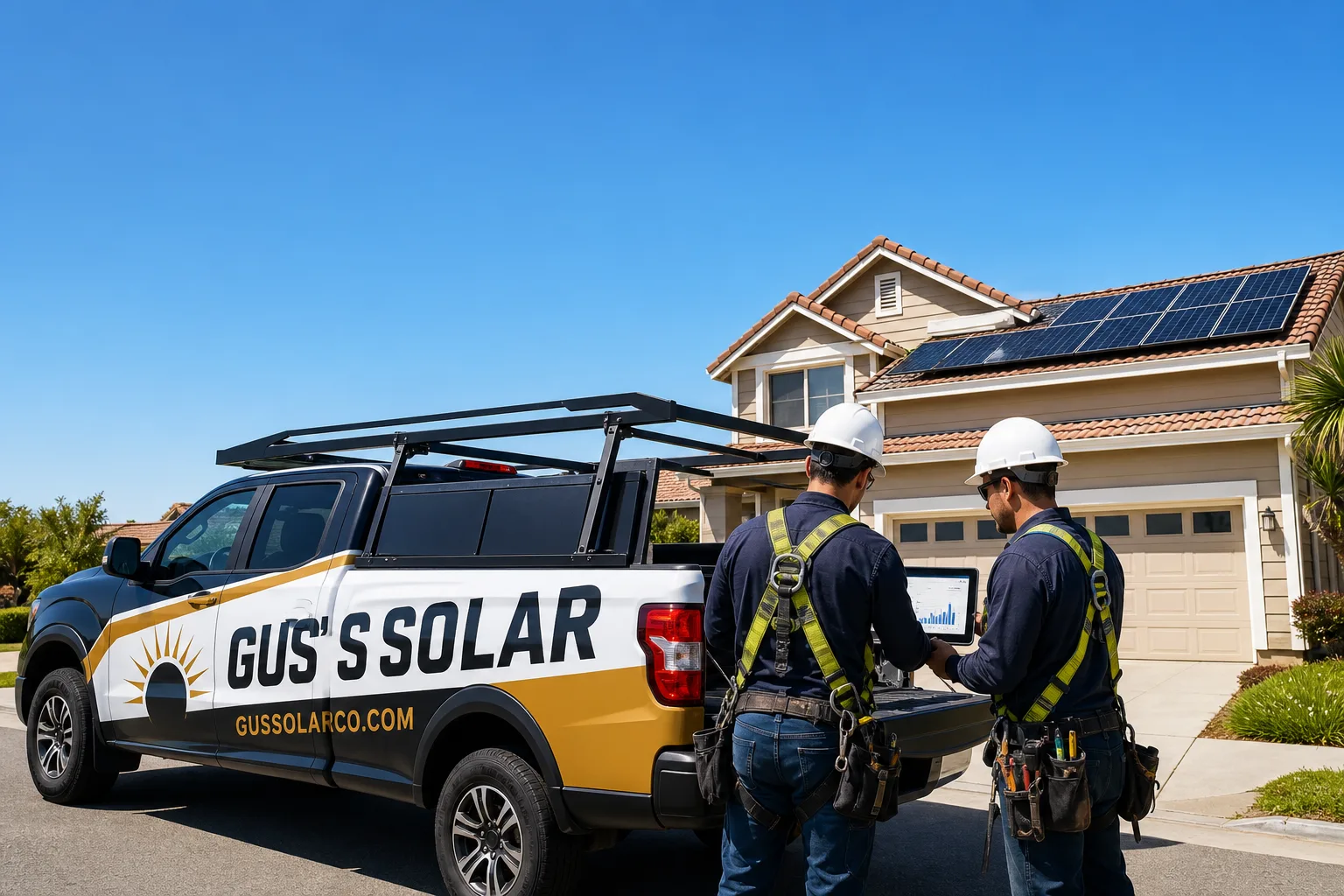
Free bill analysis - bring a power bill, get the production math for your actual roof, panel brands like Qcells and REC compared side by side
If the pitch starts at your door and ends with "sign tonight for the special," sleep on it. The sun will still be there tomorrow; so will we.
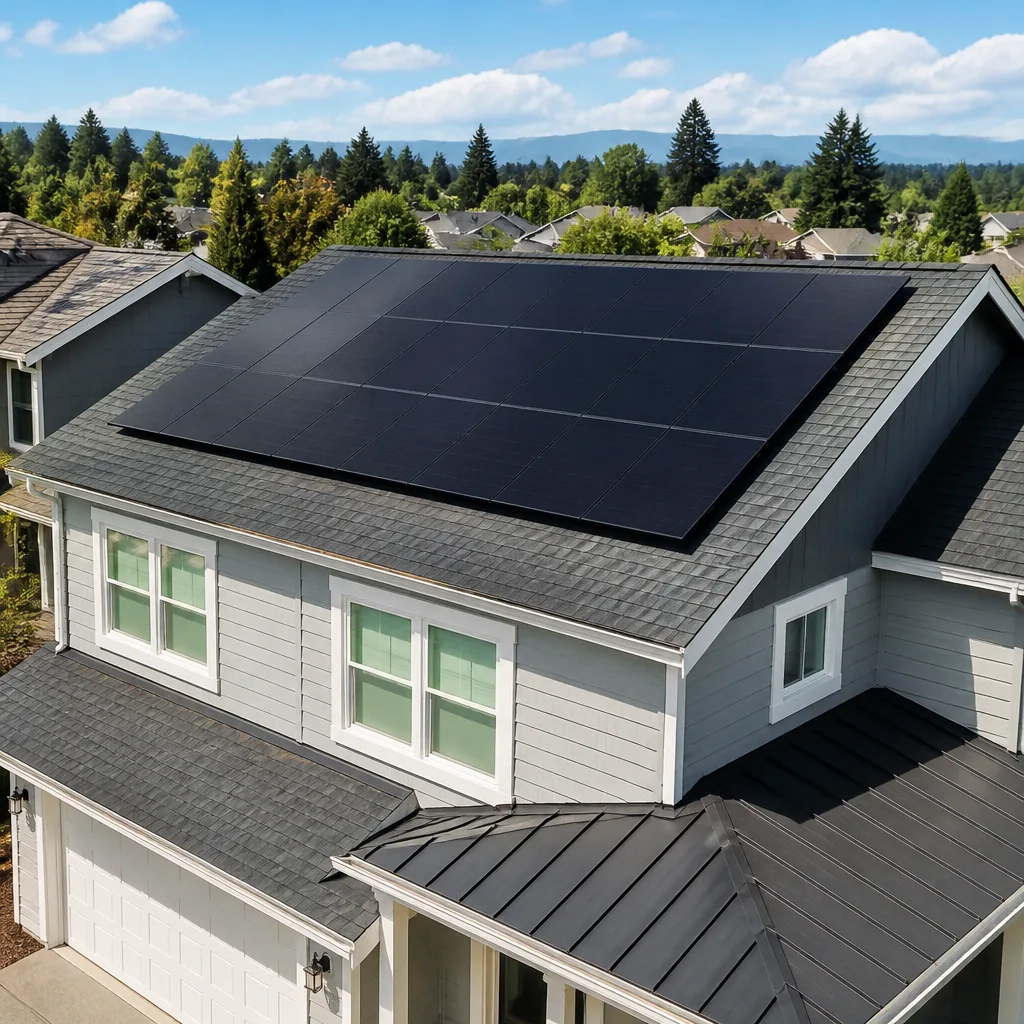
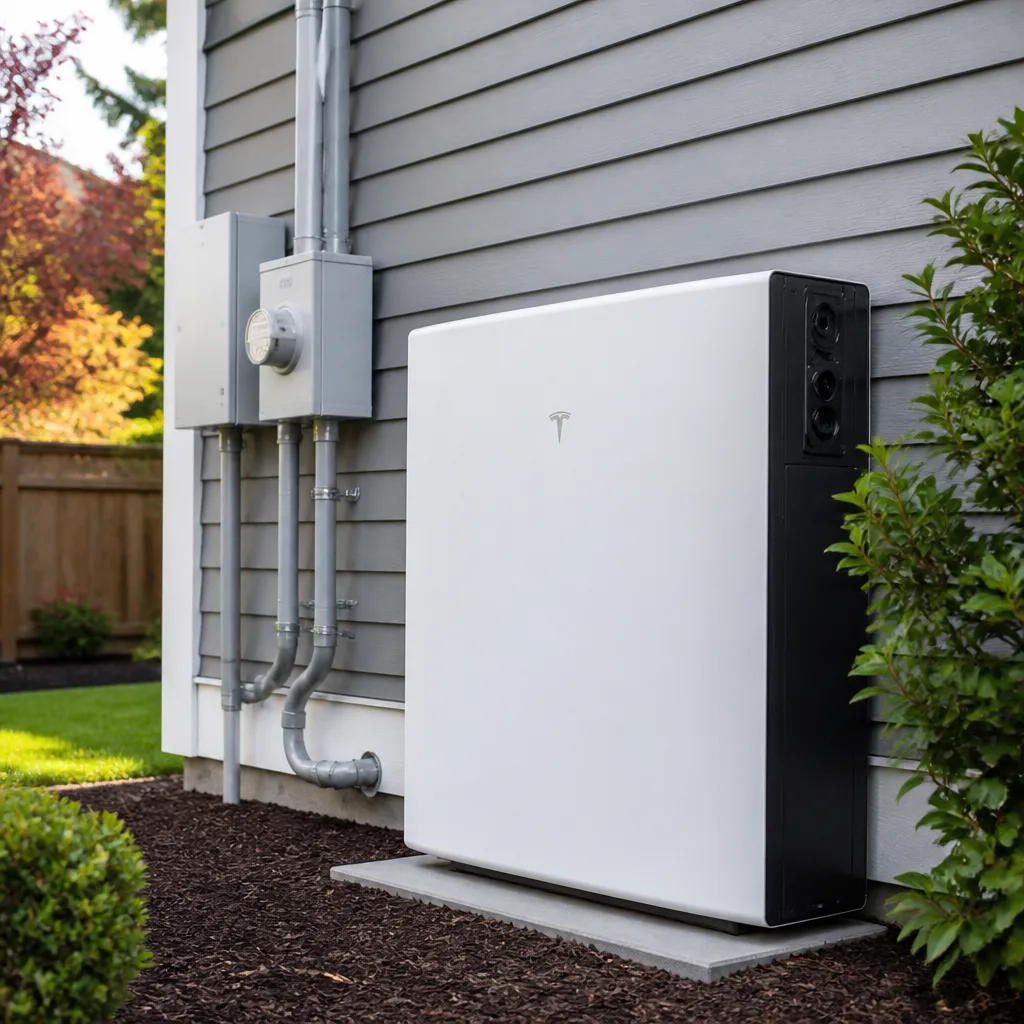
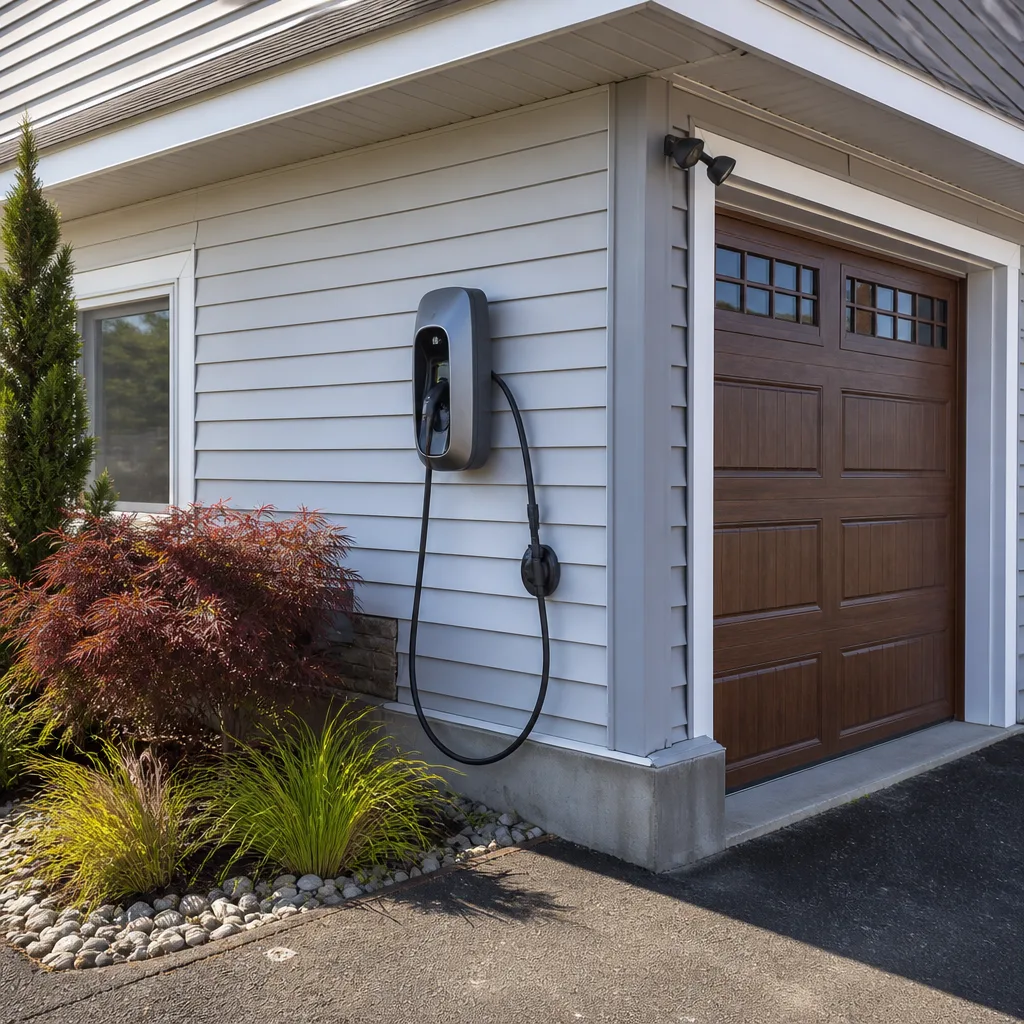
 Before
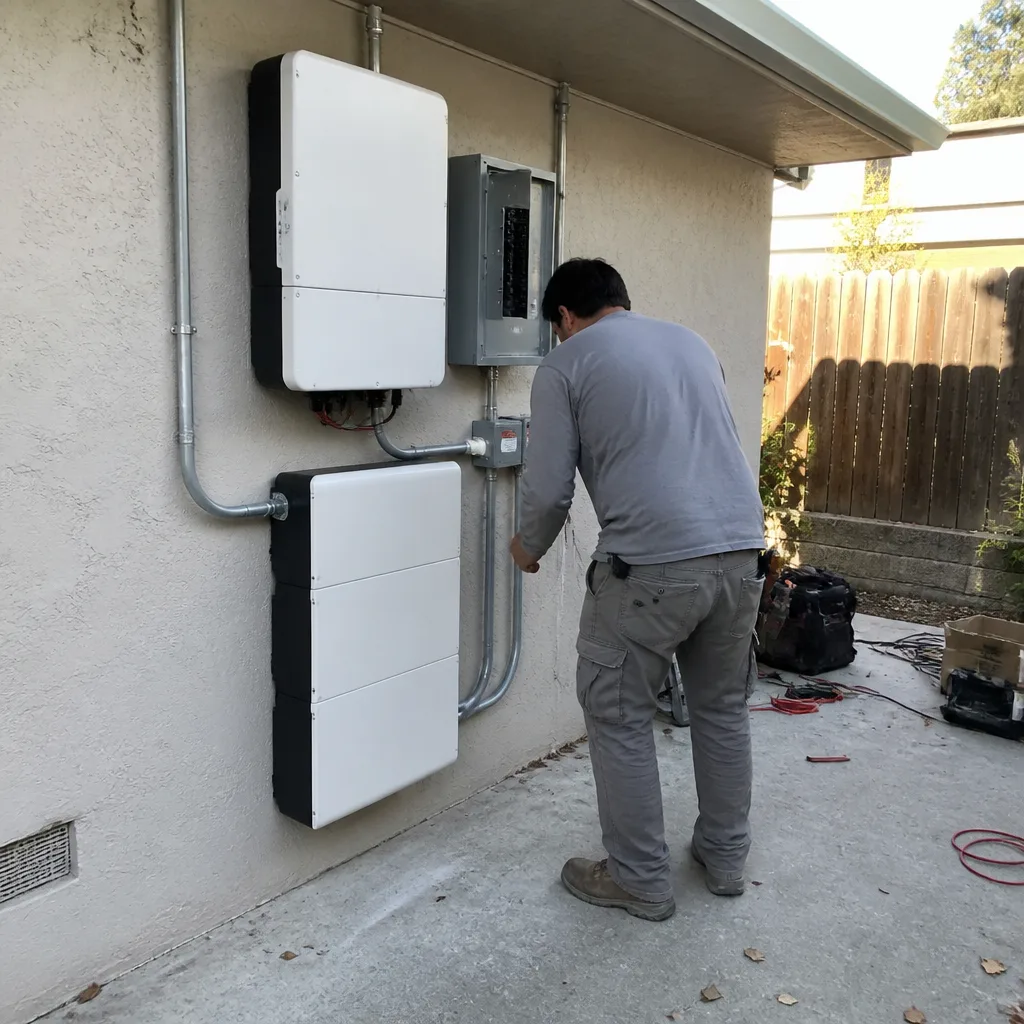 After
After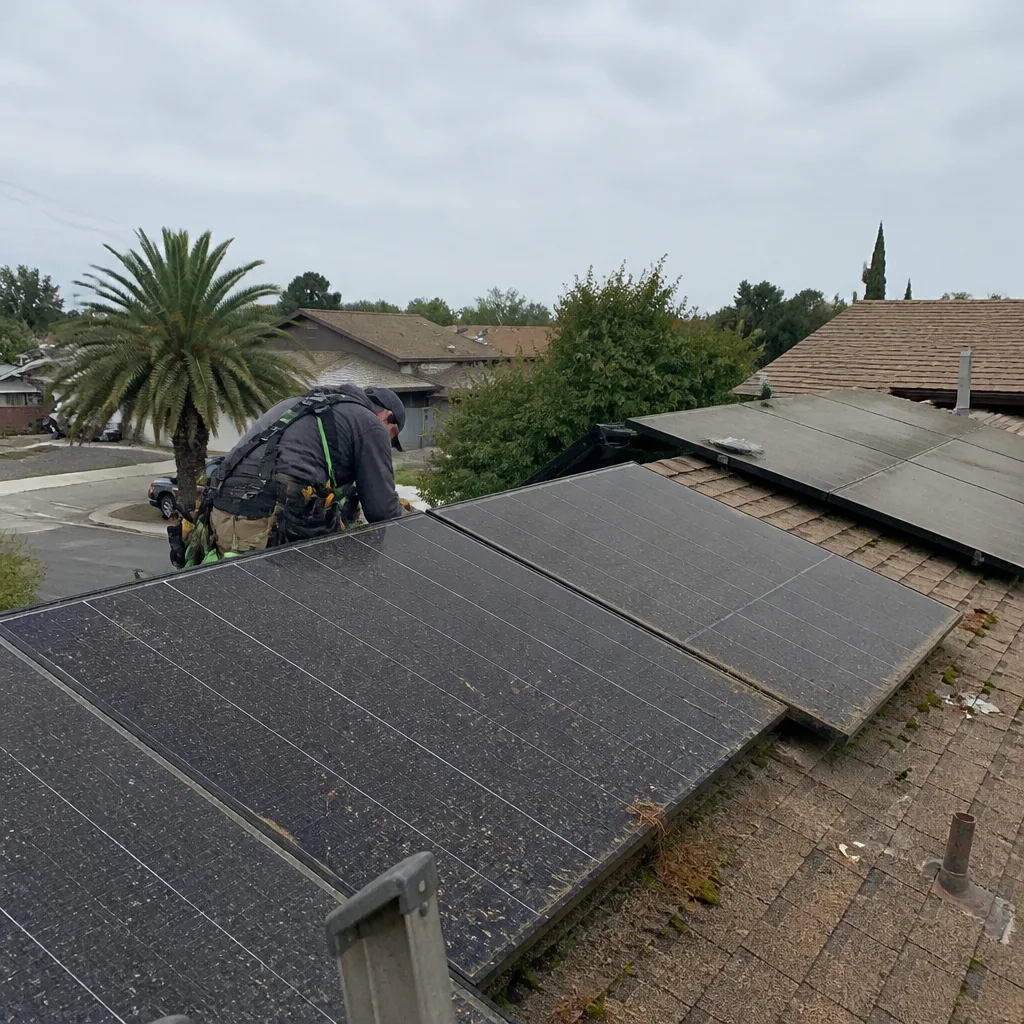 Before
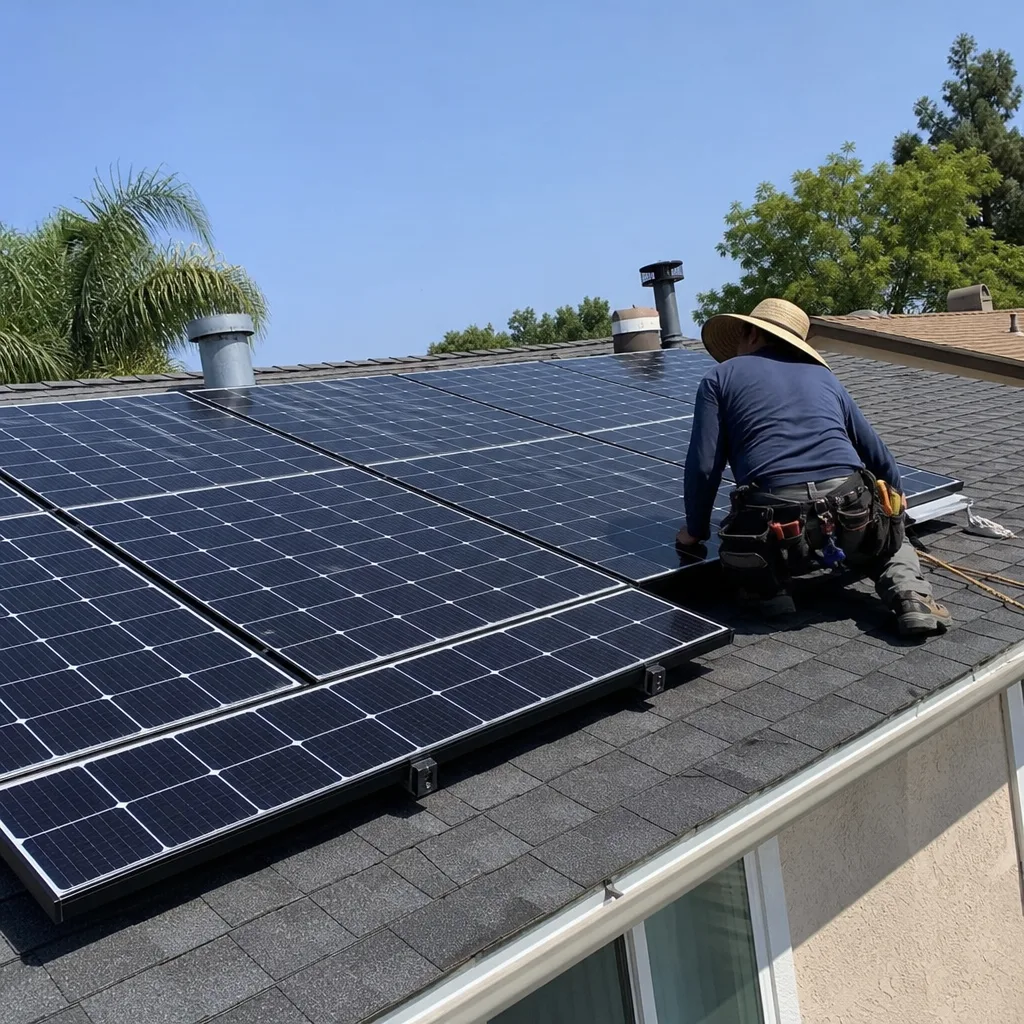 After
After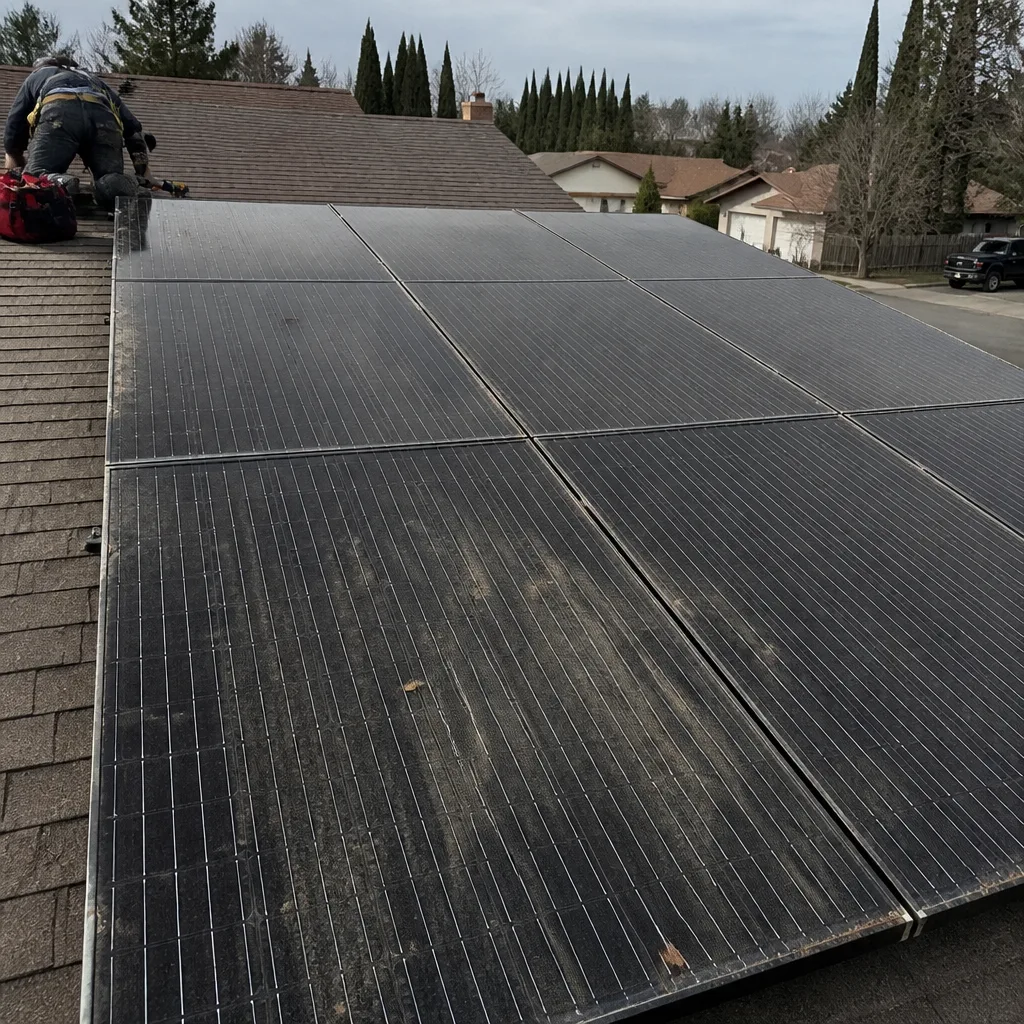 Before
 After
AfterFast, Reliable Solar Panel Maintenance & Monitoring Across Lancaster
Most Lancaster homeowners with solar don’t have a production problem they can see. They have a system that quietly loses 10 to 15 percent of its output every hot afternoon and a true-up bill that arrives 18 months later saying exactly that. Gus’s Solar handles maintenance and monitoring for Lancaster’s aging residential solar stock, most of it installed after the city’s landmark 2013 ordinance. We answer the phone, we come out fast, and we fix the thing before the next billing cycle punishes you for not noticing. Call (877) 550-6892 and tell us what your monitoring app says, or that it doesn’t say anything anymore. Either way, we’ll take it from there.
Why Gus’s Solar Is Lancaster’s Preferred Solar Panel Maintenance & Monitoring Company
Gus Petrakis put his name on this business in 2011 and hasn’t taken it off. That matters in Lancaster, where a lot of the original installers from the 2013-2016 boom left town years ago and homeowners are stuck calling toll-free numbers for warranty support that never materializes. Gus’s crew shows up in marked trucks, uniformed and background-checked, and they already know the local housing stock because they’ve worked on hundreds of the same builder-grade systems over the years.
Lancaster customers call us for one reason more than any other: their inverter stopped reporting, their app lost connectivity, or their production has slipped and they can’t figure out why. We handle those calls the same day in most cases. Our office coordinates from the Dallas-Fort Worth metro, but we schedule service calls throughout Lancaster’s 93539, 93584, 93586, and 93534 ZIP codes without treating the drive like an inconvenience. A live person answers the phone 24/7. Not a voicemail. Not a ticket portal. That’s what Solar Panel Maintenance & Monitoring should look like.
We work by the same rules in Lancaster that we do everywhere else: no pressure, no signature tonight, and the quote we give you is the number on the invoice. Take two weeks. Think about it. The price will be the same.
Our Solar Panel Maintenance & Monitoring Services in Lancaster
Annual System Inspection
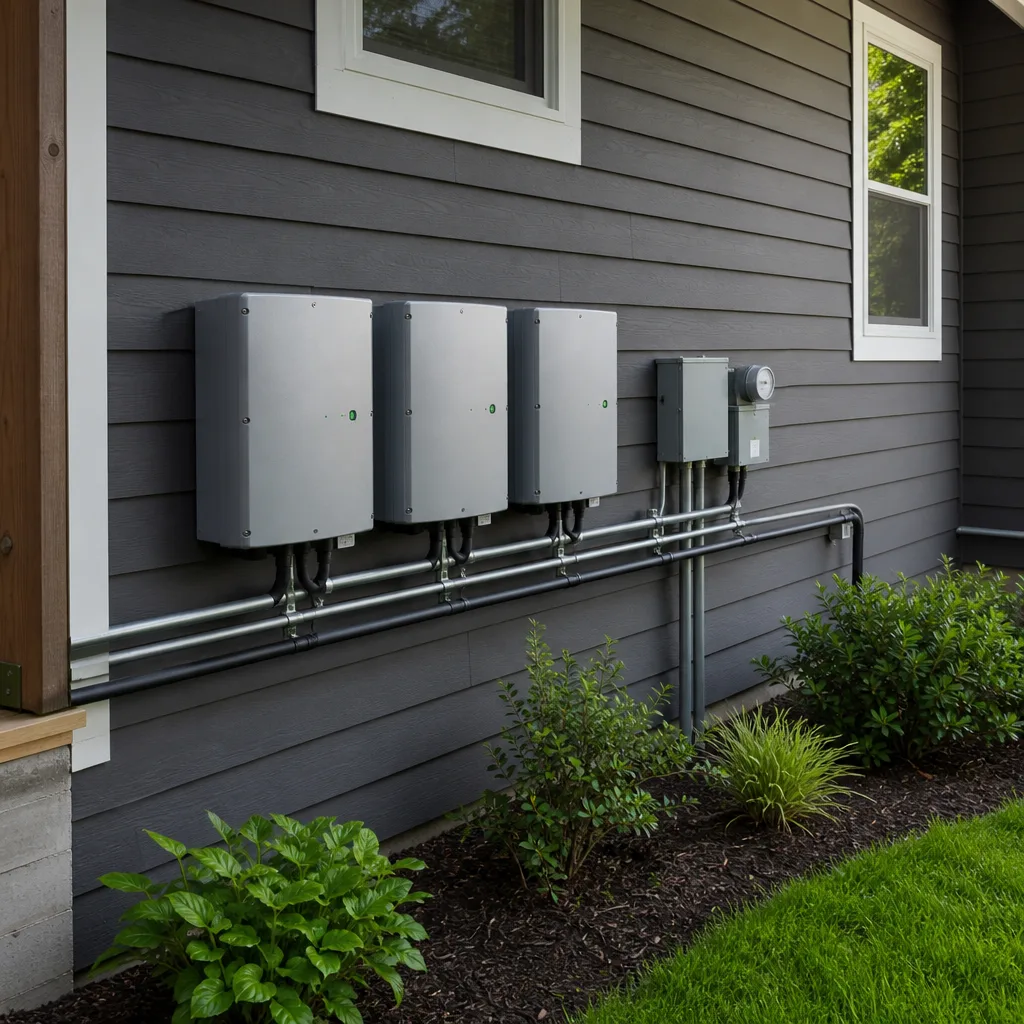
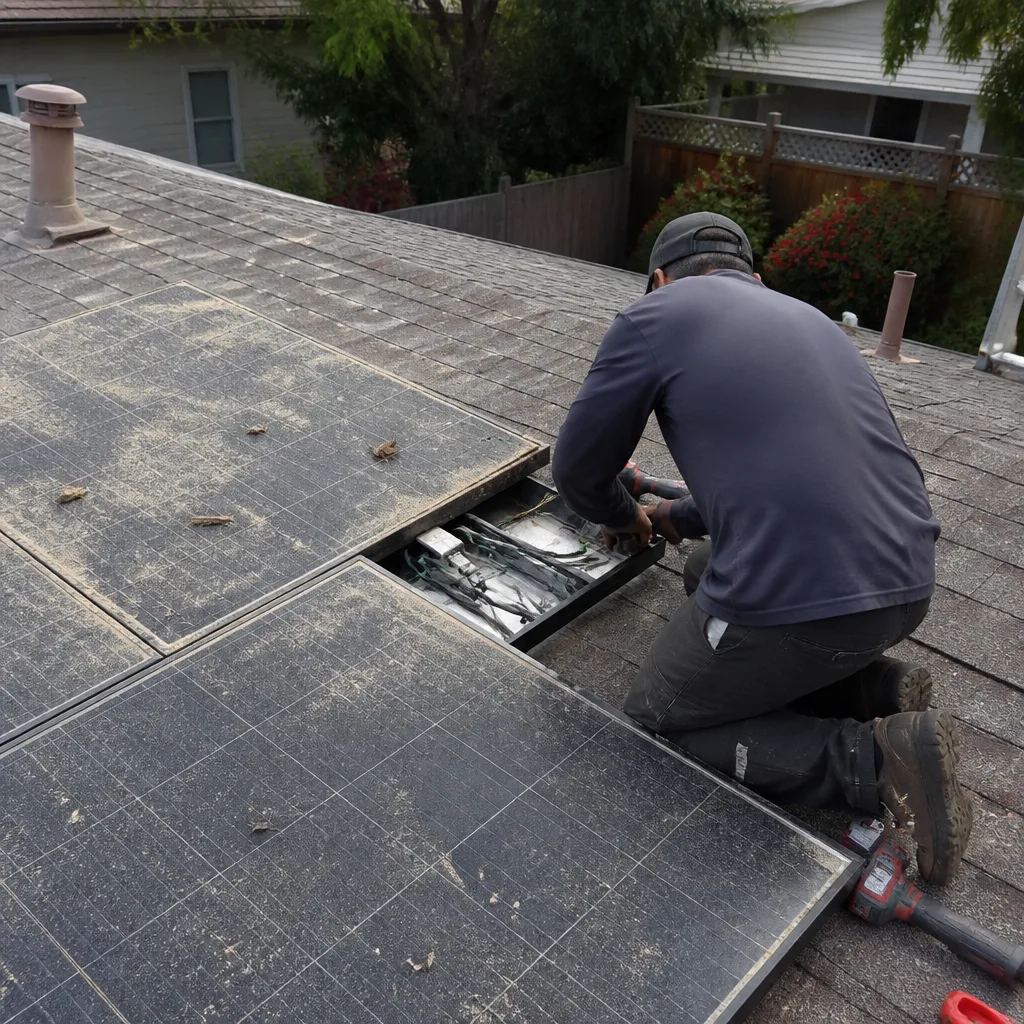
In Lancaster, an annual inspection isn’t optional fluff. The Antelope Valley’s dry winds carry fine alkaline dust off Rogers Dry Lake and the surrounding Mojave, and that dust bakes onto panel glass when summer temps push past 110°F. We inspect the full system: racking torque, electrical connections, inverter health, panel condition, and production data. On 2013-2016 builder-grade systems especially, we’re looking for the early signs of inverter failure before they become a silent summer outage. A typical inspection in Lancaster runs $175 to $300 depending on system size and panel count.
Production Monitoring Setup
If your Lancaster system was installed years ago with the wrong azimuth or tilt entered into the monitoring portal, your production estimate has been wrong since day one. You can’t catch a drop in output if the baseline is fiction. We configure Enphase, SolarEdge, SunPower, and Tesla monitoring platforms to match your actual roof geometry and orientation, then verify the numbers against your real utility-bill usage. Monitoring setup for a Lancaster home typically runs $150 to $400, which includes portal correction and a production-verification report. The point isn’t a slick dashboard. The point is knowing the moment something goes wrong.
Underperformance Diagnostics
Lancaster gets some of the highest desert irradiance in the continental U.S. with over 300 sunny days a year. Your system should produce. When it doesn’t, we trace the problem: string-level testing on Qcells and REC panels, inverter diagnostics on SolarEdge and Enphase hardware, shading analysis, connection testing, and historical production review. Most underperformance calls in Lancaster end up being one of three things: an inverter that’s lost efficiency from heat cycling, a connection that’s degraded, or a monitoring estimate that was wrong from the start. Diagnostics run $200 to $350, and we’ll apply that toward any repair over $200 if you proceed.
Firmware & App Configuration
A router swap kills the Wi-Fi connection on a solar monitoring system faster than anything else we see in Lancaster. The system still produces, but the homeowner has no visibility and starts assuming the whole thing is broken. We handle firmware re-flashing, app reconnection, and production reconfiguration. On systems tied to smart panels or backup batteries, we also recalibrate rapid shutdown settings to match the new hardware. Firmware and app work in Lancaster typically runs $125 to $250 depending on how many components need re-pairing.
What happens when you call
- 1
A real person answersNo phone trees - you reach a local pro.
- 2
You get an upfront price rangeHonest numbers before anyone is dispatched.
- 3
A background-checked tech heads outLicensed & insured, dispatched right away.
- 4
You approve before work beginsNothing starts until you say go.
Trusted Brands We Service in Lancaster
We service what Lancaster homeowners actually have on their roofs. That’s mostly SolarEdge and Enphase inverters paired with Qcells, REC, SunPower, and Panasonic panels. We keep common replacement parts in our local stock so a Lancaster service call doesn’t stall waiting on a shipment from a distribution center two states away. If your system falls under a manufacturer warranty, we handle the claim paperwork and coordinate the replacement on your behalf rather than handing you a 1-800 number and wishing you luck.
Common Solar Panel Maintenance & Monitoring Problems We See in Lancaster Homes
- Silent inverter failures during 110°F heat waves. Inverters on 2013-2016 builder-grade systems are hitting end-of-life now, and many fail in the middle of summer when they’re working hardest. The homeowner finds out when the true-up statement shows double the previous year’s charges.
- Monitoring portals set up wrong from day one. Incorrect azimuth or tilt entered at install means the production estimate was never accurate. Output drops, but the owner can’t tell because the baseline line was fiction to begin with.
- Wi-Fi and app connectivity dying after a router upgrade. The system keeps producing, but the owner has no visibility and assumes the whole thing is broken. We’ve seen this in the 93536 corridor repeatedly, especially on newer tract homes where the builder installed the cheapest capable gateway.
- Dust and heat compounding panel efficiency losses. Lancaster’s alkaline dust bakes onto panel glass in summer, and ambient temps above 110°F push panel surface temperatures past 160°F. Even clean systems lose 10-15% on the hottest afternoons; dirty panels lose more.
Pricing for Solar Panel Maintenance & Monitoring in Lancaster, TX
What a Lancaster Monitoring Call Actually Looks Like
We recently serviced a 2016 tract home in the 93536 corridor with a SolarEdge SE7600H inverter that had stopped reporting production after a firmware update. The homeowner had just added a smart panel and was getting zero data. We re-flashed the inverter, corrected the production estimate in the monitoring portal, and recalibrated the rapid shutdown sequence to work with the new panel. The system went from a 12% underperformance to matching its day-one output within a week.
That’s the frustrating part for Lancaster homeowners. The system wasn’t broken in a way they could see. It was producing, just at a fraction of what it should have, and nothing on the wall or the app told them why. On new construction especially, the builder installed solar because the city made them, not because anyone was going to stick around and tune it for the next decade. So the homeowner inherits a system with no local advocate. That’s where we come in.
Lancaster’s Solar Mandate Created a Maintenance Wave
Lancaster was the first city in the United States to mandate solar panels on all new single-family homes, passing that ordinance in 2013, years before California’s statewide requirement went into effect. That decade-plus head start means a large and unusually concentrated cohort of systems citywide is now hitting inverter end-of-life and battery-retrofit cycles, making upgrade and add-on work as commercially significant as new installations in a market already primed for solar by some of the highest desert irradiance in the continental U.S.
What this means for you specifically: if your Lancaster home was built after 2013 and still runs the original inverter, that inverter is overdue. Inverters typically last 10 to 15 years in this climate, and Lancaster’s extreme summer ambient temperatures shorten that window. The first sign of failure is usually a system that still produces but drops off silently during the hottest hours, exactly when SCE grid demand peaks and you’d expect maximum output. By the time you notice on your annual true-up, you’ve already paid for the lost production.
We Also Serve Cities Near Lancaster
Our crews work throughout southern Dallas and Ellis County. If you’re in Glenn Heights, Hutchins, DeSoto, or Red Oak, we handle the same maintenance and monitoring work with the same response times and straight pricing. This page covers Lancaster specifically, but the questions are the same everywhere: is my system producing, is it reporting, and will I get burned on the true-up? Call (877) 550-6892 and we’ll answer all three.
Serving Lancaster, TX - Our Local Coverage Area
We’re based in the Lancaster area and know this community well. Use the map below to see our service coverage - if you’re nearby, we can almost certainly help.
FAQs - Solar Panel Maintenance & Monitoring in Lancaster
Why do so many Lancaster homes built right after the 2013 solar mandate now need inverter work?
Inverters on those 2013-2016 builder-grade systems are hitting the end of their service life now, roughly 10 to 12 years after install, and Lancaster’s summer heat accelerates the degradation. The first warning sign is usually a system that still reports production but drops output during the hottest afternoon hours. Call (877) 550-6892 and we can pull your production history and tell you whether your inverter is still healthy or on borrowed time.
My Lancaster home was built after 2013 with solar already on it. The system still makes power, but my SCE bills keep going up. What should I check first?
Start with your monitoring portal. If the system is producing but your bills are climbing, the most likely causes are an inverter that’s lost efficiency, a monitoring estimate that was entered wrong at install and has been hiding underperformance, or panel soiling from Lancaster’s alkaline dust. We’ll run diagnostics for $200 to $350 and tell you exactly where the loss is coming from. If a repair is needed, that diagnostic fee credits toward the work.
Do I need to worry about the wind from Tehachapi Pass affecting my rooftop solar racking in Lancaster?
Yes, and it’s one of the most overlooked maintenance issues we see on Lancaster roofs. The Tehachapi Pass wind corridor funnels high-velocity gusts directly into the Antelope Valley, so racking torque specs and ballast calculations need to account for those localized wind loads. Loose racking doesn’t just rattle, it stresses the roof penetrations and creates leak points over time. We check torque on every annual inspection.
My inverter’s app showed a ‘rapid shutdown’ fault during a hot afternoon. Is that a real problem?
It’s a fault code worth investigating, but it’s not always a system failure. On hot afternoons in Lancaster, rapid shutdown faults often mean the inverter hit a temperature threshold and went into protection mode. It may clear on its own once ambient temps drop. But repeated rapid shutdown faults on a 2013-2016 unit suggest the inverter is approaching end-of-life. Call (877) 550-6892 and we’ll pull the fault history and tell you which scenario you’re in.
Why is my Lancaster solar system losing 10-15% output in the middle of summer when it’s sunny all day?
Because panel efficiency drops as panel surface temperature climbs, and Lancaster’s summer ambient temps routinely exceed 110°F, pushing panel surface temperatures past 160°F. That’s a physical characteristic of all photovoltaic panels, and it hits hardest in the afternoon when you’d expect peak production. Add fine desert dust on the glass and you lose more. A professional cleaning and an efficiency check will tell you whether your system is underperforming beyond what the heat alone explains.
Call Gus’s Solar for Solar Panel Maintenance & Monitoring in Lancaster
If your Lancaster system doesn’t report, doesn’t produce, or doesn’t make sense on paper, call us. We’ll come out, run the diagnostics, and tell you what’s actually wrong. No pressure, no overhaul upsell, no signature request before you’ve had time to think. The number is (877) 550-6892. A live person answers. That’s the whole pitch.
Written by Gus Petrakis, Owner at Gus’s Solar, serving Lancaster with Solar Panel Maintenance and Monitoring since 2011.