
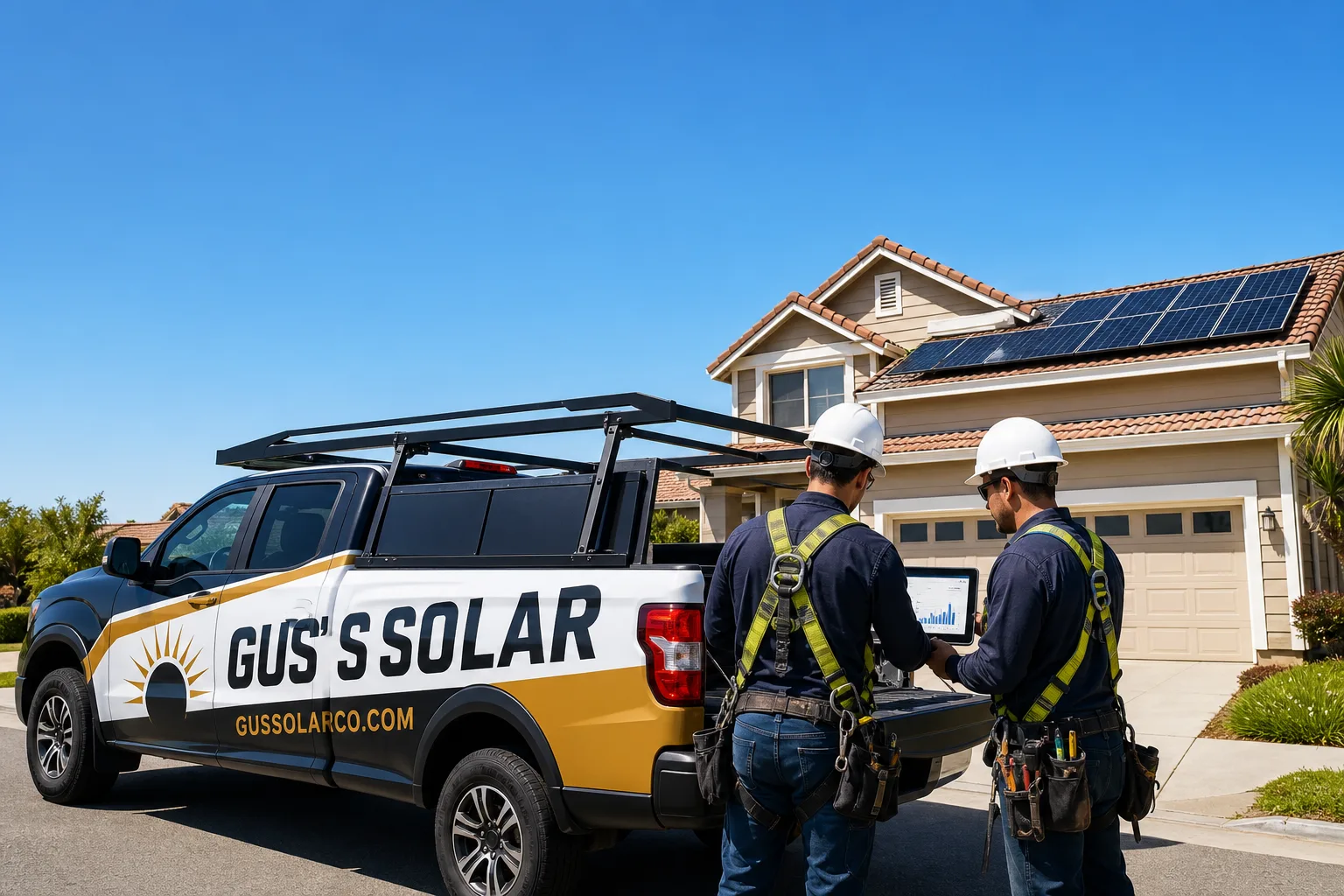
Free bill analysis - bring a power bill, get the production math for your actual roof, panel brands like Qcells and REC compared side by side
If the pitch starts at your door and ends with "sign tonight for the special," sleep on it. The sun will still be there tomorrow; so will we.
 Before
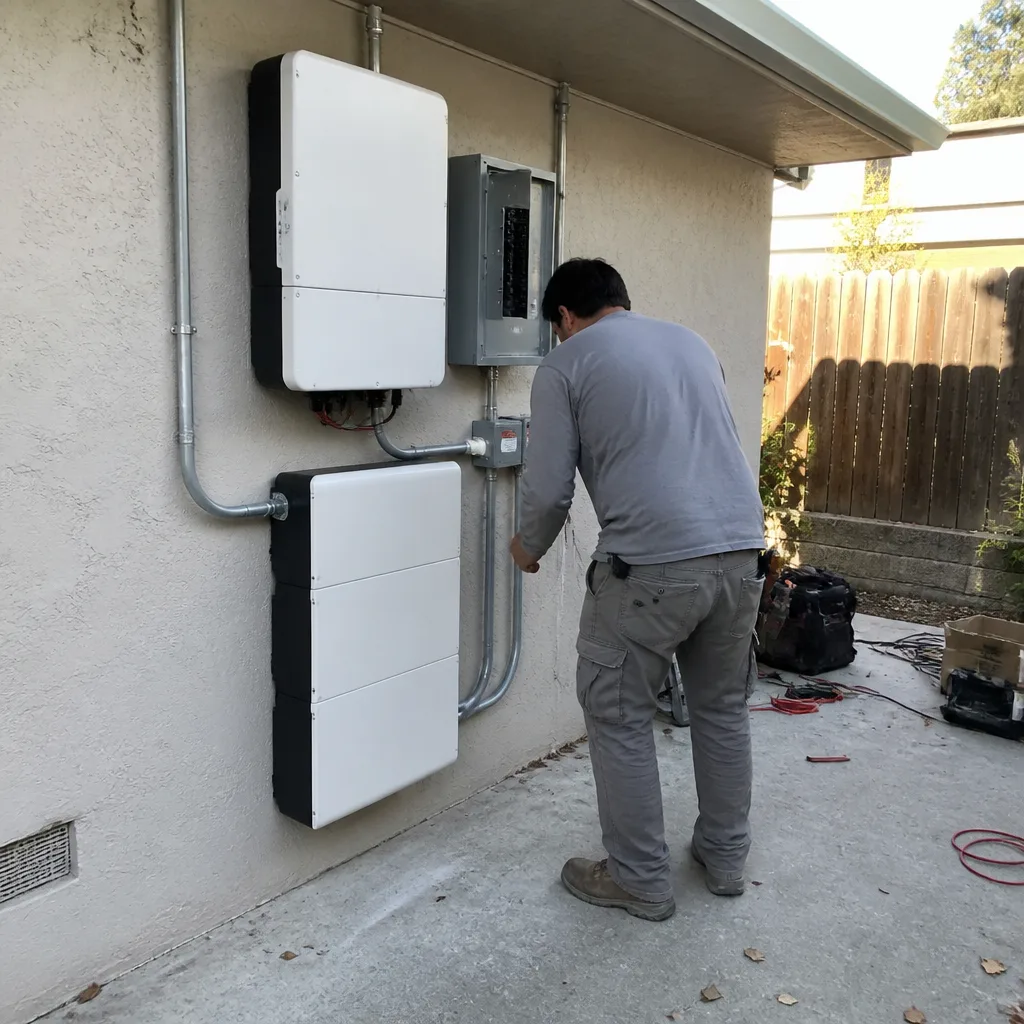 After
After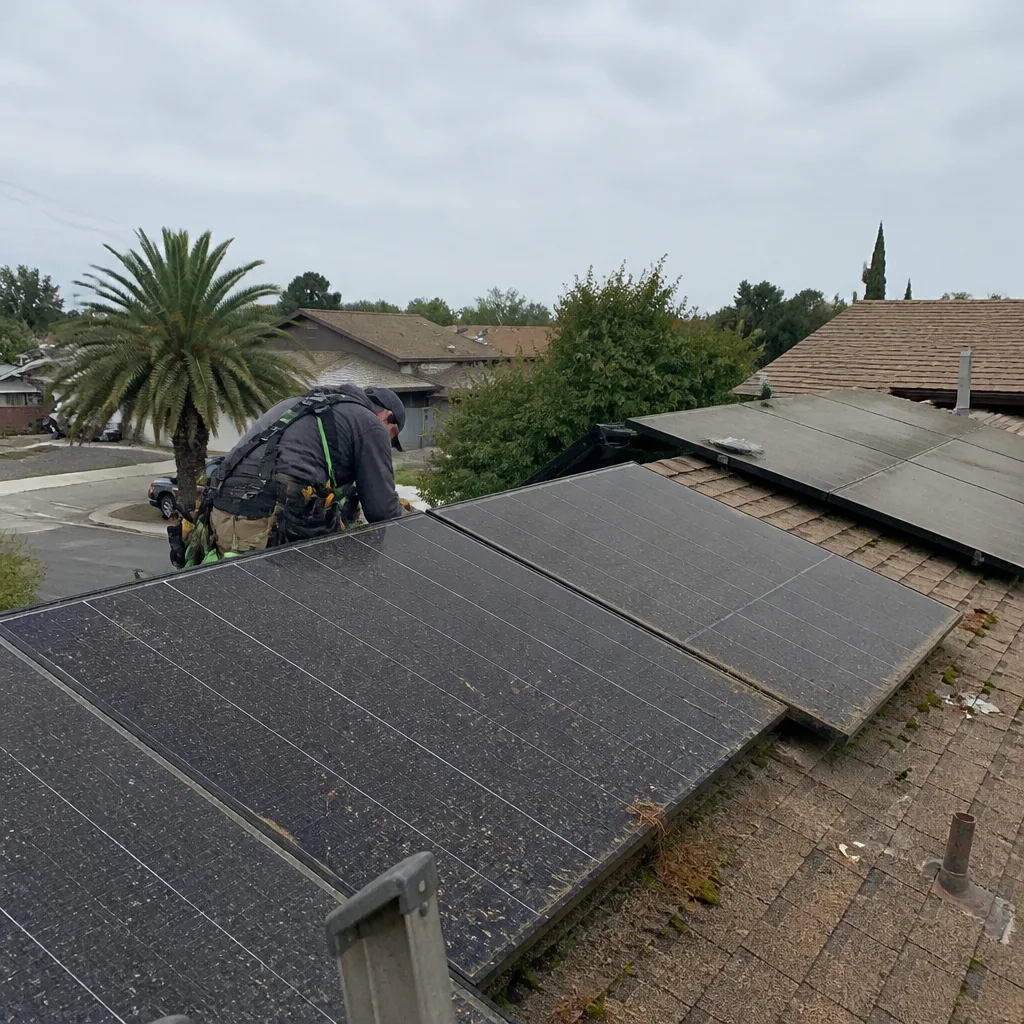 Before
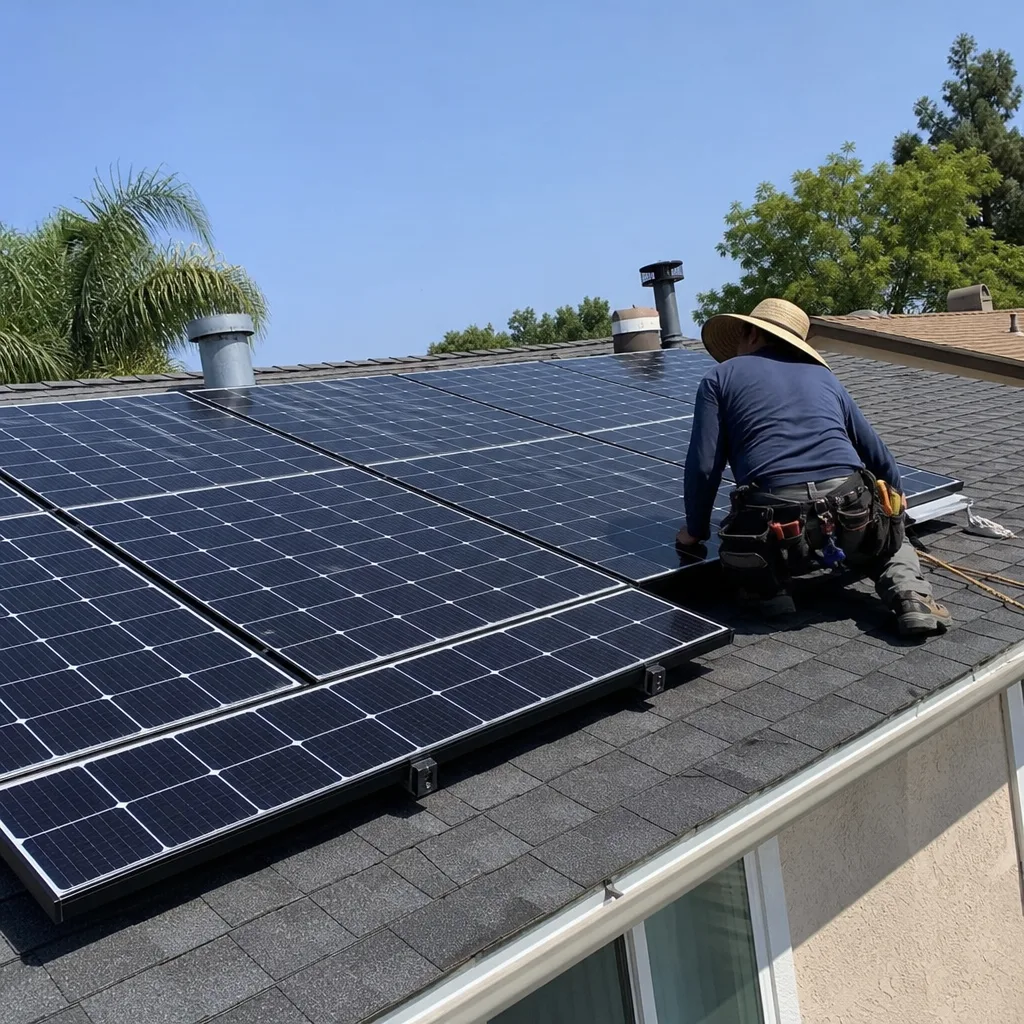 After
After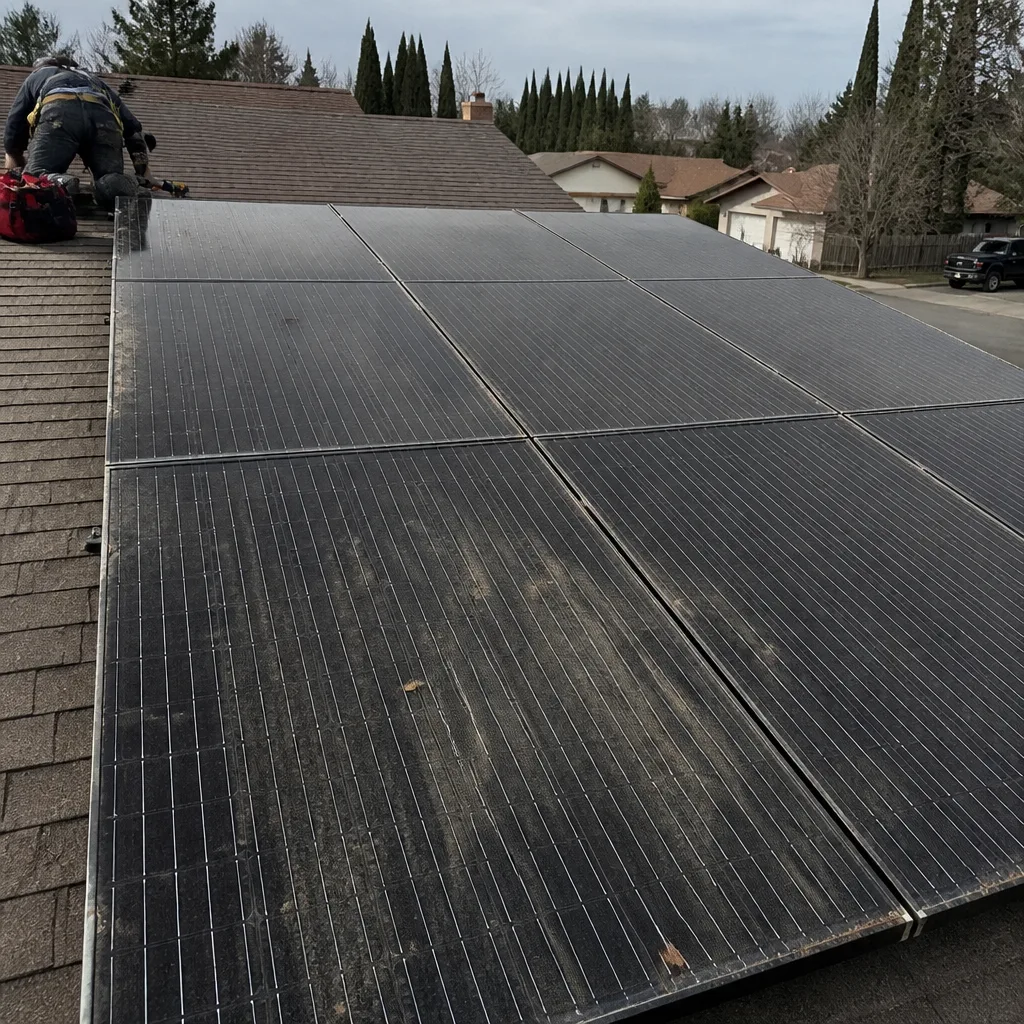 Before
 After
AfterFast, Reliable Solar Panel Maintenance & Monitoring Across Indian Hills
Solar panel maintenance in Indian Hills runs between $150 and $450 for most service visits, and if your system has stopped producing at the level it should, we can usually be at your door within 48 hours. That said, Indian Hills is not like most other places we work. The Washoe Zephyr winds that barrel through the Carson Valley put real stress on racking, clamps, and connectors, and most national installers never account for it. That’s why we do things differently here. If you’re in Indian Hills and your production numbers look off, call (877) 550-6892 and Gus will talk you through what we’re seeing before we even put wheels on the road.
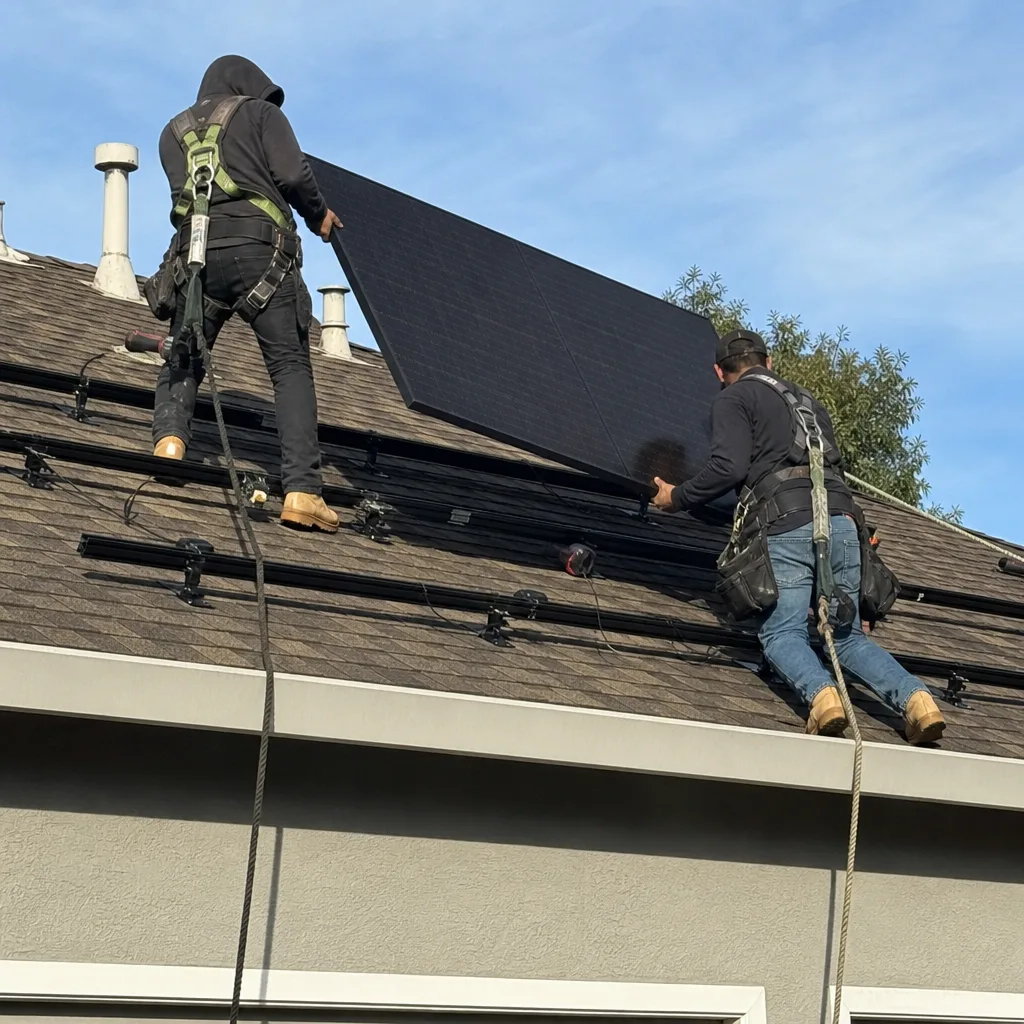
We know the homes out here. The split-levels off Sunridge Drive, the ranches along Mica Drive, the older acreage lots west of Vista Grande. We know which roofs shed snow well and which ones hold it. And we know that your system needs more than a quick glance once a year if it’s going to survive what the Sierra throws at it.
Key Takeaways
- Indian Hills sits in a wind corridor where gusts routinely hit 50-70 mph, which loosens racking bolts and mid-clamps within 2-3 years on most arrays.
- Douglas County requires wind-uplift calculations stamped by a Nevada-licensed engineer on most residential solar submittals, a step that out-of-market installers often skip.
- A typical maintenance visit in Indian Hills runs $150-$450, with full diagnostic work on underperforming systems running $250-$600 depending on what we find.
- High-altitude sunlight gives Indian Hills some of the best solar production in Nevada, but only if the system stays tight and the monitoring is actually being watched.
Why Gus’s Solar Is Indian Hills’s Preferred Solar Panel Maintenance & Monitoring Company
Gus Petrakis puts his own name on every job we do in Indian Hills. Not a brand name, not a franchise, but a person you can find in the phone book and see again at the gas station. We’ve been doing solar since 2011, and our Solar Panel Maintenance & Monitoring work in the Carson Valley has taught us that this particular stretch of Nevada punishes lazy racking and sloppy torque work faster than anywhere else we operate.
Our customers in Indian Hills know that when they call (877) 550-6892, a live person picks up. Not a ticketing system, not a call center in another state. Gus answers his own phone, and if he’s on a roof, he calls back. Every quote we give you is based on your actual utility bill and your actual production data, not a brochure number someone handed you at the front door.
We offer a 90-Day Done Right Promise on every solar job. If we re-torque your racking, flash a penetration, or fix a ground fault and it’s not right, one call brings Gus back. That’s it. In writing. And we don’t send a sub. Gus’s own crew shows up, background-checked and in uniform, with our truck and our tools.
Bring us a bill, we’ll bring you the math. And take two weeks to think about it. The price will be the same in two weeks as it is today, because we don’t do pressure and we don’t do overnight deadlines. If a salesman needs an answer tonight, the answer is no. That’s the way Gus runs the company, and that’s the way we operate in Indian Hills, NV.
Our Solar Panel Maintenance & Monitoring Services in Indian Hills
Here’s what we actually do when we come out to Indian Hills. Not a generic checklist, but the work that matters for this specific valley and its particular weather.
Annual System Inspection
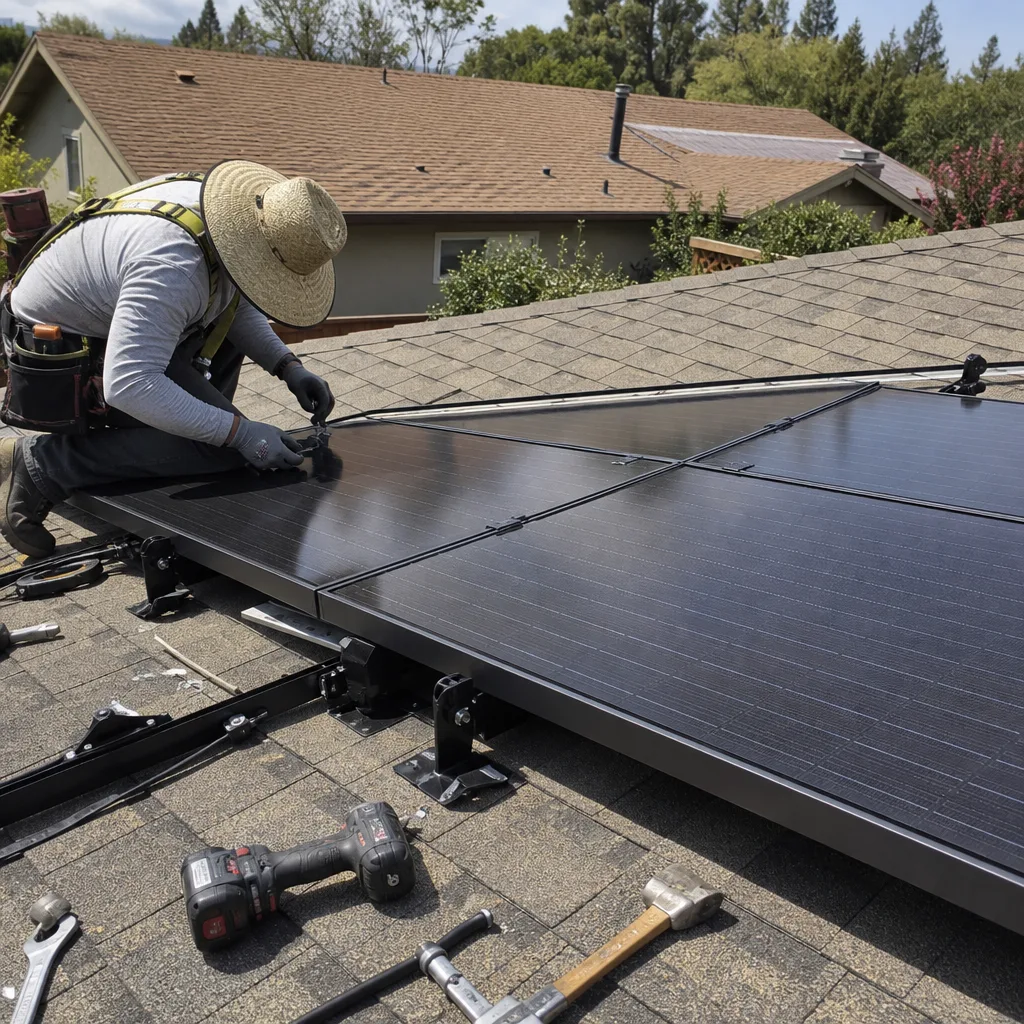
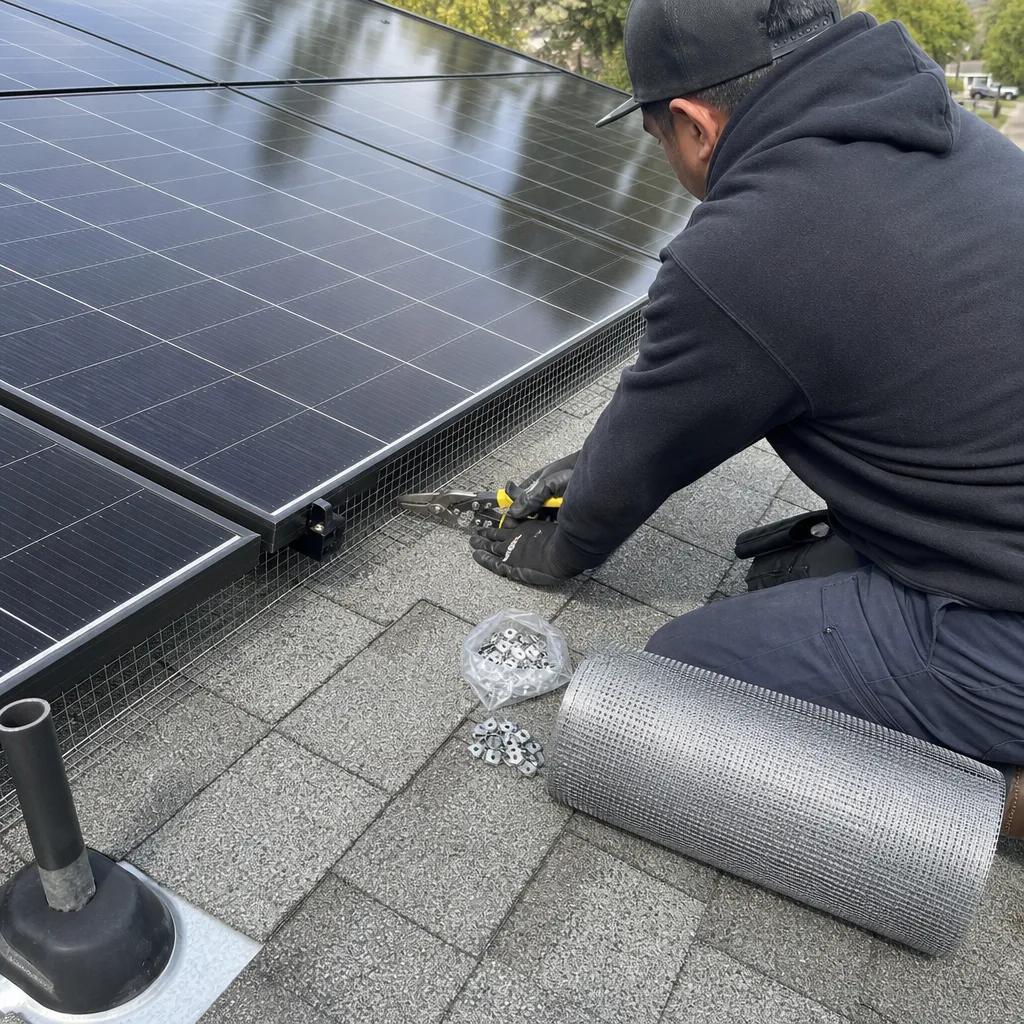
An annual system inspection in Indian Hills runs $150-$250 for most residential arrays. We walk the whole system: every panel, every clamp, every connector, every splice. On a home off Vista Grande Boulevard, we spend as much time looking at the roof as we do the inverter, because the Zephyr has a habit of working bolts loose over one winter season. We also check snow-melt drainage paths, because refrozen meltwater under low-tilt panels is a common problem on the older ranch homes here.
Production Monitoring Setup
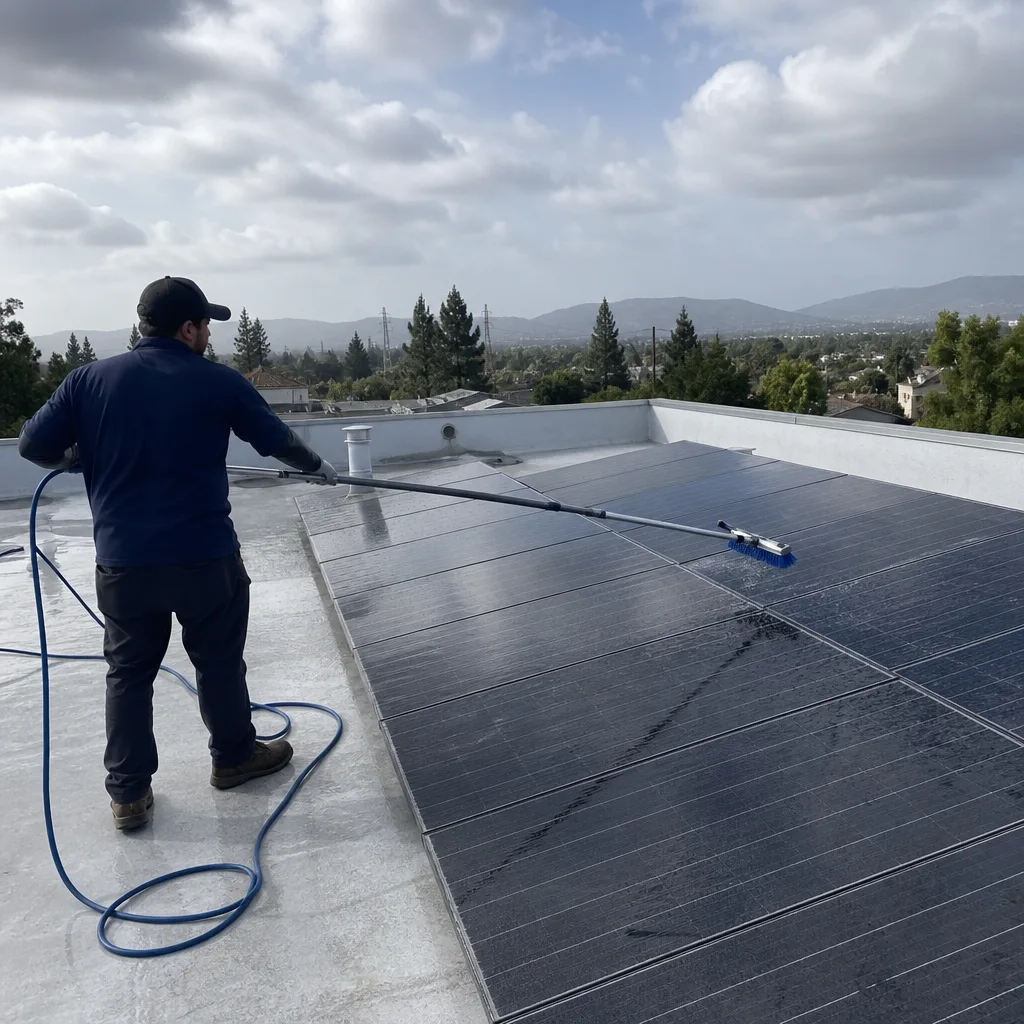
Monitoring setup in Indian Hills runs $200-$400 depending on whether you already have an Enphase or SolarEdge gateway installed. If your system was put in by someone who never configured the monitoring portal correctly, you’ve probably been watching a screen that shows you’re producing fine while your actual bill says otherwise. We set up production alerts with a 5% deviation threshold, so when something drifts, you know about it before your true-up statement arrives in April.
Underperformance Diagnostics
When production drops, diagnostics in Indian Hills run $250-$600 depending on how deep we have to dig. The most common problems we find here aren’t what generic service manuals talk about. We find loose mid-clamps on windward array edges, chafed trunk cables from panel chatter, and arc-fault codes that only appear after a 60 mph gust. We trace the fault, repair it, and re-verify the entire string. This is where hundreds of maintenance dollars save you thousands in lost production.
Firmware & App Configuration
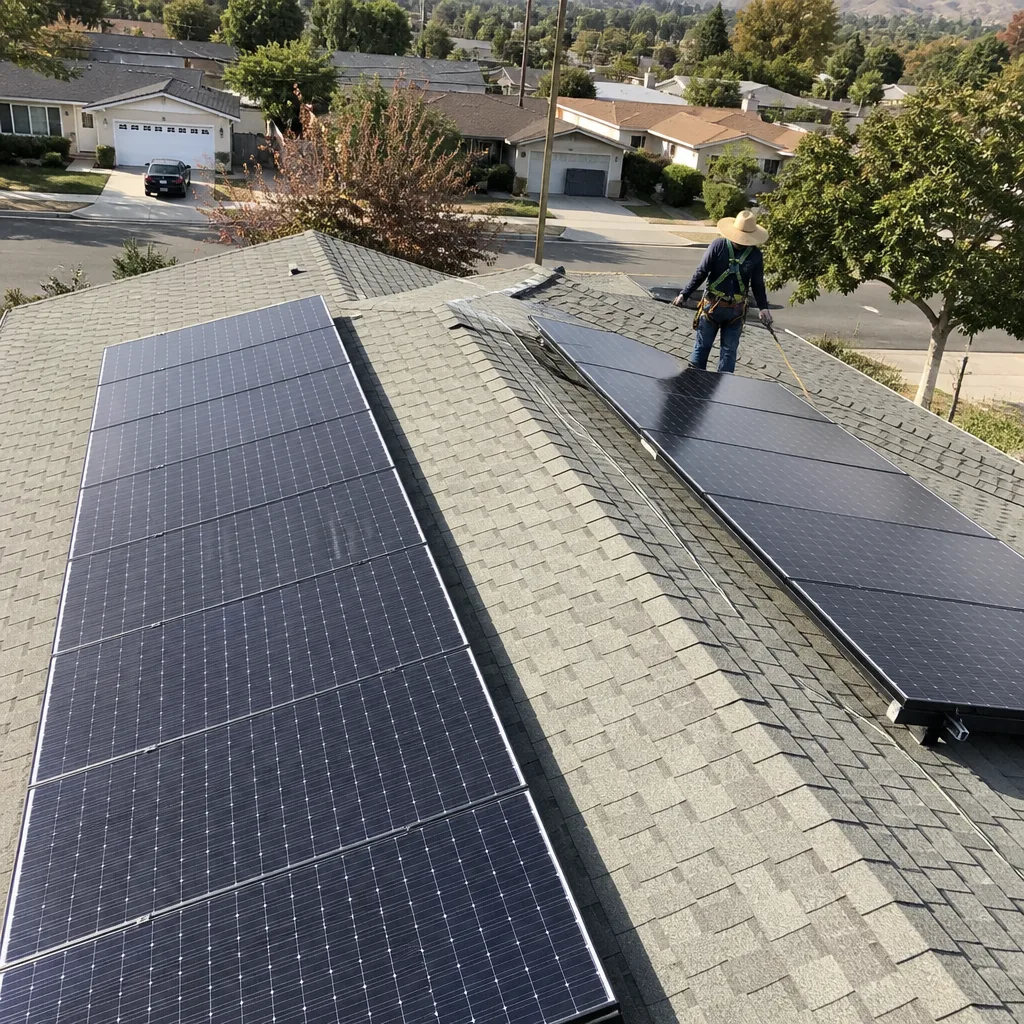
Firmware updates and app configuration run $100-$200 per visit. It sounds small, but outdated inverter firmware is one of the most common reasons we see Indian Hills systems underperforming by 8-12% in winter. An inverter that has not been updated in three years may not be reporting correctly to your Enphase app, and it may not be holding its grid-tied settings to NV Energy’s current standards. We handle Schneider, Enphase, SolarEdge, and Tesla Powerwall interfaces.
What happens when you call
- 1
A real person answersNo phone trees - you reach a local pro.
- 2
You get an upfront price rangeHonest numbers before anyone is dispatched.
- 3
A background-checked tech heads outLicensed & insured, dispatched right away.
- 4
You approve before work beginsNothing starts until you say go.
Common Solar Panel Maintenance & Monitoring Problems We See in Indian Hills Homes
- Wind-driven panel chatter from the Washoe Zephyr. Gusts over 50 mph loosen mid-clamps on windward edges within 2-3 years. You won’t hear it from inside the house, but production starts to drop and microinverter connectors wear out faster.
- Snow meltwater refreezing under low-tilt arrays. Many 1970s-1990s Indian Hills homes have panel tilt angles under 20 degrees. Meltwater refreezes underneath, lifting flashing and creating drip paths into wood-framed roofs.
- Out-of-market racking that fails Douglas County wind codes. Installers who skip the engineer-stamped wind calculations put racking spacing too wide. Panels flex in a real 70 mph gust and cell interconnects crack.
- Monitoring dashboards that never flag intermittent faults. A generic monitoring setup won’t catch a chafed trunk cable or a loose clamp. You need someone watching the data who knows what Indian Hills wind does to a system over time.
On a split-level off Sunridge Drive, our tech found a SolarEdge inverter throwing repeated arc-fault codes after a 65 mph Zephyr gust. We traced it to a loosened mid-clamp on the windward array edge. The 40-ft-lb torque spec had backed off just enough to let one panel chatter. We re-torqued the entire rack, re-pulled the rapid shutdown circuit, replaced a chafed microinverter trunk cable, and set the homeowner’s Enphase monitoring to flag production deviation over 5% so the next gust won’t take out their true-up statement before we see it.
Trusted Brands We Service in Indian Hills
We work on Qcells, REC, SunPower, and Panasonic systems every week in Indian Hills, along with Enphase and SolarEdge monitoring platforms. Because we’re local, we stock common connectors, trunk cables, and torque hardware right on the truck, so a typical fix doesn’t mean waiting on a part from a warehouse in another state. If your system was installed by an out-of-town crew that has since disappeared, we can take over the maintenance and monitoring without forcing you to replace everything. We know these systems well enough to keep them running.
Pricing for Solar Panel Maintenance & Monitoring in Indian Hills, NV
Here’s what you’ll actually pay for maintenance and monitoring work in Indian Hills. A standard annual inspection runs $150-$250 for most residential systems up to about 10 kW. Production monitoring setup runs $200-$400, depending on whether you already have a gateway installed. Underperformance diagnostics run $250-$600, because real fault tracing takes time on a roof. Firmware and app configuration runs $100-$200 per visit. If we find something broken during an inspection, we quote the repair separately, and the price we quote is the price you pay. No change orders, no surprise line items. We offer free second opinions on any written estimate, and there’s no trip charge inside Douglas County.
| Service | Typical Cost in Indian Hills |
|---|---|
| Annual System Inspection | $150 – $250 |
| Production Monitoring Setup | $200 – $400 |
| Underperformance Diagnostics | $250 – $600 |
| Firmware & App Configuration | $100 – $200 |
| Preventive Maintenance Plan (Annual) | $199 – $349 per year |
Call (877) 550-6892 for an exact quote. Estimates are free, and we’ll build the number off your actual production data, not a guess.
The Douglas County Wind Code: What It Means for Your Indian Hills System
Douglas County requires wind-uplift calculations stamped by a Nevada-licensed engineer on most residential solar submittals in Indian Hills. That’s not a bureaucratic formality. It’s tied directly to documented Washoe Zephyr wind events that have torn improperly anchored panels from roofs across the broader Carson Valley. What this means for maintenance is that we verify racking torque and anchor integrity on every visit, because those connections degrade faster in Indian Hills than in any neighboring county. A system that passed inspection in 2019 may no longer meet the same load path today, especially after three or four winters of 70 mph gusts. If your installer skipped the engineering, we’ll find it. We re-verify anchor spacing, check for cracked roof penetrations, and make sure the rapid shutdown system still works on your wood-framed roof.
Indian Hills sits on the Carson Valley floor at roughly 4,700 feet at the eastern base of the Sierra Nevada. The same geography that brings those Zephyr winds also delivers some of Nevada’s highest solar irradiance values, thanks to the high-altitude, low-humidity Great Basin air. That tension, exceptional sun paired with exceptional wind, is the defining reality for every solar system here. Your panels produce more than almost anywhere else in the state, but only if the racking stays tight and the electrical connections stay intact. That’s what our maintenance work is built for.
We Also Serve Cities Near Indian Hills
Gus’s Solar handles Solar Panel Maintenance & Monitoring in Indian Hills and the surrounding Carson Valley. We also serve Johnson Lane, Carson City, Incline Village, and Dayton. If you’re in one of those areas and your system is underperforming, the same crew, the same pricing, and the same no-pressure approach applies. Call (877) 550-6892 and ask for Gus.
Serving Indian Hills, NV - Our Local Coverage Area
We’re based in the Indian Hills area and know this community well. Use the map below to see our service coverage - if you’re nearby, we can almost certainly help.
FAQs - Solar Panel Maintenance & Monitoring in Indian Hills
Every 2-3 years, minimum. Indian Hills consistently sees gusts over 50 mph, and that repeated stress loosens mid-clamps and rail bolts faster than in Reno or Carson City. A torque check should be part of every annual inspection visit for systems on the west side of Indian Hills facing the Sierra passes.
Most Indian Hills residential systems require racking designed for wind loads of 110-130 mph, with uplift calculations stamped by a Nevada-licensed engineer. Douglas County reviews this on every solar permit. If your original installer skipped the engineering review, call us at (877) 550-6892 and we’ll verify what’s actually on your roof.
Winter underperformance in Indian Hills is usually snow-related, not equipment failure. Snow that settles on low-tilt panels under 20 degrees sheds slowly, and meltwater that refreezes overnight can block sunlight for days. Your Enphase model doesn’t fully account for this local snow behavior. We can adjust your tilt or add monitoring to track snow losses separately.
No, the payback math is actually better in Indian Hills because your system produces more, thanks to higher irradiance at 4,700 feet with low humidity. The catch is that wind-related production losses here are larger if the system isn’t maintained. A 12% production drop from loose clamps does more financial damage in Indian Hills than almost anywhere else. Keeping the system tight is the cheapest thing you’ll do.
Indian Hills is primarily 1970s-1990s ranch and split-level homes with wood-framed roofs and composition shingles. Rapid shutdown circuits on these roofs run through attic spaces and along roof decking, where snow melt and wind-driven rain can corrode connections faster than on newer membrane roofs. We inspect those circuits visually and with a voltage tester on every maintenance visit.
Call Gus’s Solar for Indian Hills Service
If your system’s production has dropped, your monitor isn’t reporting, or you just want someone who knows Indian Hills to look at your roof, call (877) 550-6892. We answer live, 24/7. No pressure, no overnight deadlines, no subcontracted labor. We’ll send our own crew, quote off your actual bill, and do the work right the first time. Indian Hills is our backyard, and we treat every roof like it belongs to a neighbor.
Written by Gus Petrakis, Owner at Gus’s Solar, serving Indian Hills and the Carson Valley with local, owner-operated solar service.