

Free bill analysis - bring a power bill, get the production math for your actual roof, panel brands like Qcells and REC compared side by side
If the pitch starts at your door and ends with "sign tonight for the special," sleep on it. The sun will still be there tomorrow; so will we.

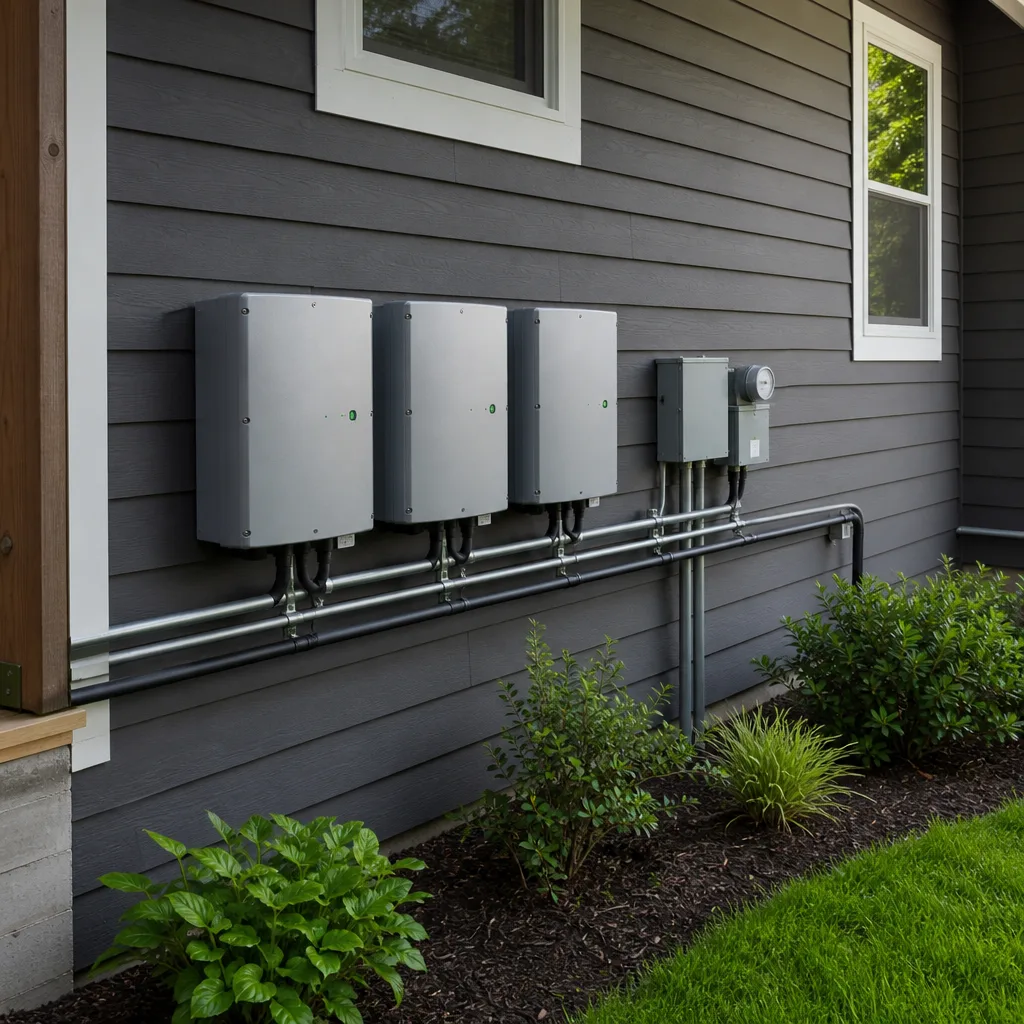
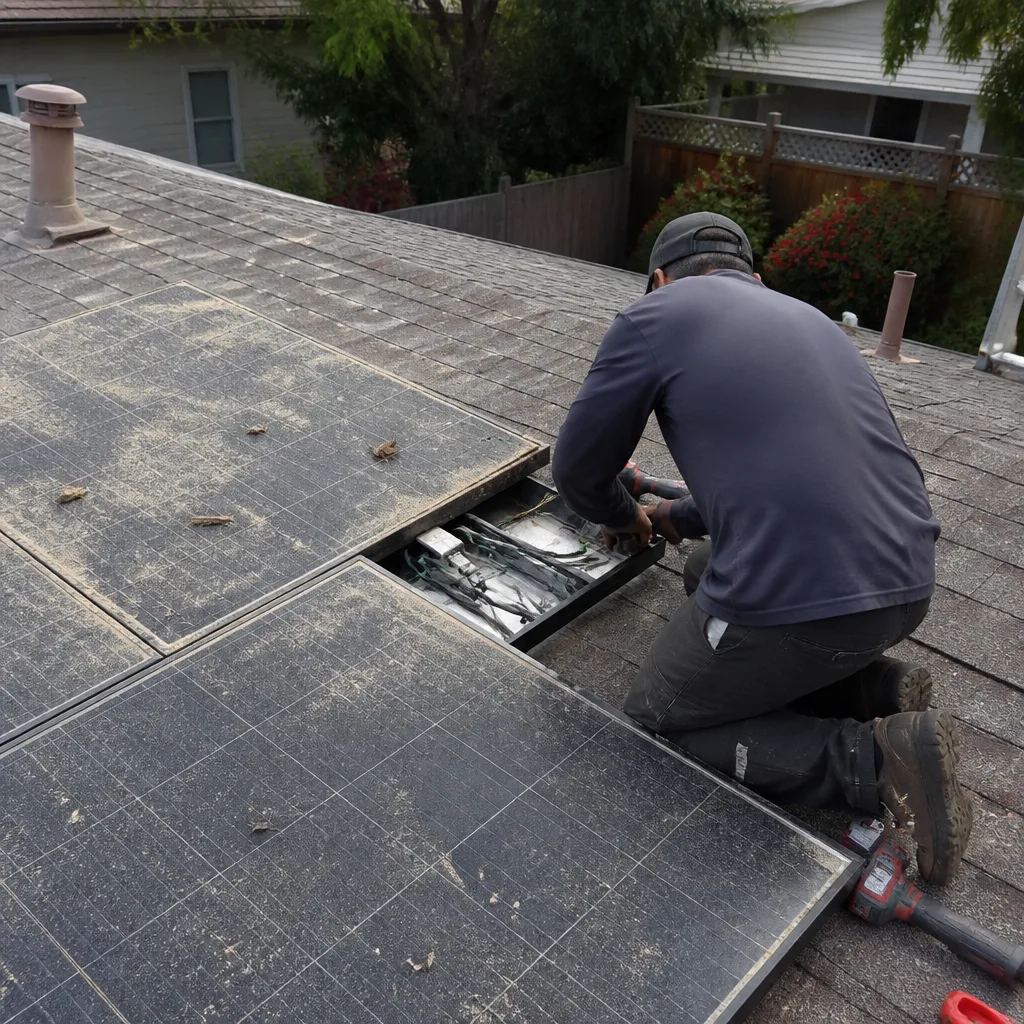 Before
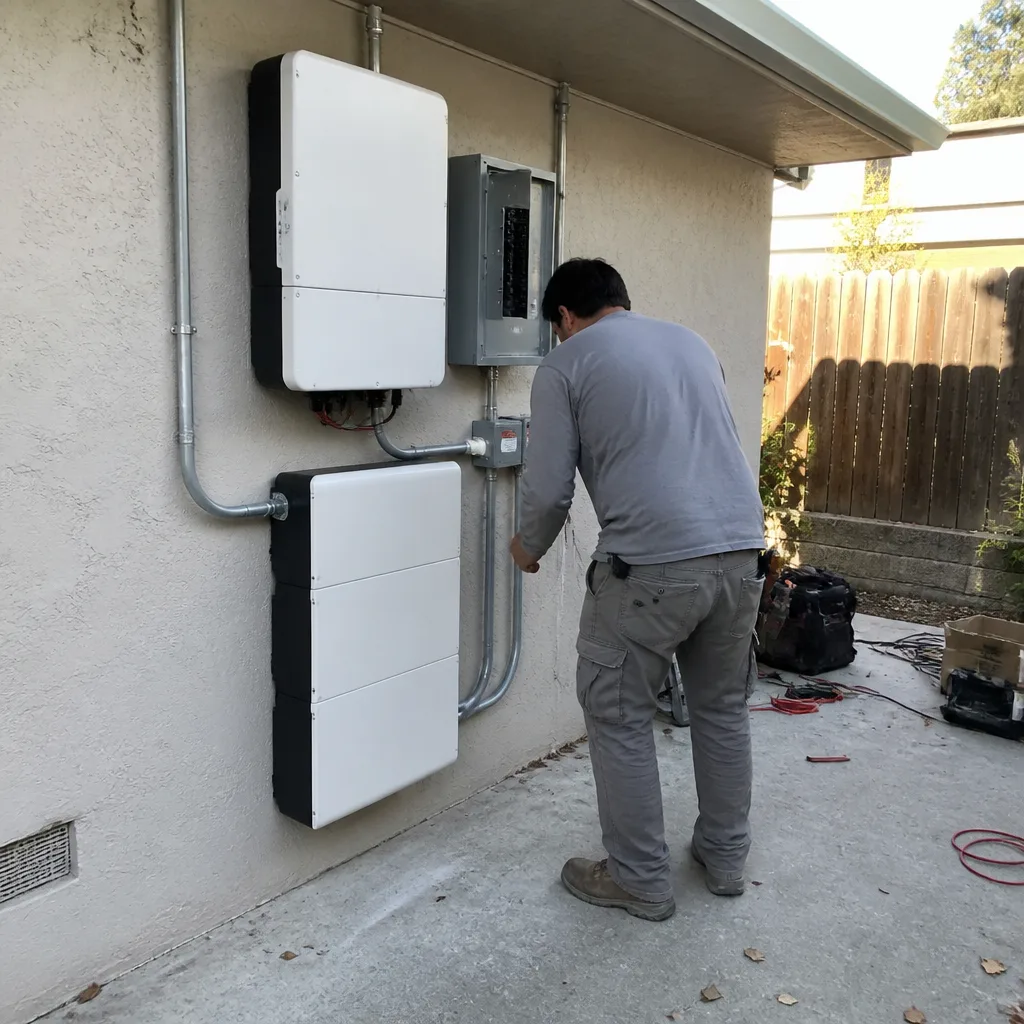 After
After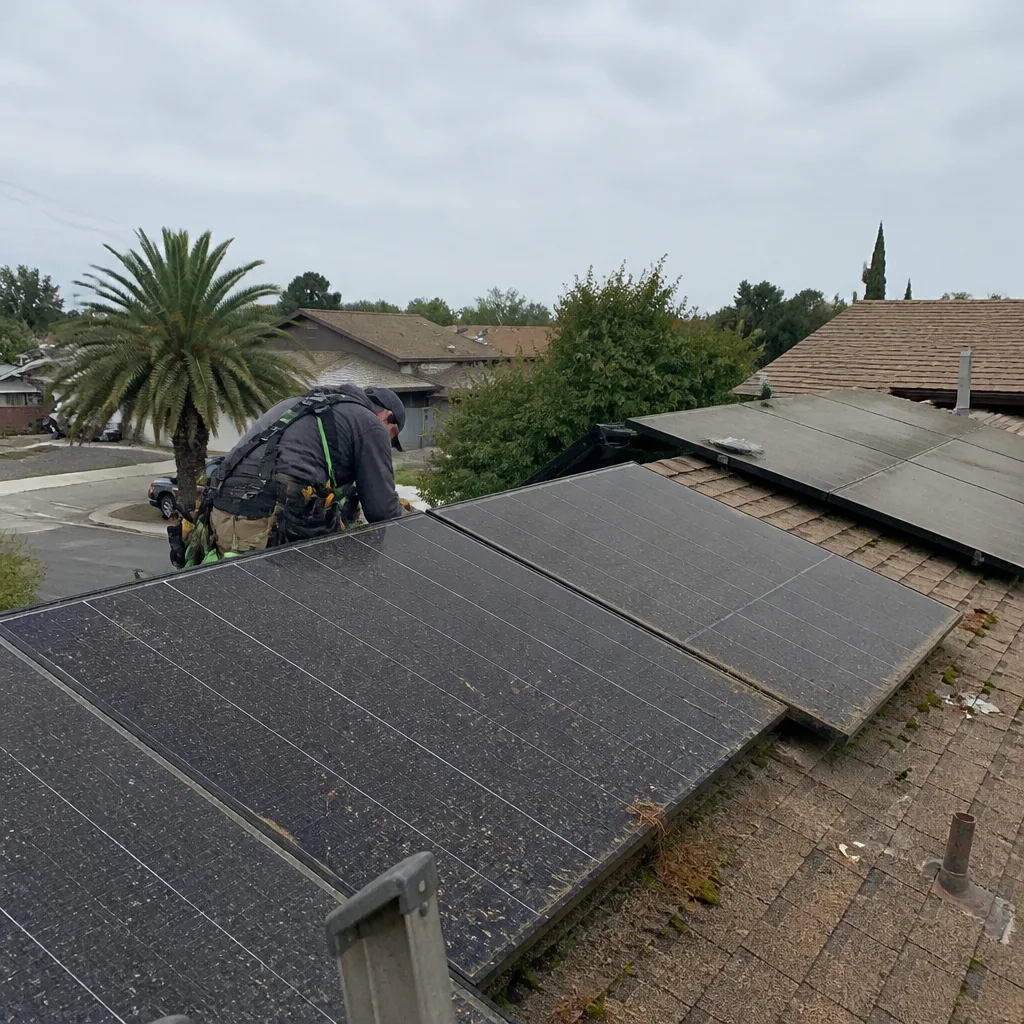 Before
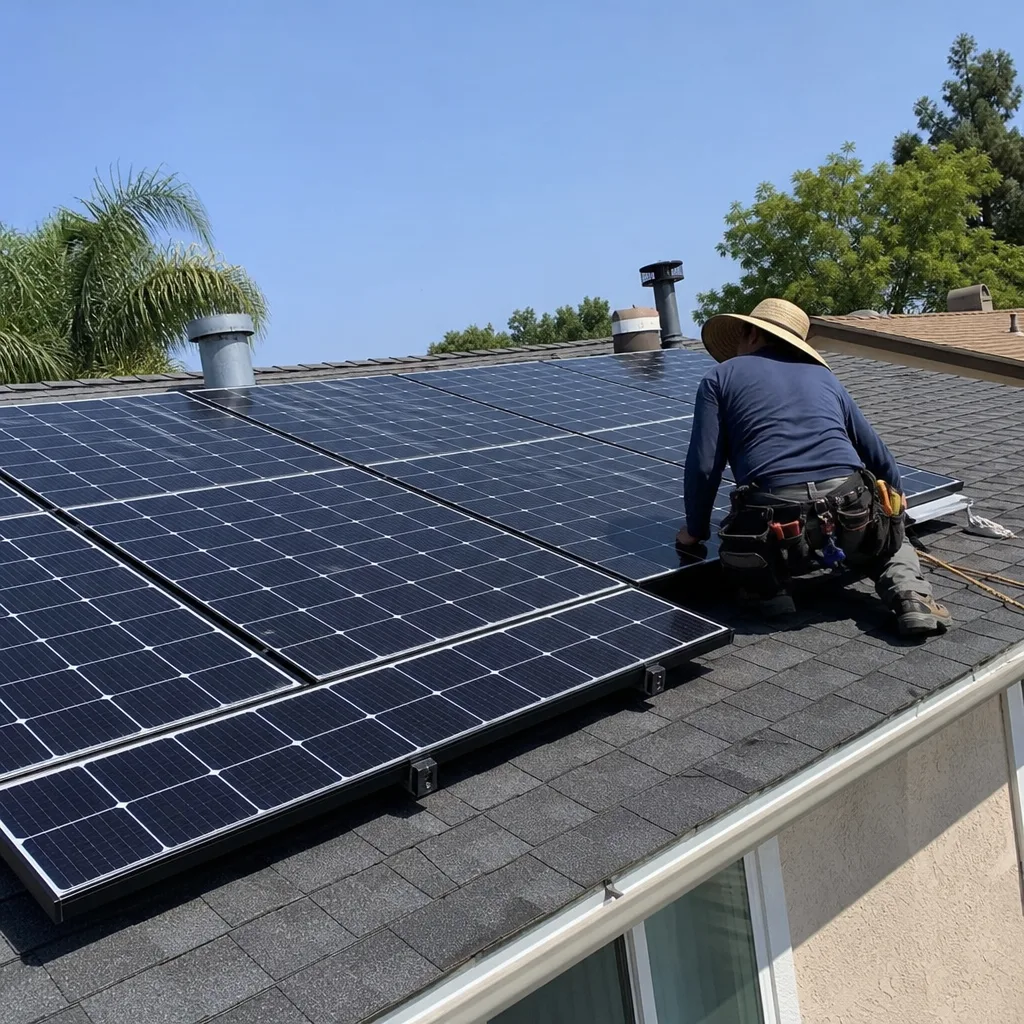 After
After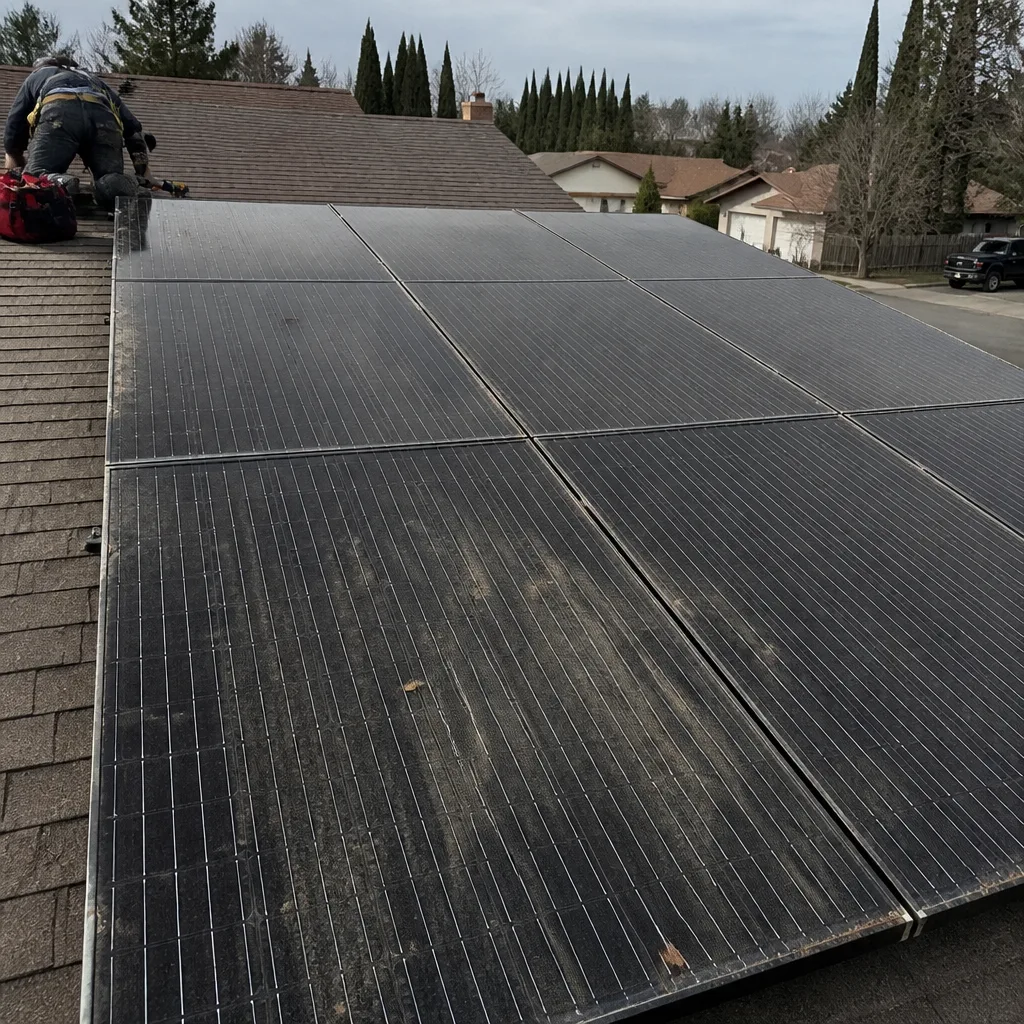 Before
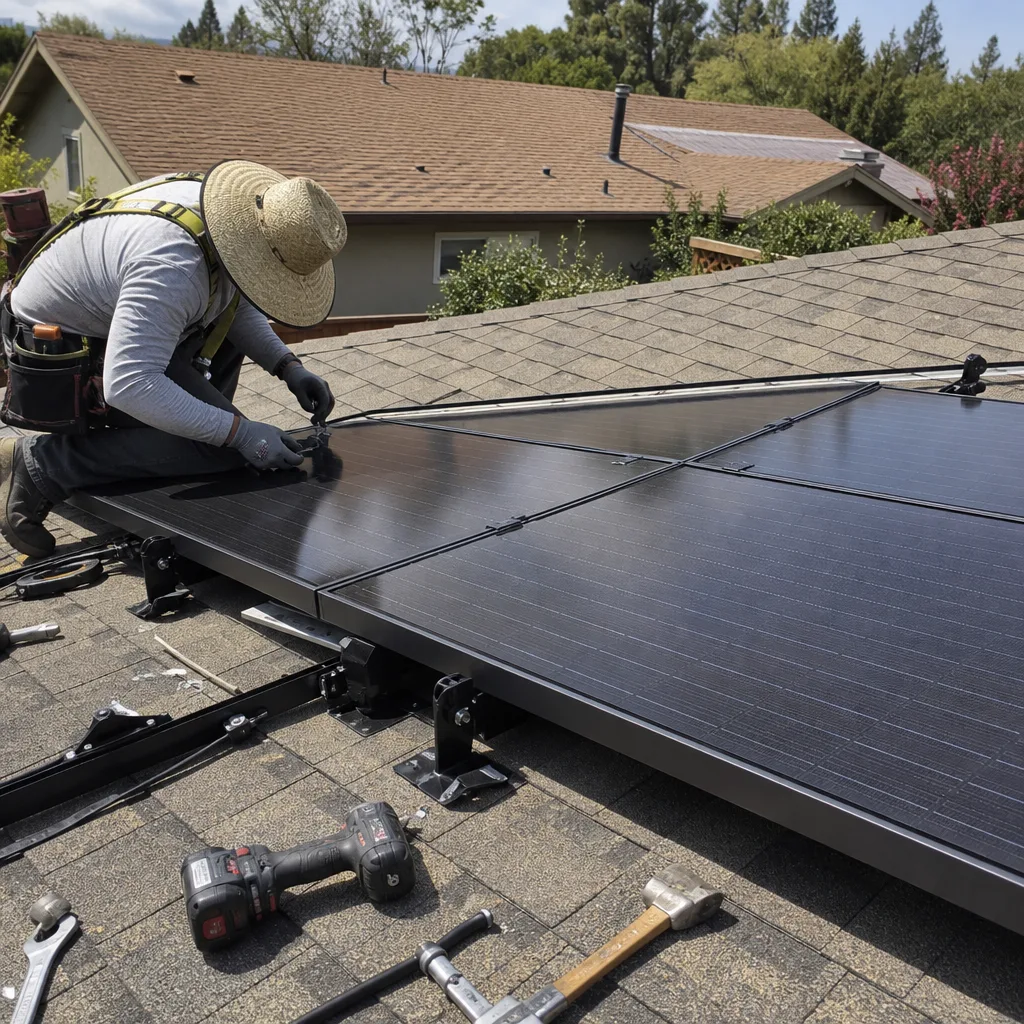 After
AfterFast, Reliable Solar Panel Maintenance & Monitoring Across Houston
Solar panel maintenance in Houston typically runs $145-$385 per visit, and monitoring setup or diagnostics usually costs $95-$280 depending on your system size and what’s failing. Most Houston homeowners don’t know their array has a problem until a utility bill shows it, because the app says everything’s fine while the kWh offset quietly shrinks. That’s the Houston reality with salt-laden humidity, ERCOT wholesale buyback rates, and August heat pushing inverters past their thermal limits. Call (877) 550-6892 when your production numbers look off, and Gus’s crew will be there fast, no pressure, no overnight signature demand.
Why Gus’s Solar Is Houston’s Preferred Solar Panel Maintenance & Monitoring Company
Gus Petrakis founded this shop in 2011 and has kept it local ever since. His name stays on the truck, his license number is public, and when you call about a faulting microinverter in the Heights or a silent string inverter in Jacinto City, you get a live person who knows Houston’s grid, Houston’s humidity, and Houston’s peculiar ERCOT math. That matters here more than most places. A national outfit’s call center won’t know that your Enphase system is dropping comms because of corrosion on rooftop DC connectors, or that your production dip correlates with CenterPoint outage windows, but our crew sees that pattern weekly across 77008, 77009, 77010, and 77011.
Our Houston customers call us because we show up when we say we will, we quote real numbers, and we tell you to take two weeks before you decide. The 90-Day Done Right Promise is in writing on every maintenance and monitoring job: if something we touched isn’t right, one call brings Gus back. Background-checked, uniformed technicians do the work, never a third-party sub. And the L.O.C.A.L. values we run on – Local roots, On time, Community first, Accountable, Loyal – weren’t cooked up by a marketing firm. They’re how a 29-year tradition of showing up actually operates, and Houston homeowners who’ve been burned by door-knockers notice the difference.
Our Solar Panel Maintenance & Monitoring Services in Houston
Every service below is built for Houston’s specific failure modes: salt corrosion on rooftop connectors, inverter thermal trips during 95°F afternoons, and soiling losses from thunderstorms and pollen. Here’s what we actually do when we come out.
Annual System Inspection
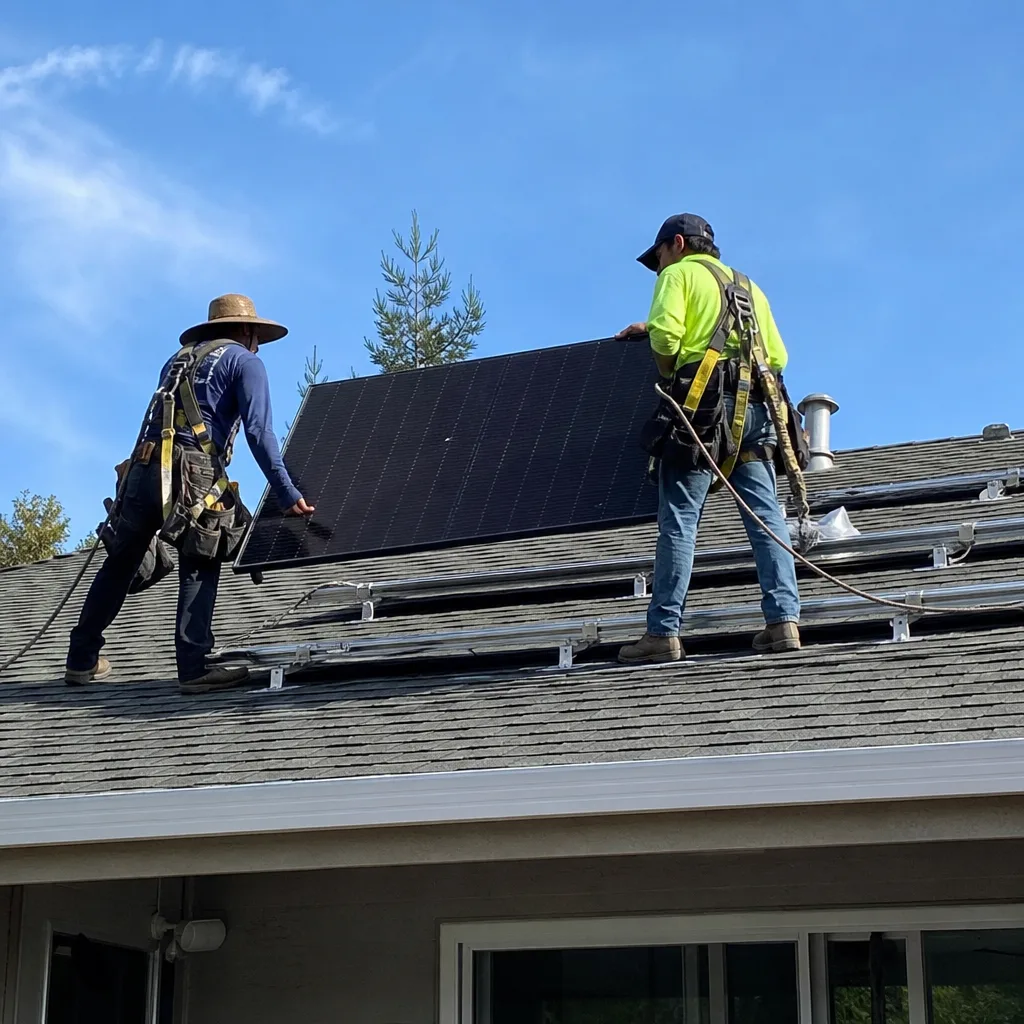
A full inspection in Houston should include torque-checking all DC and AC connections, testing each string’s voltage under load, inspecting rapid shutdown devices for corrosion, and verifying racking integrity against the wind-load standards TWIA expects on the Gulf Coast. In the Heights’ older craftsman bungalows, we also confirm the original 100-amp service upgrade is holding and that no panel added after install is causing nuisance trips. Most inspections take 90 minutes to two hours, and we give you a written report with photos plus a prioritized list of what actually needs attention now versus what can wait.
Production Monitoring Setup
In Houston’s ERCOT market without true net metering, real-time monitoring isn’t a nice extra. Your provider only credits wholesale rates for exported power, so every kWh you produce should be consumed on-site or stored, and you need visibility into that flow. We configure your Enphase, SolarEdge, or Tesla monitoring portal correctly, set alerts for underproduction thresholds specific to Houston’s 5.3 peak sun hours and summer derating patterns, and walk you through reading the data so you know when a 12% dip means pollen cleaning versus an actual electrical fault. If your current monitoring is a mess or never got set up after install, we fix that quickly.
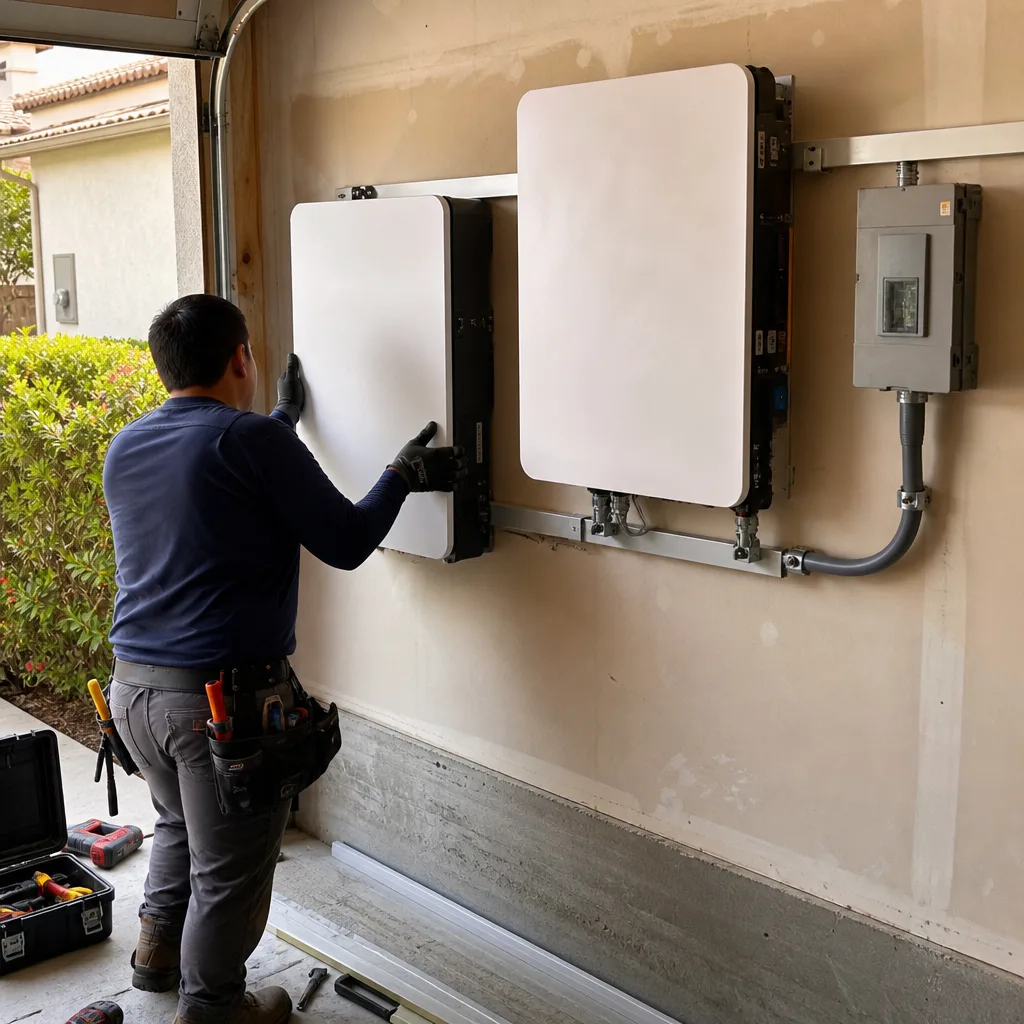
Underperformance Diagnostics
This is the Houston specialty. A system producing 15-25% below its year-one estimate during summer afternoons might look fine in a monthly summary but is costing you real money at ERCOT’s 20+ cent peak rates. We test each string independently, check panel-level output against expected STC derating for Houston’s 140°F operating temperatures, and trace communication dropouts that often trace back to corroded MC4 connectors from salt-laden humidity. Our crew once found a 1920s bungalow in the Heights where one panel’s rapid shutdown device was faulting and the homeowner’s Enphase app showed only a generic error. Replaced the affected connectors with weather-tight MC4s, re-flashed the microinverter firmware, and production recovered to 96% of original estimate. We set up quarterly alerts for that array, and it’s been stable since.
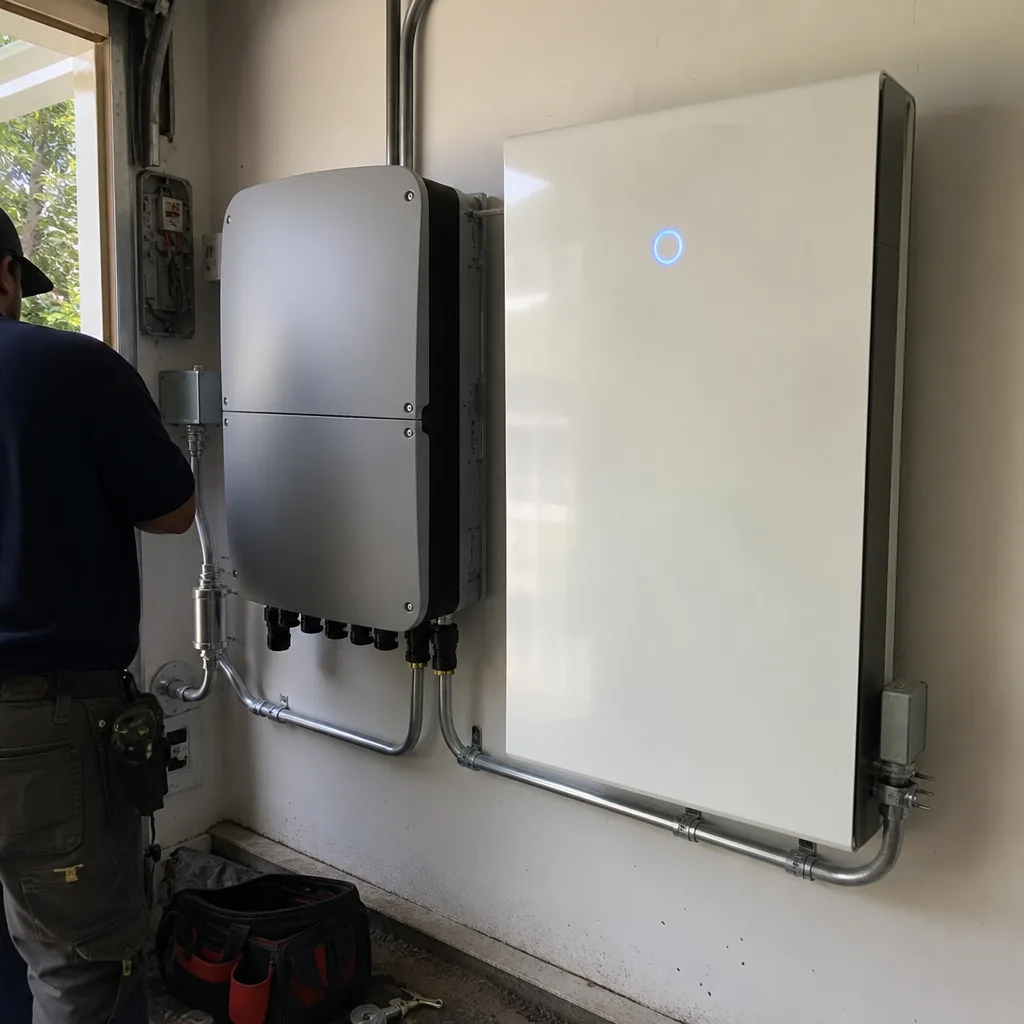
Firmware & App Configuration
Outdated firmware on microinverters, power optimizers, and string inverters causes phantom faults and missed production data, especially when Houston heat pushes hardware into thermal throttling. We update all firmware, reconfigure your app for Houston-specific alert thresholds, and pair your system with battery backup settings that prioritize self-consumption during afternoon price peaks. If your installer vanished after the job and you don’t even know your monitoring login, we can recover access and set it up properly.
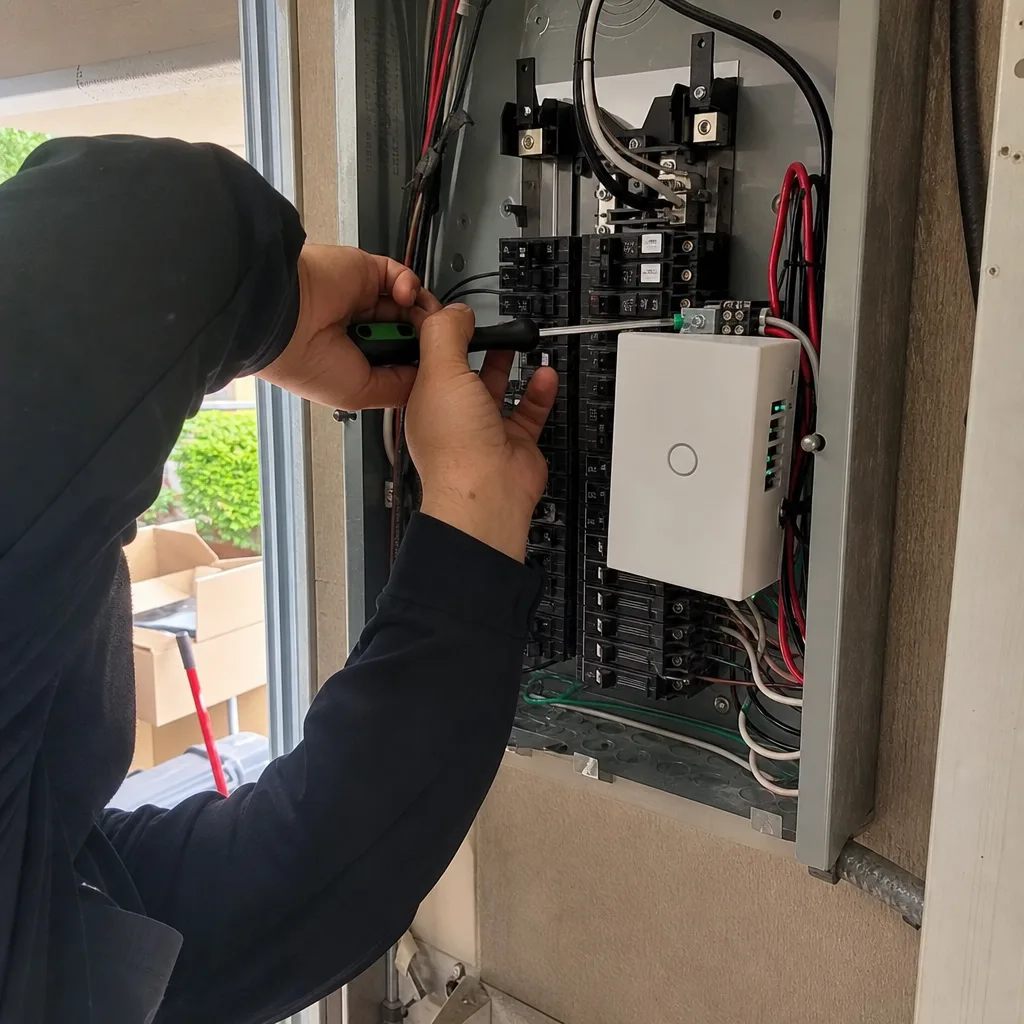
What happens when you call
- 1
A real person answersNo phone trees - you reach a local pro.
- 2
You get an upfront price rangeHonest numbers before anyone is dispatched.
- 3
A background-checked tech heads outLicensed & insured, dispatched right away.
- 4
You approve before work beginsNothing starts until you say go.
Trusted Brands We Service in Houston
Gus’s crew works on Tesla, Enphase, SolarEdge, and FranklinWH systems every week across Houston. We stock common replacement parts locally, which means when your SolarEdge string inverter in a Galena Park garage throws a thermal fault, we’re not waiting on a warehouse in another state. Same goes for Enphase microinverters, Tesla gateway configs, and FranklinWH aGate battery integrations. If your system uses something else, call us anyway; we service most major brands and will tell you straight if a proprietary part needs ordering.
Common Solar Panel Maintenance & Monitoring Problems We See in Houston Homes
- Salt-air corrosion on rooftop DC connectors. Houston’s humidity carries salt from the Gulf, and it attacks MC4 connectors, rapid shutdown devices, and microinverter housings. What looks like an app communication error is often physical corrosion creating intermittent drops, and production silently shrinks until someone tests each string.
- Inverter thermal trips during summer heat waves. SolarEdge and string inverters mounted in unconditioned Houston garages routinely exceed 50°C (122°F), tripping thermal protection exactly when afternoon electricity rates on ERCOT plans peak. We relocate or ventilate the inverter and check firmware settings that worsen throttling.
- Soiling and mold buildup from thunderstorms and pollen. A thin layer of Houston spring pollen plus cedar and oak mold can cut output 8-12% before anyone notices. Many owners wait for the annual inspection to realize their panels needed cleaning months earlier, and that’s lost self-consumption value under ERCOT’s wholesale buyback math.
- Silent underperformance from aging bungalow electrical infrastructure. In the Heights corridor and other pre-1950s neighborhoods, original 100-amp panels and old wiring can cause voltage drop that reduces inverter output and trips arc-fault breakers. We catch this during diagnostics and recommend service upgrades before CenterPoint interconnection issues put your array on hold.
How Houston’s Climate, ERCOT, and Salt Air Make Maintenance a Necessity
Here’s what most Houston solar owners learn the hard way: the Gulf Coast environment attacks rooftop hardware in ways inland markets never see, and the ERCOT deregulated structure changes the financial math completely. In a net-metering state, a system underperforming by 12% just means a slightly smaller utility credit. In Houston, where most retail providers only pay wholesale rates for exported power, that same 12% underperformance means you’re buying high-priced afternoon electricity instead of using your own solar. Every underperforming panel or faulting inverter directly increases your bill, not a theoretical true-up statement at year end. The fix is continuous monitoring and preventive maintenance, which is why we built this service line around Houston’s actual failure modes rather than a generic checklist.
Salt-laden humidity is the quiet killer. Even homes miles from the coast get enough salt in the air to corrode rooftop DC connectors and microinverter housings, causing intermittent communication dropouts that don’t always trigger visible errors. The array appears fine in the app, but the kWh offset shrinks month over month. Then summer hits and the grid stress peaks, and suddenly a system that passed its last inspection six months ago is tripping thermal protection on the inverter because the garage hit 120°F and the firmware wasn’t updated for Houston’s operating envelope. Winter Storm Uri in February 2021 reset expectations here. The first question most Houston customers ask now is whether their solar will keep the heat on in another freeze, which is why critical-load subpanel design and battery backup pair with every maintenance conversation we have. If your monitoring shows a dip you can’t explain, that’s not paranoia. That’s Houston doing what Houston does.
Pricing for Solar Panel Maintenance & Monitoring in Houston, TX
Here are honest ranges for Houston’s market, based on what we quote regularly:
- Annual System Inspection: $145-$275 depending on array size and roof accessibility.
- Production Monitoring Setup: $95-$180 for most residential systems, including portal configuration and alert thresholds.
- Underperformance Diagnostics: $180-$385 when it involves string-level testing, connector replacement, or inverter troubleshooting. We tell you what we find before any repair work begins.
- Firmware & App Configuration: $95-$160, including device updates and Houston-specific alert settings.
- Preventive Maintenance Plans: Starting at $189/year for an annual inspection plus quarterly monitoring reviews.
What moves the price: roof pitch and access difficulty, array size, how many microinverters need testing, and whether we’re replacing corroded connectors or just cleaning and re-torquing. The price we quote is the price you pay. No signature wanted tonight, no pressure, and a senior or veteran discount of 10% that never expires. Call (877) 550-6892 for a free estimate on any Houston maintenance or monitoring job.
We Also Serve Cities Near Houston
Our Solar Panel Maintenance & Monitoring team serves Solar Panel Maintenance & Monitoring in Houston and nearby communities including Bellaire, West University Place, Galena Park, and Jacinto City. If you’re in one of those areas and your SolarEdge or Enphase dashboard looks off, call us. We’ll be there quickly, with the same pricing and the same no-pressure approach.
Serving Houston, TX - Our Local Coverage Area
We’re based in the Houston area and know this community well. Use the map below to see our service coverage - if you’re nearby, we can almost certainly help.
FAQs - Solar Panel Maintenance & Monitoring in Houston
Every 12 months is the baseline, but we recommend twice-yearly checks if you’re within 30 miles of Galveston Bay or have a SolarEdge string inverter in an unconditioned Houston garage. The first inspection is the most important: it establishes what “normal” looks like for your specific roof, panel orientation, and inverter thermal behavior so future dips are easy to catch. After that, annual inspections with quarterly monitoring reviews keep most Houston systems within 5% of their expected production. Call (877) 550-6892 to schedule one; we’ll give you a written report with photos and a plain-English summary.
Yes, cleaning typically recovers 8-12% of lost output, and in Houston it’s more than cosmetic because spring pollen, cedar mold, and thunderstorm residue create a grimy film that blocks light efficiently. That 8-12% matters more here than in net-metering states, because under ERCOT you’re consuming your own power during afternoon peaks instead of exporting at wholesale rates. A professional cleaning plus inspection runs $150-$220 for most Houston residential arrays, and quarterly cleanings during the March-to-June pollen season make a measurable difference. We schedule cleanings around Houston’s rain patterns to get the most value from each visit.
Yes, it’s tied directly to Houston’s summer heat and humidity. String inverters and even some string optimizer setups in unconditioned garages regularly exceed 50°C here, which trips thermal protection exactly when afternoon electricity rates on ERCOT plans are highest. Fixing it usually involves re-ventilating or relocating the inverter, updating firmware that governs thermal throttling, and sometimes adding a fan or shade shield. We see this pattern weekly in Houston from May through September, and the fix costs far less than the lost production over a single summer. Call us at (877) 550-6892 before the next heat wave, and we’ll check your inverter’s mounting location and temperature history.
Yes, absolutely. Houston’s prevailing Gulf humidity carries salt much further inland than people expect, and we find corroded MC4 connectors and microinverter housings in neighborhoods from the Heights to Jacinto City, not just coastal zones. The failure is sneaky: corrosion causes intermittent communication drops that make production data look spotty but not alarming, while the actual kWh offset shrinks silently. During a diagnostic visit, we test each string under load and replace affected connectors with weather-tight MC4s that hold up far better in this environment. If your app shows occasional “no response from panel” errors, get it checked before the corrosion spreads to the rapid shutdown devices.
It’s more important than in any state with true net metering. Since most Houston retail providers only credit wholesale rates for exported solar, every kWh you produce but don’t use on-site or store in a battery is worth pennies to you and dollars to the provider. Real-time monitoring tells you when to shift loads (run the pool pump, charge the EV, pre-cool the house) to consume your own power during daylight hours, and it catches underperformance before it becomes a bill surprise. We configure your Enphase, SolarEdge, or Tesla portal with Houston-specific alert thresholds so you get notified when production dips 10% below expected for your array’s age and orientation. If you don’t know how to read your monitoring data, we’ll walk you through it in plain English during setup.
Written by Gus Petrakis, Owner at Gus’s Solar, serving Houston with honest solar maintenance and monitoring since 2011.