

Free bill analysis - bring a power bill, get the production math for your actual roof, panel brands like Qcells and REC compared side by side
If the pitch starts at your door and ends with "sign tonight for the special," sleep on it. The sun will still be there tomorrow; so will we.
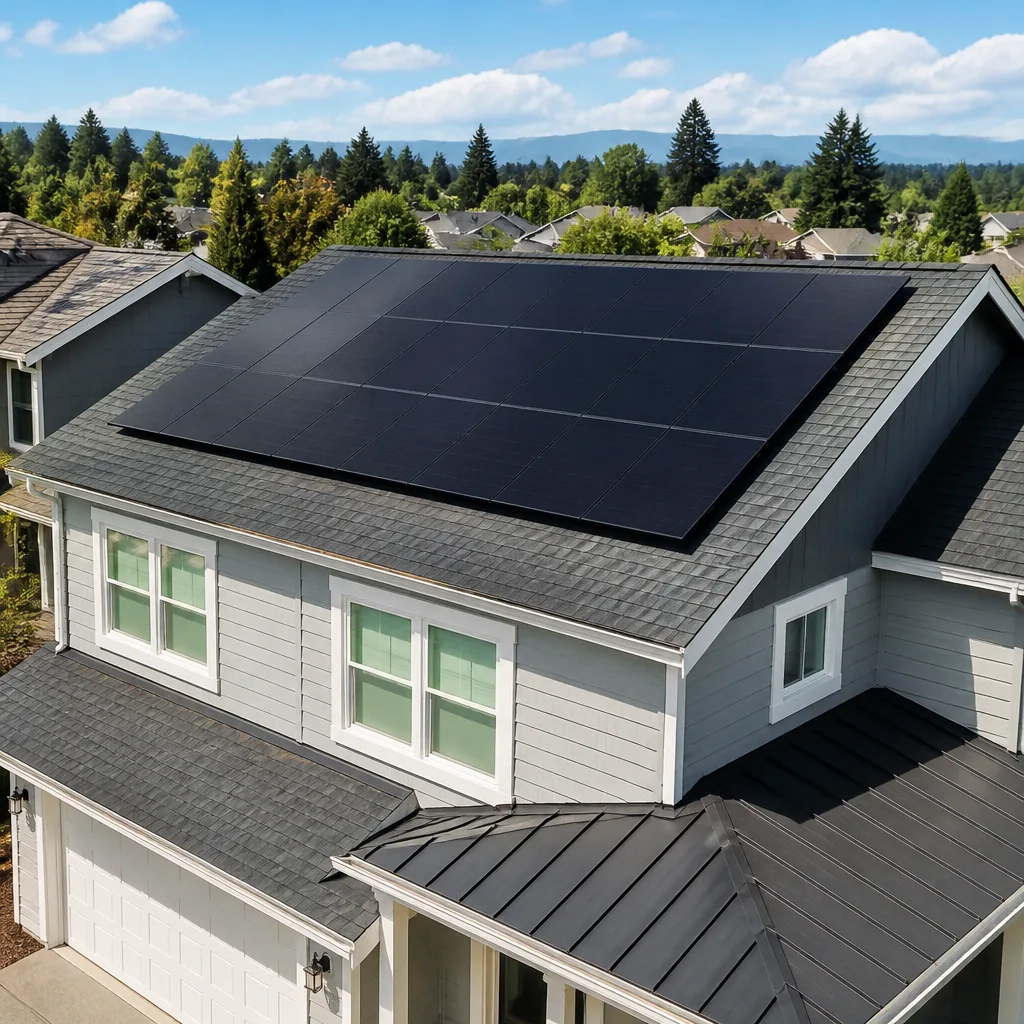
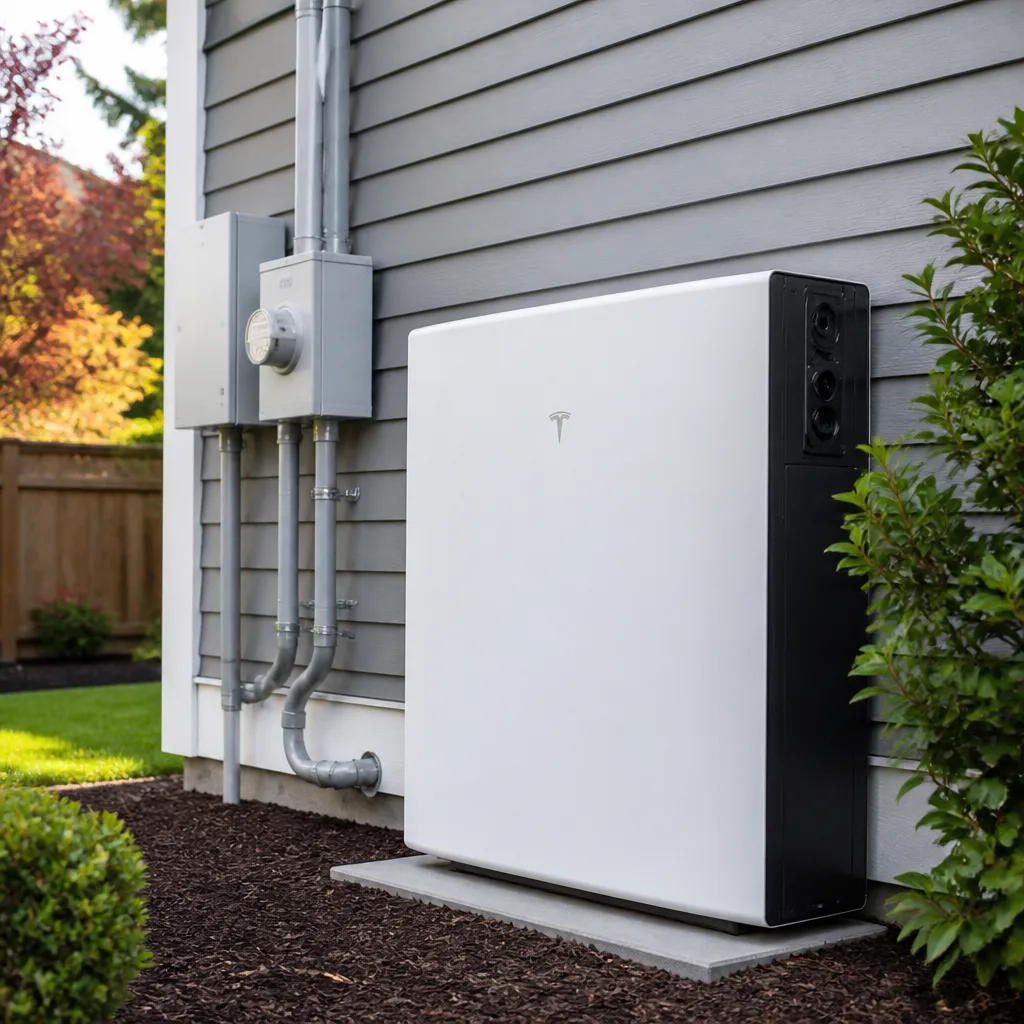
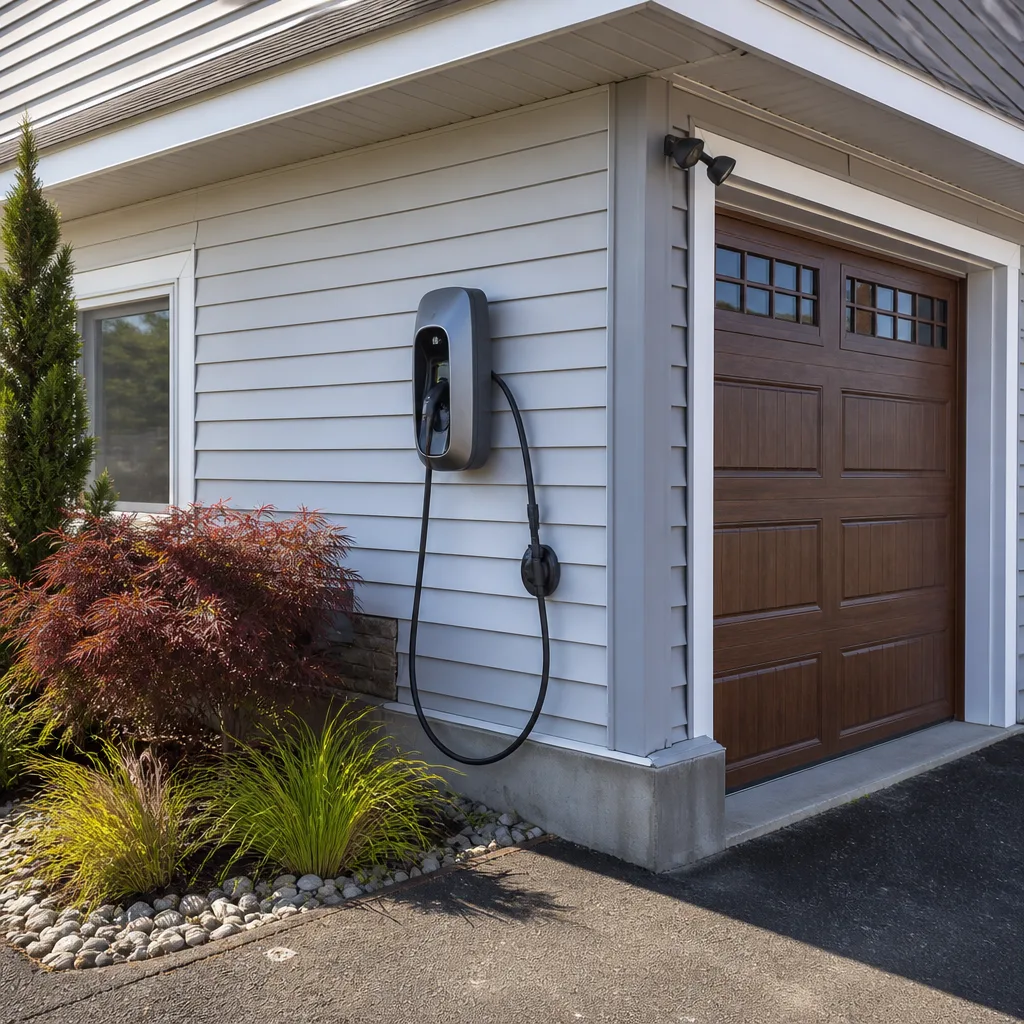
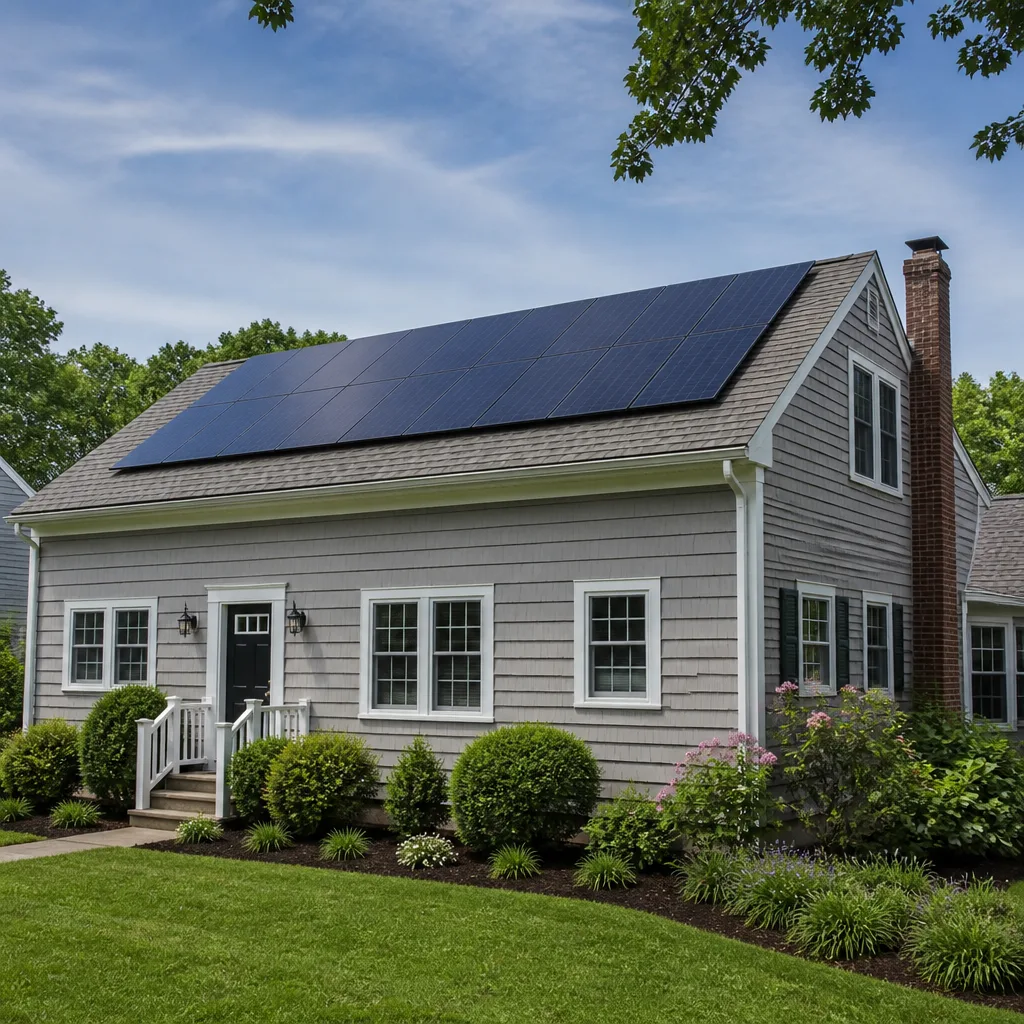

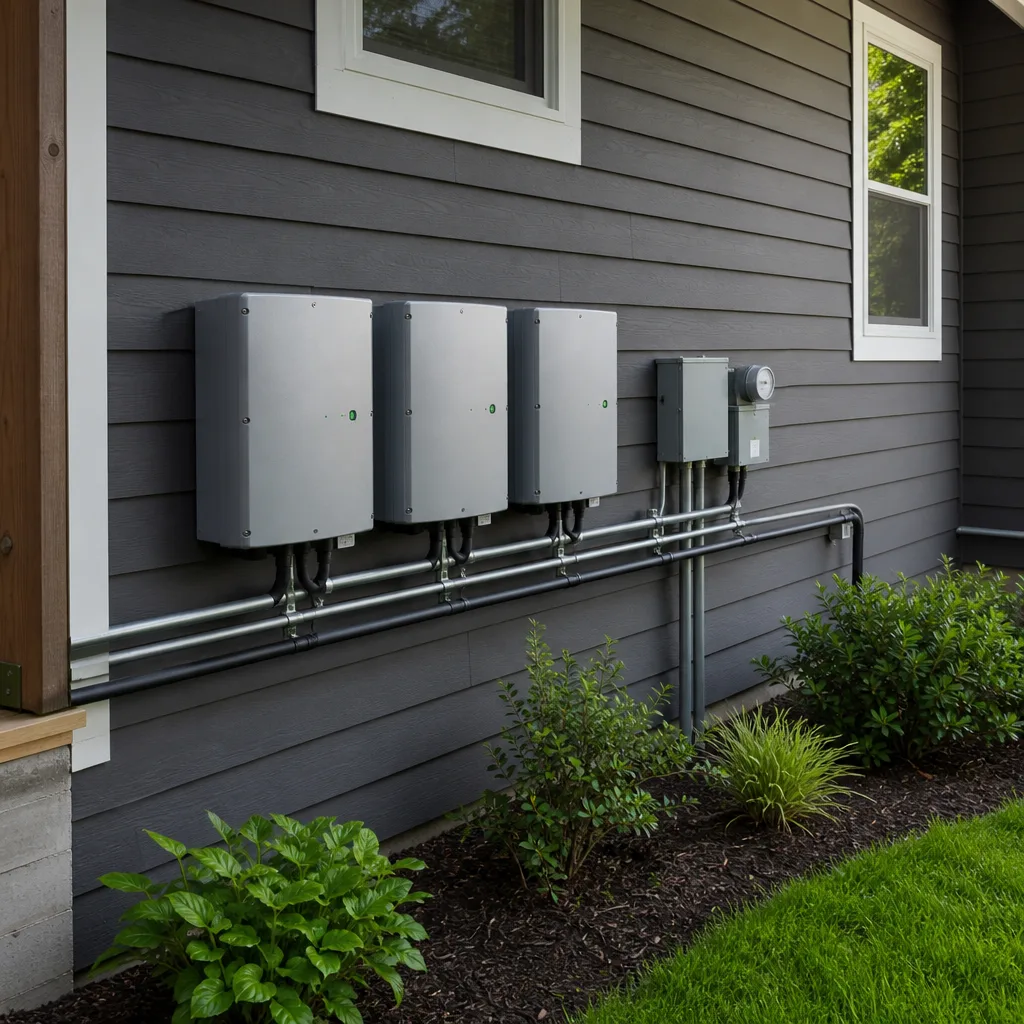
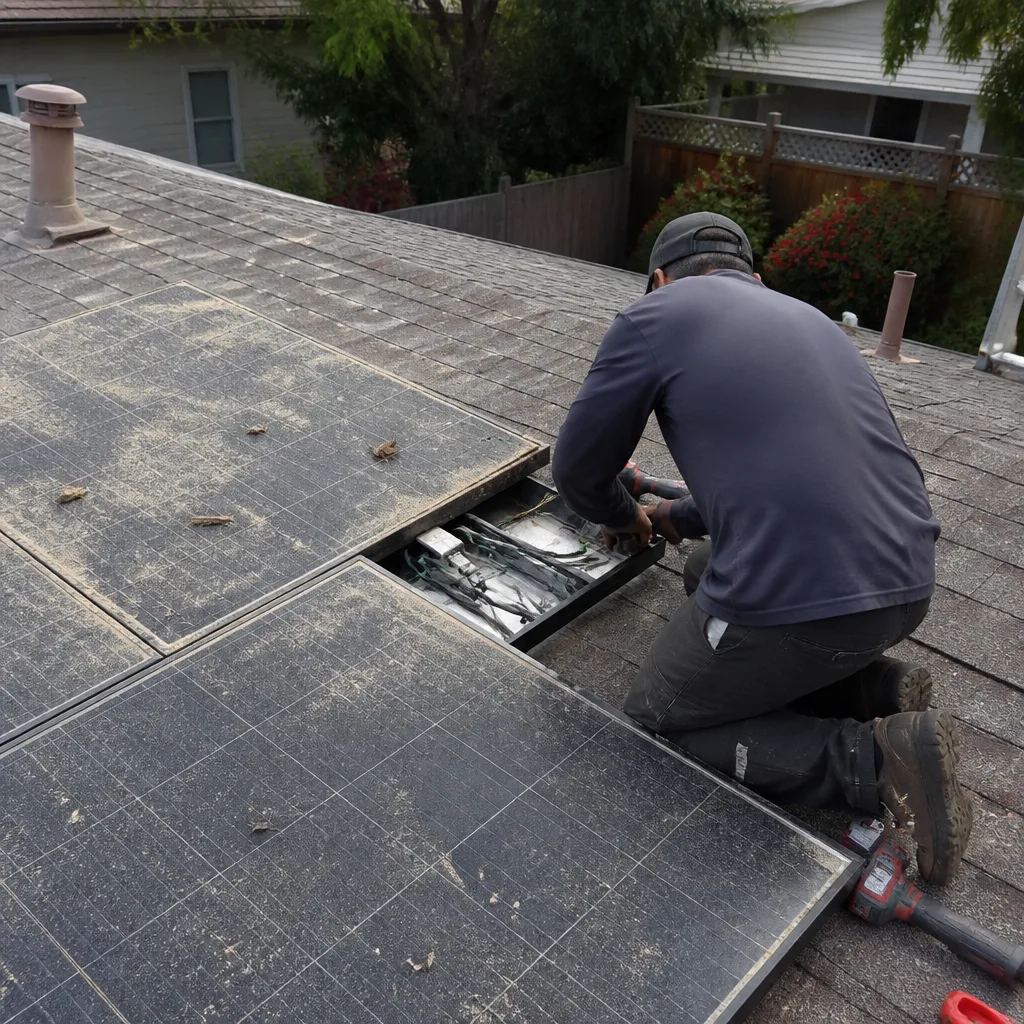 Before
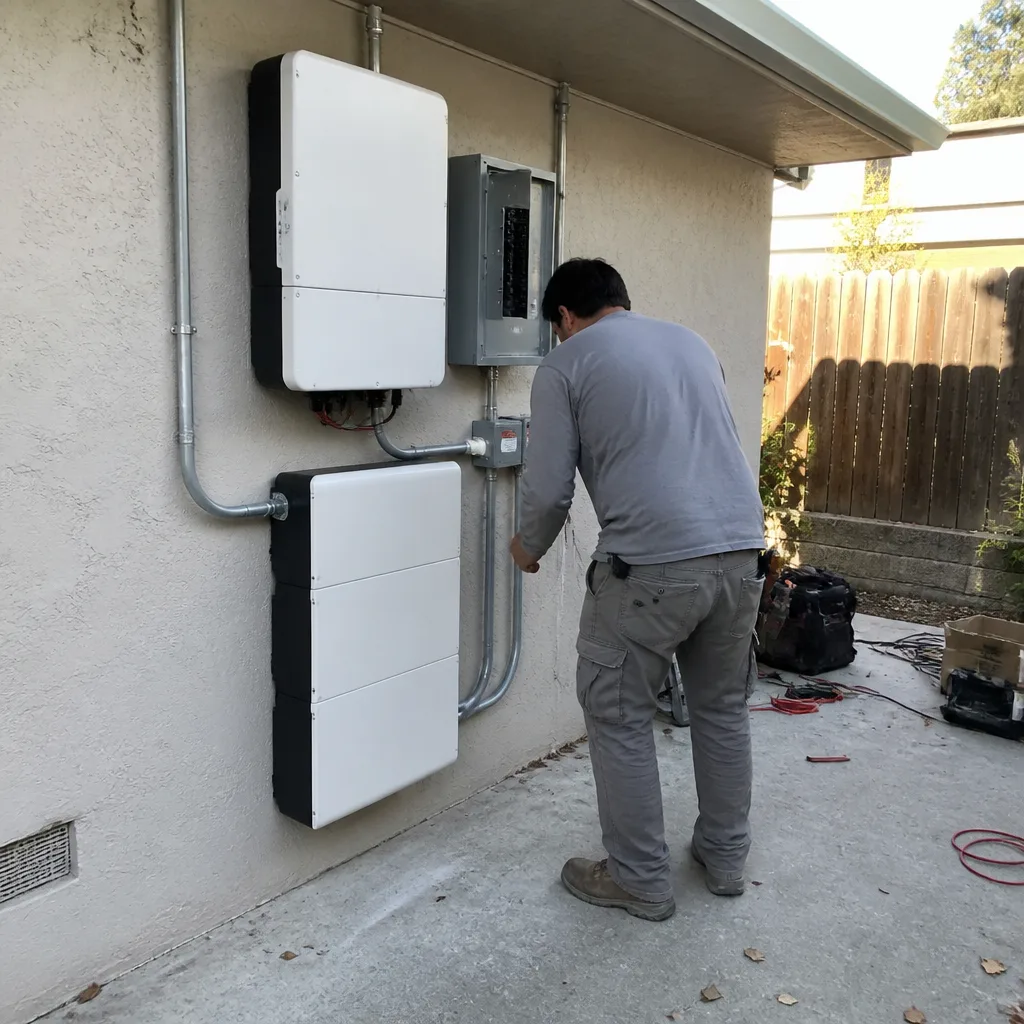 After
After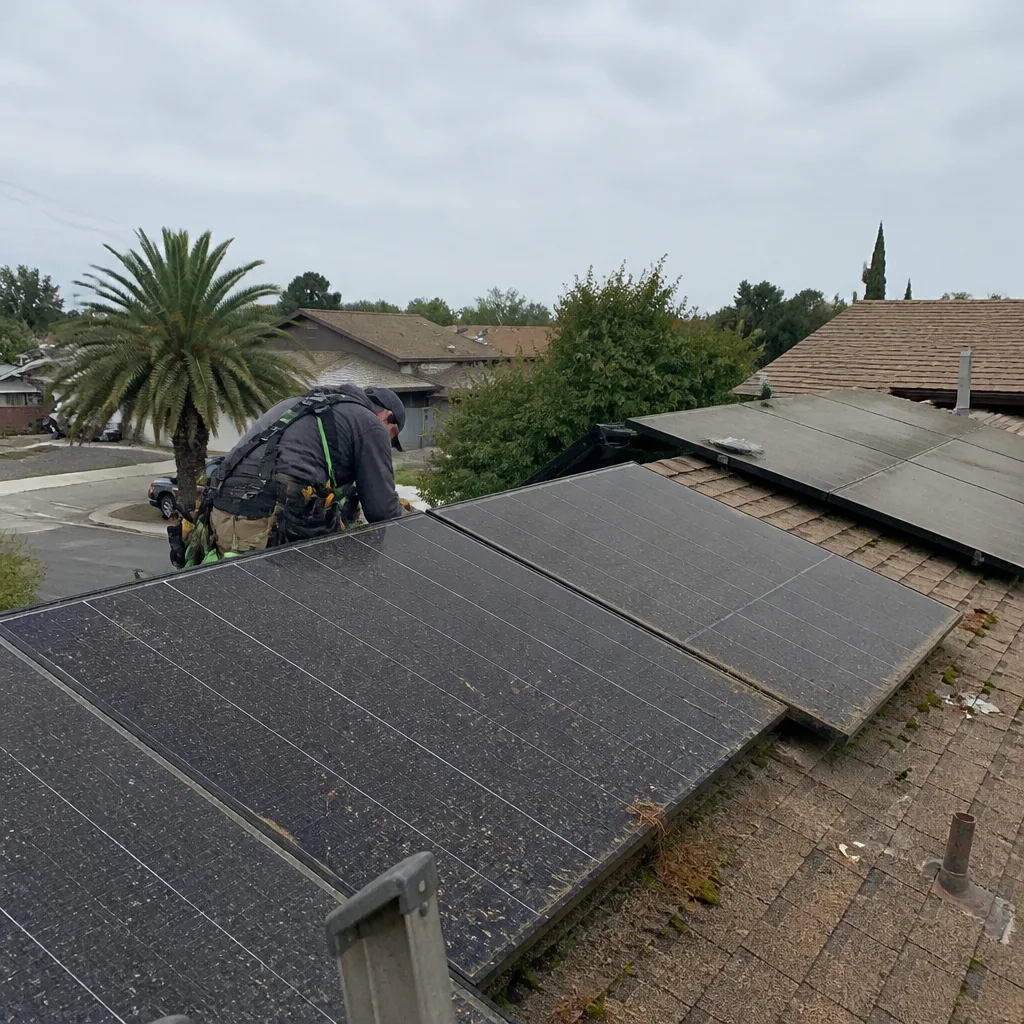 Before
 After
After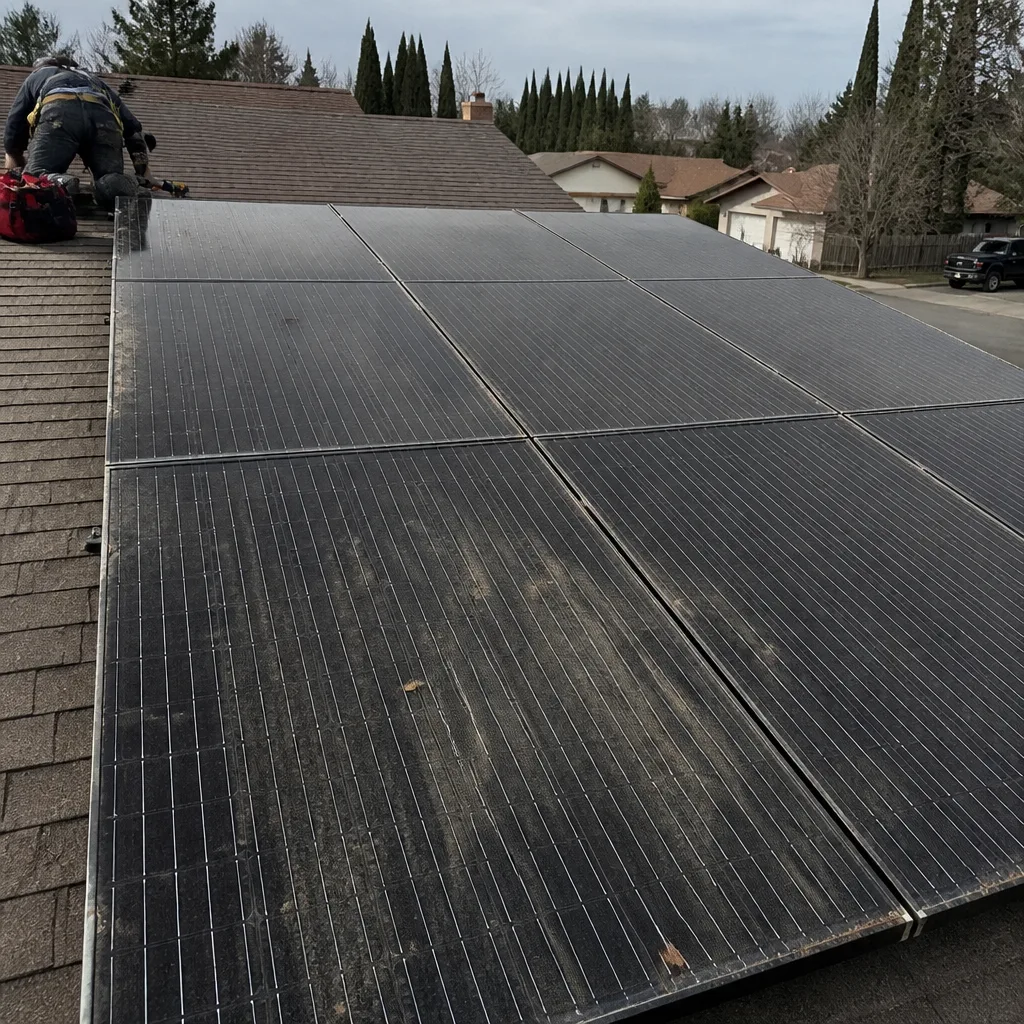 Before
 After
AfterFast, Reliable Solar Panel Maintenance & Monitoring Across Enterprise
Solar panel maintenance in Enterprise usually means two things: cleaning off desert dust and making sure your monitoring system still tells the truth. Most Enterprise homeowners call us because production has dropped and they can’t tell why. We send a background-checked tech to your home, diagnose the array, recalibrate the monitoring, and get you back to full offset. Call (877) 550-6892 and a live person answers, day or night.
We work throughout ZIP 89139, from Mountain’s Edge down to the newer builds near Blue Diamond Road. If you live in Enterprise, you know the drill: HOA rules shape where panels go, summer heat works every component harder, and dust from open desert lots settles faster than most monitoring software expects. Gus Petrakis built this company in 2011, and he still answers his own phone. That matters when your system is underperforming and you want a straight answer, not a sales script.
Why Gus’s Solar Is Enterprise’s Preferred Solar Panel Maintenance & Monitoring Company
For over 29 years, Gus’s Solar has served local communities the old-fashioned way: published address, license number, and an owner whose name is on the truck. In Enterprise specifically, we understand what national outfits miss. The HOA rules in Mountain’s Edge and similar communities change where arrays go, which changes what the monitoring dashboard should show. A company that never deals with HOAs will misread your production numbers. We don’t.
Our Solar Panel Maintenance & Monitoring team drives Enterprise streets every week. We know the tract-home layouts, the S-tile roof profiles, and the south-facing setbacks that cost you production. When you call, you get Gus’s crew, not a sub. Every job carries the 90-Day Done Right Promise in writing. If it’s not right, Gus makes it right.
Our Solar Panel Maintenance & Monitoring Services in Enterprise
Annual System Inspection
An annual inspection in Enterprise is not optional. Between the Mojave dust, the 110°F expansion cycles on S-tile flashings, and microinverters baking on rear-facing roofs, small problems turn into production losses within months. We check every connection, test the rapid shutdown, verify the Enphase or SolarEdge gateway is pulling data, and document the array condition. If your HOA has questions about panel appearance or placement, our inspection report gives you something concrete to show the architectural review committee.
Production Monitoring Setup
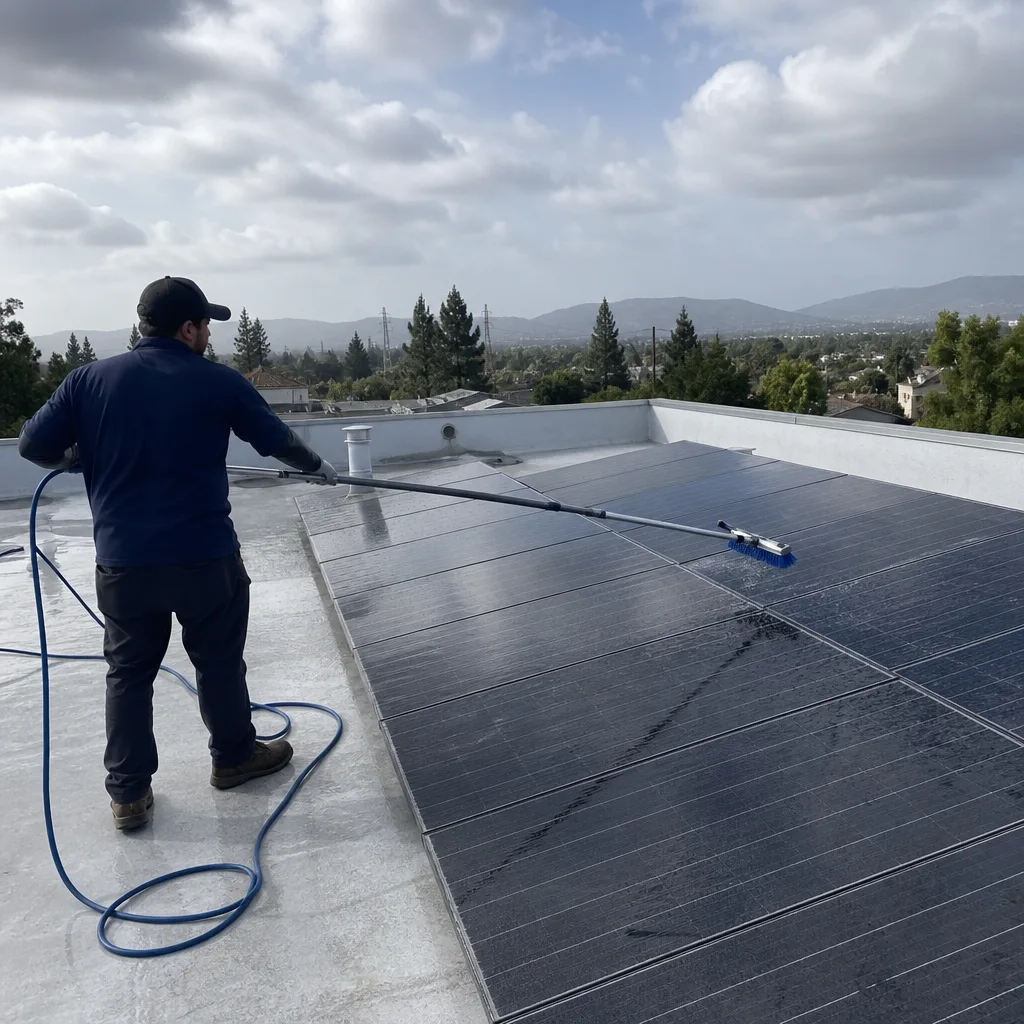
Here’s what most Enterprise homeowners don’t realize: your monitoring app was probably configured for a south-facing street-side array. Your HOA forced the panels to the rear. That mismatch means the app’s expected-kWh baseline is wrong, and your alerts fire late or never. We set up production monitoring that reflects where your panels actually sit, not where the original design assumed. Then we calibrate expected output against your real utility bill and current net metering rules. Bring us a bill, we’ll bring you the math.
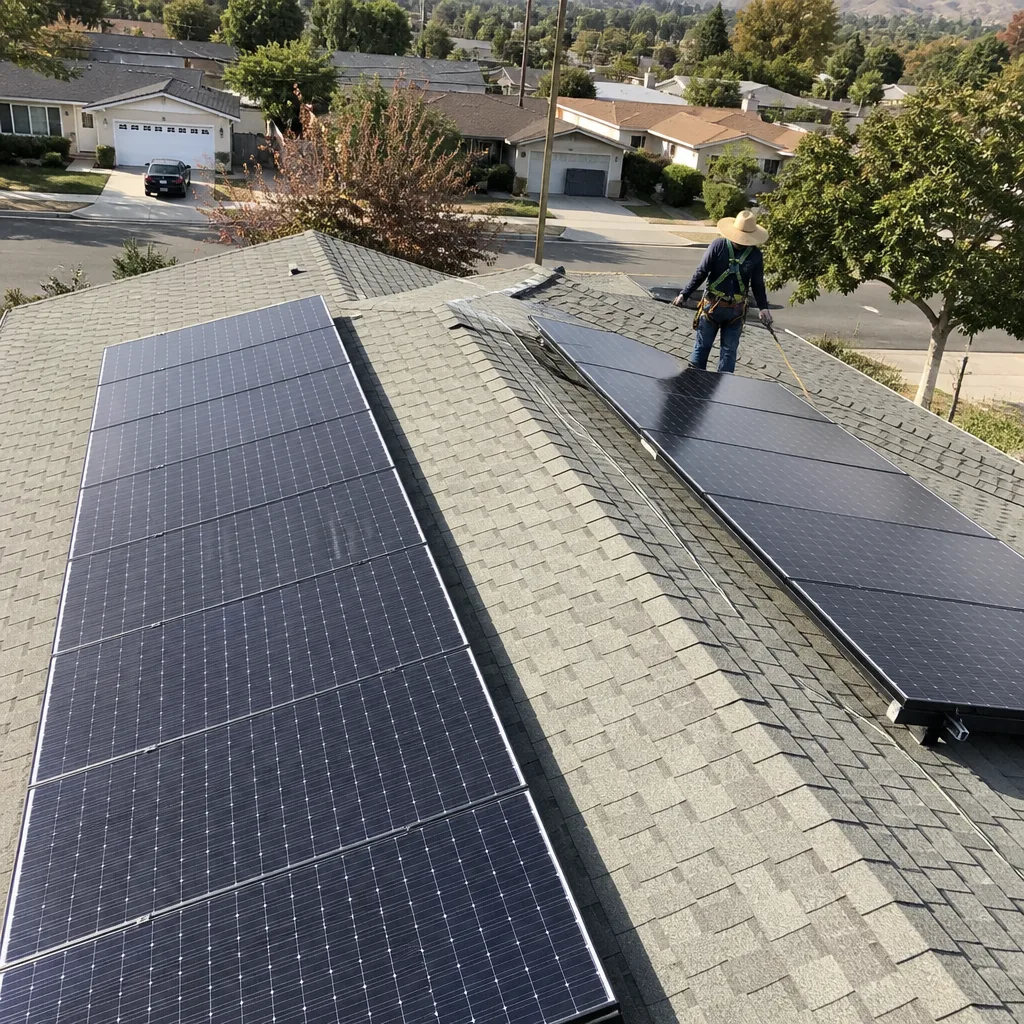
Underperformance Diagnostics
We got a call from a homeowner in Mountain’s Edge whose Tesla system had quietly lost 18% of its production estimate over two years. Our tech found the microinverters on the rear-facing array were throttled by a firmware mismatch after a utility interconnection update, and the Enphase gateway hadn’t been pulling true-up statement data since the HOA-required flush-mount retrofit. After reconfiguring the rapid shutdown and app settings, we restored the expected kWh offset and set up automated alerts so a neighbor’s similar underperformance didn’t go unnoticed. That’s the value of diagnostics done by someone who knows Enterprise’s specific constraints.
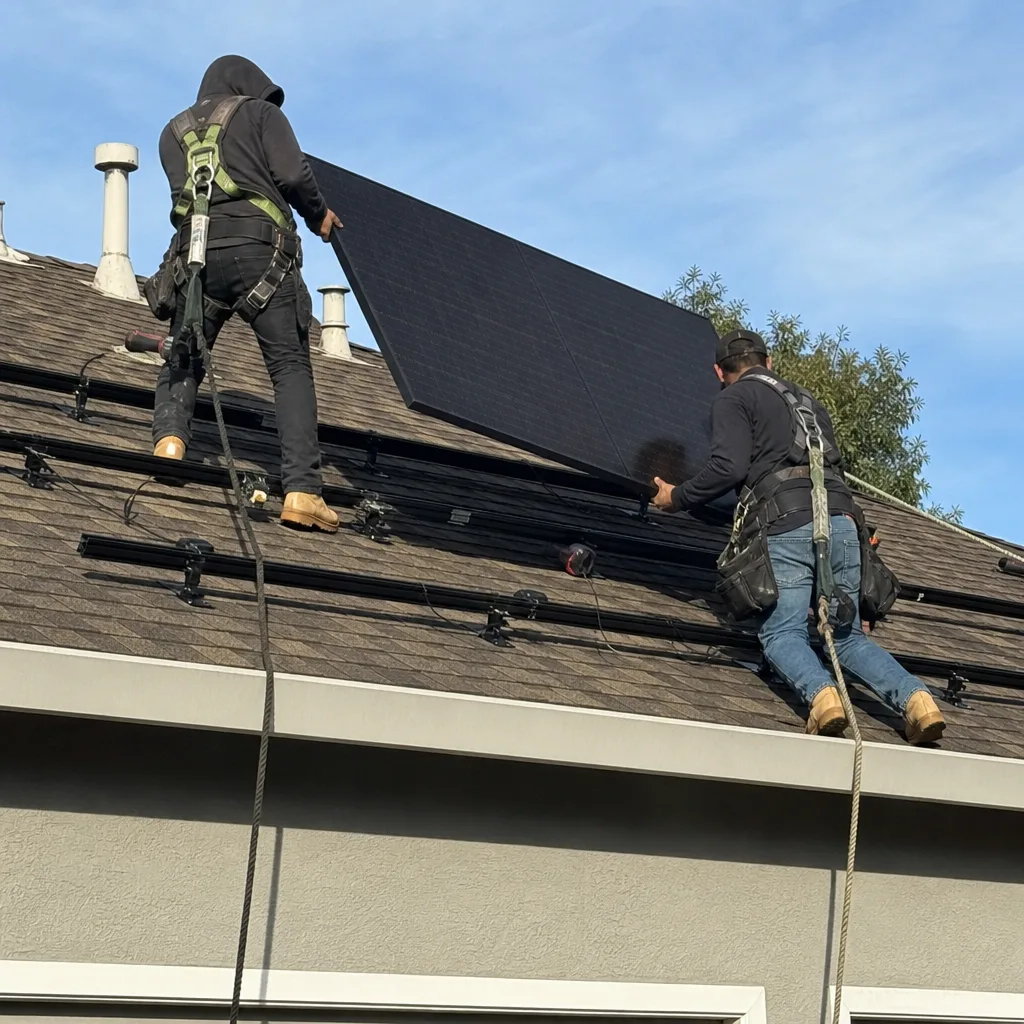
Firmware & App Configuration
When NV Energy changed net metering rules, a lot of Enterprise systems kept running old firmware. It doesn’t trip an error. It just quietly erodes your offset. We update microinverter firmware, reconfigure gateway settings, and make sure your app reflects current utility rates. This is a one-visit job in most Enterprise homes, usually under two hours. If you have a monitoring equipment change only, you typically do not need new HOA approval, but we can walk you through what the architectural review committee will and won’t require.
What happens when you call
- 1
A real person answersNo phone trees - you reach a local pro.
- 2
You get an upfront price rangeHonest numbers before anyone is dispatched.
- 3
A background-checked tech heads outLicensed & insured, dispatched right away.
- 4
You approve before work beginsNothing starts until you say go.
Trusted Brands We Service in Enterprise
We work on the equipment already sitting on Enterprise roofs. Tesla, Enphase, SolarEdge, SunPower, Panasonic, Qcells, REC, Canadian Solar, JinkoSolar, and FranklinWH. For Solar Panel Maintenance & Monitoring in Enterprise, the two brands we see most on 2000s-era tract homes are Panasonic and Canadian Solar, usually paired with Enphase microinverters. We stock common parts locally, so a diagnostic visit often becomes a same-day repair. No waiting on a warehouse three states away.
Common Solar Panel Maintenance & Monitoring Problems We See in Enterprise Homes
- Dust from unincorporated desert lots. Rear-facing arrays in Mountain’s Edge catch wind-blown dust from open acreage. That dust cuts production 5-10% before your next scheduled cleaning, and it builds fastest on the exact roof planes HOAs force you to use.
- S-tile flashing failures from summer expansion. Homes built in the 2000s and 2010s used concrete S-tile roofs. At 110°F, tiles and metal flashings expand at different rates, and we see cracked flashing or loosened tile hooks on almost every pre-2015 install in the 89139 ZIP.
- Stale firmware after net metering changes. When NV Energy updates interconnection rules, systems with old microinverter firmware keep producing, but the gateway reports numbers that don’t match your true-up statement. You’re getting credited less than you’re making.
- Miscalibrated production baselines. Your installer quoted you on a south-facing street-side design. The HOA pushed the array to the rear. Your monitoring app still expects the old number. Every month, the gap looks like a failure, when it’s actually a configuration issue we can fix in one visit.
Pricing for Solar Panel Maintenance & Monitoring in Enterprise, NV
Here are straight numbers for Enterprise. An annual system inspection runs $180-$280 depending on array size and roof access. Production monitoring setup or recalibration runs $150-$300, including the app configuration and baseline correction. Underperformance diagnostics run $200-$400, and if we find a firmware or configuration cause, the repair is often included in the diagnostic fee. Preventive maintenance plans for Enterprise homes start at $180 per year. No trip charge inside our own county, and every estimate is free. Call (877) 550-6892 for an exact quote. Take two weeks, think about it. The price will be the same.
We Also Serve Cities Near Enterprise
If you’re outside ZIP 89139 but still in the southwest valley, we handle maintenance across Spring Valley, Paradise, Winchester, and Las Vegas. Same crew, same 90-Day Done Right Promise, same live person answering the phone. If you’re on the edge of Enterprise and a neighboring HOA, we’ll sort out which jurisdiction applies before we touch the roof.
Serving Enterprise, NV - Our Local Coverage Area
We’re based in the Enterprise area and know this community well. Use the map below to see our service coverage - if you’re nearby, we can almost certainly help.
FAQs - Solar Panel Maintenance & Monitoring in Enterprise
The rule changes where your panels sit, which changes how much dust they catch, how hot they run, and what your monitoring baseline should say. Rear-facing arrays in Mountain’s Edge collect more wind-blown dust and derate more in afternoon heat, so we set your alerts and cleaning schedule accordingly. We also verify during maintenance that your array still matches the HOA-approved placement, so you’re not fighting the architectural review committee later.
Because heat derates photovoltaic output. At 110-115°F, panels lose 10-25% of their rated production at peak irradiance. That’s normal physics, not a fault. But if your monitoring app was set up for a cooler baseline, it looks like a failure. Call (877) 550-6892 and we’ll recalibrate your expected output for Enterprise’s actual summer conditions.
No, in almost every case. HOA approval covers panel placement and visible equipment. Firmware updates, gateway replacement, and app reconfiguration are invisible changes that don’t trigger architectural review. We can confirm the specifics for your community’s covenant language before we start.
Yes, and you should. A rear-array design in Enterprise typically produces 10-15% less than an unconstrained south-facing design. That’s not a defect, it’s a design constraint. We’ll rebuild your monitoring baseline using your actual panel placement and your real utility history, not a brochure number. Gus quotes the year-25 output, not the day-one brochure number.
No, it’s usually not a panel defect at all. It’s dust, heat derating, or monitoring misconfiguration. In Enterprise, the combination of HOA-driven rear placement and Mojave dust makes an 85% reading at year 8 entirely normal for a system that hasn’t been cleaned or recalibrated. Before you file a warranty claim, let us diagnose it. We’ll tell you honestly whether it’s a hardware failure or just the desert doing what deserts do.
Written by Gus Petrakis, Owner at Gus’s Solar, serving Enterprise, NV and surrounding communities since 2011.