
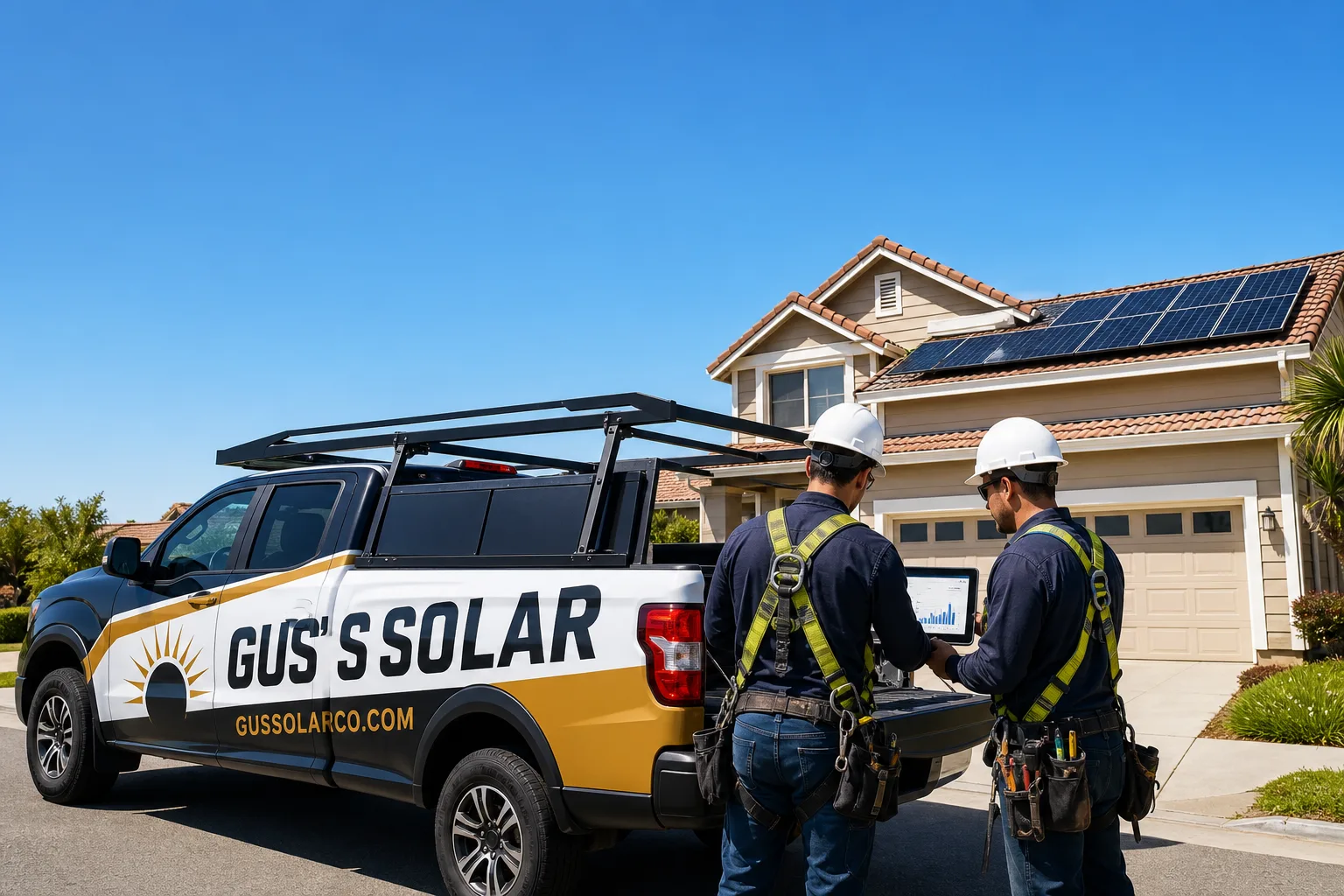
Free bill analysis - bring a power bill, get the production math for your actual roof, panel brands like Qcells and REC compared side by side
If the pitch starts at your door and ends with "sign tonight for the special," sleep on it. The sun will still be there tomorrow; so will we.
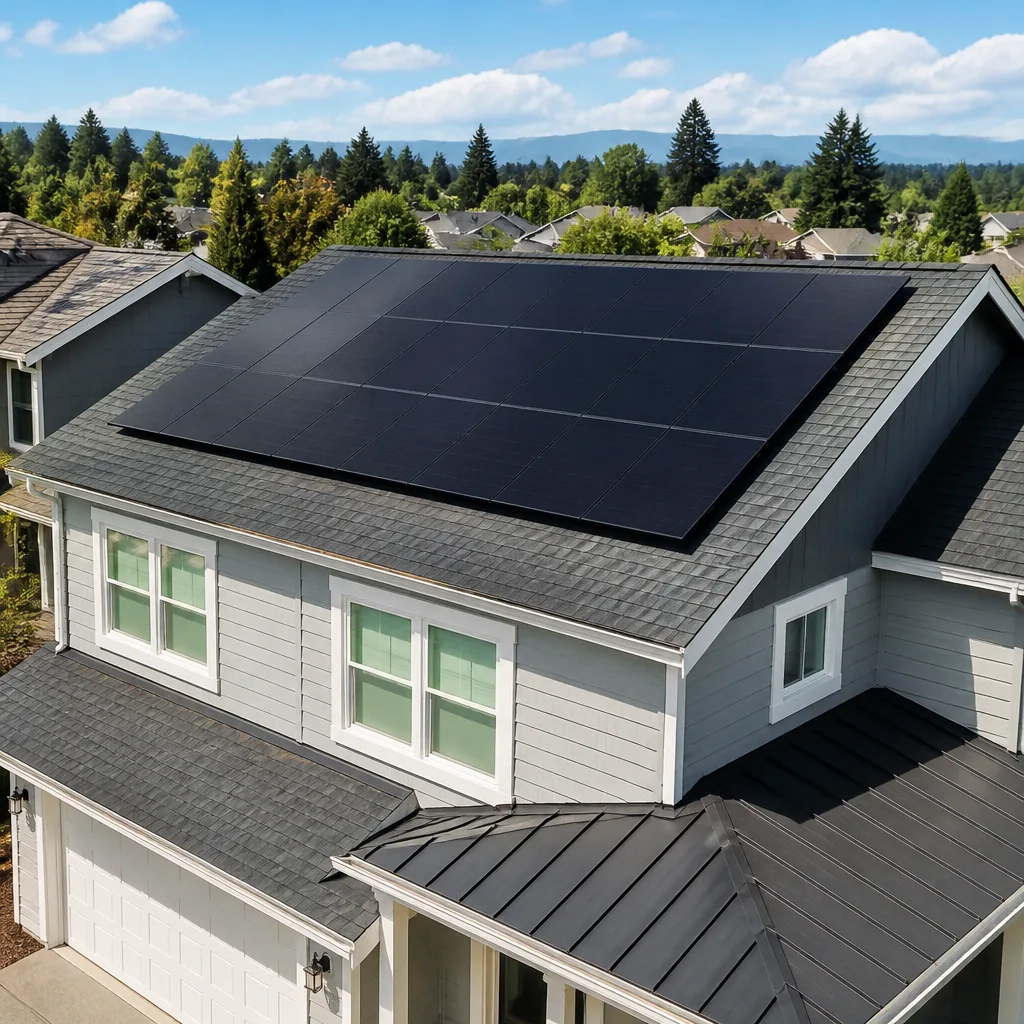
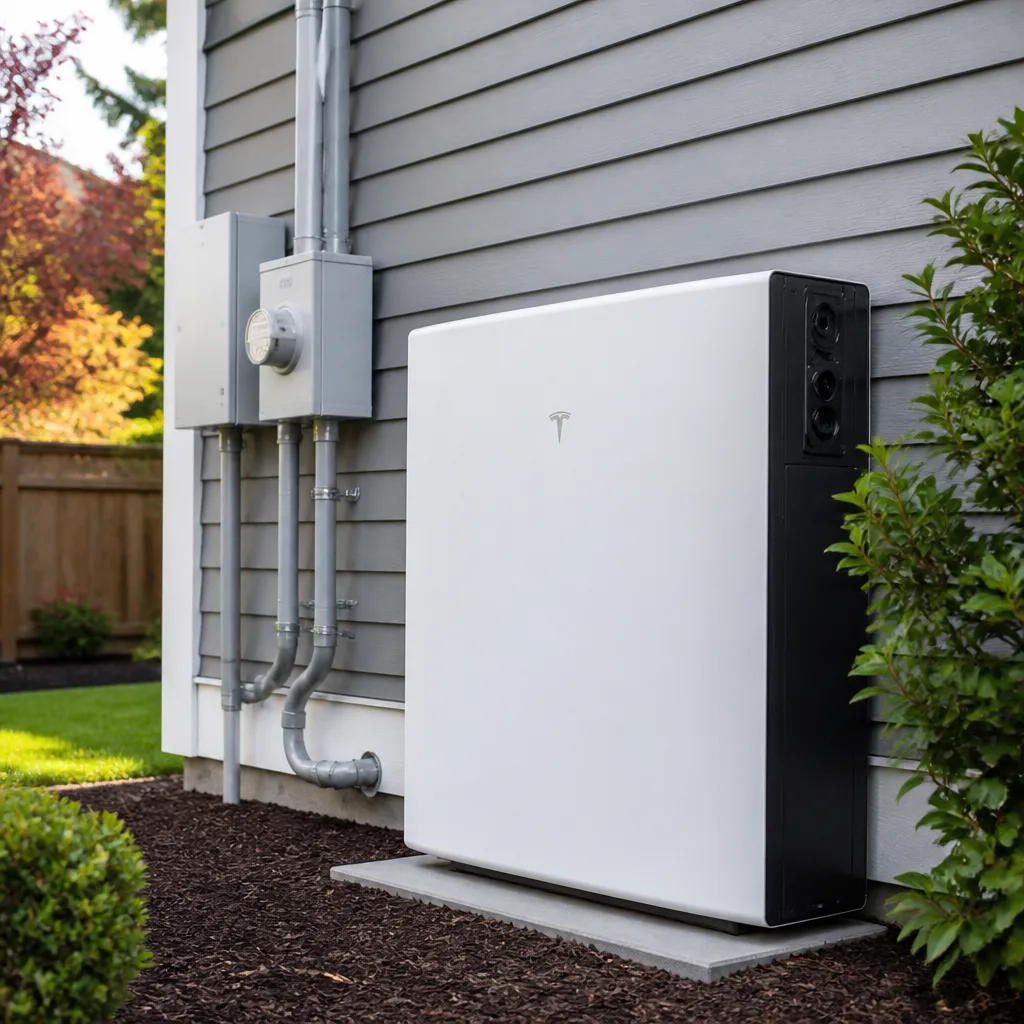
 Before
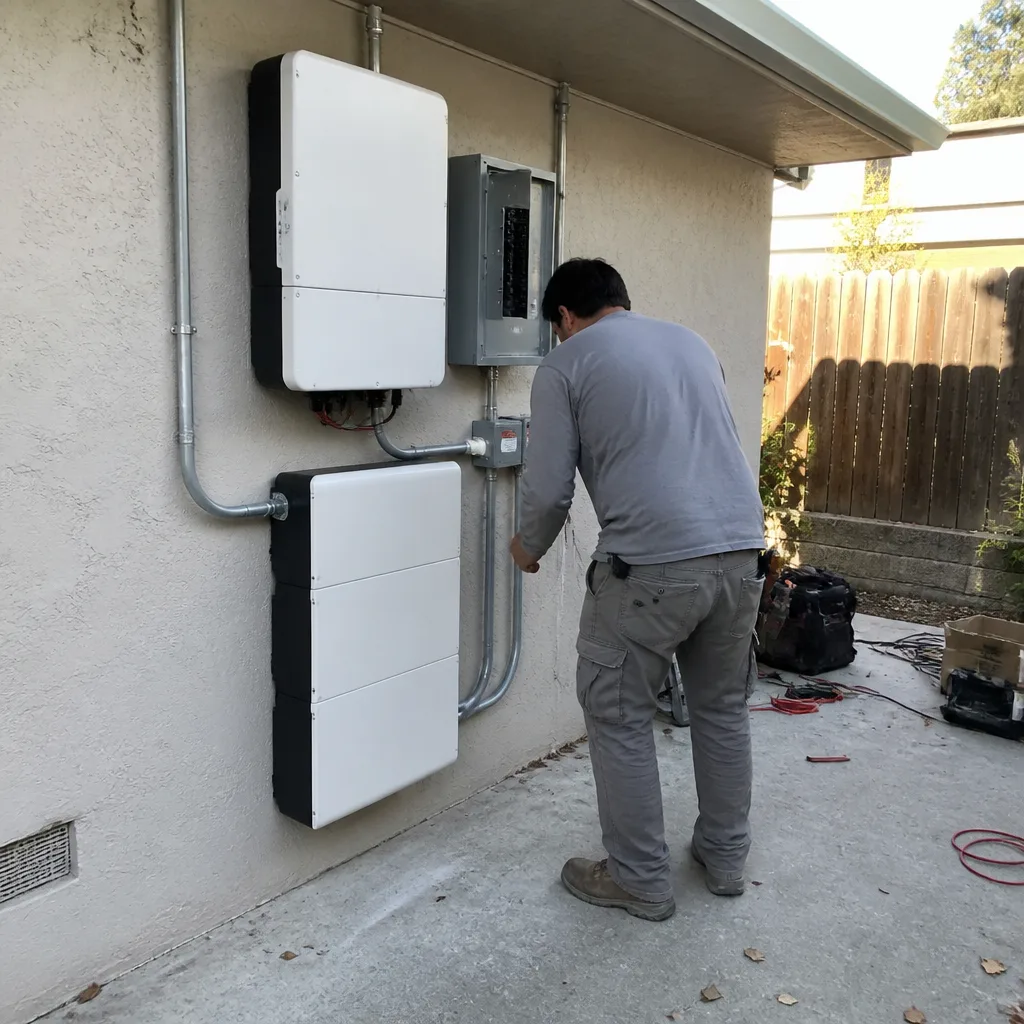 After
After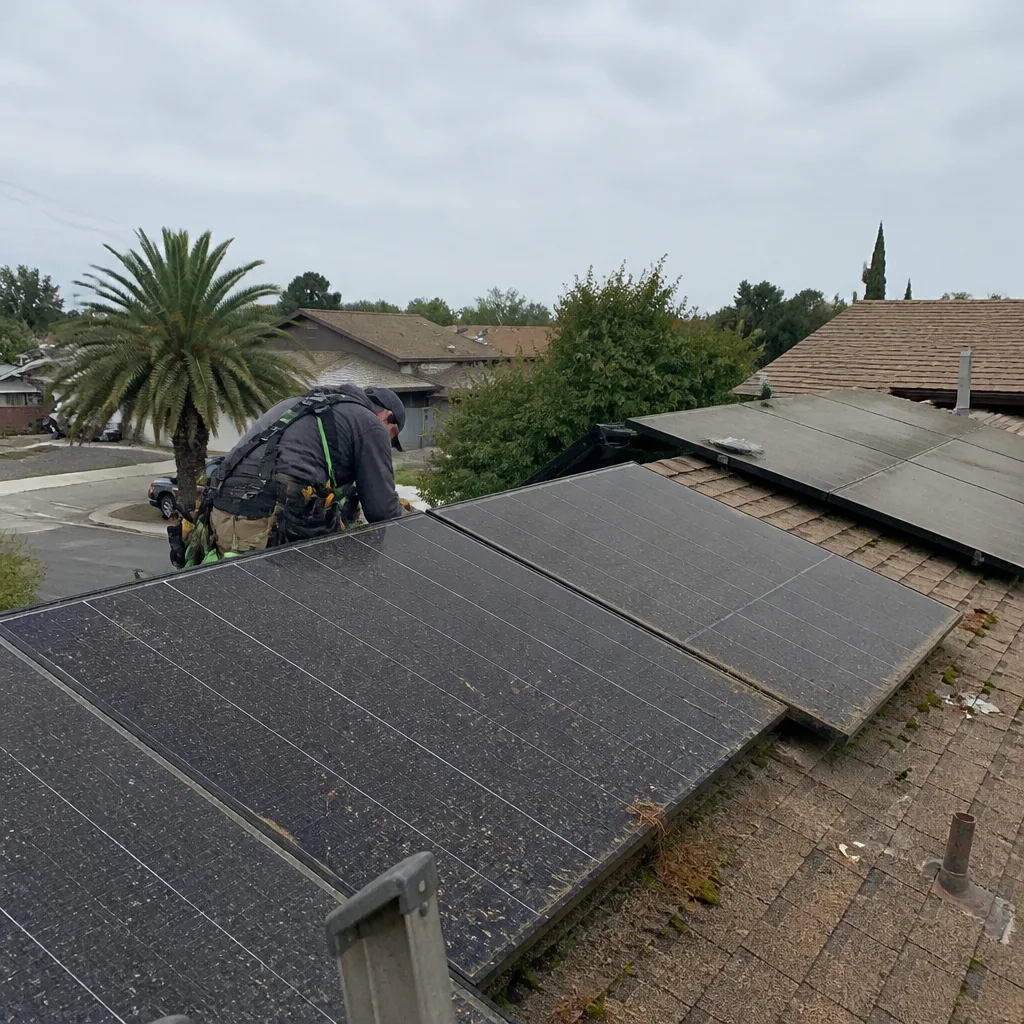 Before
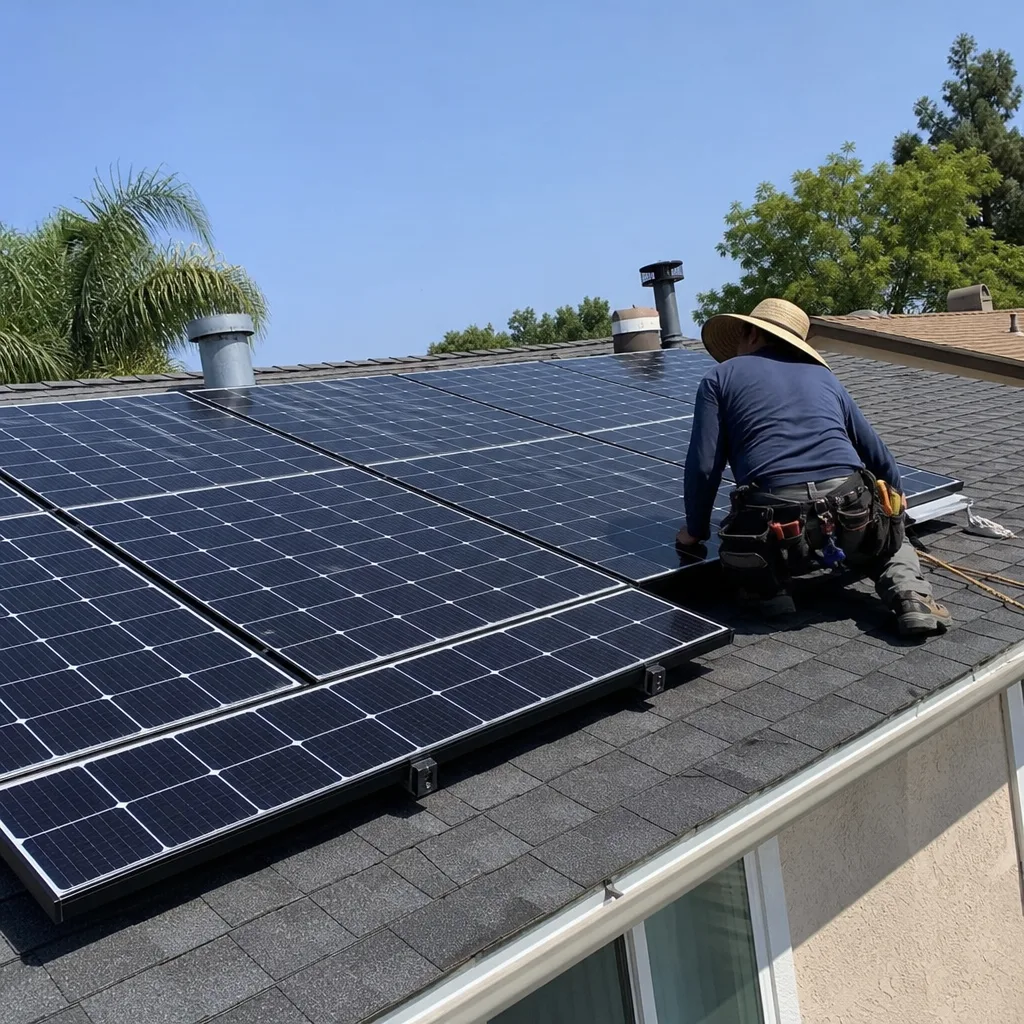 After
After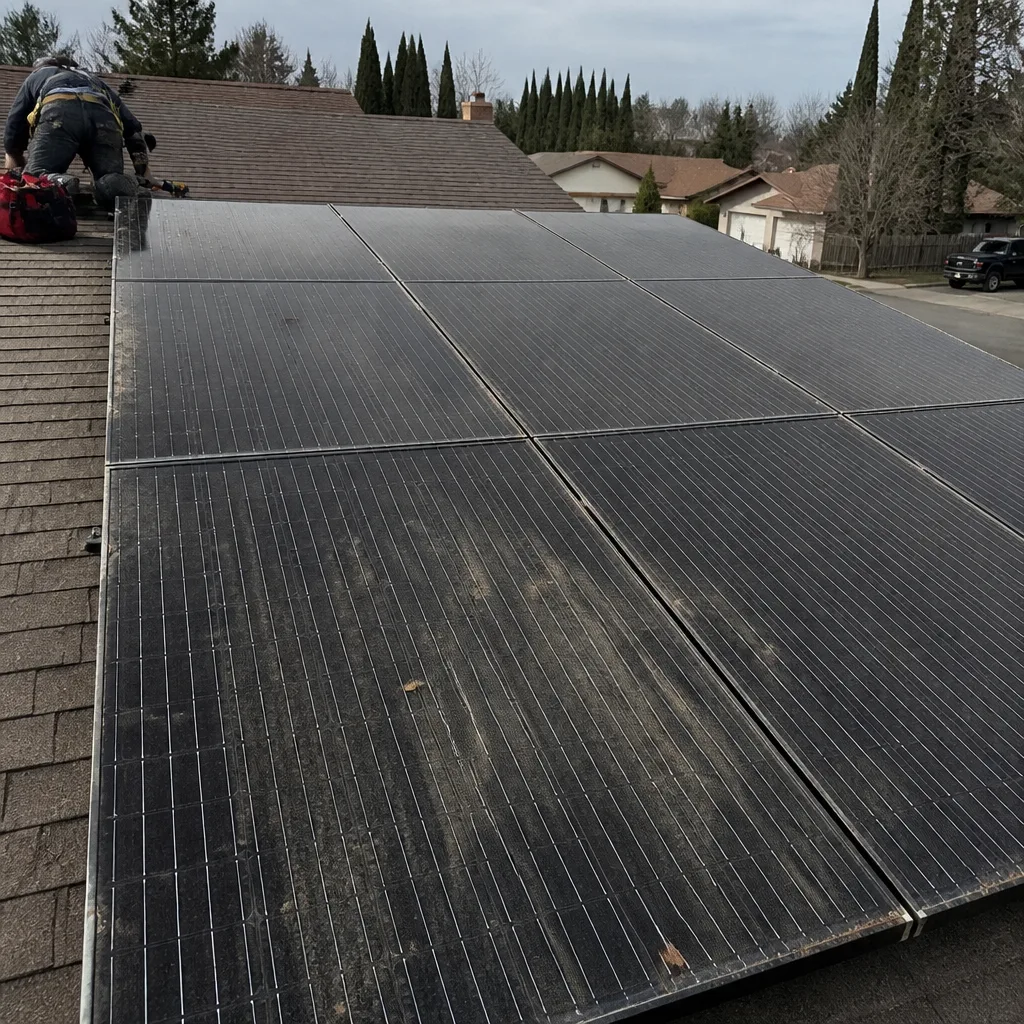 Before
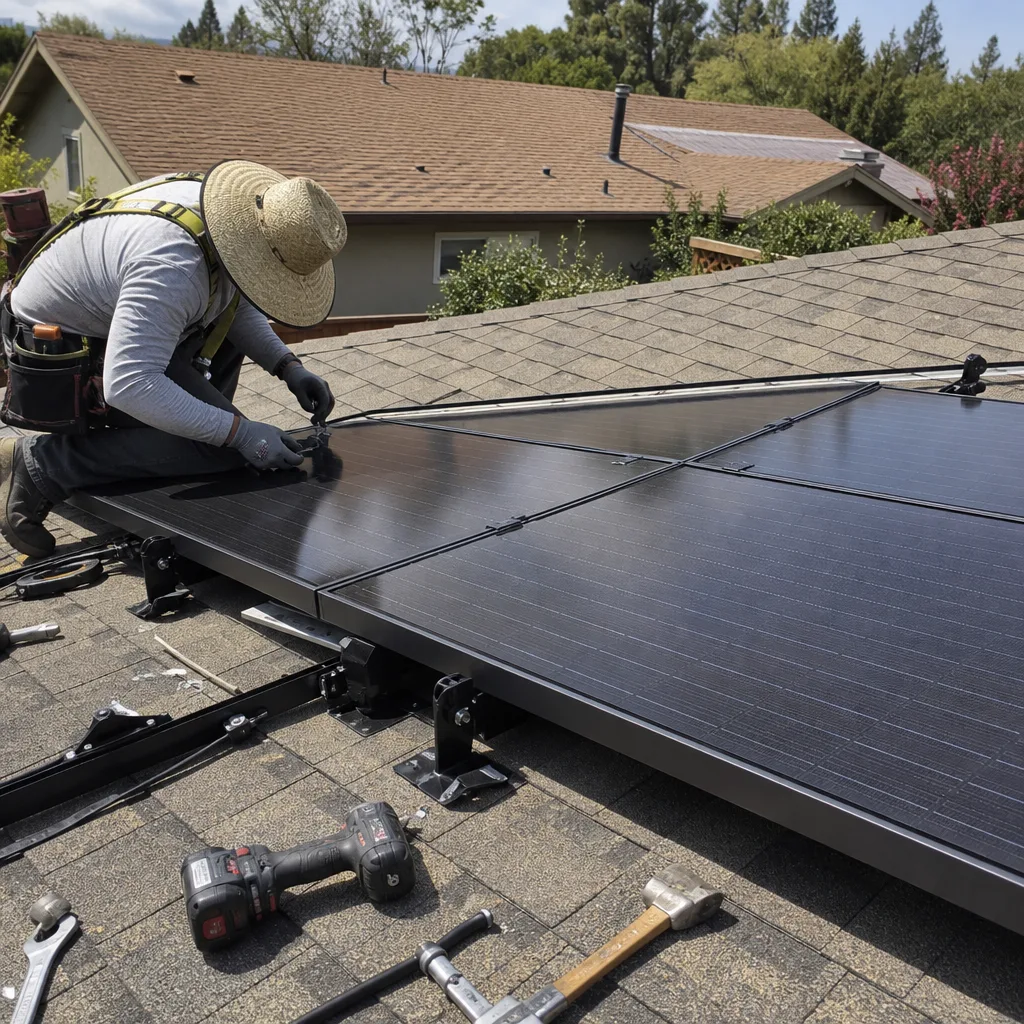 After
AfterFast, Reliable Solar Panel Maintenance & Monitoring Across Colleyville
If your Colleyville solar array is underperforming and you’re staring at an Oncor bill that doesn’t match the production estimate you were sold, here’s the short answer: most underperformance in Colleyville traces to inverter failures, HOA-forced panel orientation, or age-related degradation on systems installed 8 to 15 years ago. We diagnose these issues same-day, and a maintenance call in Colleyville typically costs between $149 and $399 depending on what we find. Gus’s Solar has been fixing and monitoring residential systems across Tarrant County for over 29 years, and when you call (877) 550-6892, a live person answers. Not a portal. Not a voicemail.
Why Gus’s Solar Is Colleyville’s Preferred Solar Panel Maintenance & Monitoring Company
Colleyville homeowners tend to be done with the runaround by the time they call us. They’ve already had a door-knocker quote one number, or an out-of-state installer vanish after the permit closed. Gus Petrakis publishes his name, his address, and his license number. He answers his own phone. That’s the whole pitch, and in Colleyville it lands because this is a town where people still check who owns the company before they let a crew on a $200,000 tile roof.
We know the neighborhoods here. Timarron, McDonwell, the estates off Pleasant Run Road, the custom builds along Glade Road. Those aren’t just map pins to us. They’re roofs we’ve walked, arrays we’ve re-strung, and inverters we’ve replaced after a 100-degree afternoon cooked a component that was already marginal. Colleyville’s housing stock is mostly custom and semi-custom, built from the mid-1980s through the early 2000s, and a lot of those original solar installs are now hitting the failure window at the same time.
One thing worth saying plainly: we don’t hand work off to subcontractors. Gus’s own crew, background-checked and uniformed, does every job. If a problem comes up after we leave, the 90-Day Done Right Promise means one call brings Gus back. In writing. On every solar job.
Our Solar Panel Maintenance & Monitoring Services in Colleyville
Annual System Inspection
An annual inspection in Colleyville should cost between $149 and $249, and it’s the cheapest insurance you’ll buy for a system that originally cost $30,000 to $60,000. We check every panel, every microinverter or optimizer, every rail and mount, and every rooftop penetration. On the tile roofs common in Colleyville, we look for cracked tiles and slipped hooks before they become leaks. On a 2017 system near Timarron, our inspection caught three cracked tiles and two loose mounts after a hail event the homeowner hadn’t noticed. That’s a $200 service call that prevented a $4,000 roof repair.
Production Monitoring Setup
Most Colleyville systems produce less than they should because nobody is watching the numbers. We set up production monitoring through Enphase, SolarEdge, or Tesla apps and configure alerts so you know within hours, not months, when output dips. Setup typically runs $99 to $199 if your system already has the hardware, and $300 to $600 if we need to add a monitoring gateway or communication card. For Colleyville homeowners with HOA-mandated north-facing arrays, monitoring matters even more. Those panels underproduce by design, and without a baseline you won’t know if a 15% drop is orientation or a failed component.
Underperformance Diagnostics
A diagnostic call in Colleyville runs $179 to $349. We arrive, pull production history from your inverter, test string voltages and current, run an infrared scan for hotspots, and give you a written explanation of what’s wrong and what it costs to fix. No mystery. No upsell. On a 2018 SolarEdge system near Timarron, a customer’s true-up statement showed a surprise $400 credit shortage. Our diagnostic found a failed inverter that had dropped production 60% after a summer heat spike. We replaced it, reconfigured the strings to match the original azimuth, and the system returned to its 90% production estimate.
Firmware & App Configuration
Inverter firmware updates fix safety glitches, communication dropouts, and rapid shutdown compliance issues. We handle firmware updates and app configuration for Enphase, SolarEdge, Tesla, and FranklinWH systems across Colleyville. This usually runs $79 to $149 and takes under an hour. We also reconfigure monitoring portals after utility rate changes or battery additions so your production and consumption data reflects what’s actually happening on your bill.
What happens when you call
- 1
A real person answersNo phone trees - you reach a local pro.
- 2
You get an upfront price rangeHonest numbers before anyone is dispatched.
- 3
A background-checked tech heads outLicensed & insured, dispatched right away.
- 4
You approve before work beginsNothing starts until you say go.
Trusted Brands We Service in Colleyville
We work on the equipment already on Colleyville roofs, not just what’s in our sales catalog. Tesla, Enphase, SolarEdge, and FranklinWH are the brands we service most often here, and we keep common replacement parts in our metro Dallas-Fort Worth office so Colleyville jobs don’t wait on backordered components from across the country. Whether your system is a 2015 string-inverter setup or a 2023 microinverter array with battery backup, our team knows the failure points and the firmware quirks. We’d rather fix what you have than sell you something you don’t need.
Common Solar Panel Maintenance & Monitoring Problems We See in Colleyville Homes
- Legacy string inverters failing during heat spikes. Colleyville’s peak summer temperatures regularly exceed 100°F, and inverters mounted on west-facing walls take the brunt of it. Systems installed before 2017 with single string inverters are the most common failure we see. When they trip, Oncor interconnection alerts fire and your production drops to zero without you noticing.
- HOA-forced north-facing arrays on multi-pitch tile roofs. Under Texas Property Code §202.010, Colleyville HOAs can’t ban solar, but they can require panels on non-street-facing slopes. On a north-facing ridge, that means your array produces 20 to 30% less from day one. Without monitoring, hotspots and string imbalances on those arrays go unnoticed for years, quietly cutting kWh offset below the payback-period projection you were quoted.
- Cracked clay tiles from maintenance foot traffic. Colleyville’s dominant roofing material is clay or concrete tile, and those tiles crack under a misplaced boot. A simple panel cleaning turns into a structural repair if the crew isn’t using tile-specific walk pads and proper mounting hardware. We see this on 1990s custom builds throughout the city.
- Inverter communication dropouts after firmware updates. Older inverters sometimes stop reporting production data after a utility-mandated firmware push. The system still produces, but your monitoring portal goes dark and you lose visibility. We reconfigure communication settings and restore monitoring without replacing hardware in most cases.
Pricing for Solar Panel Maintenance & Monitoring in Colleyville, TX
- Annual system inspection: $149-$249
- Underperformance diagnostic: $179-$349
- Production monitoring setup: $99-$199 (existing hardware); $300-$600 (new gateway or communication card)
- Firmware update & app configuration: $79-$149
- Inverter replacement (parts and labor): $1,200-$2,800 depending on system size and inverter type
- Preventive maintenance plan (annual inspection plus monitoring review): $199-$399 per year
What affects cost in Colleyville specifically? Tile roof access adds labor time compared to composition shingle, and the complex multi-pitch rooflines with dormers and turrets common in this city mean our crew moves slower and safer. That’s reflected in the quote, and it’s the same price whether you call us from Timarron or McDonwell. Bring me a bill, I’ll bring you the math. Estimates are free, and the price we quote is the price you pay. Call (877) 550-6892 for an exact number.
We Also Serve Cities Near Colleyville
Our Colleyville crews also handle Solar Panel Maintenance & Monitoring in Bedford, Hurst, Southlake, and Euless. If you’re in one of those cities, the same team, the same response time, and the same no-pressure pricing apply. We coordinate scheduling from our Dallas-Fort Worth office and send crews to Colleyville and the surrounding cities daily.
Serving Colleyville, TX - Our Local Coverage Area
We’re based in the Colleyville area and know this community well. Use the map below to see our service coverage - if you’re nearby, we can almost certainly help.
FAQs - Solar Panel Maintenance & Monitoring in Colleyville
How often should I clean panels on a tile roof in Colleyville given the airport corridor and HOA rules?
Clean panels every 12 to 18 months in Colleyville. The DFW area’s 230+ sunny days mean dust and pollen accumulation cut output more than occasional rain can clear, and because many Colleyville systems sit on non-street-facing slopes under HOA rules, the panels often collect debris at steeper angles that don’t self-clean as well. Have a professional handle it. Tile roofs crack under improper foot traffic, and the crew needs FAA glare-advisory awareness when accessing rooftops near DFW Airport’s eastern departure corridors. Call (877) 550-6892 and we’ll schedule a cleaning that won’t damage your tile.
Can I retrofit microinverters or power optimizers on an older Colleyville solar system without triggering FAA glare review?
Yes, in most cases a retrofit doesn’t trigger glare review because the panel tilt and orientation don’t change. The FAA glare-advisory process applies to new installations or when you alter panel angle. Replacing a string inverter with microinverters or power optimizers changes the electrical architecture, not the reflective geometry. But any time you adjust tilt, even by a few degrees, in Colleyville you should have a glare check done. We handle that paperwork when it’s required, and we’ll tell you upfront if it isn’t. Call (877) 550-6892 for a straight answer on your specific roof.
My production estimate dropped 15% after the first year on my 2015 system near McDonwell School. Is that normal degradation?
No. Panels degrade about 0.5% per year, so a 2015 system should be down roughly 4 to 5% total, not 15% in one year. A 15% drop in a single year points to a failed optimizer or microinverter, a string issue, or an inverter that’s throttling during heat. On systems near McDonwell School and throughout Colleyville, we commonly find one failed optimizer in a string that drags the whole array down. A diagnostic call costs $179 to $349 and tells you exactly which component died. Call (877) 550-6892 and we’ll come out this week.
Does Colleyville’s net metering through Oncor make system monitoring more valuable than in neighboring cities?
Yes, and it comes down to billing mechanics. Oncor’s net metering in Colleyville means you get credited for exported production, but the credit calculation depends on your system actually producing when the grid needs it. If your array underproduces during peak afternoon hours, you lose both the offset and the export credit. Monitoring shows you hour-by-hour production so you catch failures before a true-up statement surprises you. In Bedford or Euless, the same issue exists, but Colleyville’s larger custom homes with 15 to 25 kW systems make the dollar amounts bigger and the monitoring more worthwhile.
How does the HOA’s right to require panels on a non-street-facing slope affect my maintenance plan?
It means your array probably sits on a north-facing or east-west ridge slope instead of the optimal south-facing orientation, and your system underproduces from the start. Your maintenance plan needs to account for that by establishing a baseline production number specific to your orientation, not the generic estimate from the original installer. Without that baseline, you won’t know if a production dip is shading, a failed component, or just the orientation doing what orientation does. We build that baseline into every monitoring setup we do in Colleyville. Call (877) 550-6892 and we’ll walk you through it.
Colleyville’s Airport Corridor: What It Means for Your Solar Maintenance
Colleyville sits directly along DFW International Airport’s eastern boundary, and that changes how solar maintenance works here in a way installers in Southlake or Keller simply never deal with. Your original installation had to account for FAA glare-advisory guidance on panel tilt and orientation so reflected sunlight wouldn’t blind pilots in the departure and approach corridors overhead. That’s a permitting consideration unique to Colleyville. And here’s what most homeowners don’t realize: any time your panels are adjusted, even slightly, during a repair or re-roof, that glare compliance has to be rechecked.
We catch this during maintenance. When we replace an inverter or adjust tilt after a tile repair, we run a rapid shutdown test and verify the array is still oriented within the original glare-advisory parameters. If a previous crew changed the tilt and nobody checked, your system could be out of compliance with the very permitting that allowed the install. That’s not a theoretical issue. It’s the kind of thing we flag on Colleyville rooftops regularly, and it’s never mentioned in a generic solar maintenance guide.
Legacy Systems on Colleyville’s Large Custom Homes: Repair vs. Upgrade
Colleyville has some of the highest median home values in Tarrant County, and the solar systems on those homes are routinely 15 to 25 kW. That’s larger than the typical 7 to 10 kW suburban system, and the failure modes scale with size. The homes we service here are mostly custom builds from the 1990s and 2000s, many with clay or concrete tile roofing, complex rooflines, and dormers that make every maintenance visit more involved than a simple composition-shingle ranch in Bedford.
When a legacy string inverter on one of these big systems starts failing intermittently during 100-degree afternoons, the repair-versus-upgrade question isn’t just about the inverter. It’s about the entire system architecture. Replacing a single string inverter costs $1,200 to $2,800. Retrofitting to microinverters or power optimizers costs more upfront, $4,000 to $9,000 depending on array size, but it restores production per-panel and makes future failures isolated instead of array-wide. We walk Colleyville homeowners through both options with honest numbers from their actual utility bill. Take two weeks. Think about it. The price will be the same.
Contact Gus’s Solar for Solar Panel Maintenance & Monitoring in Colleyville
If your Colleyville system is underproducing, or you want a baseline established before your next true-up statement, call (877) 550-6892. A live person answers. We’ll schedule a visit, give you an honest diagnosis, and quote a number that won’t change at the door. Gus’s Solar is a locally owned, owner-operated company, and Gus Petrakis stands behind every job with the 90-Day Done Right Promise. Free estimates. No pressure. No signature wanted tonight. If a salesman needs an answer tonight, the answer is no. We’re not that company, and we never will be.
Written by Gus Petrakis, Owner at Gus’s Solar, serving Colleyville and surrounding Tarrant County communities since 2011.