
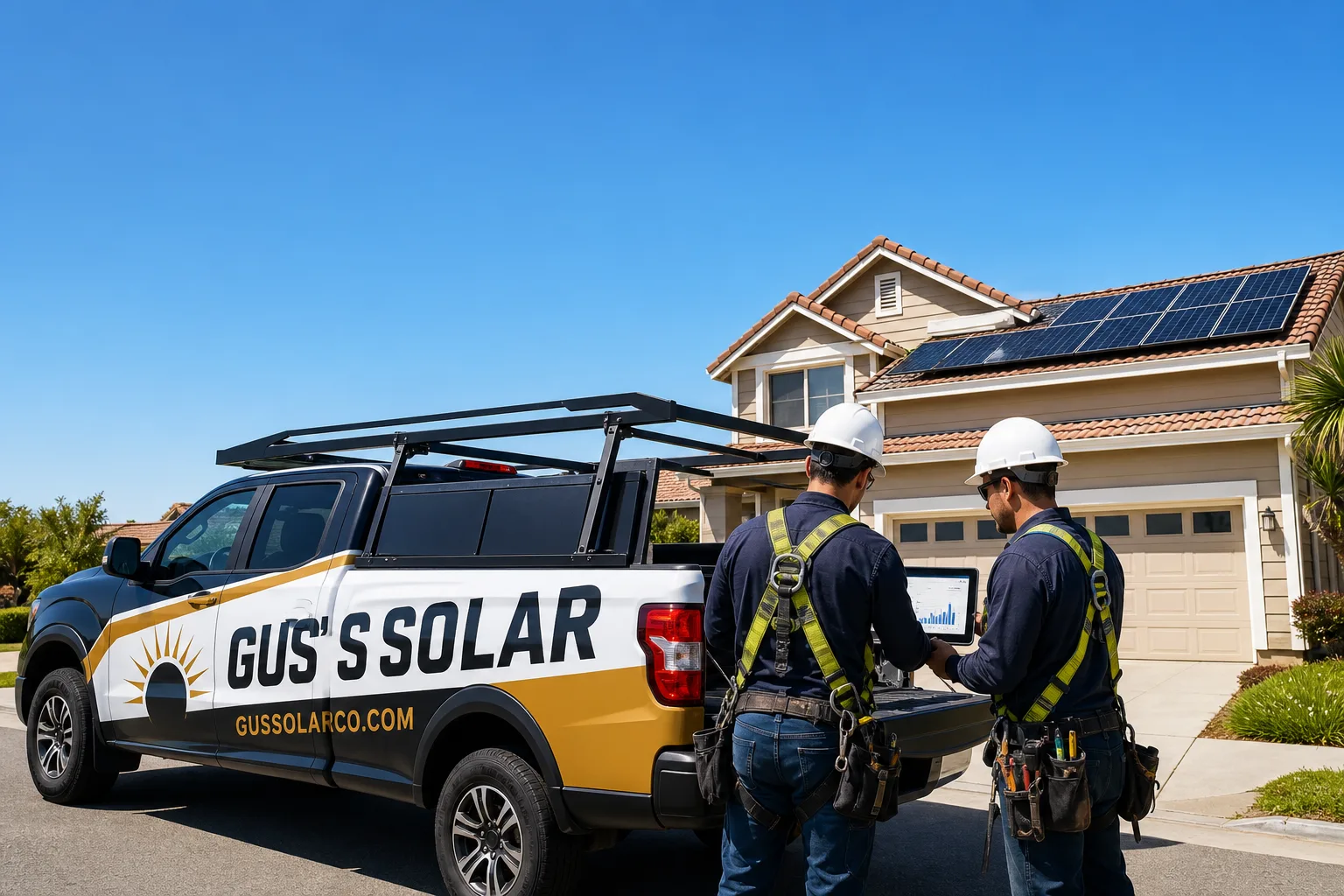
Free bill analysis - bring a power bill, get the production math for your actual roof, panel brands like Qcells and REC compared side by side
If the pitch starts at your door and ends with "sign tonight for the special," sleep on it. The sun will still be there tomorrow; so will we.
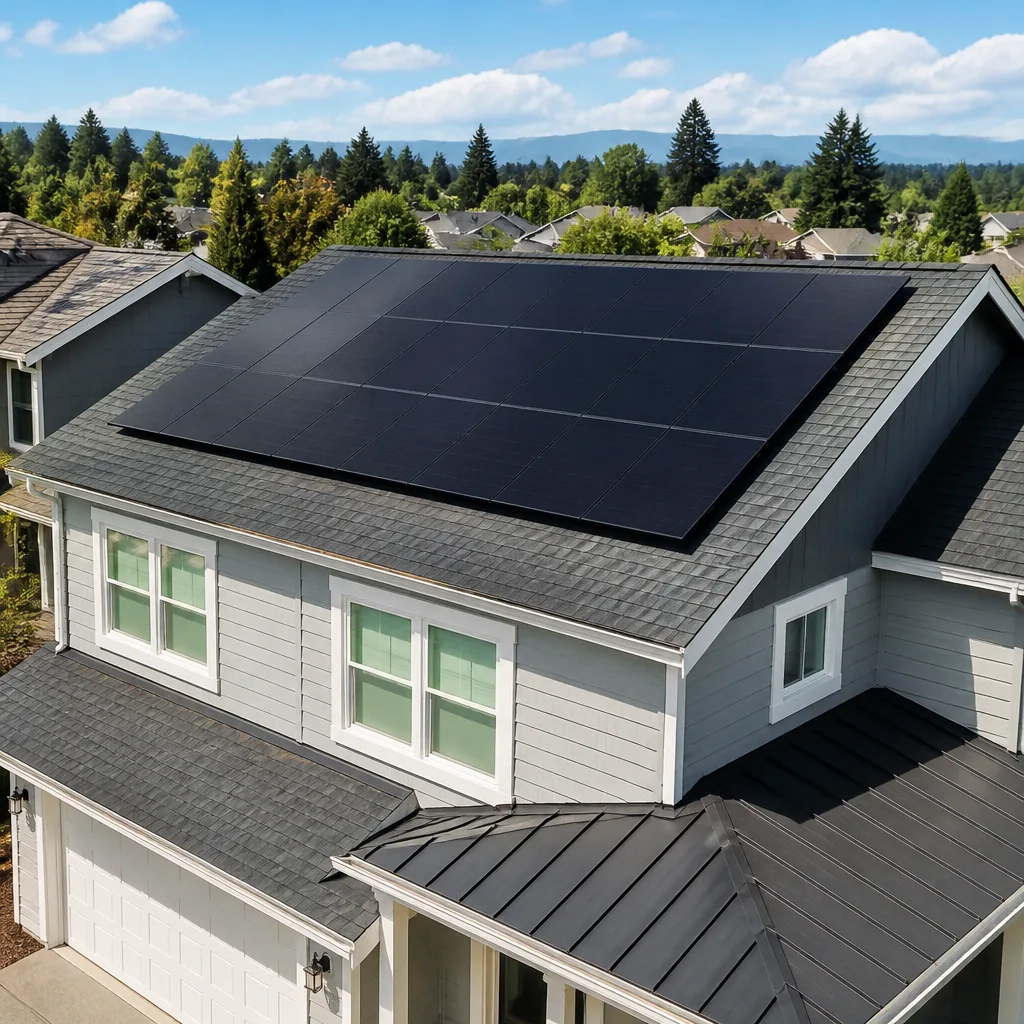
 Before
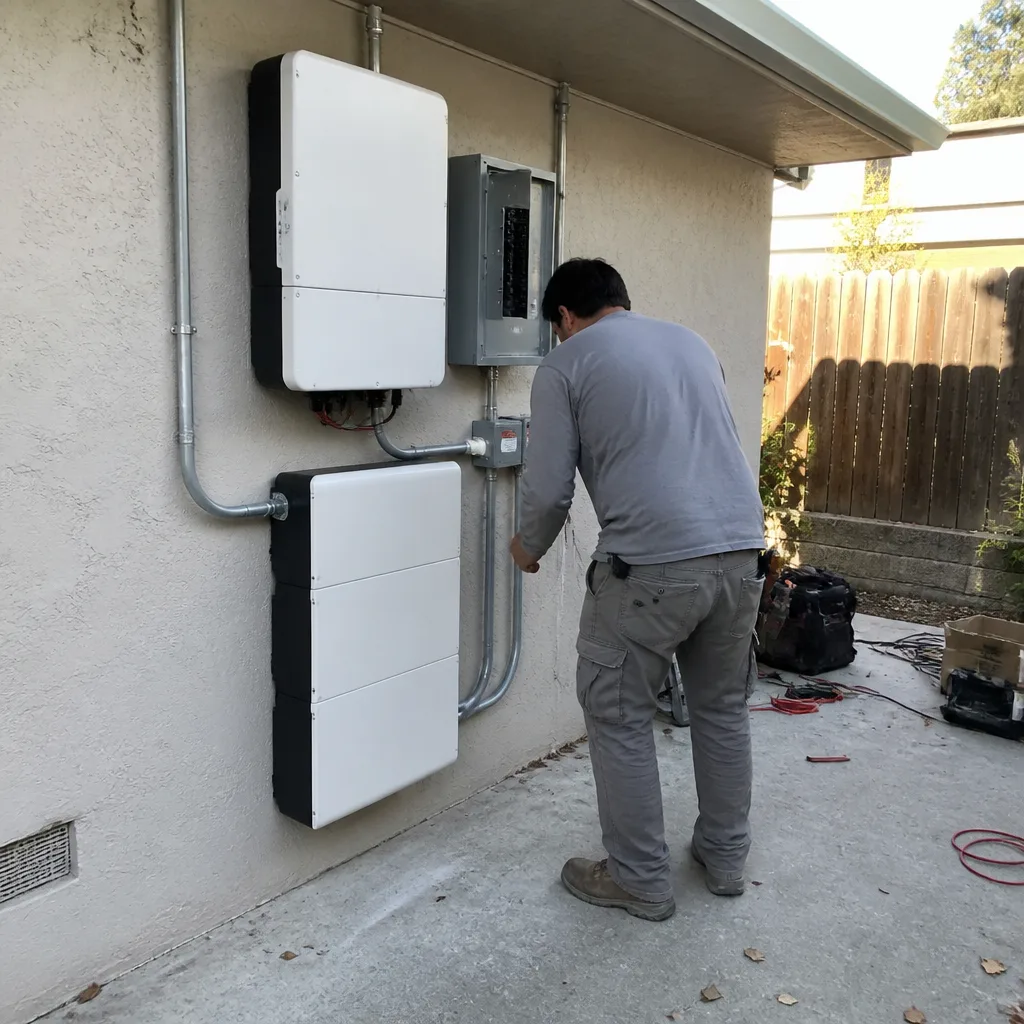 After
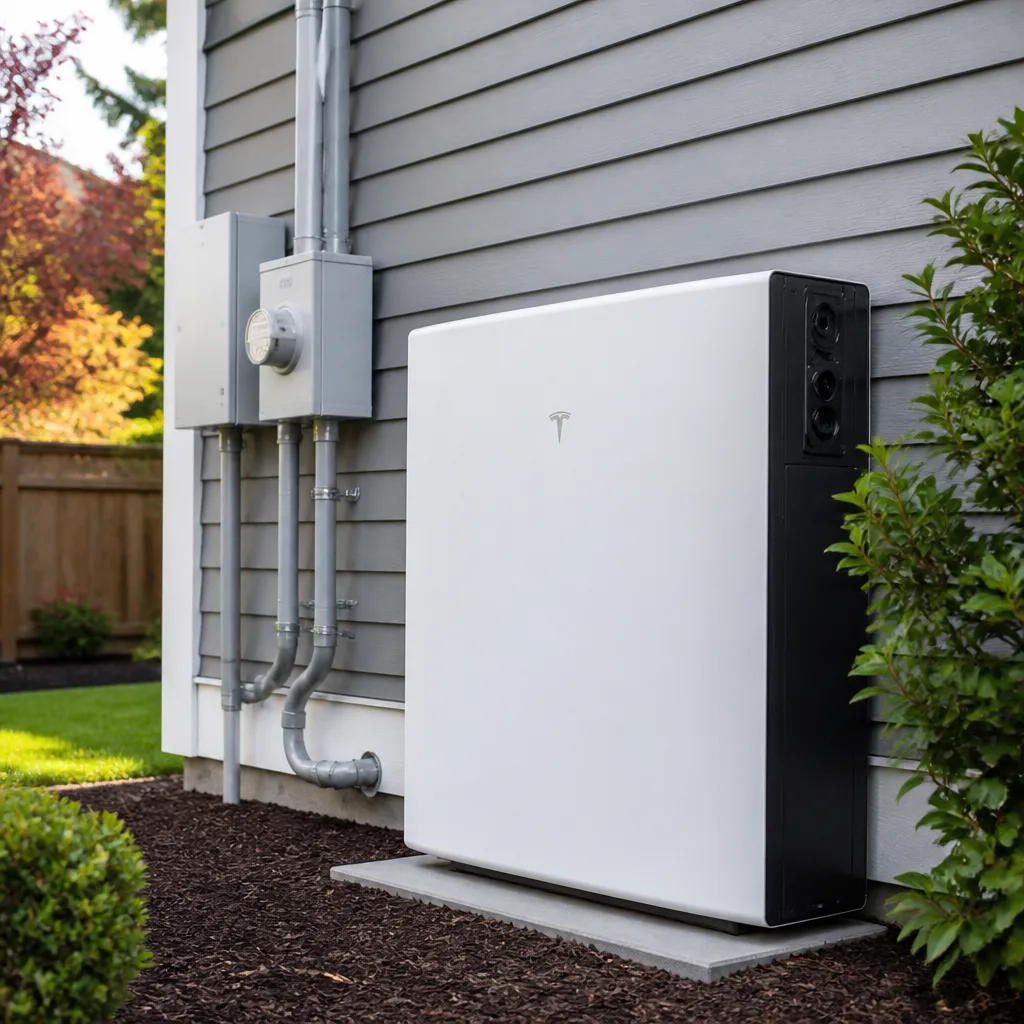
After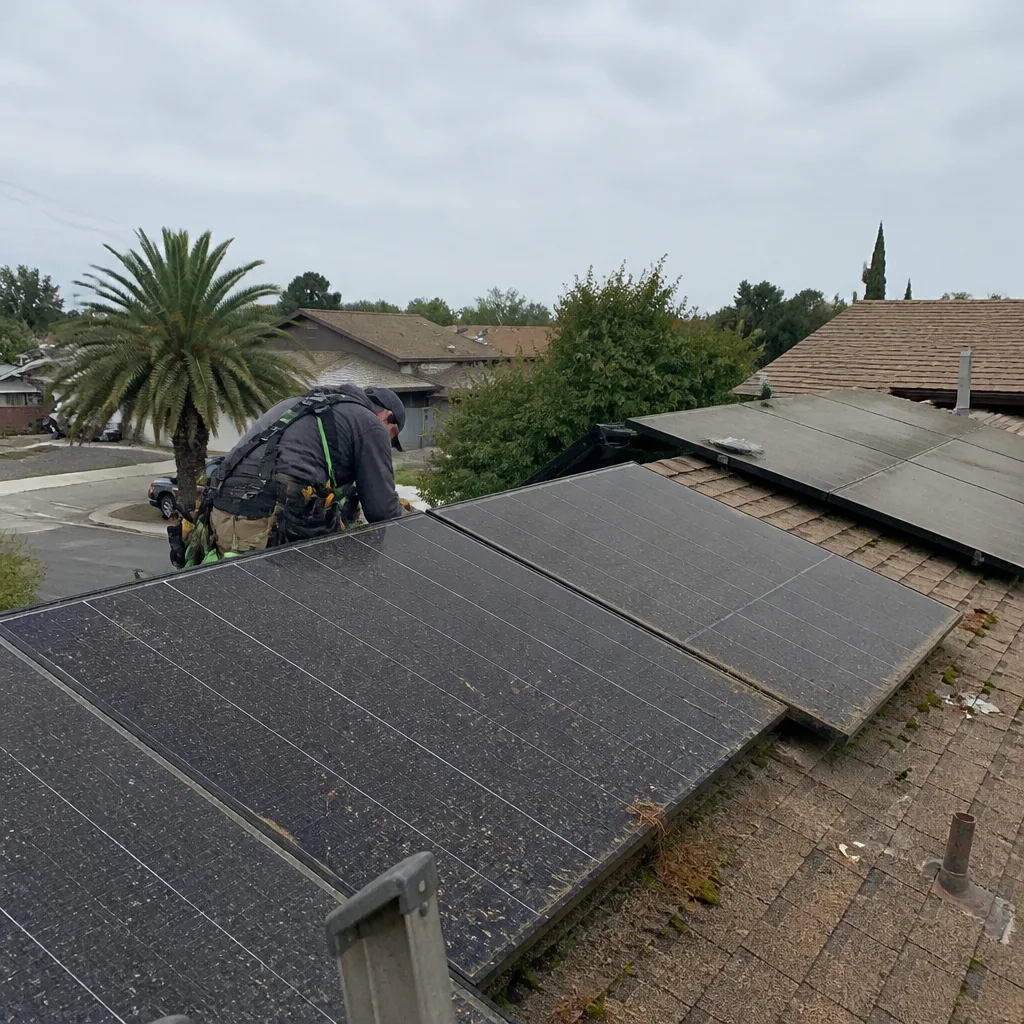 Before
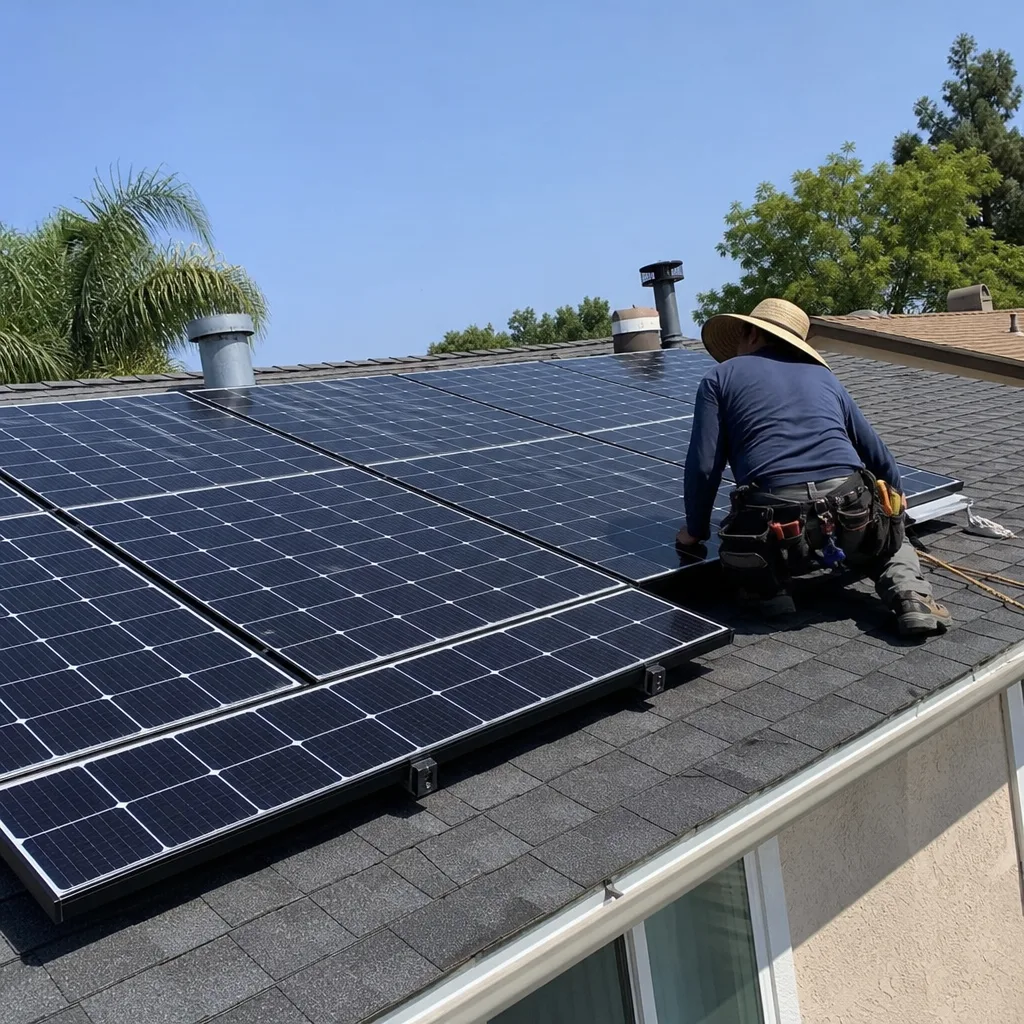 After
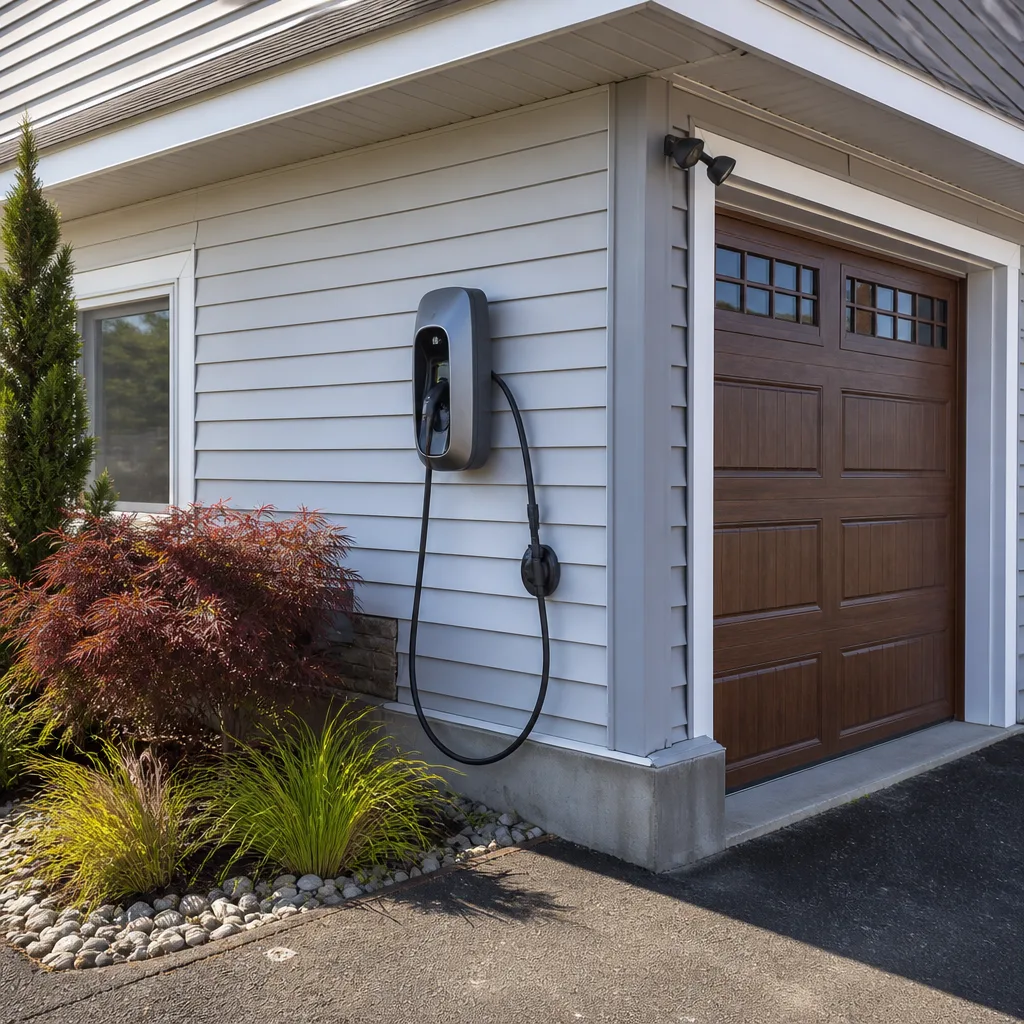
After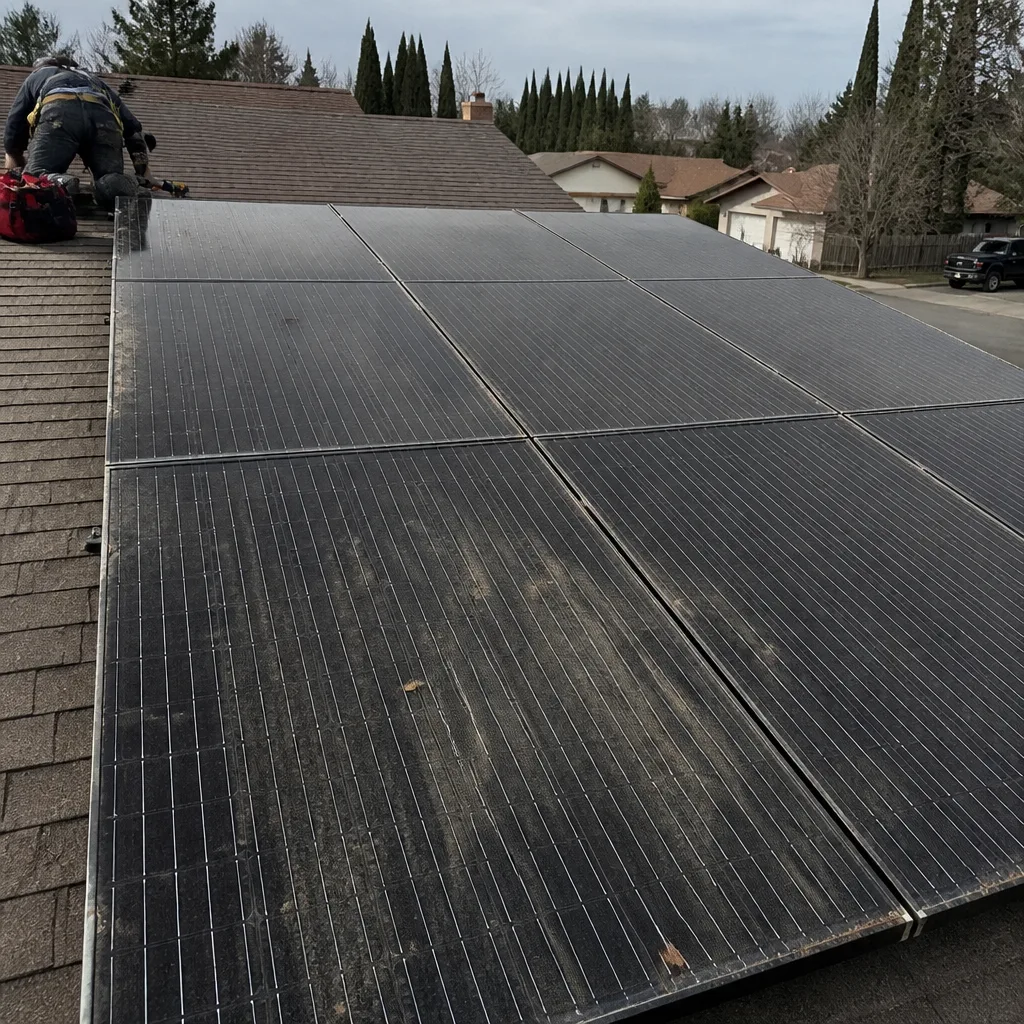 Before
 After
AfterFast, Reliable Solar Panel Maintenance & Monitoring Across Capitola
Solar panel maintenance in Capitola isn’t a “check it once and forget it” situation. The salt air off Monterey Bay eats at aluminum racking, fasteners, and inverter enclosures faster than almost anywhere else on the Central Coast. We see the damage firsthand on service calls from Depot Hill to the Village every week. Gus’s Solar has been maintaining and monitoring systems in Capitola’s 95010 ZIP long enough to know exactly what fails first, how to catch it before it costs you real kWh production, and how to fix it with hardware that actually holds up. Call (877) 550-6892 and we’ll come out and look at what the marine layer has been doing to your array.
Key Takeaways:
- Salt-air corrosion in Capitola can degrade standard solar racking and fasteners within 2-3 years, not the 10-15 years inland installers expect.
- Marine-grade Class 1 hardware is a real requirement here, not an upsell.
- Annual inspections catch ground faults, rusted enclosures, and loose panel clamps before they kill your production.
- We service all major brands and show up in unbranded trucks, with background-checked techs who actually live and work in the area.
What Salt Air Does to a Capitola Solar Array (And What We Do About It)
Capitola sits literally on Monterey Bay, making it one of the most ocean-exposed incorporated cities on the Central Coast. That means solar installations here face chronic salt-air corrosion that can degrade standard aluminum racking, fasteners, and inverter enclosures within a few years. Every installation in Capitola’s 95010 ZIP should be spec’d with marine-grade, Class 1 corrosion-resistant hardware. This is a requirement that is far less pressing even a mile or two inland in Aptos or Soquel. Contractors who don’t work here regularly don’t plan for it. We do.
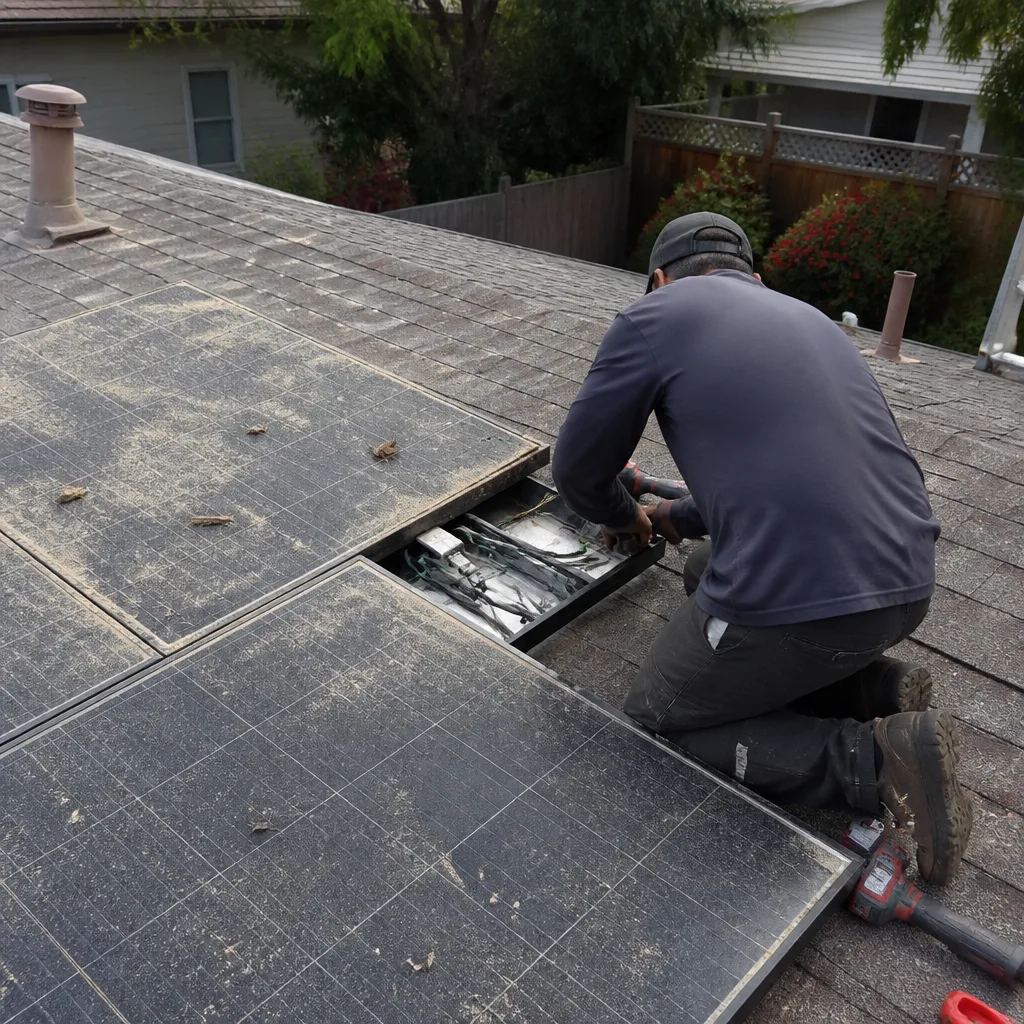
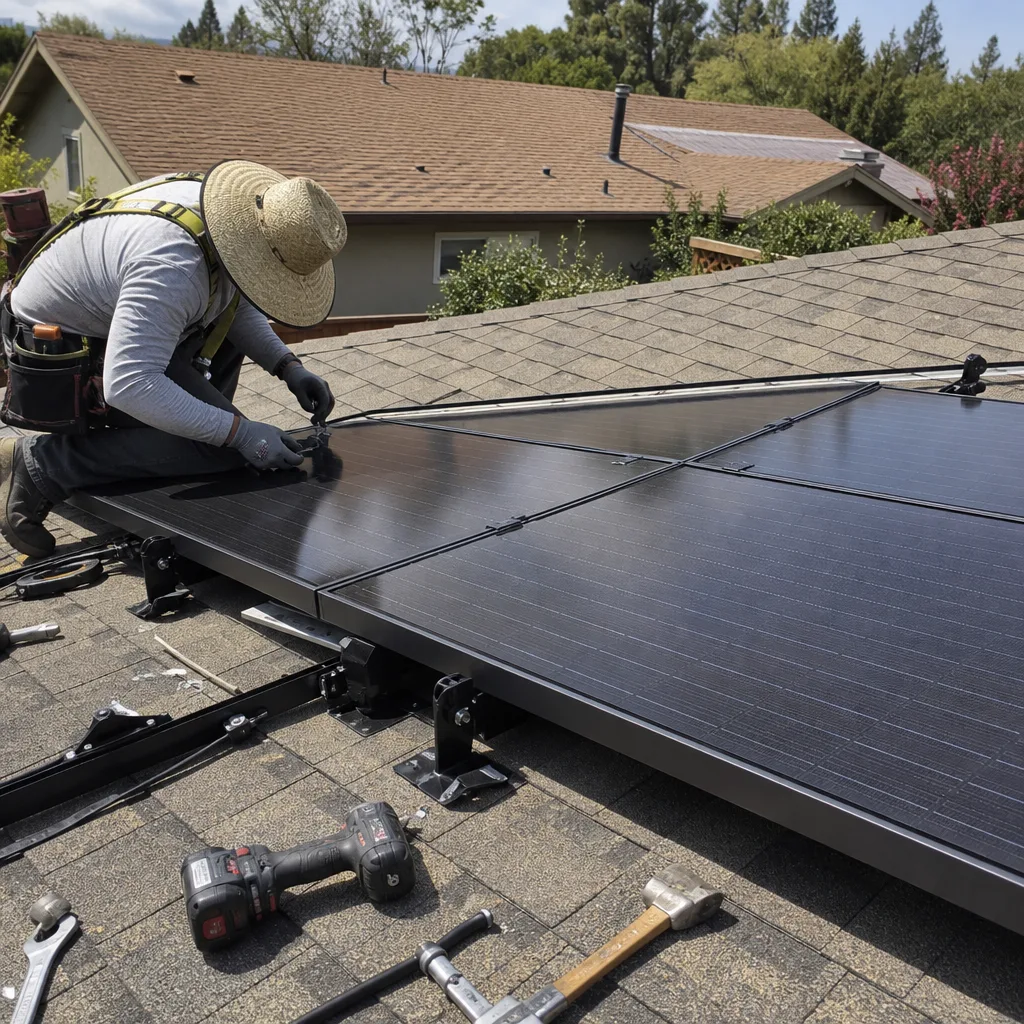
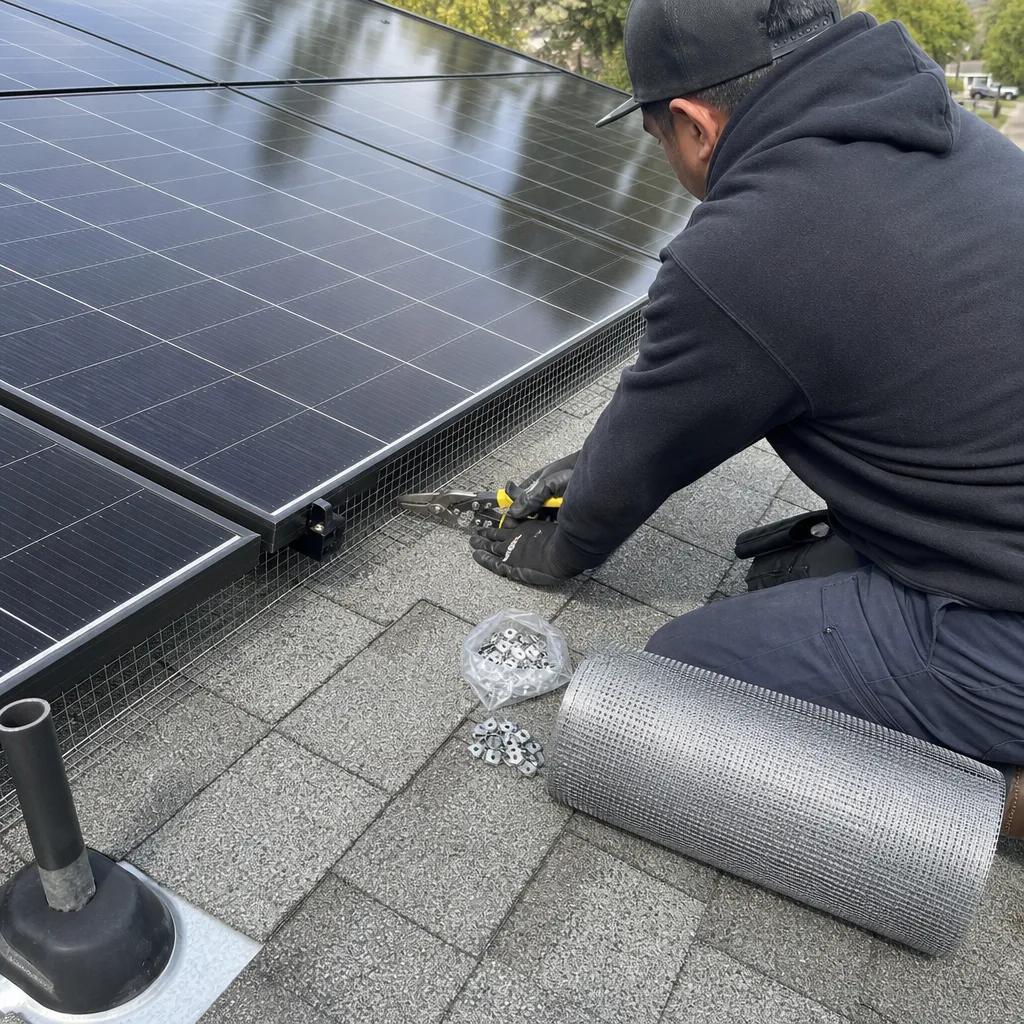
Our crew recently did a maintenance call on a hilltop home near Depot Hill where a 2019 rooftop array’s microinverters were showing intermittent ground-fault errors. We traced it to corroded stainless steel mounting clamps and a rusted rapid shutdown device enclosure. Classic salt-air degradation. We replaced the clamps with marine-grade hardware, swapped the enclosure for a Class 1 corrosion-resistant unit, and reconfigured the inverter’s production estimate to reflect actual annual yield. The system came back to full kWh offset. That’s what a real maintenance visit looks like in Capitola, and it’s why our Solar Panel Maintenance & Monitoring crew treats every inspection here as a corrosion audit.
What fails first in a Capitola array? Let’s be specific. The mounting clamps that hold panels to the racking are usually aluminum with a thin anodized coating. Ocean salt gets into the micro-crevices where the clamp meets the rail, and once the coating is breached, electrolysis starts. Panels start to shift in high wind. Micro-cracks appear in the glass from panel flex. Inverter enclosures, especially the sheet-metal boxes on microinverter systems, rust through at the seams where the marine-layer moisture never fully dries. DC disconnect switches seize. Wires corrode at the connector ends. You’ll see error codes on the Enphase app first, then a drop in monthly production, then a string of panels that’s no longer reporting.
We fix this by spec’ing Class 1 marine-grade hardware on everything we touch in Capitola. Coated stainless fasteners, sealed enclosures, corrosion-inhibiting compound on every connection point. It costs a little more upfront but you replace it once, not every two years.
Why Gus’s Solar Is the Right Shop for Capitola Maintenance
Gus Petrakis started this company in 2011 and put his own name on the truck. That’s not a marketing line. When you call for maintenance, Gus is the one who answers, or one of his crew who’s been with him for years. That’s what we mean by Local roots and Accountable. We’re not a call center routing tickets to a subcontractor three states away. The person who picks up the phone knows what a Depot Hill roof looks like and why it’s different from a new build in Rio Del Mar. That matters when you’re trying to describe a ground-fault error over the phone.
We’ve been answering calls from Capitola homeowners for years. A live person answers 24/7. Not a voicemail. Not an automated menu. When your inverter throws an arc fault at 7 a.m. on a Sunday, you get a real human who can tell you whether it’s safe to leave it alone until Monday or whether someone should come out now.
Homeowners between 50 and 70 who’ve already been through a door-knocker pitch once tell us the same thing: they want a name they can verify and a face they’ll see again at the Capitola Art & Wine Festival. That’s us. Community first isn’t a slogan in our shop. It’s the reason we still show up on time, On time, for a $40 repair on a 2015 system when other companies won’t even return the call.
Every one of our techs is background-checked and uniformed. You know who’s on your roof before they get there. And every job is backed by Gus’s 90-Day Done Right Promise. If it’s not done right, one call brings Gus back. That’s in writing.
Our Solar Panel Maintenance & Monitoring Services in Capitola
Preventive Maintenance Plans
In Capitola, preventive maintenance isn’t optional. The marine layer off Monterey Bay pushes salt into your array’s hardware 12 months a year, even when you can’t see it. Our plans include annual corrosion inspections, torque checks on every racking fastener, thermal imaging for hot spots, and a production report that shows exactly what your system generated versus what it should have. If we find a clamp that’s starting to go, we replace it then and there with marine-grade hardware. Most Capitola customers are on a once-a-year schedule, but we do twice-yearly inspections for beachfront homes and anything within a few hundred yards of the shore.
Annual System Inspection
An annual inspection in Capitola isn’t a visual walk-around. It’s a full electrical and mechanical audit. We check every MC4 connector for water intrusion, megger the DC lines to catch insulation breakdown, verify ground-fault protection is working, and physically lift panel edges to inspect the mounting hardware underneath. On the 1940s and 1950s beach cottages around the Village, we’re also checking for roof deck deterioration under the mounting feet. Those older roofs, especially anything with original skip sheathing, can rot under the panels where the marine moisture never fully dries. We catch it before the panel comes loose.
Underperformance Diagnostics
Here’s a number that matters in Capitola. The marine layer off Monterey Bay cuts solar production measurably compared to a mile or two inland in Aptos or Soquel. It doesn’t fully burn off some mornings until midday. Solar calculators that use San Jose or Santa Cruz irradiance data overestimate your expected yield. So if your system was sold with a production guarantee that doesn’t match your actual monthly output, that’s not necessarily a failure of the panel. It might be a bad production estimate. We pull your actual production data, compare it against Capitola’s real coastal irradiance curves, and tell you honestly whether your system is underproducing or your installer’s math was wrong. If the system is underproducing, we find out why: corrosion, shading, a failing inverter, a string that’s gone down.
Firmware & App Configuration
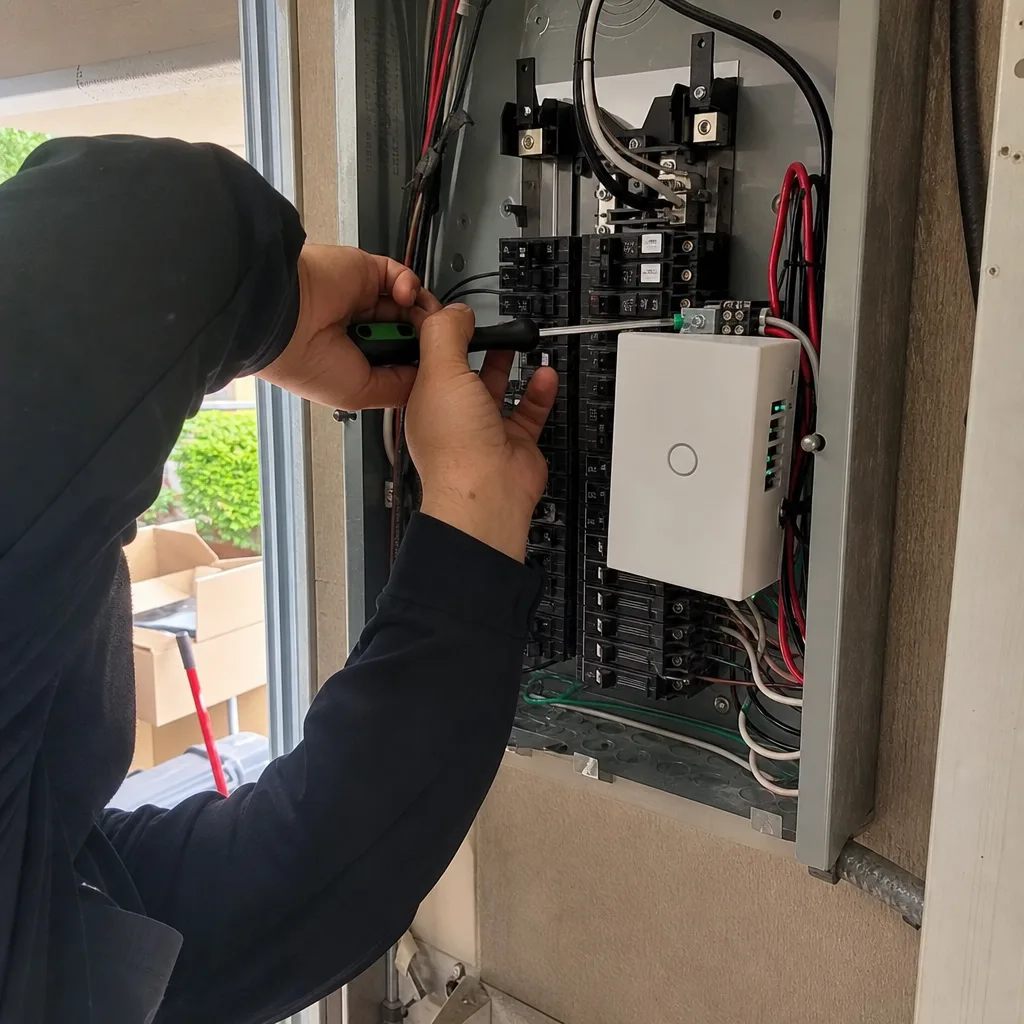
Most homeowners in Capitola don’t know their inverter’s firmware is five versions out of date. Outdated firmware causes communication dropouts, incorrect production reporting, and missed error alerts. We update firmware on Tesla, Enphase, and SolarEdge systems, reconfigure your monitoring app to match your actual utility rate and export credits, and walk you through what every number on the dashboard means. If your monitoring portal has been down since the installer closed up shop, we can get you back online. For systems without monitoring at all, we install a production meter and get you set up with a simple, accurate reporting tool so you’re not guessing.
What happens when you call
- 1
A real person answersNo phone trees - you reach a local pro.
- 2
You get an upfront price rangeHonest numbers before anyone is dispatched.
- 3
A background-checked tech heads outLicensed & insured, dispatched right away.
- 4
You approve before work beginsNothing starts until you say go.
Trusted Brands We Service in Capitola
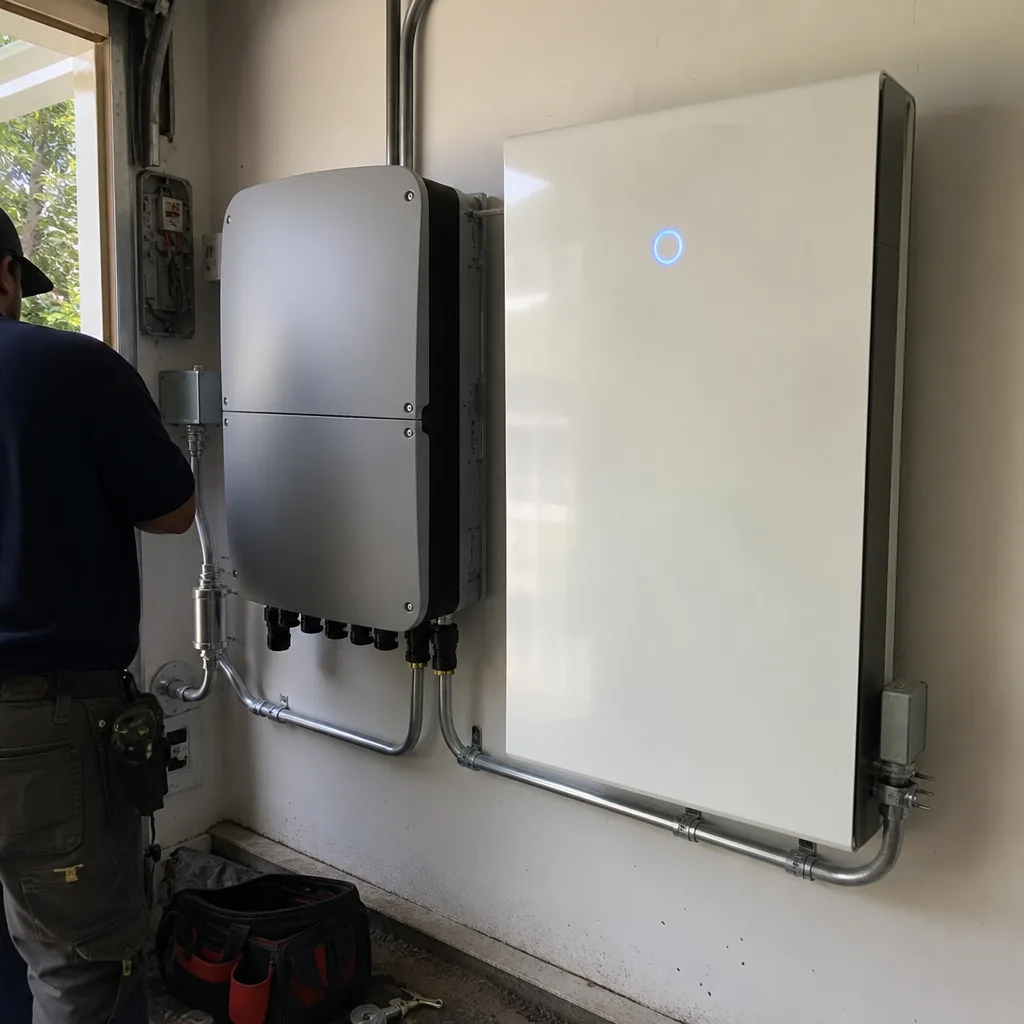
We work on everything on Capitola roofs: Tesla, Enphase, SolarEdge, SunPower, Panasonic, Qcells, REC, JinkoSolar, Canadian Solar, and FranklinWH batteries. If you’ve got a Panasonic or JinkoSolar array that’s been up since 2018 or earlier, we’ve almost certainly got the parts to get it back to full output. That includes marinized enclosures and Class 1 hardware we stock specifically for coastal service calls. We don’t tell you to “call the manufacturer” and wait six weeks. We fix it that day. If your system is still under a Canadian Solar or Panasonic warranty, we’ll document the failure properly and file the claim for you, so you’re not stuck doing paperwork with a company that’s never been to Capitola.
Common Solar Maintenance Problems We See in Capitola Homes
- Loose or corroded racking clamps. Salt eats the anodized coating on standard aluminum clamps within a few years on beachfront homes and within five to seven on homes up the hill toward Depot Hill. Loose clamps mean panel movement, micro-cracks, and eventual output loss.
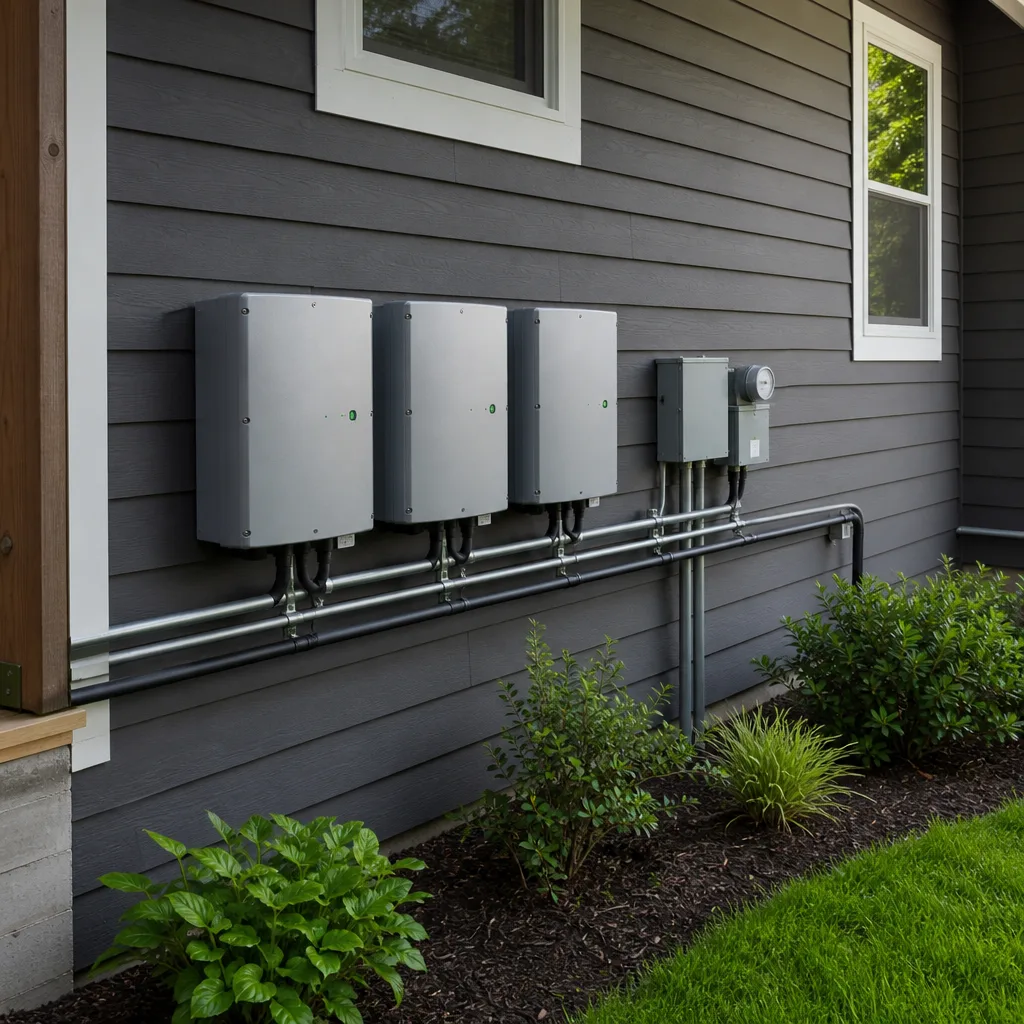
- Rusted inverter enclosures and DC disconnect switches. The marine layer keeps everything damp through a lot of the year in Capitola. Enclosures rust at the seams, disconnect switches seize, and the inverter starts throwing ground fault codes. Most of the time it’s repairable if we catch it early.
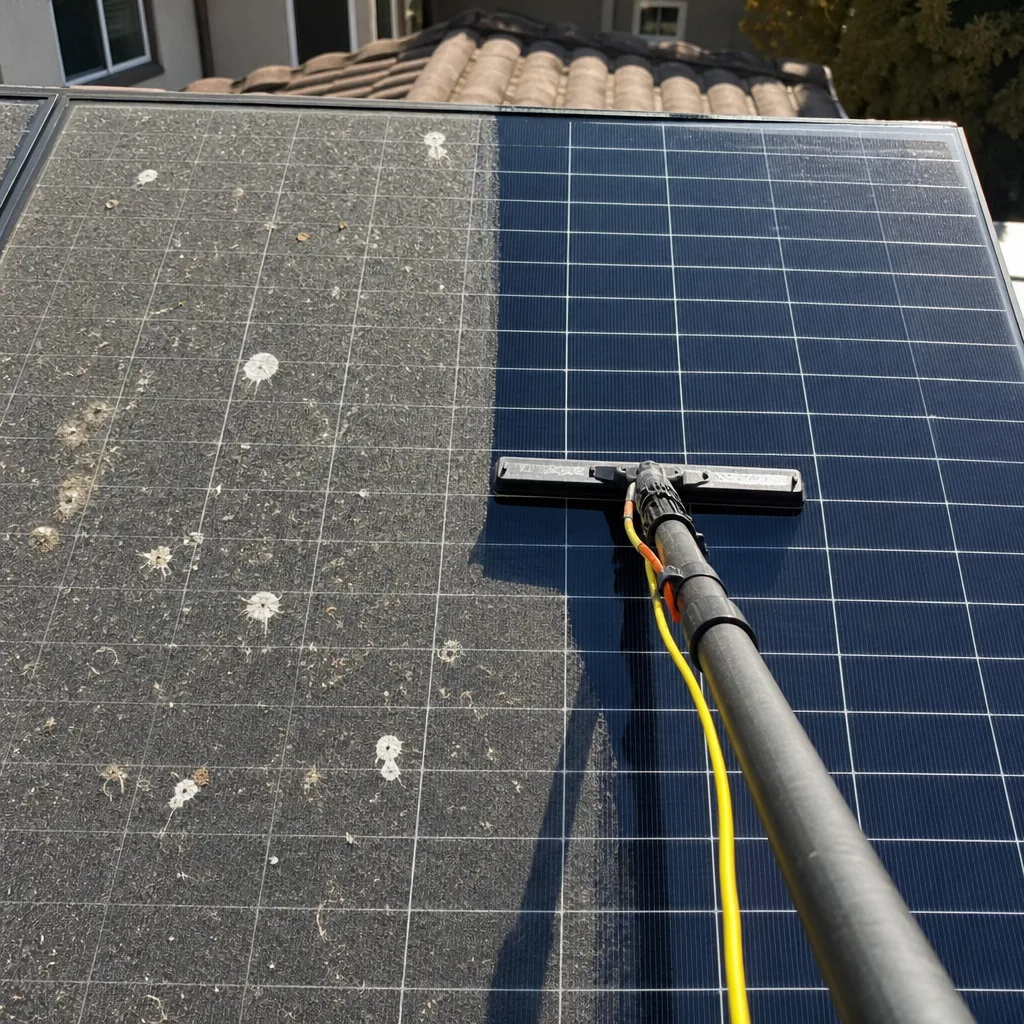
- Debris and moisture trapped under panel edges on compact, multi-angled roofs. The small 1940s-1960s beach cottages around the Village have tight roof planes where pine needles and leaves wedge under the panel skirts. That wet debris never dries, and it accelerates corrosion on everything underneath.
- Underproduction from bad coastal irradiance estimates. We see it constantly in Capitola: the installer quoted production using inland solar data, and the system never hits that number. That’s a monitoring and diagnostics issue, not a panel failure. We correct the model and show you your real expected yield.
Pricing for Solar Panel Maintenance & Monitoring in Capitola, CA
Here’s honest pricing for the Capitola market. An annual inspection runs $195-$295, depending on system size and roof height. Underperformance diagnostics start at $250 and include a full production data review, on-site electrical testing, and a written report. Preventive maintenance plans start at $29/month, which covers one annual inspection, corrosion checks on all racking hardware, and priority scheduling. Firmware and app configuration runs $149-$249. Marine-grade hardware upgrades (replacing corroded clamps, fasteners, or enclosures) typically run $350-$900 depending on how much needs to be swapped. We’ll quote you a firm price before we start, and the price we quote is the price you pay. No trip charge inside Santa Cruz County. Call (877) 550-6892 for a free estimate. We mean free.
We Also Serve Cities Near Capitola
We work throughout Capitola and the surrounding coastal communities. If you’re in Soquel, Rio Del Mar, Aptos, or Santa Cruz, we handle maintenance and monitoring for your system too. The salt-air corrosion that hits Capitola hardware doesn’t stop at the city line. If you’re anywhere within a mile of the bay, the same marine-grade hardware rules apply.
Serving Capitola, CA - Our Local Coverage Area
We’re based in the Capitola area and know this community well. Use the map below to see our service coverage - if you’re nearby, we can almost certainly help.
FAQs - Solar Panel Maintenance & Monitoring in Capitola
Once a year, minimum. If you’re within a few hundred yards of the water, in the Village or along the beachfront, twice a year is the realistic answer. Corrosion on mounting hardware can start within 24 months of install here, and once a clamp fails, the panel moves. Annual inspections catch it before the array loses production. Call (877) 550-6892 and we’ll get you on a schedule.
Yes, the microinverter enclosures and their connectors fail earlier here because of persistent marine-layer moisture and salt accumulation. We see ground-fault and communication errors from corroded microinverter bodies on systems that would run fine for another decade in Scotts Valley or San Jose. The fix is usually a sealed, corrosion-resistant replacement and re-torqued connectors. If your Enphase or SolarEdge system is throwing intermittent errors, get it checked before a single faulty unit takes down a whole string.
Because the installer likely used inland irradiance data that doesn’t match Capitola’s actual coastal fog pattern. The marine layer off Monterey Bay doesn’t burn off most summer mornings until midday, which cuts peak sun hours compared to Santa Cruz or San Jose models. Your panels may be fine. The production model was wrong. We can pull your actual system data, compare it against Capitola’s real irradiance curves, and tell you if the system is underproducing or the estimate was never accurate for this ZIP code. Call (877) 550-6892 for a diagnostic review.
First, write down the exact error code from the app or display. Then call us. A ground fault in a coastal system often points to moisture penetration in a connector or a corroded enclosure, and an arc fault can be a serious fire risk if left unrepaired. Don’t open the inverter or disconnect box yourself if you see rust or corrosion around the enclosure, a trained tech with proper lockout/tagout should handle it. We answer live 24/7 and can usually get a tech to a Capitola address the same day for an active fault.
Sometimes, yes. Panel warranties from Panasonic, JinkoSolar, and Canadian Solar typically cover manufacturing defects, and if corrosion caused a junction box failure or delamination, we can often file a successful warranty claim. The inverter manufacturer will usually cover a failed enclosure if the unit is still within its warranty period, though the claim needs proper documentation and sometimes the original installer’s log. We handle warranty claim support for Capitola customers, including the paperwork and photos, so you don’t get bounced around. Bring us the bill and the original system docs, and we’ll bring you the math.
Call Gus’s Solar for Maintenance That Actually Holds Up in Capitola
If you live in Capitola and your solar array hasn’t been inspected in the last two years, don’t wait until you see a production drop. The salt air off Monterey Bay has already been working on your hardware. Call (877) 550-6892. A live person answers. We’ll schedule a free estimate, come out and look at what the marine layer has done, and quote you a firm price with marine-grade hardware that will actually survive in the 95010 ZIP. And if you want to take two weeks to think about it, the price will be the same. That’s how we’ve done business since 2011, and that’s not changing.
Written by Gus Petrakis, Owner at Gus’s Solar, proudly serving Capitola and the surrounding coastal communities since 2011.