
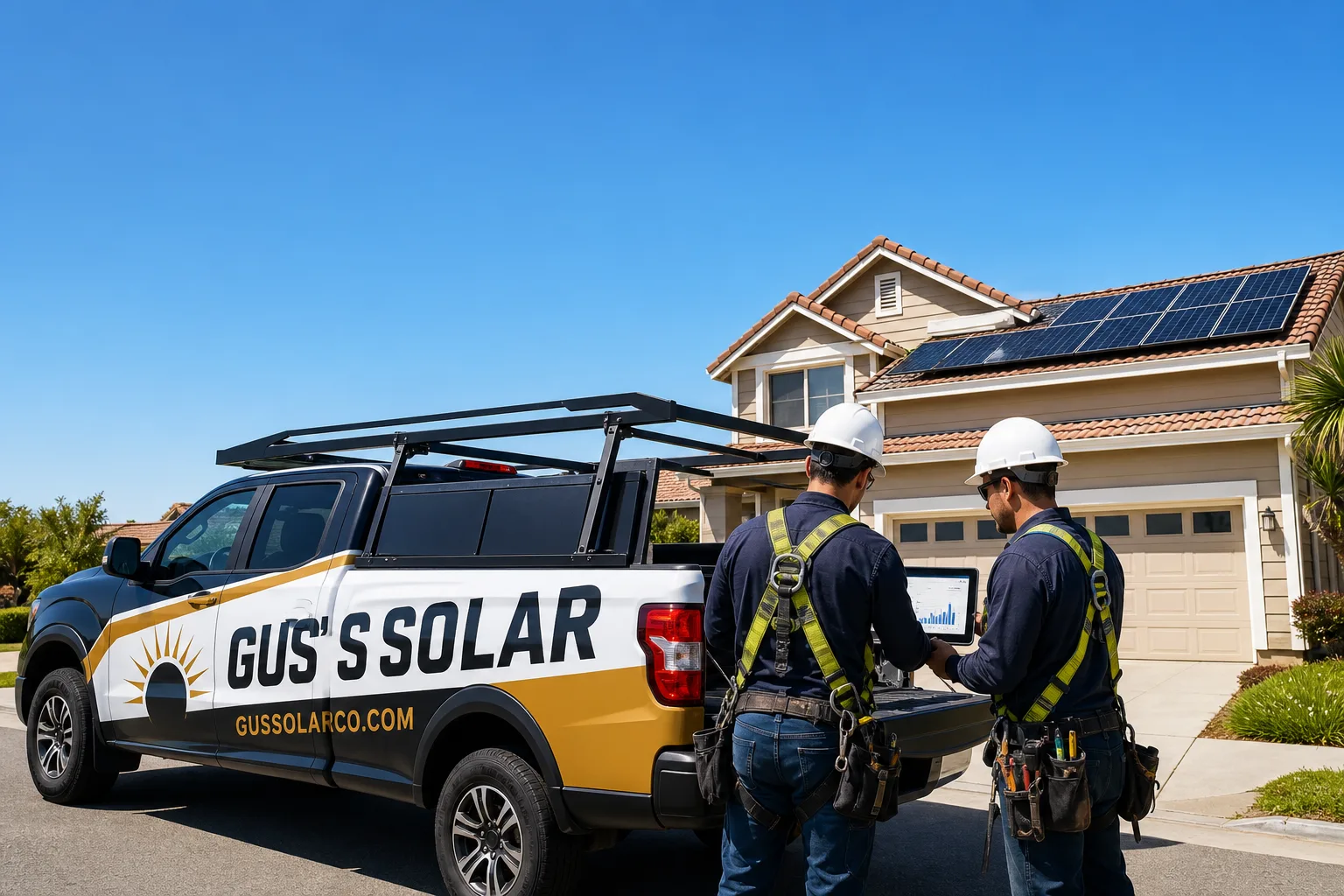
Free bill analysis - bring a power bill, get the production math for your actual roof, panel brands like Qcells and REC compared side by side
If the pitch starts at your door and ends with "sign tonight for the special," sleep on it. The sun will still be there tomorrow; so will we.
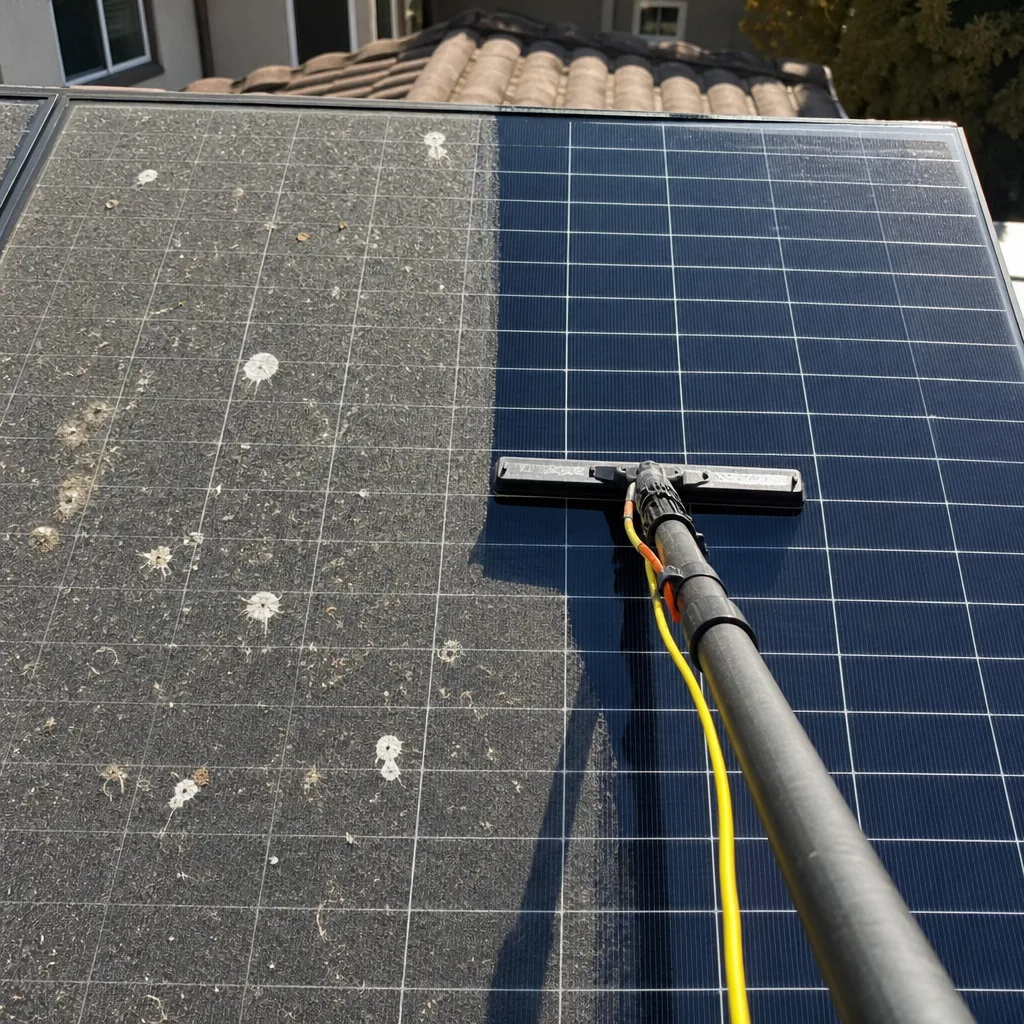
 Before
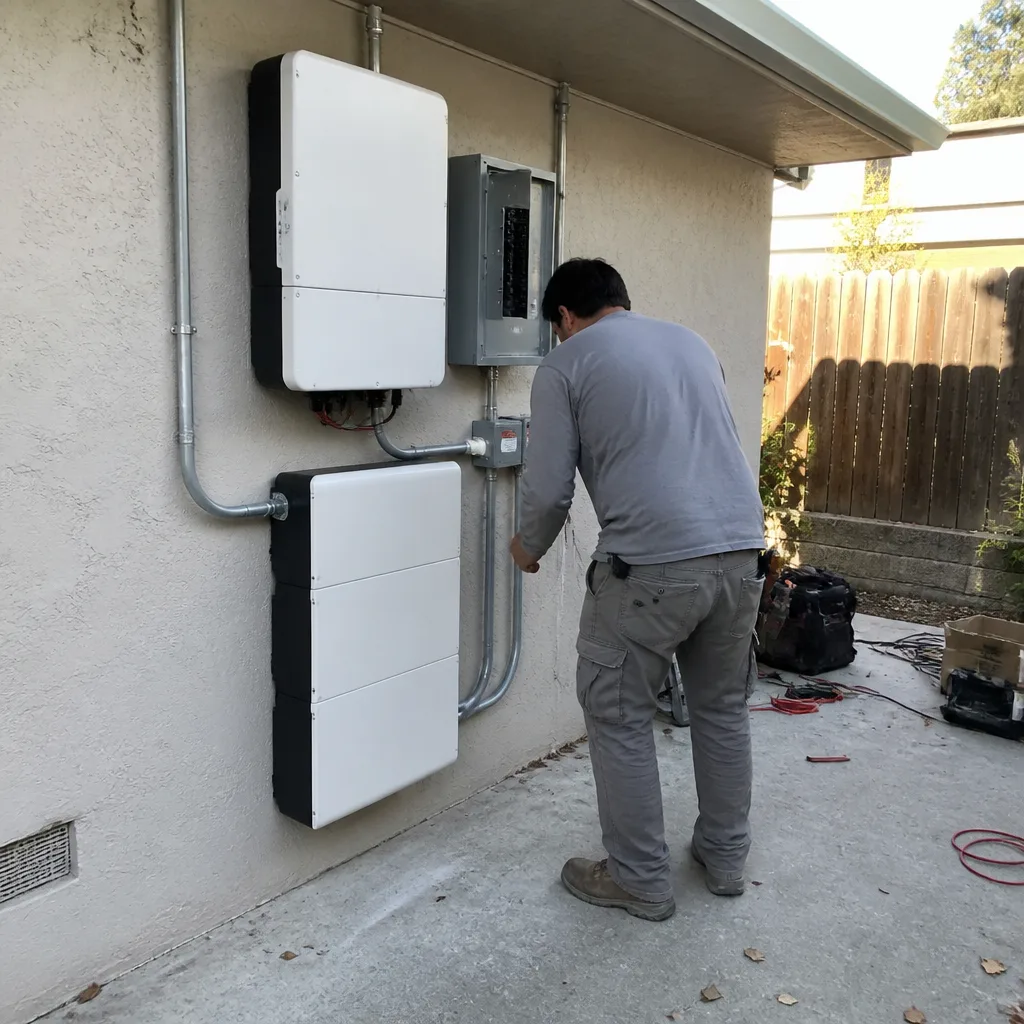 After
After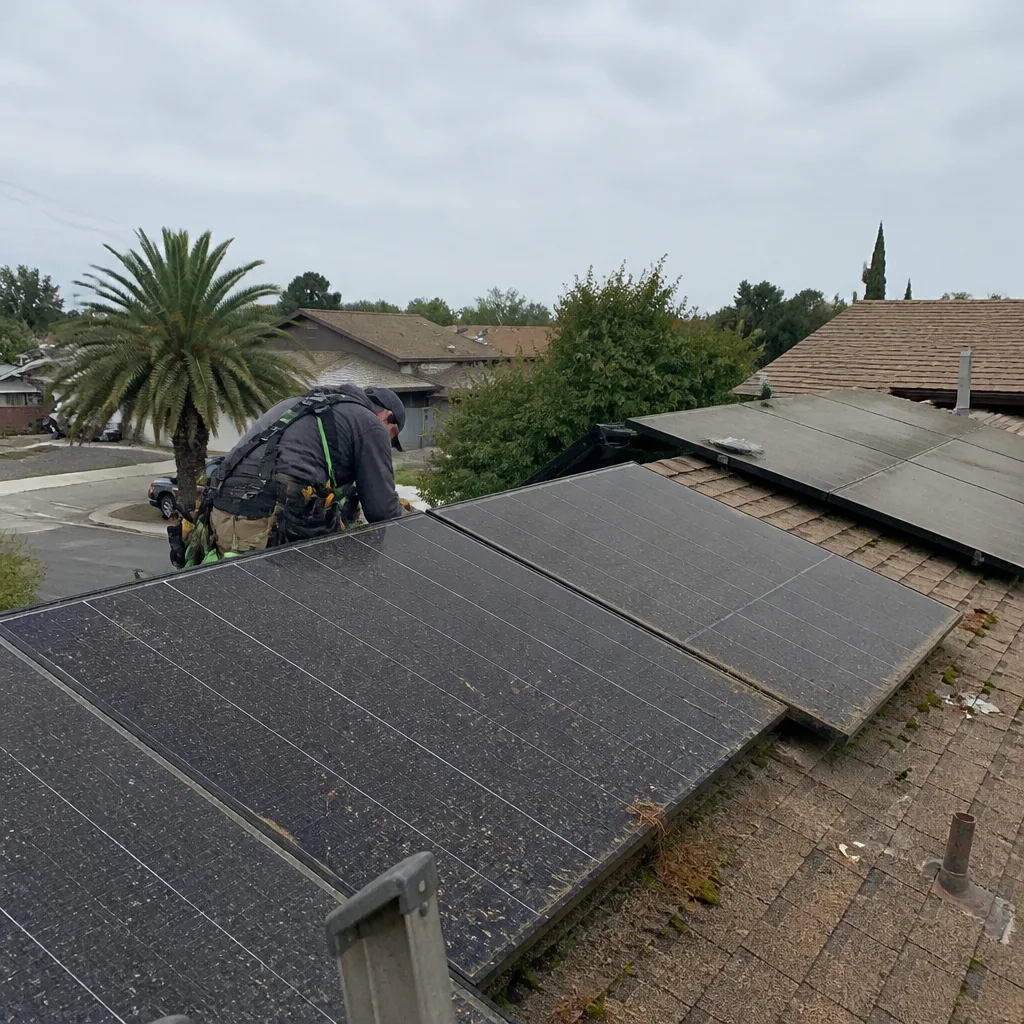 Before
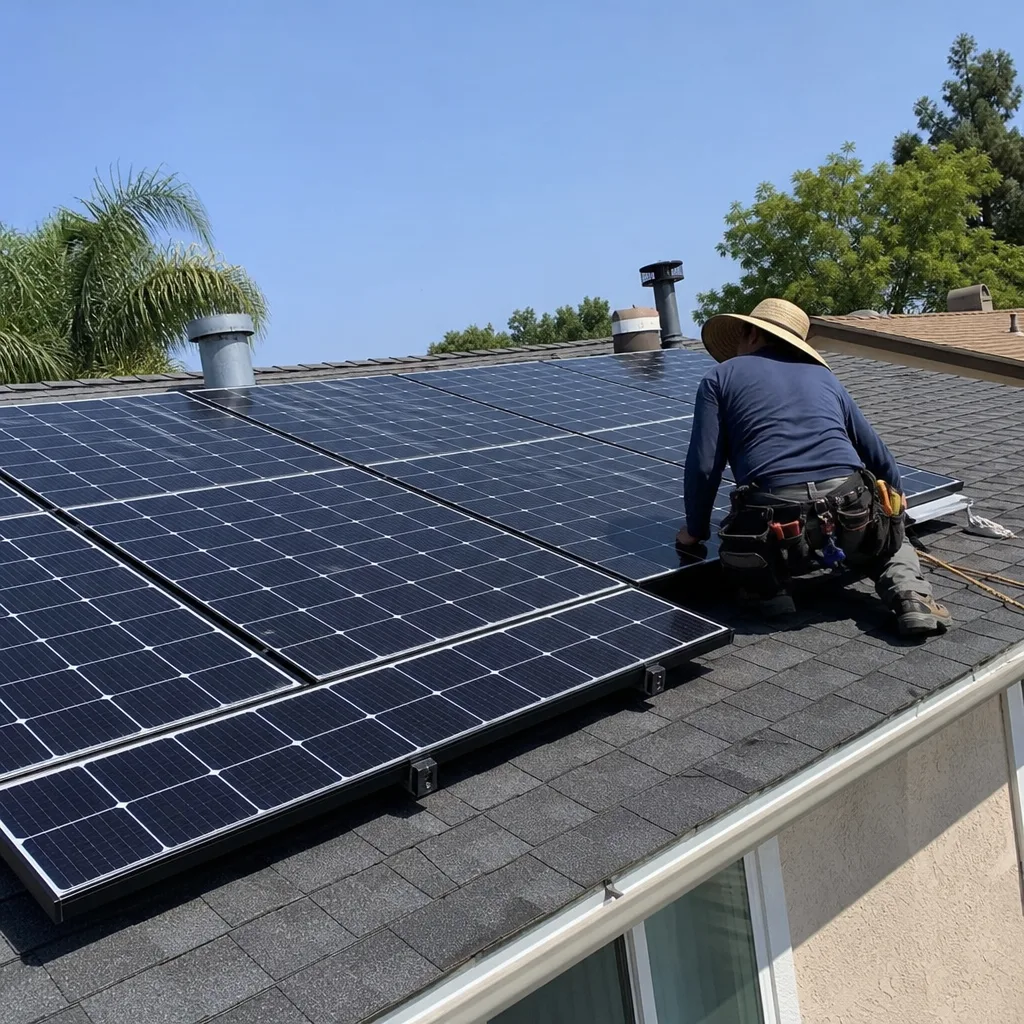 After
After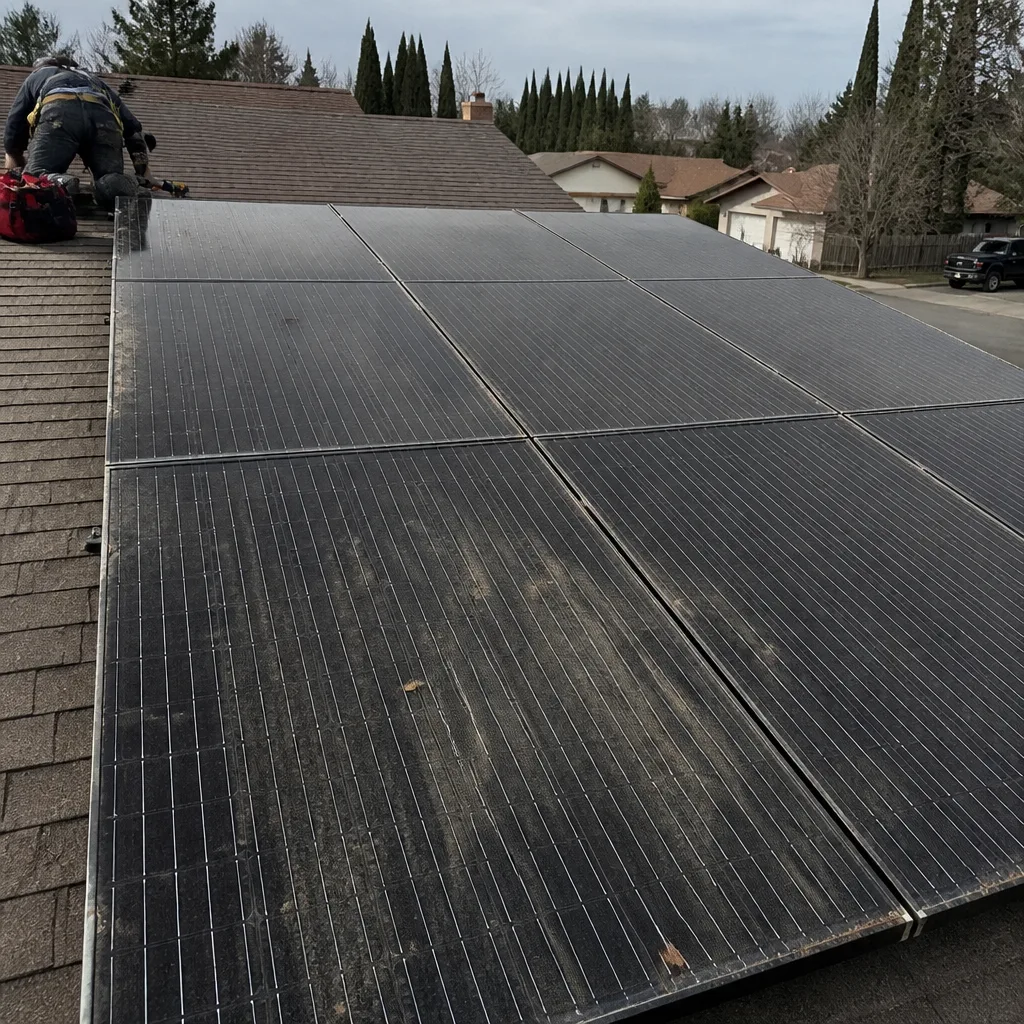 Before
 After
AfterFast, Reliable Solar Panel Maintenance & Monitoring Across Artesia
Solar panel maintenance and monitoring in Artesia usually comes down to one question: is your system actually producing what it should be? If you own a postwar ranch off Pioneer Boulevard or a home near Artesia Park with panels that went live three, five, or eight years ago, the honest answer is often no. Gus’s Solar handles inspections, monitoring setup, underperformance diagnostics, and firmware work for Artesia homeowners and the Little India commercial corridor, and we do it with a live person answering the phone at (877) 550-6892 every time you call.
Key takeaways:
- Annual inspections in Artesia typically run $180 to $340, depending on system size and roof access.
- Most Artesia homes we see were built between 1950 and 1975, and many still carry the original 100-amp service panel, which affects how monitoring and inverters behave.
- Marine-layer mornings from May through August routinely suppress output until 10 or 11 a.m. That is normal. What is not normal is a system that stays flat into the afternoon.
- We answer the phone. Gus Petrakis runs the company, and his crew does the work without subcontracting it out.
Why Gus’s Solar Is Artesia’s Preferred Solar Panel Maintenance & Monitoring Company
We are not a call center that dispatches a stranger. Gus Petrakis founded Gus’s Solar in 2011, and his name is on the truck, the estimate, and the license. Artesia homeowners call us because when something is wrong with a Qcells array on a 1,200 sq ft ranch near 90701, or a SunPower commercial roof on Pioneer Boulevard in 90702, the person who answers the phone understands the city’s housing stock, its service panels, and the way SCE’s rates actually behave here.
Response time to Artesia matters. We schedule from our Los Angeles office, and our crews cover Artesia locally, usually within one to two business days for non-emergency inspections and same-day or next-day when a system has flatlined. Homeowners across Artesia tell us the same thing: the national company that installed their system either will not return calls or wants to sell them a whole new array before they have even looked at the old one. We make our money fixing things correctly, not replacing things that are not broken.
Every job carries the 90-Day Done Right Promise in writing. If it is not right, Gus comes back and makes it right. That applies to a firmware update on an Enphase Envoy as much as it applies to a full rewire. If a salesman needs an answer tonight, the answer is no. Take two weeks. Think about it. The price will be the same.
Our Solar Panel Maintenance & Monitoring Services in Artesia
Annual System Inspection
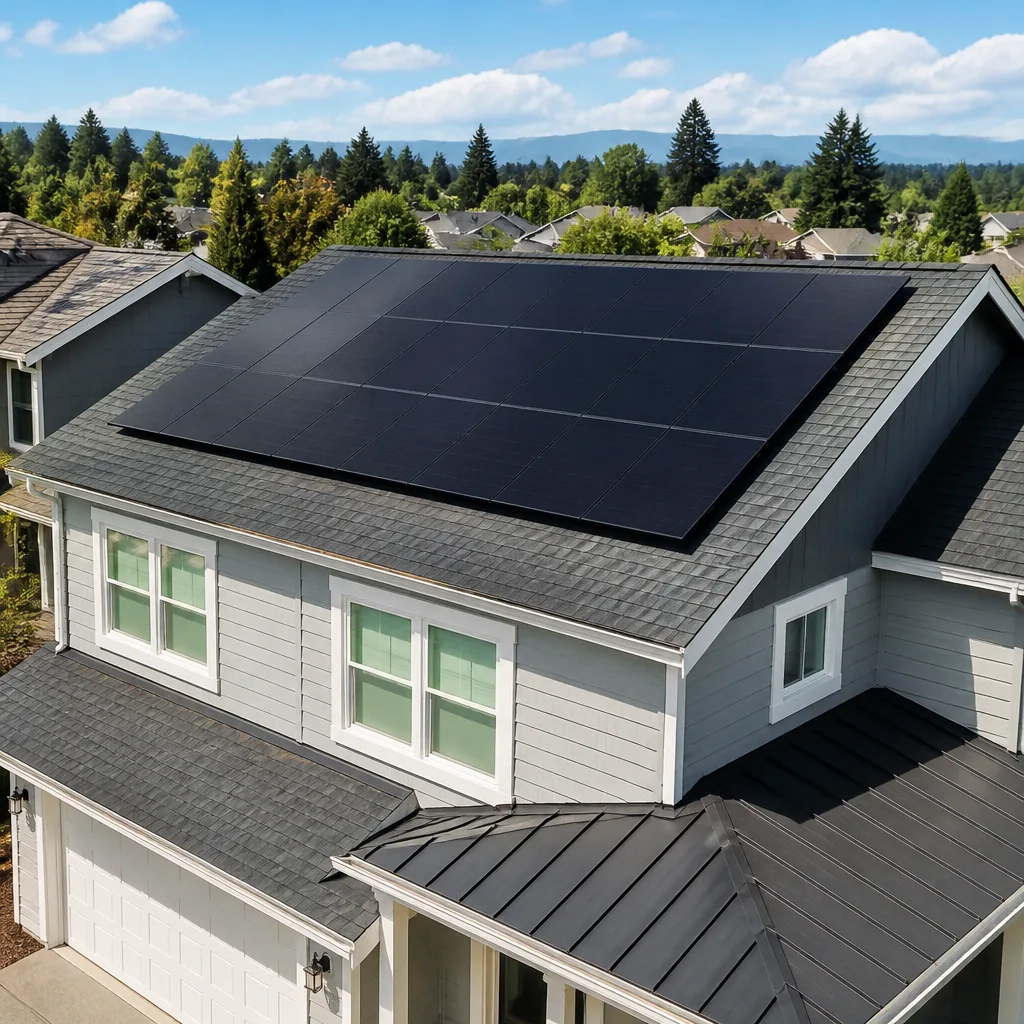
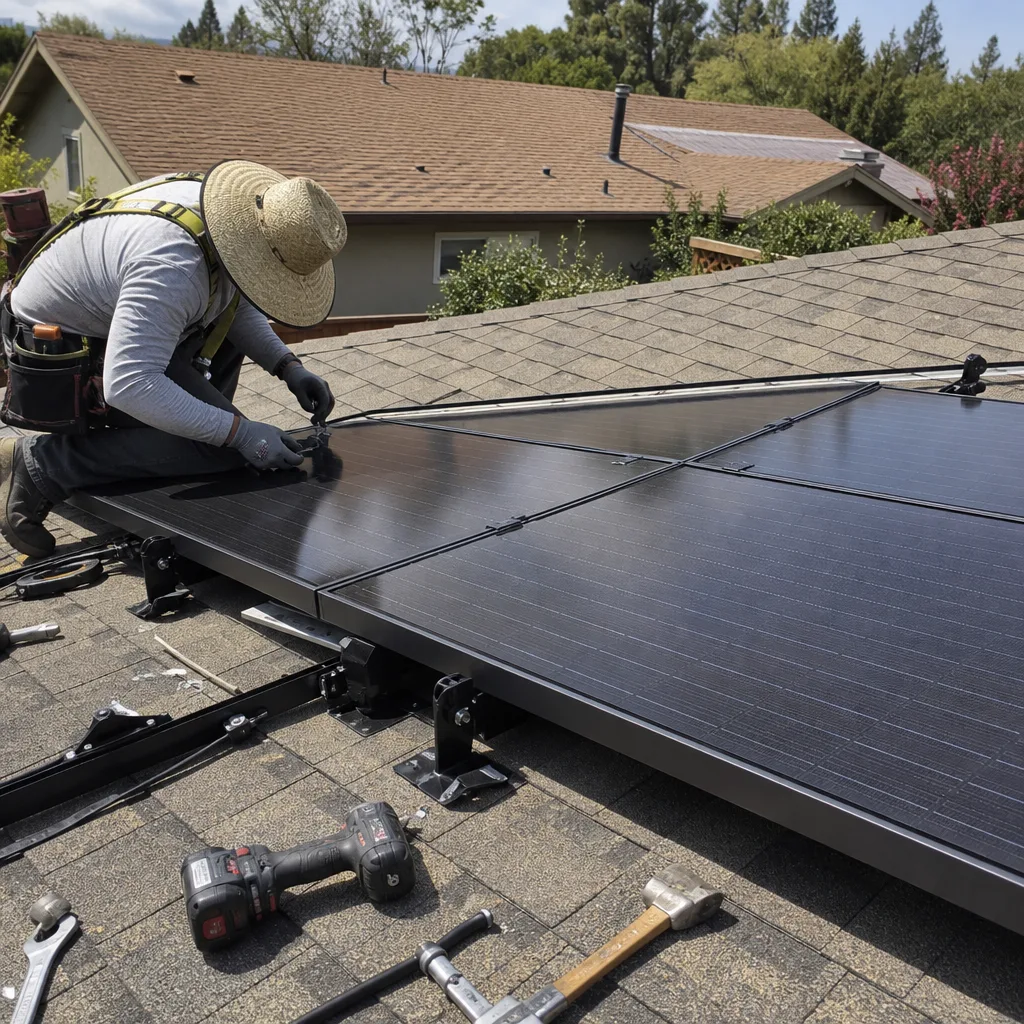
An annual inspection in Artesia checks more than just whether panels look dirty. We test each string or microinverter channel, torque DC connections, verify rapid shutdown compliance, inspect roof penetrations and conduit runs, and confirm the system is producing within a few percent of its modeled output. On Artesia’s postwar ranch homes, where rooflines limit usable panel capacity to 4 to 6 kW, every panel matters, and a single underperforming module can stretch a payback period by months.
Production Monitoring Setup
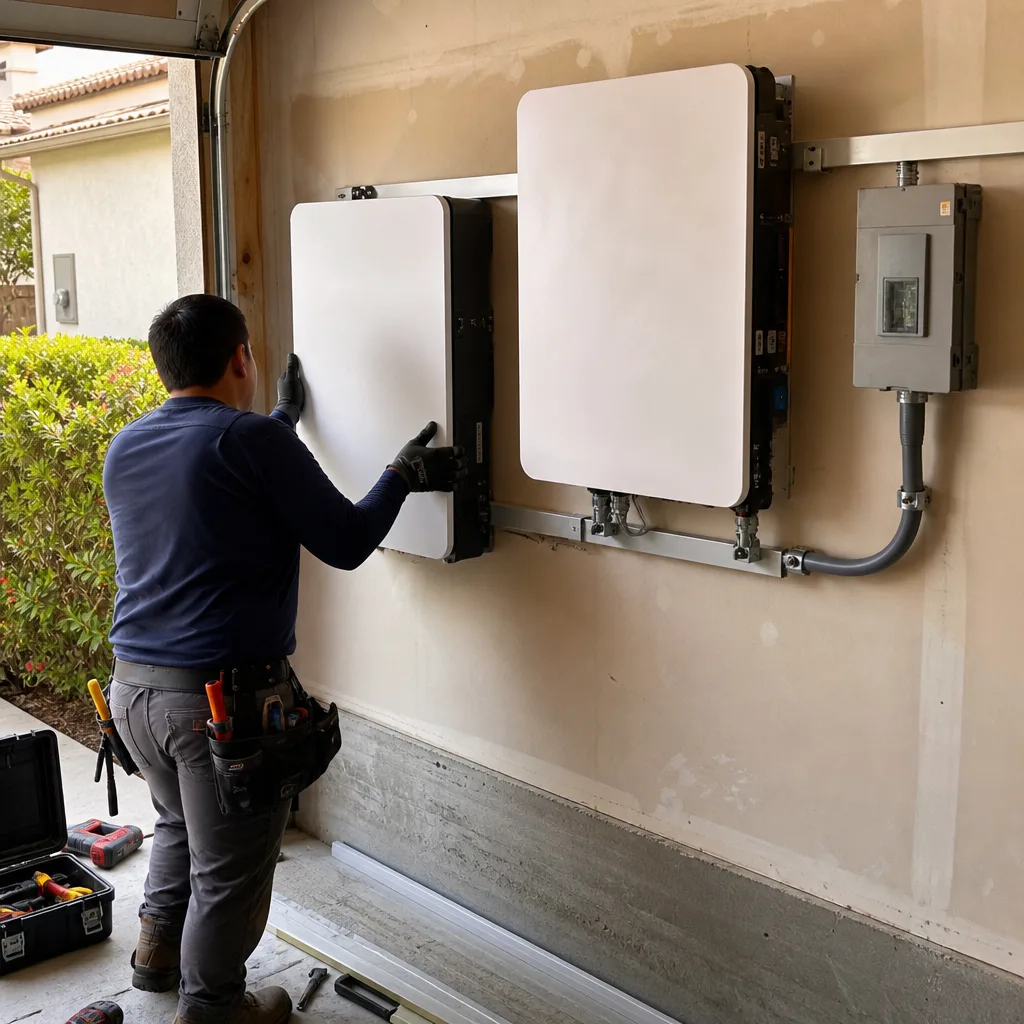
Many Artesia systems were installed years ago with monitoring that either never worked or stopped reporting after a router change. We set up Enphase Enlighten, SolarEdge, and Tesla app access so you can see per-panel and whole-system production from your phone. Then we set alert thresholds that reflect Artesia’s actual climate, meaning marine-layer mornings in May through August do not trigger false alarms, but a real degradation rate above 0.6% per year does.
Underperformance Diagnostics
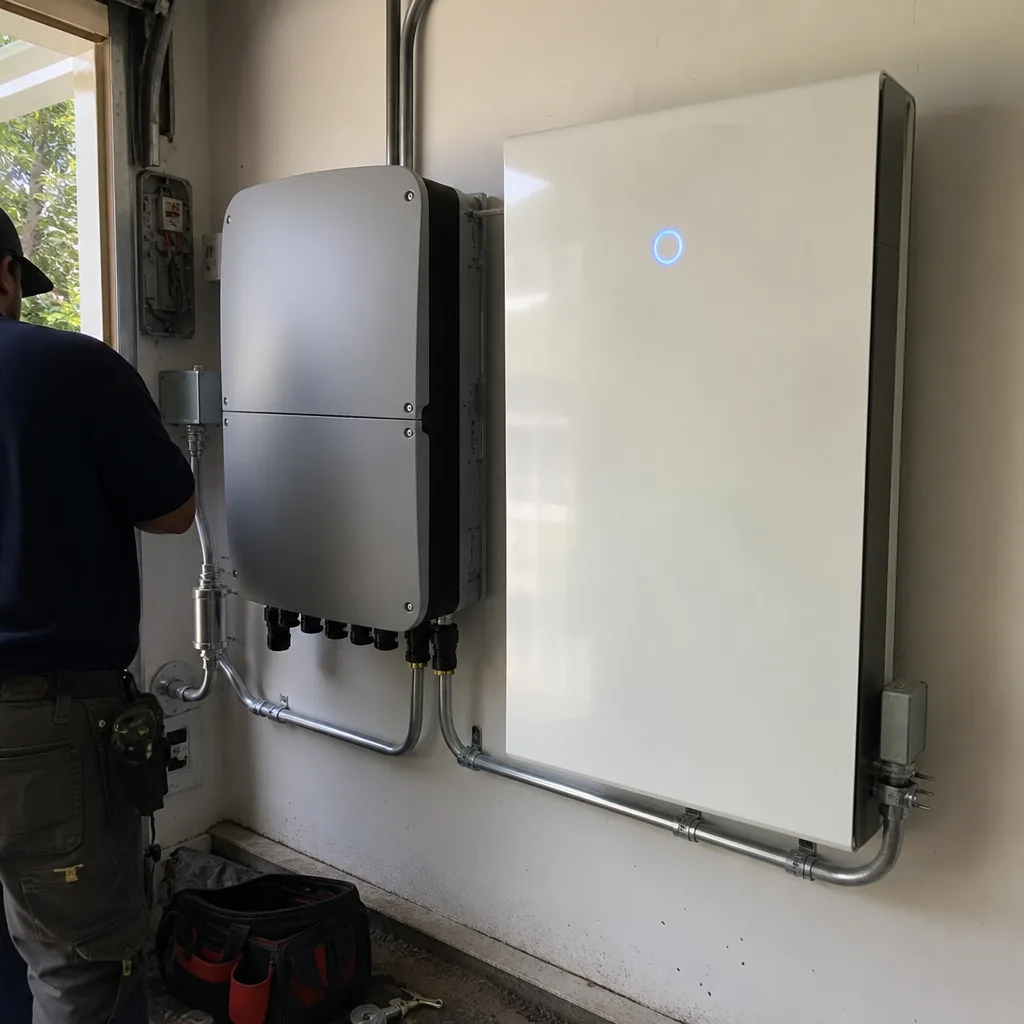
This is the service that keeps us busiest in Artesia. A system that produces fine in spring can drop 15 to 30 percent in summer and the owner never sees it on a true-up statement until the bill arrives. We compare actual production against your original proposal’s modeled output, then trace the gap. Shading from a neighbor’s carport, a failing optimizer, a firmware glitch, a tripped breaker on a 100-amp panel, all of these show up under diagnostics when you know what to look for.
Firmware & App Configuration
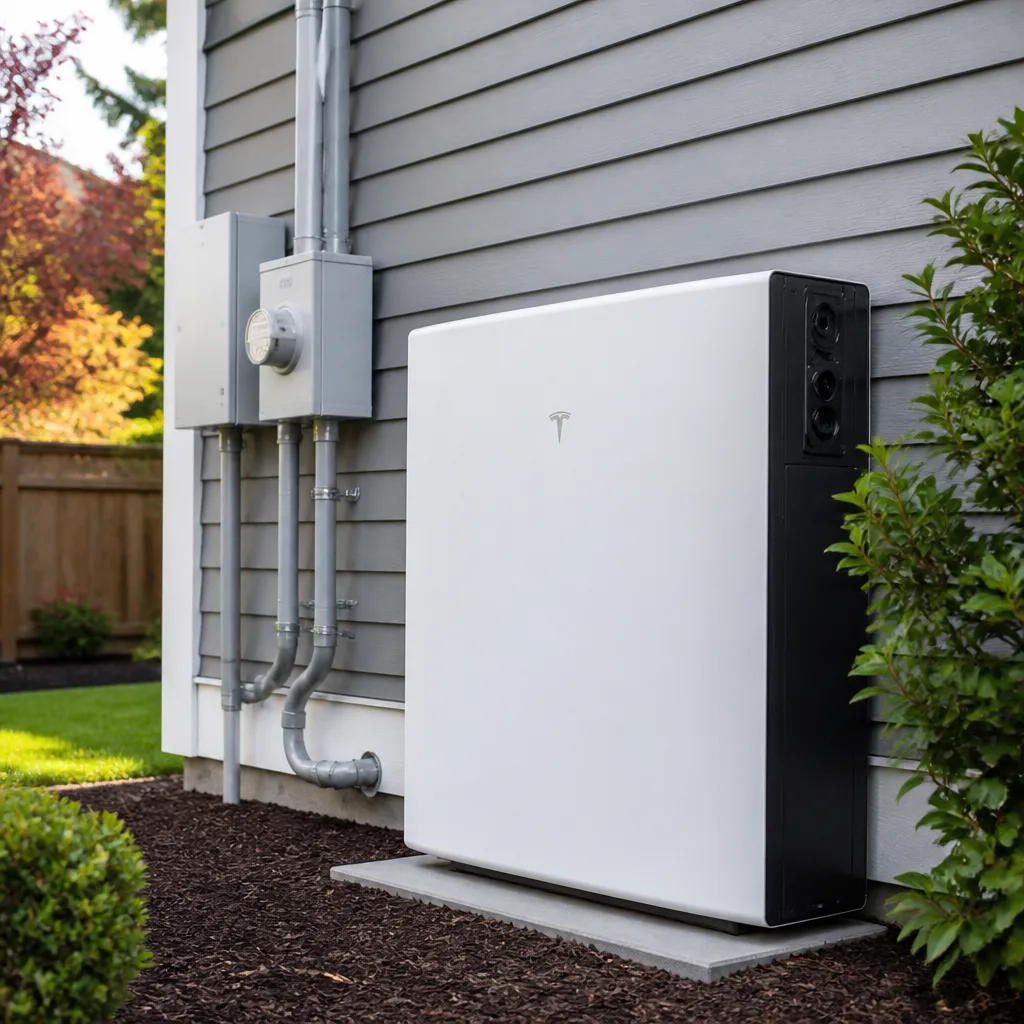
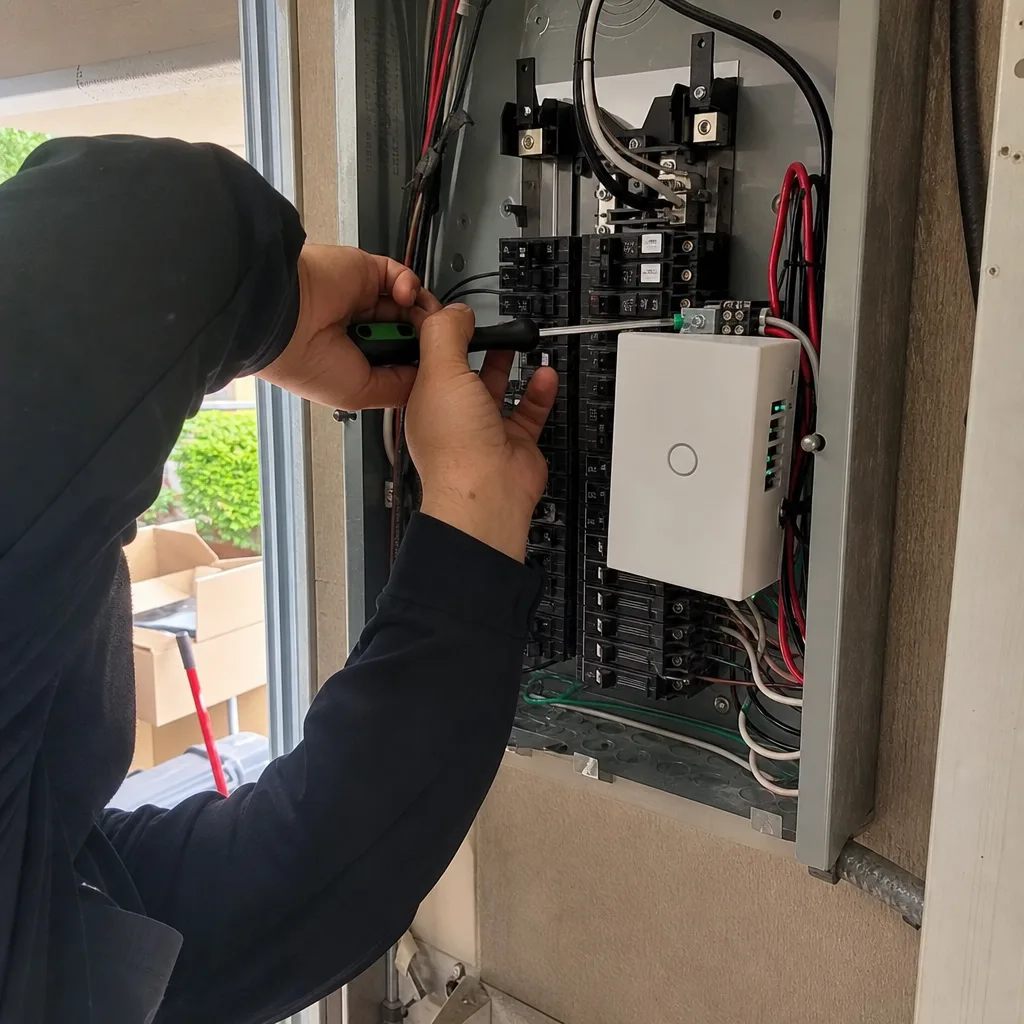
Firmware is not a set-it-and-forget-it thing. Inverters, Envoys, and battery management systems receive updates that affect how they export power, how they report data, and how they talk to the grid. We update and configure your system so it matches SCE’s current interconnection requirements and Artesia’s afternoon-heavy production pattern. A battery set to default evening-first discharge is often wrong here, because the marine layer means your peak generation is 1 p.m. to 5 p.m., not noon.
What happens when you call
- 1
A real person answersNo phone trees - you reach a local pro.
- 2
You get an upfront price rangeHonest numbers before anyone is dispatched.
- 3
A background-checked tech heads outLicensed & insured, dispatched right away.
- 4
You approve before work beginsNothing starts until you say go.
Trusted Brands We Service in Artesia
We work on systems built around Qcells, REC, and SunPower, among others. We maintain current firmware and diagnostic tools for Enphase, SolarEdge, Tesla, and FranklinWH battery systems, and we keep common replacement parts, microinverters, optimizers, and monitoring hardware, in local stock for Artesia jobs. That means a diagnostic visit on a Monday usually does not turn into two more weeks of waiting on parts. If we find a failed microinverter on an Artesia roof, it gets replaced. The array goes back online. You see the production number climb in the app before we leave the driveway.
Common Solar Panel Maintenance & Monitoring Problems We See in Artesia Homes
- Marine-layer confusion. From May through August, Artesia’s morning stratus layer suppresses generation until mid-morning, and more than a few homeowners call us thinking their inverter died because the app shows flat output at 8 a.m. That is normal for this city. A system still flat at 2 p.m. is not.
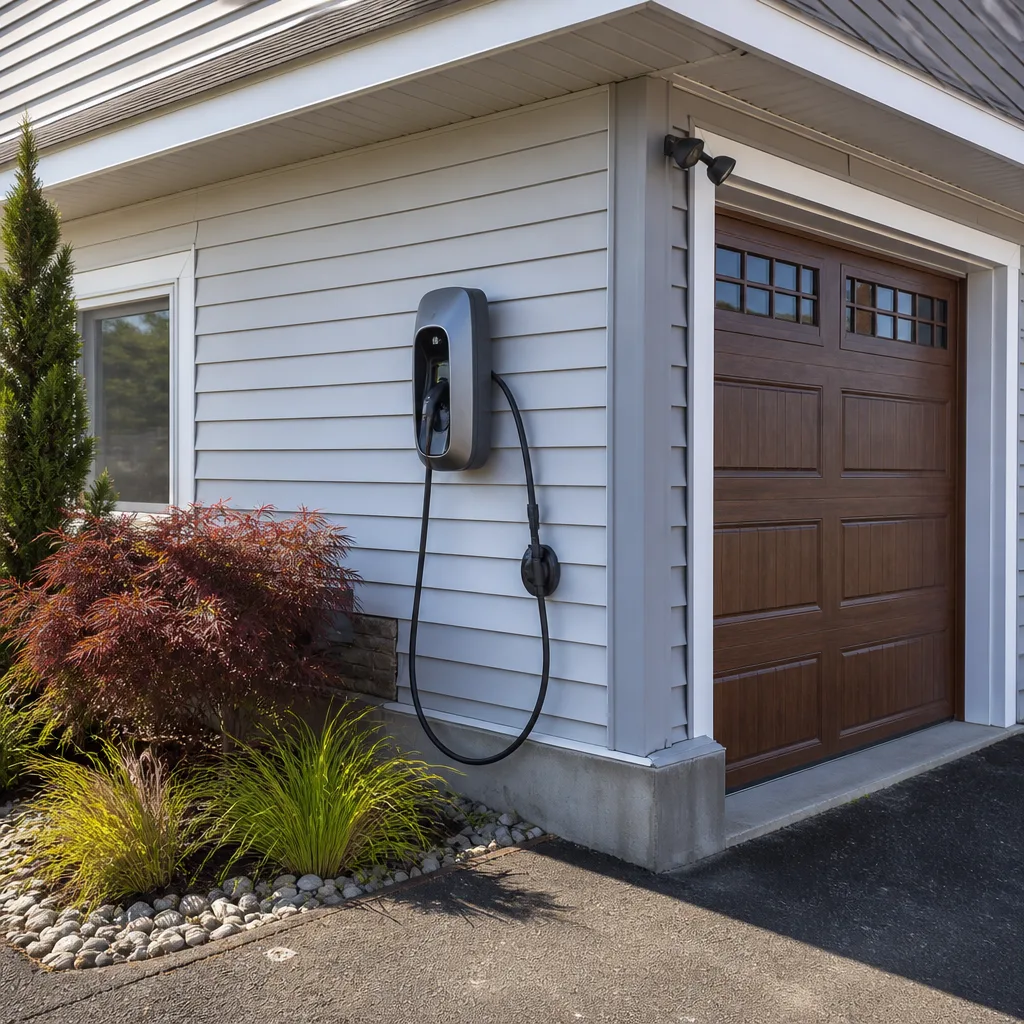
- 100-amp service panels tripping faults. Artesia’s original postwar ranches commonly still run on 100-amp panels. Add an EV charger or an electric range, and the panel load trips rapid shutdown or interconnect faults that look like solar failures but are actually electrical capacity problems.
- Wrong battery discharge programming. Under SCE time-of-use rates and Artesia’s afternoon-heavy production, batteries programmed with default evening-first discharge settings often export cheap midday power instead of storing it. That is a programming fix, not a hardware problem, and it is one of the most expensive mistakes we see on true-up statements.
- Degradation nobody flagged. A system losing 0.7% to 1.2% output per year never looks dramatic day to day, but over five years it compounds. Monitoring alerts set too loosely never catch it. We set thresholds that do.
Pricing for Solar Panel Maintenance & Monitoring in Artesia, CA
Here is what you should expect to pay in Artesia for solar panel maintenance and monitoring. An annual system inspection on a typical 4 to 6 kW residential array runs $180 to $340, depending on roof access and whether we are testing one string or a dozen microinverters. Production monitoring setup, including app configuration and alert thresholds, runs $150 to $300. Underperformance diagnostics run $250 to $450 for a full trace when something is clearly wrong, and a basic firmware update and app fix runs $120 to $250. Commercial inspections on Pioneer Boulevard’s Little India rooftops, with more panels, more inverters, and heavier rapid shutdown compliance, run $450 to $900. No trip charge inside the county, and every diagnosis starts with a free estimate. Call (877) 550-6892 and bring us a bill, we will bring you the math.
We Also Serve Cities Near Artesia
Our Solar Panel Maintenance & Monitoring team covers Artesia and the surrounding communities, including Cerritos, La Palma, Hawaiian Gardens, and Norwalk. If you are a few blocks over the city line, the same crew, the same pricing, and the same one-trip standard still applies. See our Solar Panel Maintenance & Monitoring in Artesia page for more about how we work locally.
Serving Artesia, CA - Our Local Coverage Area
We’re based in the Artesia area and know this community well. Use the map below to see our service coverage - if you’re nearby, we can almost certainly help.
FAQs - Solar Panel Maintenance & Monitoring in Artesia
That is Artesia’s marine layer. The city sits 12 to 15 miles inland from the Pacific, close enough that a May-to-August morning stratus deck blocks direct sun until 10 or 11 a.m. Your panels are not broken. If production recovers by early afternoon and peaks between 1 and 5 p.m., the system is working normally. If it stays flat into the afternoon, call (877) 550-6892 and we will run diagnostics.
Yes, but only if the upgrade is done with the solar interconnect in mind. Artesia homes moving from original 100-amp panels to 200-amp service often need their monitoring CTs reconfigured, their inverter export settings updated, and their rapid shutdown re-verified under the new panel. A lot of electricians do the panel swap but do not touch the solar side, and that is when monitoring goes dead. We do the panel upgrade and the solar reconfiguration in the same job.
Under SCE’s NEM 3.0, which took effect for new interconnections in April 2023, daytime export credits fell to avoided-cost rates, a fraction of the old retail rates. That means every lost afternoon kWh on an Artesia system costs you real payback time. Watch your total consumption versus your total production, and pay attention to whether your battery is storing midday power or exporting it cheap. If your true-up statement shows credits that look small and consumption charges that look large, let us look at your monitoring data.
No. A single panel dropping output at the same time every afternoon usually means shading from a fixed object like a neighbor’s carport, a chimney, or a tree that has grown since installation. On an Artesia system capped at 4 to 6 kW, one shaded panel can cut total production by 8 to 12 percent. We trace the shade source, rebalance tolerances where possible, and set the app to flag the pattern so you can see it as clearly as we do.
Yes, and it is a real difference we see weekly in Artesia. The Little India corridor on Pioneer Boulevard runs unusually heavy daytime loads for a city of 16,000 people: ovens, refrigeration, point-of-sale, lighting, all running at the same time as peak solar production. That is good for self-consumption but hard on inverters and rapid shutdown systems, which see more thermal cycling than residential gear. Commercial maintenance also involves more frequent inverter health checks and stricter code compliance documentation. If you own a restaurant, grocer, or jeweler on Pioneer, call us at (877) 550-6892 for a commercial inspection quote.
One Trip, Done Right
On a quiet cul-de-sac off Pioneer Boulevard, we traced a 3-year-old Enphase microinverter array on a 1,200 sq ft postwar ranch that was underproducing by 22% against its original production estimate. The homeowner had never seen a true-up statement showing that gap, and with SCE’s NEM 3.0 avoided-cost export rates, every lost afternoon kWh was costing real payback-period time. We updated the Envoy firmware, rebalanced the per-panel azimuth tolerances after spotting two modules shaded by a neighbor’s overgrown carport, and set the monitoring app to flag any degradation rate above 0.6% a year, so the next true-up would not be a surprise.
That is the standard we bring to every Artesia job. One trip. The right diagnosis. The fix done correctly. If you are in 90701 or 90702 and your solar system is not producing what it should, call (877) 550-6892 for a free estimate. A live person answers, and it might be Gus himself.
Written by Gus Petrakis, Owner at Gus’s Solar, serving Artesia since 2011.