
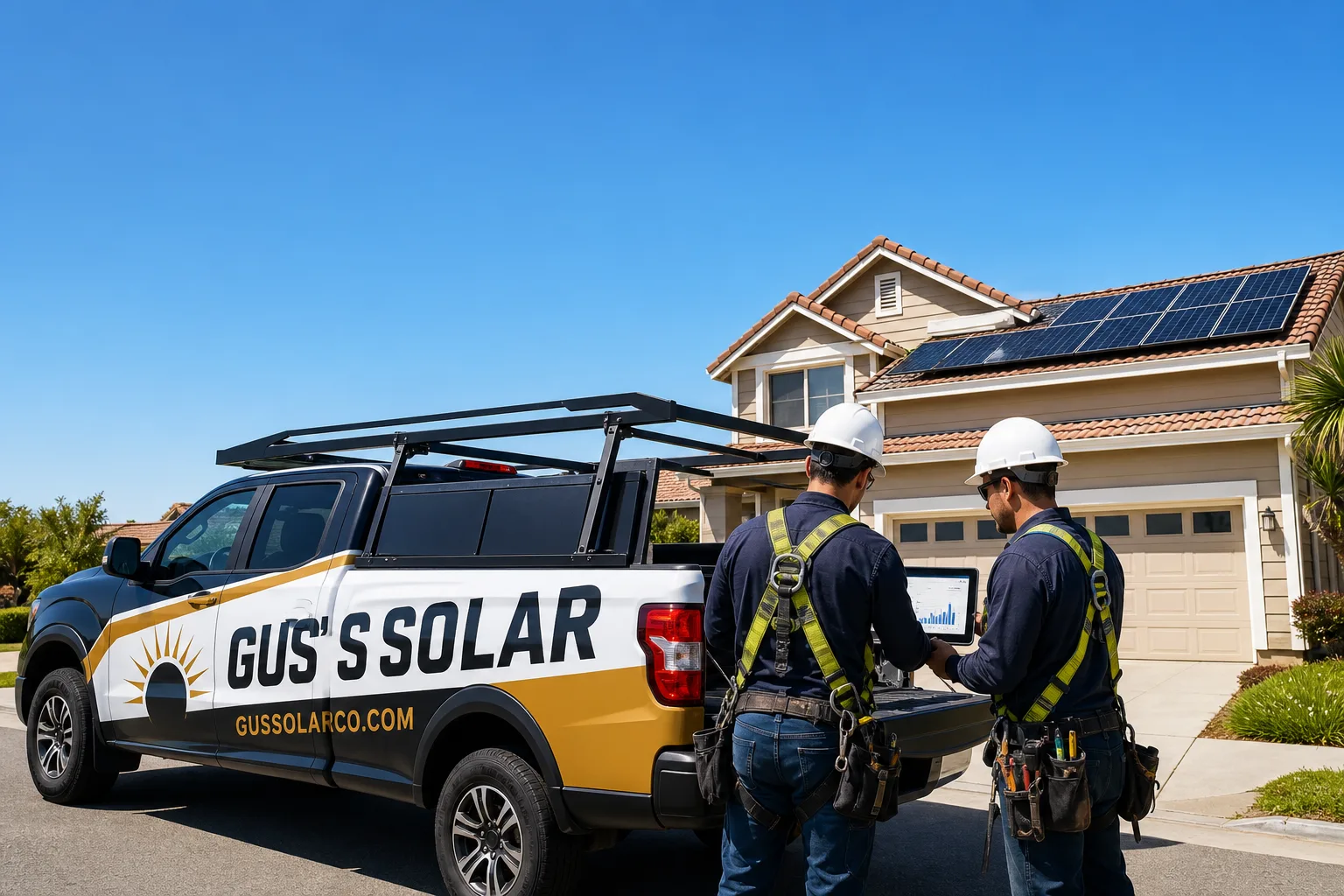
Free bill analysis - bring a power bill, get the production math for your actual roof, panel brands like Qcells and REC compared side by side
If the pitch starts at your door and ends with "sign tonight for the special," sleep on it. The sun will still be there tomorrow; so will we.
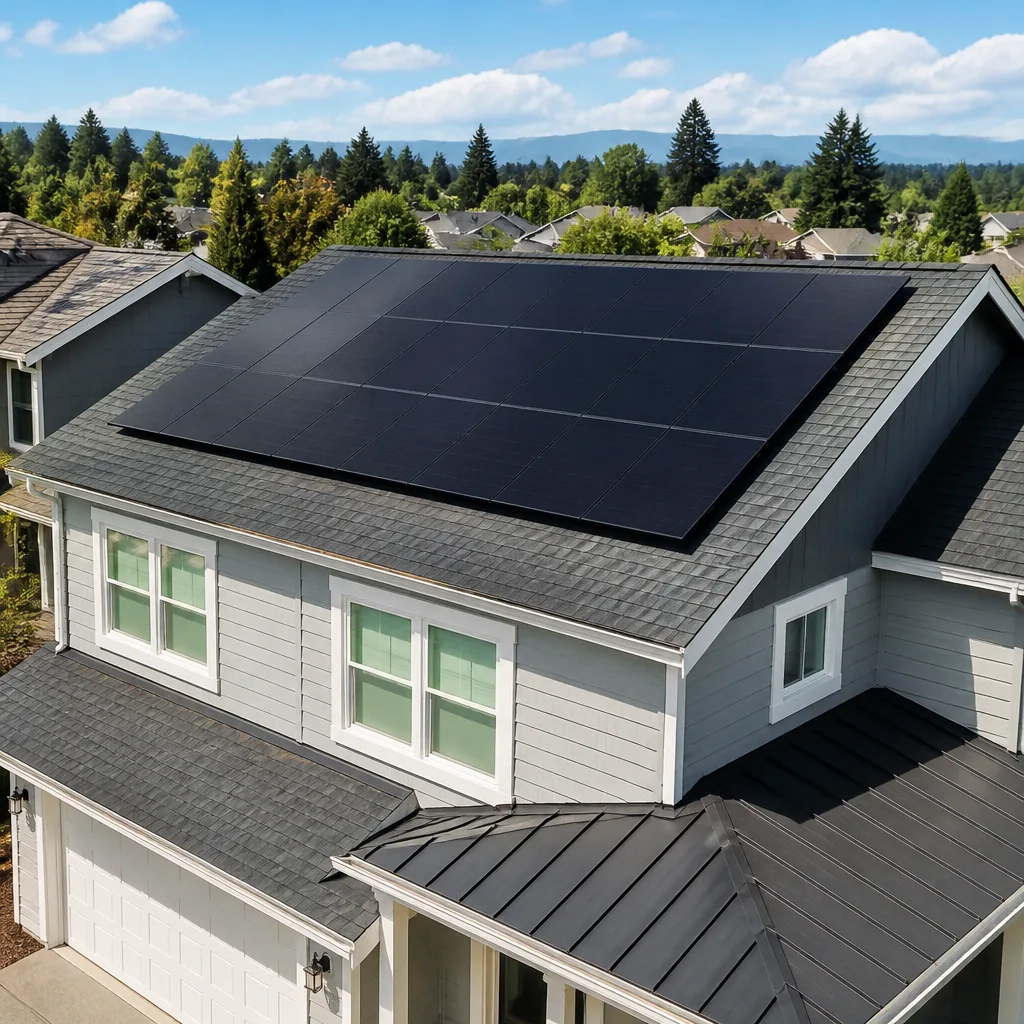
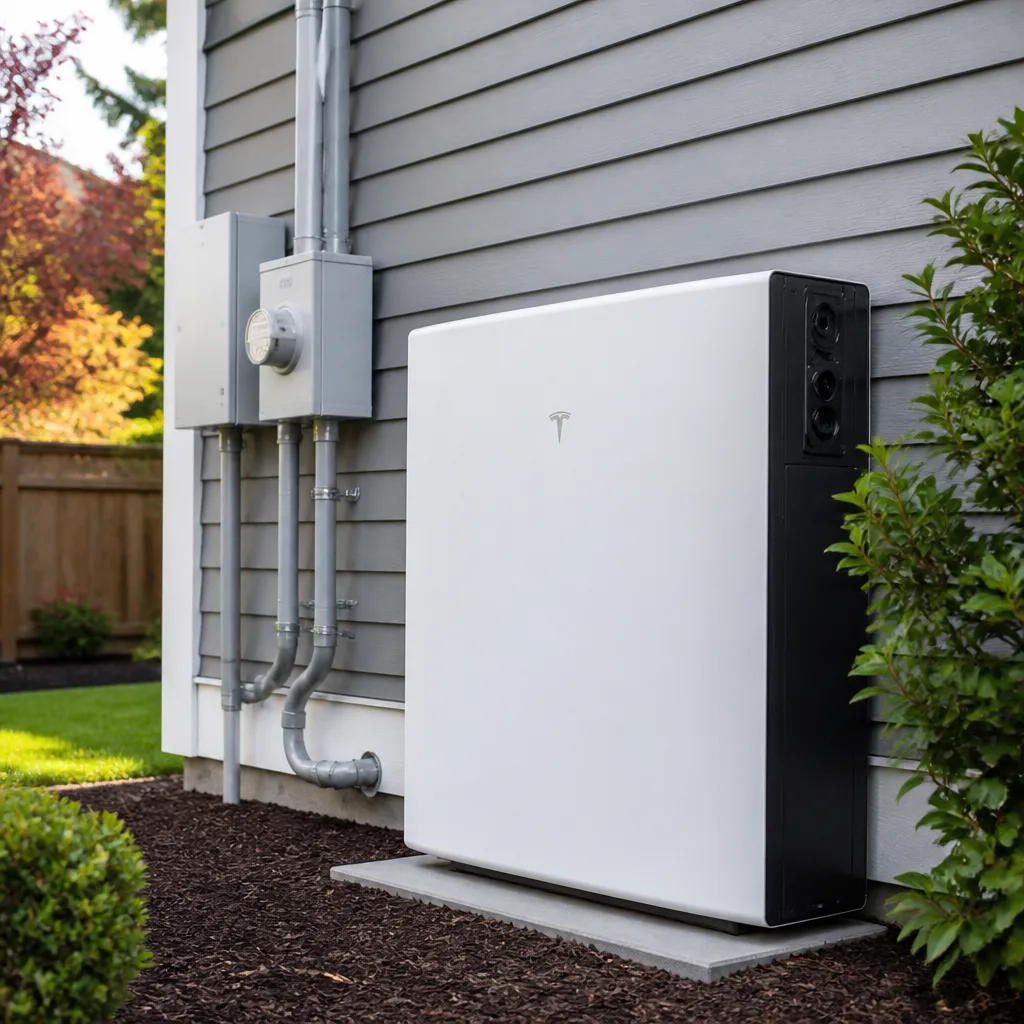
 Before
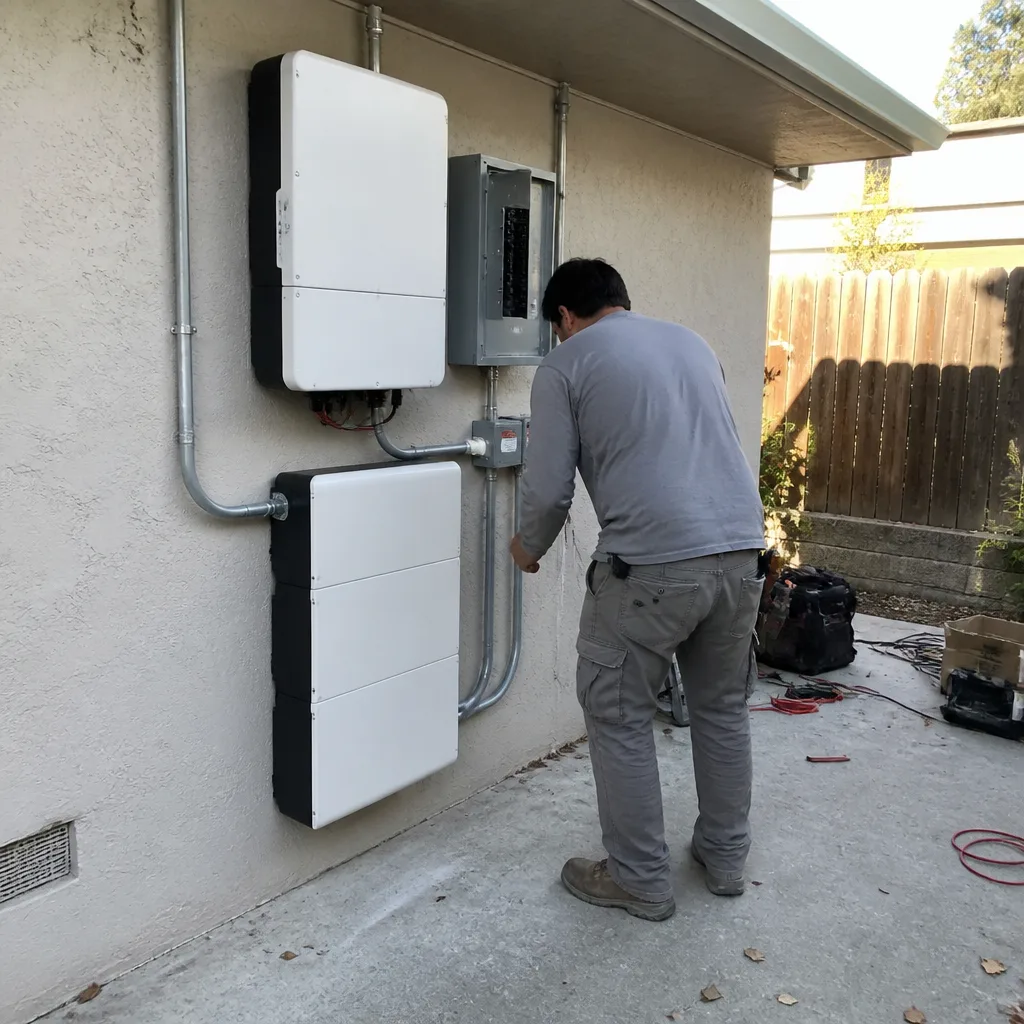 After
After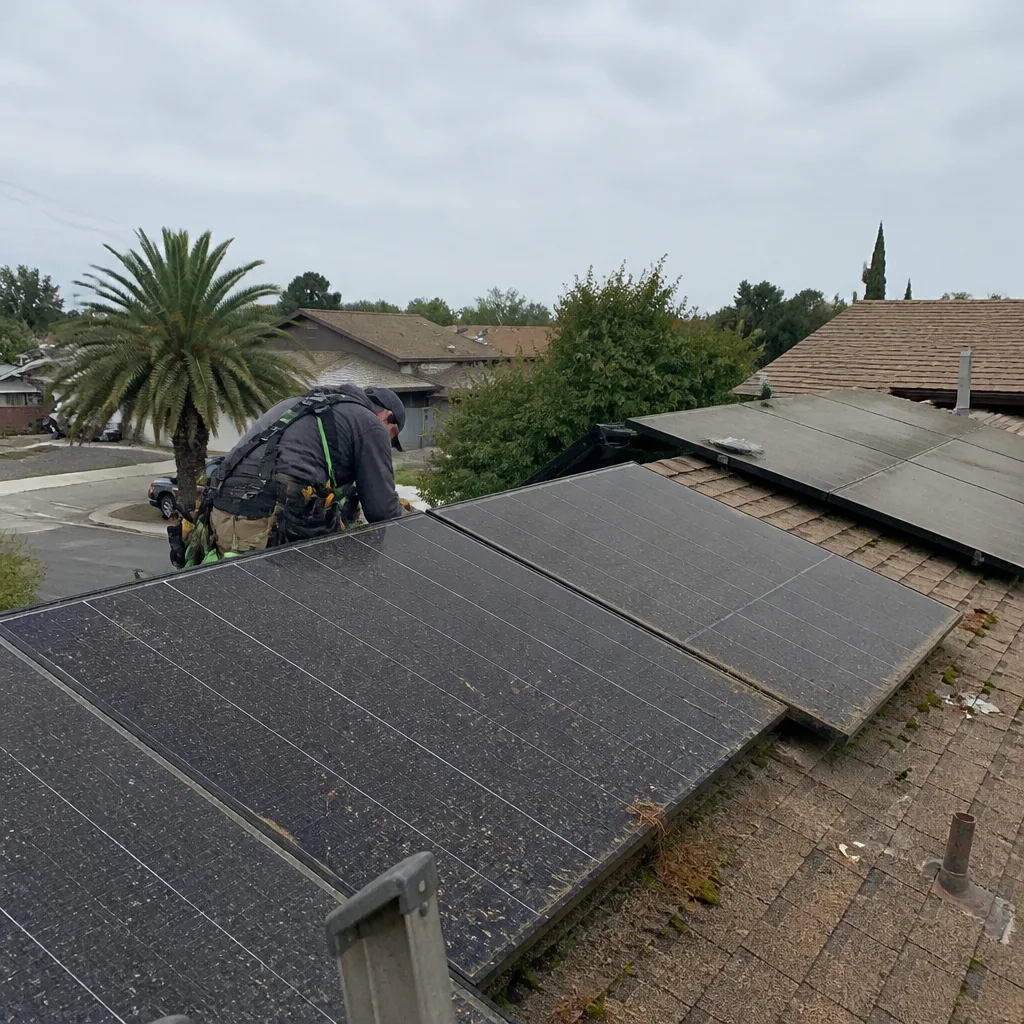 Before
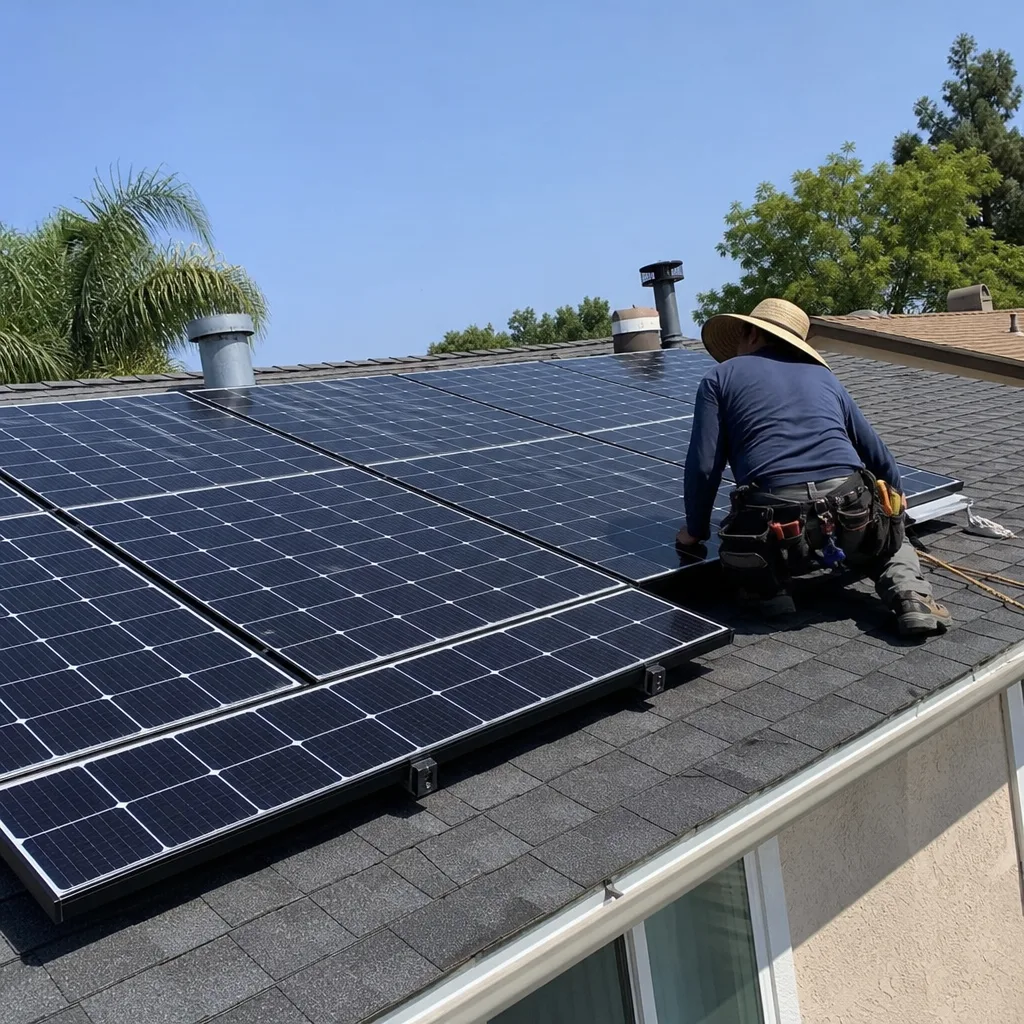 After
After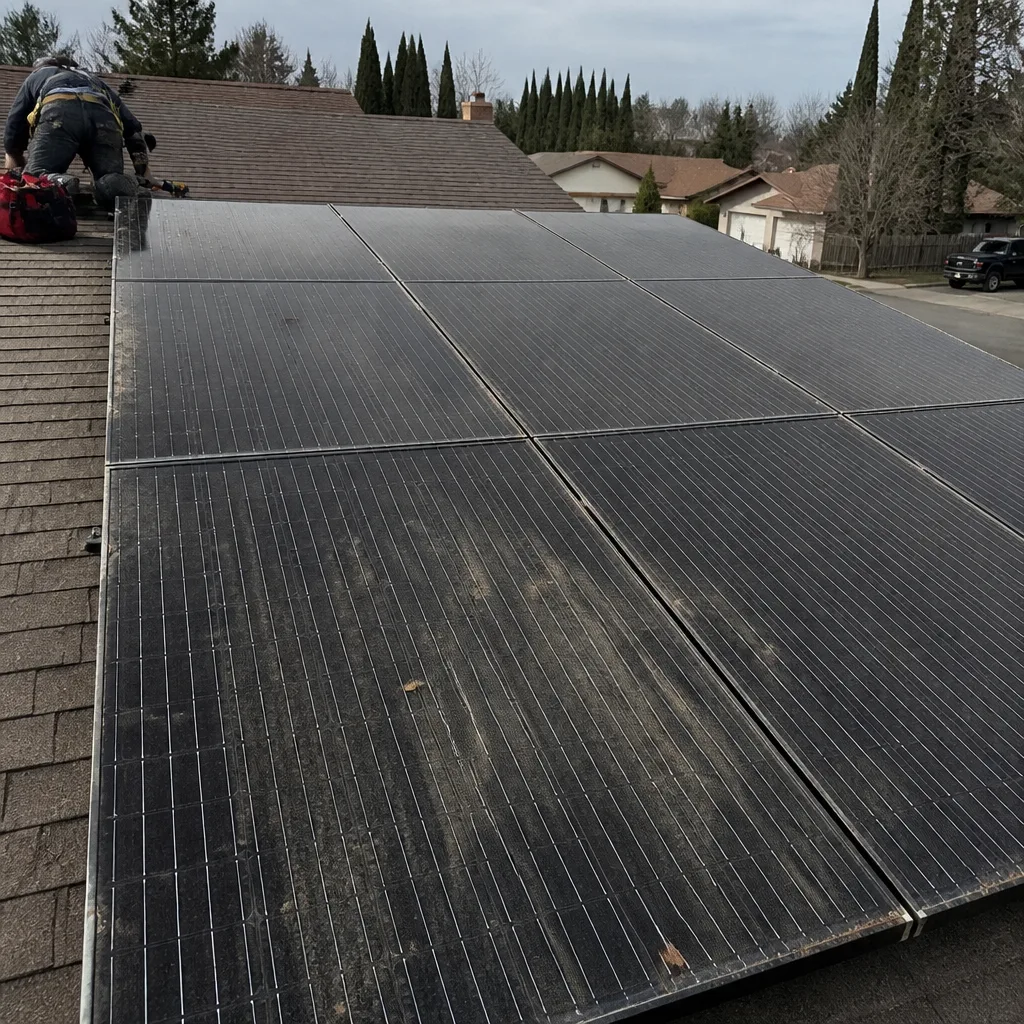 Before
 After
AfterFast, Reliable Solar Panel Maintenance & Monitoring Across Apple Valley
Solar panel maintenance in Apple Valley runs about $150 to $400 per visit for an inspection and cleaning, while full underperformance diagnostics typically land between $200 and $600 depending on how deep we have to dig into the array. Same-week scheduling is standard for most Apple Valley homes, and we keep parts for the common brands on our trucks so we’re not making you wait on a warehouse shipment from two states over. If your system is producing less than the app promised, or the monitoring portal shows no faults but your bill did not drop the way the sales rep said it would, call us at (877) 550-6892. Gus Petrakis owns this company, answers his own phone, and has been serving High Desert homeowners since 2011.
Why Gus’s Solar Is Apple Valley’s Preferred Solar Panel Maintenance & Monitoring Company
The difference between us and the out-of-state installers who knocked on your door in 2014 is simple: we still show up. We have cleaned, repaired, and monitored systems across Apple Valley for years, and our customers see the same faces on every visit. Gus hires background-checked, uniformed techs who live in the Inland Empire, not a rotating cast of subcontractors who have never seen your roof before. When a legacy inverter throws an arc-fault code at 3 p.m. on a 108-degree day, our live person answering the phone does not route you to a ticketing portal. You tell us what the screen says, we tell you whether it is urgent, and if it is, we send someone out.
We know Apple Valley’s housing stock because we work on it every week. Single-story ranch homes from the late 70s through early 2000s, concrete tile roofs, low-slope south-facing planes, wide open lots with zero shade. That is great for production and tough on racking when the wind howls through from the Cajon Pass. We know what Town plan checkers look for, what older inverters lack, and what a dust-caked panel on a 92307 roof does to a production curve that never accounted for desert soiling. That is not brochure knowledge. That is boots-on-concrete knowledge.
Our Solar Panel Maintenance & Monitoring Services in Apple Valley
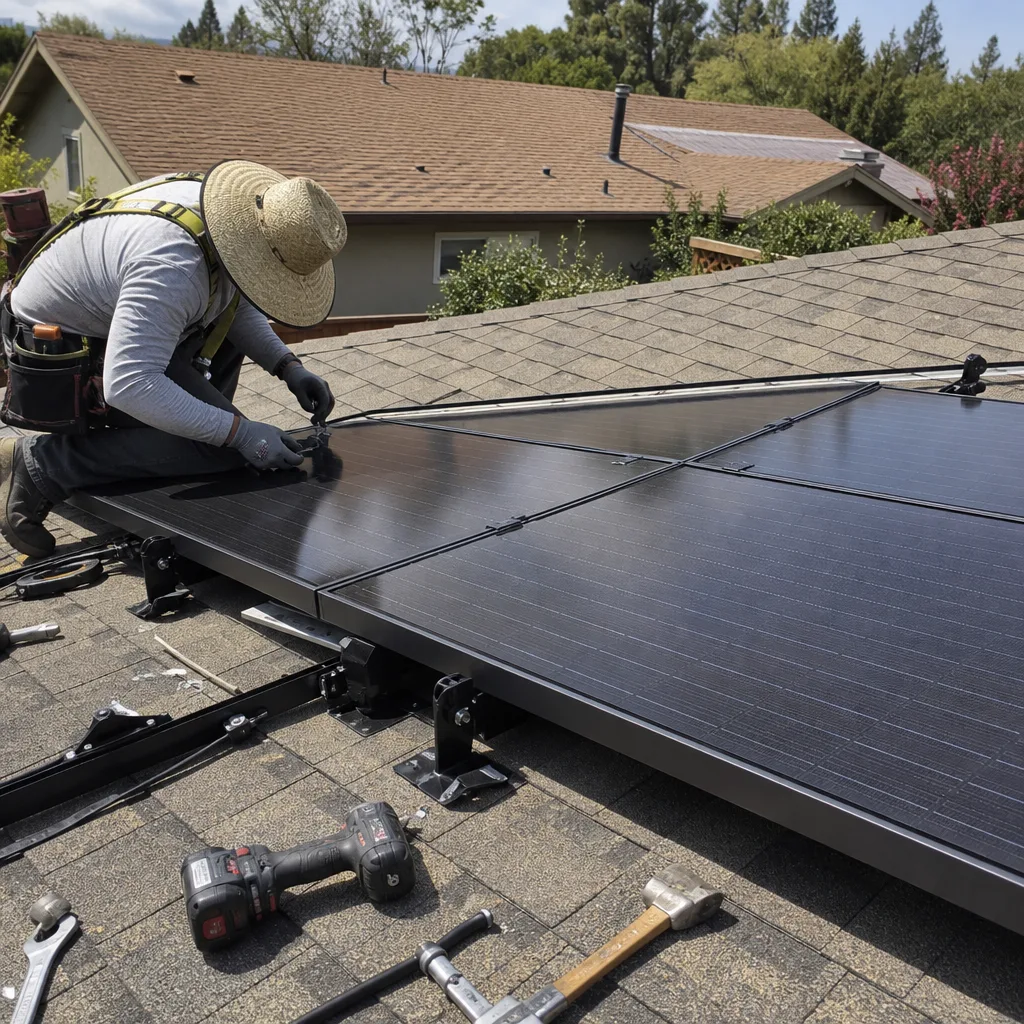
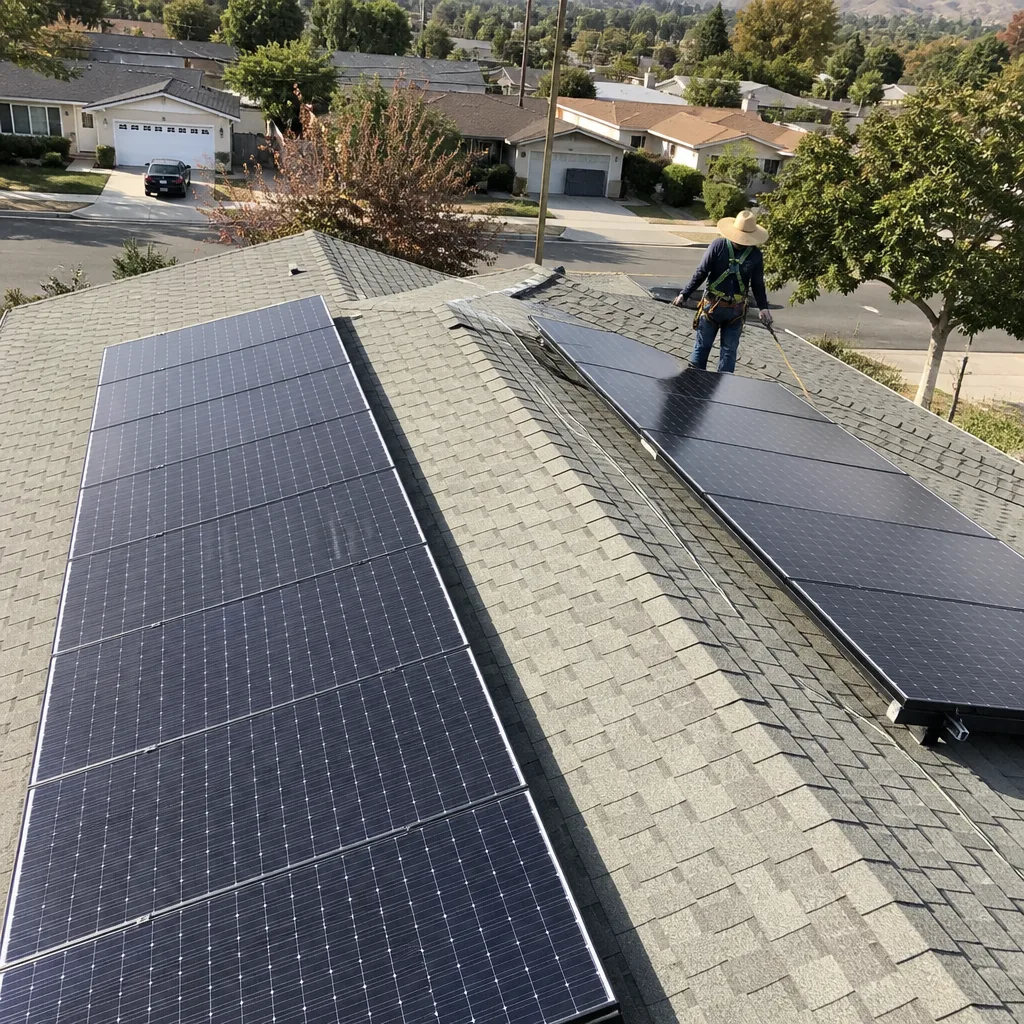
Every Apple Valley system gets a maintenance approach built around what actually shortens its life here: thermal cycling, wind stress, and Mojave dust. For a full look at everything we do, visit our Solar Panel Maintenance & Monitoring hub. Here is how we handle the most common calls in Apple Valley specifically.
Annual System Inspection
Once a year, we walk your array end to end. In Apple Valley that means checking every concrete tile penetration for degrading flashing, verifying rail spacing against the Town’s current wind-load requirements, and pulling your inverter’s event log for codes that never tripped a visible fault. We also measure panel surface temps mid-day in summer; anything consistently above 160°F is a sign your array is running hotter than the manufacturer’s temperature coefficient assumes, and that quietly erodes production every August. A typical inspection in Apple Valley runs $150 to $250 depending on roof pitch and array size.
Production Monitoring Setup
Older Apple Valley systems often have no monitoring at all, or they have a first-generation portal that shows the system is “on” without telling you whether it is actually making the power it should. We set up real production monitoring with soil-adjusted baselines so you see the truth, not a green checkmark. For a 20-panel array, monitoring setup in Apple Valley typically runs $200 to $400, including app configuration on your phone and a walkthrough in plain English about what the numbers mean.
Underperformance Diagnostics
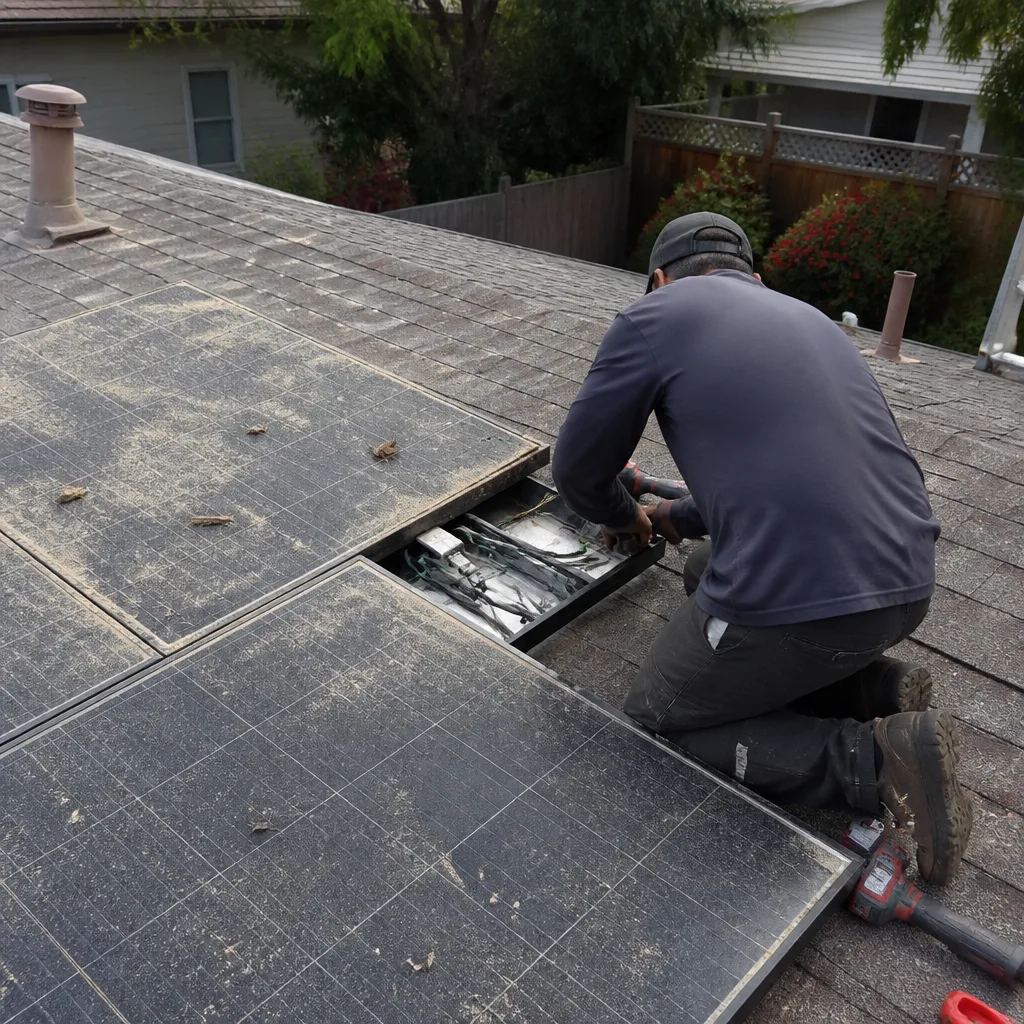
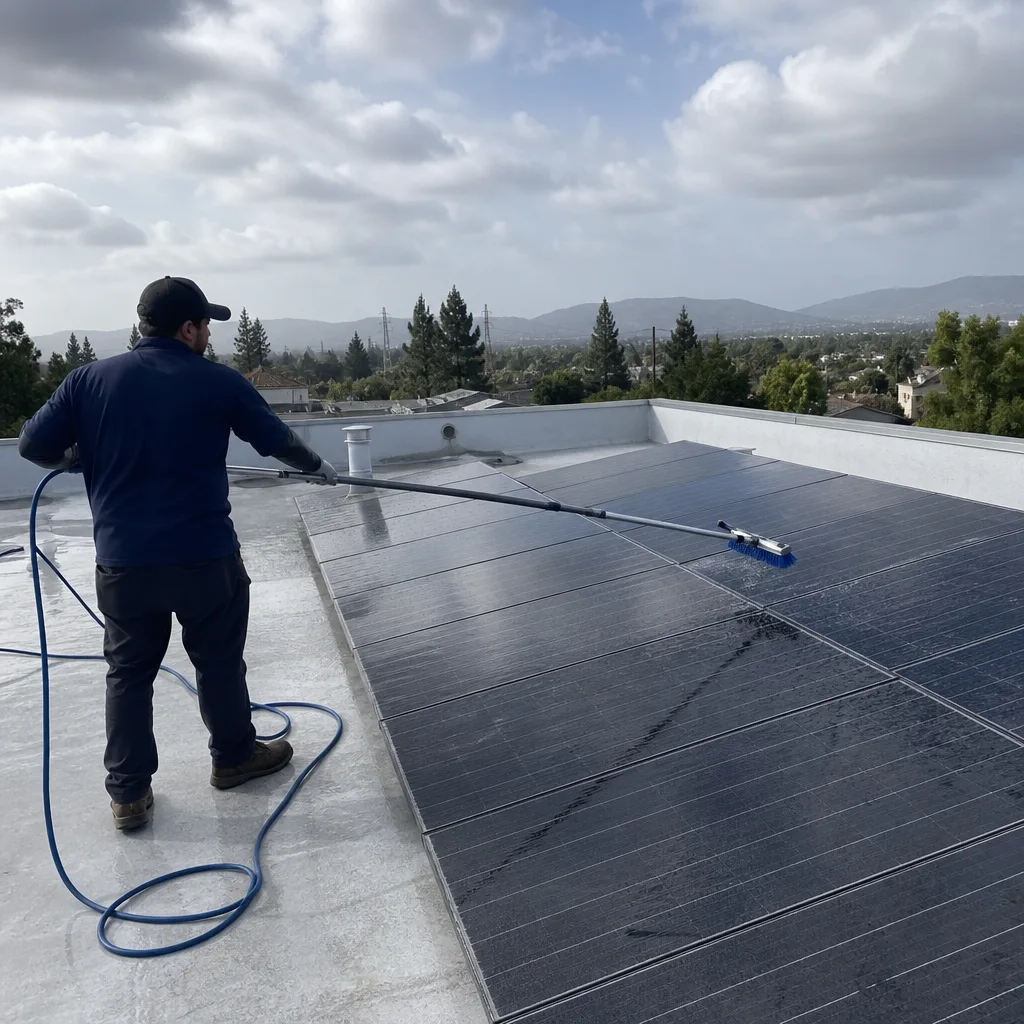
This is the call we get most from Apple Valley homeowners between 50 and 70 who had a system installed years ago by a company that no longer exists. The inverter says everything is fine. The bill says otherwise. Diagnostics means we test each string under load, map the actual output against your roof’s irradiance under current conditions, and find the panel, the connection, the optimizer, or the soiling layer that is dragging the array down. In Apple Valley we also check whether desert dust on a low-slope roof has cut production by 5 to 15% since the last cleaning. Diagnostics typically run $200 to $600 depending on how far into the array we have to go.
Firmware & App Configuration
A surprising number of Apple Valley systems are running firmware that is three or four generations out of date. Older SolarEdge and Enphase units, in particular, accumulate bug fixes that affect arc-fault sensitivity and rapid shutdown behavior. We update inverter firmware, reconfigure monitoring thresholds for your actual usage pattern, and set the app so it alerts on production drops rather than showing a happy status bar. Firmware and app work in Apple Valley runs $100 to $200 when bundled with another visit.
What happens when you call
- 1
A real person answersNo phone trees - you reach a local pro.
- 2
You get an upfront price rangeHonest numbers before anyone is dispatched.
- 3
A background-checked tech heads outLicensed & insured, dispatched right away.
- 4
You approve before work beginsNothing starts until you say go.
Trusted Brands We Service in Apple Valley
We work on the gear already installed on Apple Valley roofs, not just the brands we sell new. That includes Panasonic, Canadian Solar, JinkoSolar, and FranklinWH, plus the big inverter names you already know. Our techs carry common replacement parts, comms boards, CT clamps, and rapid shutdown components on the truck when they come out to Apple Valley so most fixes happen on the first trip. You do not wait on a backorder for a part a national call center never knew existed.
Common Solar Panel Maintenance & Monitoring Problems We See in Apple Valley Homes
- Concrete tile flashing failures on pre-2000 homes. The original installs on many Apple Valley ranches used generic flashing instead of tile-matching flashing, and after two decades of High Desert thermal cycling, the seal breaks down. You get roof leaks that show up long before any electrical fault does.
- String inverters without rapid shutdown compliance. If your system dates from before 2014, the inverter likely lacks the rapid shutdown capability Town inspectors now flag during remodels or panel upgrades. It is a fire-safety issue, not just a code headache, and it changes what a maintenance visit should address.
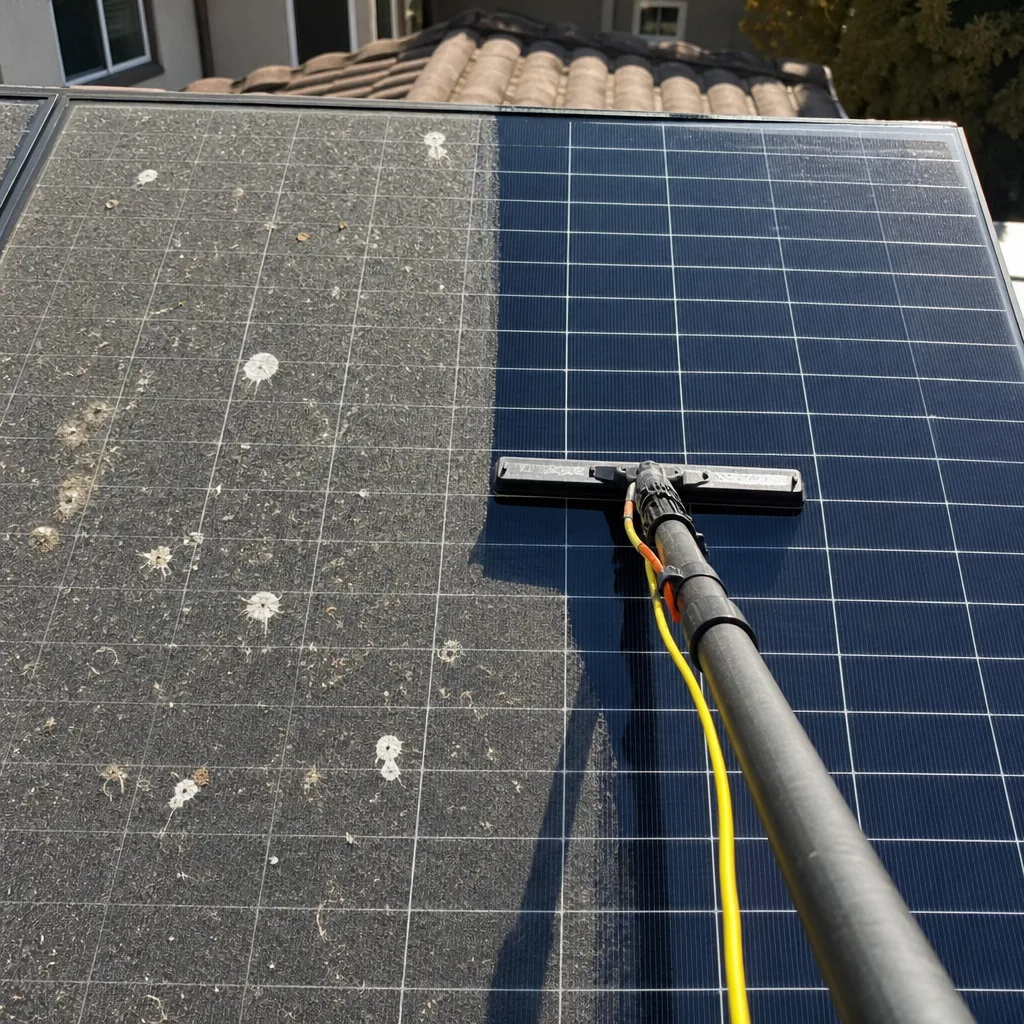
- Desert soiling on low-slope roofs that monitoring never reports. Your app says the inverter is fine, so you assume the panels are fine. But a dust layer on a flat-pitch Apple Valley roof can suppress production 5 to 15% between cleanings, and no inverter fault ever fires for that.
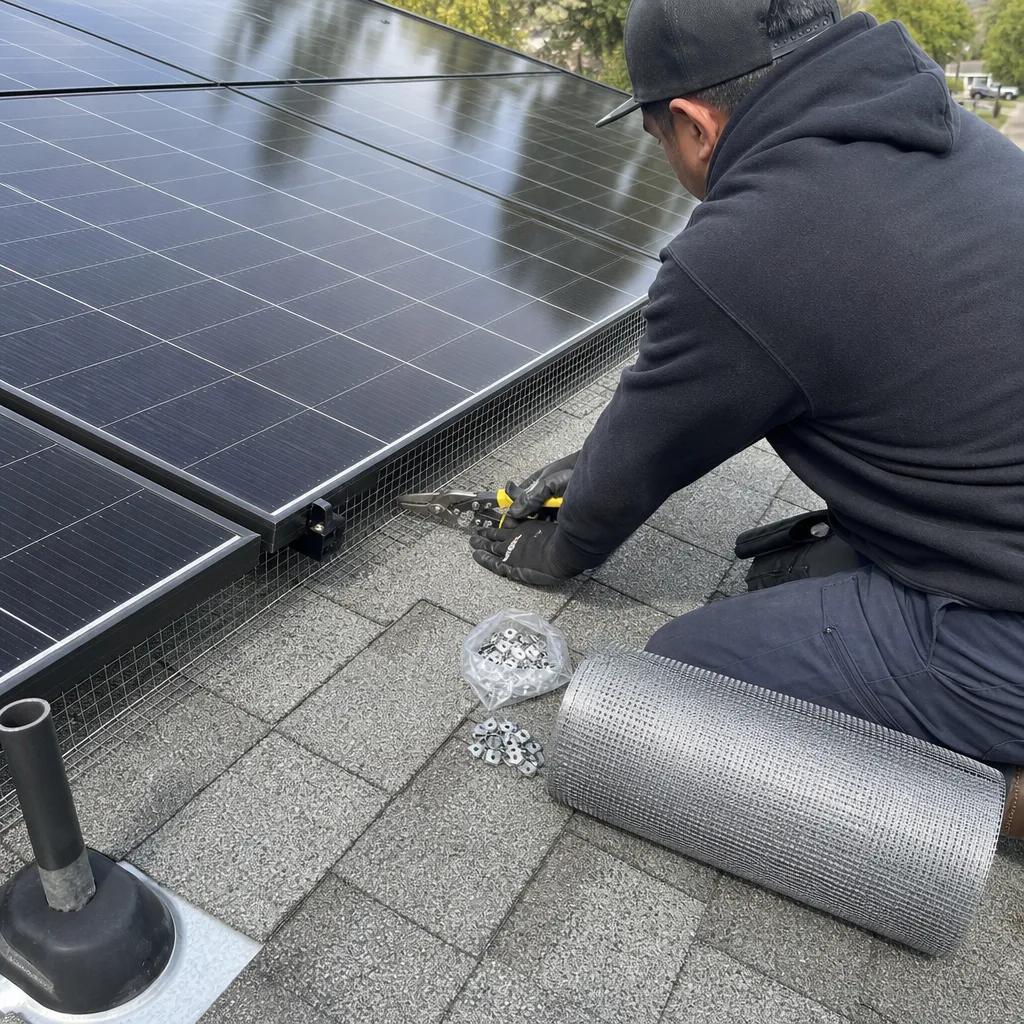
- Wind-load racking that no longer matches Apple Valley’s exposure zone. Town plan checkers specifically flag solar racking submittals without a stamped wind-load calculation. If your existing array was installed with rail spacing meant for a coastal wind zone, a high-wind event can cause structural stress you will not see until a panel shifts or a rail cracks.
Pricing for Solar Panel Maintenance & Monitoring in Apple Valley, CA
Here are the straight numbers for Apple Valley. Annual inspection: $150 to $250. Production monitoring setup: $200 to $400. Underperformance diagnostics: $200 to $600. Firmware and app configuration: $100 to $200 when bundled with another service. Preventive maintenance plans start at $199 per year and include one inspection, one cleaning, and priority scheduling for Apple Valley customers. We also honor a standing offer: $40 off any repair over $200, and a Senior and Veteran 10% discount that never expires. Estimates are free, the price we quote is the price you pay, and nobody is going to ask you to sign anything tonight. Bring us a bill, we will bring you the math. Call (877) 550-6892 for an exact quote on your system.
Factors that move the price in Apple Valley
Roof pitch and tile type matter. Single-story ranch access keeps labor lower. Two-story desert-contemporary homes push the inspection cost up because of ladder work and safety anchoring. Concrete tile roofs take more time than composition shingle because we have to inspect each penetration individually. And if diagnostics require lifting panels to trace a string, that adds labor compared to a pure meter-side test. We will tell you the number before we touch anything, and it will not change at the door.
We Also Serve Cities Near Apple Valley
Our crews regularly run maintenance and monitoring routes from Apple Valley out to Spring Valley Lake, Victorville, Hesperia, and Oak Hills. If you are on the edge of 92307 or 92308 and not sure whether we cover your street, call (877) 550-6892 and ask. The answer is almost always yes, and there is no trip charge inside our own county.
How Apple Valley’s High-Wind Zone and Concrete Tile Rules Change Solar Maintenance
This is the part most solar pages never tell you. Apple Valley sits inside a high-wind exposure zone under California Building Code, which means the Town’s plan checkers specifically flag racking submittals that lack a stamped wind-load calculation or use rail spacing engineered for lower-wind coastal jurisdictions. That is a common reason first-time desert submittals get kicked back and add weeks to a project timeline. But it also matters for maintenance. When we inspect an Apple Valley system that was installed years ago, we are not just checking electrical output. We are verifying the racking still complies with the wind-load specs the Town enforces now, because wind loads do not care what the code said when the permits were pulled. A system that was compliant in 2010 under a looser standard may be under-engineered for the exposure zone Apple Valley is actually in today. Gus Petrakis knows this because he has had plan checks come back on his own submittals, and he learned what the Town wants from the not-fun side of the counter.
And then there is the concrete tile flashing problem. Apple Valley’s dominant housing stock is concrete tile and low-slope roofs built between the late 1970s and early 2000s. Those roofs were ideal for production, but the original solar penetrations were often flashed with generic metal instead of code-compliant tile-matching flashing. After twenty-plus years of thermal cycling, expansion, contraction, and Mojave wind, those flashings fail. The roof leaks, and the roofer says the warranty is void because a solar contractor penetrated the tile without the right flashing details. We see this constantly on Apple Valley homes. Maintenance here is never just cleaning panels; it is checking every penetration for the failure that will cost you a ceiling repair five years from now.
We also see the dust problem. Apple Valley is a desert. It is dry, it is windy, and the Mojave gives you a fine silt that settles on a low-slope roof and stays there. Your monitoring app shows the inverter is operating normally, no faults, no errors. But the array is quietly producing 5 to 15% less than it should because nobody cleaned the panels and no monitoring baseline was ever adjusted for soiling. In coastal San Diego that does not matter. In Apple Valley it is the difference between your payback hitting in year seven and hitting in year eleven. We got called out to a 1980s ranch on Winona Road in 92307 where a legacy SolarEdge inverter was throwing arc-fault codes every afternoon. Our tech found the original concrete-tile roof penetrations had been flashed with generic flashing instead of code-compliant tile-matching flashing, and the rail spacing was decades out of date for Apple Valley’s wind zone. We reconfigured the string layout for the current wind-load calc, replaced the degraded flashings, and updated the inverter firmware to clear the nuisance faults. Production went back to the original estimate within a week. That is not a rare story in Apple Valley. It is a Tuesday.
Serving Apple Valley, CA - Our Local Coverage Area
We’re based in the Apple Valley area and know this community well. Use the map below to see our service coverage - if you’re nearby, we can almost certainly help.
FAQs - Solar Panel Maintenance & Monitoring in Apple Valley
It changes what we inspect. During a maintenance visit in Apple Valley, we check rail spacing, bolt torque, and attachment points against the Town’s current wind-load requirements, not just the standard that applied when the permits were pulled. Many older arrays in Apple Valley were installed with rail spacing from coastal wind-zone tables, which means they are under-built for the wind exposure the Town enforces now. We flag under-spec racking and recommend the upgrade before a wind event finds the weak point. Call (877) 550-6892 and we will schedule the inspection.
The most common reason is desert soiling plus an estimate that never accounted for Apple Valley’s dust load. Panels on a low-slope ranch roof in 92307 or 92308 lose 5 to 15% of production between cleanings, and no inverter fault ever fires for that. The estimate from the original installer assumed clean-panel performance year-round, and reality does not work that way in the Mojave. There may also be thermal degradation from summer panel temps above 160°F. Call (877) 550-6892 for a soiling-adjusted diagnostic and we will show you the actual numbers.
Yes, if the repair uses code-compliant tile-matching flashing and proper sealing, which is exactly what we install. The warranty gets voided when generic flashing is used on concrete tile, not when the right flashing is put in. We inspect every penetration, replace degraded flashing with tile-matching components, and document the work for your roofer. This is one of the most common repairs we do on Apple Valley homes. Call (877) 550-6892 for a free assessment of your roof penetrations.
An electrical panel upgrade triggers a review against current code, and systems installed before 2014 typically have string inverters without rapid shutdown capability. In Apple Valley, Town inspectors will flag the lack of rapid shutdown during a remodel or panel change, and you may be required to add module-level power electronics to bring the array into compliance. We handle those retrofits routinely and can coordinate the inspection with your panel upgrade. Call (877) 550-6892 before you pull the permit so the upgrade does not stall at inspection.
Adding monitoring typically costs $200 to $400, and it tells you whether the array is worth keeping. If diagnostics show the panels are still producing within 10% of original spec after cleaning, replace the inverter and add monitoring, and you have bought yourself years of useful life for a few hundred dollars. If the array is deeply degraded from a decade of High Desert heat, replacement is the honest answer, and we will tell you that. Either way, monitoring first is the cheap diagnostic. Call (877) 550-6892 and we will set up the monitoring and give you the truth about your array’s remaining life.
Call Gus’s Solar for Apple Valley Solar Panel Maintenance & Monitoring
If your system is underperforming, your inverter is throwing codes nobody explained, or you just want a straight answer about whether your 20-year-old array is still worth maintaining, call (877) 550-6892. A live person answers, day or night. We will send one of our own background-checked techs to your Apple Valley home, not a sub. We will give you the real numbers, not a sales speech. And we will put the recommendation in writing, backed by the 90-Day Done Right Promise. Take two weeks to think about it. The price will be the same.
Written by Gus Petrakis, Owner at Gus’s Solar, serving Apple Valley and the High Desert since 2011.