
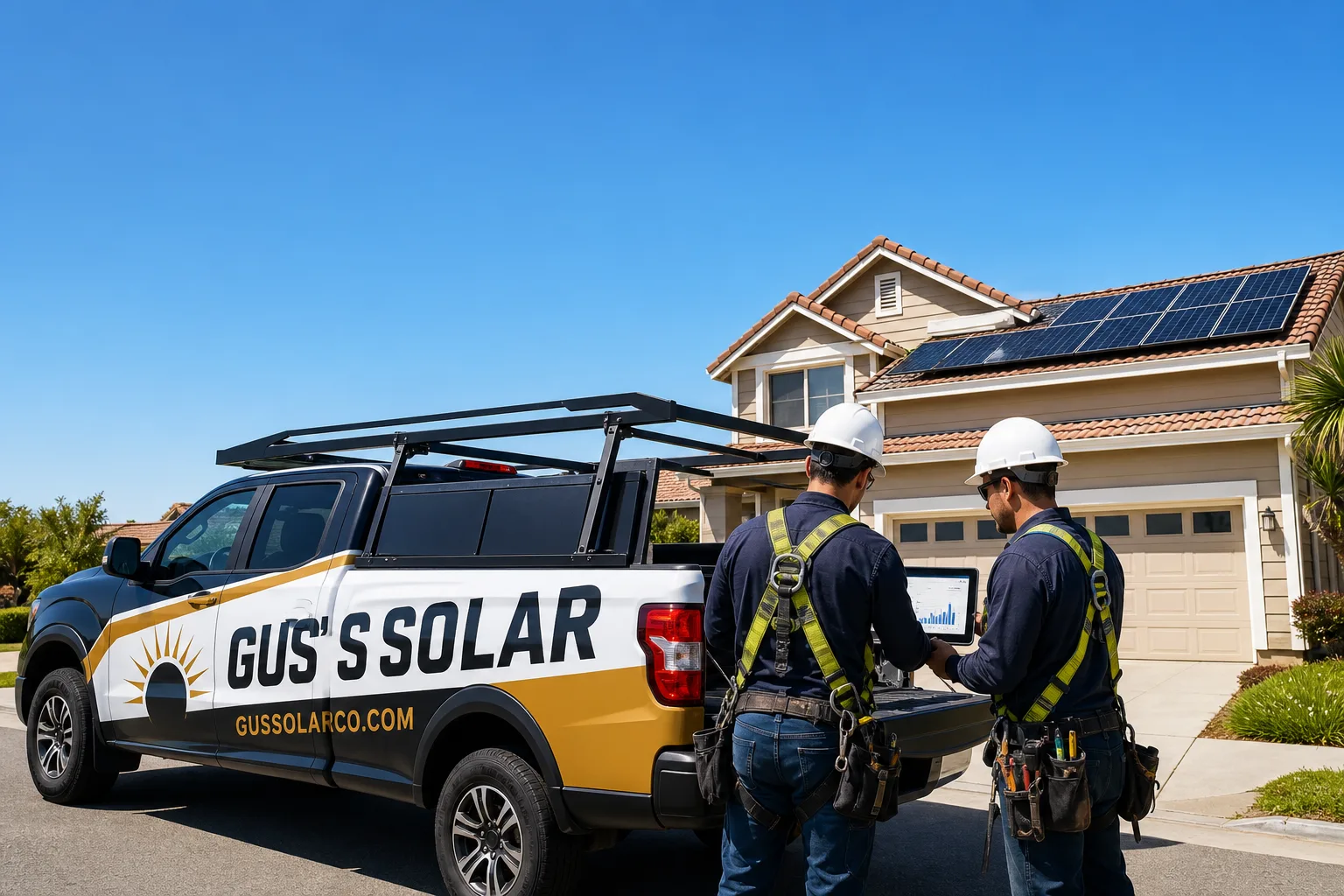
Free bill analysis - bring a power bill, get the production math for your actual roof, panel brands like Qcells and REC compared side by side
If the pitch starts at your door and ends with "sign tonight for the special," sleep on it. The sun will still be there tomorrow; so will we.
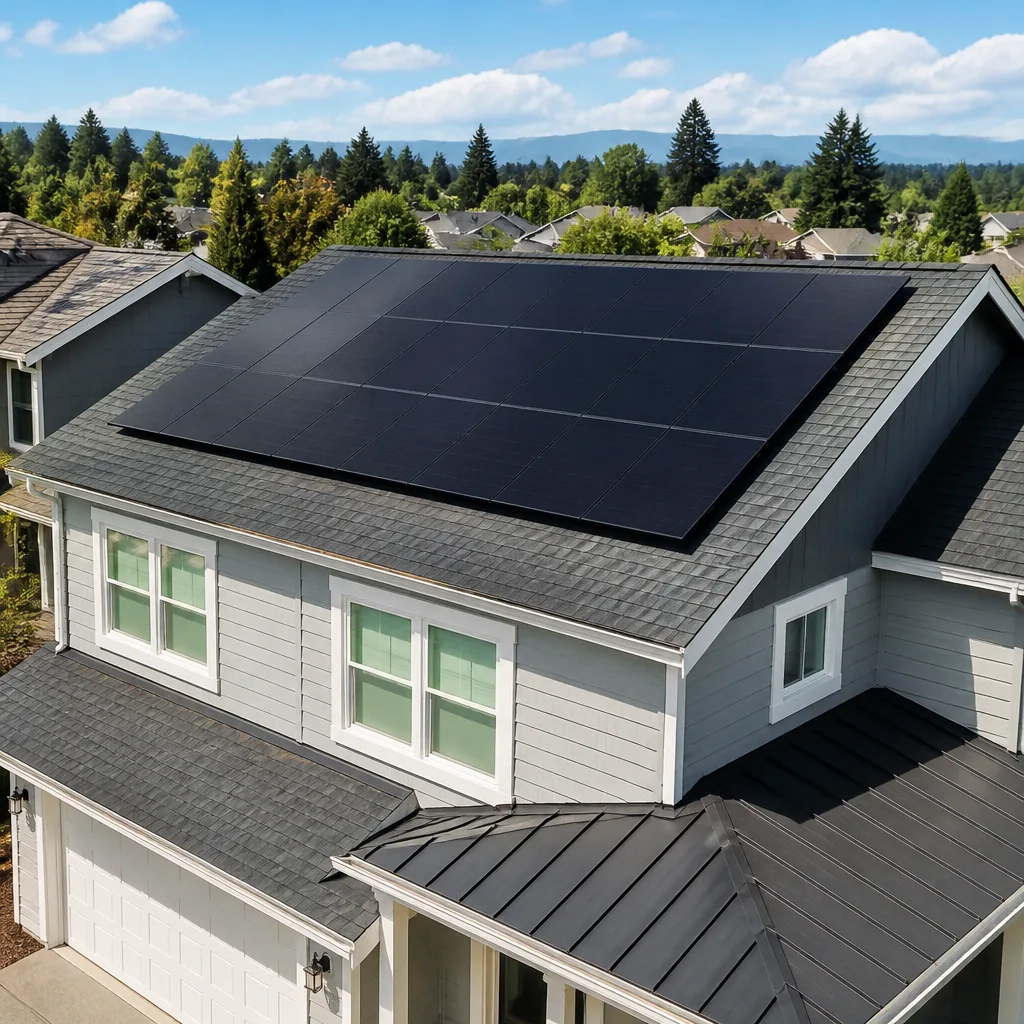
 Before
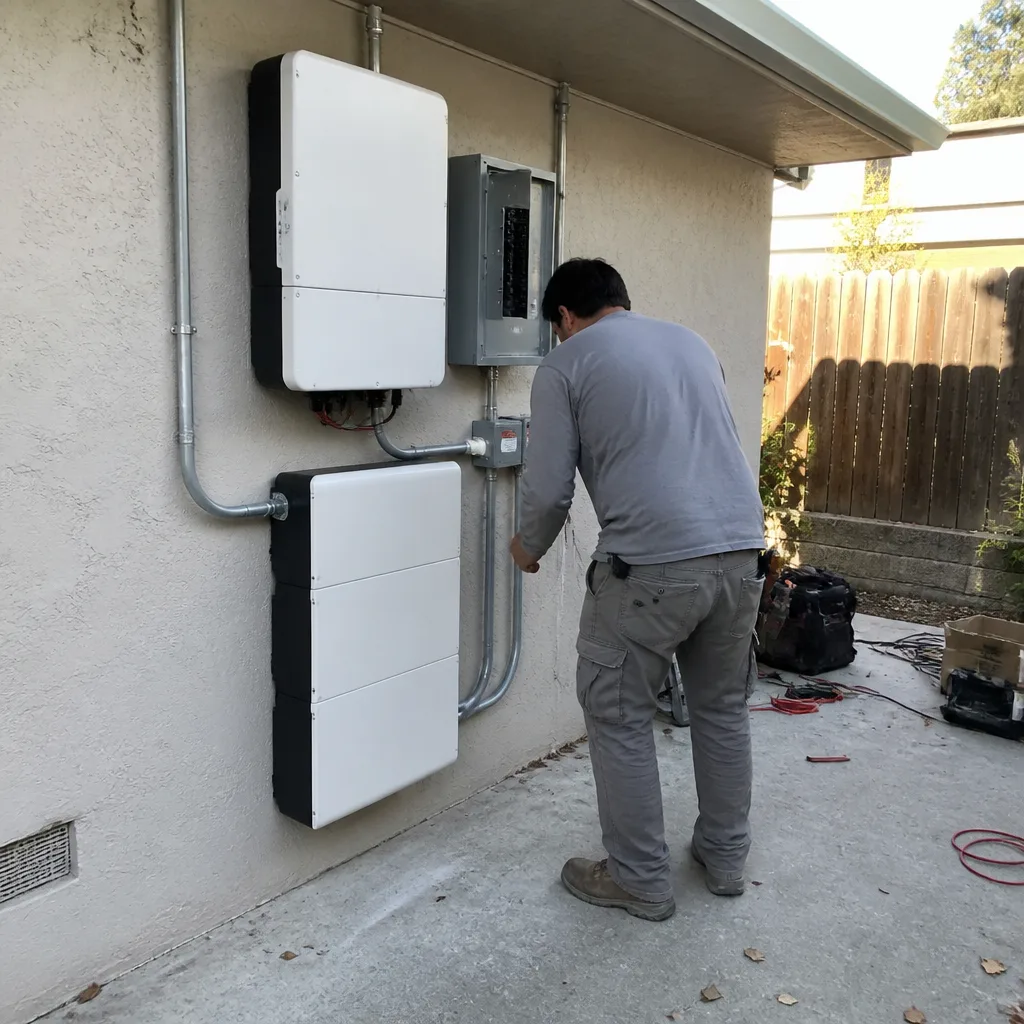 After
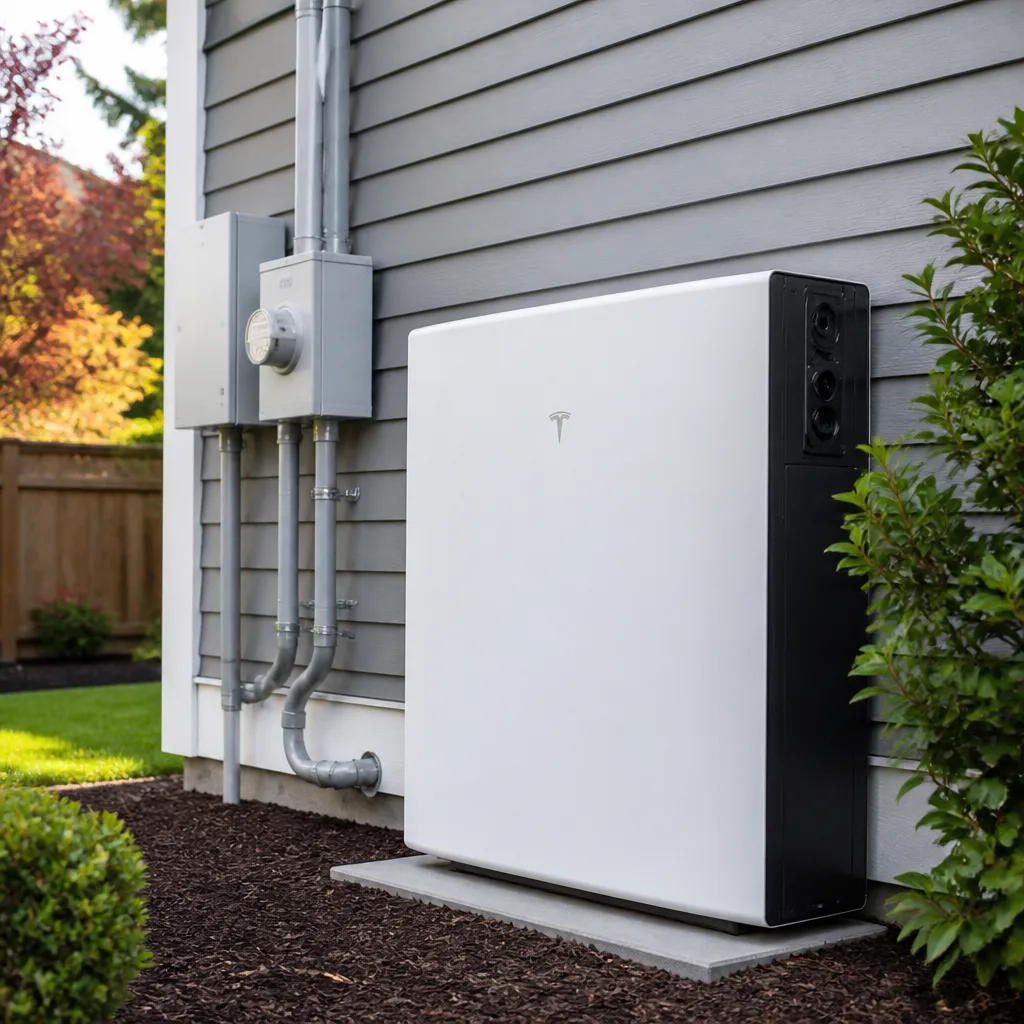
After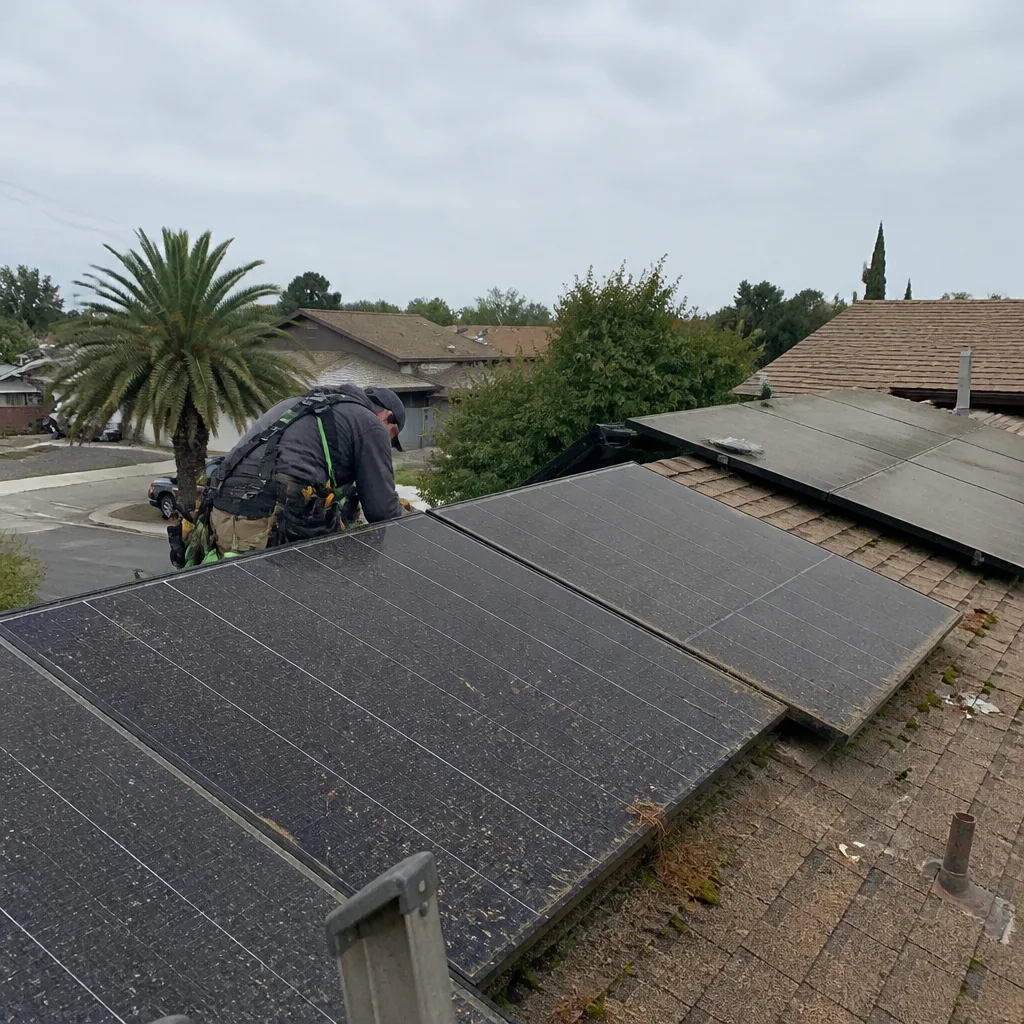 Before
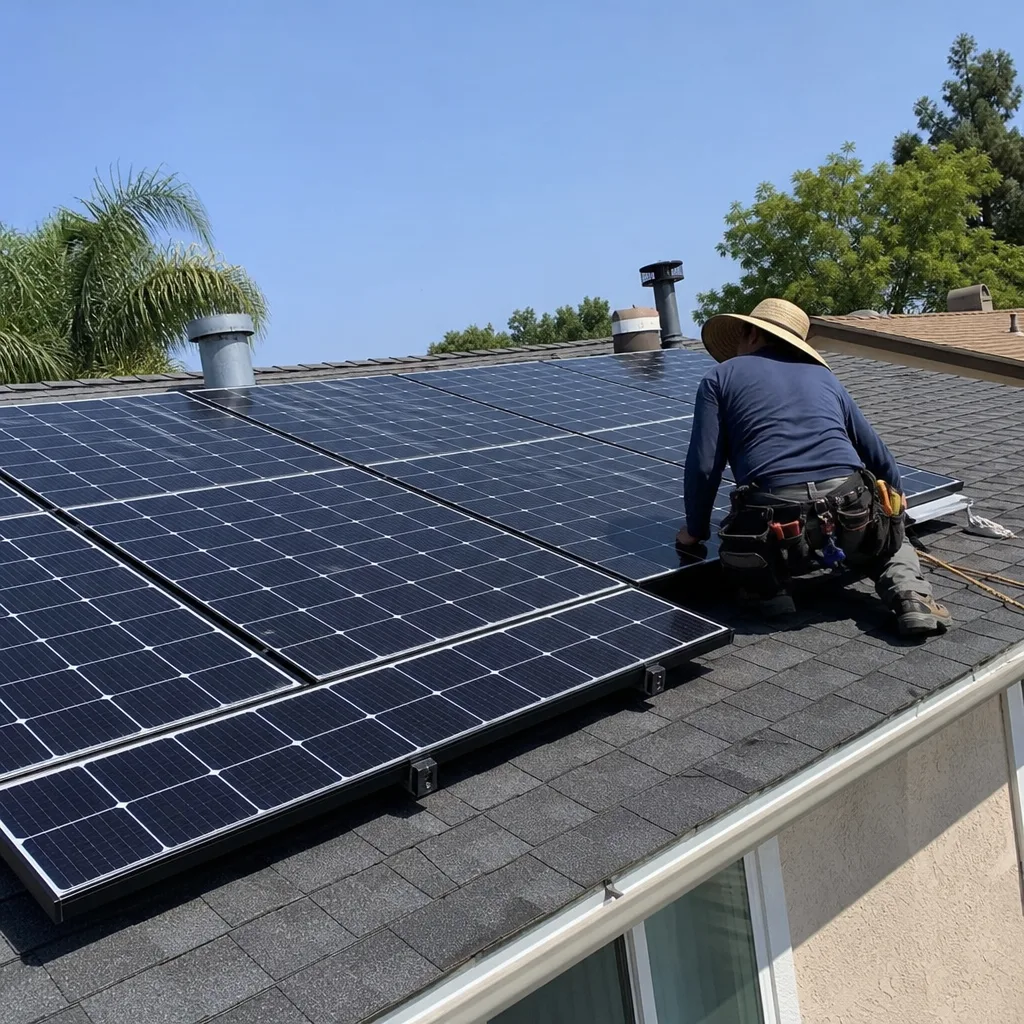 After
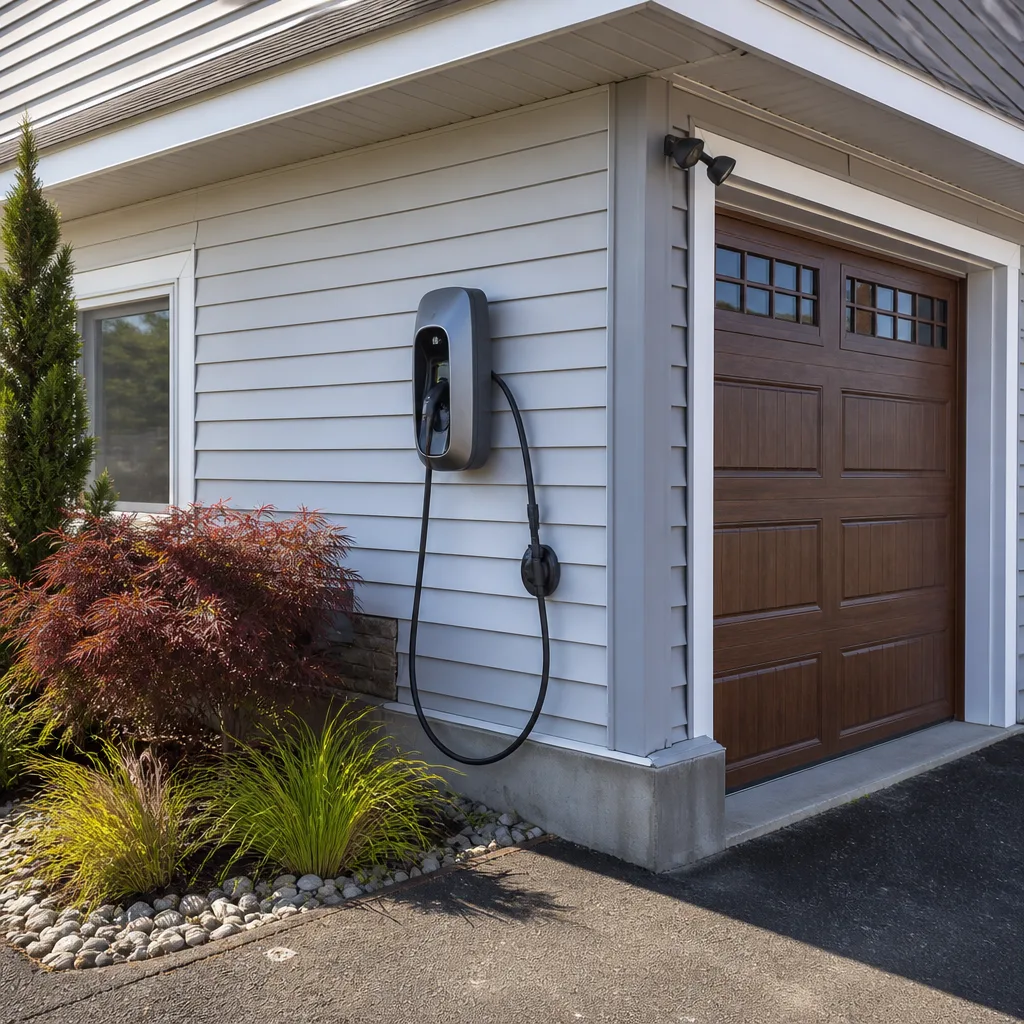
After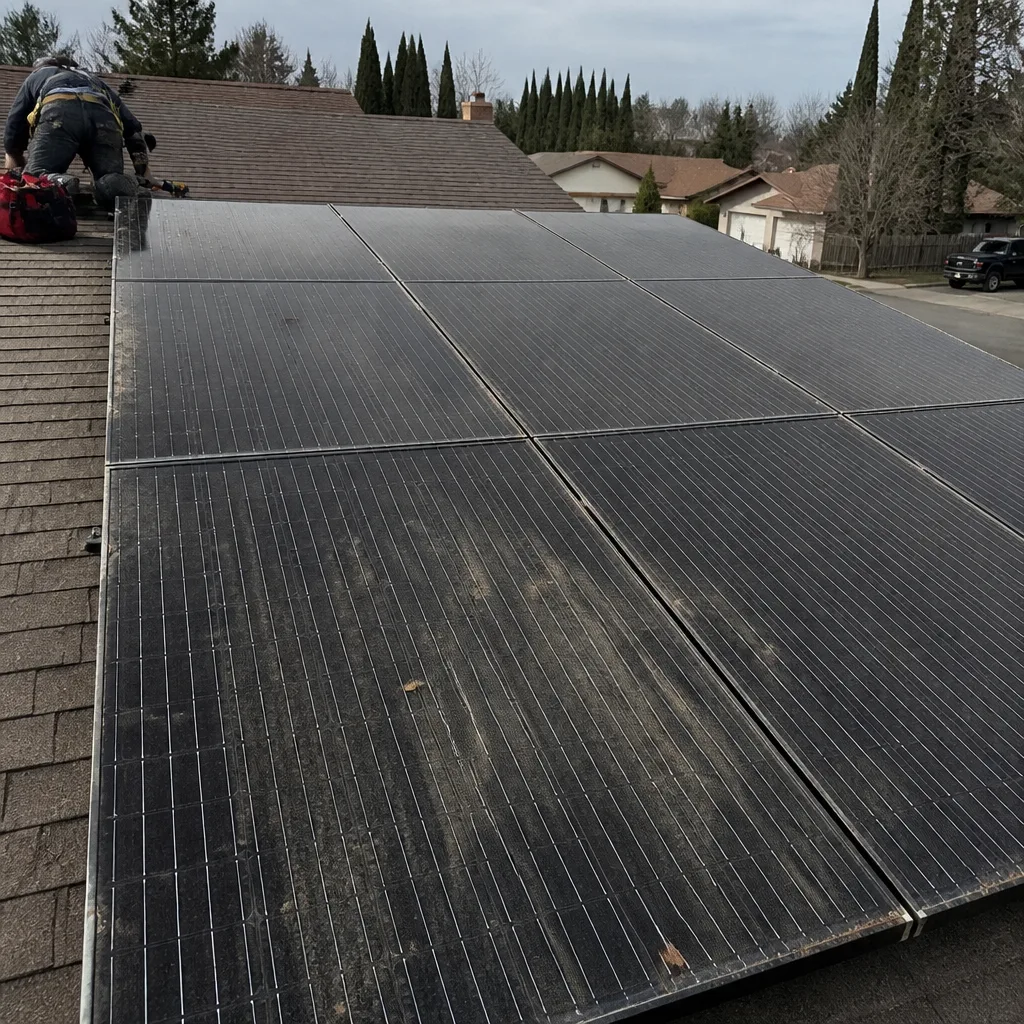 Before
 After
AfterFast, Reliable Solar Panel Installation Across Santa Cruz
Solar panel installation in Santa Cruz runs $16,000 to $34,000 before incentives for a typical 6-10 kW rooftop system, and most of our Santa Cruz projects get permitted and installed within 6 to 10 weeks. That’s the honest range you’ll see from us, built off your actual PG&E bill rather than a brochure estimate. We’re local, owner-operated, and we’ve been working on Santa Cruz roofs long enough to know exactly what the fog does to a production estimate and what the redwoods do to a south-facing array. Call Gus at (877) 550-6892 and bring us a bill. We’ll bring you the math.
Why Gus’s Solar Is Santa Cruz’s Preferred Solar Panel Installation Company
Gus Petrakis puts his own name on the truck. He founded Gus’s Solar in 2011, publishes his address and license number, and answers his own phone. When you call about Solar Panel Installation in Santa Cruz, you’re not getting routed to a call center three states away. You’re talking to the person who will be on your roof.
Santa Cruz customers tell us the same thing over and over: a national outfit knocked on their door, quoted one number, and the paperwork showed another. We don’t work that way. The price we quote is the price you pay, in writing, backed by our 90-Day Done Right Promise. If it’s not done right, Gus makes it right. No fine print, no disappearing after the system goes live.
Our scheduling is coordinated from our Bay Area office, and our crews serve Santa Cruz directly. We answer the phone 24/7 with a live person, not a voicemail queue. For a hillside home near UCSC or a bungalow in Beach Flats, that means you’ll know exactly who’s coming to your house before they arrive, and you’ll see the same face at the hardware store next month.
Our Solar Panel Installation Services in Santa Cruz
Rooftop Solar Installation
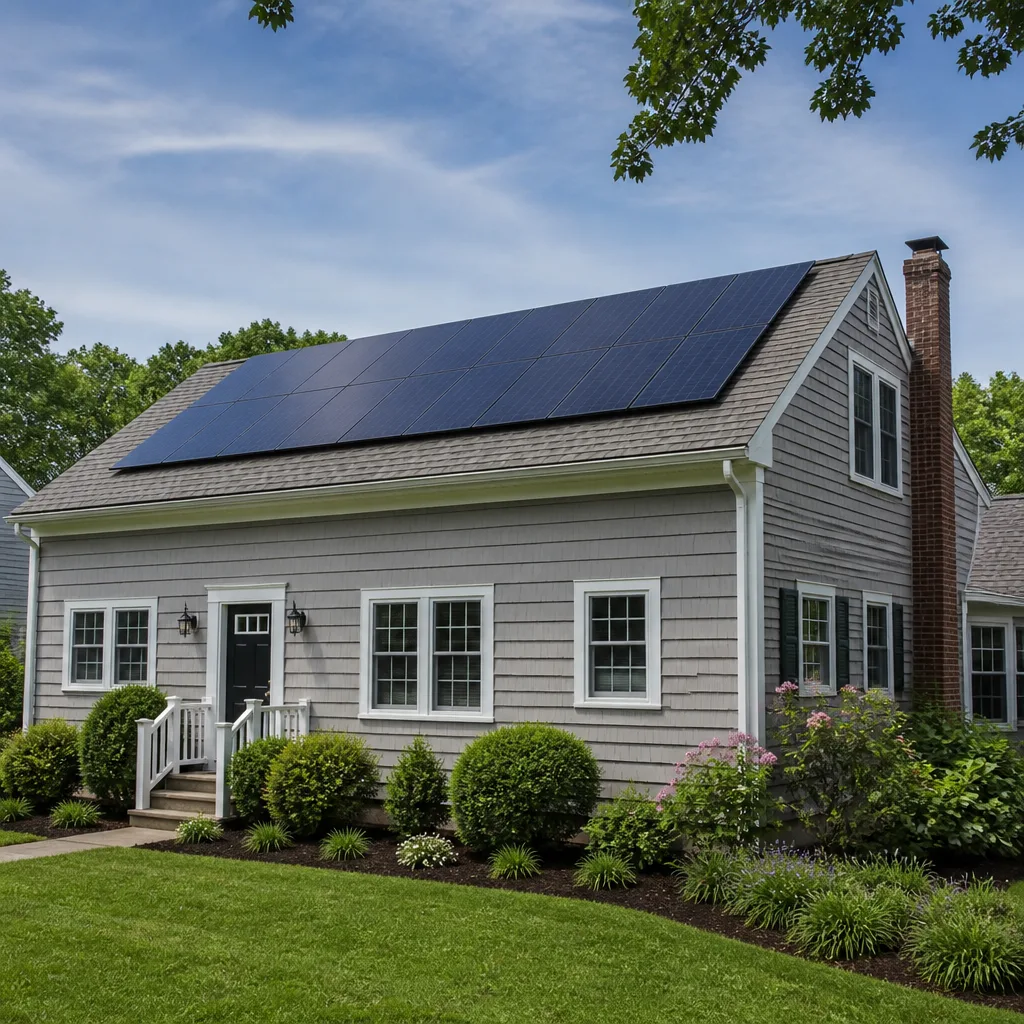
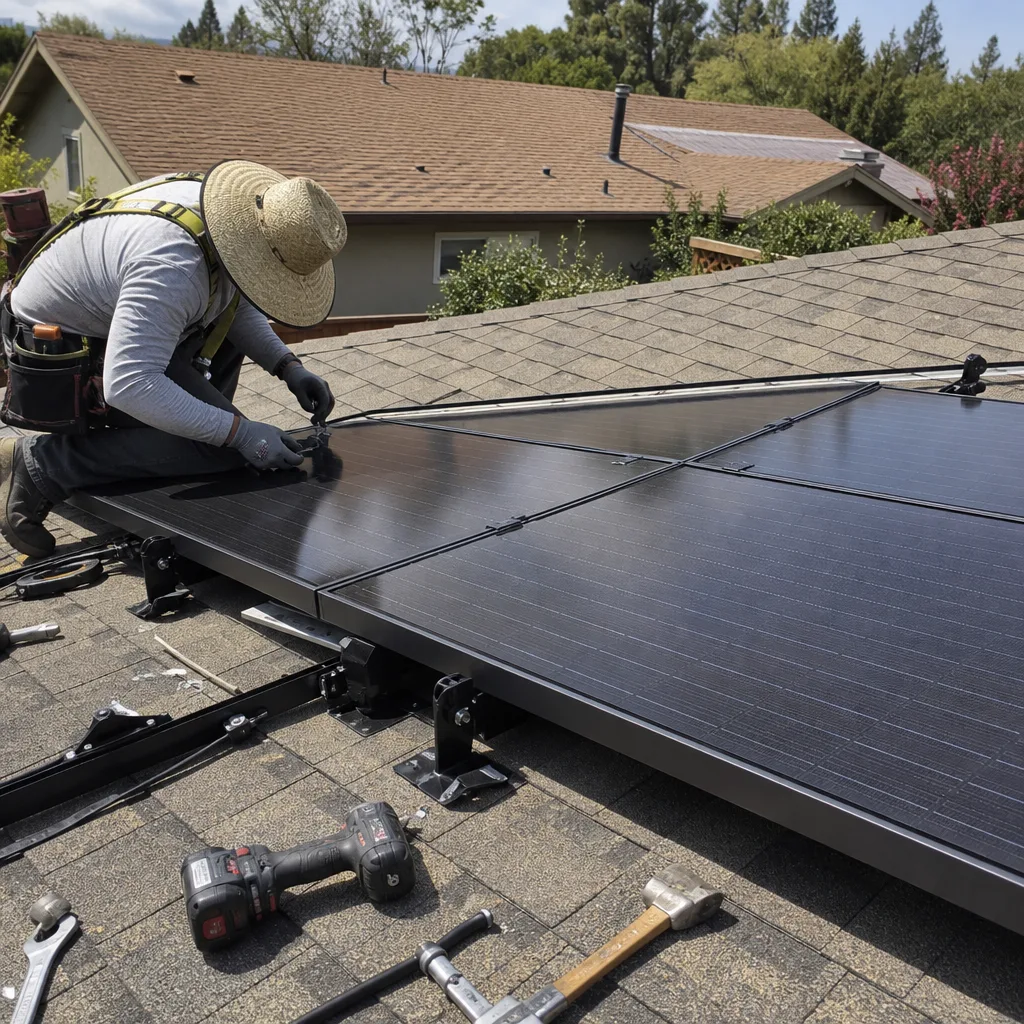
A rooftop system in Santa Cruz starts with the roof itself. We’re not going to mount panels on a roof that’s eight years from replacement. For a mid-century ranch in Live Oak or a post-Loma Prieta rebuilt home on the upper Westside, we inspect sheathing, flashing, and rafter condition before we quote a single panel. If the roof needs work first, we’ll tell you plainly, and we’ll coordinate the schedule so you’re not paying for two crews to trip over each other. Typical rooftop installs in Santa Cruz run $16,000 to $30,000 depending on system size and roof complexity.
Solar System Design & Permitting
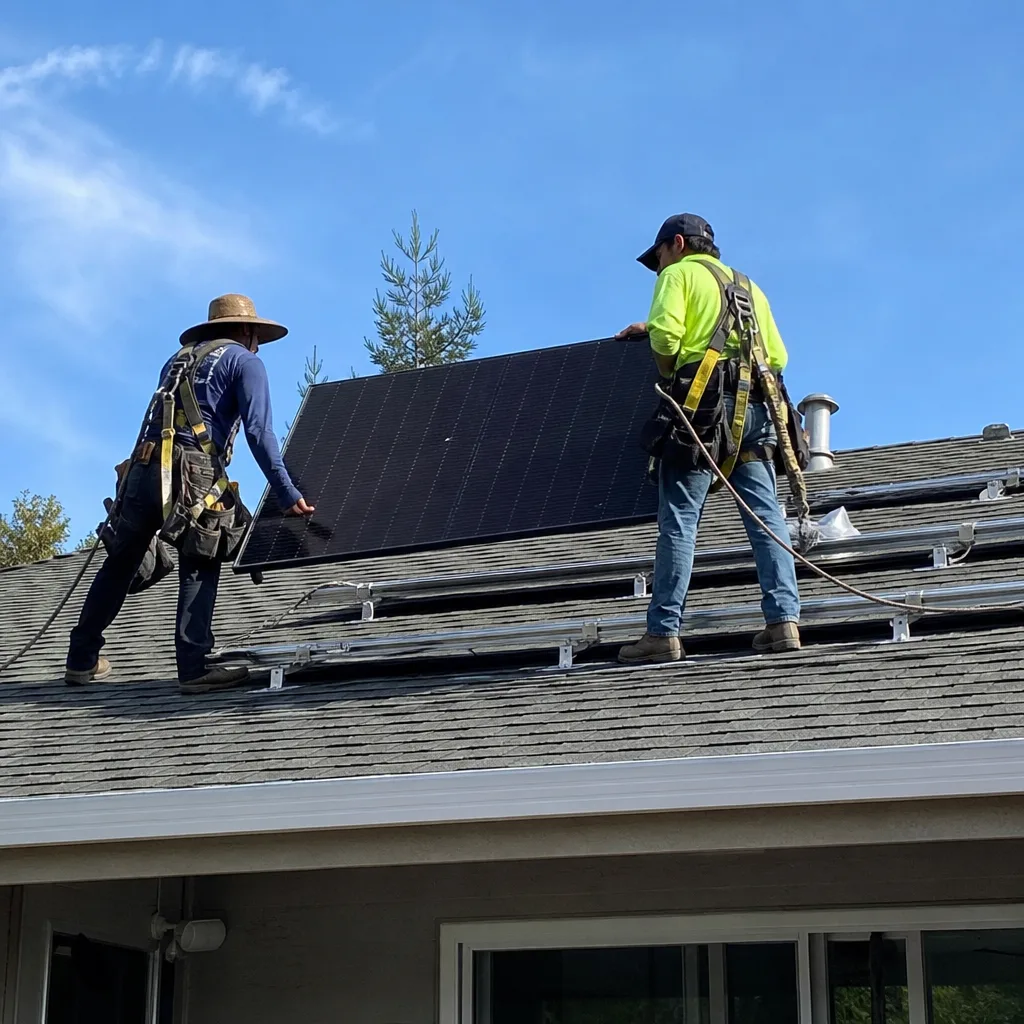
This is where Santa Cruz gets tricky. A home in foggy Seabright and a hillside lot near UCSC can show the same PVWatts production estimate but deliver 20 to 30 percent different real winter output. Our design process starts with an actual site visit and a shading study, not a satellite photo and a hope. We model the marine layer’s morning burn-off against your roof pitch and orientation. We check for redwood canopy against county heritage-tree rules. Then we submit a permit package the City of Santa Cruz won’t kick back. Design and permitting work for a Santa Cruz system typically runs $1,200 to $2,800, and it’s built into the total system quote.
Solar Panel Replacement
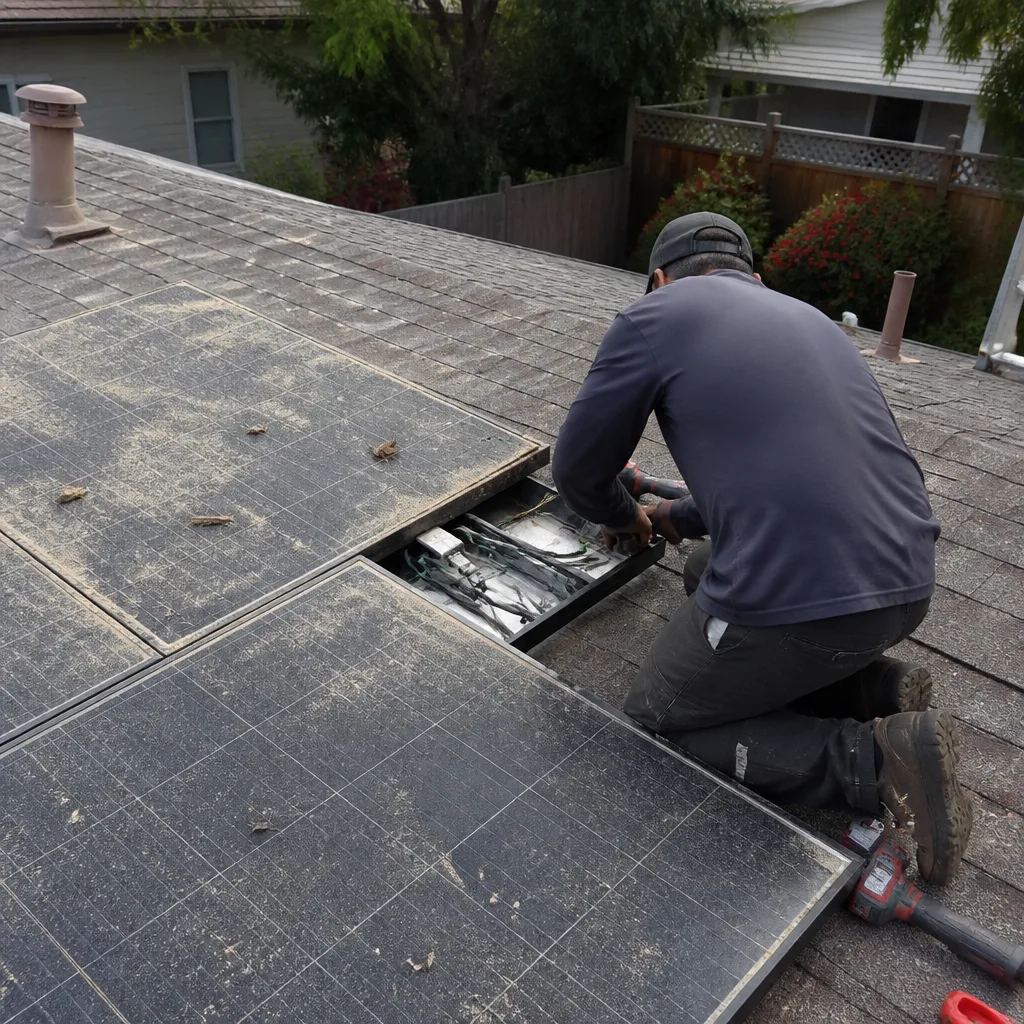
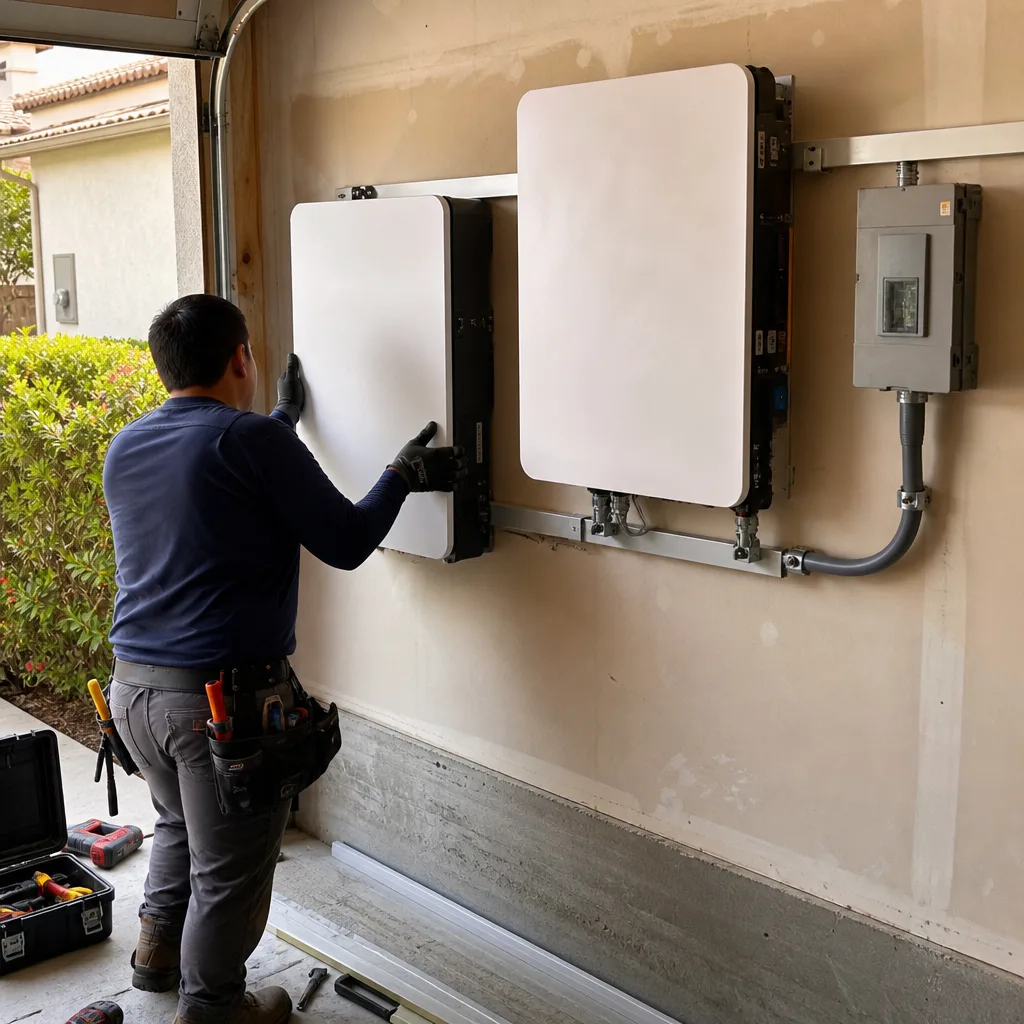
Got an old system from the 2000s with degraded panels or a dead inverter? We replace panels and inverters without ripping out the whole racking system unless it’s warranted. On a Craftsman bungalow in the lower Westside or a Victorian-adjacent flat in Beach Flats, we’ll match the new hardware to the existing roof penetrations where we can, which keeps the re-roof risk low. Panel replacement in Santa Cruz typically runs $6,000 to $14,000 depending on panel count and whether the inverter goes with it.
Roof-Mount & Tile Roof Solar
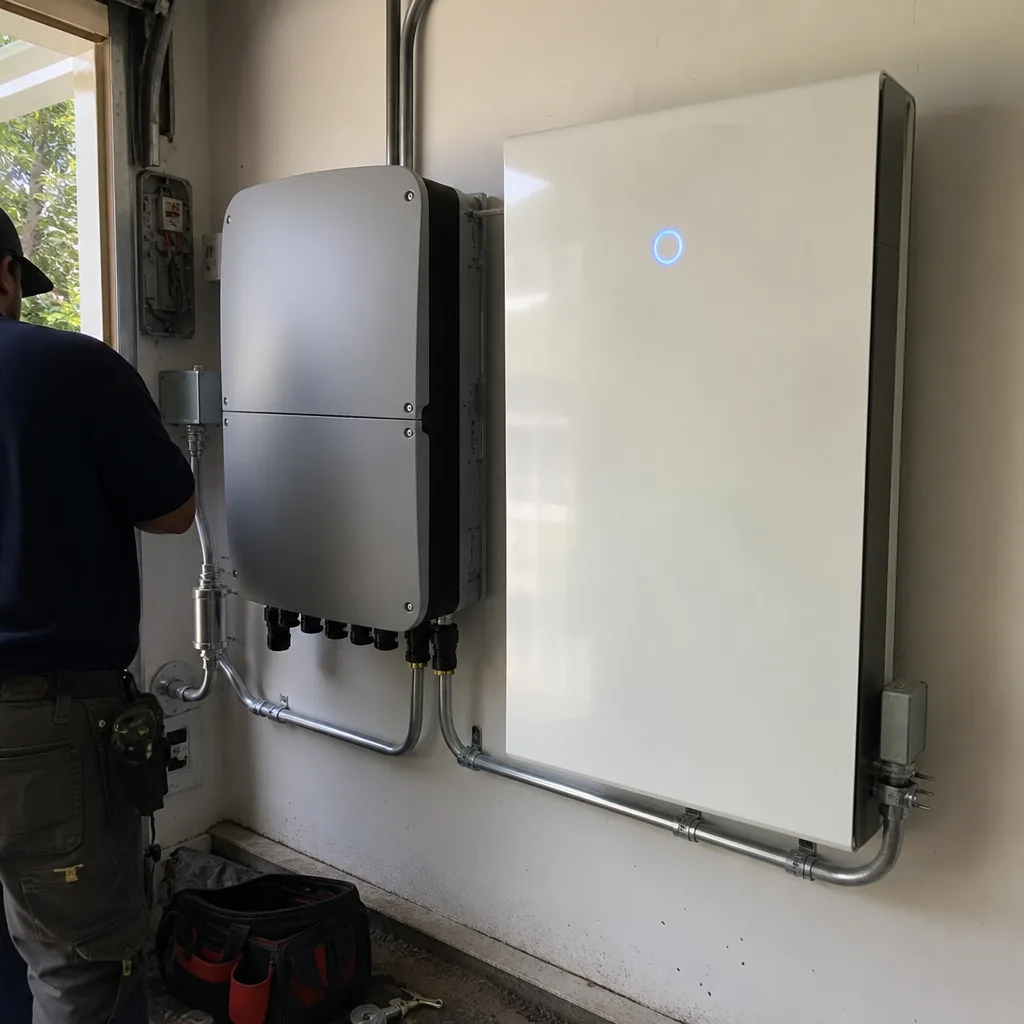
Tile roofs are common in Santa Cruz, especially on the newer hillside builds and the post-1989 reconstruction work. We use tile-replacement mounts rather than drilling through the tile, which keeps the roof watertight and the aesthetic clean. For a tile roof in the Soquel corridor or upper Westside, plan on slightly higher install cost per panel because tile hooks and replacement tiles add labor. Expect $18,000 to $34,000 for a full tile-roof system. Every flashing gets done by Gus’s own crew, never subbed out.
What happens when you call
- 1
A real person answersNo phone trees - you reach a local pro.
- 2
You get an upfront price rangeHonest numbers before anyone is dispatched.
- 3
A background-checked tech heads outLicensed & insured, dispatched right away.
- 4
You approve before work beginsNothing starts until you say go.
Trusted Brands We Service in Santa Cruz
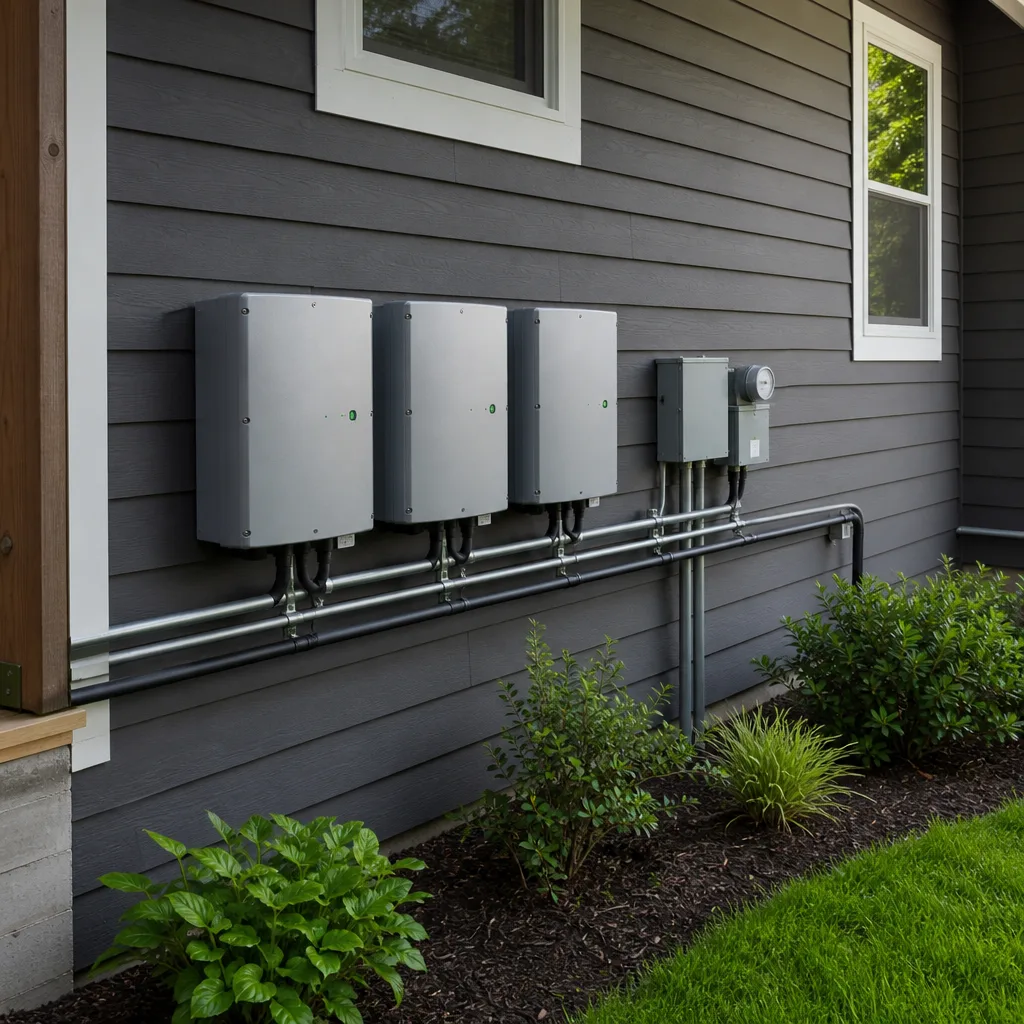
We work with equipment from Panasonic, Canadian Solar, JinkoSolar, and FranklinWH, among others. The brand matters less than how it’s paired with your site. A Canadian Solar panel with an Enphase microinverter beats a premium panel on a string inverter under partial redwood shade every time. For Santa Cruz customers, we stock common replacement parts locally so a failed microinverter doesn’t mean three weeks of waiting on a truck from Texas. If someone else installed your system and it’s underperforming, we’ll service it too. Free second opinion on any written estimate.
Common Solar Panel Installation Problems We See in Santa Cruz Homes
- Fog-shifted production windows. Homes in Seabright, Live Oak, and Pleasure Point sit under the Monterey Bay marine layer until late morning for much of the year. A system sized on default PVWatts assumptions will underdeliver on winter true-up statements. We factor the fog into every coastal design.
- Redwood canopy on south-facing roofs. Hillside homes near UCSC and the upper Westside often lose entire winter afternoons to neighboring redwoods. Many of those trees meet county heritage-tree thresholds and can’t be removed or heavily trimmed. The fix is module-level electronics, not a bigger string inverter.
- Undersized 100-amp legacy panels. Pre-1970s homes in Beach Flats and the lower Westside frequently still carry original 100-amp panels. PG&E won’t approve solar interconnection without a service upgrade to 200 amps in most cases. That’s an add-on you need to know about before the quote, not after the permit gets rejected.
- Knob-and-tube wiring surprises. We’ve opened up walls on 1920s bungalows and found knob-and-tube that nobody flagged in the inspection. It’s a safety issue and a code issue. We don’t hide from it. We flag it, scope it, and bring in a licensed electrician to remediate before panels go up.
Pricing for Solar Panel Installation in Santa Cruz, CA
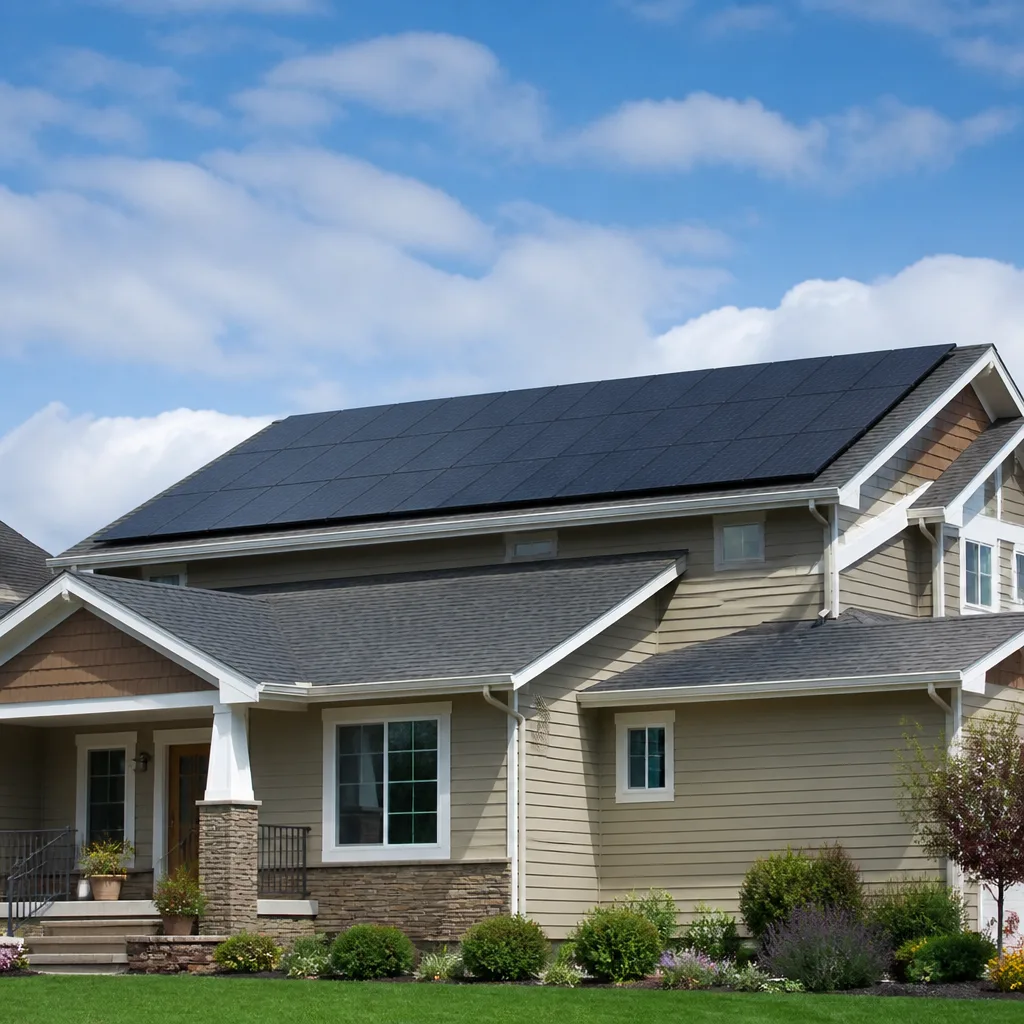
Here’s the straight math for Santa Cruz. A basic 6 kW rooftop system on an asphalt shingle roof runs $16,000 to $22,000 before the federal tax credit. A 10 kW system with battery backup on a tile roof runs $28,000 to $34,000. Service upgrades from 100-amp to 200-amp add $3,500 to $6,000 when they’re required. Permit fees for the City of Santa Cruz and PG&E interconnection costs add another $800 to $1,500 depending on scope. We don’t bid low to get the signature and then “discover” costs later. Bring us a bill, we’ll bring you the math, and you can take two weeks to think about it. The price will be the same. Estimates are free at (877) 550-6892.
We Also Serve Cities Near Santa Cruz
Beyond Santa Cruz proper, our crews work regularly in Capitola, Scotts Valley, Soquel, and Ben Lomond. Each has its own microclimate and code quirks: Scotts Valley runs warmer and clearer, Soquel gets more usable winter sun up the corridor, and Ben Lomond sits under serious tree canopy. If you’re in one of those towns and wondering whether solar makes sense, call us. Same live person, same straight answer.
Serving Santa Cruz, CA - Our Local Coverage Area
We’re based in the Santa Cruz area and know this community well. Use the map below to see our service coverage - if you’re nearby, we can almost certainly help.
FAQs - Solar Panel Installation in Santa Cruz
Yes, measurably. A south-facing roof in Seabright that sits under the marine layer until 10 or 11 a.m. for much of the year will produce 15 to 25 percent less winter output than the same roof on the upper Westside above the fog line. That shifts your true-up and extends your payback by a year or two if the system wasn’t sized for it. We factor the fog into every coastal Santa Cruz design so your year-25 numbers are honest, not brochure fantasy. Call (877) 550-6892 for a site-specific shading study.
You usually can, with the right electronics. If your south-facing plane loses multiple hours of direct winter sun to a neighboring redwood, and that tree is protected under county heritage rules, you can’t remove it and often can’t heavily trim it. The solution is microinverters or DC optimizers on every panel, so a shaded panel doesn’t drag down the whole string. You’ll need more panels to hit the same annual output, and the system will cost more than a string-inverter design, but it will actually produce. That’s a conversation we have before you sign anything.
Yes, it will hold it up at the utility approval stage. PG&E generally won’t approve interconnection on a 100-amp legacy panel when you’re adding a solar system. You’ll need a service upgrade to 200 amps, which runs $3,500 to $6,000 in Santa Cruz and adds two to four weeks to the timeline. On a Beach Flats bungalow we worked on, we found the original 100-amp panel and knob-and-tube wiring wouldn’t pass review, so we coordinated the service upgrade before mounting Qcells panels with Enphase microinverters on the east-facing roof to work around the morning marine layer. Get the panel flagged early and the whole project goes smoother.
Because redwood canopy creates partial, moving shade. A string inverter treats all the panels like one panel: if shade hits one, the whole string drops to the lowest output. Microinverters and DC optimizers let each panel operate independently, so three shaded panels don’t kill production on the other fifteen. In Santa Cruz hillside neighborhoods near UCSC, that difference can be 20 percent or more of annual production. You pay more upfront for module-level electronics, but the production recovery pays for it, usually within a few years.
The net metering rules come from PG&E and the state, not the county, so the tariff structure is the same. What’s different in Santa Cruz is the production profile. Coastal fog depresses morning output and redwood shade can truncate winter afternoons, which means your export credits build differently than a clear-roof home over the hill. We design systems around Santa Cruz’s actual production curve so your true-up statement doesn’t surprise you in month eleven. Bring us a PG&E bill and we’ll show you the year-25 projection, not the day-one brochure number.
Call Gus’s Solar for a Straight Answer in Santa Cruz
You’ve probably had a door-knocker pitch you a “today-only” price. Here’s the opposite: take two weeks, think about it, the price will be the same. If a salesman needs an answer tonight, the answer is no. Gus Petrakis has been doing this since 2011, and he’ll still be answering his phone when your system is ten years old. We offer free estimates, free second opinions on any written estimate, no trip charge inside Santa Cruz County, and a 10 percent discount for seniors and veterans that never expires. Call (877) 550-6892 and talk to a real person who knows exactly how the fog and the redwoods change your solar math.
Written by Gus Petrakis, Owner at Gus’s Solar, serving Santa Cruz and surrounding communities since 2011.