
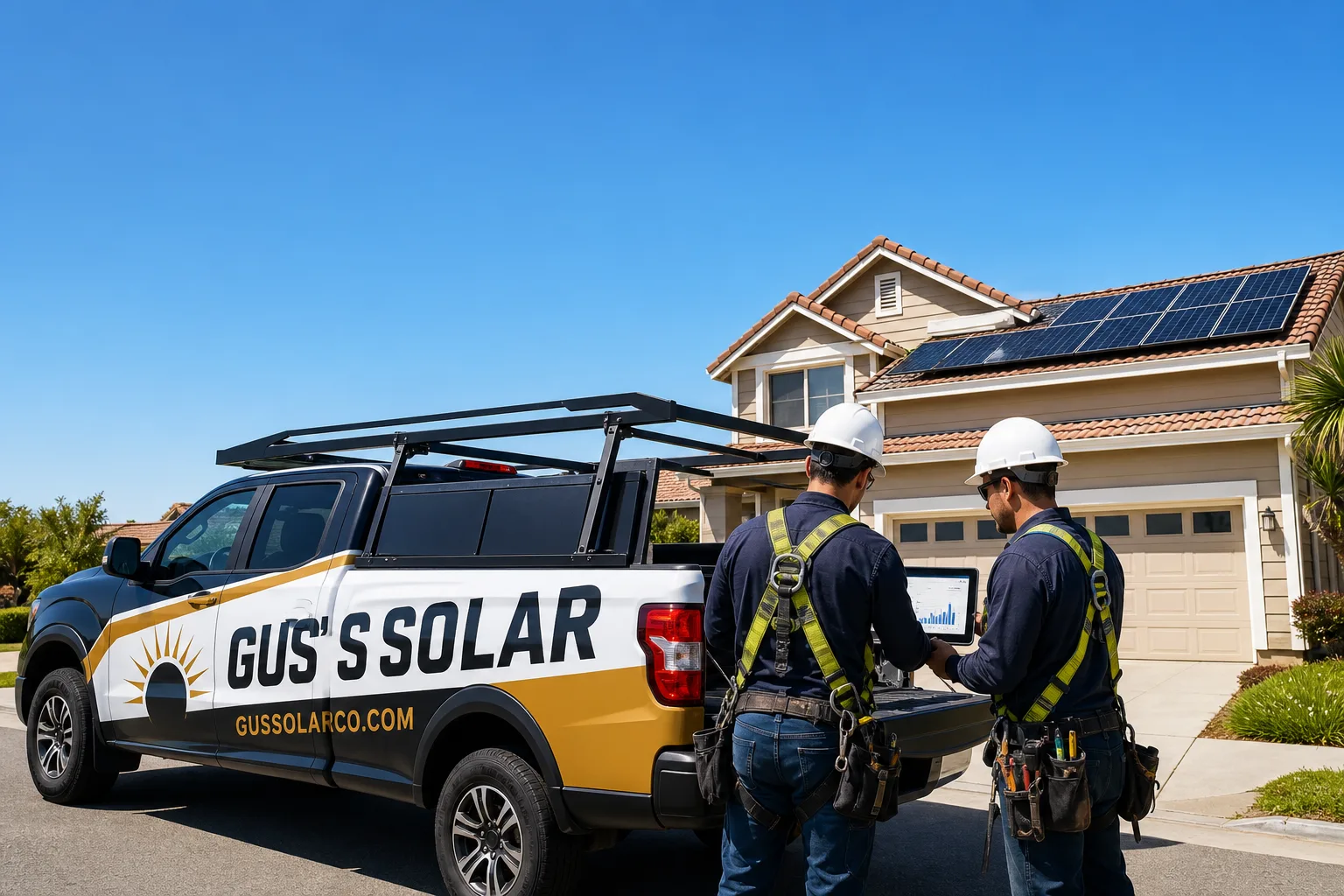
Free bill analysis - bring a power bill, get the production math for your actual roof, panel brands like Qcells and REC compared side by side
If the pitch starts at your door and ends with "sign tonight for the special," sleep on it. The sun will still be there tomorrow; so will we.
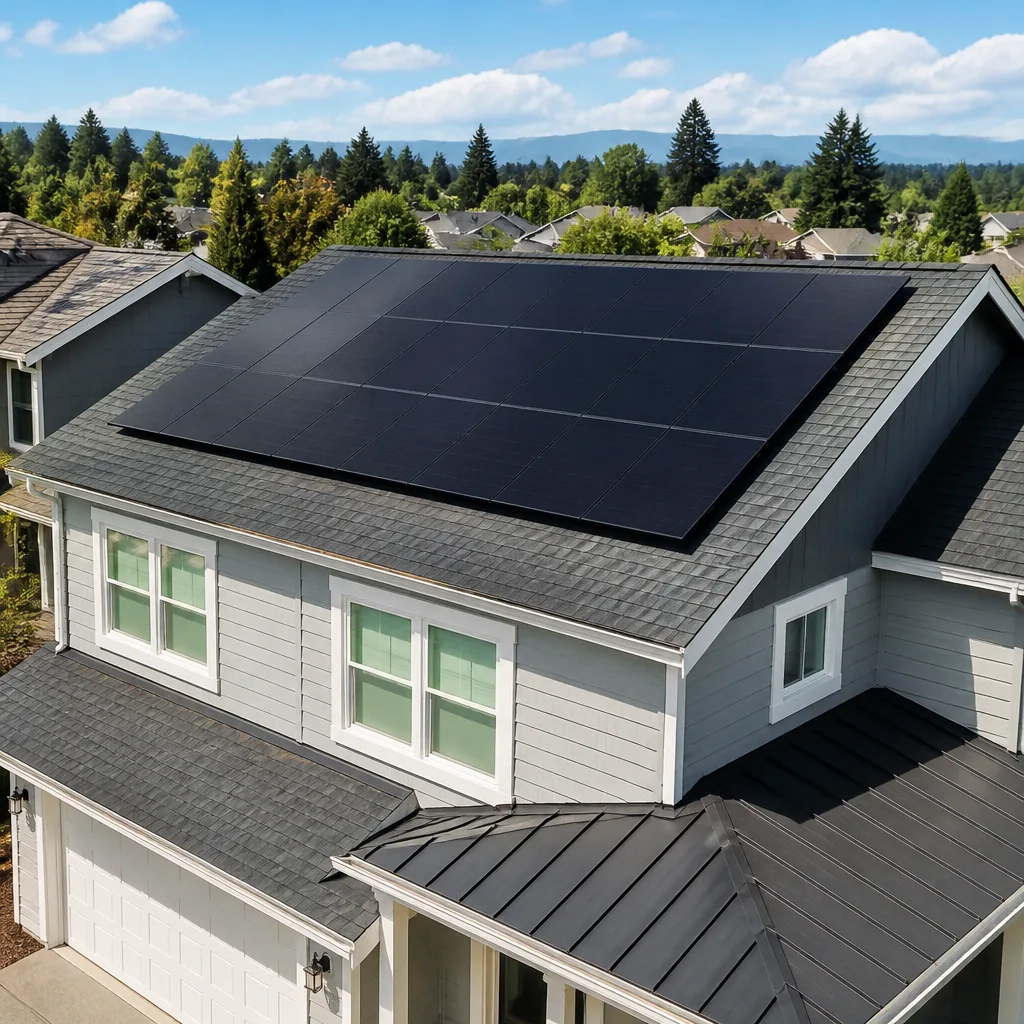
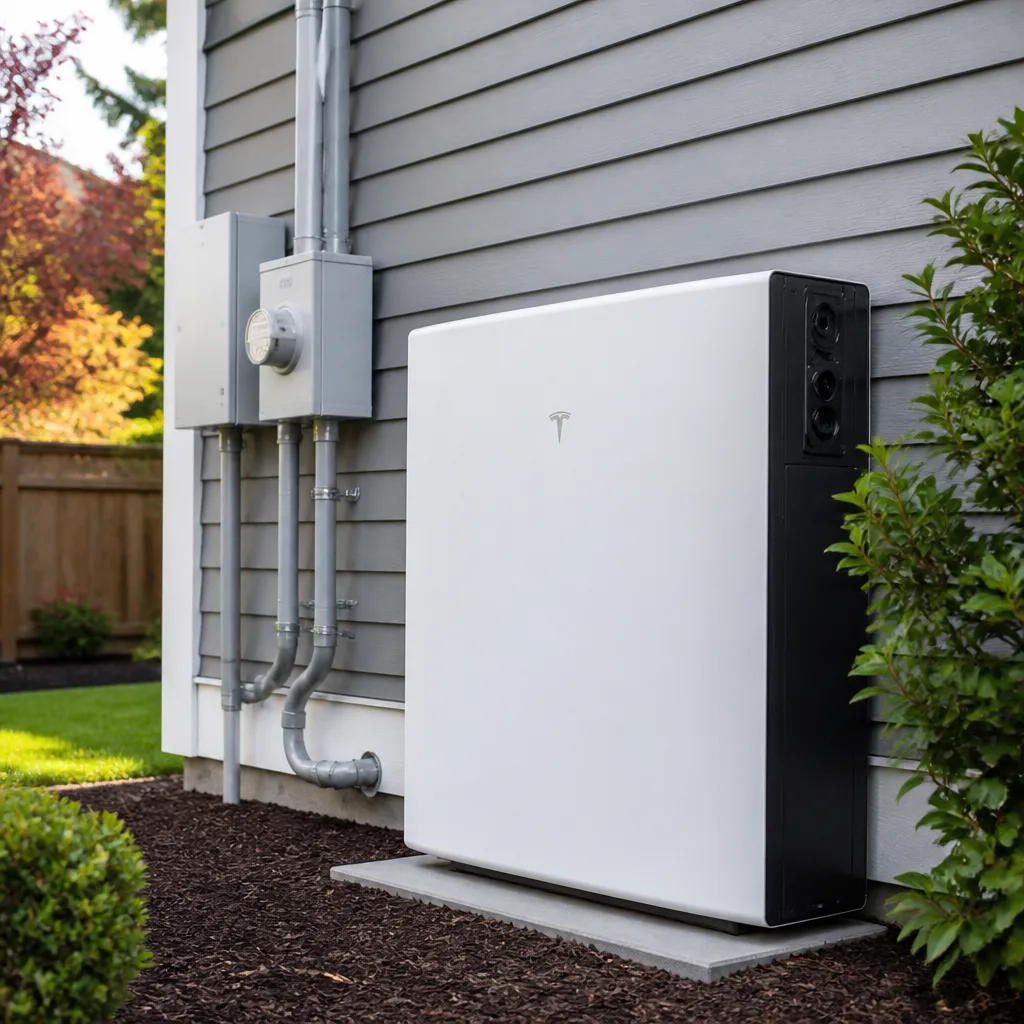
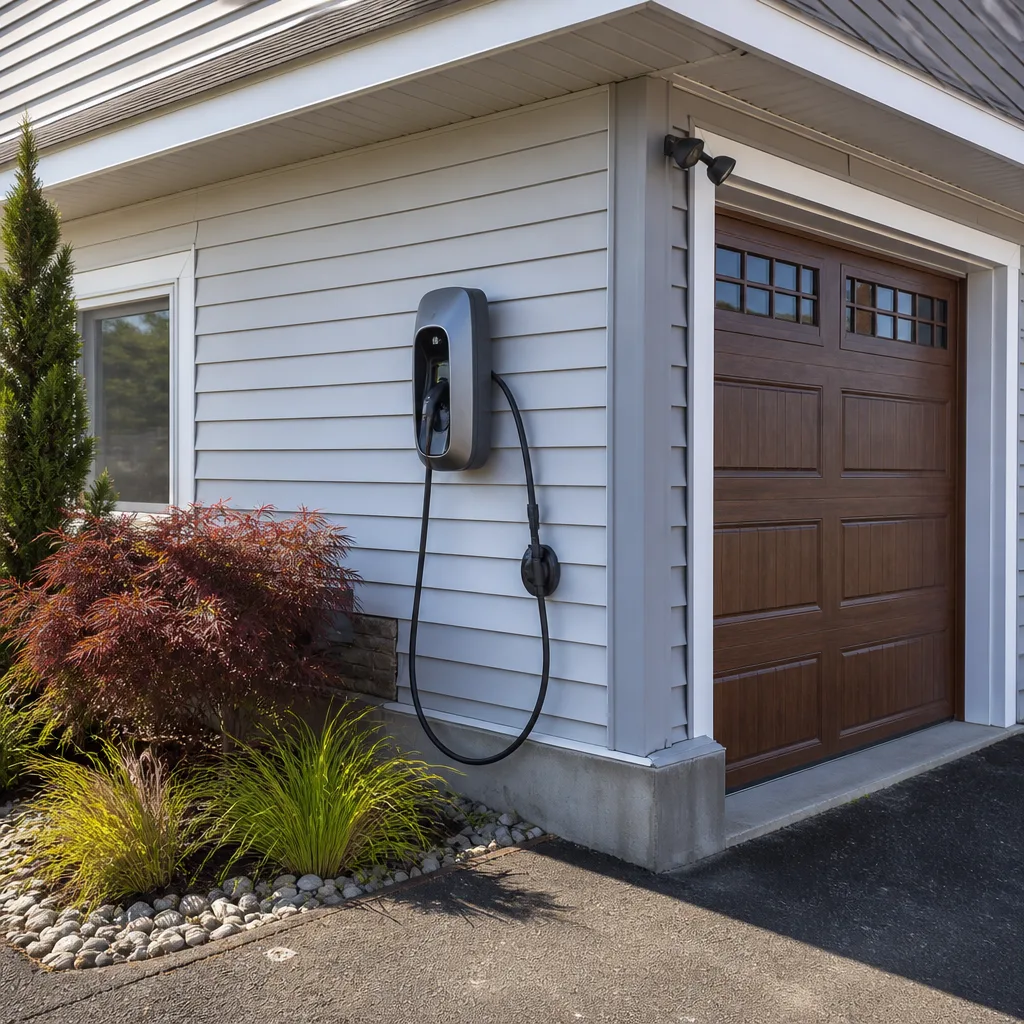
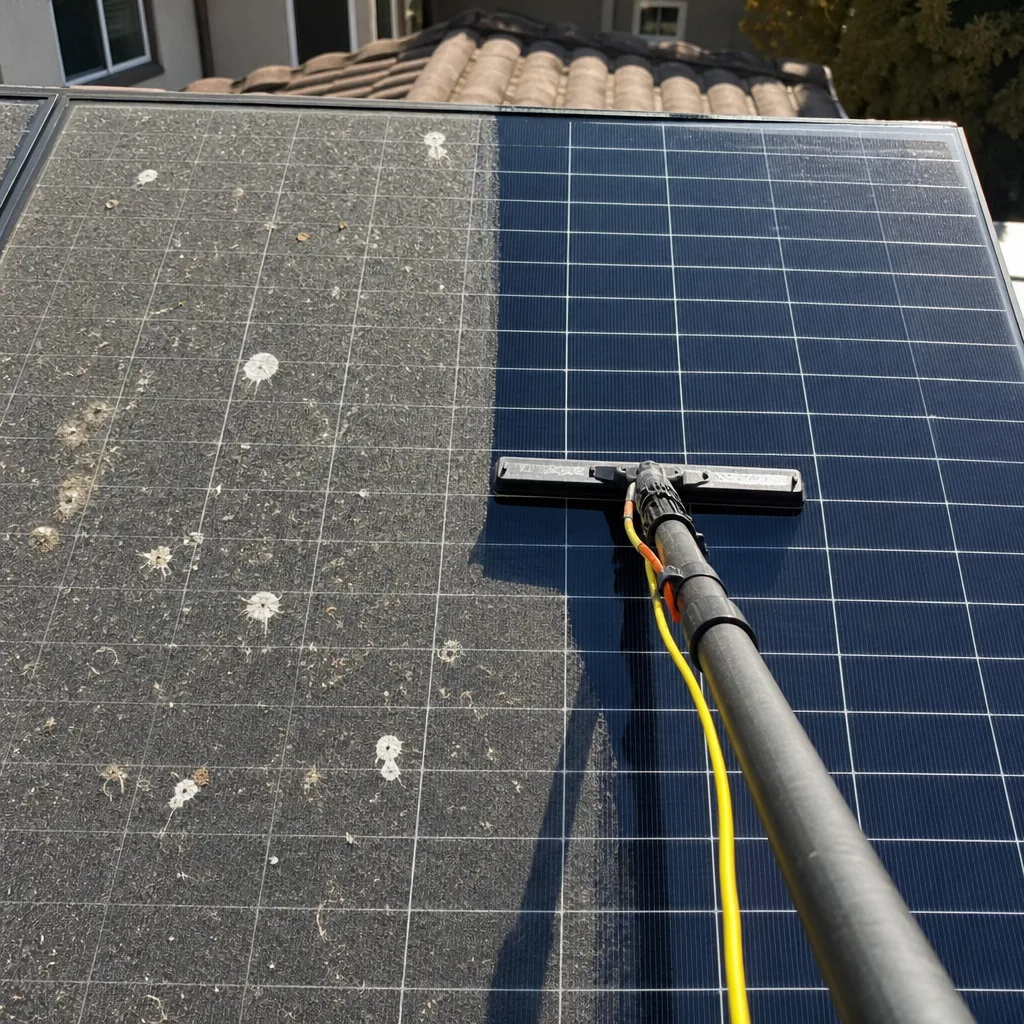
 Before
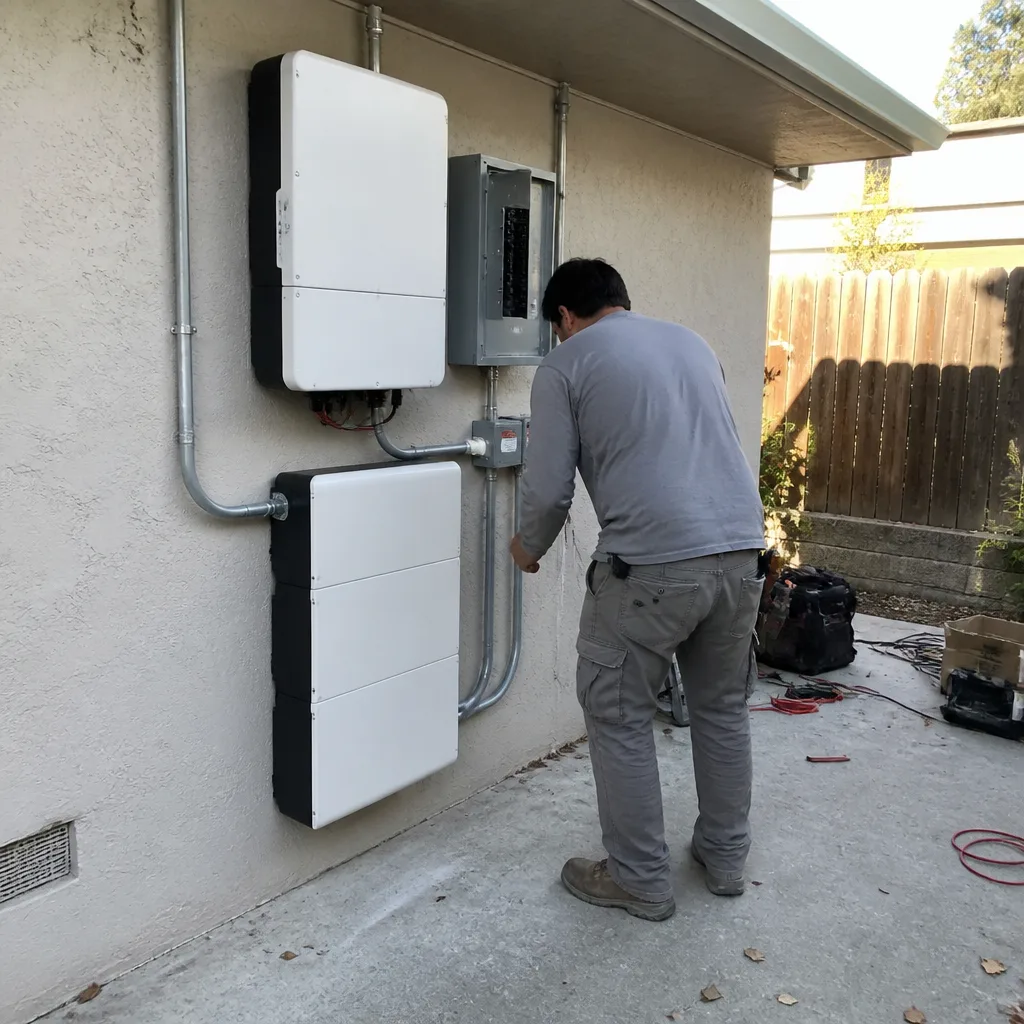 After
After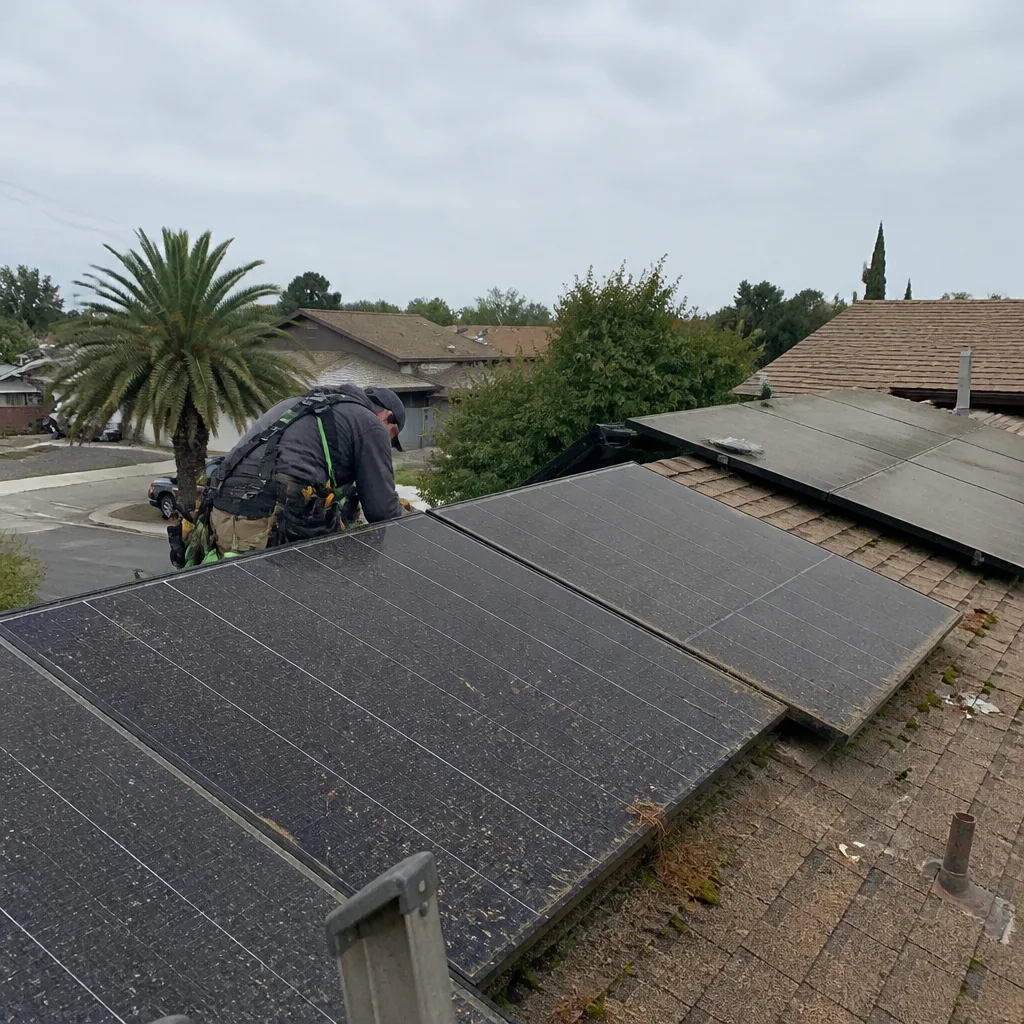 Before
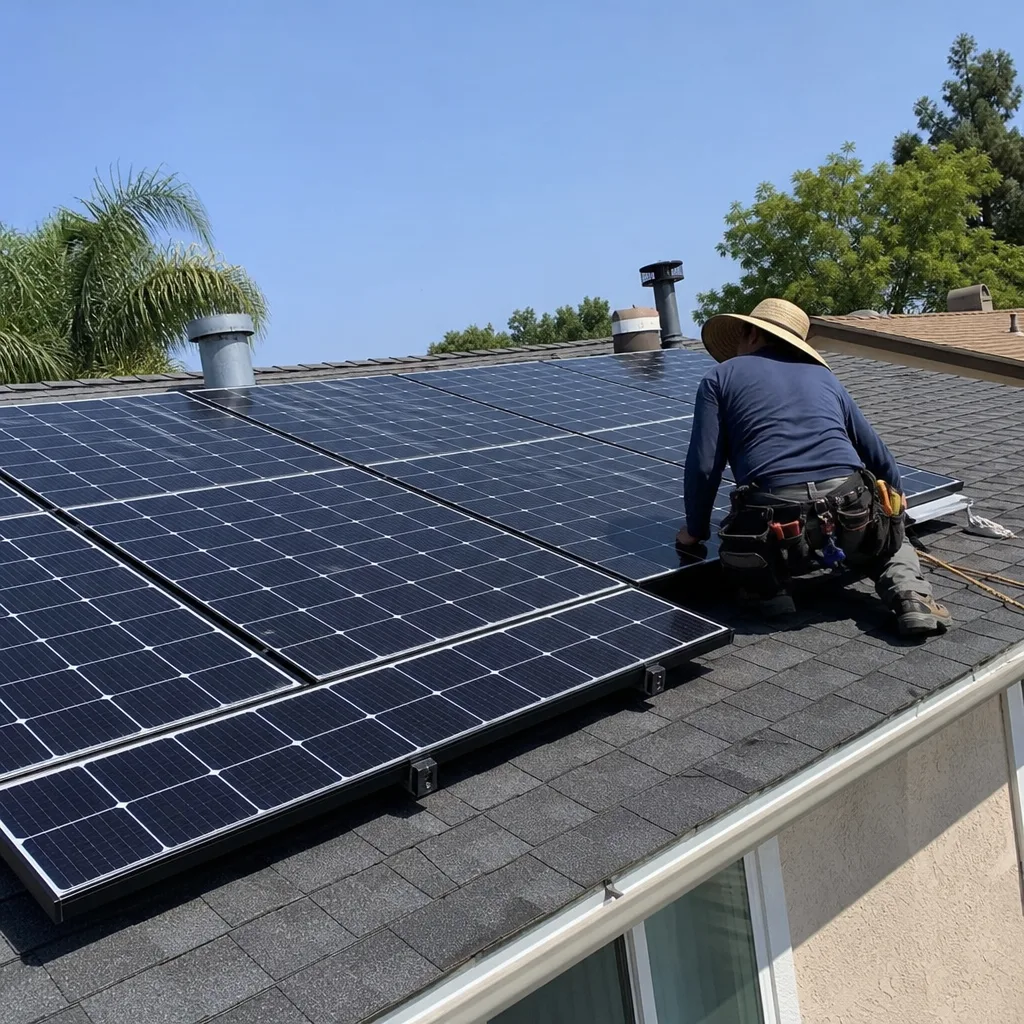 After
After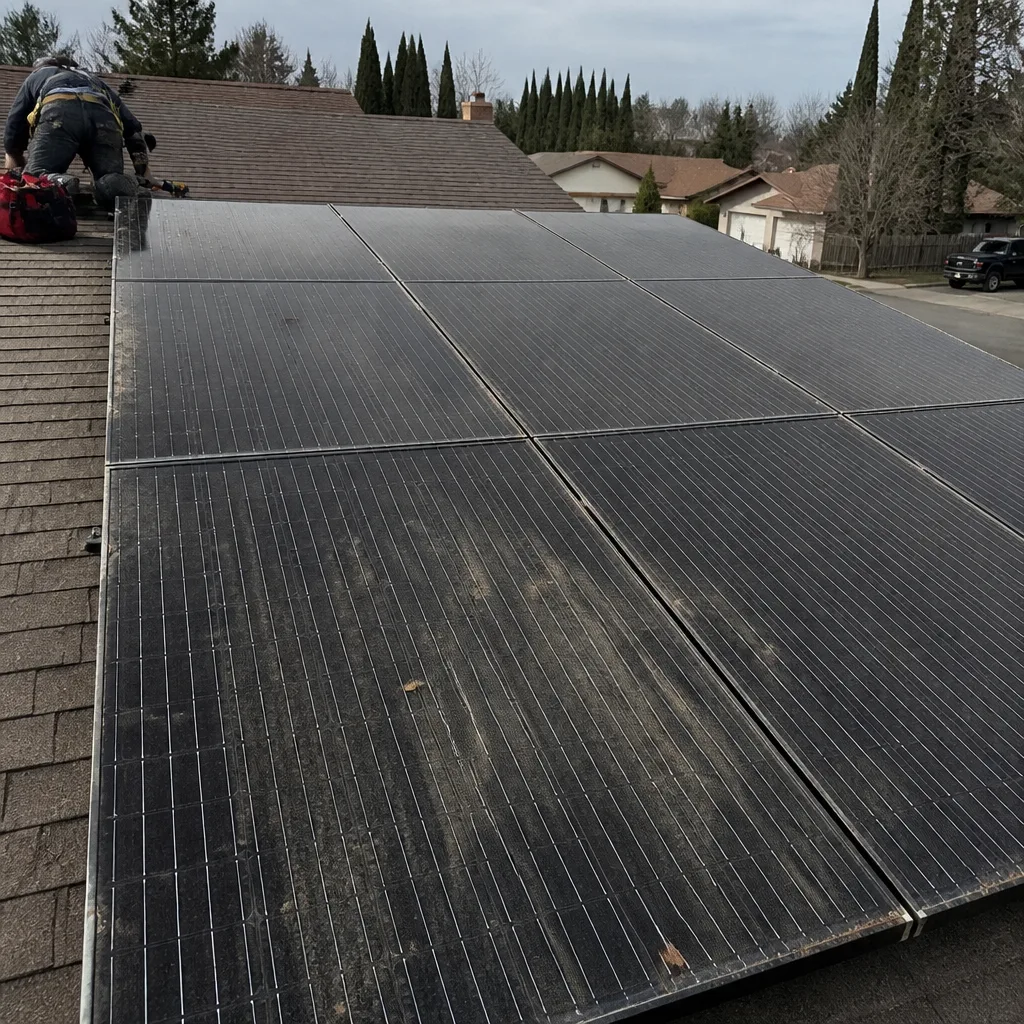 Before
 After
AfterFast, Reliable Solar Panel Installation Across Lake Dallas
Solar panel installation in Lake Dallas typically runs $17,500 to $38,000 before incentives, and most systems pay for themselves in 11 to 14 years given current Denton County utility rates. The bigger question for Lake Dallas homeowners isn’t whether solar works here. It’s whether your roof and electrical panel can actually support it. On the platted lake-lot streets closest to the water, we regularly find that the answer requires some honest conversation about what a 1960s converted cabin needs before panels ever go up. Call (877) 550-6892 and we’ll walk the roof with you before you spend a dollar.
Key Takeaways for Lake Dallas Homeowners
- Lake-facing rear elevations matter. Your best solar plane often faces Lake Lewisville, not the street, which can trigger HOA review.
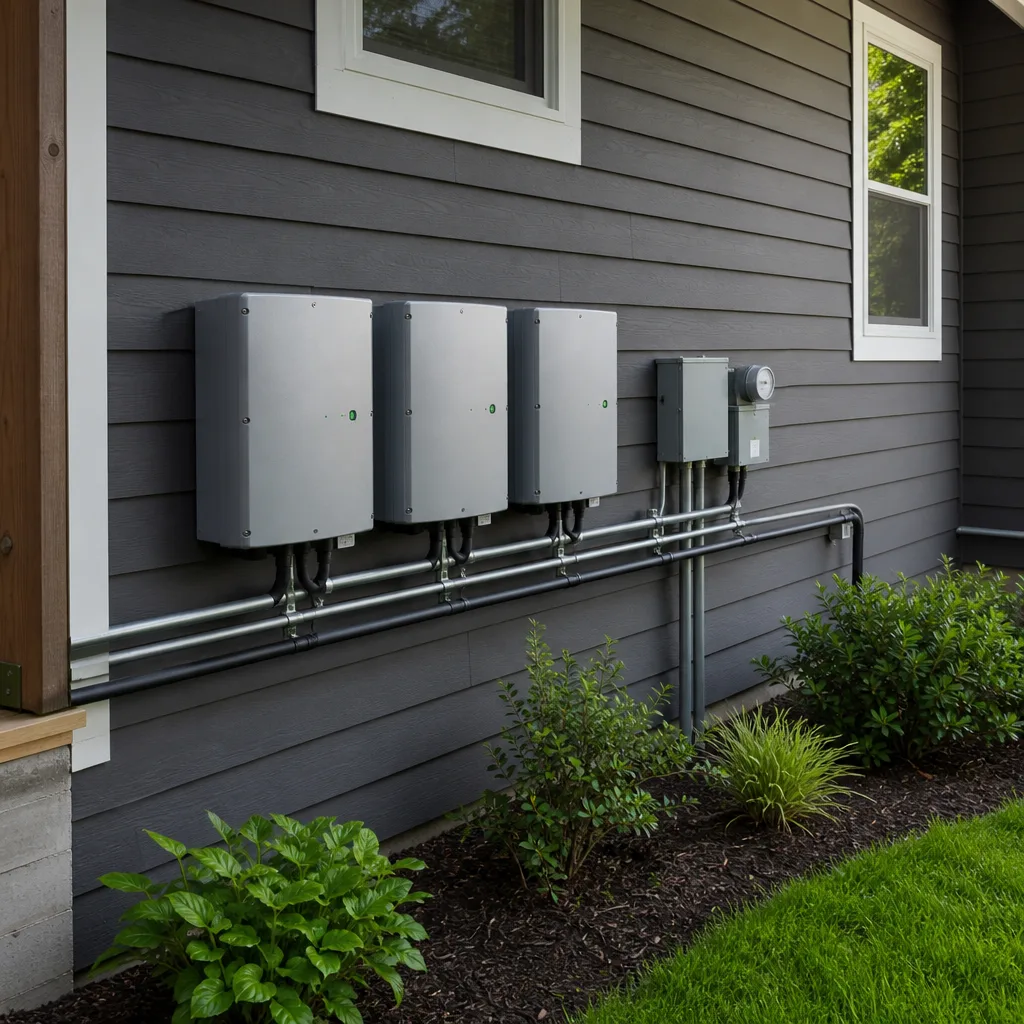
- Panel upgrades are common. Older lake cabins off Lakeshore Drive and Marina Drive routinely need 200-amp service before interconnection approval.
- Hail is a real threat. Denton County sits in Texas’s severe hail corridor; Class 4 impact-rated panels are the practical choice here.
- Pricing is honest and upfront. The number we quote is the number you pay. Bring us a bill, we’ll bring you the math.
Why Gus’s Solar Is Lake Dallas’s Preferred Solar Panel Installation Company
Gus Petrakis founded Gus’s Solar in 2011 and put his own name on the building. That matters in Lake Dallas, where a lot of homeowners got burned by door-knockers quoting one number on the phone and another at the kitchen table. Gus doesn’t do that. He quotes the year-25 output, not the day-one brochure number. If a salesman needs an answer tonight, the answer is no. Gus tells you to take two weeks. Think about it. The price will be the same.
Our crews serve Lake Dallas from our Dallas-Fort Worth office, and when you call, a live person answers 24/7. Not a voicemail. Not a ticketing portal. You call, and someone who knows the Denton County permitting process picks up. When something goes wrong after your system goes live, Gus is the one who calls you. That’s the difference between a local owner-operator and an out-of-state installer that disappears once the paperwork clears.
The team is background-checked and uniformed. You’ll know exactly who’s on your roof before they set foot on the ladder. And every job carries the 90-Day Done Right Promise in writing. If it’s not done right, Gus makes it right. One call brings him back.
Our Solar Panel Installation Services in Lake Dallas
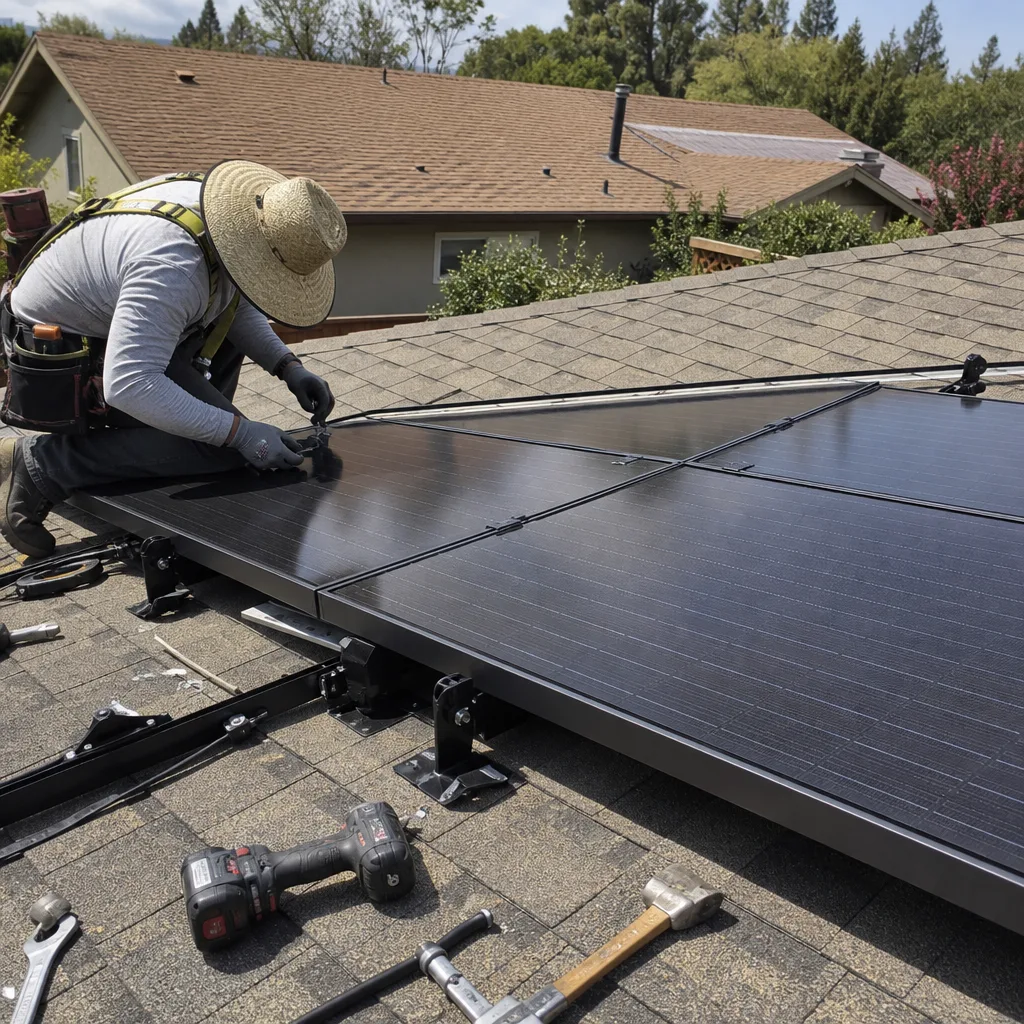
Rooftop Solar Installation
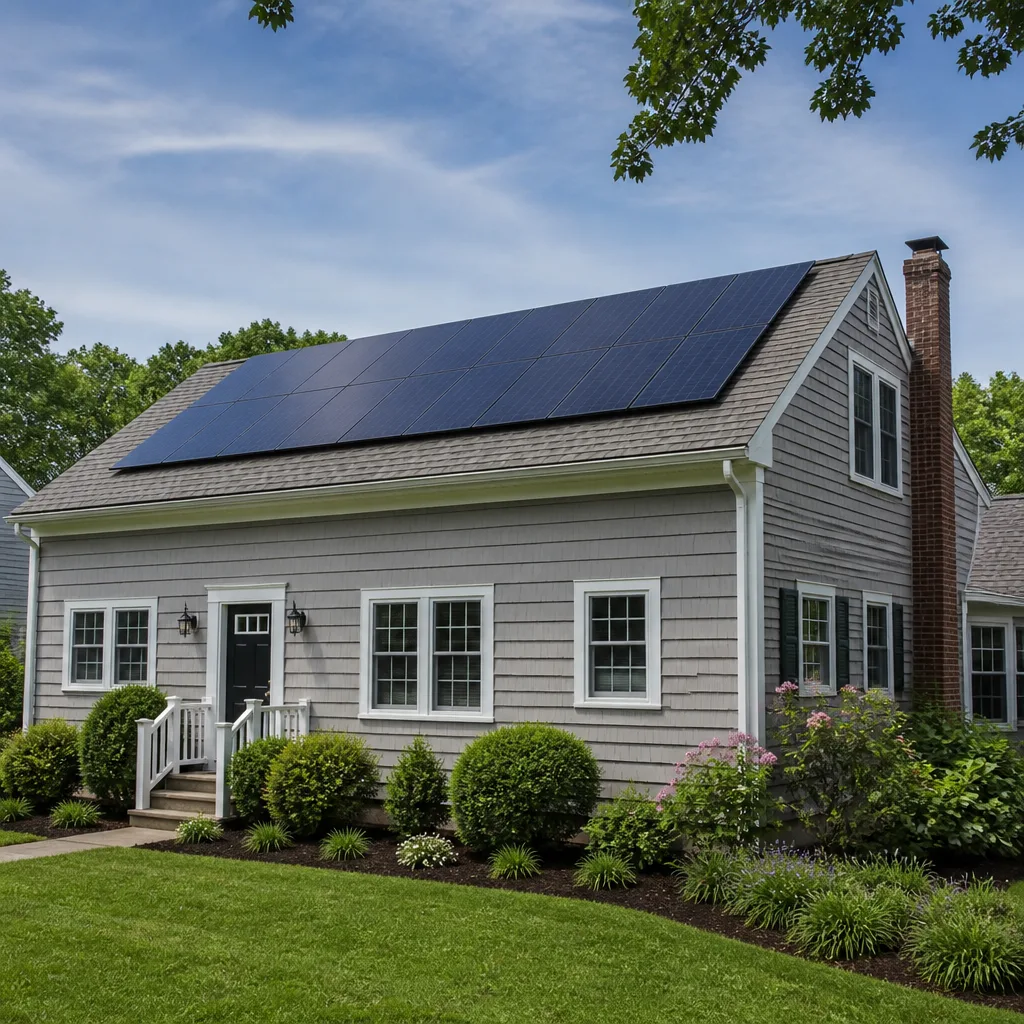
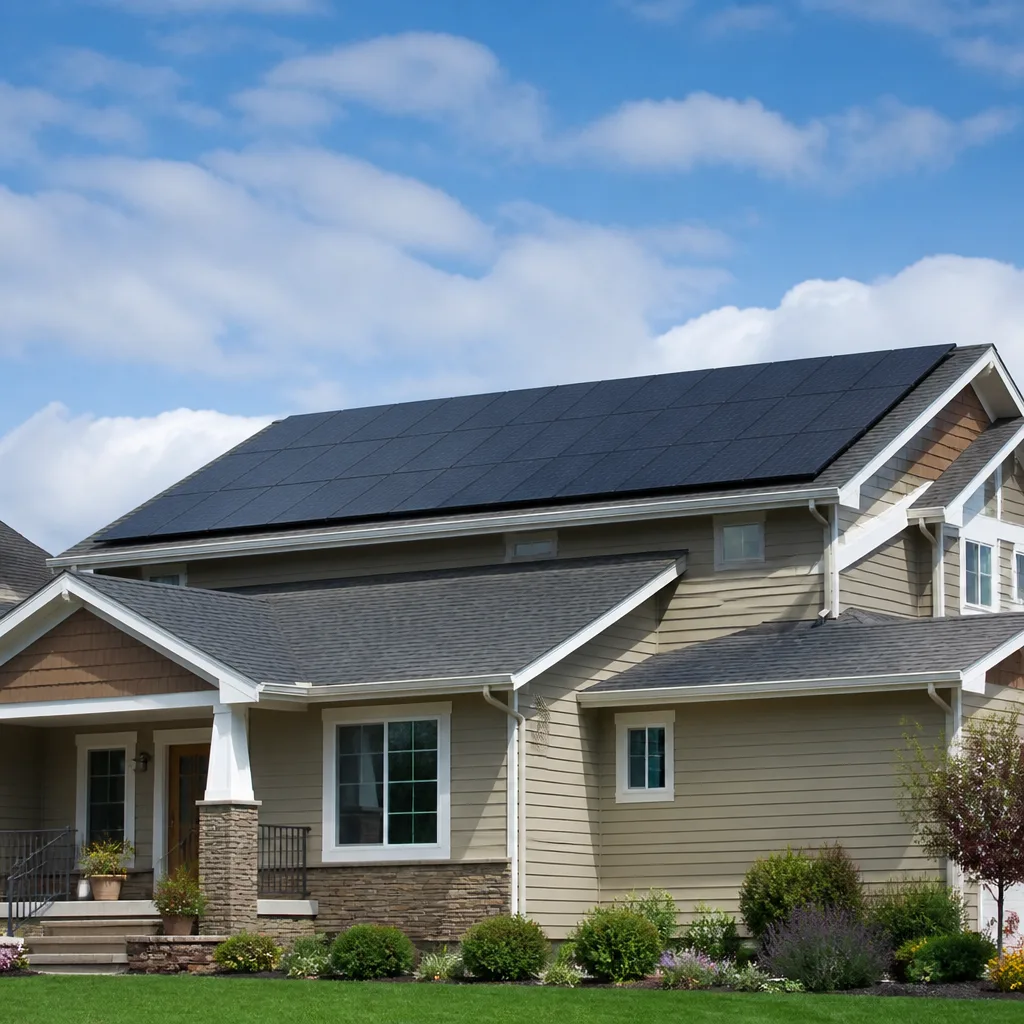
A typical rooftop solar install in Lake Dallas runs $17,500 to $38,000 before the federal tax credit, depending on system size and whether your roof needs reinforcement first. For older lake cabins with low pitches and small footprints, a 6 to 8 kW system on the best plane is often the realistic ceiling rather than the starting point. We install Qcells, REC, and SunPower panels, and our Solar Panel Installation team sizes every array off your actual utility bill, not a brochure estimate.
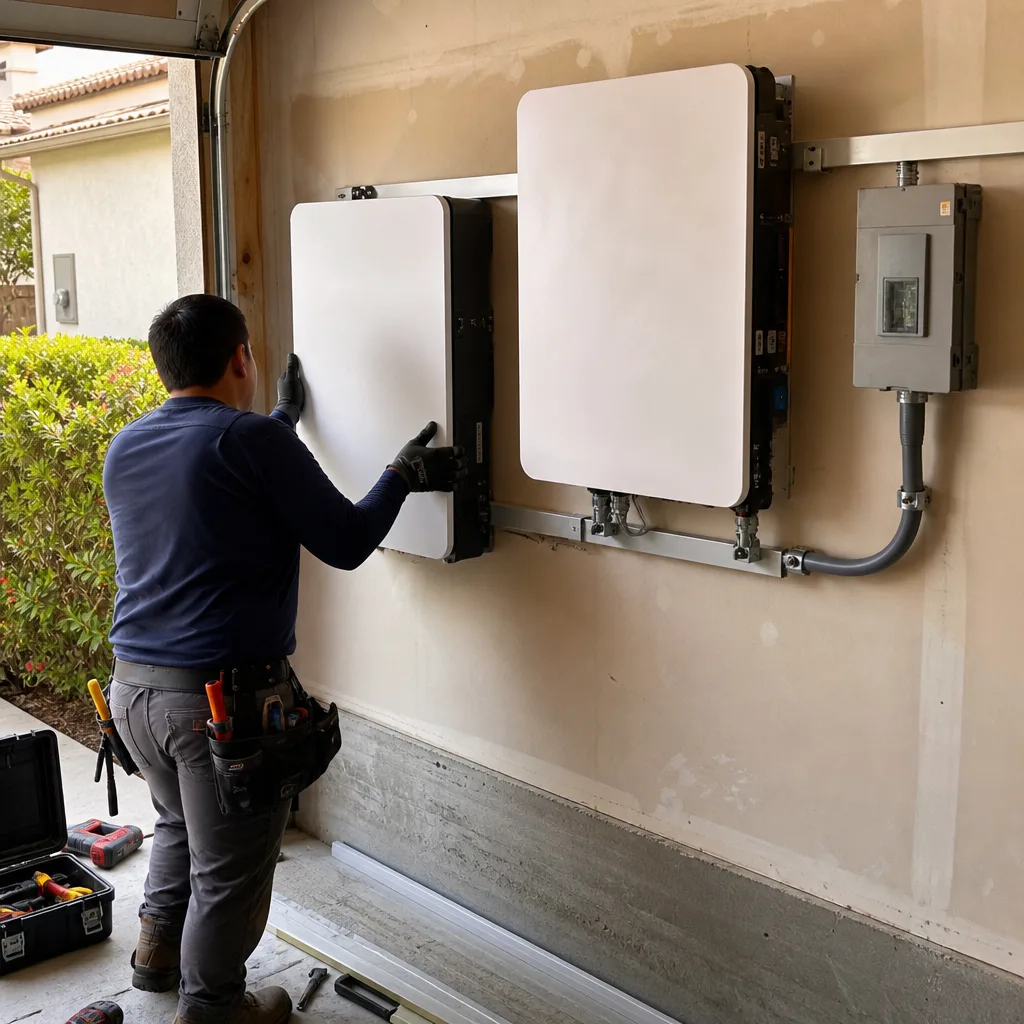
Solar System Design & Permitting
In Lake Dallas, design and permitting is where the real work happens. Denton County and the City of Lake Dallas both have requirements, and if your array faces the lake on the rear elevation, you may also have an HOA architectural review to clear. We handle the full plan set, the structural engineering review for older roofs, the HOA documentation, and the utility interconnection paperwork. Expect permitting to add 2 to 6 weeks depending on whether the HOA gets involved.
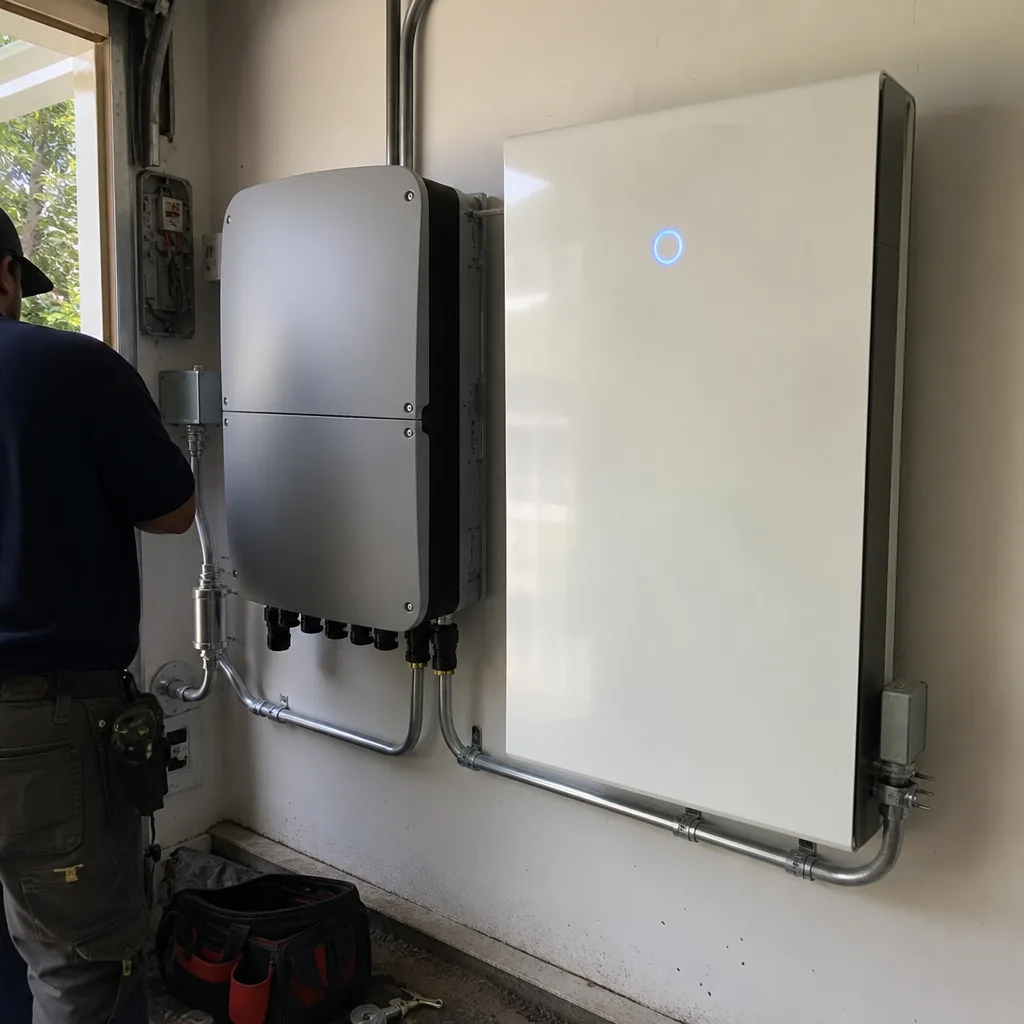
Solar Panel Replacement
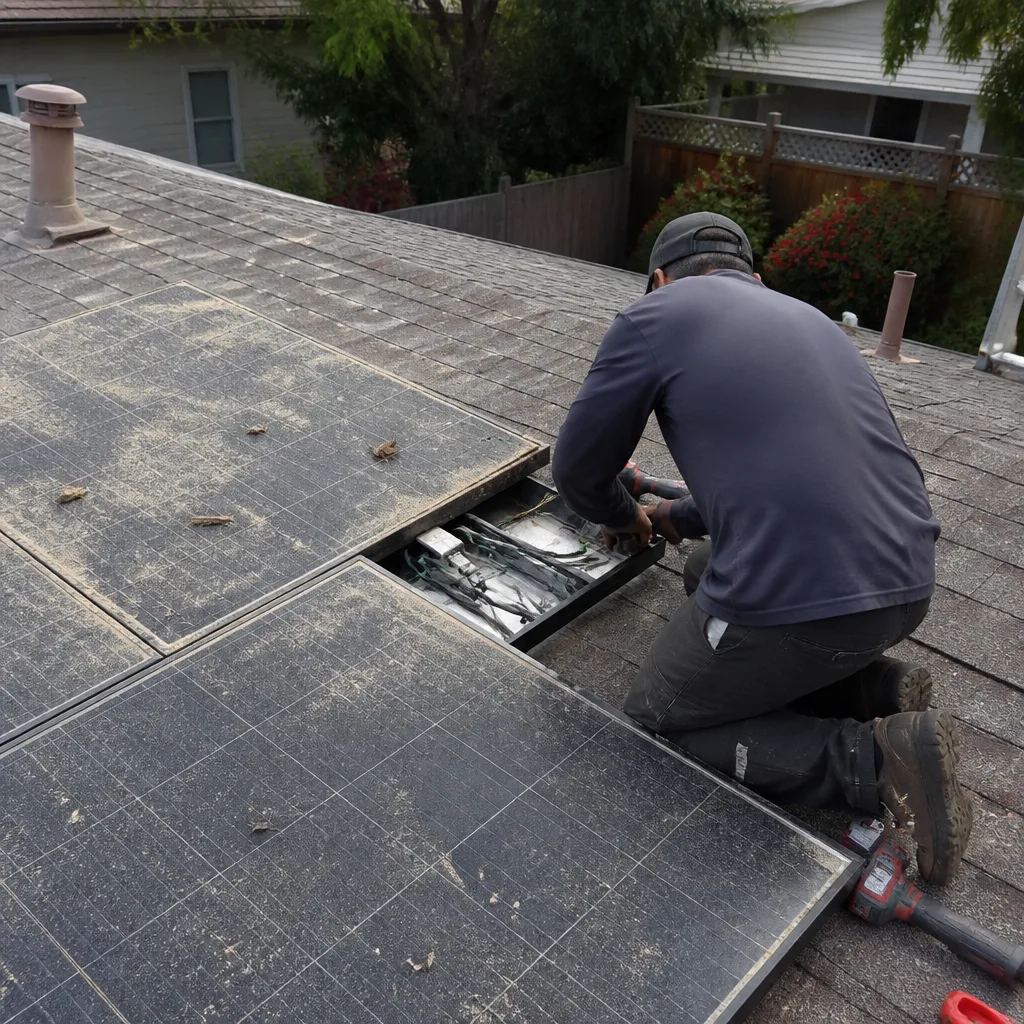
Hail damage and microcracking from roof deflection are the two big reasons Lake Dallas homeowners need panel replacement. If hail cracks a panel on a converted cottage off Lakeshore Drive, we can usually replace just the affected unit for $400 to $900 including labor, assuming the racking is still sound. If multiple panels fail or the system is more than 15 years old, we’ll give you a straight comparison between replacing panels versus rebuilding the array with current equipment.
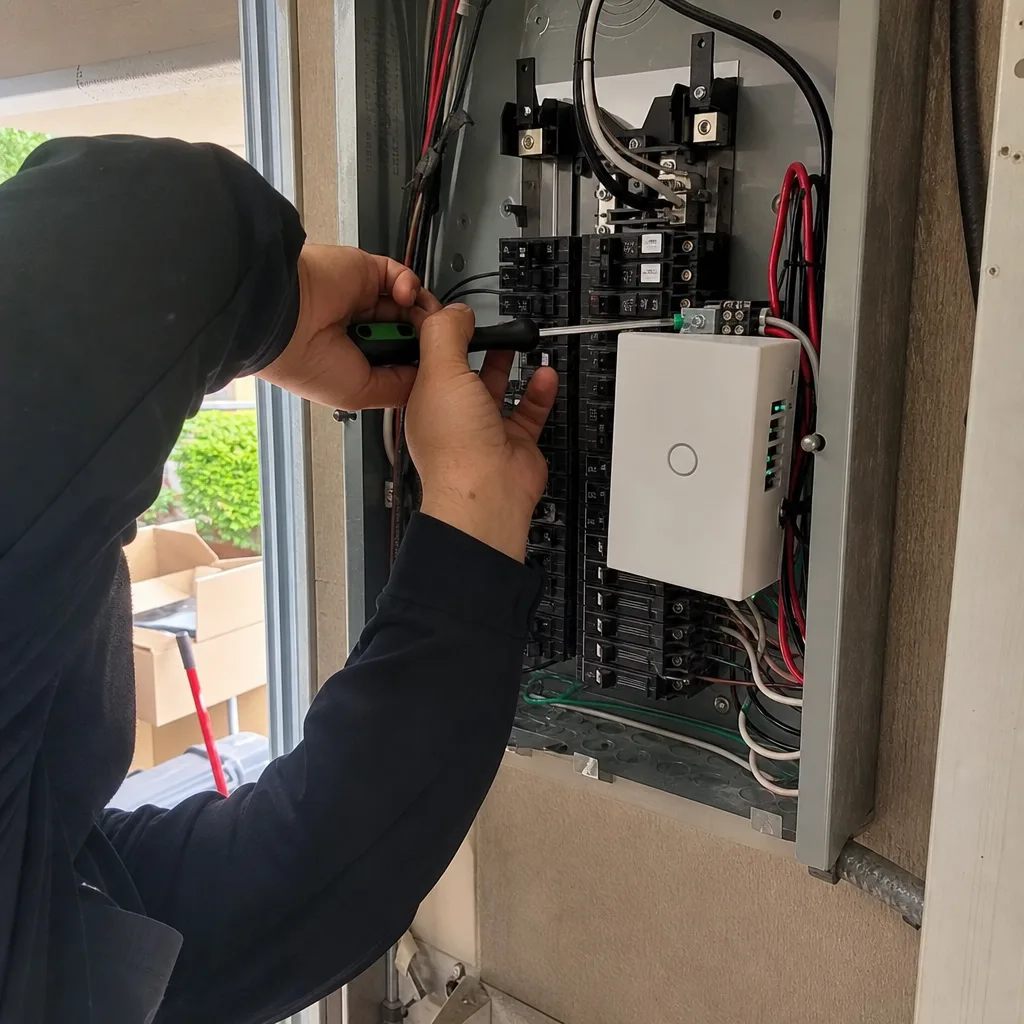
Roof-Mount & Tile Roof Solar
Lake Dallas has very little true tile roof stock, but we do see some Spanish tile on 1990s and 2000s infill construction near the Highland Village Road corridor. On those homes, tile adds $1,000 to $2,500 to the install cost for specialized mounting hardware and careful flashing. On the older comp-shingle cottages, the bigger issue is wood rot and skip sheathing, not tile. We inspect every rafter before we mount anything.
What happens when you call
- 1
A real person answersNo phone trees - you reach a local pro.
- 2
You get an upfront price rangeHonest numbers before anyone is dispatched.
- 3
A background-checked tech heads outLicensed & insured, dispatched right away.
- 4
You approve before work beginsNothing starts until you say go.
Trusted Brands We Service in Lake Dallas
We install Qcells, REC, and SunPower panels, and we keep common replacement parts stocked locally so a service call to Lake Dallas doesn’t turn into a two-week wait on a freight shipment. Lake Dallas homeowners with salt-and-humidity exposure near the lake get marine-grade anodized aluminum racking and coated stainless hardware. That’s not an upsell. It’s what keeps a system from corroding out ten years early.
Common Solar Panel Installation Problems We See in Lake Dallas Homes
- Rear-facing roof planes that trigger HOA review. Many converted lake cottages were built with the living space oriented toward Lake Lewisville, so the best solar face is the rear elevation, not the street front. HOAs often require architectural committee approval for rear arrays, which adds 2 to 4 weeks and sometimes forces panel relocation that cuts your kWh offset. We handle the paperwork and design around it from day one.
- Roof deflection on old skip-sheathing cabins. The 1950s to 1970s lake cottage stock often has skip sheathing and undersized rafters that flex under panel load. That flex causes microcracking in the panels and eventually water intrusion at the mounting points. We reinforce trusses and add solid decking where needed before mounting anything.
- Undersized 100-amp electrical panels. Most original lake cabins in the 75065 ZIP code were built with 100-amp service, and a grid-tied solar system needs 200-amp capacity to pass interconnection review. If your panel is original, expect a $2,500 to $5,000 upgrade line item. There’s no way around it. The utility simply won’t approve the system until it’s done.
- Corrosion from lake-adjacent humidity. Proximity to Lake Lewisville raises local humidity compared to inland DFW suburbs like Flower Mound or Highland Village, which accelerates corrosion on aluminum racking and MC4 connectors. We use marine-grade hardware as standard on lake-facing installations. Cheaper installers skip it, and the connectors fail within five years.
Pricing for Solar Panel Installation in Lake Dallas, TX
| Service | Typical Range in Lake Dallas |
|---|---|
| Complete rooftop system (6-8 kW) | $17,500 - $38,000 before tax credit |
| Roof reinforcement for older lake cottages | $2,000 - $6,000 |
| Electrical panel upgrade (100-amp to 200-amp) | $2,500 - $5,000 |
| HOA documentation and design revisions | $300 - $900 |
| Single panel replacement (hail or microcracking) | $400 - $900 including labor |
| Tile roof mounting (1990s+ infill homes) | $1,000 - $2,500 |
These are real numbers for Lake Dallas’s market, built off actual bills and actual roofs we’ve climbed. The big variables are roof age, electrical capacity, and whether your HOA requires design changes. We don’t quote a generic brochure figure and then change it at the door. The price we give you is the price you pay. Call (877) 550-6892 for a free estimate. Bring me a bill, I’ll bring you the math.
A Lake Dallas Field Story
On a 1960s converted cottage off Lakeshore Drive, we found the rear-facing roof plane aimed straight at Lake Lewisville was the only surface with usable azimuth. The original skip sheathing sagged under load, and the 100-amp panel was corroded from decades of lake humidity. We reinforced the trusses, upgraded the electrical service to 200-amp, and installed REC panels with marine-grade anodized aluminum racking. The same spec would have been overkill three miles inland in Corinth. On a lake-front lot in Lake Dallas, it was the minimum that made sense.
Why Lake Dallas’s Geography Changes the Solar Conversation
Lake Dallas sits on the northern shore of Lake Lewisville, and that single fact shapes nearly every system we design here. Lake-facing rear elevations on many platted lake-lot properties point southward, which is the optimal solar orientation in the Northern Hemisphere. But those same homes were largely built as compact 1950s to 1970s weekend cottages with small, unconventional rooflines. The south-facing face is often on the rear elevation, not the street front, which means the best array location can trigger HOA aesthetic review that a straightforward street-facing install would skip entirely. The converted vacation-home stock creates a city-specific tension between excellent solar exposure and constrained mounting conditions that neighbors in flat-grid suburbs like Corinth or Hickory Creek simply don’t face.
The housing stock in the 75065 ZIP code is a distinctive mix of post-WWII lake cabins converted to primary residences, alongside 1990s to 2010s infill suburban construction. The older cabins frequently need electrical panel upgrades to 200-amp service before any grid-tied solar system can be commissioned. Denton County also sits in Texas’s severe hail corridor, so IEC 61215 Class 4 impact-resistant panels are a practical standard here rather than an optional upgrade. Golf-ball-sized hail events occur multiple times per decade, and panels that survive a direct hit are the difference between a system that lasts 25 years and one that needs replacement after the next spring storm.
We Also Serve Cities Near Lake Dallas
Our crews work throughout the Lake Lewisville corridor, including Corinth, Highland Village, Lewisville, and Flower Mound. Each city has its own permit quirks and HOA cultures, but the fundamentals stay the same: honest numbers, no pressure, and a written guarantee that the work gets done right. If you’re in one of those communities, you’re still getting Gus’s name on the job and a live person on the phone.
Serving Lake Dallas, TX - Our Local Coverage Area
We’re based in the Lake Dallas area and know this community well. Use the map below to see our service coverage - if you’re nearby, we can almost certainly help.
FAQs - Solar Panel Installation in Lake Dallas
Your HOA cannot legally block solar panels under Texas Property Code 202.010, but an HOA can require architectural review for rear-facing arrays, and that review typically adds 2 to 4 weeks to the timeline. Some HOAs try to force panel relocation to a less productive roof face, which we push back on with production modeling that shows exactly what the kWh loss would be. We handle the paperwork and the meetings. Most Lake Dallas HOA cases resolve without relocating the array, but you should expect the process to take longer than an interior street installation. Call (877) 550-6892 and we’ll tell you what your specific HOA rules actually say.
Lake-adjacent humidity in Lake Dallas accelerates corrosion on standard aluminum racking and MC4 connectors, especially on homes within a quarter mile of the shoreline. We use marine-grade anodized aluminum racking and coated stainless hardware as standard on lake-facing installations, and we inspect connectors annually on our maintenance visits. If a cheaper installer skips the marine-grade hardware, the connectors usually fail within five years and the repair cost eats into your savings.
Most original lake cottages in Lake Dallas were built in the 1950s through 1970s with 100-amp electrical service, and a grid-tied solar system requires 200-amp capacity to pass utility interconnection review. The upgrade typically costs $2,500 to $5,000 and takes one to two days. There’s no way around it. The utility simply won’t approve the system until the panel is upgraded, and we include it in the quote from day one so there are no surprises at inspection time.
Yes, but the system size will be smaller than what you see on newer suburban homes. A typical lake cottage roof in Lake Dallas can support a 6 to 8 kW array on the best-plane surface, provided the roof structure is reinforced first. The south-facing rear elevation near the lake is often the single best surface on the property. We’ve seen properly designed systems on these small roofs offset 70 to 90 percent of the homeowner’s annual usage. The real constraint isn’t production. It’s structural capacity and usable square footage.
Denton County sits in Texas’s severe hail corridor, and golf-ball-sized hail occurs multiple times per decade. For Lake Dallas homes, IEC 61215 Class 4 impact-resistant panels are a practical standard, not an optional upgrade. Qcells and REC both make Class 4-rated panels that hold up well to North Texas hail, and we routinely recommend them for lake-front and exposed-roof installations. A standard panel might survive one moderate storm. A Class 4 panel is built to survive the next ten.
Call Gus’s Solar for Solar Panel Installation in Lake Dallas
Take two weeks. Think about it. The price will be the same. When you’re ready, call (877) 550-6892 for a free estimate on your Lake Dallas solar installation. Gus Petrakis answers his own phone, and he’ll tell you straight what your roof needs, what your utility bill says, and what the year-25 output really looks like. No pressure. No voicemail. No disappearing act.
Written by Gus Petrakis, Owner at Gus’s Solar, serving Lake Dallas and the Lake Lewisville corridor since 2011.